Kokusai Norengai (国際通りのれん街), introduced in a previous account.
Okinawa travel: an abbreviated source-preview title about Kokusai Norengai as a 2022 destination with 1980s–1990s retro atmosphere…
An abbreviated source-preview excerpt: eating and drinking are part of travel’s appeal; Kokusai Street draws domestic and overseas visitors, with retro markets tucked into its lanes…
errdaytrip.com
For eating and drinking on Kokusai Street, I could hardly avoid recommending senbero.
Senbero (せんべろ) combines sen, “one thousand,” with bero, “tipsy.” The source describes an Okinawan JPY 1,000 offer of three drinks and one snack.
Many people came for senbero, and we encountered it at many shops in the area.
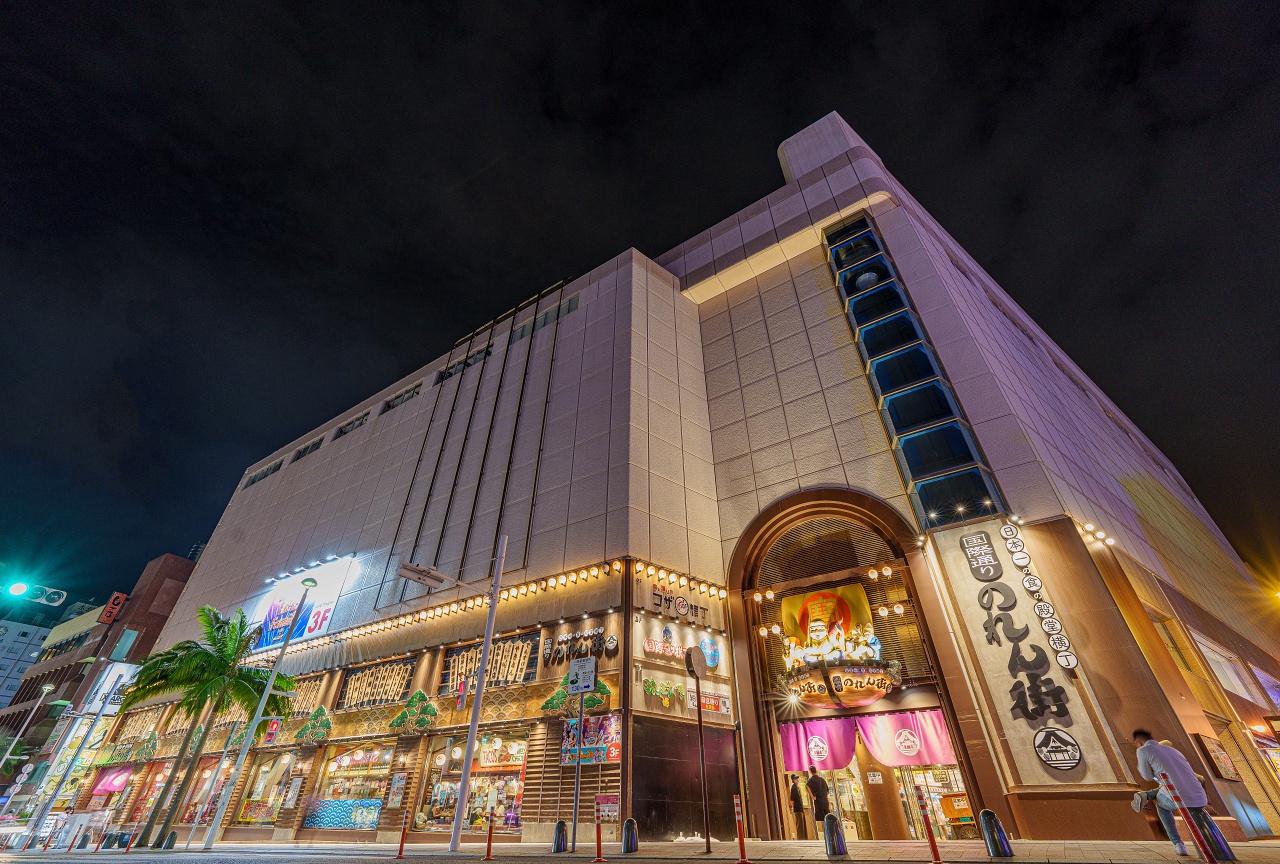
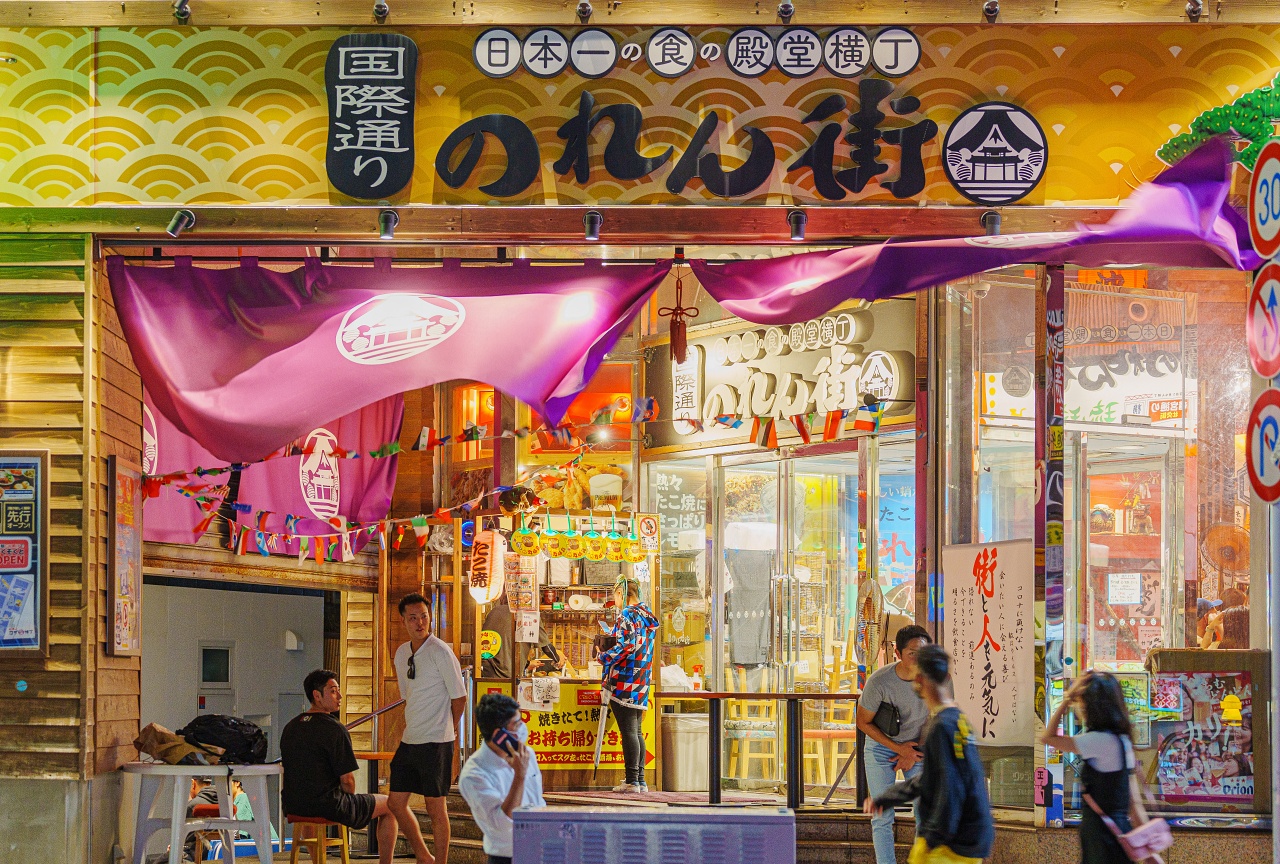
Kokusai Norengai stood beside the Starbucks building near the middle of Kokusai Street.
The source traces the site from Mitsukoshi department store through Happy Naha and Ryukyu Kingdom Market to its rebirth as Kokusai Norengai in the pandemic year 2020.
Kokusai Street is familiar to both domestic and overseas visitors.
Its lane-side markets were a wonderful place for anyone who likes retro atmosphere.
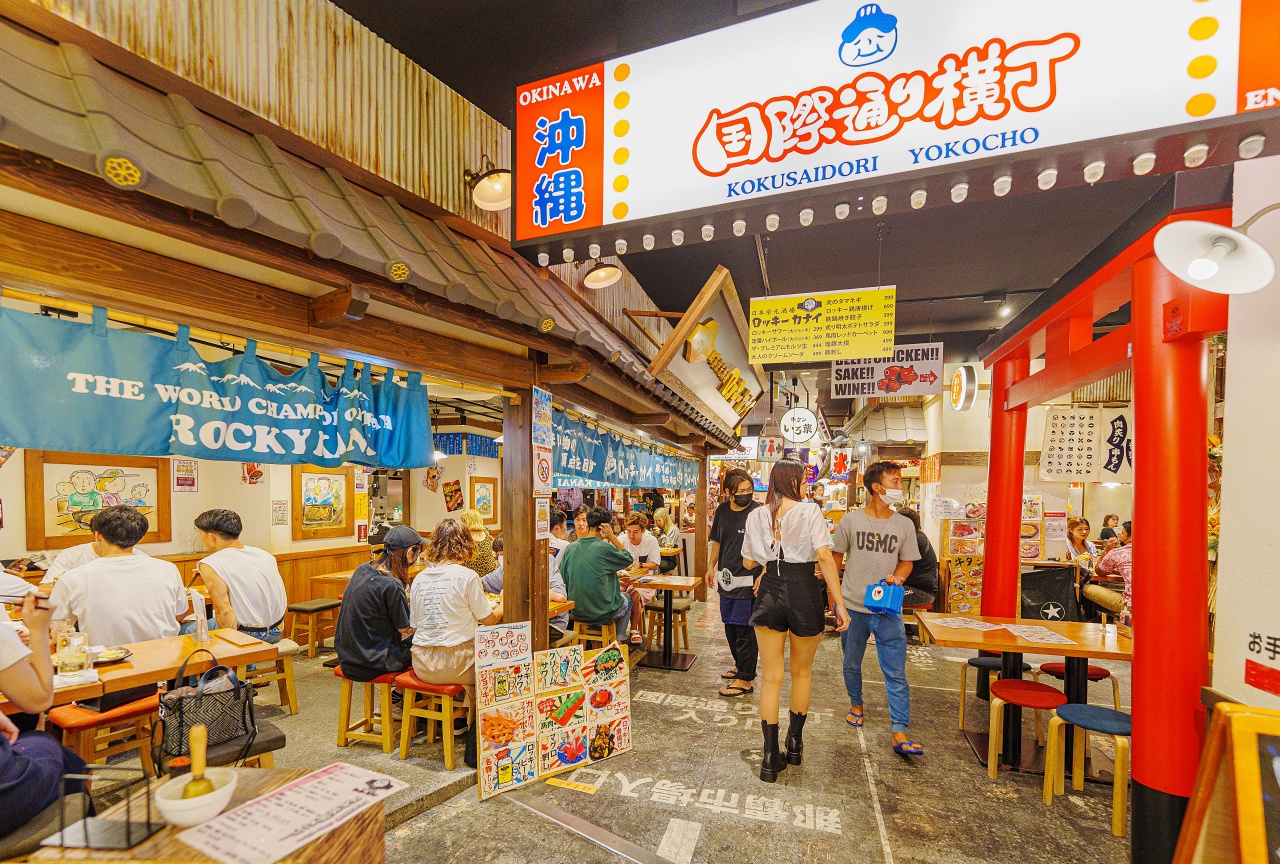
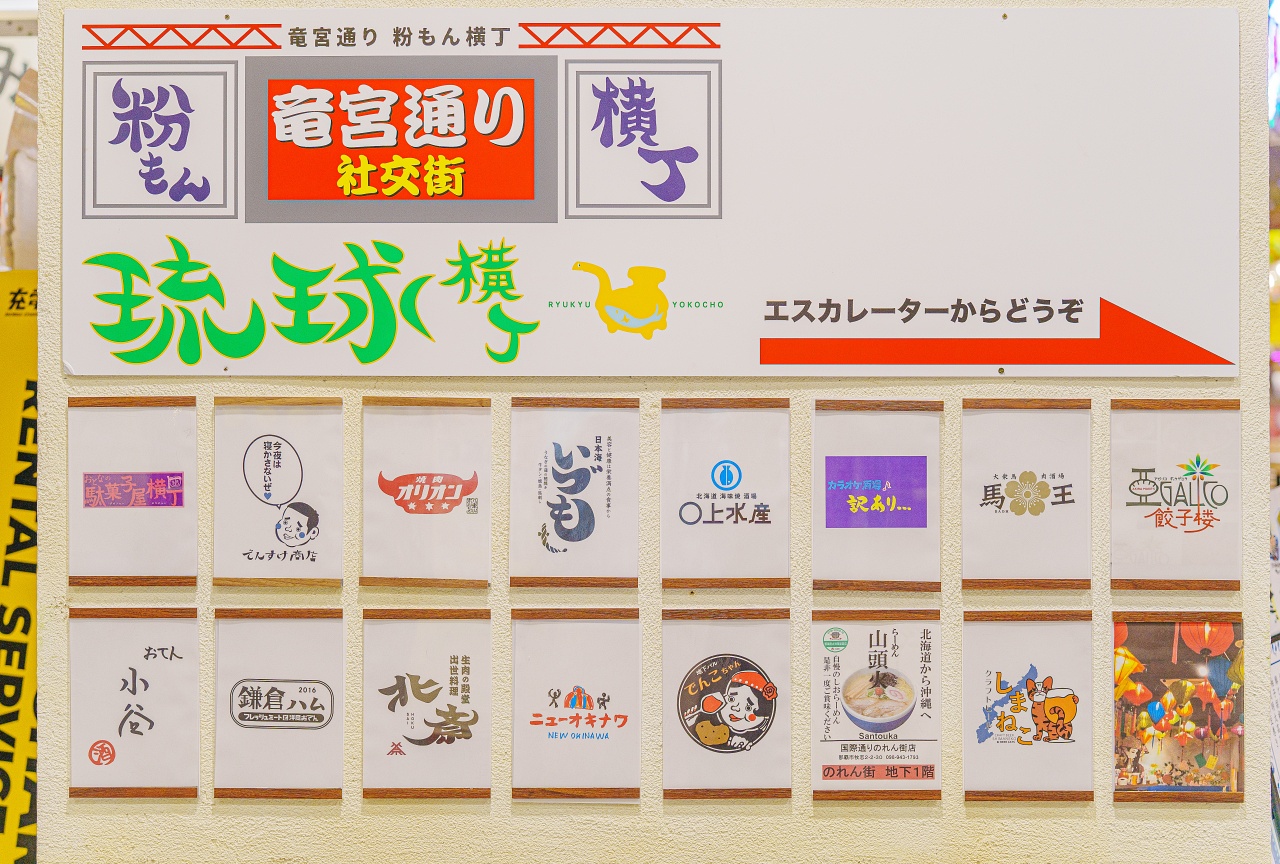
Ramen senbero was offered at Santouka (山頭火) on Ryugu-dori (竜宮通り), within B1’s Ryukyu Yokocho (琉球横丁).
Santouka originates in Asahikawa, Hokkaido, and is known for carefully simmered pork-bone soup, especially its shio ramen.

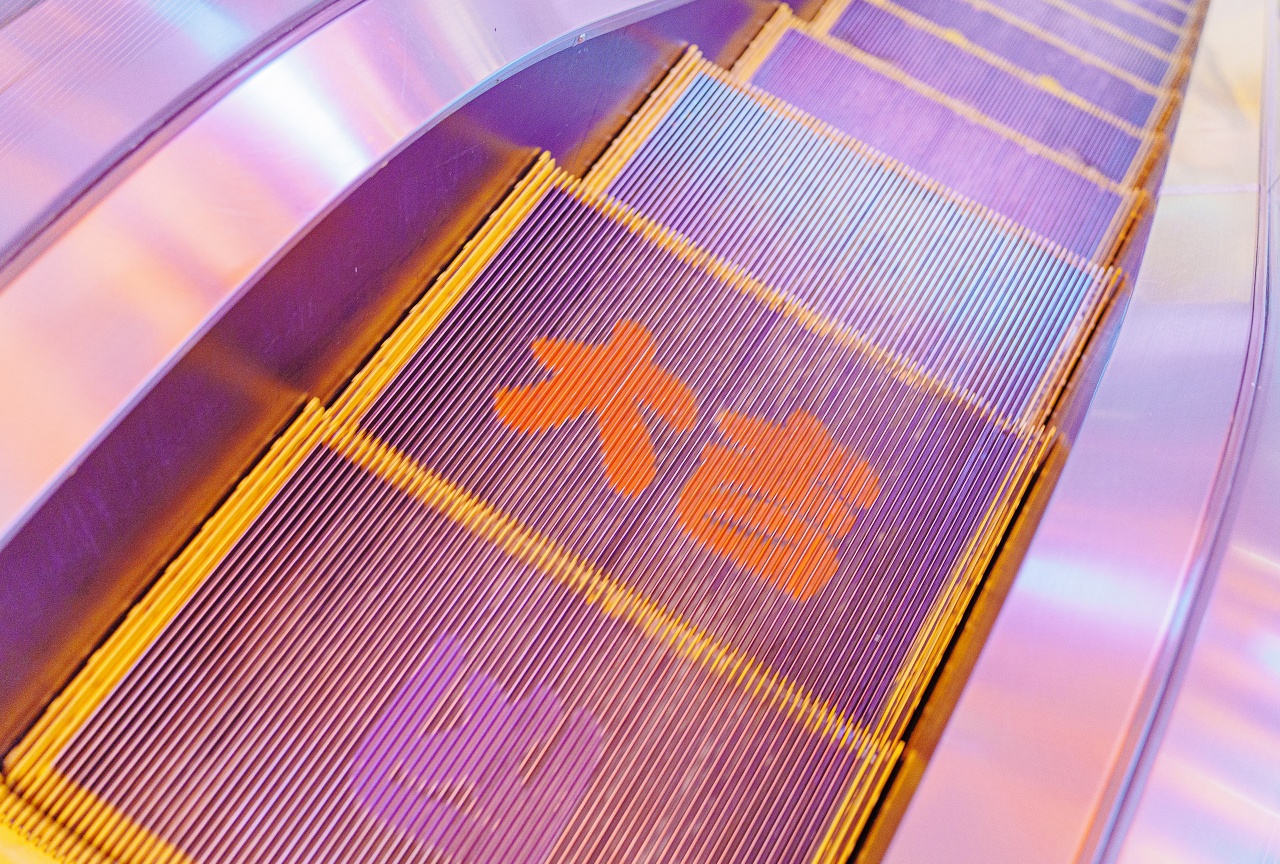
We went down on the “omikuji escalator.”
Omikuji (おみくじ) are fortune slips drawn at Japanese shrines and temples.
The source lists fortunes in the order great blessing (大吉), middle blessing (中吉), small blessing (小吉), bad luck (凶), and great misfortune (大凶). It treats them as a bit of fun rather than something to worry about.
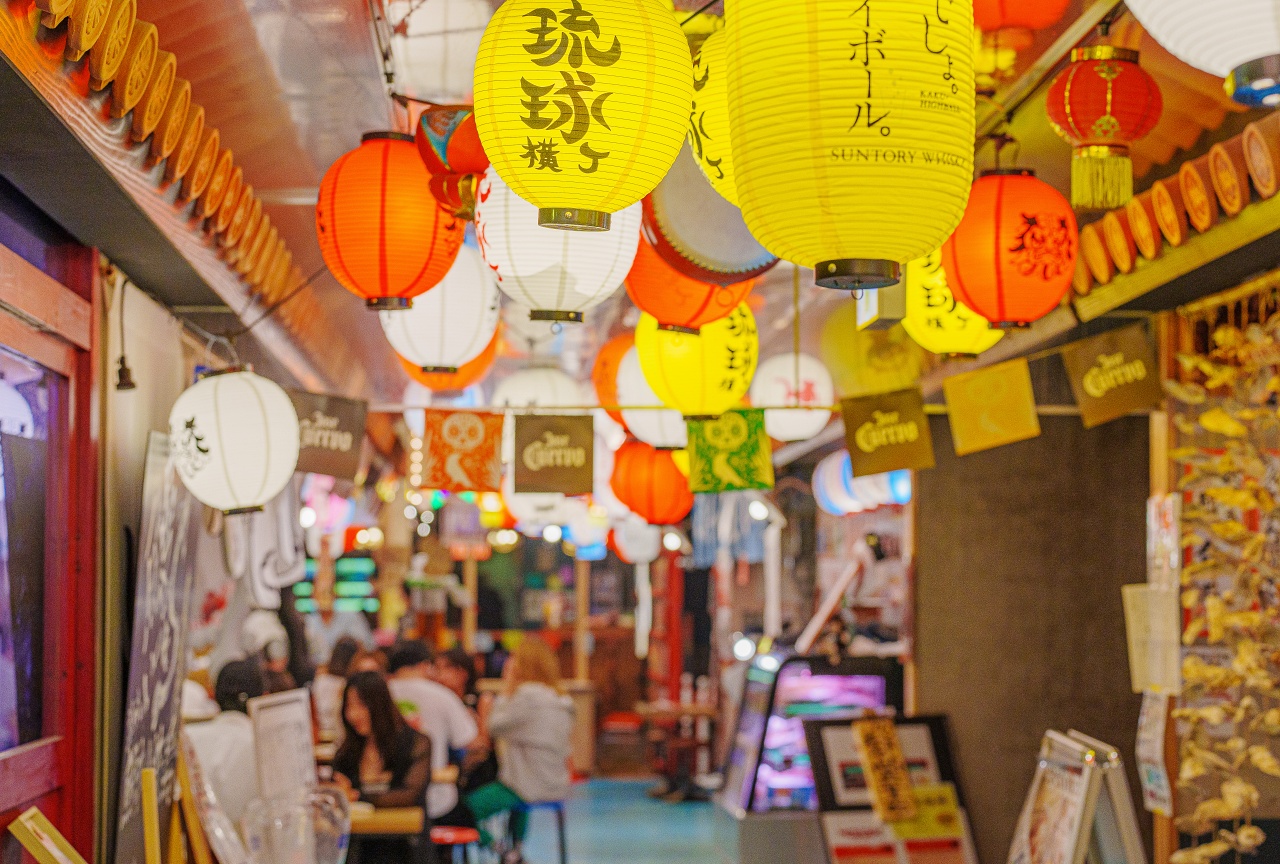
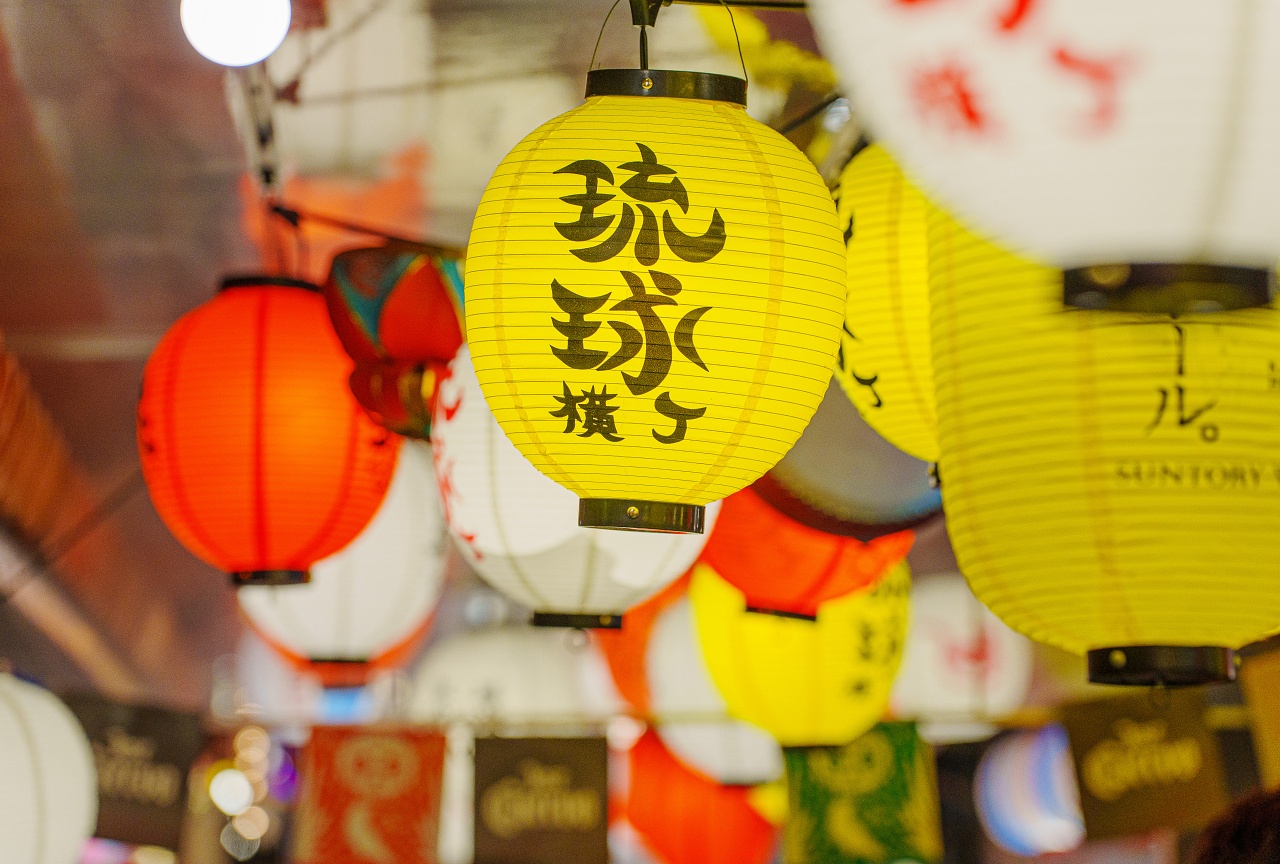
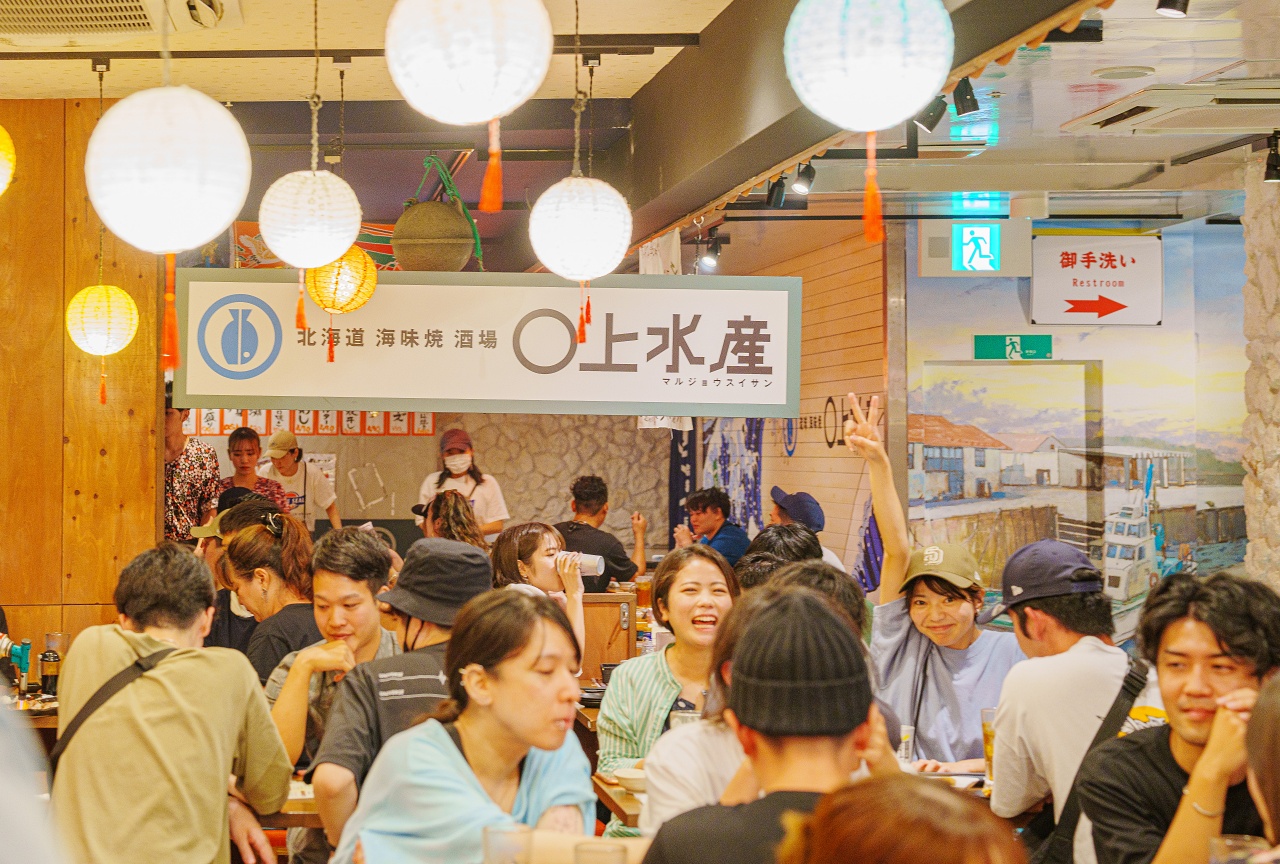
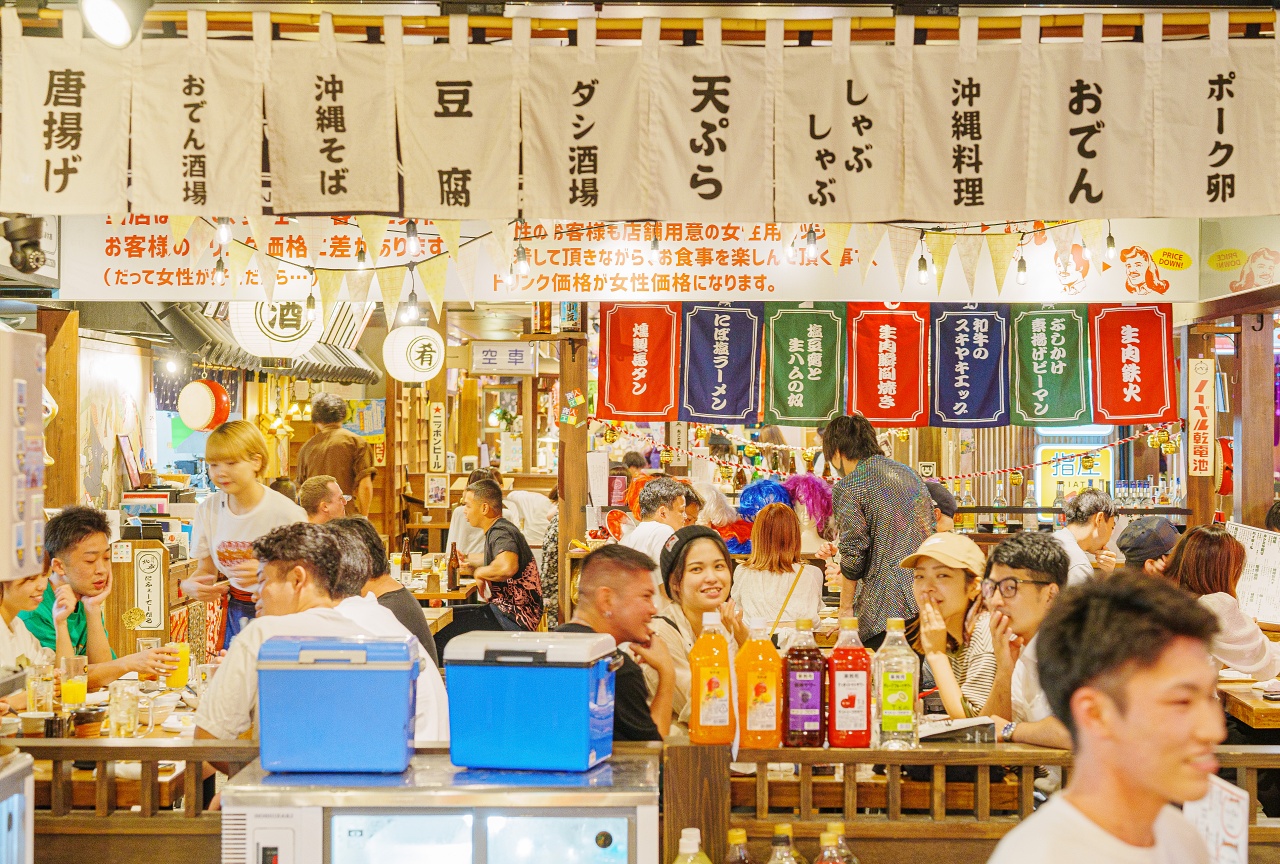
Ryukyu Yokocho had a colorful, lively atmosphere.
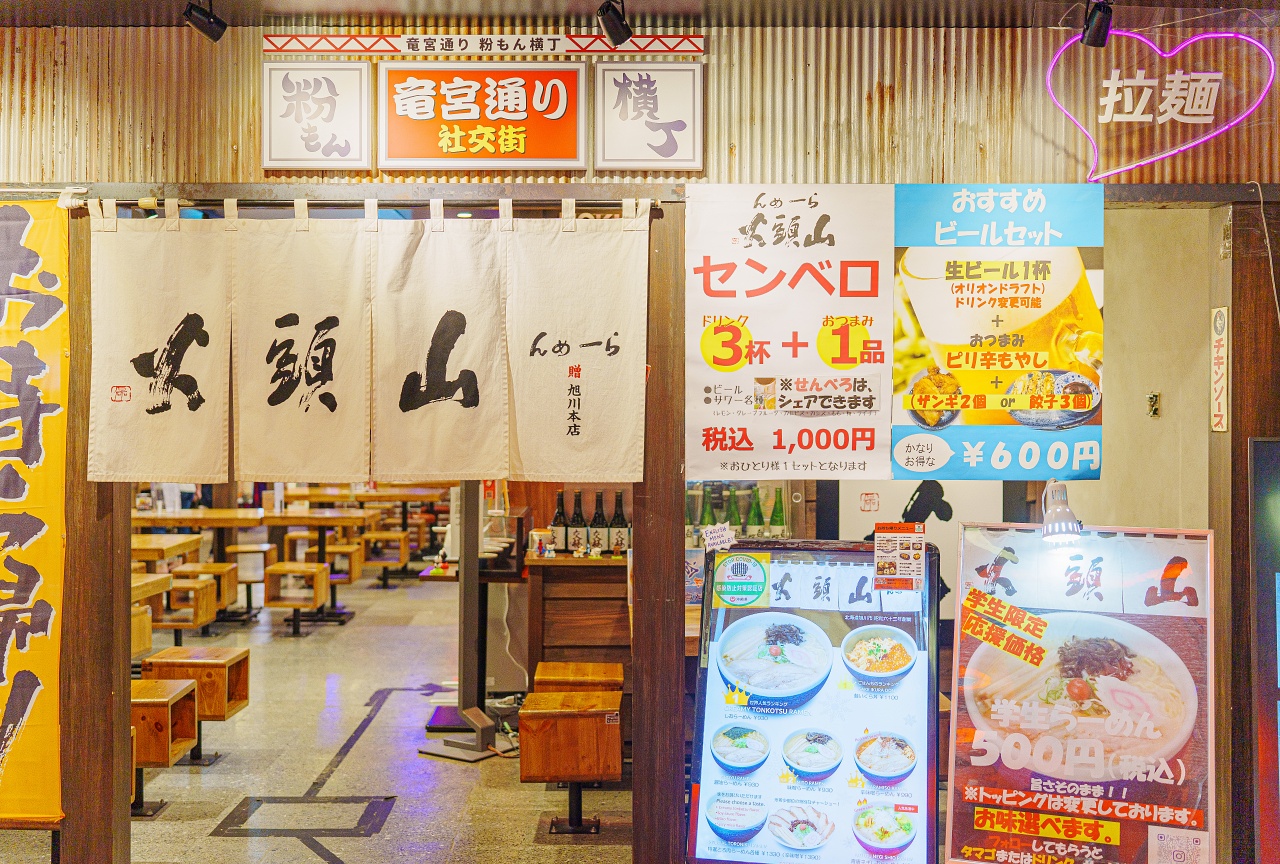
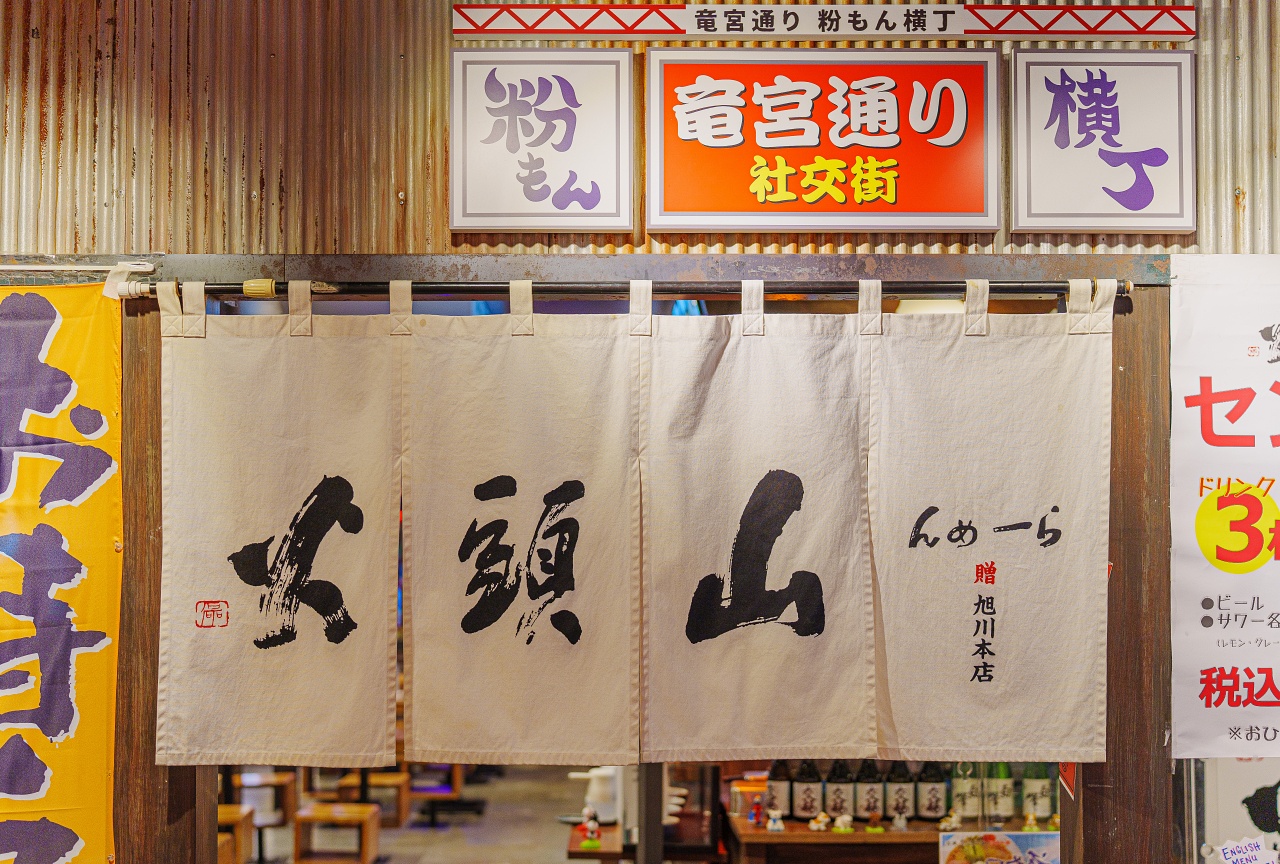
Further in, we reached Ryugu-dori and Santouka.
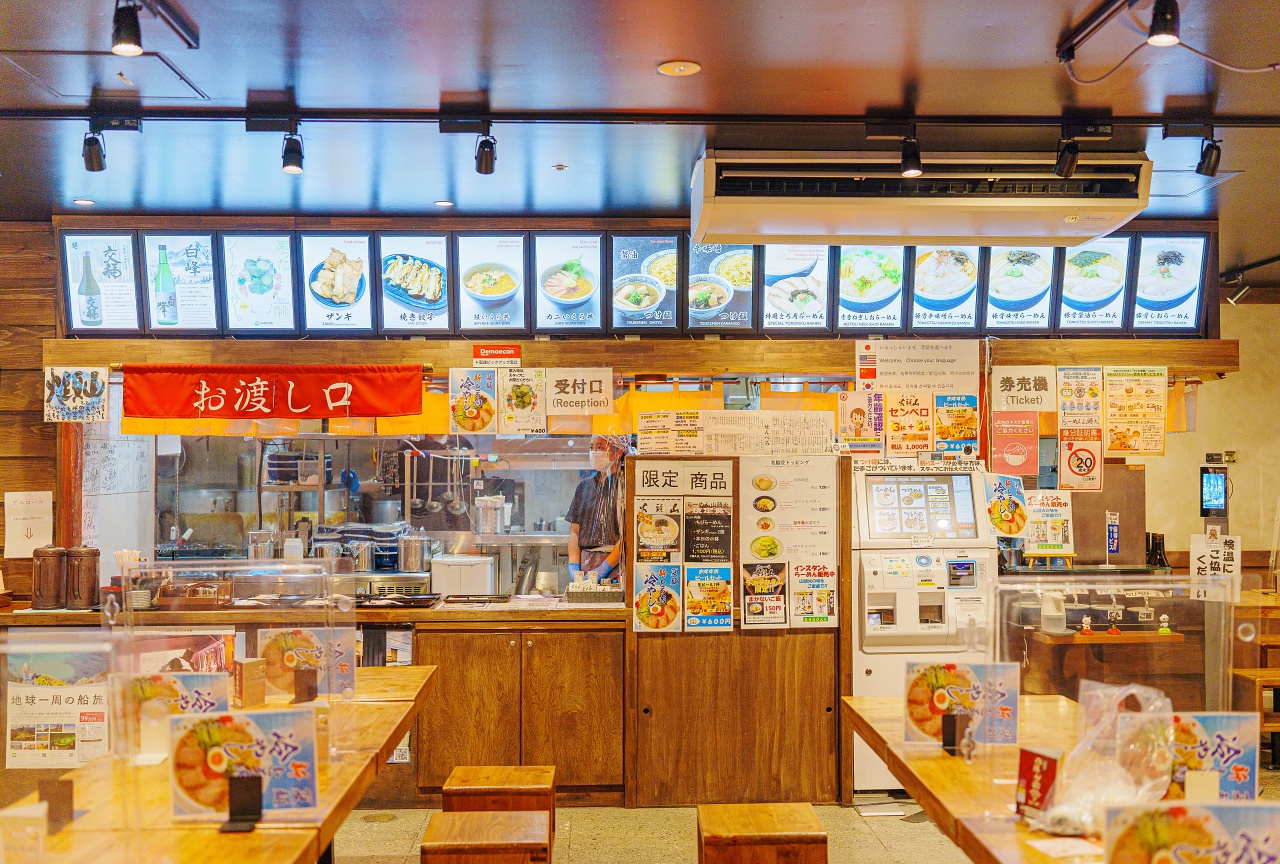
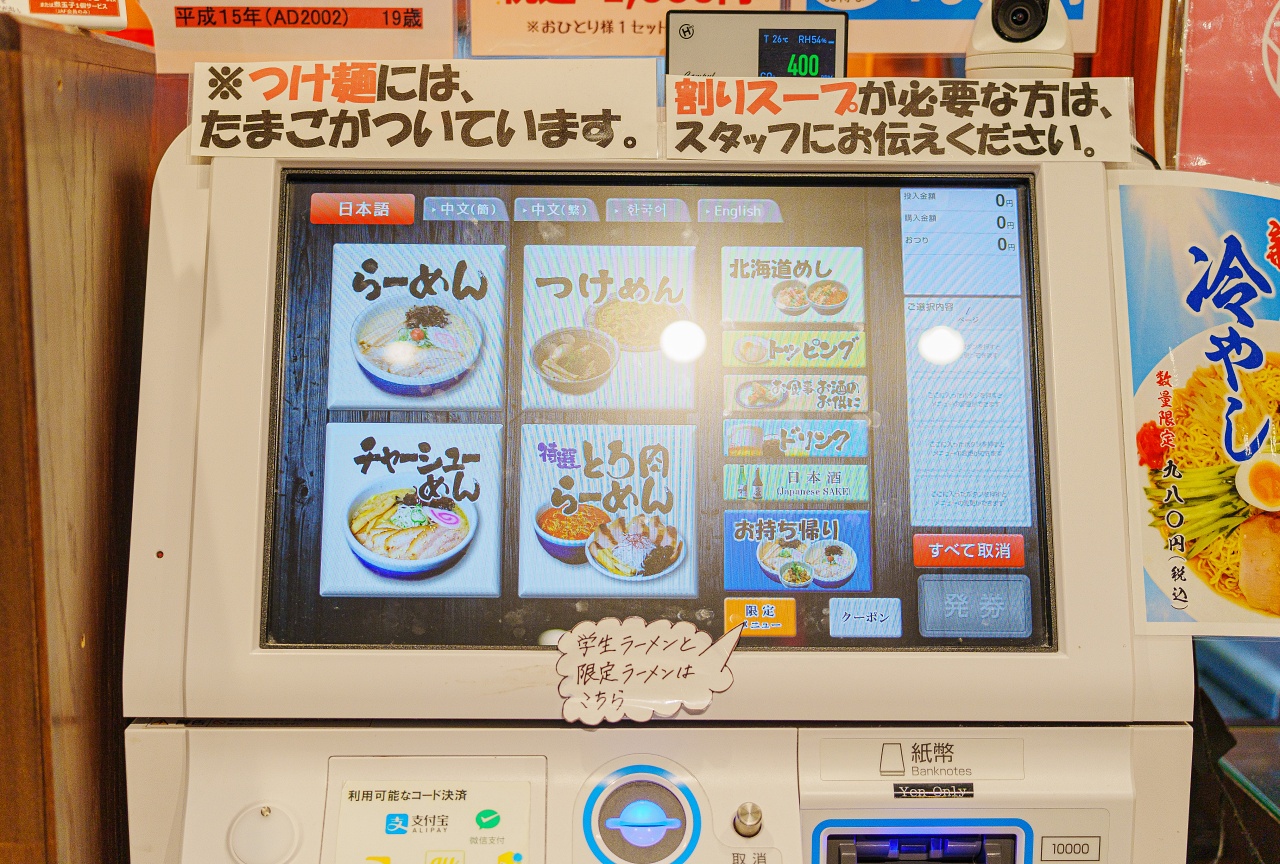
Menu photographs helped us choose, and a Korean option was available. No English-menu availability is inferred from that.
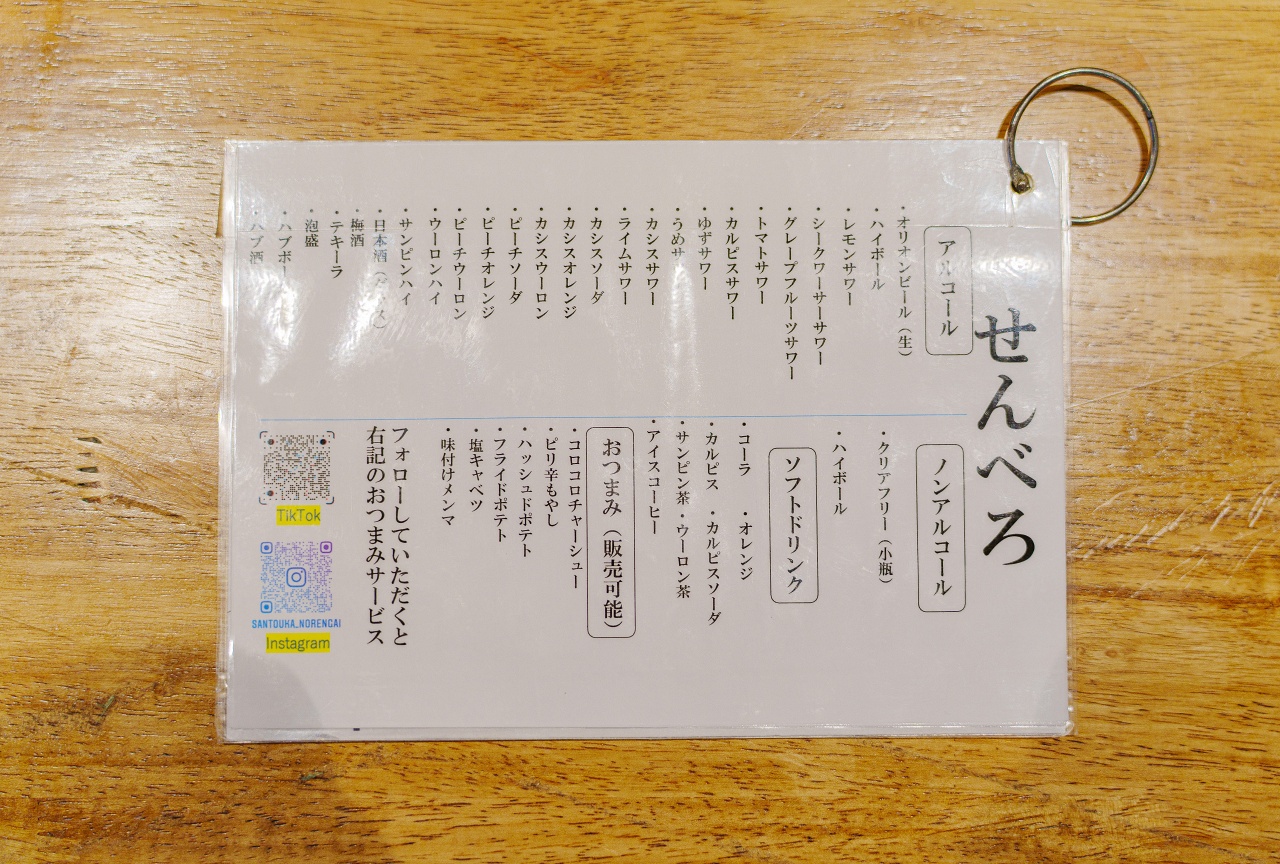
The focus of this visit was senbero.
The source counted 25 alcoholic choices, two nonalcoholic options including beer and highball-style drinks, soft drinks, and simple snacks.
The range included draft beer, highballs, tequila, Japanese sake, awamori, snake liquor, and fruit liqueurs.
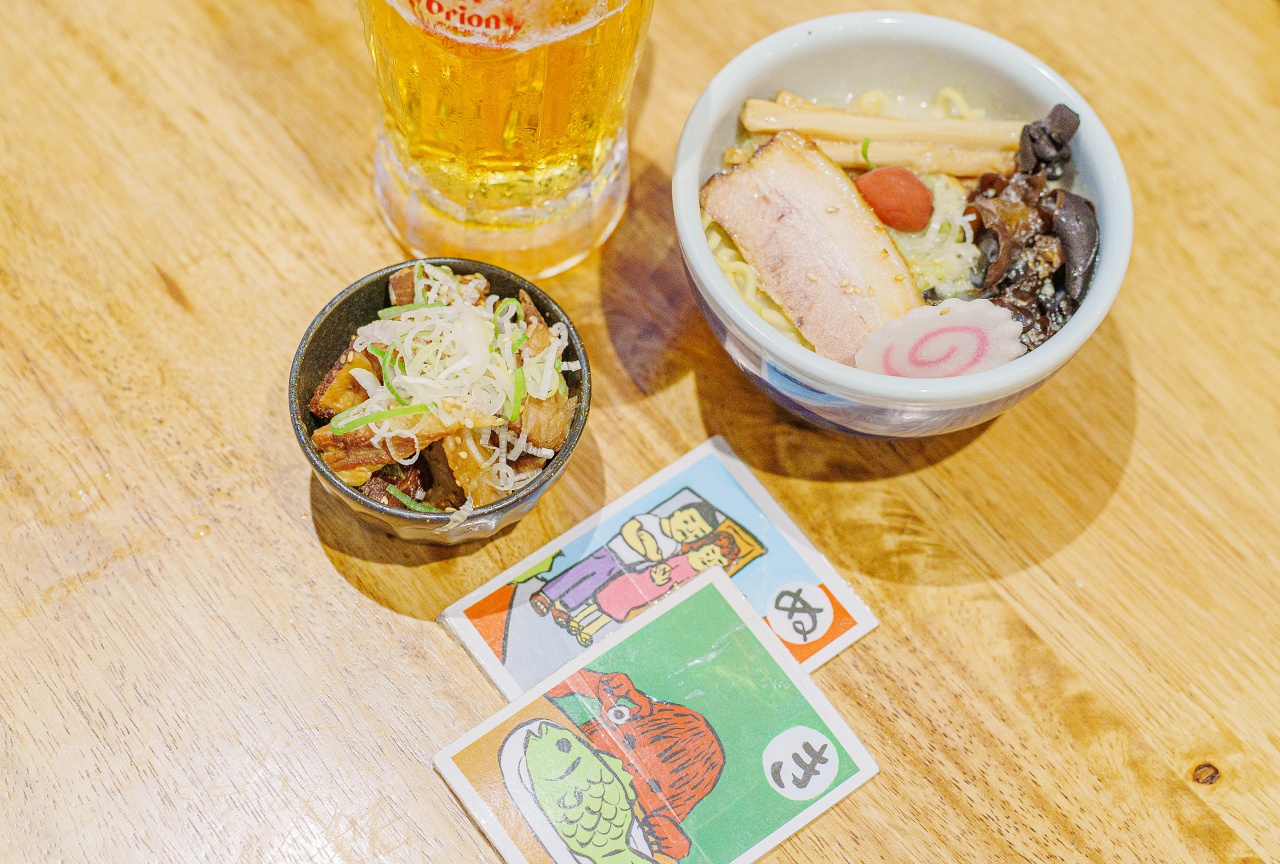
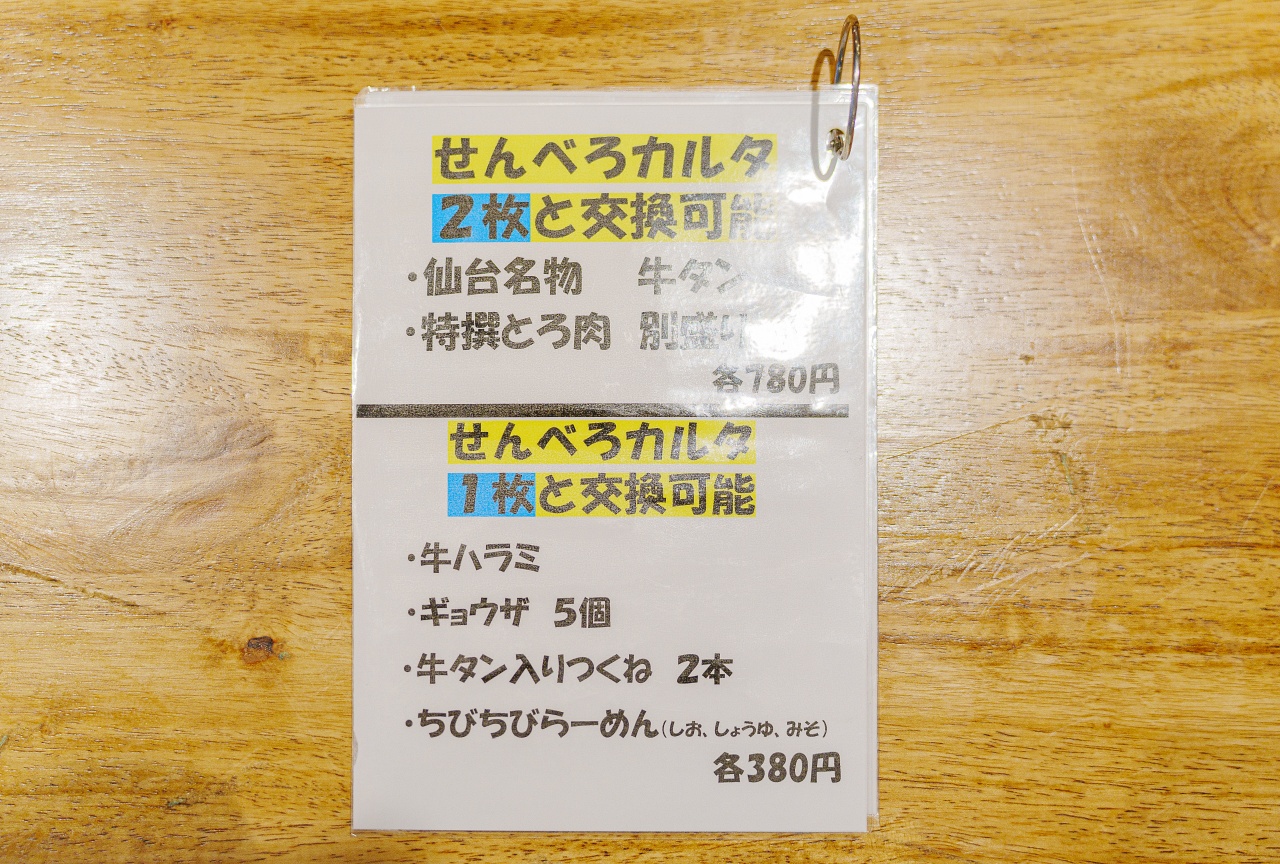
Ordering senbero brought three cards to exchange for drinks.
I began with Orion draft beer.
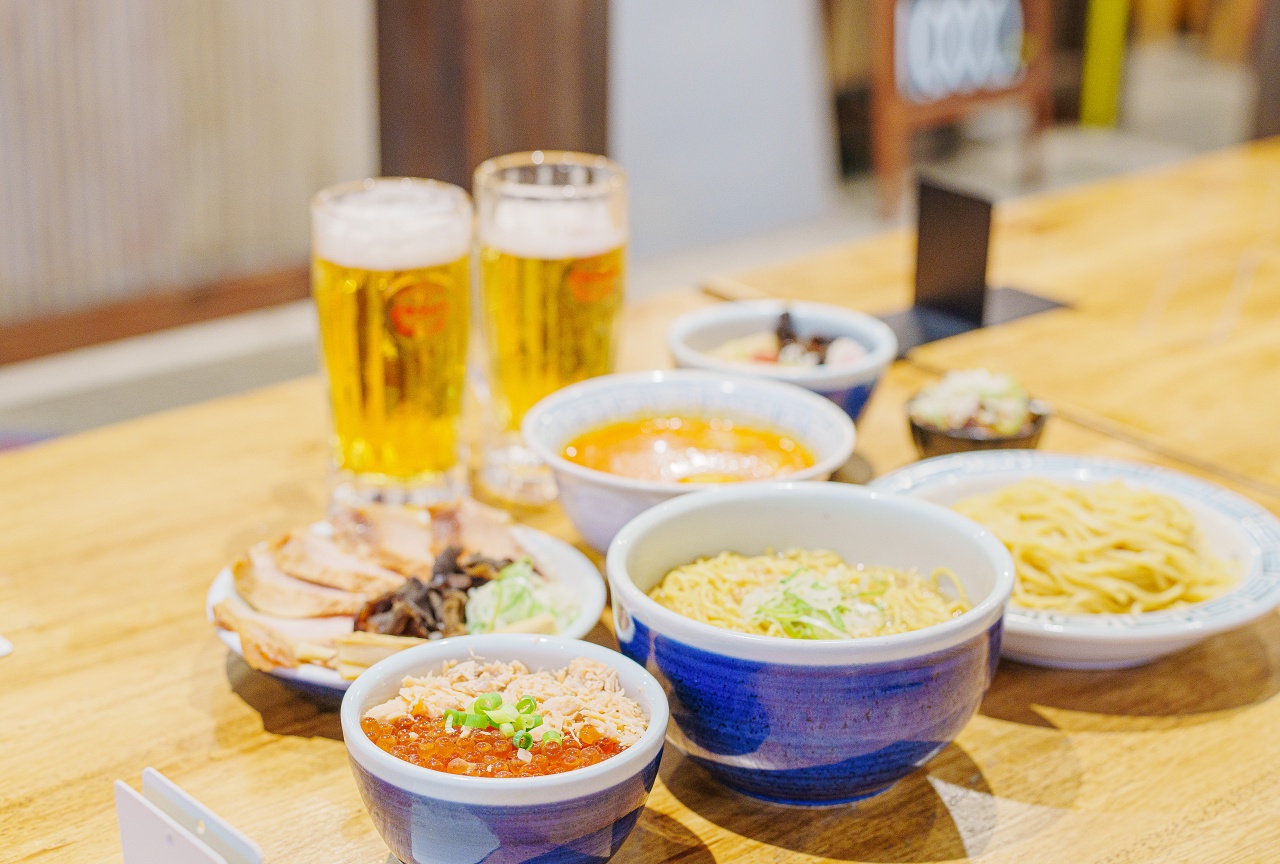
One of six basic snacks was included; I chose korokoro chashu (コロコロチャーシュー).
If more food was wanted, a card could be exchanged for a snack instead of a drink.
Premium snacks required two cards.
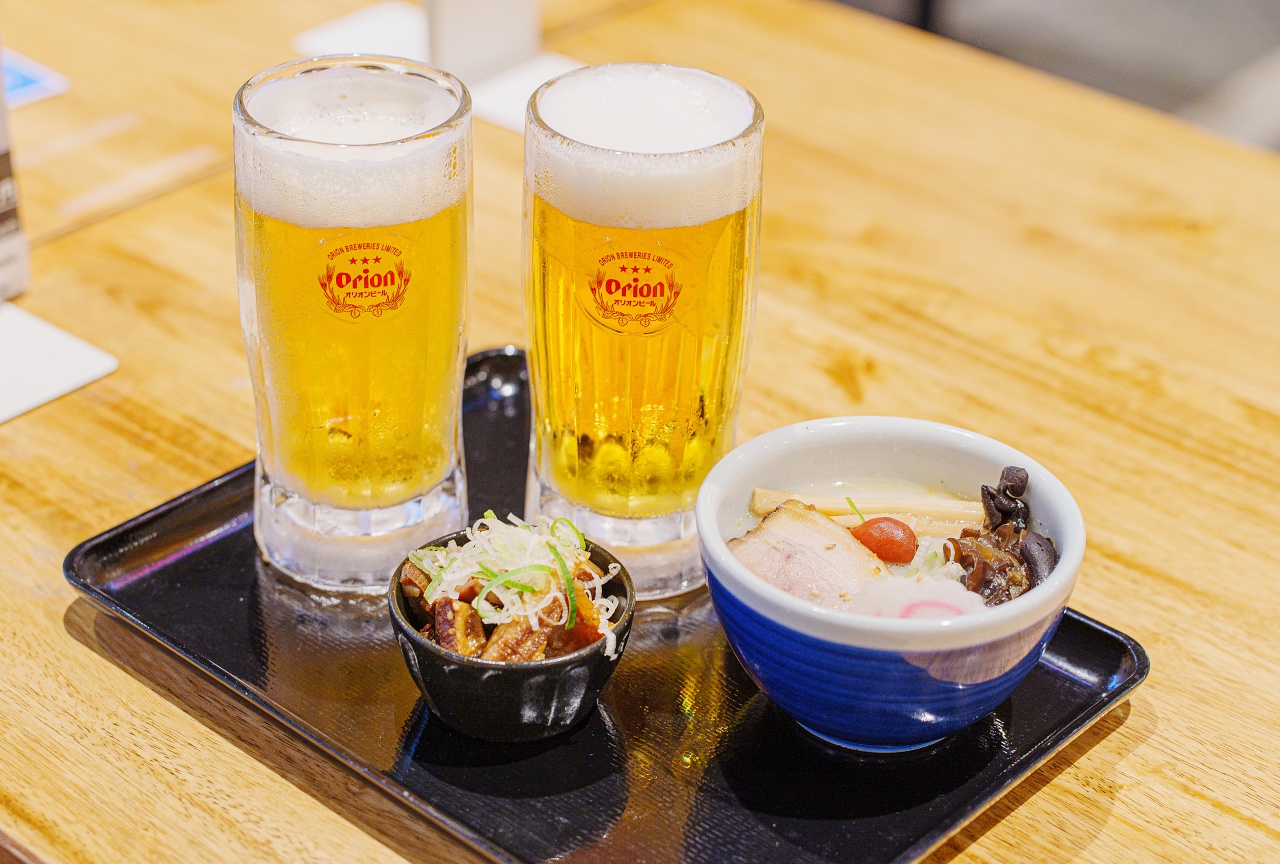
Wanting more food, I exchanged one drink for mini ramen.
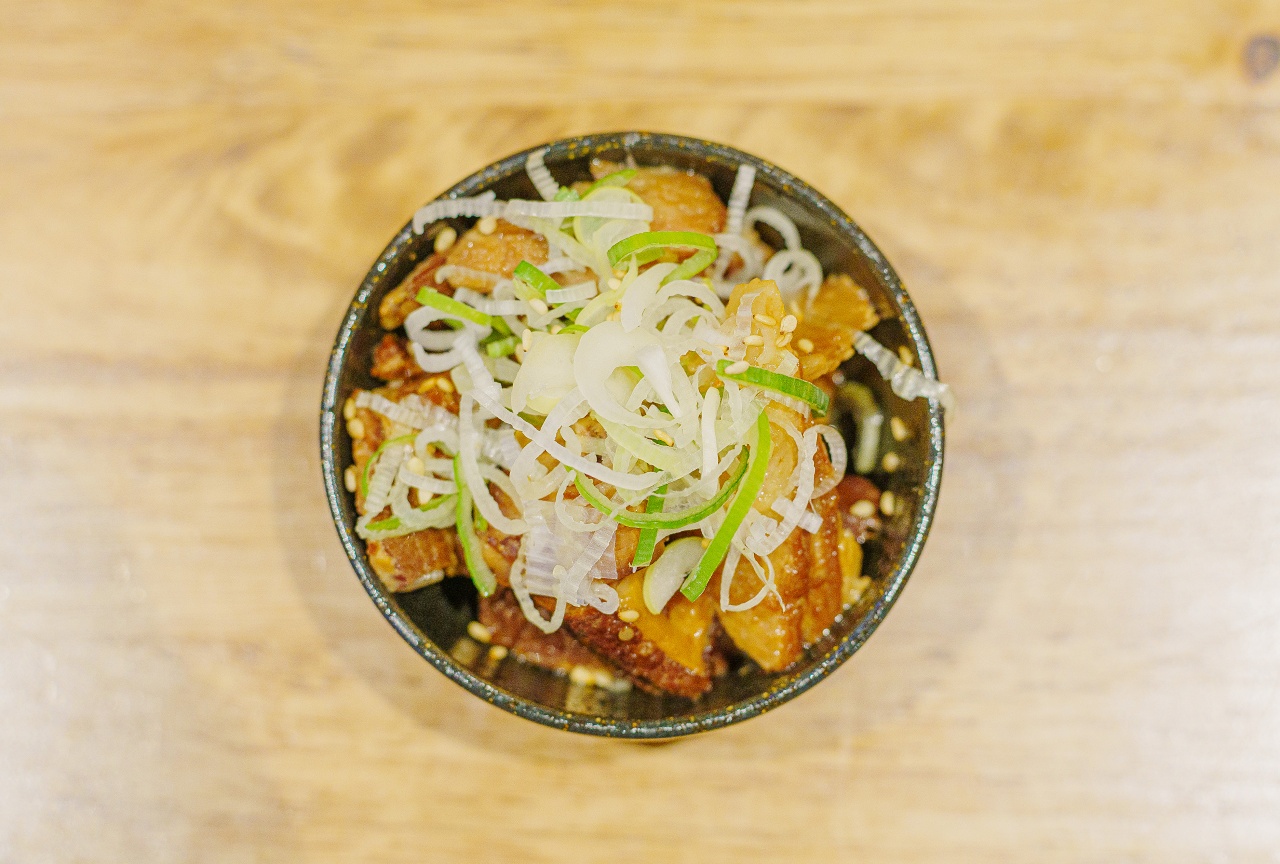
The korokoro chashu snack.
Ramen chashu cut into bite-sized pieces—very satisfying for a chashu lover like me.
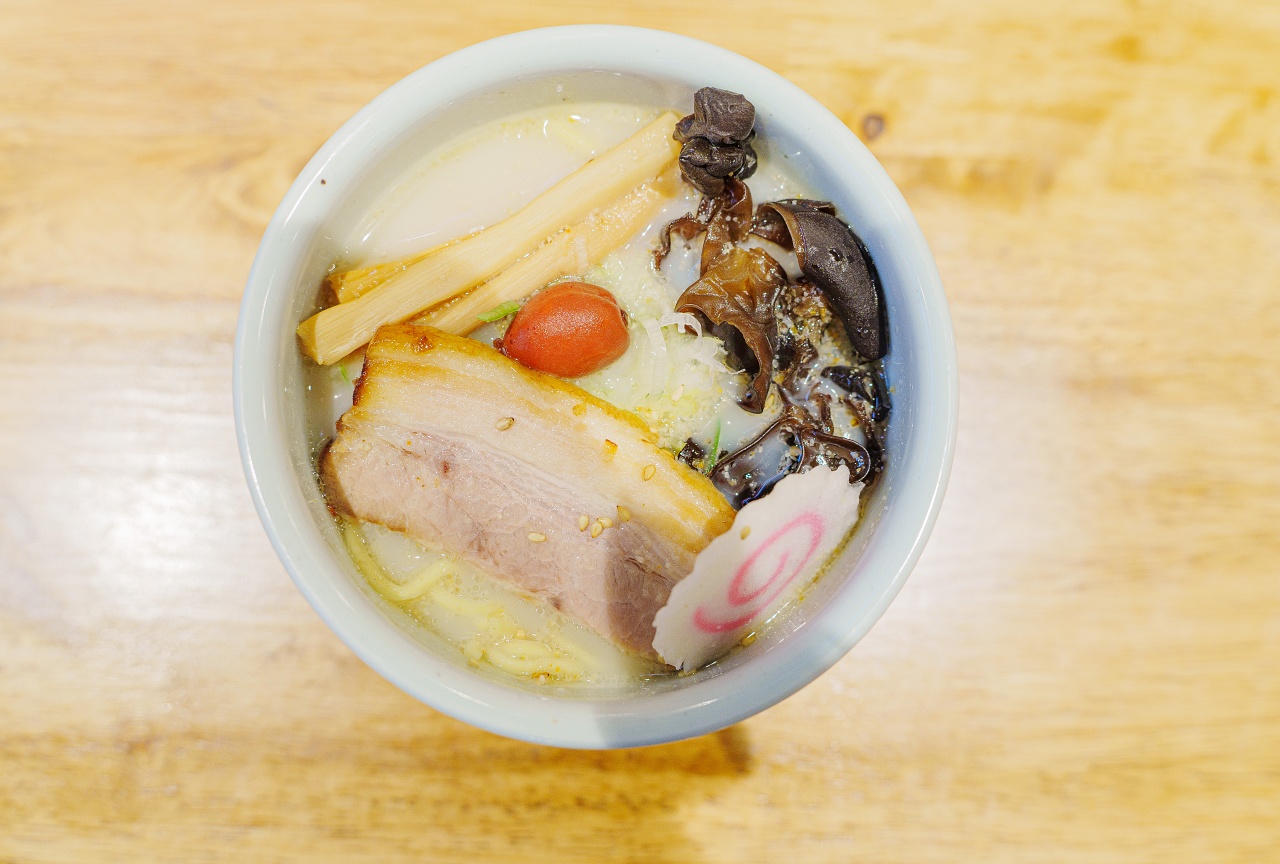
The mini ramen obtained in place of a beer.
I chose shio, and the pork-bone savoriness with the clean salt seasoning was delicious.
A flavor I would recommend.
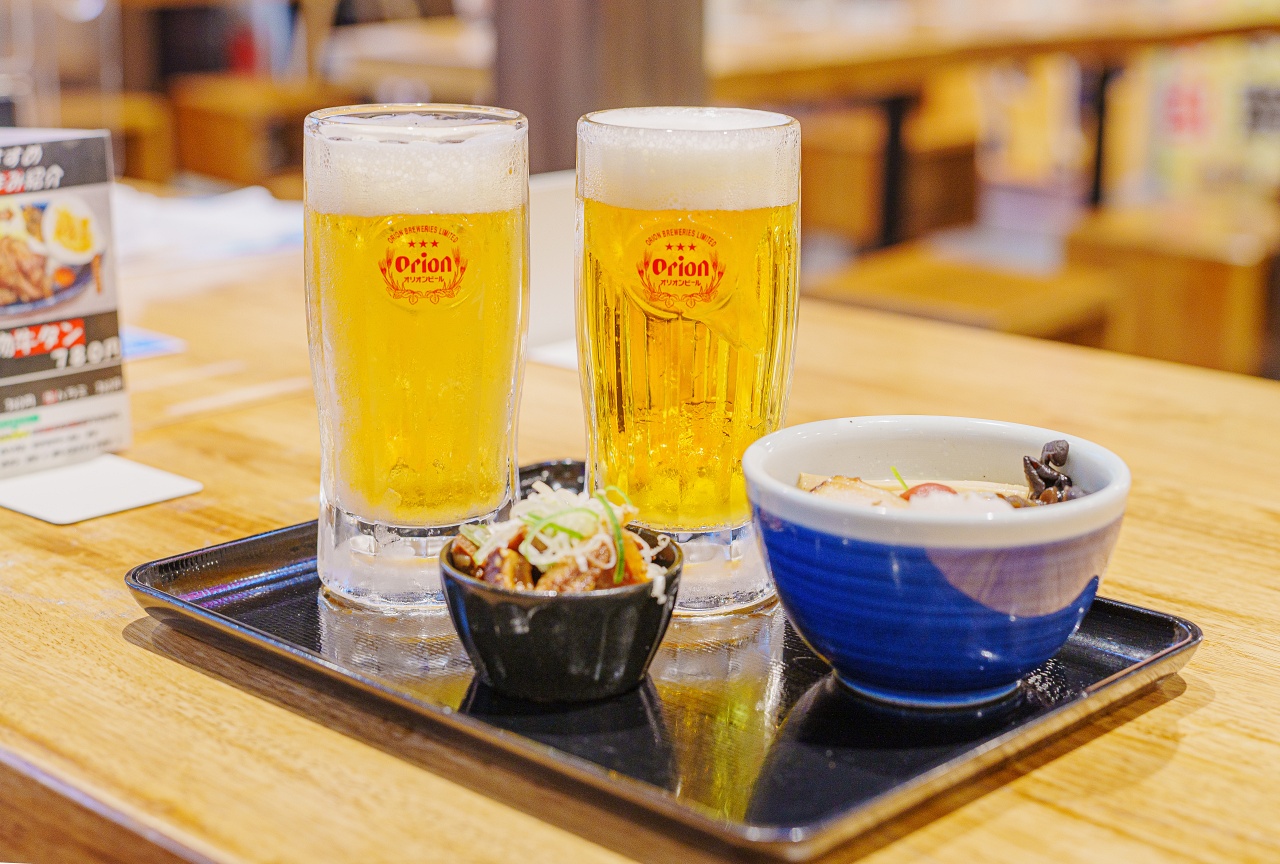
Santouka’s senbero system differed slightly from others.
Best of all, it could be shared with another person on our visit.
Sharing is often prohibited with inexpensive senbero offers, but here JPY 1,000 could cover a drink each and a snack for two.
It felt like a casual stop with a friend, rather like a café, and appealing after work.
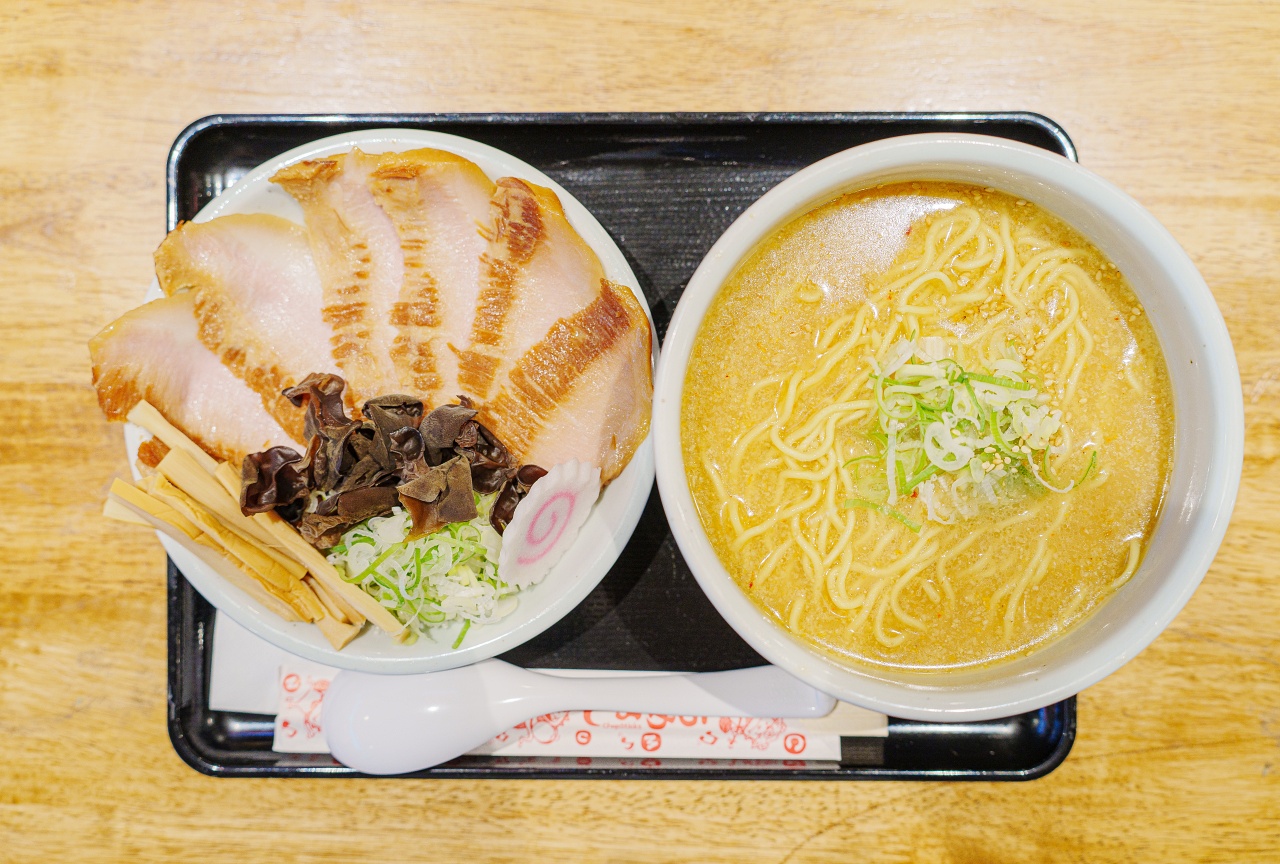
I intended to finish with mini ramen, but one taste led to an order of the special toroniku ramen (特選とろ肉ラーメン).
It came with six thick slices of fatty pork chashu.
Having tried shio, I chose miso broth this time.
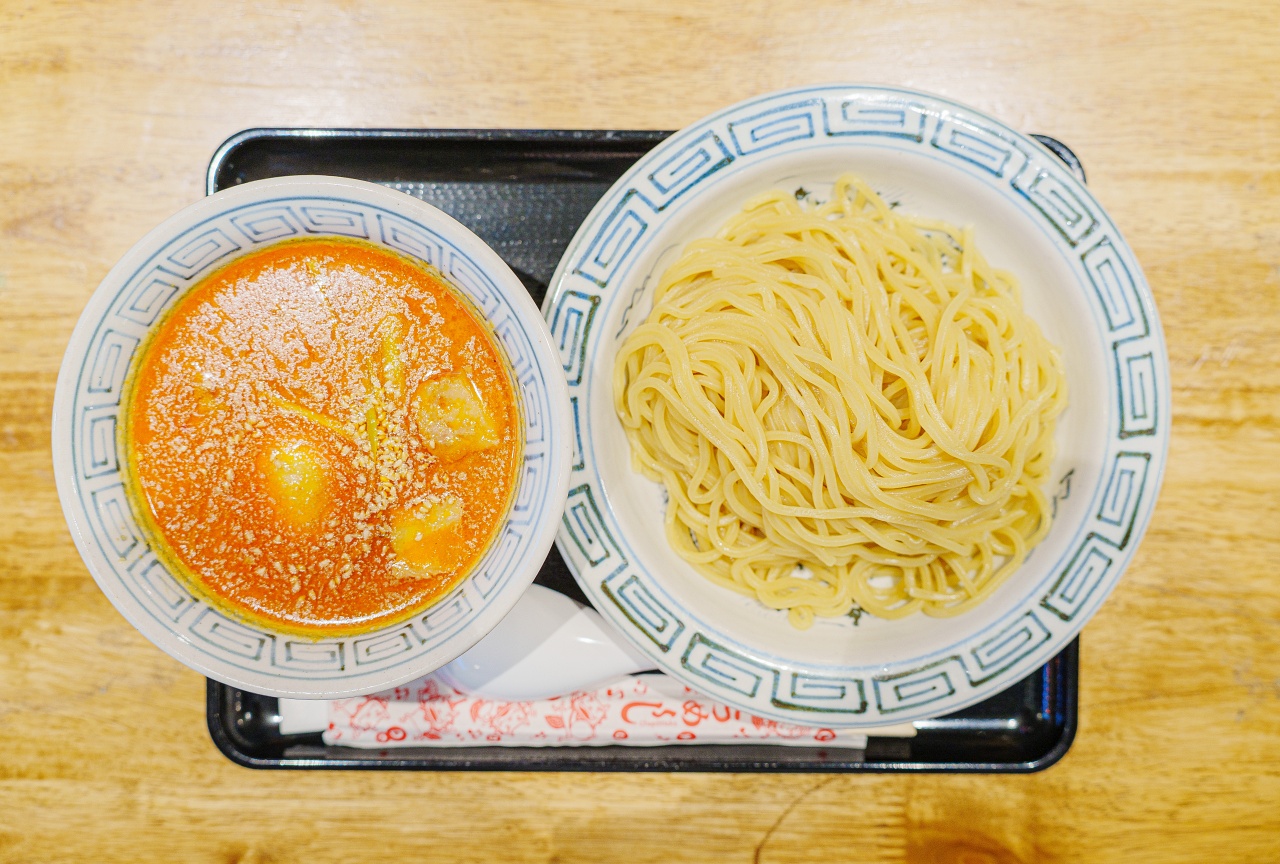
We also ordered tsukemen.
Tsukemen (つけ麺) is eaten by dipping noodles into a concentrated broth.
Unlike ramen served in soup, its noodles and broth arrive separately. The original traces it to a 1955 introduction at Tokyo’s Taishoken (大勝軒).
It describes the dish as developing from dipping noodles in thick broth left after service, then becoming widely known in the 1970s.
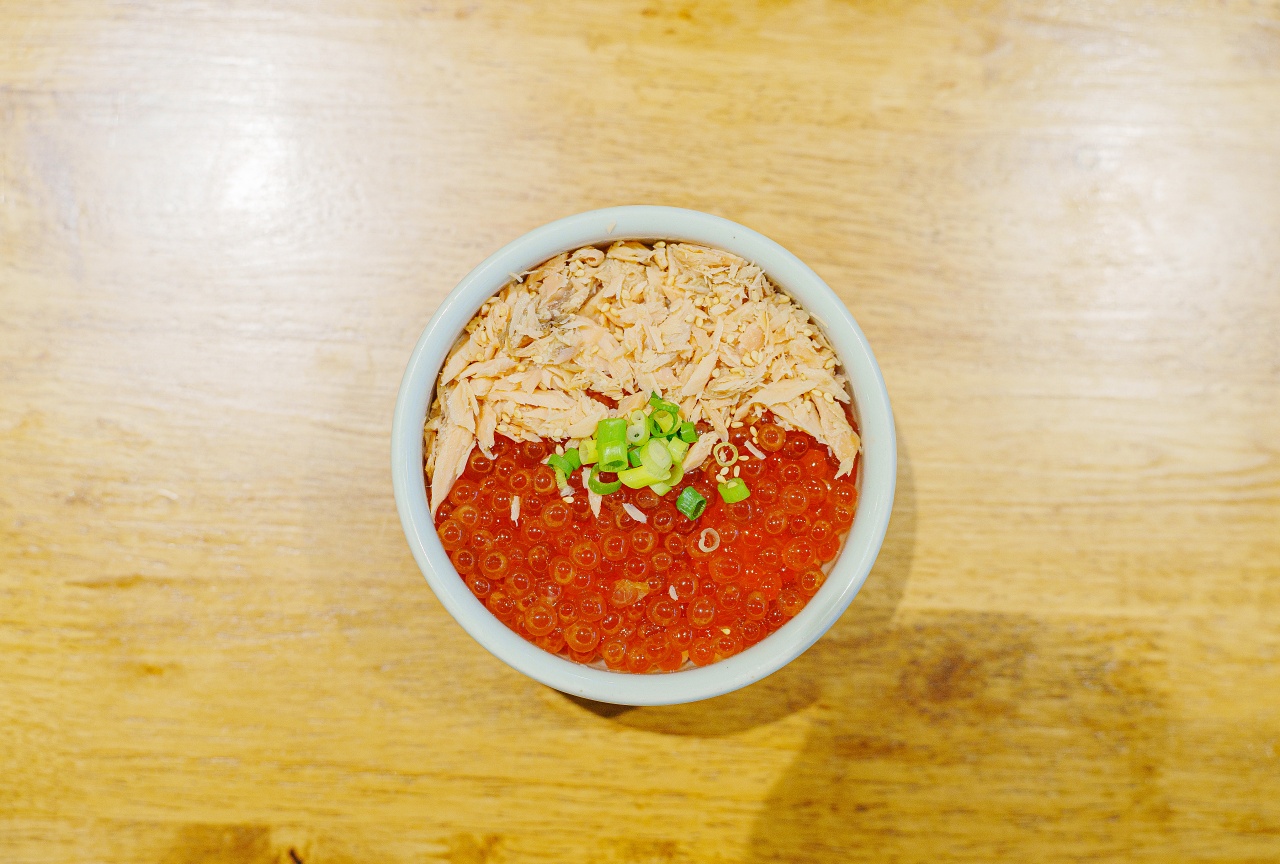
While I was taking photographs, the owner kindly gave us a salmon-and-salmon-roe rice bowl (サーモンいくら丼).
Hokkaido is known for salmon, and the fresh roe’s popping texture was excellent.
For someone wanting rice, a bowl of salmon and roe, another Hokkaido specialty, seemed a good choice.
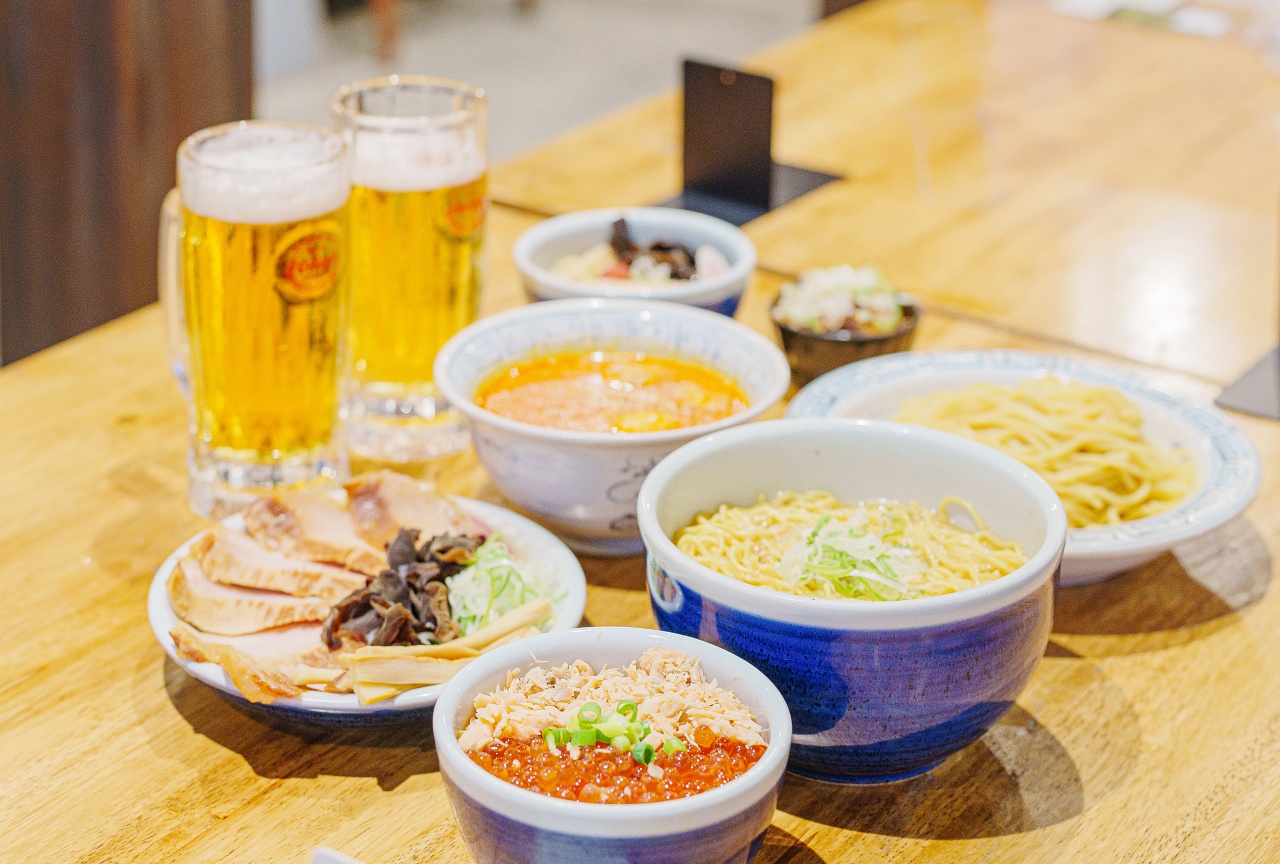
We had come for senbero and ended up with a generous meal.
Having drinks at a ramen shop I normally visited only after drinking, then eating the final bowl there too, felt different.
Time to head somewhere else for a second stop?
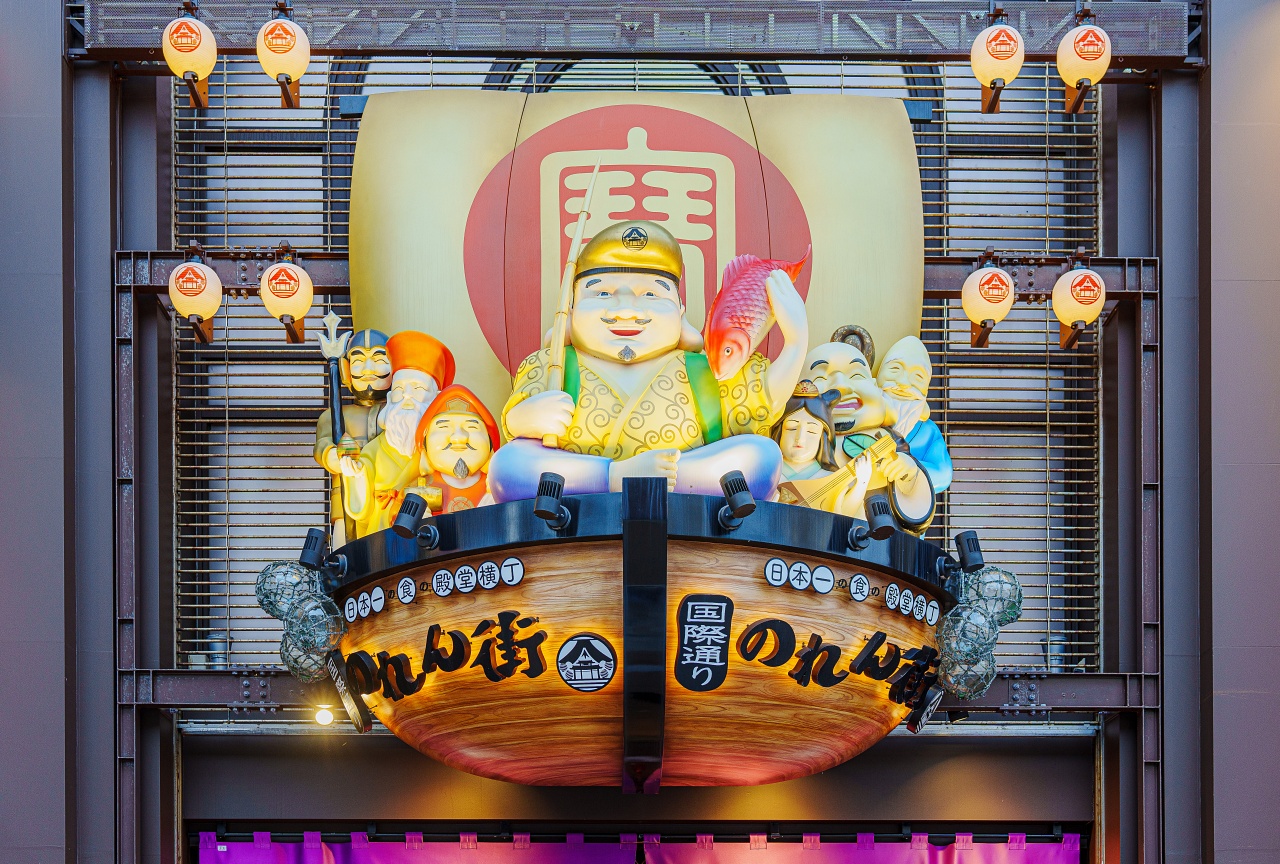
Kokusai Street was popular with overseas visitors as well as domestic travelers.
Exploring this retro yet stylish building with a JPY 1,000 note in hand sounded appealing in the original account.
Thinking about Kokusai Norengai already made me look forward to another visit.
Kokusai Norengai (国際通りのれん街)
Address as recorded: Ryubo Shoji Head Office Building, 2-2-30 Makishi, Naha, Okinawa 900-0013 (リウボウ商事本社ビル)
Menu website recorded: kokusaidori-norengai.com