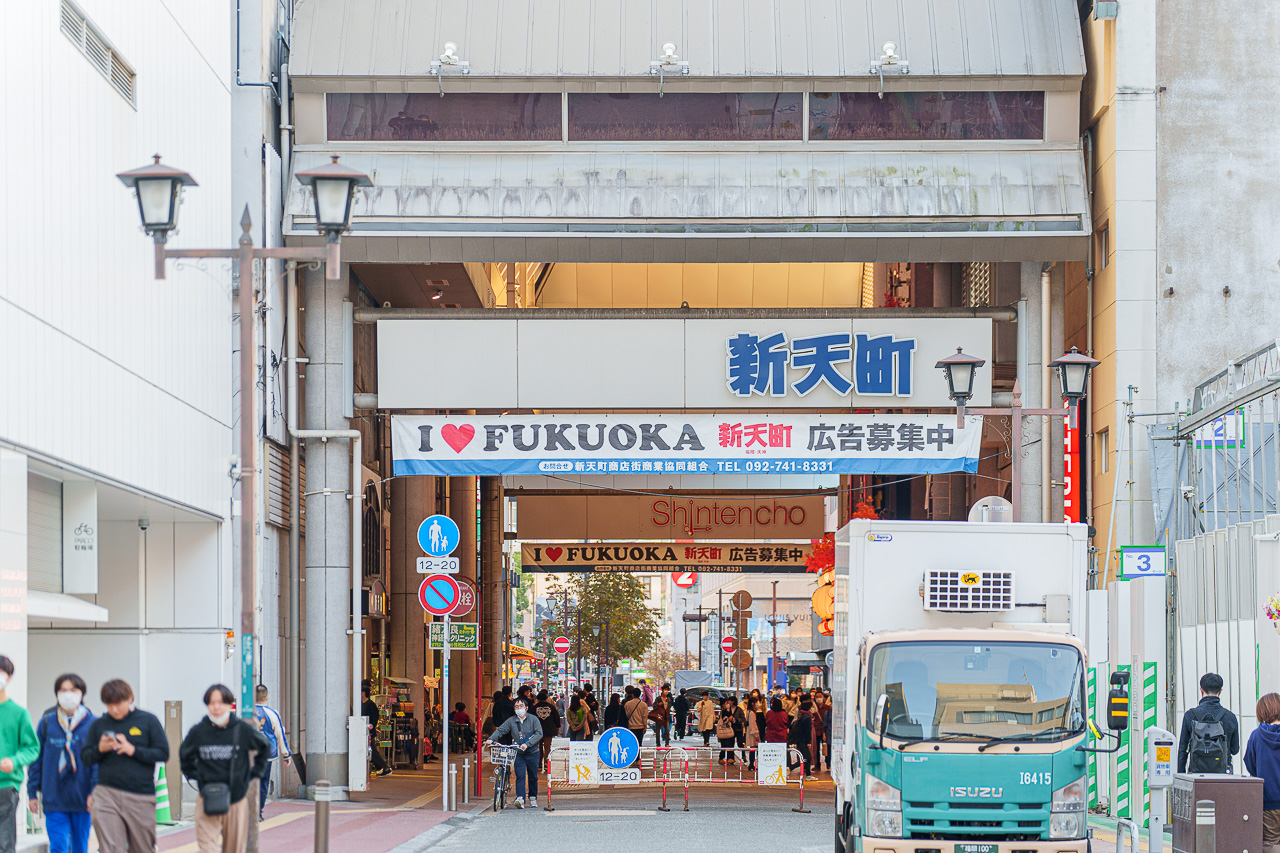
Fukuoka’s proximity to Korea has made it a frequent destination for Korean travelers. Within the city, Tenjin is a lively commercial district with shopping, food, and culture. Airport Line Tenjin Station and Nanakuma Line Tenjin-minami Station make it convenient to reach from the Hakata area, as described by the original account.
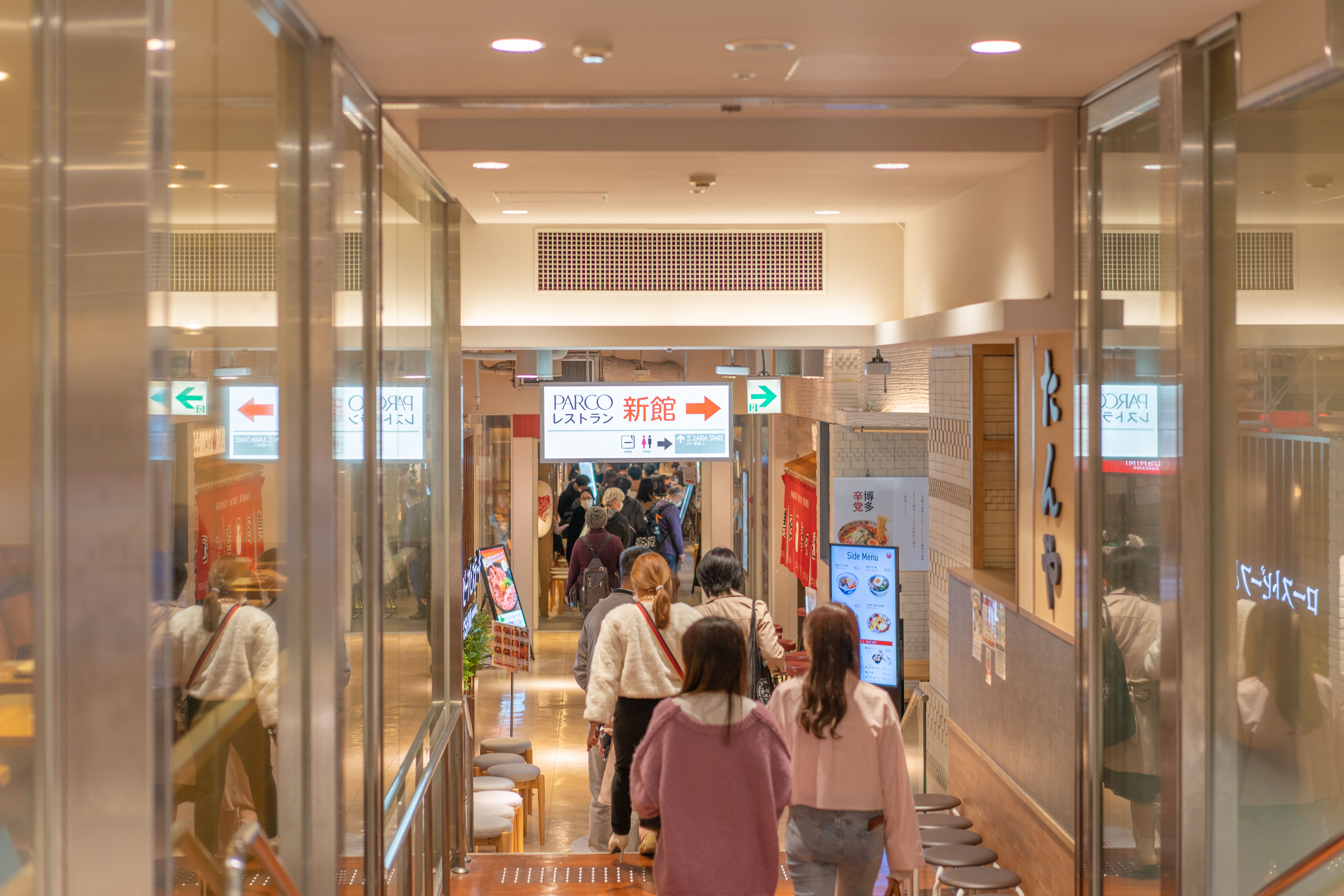
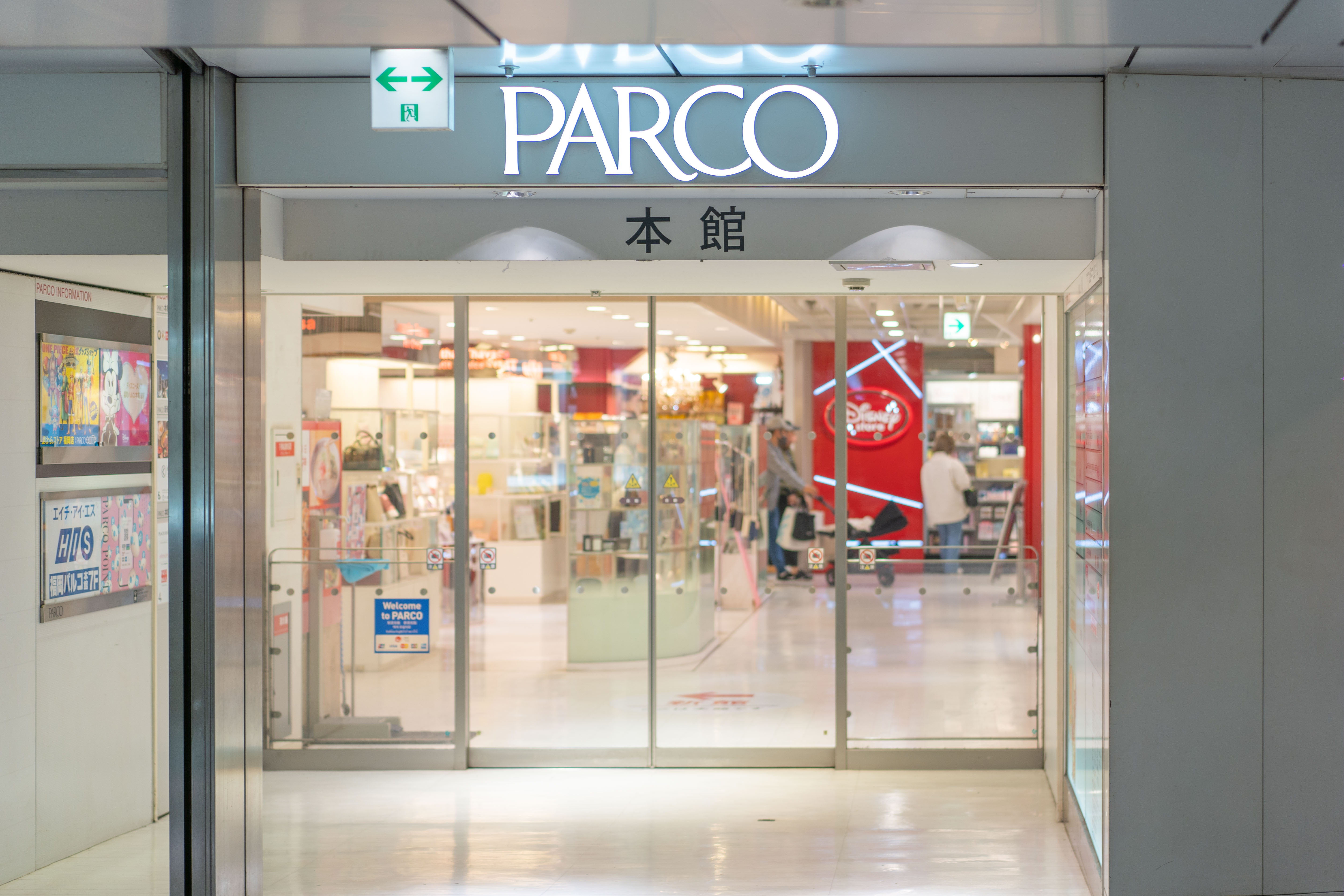
One Tenjin attraction is Parco, a Japanese fashion-and-lifestyle department-store chain. The original background counts 19 branches nationwide and dates Fukuoka Parco’s opening to 1982 and a renovation to 2018, describing a main and new building with fashion, beauty, culture, art, food, and snacks. Those dates and counts are unverified source statements, not newly established history.
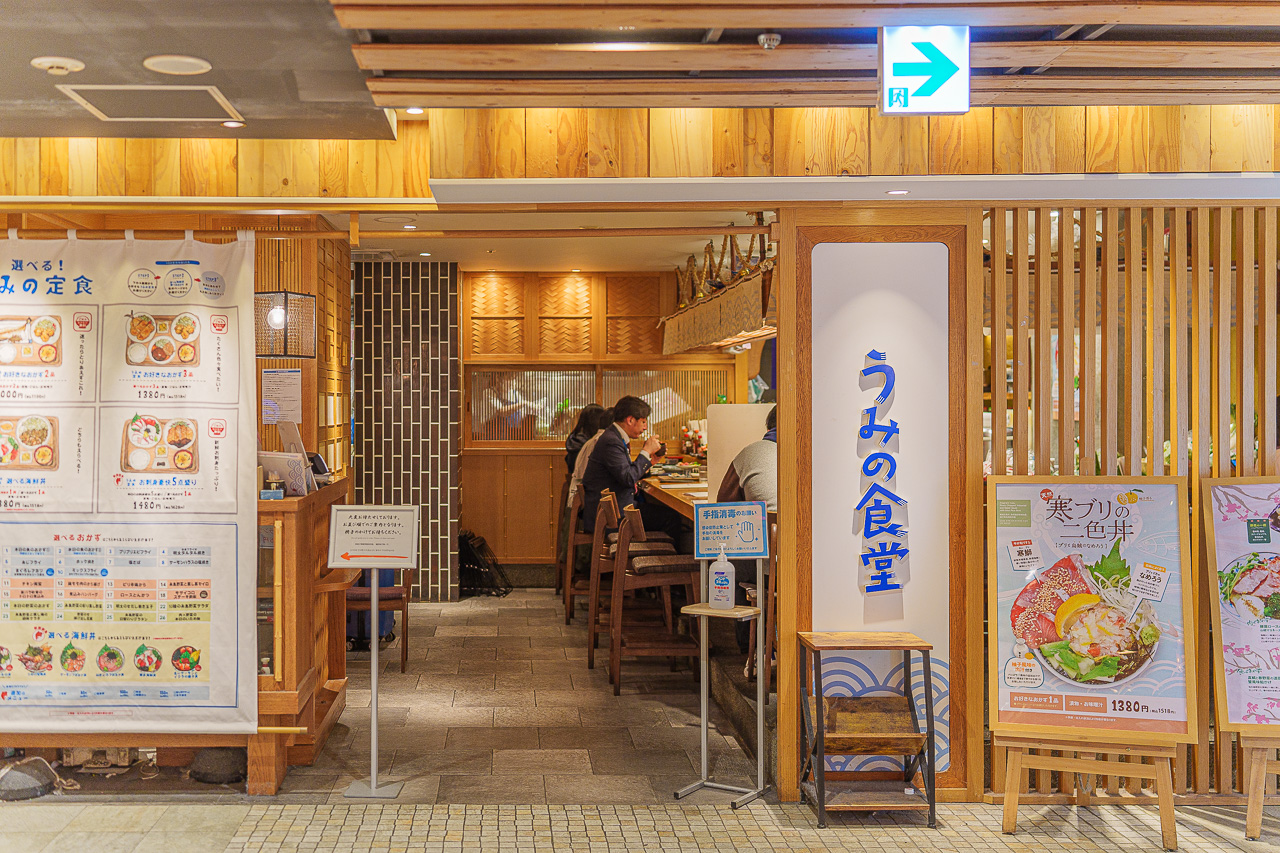
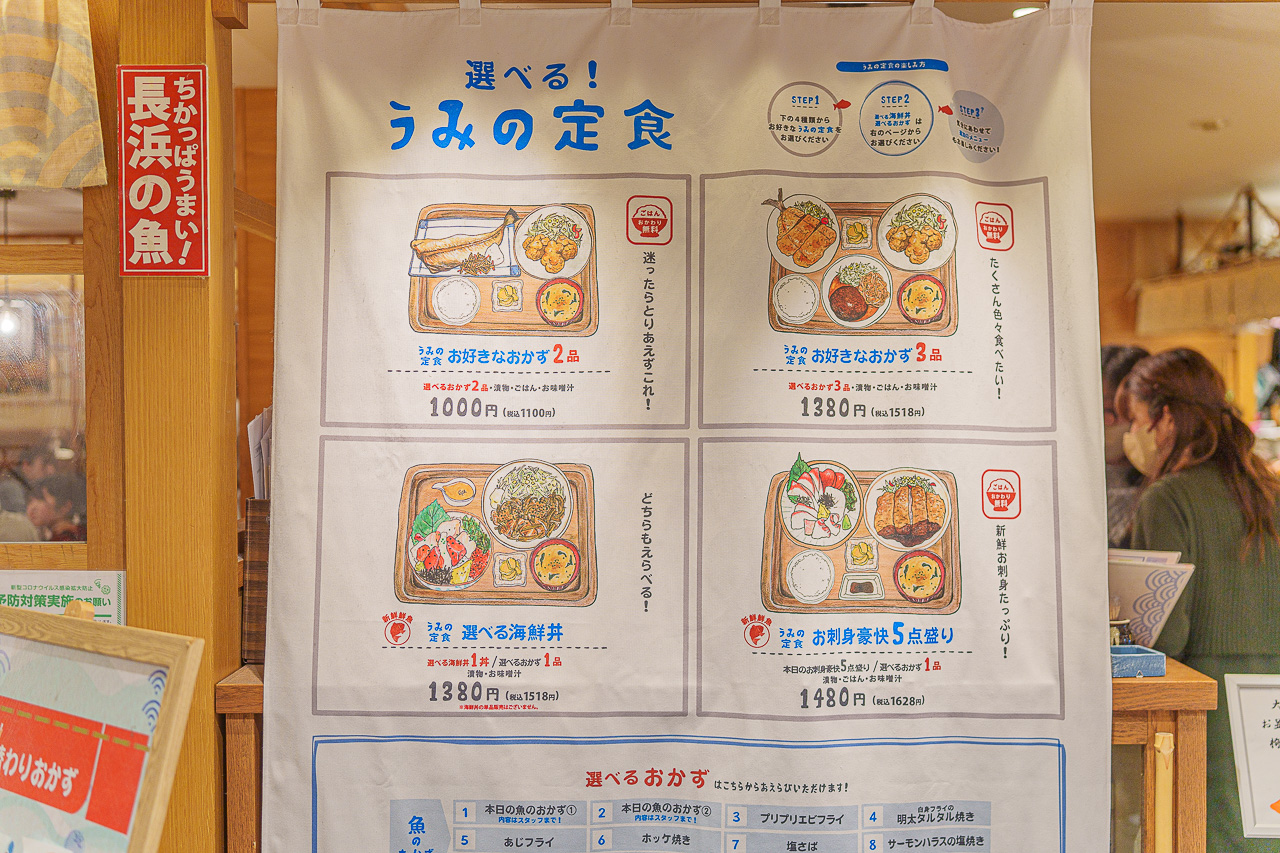
Fukuoka Parco’s dining area offered places the writer considered tasty and good value. We visited Umi no Shokudo (うみの食堂) on B1 of the main building, specializing in seafood-centered Japanese set meals. The source lists sashimi, rice bowls, ramen, udon, curry, and tonkatsu among affordable options.
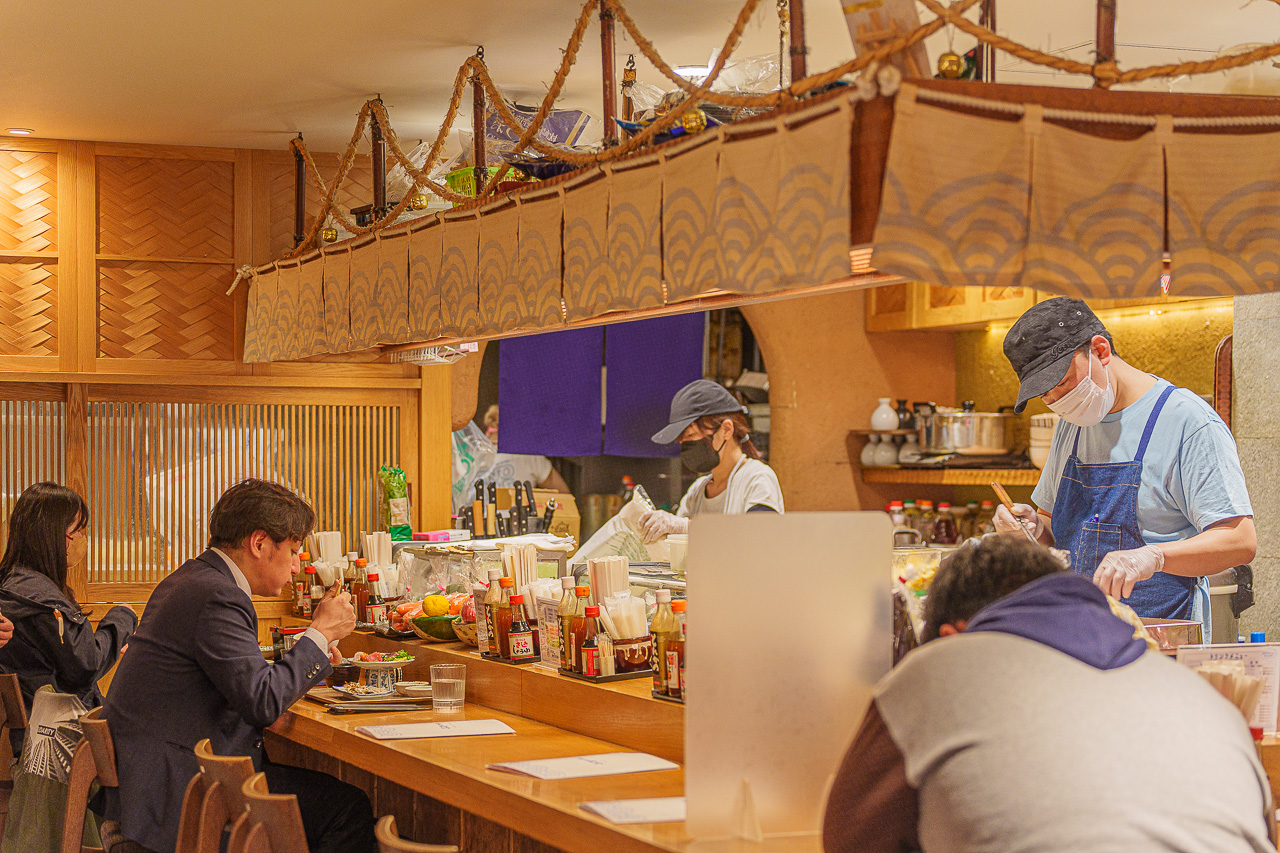

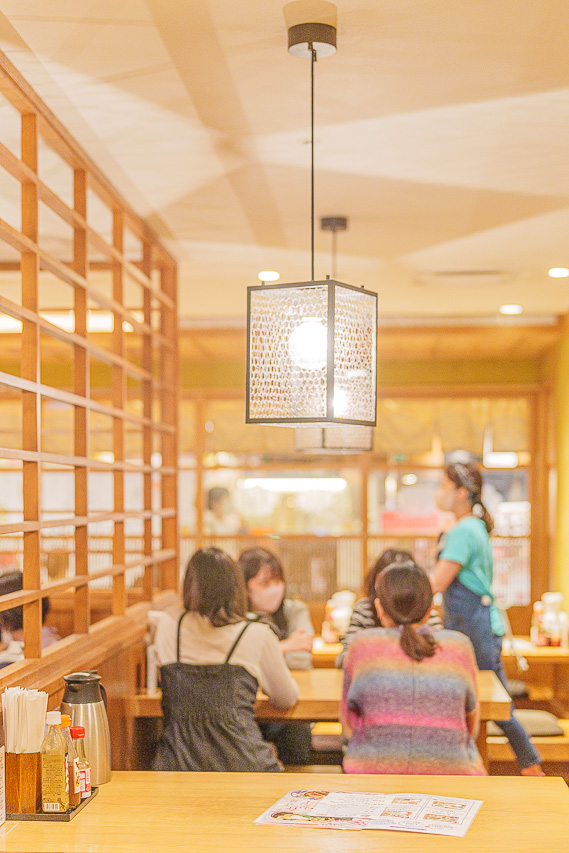
Despite the traditional set-meal focus, wood gave the interior a modern, polished appearance. Varied colors and textures, with lighting and decorative accents, felt warm and natural. I had noticed more Japanese restaurants adopting this kind of wood interior.
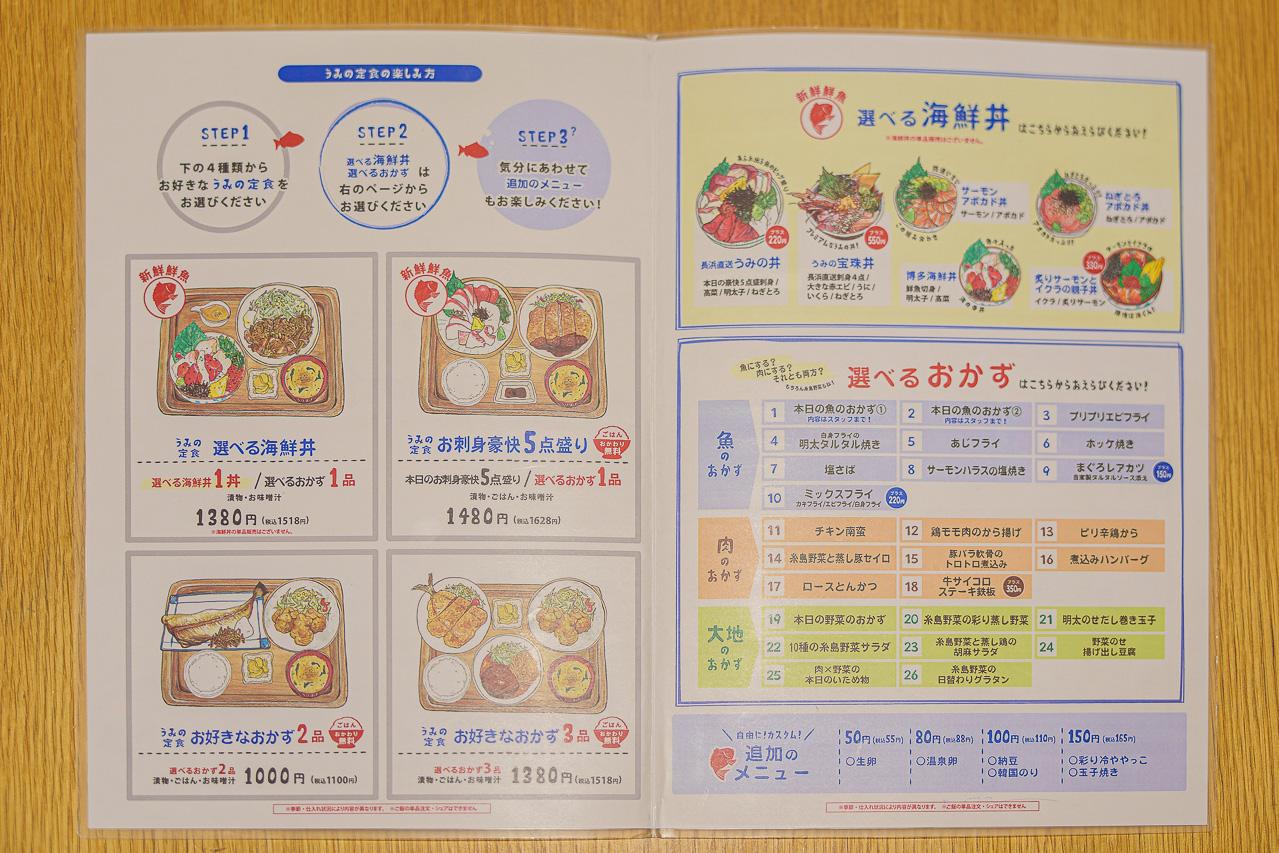

The flexible menu might seem complicated on a first visit. The eraberu kaisendon (選べる海鮮丼) allowed one seafood rice bowl and one side. Six bowl choices were listed: Umi no Don (うみの丼), with seafood delivered from Nagahama and a JPY 220 supplement; Umi no Hoju Don (うみの宝珠丼), with shrimp and sea urchin; salmon-and-avocado; Hakata kaisendon (博多海鮮丼), bringing together seafood popular with Hakata diners; negitoro-and-avocado, with minced tuna and scallions; and aburi salmon-and-ikura oyakodon (炙りサーモンとイクラの親子丼), with seared salmon and roe for a JPY 330 supplement. “Oyakodon” here refers to the parent-and-child pairing of salmon and its eggs.

The second option was a generous five-kind sashimi set (お刺身豪快5点盛り), with the day’s five recommended sashimi and one side from fish, meat, or vegetable categories. With so many options, choosing took time. Meat could balance the sashimi, or grilled fish could add more seafood. Vegetable options included the day’s recommendation (大地のおかず) and a ten-vegetable Itoshima salad. I am less keen on vegetables, so chose between fish and meat. A third menu offered a choice of two sides, and a fourth a choice of three.
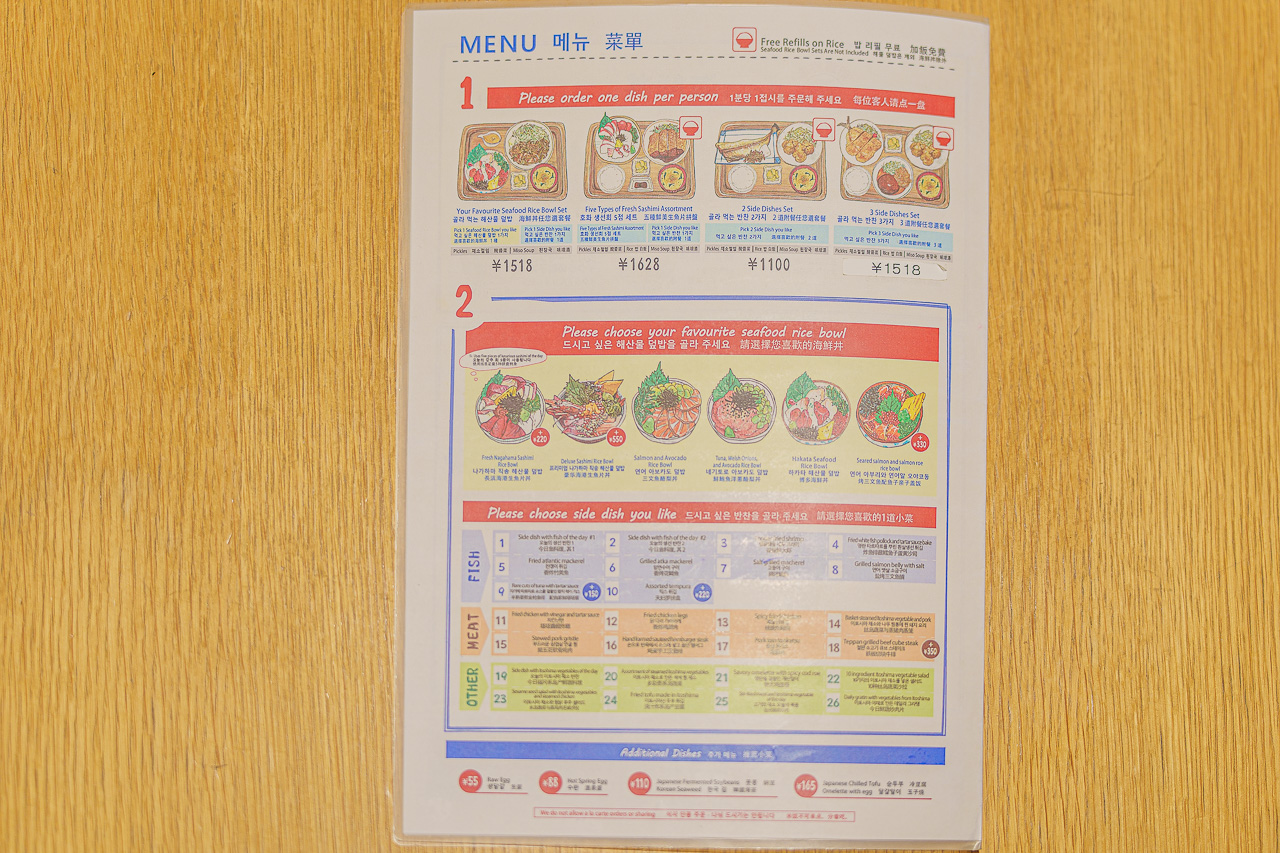
The back of the menu had English and Korean versions. English readers could consult that menu rather than relying on the Japanese descriptions.
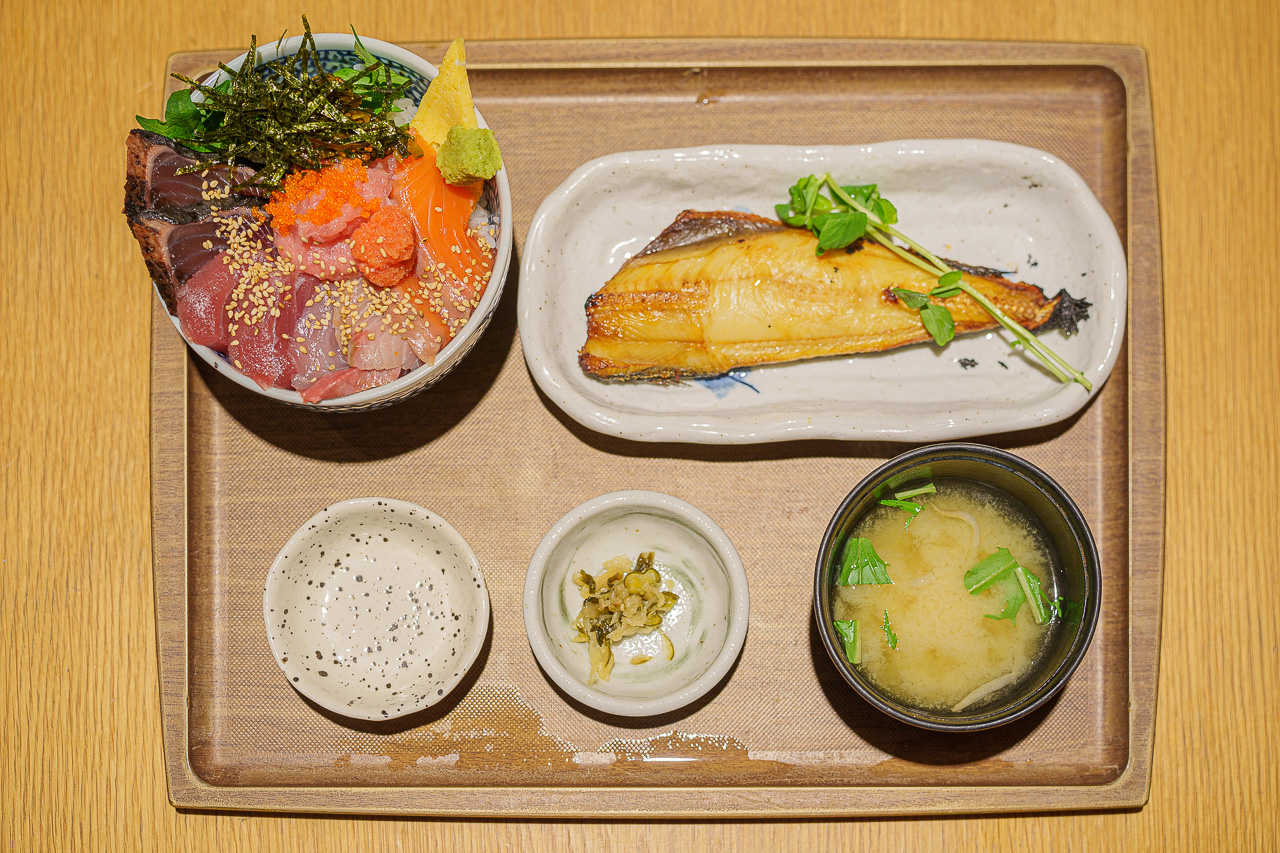
I ordered eraberu kaisendon, paying JPY 220 extra for Umi no Don with seafood from Nagahama. My side was hokke, a fish I find difficult to grill at home. Known as atka mackerel, it is more popular in Japan than in my Korean experience. Pickles and miso soup accompanied the set.
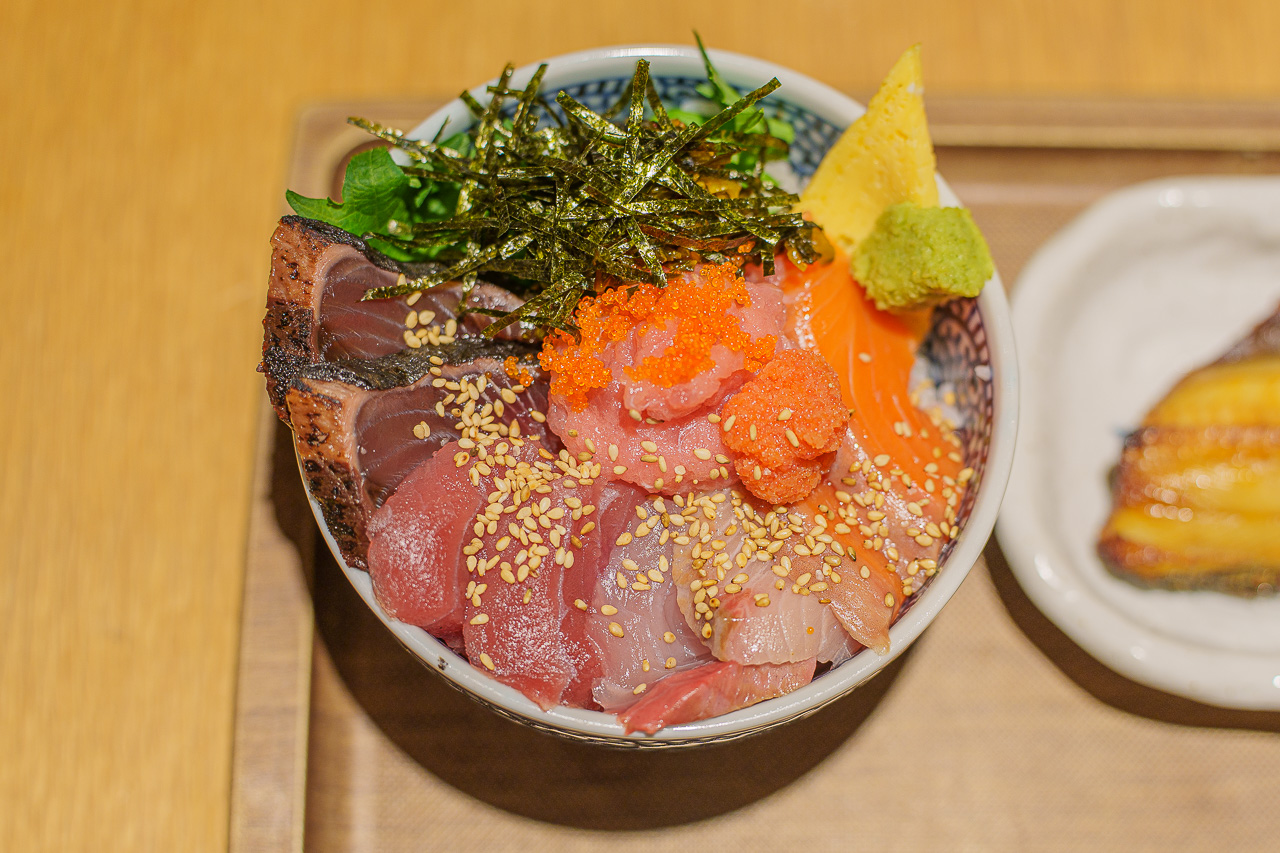
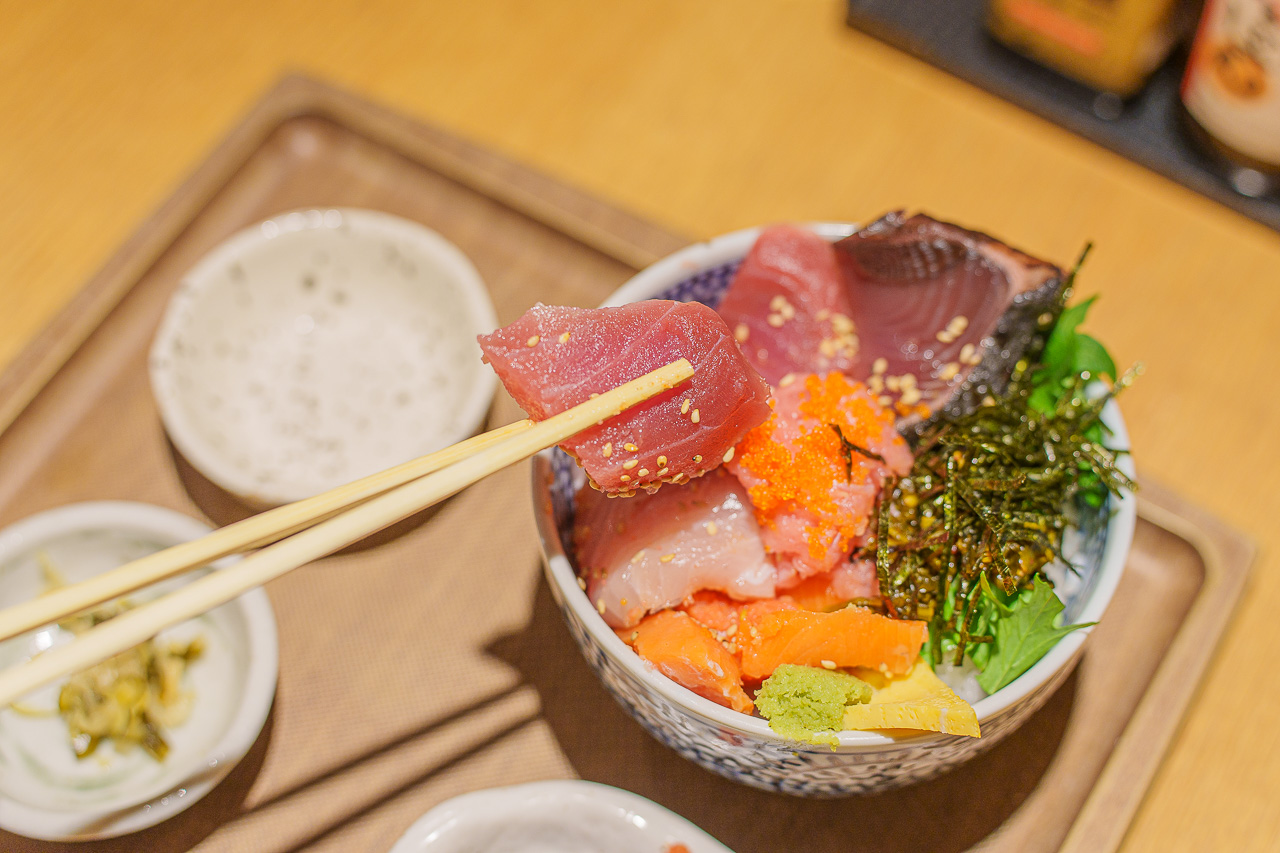
The Umi no Don made me glad I had paid the supplement. Minced tuna and flying-fish roe in the middle were delicious together, and the thick seafood slices felt worthwhile. Contents would vary, but our bowl included salmon, tuna, charcoal-seared bonito, and yellowtail.
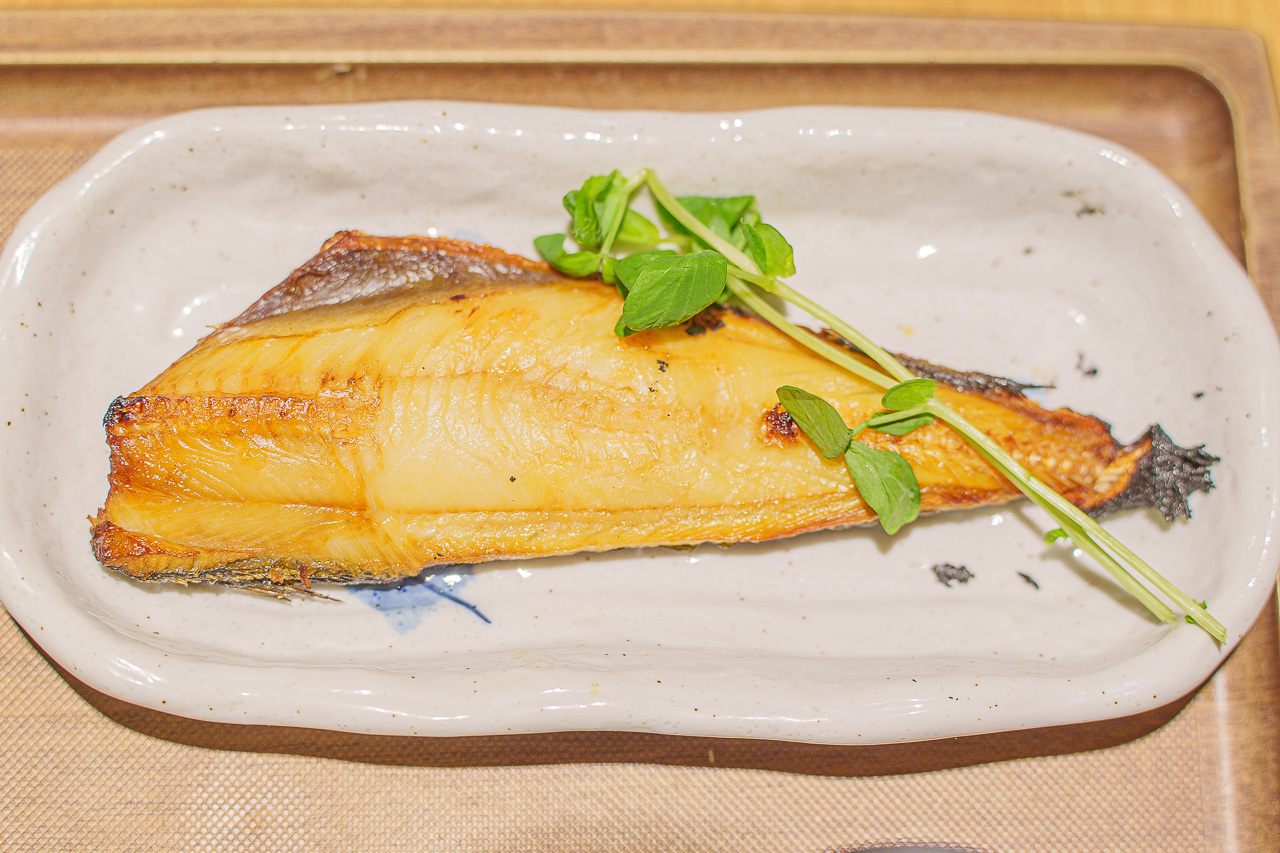
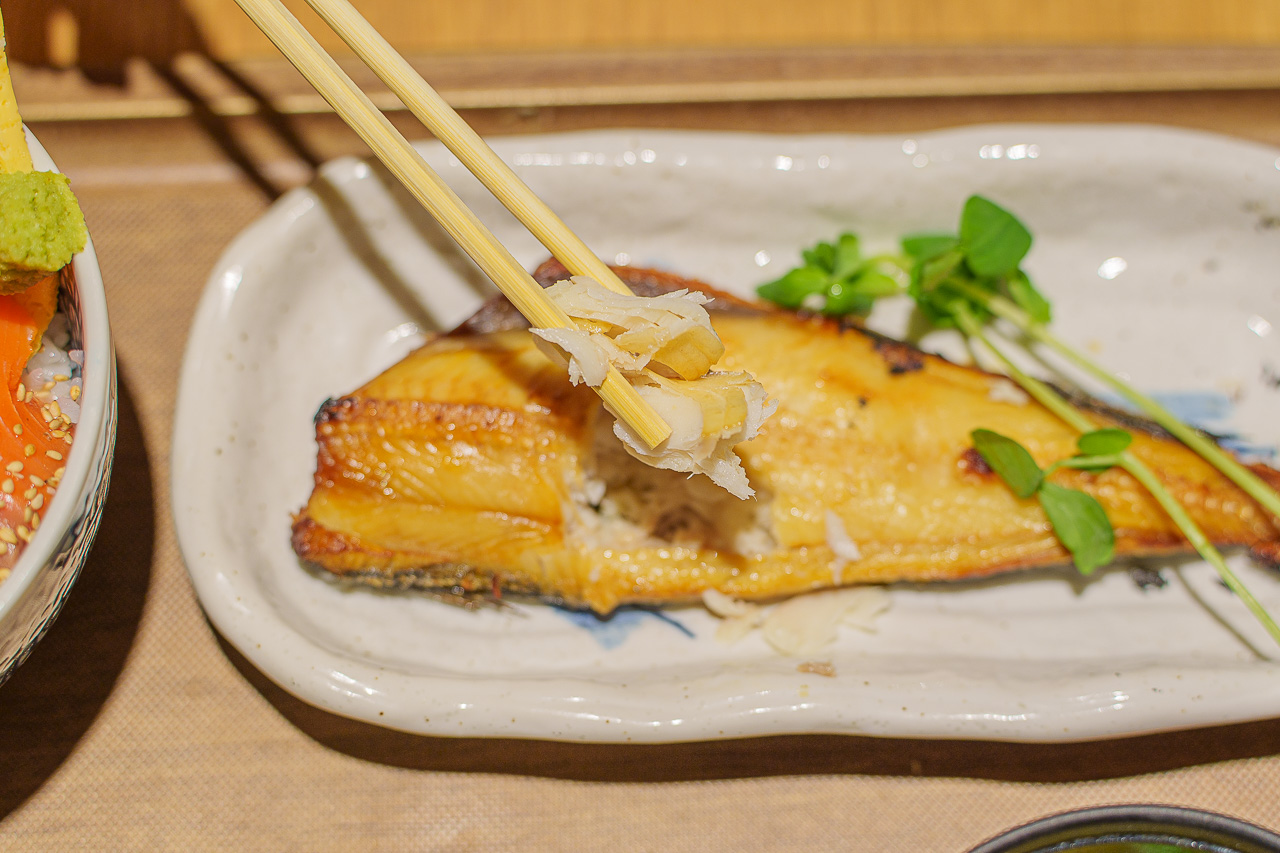
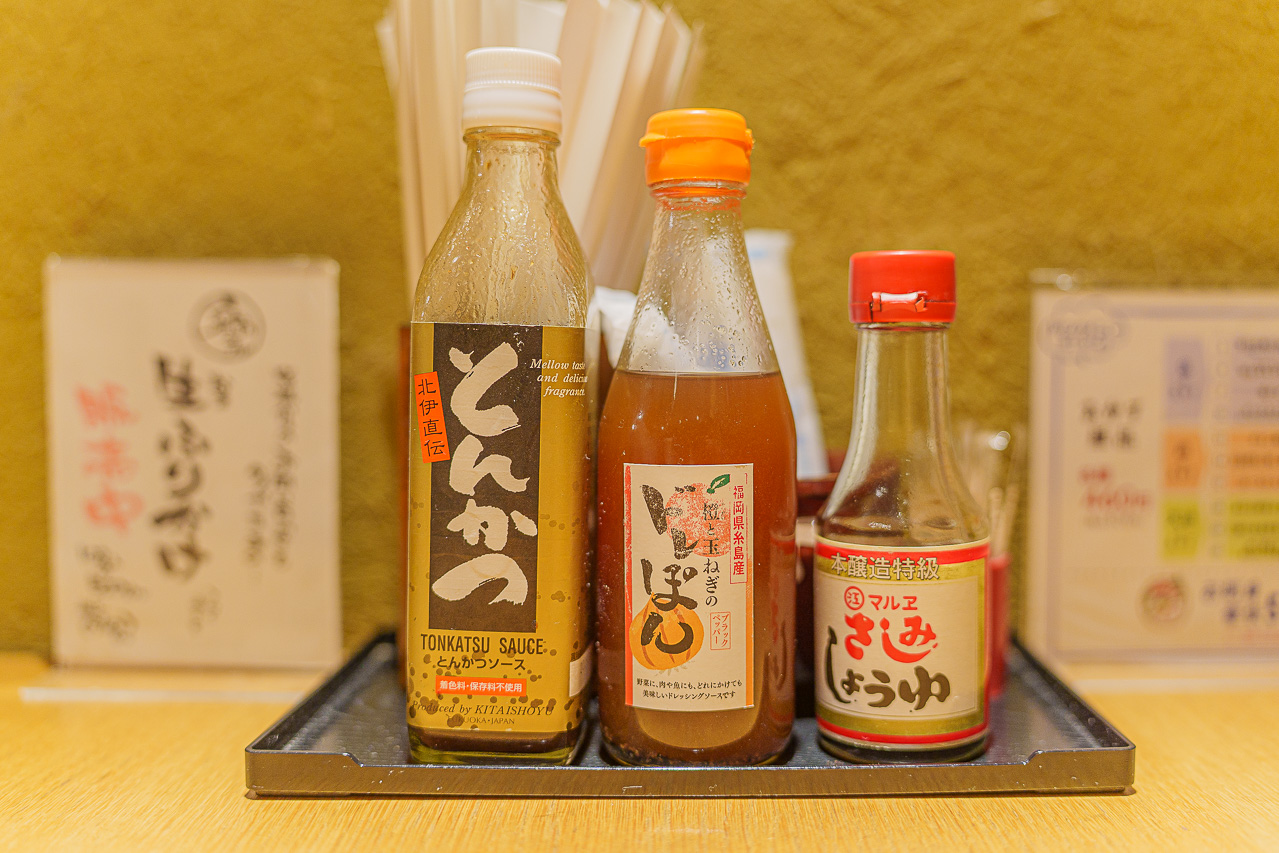
The grilled hokke was good too. The source suggested the soy sauce first from the right or the sweet-tart ponzu second from the right. The first sauce on the left was tonkatsu sauce, intended for a different dish. Those positions describe the original table setup, not a current layout.
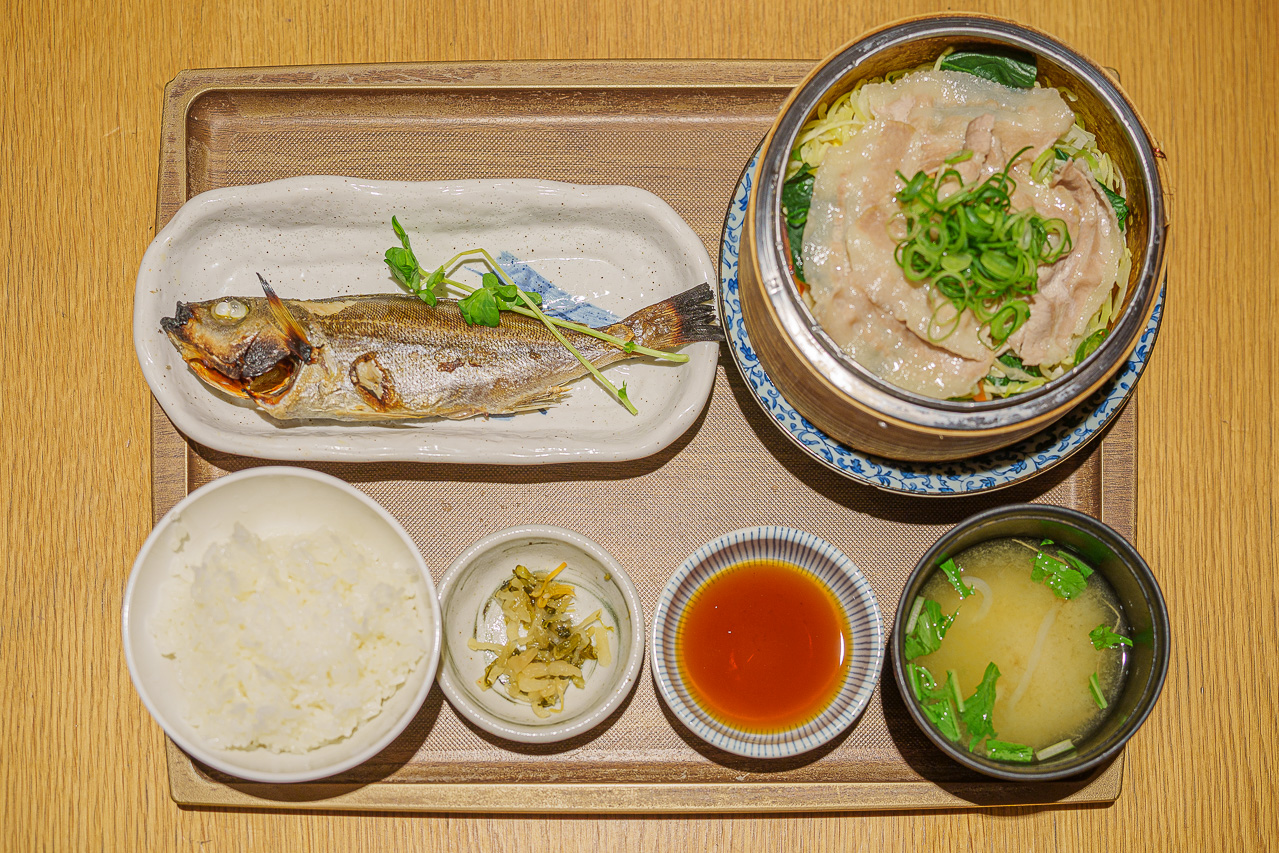

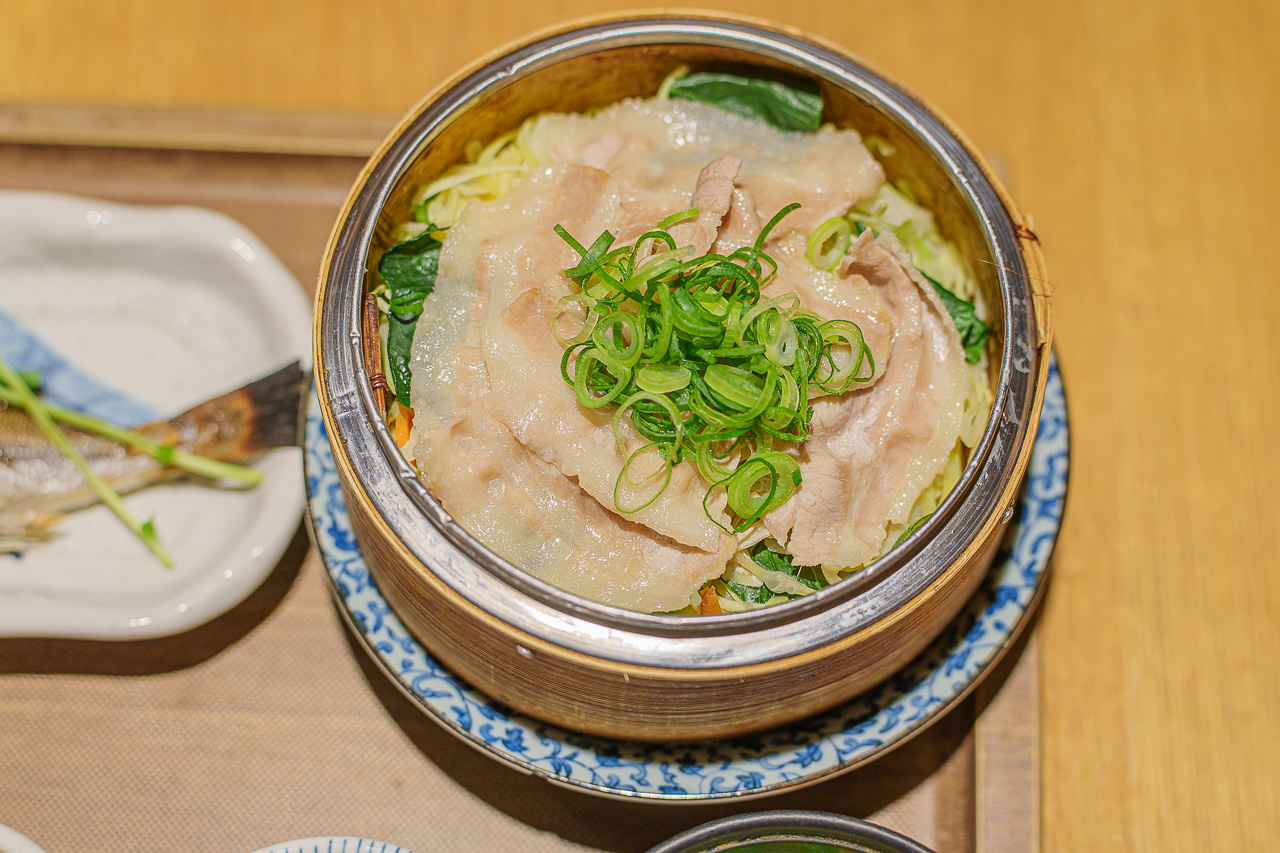
The two-side option also worked well. We chose the day’s grilled fish and seiro-mushi (せいろむし), a traditional steamed dish. Pork, bean sprouts, and vegetables were steamed in a cypress basket for a mild, clean flavor associated with Japanese home cooking, then eaten with sweet-tart ponzu that brought out the ingredients.
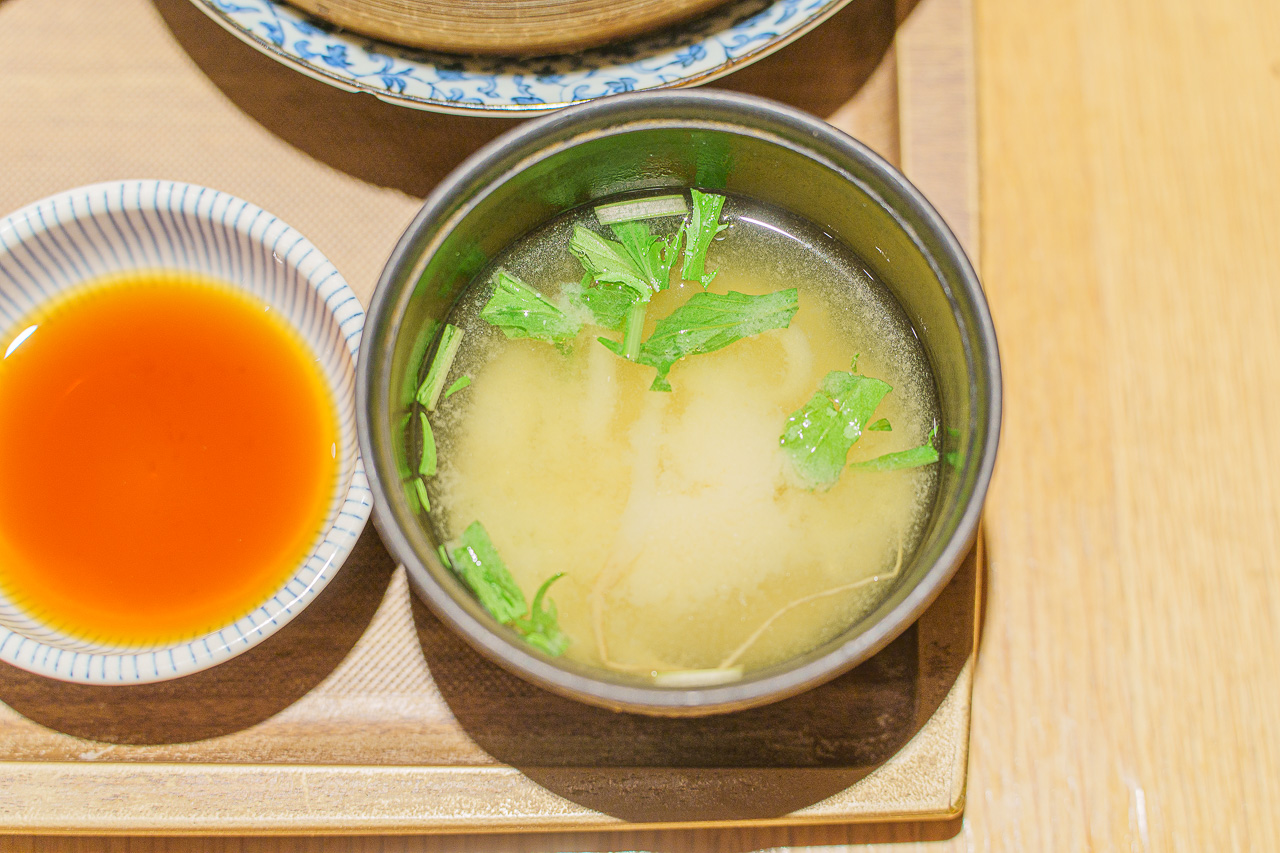
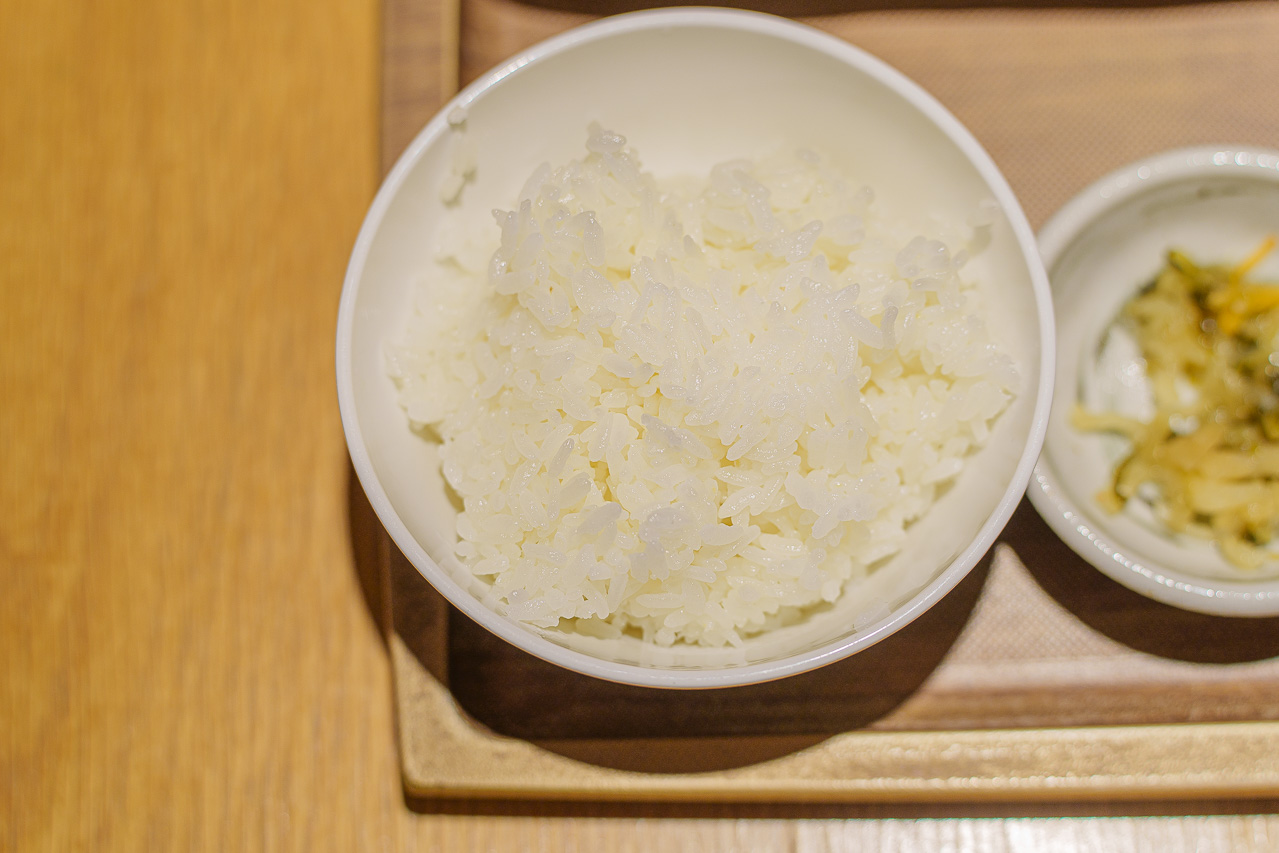
White rice and miso soup fitted the Japanese set meal perfectly. It was another good lunch. For a taste of seafood in busy Tenjin, I recommend considering Umi no Shokudo in Parco’s basement dining area.
Umi no Shokudo · 2 Chome-11-1 Tenjin, Chuo Ward, Fukuoka, 810-0001, Japan
★★★★☆ · Japanese restaurant
www.google.com