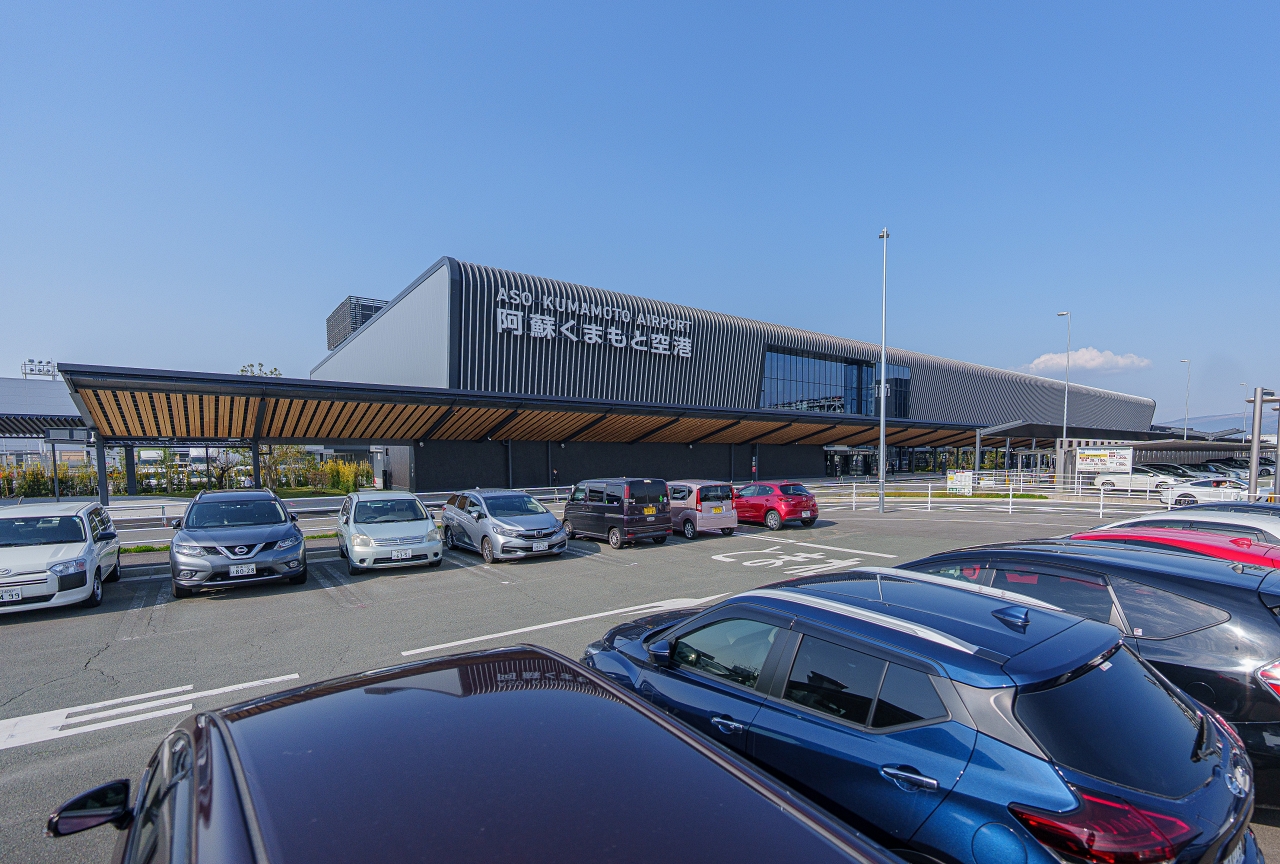
Aso Kumamoto Airport’s new passenger terminal opened on March 23, 2023. The original described its integration of domestic and international functions as a first-of-its-kind Japanese approach, with advanced systems intended to appeal to travelers and local residents alike. This is an archive of that opening-period report.
Presented as a symbol of recovery from the Kumamoto earthquakes, the terminal was about 1.4 times the previous size in the source. Lessons from the disaster informed stronger electricity, water, and communications lifelines, with places secured for passengers to evacuate in a fire.
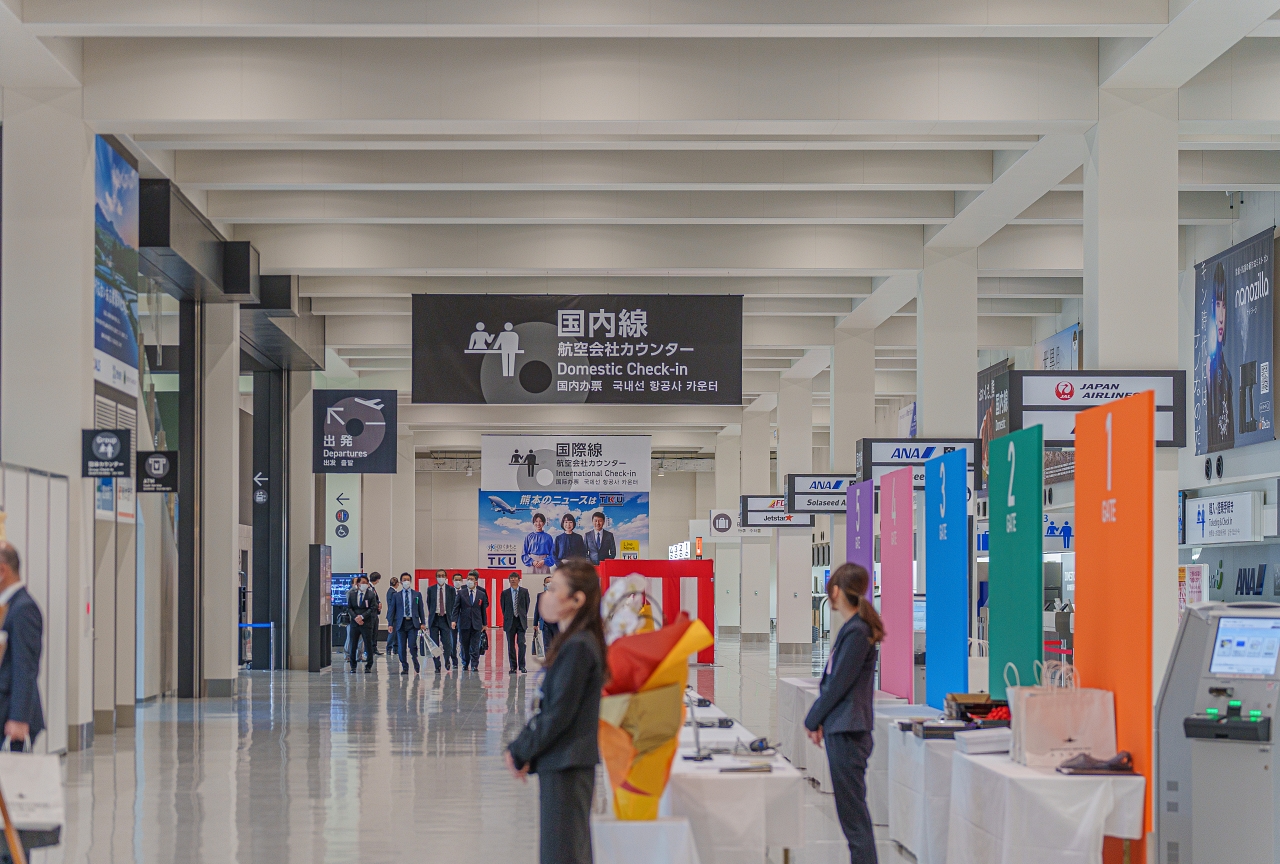
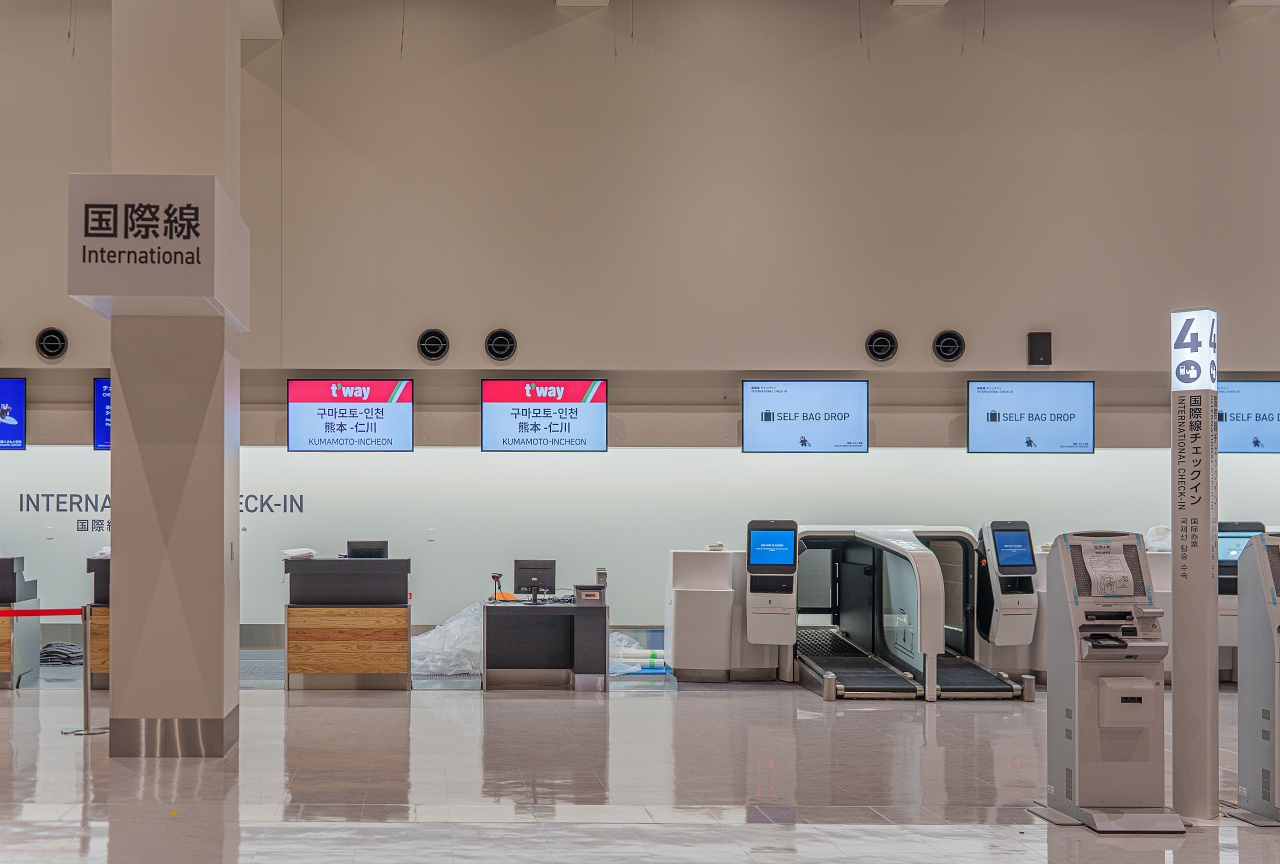
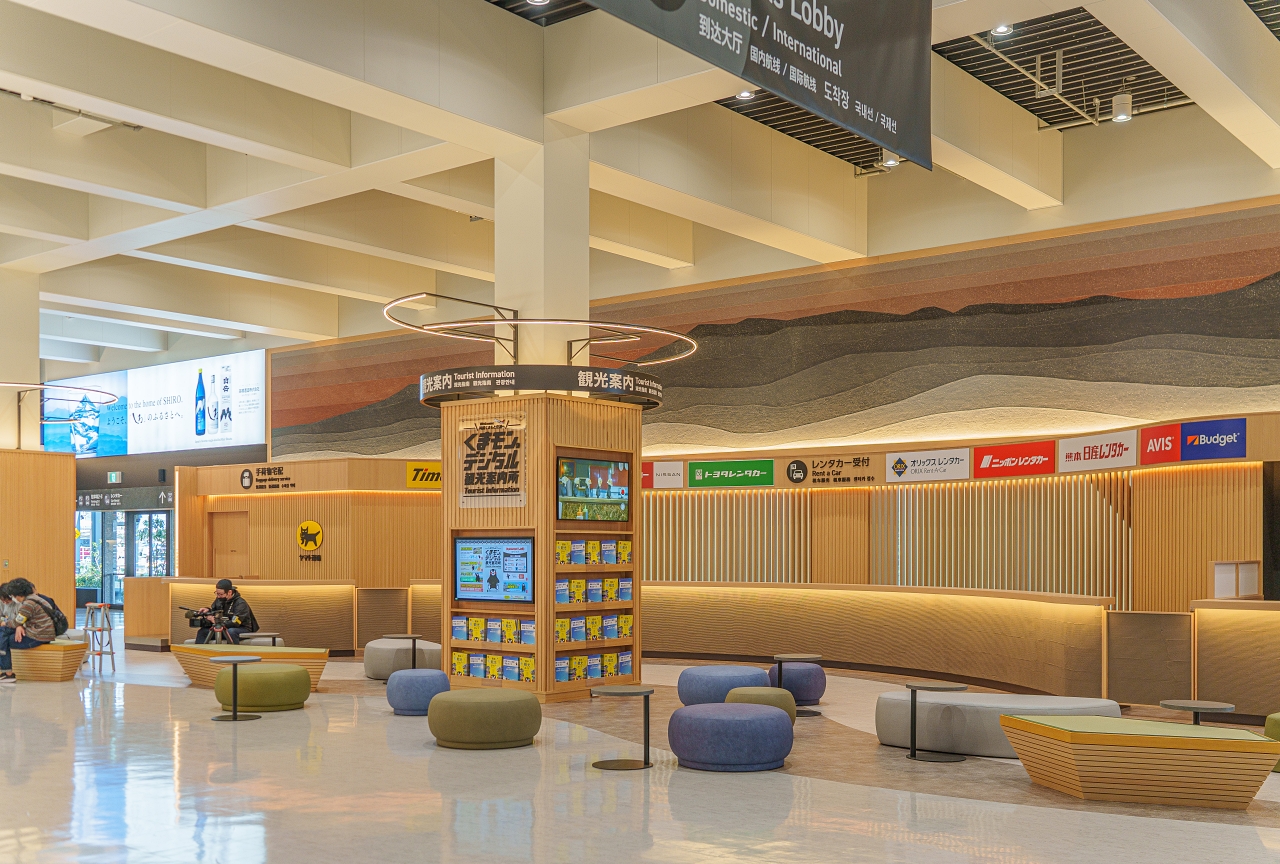
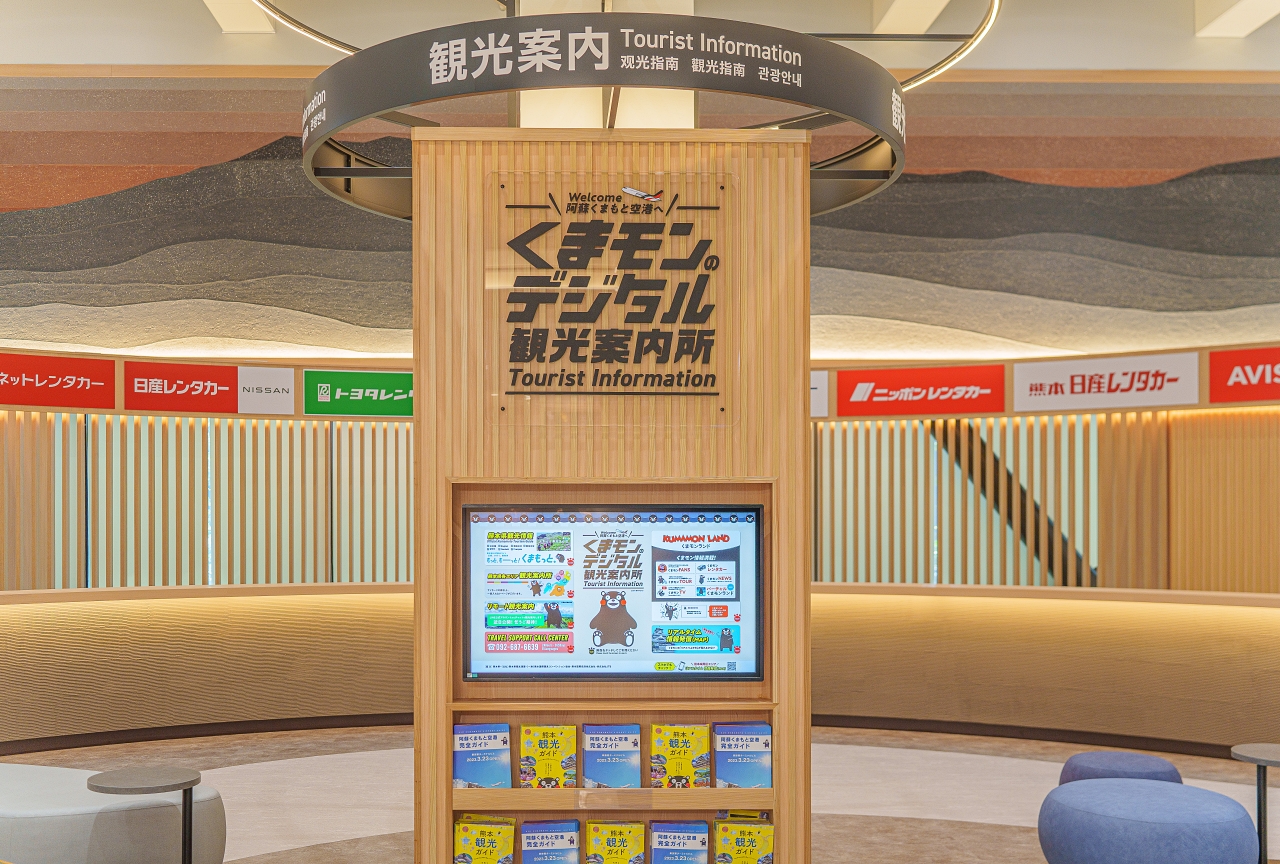
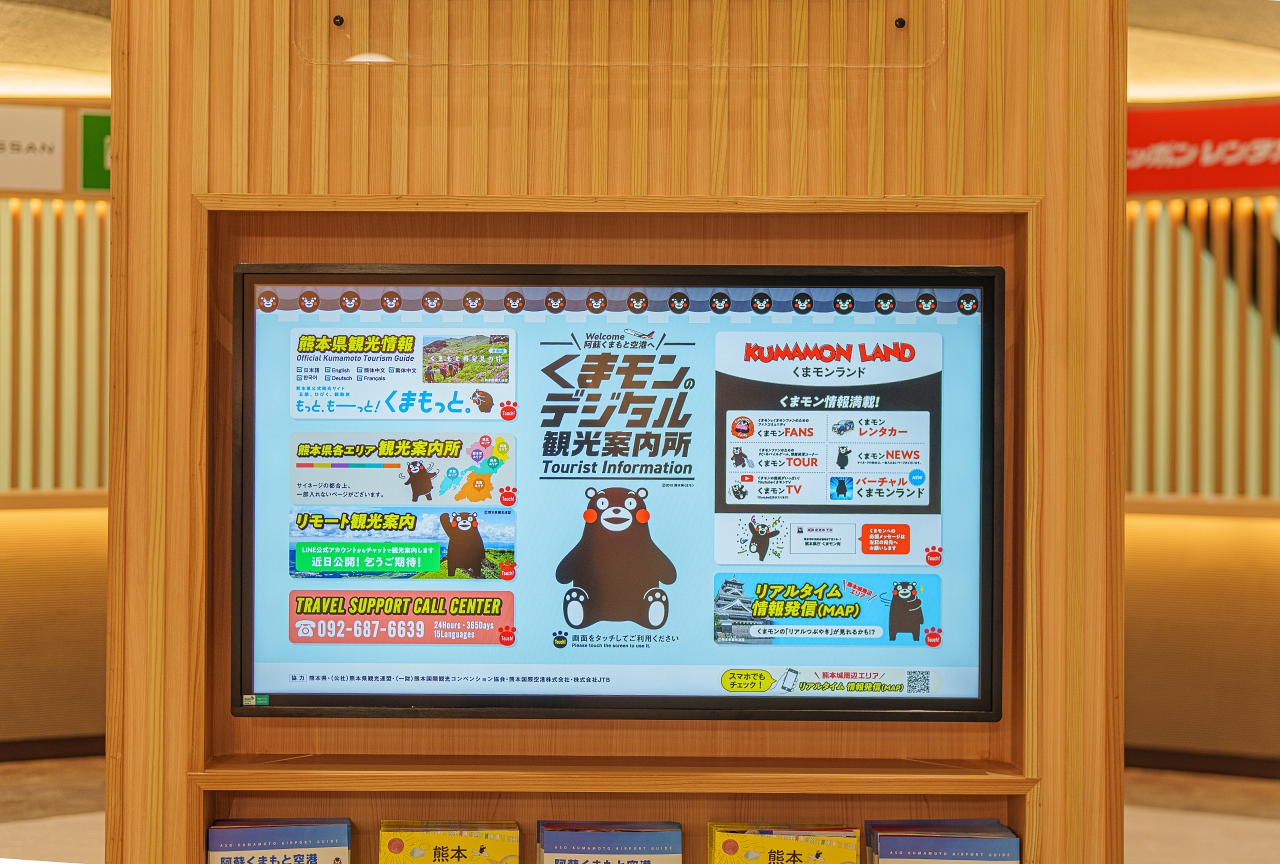
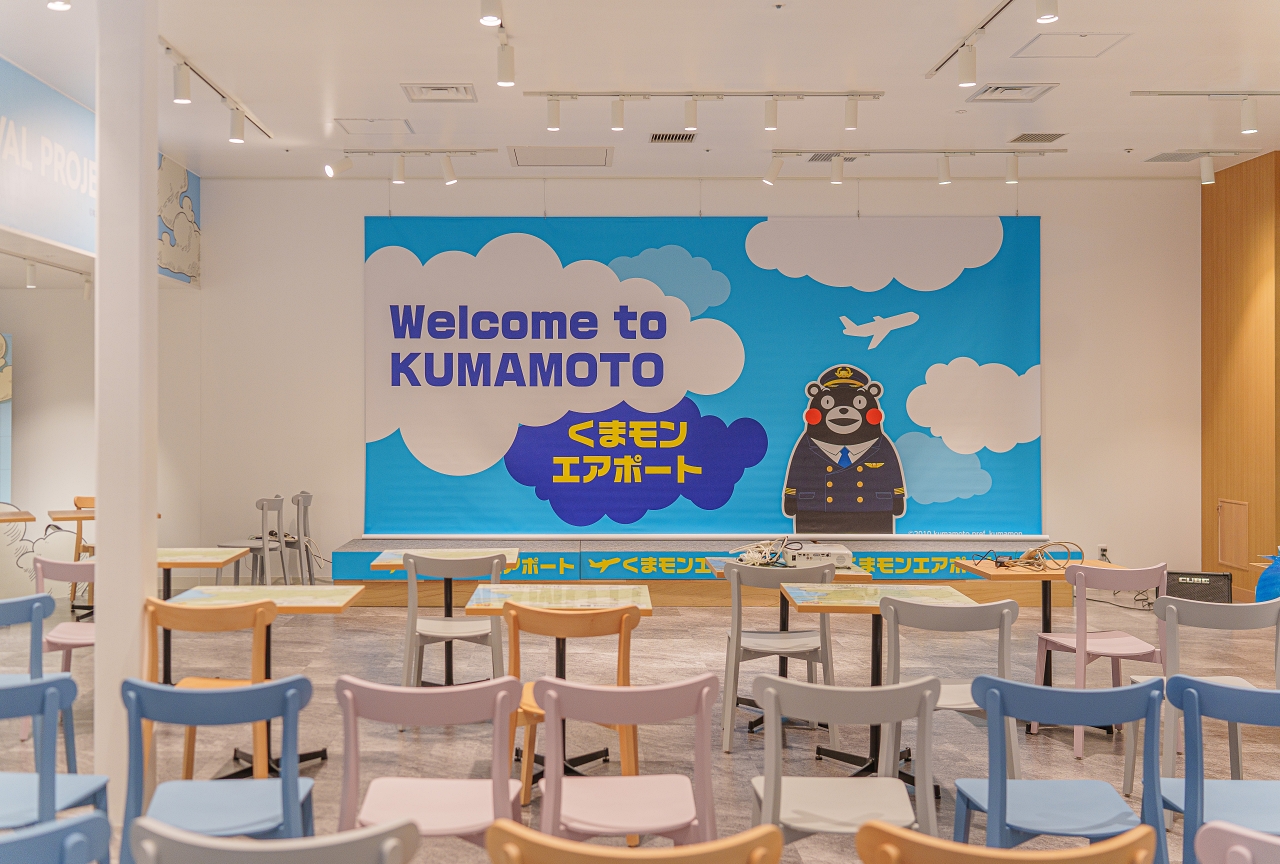
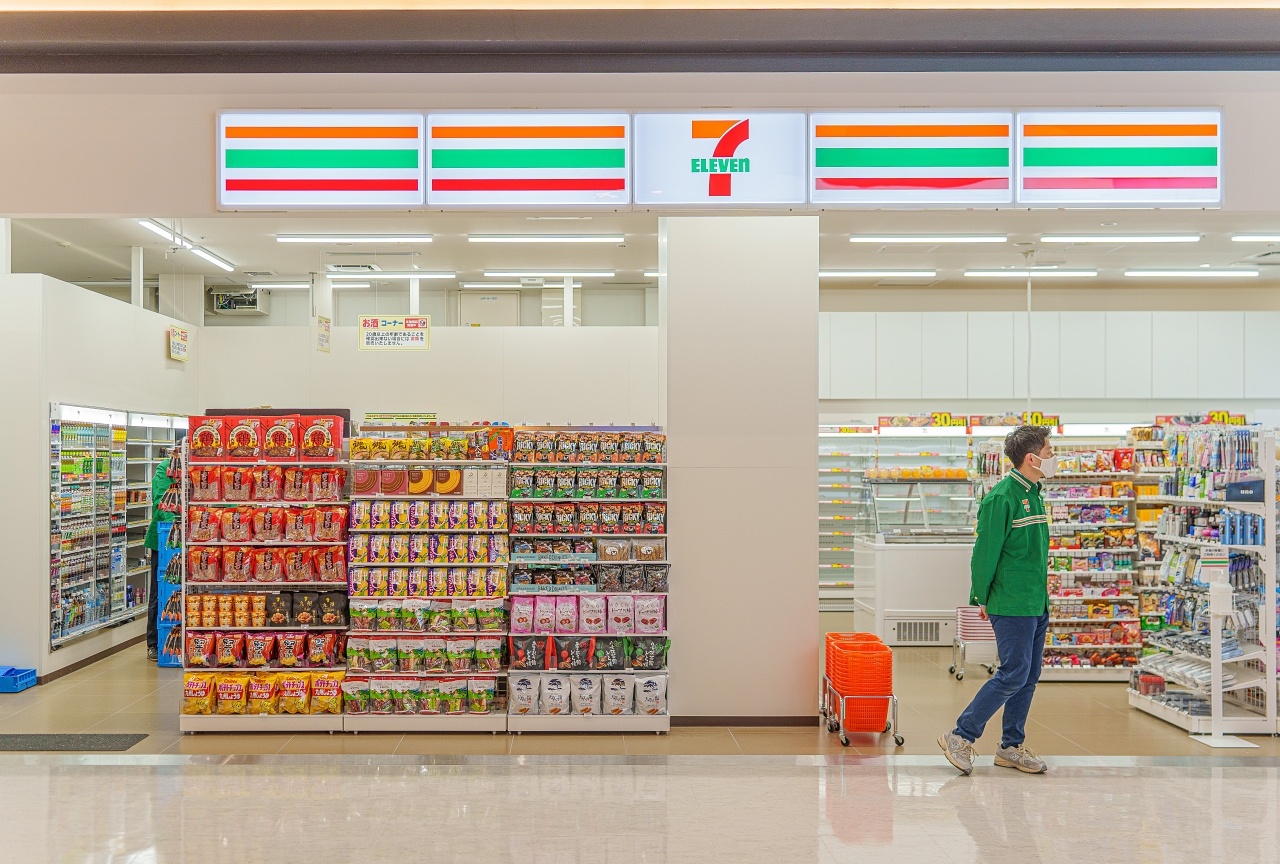
Airline check-in counters were on the first floor. Black signs indicated domestic services and white signs international, helping identify the counters. Major Japanese rental-car companies had booths in the middle. A digital tourist-information point featured Kumamoto mascot Kumamon, and conveniences included a 7-Eleven.
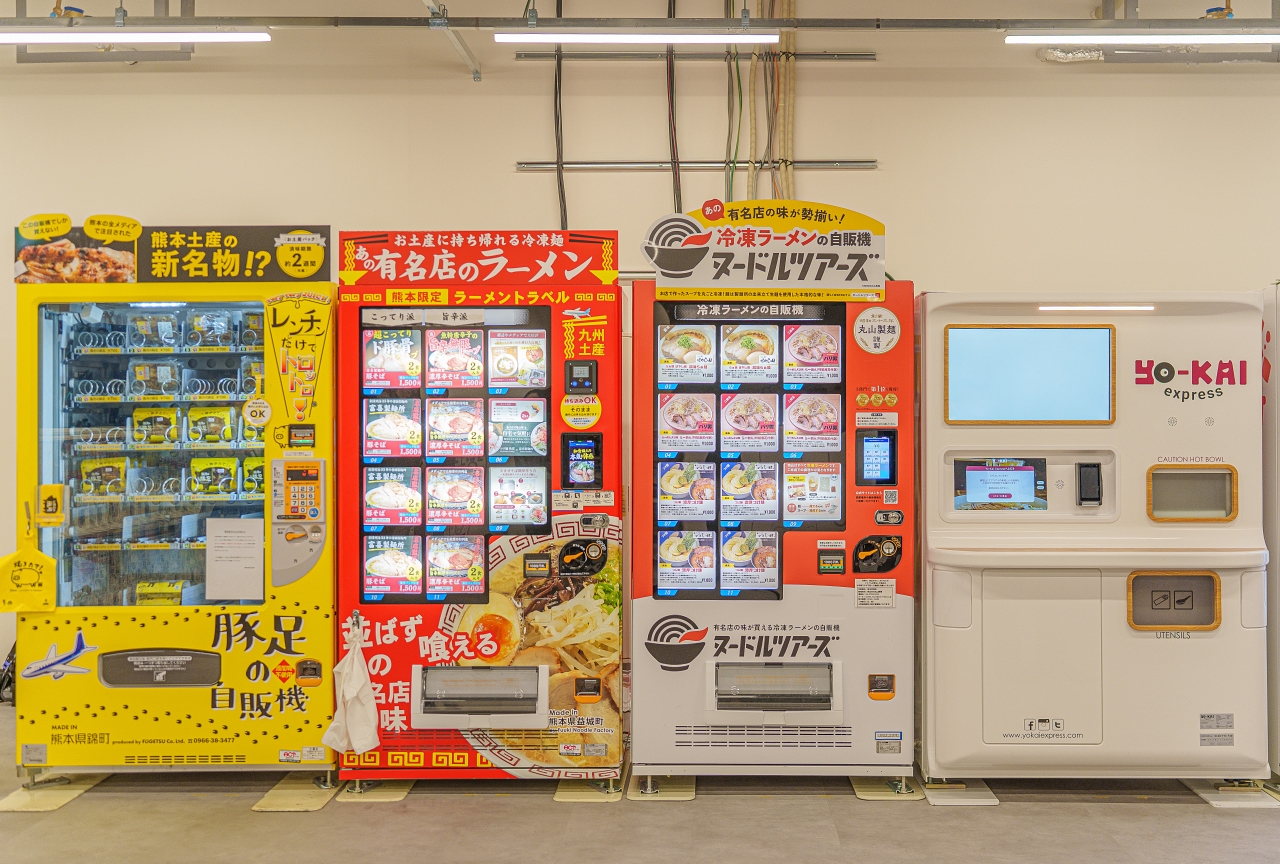
Beyond check-in was an unusual vending-machine area. Silicon Valley food-technology venture Yo-Kai Express Inc. introduced its automated cooking machine for the terminal opening, described as the first installation outside Kanto. To mark the Kumamoto–Taipei charter service, it also launched two dishes early at the airport: Keika Kumamoto Tonkotsu Ramen (桂花熊本豚骨ラーメン) and Taiwan beef noodles.


The source describes Yo-Kai Express as a Silicon Valley business providing hot meals around the clock through automated cooking machines. It counted over 100 installations worldwide, mainly in the US, and a Japanese launch in spring 2022. Ten Japanese locations, including Ueno Station and Haneda Airport, were said to offer freshly prepared food in as little as 90 seconds. These are historical company figures, not current counts.
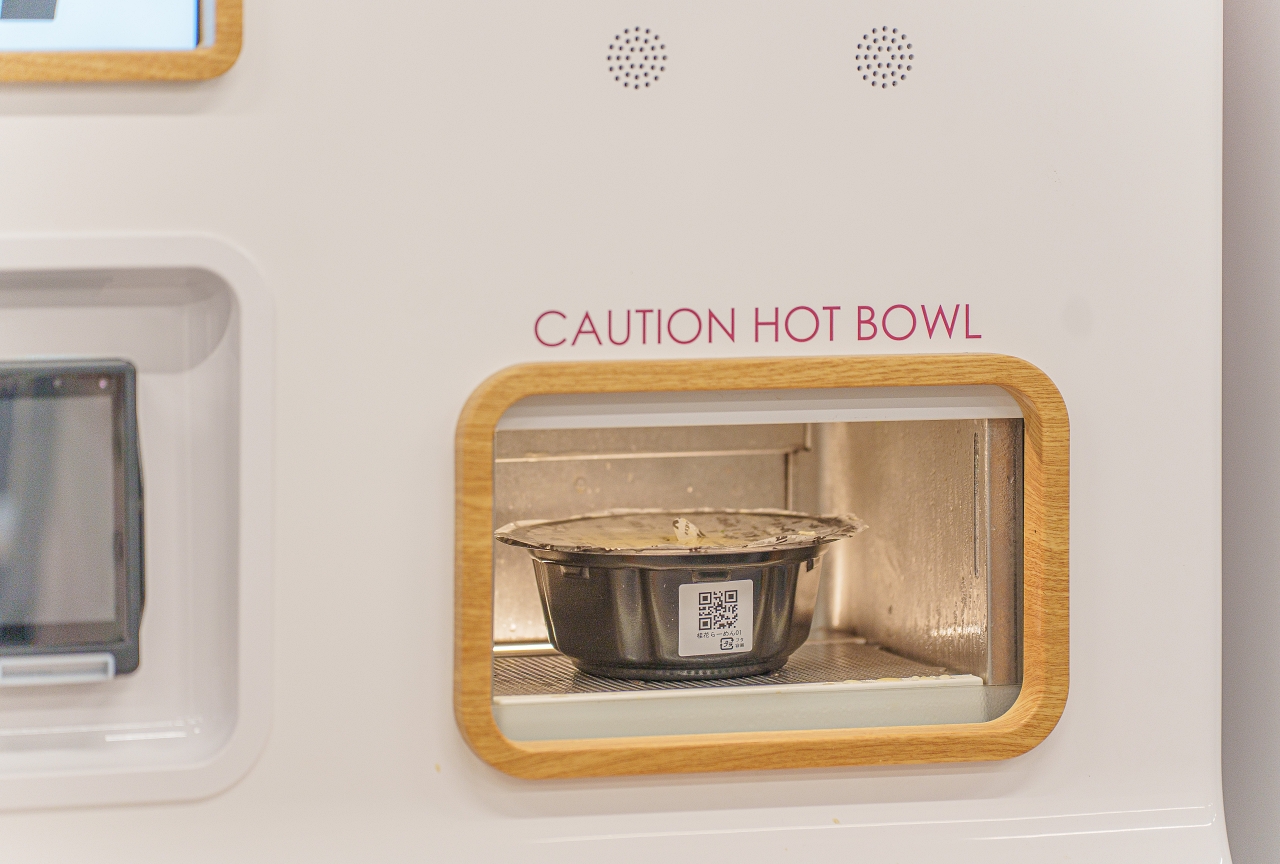
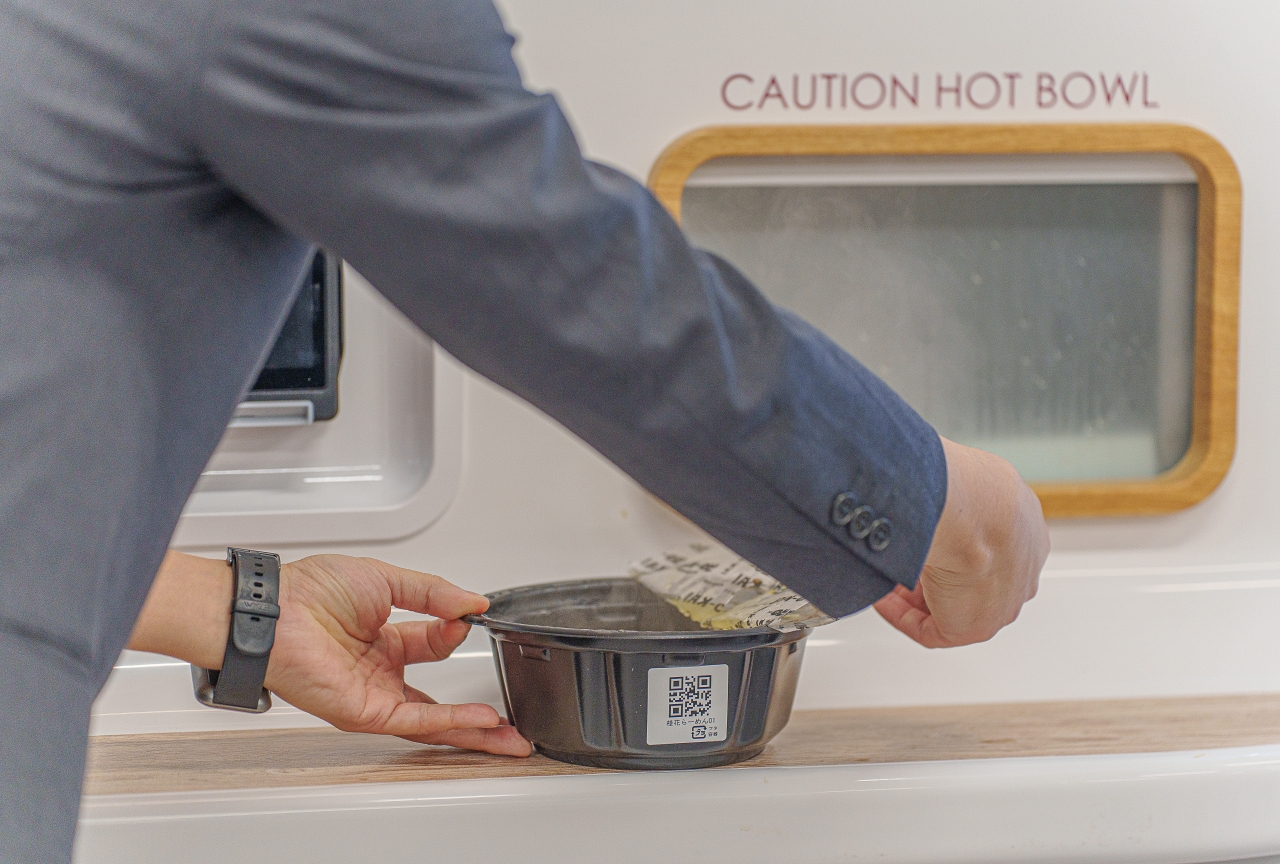
The Aso Kumamoto installation was presented as its first outside Kanto. With TSMC and other semiconductor and IT-related businesses planning operations in Kumamoto, a Taipei charter began on opening day. The machine was introduced as an easy way to experience Japanese food amid expected growth in travel within Japan and Asia.
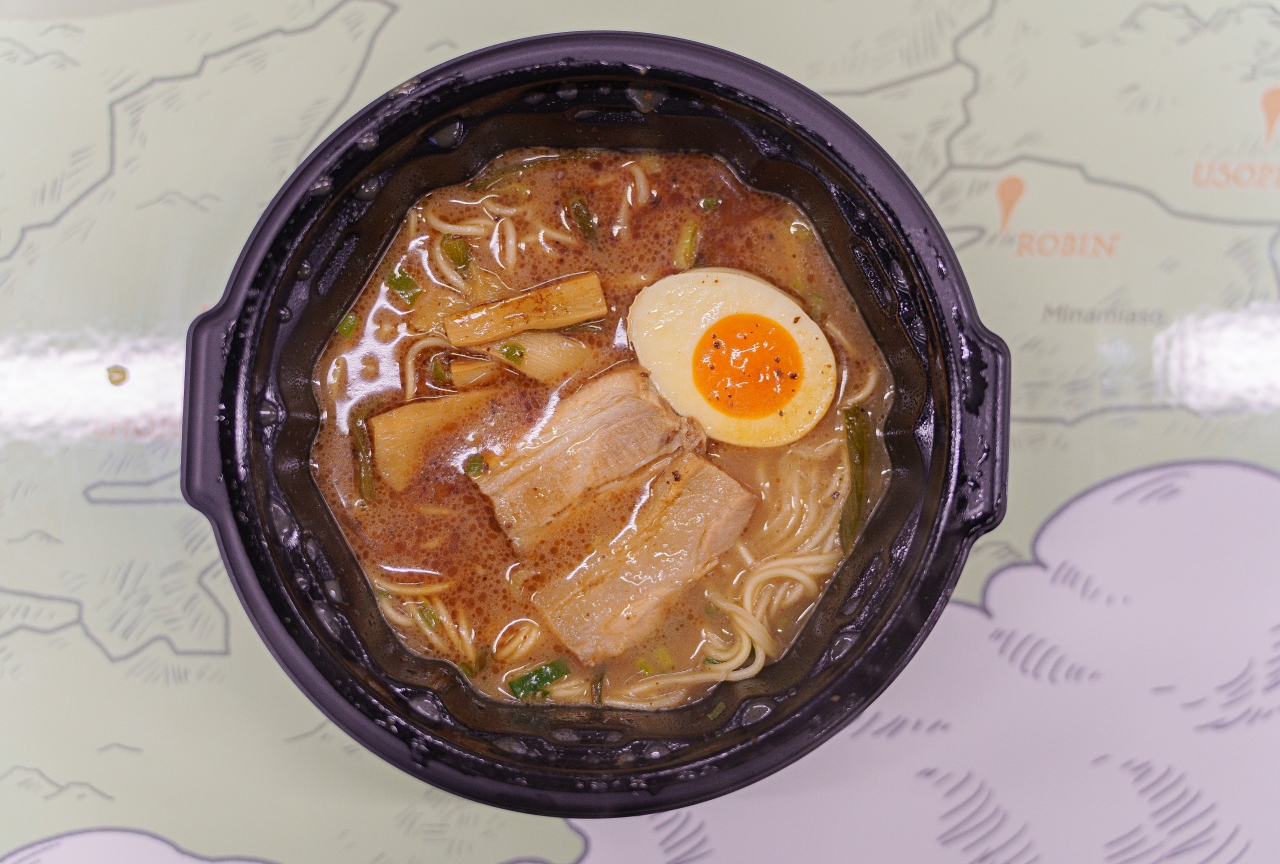
Keika Ramen (桂花ラーメン) was described as beloved by Kumamoto residents of different ages, using a deeply simmered pork-and-chicken-bone broth with a milky yet clean taste. The automated Keika Kumamoto Tonkotsu Ramen aimed to reproduce that flavor, with an aromatic oil blending into the soup and chewy noodles. The Korean original calls the oil “horse oil”; that ingredient identity is unclear and is not silently replaced with an invented description here.
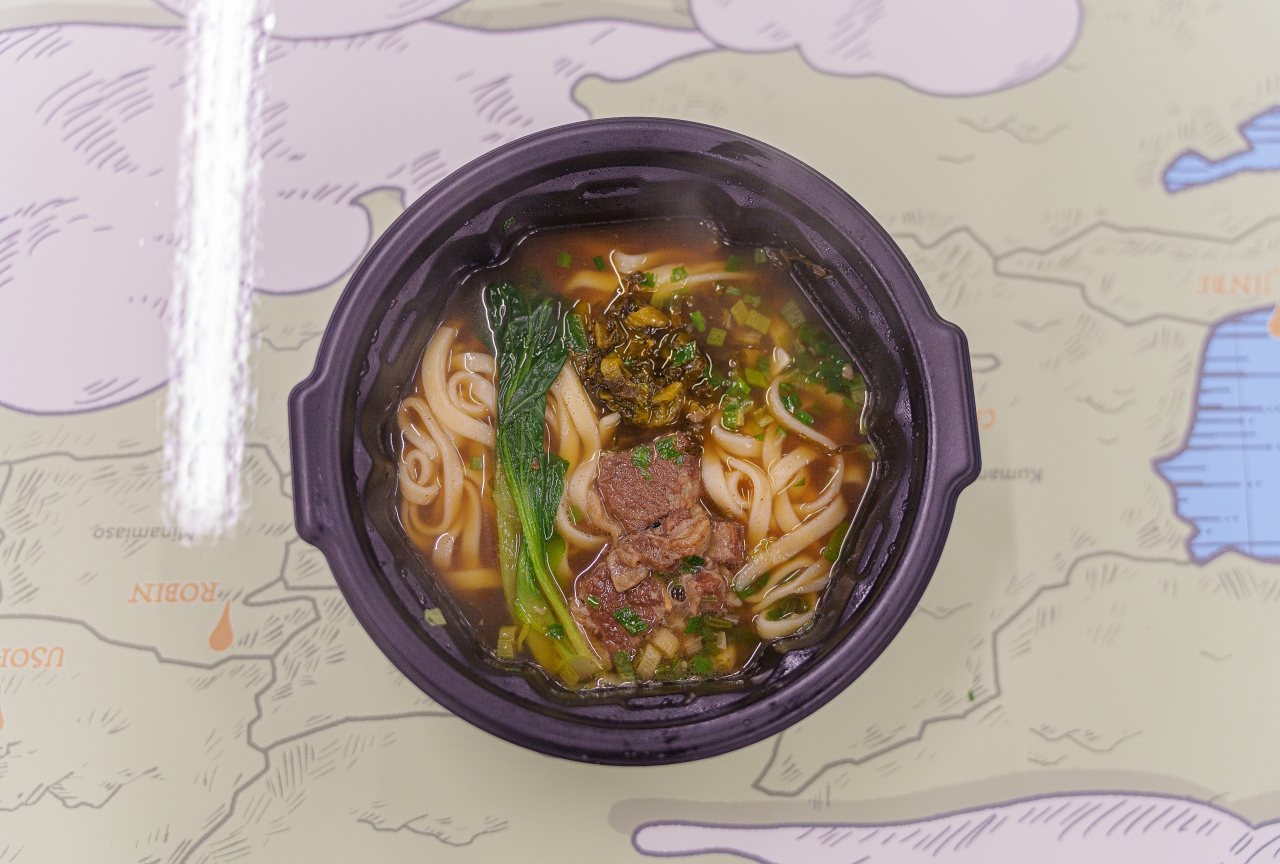
Taiwan beef noodles recreated a popular everyday Taiwanese dish, with beef gently simmered in an original soy-sauce seasoning highlighting star anise. Beef flavor enriched the strong broth, paired with springy noodles. The source describes repeated development through visits to popular Taiwanese shops, adjusting star-anise aroma, soy sauce, and sweetness according to the beef-cooking method.
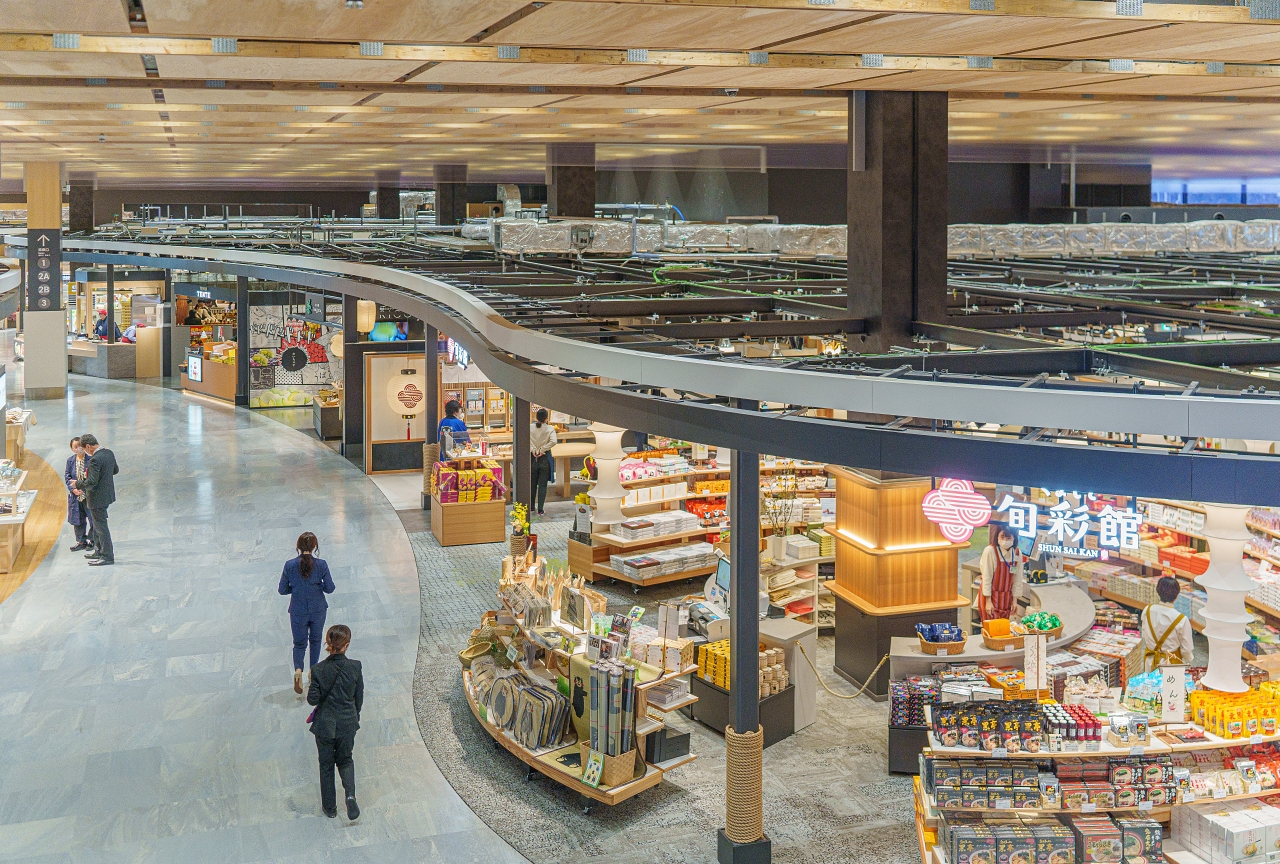
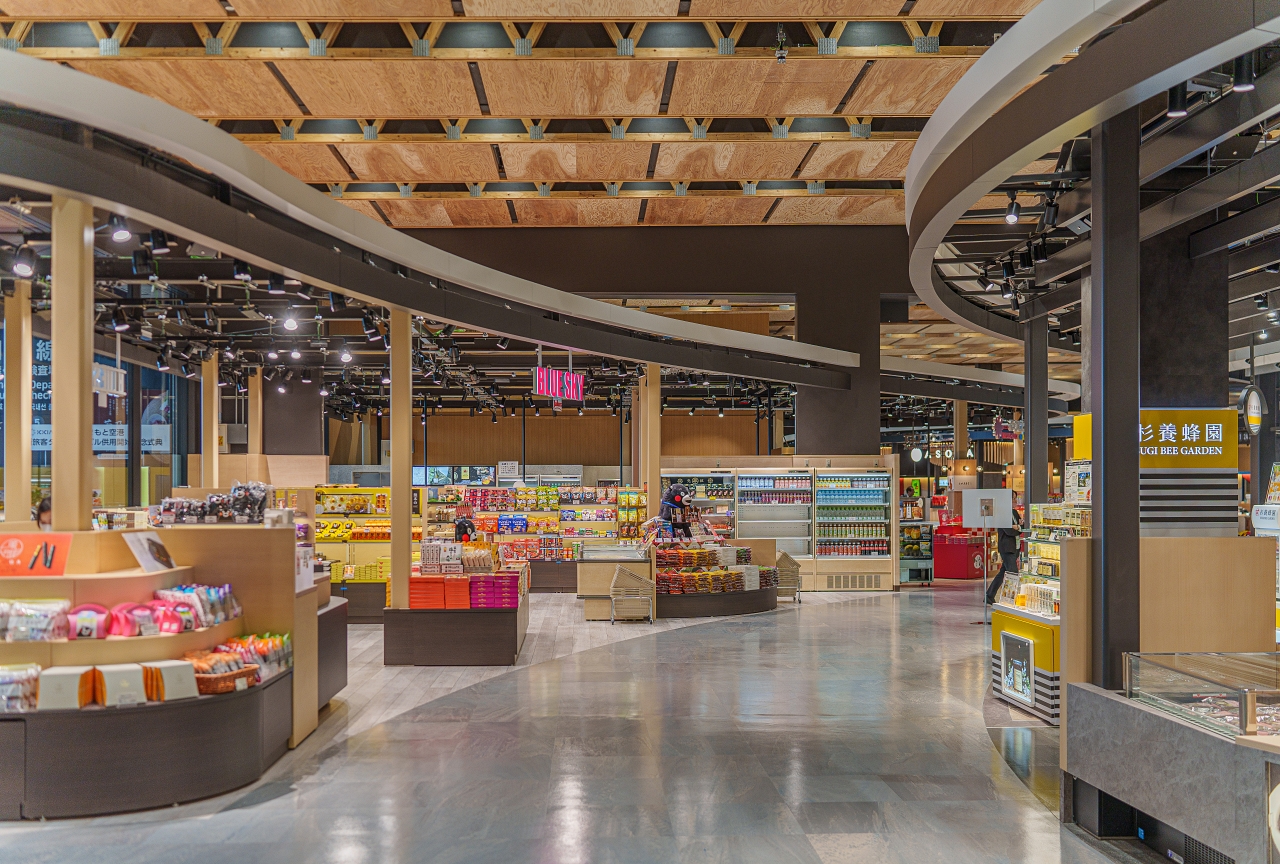
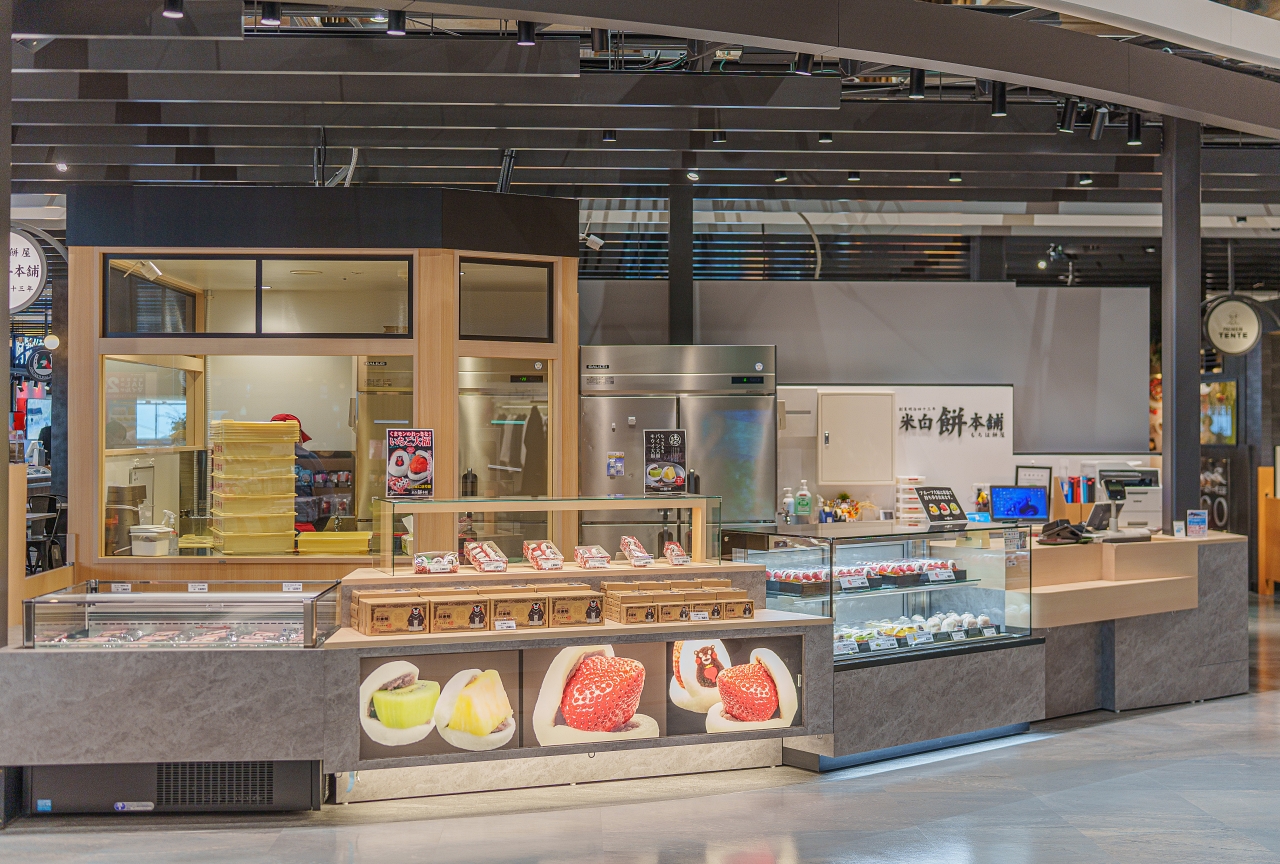

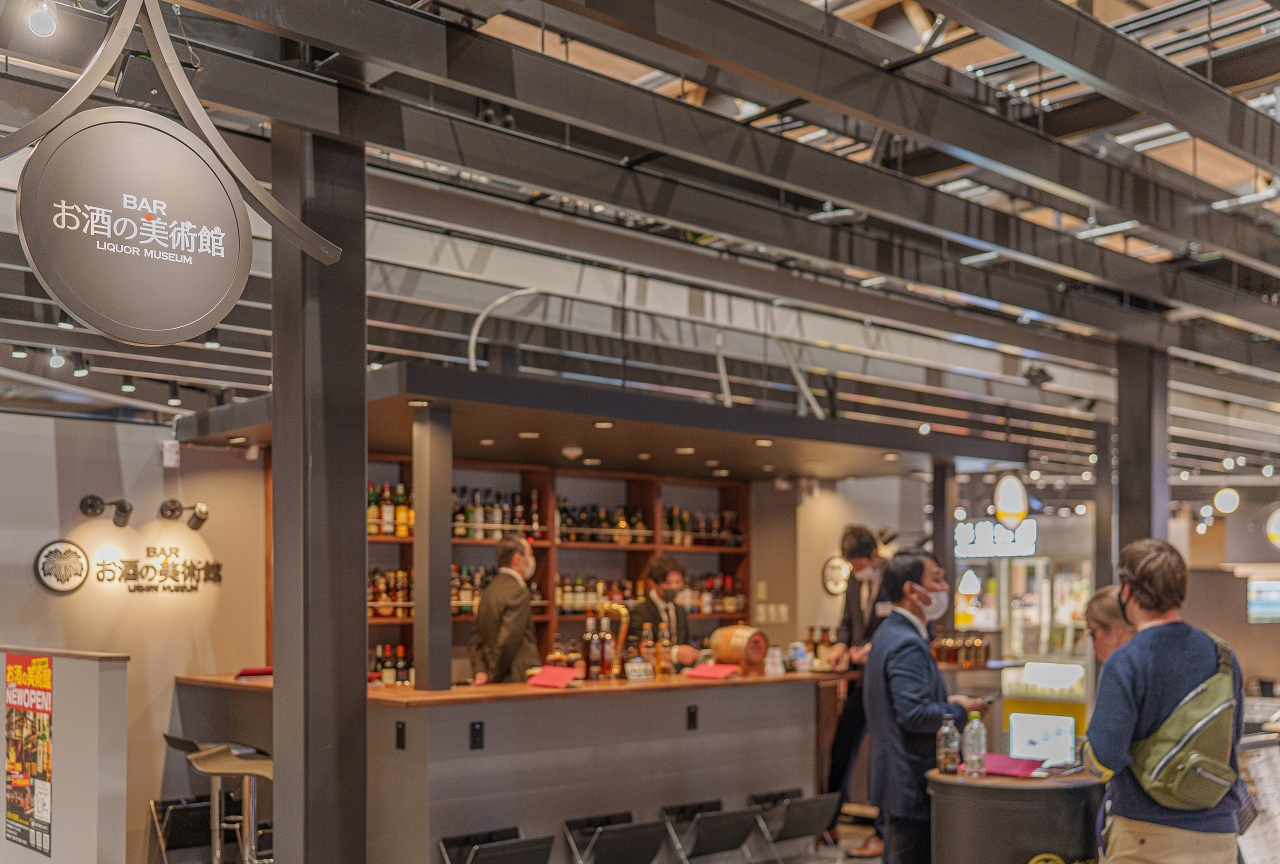
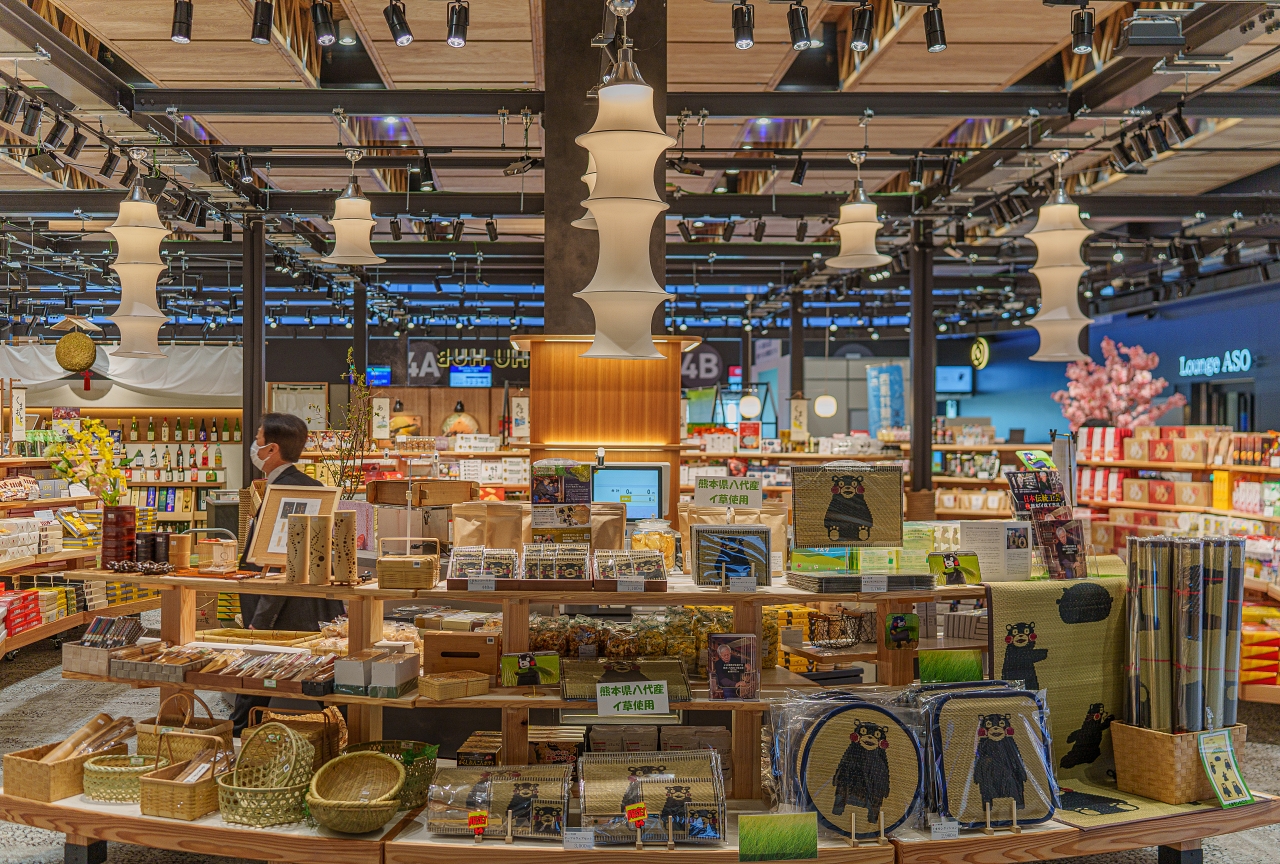
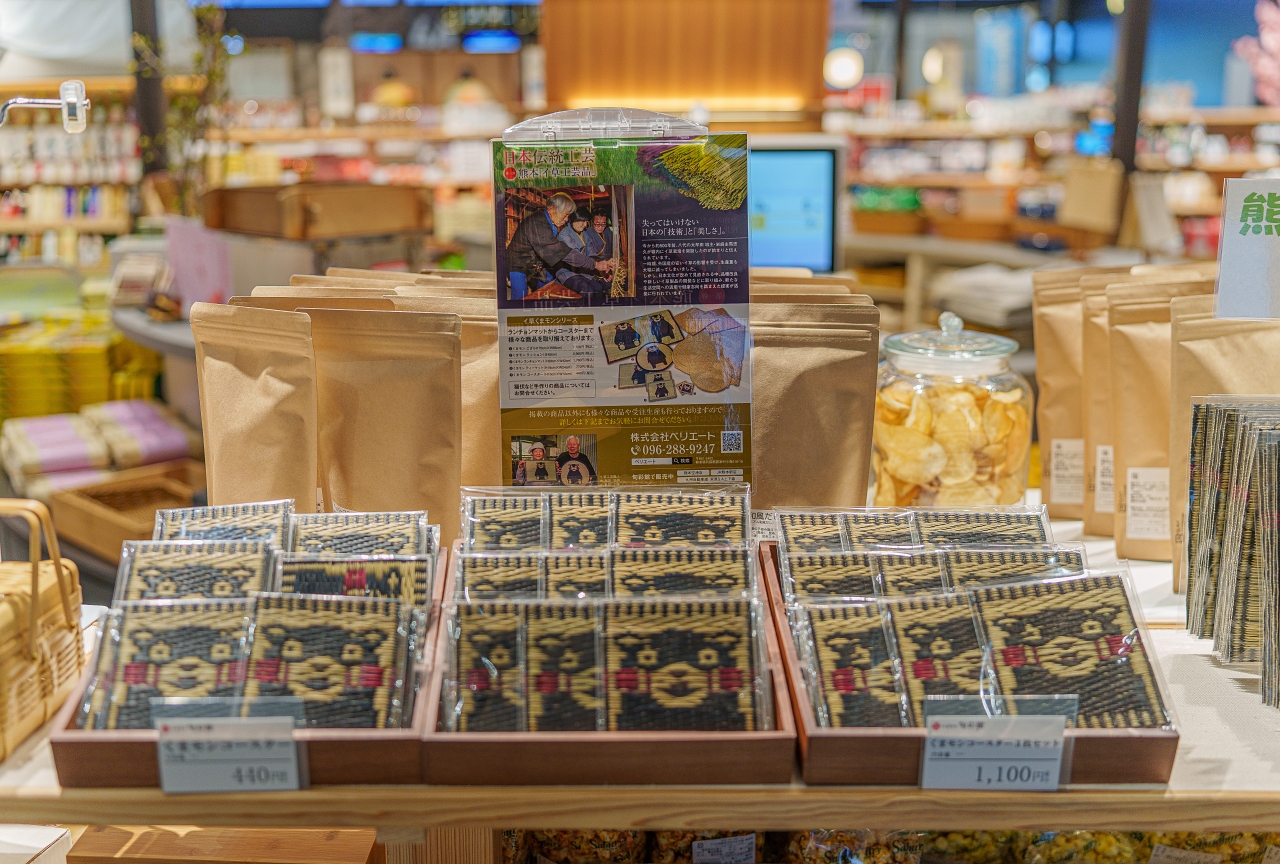
The feature I most anticipated was a departure lounge usable by both domestic and international passengers. Instead of fully separate terminal areas, the source describes shopping and dining after check-in and security, with international immigration later. Congestion displays and newer security equipment allowing laptops to remain in bags added convenience, making even a short airport stay more comfortable under the recorded layout.

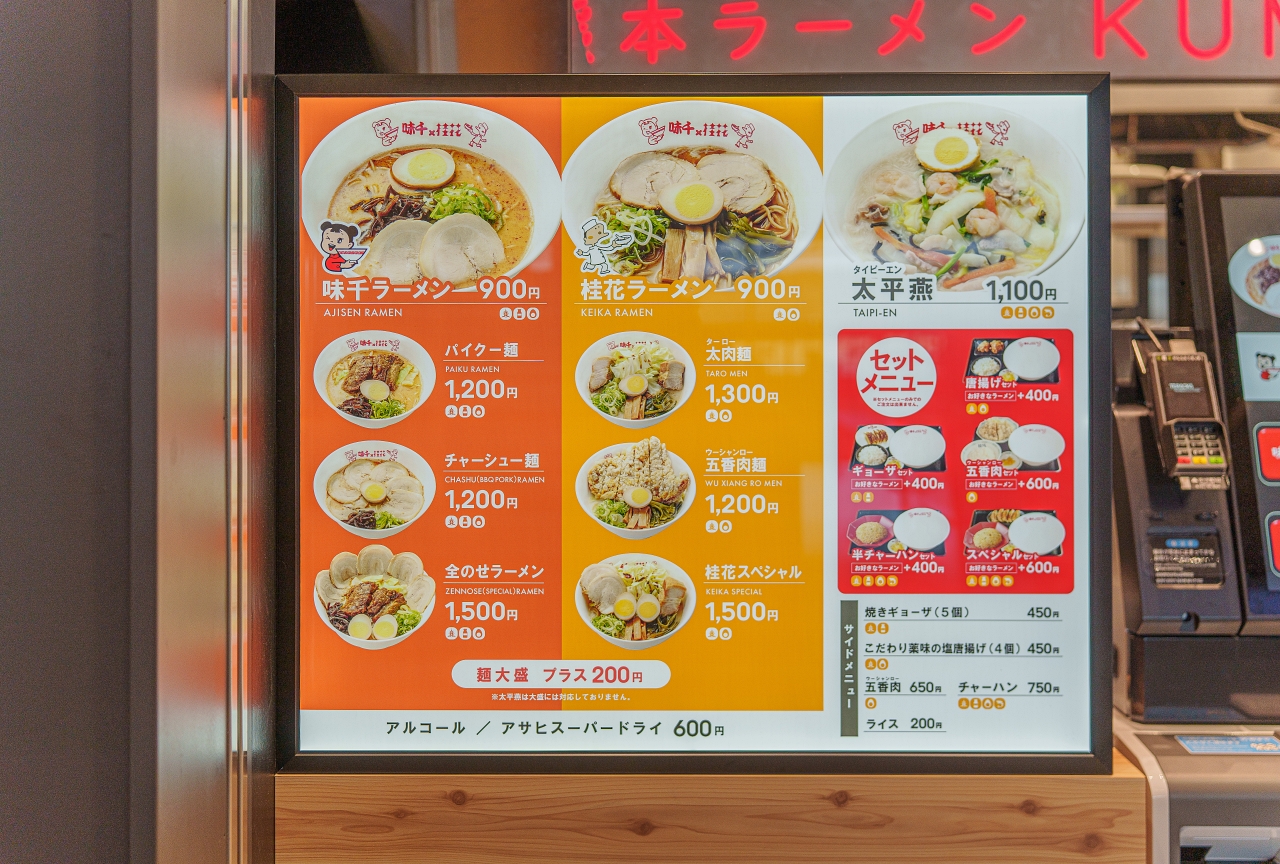
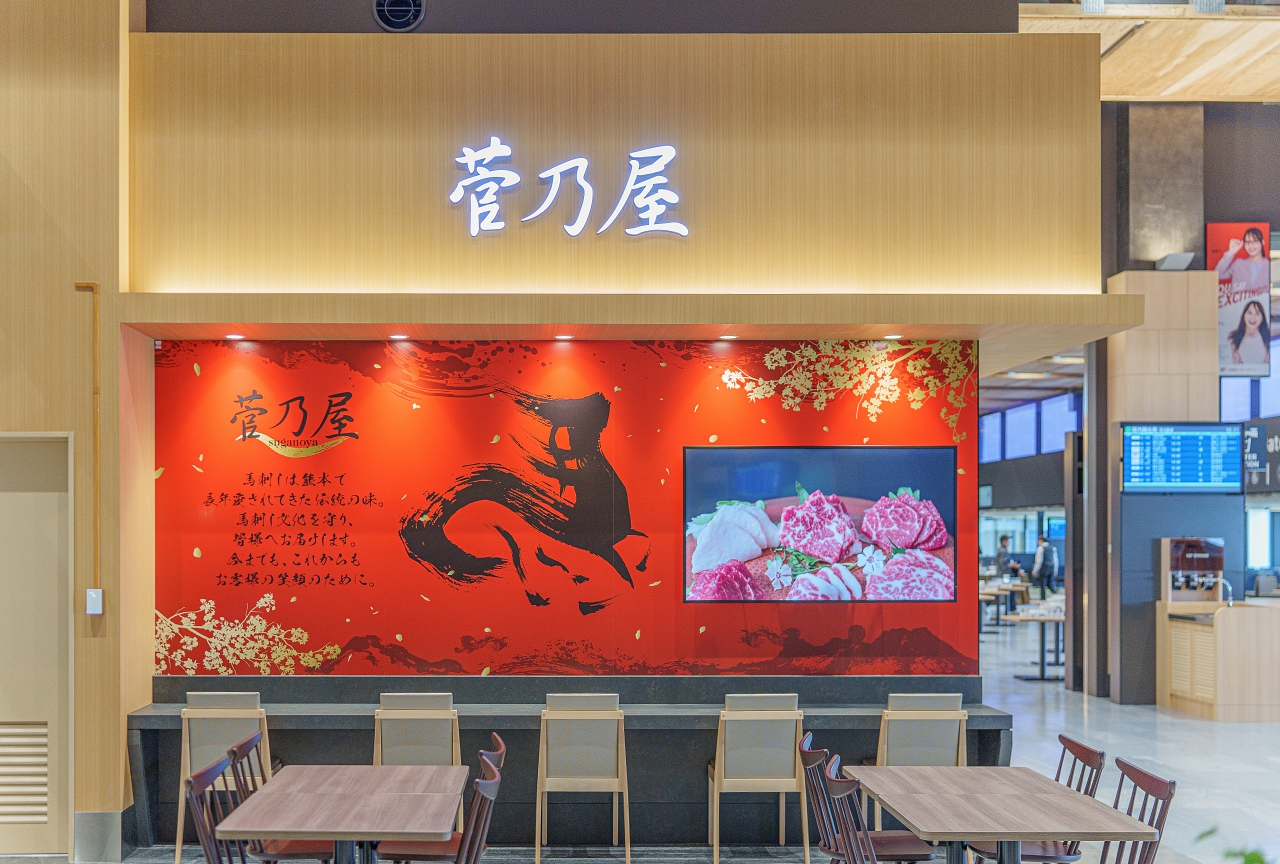
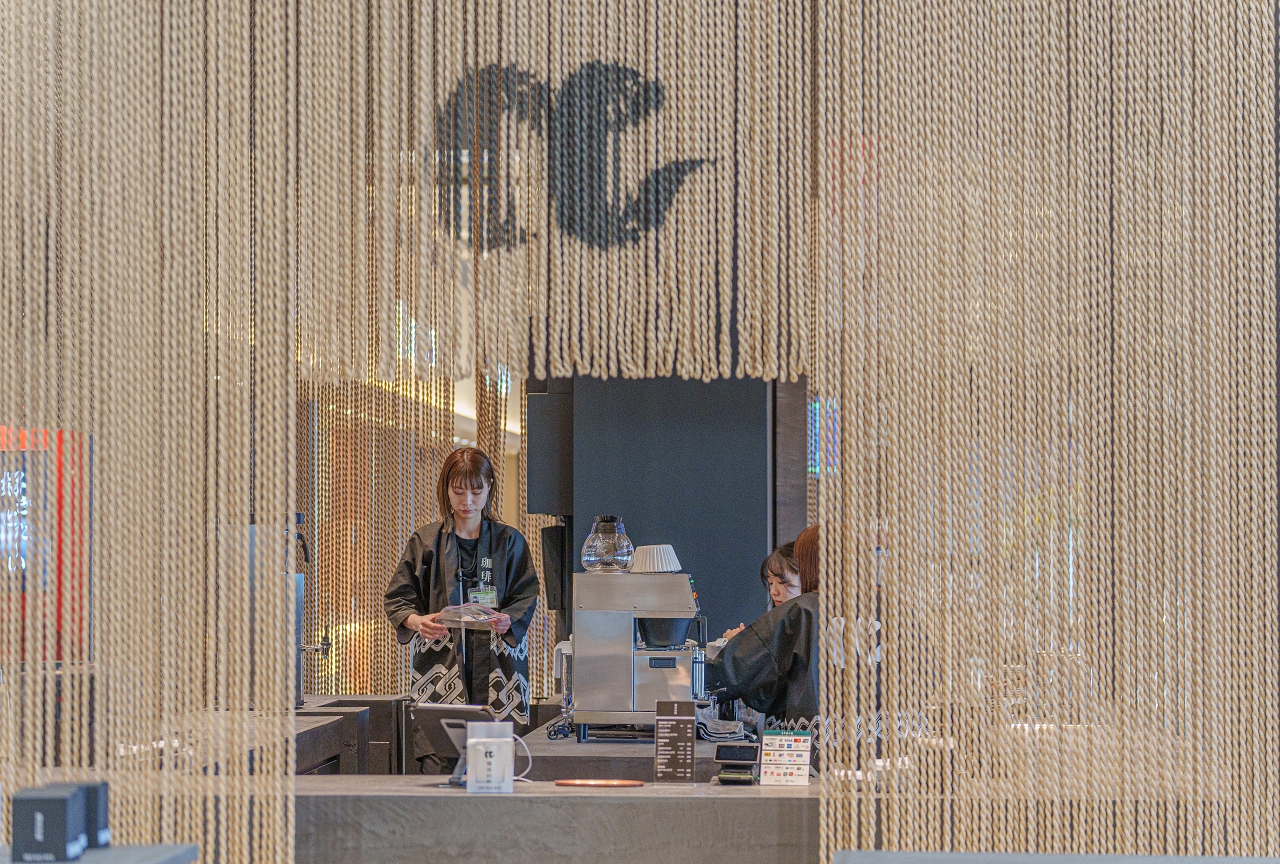
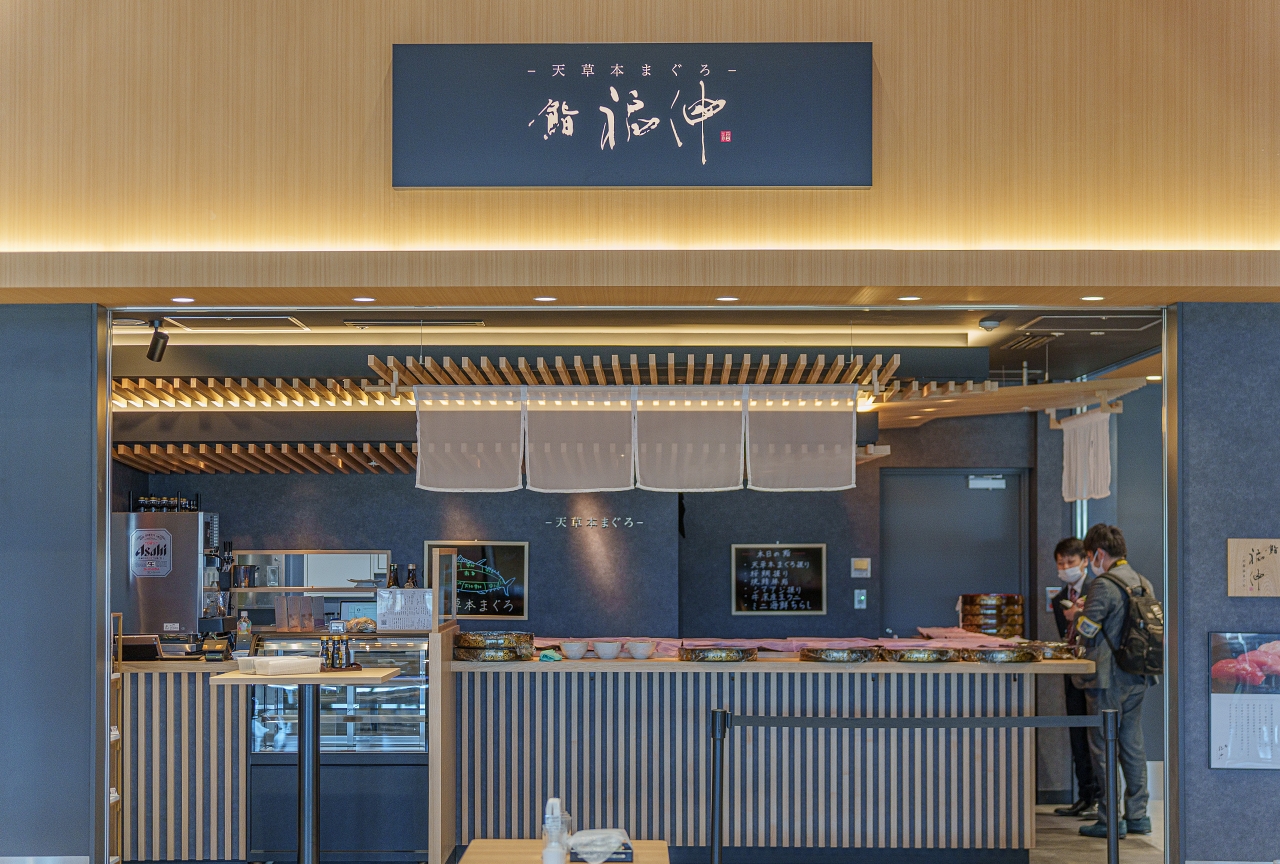
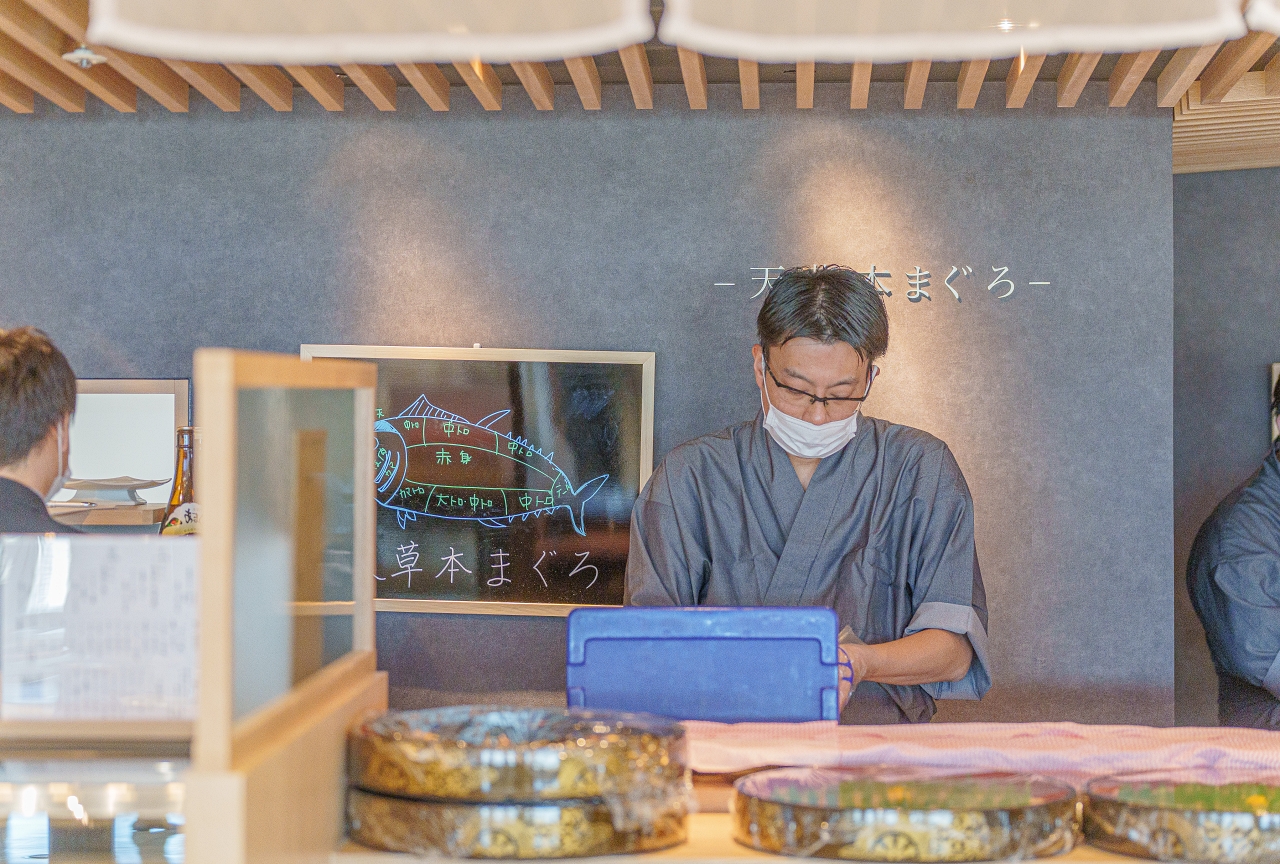
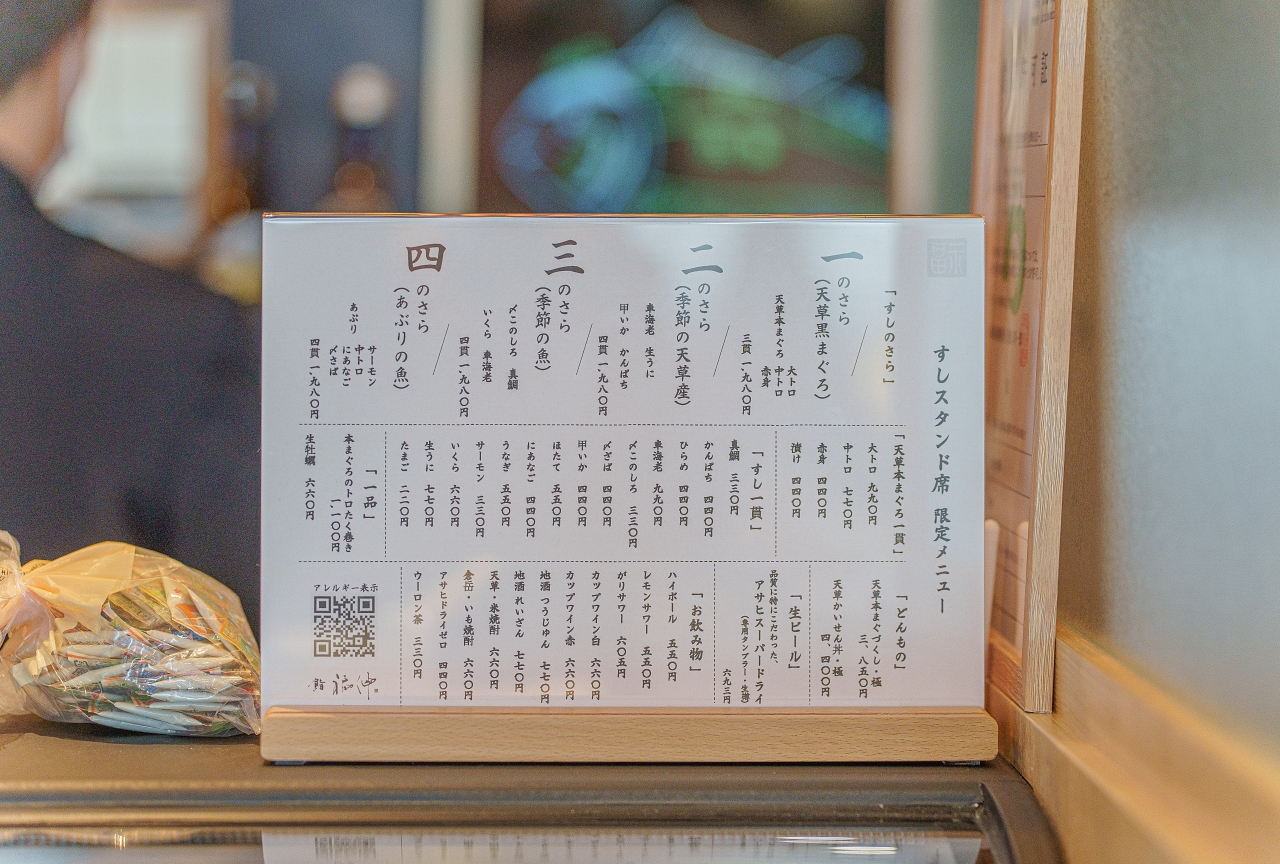
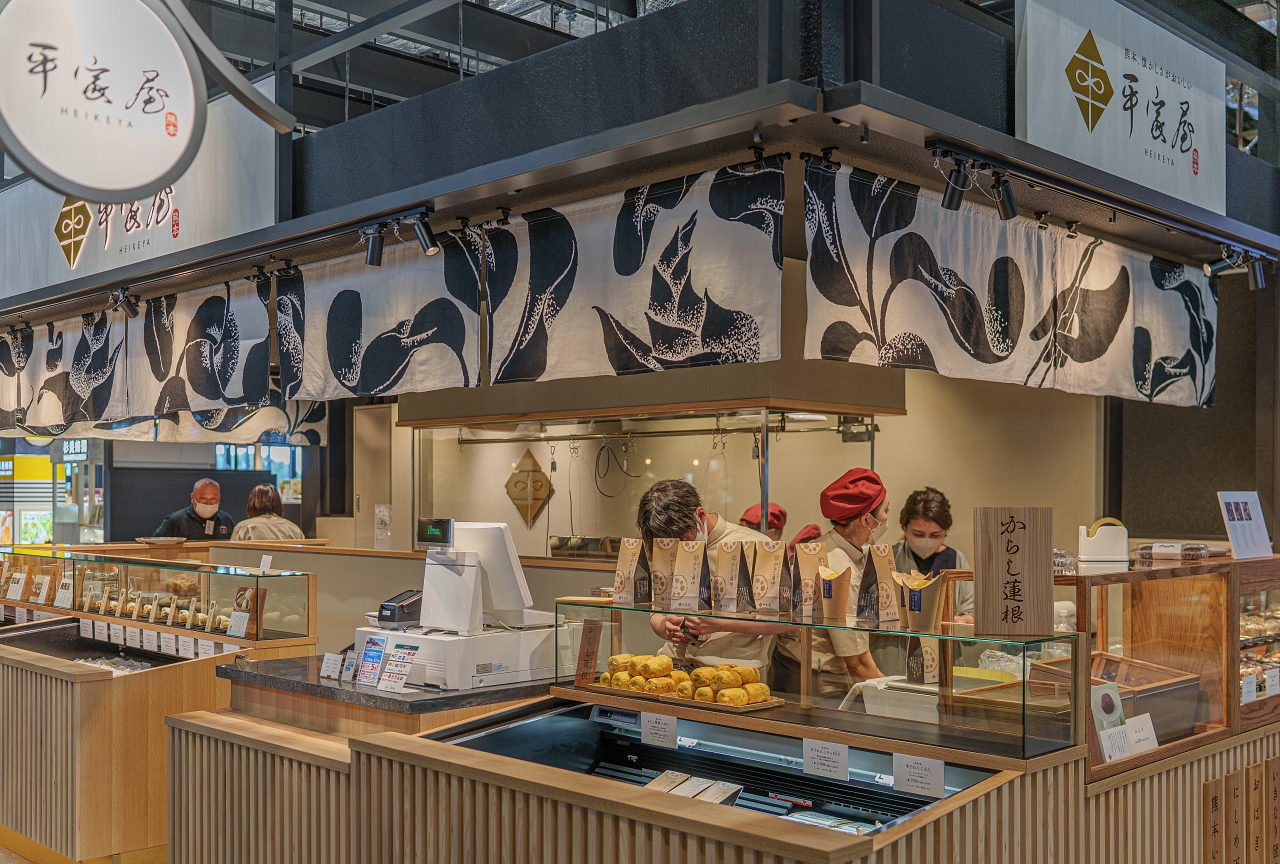
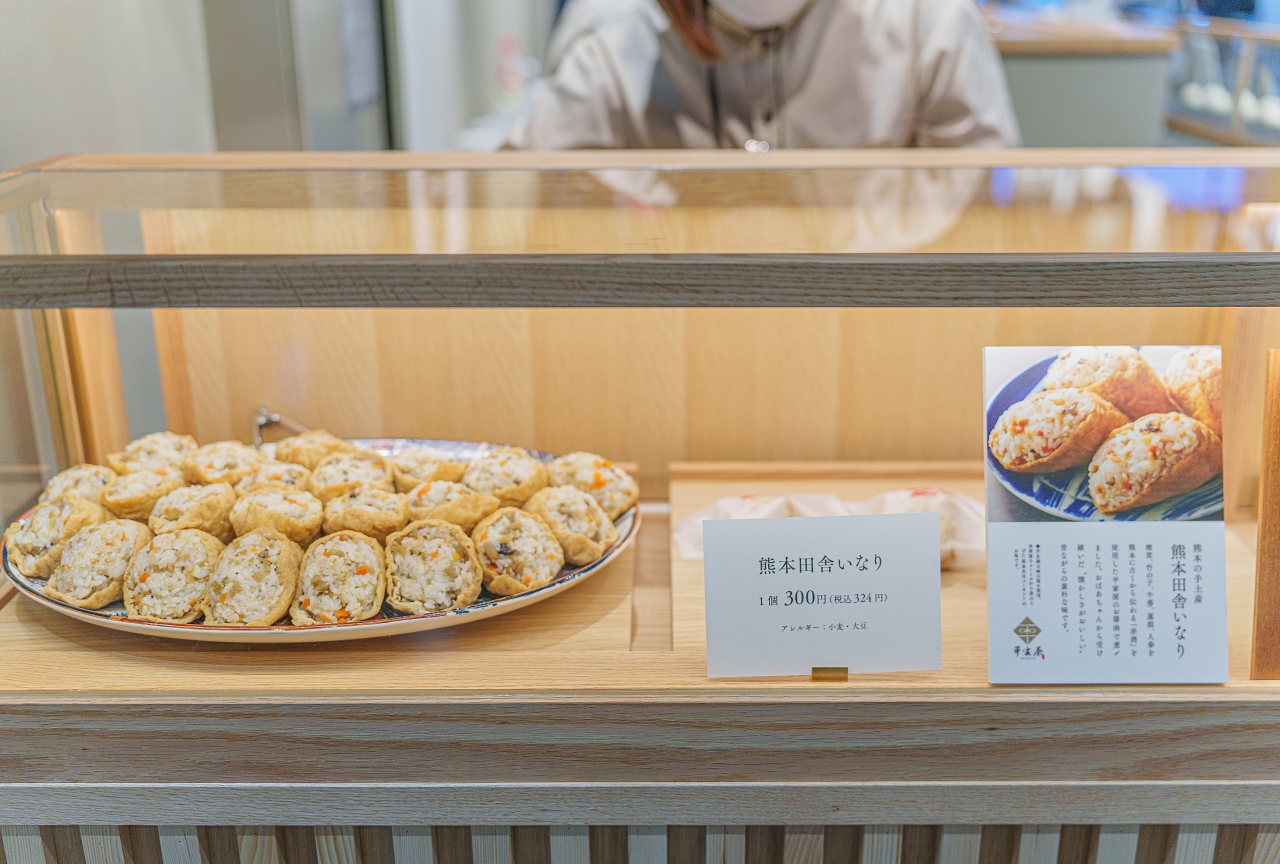
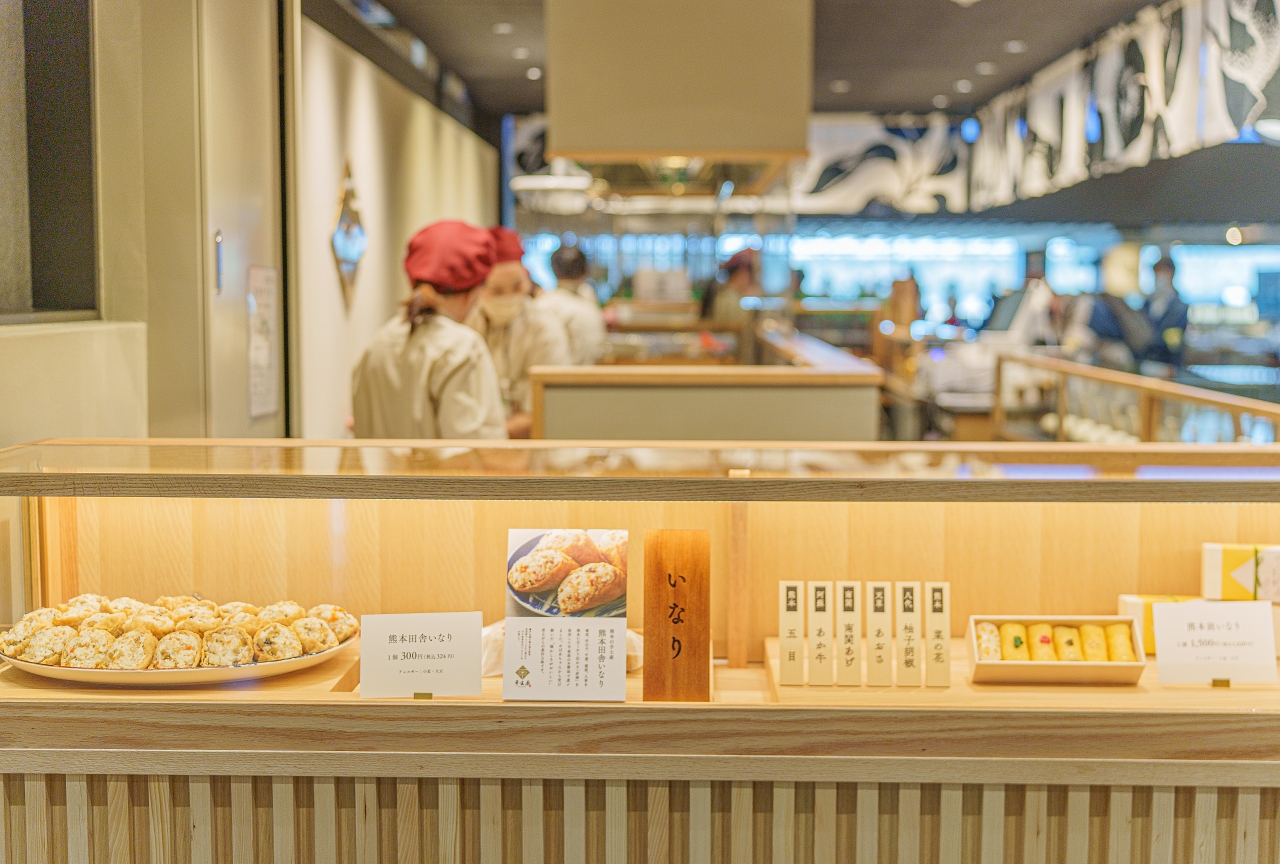
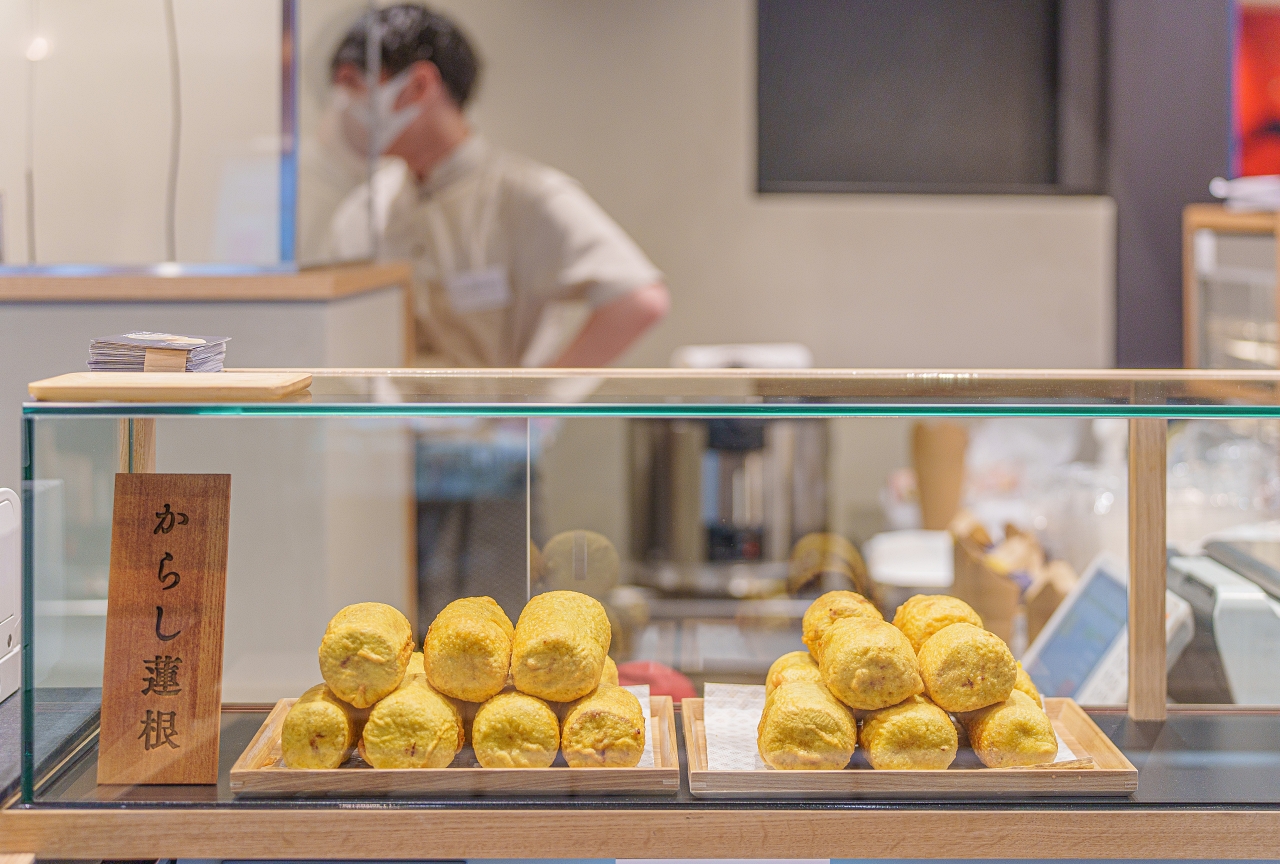
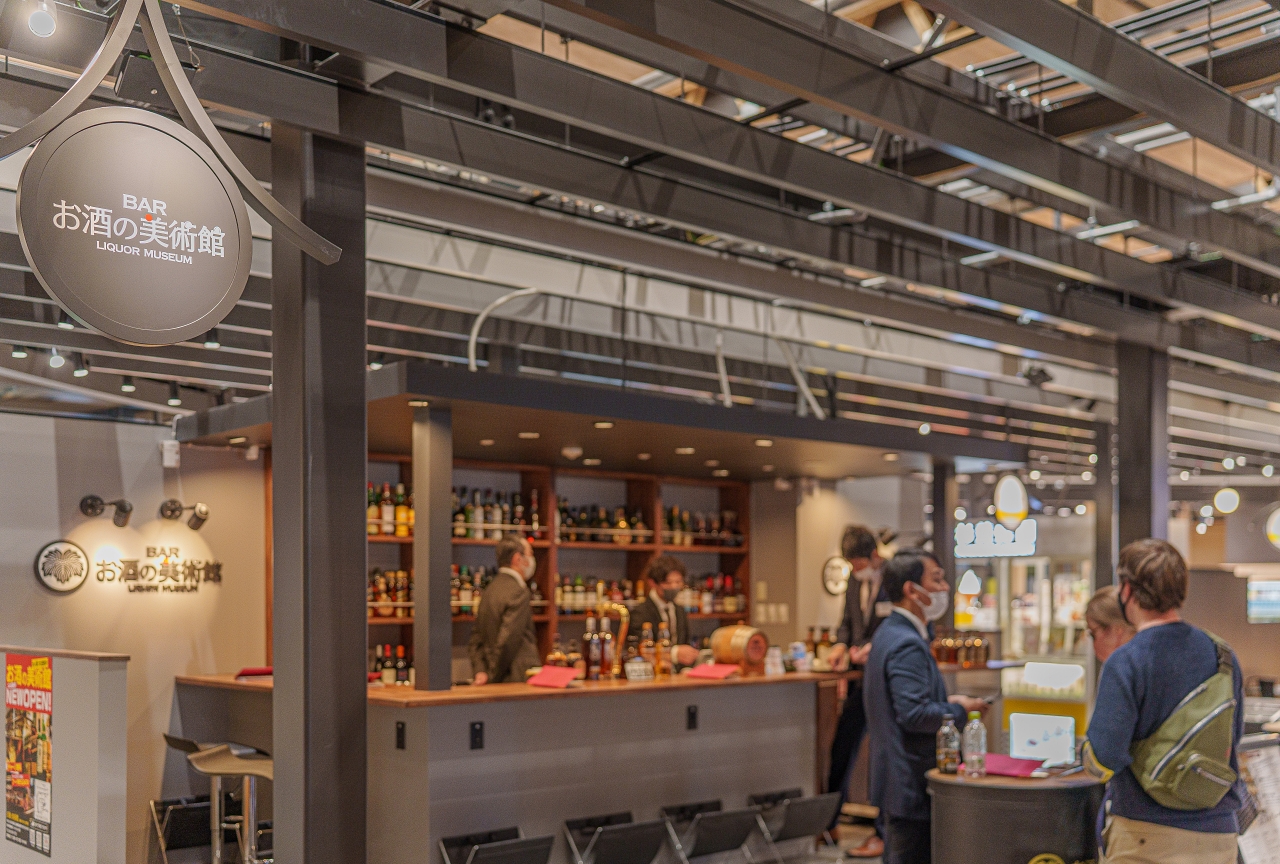
Another appeal was Kumamoto food. A collaboration shop brought Ajisen Ramen (味千ラーメン) and Keika Ramen together, described as a first in Japan, avoiding separate trips and queues. Horse-meat specialist Suganoya (菅乃屋) offered a five-kind raw-horse-meat assortment for JPY 2,100, a personal dining recommendation in the original, and an airport-only raw-horse-meat takana roll for JPY 1,800. Sushi Fukushin (寿司福伸) used Amakusa tuna, while Rindo (りんどう) specialized in sea-bream ochazuke, offering regional foods from around Kumamoto. The source also mentioned enjoying Suntory Yamazaki whisky for JPY 1,200 at Osake no Bijutsukan (お酒の美術館). All prices and availability concern the opening-period report, and the raw-meat preferences are not food-safety advice.
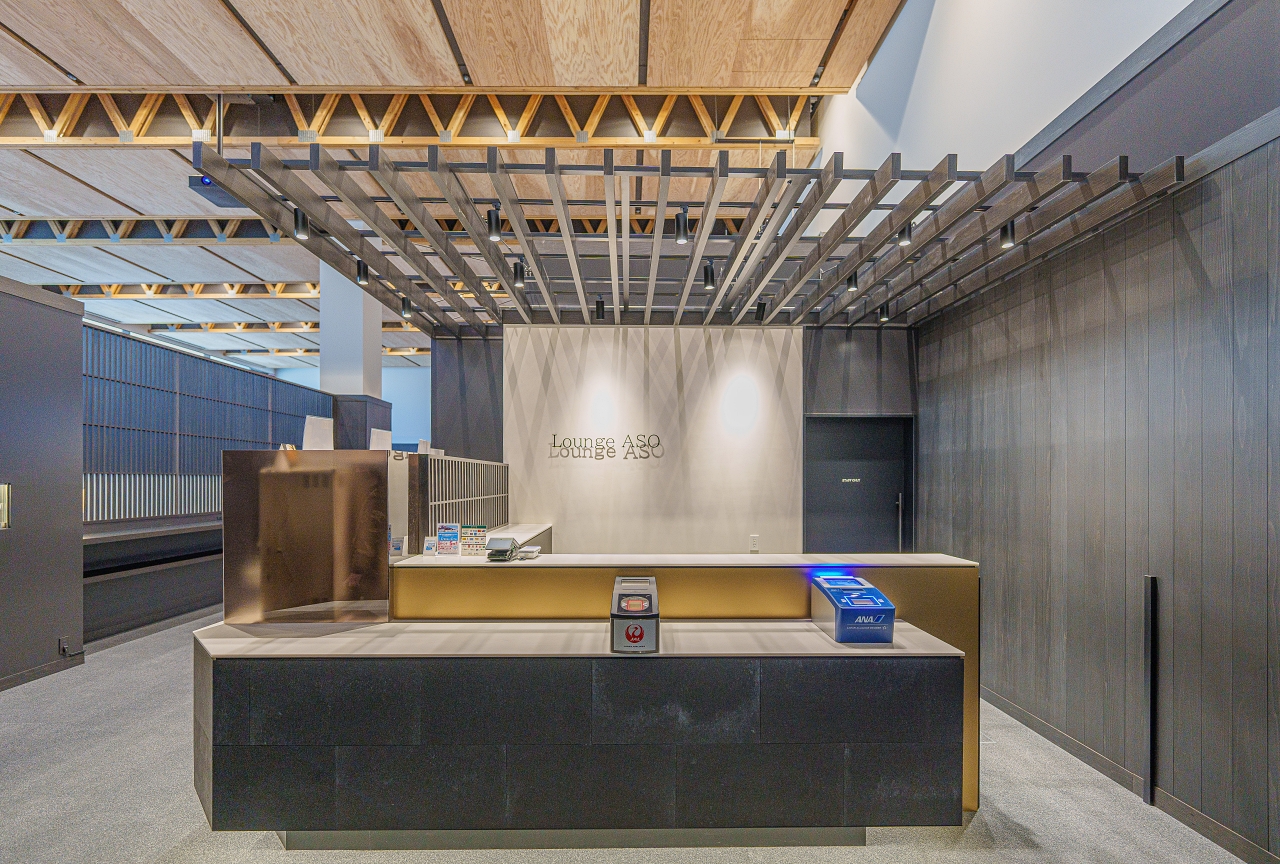
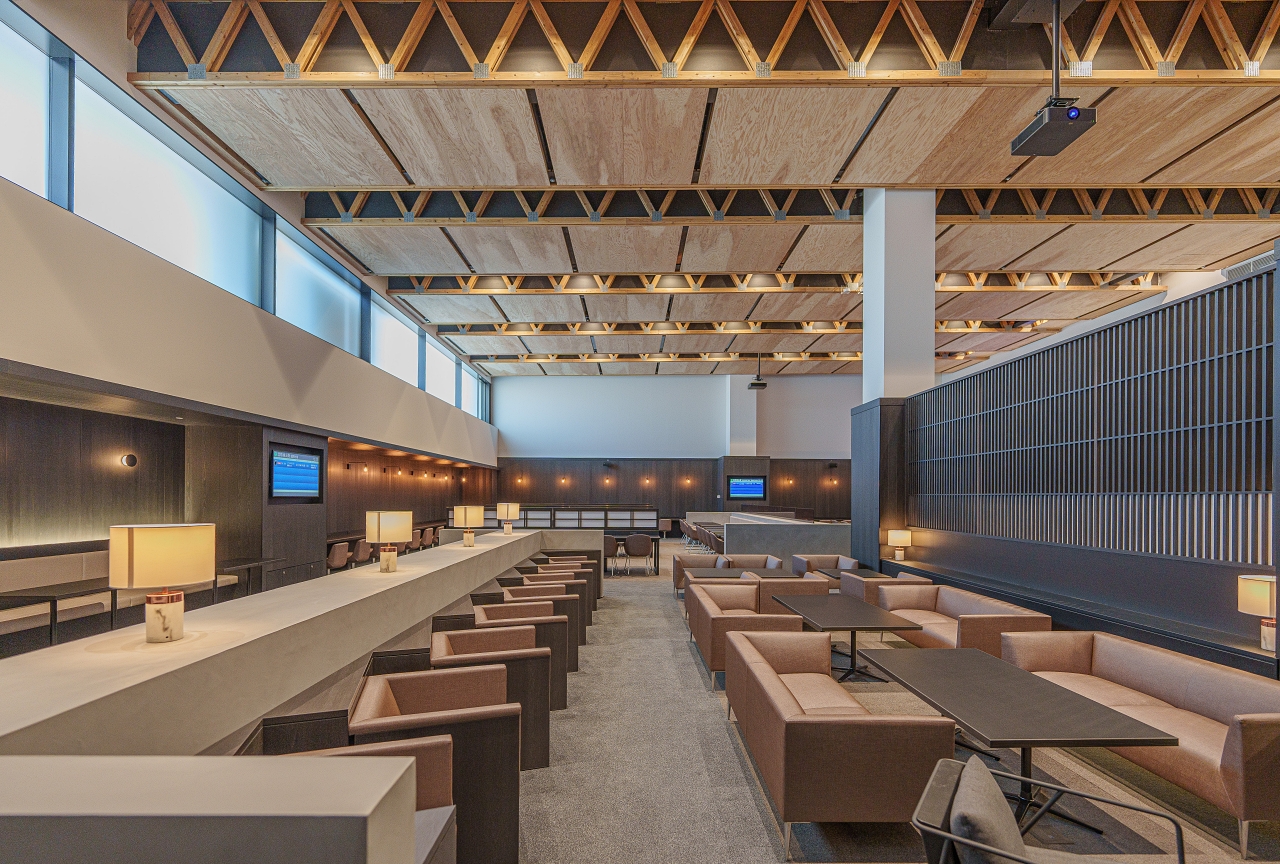
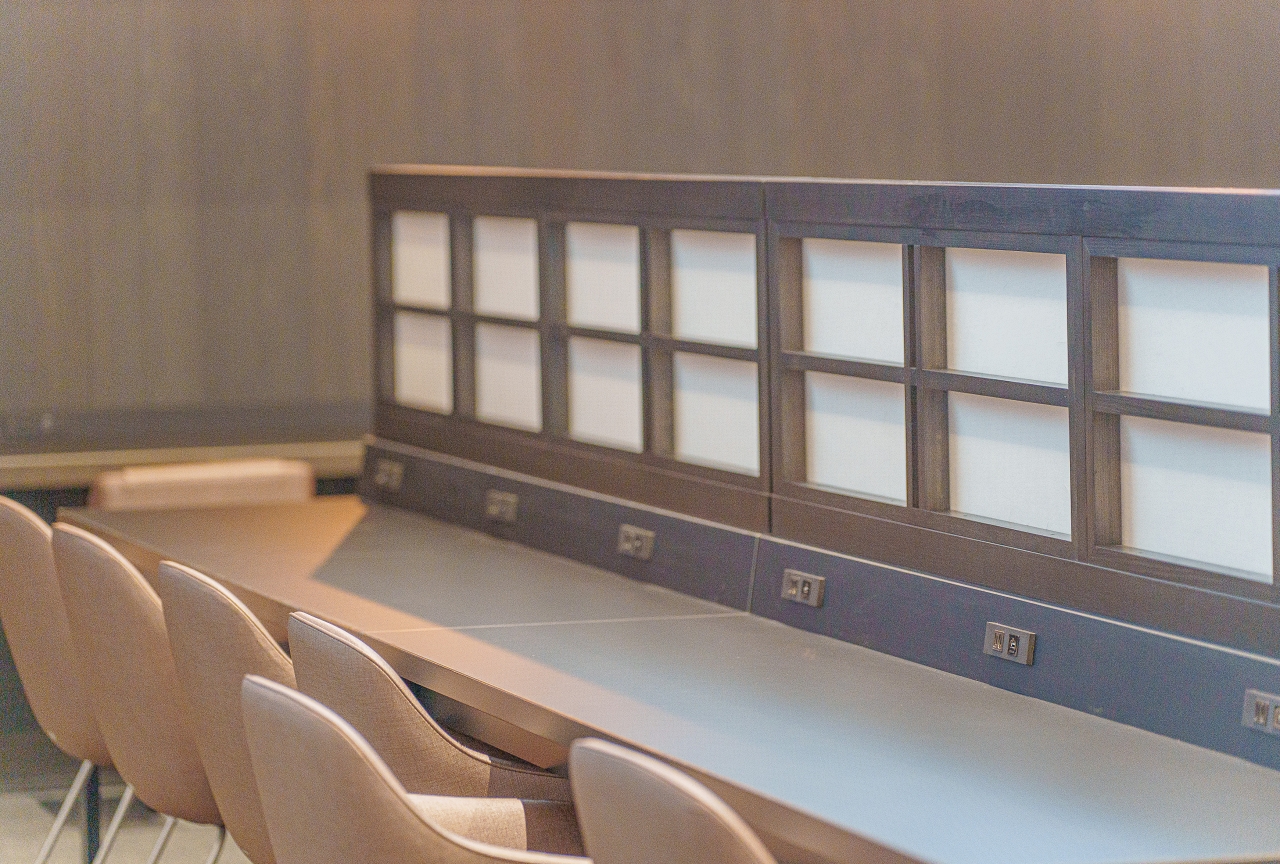
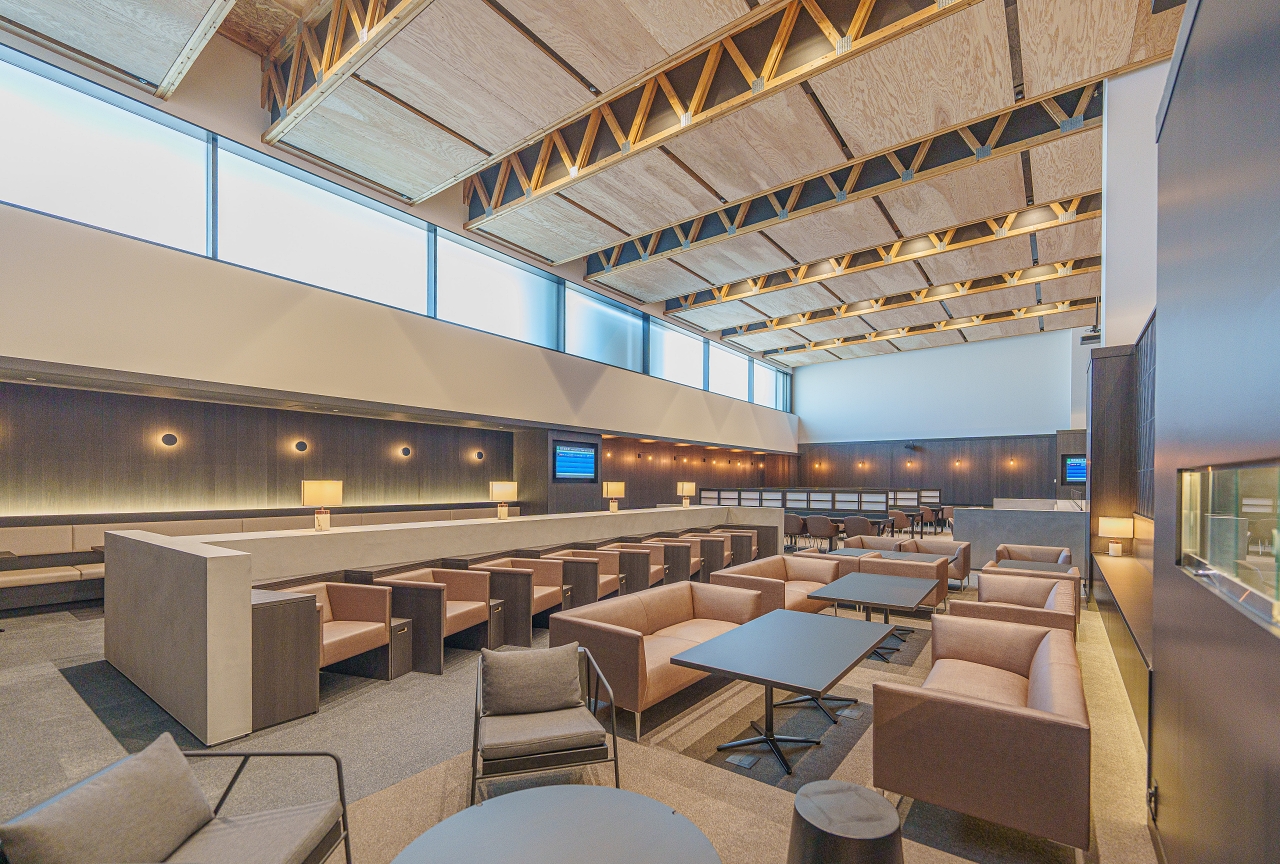
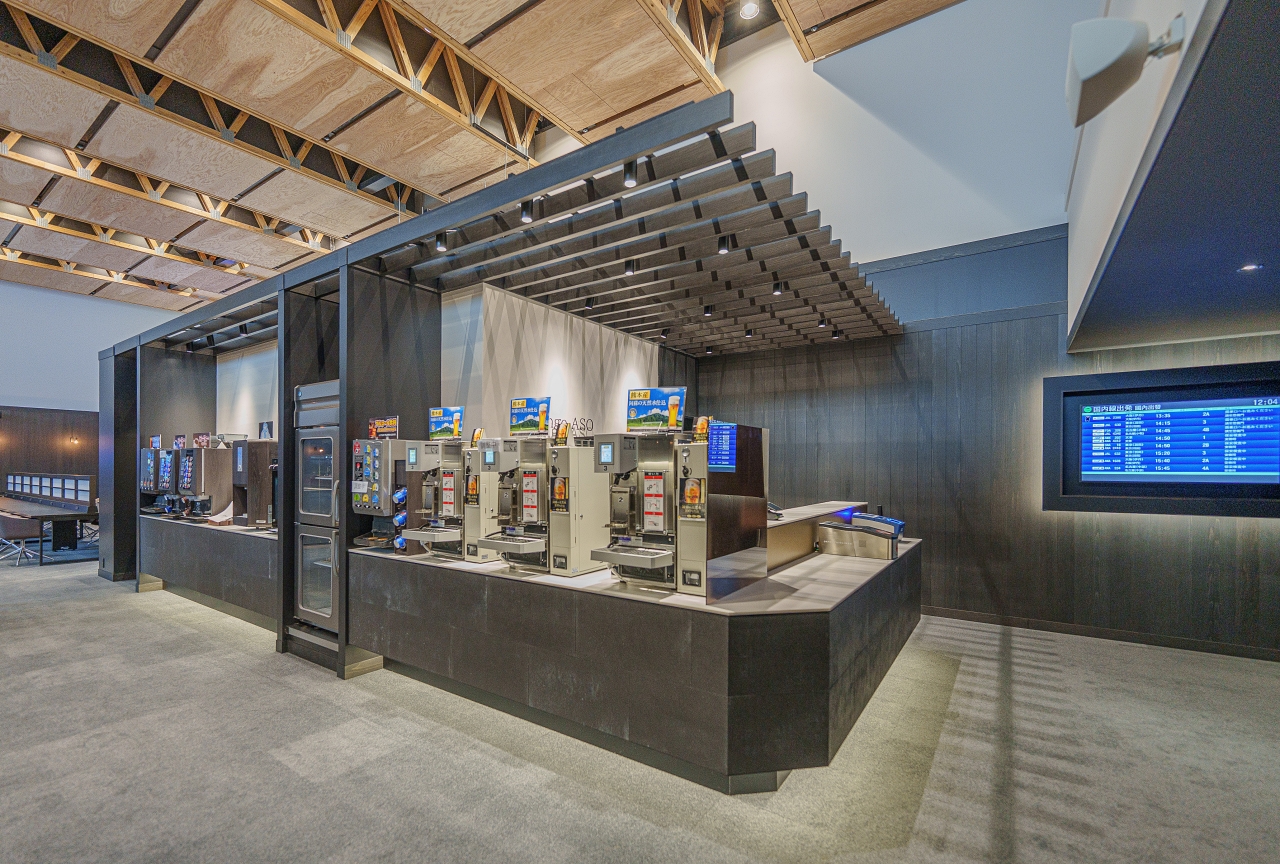
A paid lounge was also available. Aso Lounge offered drinks including alcohol, soft sofas, tables with charging sockets, and private rooms for different travelers.
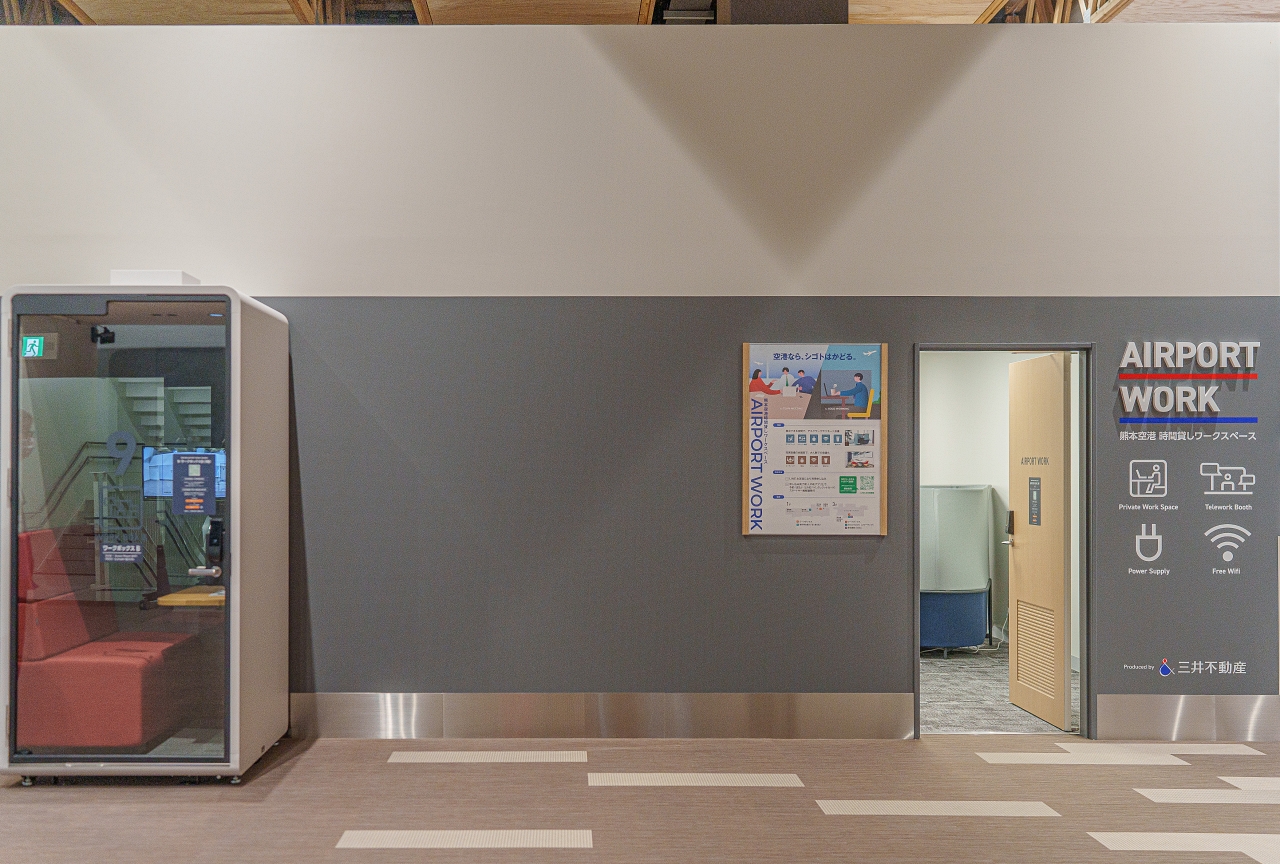
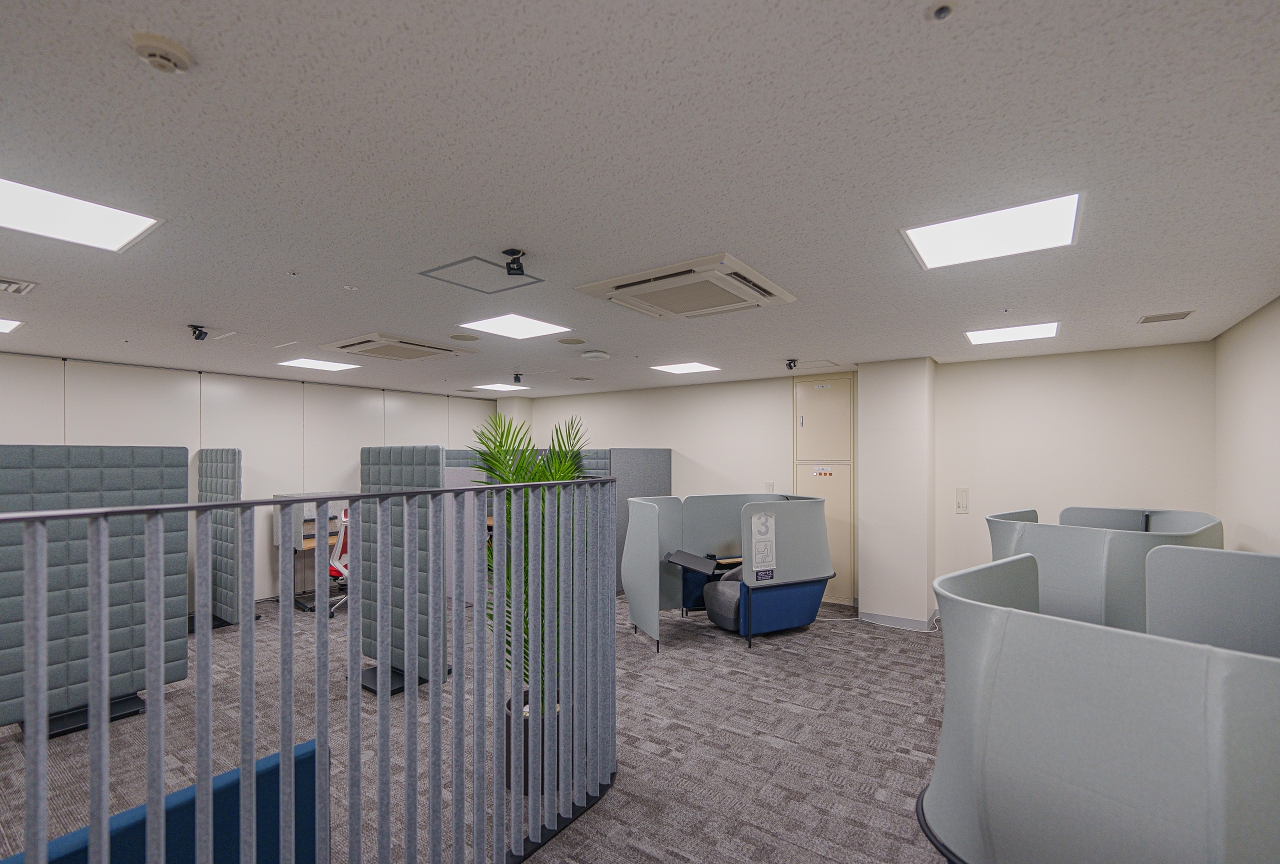
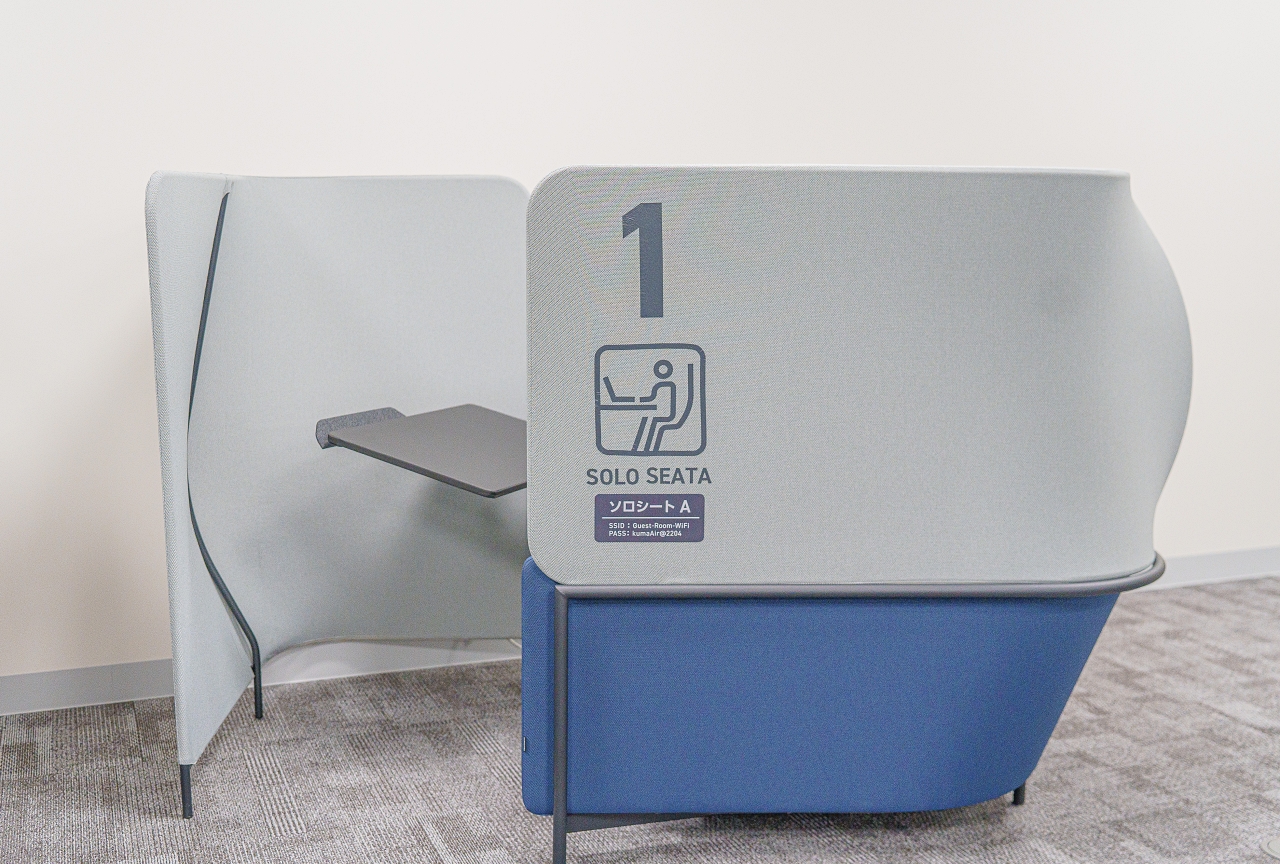
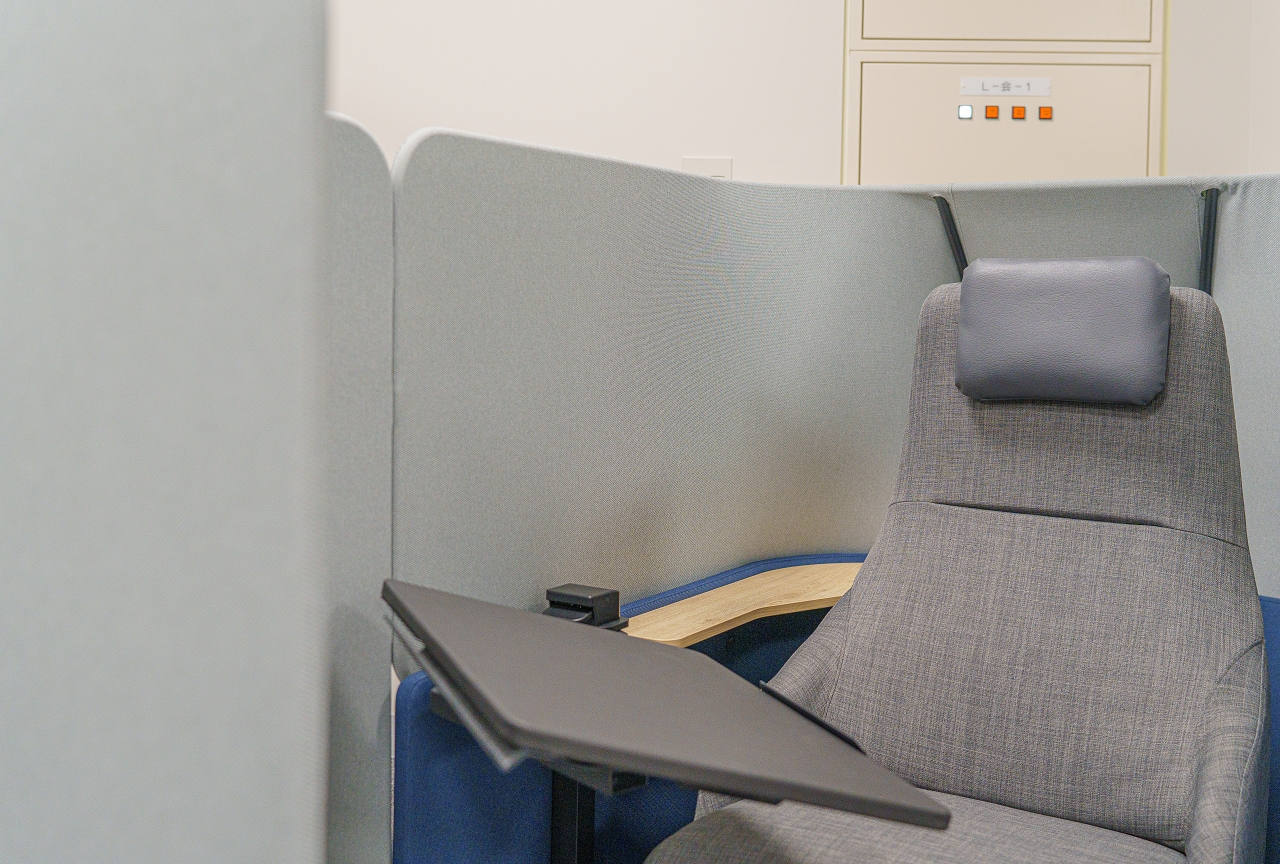
Meeting rooms were provided on the third floor, usable as workspaces or bookable meeting facilities. With expected TSMC-related travelers, the design appeared attentive to business needs.
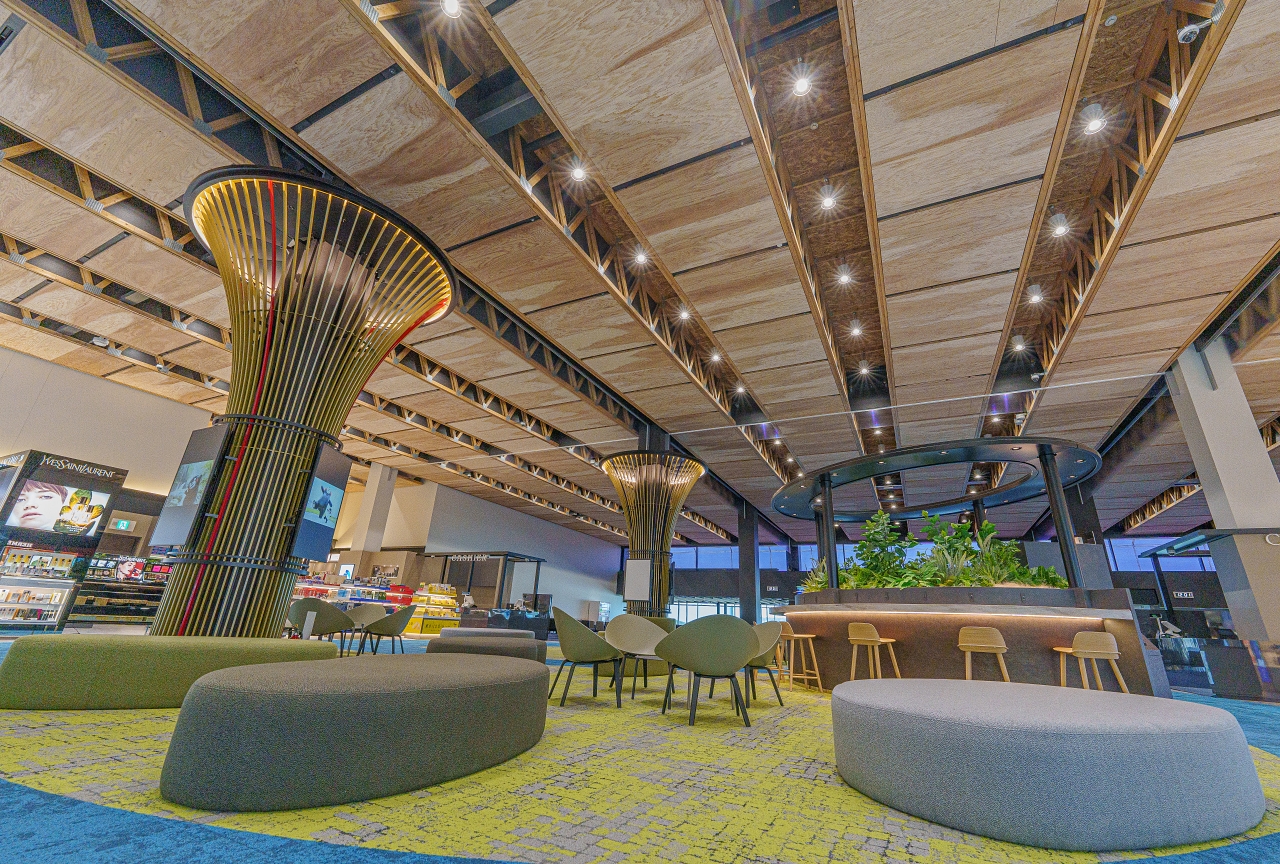
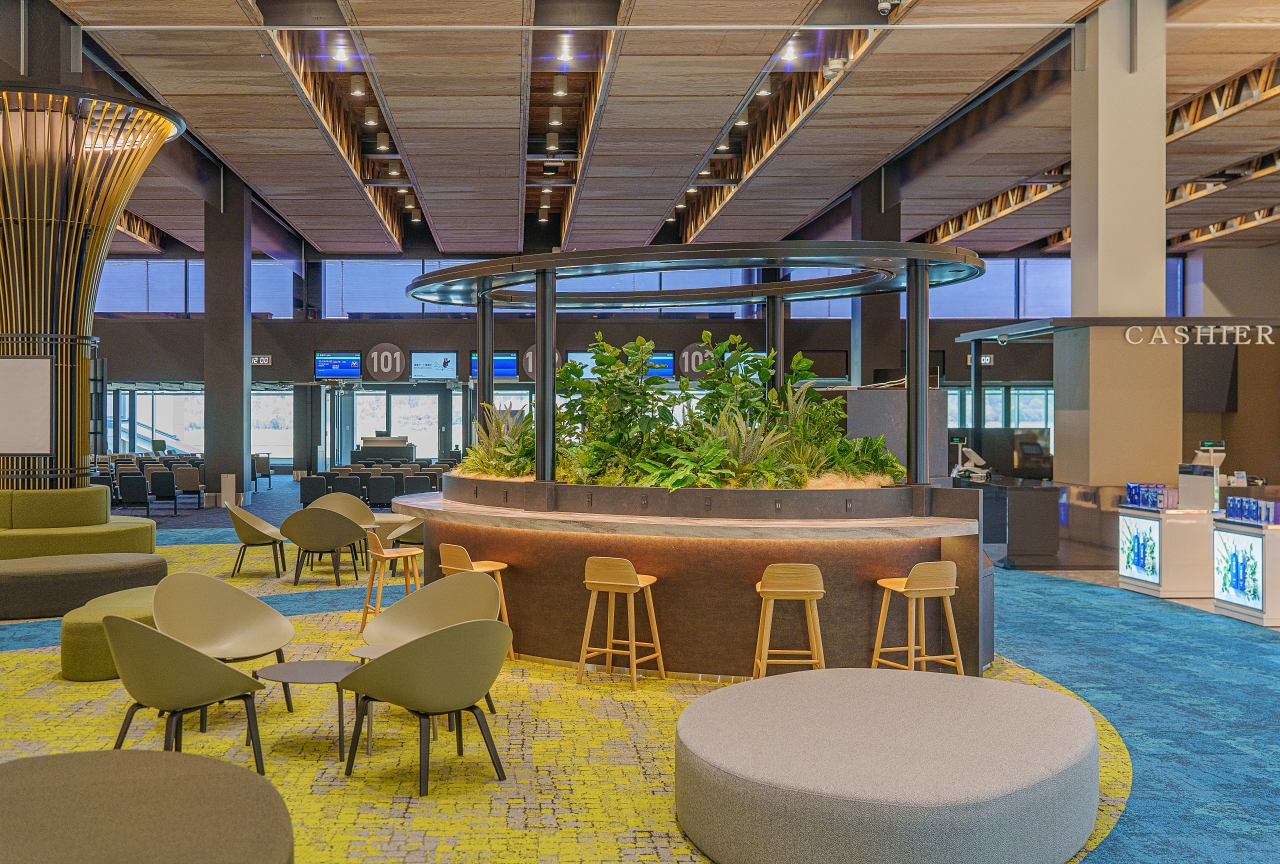
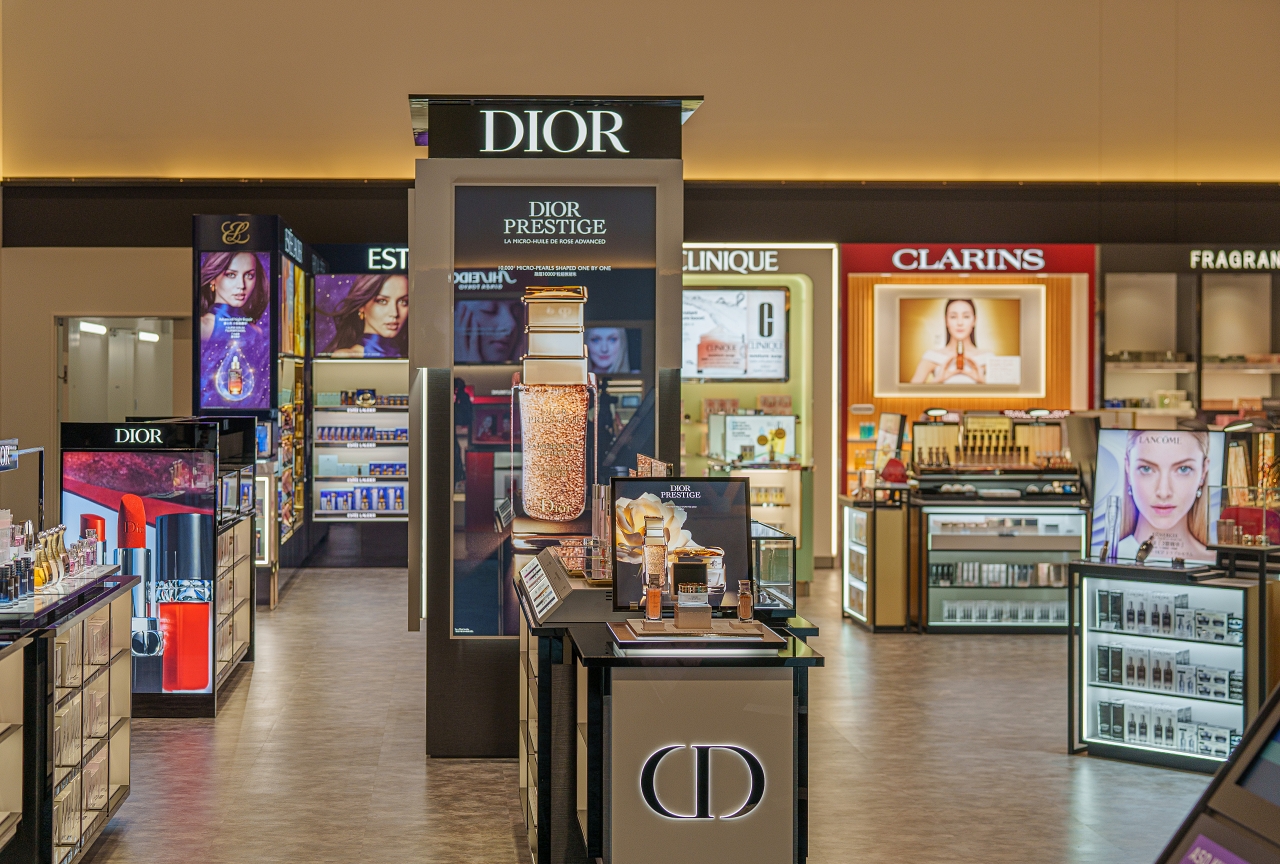
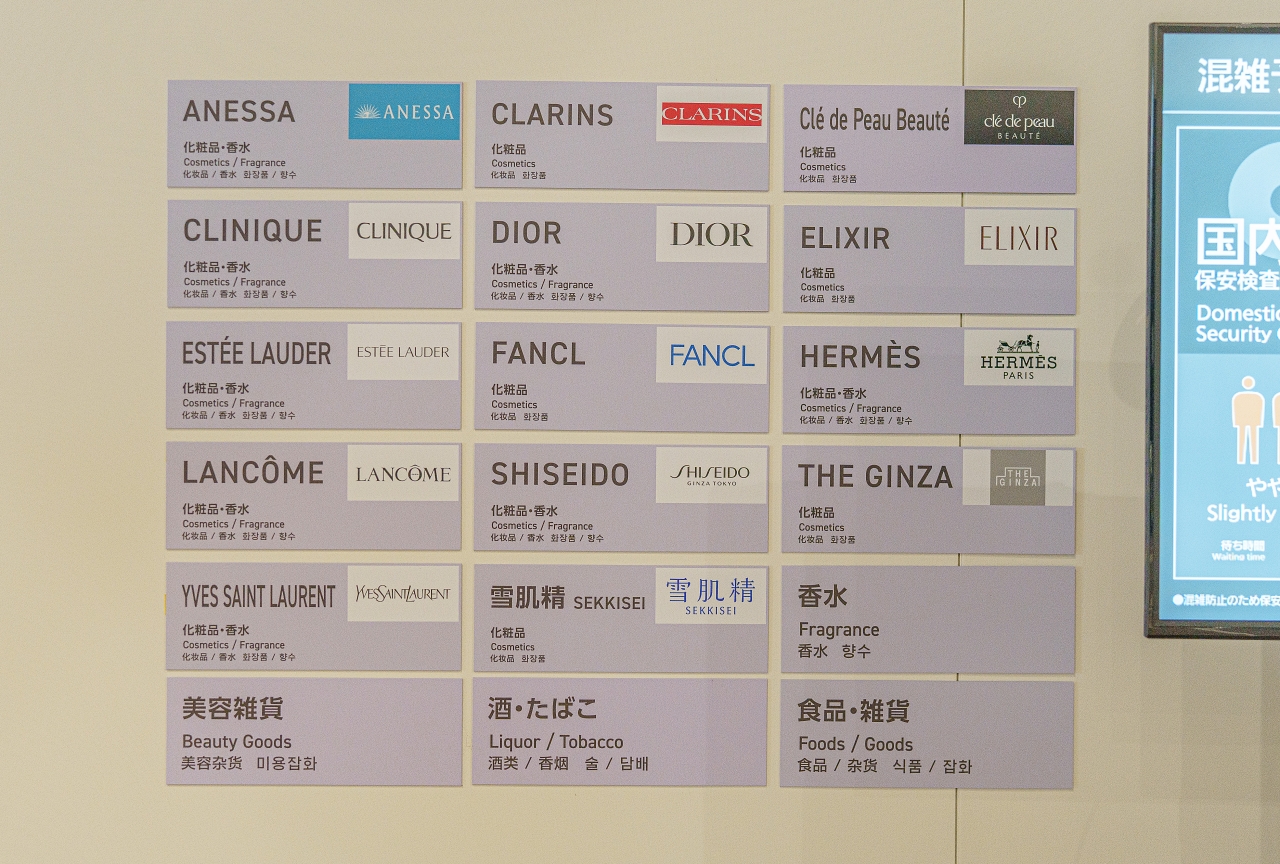
After international departure formalities, the source describes a 700-square-meter duty-free area, more than ten times the former size. Cosmetics and perfume were central, alongside alcohol, tobacco, beauty goods, and food, with seven overseas and seven Japanese brands, 14 in total. Large columns evoked Aso’s natural landscape, red-painted wood symbolized the earth and active volcano, and a timber ceiling used Kumamoto wood to reinforce the regional setting.
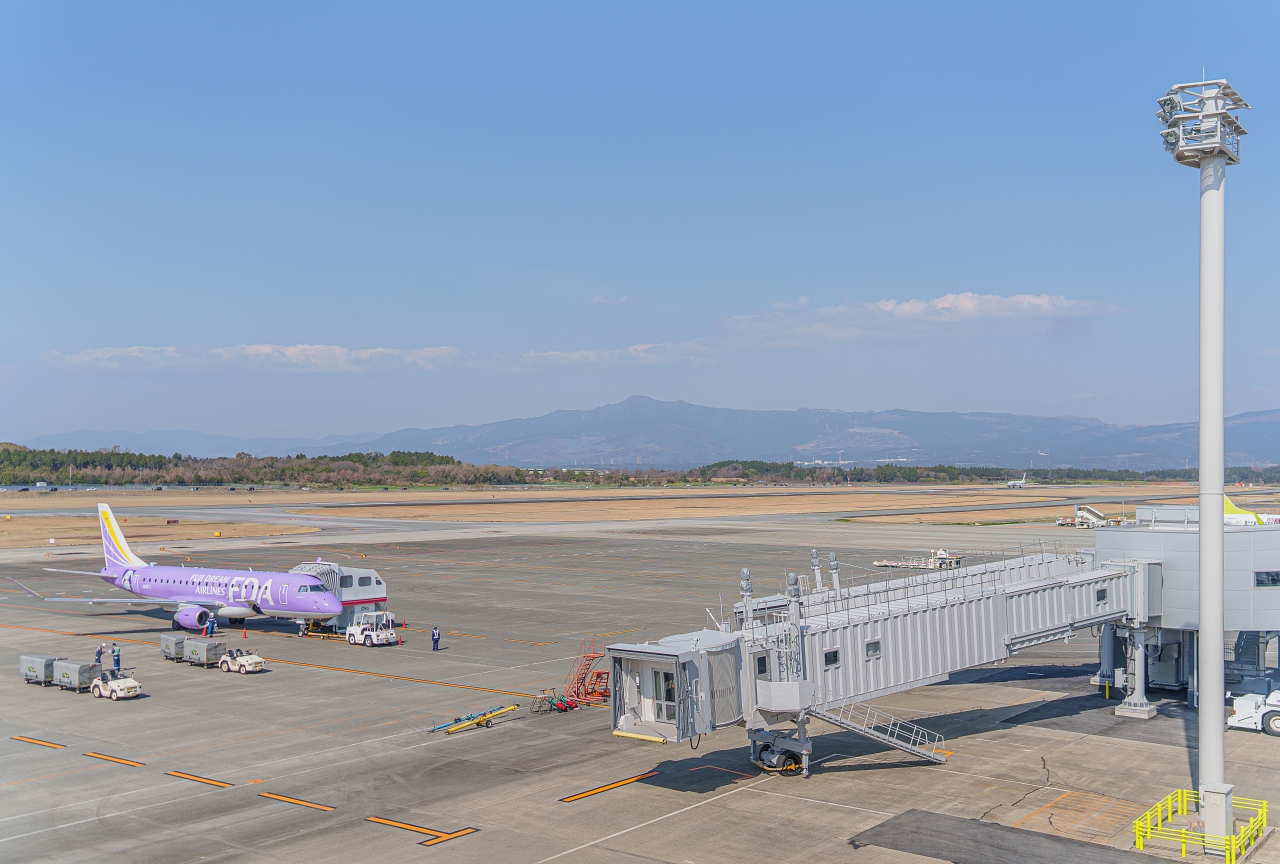
Finally, the fourth-floor observation deck offered a photo spot for local residents too. High up and unobstructed in the source description, it overlooked takeoffs and landings against seasonal scenery or sunset, appealing to adults and children. The lack of obstructions was another photographic advantage.
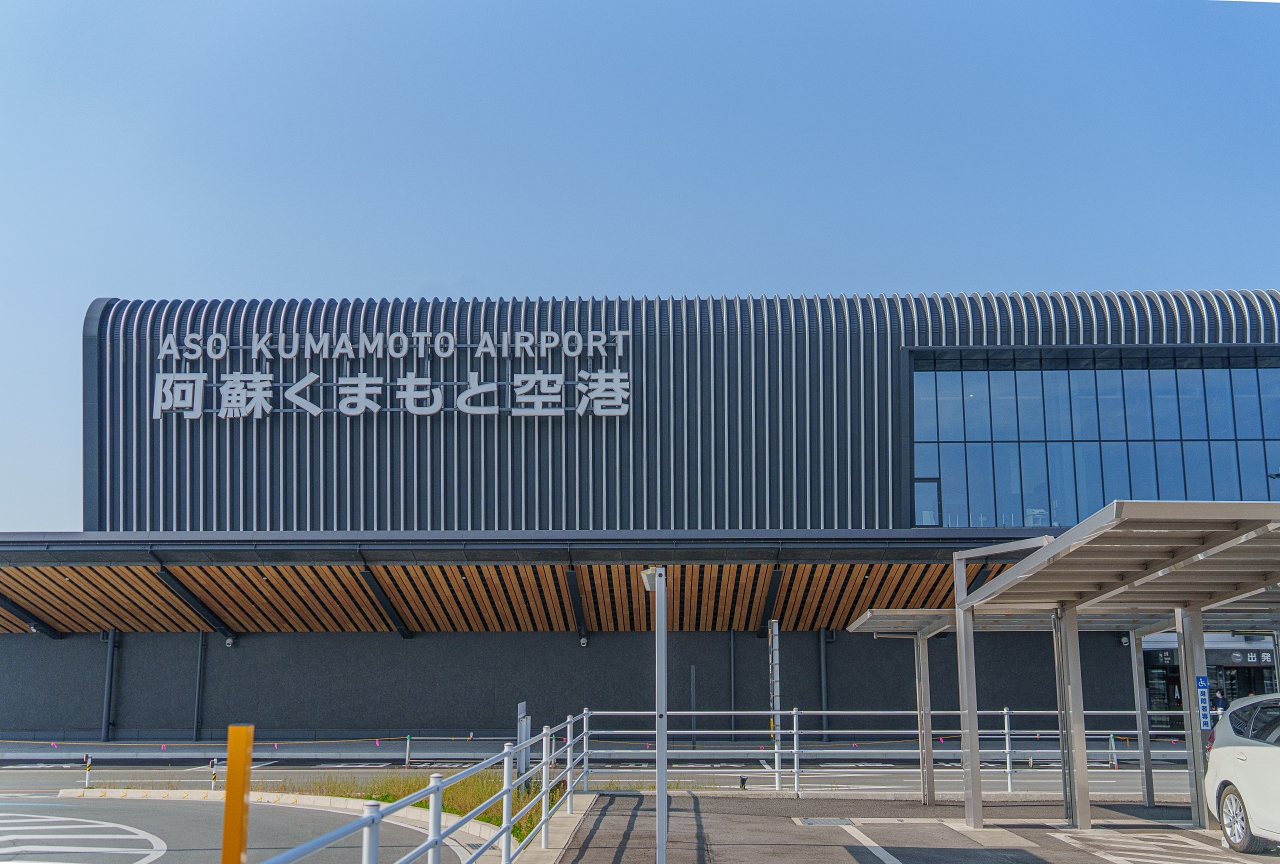
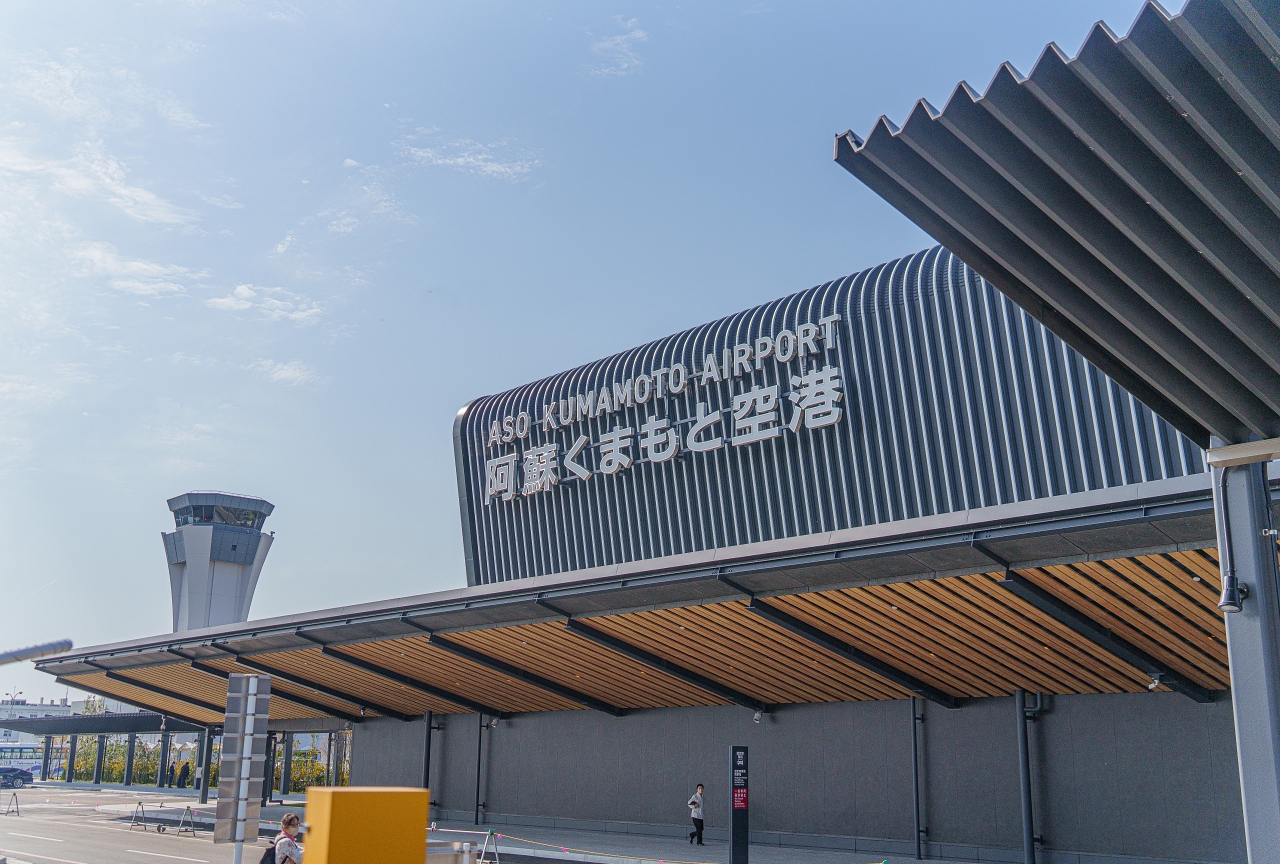
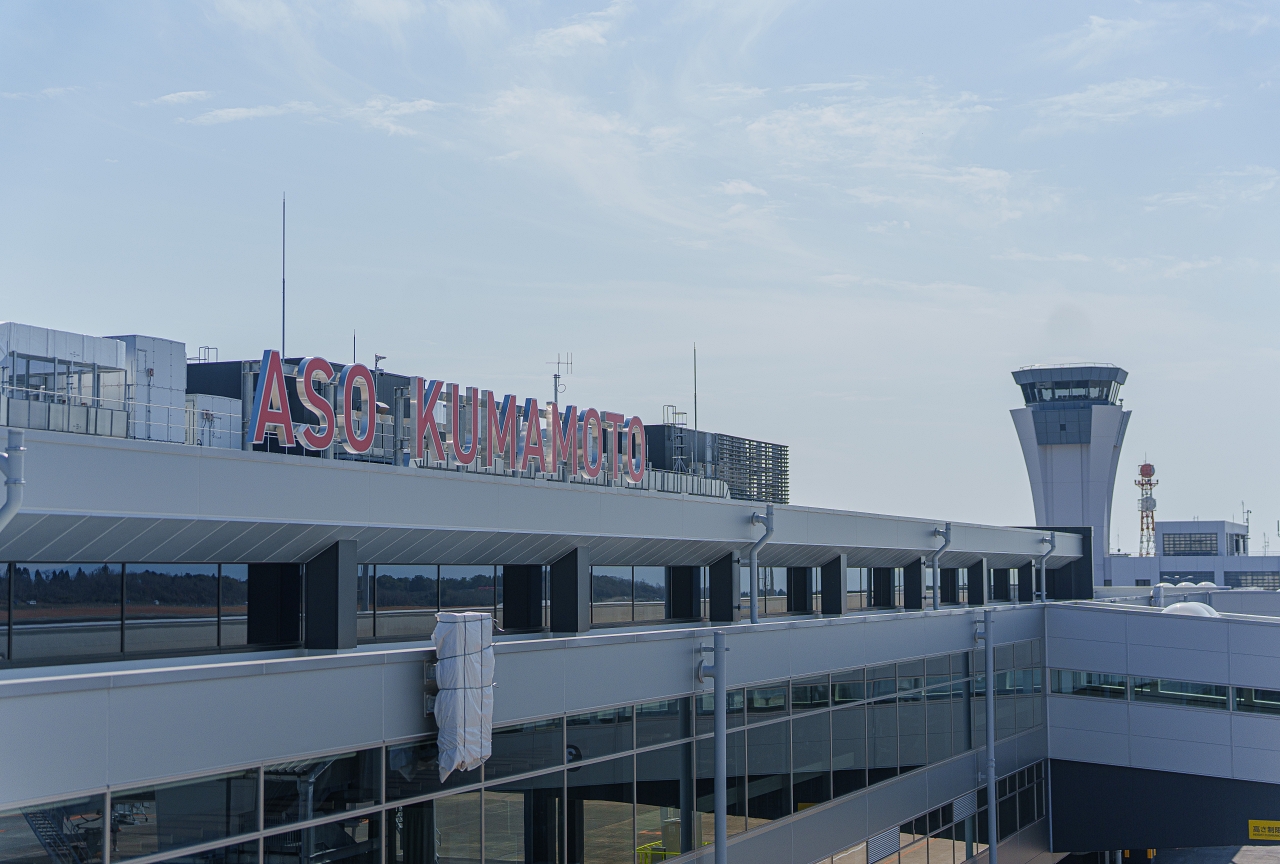
The original writer hoped the airport’s experiment in combining domestic convenience with international travel would succeed and spread to other Japanese airports. Its conclusion looked ahead to the March 23 opening and recorded T’way as the only airline flying from Korea as of March 21, 2023. These statements are preserved in their original pre-opening time frame.