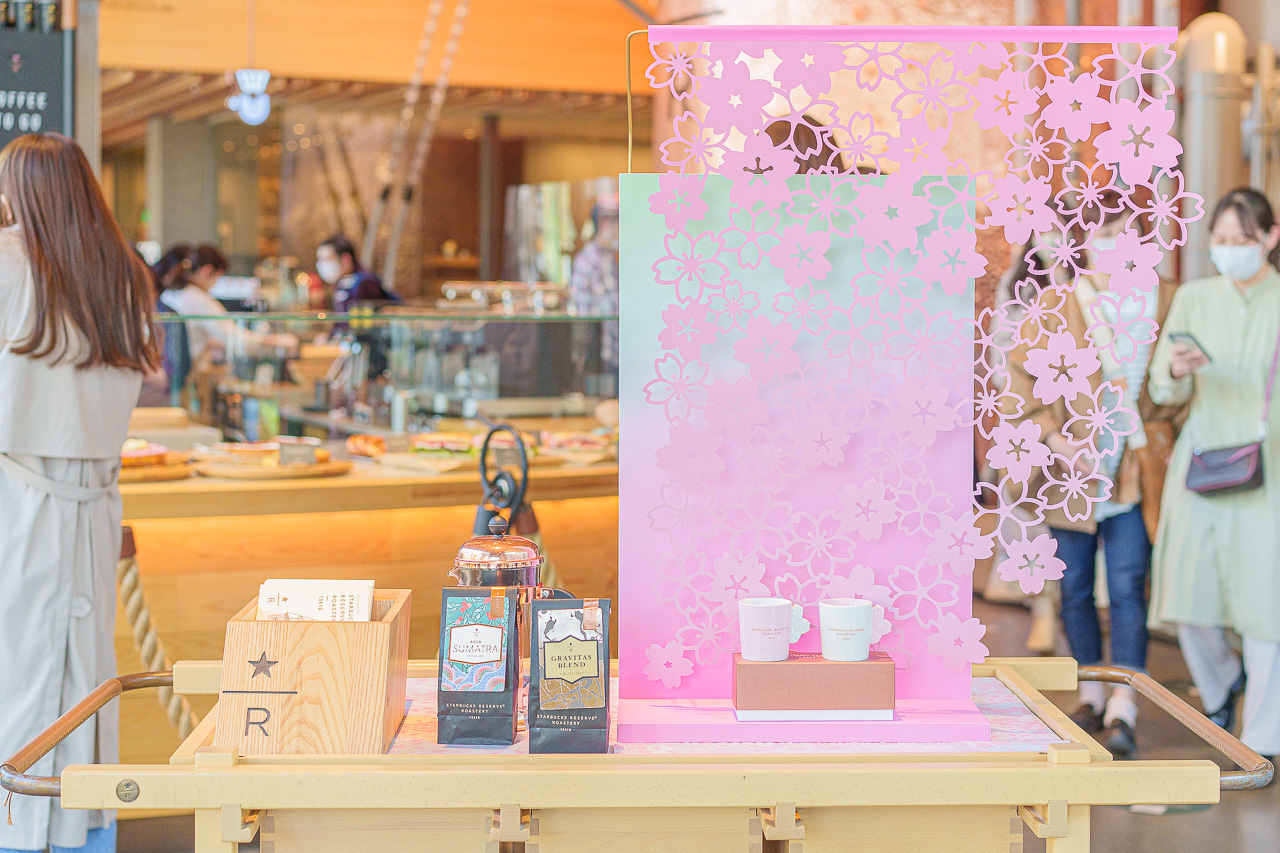
Spring had arrived again.
With spring came cherry blossoms, and I wanted to introduce Starbucks Reserve Roastery Tokyo, a popular place for sakura viewing in Japan.

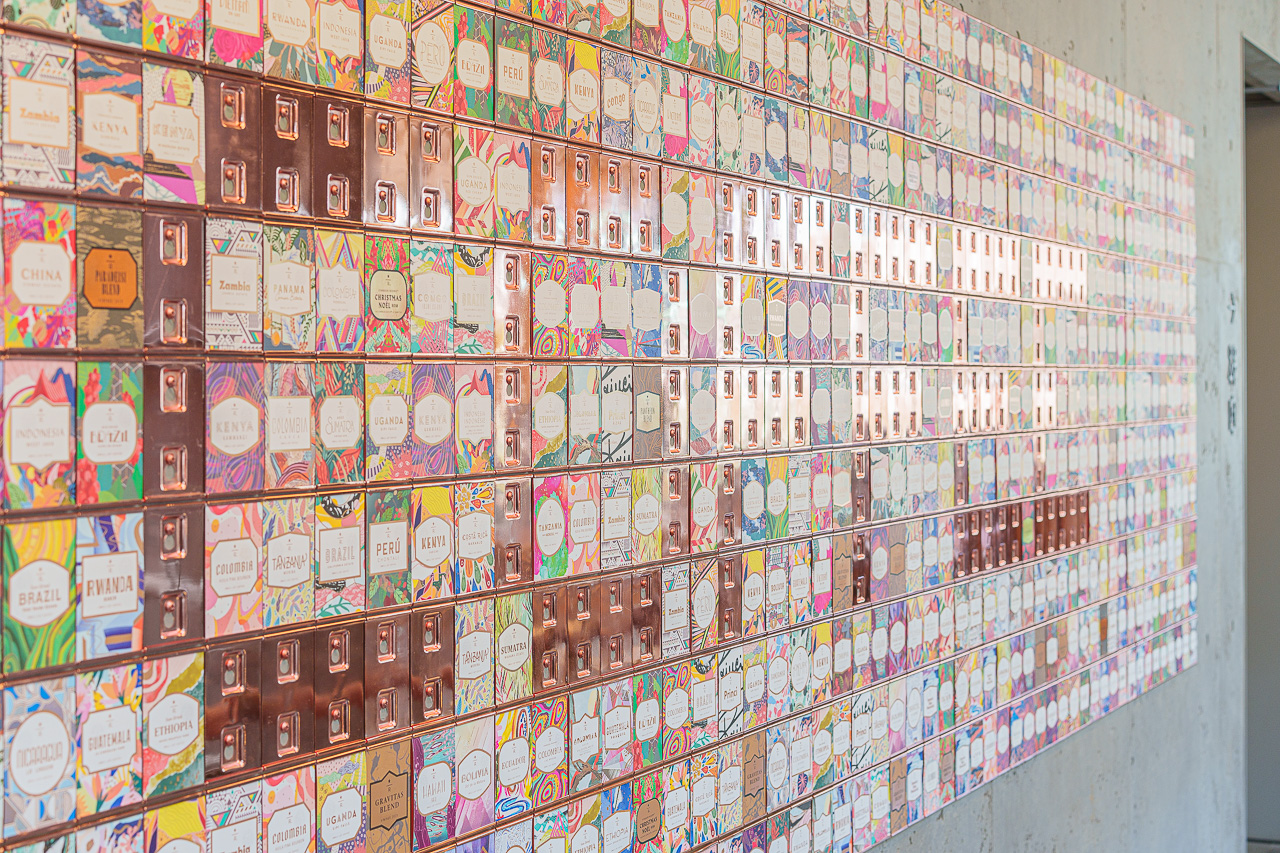
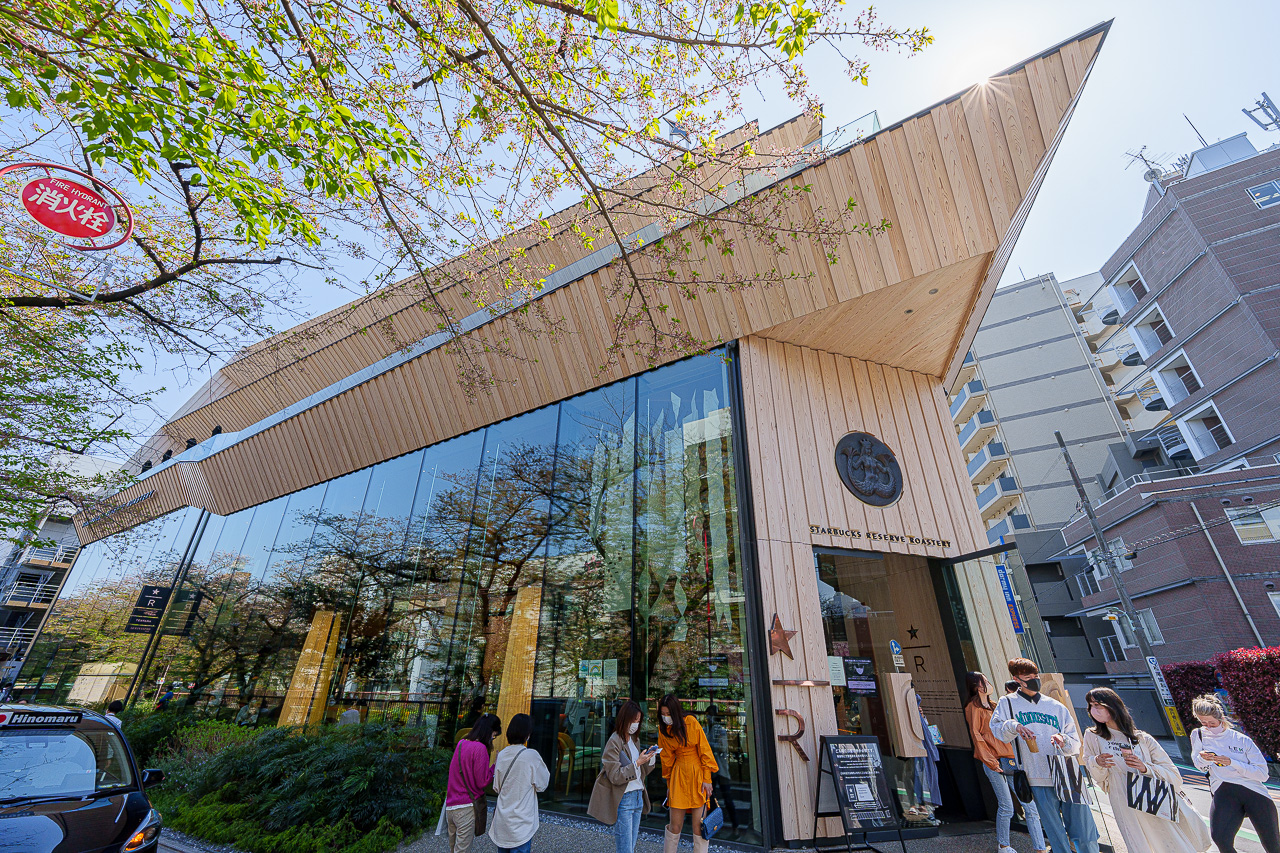
The source describes more than a century of Japanese coffee culture and the growth of specialty coffee, with Starbucks playing a major role. It counts over 1,500 Japanese stores at the time and says the fifth Reserve Roastery opened in Nakameguro in 2019. At 2,300 square meters, it describes it as Japan’s largest Starbucks, designed by Kengo Kuma (隈研吾), known for natural materials, combining modern and traditional Japanese elements. These figures and design claims reflect the original article.
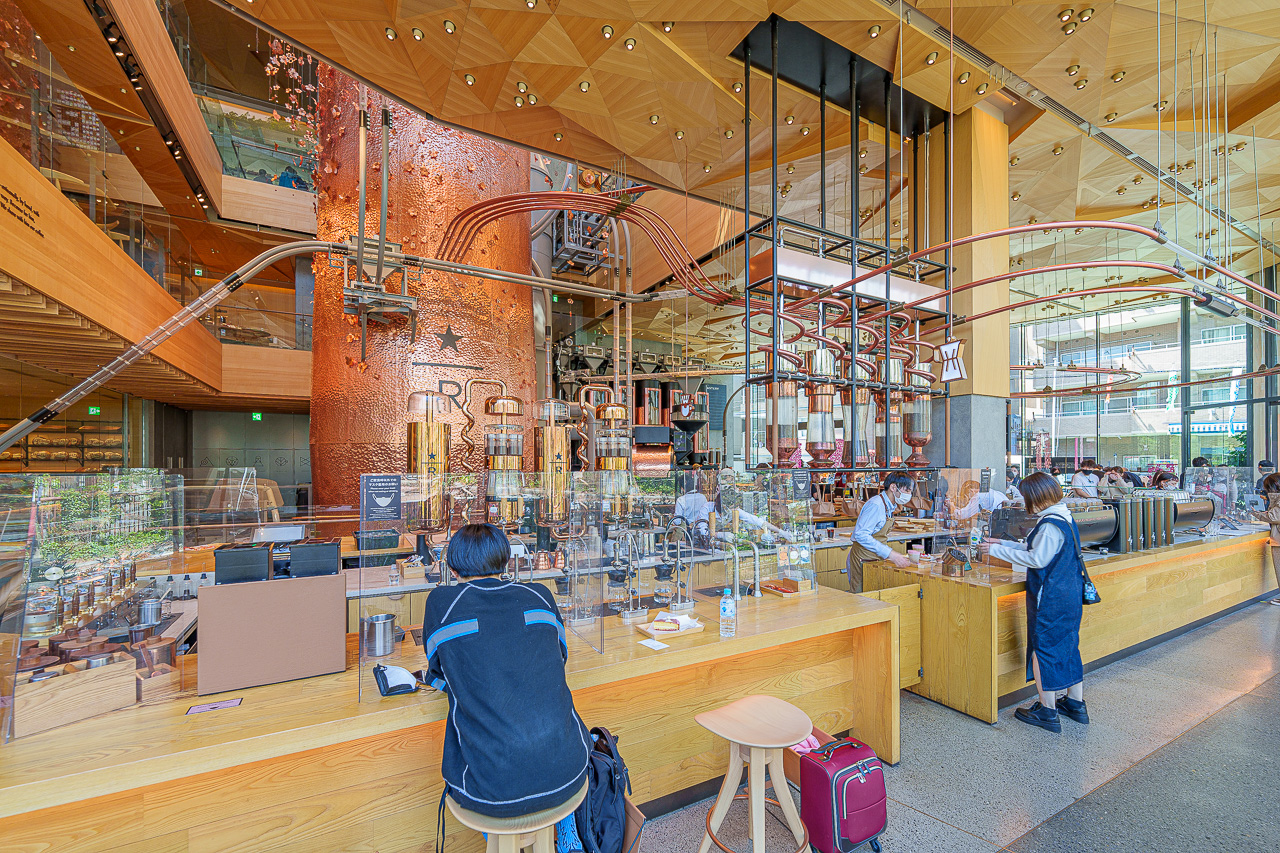
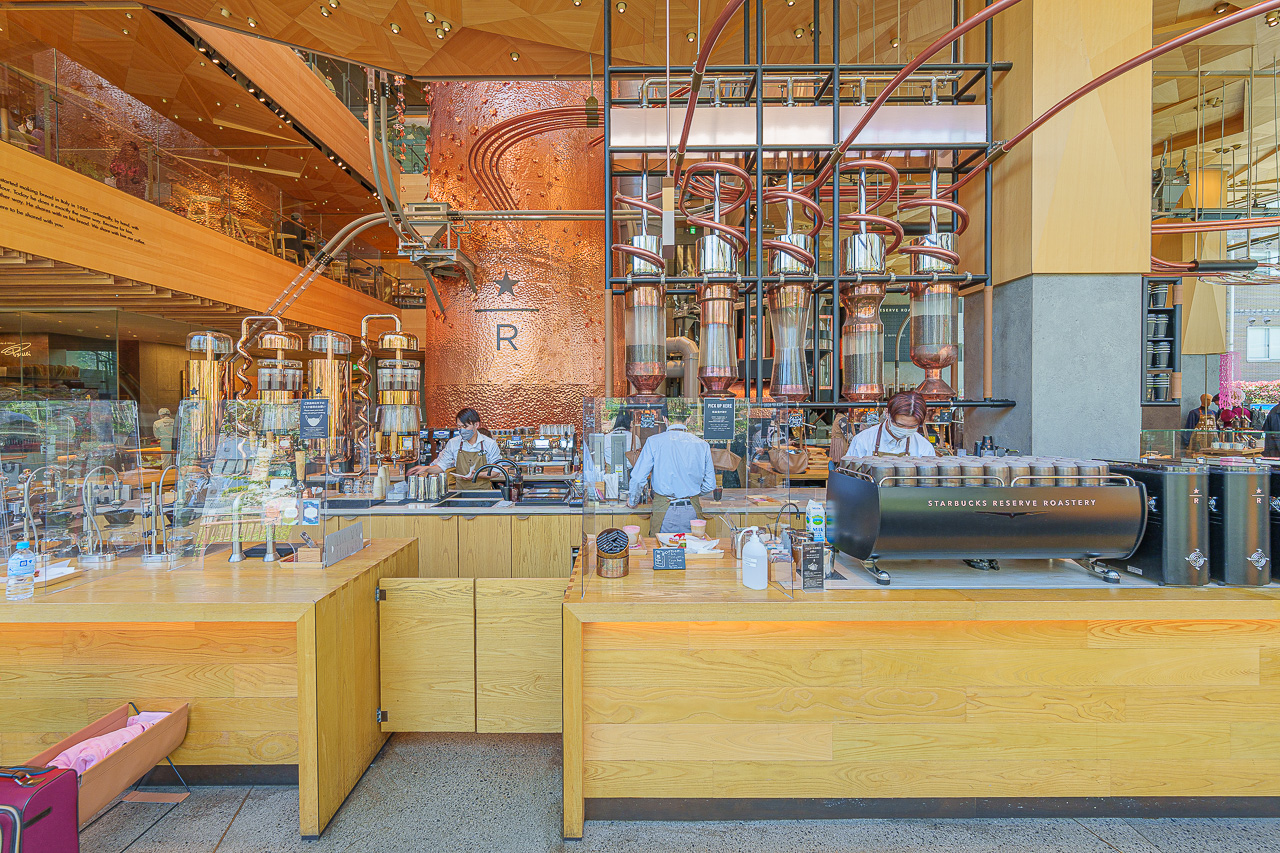
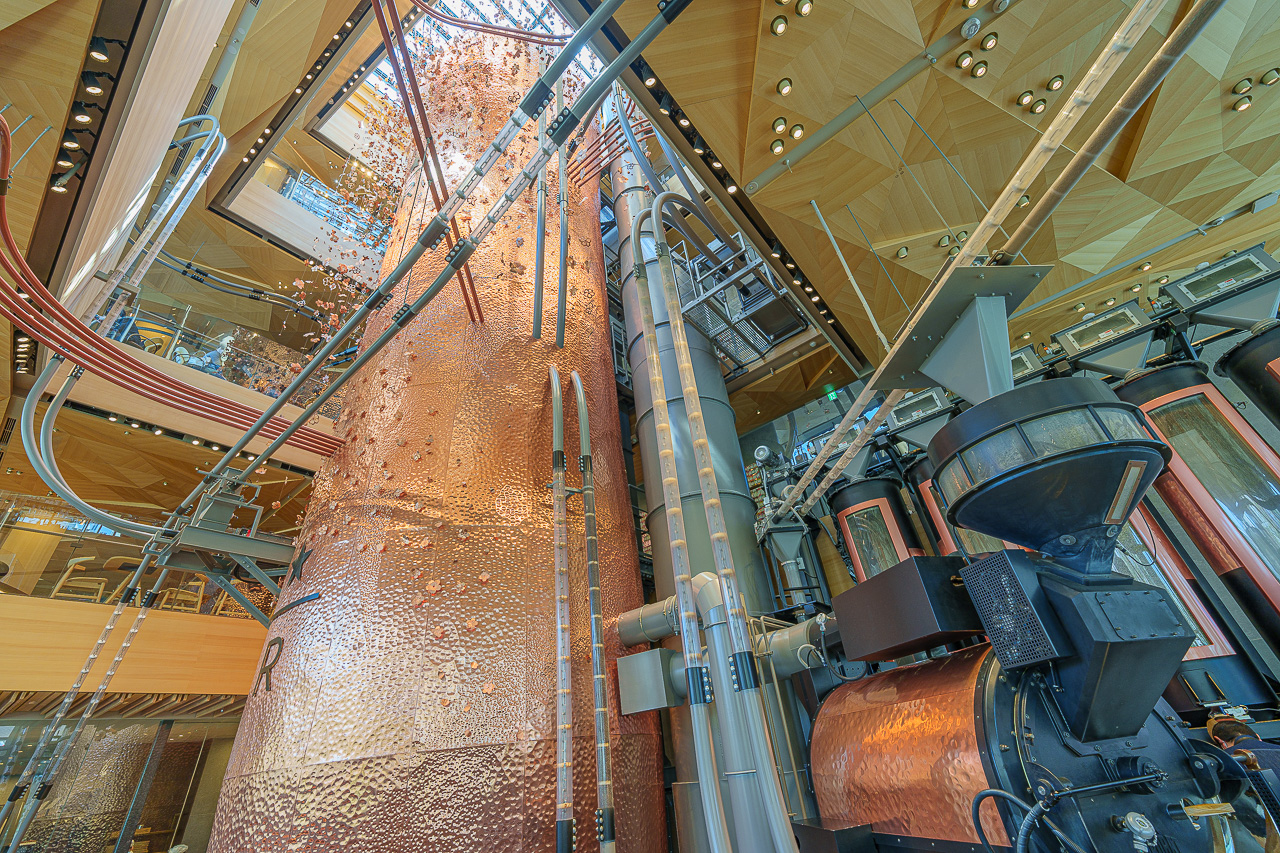
The Reserve Roastery concept began with Seattle in 2014, showcasing roasting and a distinctive coffee experience through roasting equipment, espresso machines, and brewing systems. It offered small-batch coffees absent from ordinary Starbucks shops. Tokyo opened February 28, 2019 as the fifth roastery after Seattle, Shanghai, Milan, and New York—the first in Japan and second in Asia in the source’s chronology.
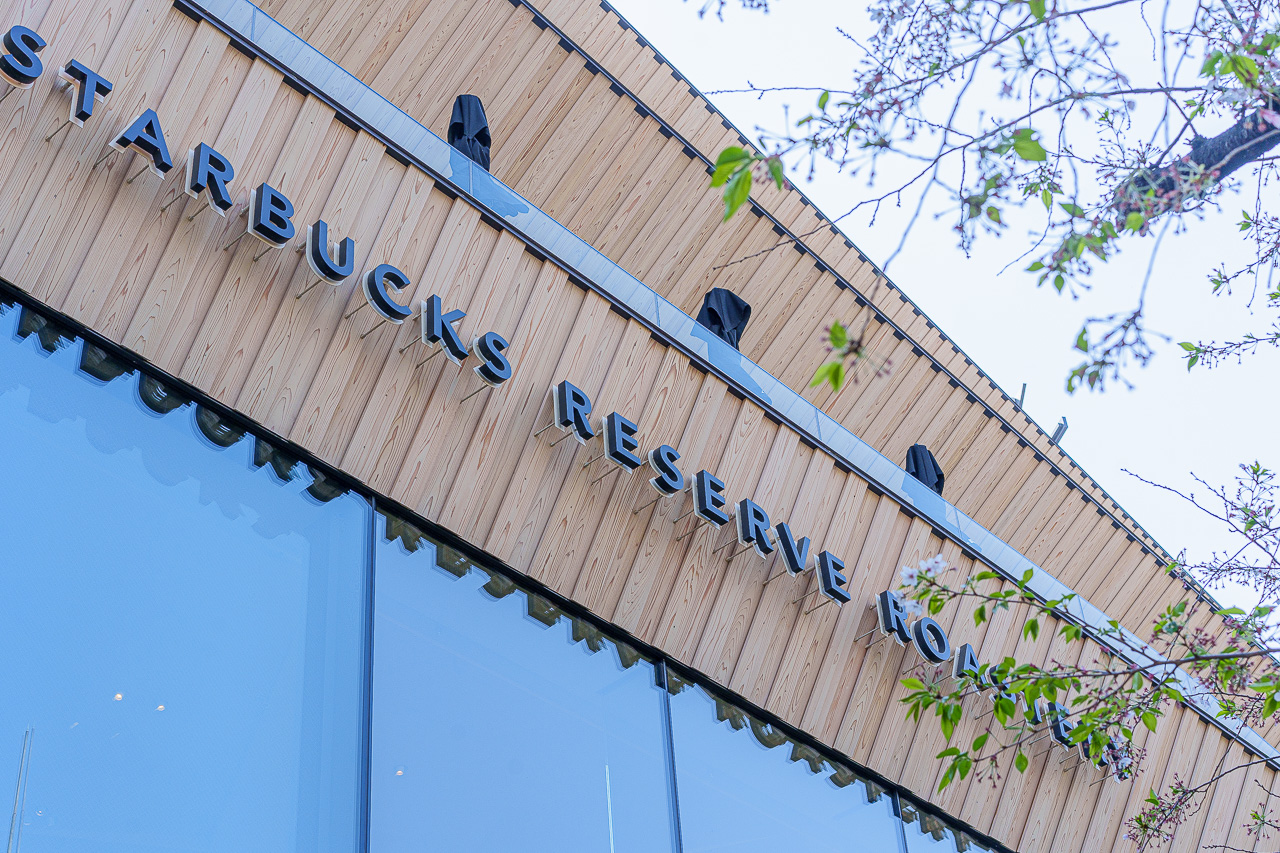
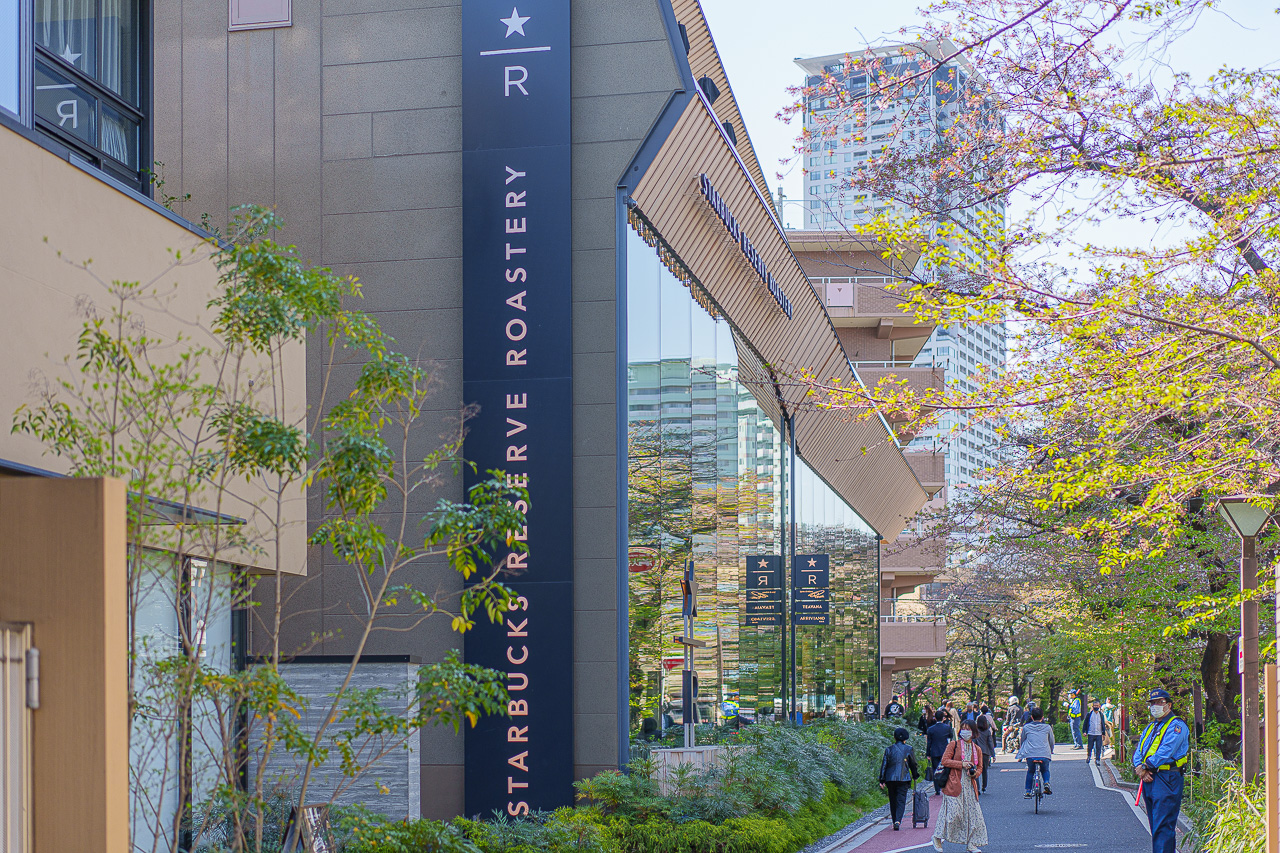
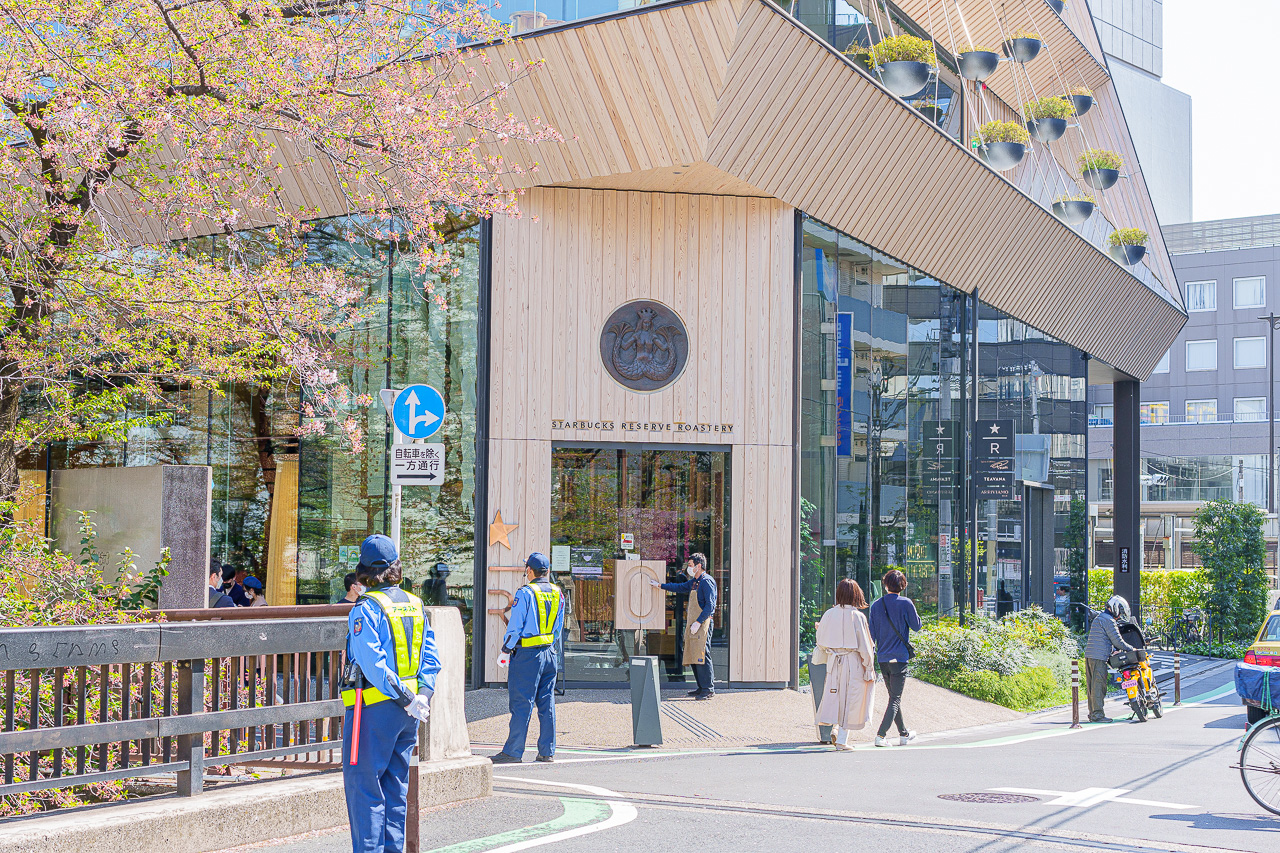
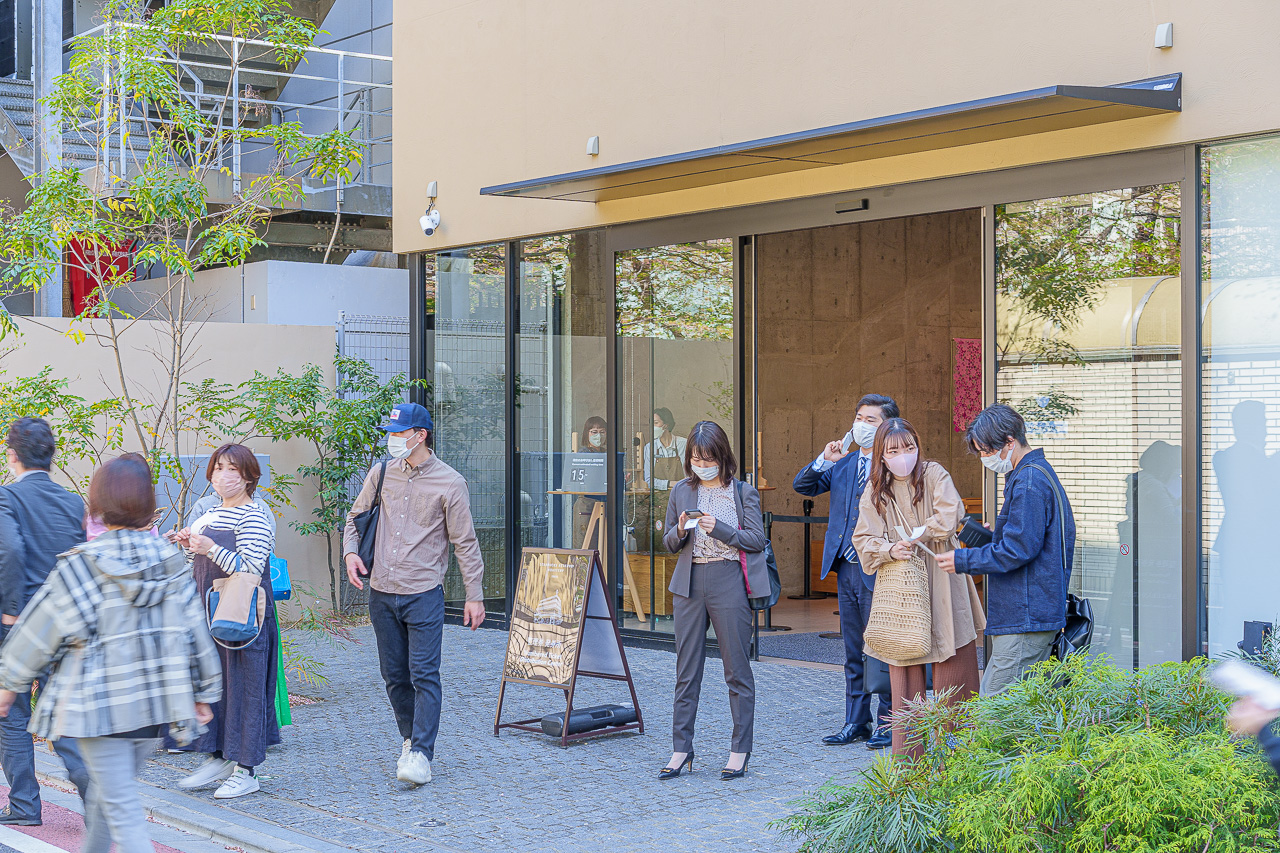

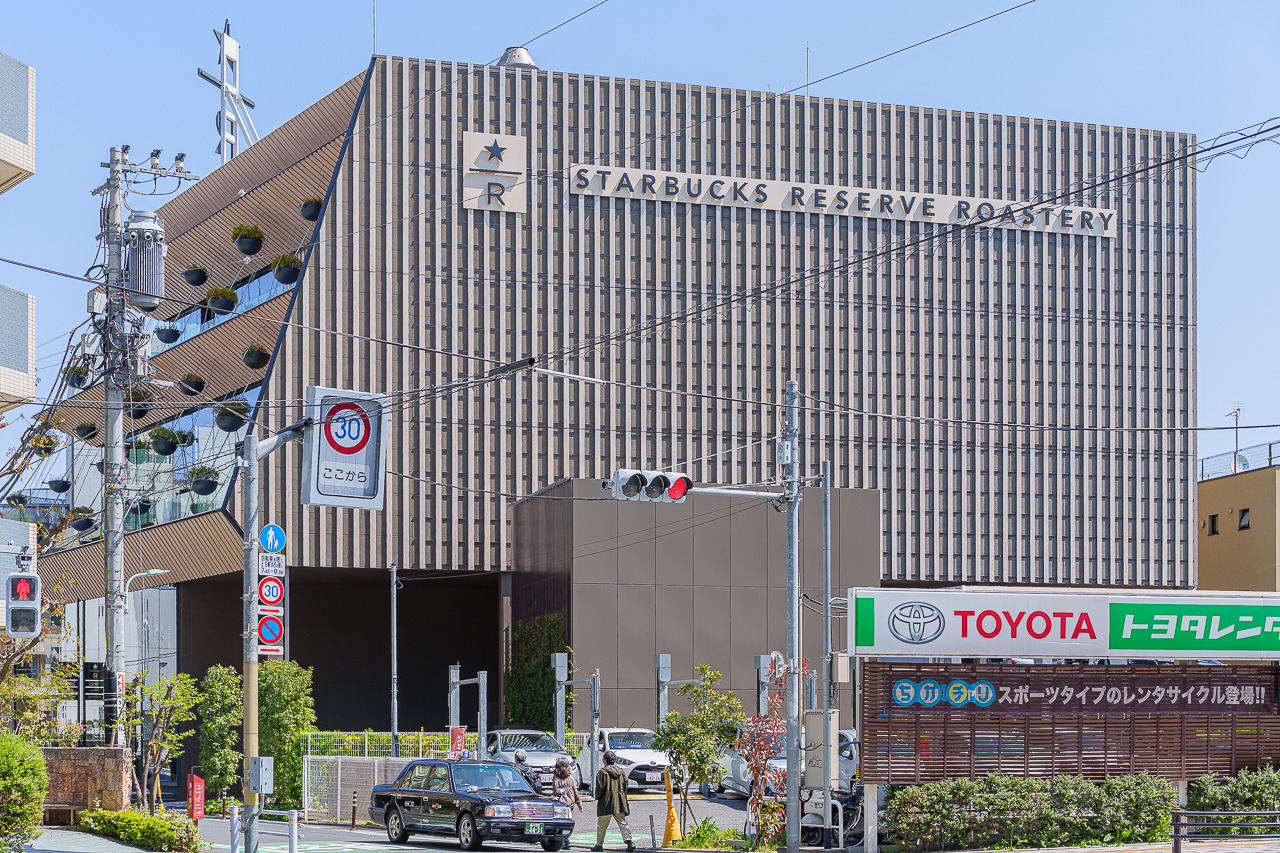
The roastery was in Nakameguro, known for cafés, bars, and boutiques. The source gives Nakameguro Station on the Hibiya and Tokyu Toyoko lines as the nearest, with a walk of about five minutes; that walking estimate is not independently checked here.
Recorded hours were 7 a.m.–11 p.m. daily, with no admission fee. The source suggested mornings to avoid long waits and described taking a waiting ticket from the neighboring building when busy.
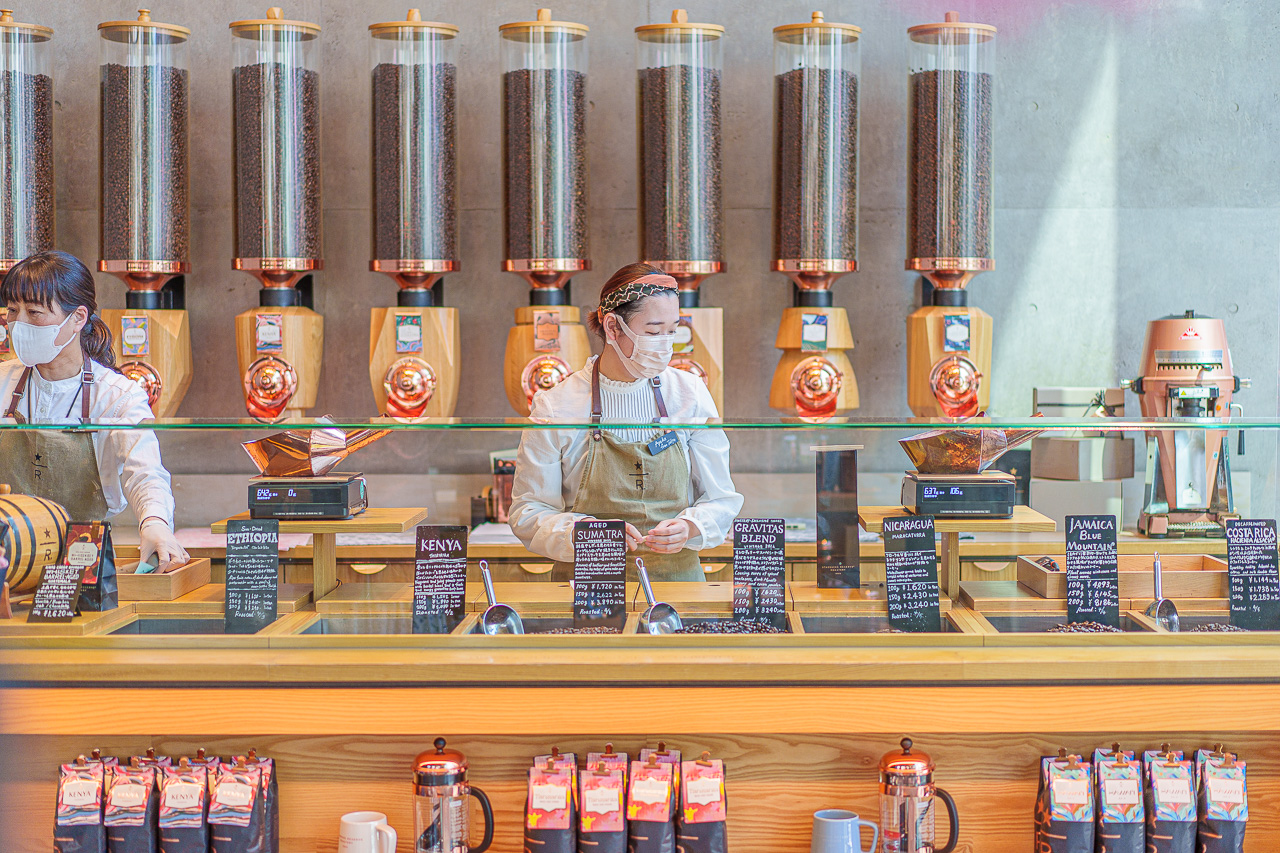
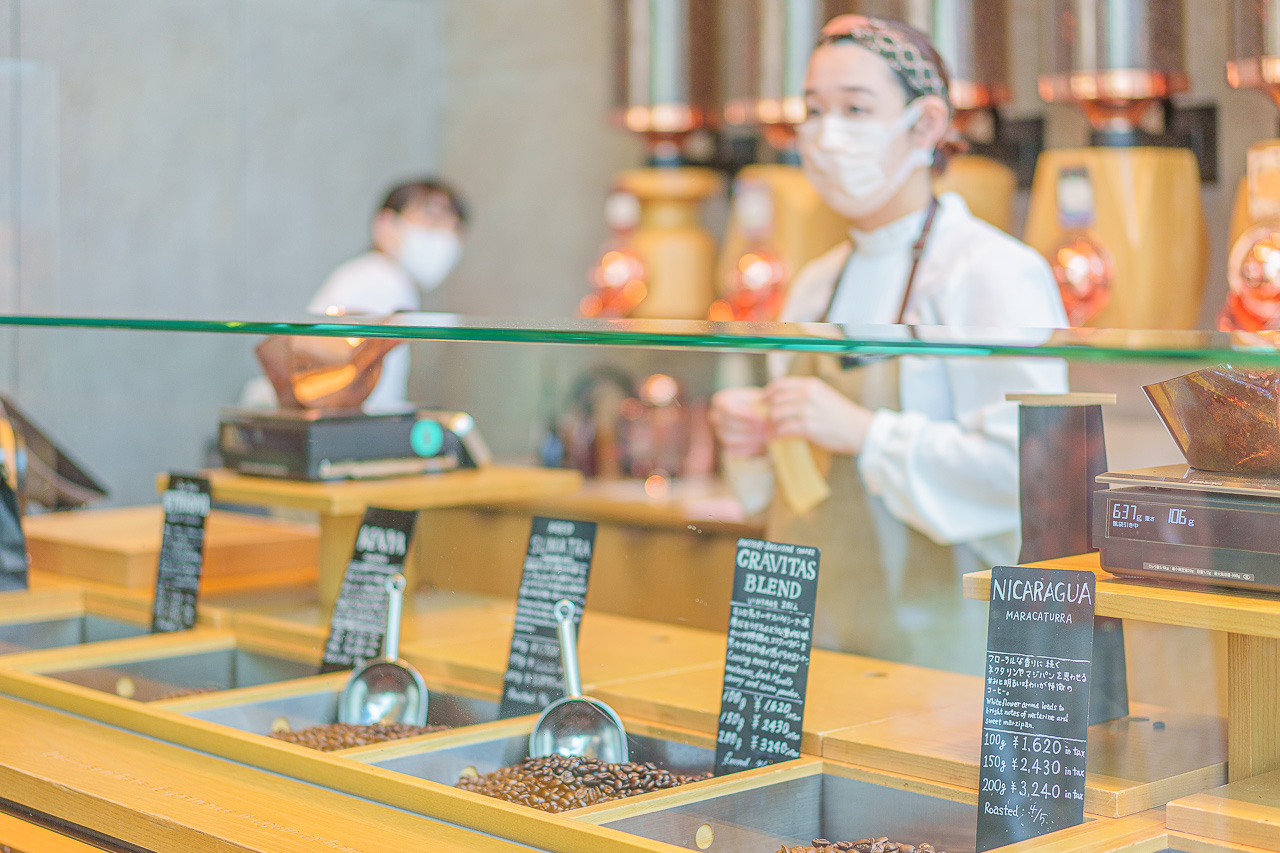
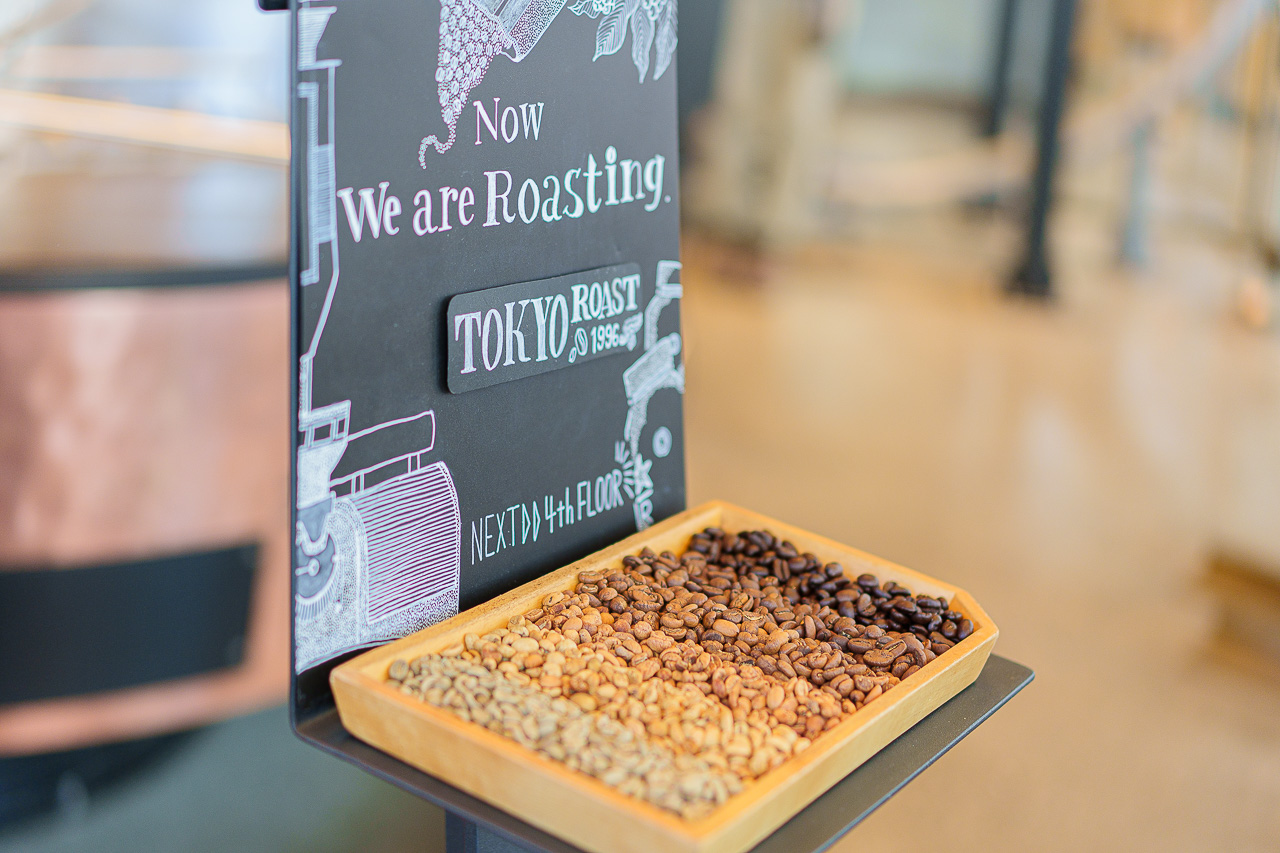
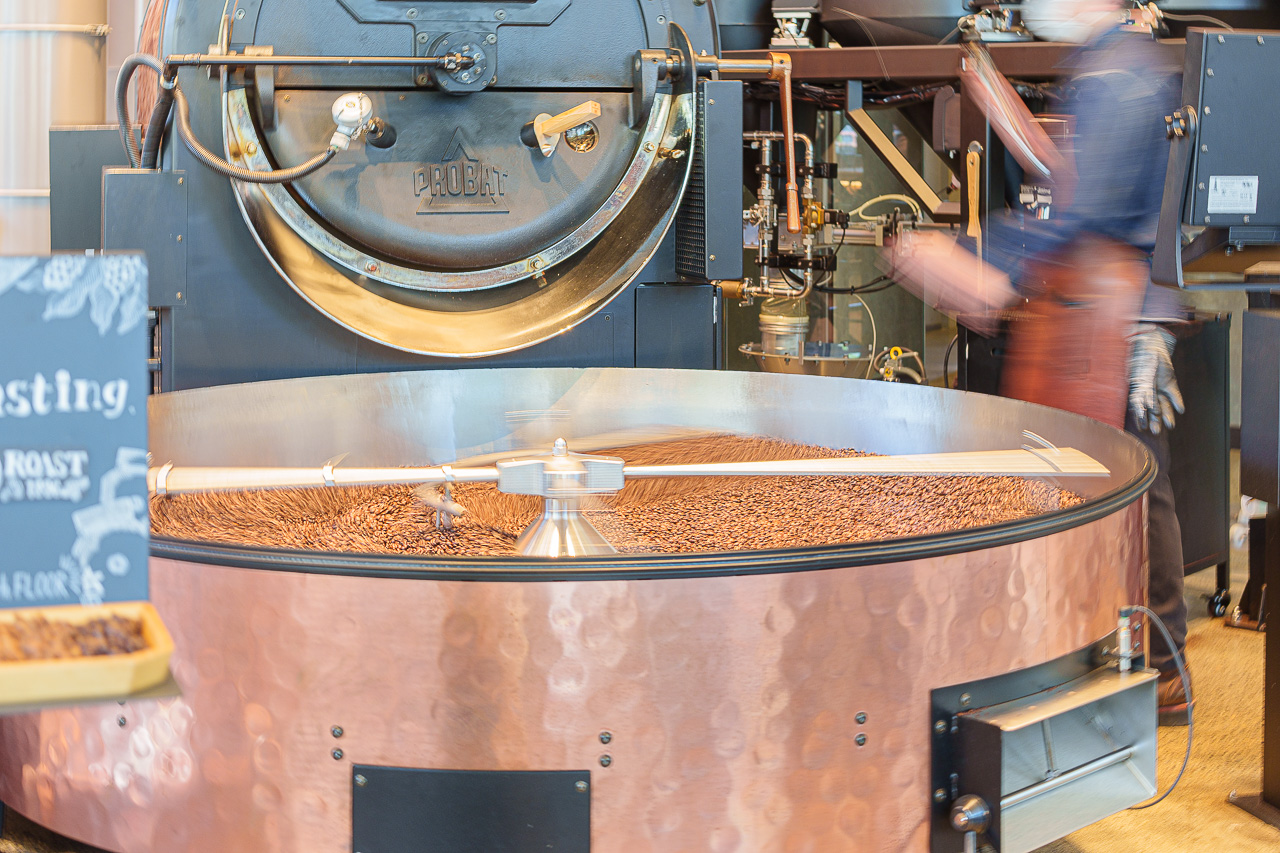
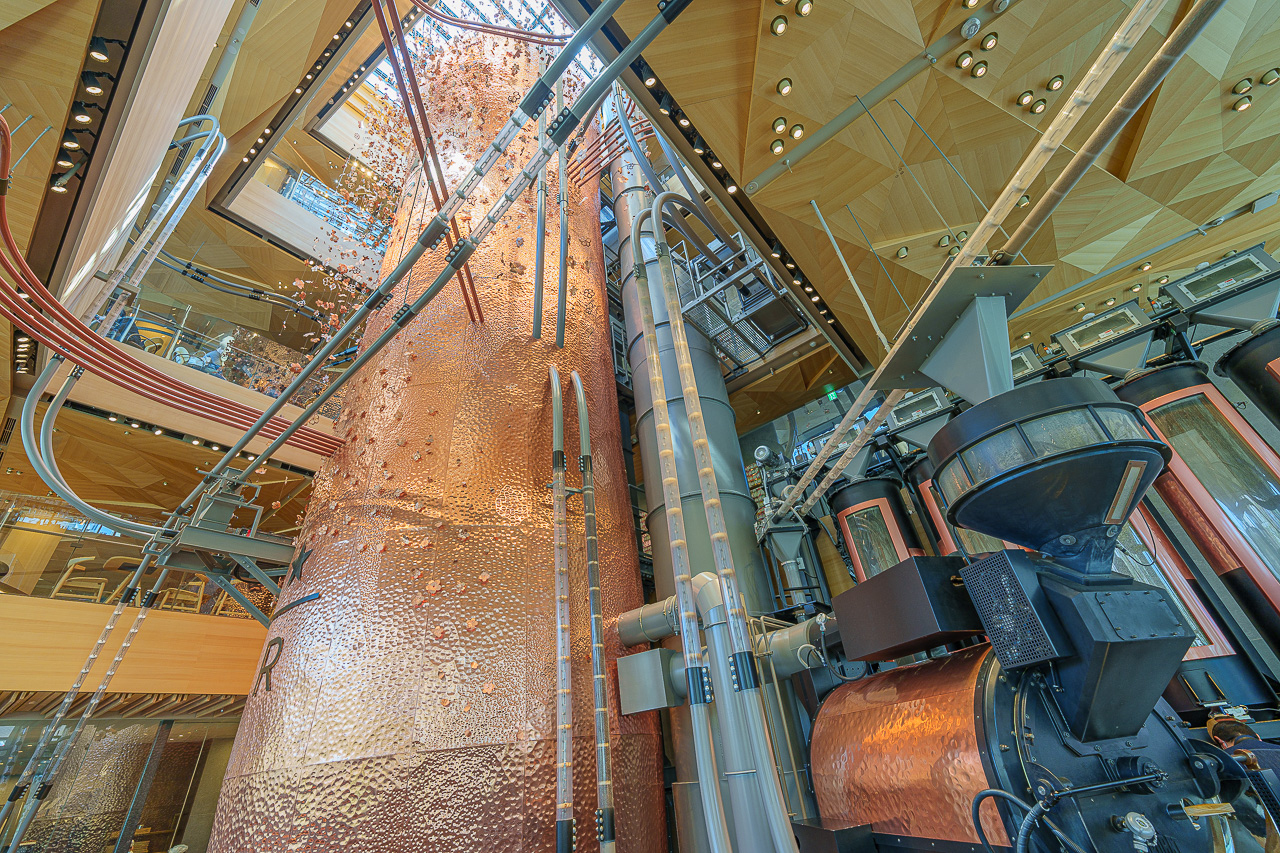
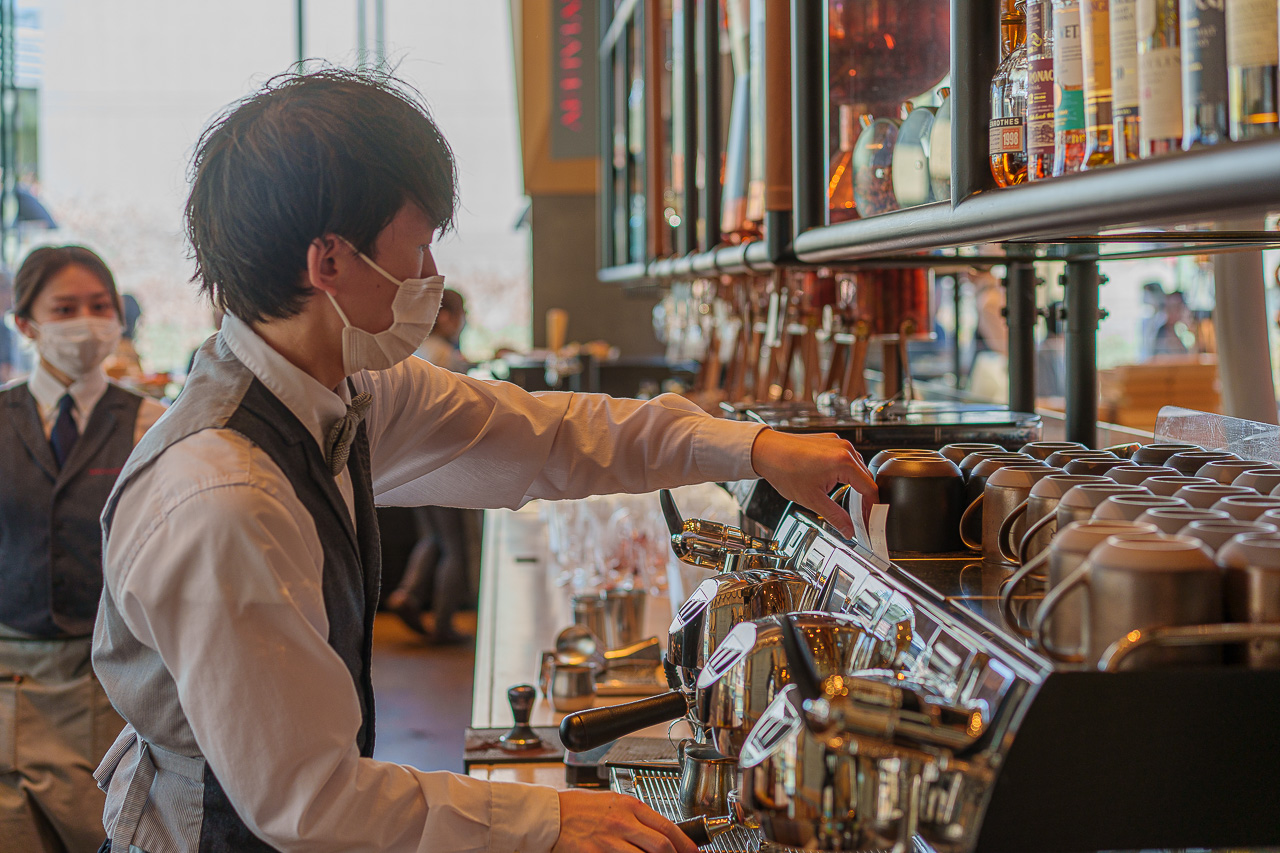
The original calls the roastery a five-level facility, although its subsequent description covers the first through fourth floors. Fresh coffee welcomed us on the first floor, where roasting machinery could be seen operating early in the morning. The source says coffee came from over 30 countries, including Ethiopia, Colombia, and Indonesia, and was roasted on site. The aroma filled the space, difficult for a coffee lover to resist. Roasted beans traveled to the counters, and a huge 14-meter coffee-processing structure was another distinctive sight. The floor count and equipment description are retained as source claims, not a new facilities survey.
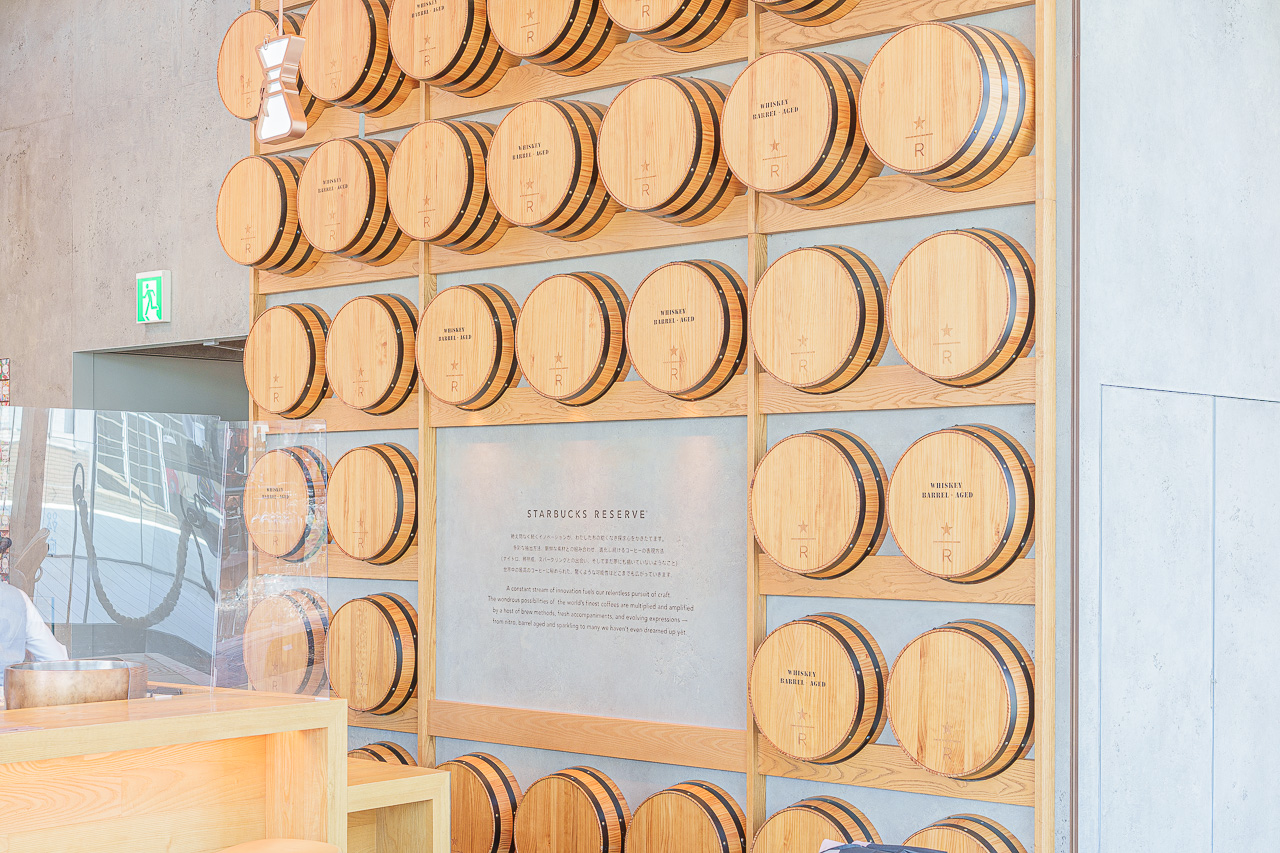
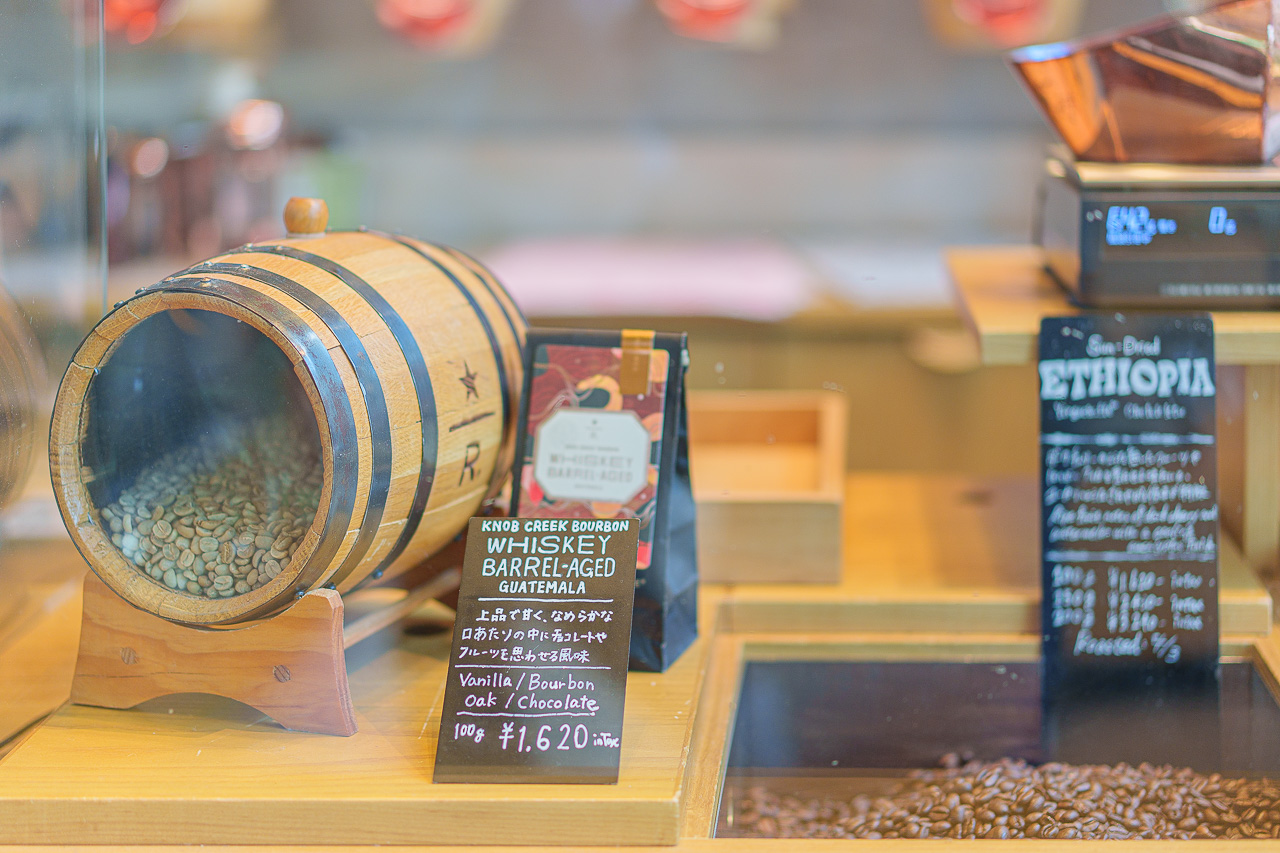
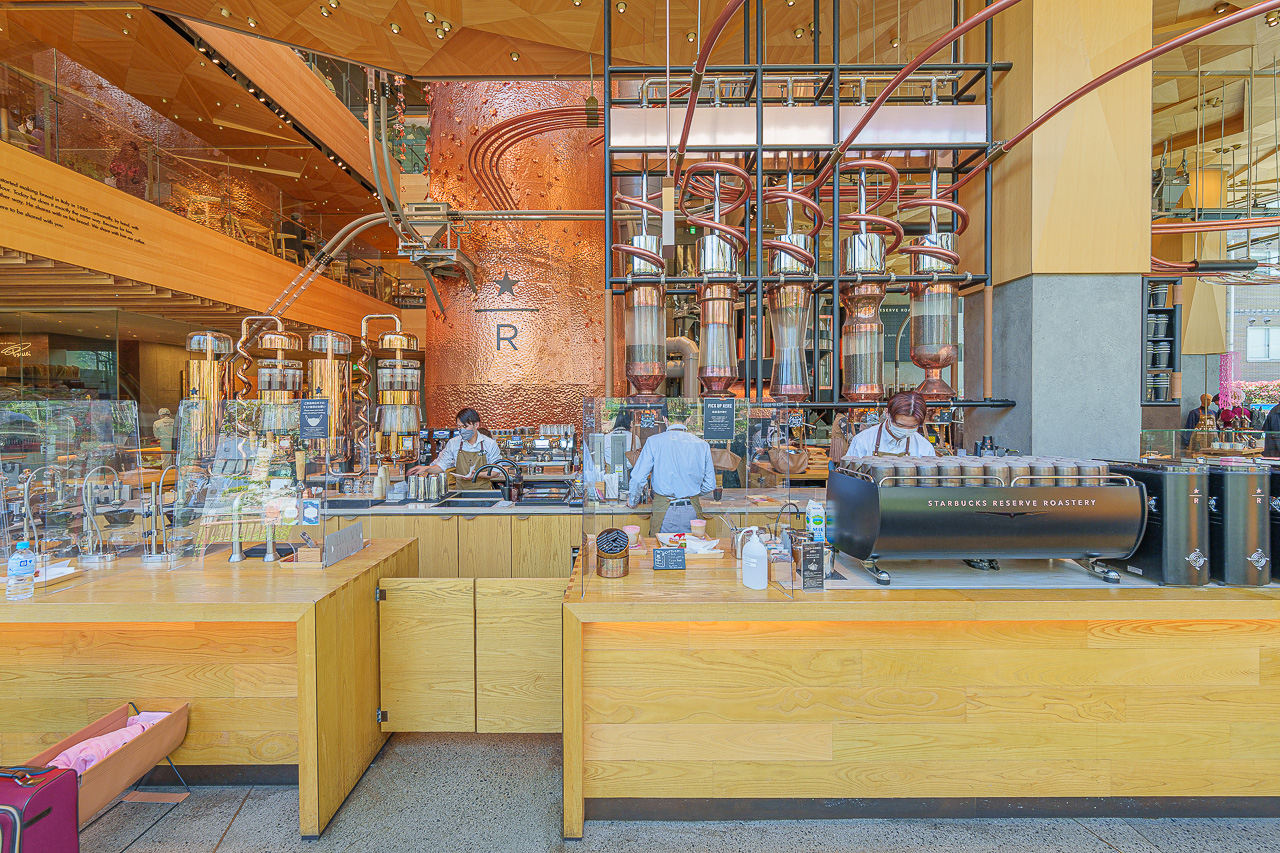
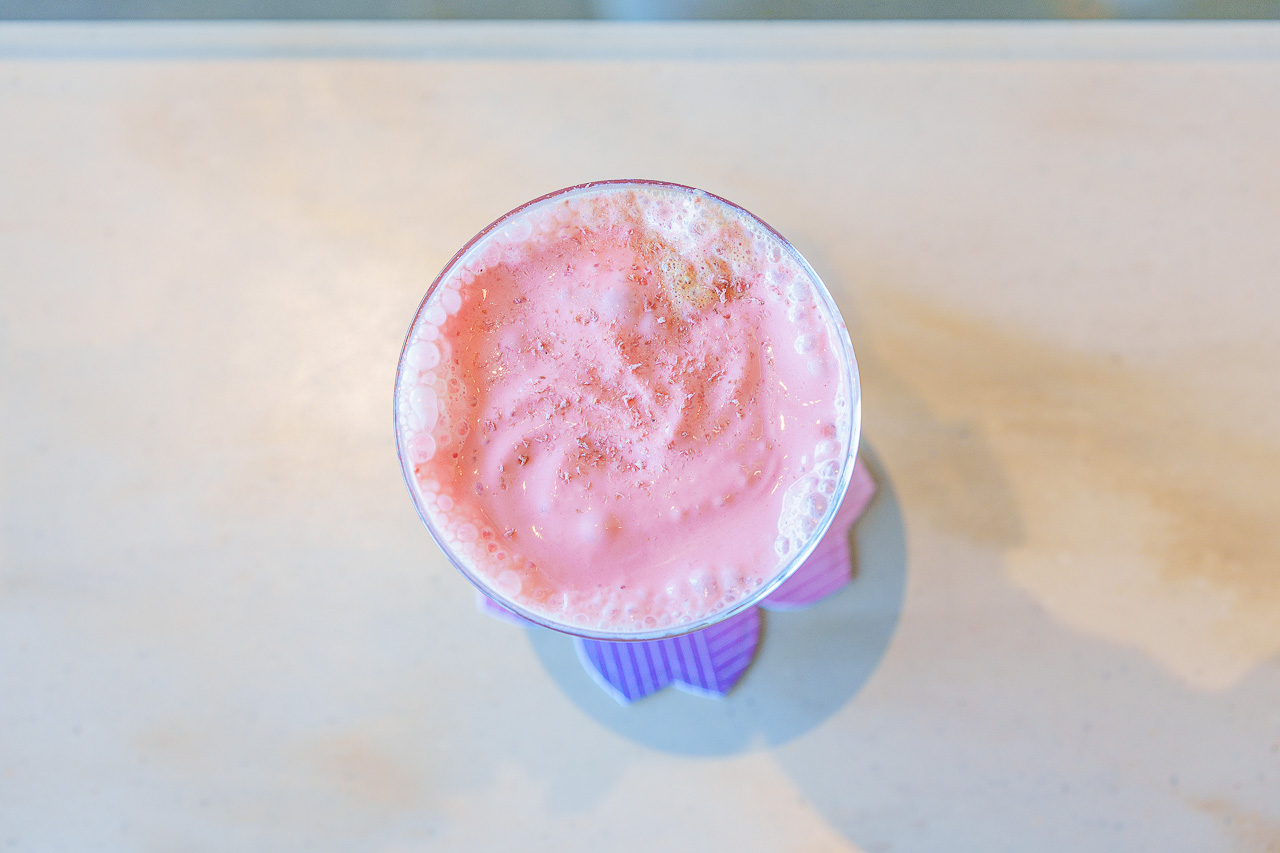
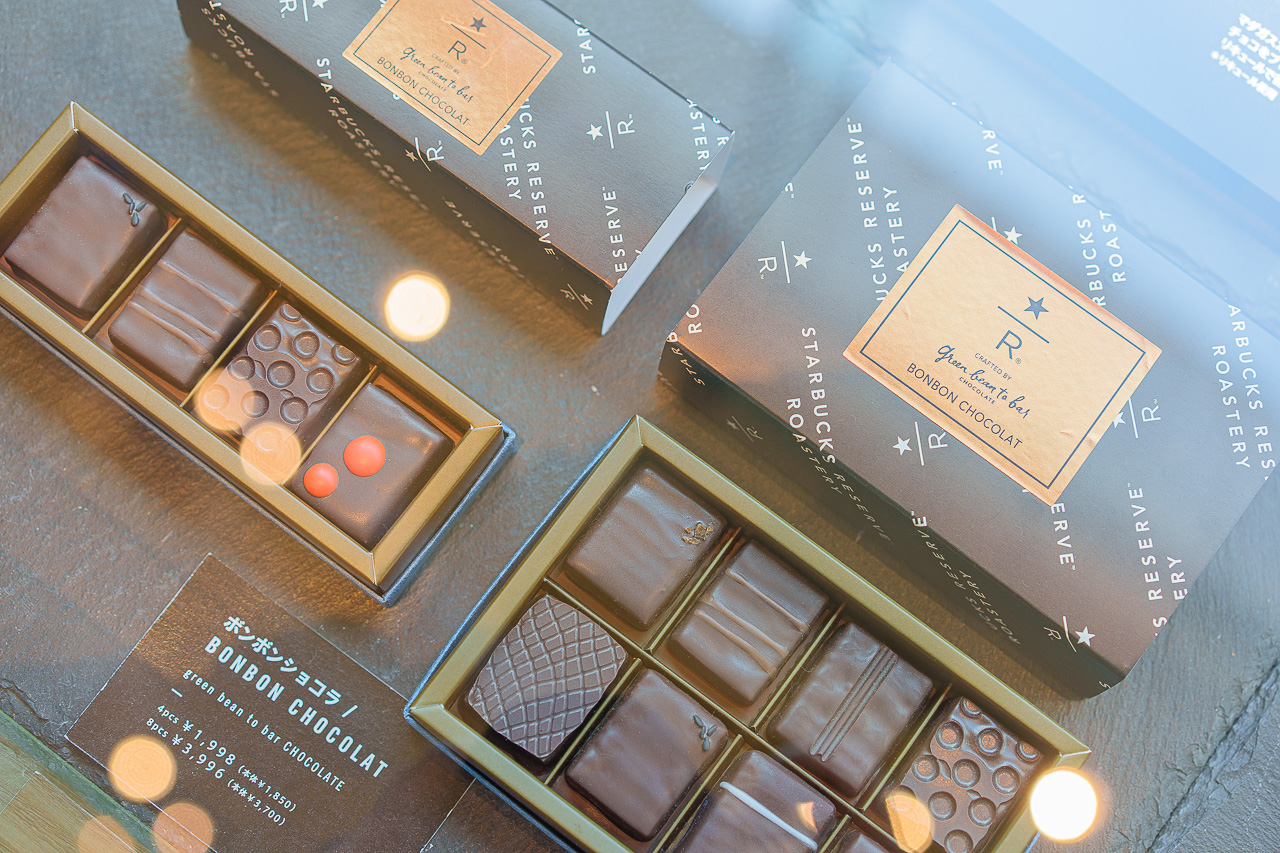
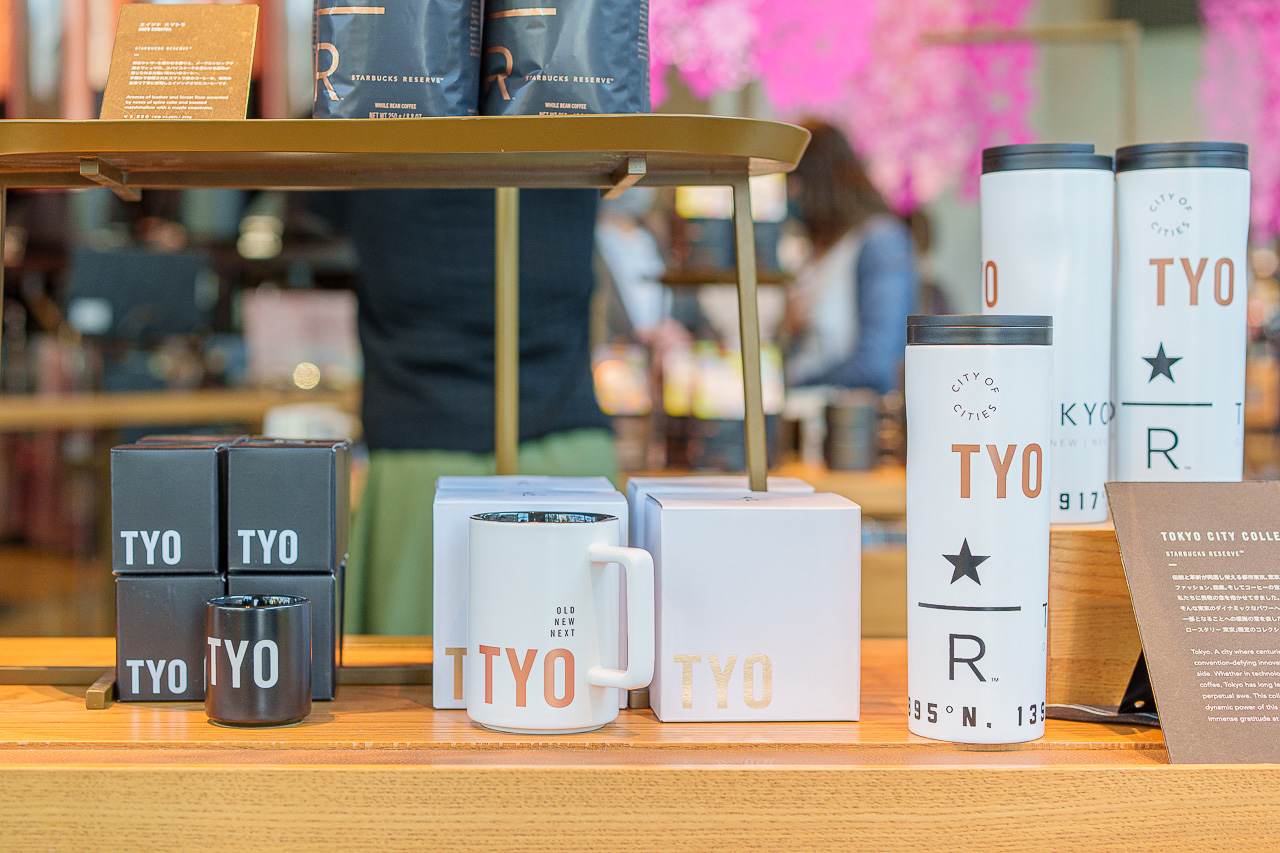
For coffee lovers, the menu included coffees, cocktails, and desserts. The source describes high-quality, ethically sourced beans roasted on site, with pour-over, siphon, Chemex, and Clover brewing. Whisky Barrel-Aged Cold Brew, aged in whisky barrels for complex flavor, was highlighted as popular. Merchandise added browsing opportunities.
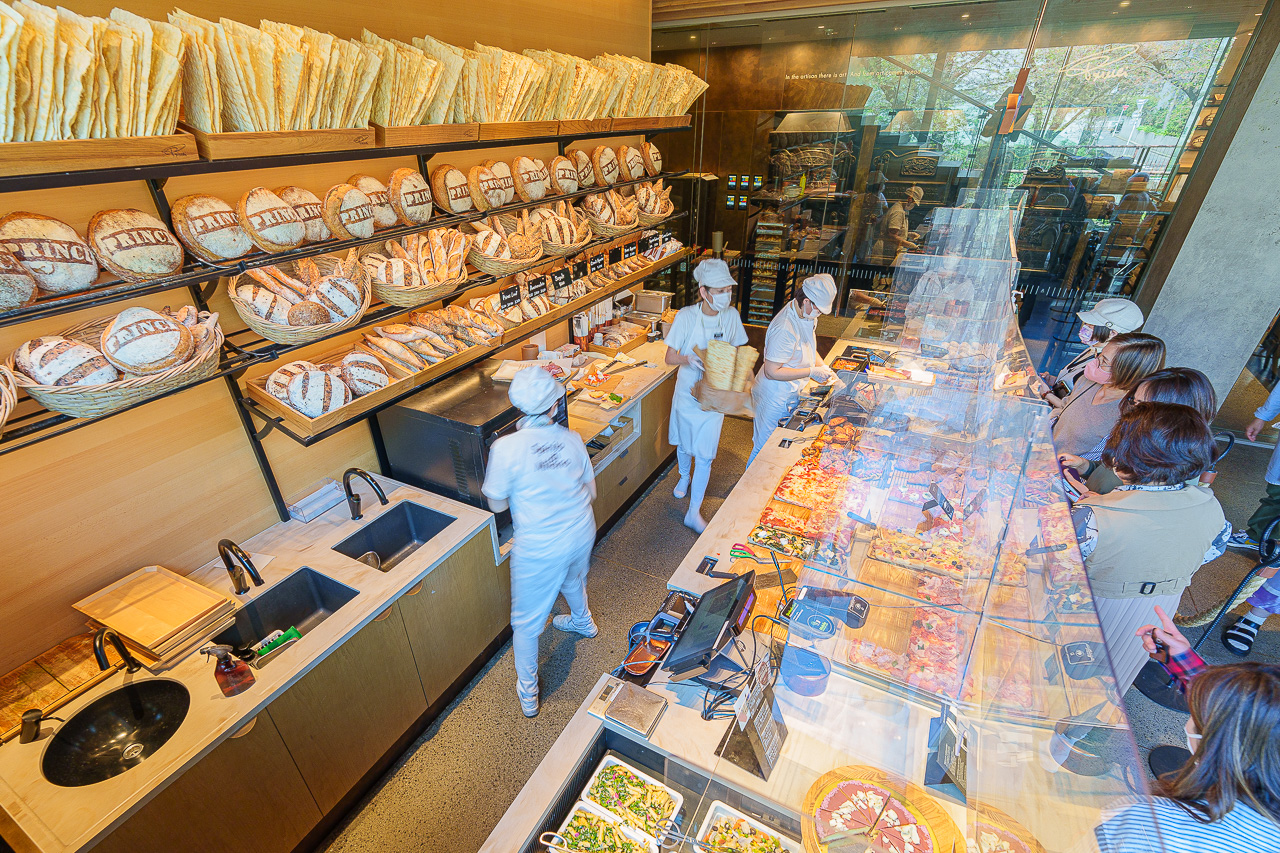
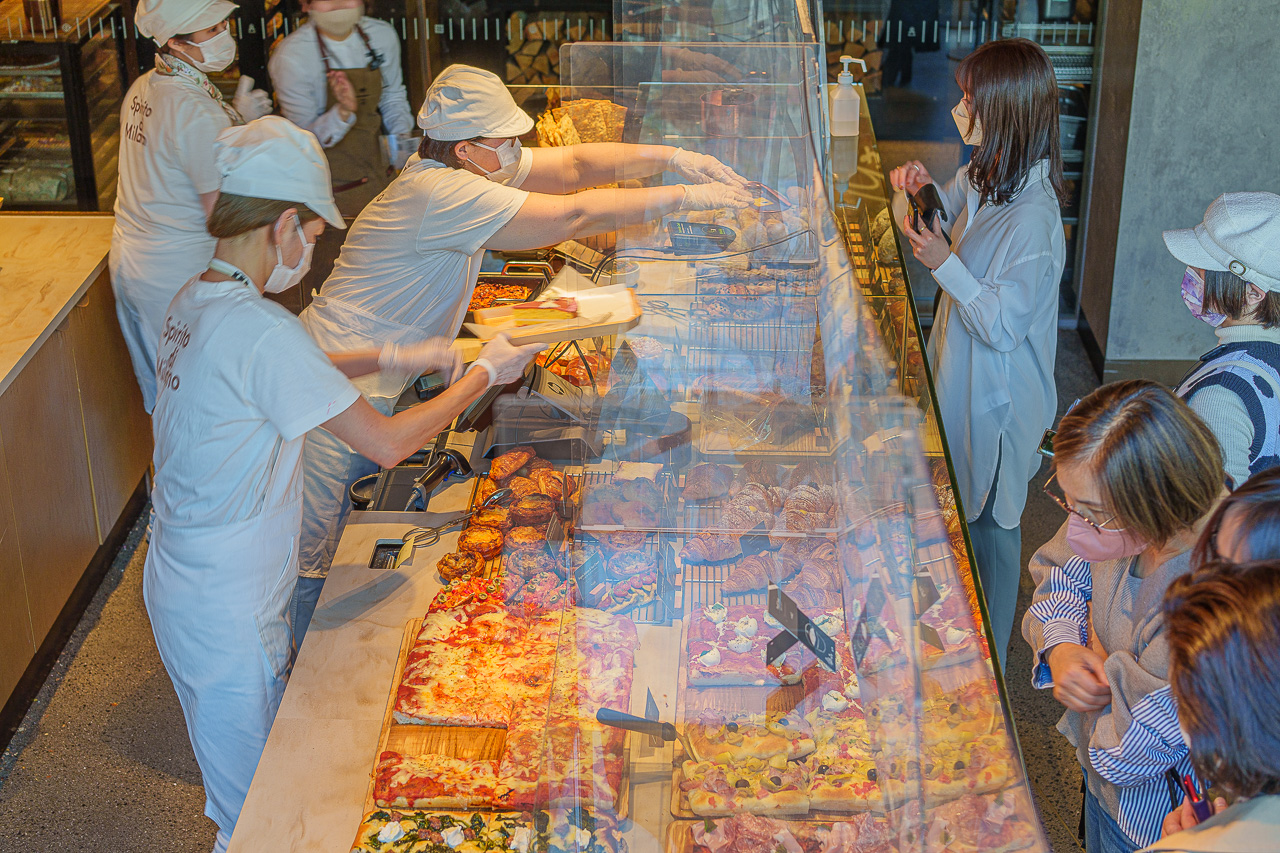

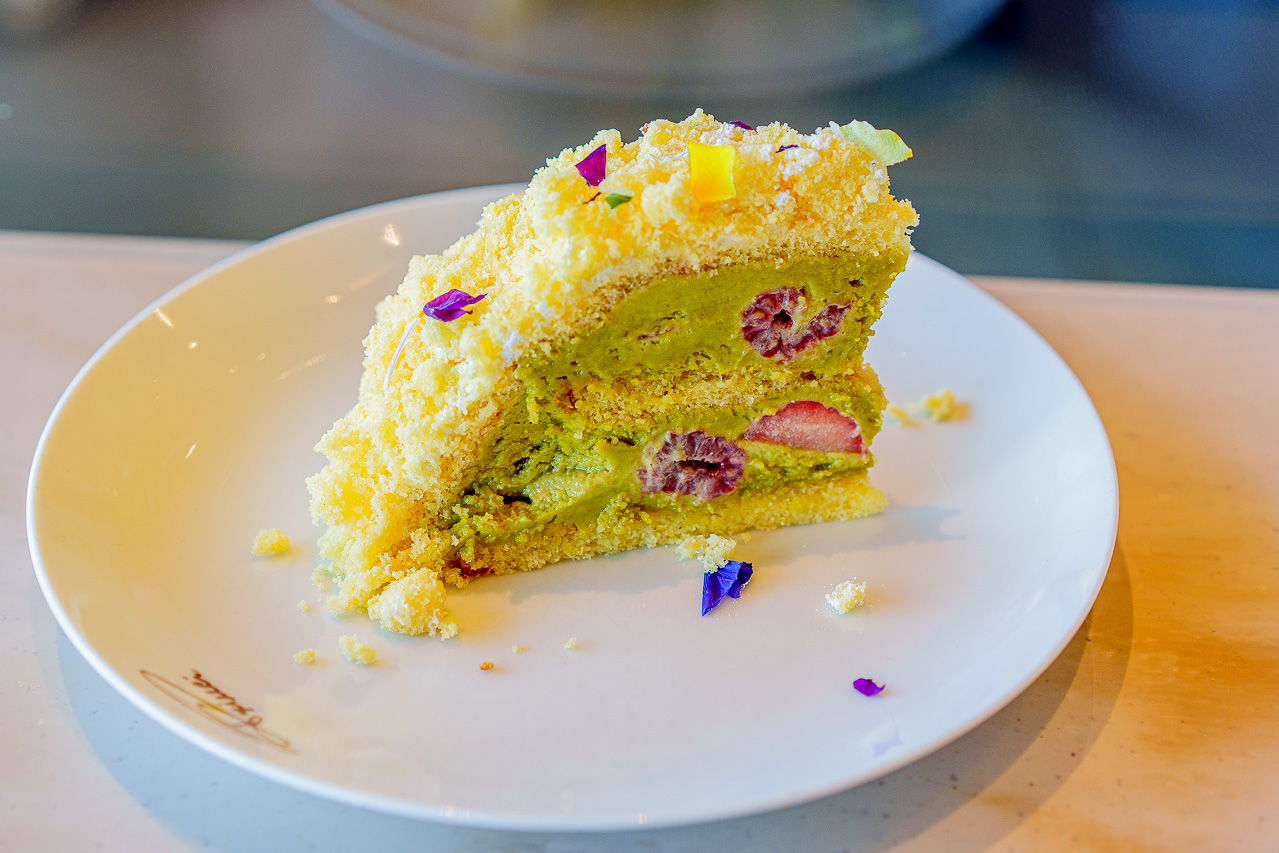
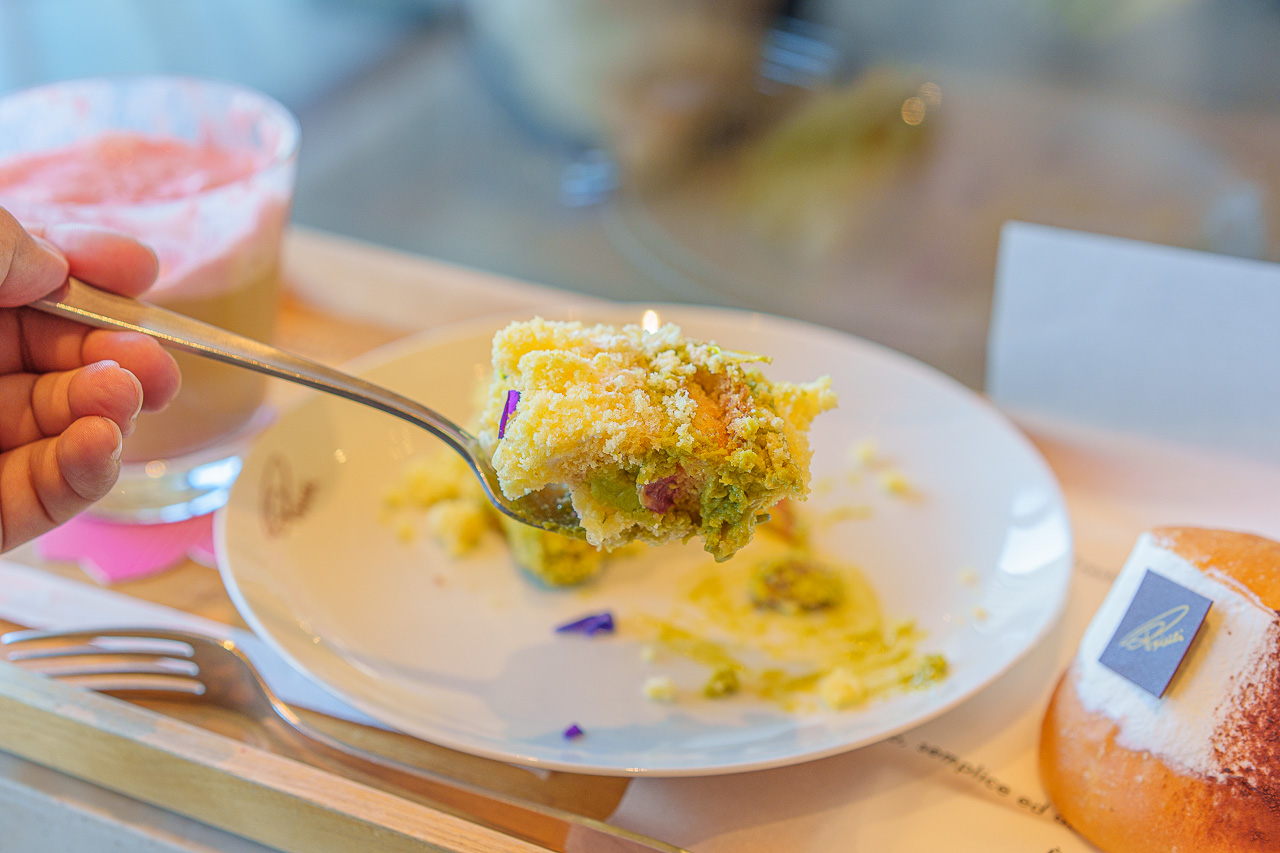
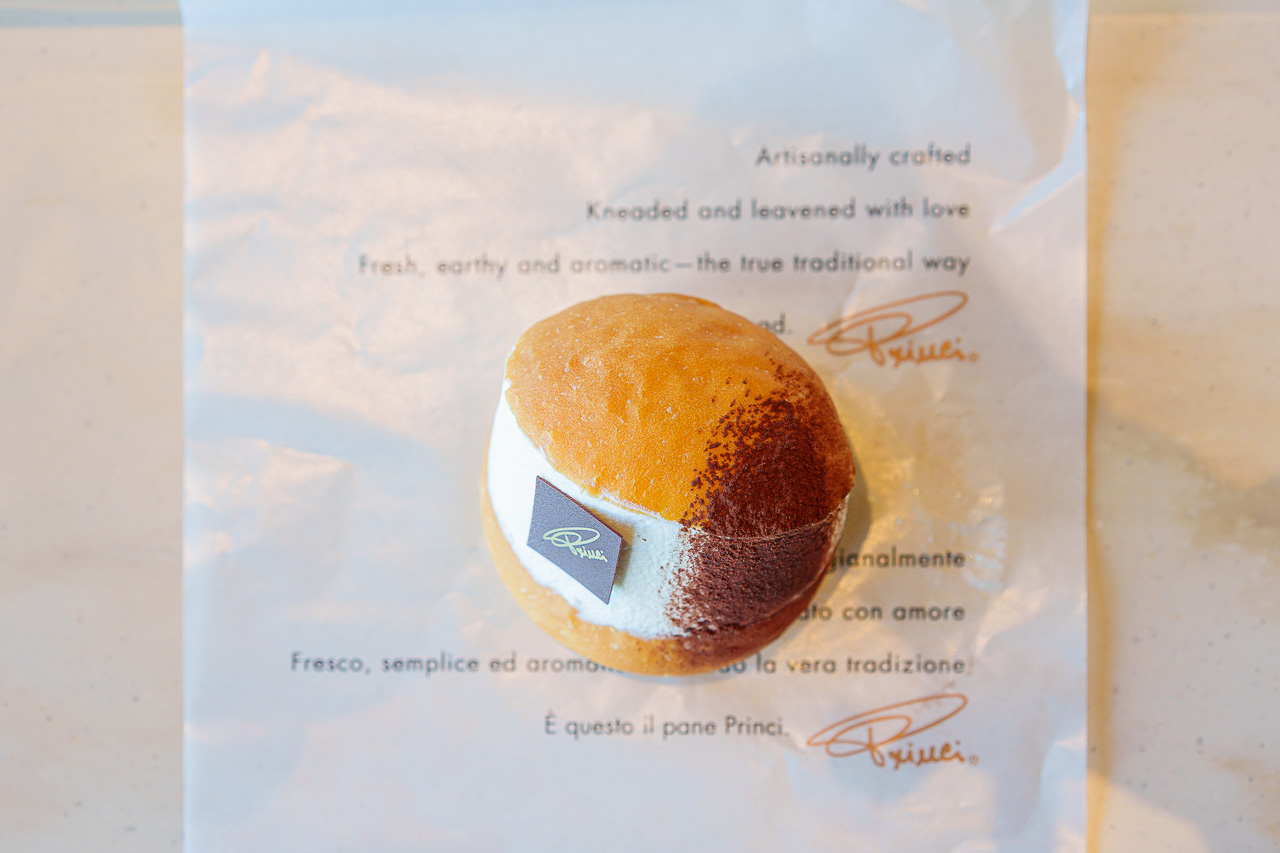
The first floor also had Princi, serving fresh bread, pastries, and pizza. The source describes the Milan-based bakery’s Tokyo Roastery location as its first in Asia. Alongside roasting equipment were goods, beans from different origins, coffee, and desserts; there seemed enough variety to return without getting bored.
Margherita pizza with tomato, mozzarella, and basil; focaccia sandwiches with prosciutto, arugula, and tomato; and crisp buttery croissants all seemed excellent with coffee.
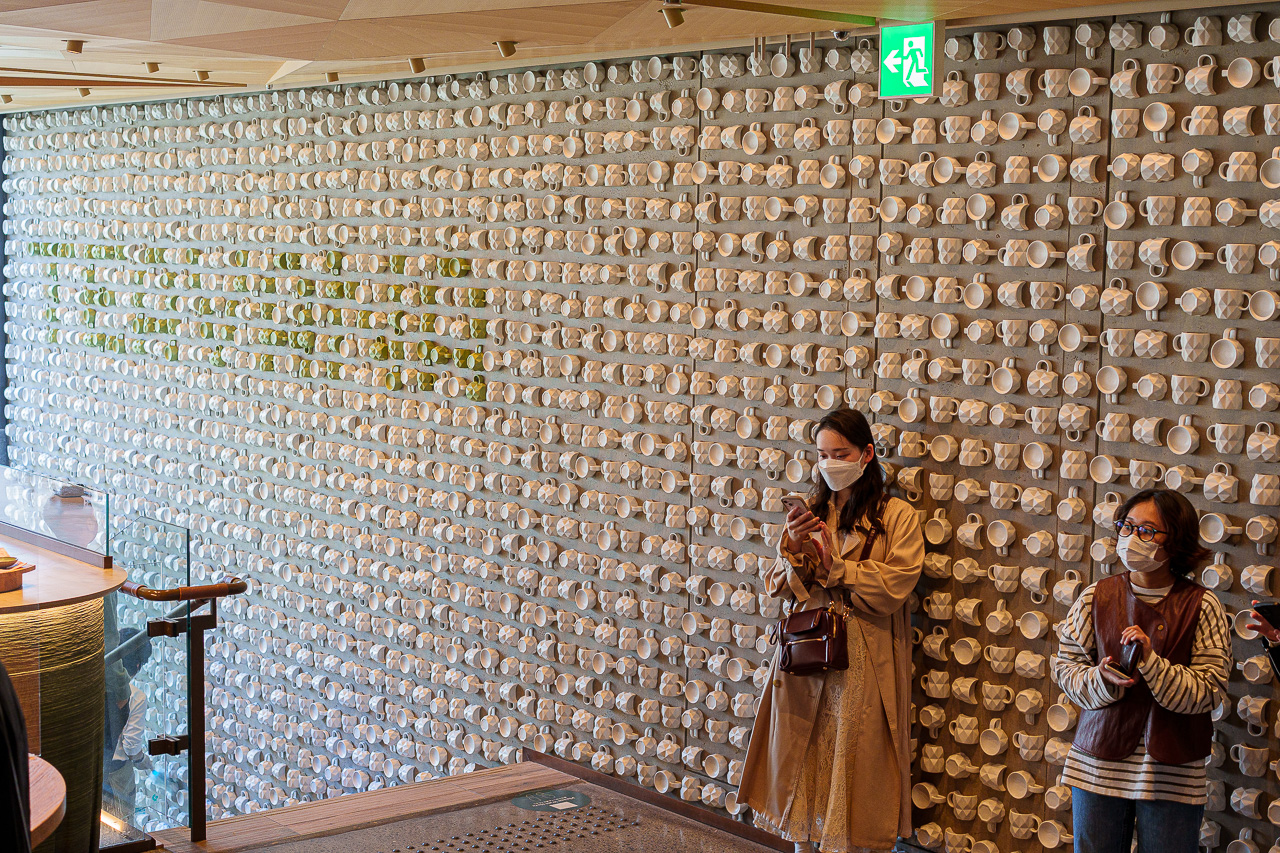
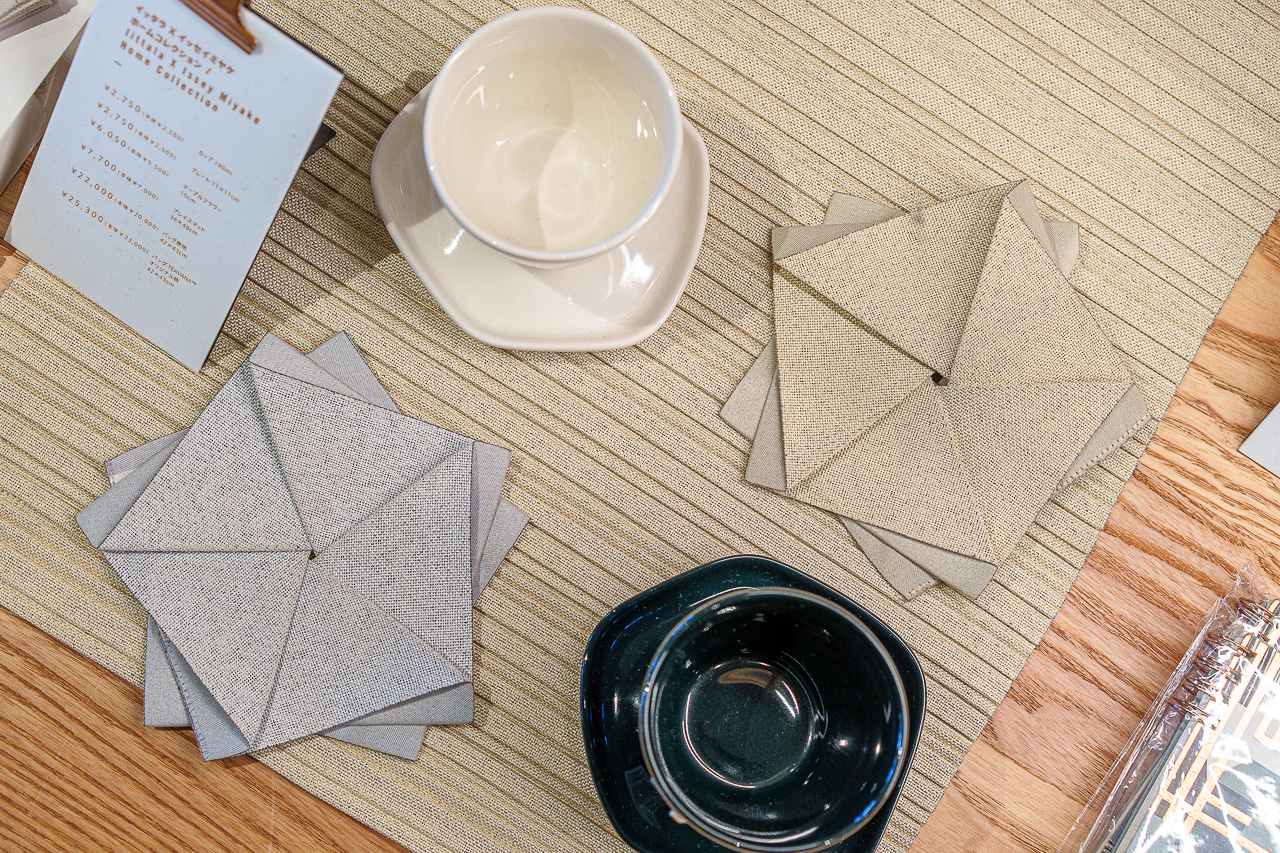
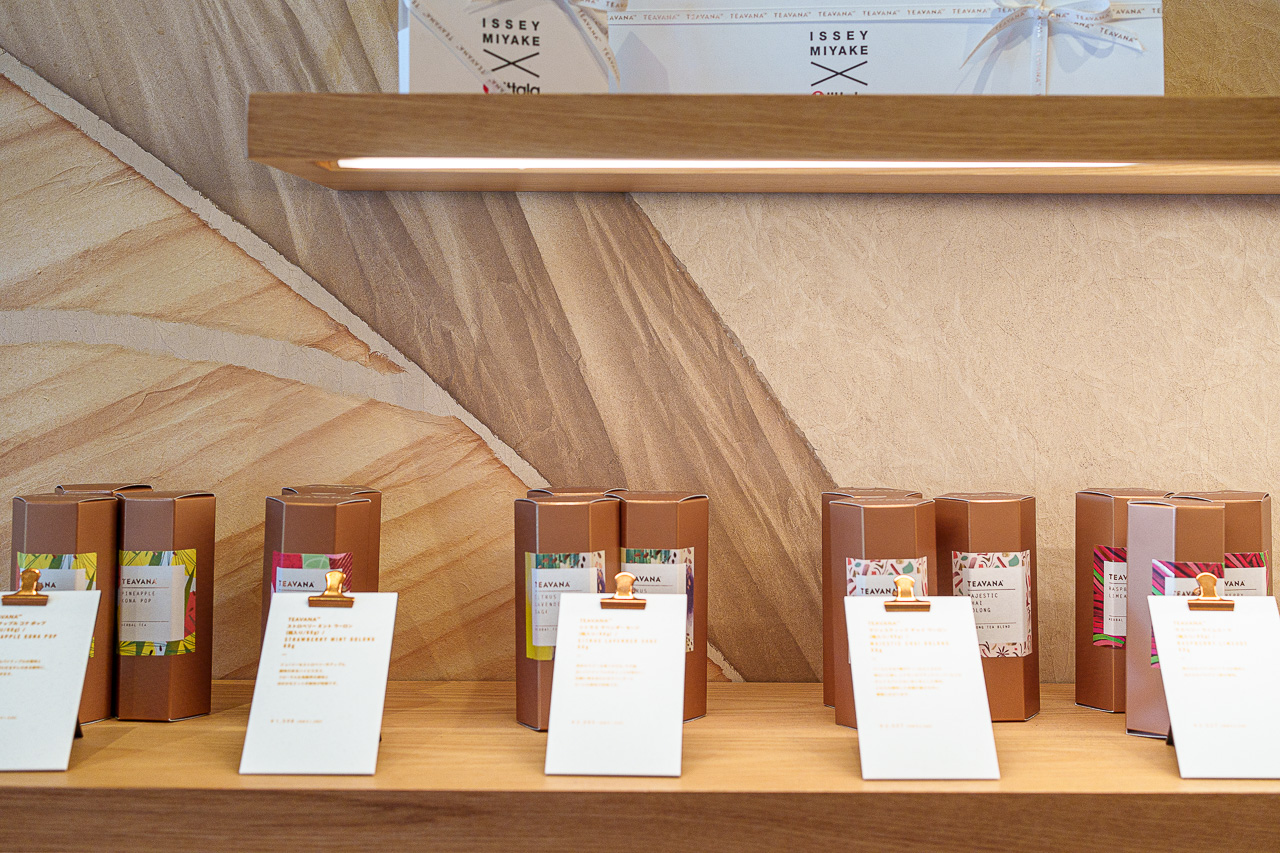
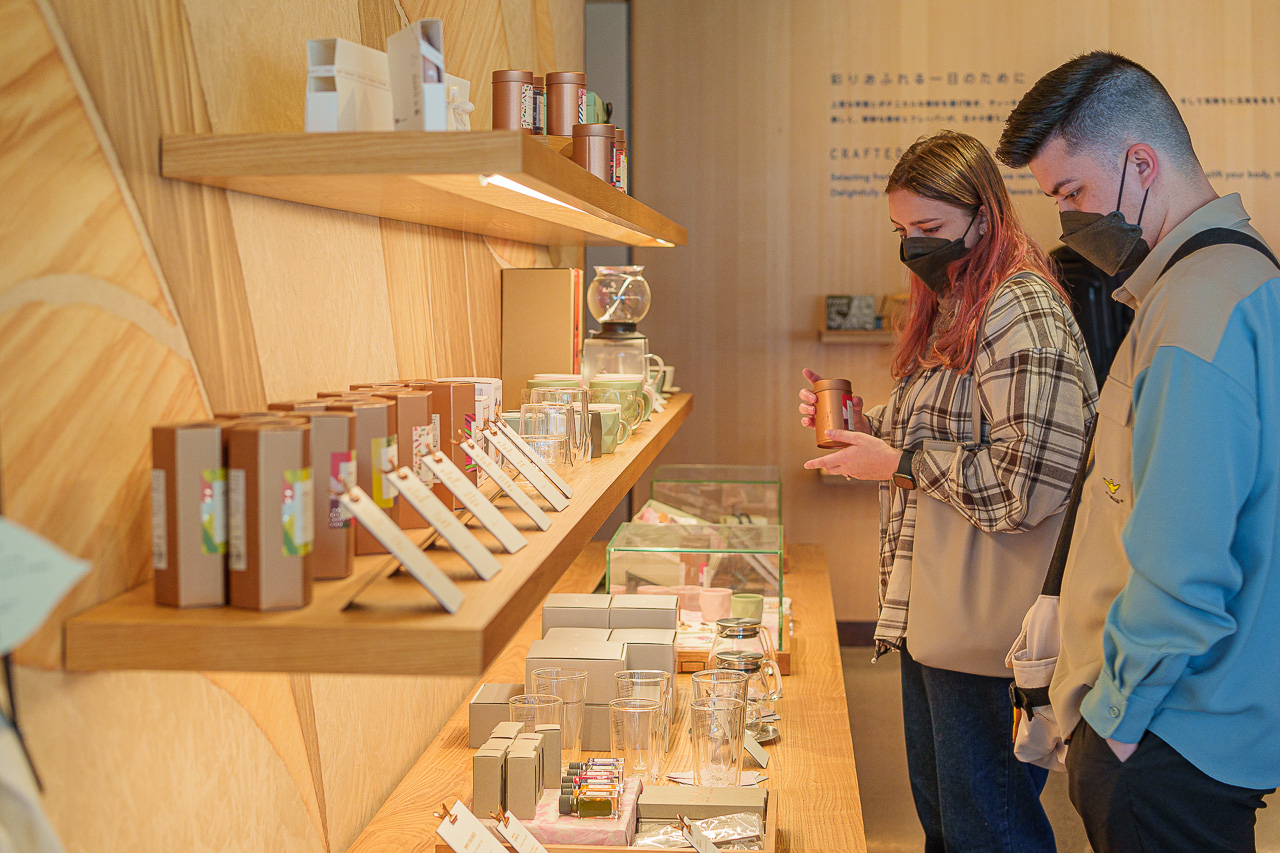
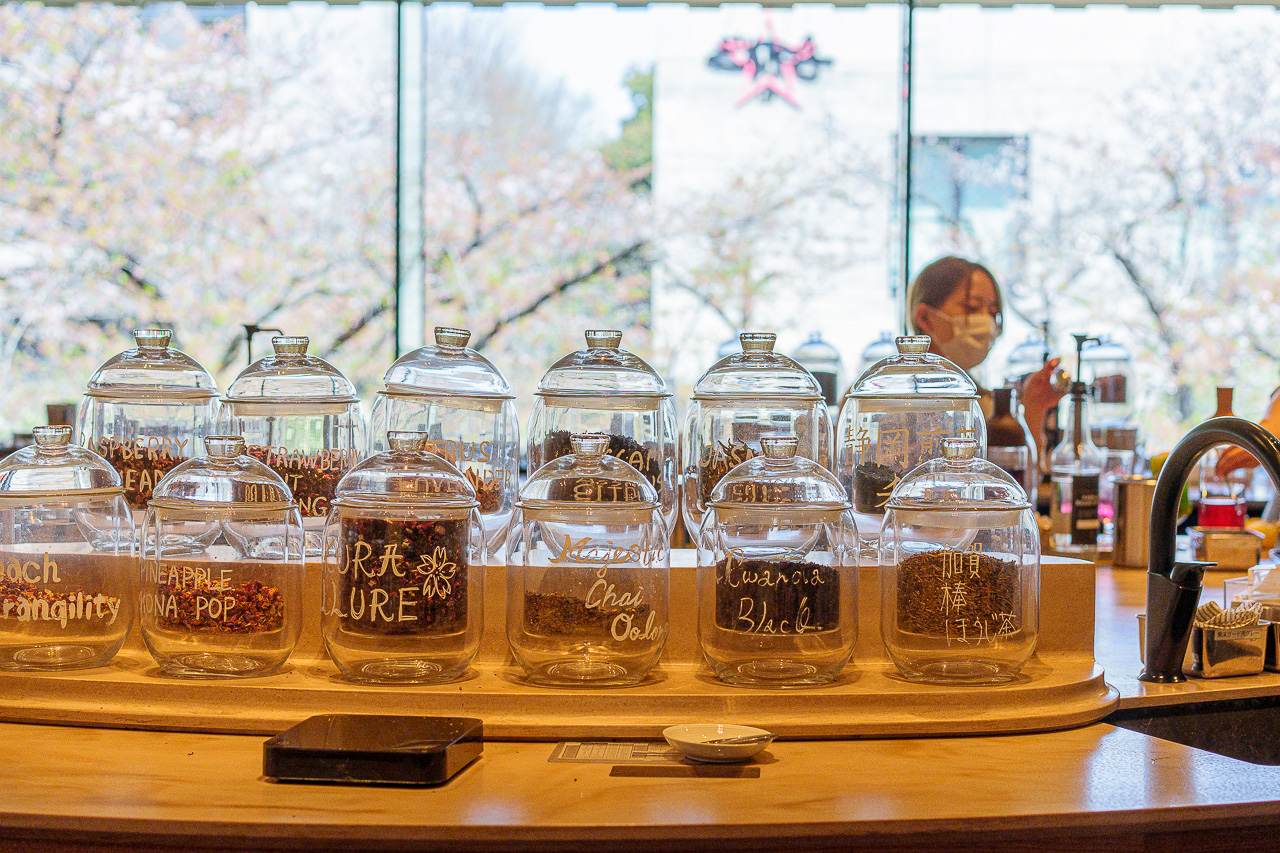
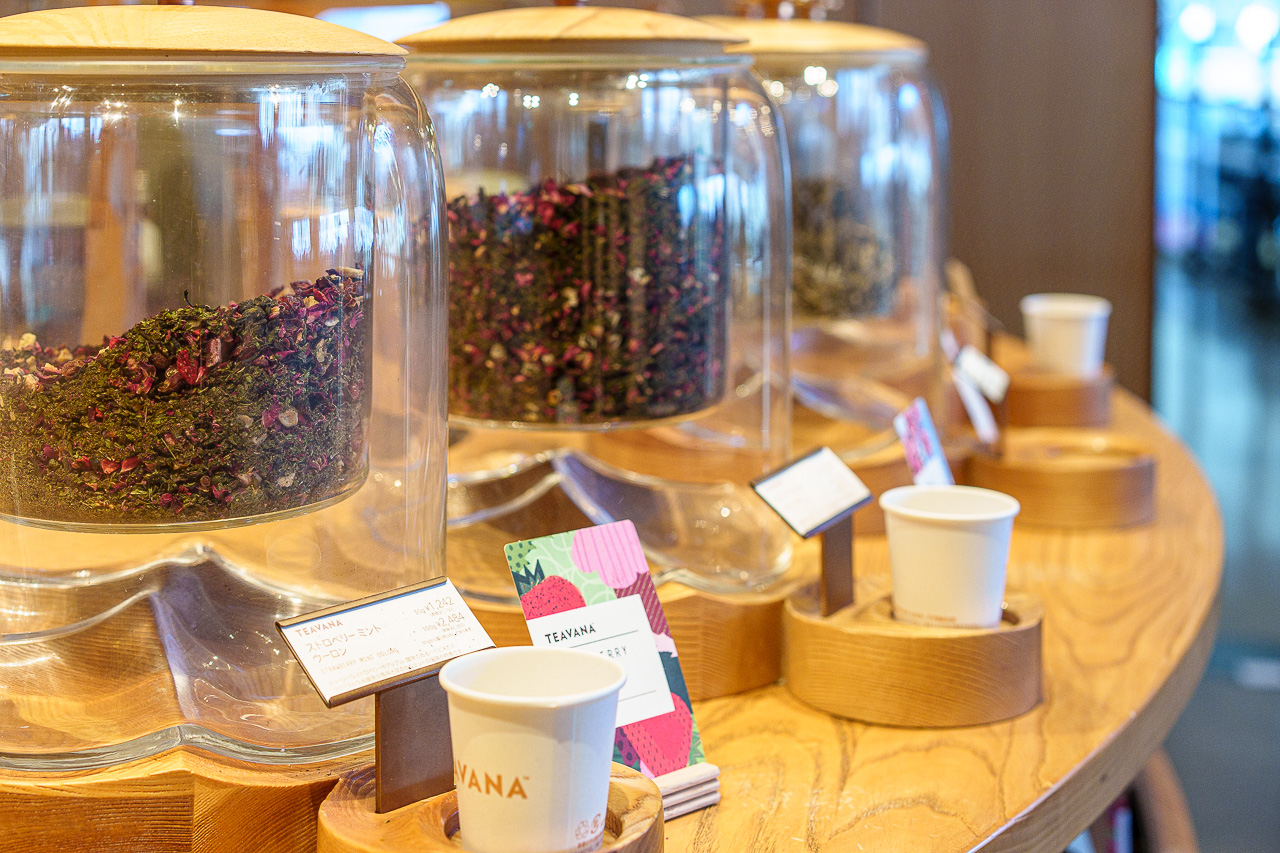
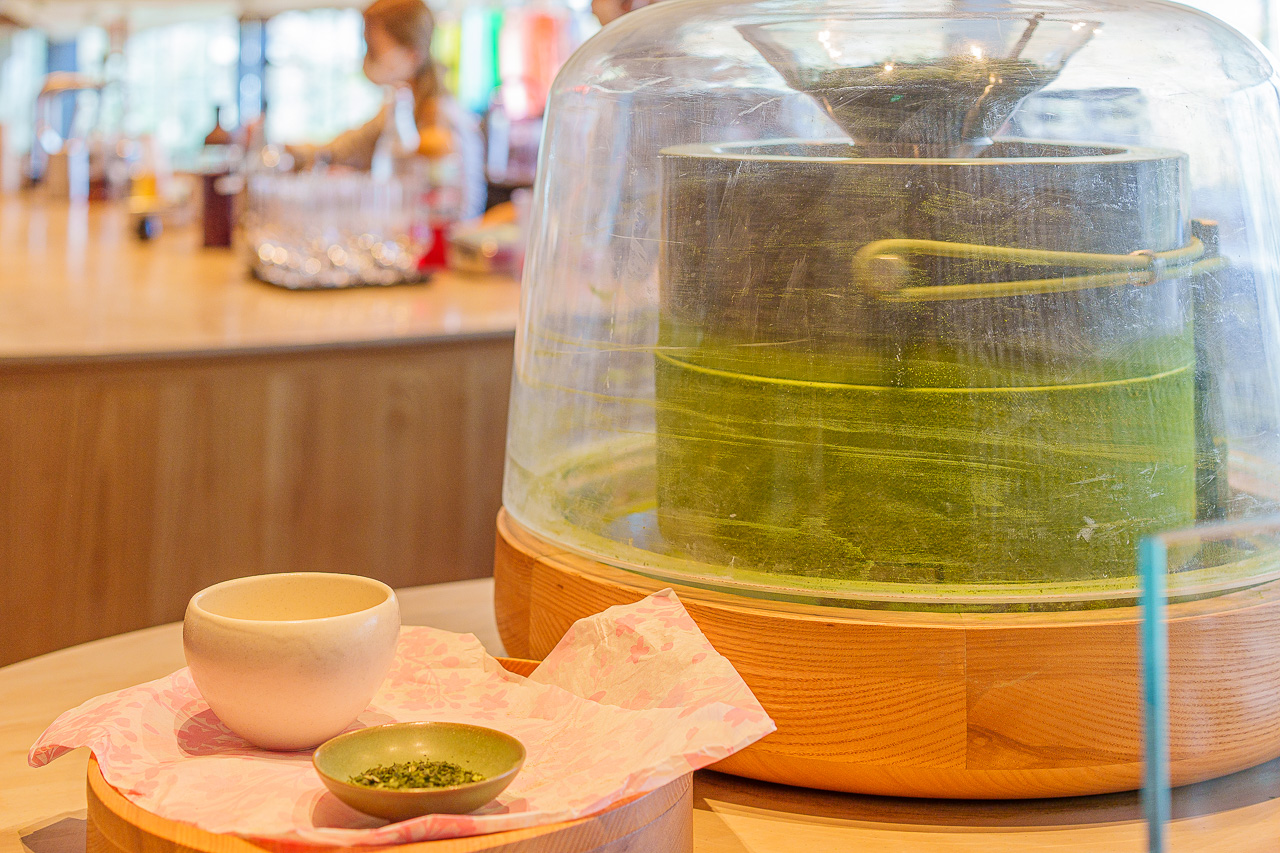
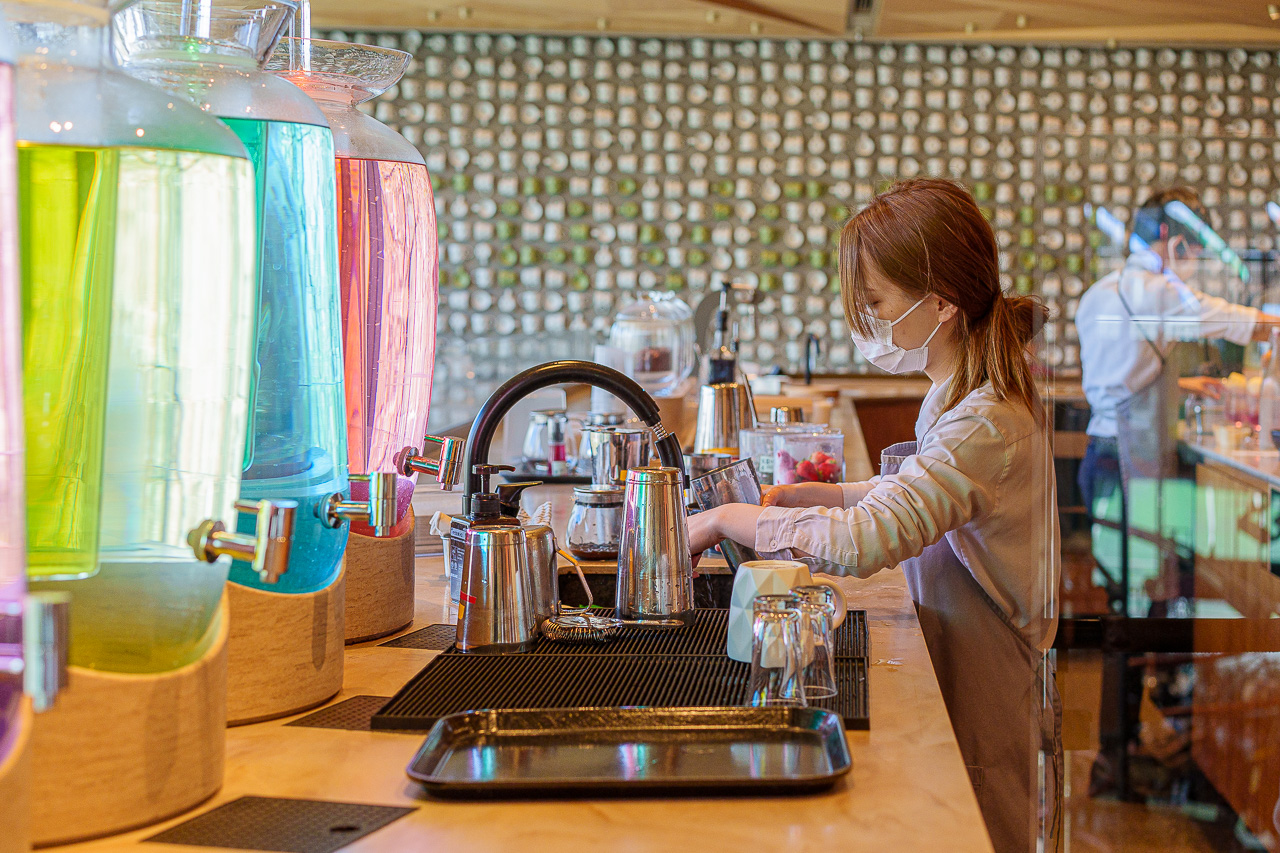
The staircase toward the second floor used cup-like forms inspired by tea. This floor was Teavana, a tea business acquired by Starbucks in 2012 according to the source. Different desserts were offered here, with tea-making tools on nearby shelves. The described tea menu ranged from classic blends to signature aromas, including a Samurai Chai Mate blend of black tea and cinnamon and a cocoa-sweet black tea called Golden Monkey in the original’s wording.
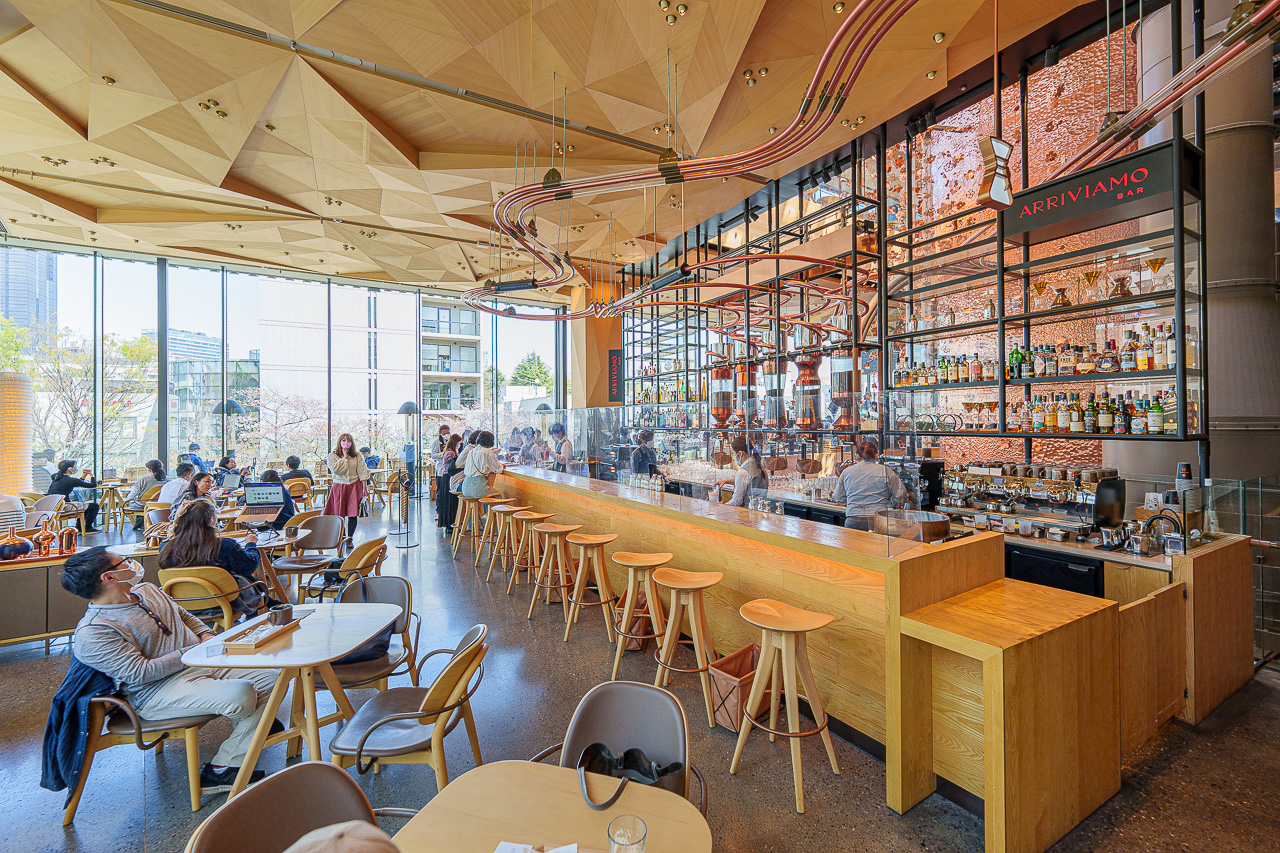
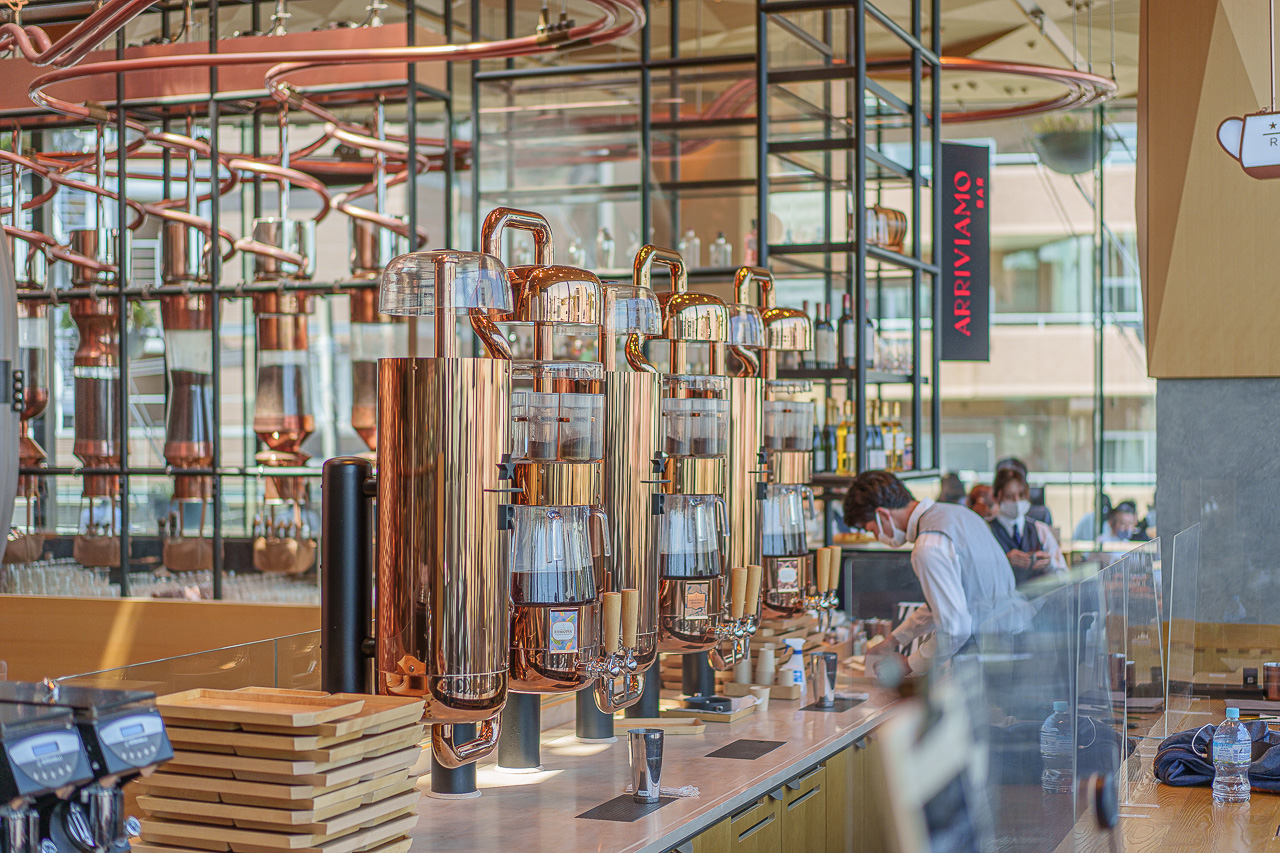

On the third floor, Arriviamo Bar offered coffee-based cocktails and other alcoholic drinks, using coffee, tea, and additional ingredients.
Examples included an espresso martini with Starbucks Reserve espresso, vodka, and Kahlúa; iced shakerato made by shaking espresso, milk, and sugar syrup with ice; a Cold Brew Mule with cold-brew coffee, ginger beer, and lime; and a drink with whisky, lemon juice, maple syrup, and a little coffee, called a Maple Whisky Sour in the source.
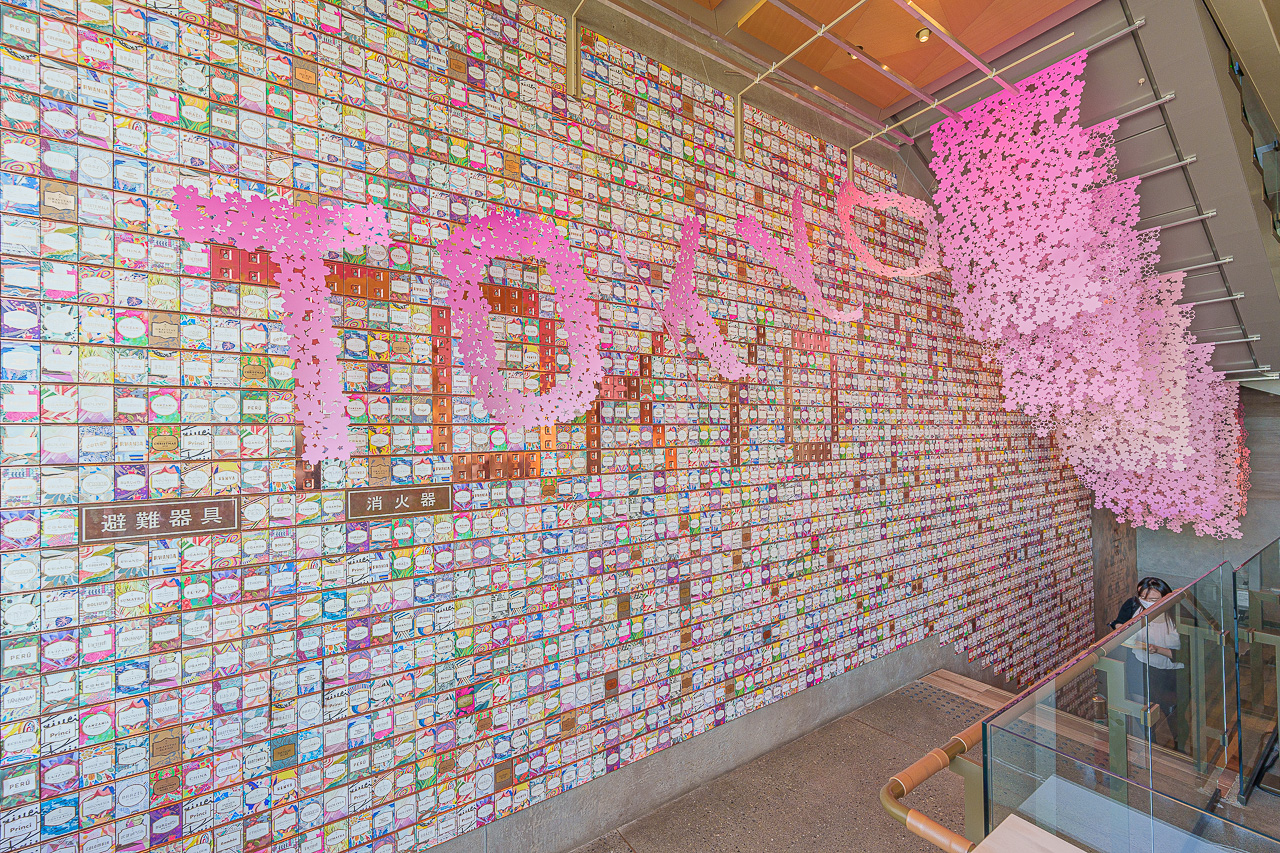
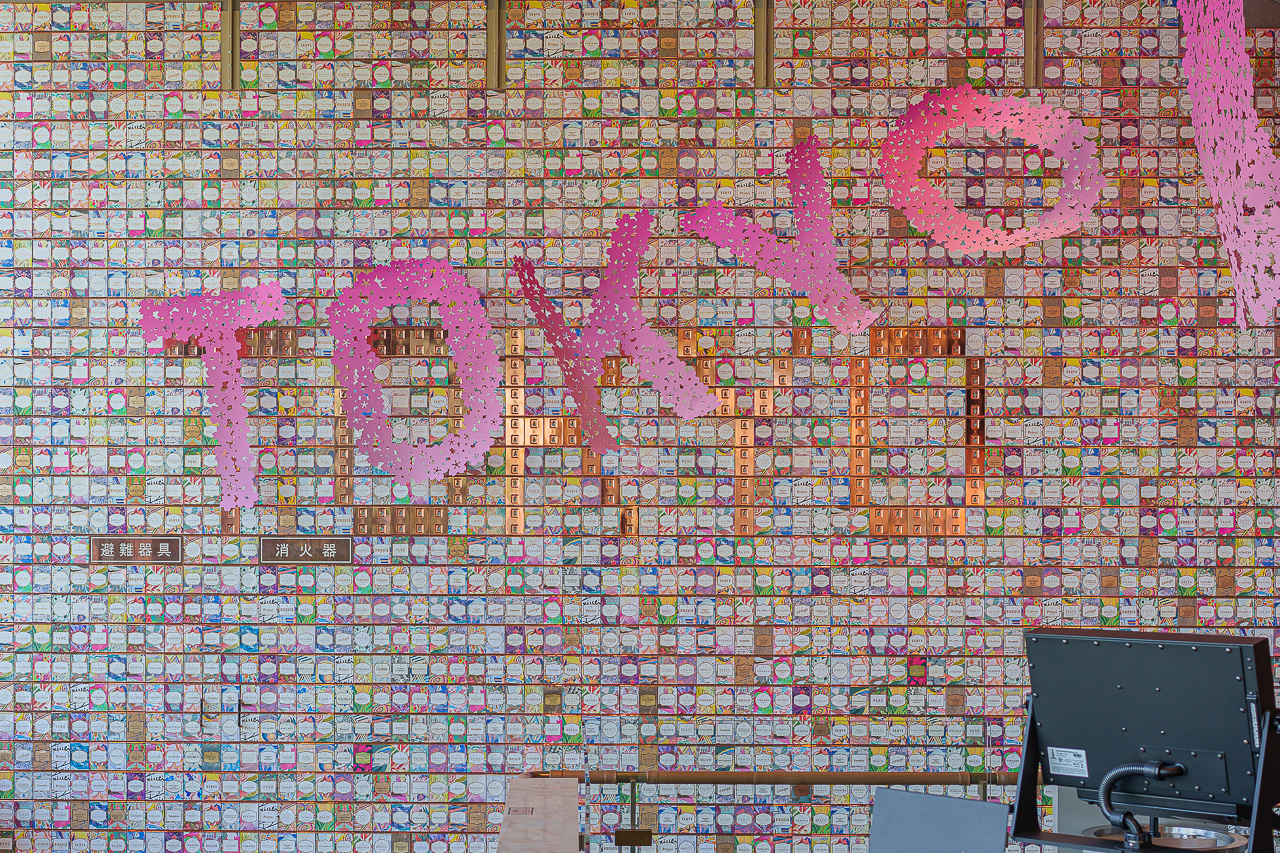
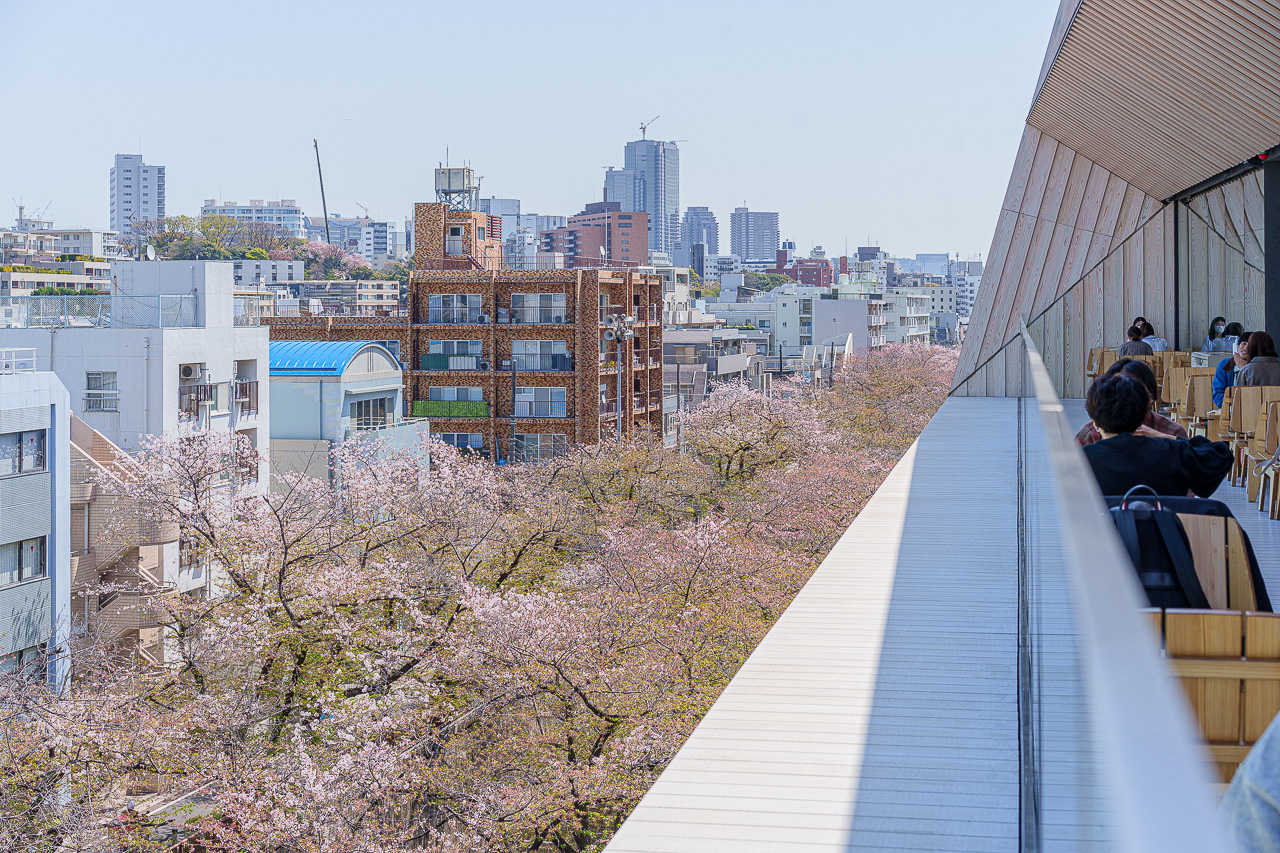
Outdoor terraces began on the third floor, with beautiful views over the Meguro River. In late March to early April, blossoms could frame a view from above the trees and river, rather than the usual view from beneath them. That was why I considered it a notable cherry-blossom-viewing spot.
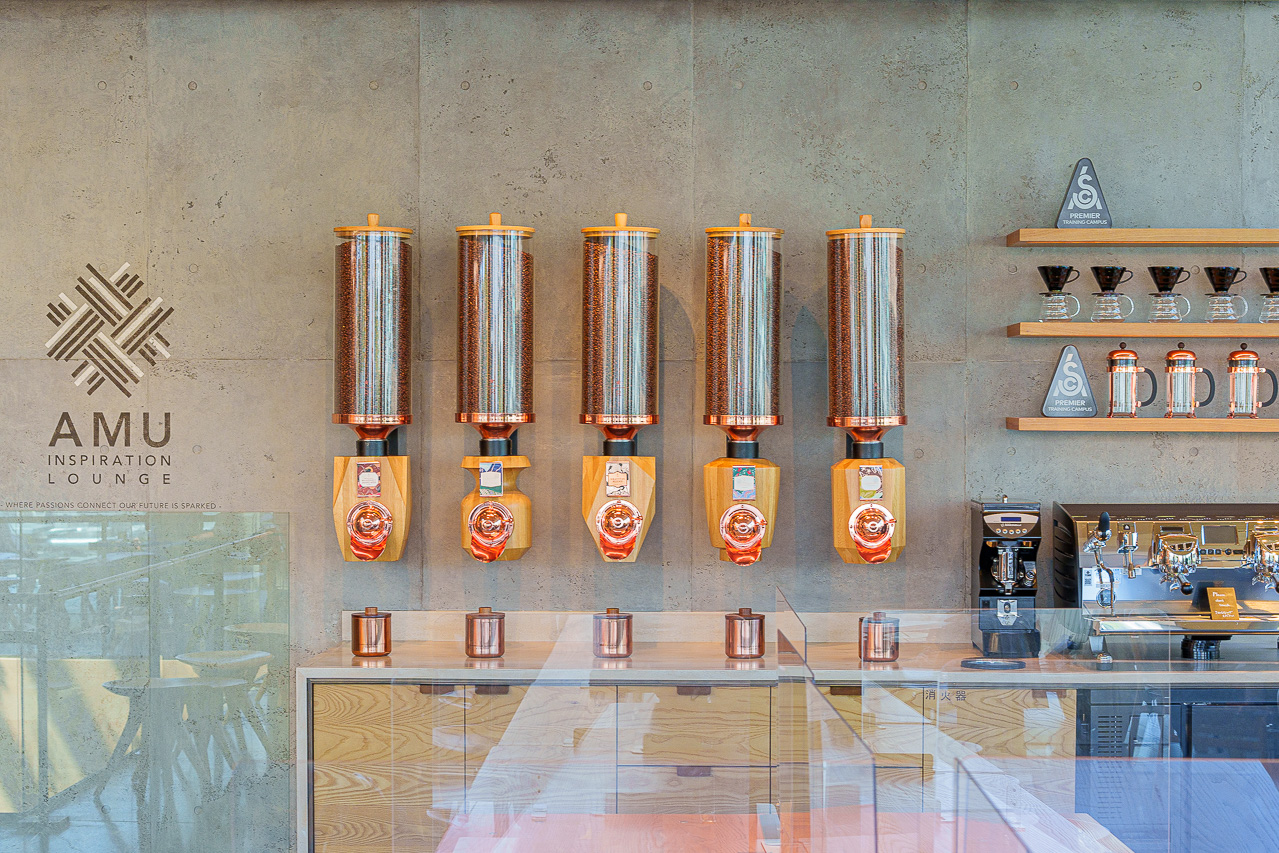
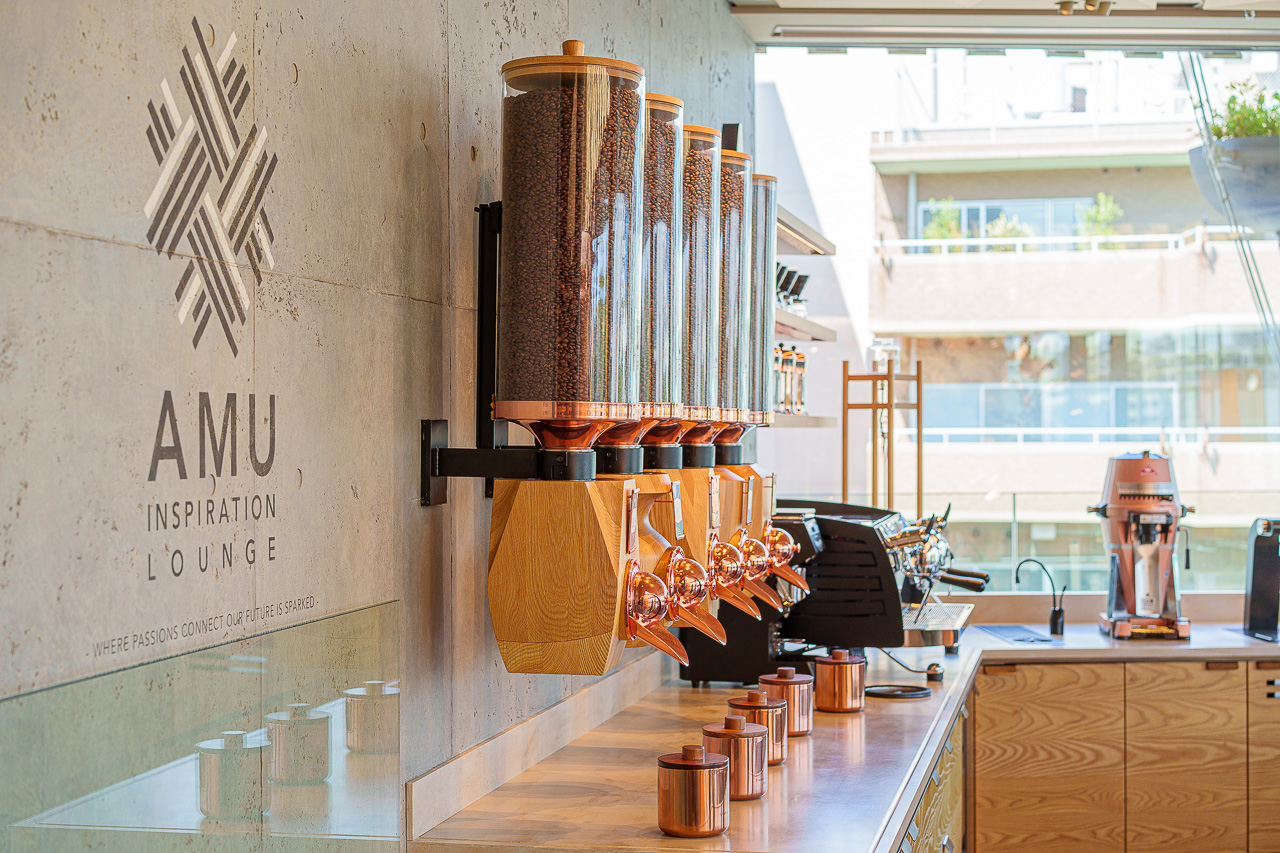
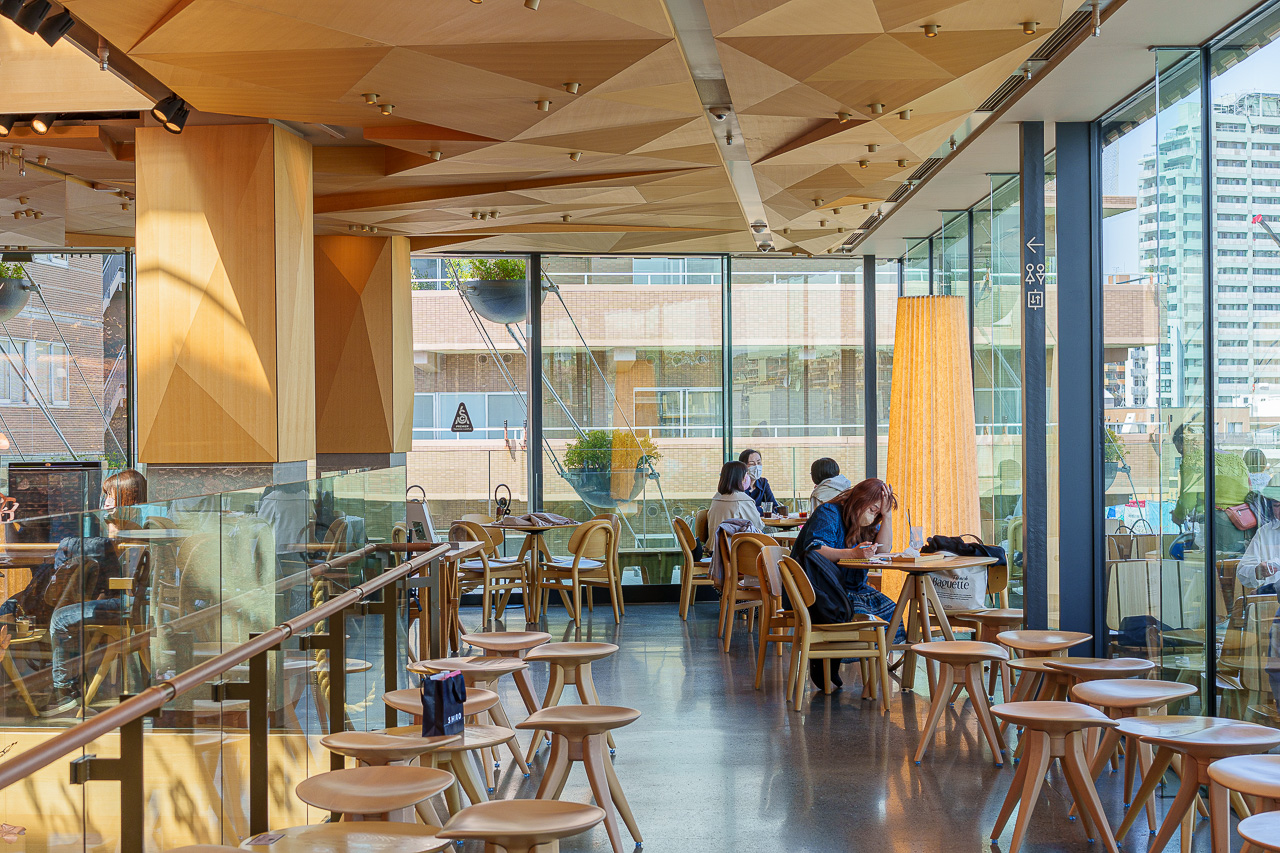
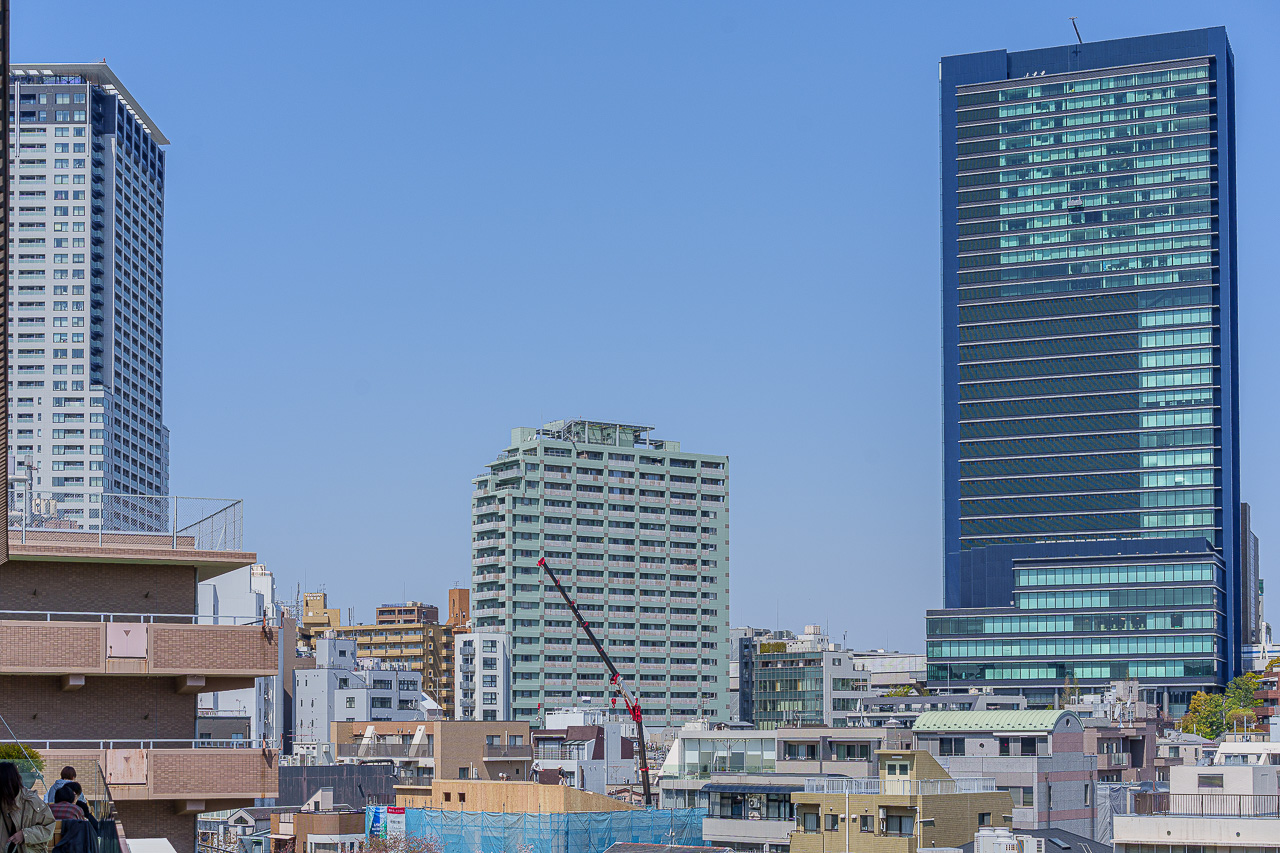
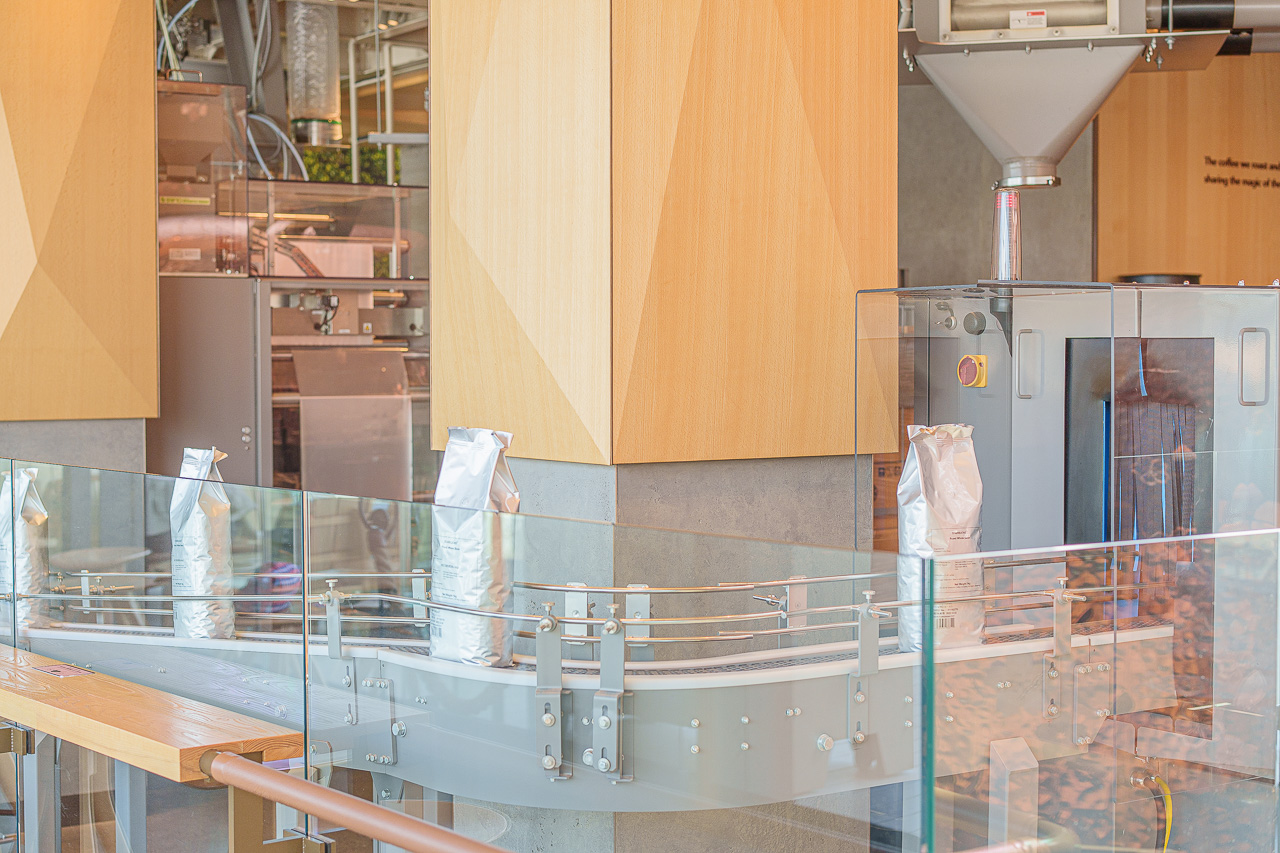
The fourth floor was described as a cozy lounge with a library and terrace, suitable for group meetings. Outside were views of the Meguro riverside and Tokyo buildings. In the afternoon, we could watch machinery packing roasted beans at close range, which was enjoyable.
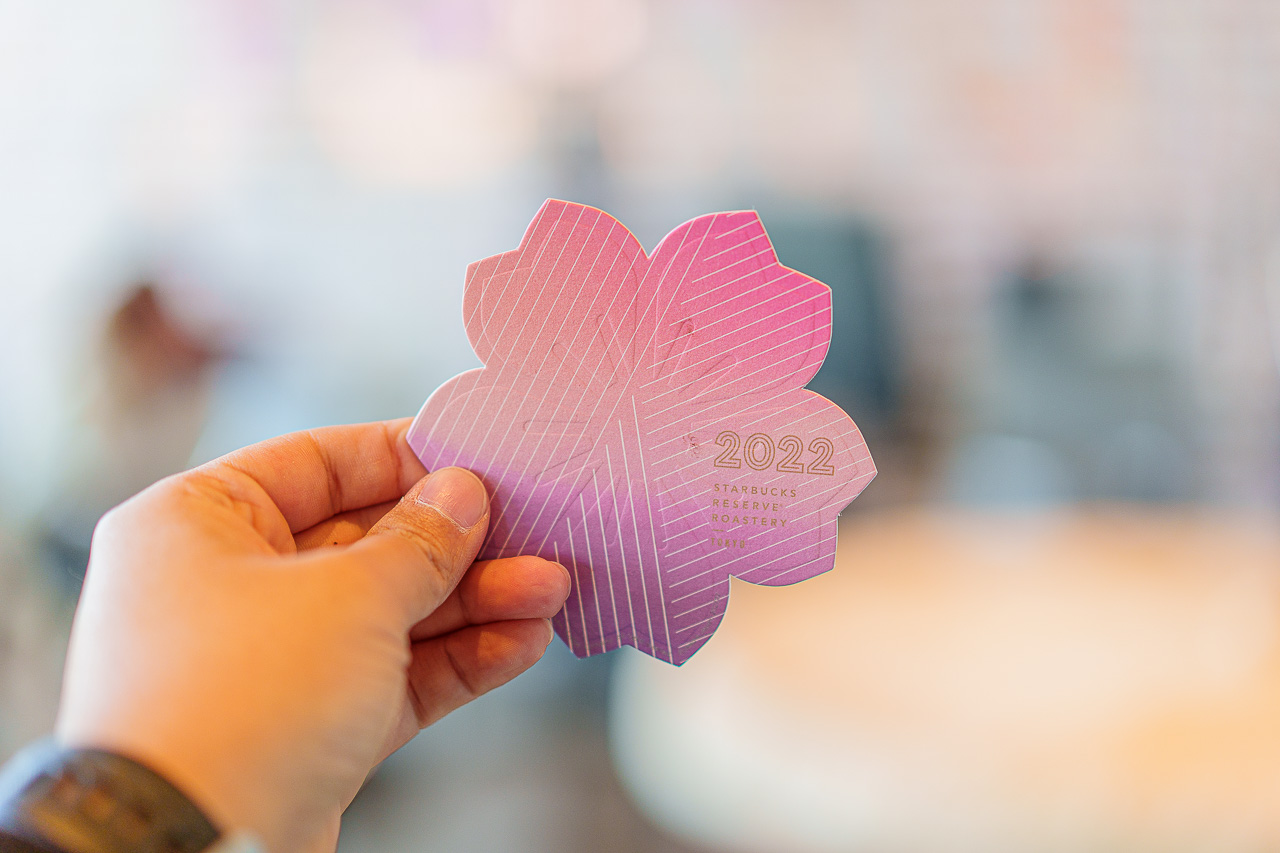
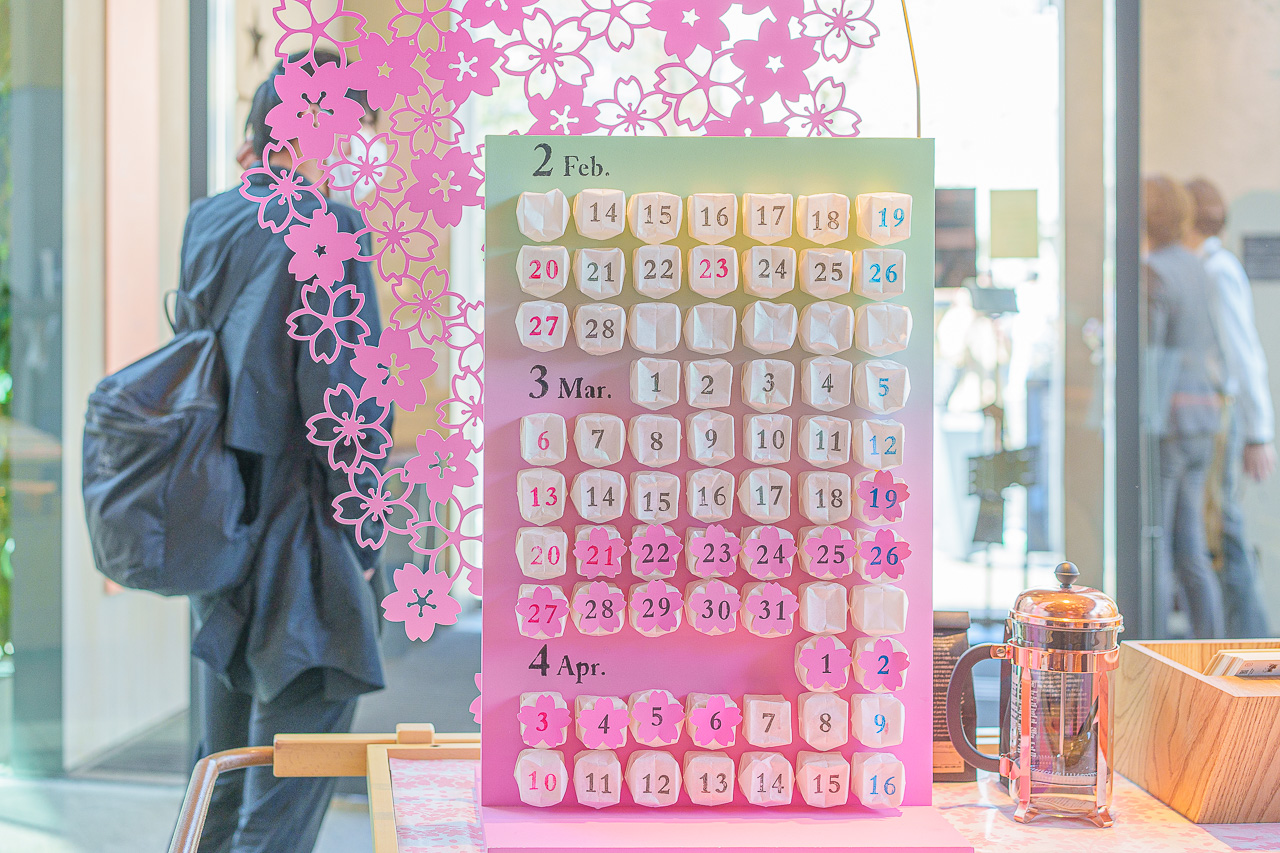
I was glad a cherry-blossom trip the previous year had brought me here, and looked forward to how beautiful another spring might be. Based on that experience, I recommend considering Starbucks Reserve Roastery Tokyo during a Tokyo visit.