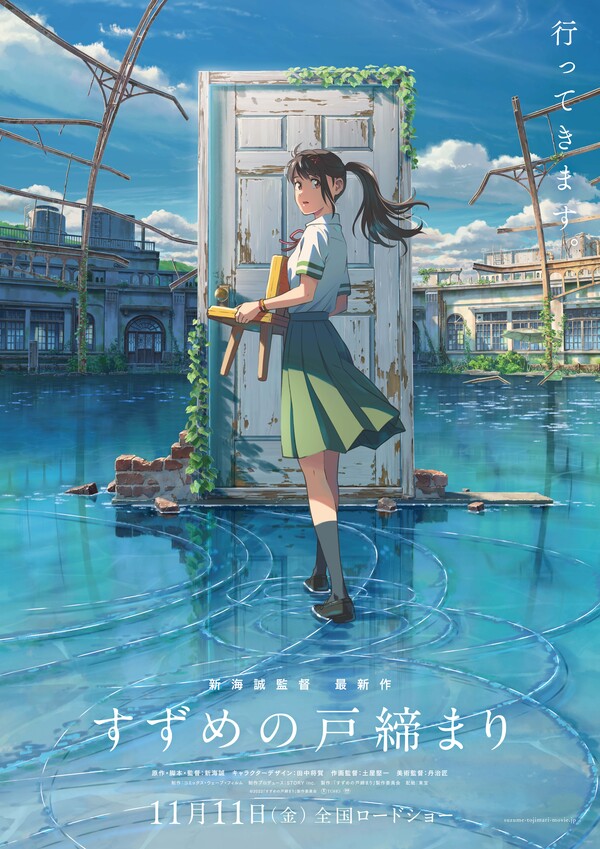
Makoto Shinkai’s animated film Suzume opened in Japan on November 11, 2022, attracting considerable attention.
It opened in South Korea on March 8, 2023; the source reports one million admissions by its sixth day there.
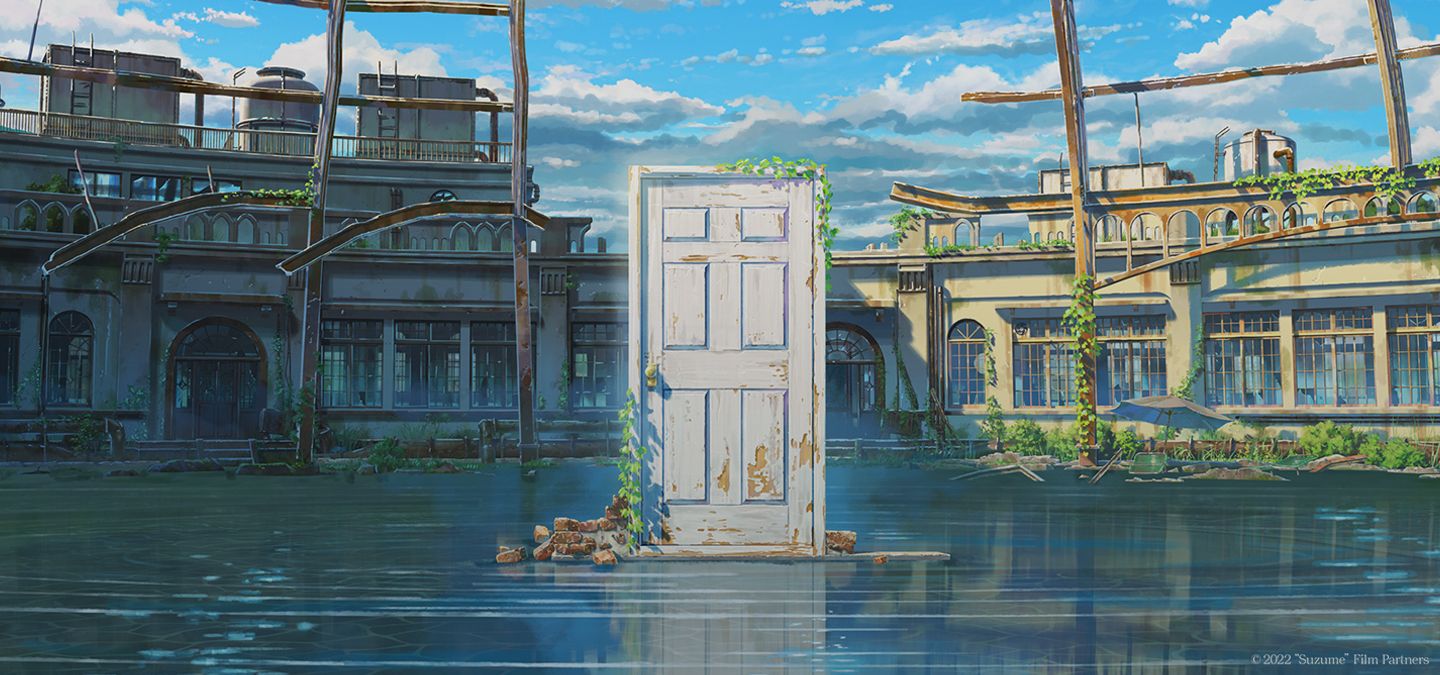
Fans familiar with Shinkai’s use of real locations as visual inspiration began looking for places associated with the film as its popularity grew.
Because the story takes its characters across Japan, many locations appear. This account focuses on the former Bungo-Mori Roundhouse, which the author associates with the posters, promotional imagery and the film’s opening-and-closing setting.
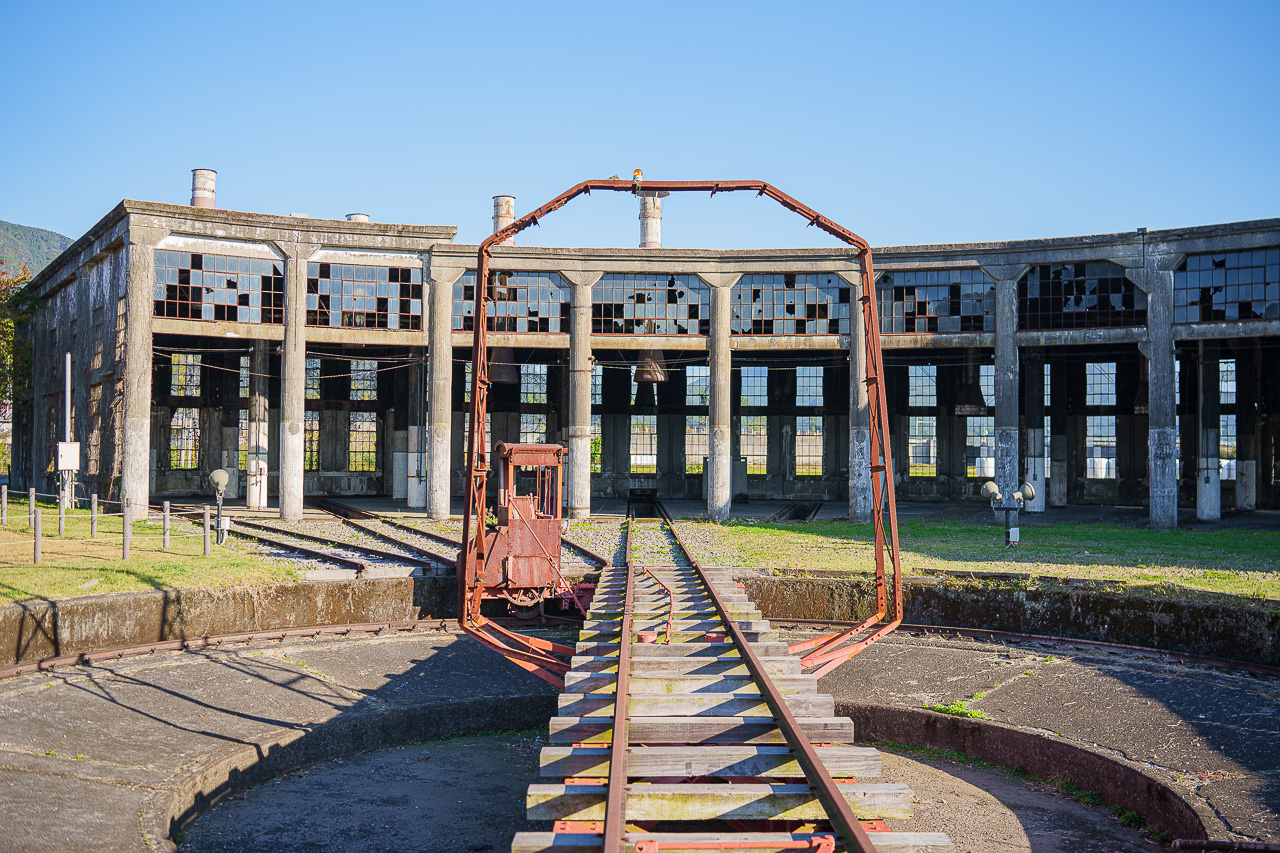
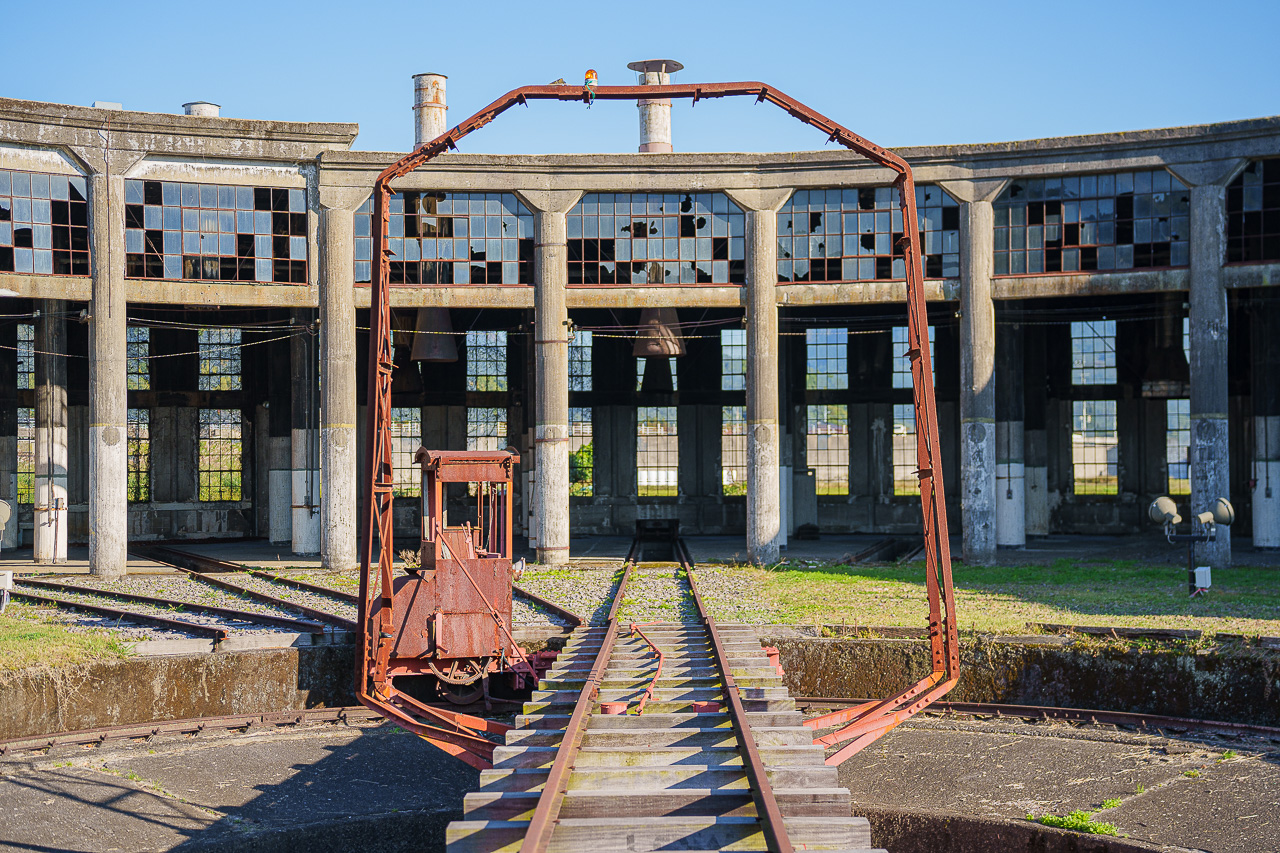
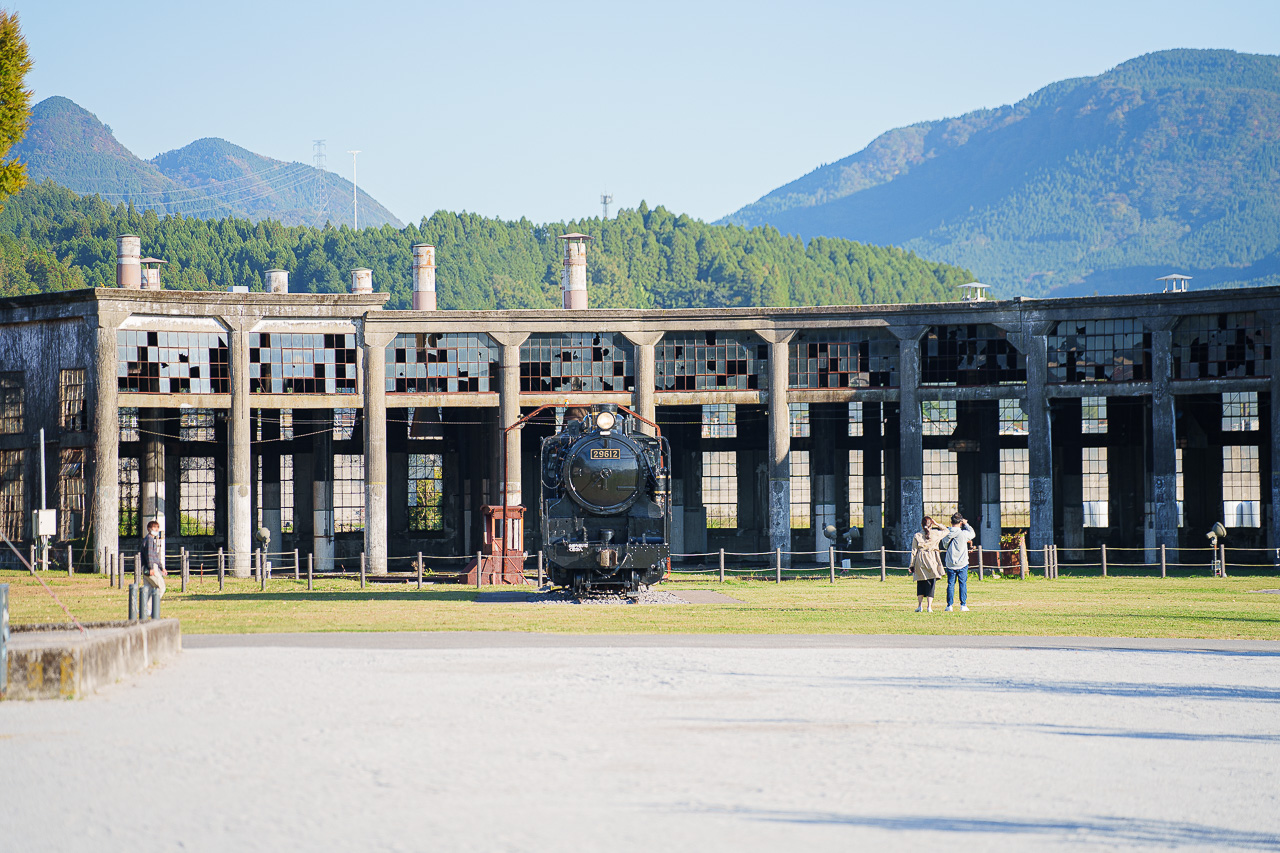
To the author, the former Bungo-Mori Roundhouse most closely resembles the abandoned-hotel setting in the film.
It was formerly a fan-shaped steam-locomotive depot serving Bungo-Mori Station.
Established in 1934 with the completion of the Kyudai Main Line, it played an important role between Kurume and Oita. The source describes 25 assigned steam locomotives and more than 5,000 daily users at its peak, when the area prospered as a railway town. Today an old locomotive is displayed in grounds developed as Bungo-Mori Roundhouse Park.
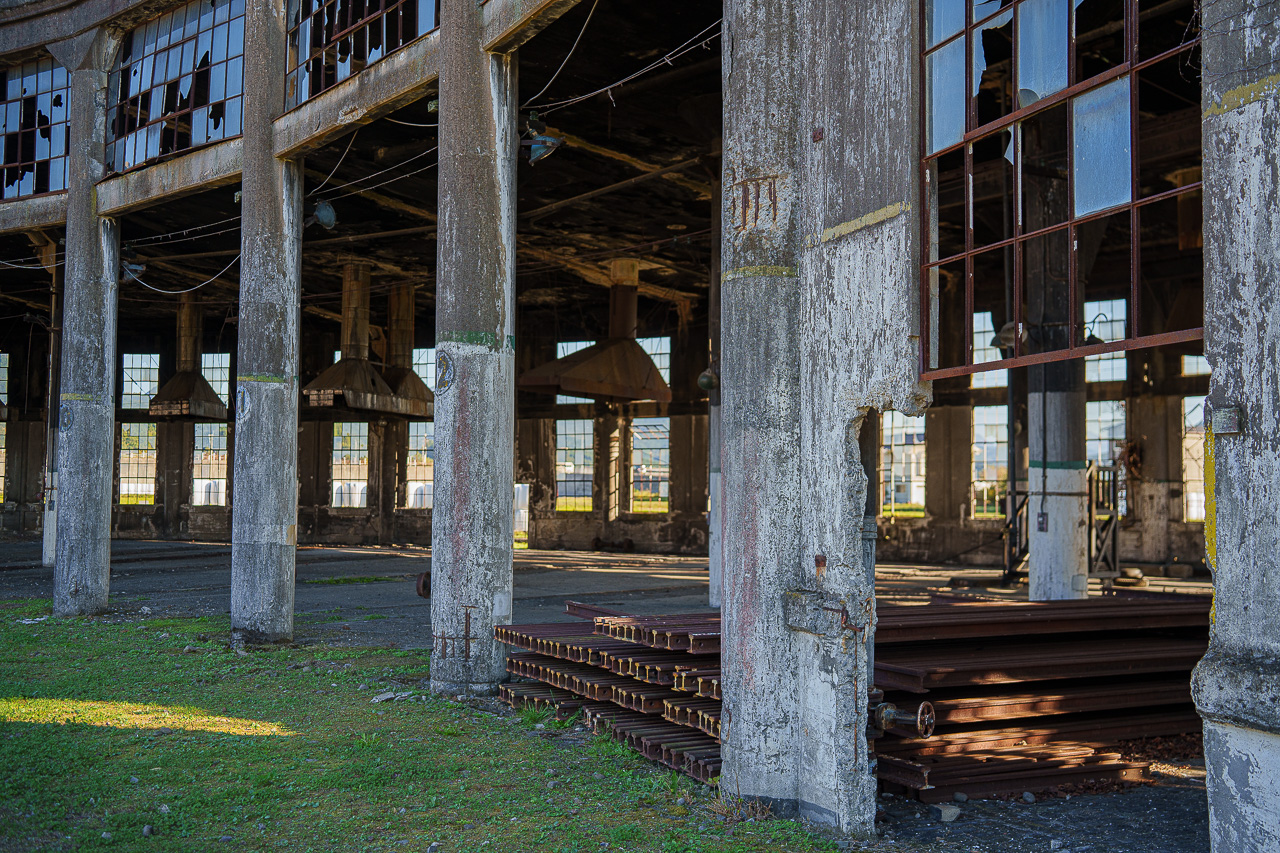
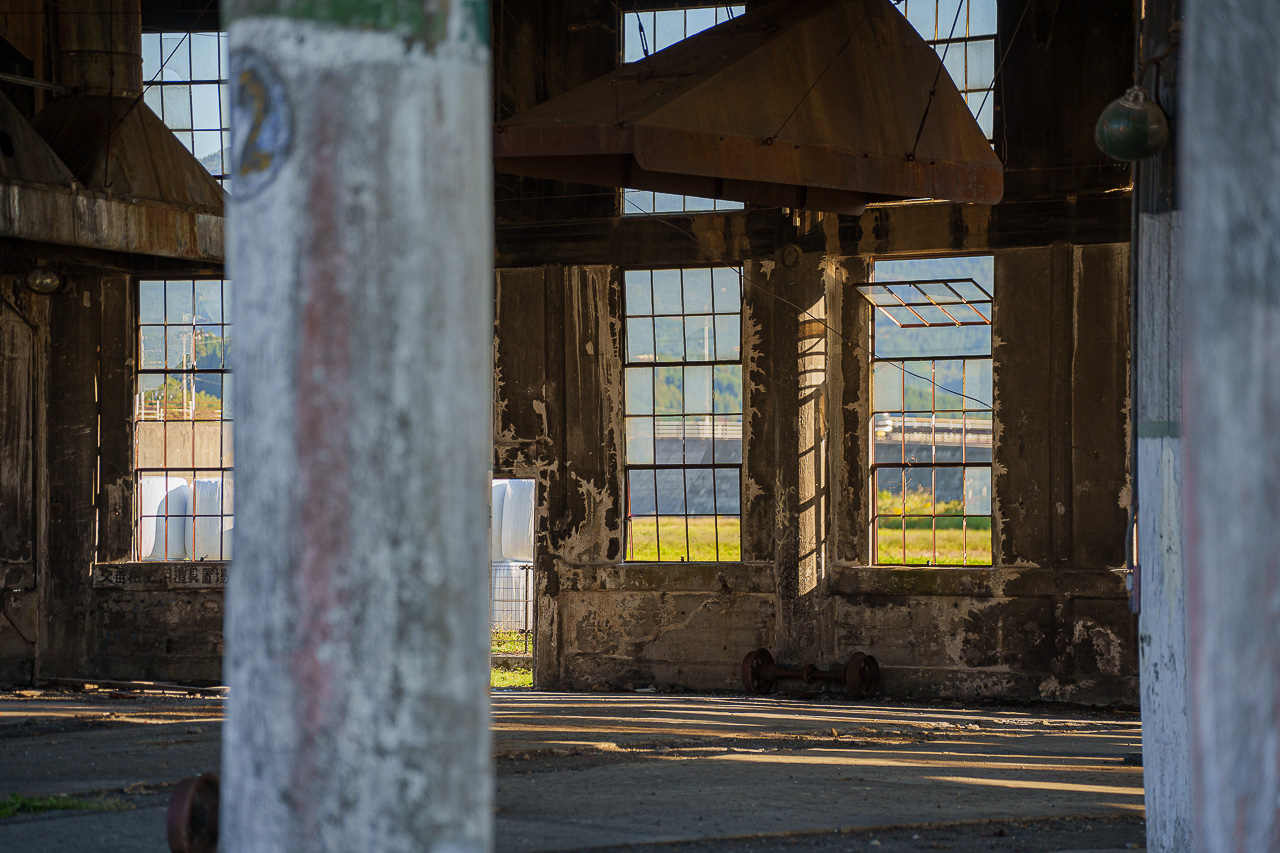
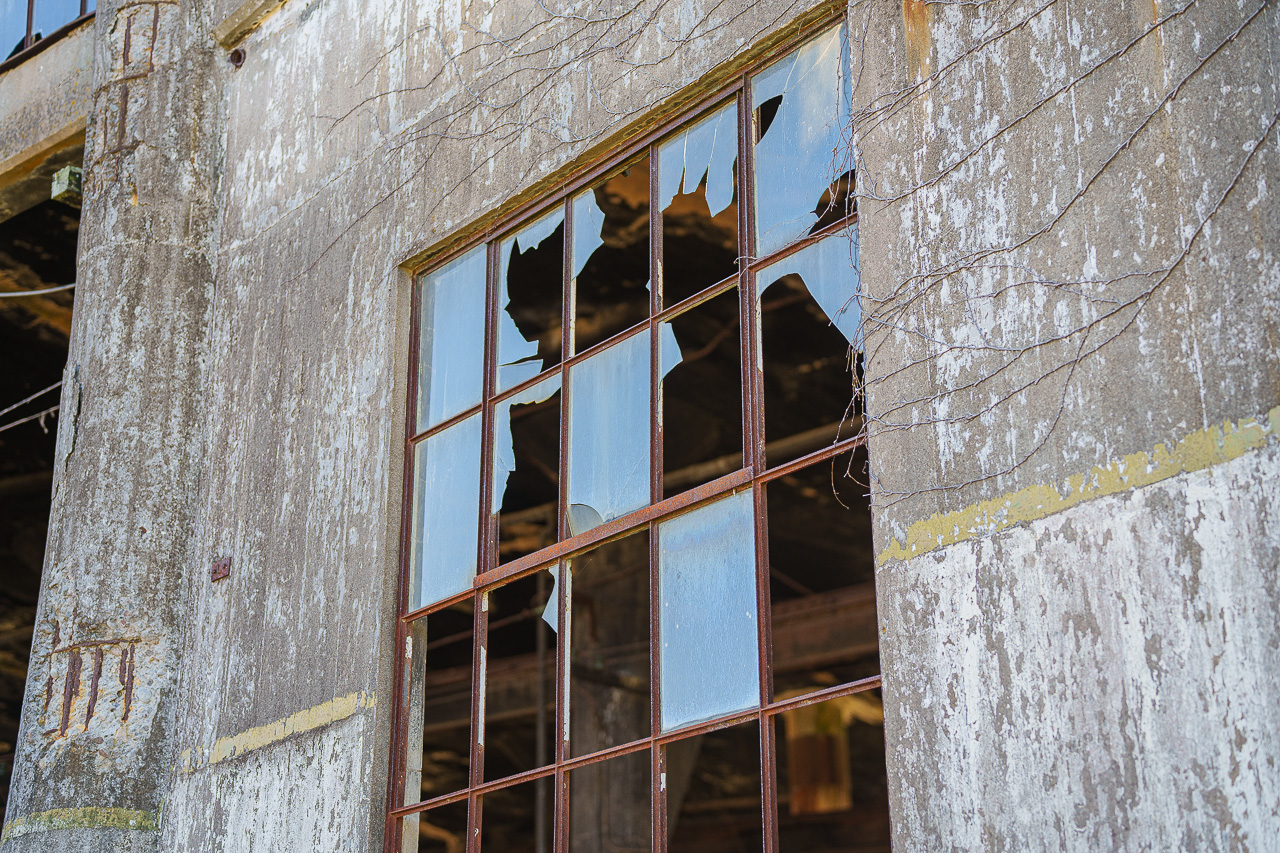

Why make a park around an unrestored ruin? Why not clean it up and rebuild it for display? There is a reason given for leaving it this way.
As the account explains, this prosperous railway town became a military transport hub during World War II. That role made it a target for U.S. aircraft, which strafed it. The source says the ruins were preserved to retain traces of that attack and convey the devastation of war.

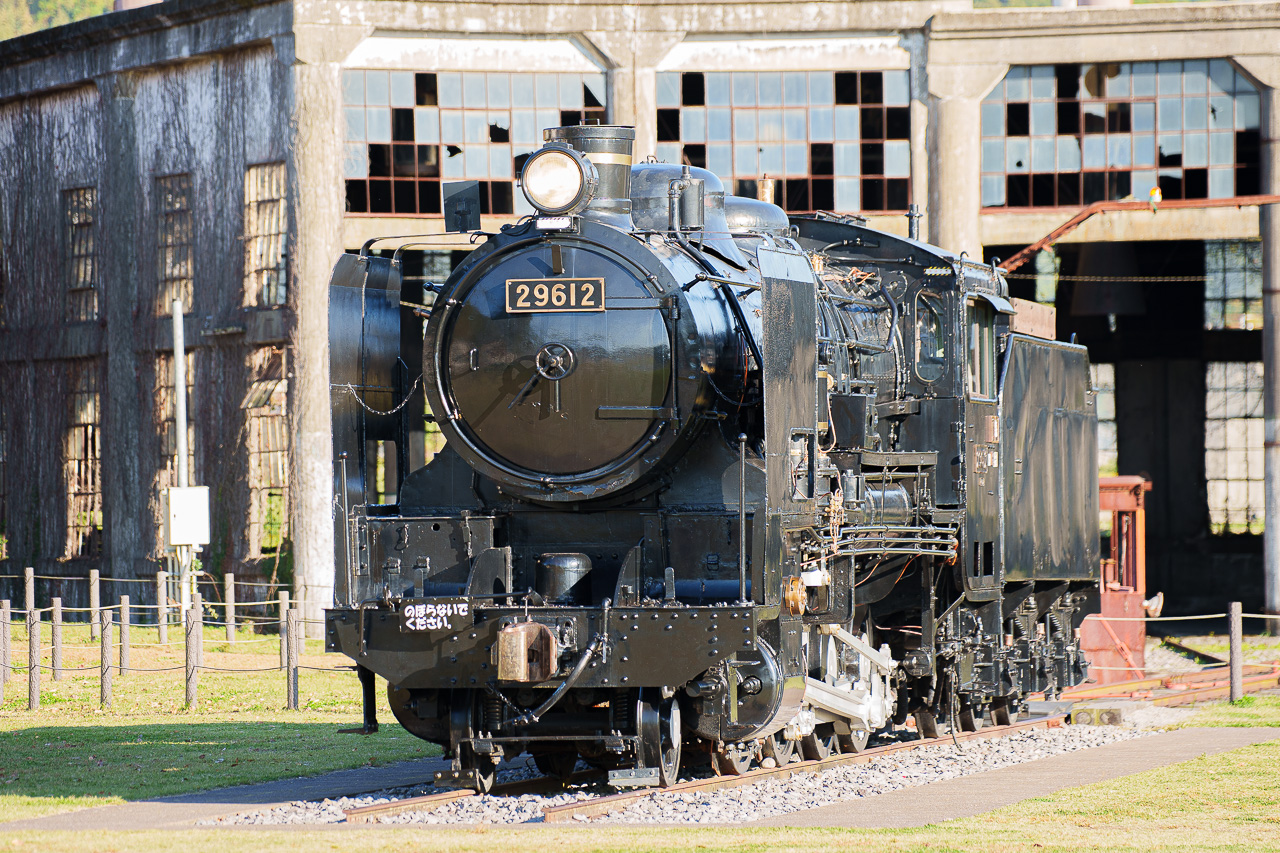
In fact, the handsome steam locomotive catches my eye before the ruins do.
The source identifies it as a Class 9600 locomotive that once carried people and goods here. It describes the class as manufactured from 1913 to 1925 and operated from 1913 to 1976. This identification and operational account have not been independently checked for the displayed engine.
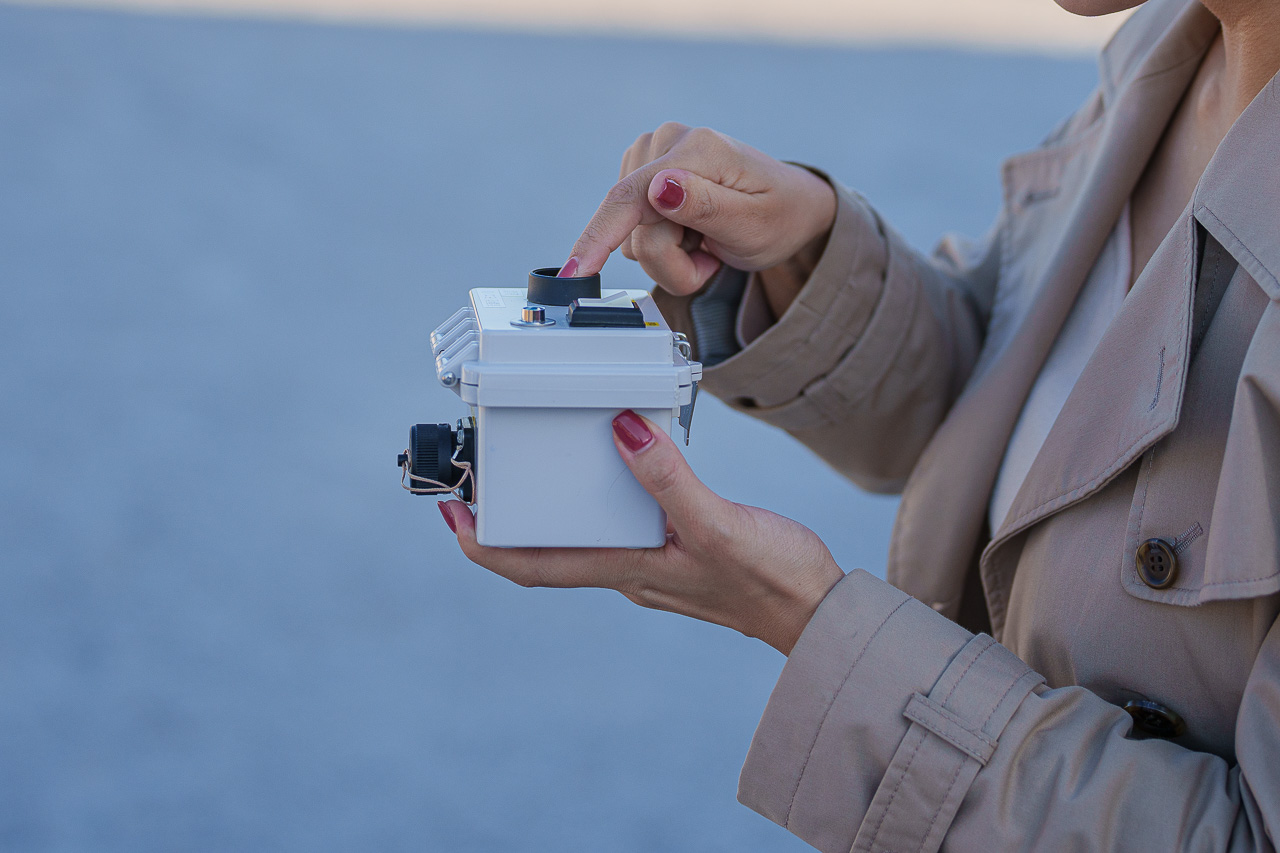
A controller in the neighboring Roundhouse Museum lets visitors hear a steam-locomotive sound, adding an interactive element.
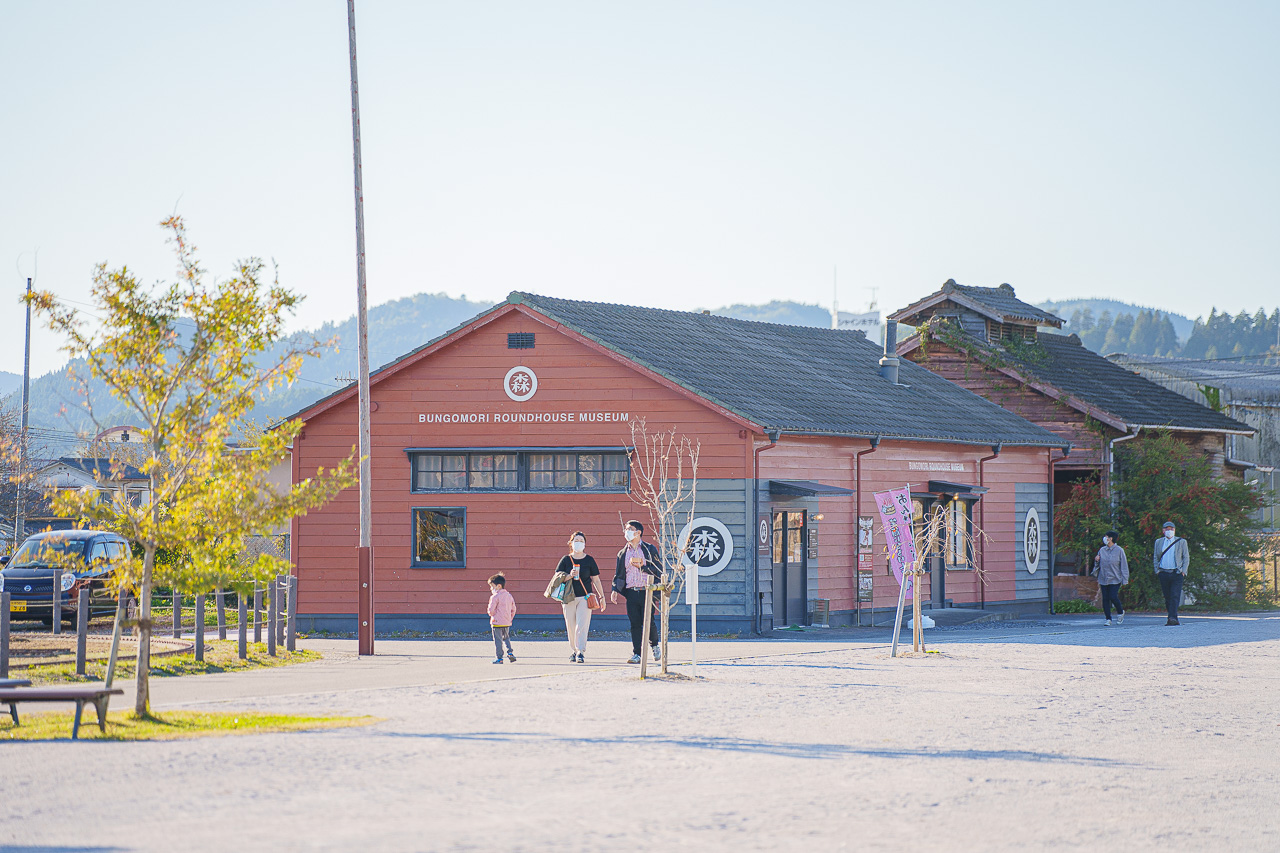
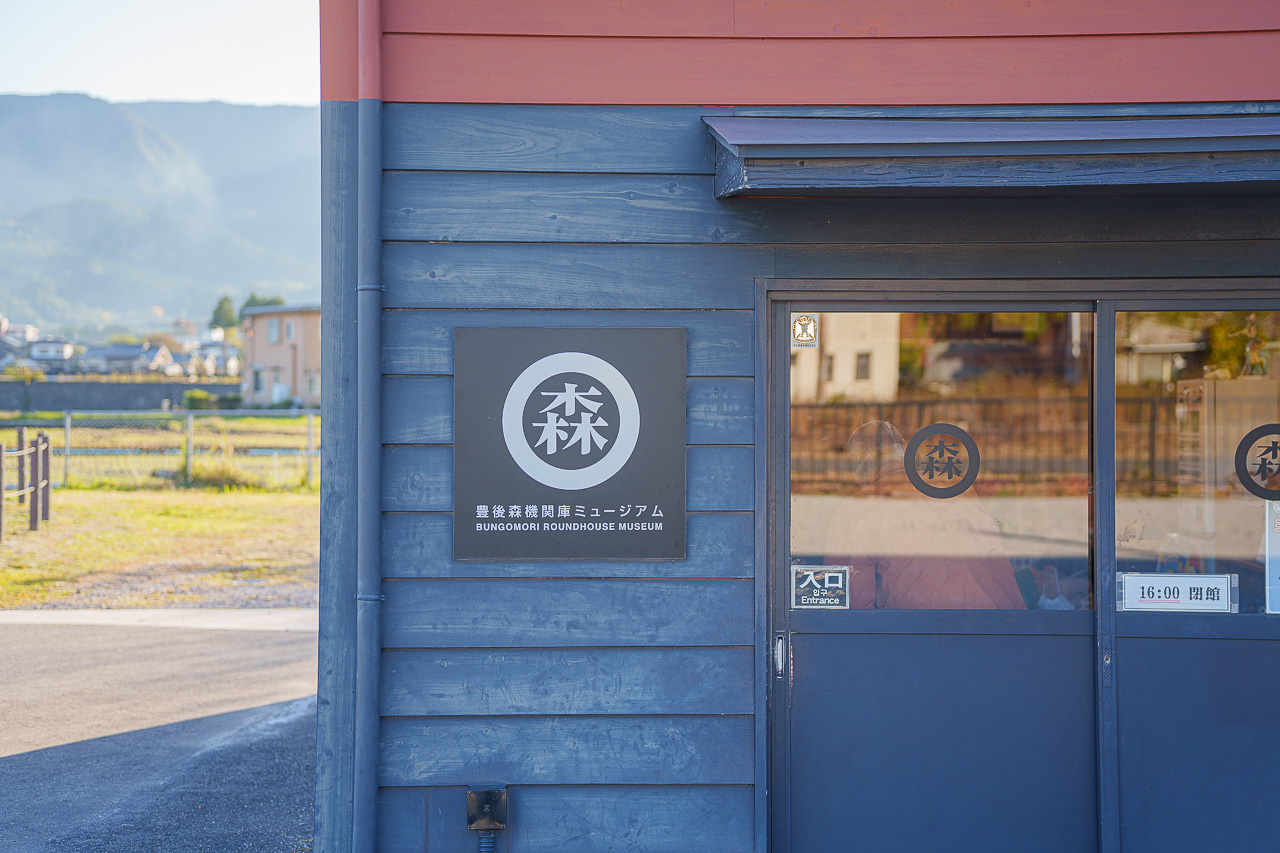
We move on to the Roundhouse Museum.
Within the park, the museum was designed by Eiji Mitooka, the industrial designer associated with Seven Stars in Kyushu. The source compares that luxury train with an overnight price above KRW 10 million; that is a historical comparison without a stated cabin or package basis, not a current quote.

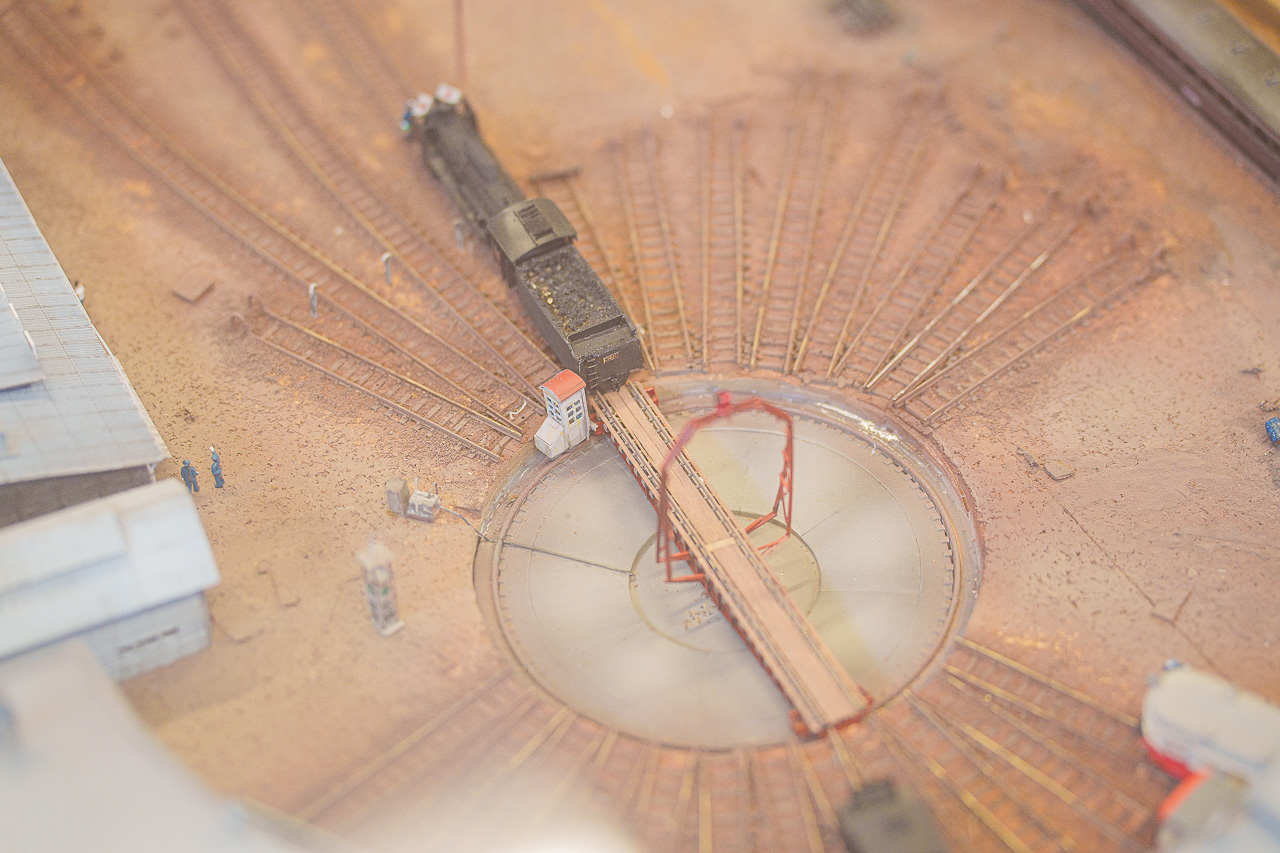
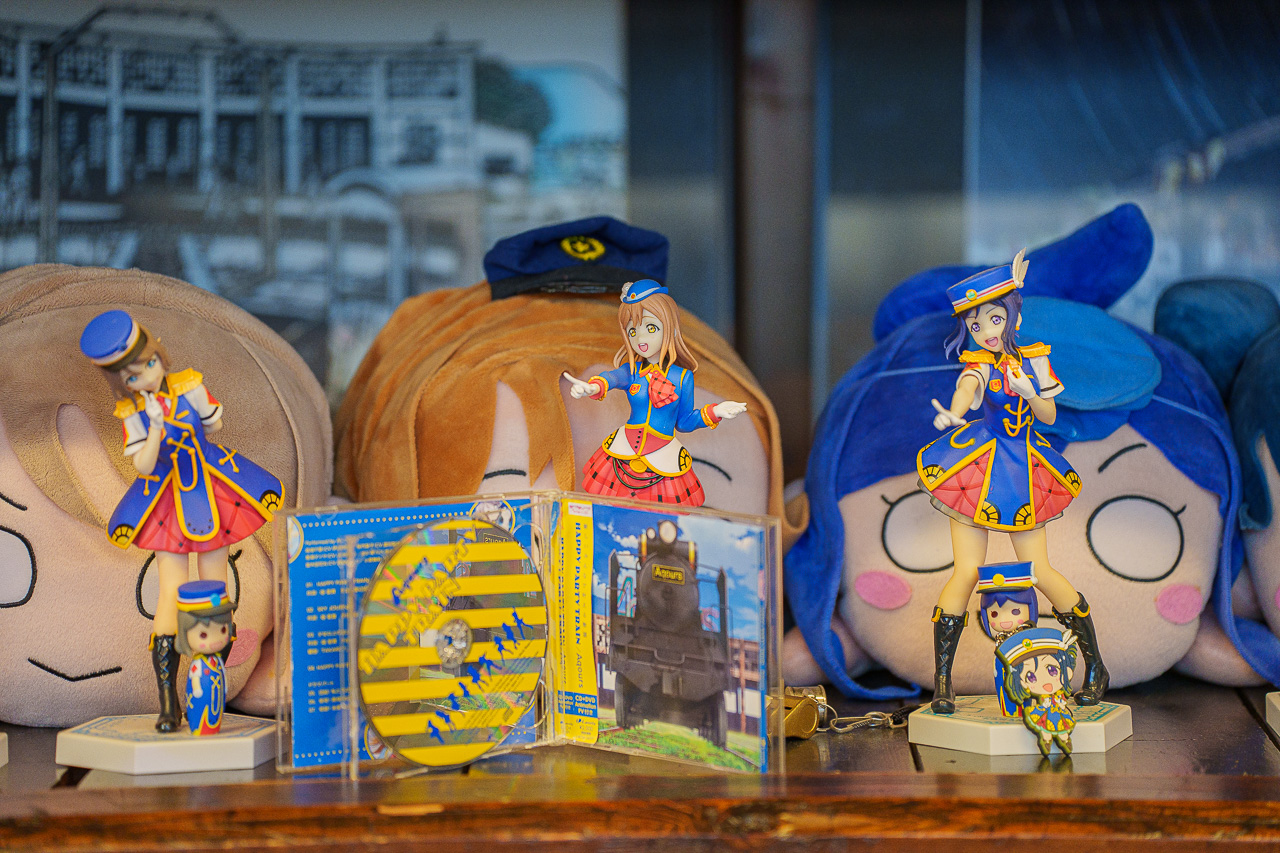
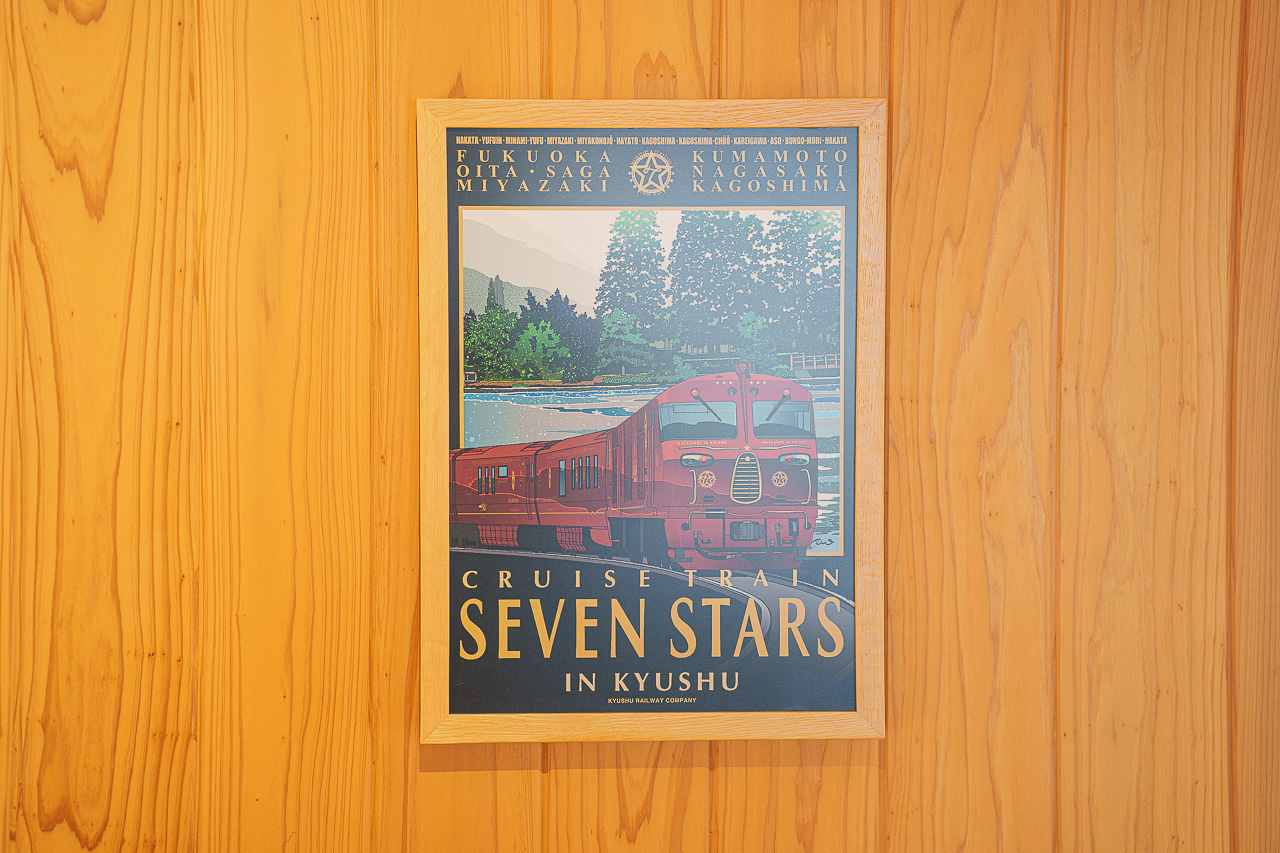
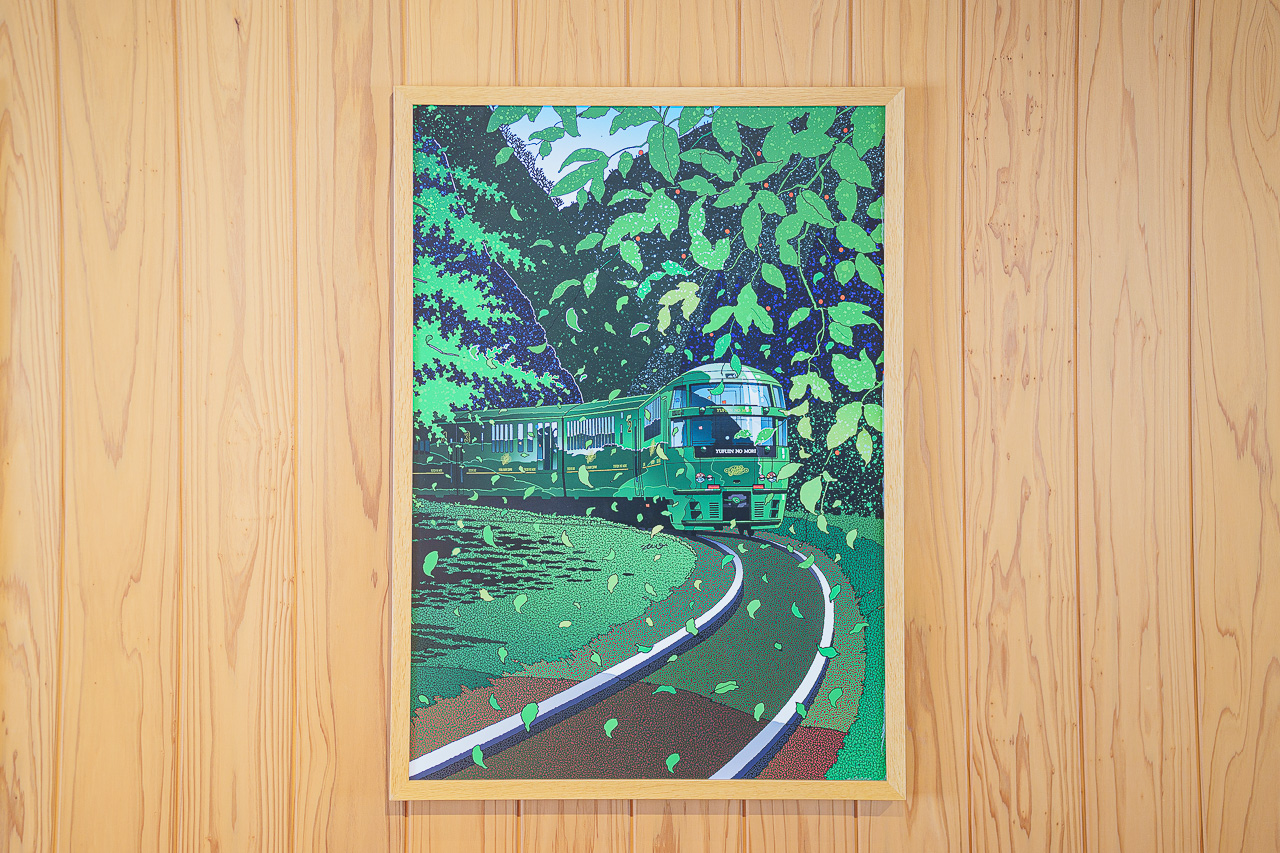
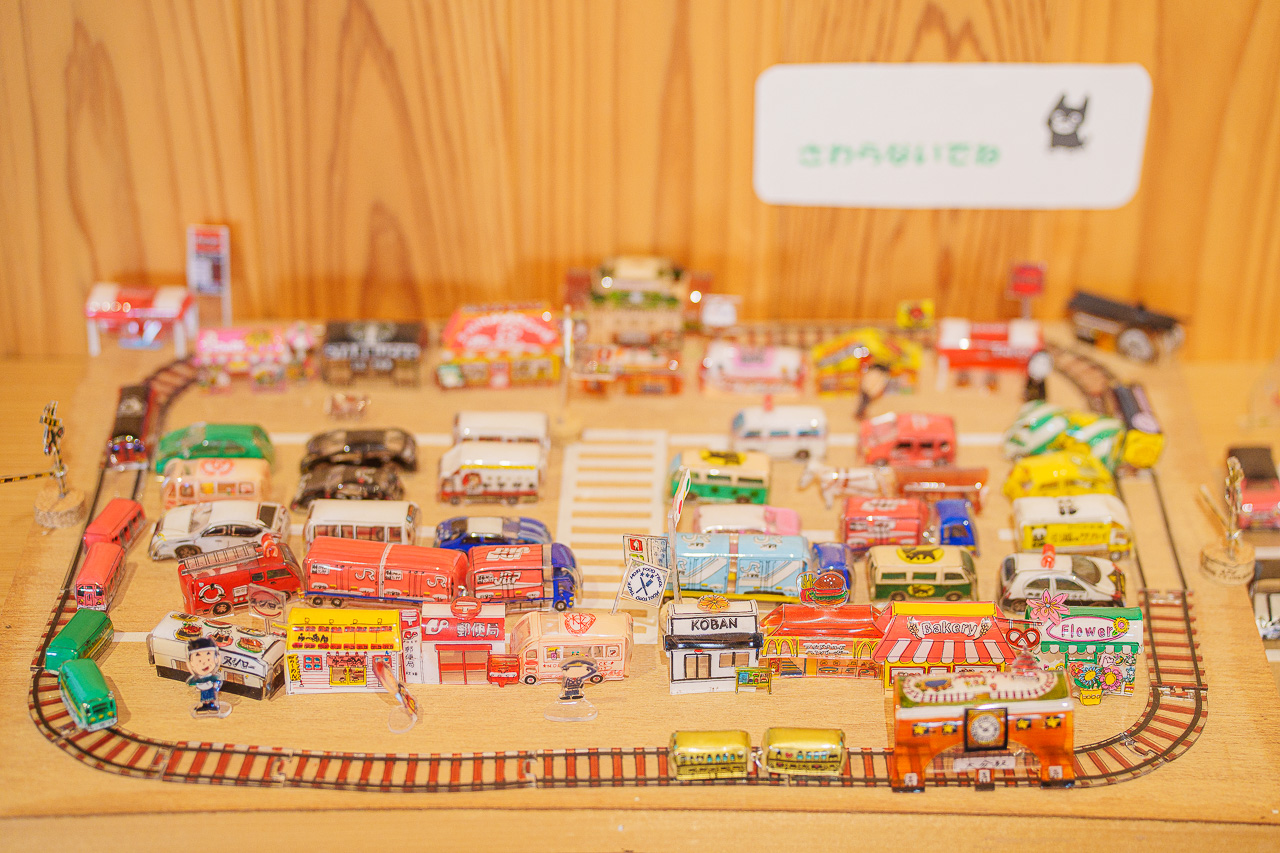
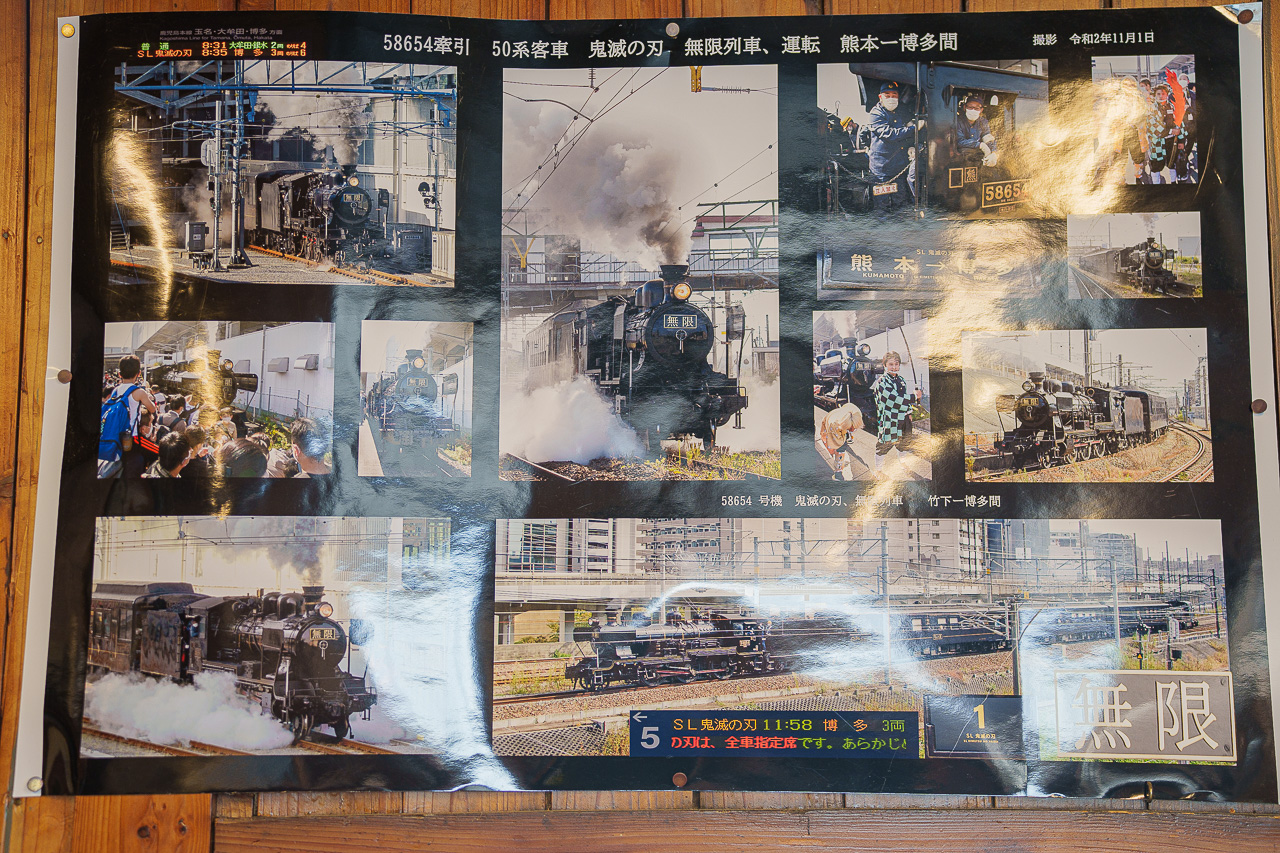
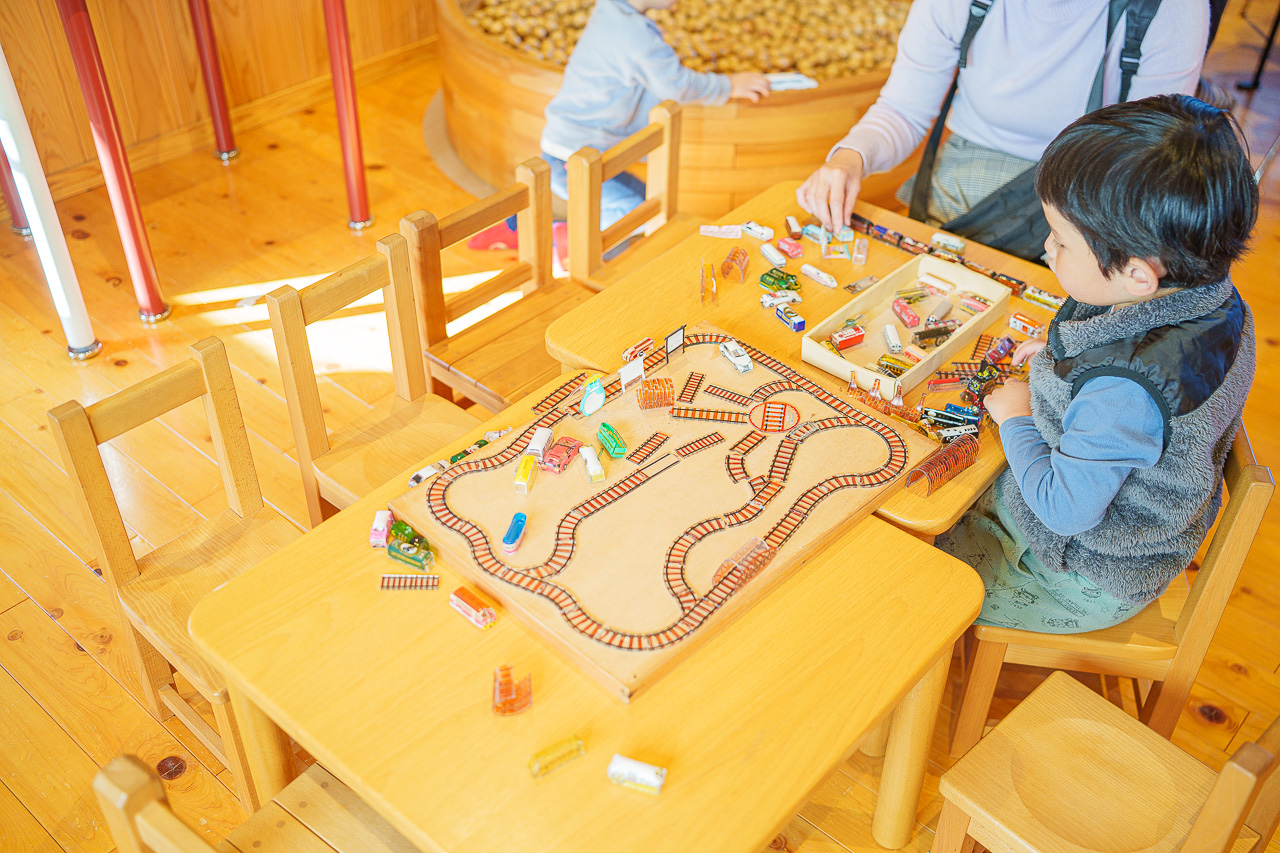
Inside are displays on the depot’s history and Mitooka’s work.
There is also a Bungo-Mori miniature and figures of past promotional ‘image girls.’
Several children are here. Being able to play freely with Tomica toy vehicles looks appealing.
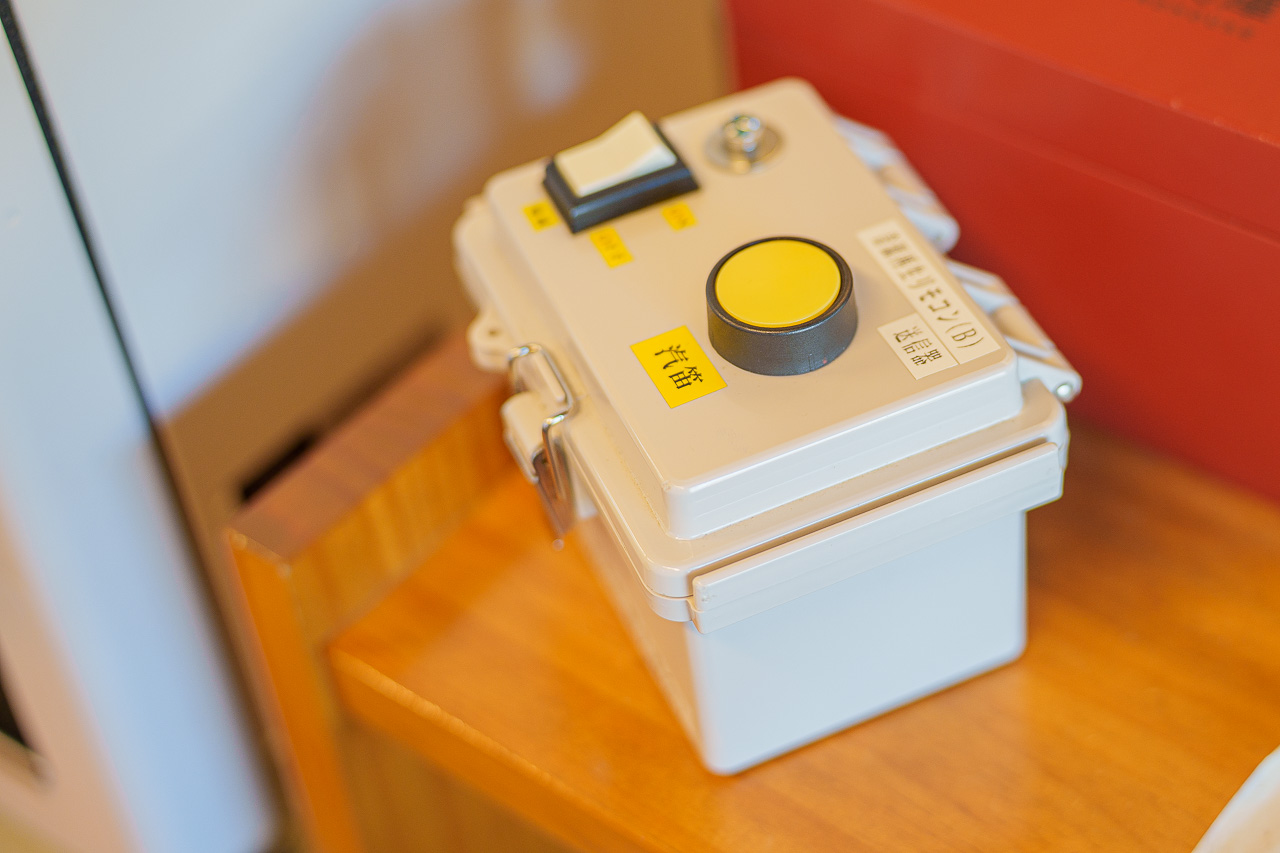
In a corner is the button that produces the locomotive sound mentioned earlier.
It was free to use. Please return it to its place afterward, as requested in the source.
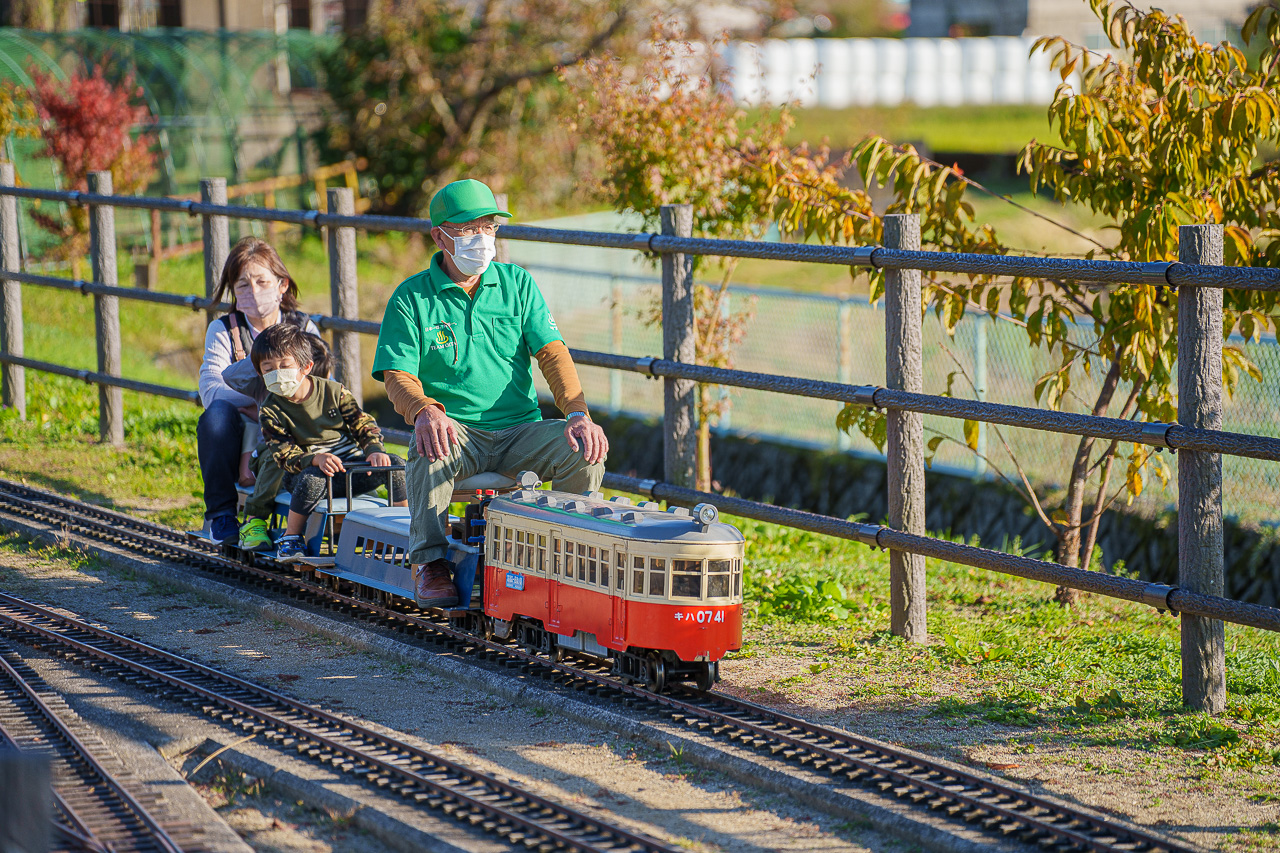
Outside, miniature railway tracks offer fun for adults as well as children.
The scene reminds me of Gulliver’s Travels. With several things to enjoy, it looks like a pleasant family stop.
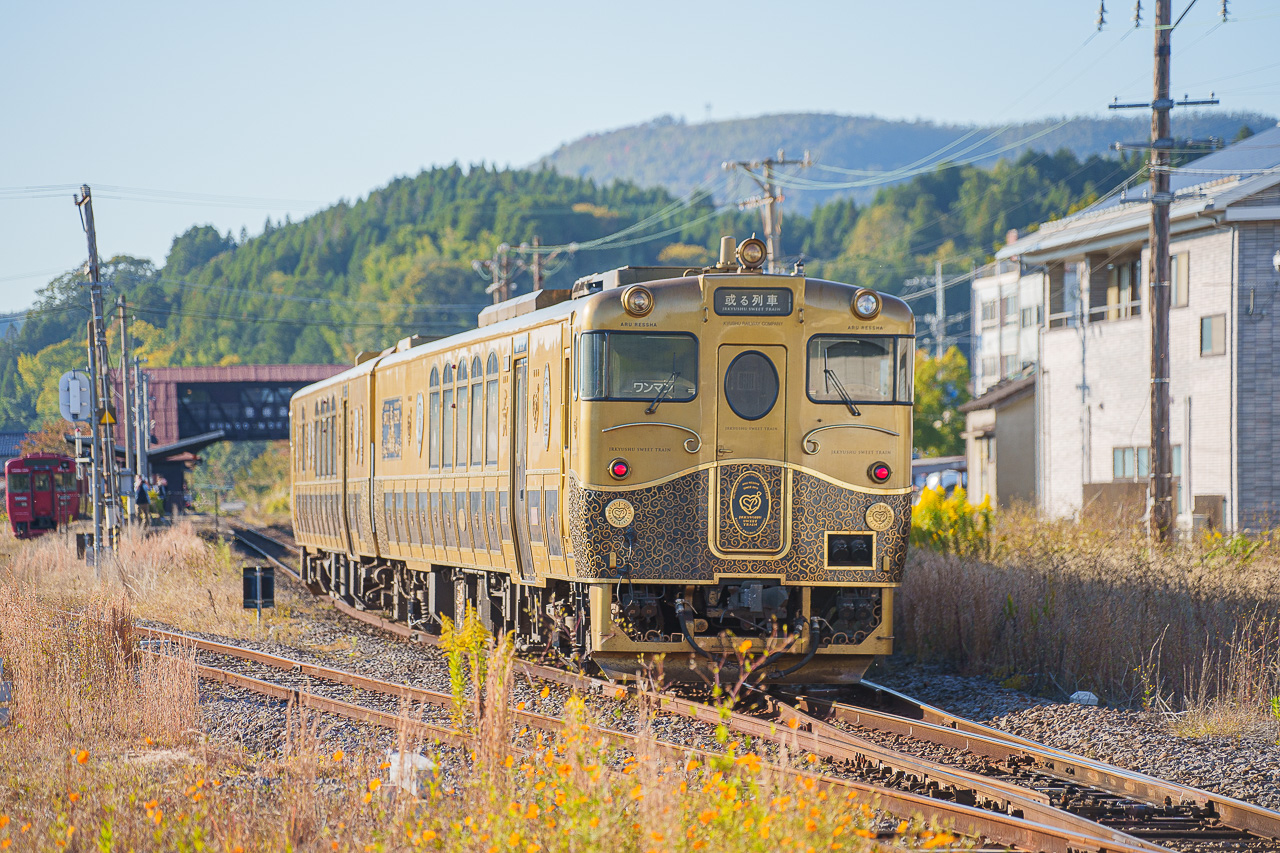
Another attraction is seeing trains depart from neighboring Bungo-Mori Station close by.
Aru Ressha leaving Bungo-Mori Station.
Kyushu’s D&S—Design & Story—trains offer a way to experience the region through distinctive journeys.
Each highlights local character and scenery, with thoughtful exteriors and interiors that can make the journey itself a memorable part of Kyushu travel.
Aru Ressha, introduced in its revived form in 2015, is a luxury train inspired by an idea from more than a century earlier.
In 1906, Kyushu Railway ordered luxurious coaches from the American Brill company. Nationalization meant those coaches did not get the intended opportunity to operate, according to the account.
That Brill coach concept became the inspiration for a luxury train revived a century later.
The source quotes more than JPY 30,000 per person, including a course meal themed around nature.
Interestingly, as with some hotel bookings, a solo reservation was more expensive: JPY 44,000 in the source’s example.
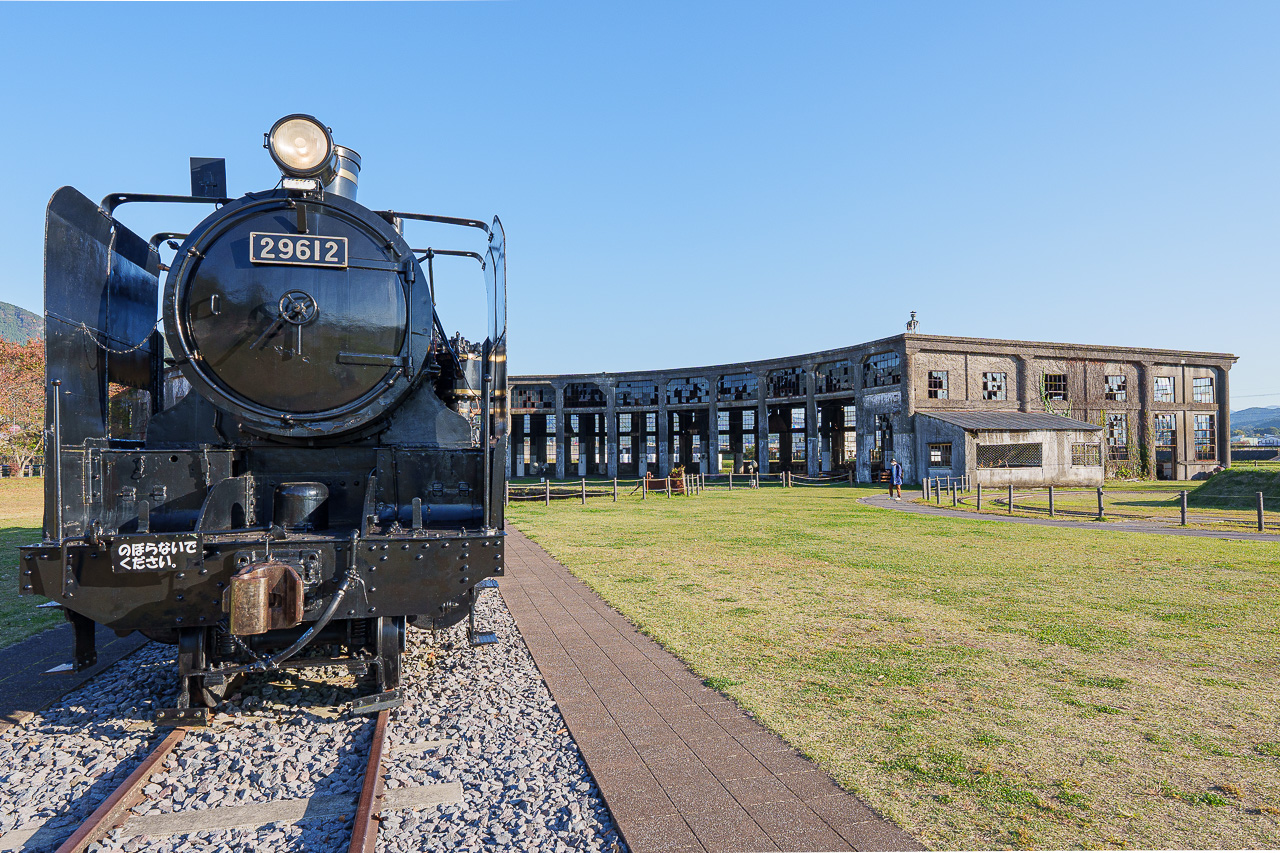
The depot’s working role ended as Japanese railways modernized in the 1970s; the source describes this as electrification. It now serves as a visitor attraction and is called Kyushu’s only surviving fan-shaped roundhouse in the account. It became a nationally registered Tangible Cultural Property in 2012.
It was quiet during my early-November visit. With the later interest in Suzume, I wonder whether it might now be much busier—but that is speculation, not a later crowd check.
Bungo-Mori Roundhouse · 242-7 Hoashi, Kusu, Kusu District, Oita 879-4403, Japan
★★★★☆ · Railway museum (archived map-card rating)
www.google.com