
We traveled through mountain- and sea-rich Kochi Prefecture (高知県), on Shikoku (四国).
Kochi occupies southern Shikoku. The original portrays it as a place of enthusiastic drinkers and high alcohol consumption, rather than providing a measured national ranking.
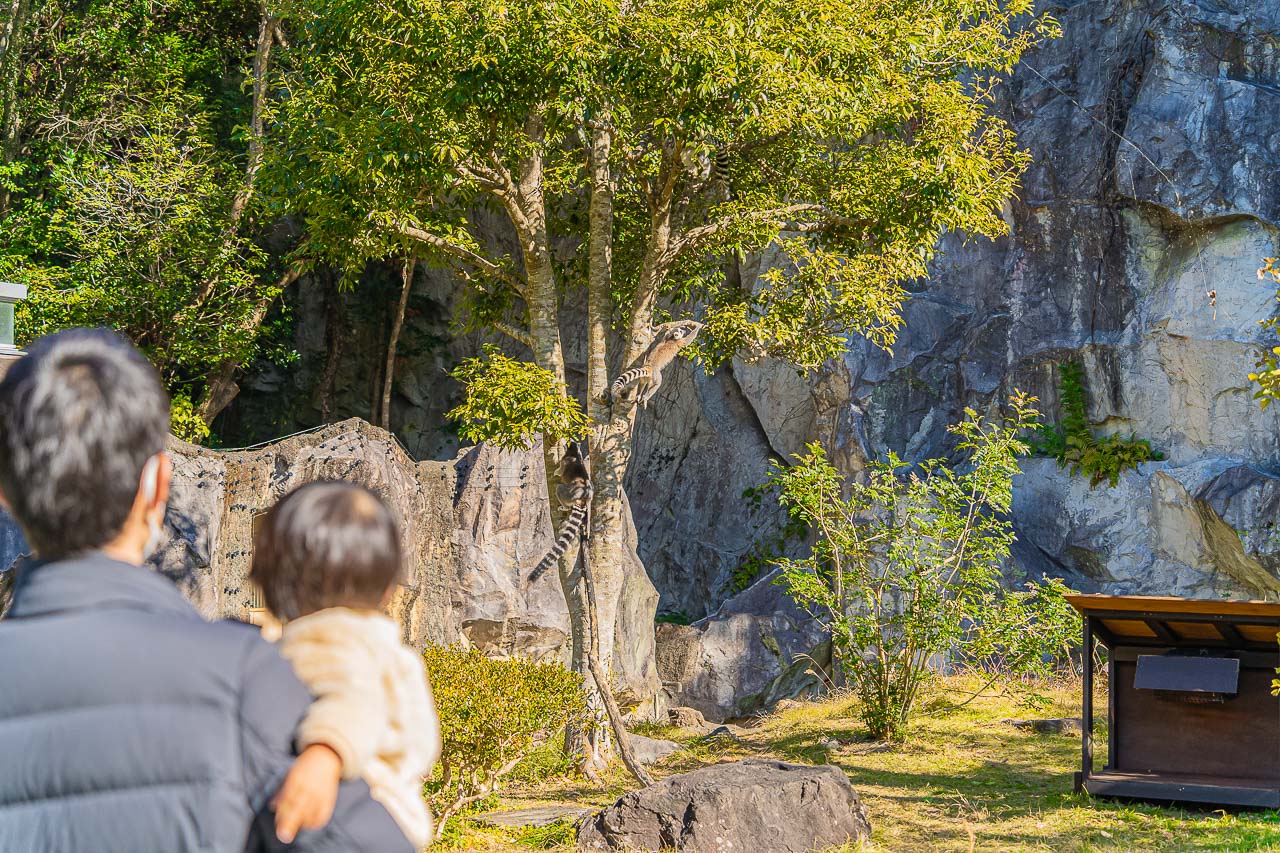
Our first stop is Noichi Zoological Park, which the account proudly describes as having reached number one in TripAdvisor’s zoo-and-aquarium category at the time.
Its affordable admission and space for animals to move freely help explain the high marks.
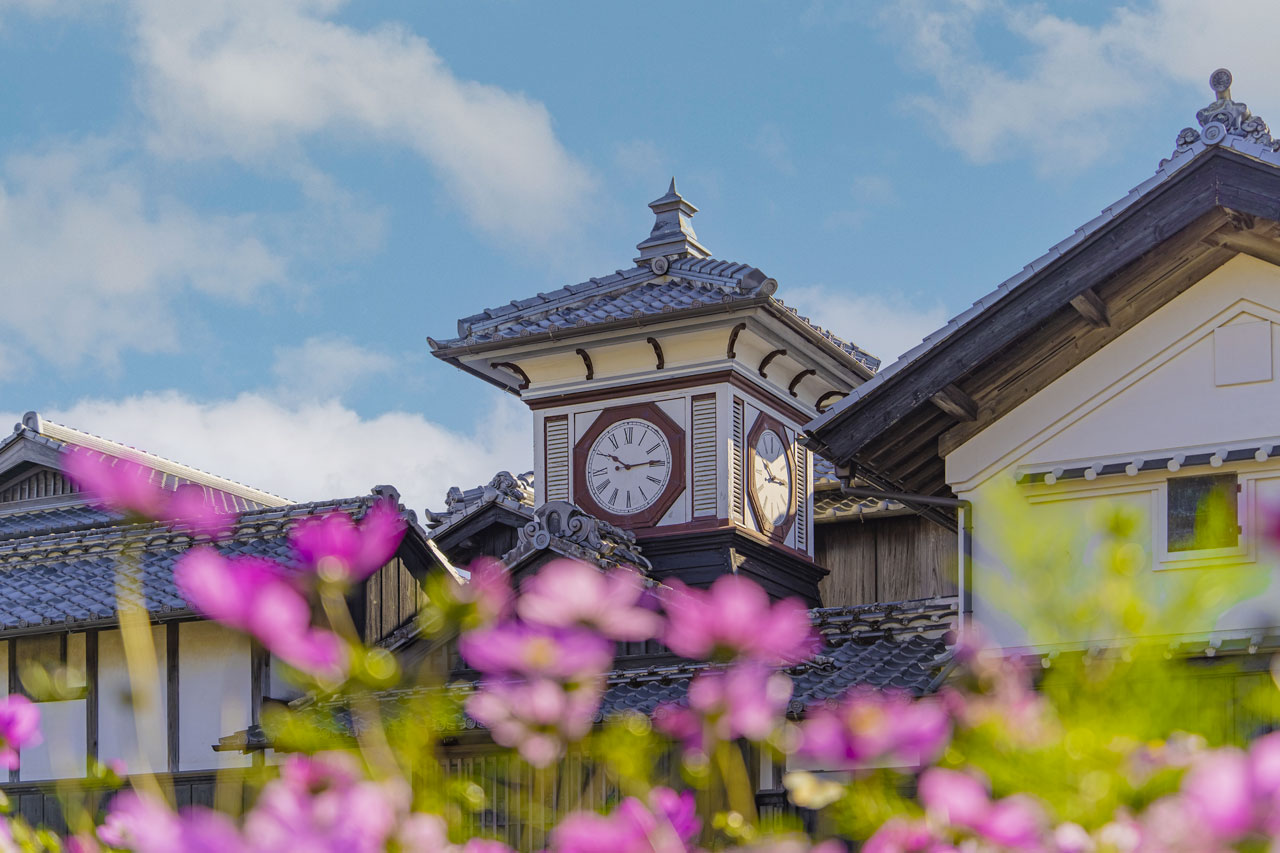
On the way to lunch, we stop at Nora Dokei, the Nora Clock.
The clock was made by the house’s owner and looks lovely with the cosmos flowers.
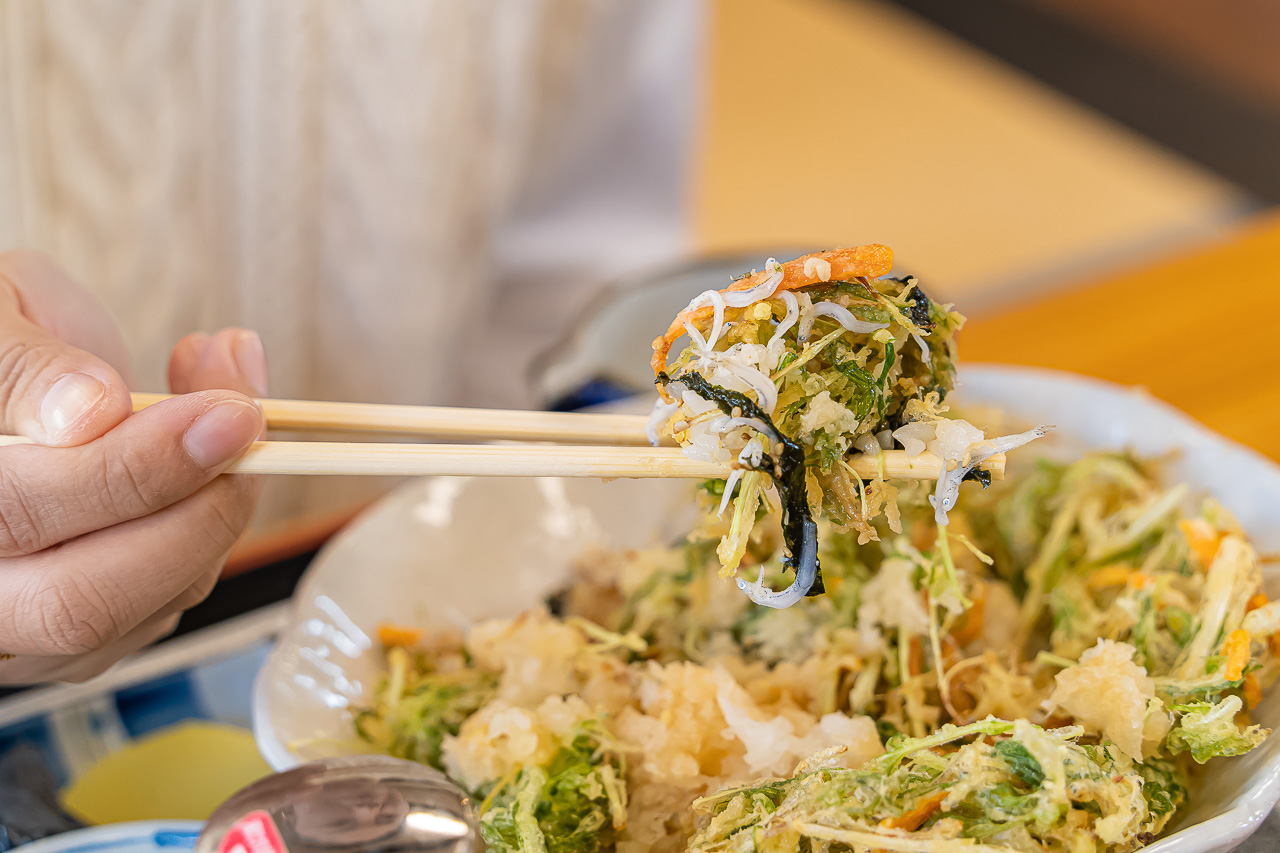
We also try a tiny-fish rice bowl described as number one in a local residents’ restaurant ranking.
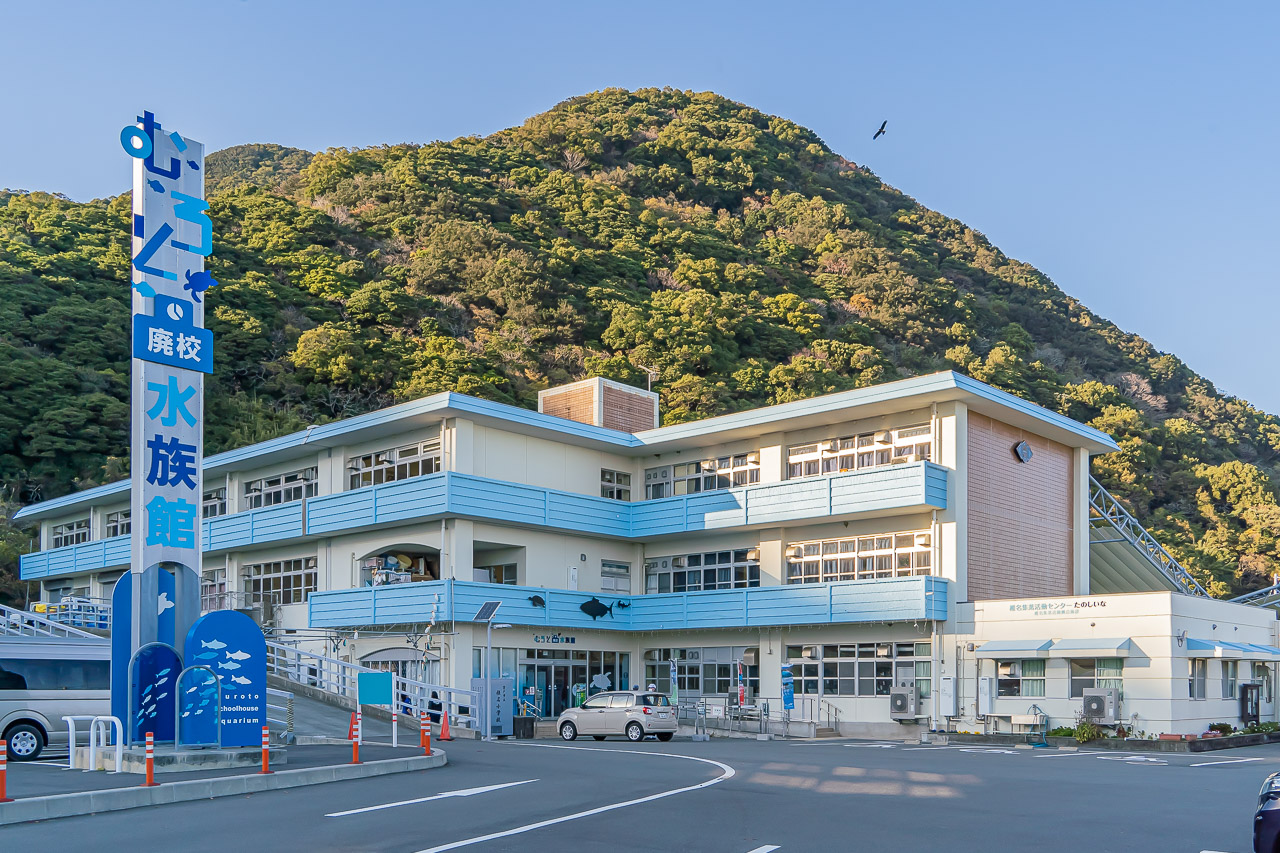

Then comes Muroto Aquarium, which reuses a closed school.
Muroto has geological features of international value and is designated a geopark.
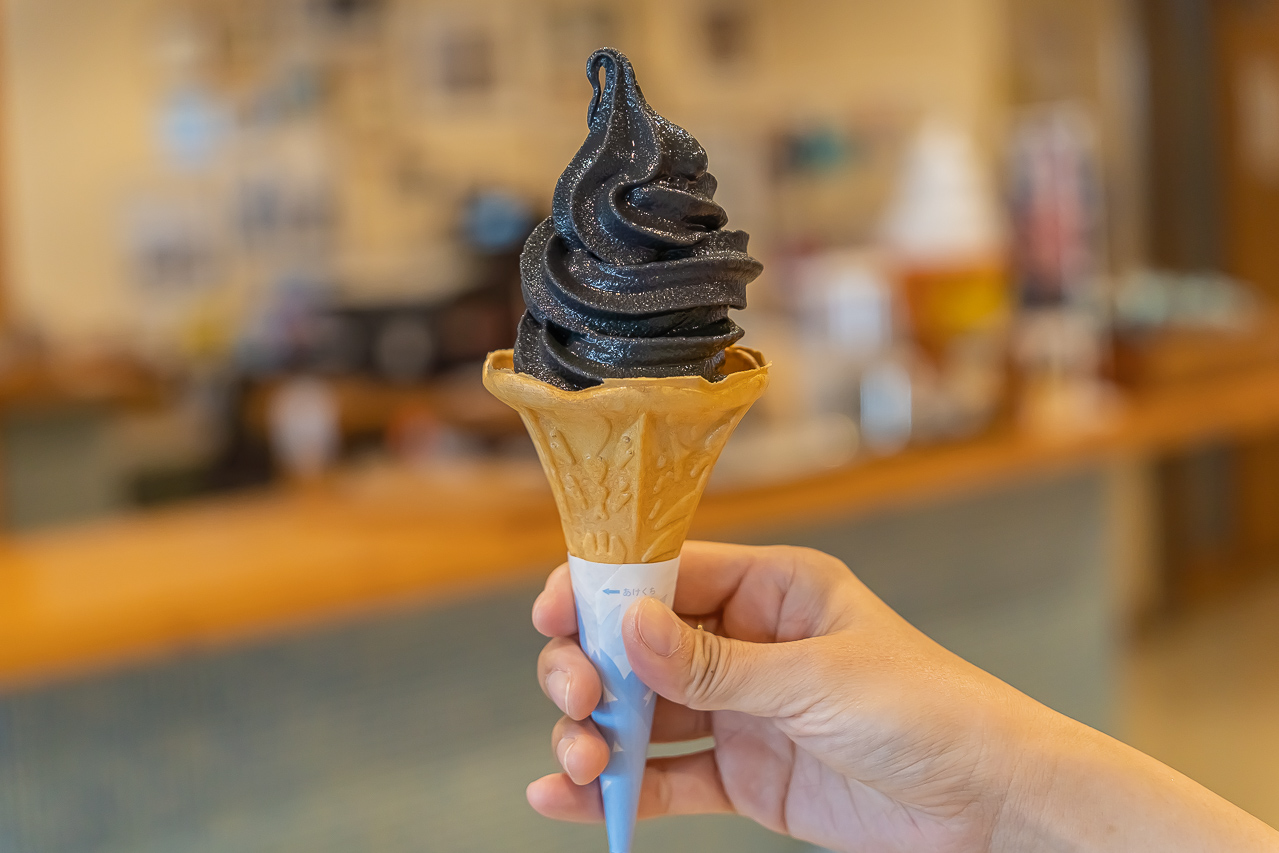
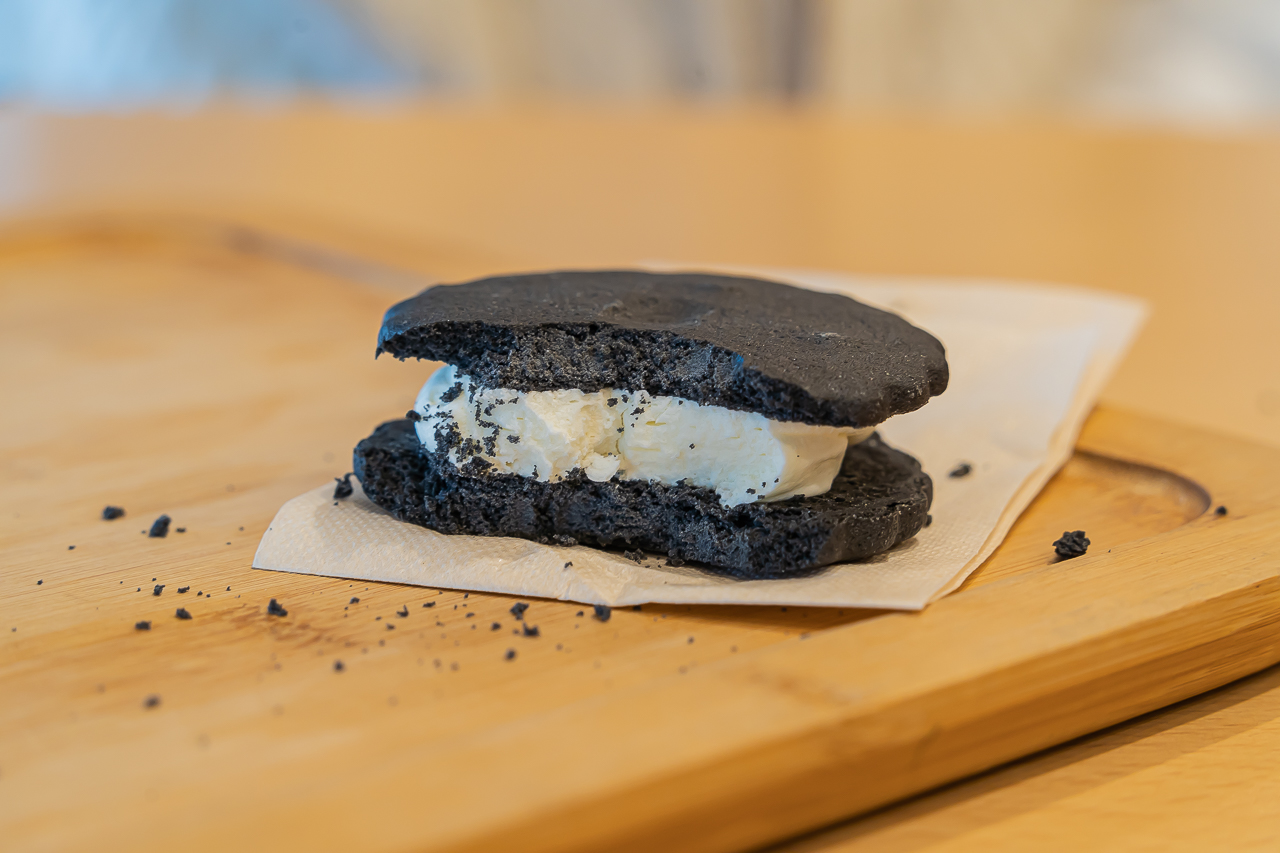
The author makes a playful, uncertain link with the area’s charcoal. Its charcoal ice cream and cookies are worth trying, regardless of that suggested connection.
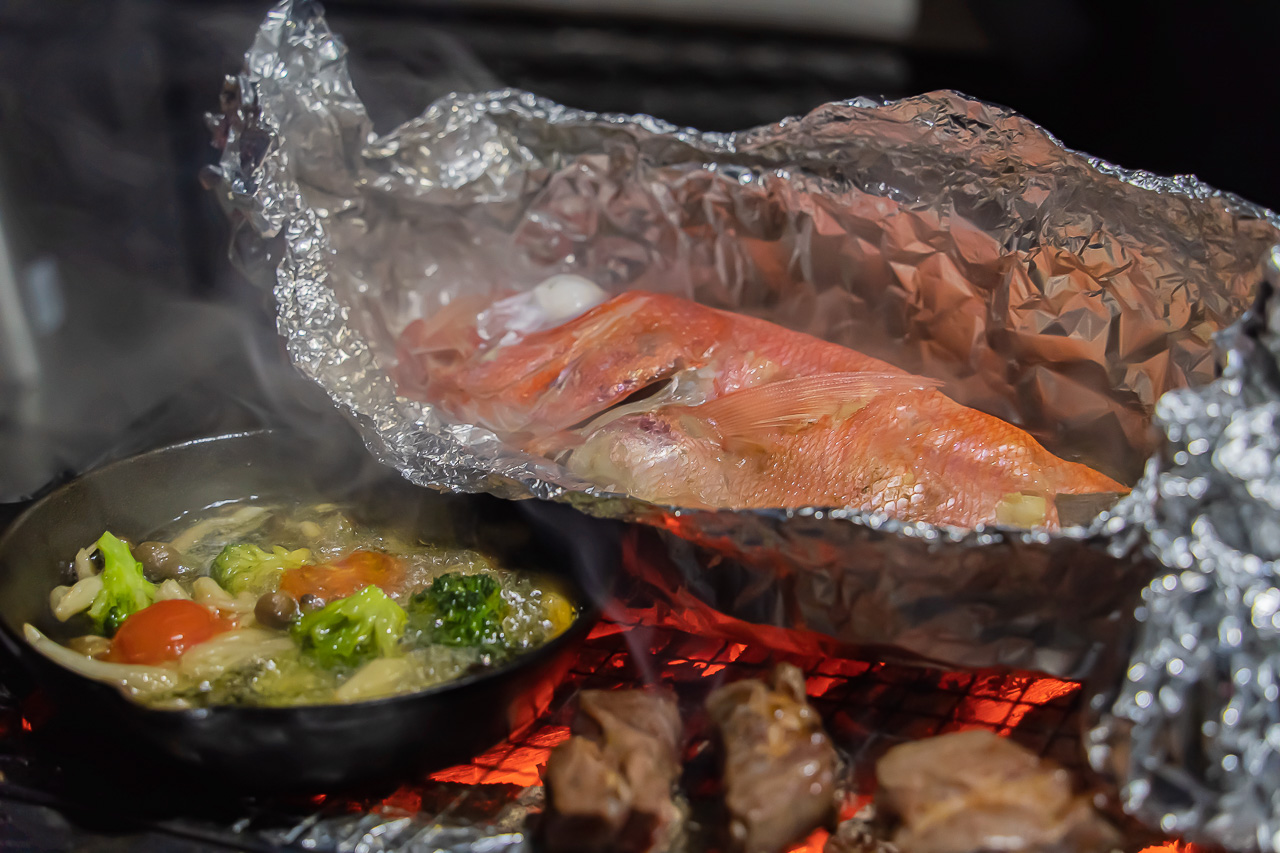
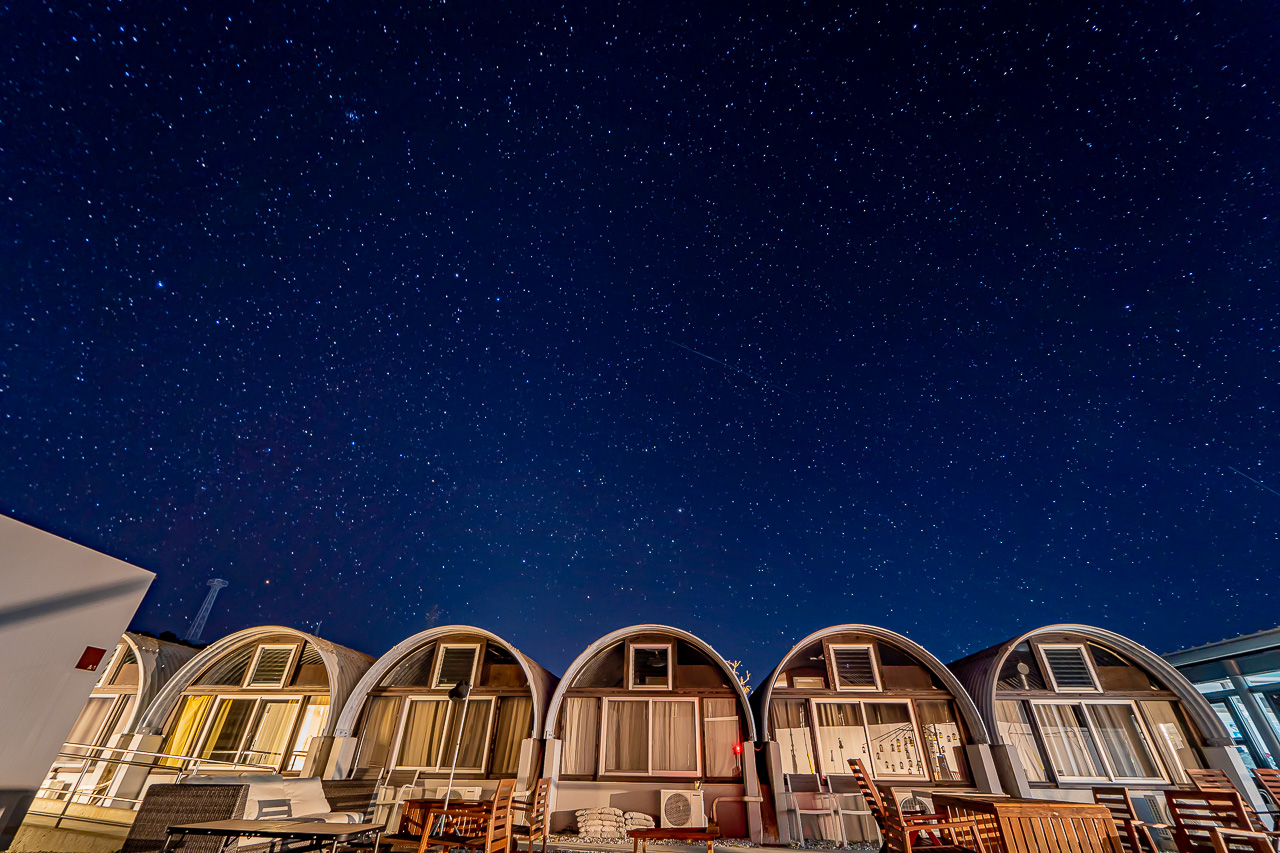
At Muroto 55, a glamping facility in the Muroto area, we have a generous barbecue, look at the stars and go to sleep.
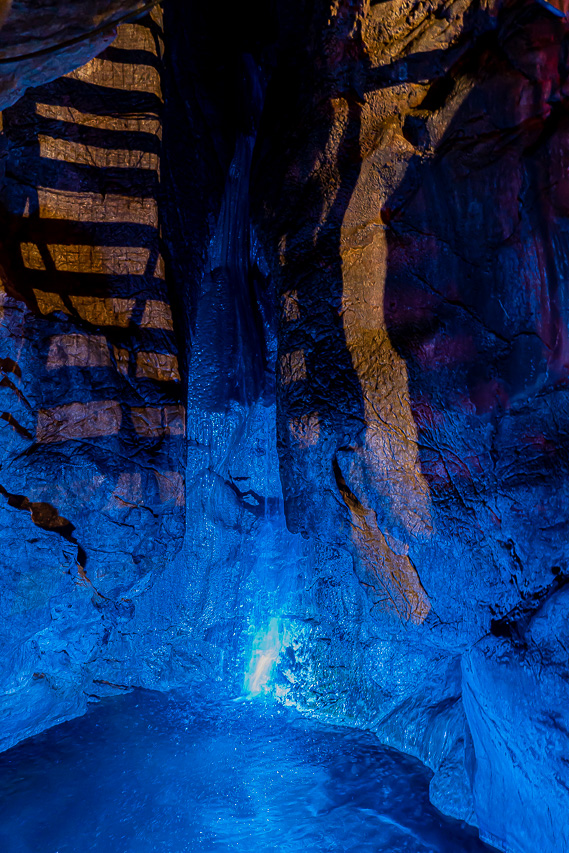

The next day brings Ryugado Cave, called ‘Ryukawa’ in this overview’s Korean text, a cave stop on the trip.
The stalactites, described as tens of millions of years old, form an impressive sight; that age is the source’s claim.
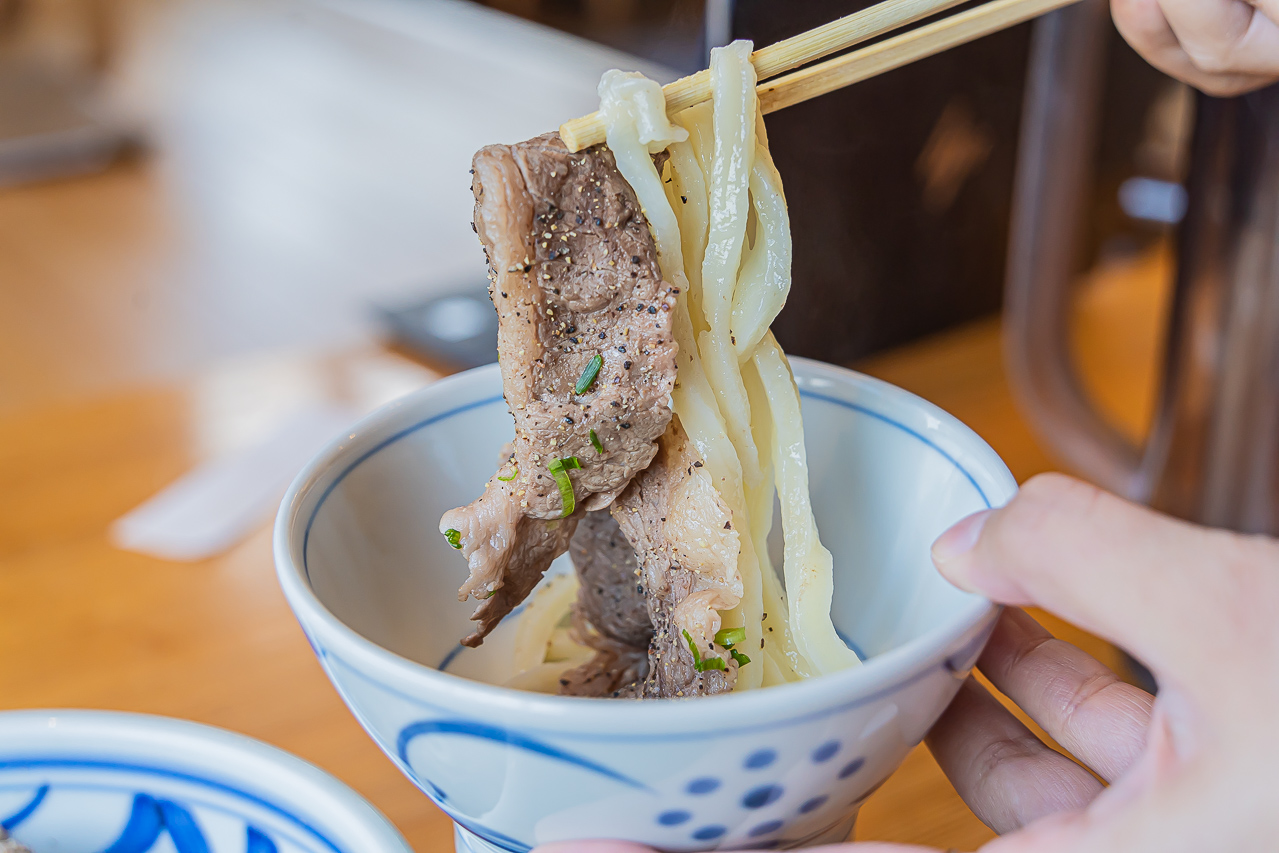
We have wagyu udon at a nearby restaurant,
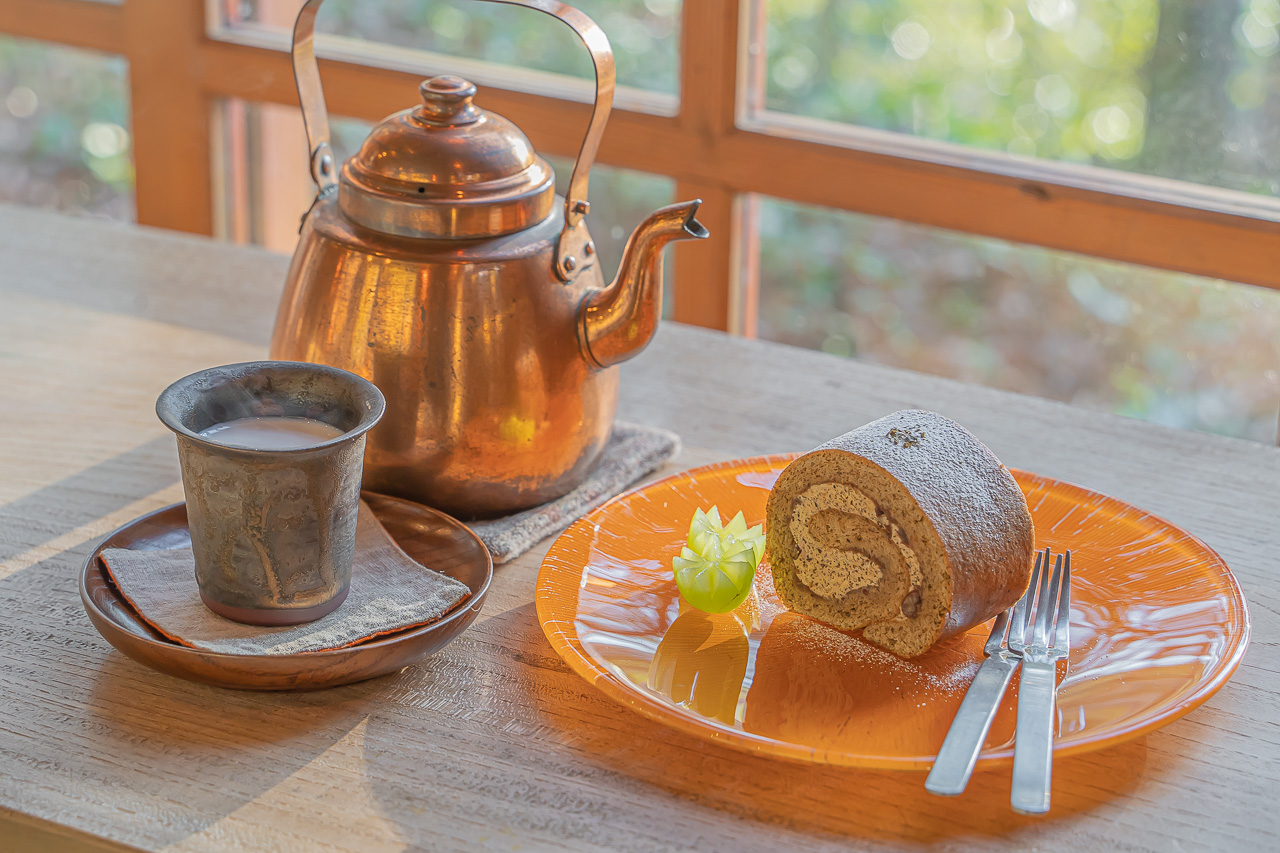
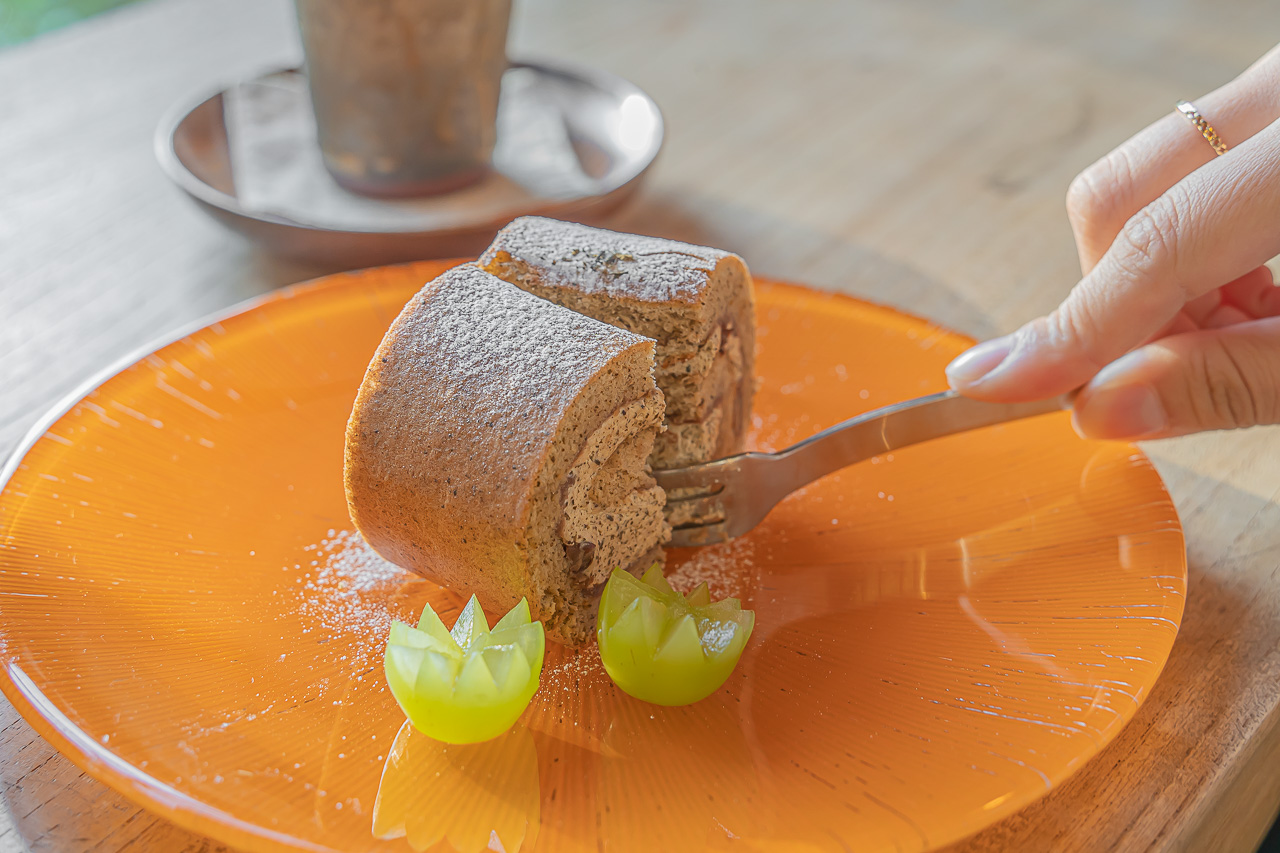
then head toward Otoyo to try the distinctive Goishicha tea and a Goishicha roll cake for dessert.
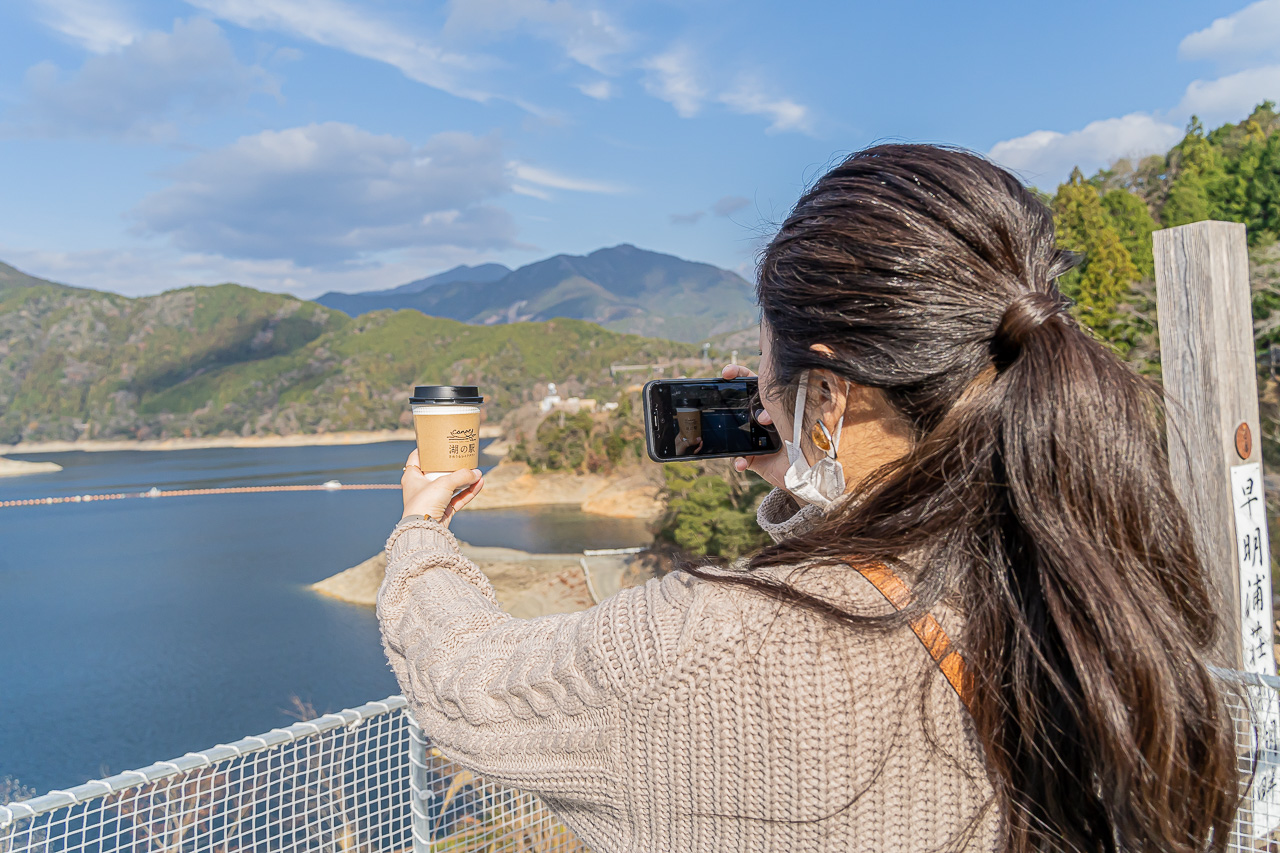
At Sameura Dam, we pause for coffee at the Lake Station Sameura café.

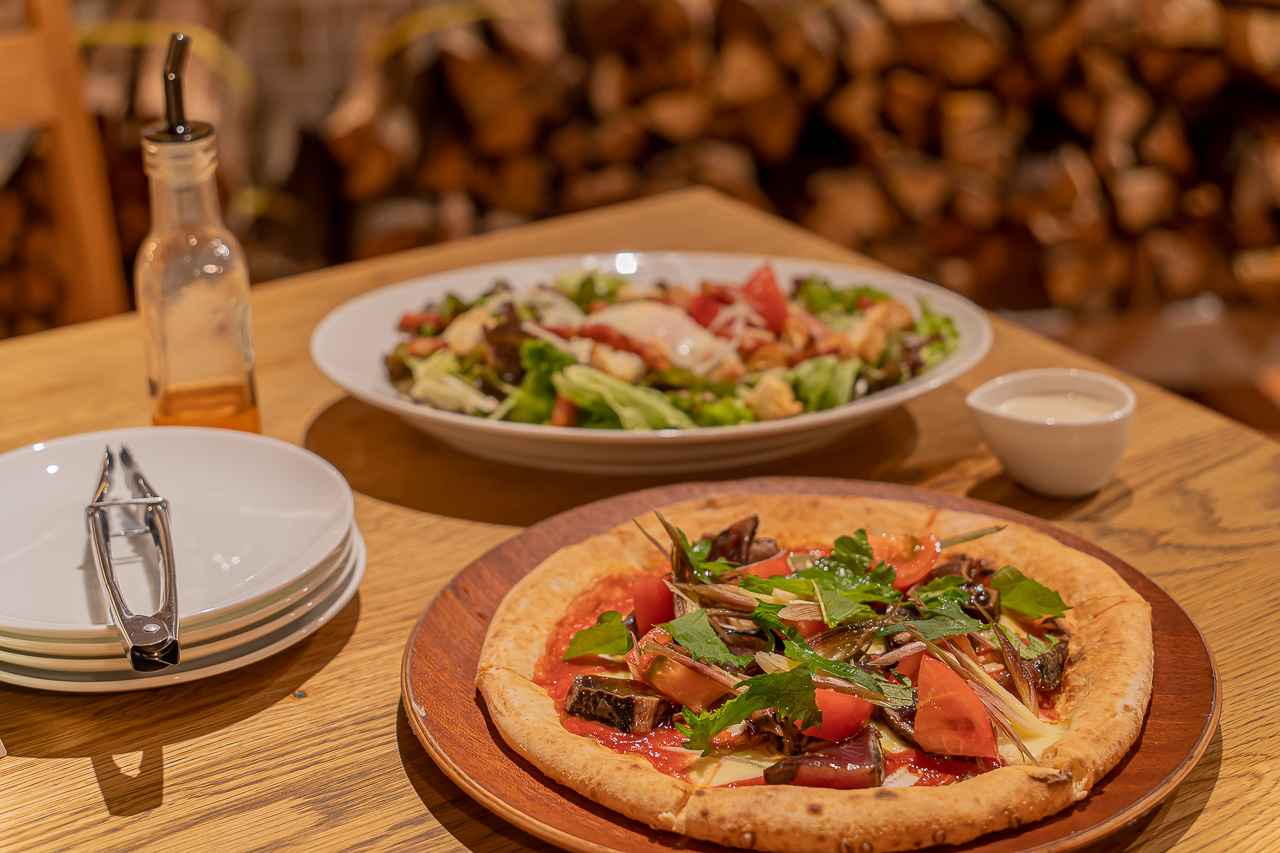
Dinner at the mont-bell visitor center is a pizza topped with Kochi’s specialty bonito.
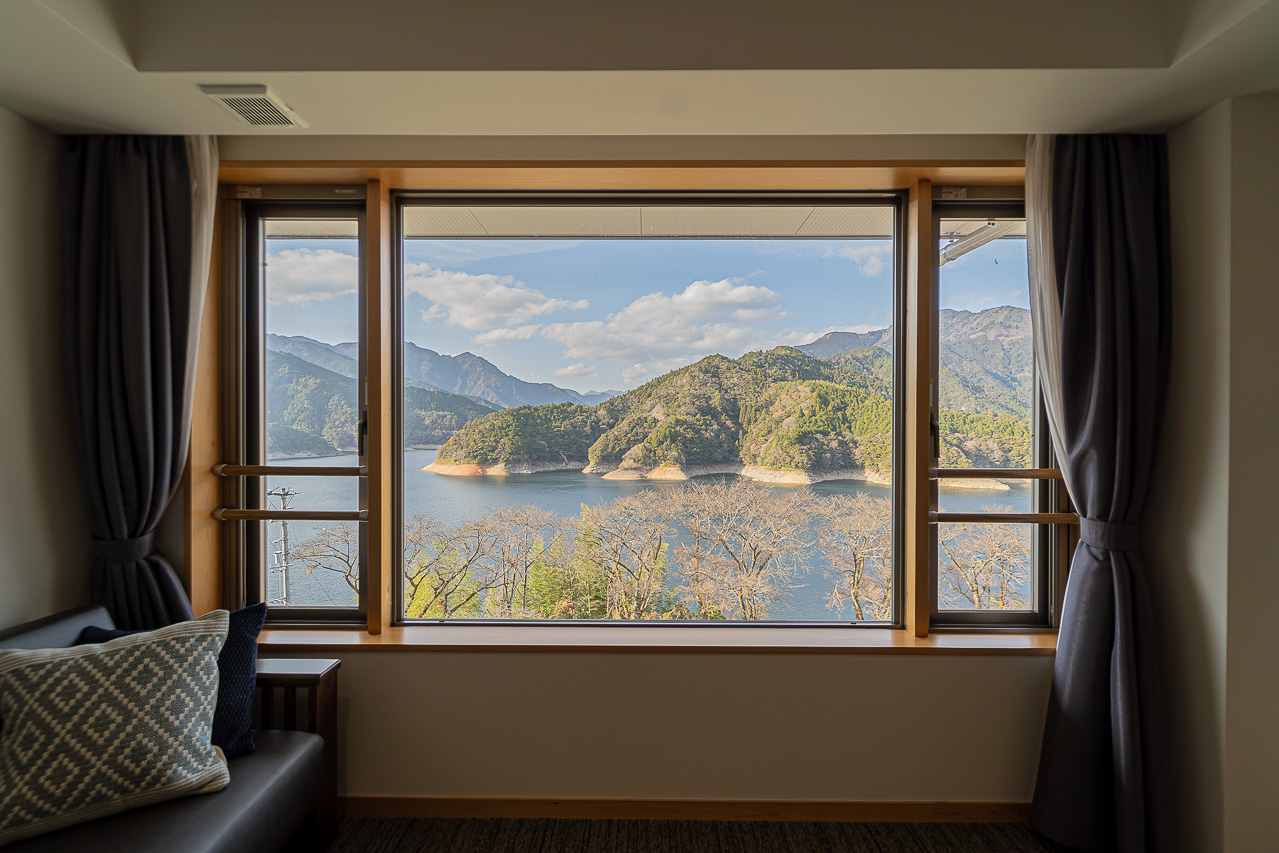
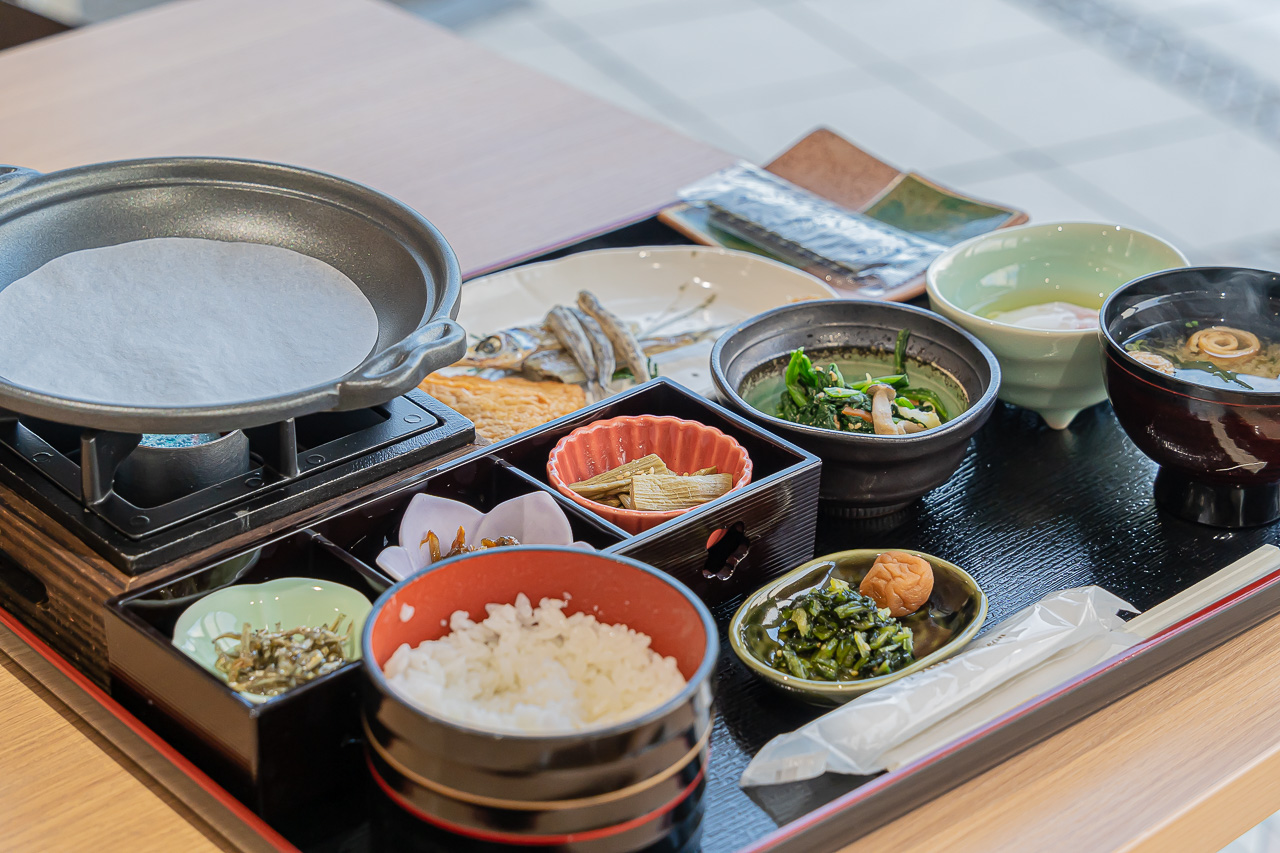
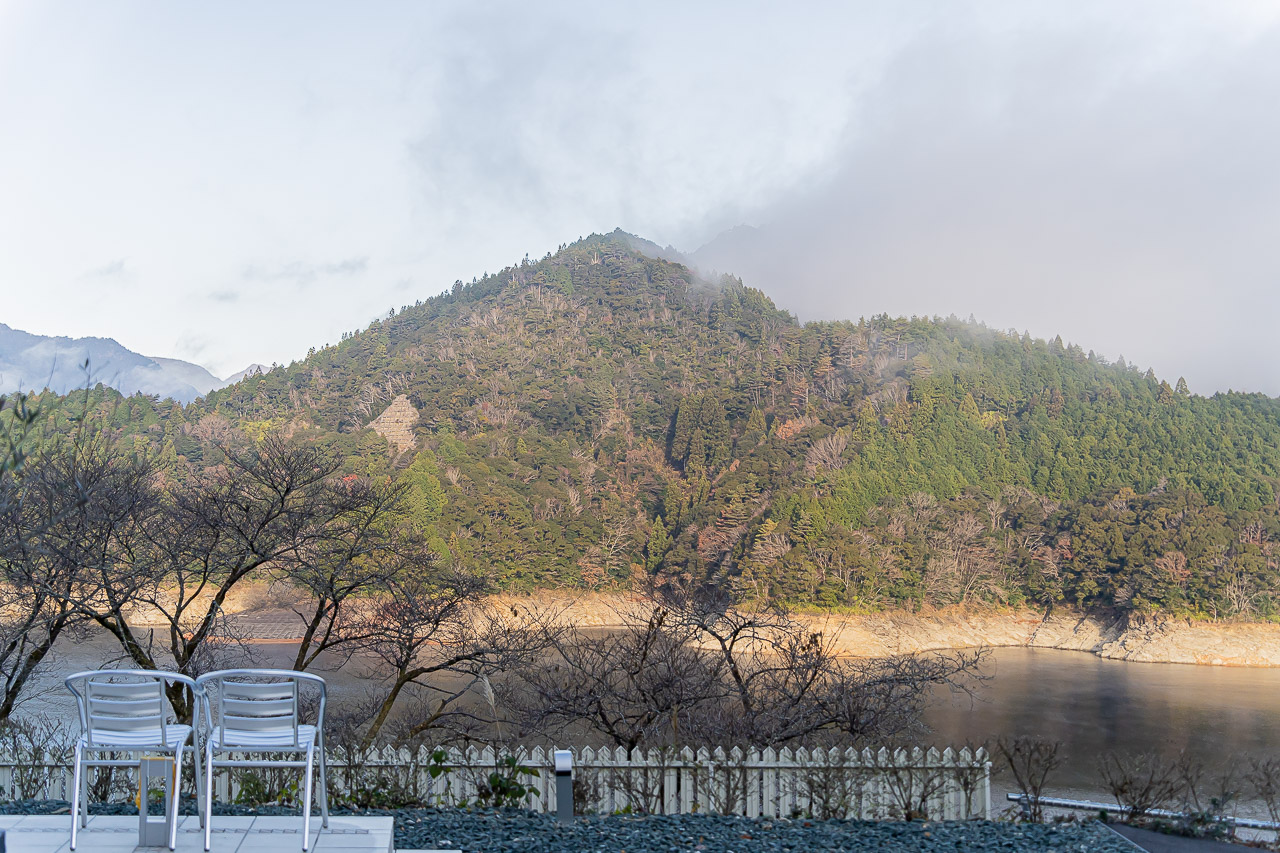
Our hotel is Sameuraso, overlooking Sameura Dam.
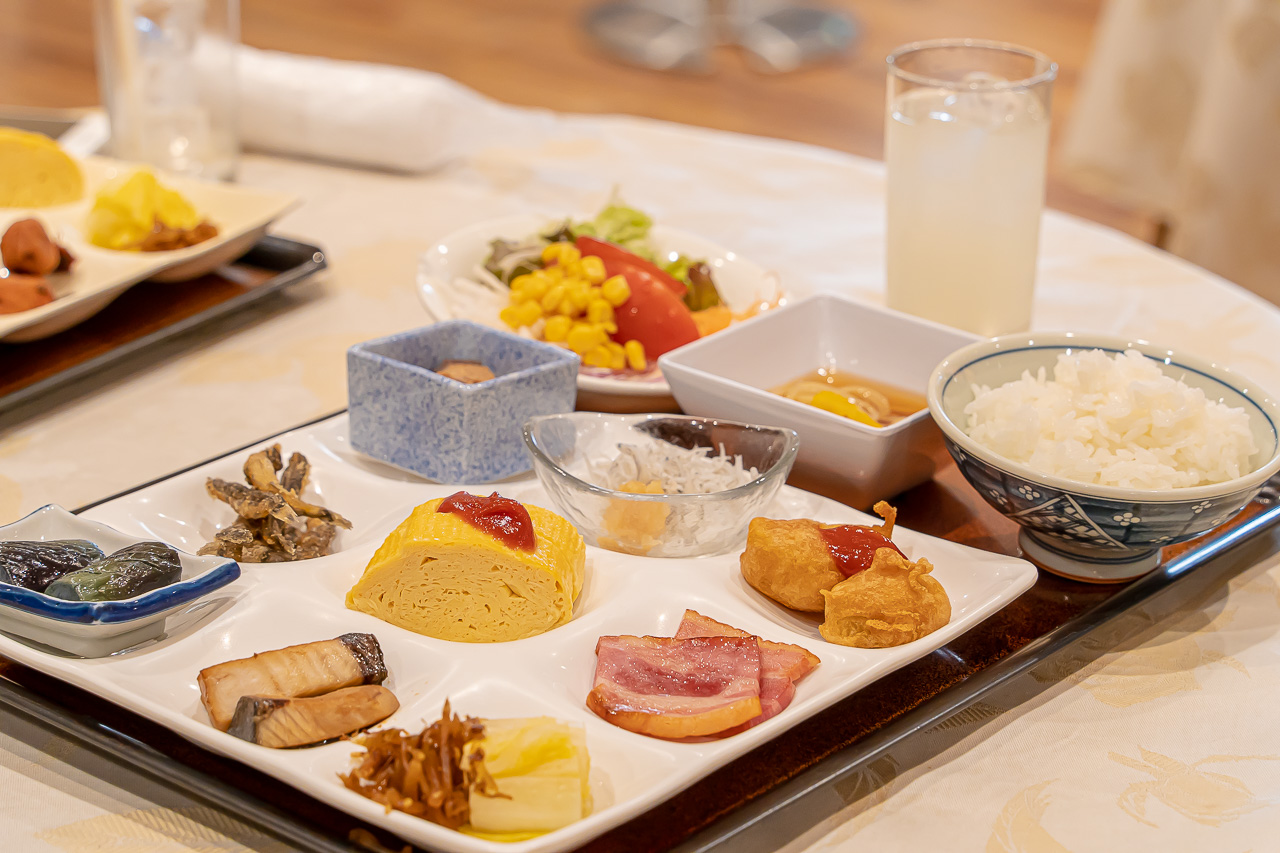
The room view is lovely, but I especially enjoy the good breakfast and quiet lakeside time.
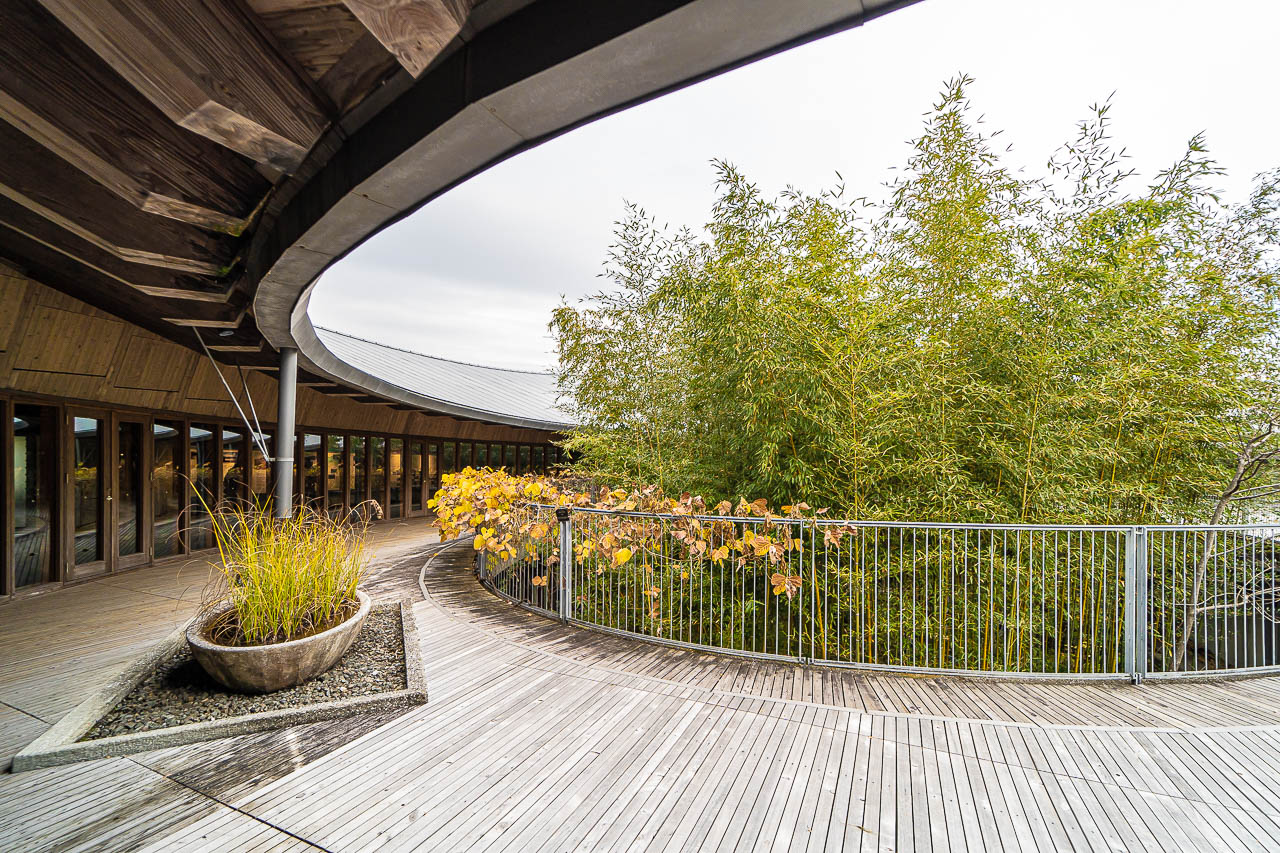
We also visit Makino Botanical Garden, associated with Kochi’s celebrated botanist Dr. Makino.
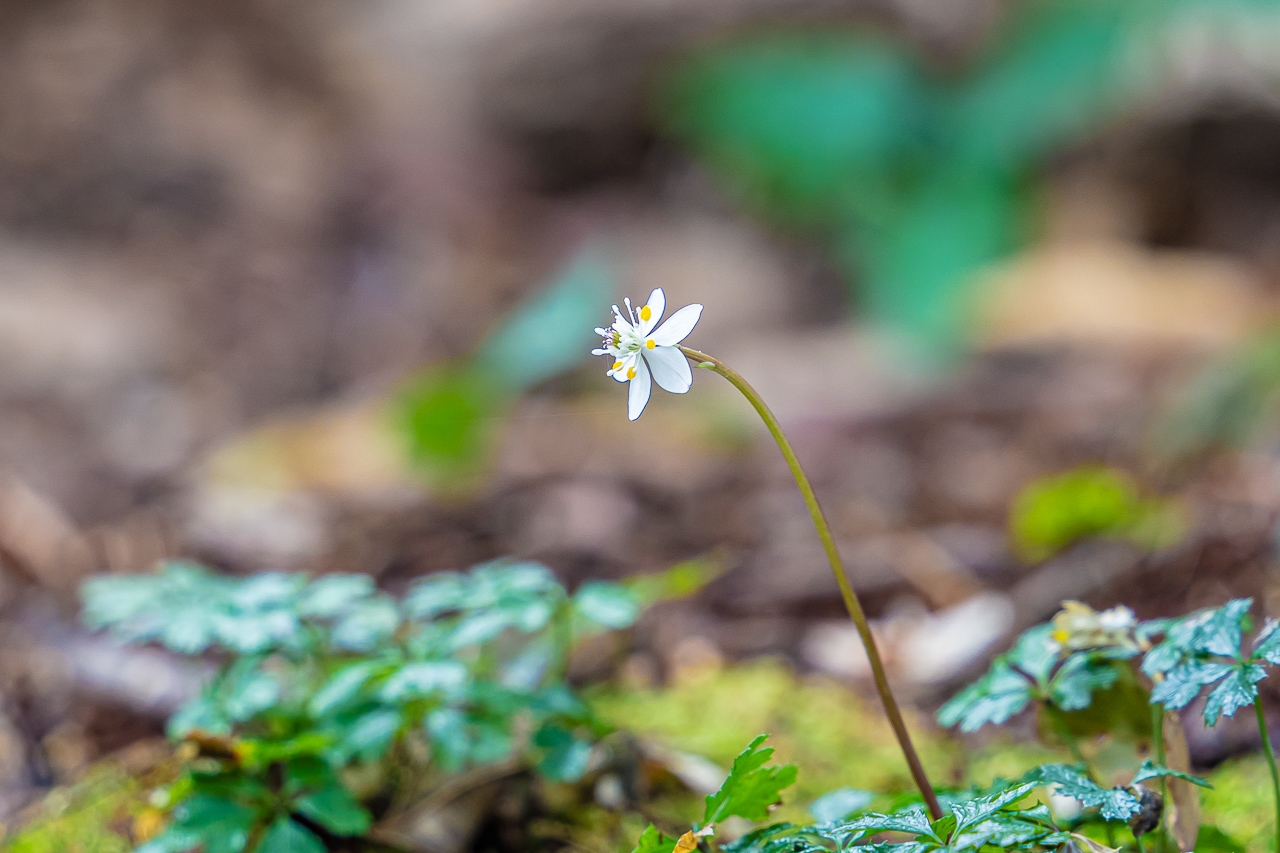
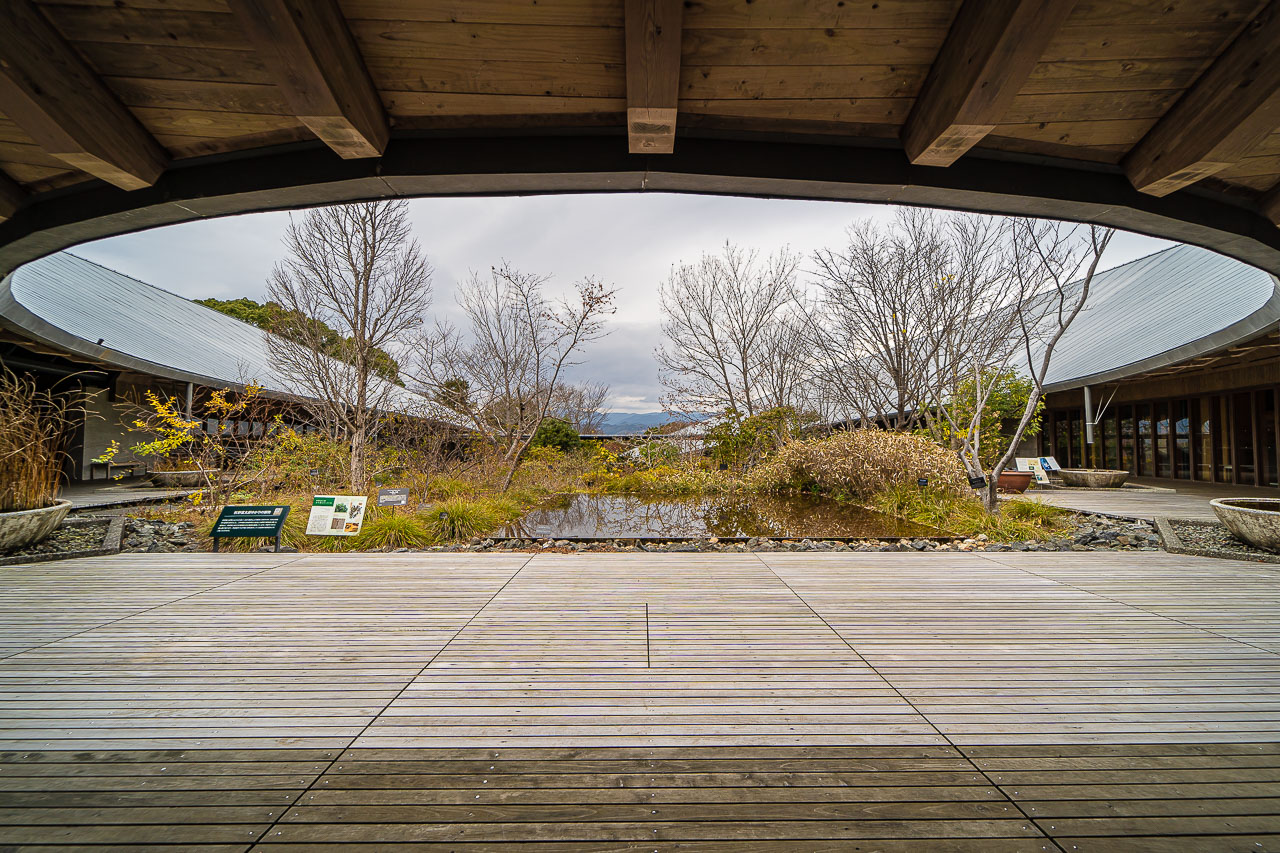
There are beautiful plants, but Hiroshi Naito’s architecture—honored with the Togo Murano Prize, according to the account—stands out even more to me.
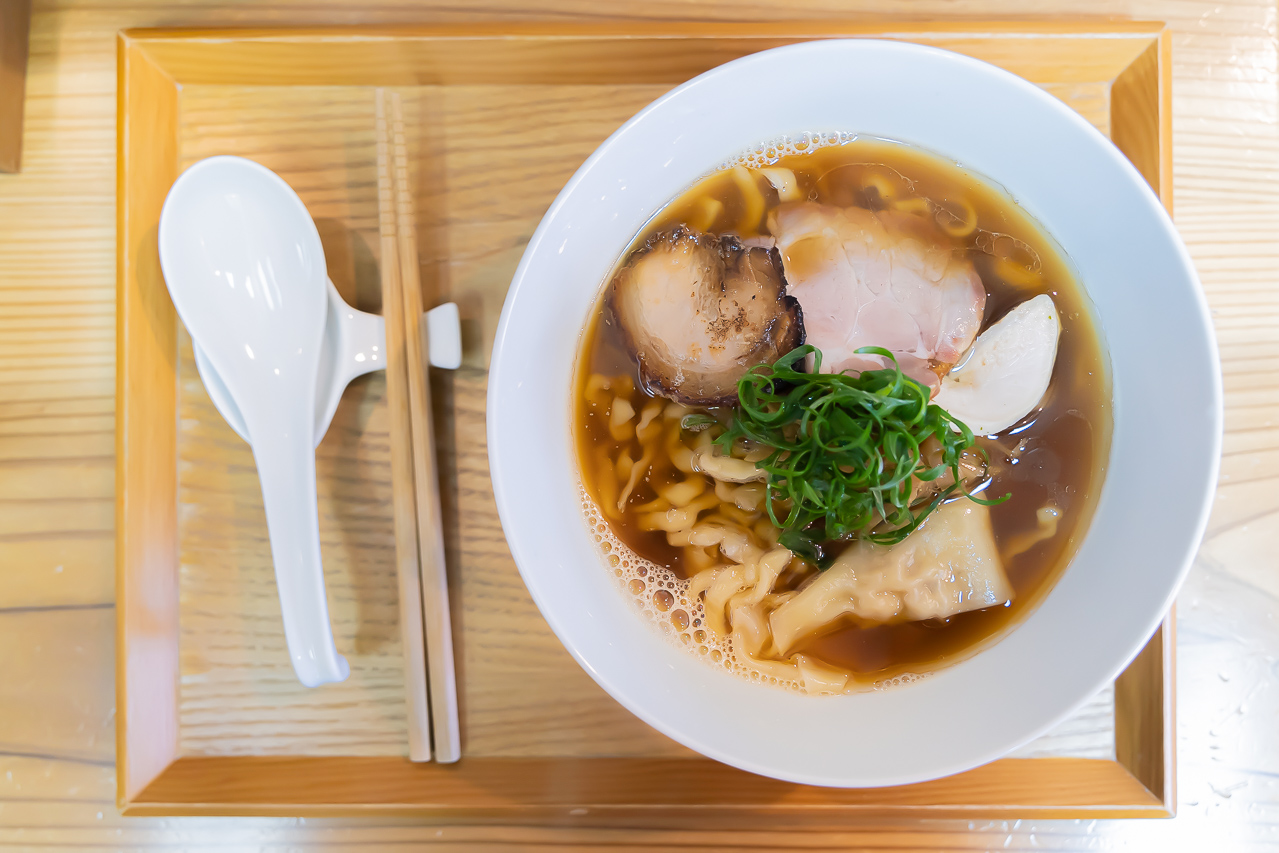
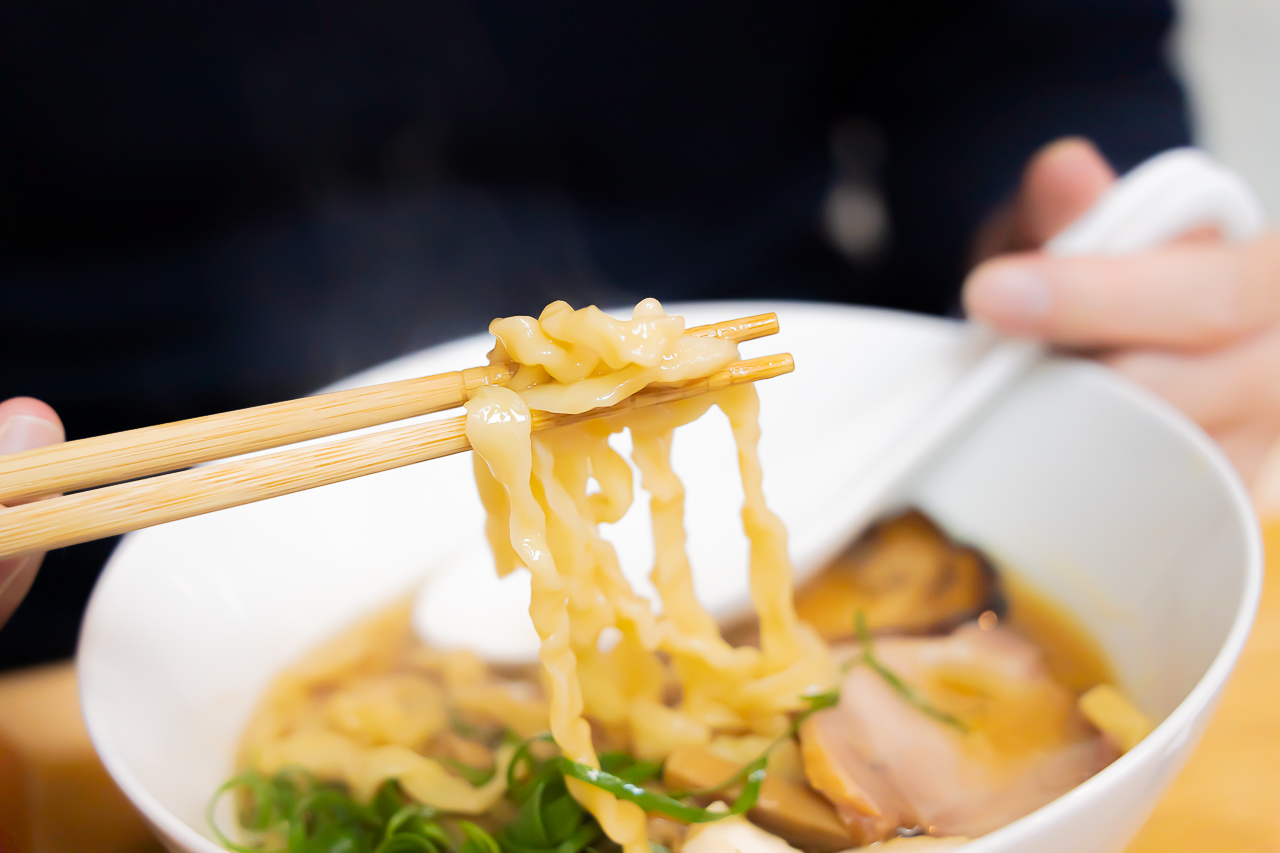
In the city, we try Toritosakana’s shoyu ramen, presented as a Kochi-only taste in the source.
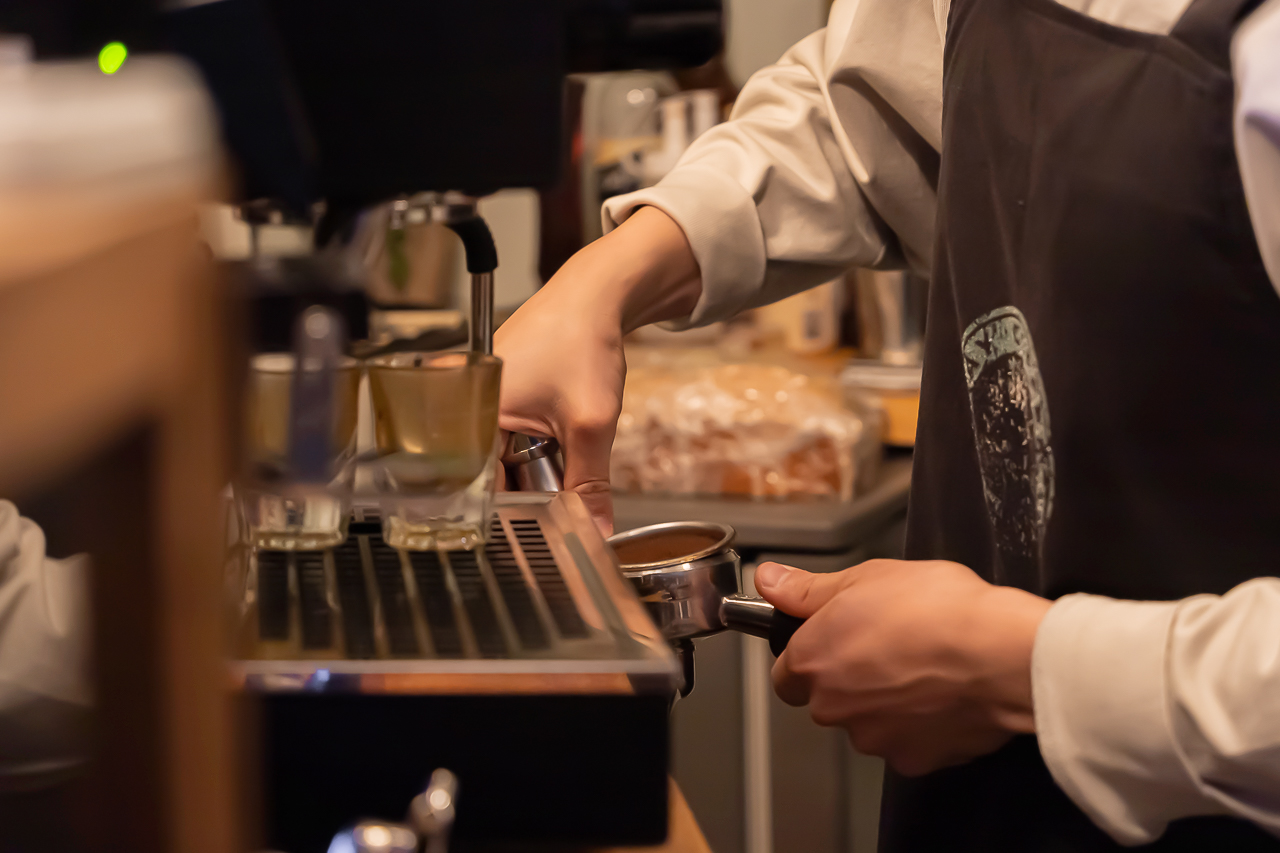
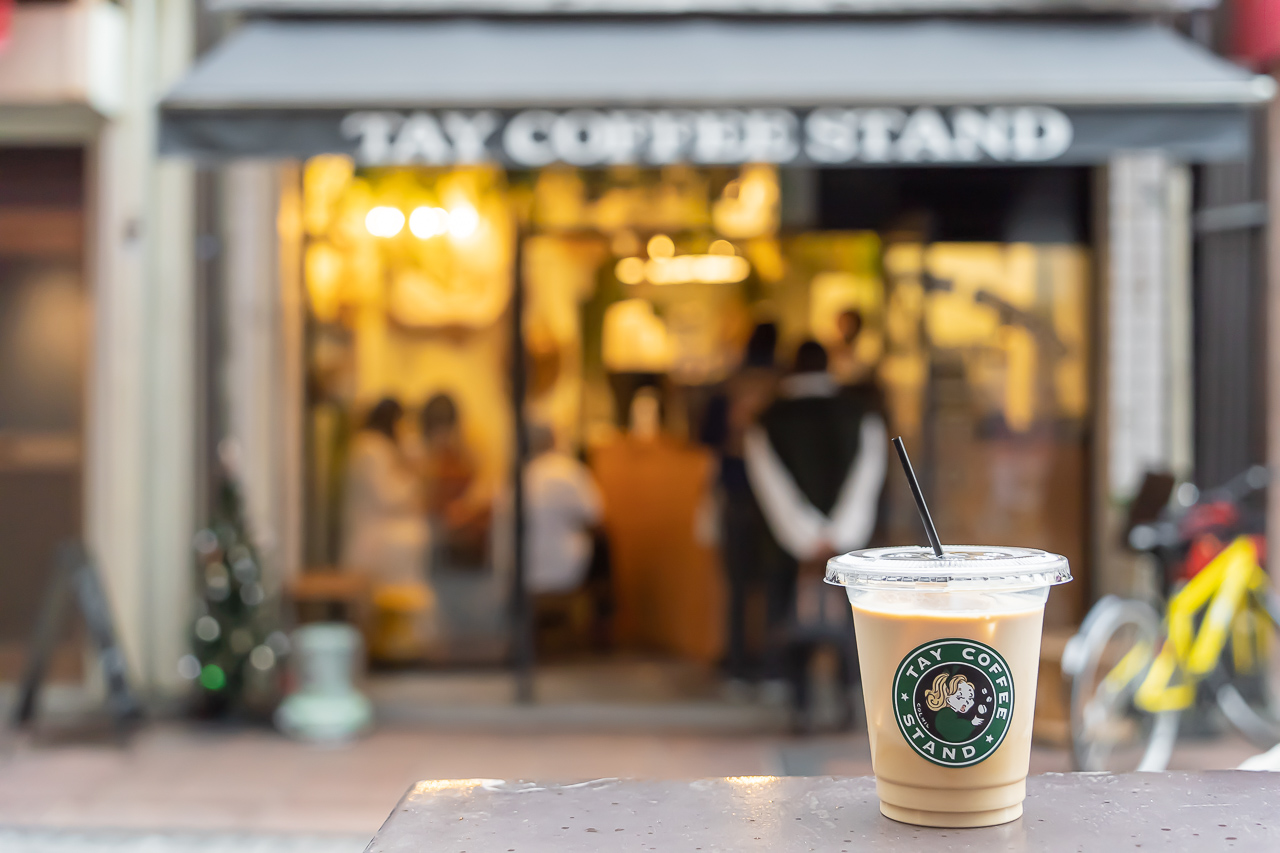
Then a coffee at tiny Toy Coffee, whose ambition the author likens to becoming Kochi’s Disneyland.
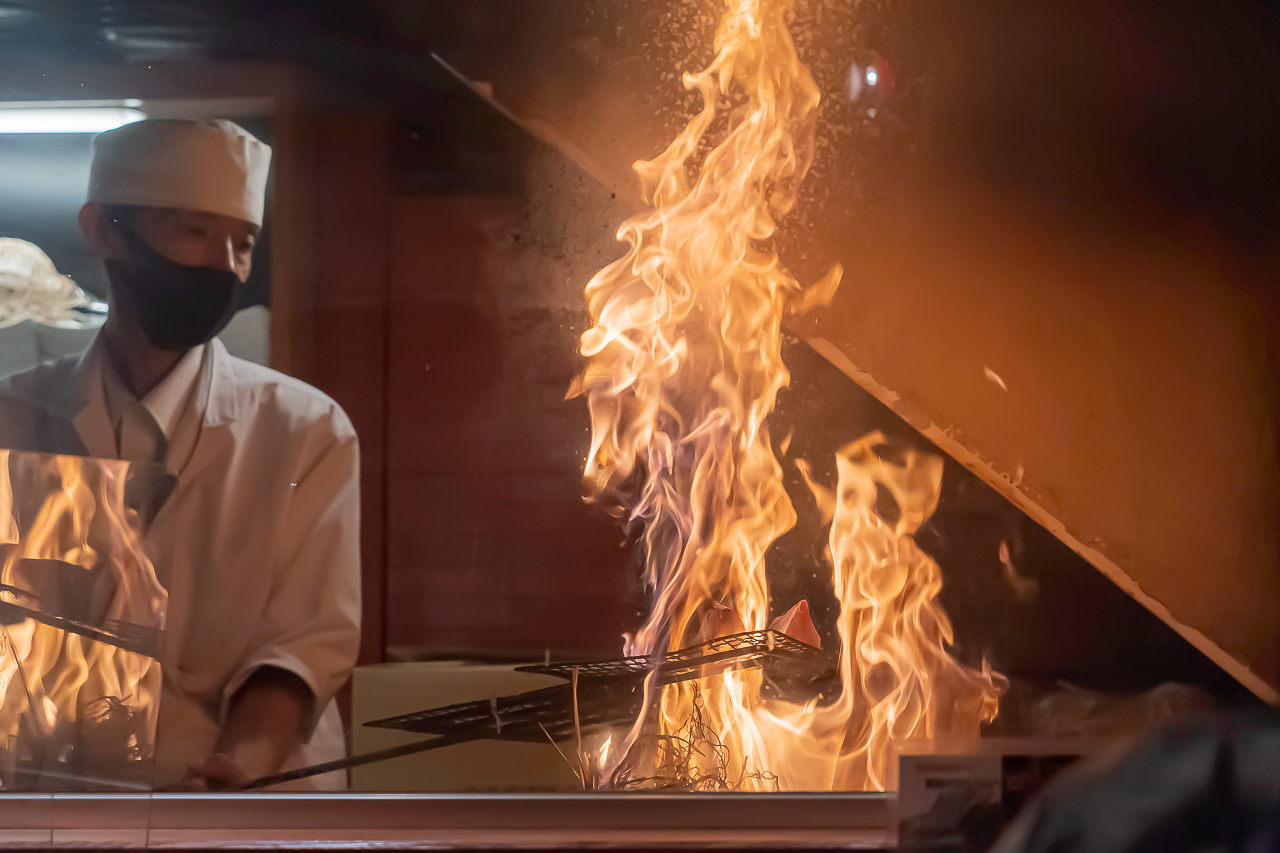
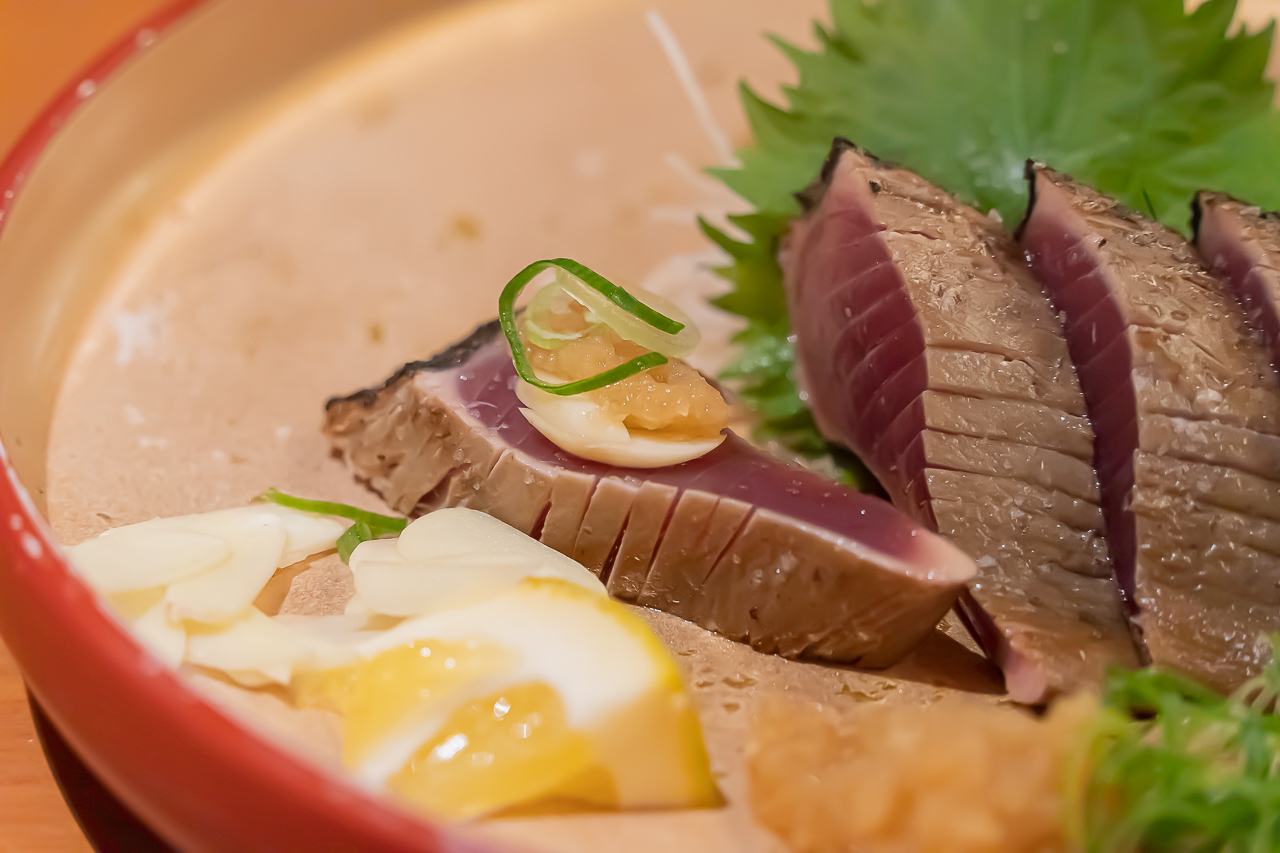
For dinner in Kochi, straw-seared bonito is hard to pass up.
The source says burning straw reaches temperatures above 1,000°C, quickly searing the bonito’s surface and reducing its fishy smell; this is its cooking explanation, not a measurement from the visit.
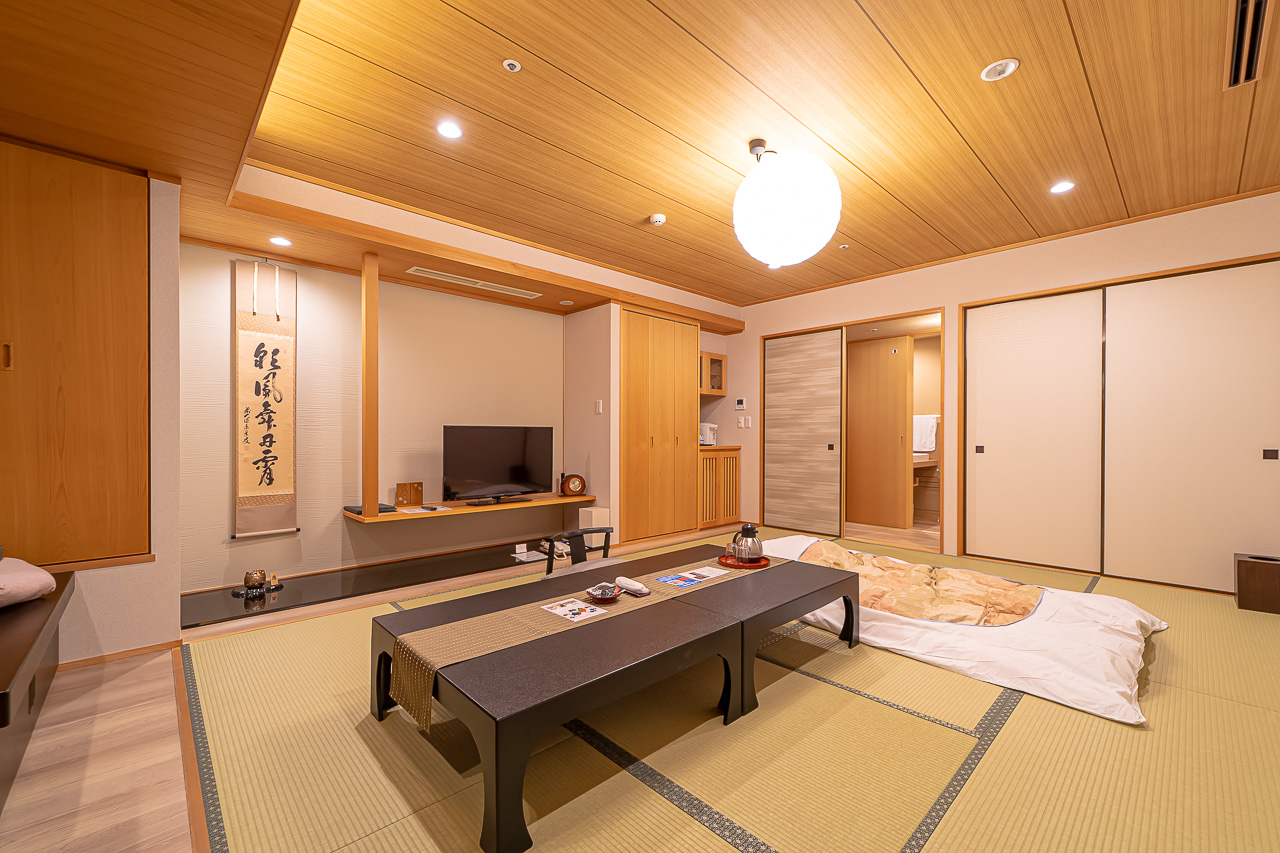
Our city hotel is the well-known onsen hotel Joseikan.
Despite more than a century of history, it looks fresh and clean—perhaps recently renovated, although I did not confirm that.
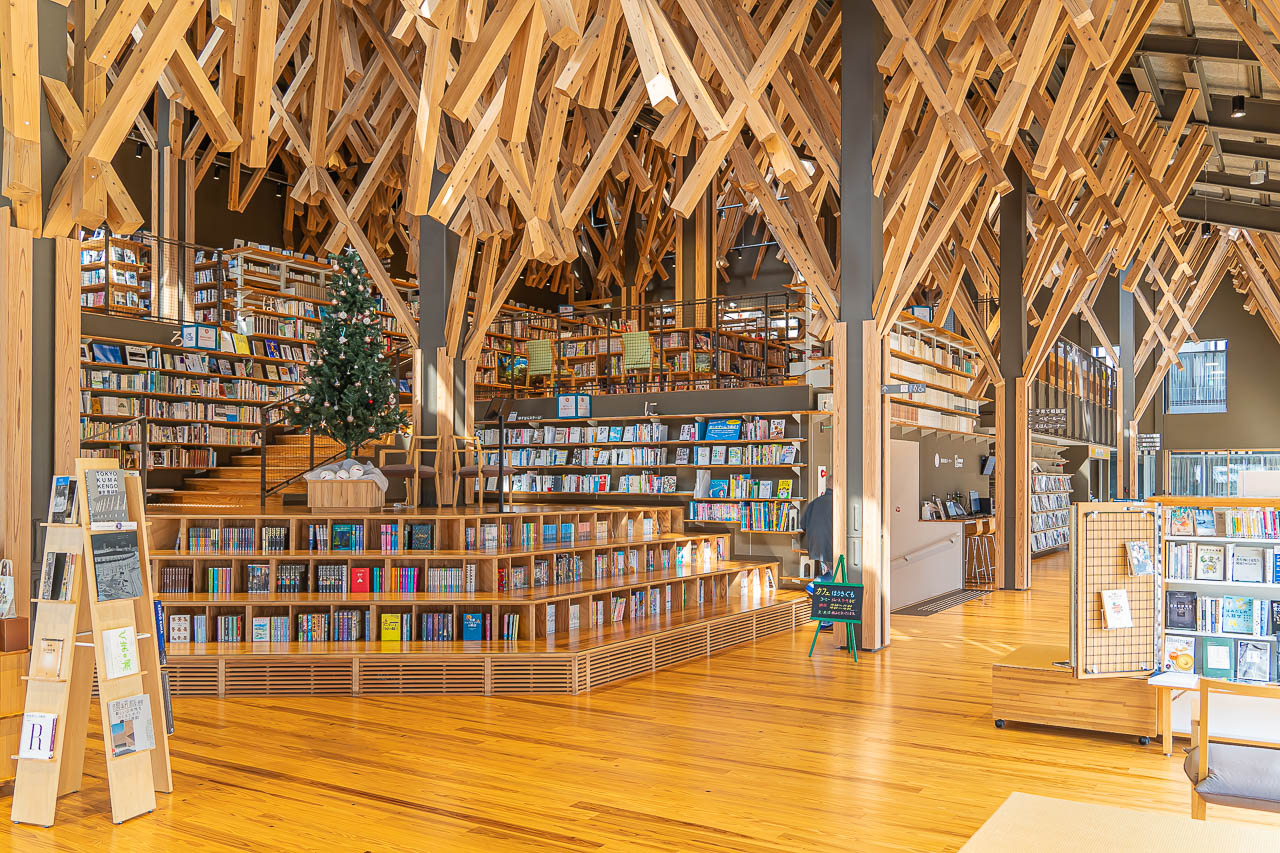

Kengo Kuma, familiar from Tokyo 2020’s stadium and the Dazaifu Starbucks, also designed the ‘Library above the Clouds.’
We find it in Yusuhara, where several Kuma buildings are gathered.
The building is beautiful, a place I would suggest to anyone who enjoys photography.
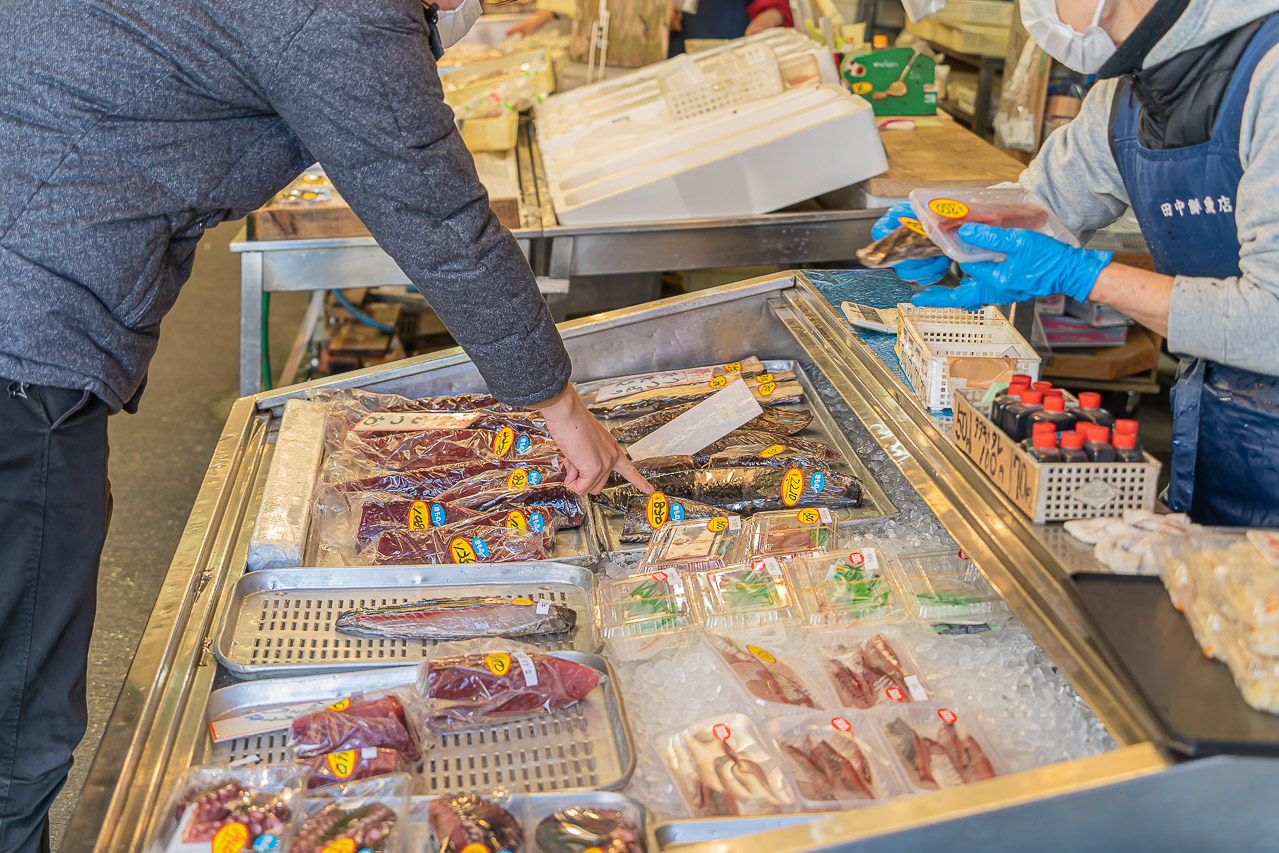
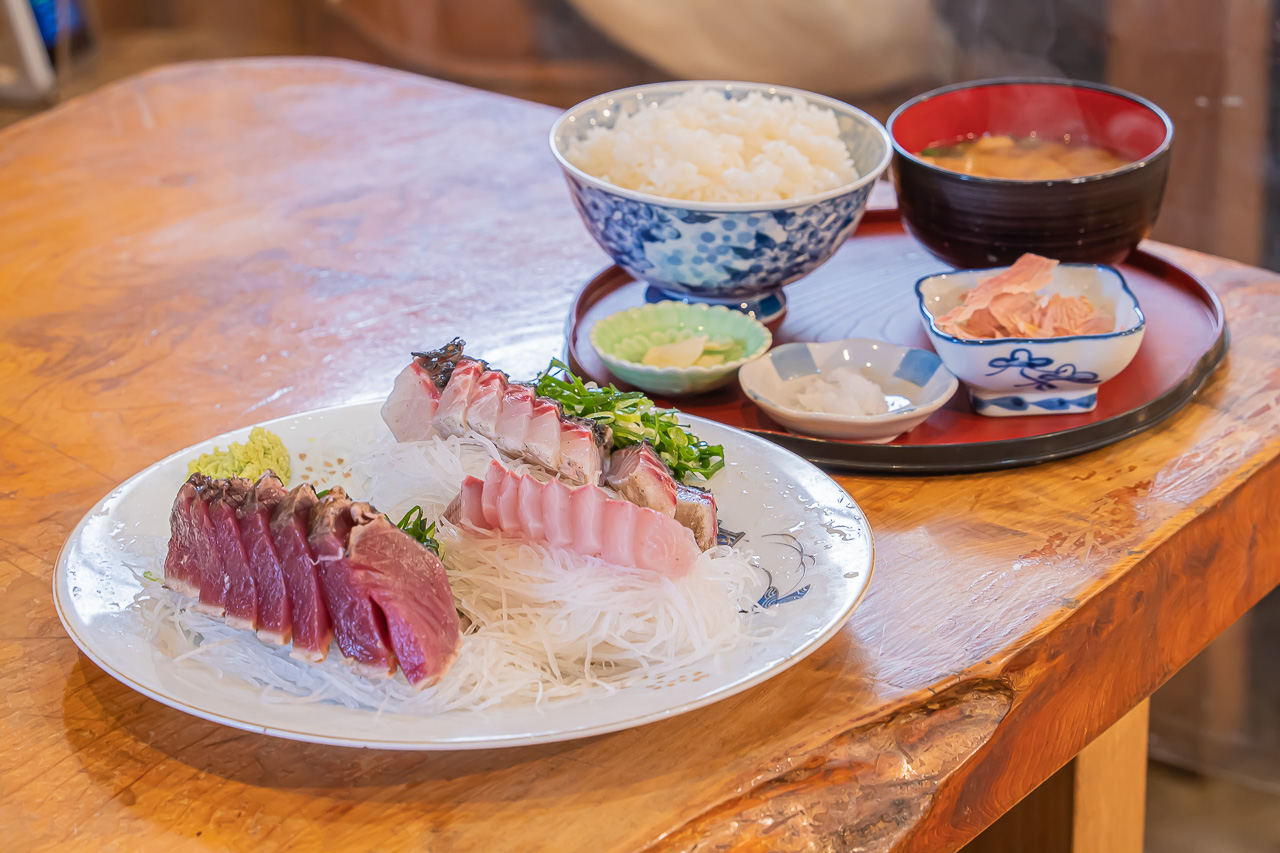
We eat a fish set meal at Kure Market,
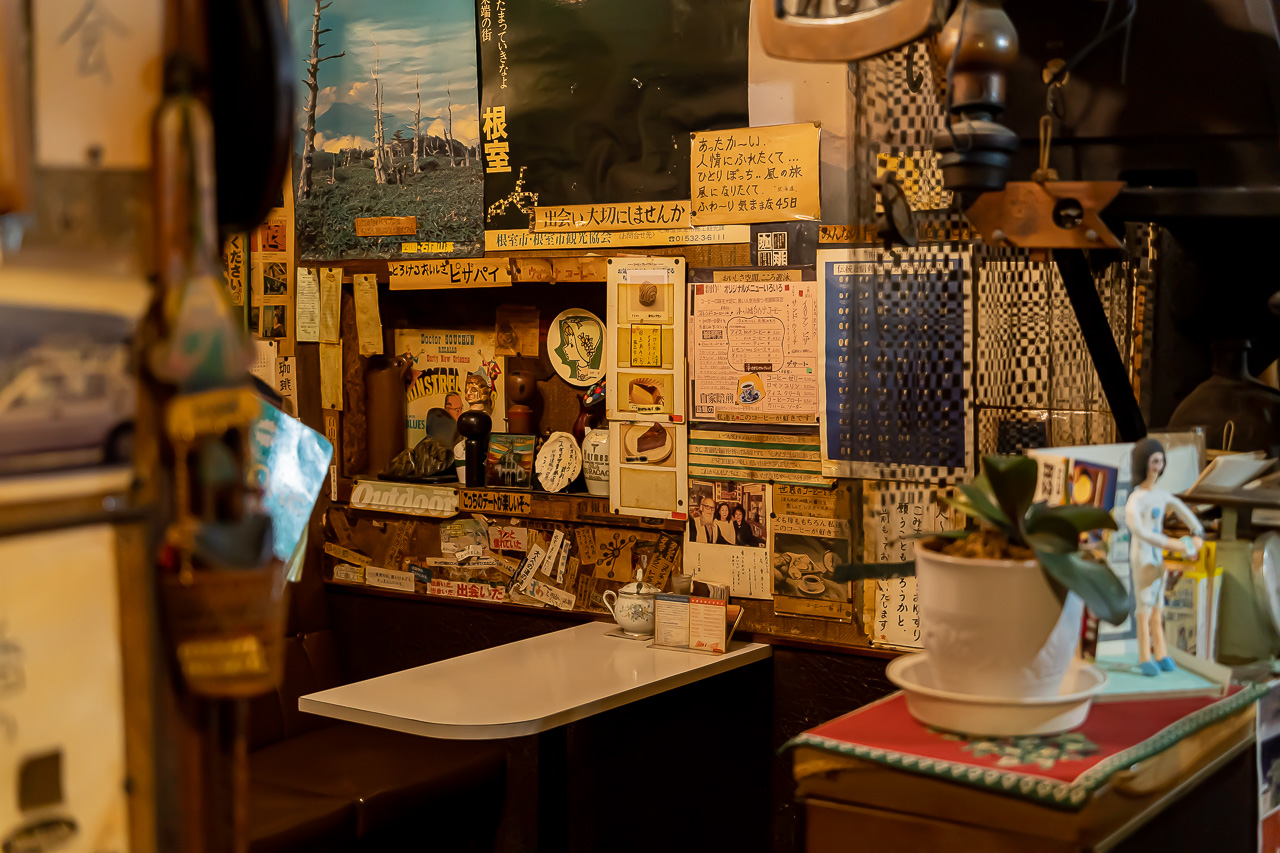
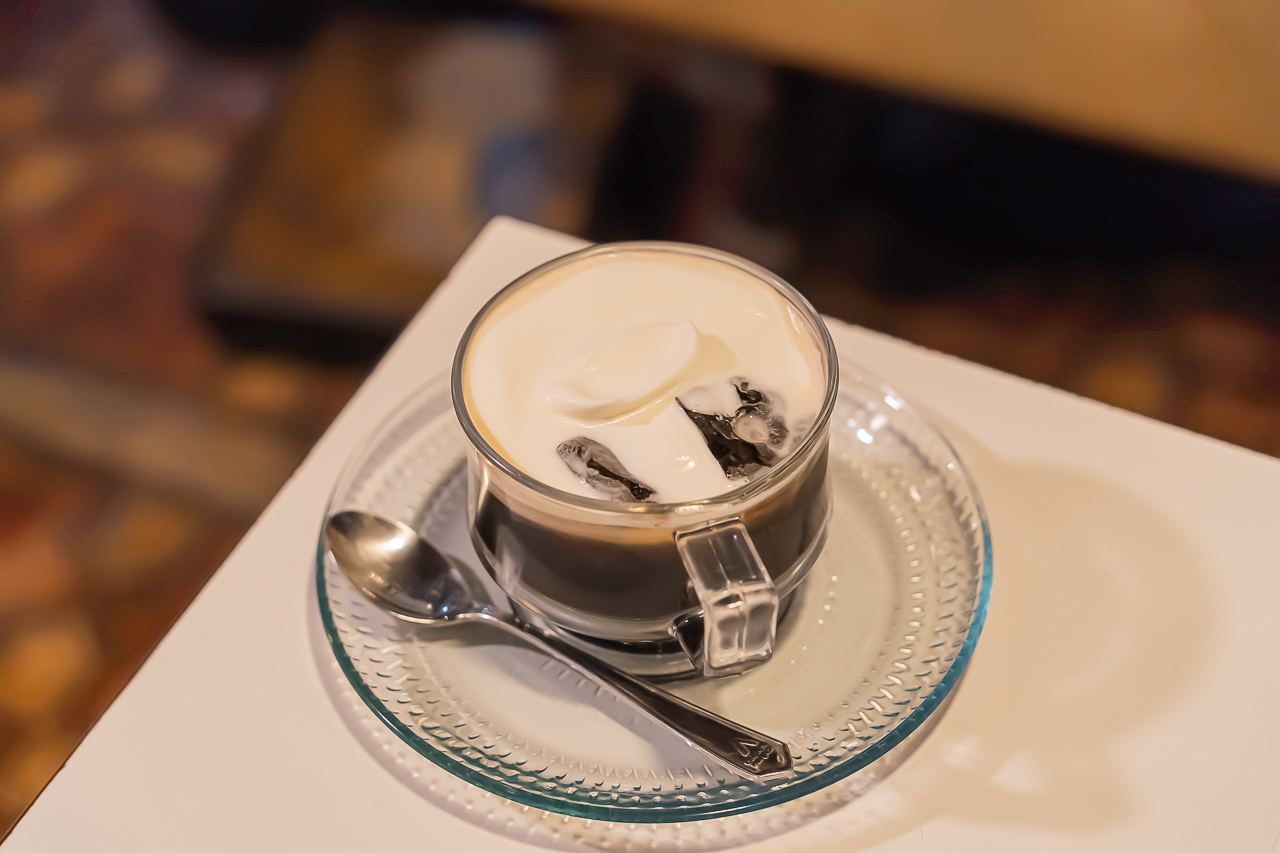
then try a café drink with the intriguing name ‘Vienna coffee’ at Café Jun, described in the account as serving coffee in the same spirit for 57 years.
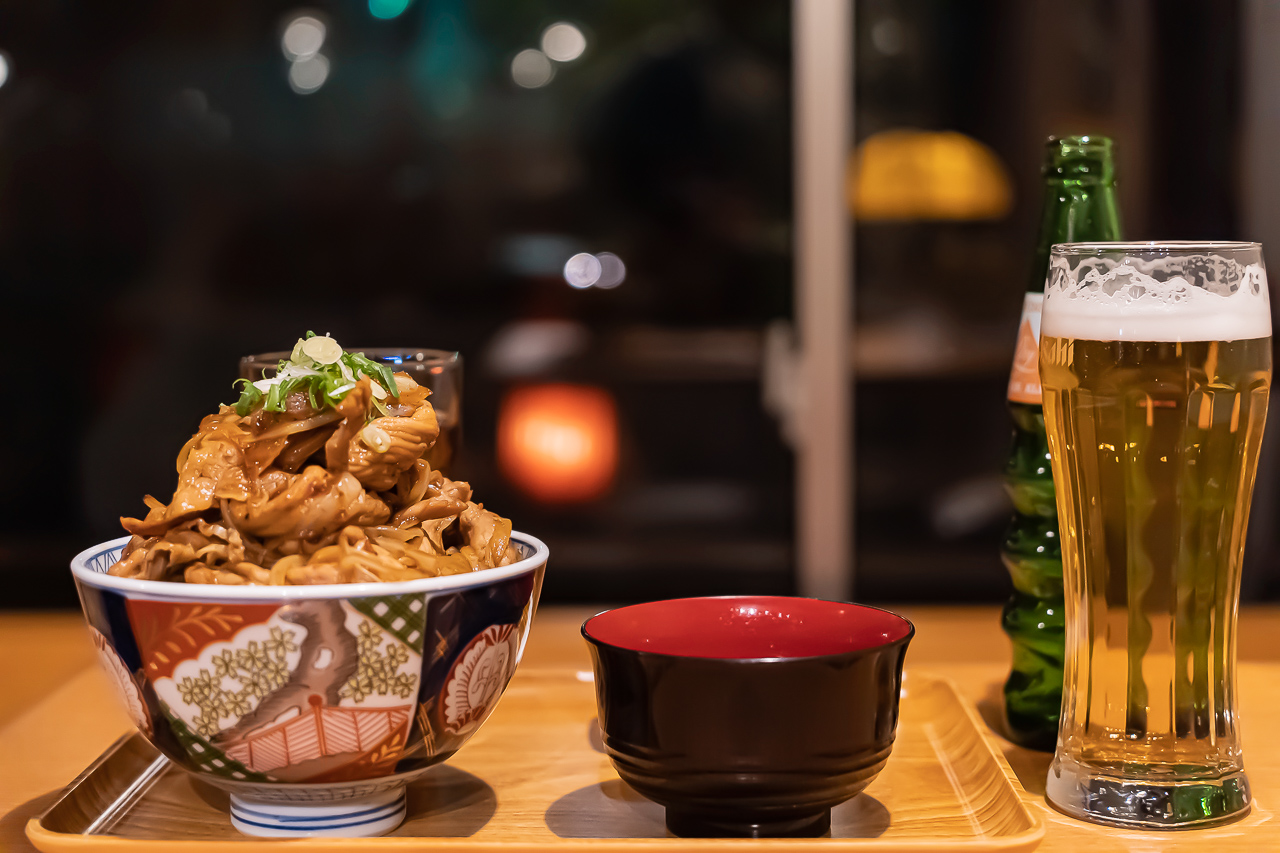
Dinner is a mountainous pork rice bowl at Mikaku.
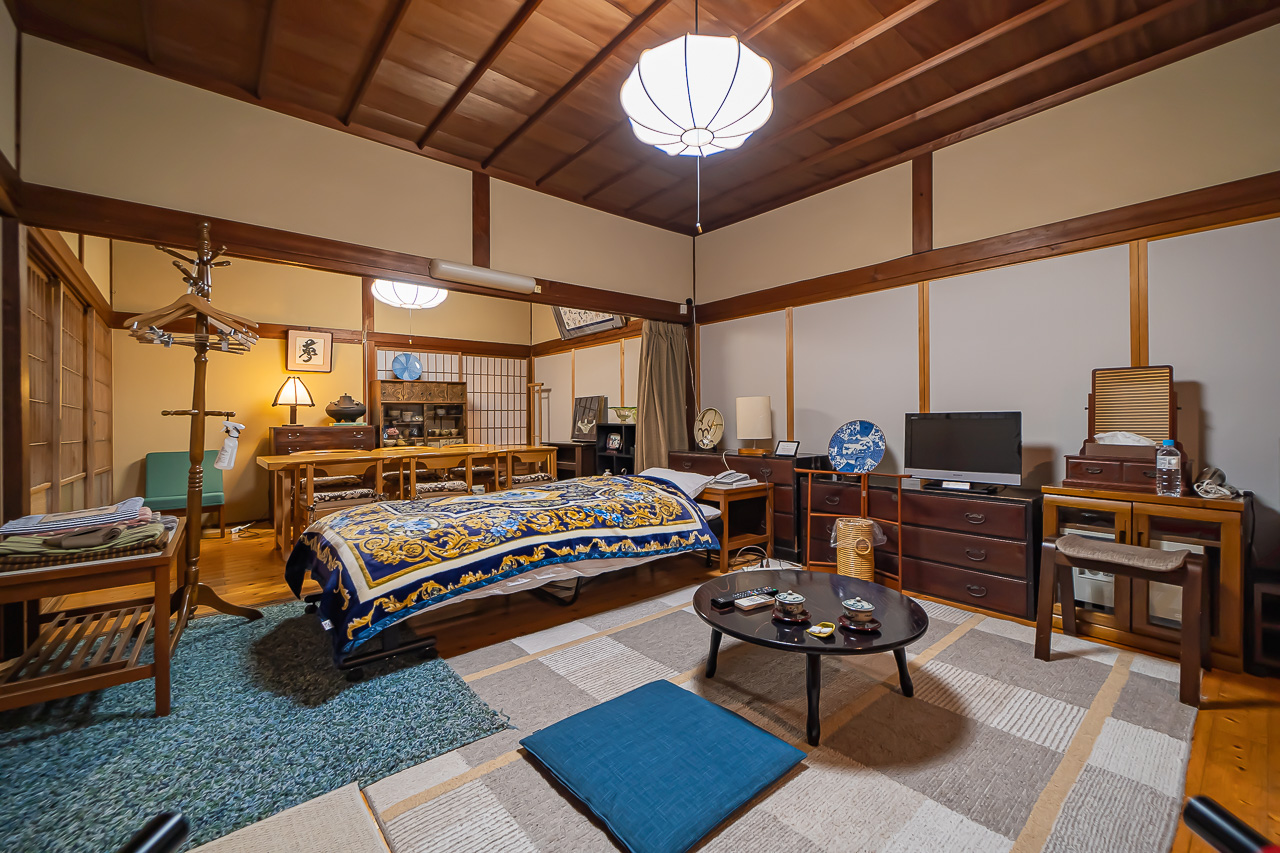
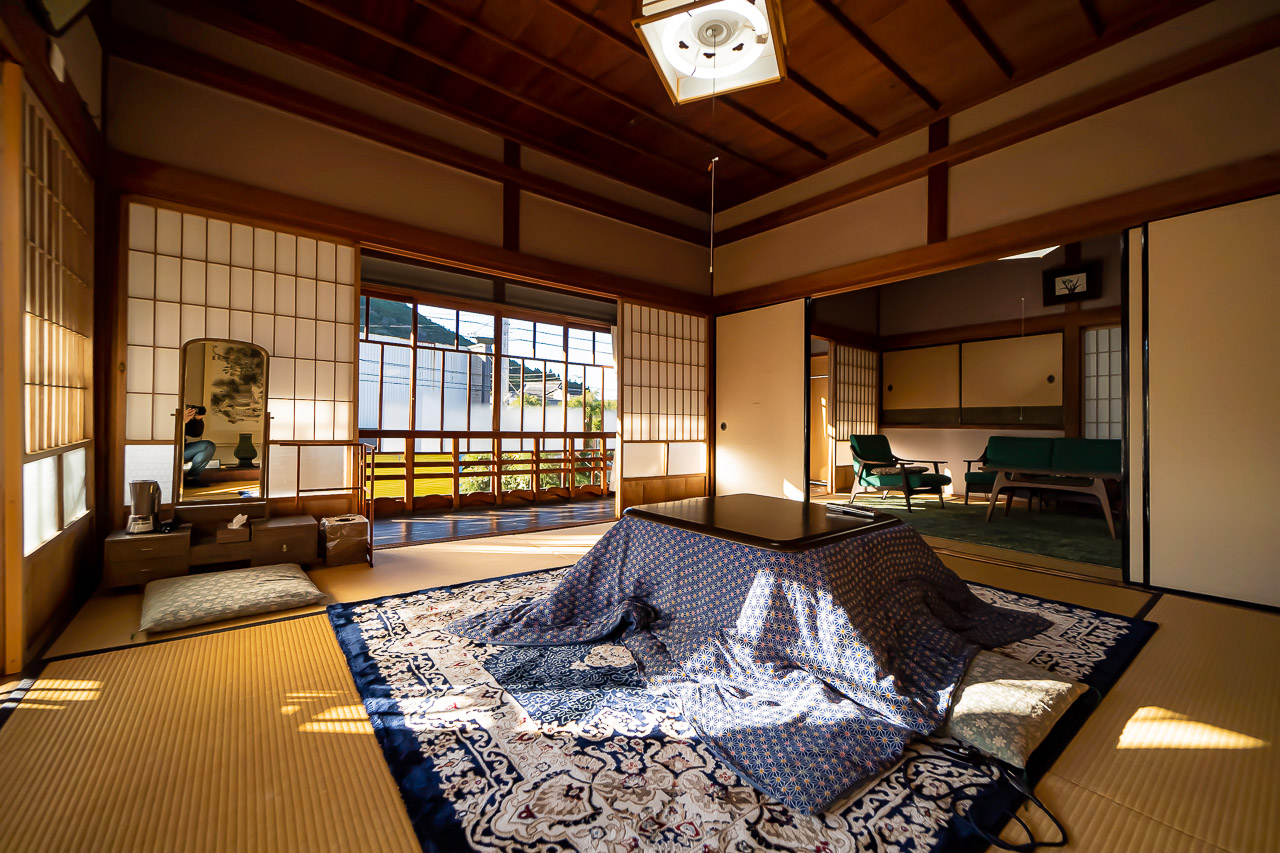
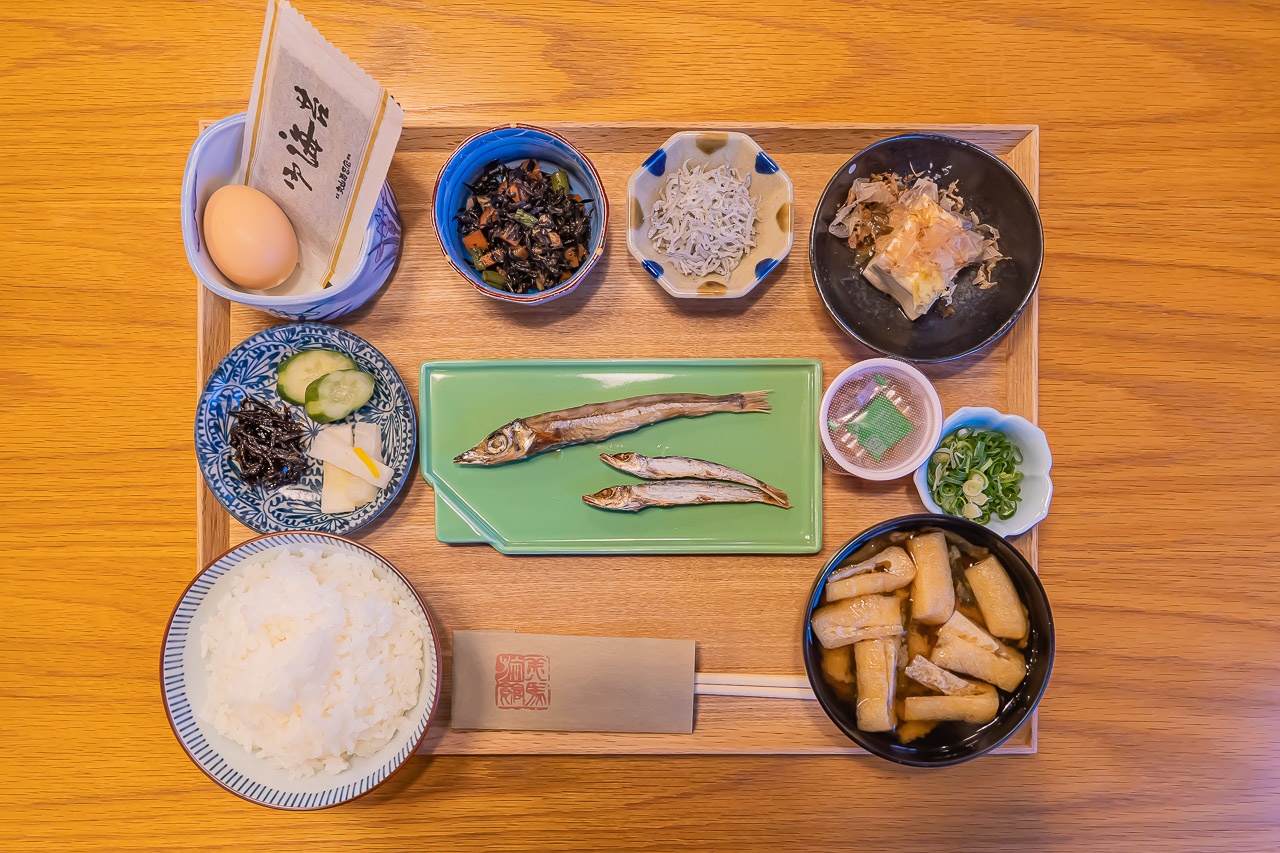
We end the day at Mima Ryokan, a traditional inn with a history described as 120 years at the source date.

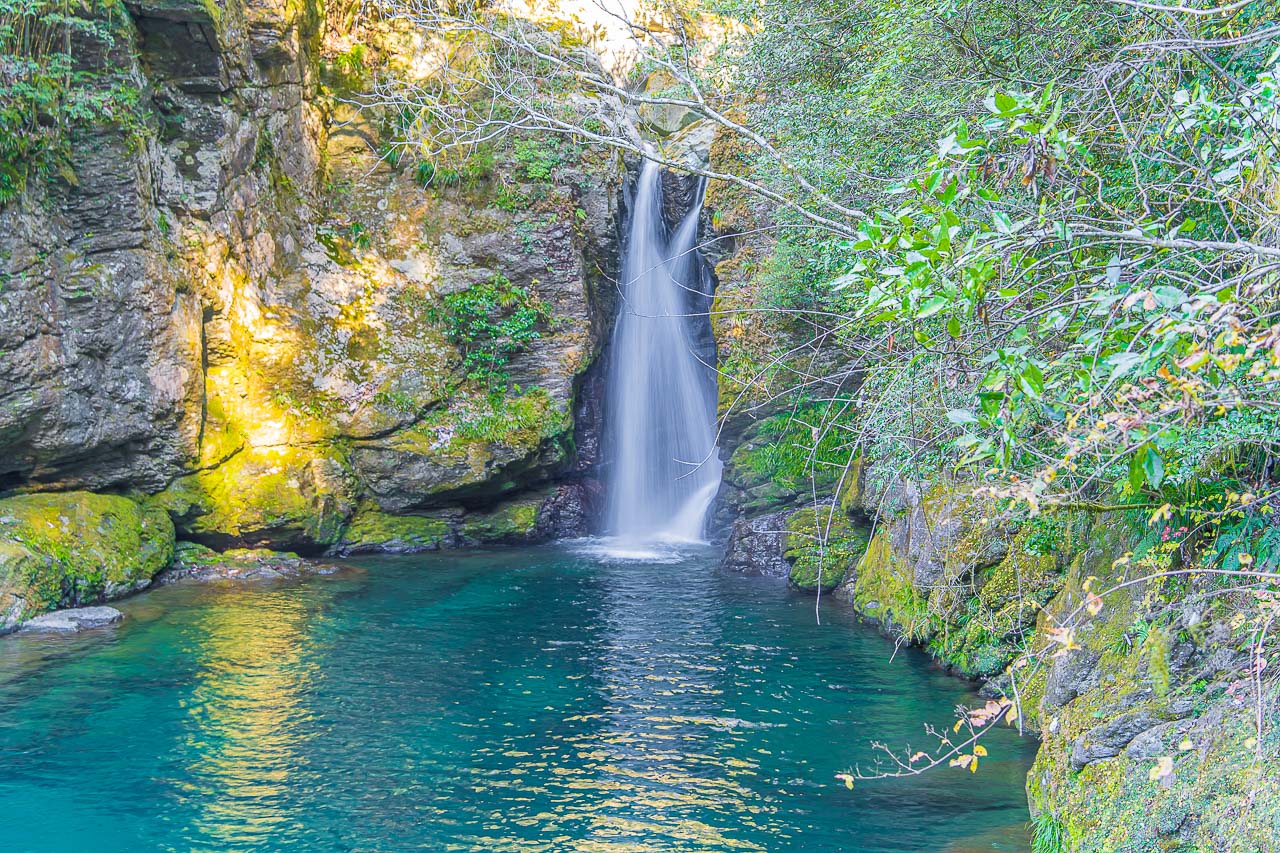
In the morning we visit Nikobuchi, a spectacular pool for visitors and a sacred place for local people.

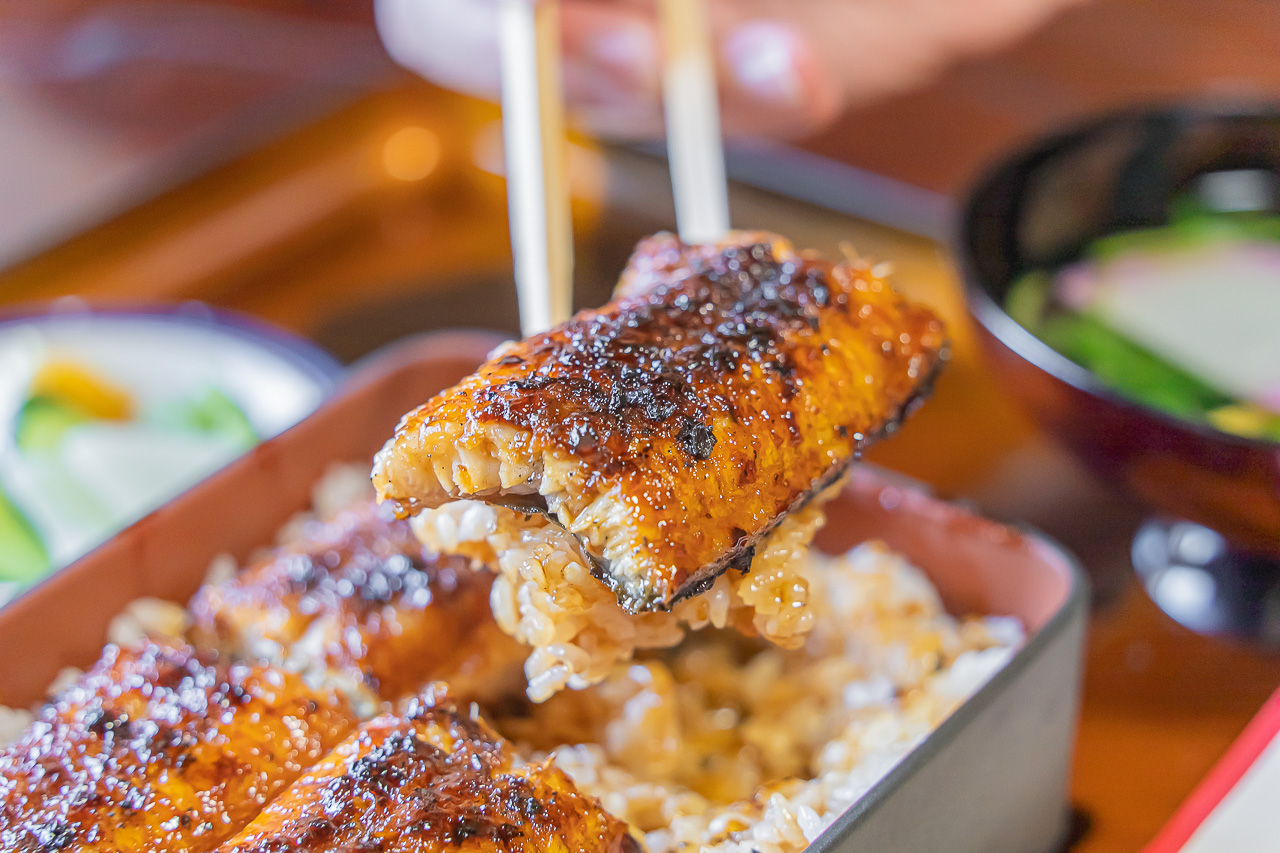
Lunch is grilled eel at Taishoken, operating by advance reservation only during the source period.
It is truly delicious.
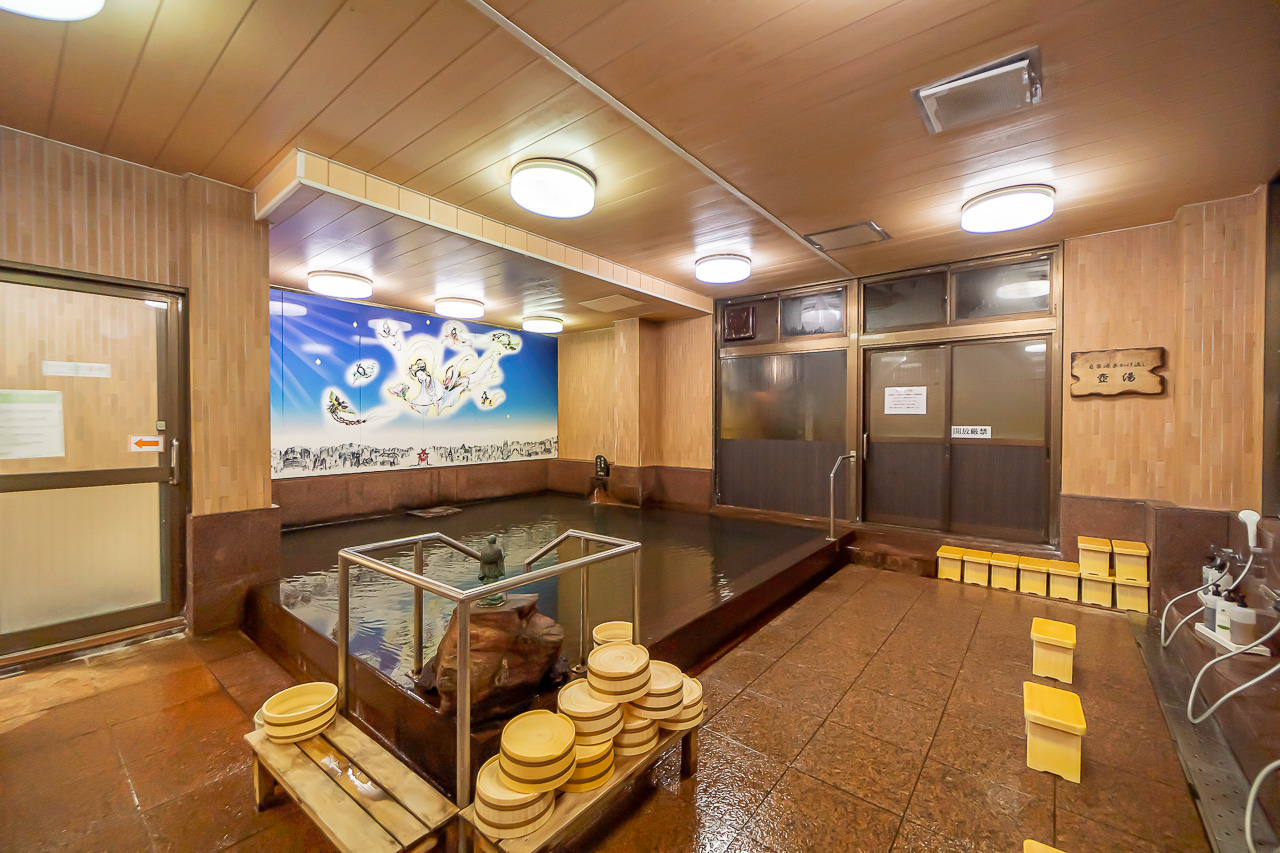
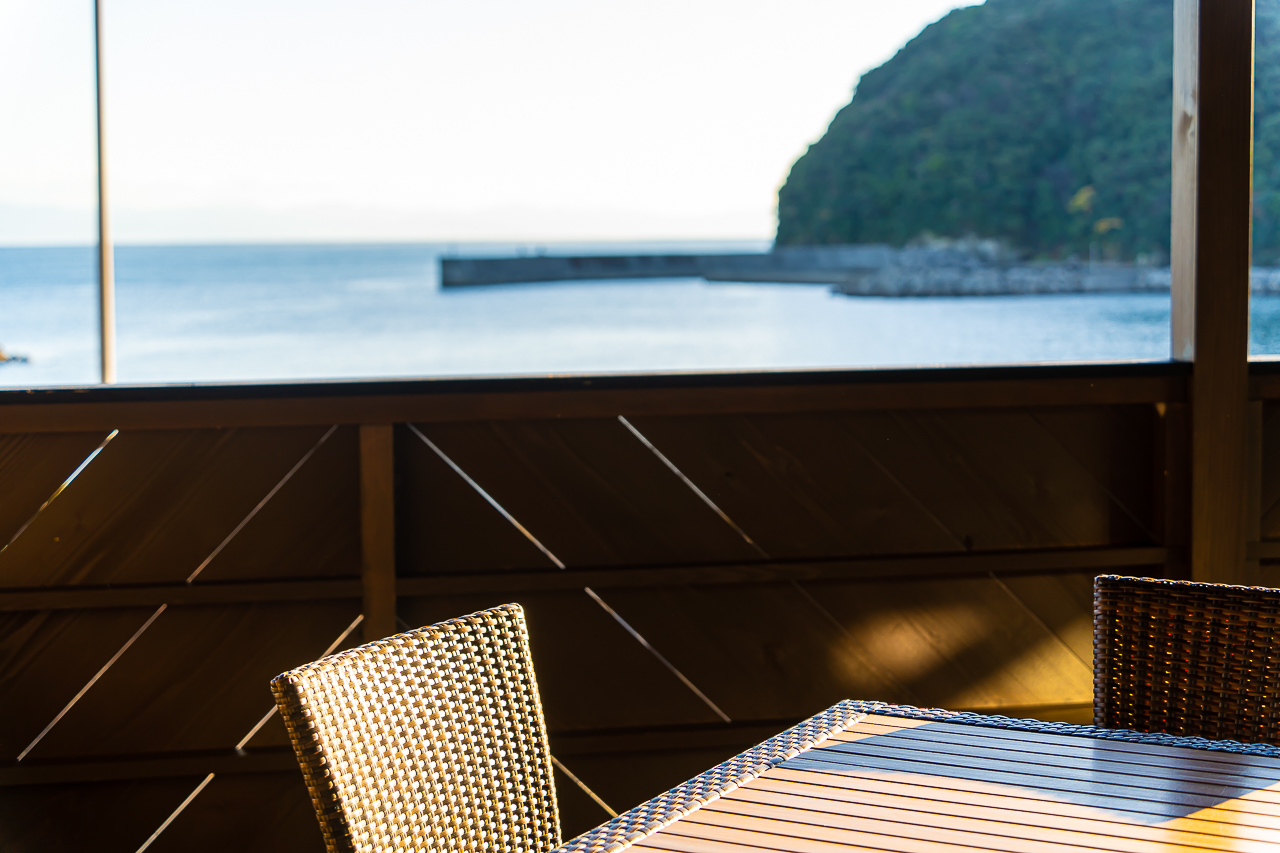
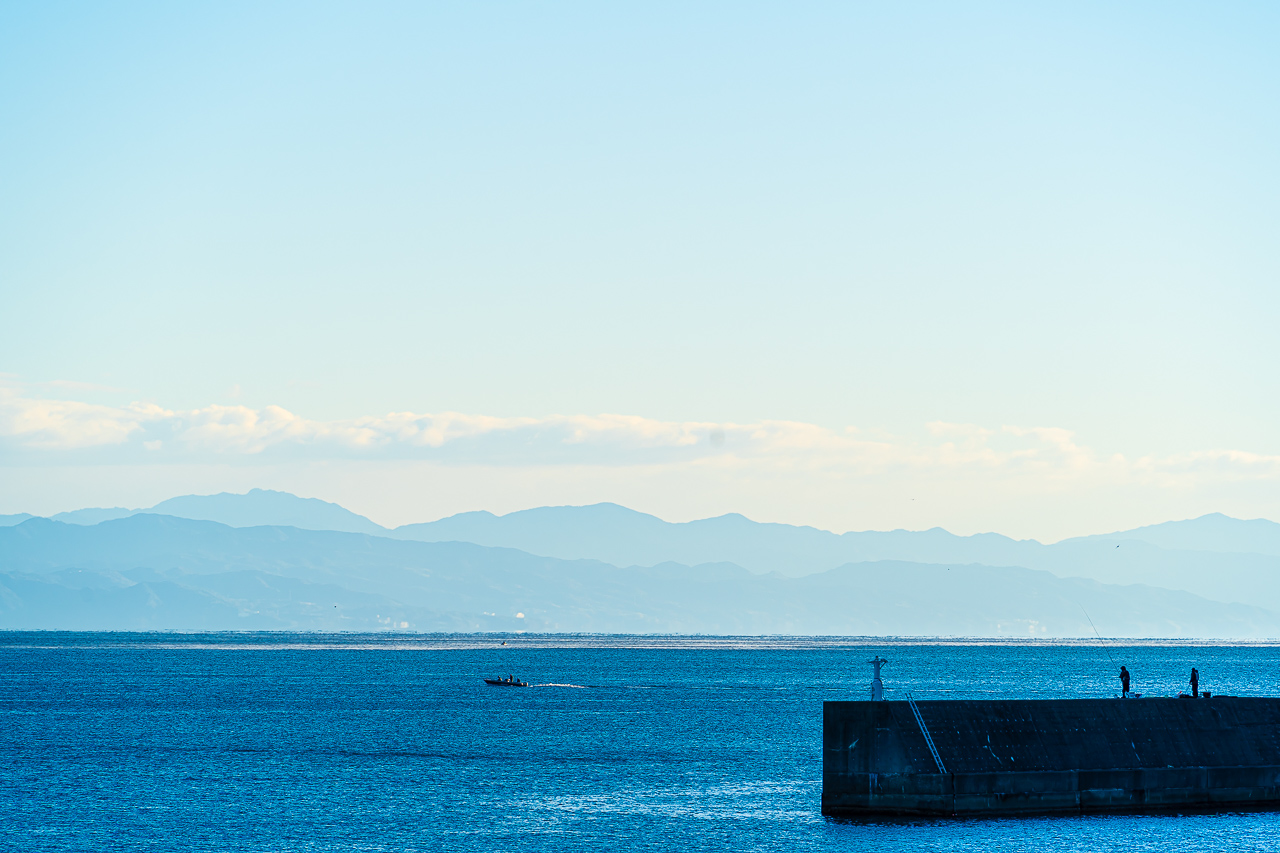
At Sanyoso, a hotel with a Buddhist hall inside, we enjoy hot springs and a good meal.
The coast called ‘the Dragon’s Sea,’ described as mostly visited by local people, is beautiful too.
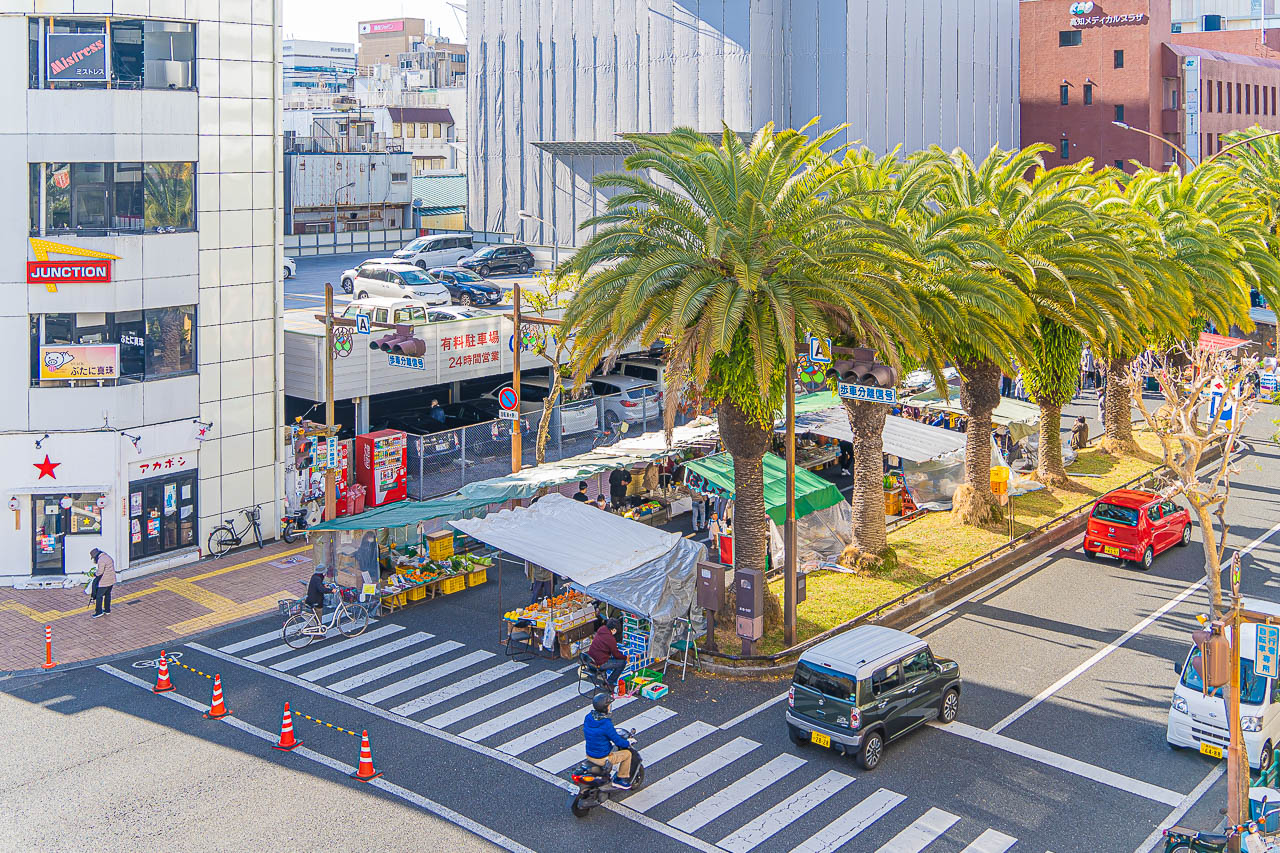
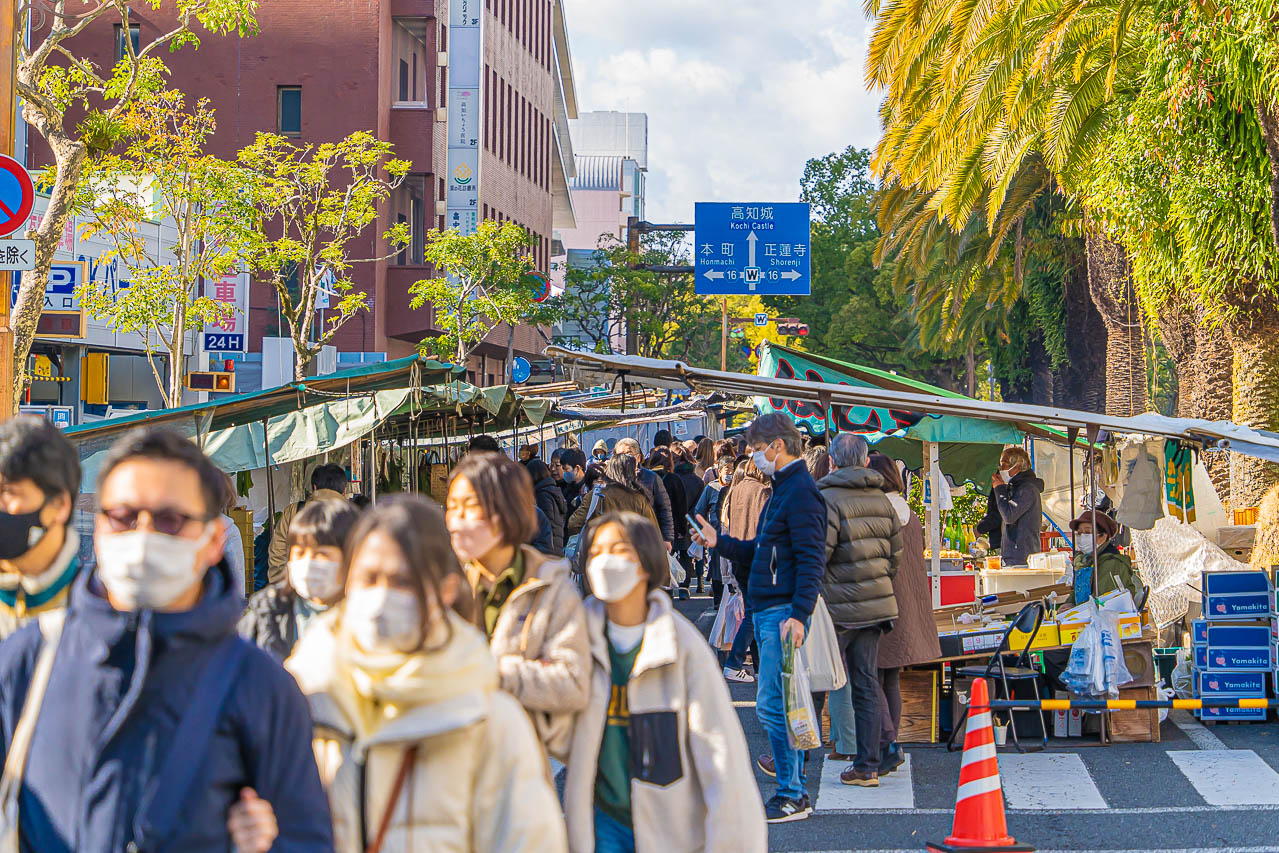
On Sunday, the city’s Sunday Market is in full swing.
Tosa’s Sunday Market (日曜市) has a history of more than 300 years, tracing its origins to 1690.
It is both novel and fascinating to see two lanes of a four-lane road closed for the market.
In an era dominated by large supermarkets, I admire the preservation of this tradition.
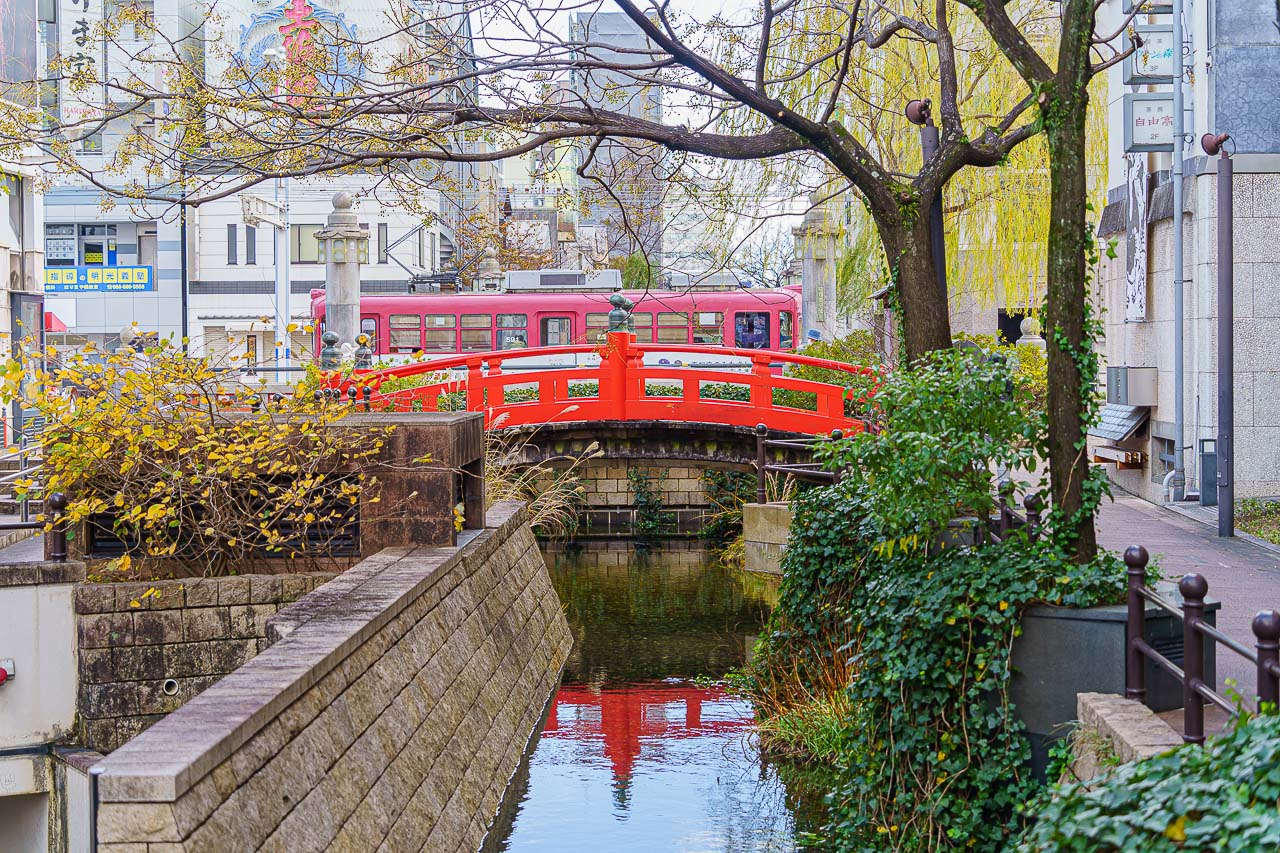
Harimaya Bridge makes a lovely photograph with its red bridge and passing streetcars.
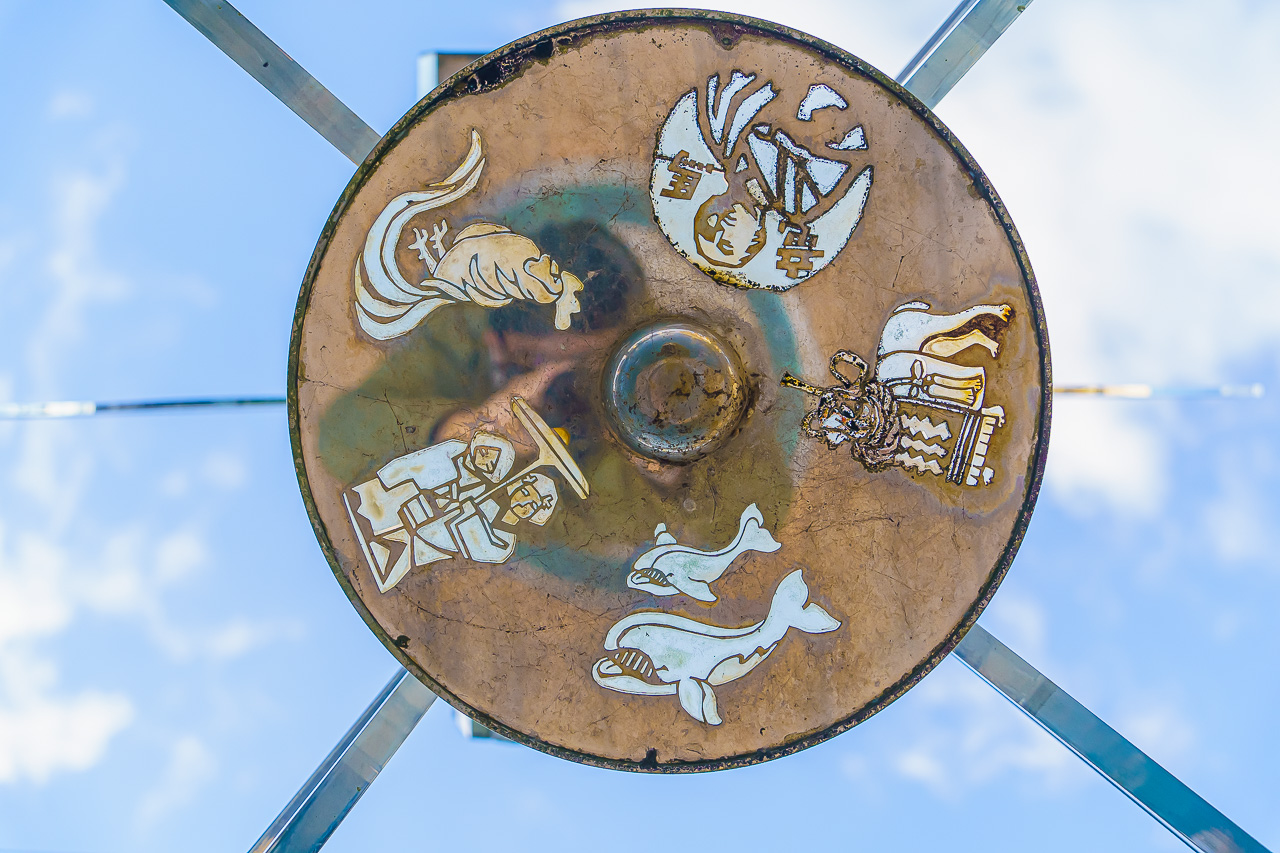
Chikyu 33 Banchi stands at 133°33′33″ east longitude and 33°33′33″ north latitude, according to the source.
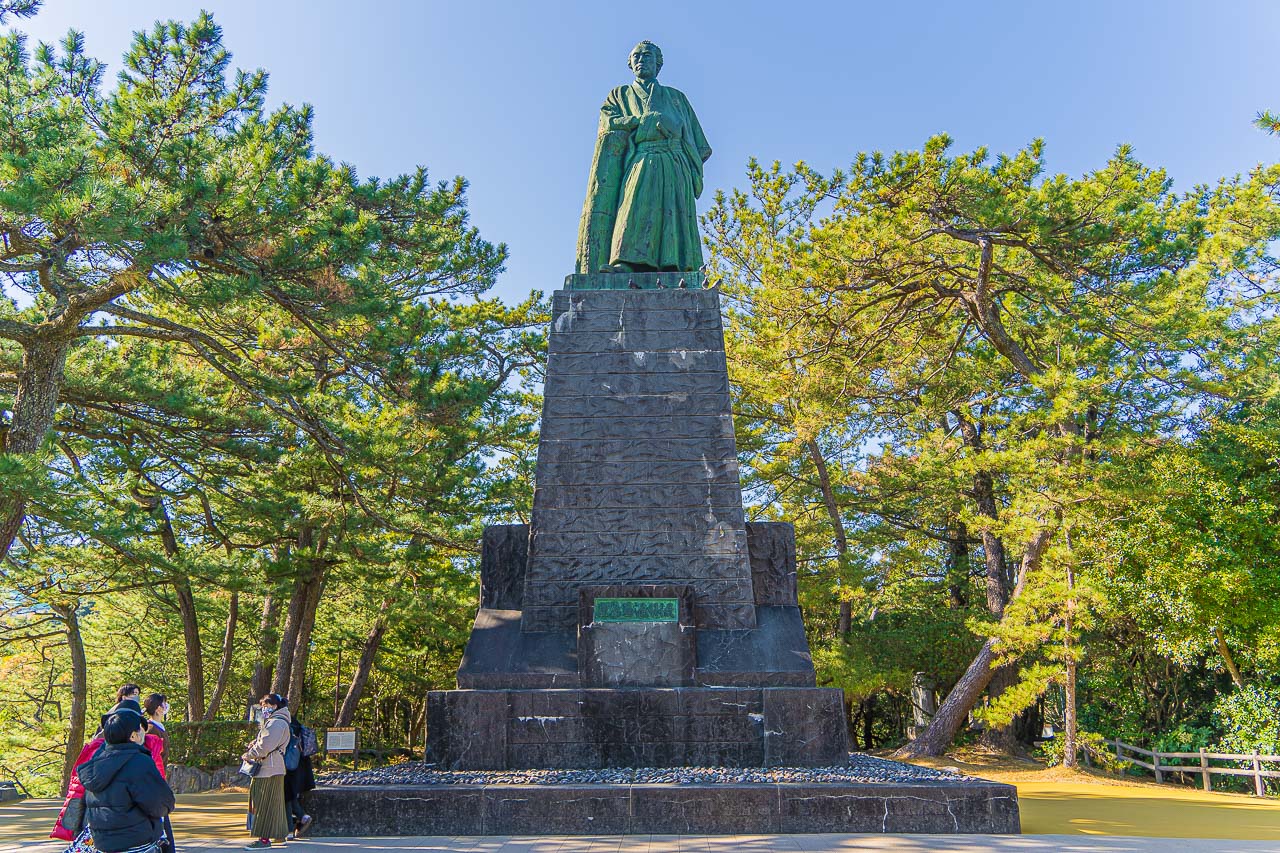
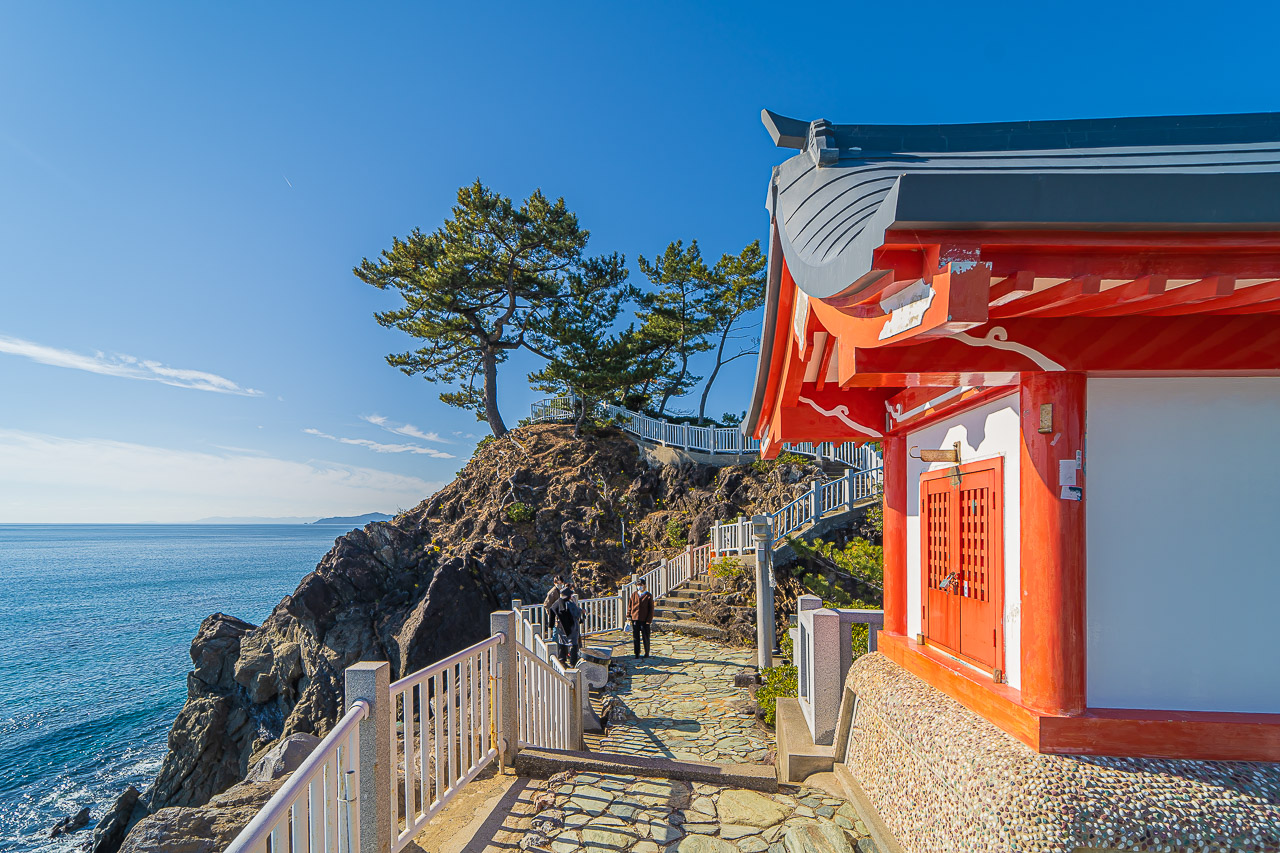
Katsurahama Beach is full of reminders of Sakamoto Ryoma.
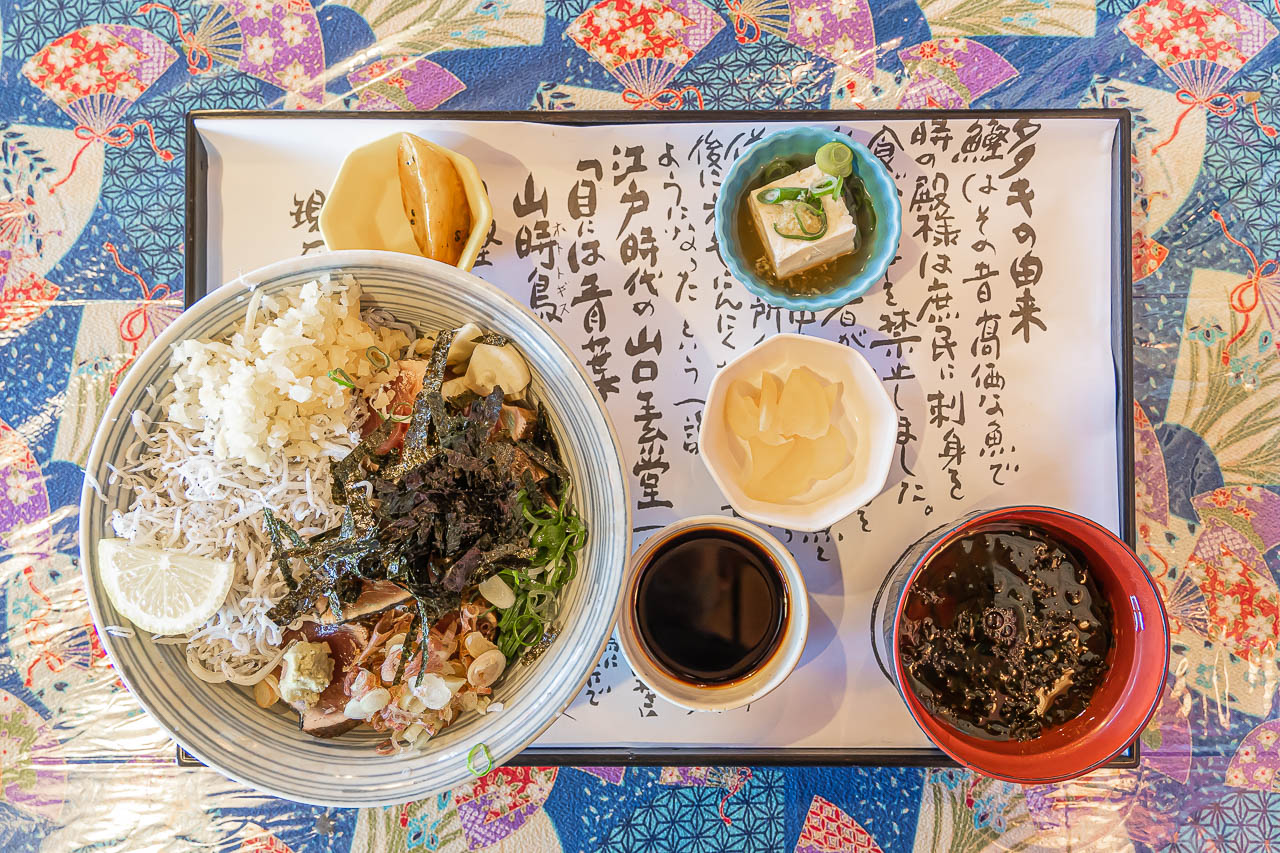
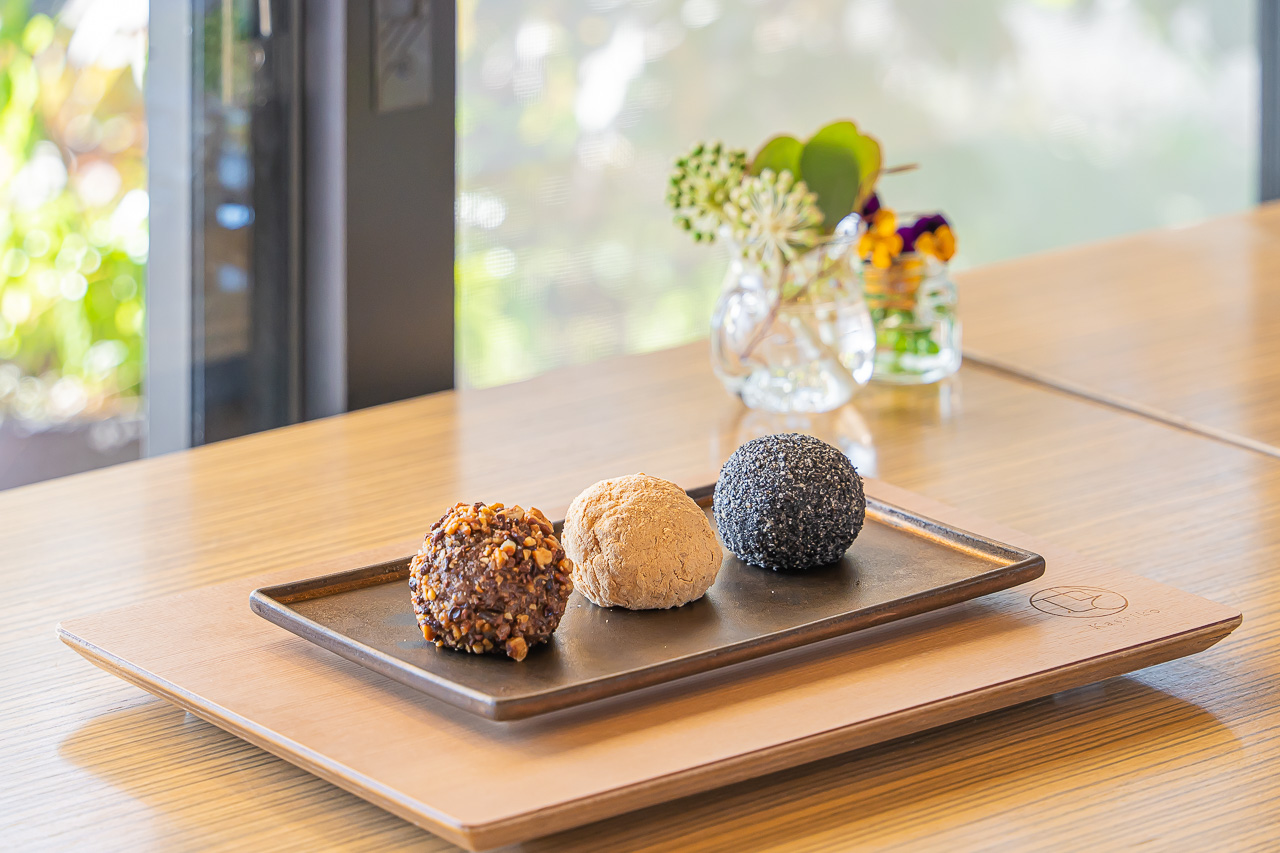
Nearby are Kujira no Ippuku, with its exceptionally good bonito and tiny-fish rice bowl, and Kashiko, a specialist in ohagi sweets.
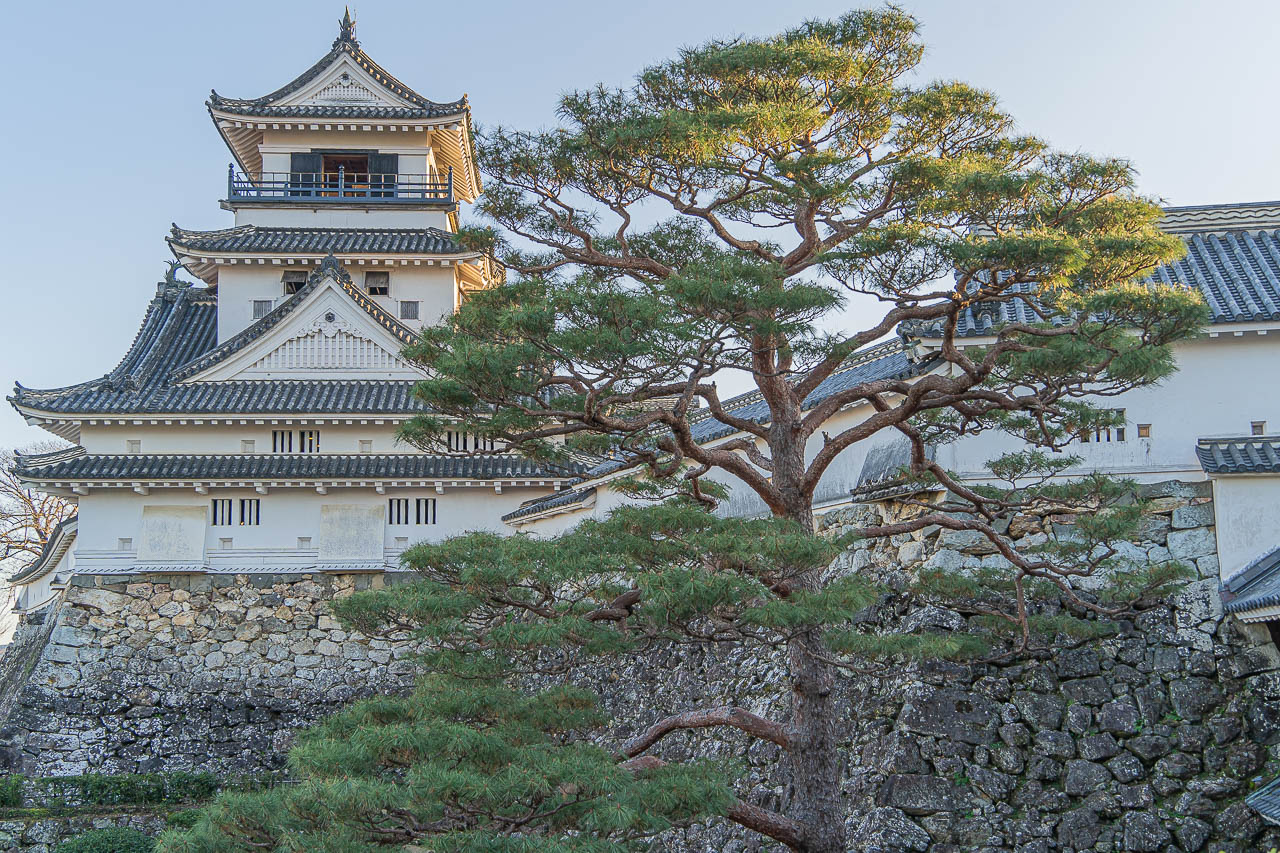
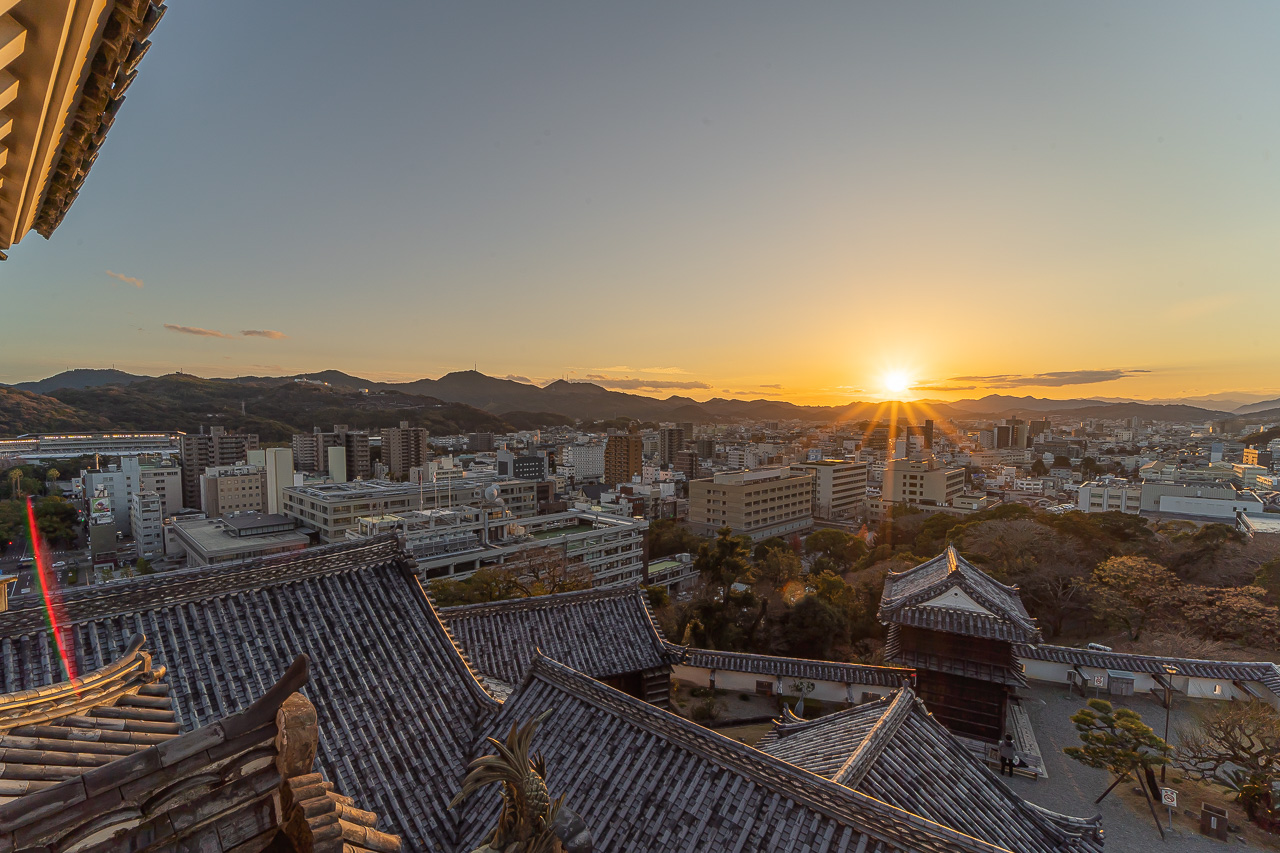
Kochi Castle has survived centuries of war and disaster, with buildings designated Important Cultural Properties.
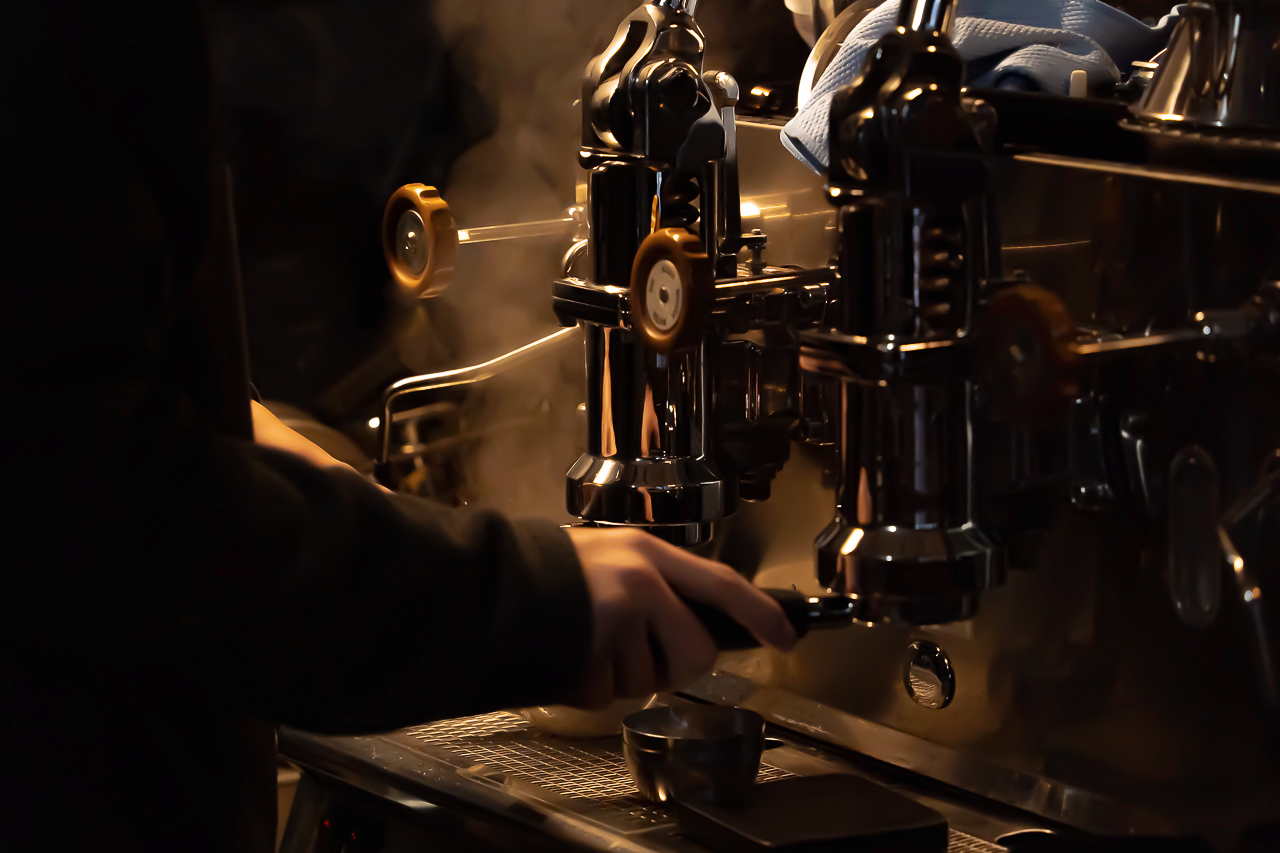
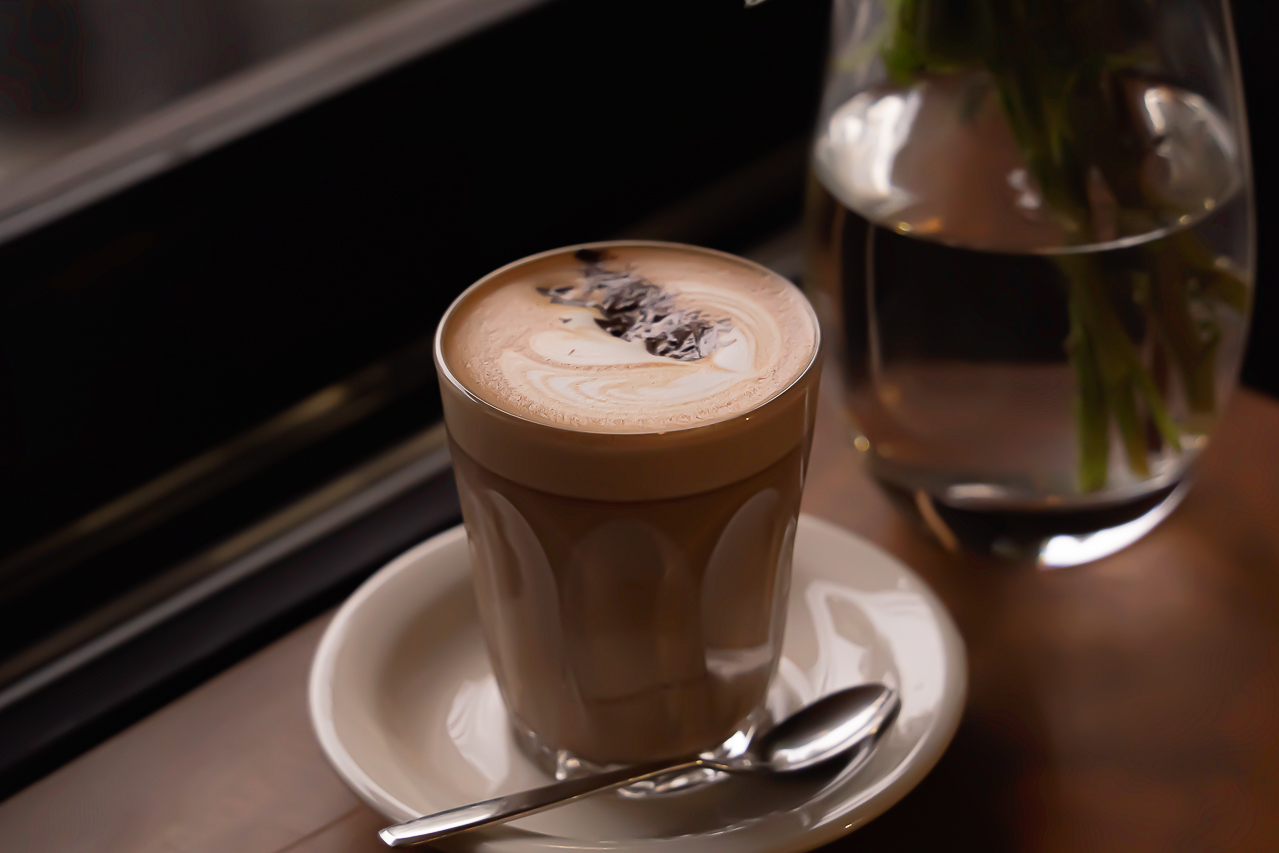
After the castle, we rest our tired bodies over coffee at the quiet café Coils.
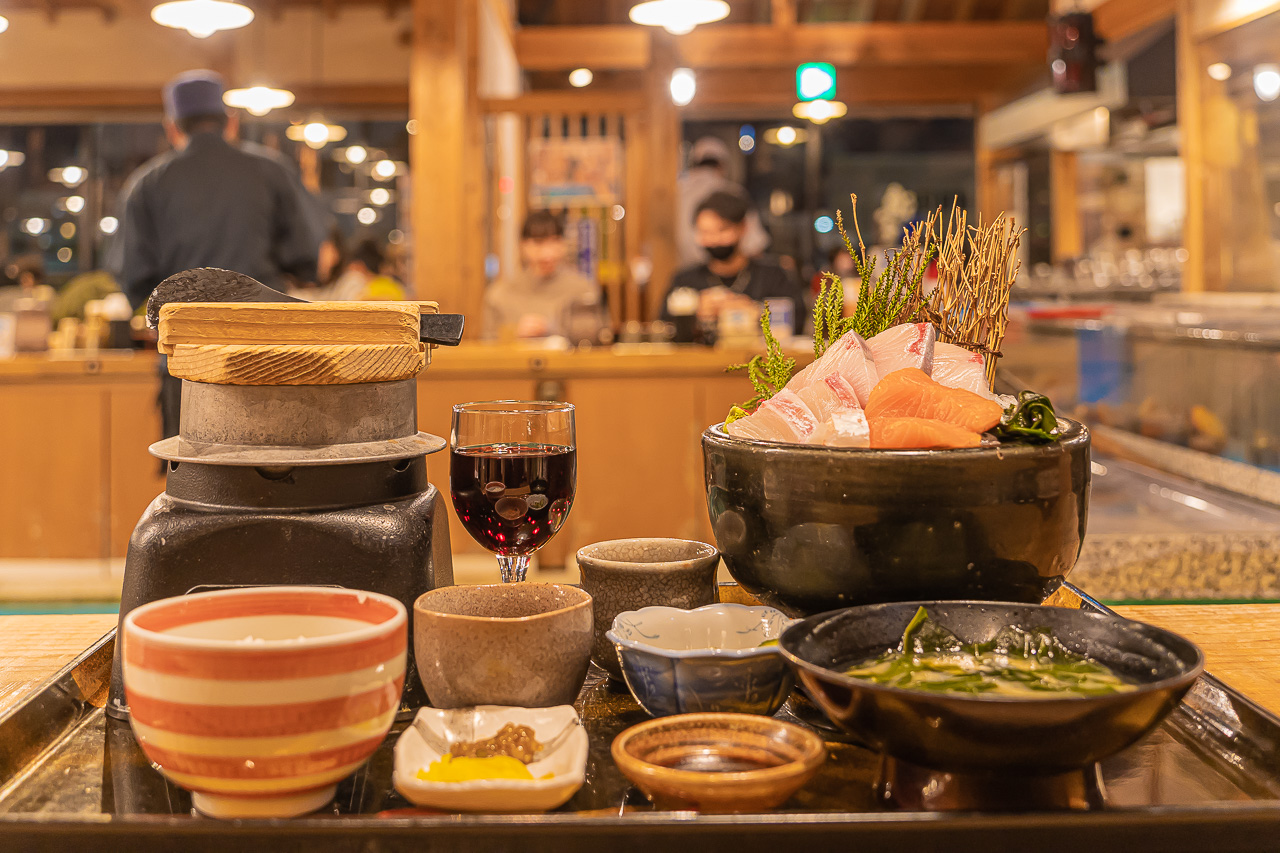
Dinner is at the izakaya Ryoma, where thick-cut seafood meets rice the source calls Kochi’s branded ‘Ginshari.’
With a glass of wine, we bring this long Kochi journey to an end.
The individual accounts continue through the linked articles.