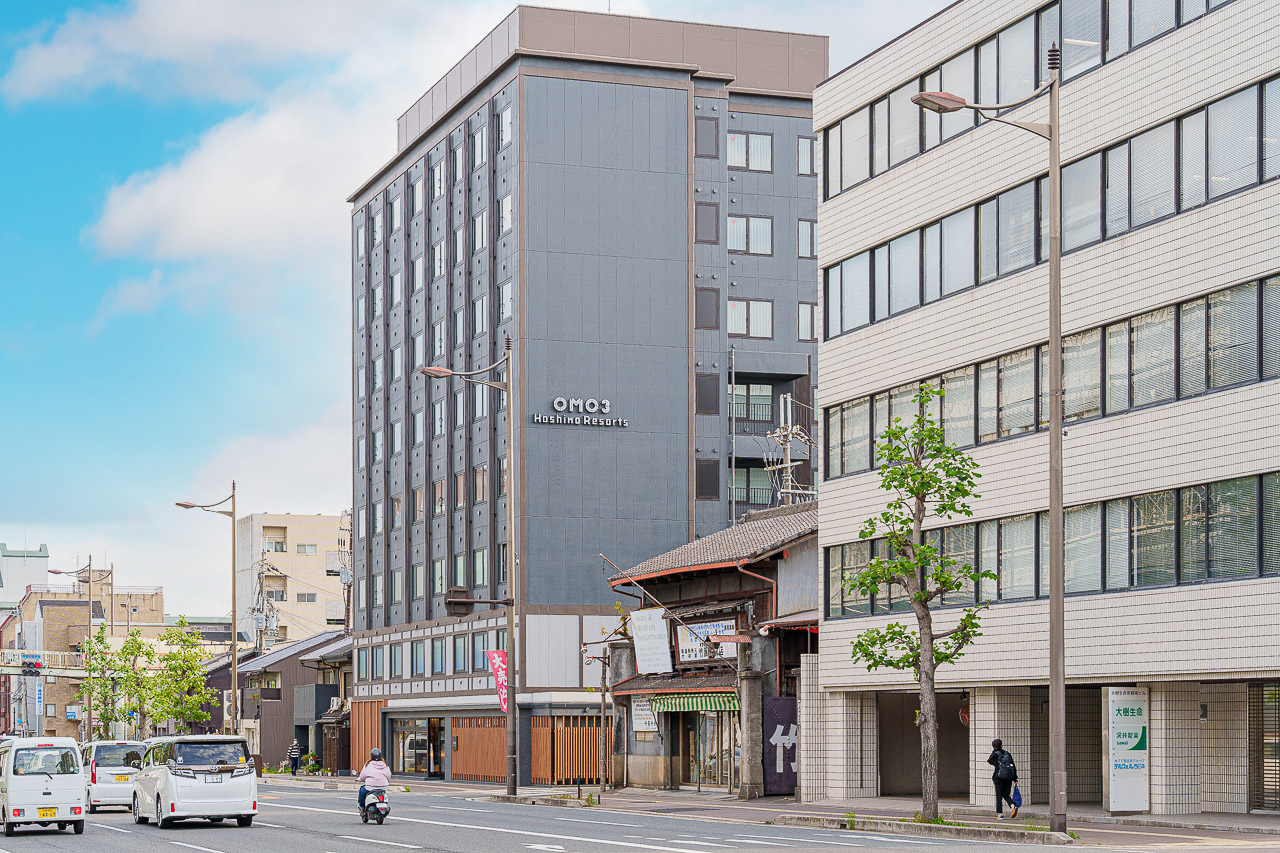
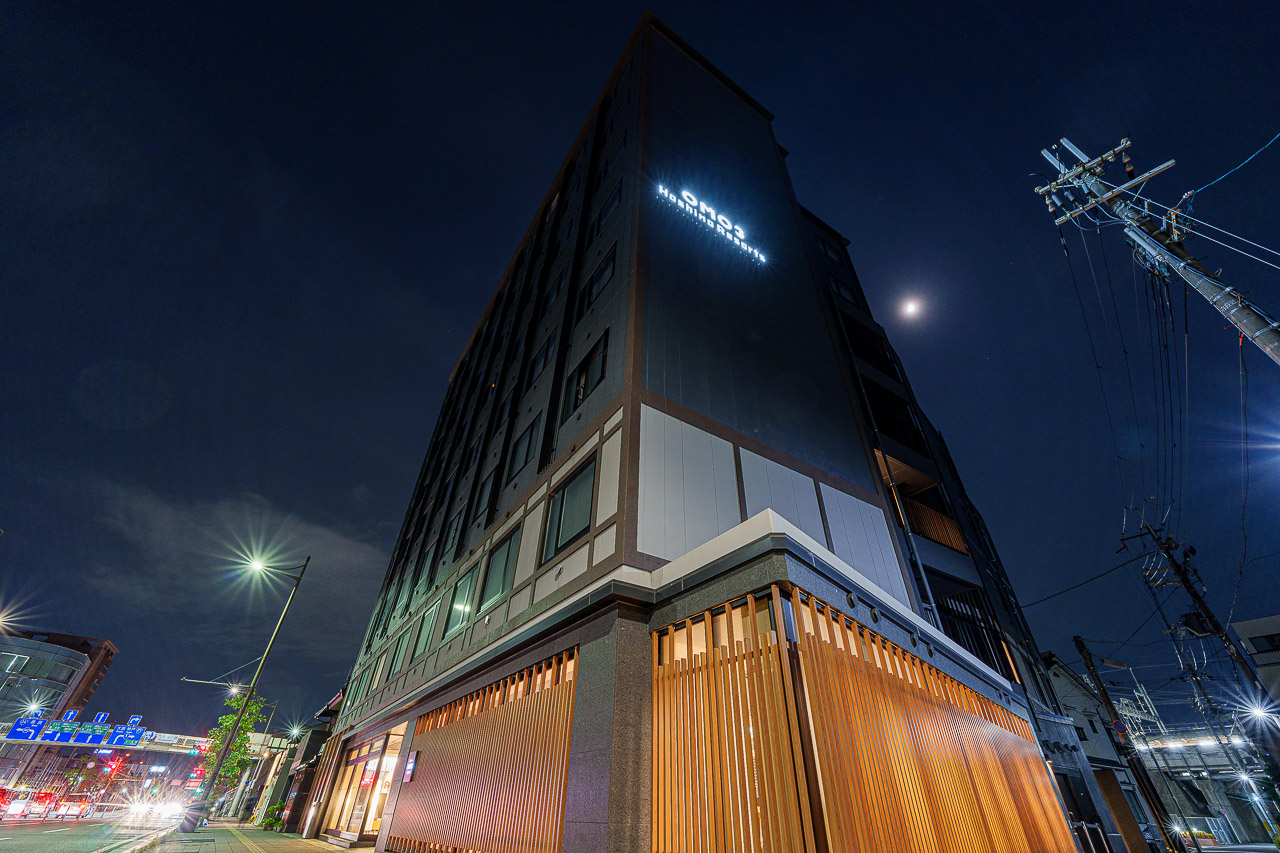
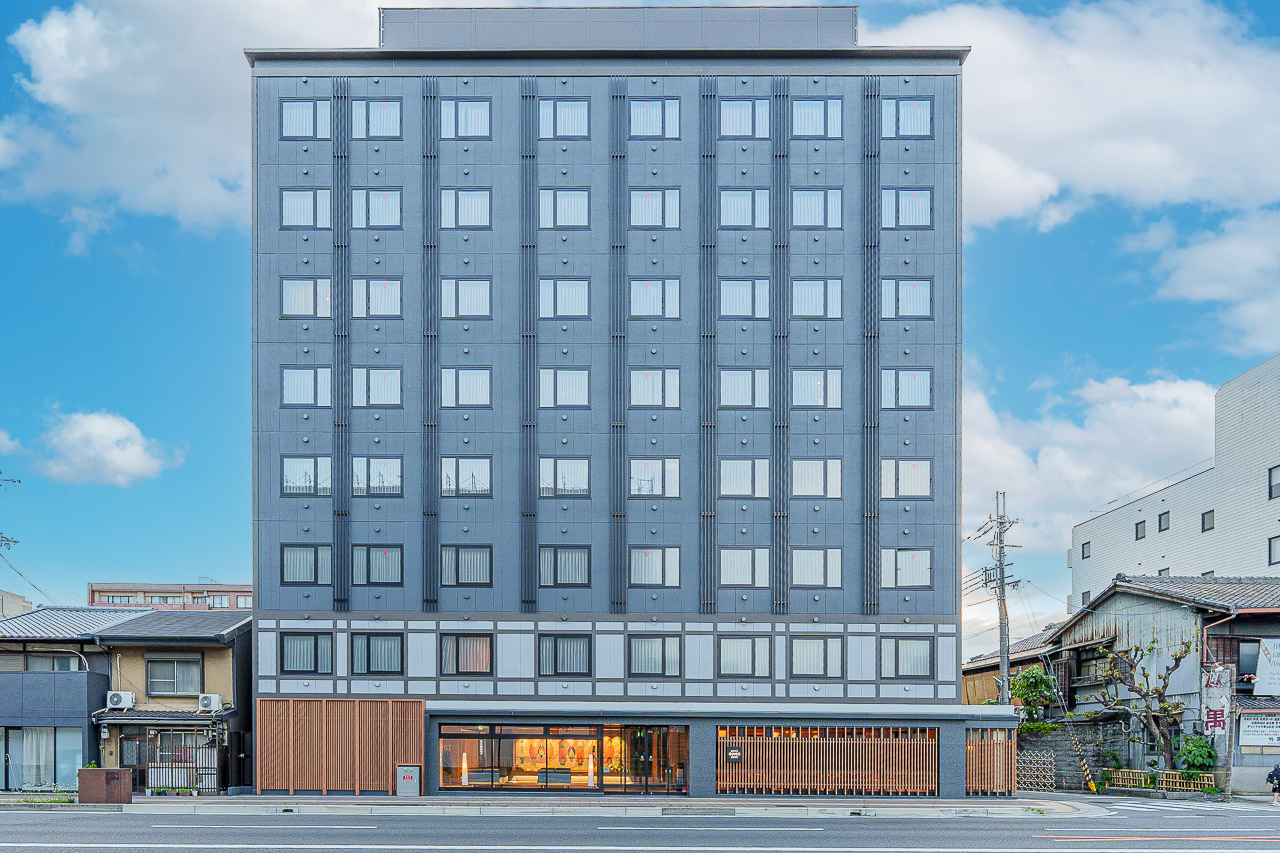
We arrive at OMO3 Kyoto Toji by Hoshino Resorts, which opened on April 15, 2021.
Usually a hotel is a base for sightseeing. With OMO, there are enough guest activities to make the hotel itself a starting point for the itinerary.
Staff offer services intended to make the journey more enjoyable.
Neighborhood walks, food introductions and other OMO Ranger experiences are part of the appeal.
If planning feels like a chore, staying here can provide a ready starting point.
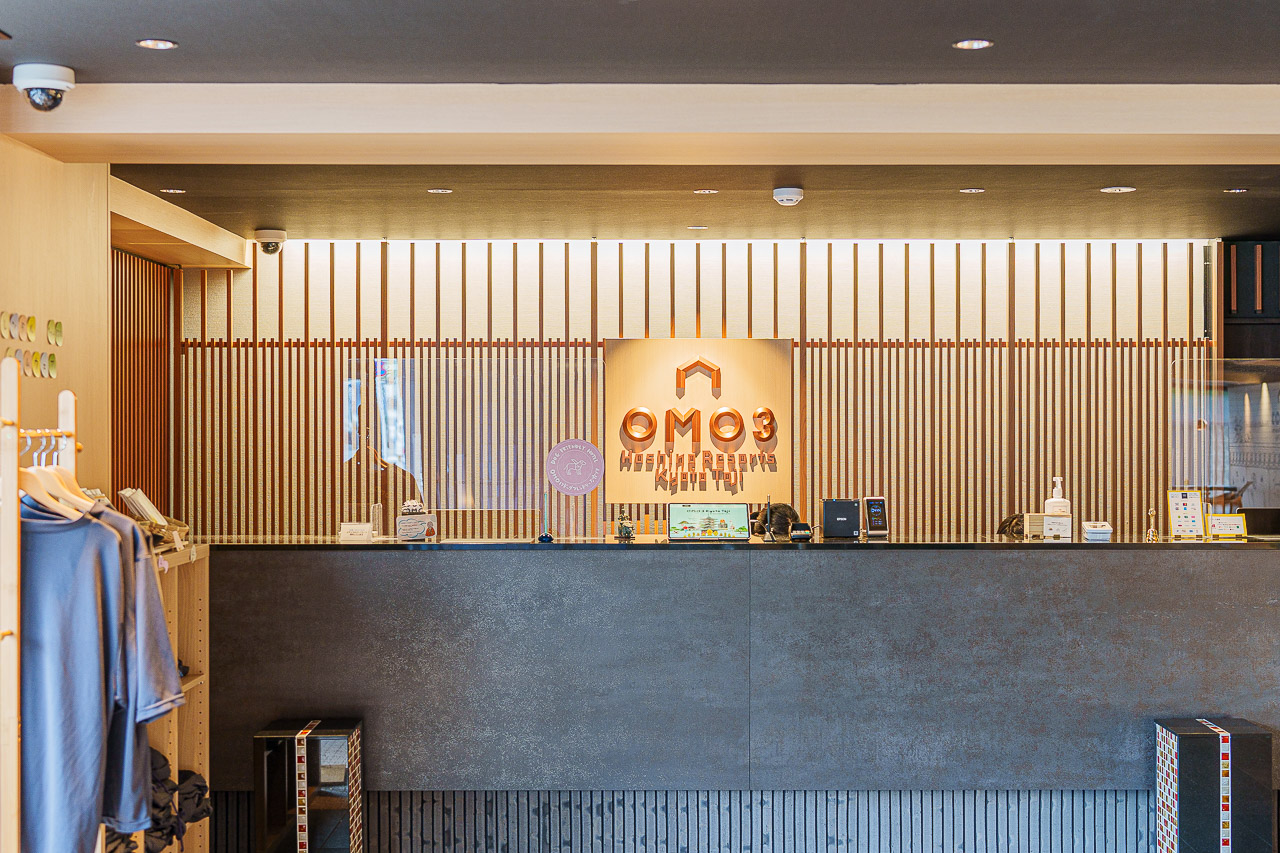
Reception is to the right of the entrance.
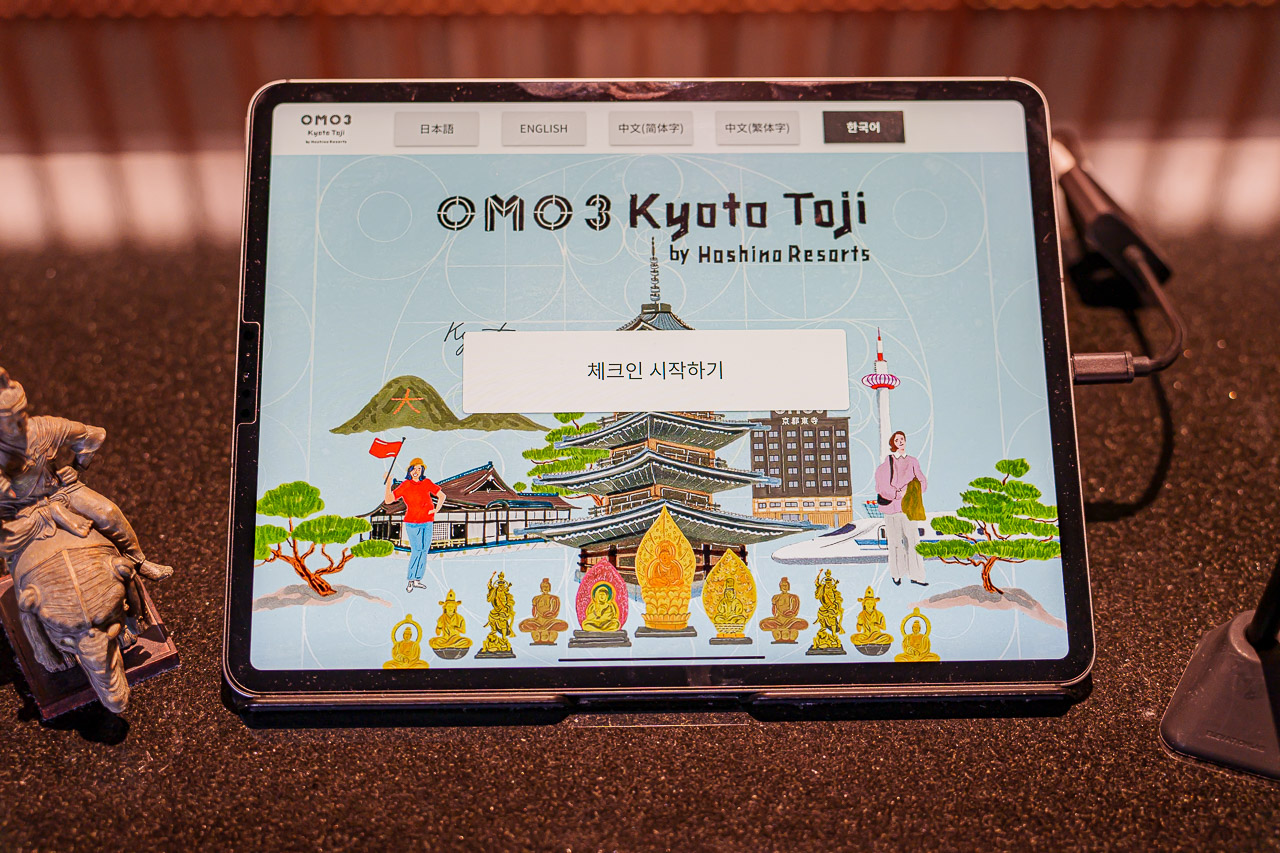
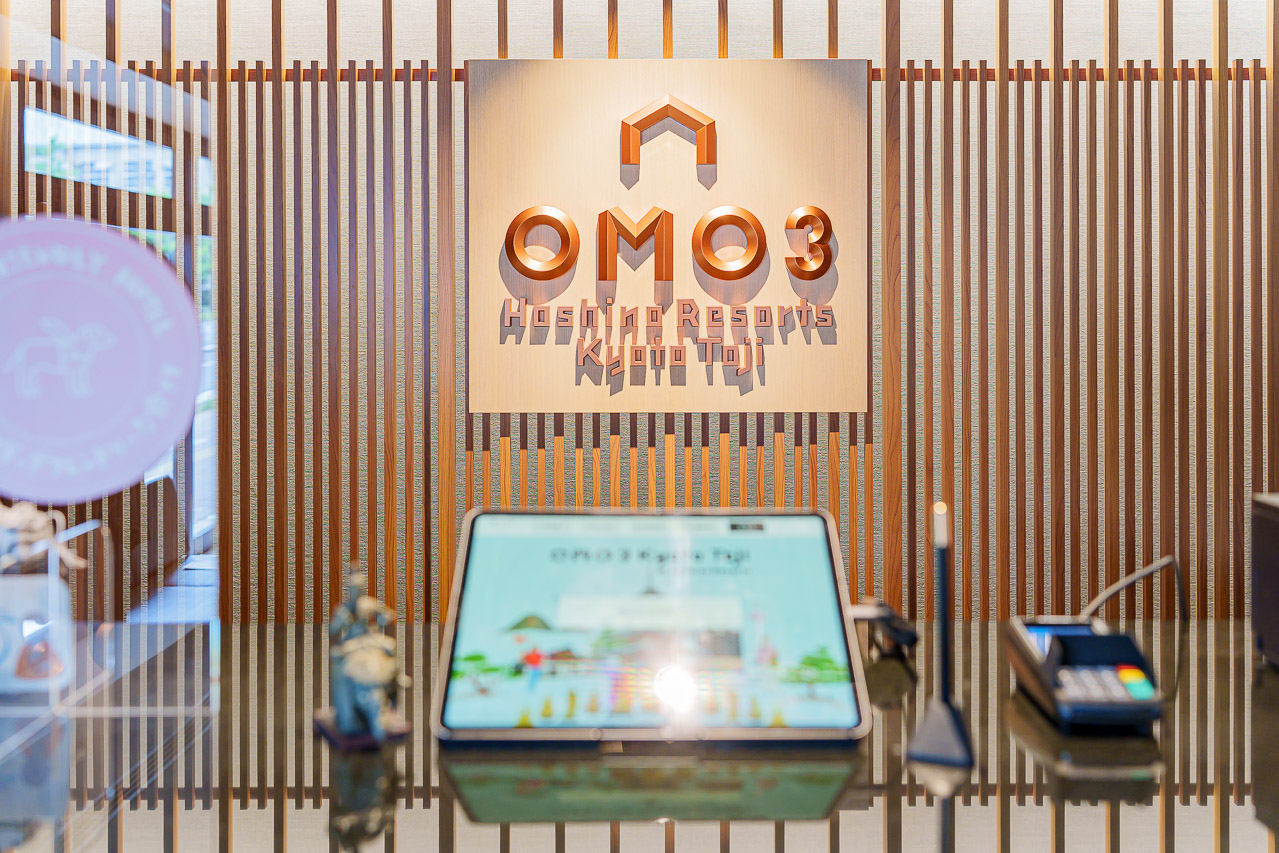
Self check-in at a tablet uses the reservation name or the booking QR code.
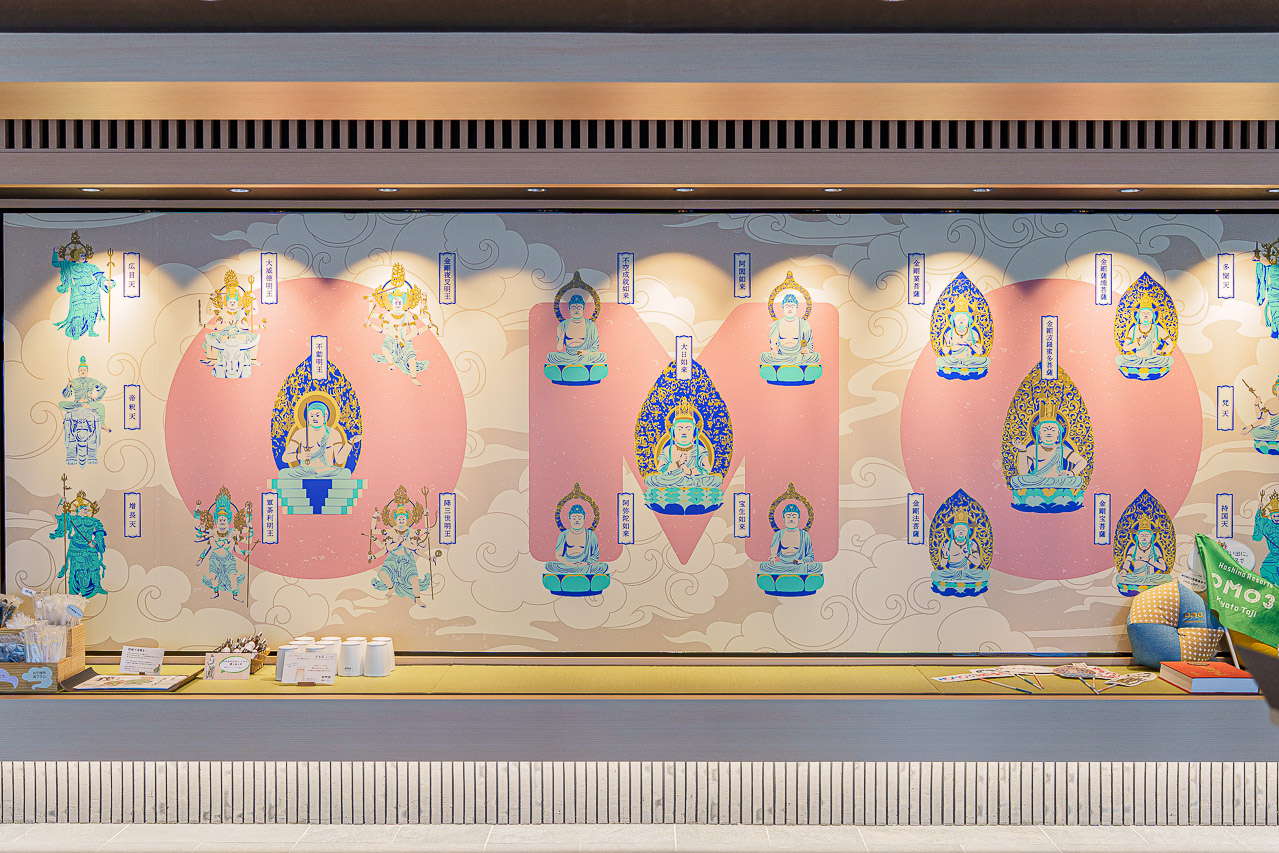
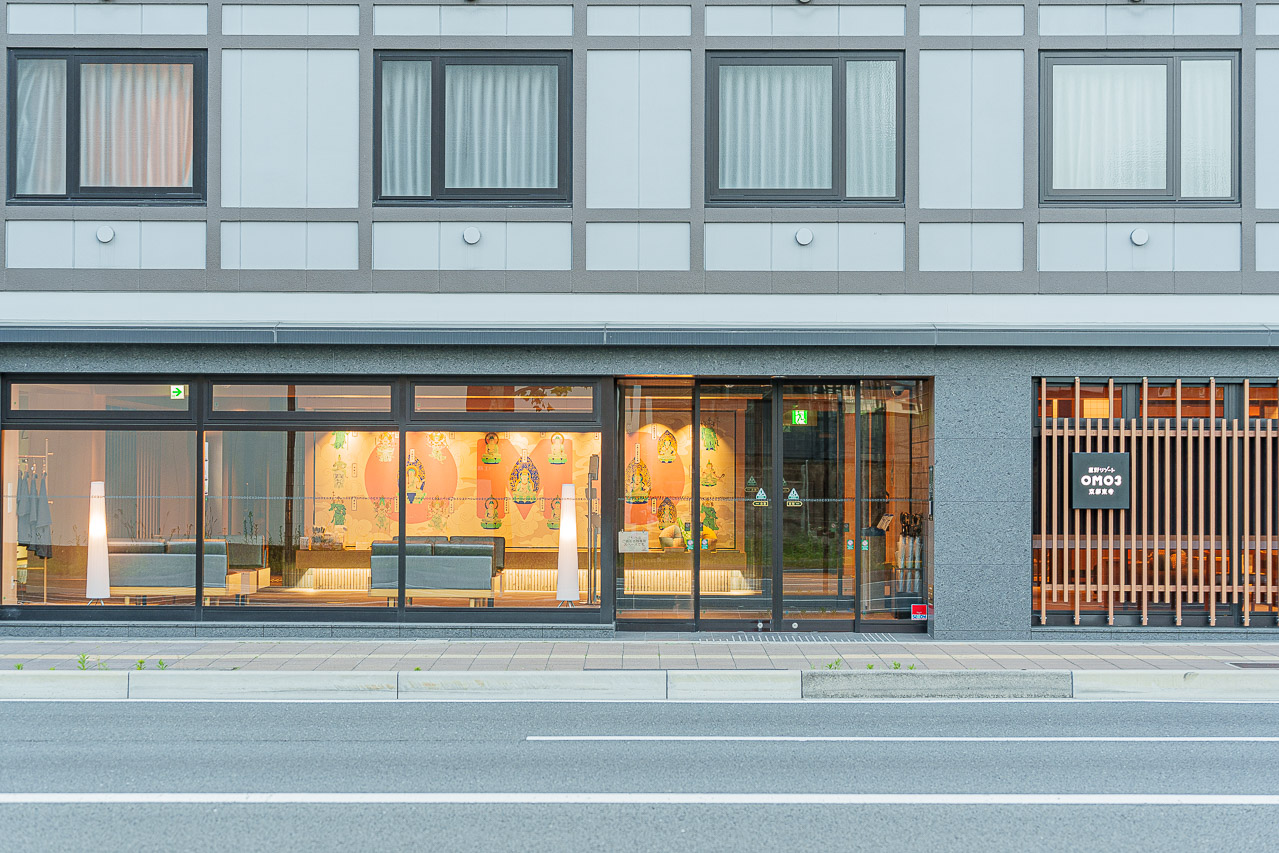
A huge illustration, visible from outside, occupies the lobby.
The Buddha illustration is called Mandala Art, with OMO written at its center.
The source explains OMO through Japanese words such as omoshiroi, ‘interesting,’ and omoi, associated here with memories and feelings.
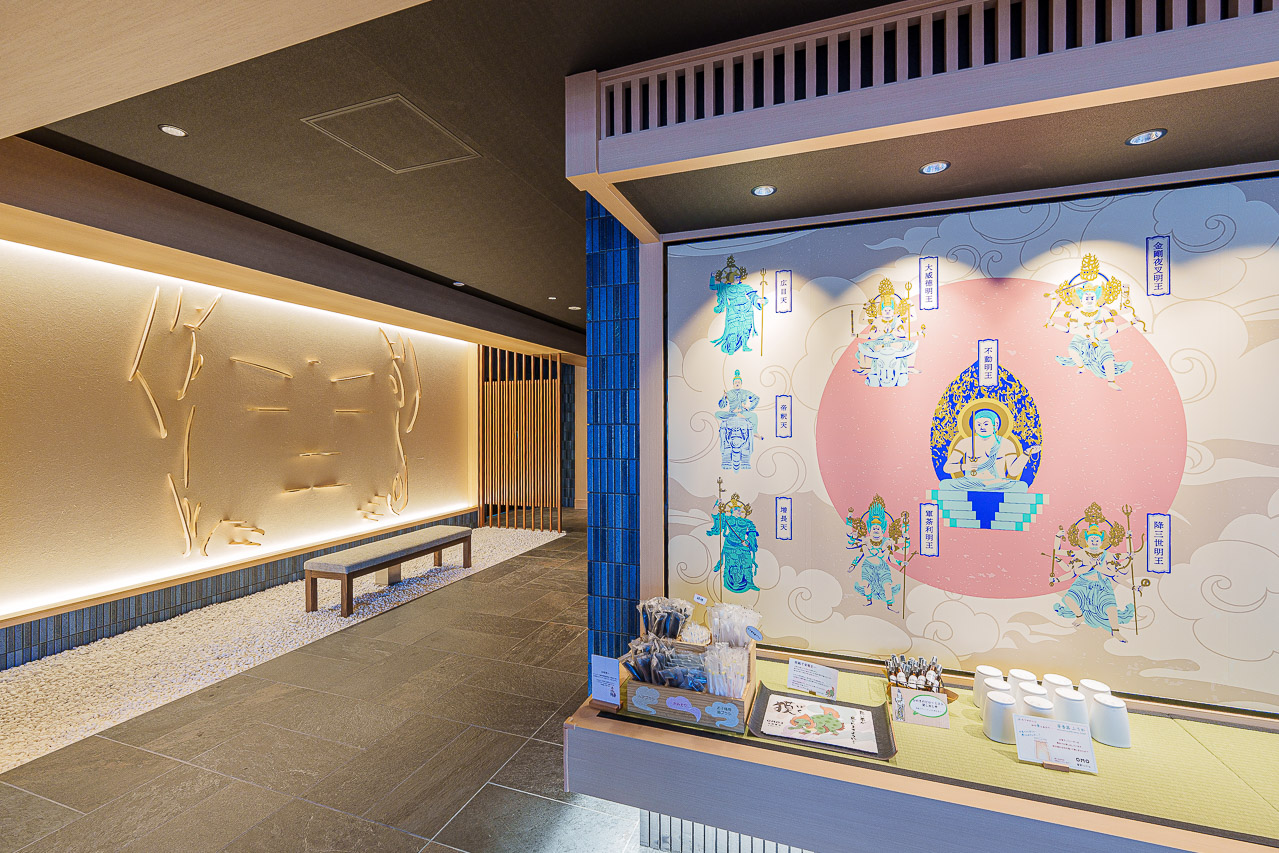
In the OMO arrangement described, amenities are not generally set out in the room.
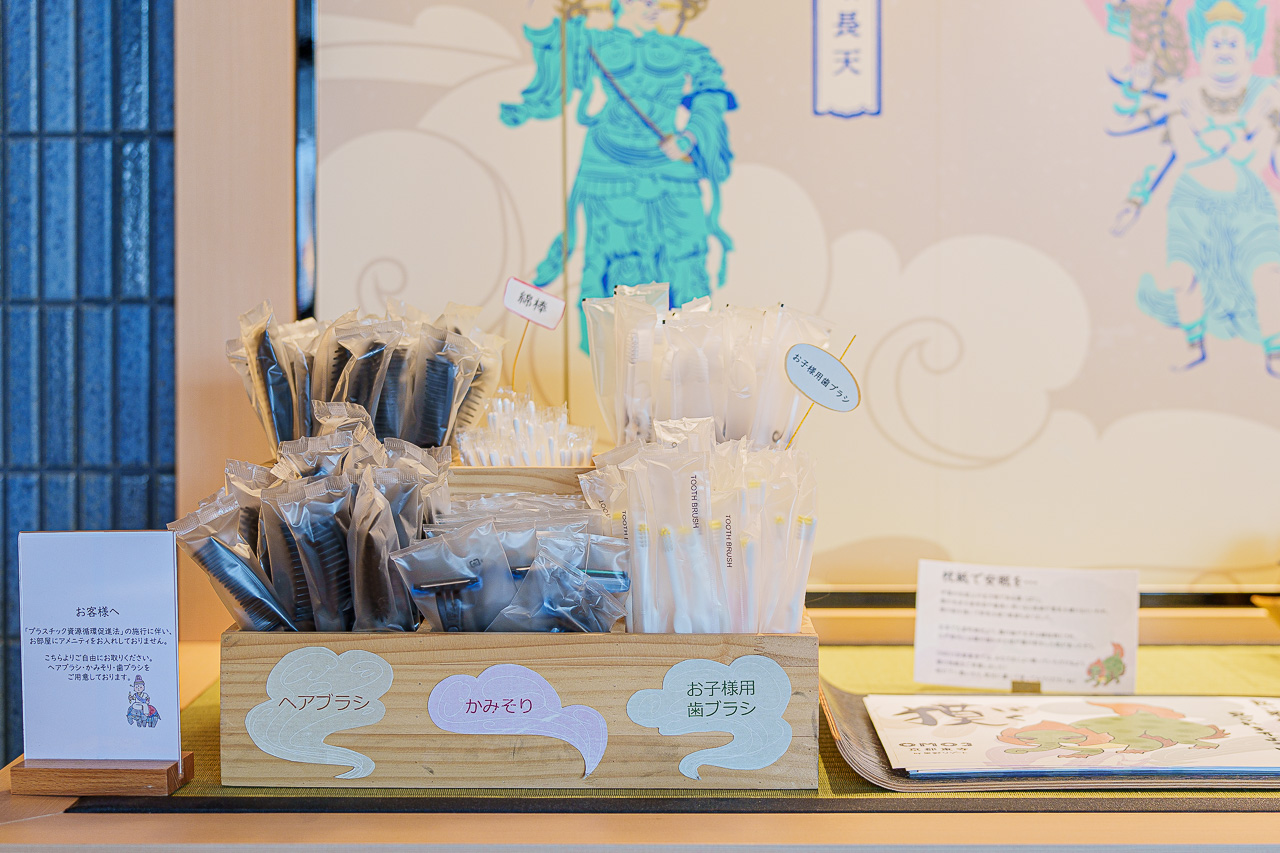
They are collected elsewhere in the hotel; here, in front of the mandala.
Remember to take what you need when going upstairs after check-in.
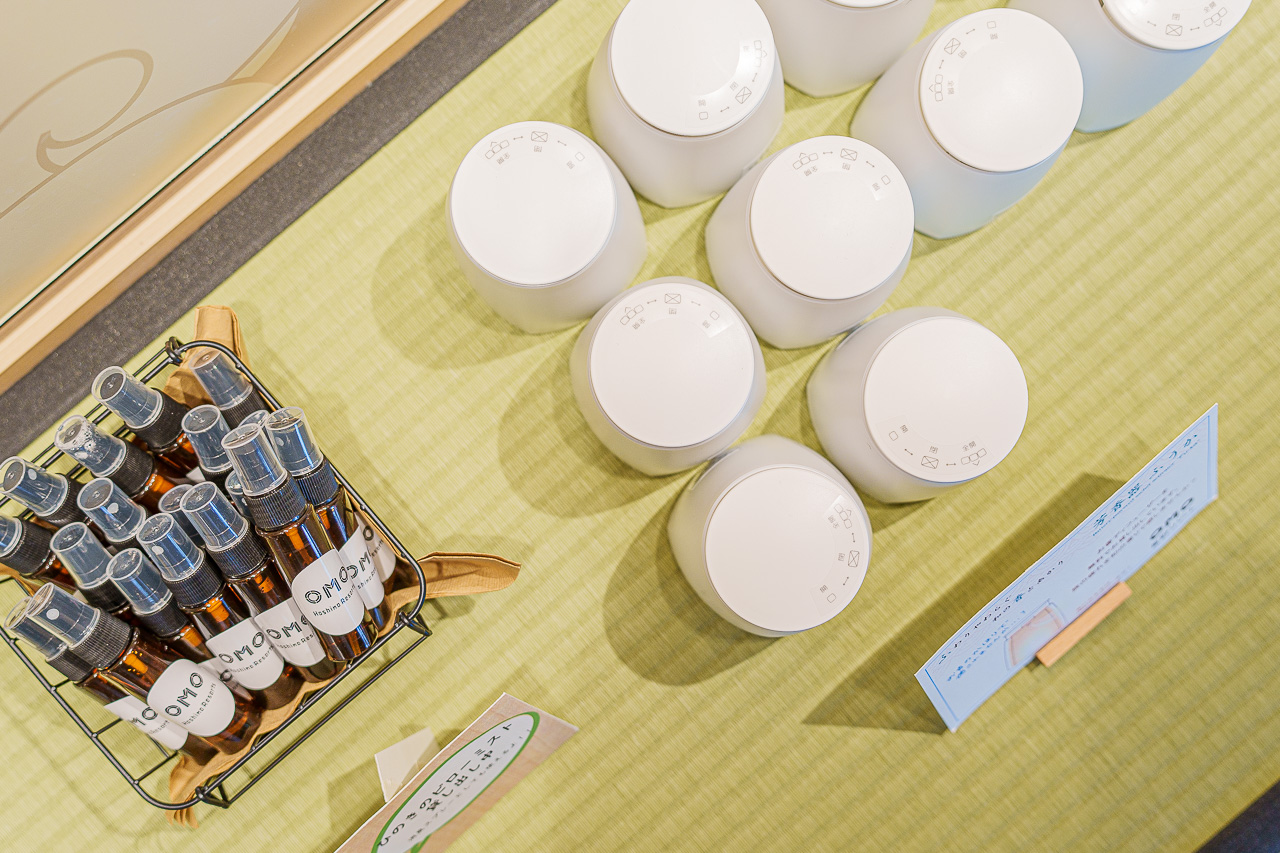
A fragrance diffuser is also available to use.
It has a gentle hinoki-cypress scent.
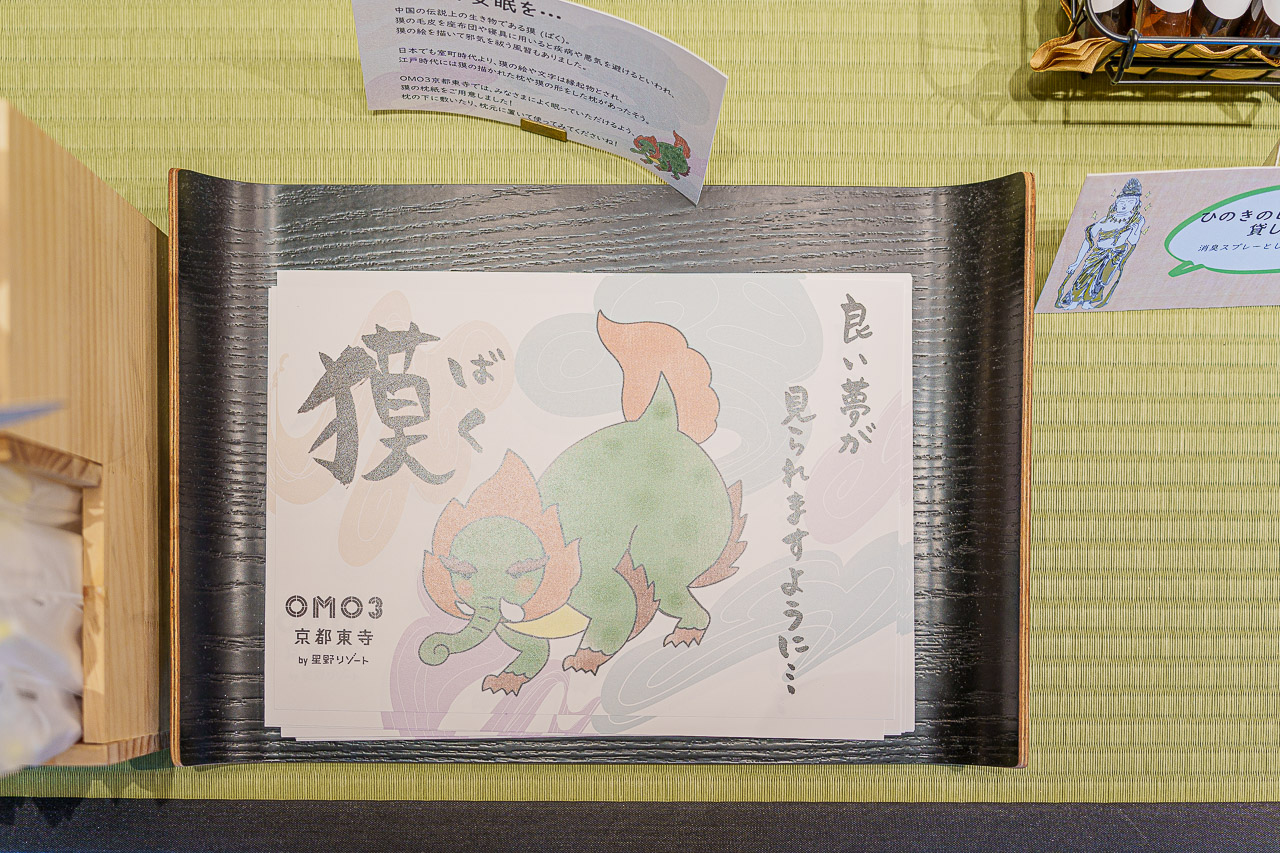
A charming illustrated creature catches the eye.
This is a baku, a mythical creature whose story came from China to Japan.
It is said to eat dreams. According to the legend, offering a nightmare to the baku prevents the same bad dream returning.
Believe it or not.
The author playfully suggests taking the illustration to the room like a charm if you often have nightmares; this is not a treatment for sleep problems.
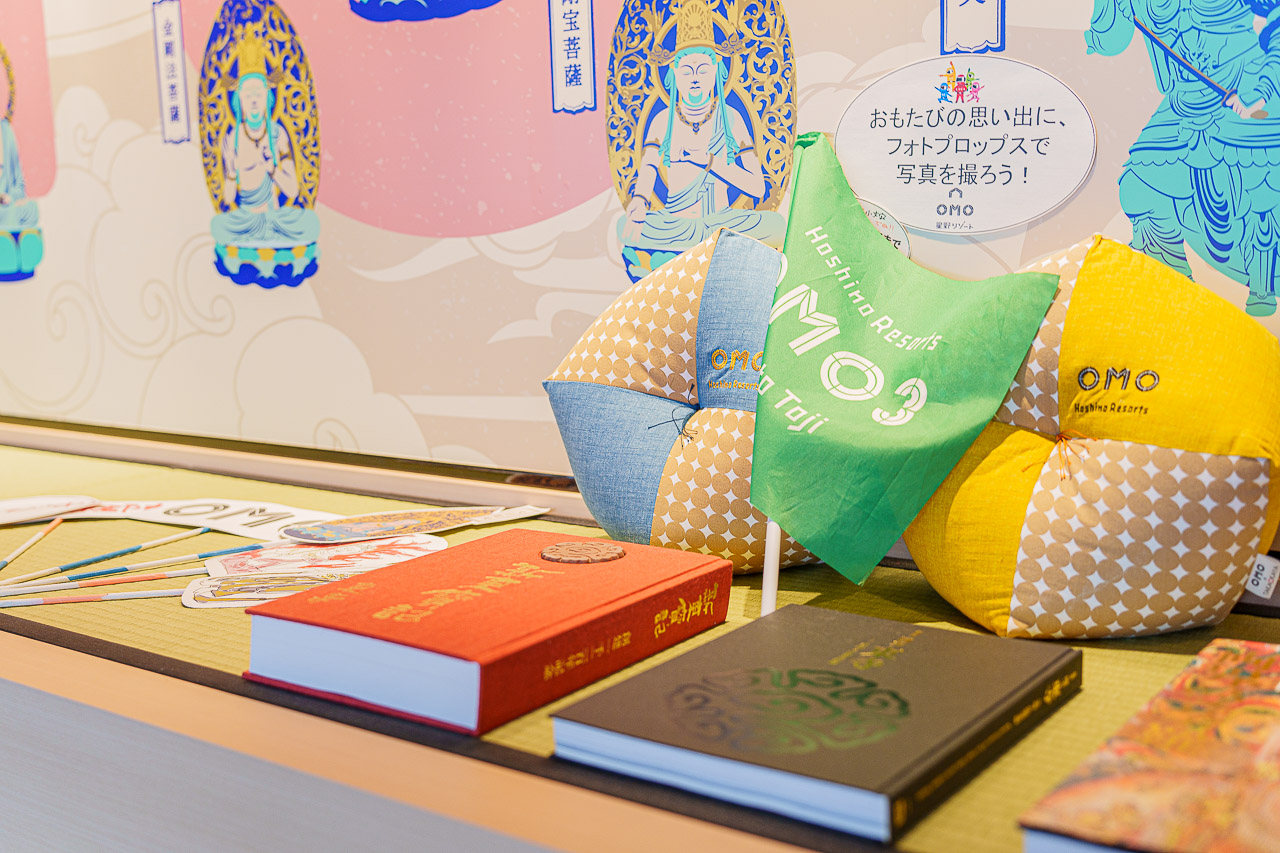
Nearby are serious-looking books and the hotel’s flag.
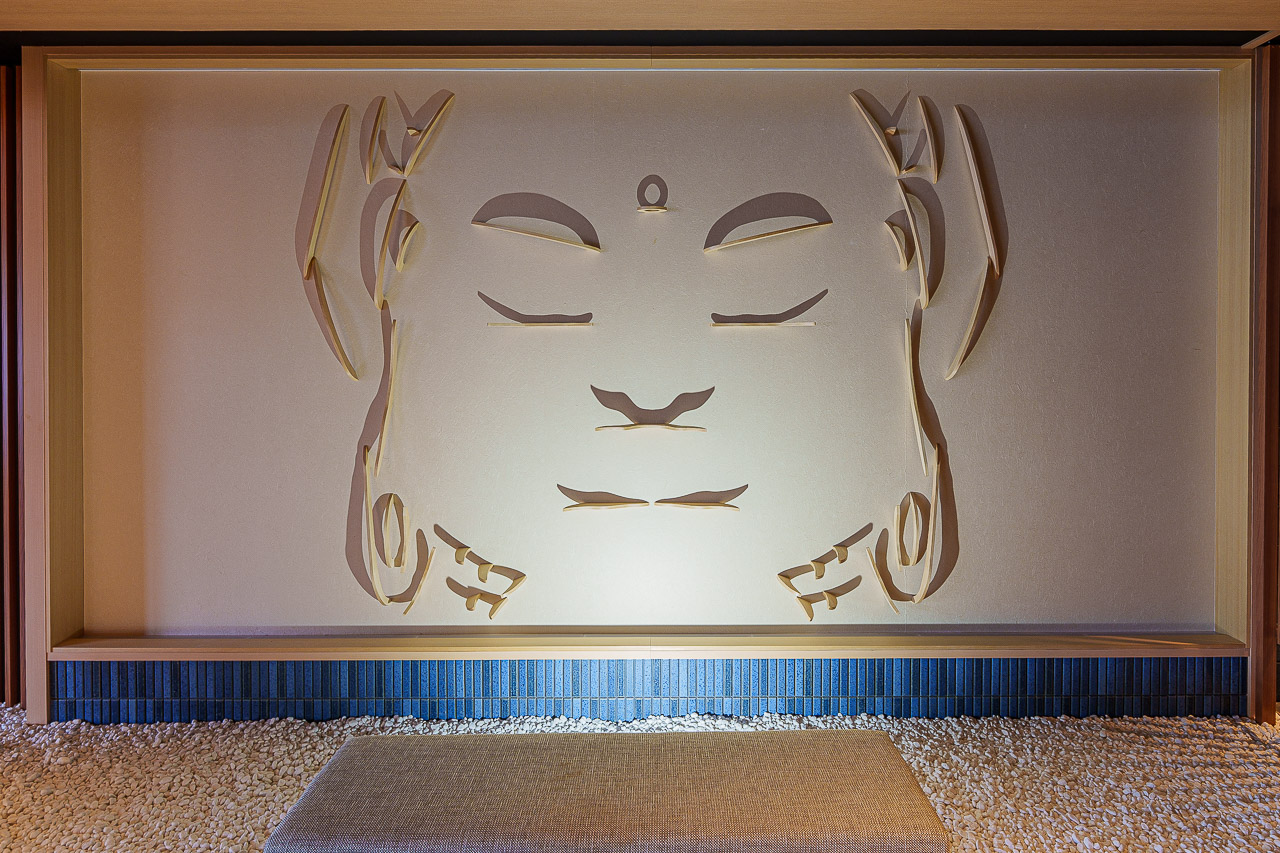
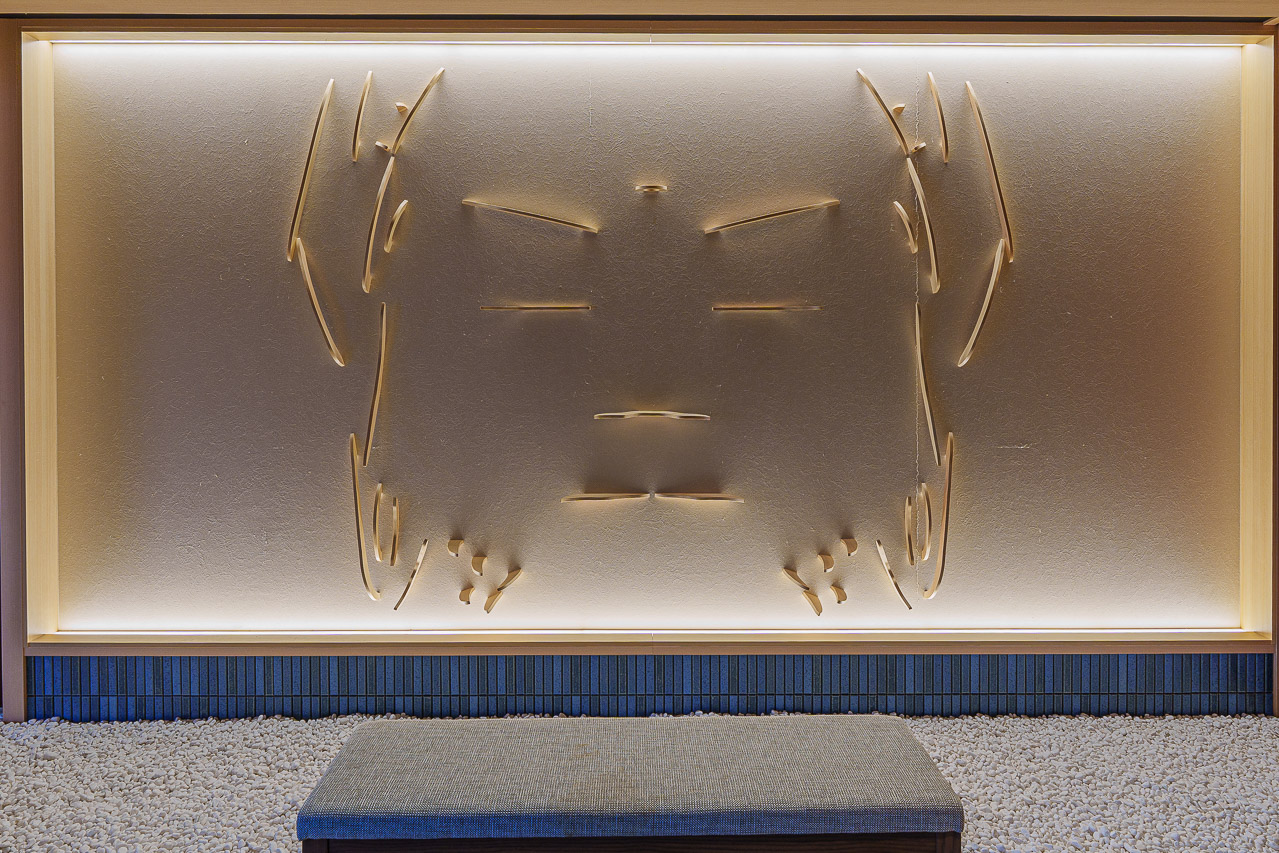
Another wall shows a Buddha whose expression changes with the light.
As we approach, an expressionless face seems to smile, giving me a peaceful feeling.
By the elevator, it almost seems to say, ‘Welcome back.’
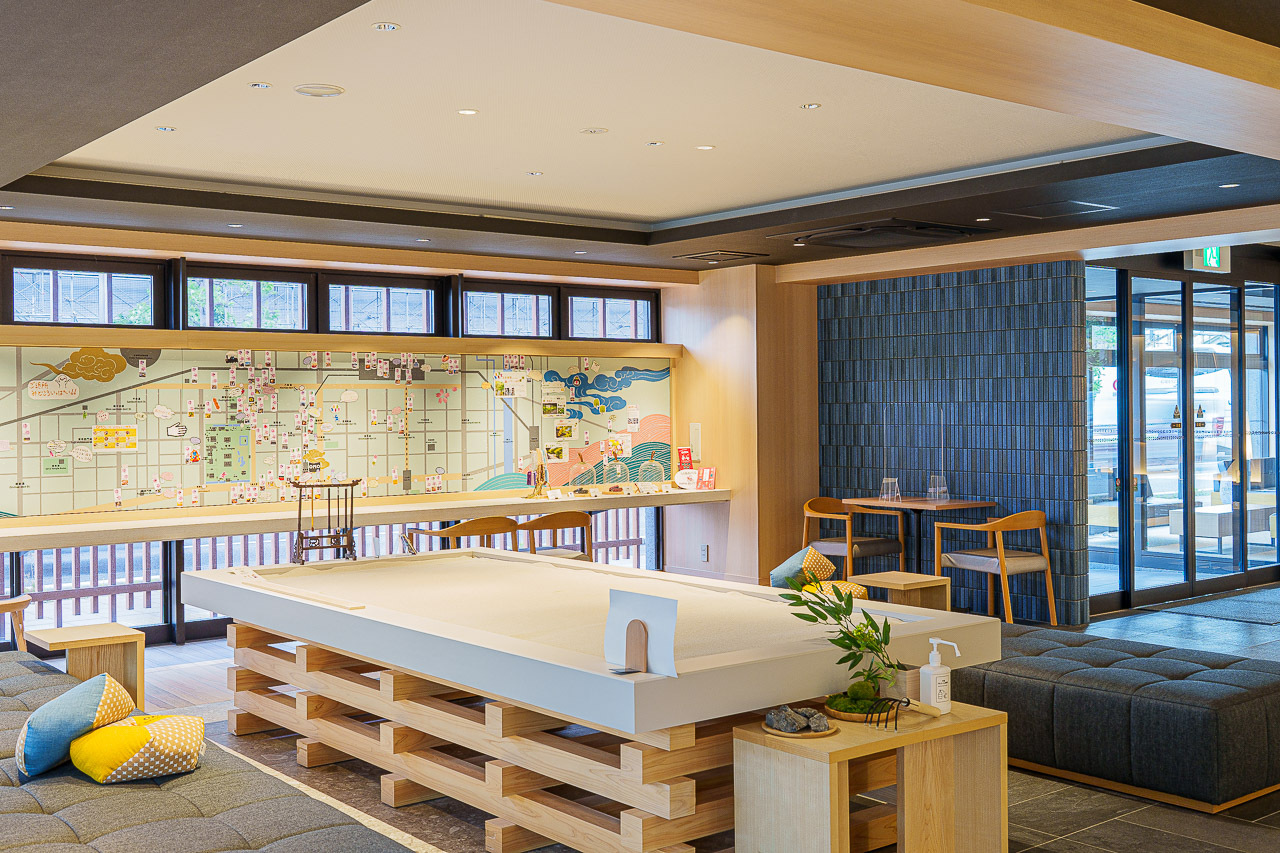
Opposite reception is the shared OMO Base.
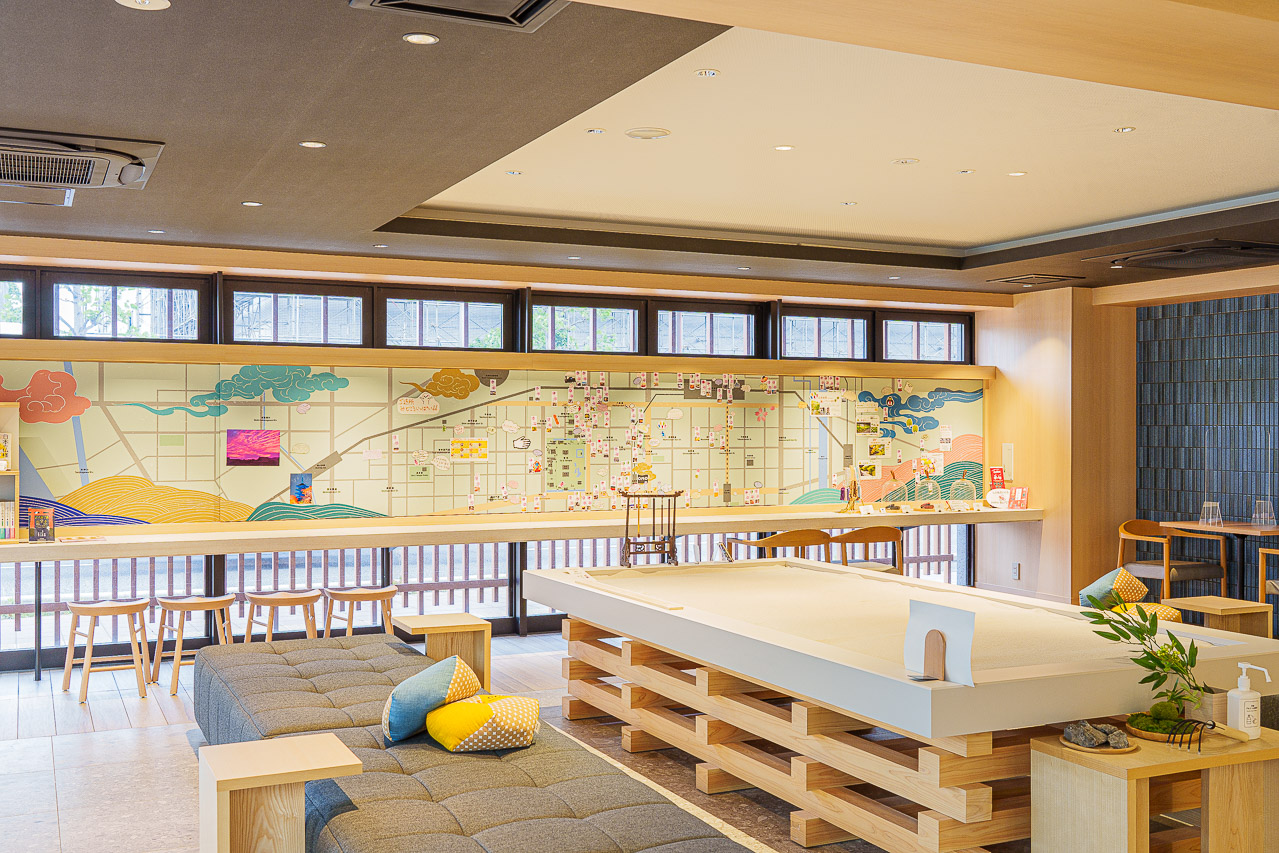

Here is the Go-KINJO Map, marking nearby restaurants and sights.
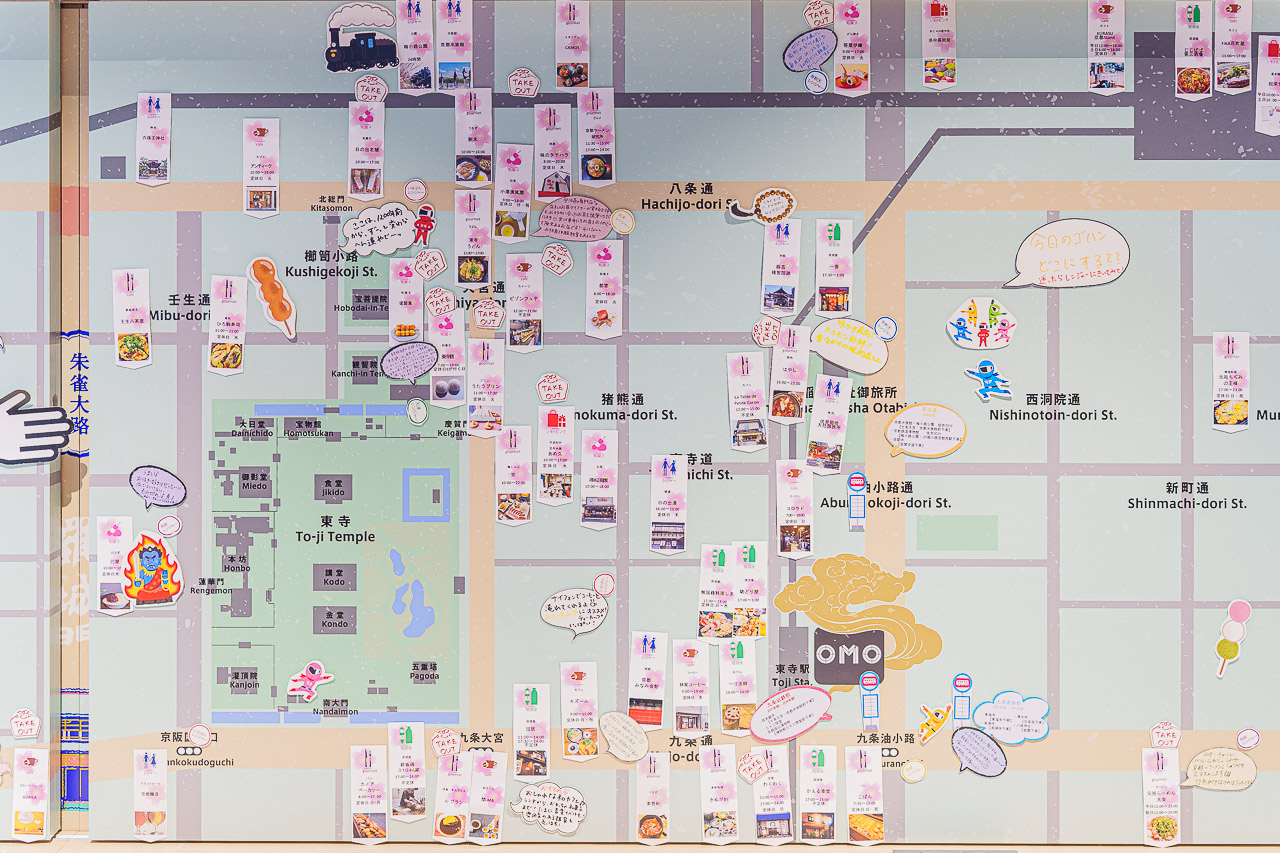
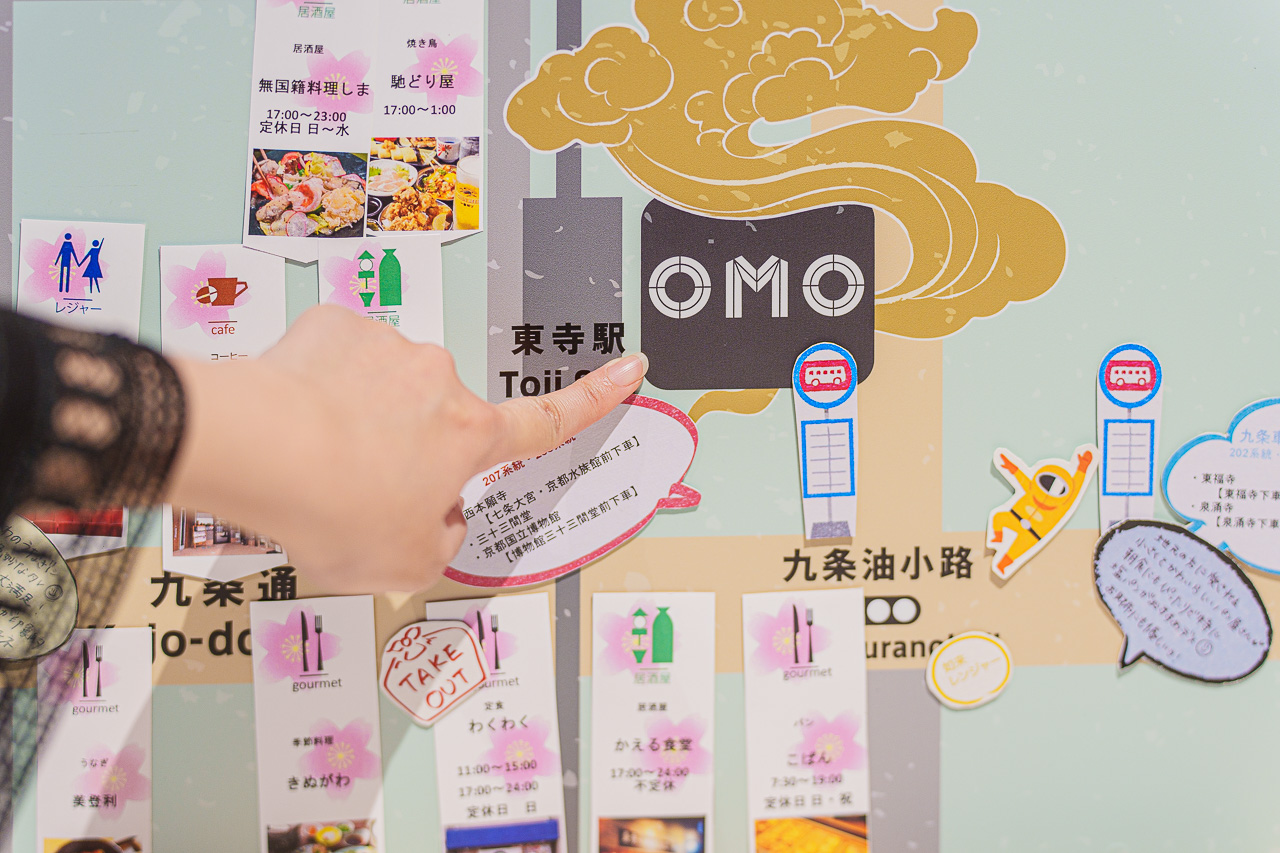
Staff’s own discoveries appear alongside well-known places, and they explain recommendations when asked.
Shop photographs and short menu descriptions are useful.
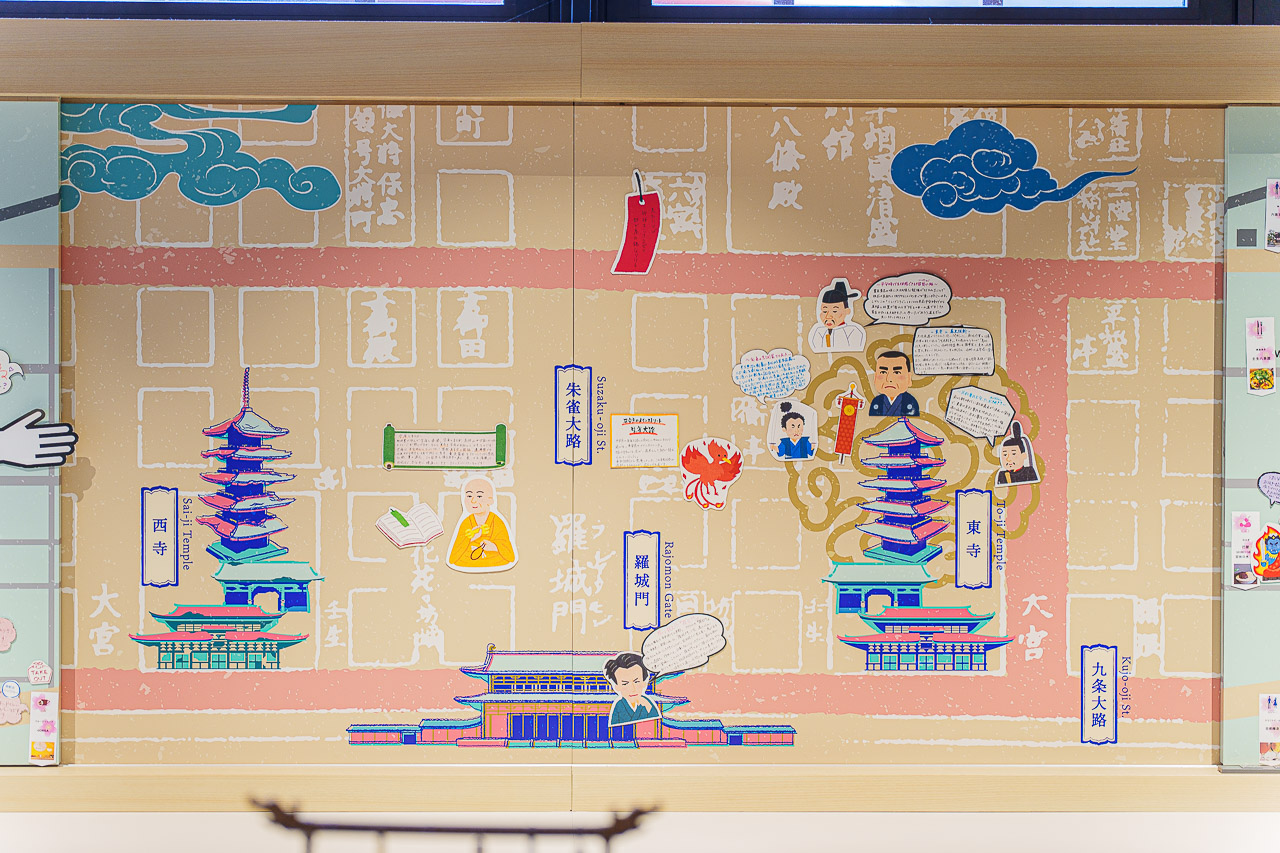
The map opens like a door to reveal a map from 1,200 years ago.
We compare landmarks around Toji, including Rajomon and Saiji.
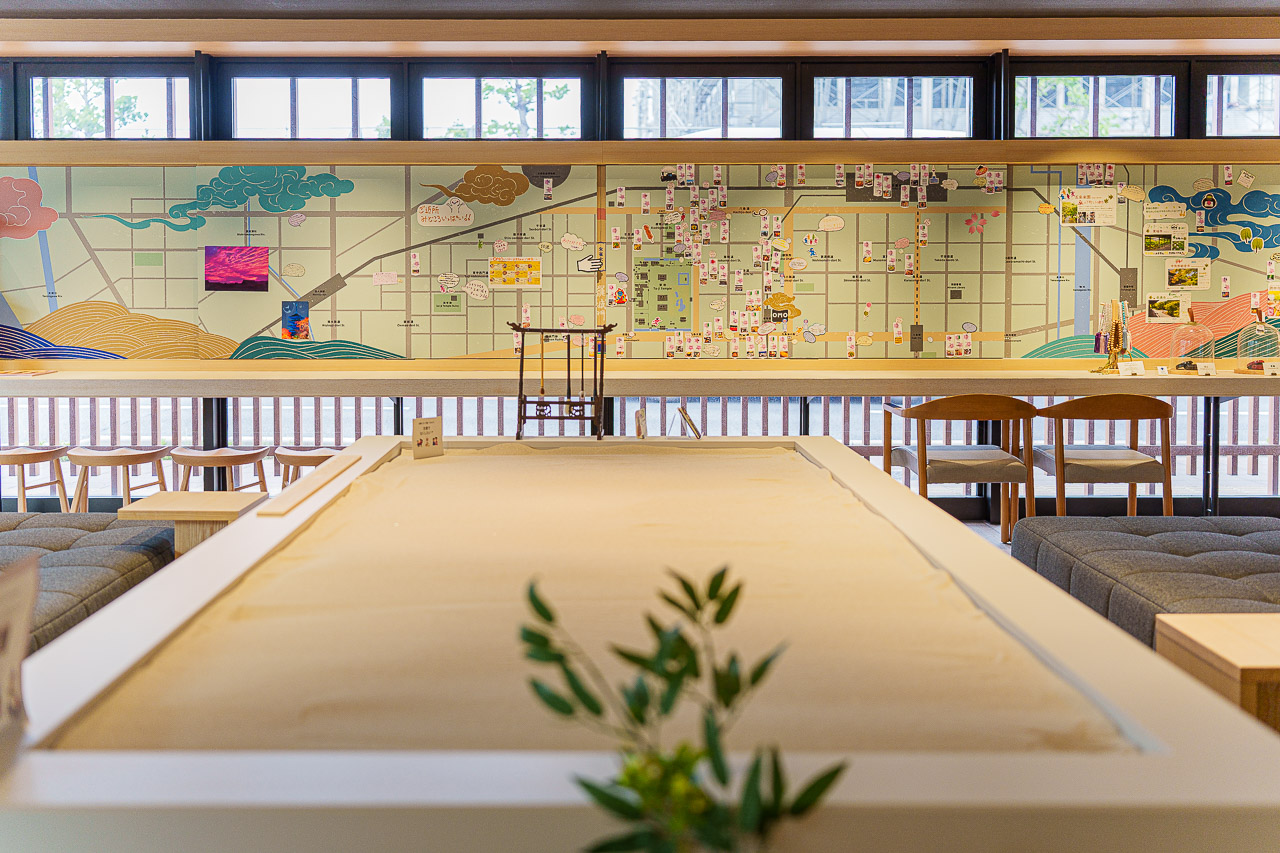
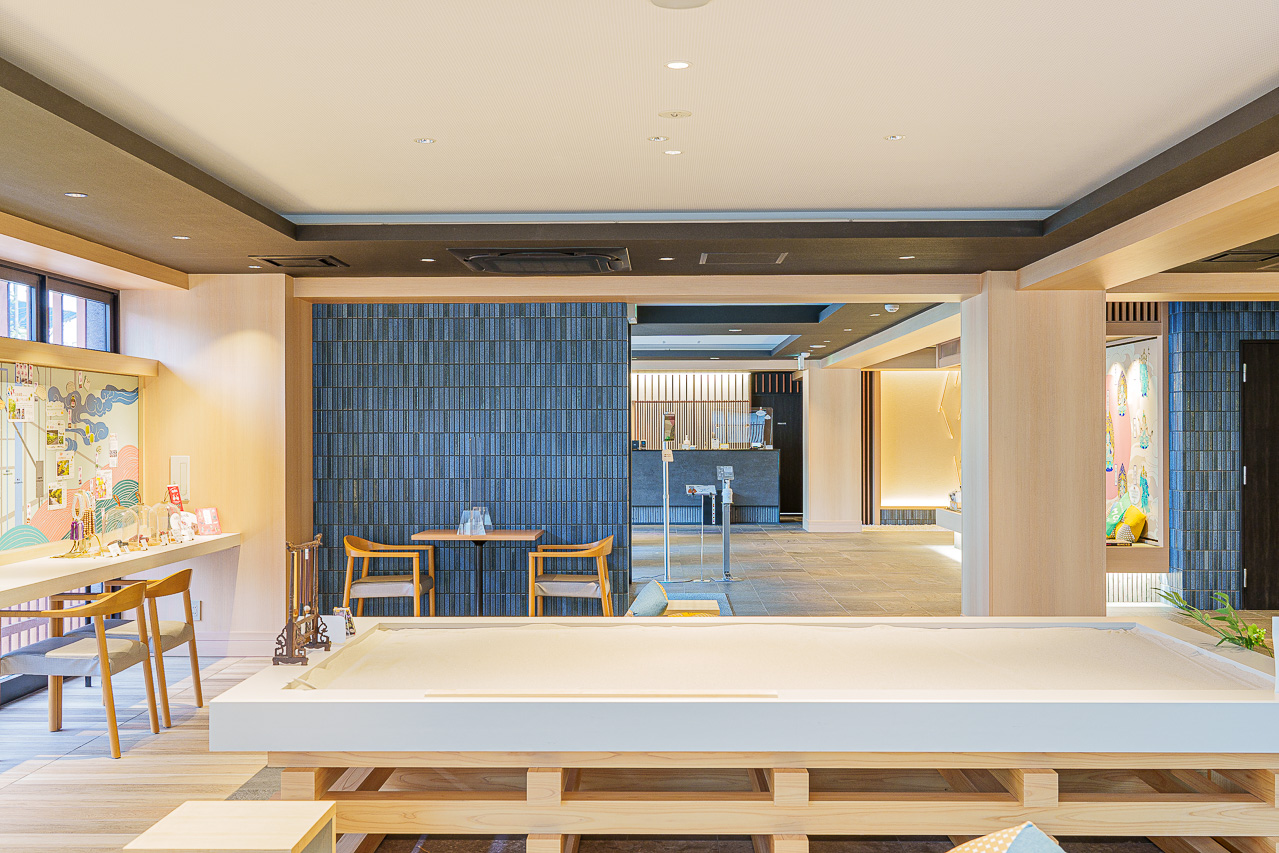
In the center is a shakyo table, where writing in sand offers a quiet moment.
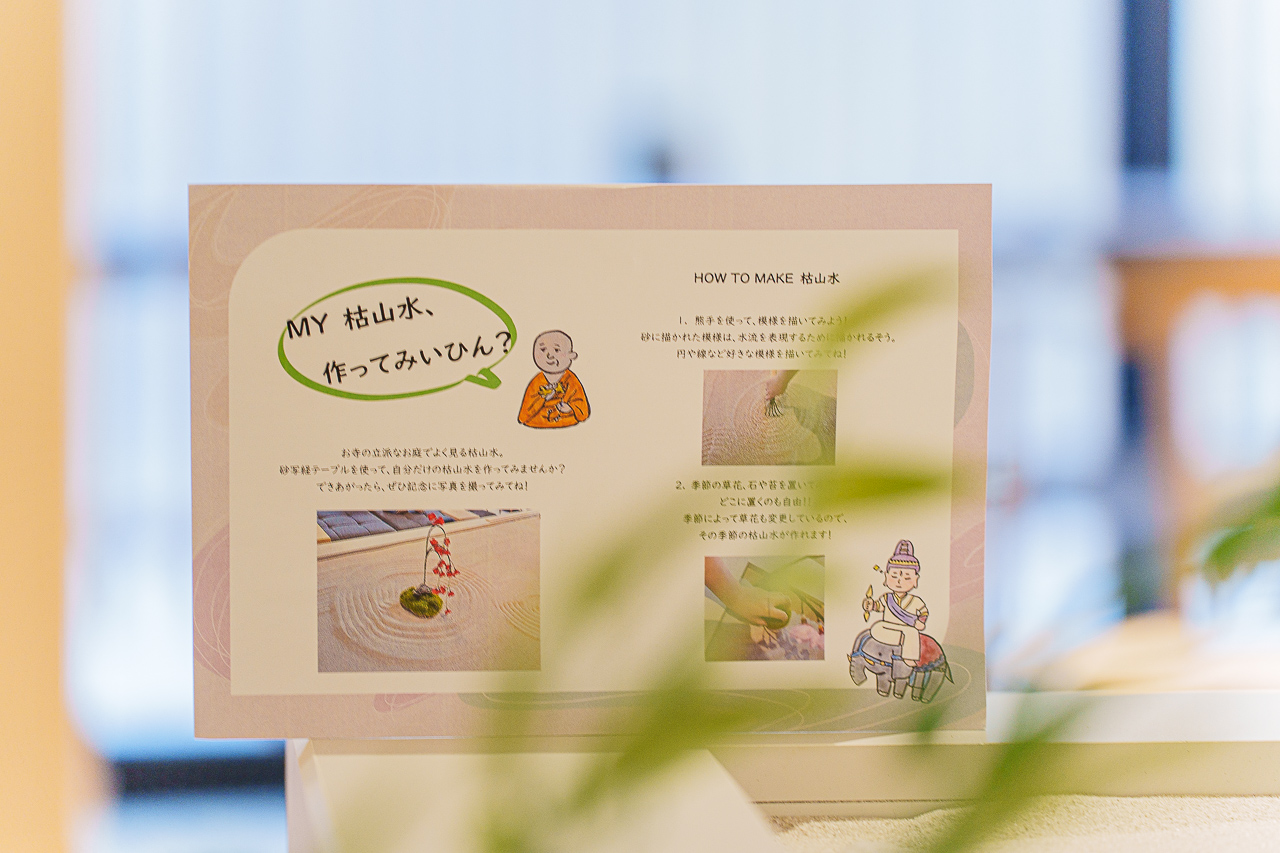
How about making a little karesansui garden?
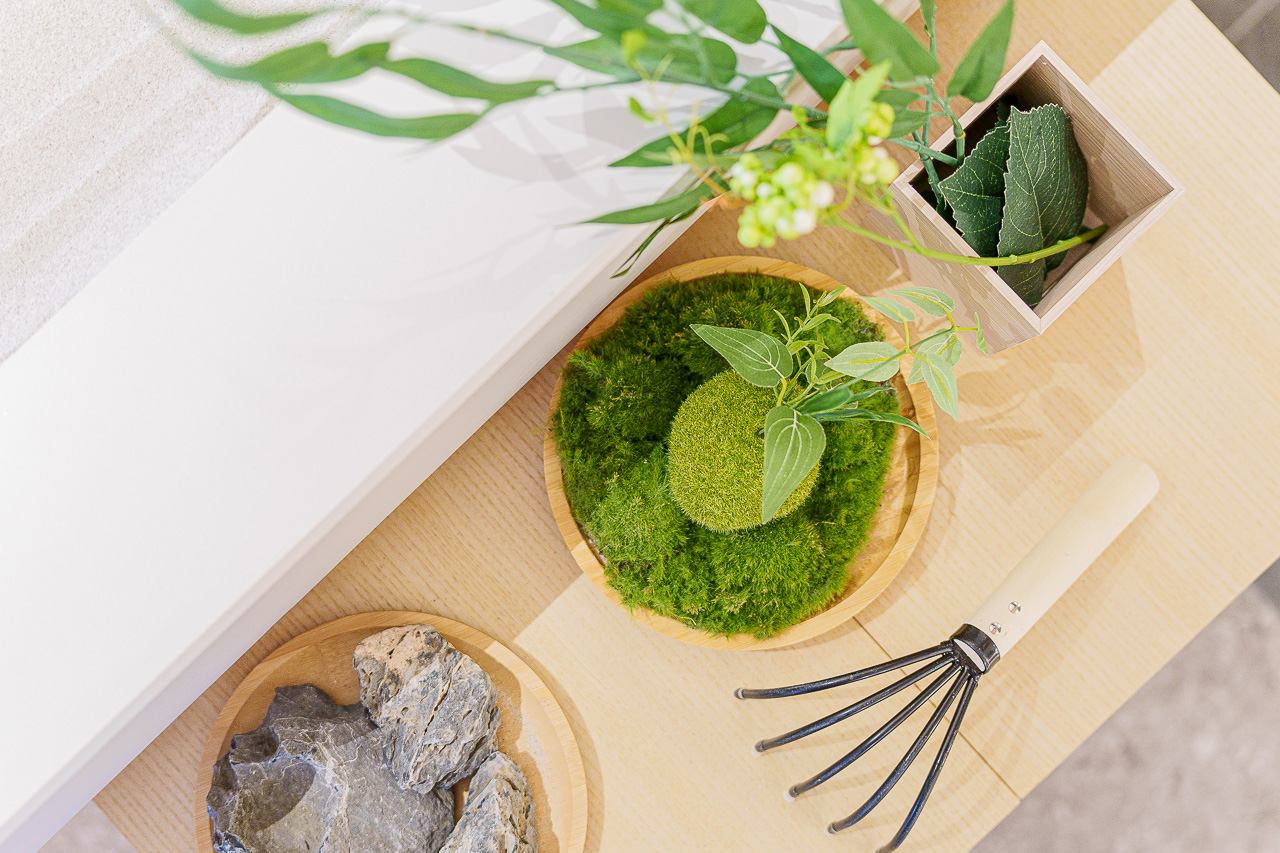
Karesansui is a Japanese garden style.
Using stones and sand rather than water, it represents a landscape and appears in many well-known gardens.
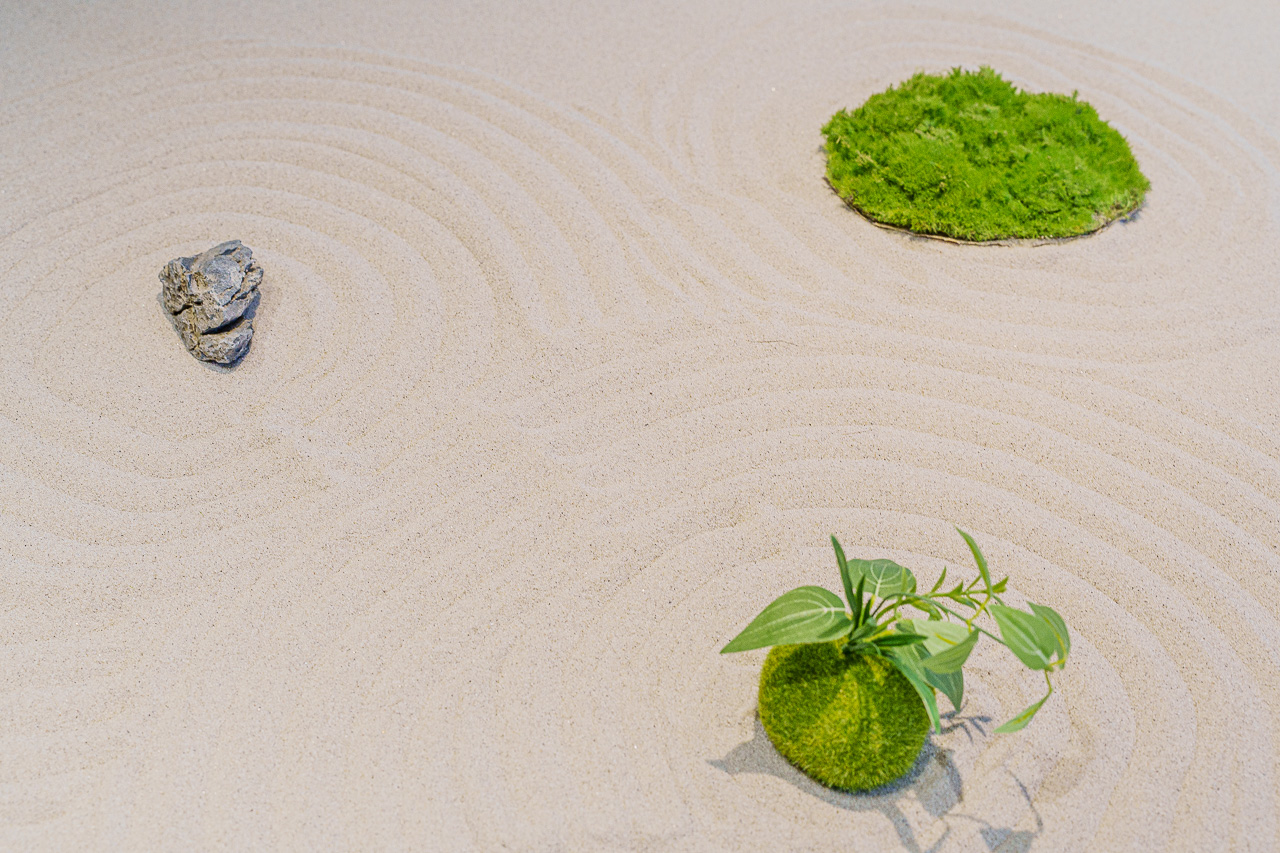
I arrange things by instinct, and it looks surprisingly convincing.
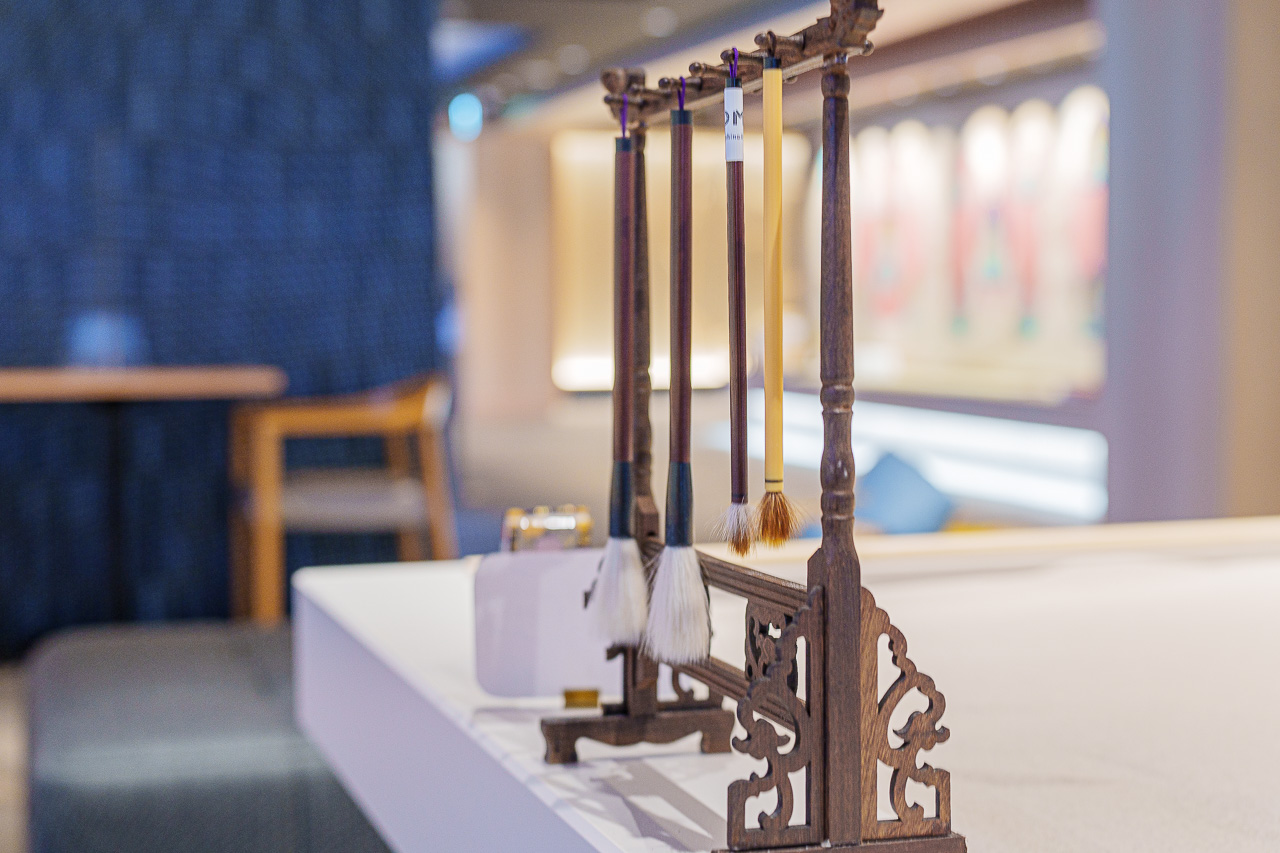
Now to try writing in the sand.
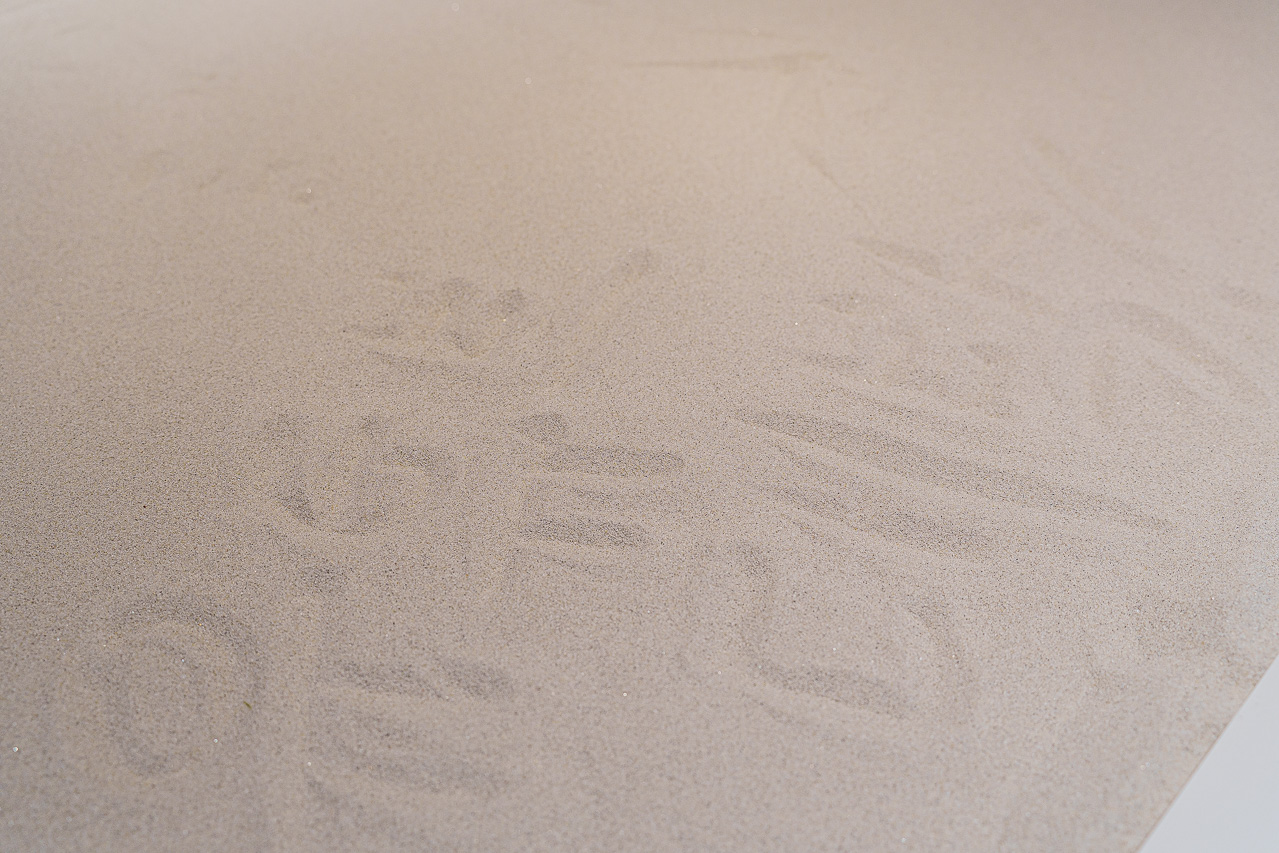
My handwriting is poor, but I write to settle my thoughts.
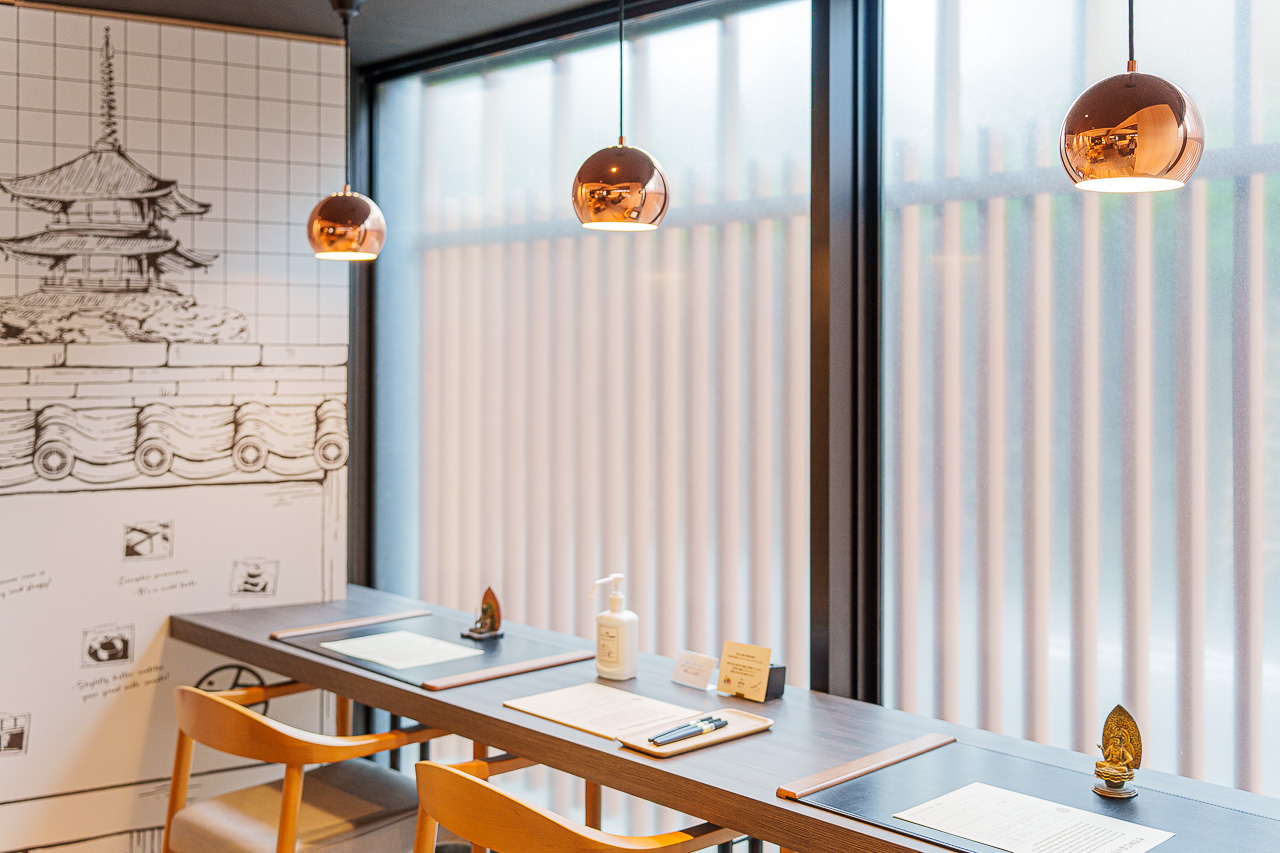
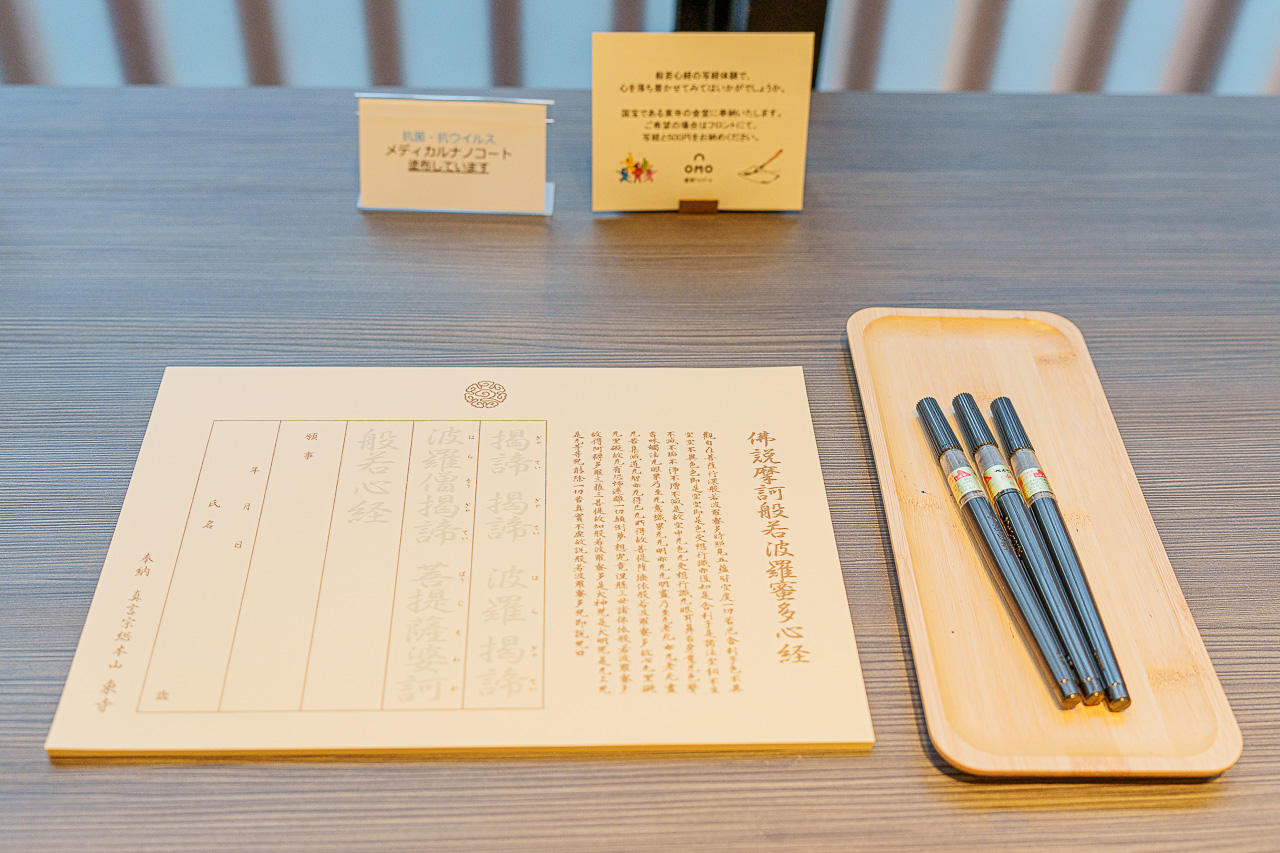
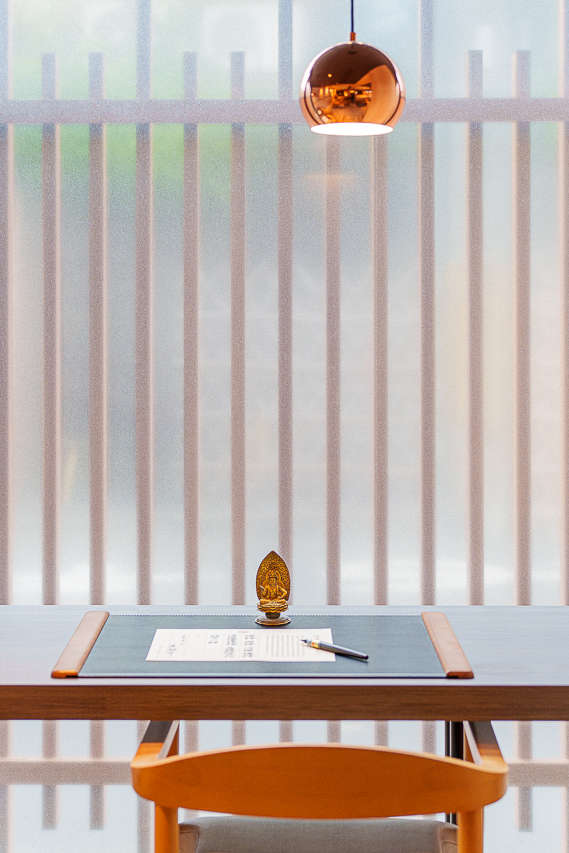
It seems to be a corner for reflecting through the Heart Sutra.
When I finish, I feel unexpectedly solemn.
Perhaps I will behave especially well today.
The source says reception could arrange an offering at nearby Toji for JPY 500.
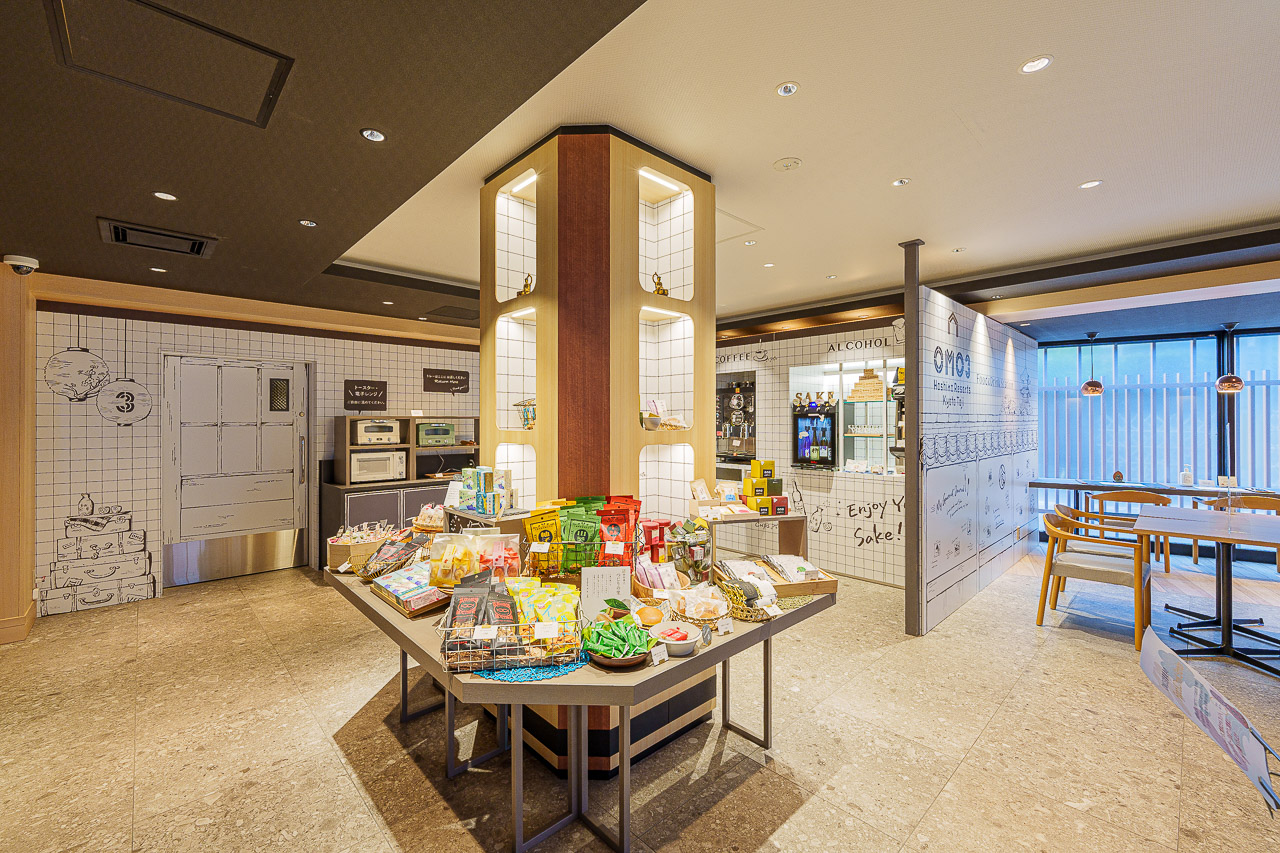
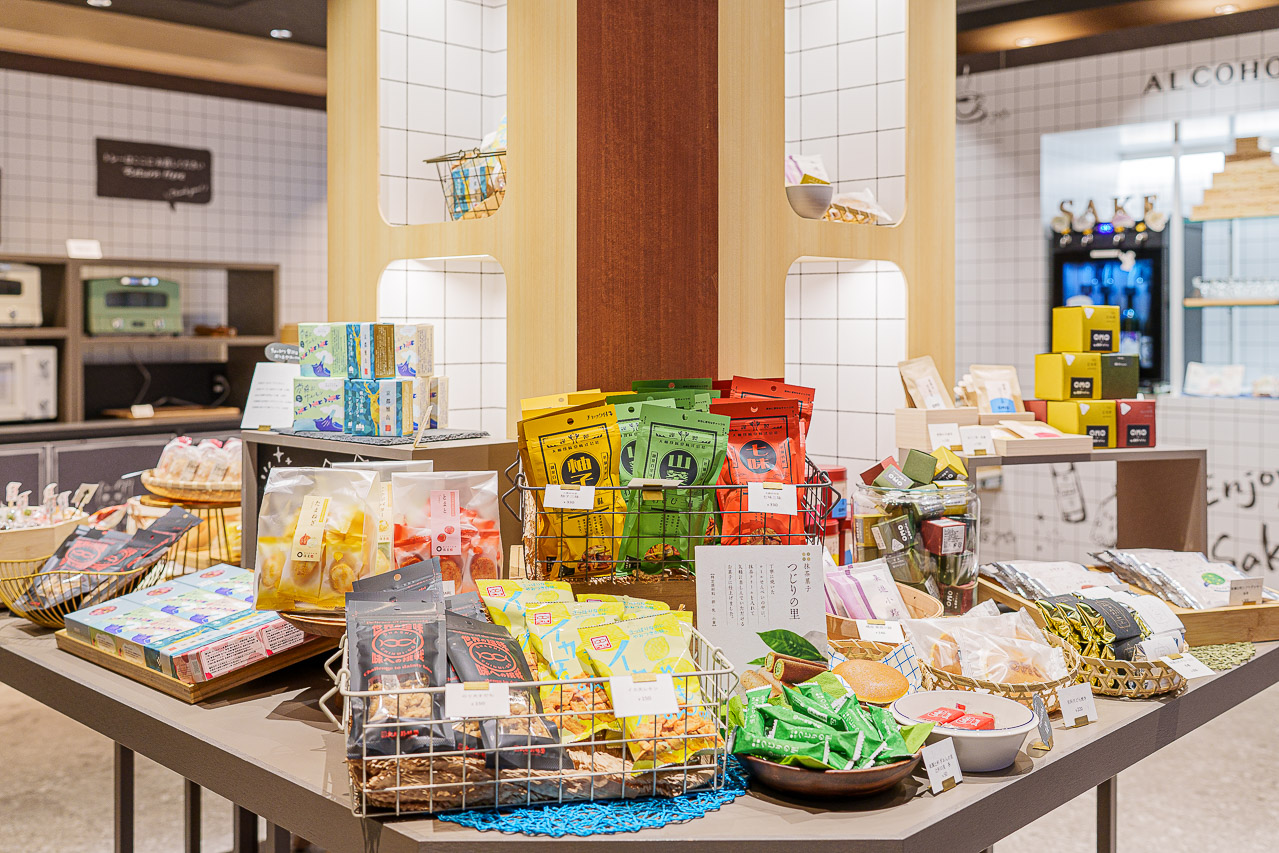
Beside it is a highlight: the OMO Food & Drink Station.
A 24-hour space for food, drinks and conversation, like a welcoming guesthouse lounge.
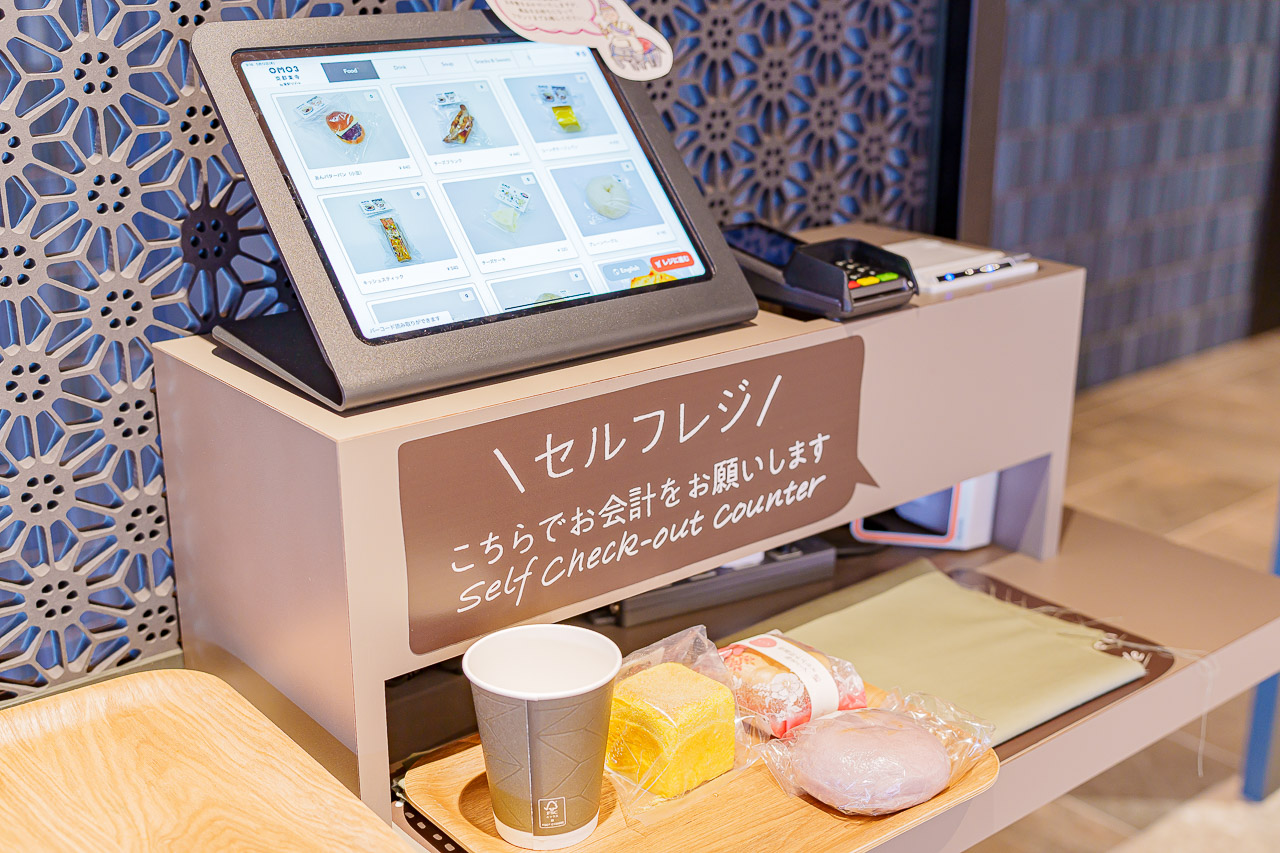
The self-payment system makes repeated purchases dangerously tempting with a credit card—the author’s lighthearted reaction.
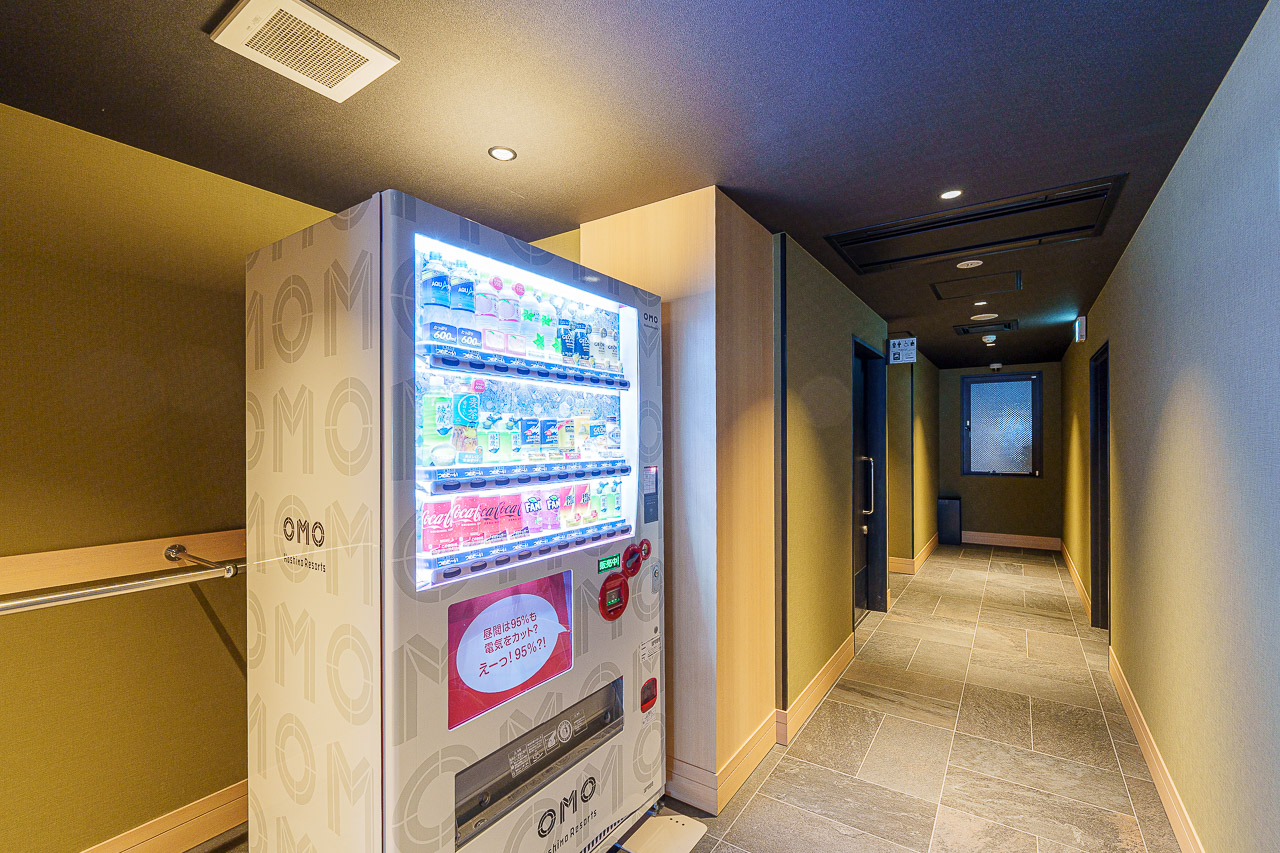
The first floor has vending machines and luggage storage,
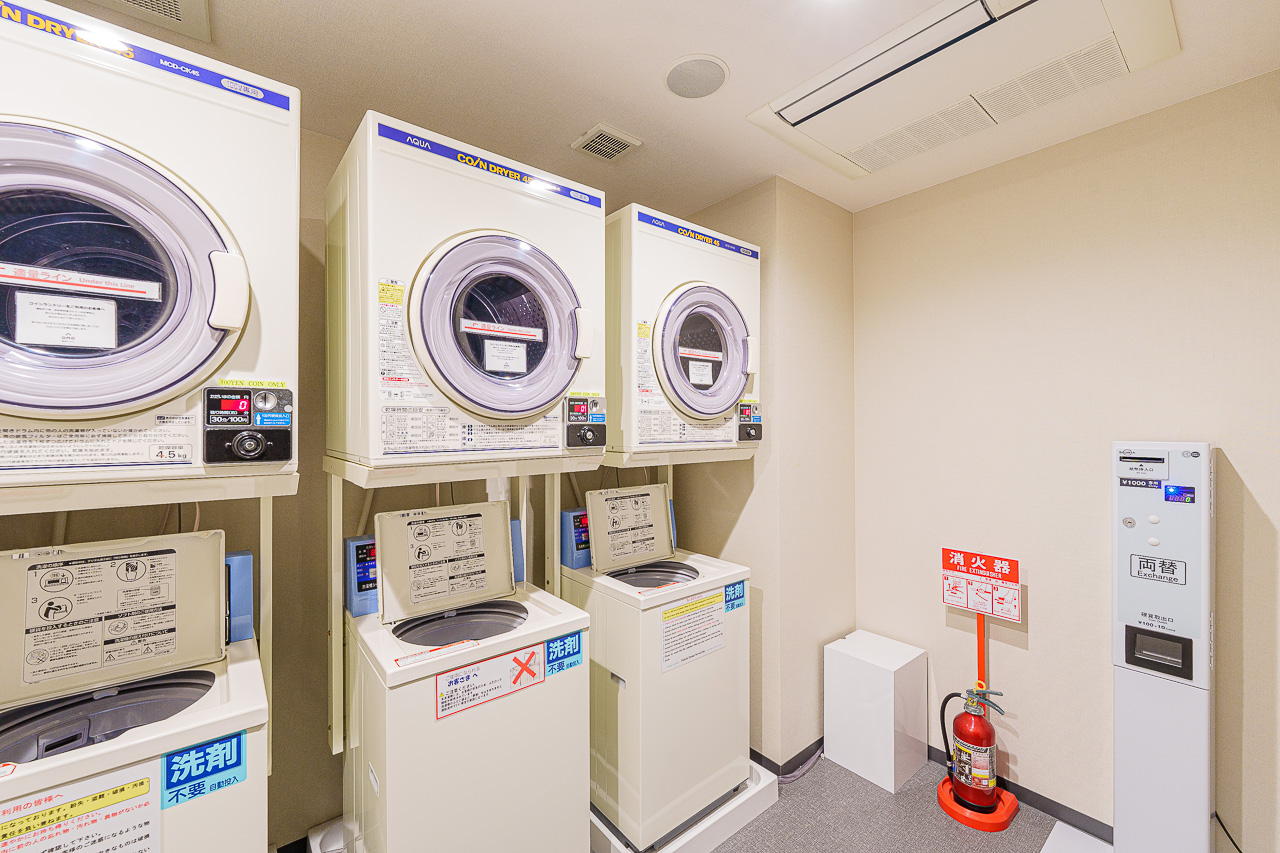
washers and dryers,
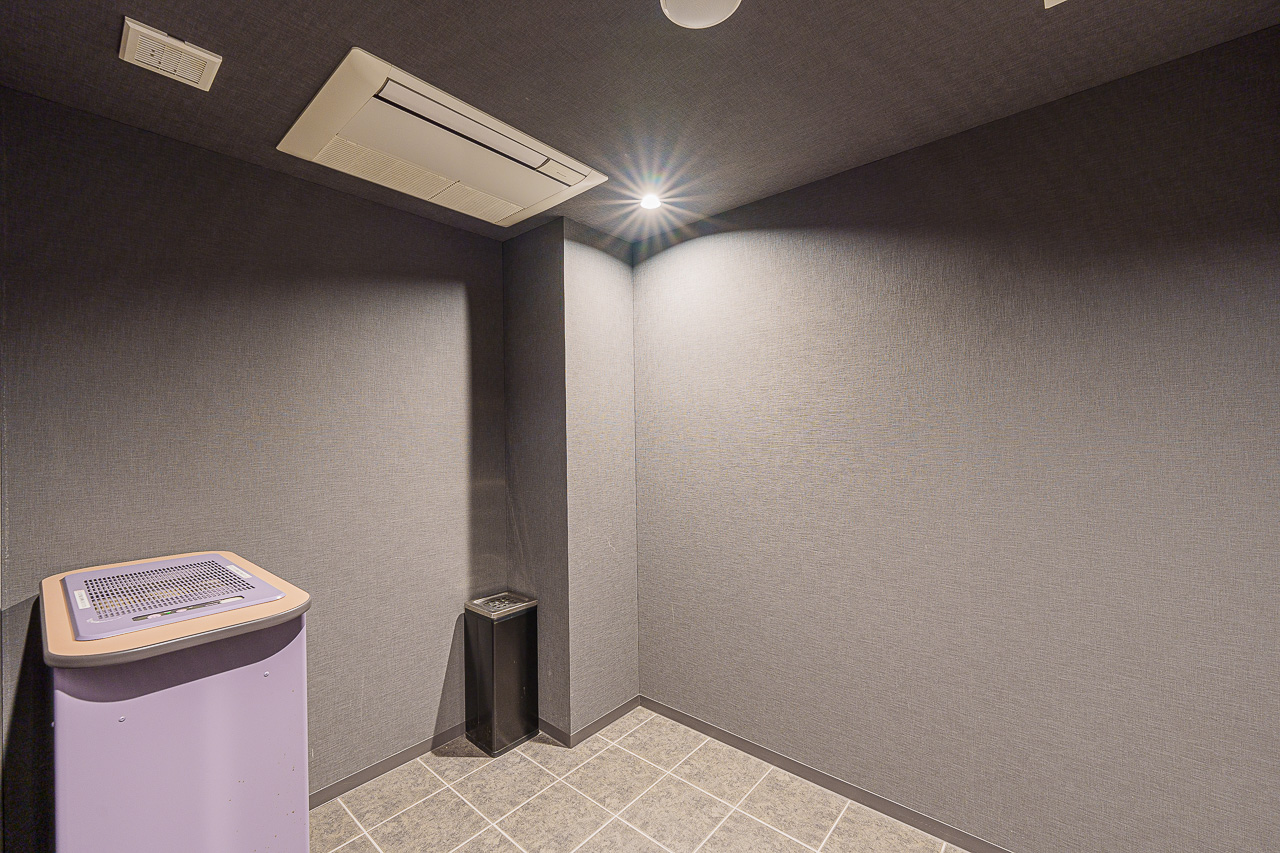
and a smoking room.
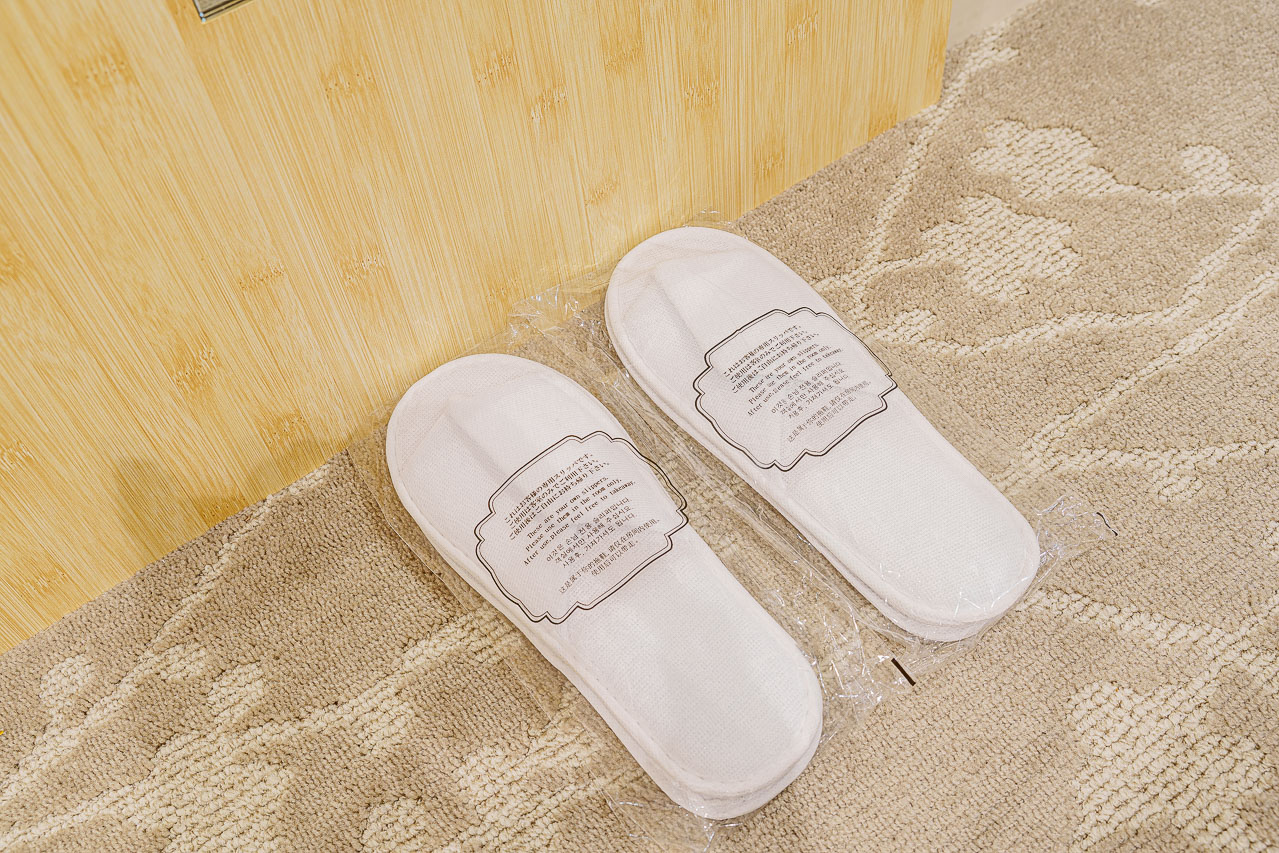
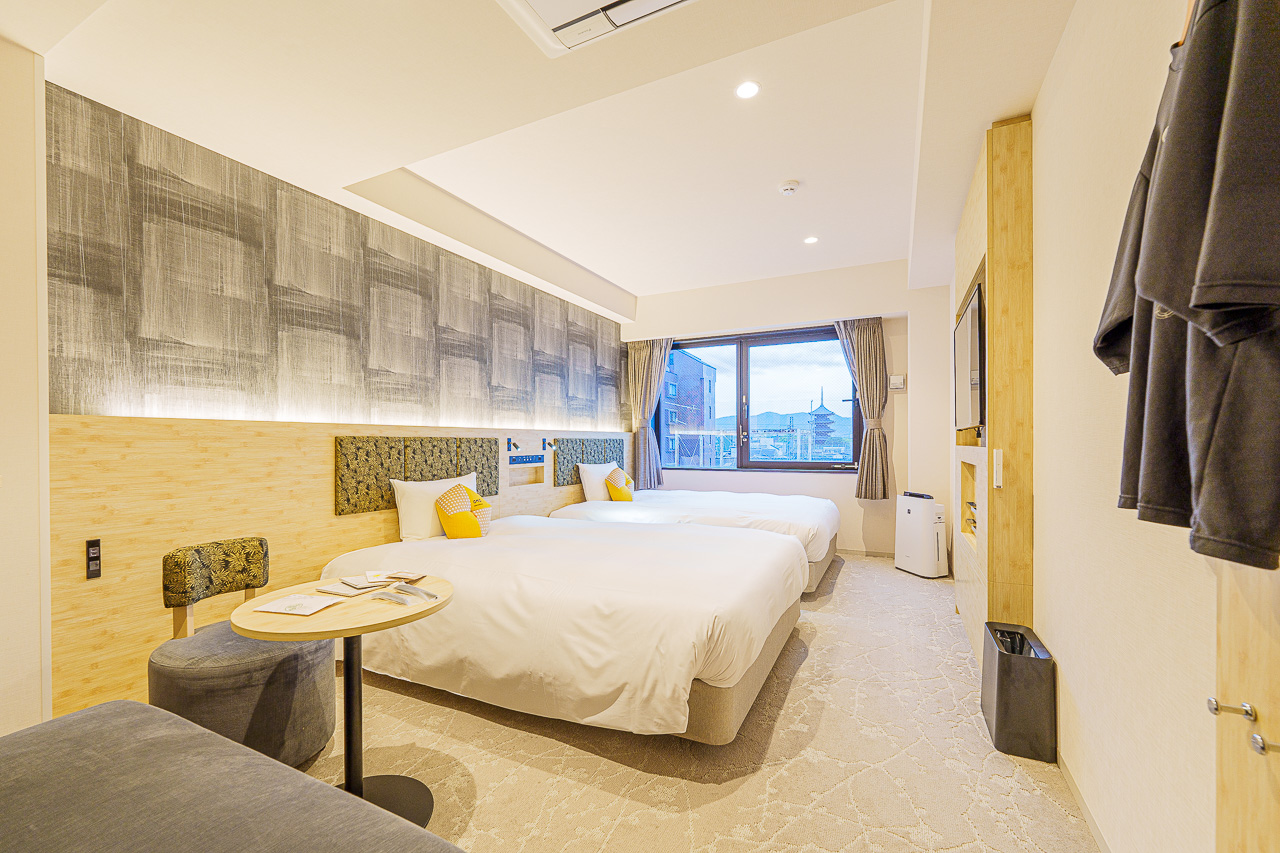
The room is simple, clean and modern.
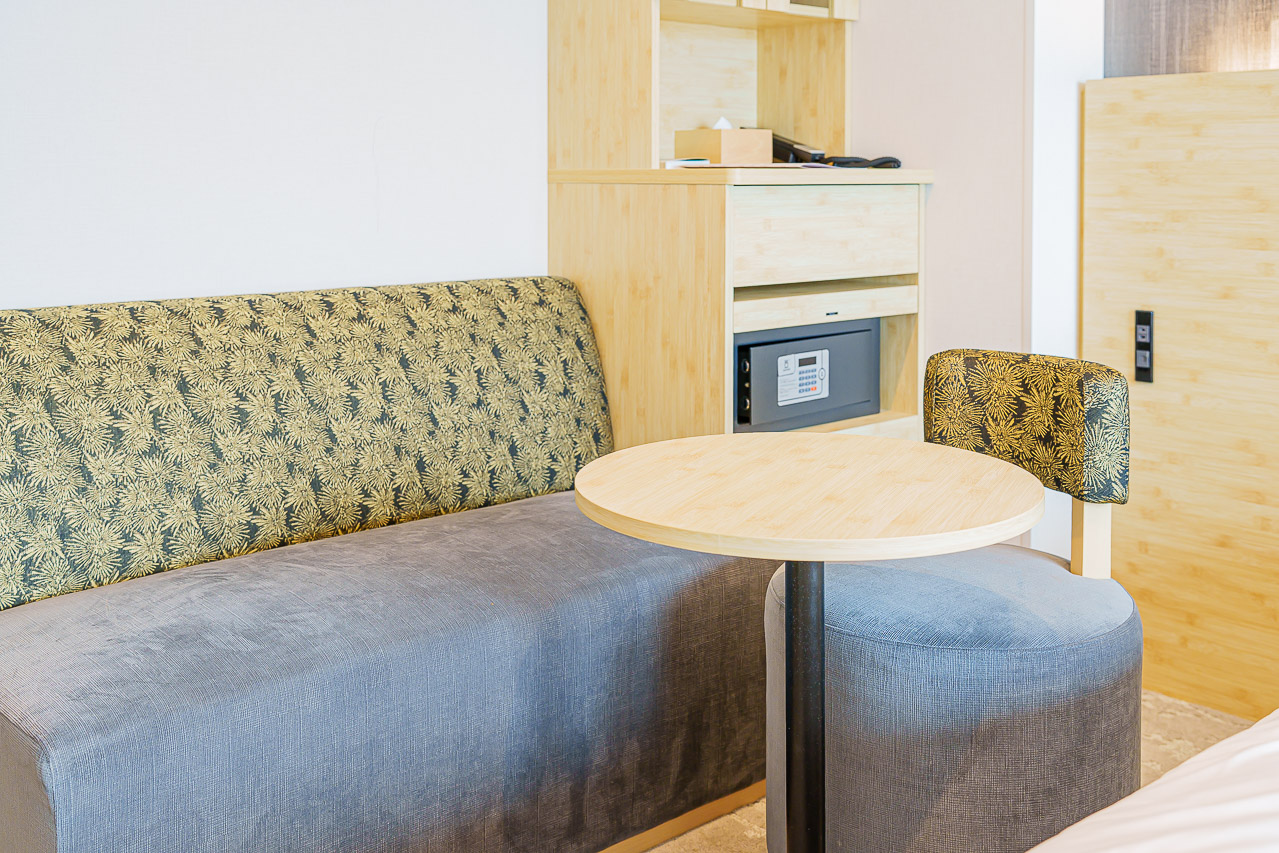
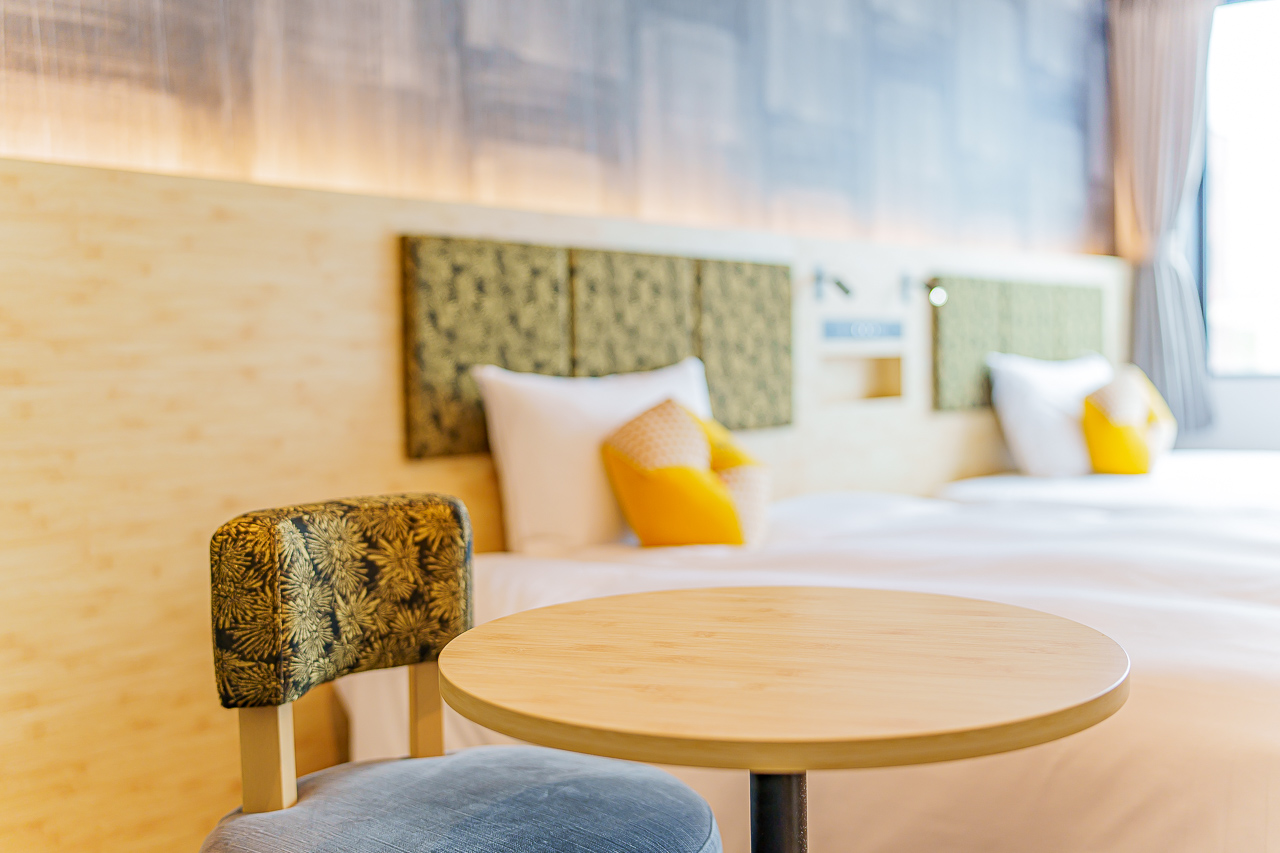
A sofa and small table beside the bed let us plan or drink tea.
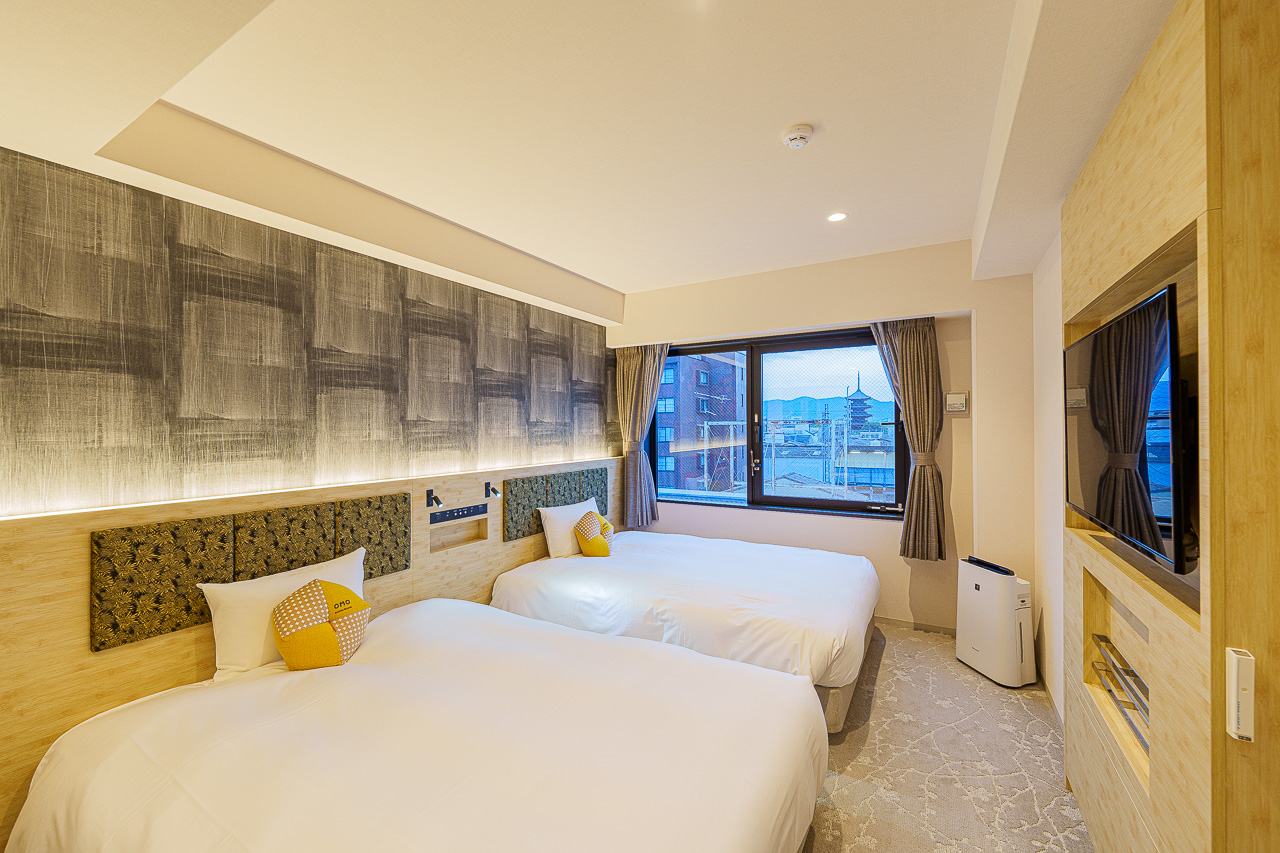
It feels roomier and more comfortable than many hotels I have used.
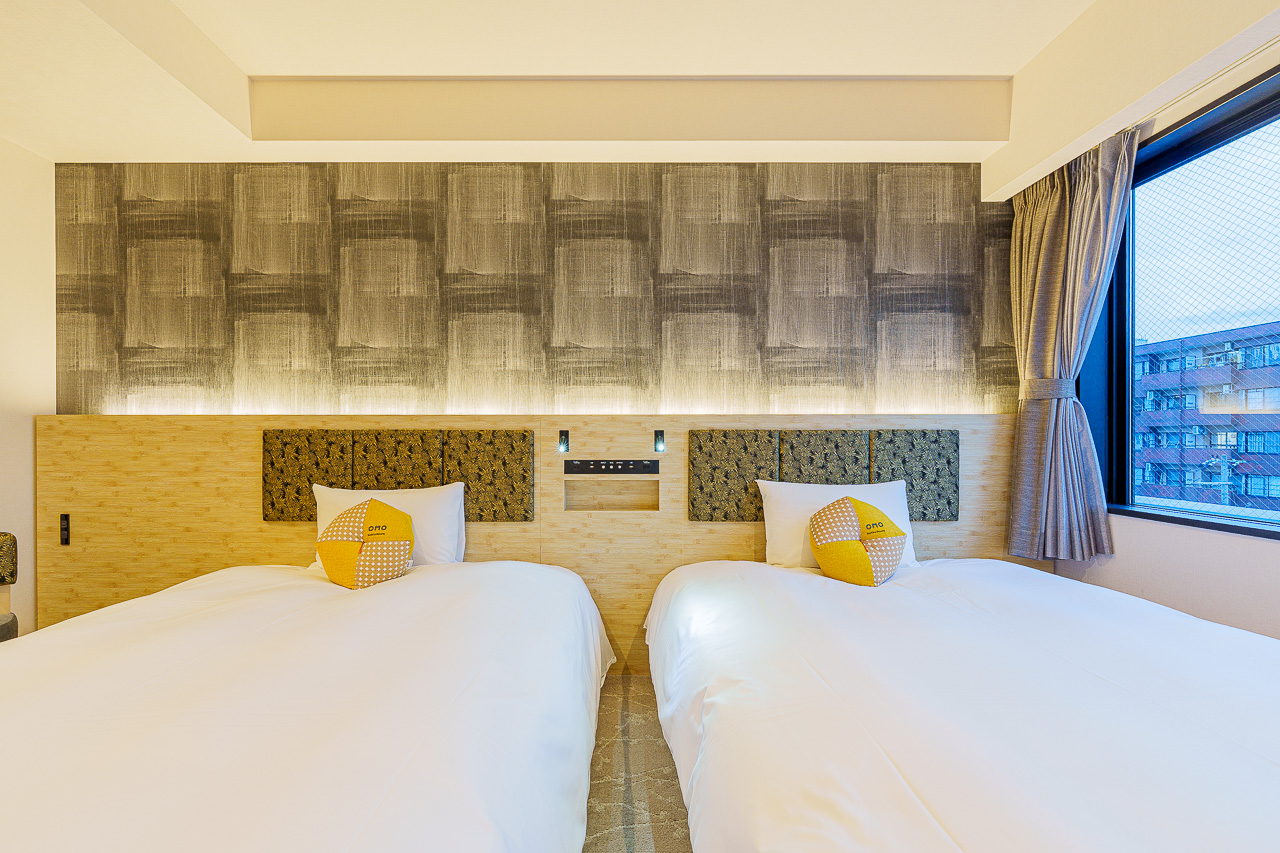
Indirect lighting and reading lamps at the bedside strike a pleasing balance.
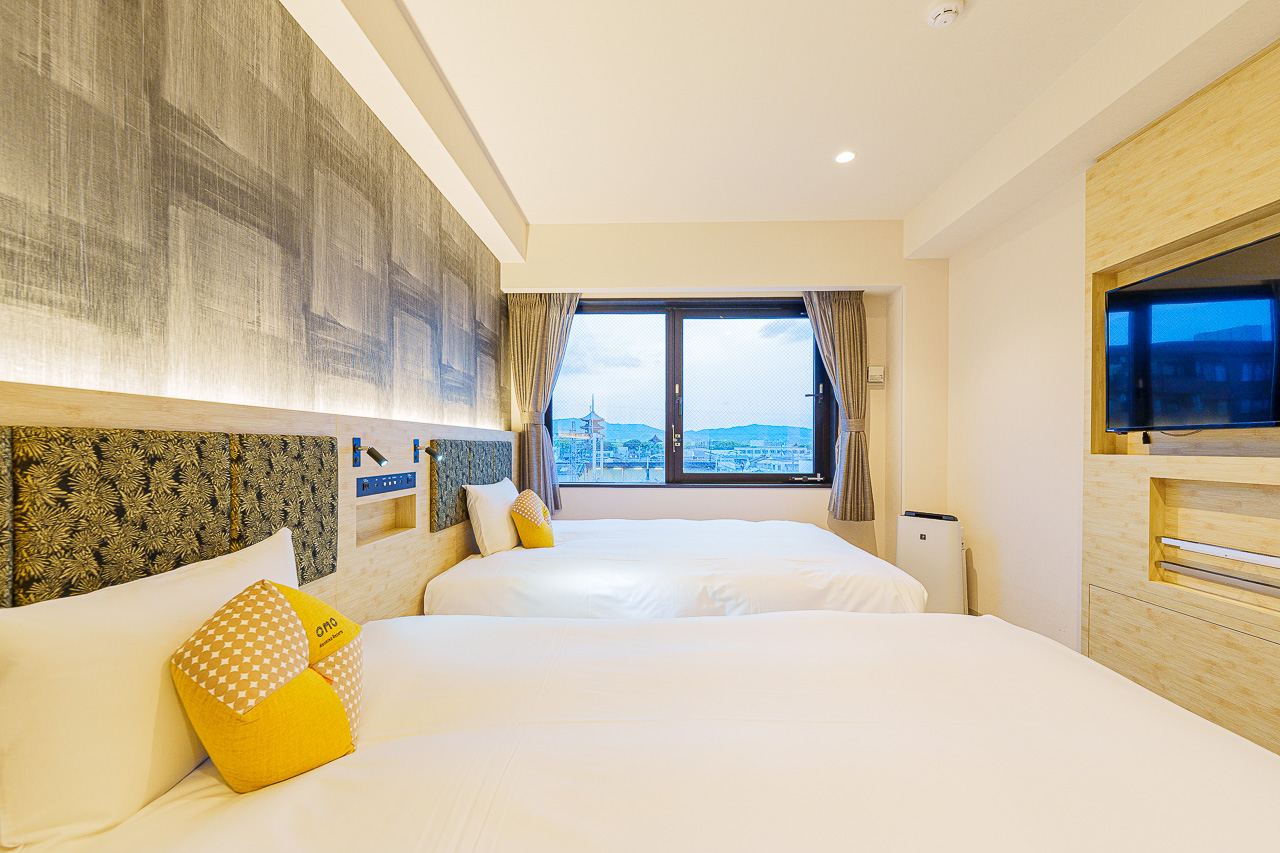
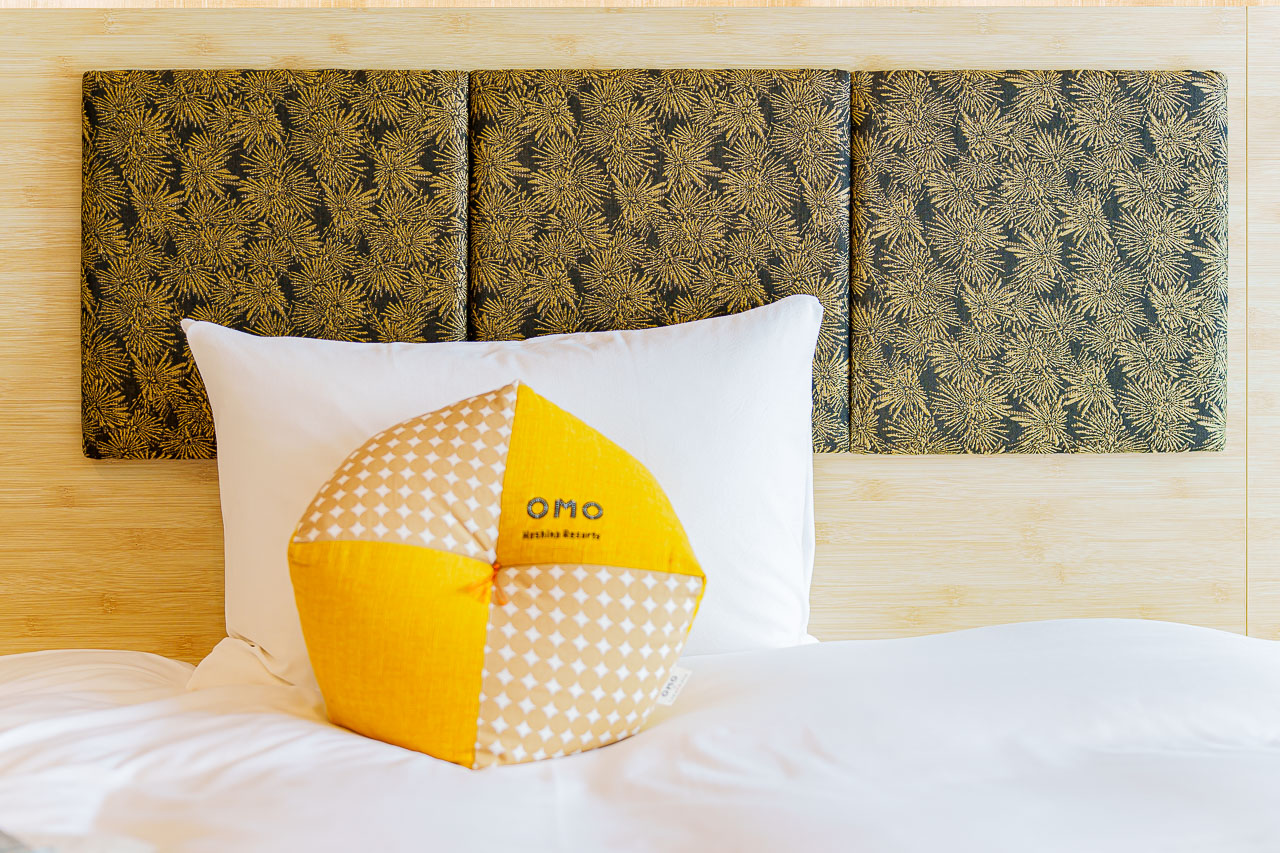
The familiar OMO pillow is almost irresistible.
I love this cushion; lying down makes me feel ready to sleep immediately.
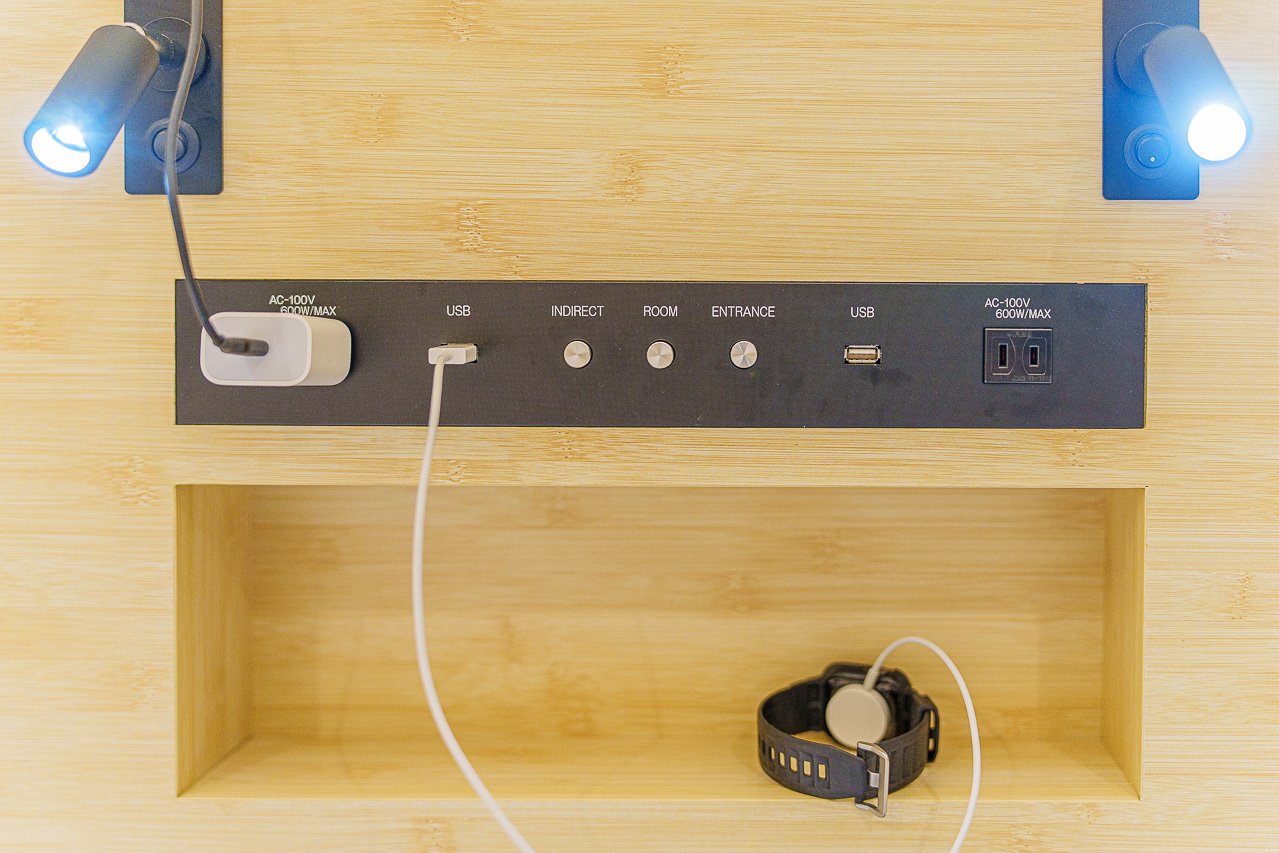
There are USB charging facilities and power sockets.
With many devices to charge, I appreciate the number of outlets.
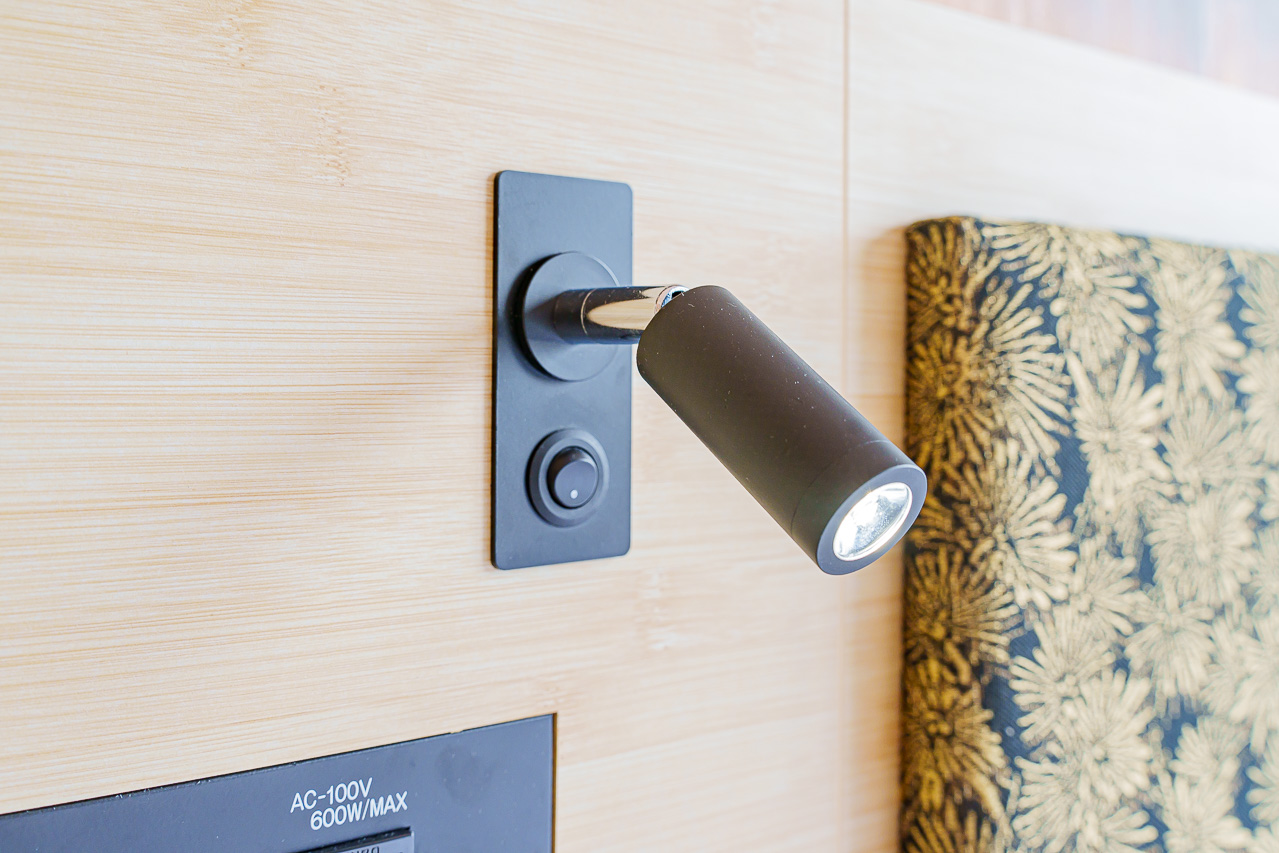
A cute reading light.
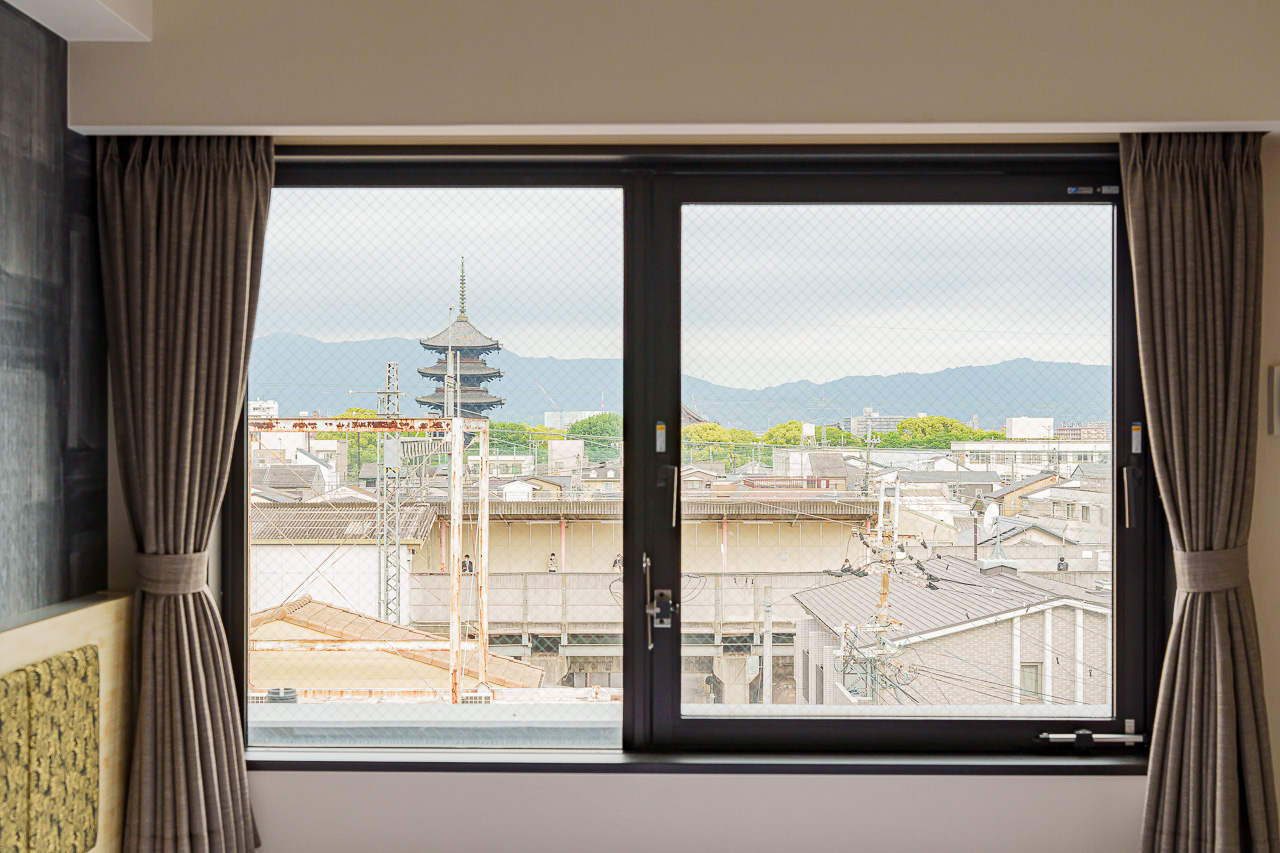
Toji is visible in the distance.
After ocean, harbor, mountain and lake views elsewhere, Kyoto gives us a temple view.
I am impressed.
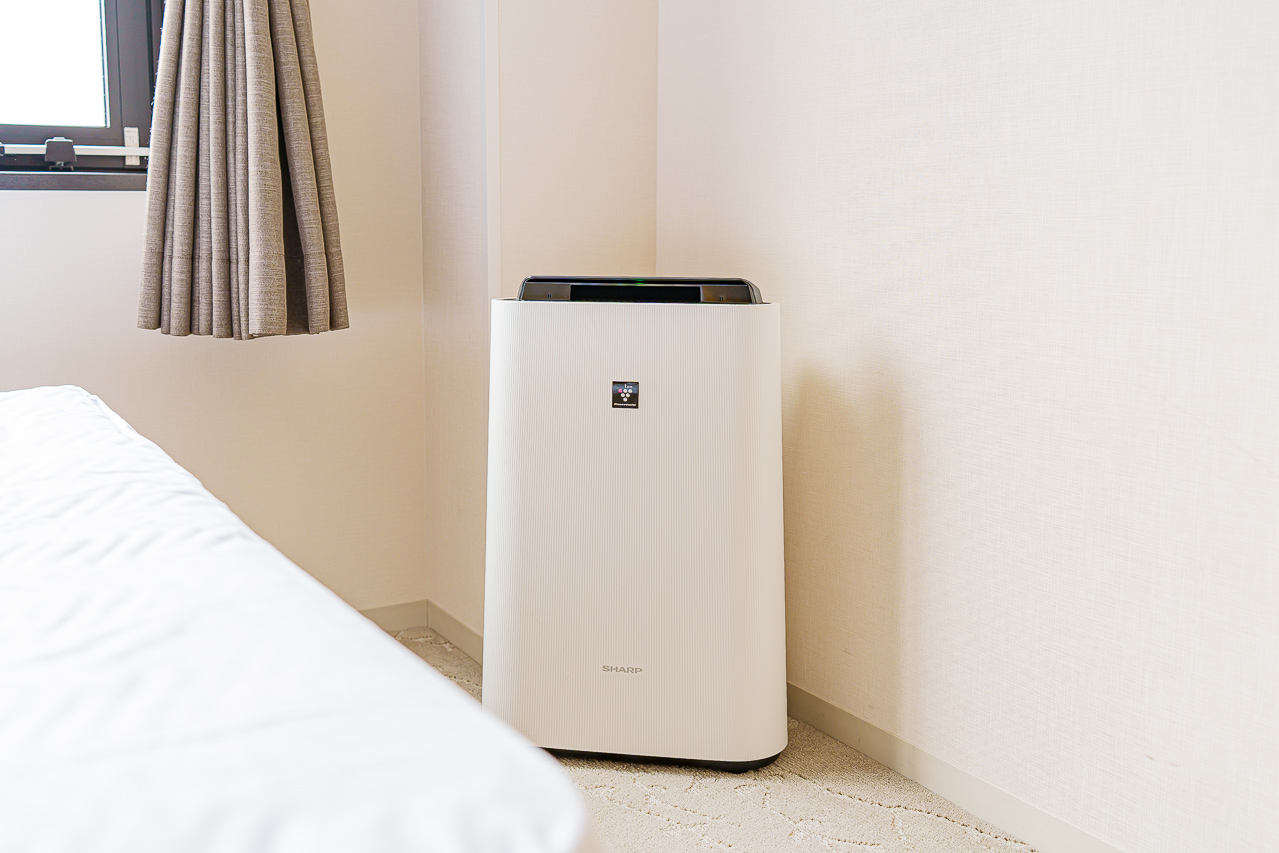
An air purifier is also provided, increasingly standard at hotels.
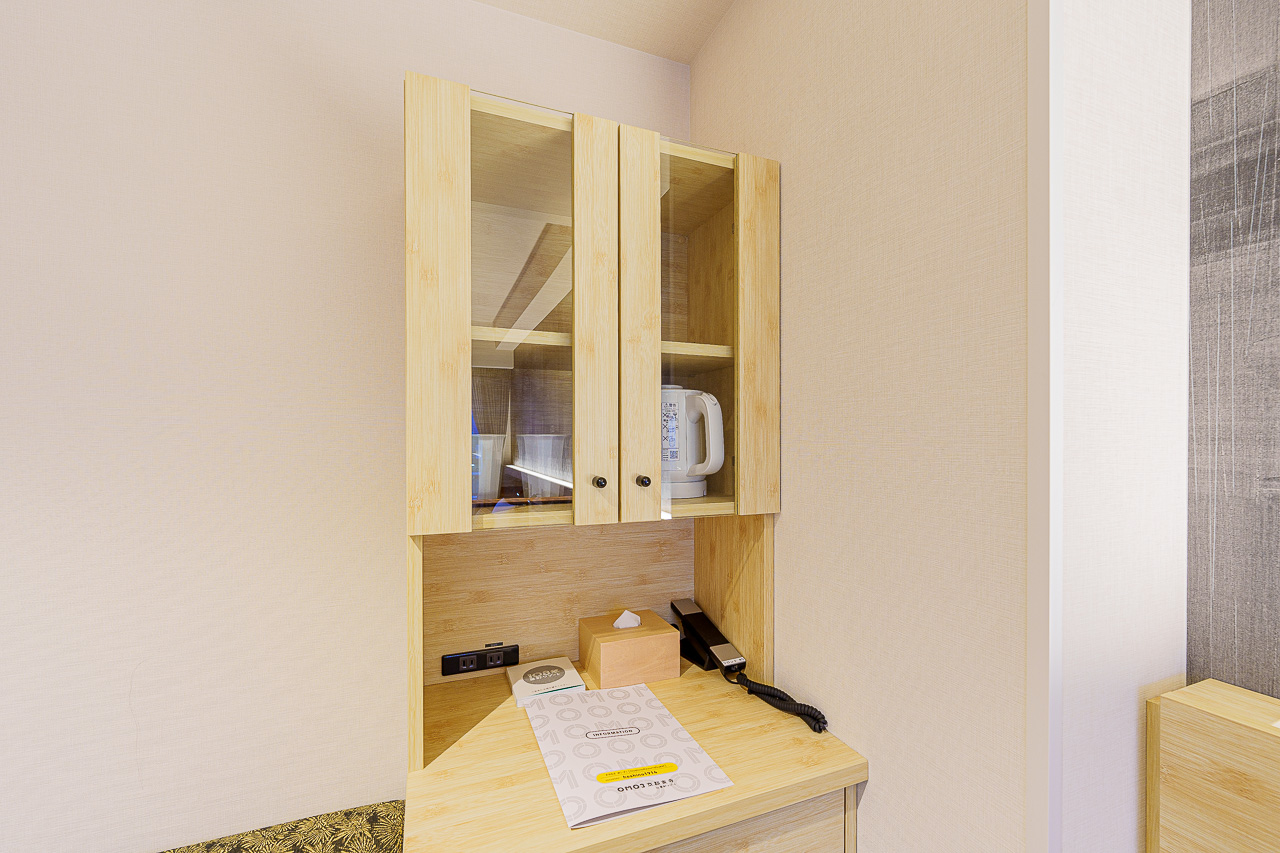
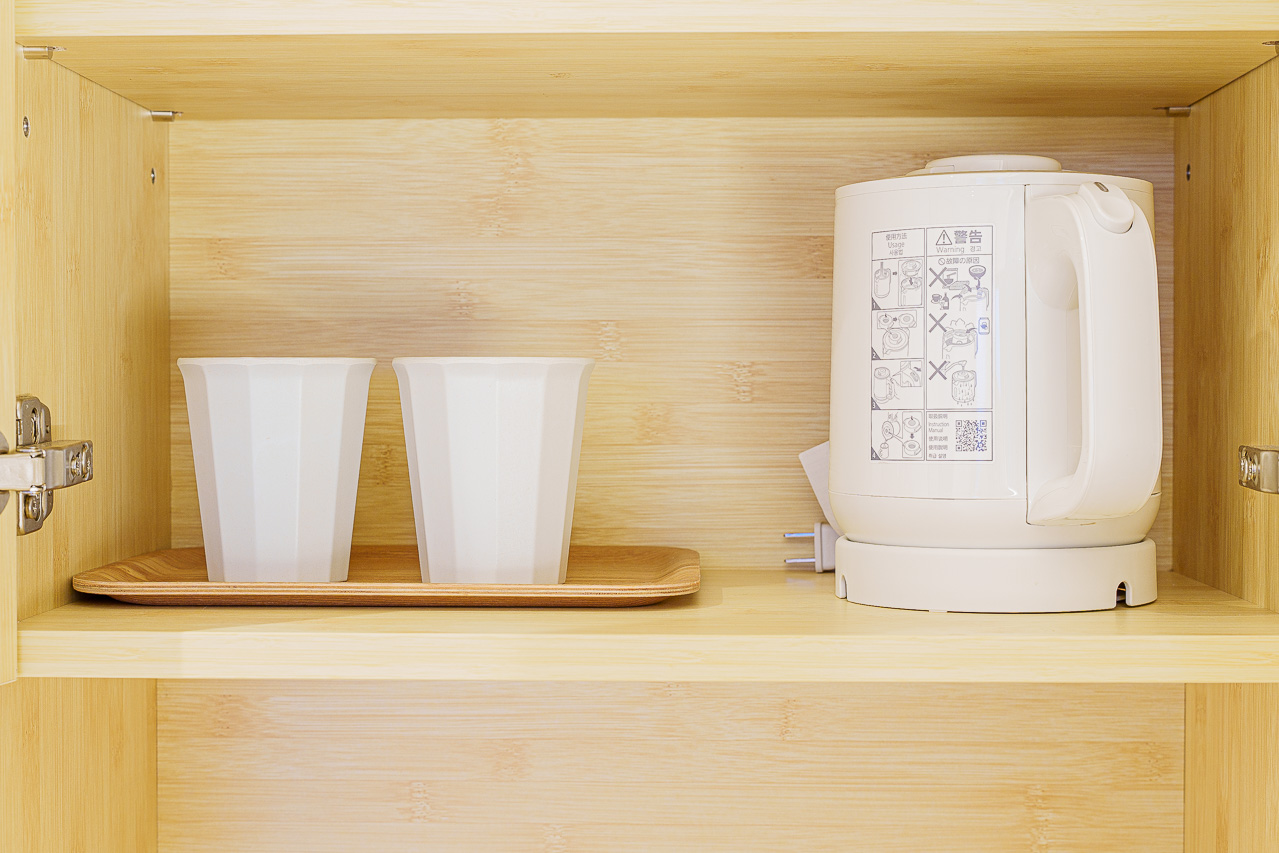
A kettle,
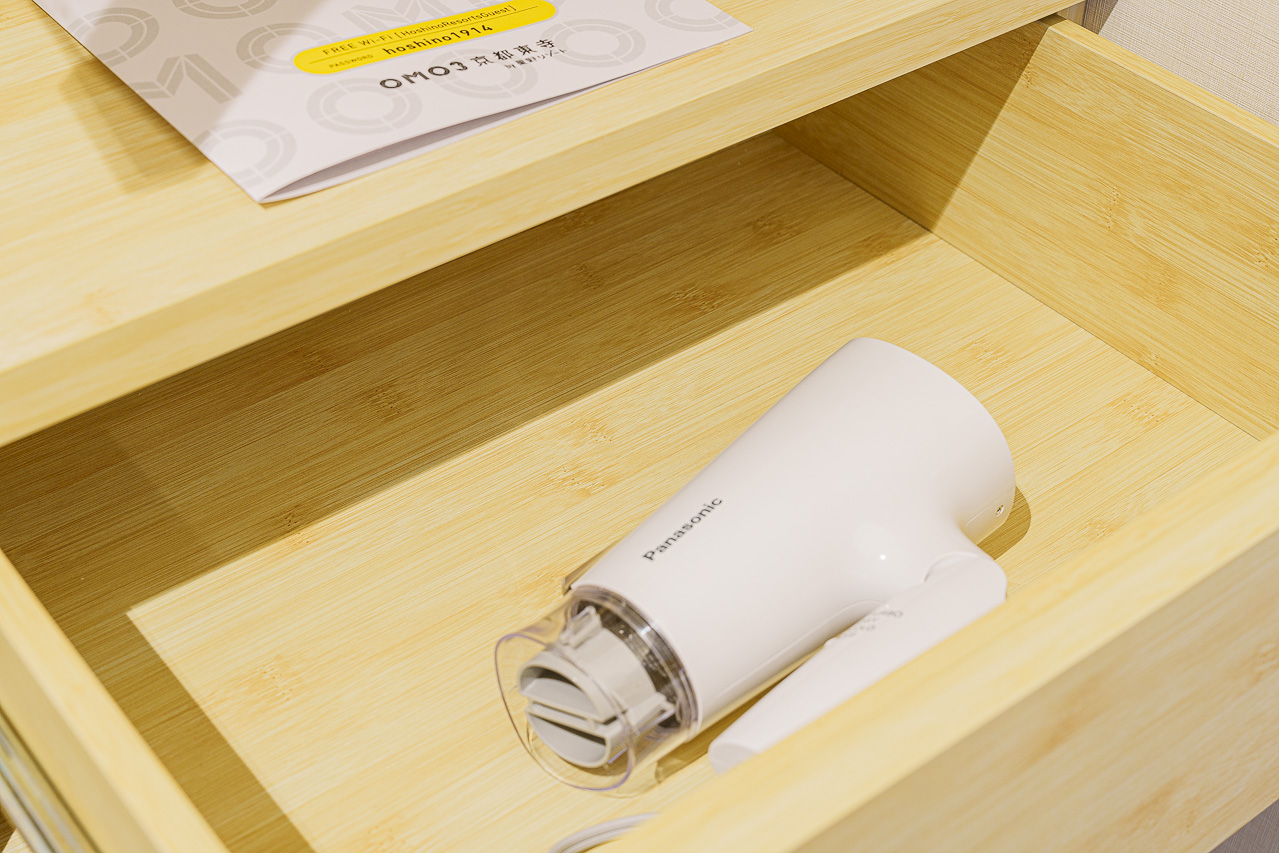
a hair dryer tucked into a drawer,
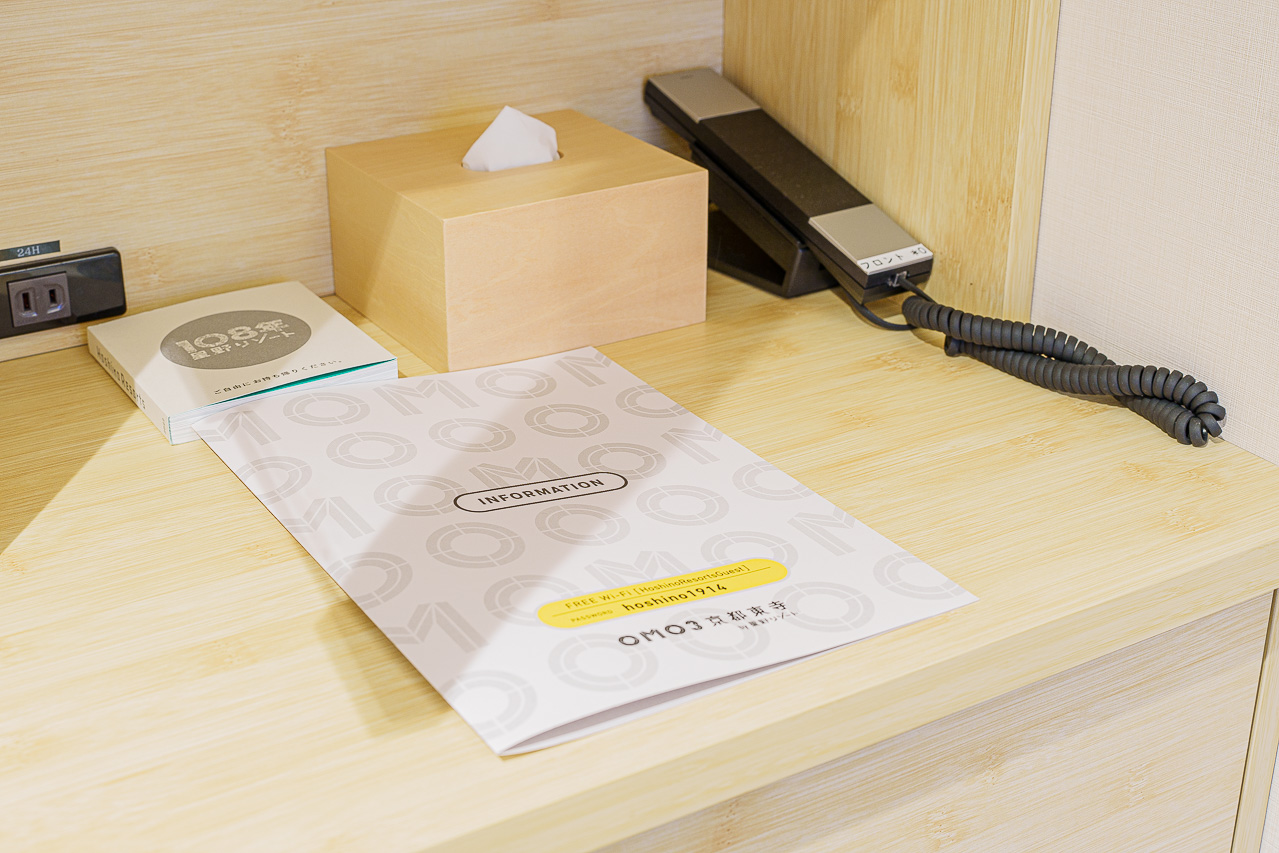
hotel information showing the Wi-Fi password,
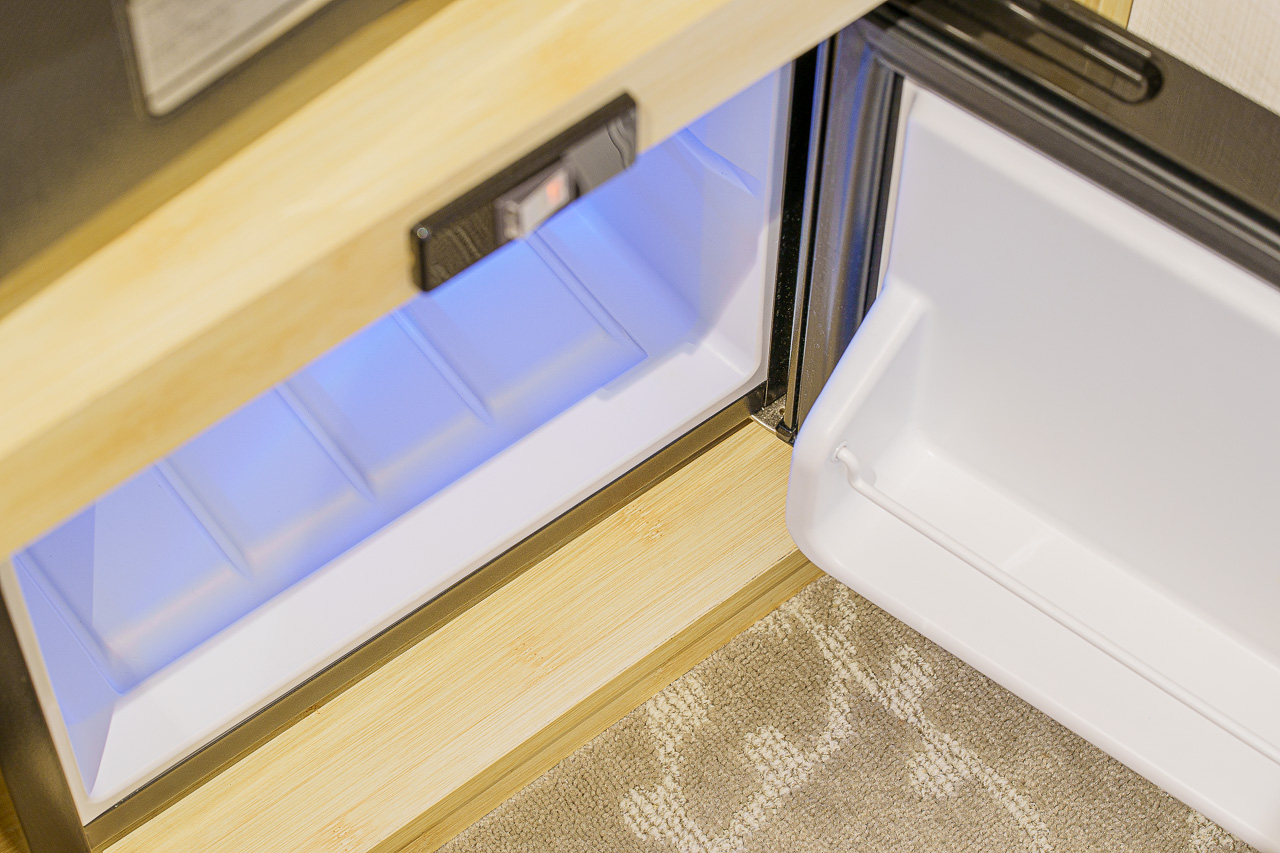
and a small refrigerator.
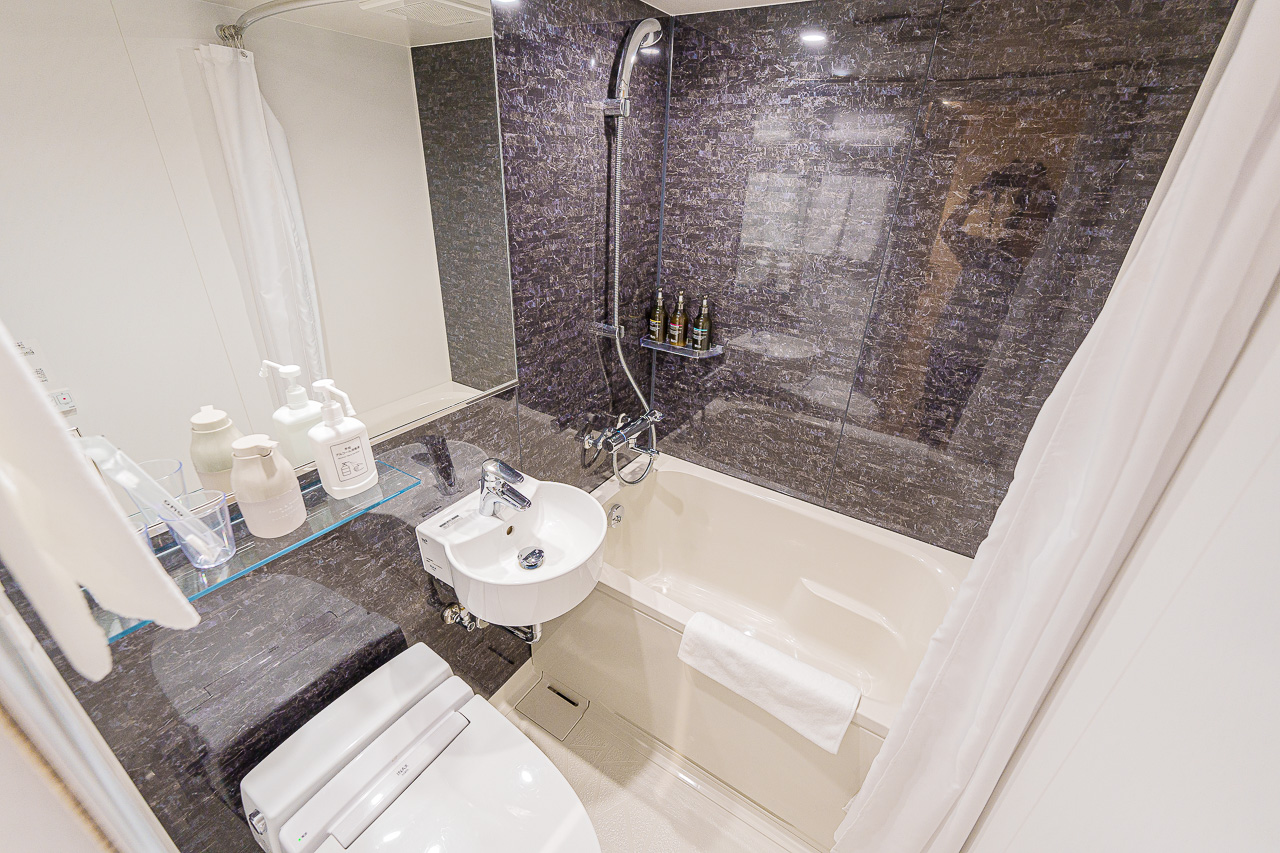
The toilet and bathtub share a compact unit bathroom.
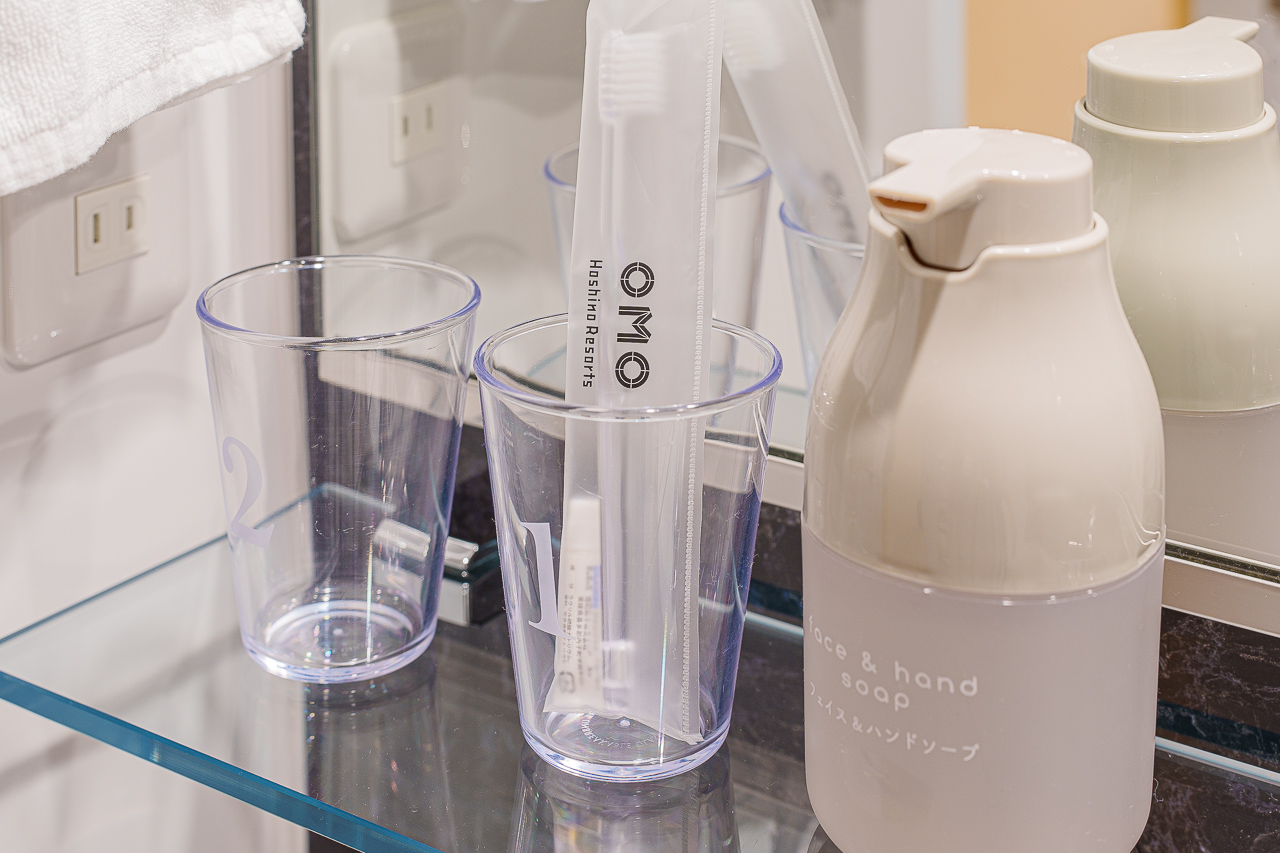
Numbered cups, a toothbrush and cleanser.
The toothbrush needs to be collected from the amenity area seen earlier.
The cup numbers seem intended to prevent confusion about whose cup is whose when traveling together.
A small but welcome detail.
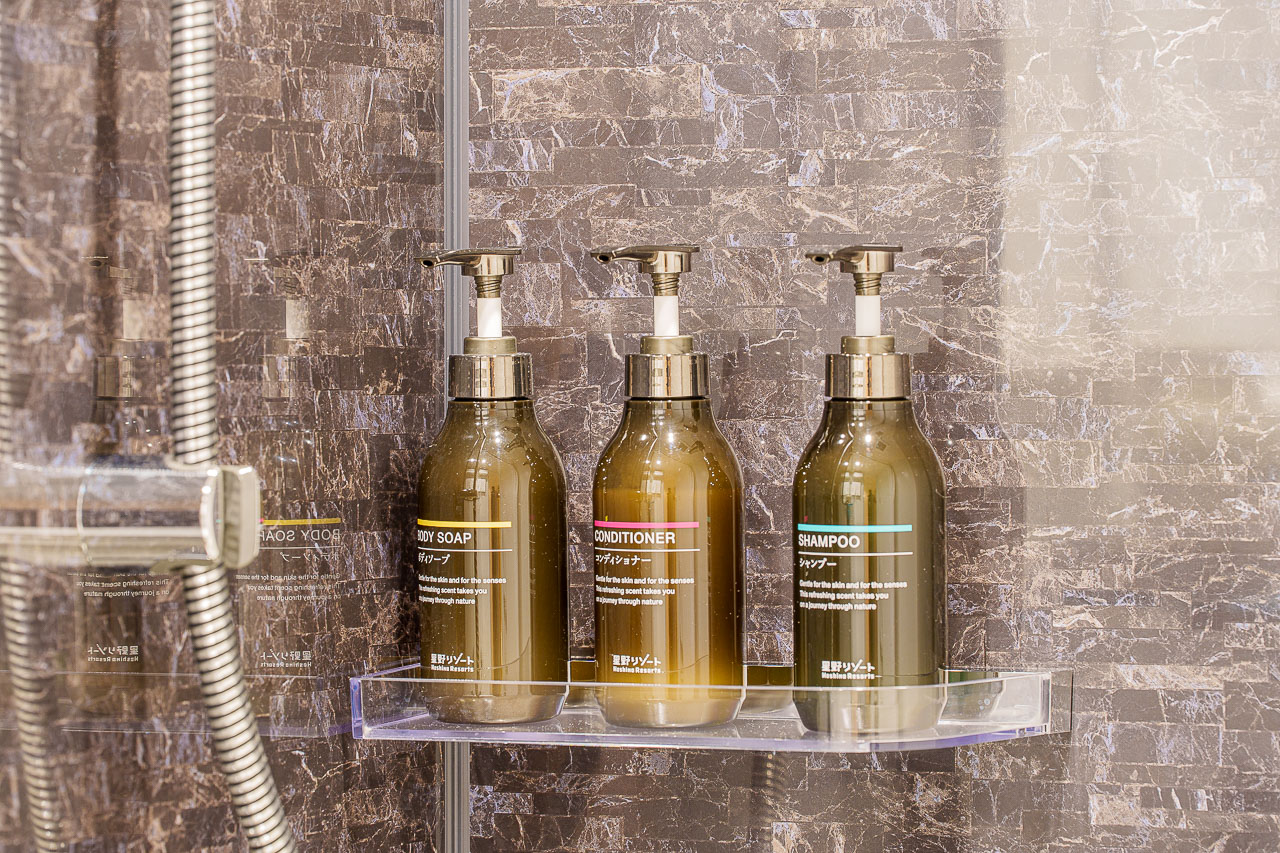
Hoshino Resorts’ original shampoo, conditioner and body wash are provided.
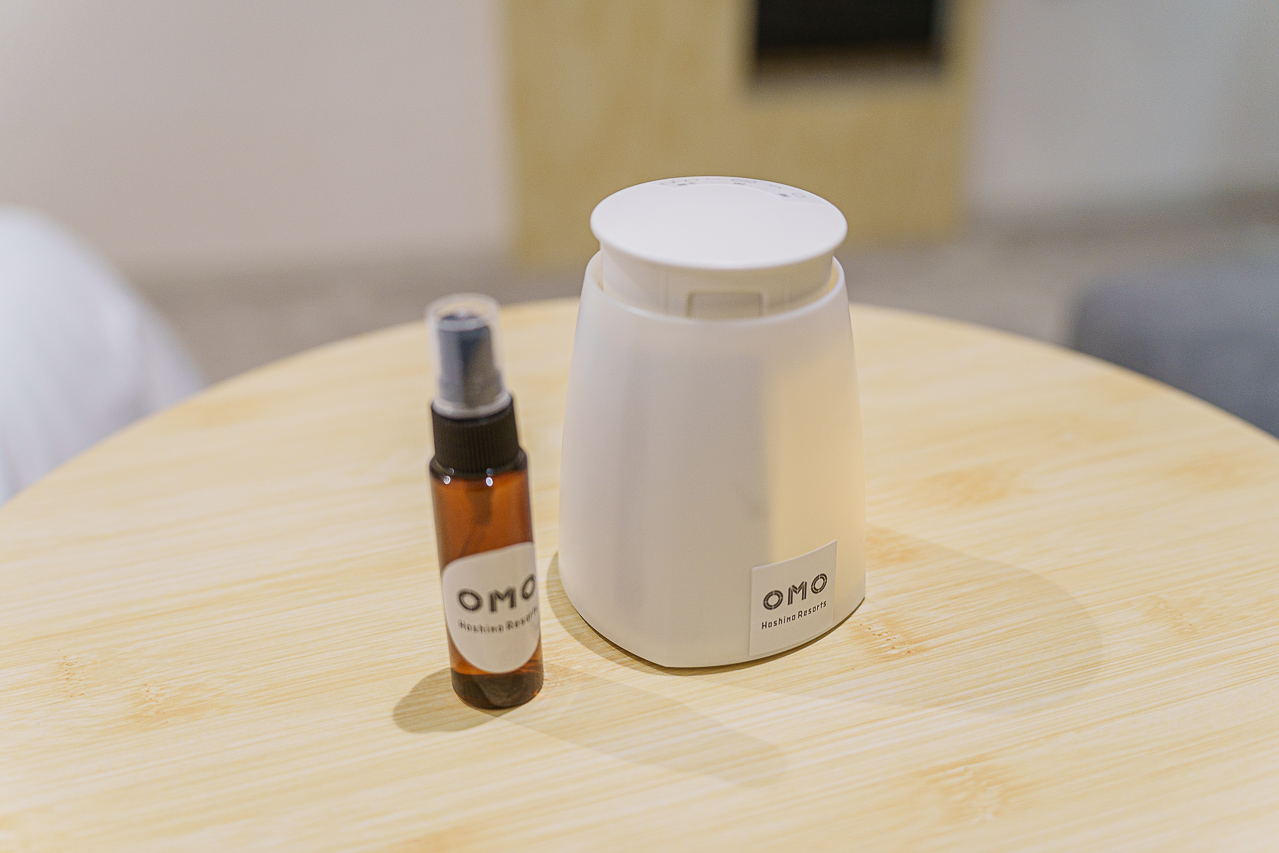
The fragrance item brought from reception.
Its hinoki scent is lovely.
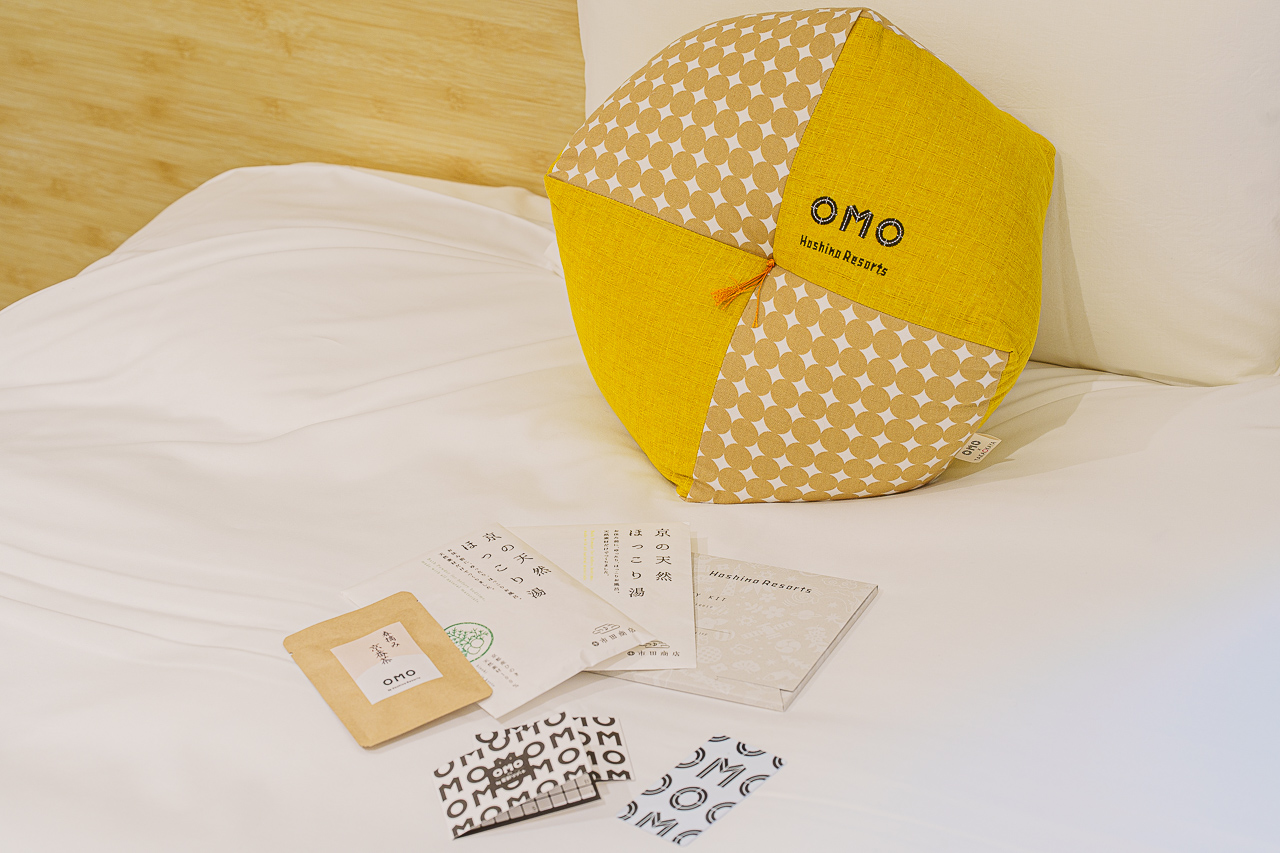
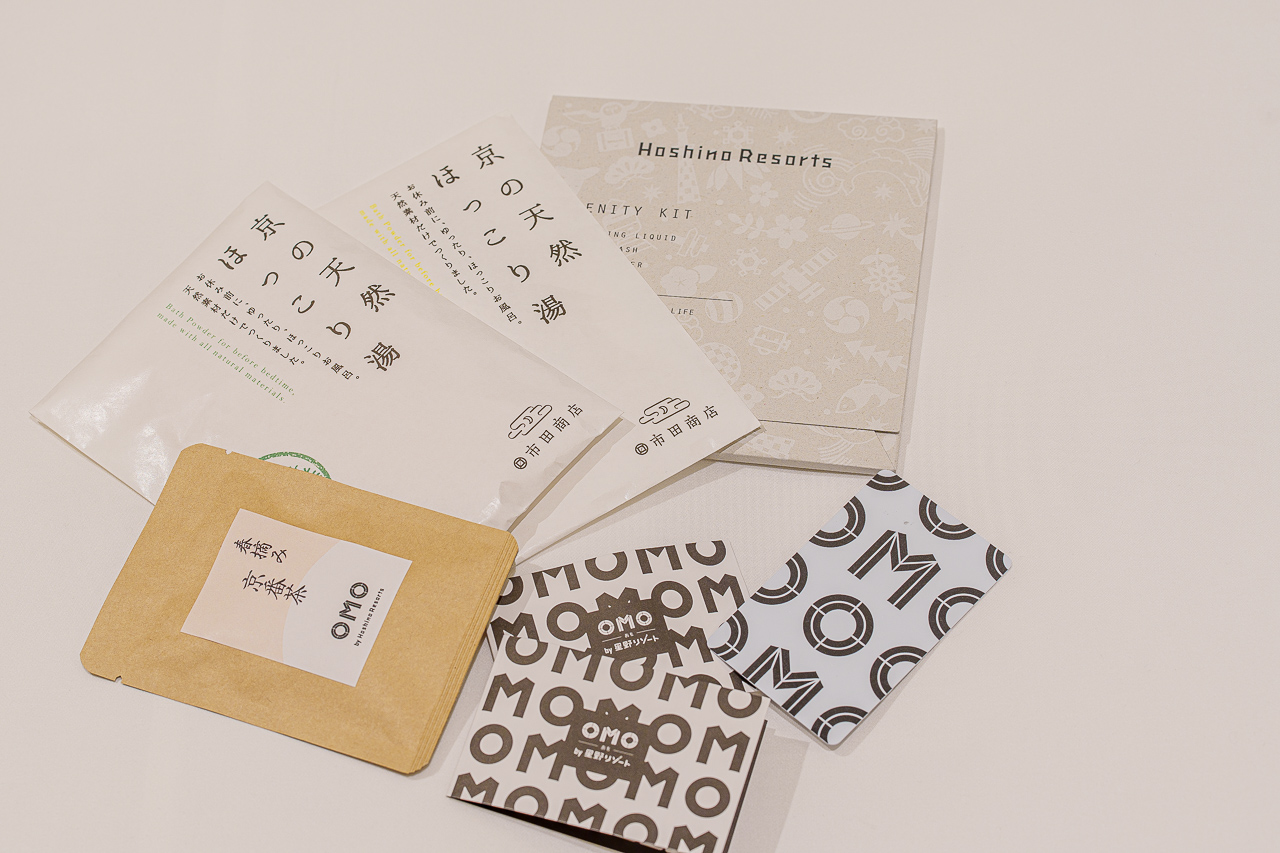
We buy bath and skincare products sold at reception.
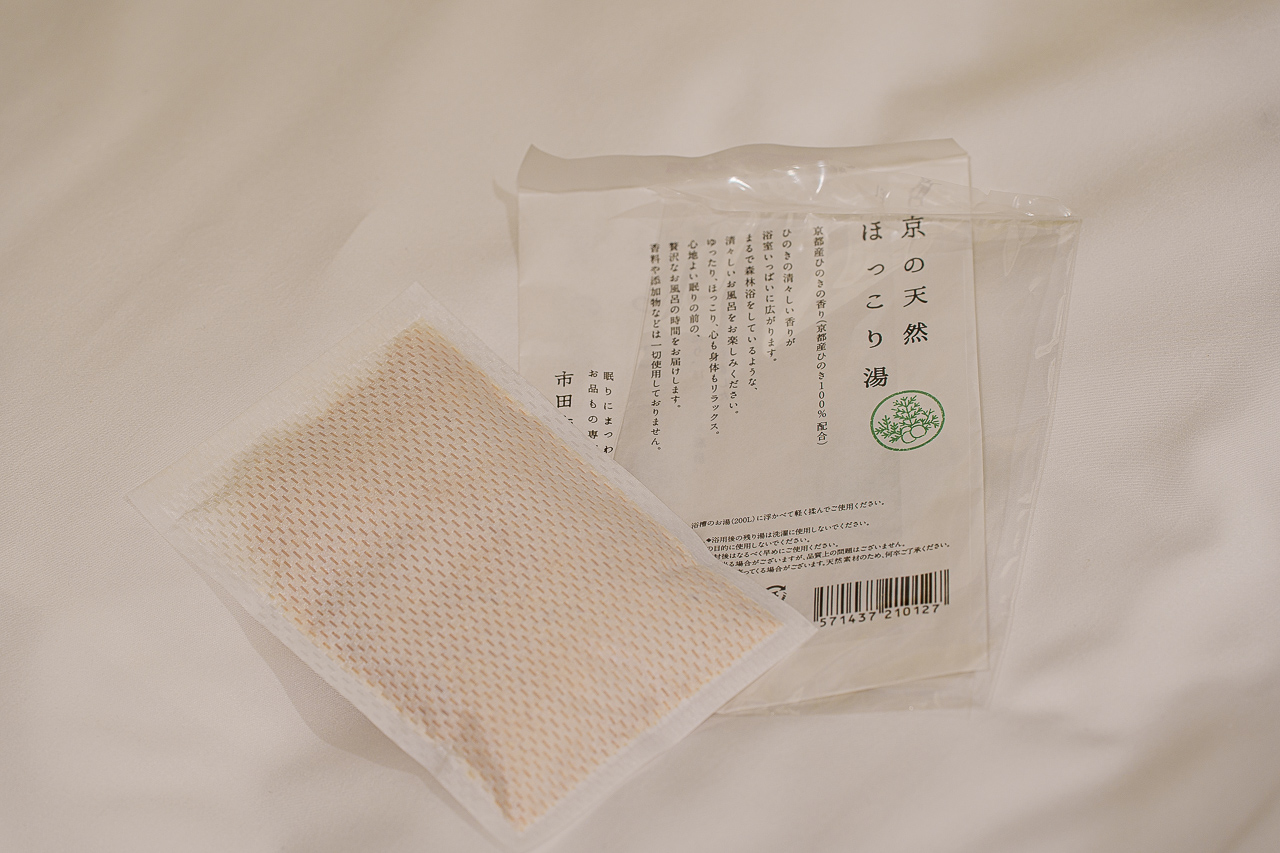
The bath sachet contains real plant material.
Its label is described as 100% Kyoto hinoki, without coloring, preservatives or added fragrance. Those are product claims from the source.
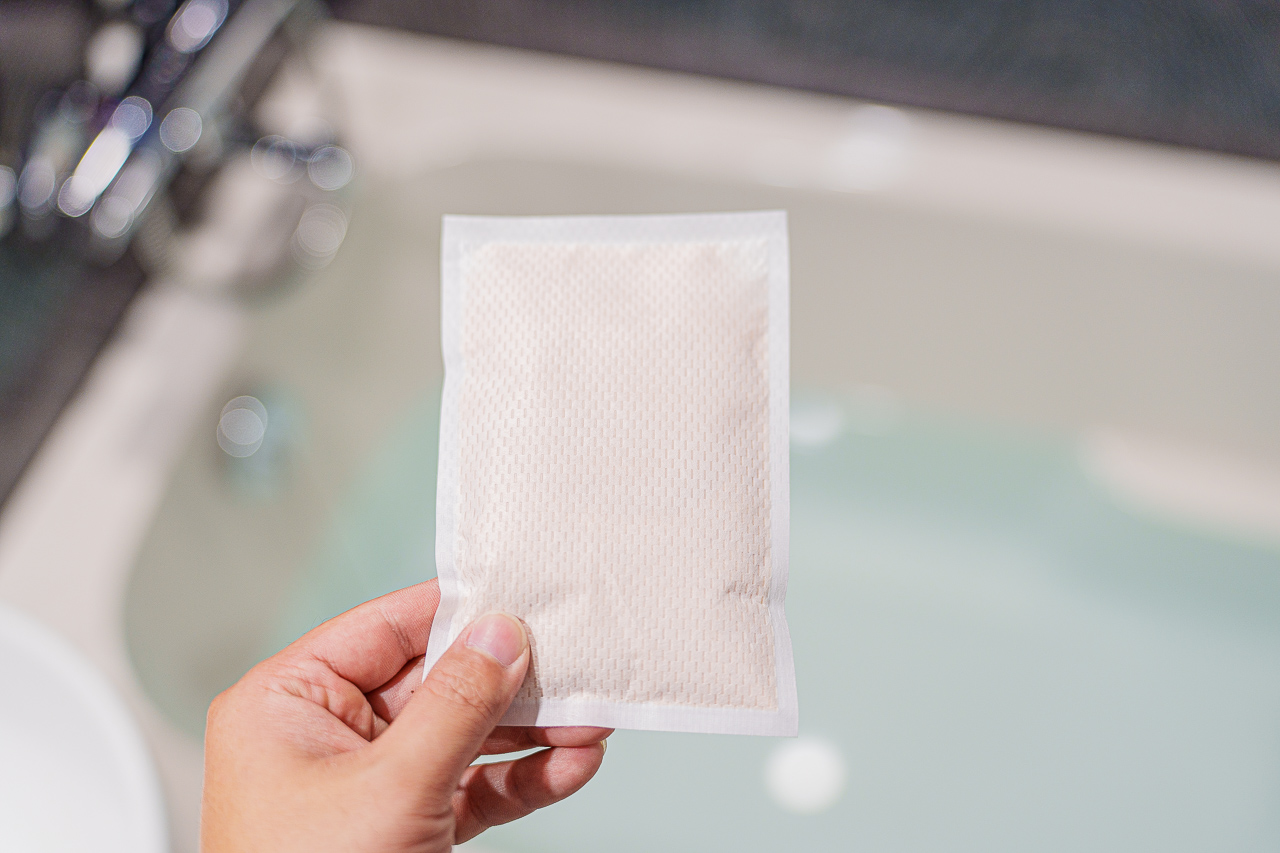
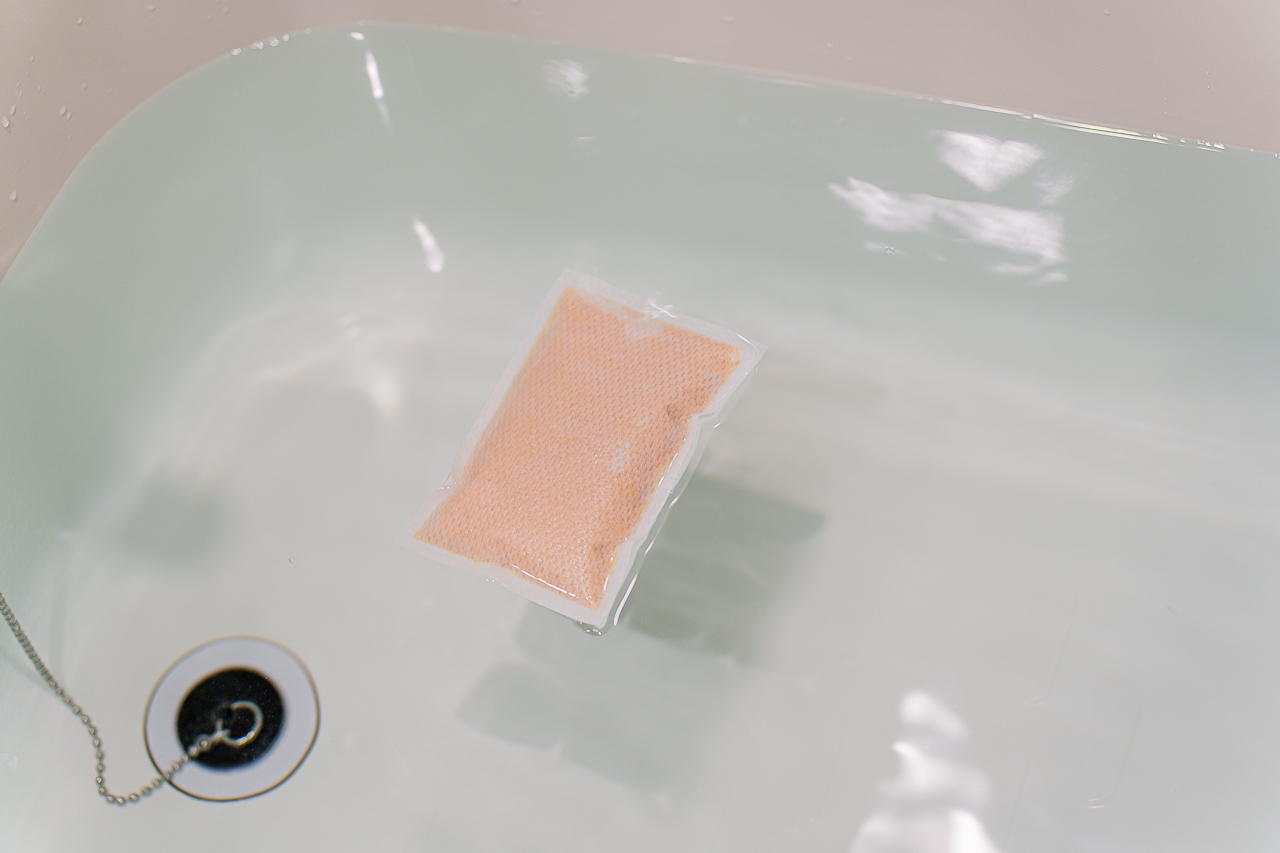
I know there is actual wood because I expected the water to change color, squeezed the sachet harder and broke it.
It was full of hinoki pieces.
The scent makes an ordinary bath feel almost like an onsen visit to me, without changing the water’s classification.
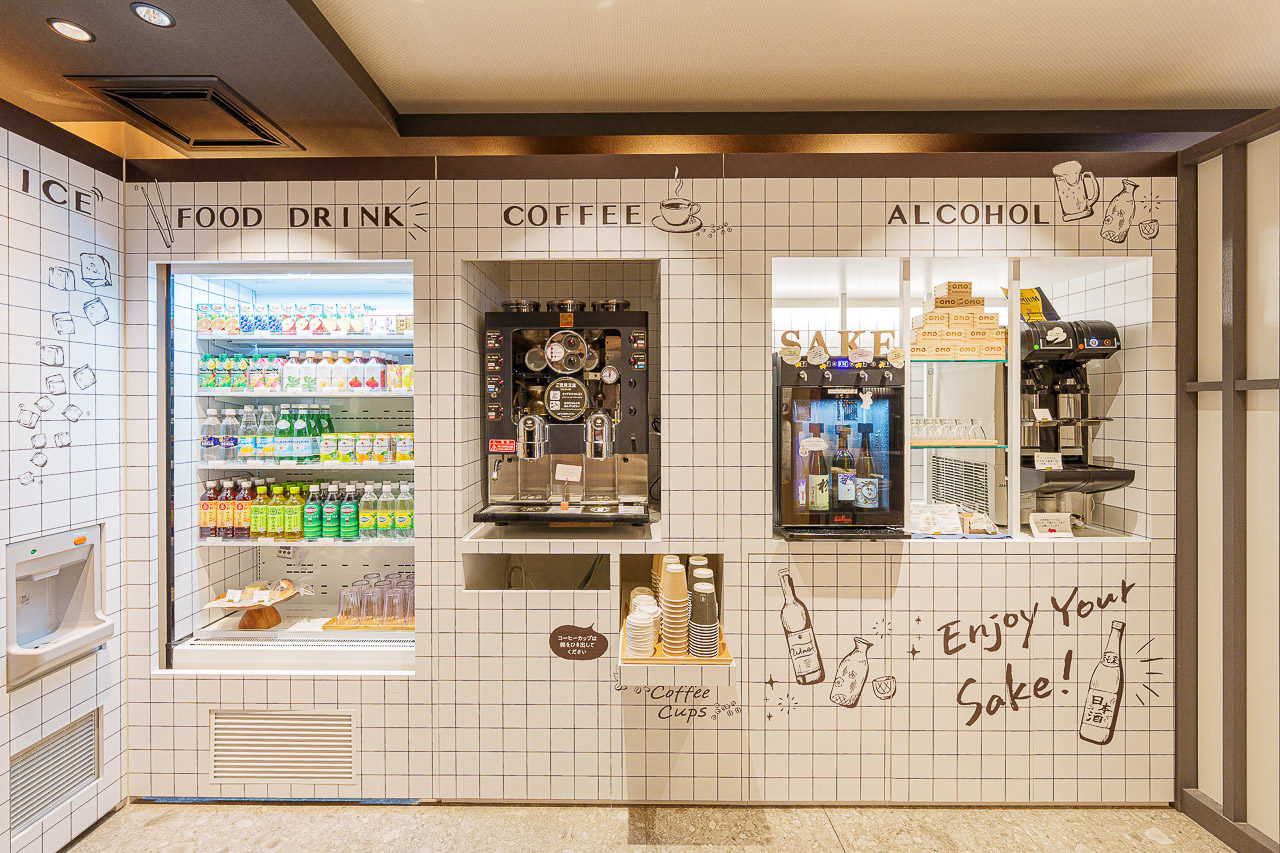
After bathing, we return to the Food & Drink Station that caught our eye at check-in.
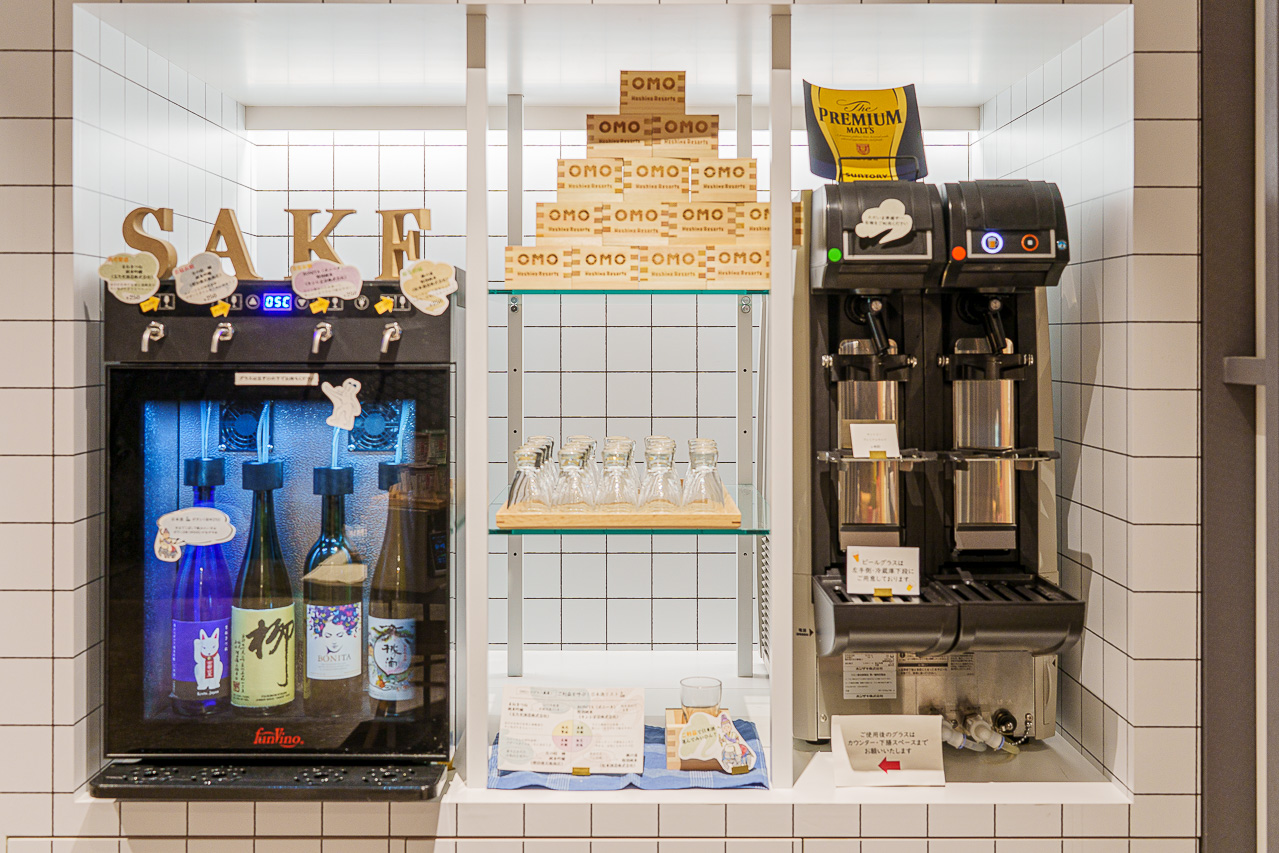
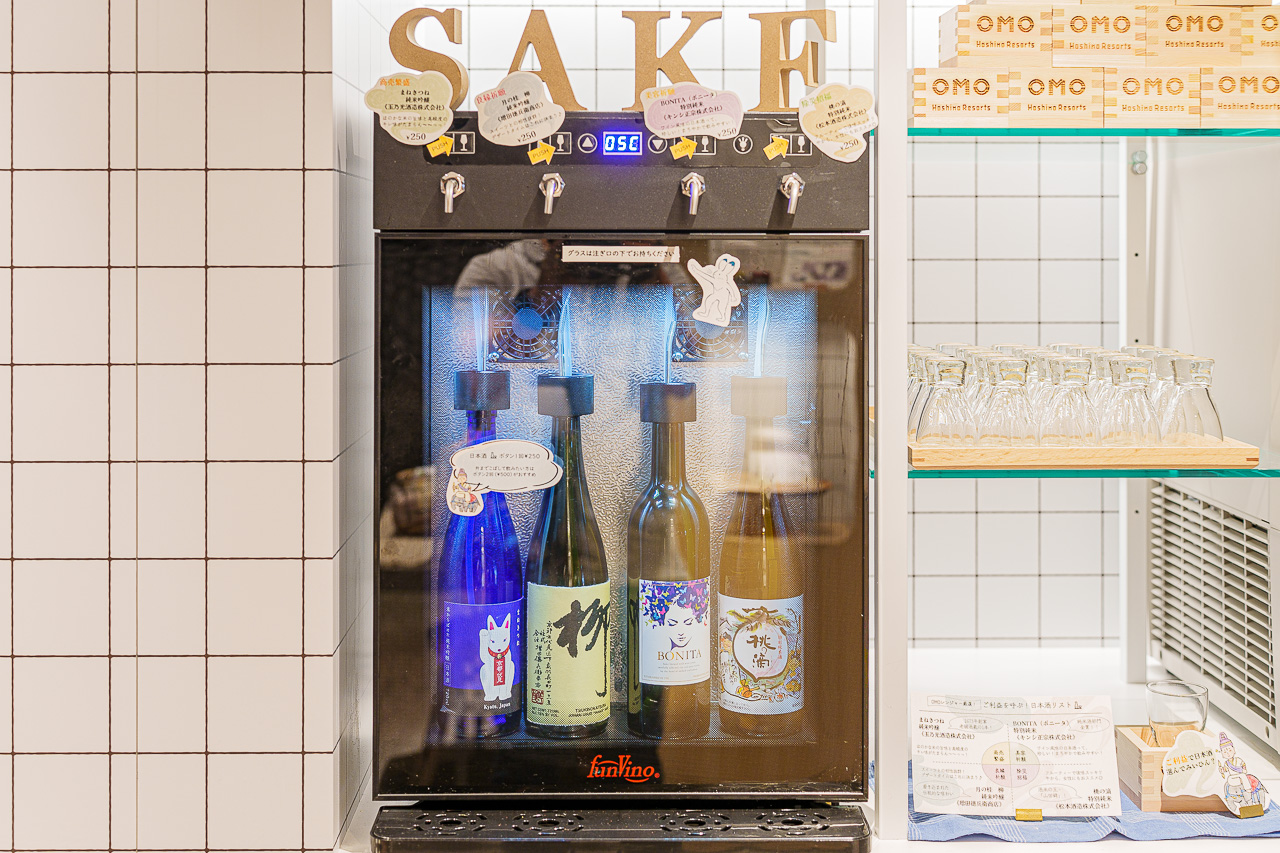
Sake dispensed like a vending-machine drink—quite a sight.
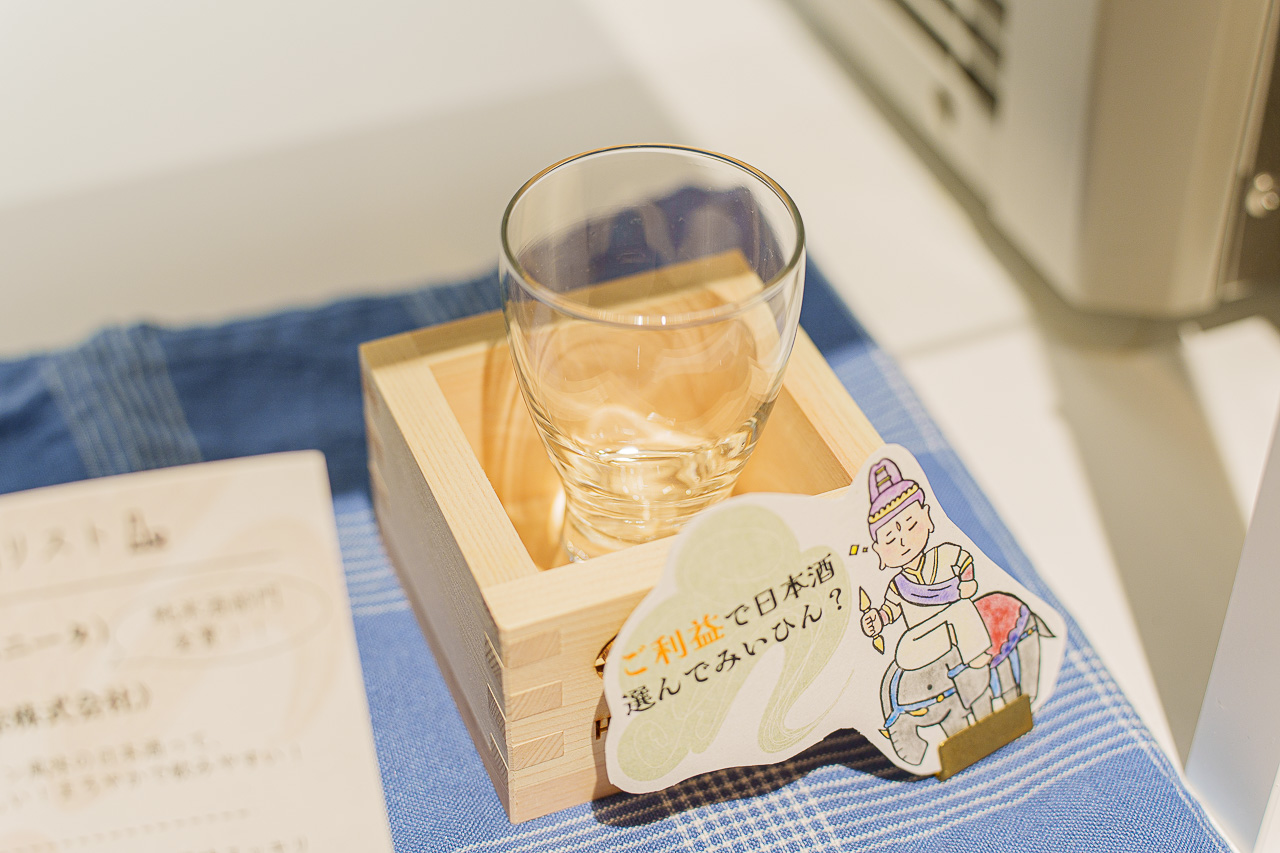
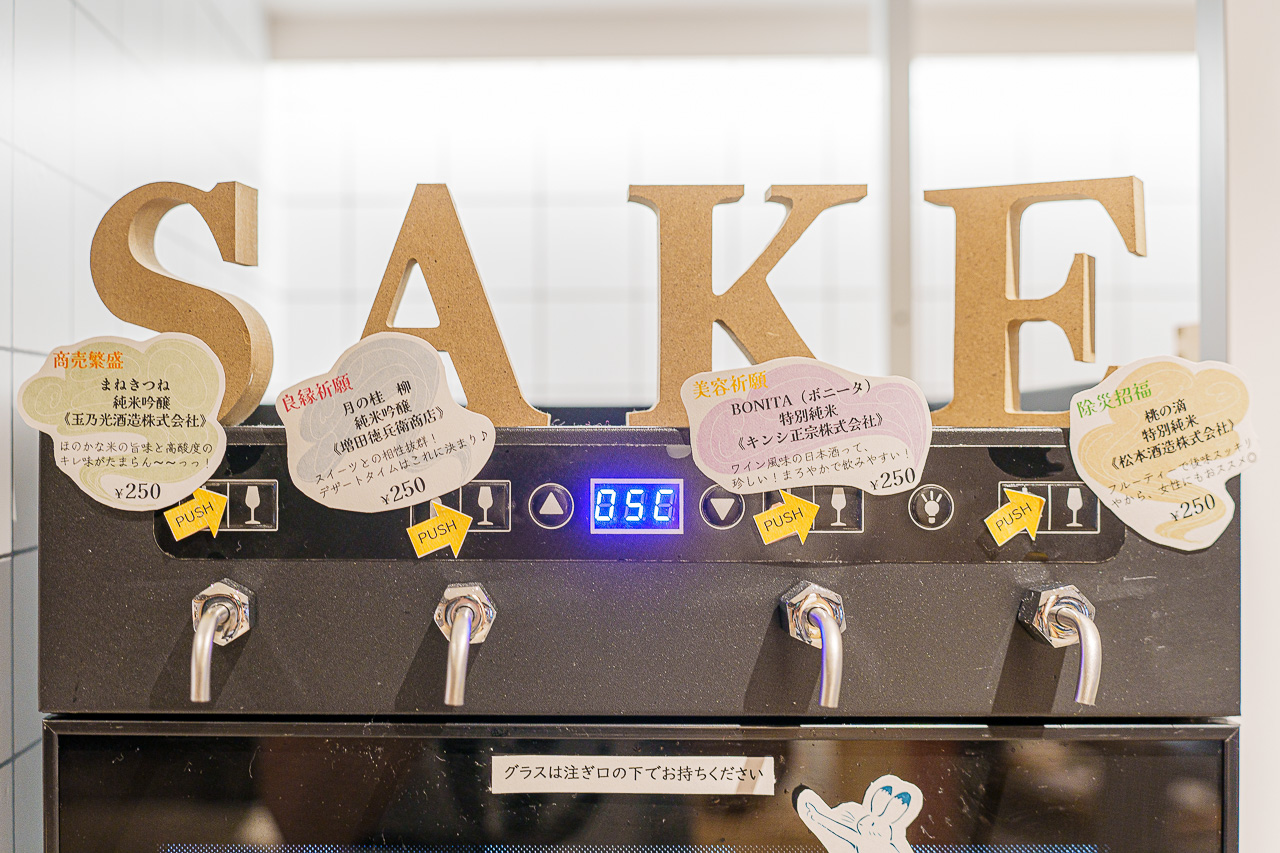
Each sake has a different symbolic promise on its label, according to the display.
From left: prosperity in business, good relationships, beauty and protection from disaster. These are themed labels, not verified effects.
I cannot remember clearly, but think I chose the ‘beauty’ one.
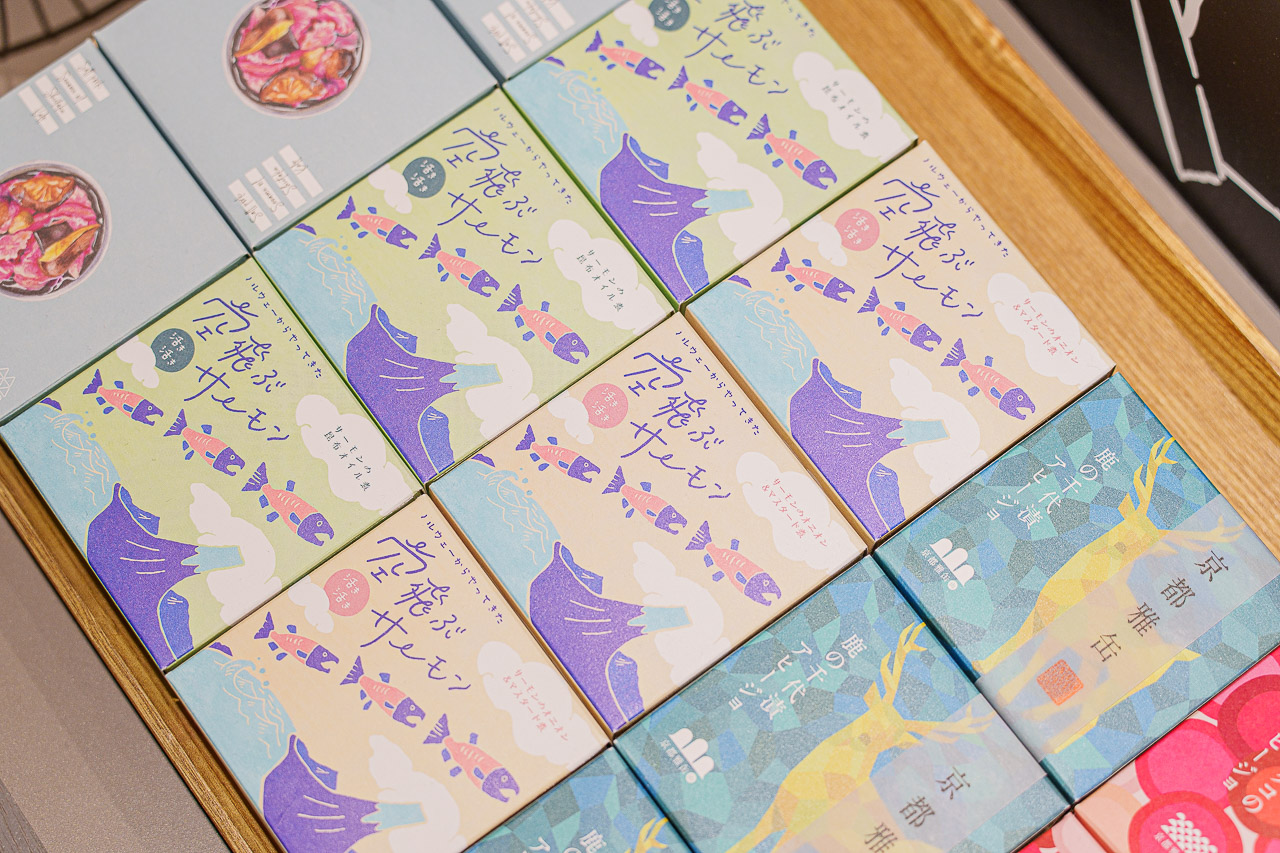
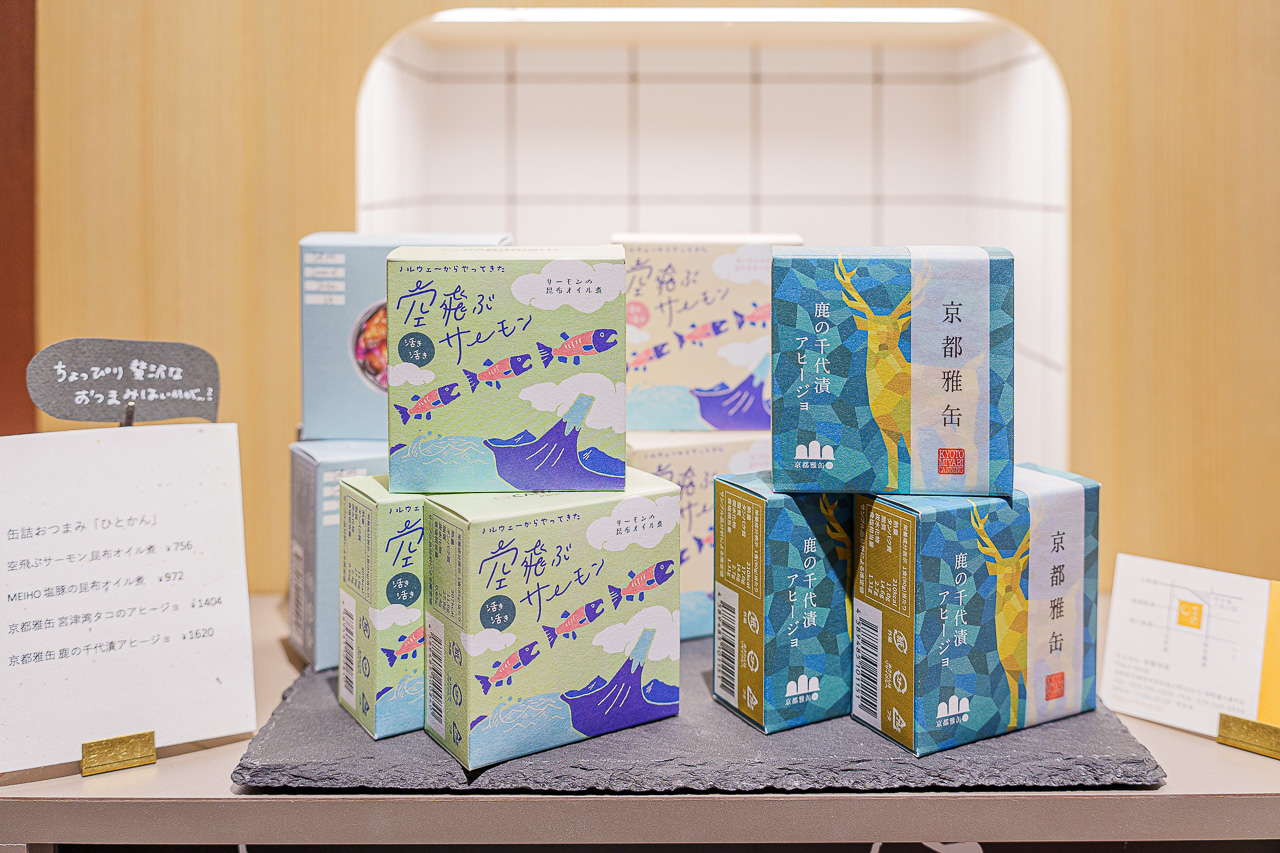
Various canned foods are sold as snacks.
Wanting to try venison, I choose a can the source calls ‘venison chiyo-zuke ajillo.’ At JPY 1,620, it feels expensive; the exact product-name transcription is uncertain.
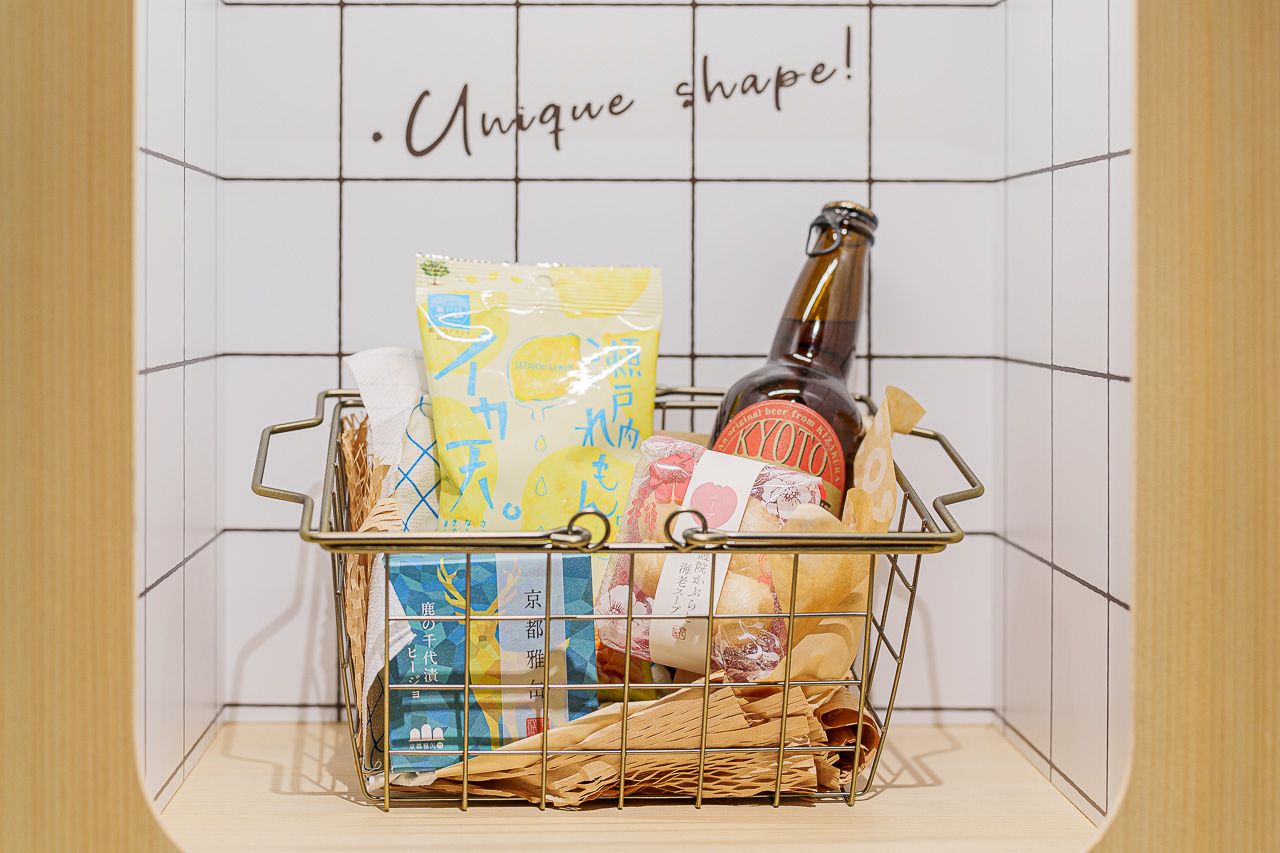
A beer set is displayed too.
How many guests can resist all this?
They know how to tempt us.
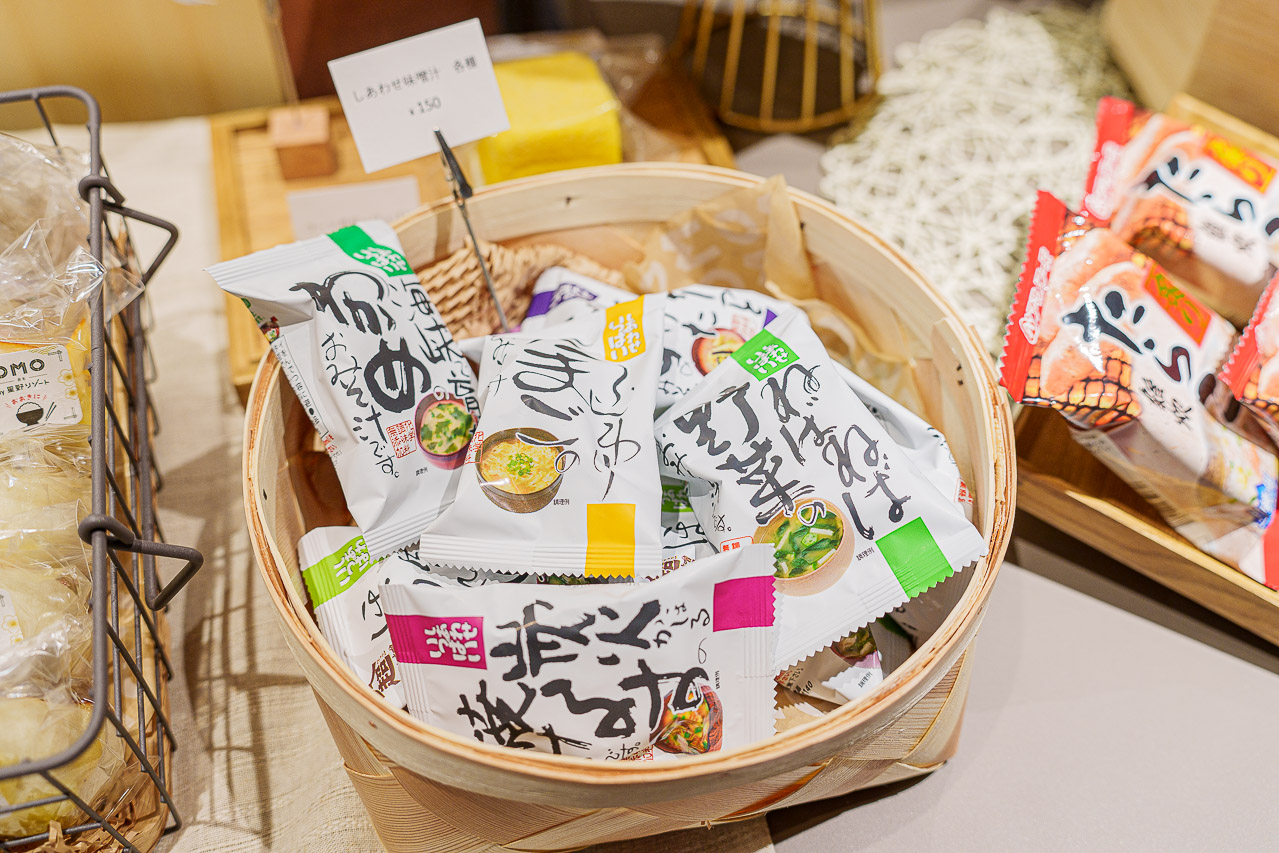
There are easy-to-prepare miso soups,
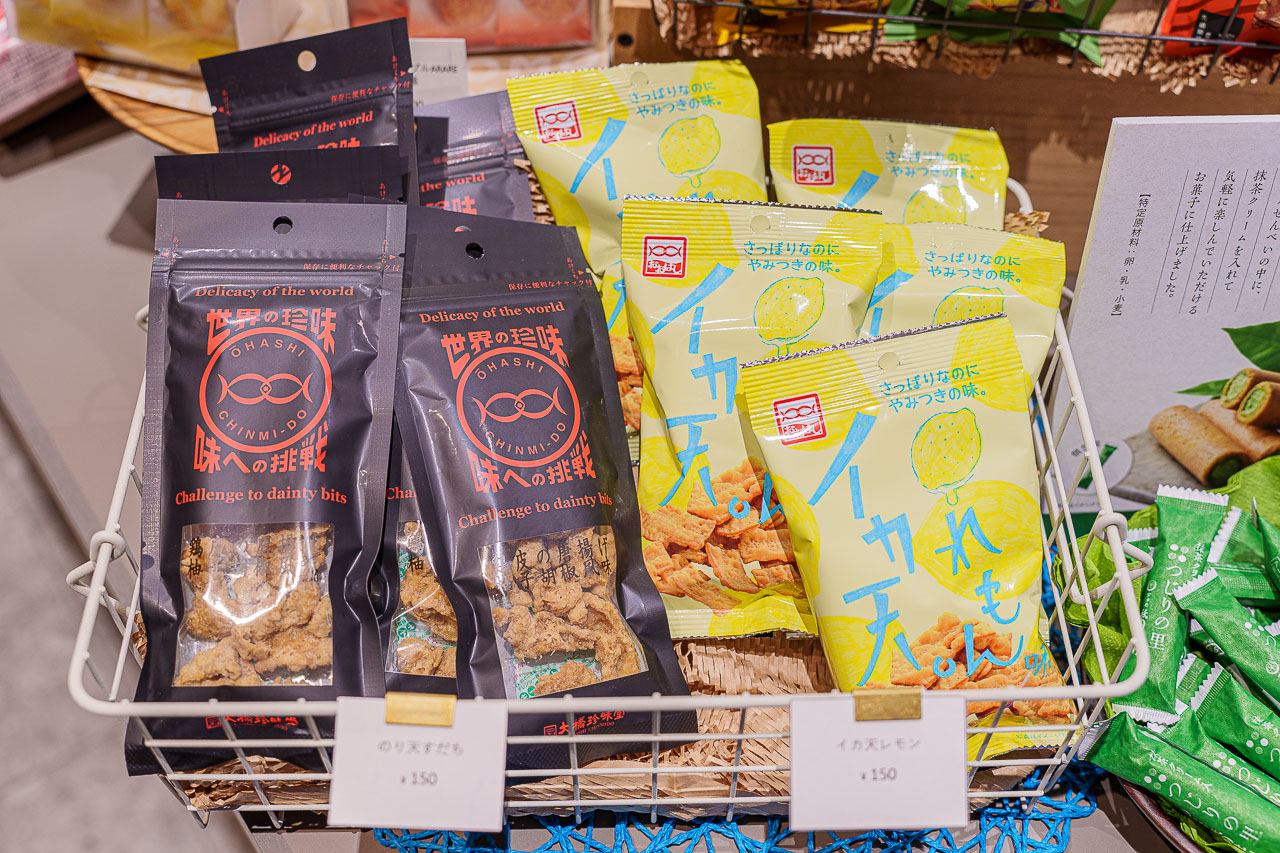
fried-squid snacks,
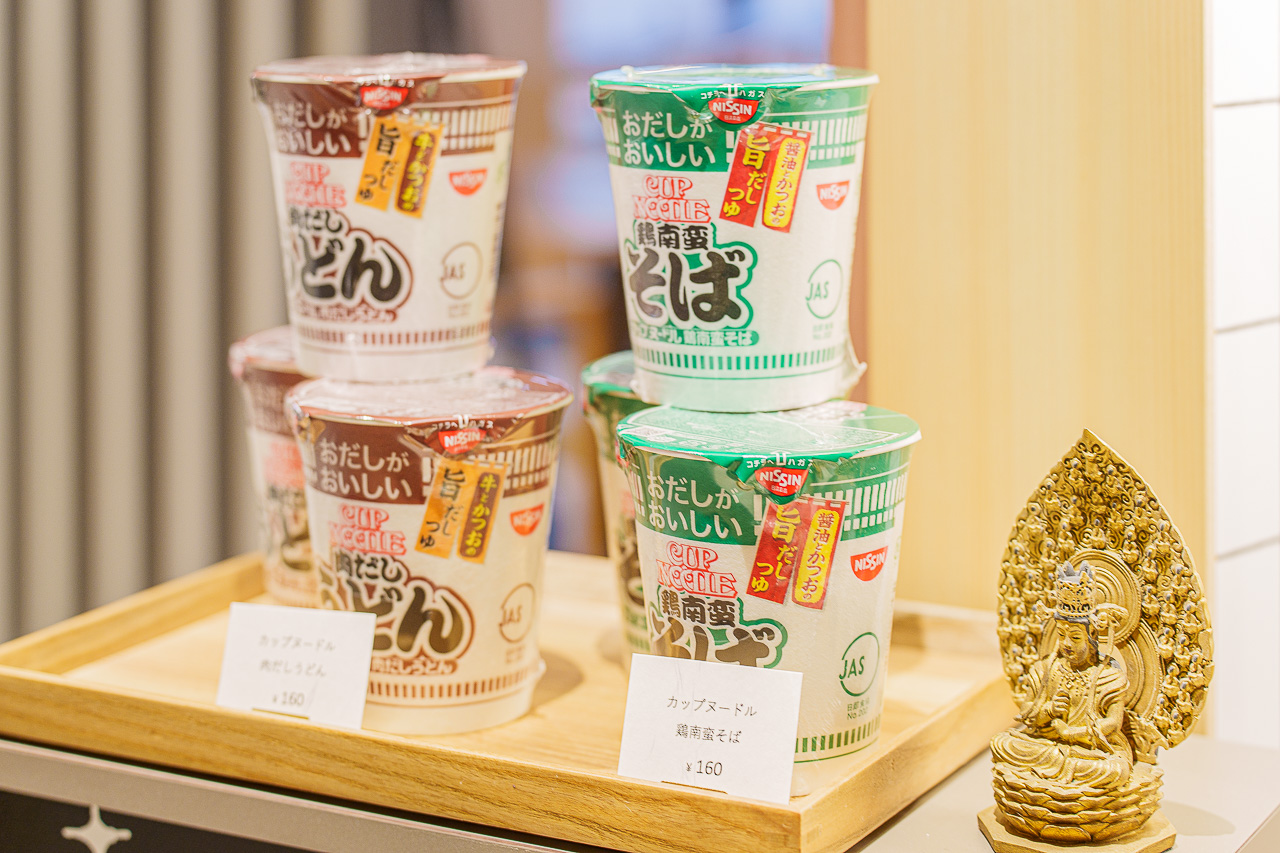
and instant udon and soba.
Buddha, please stop me buying more.
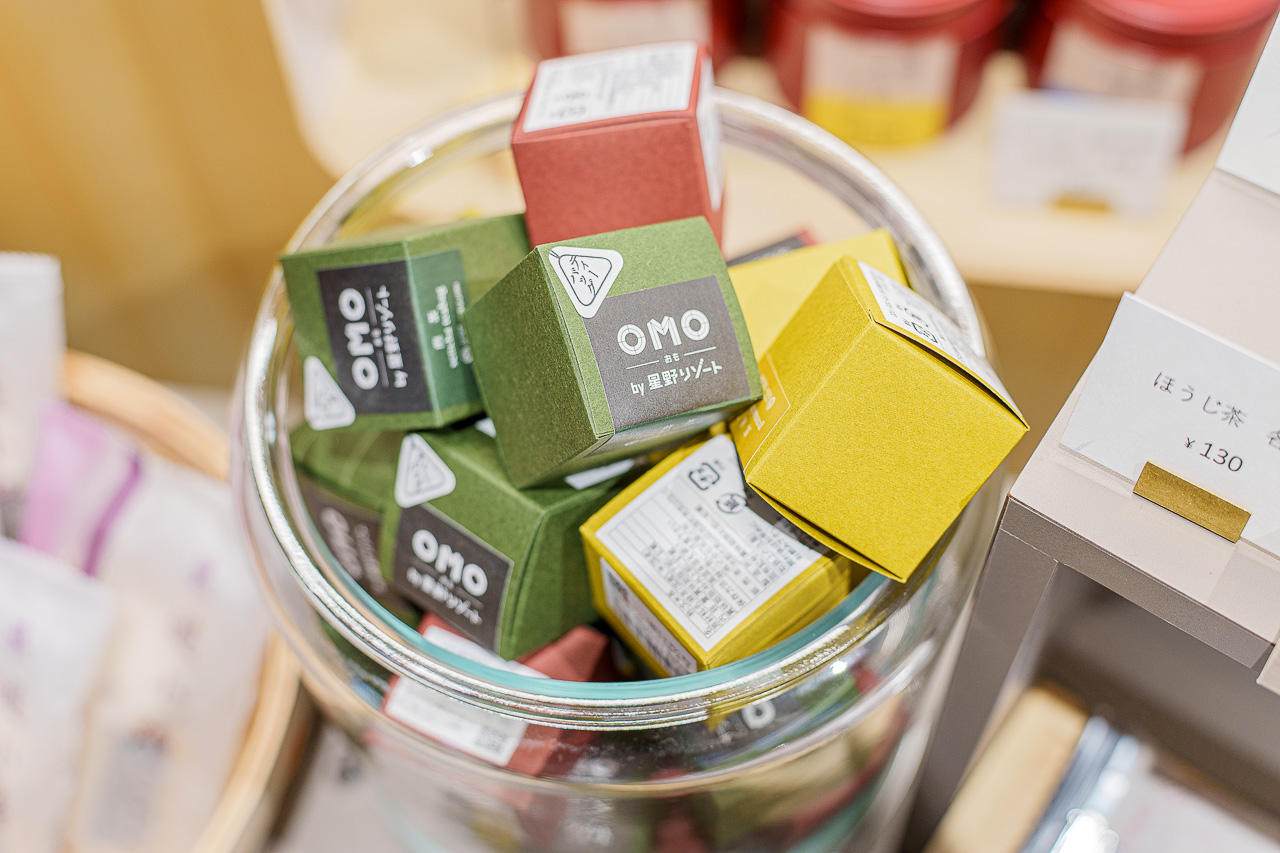
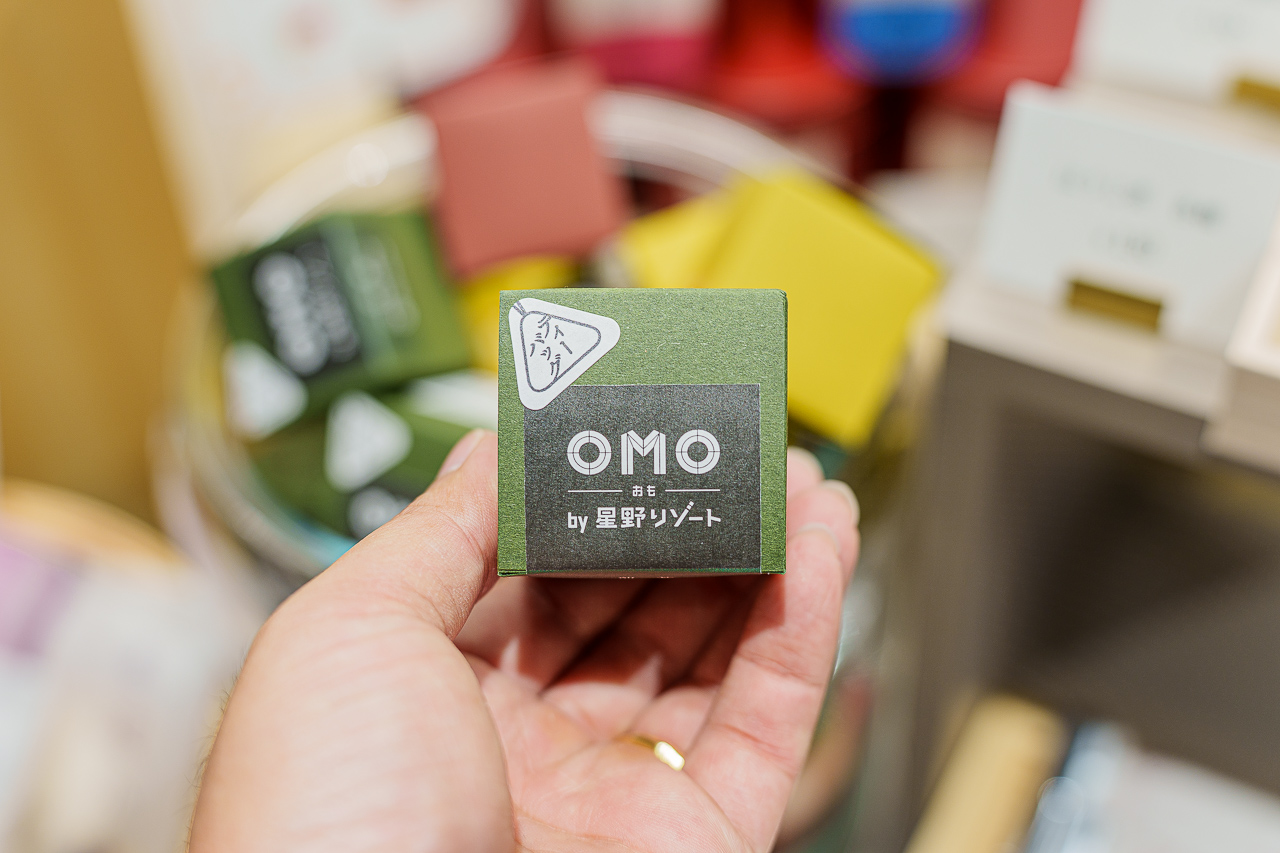
The hotel’s original green-tea pack.
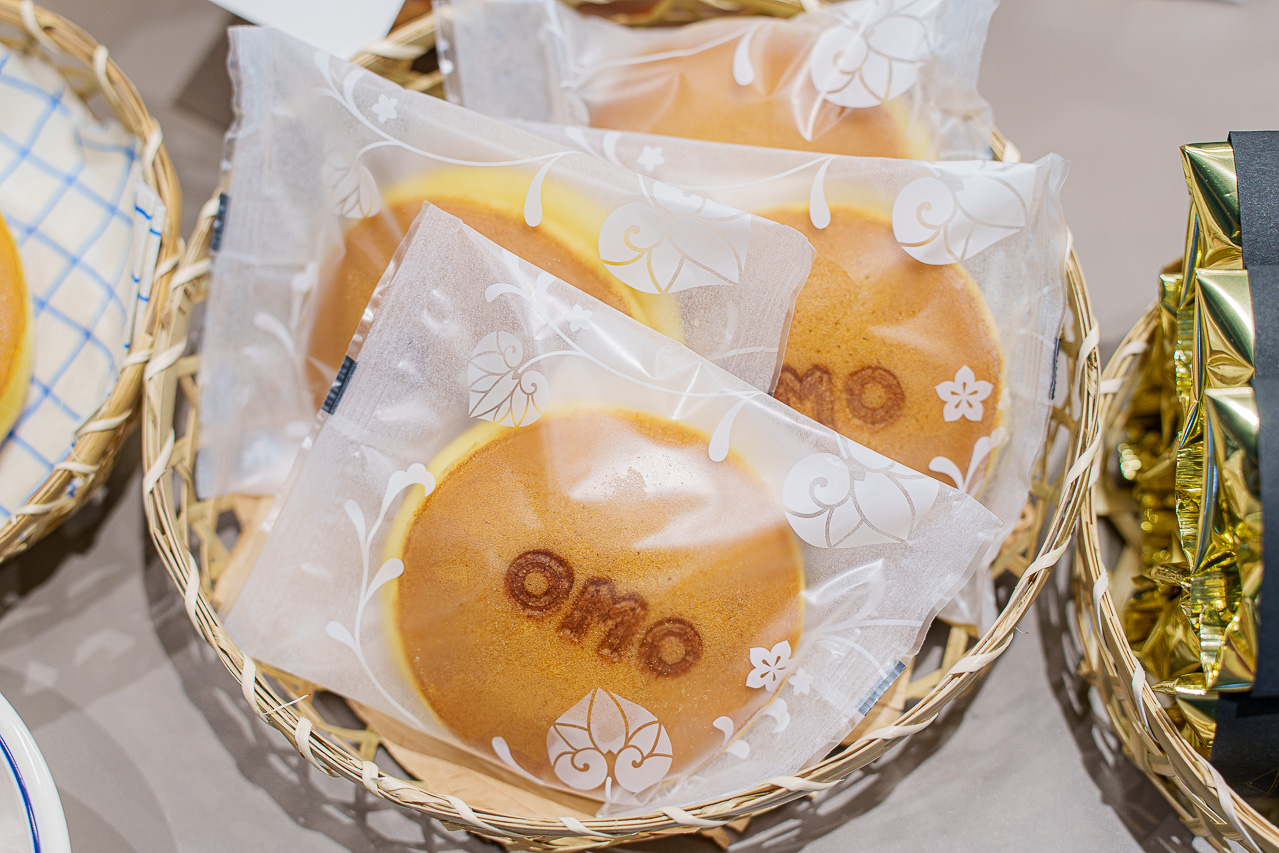
An excellent dorayaki pancake filled with sweet bean paste.
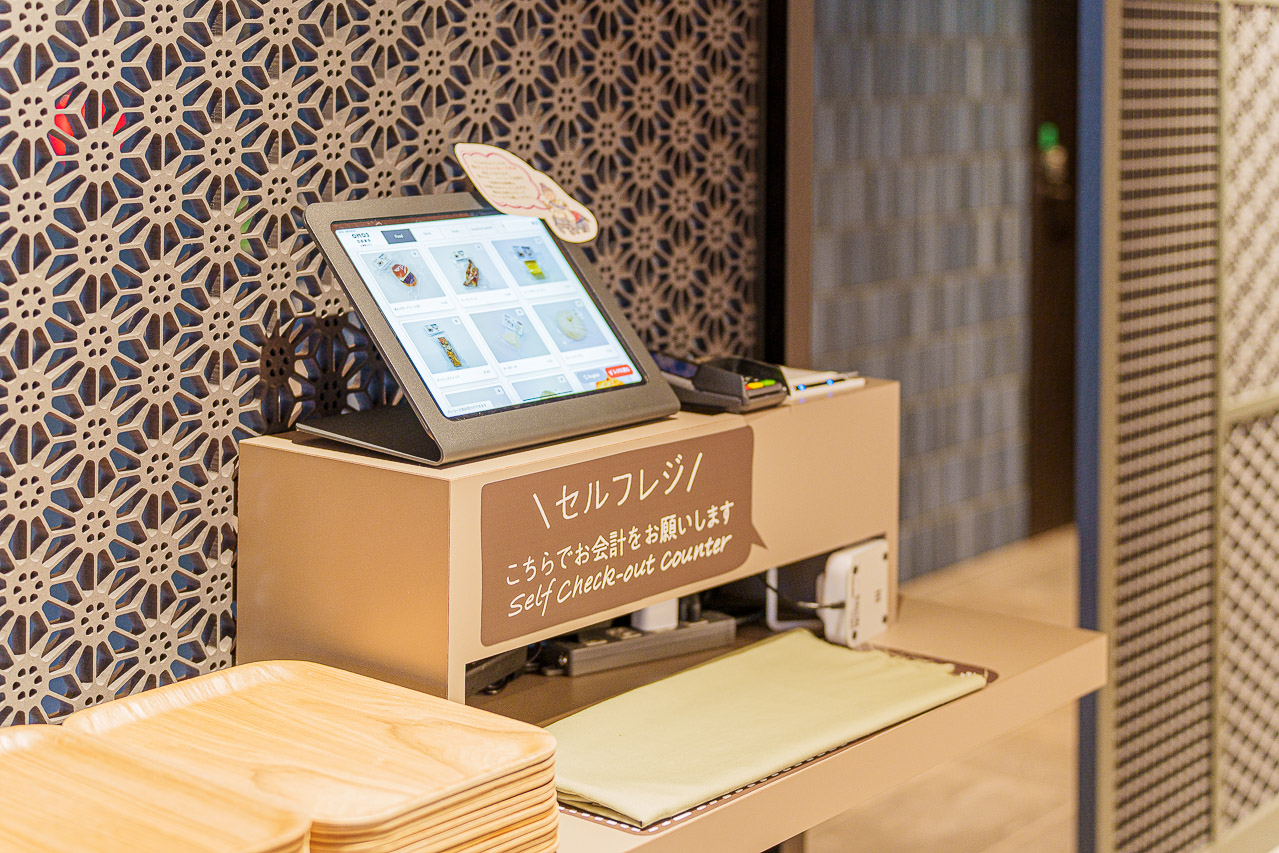
Even checkout is self-service, so restraint is needed.

Paying by card makes it easy to keep adding food and drinks.
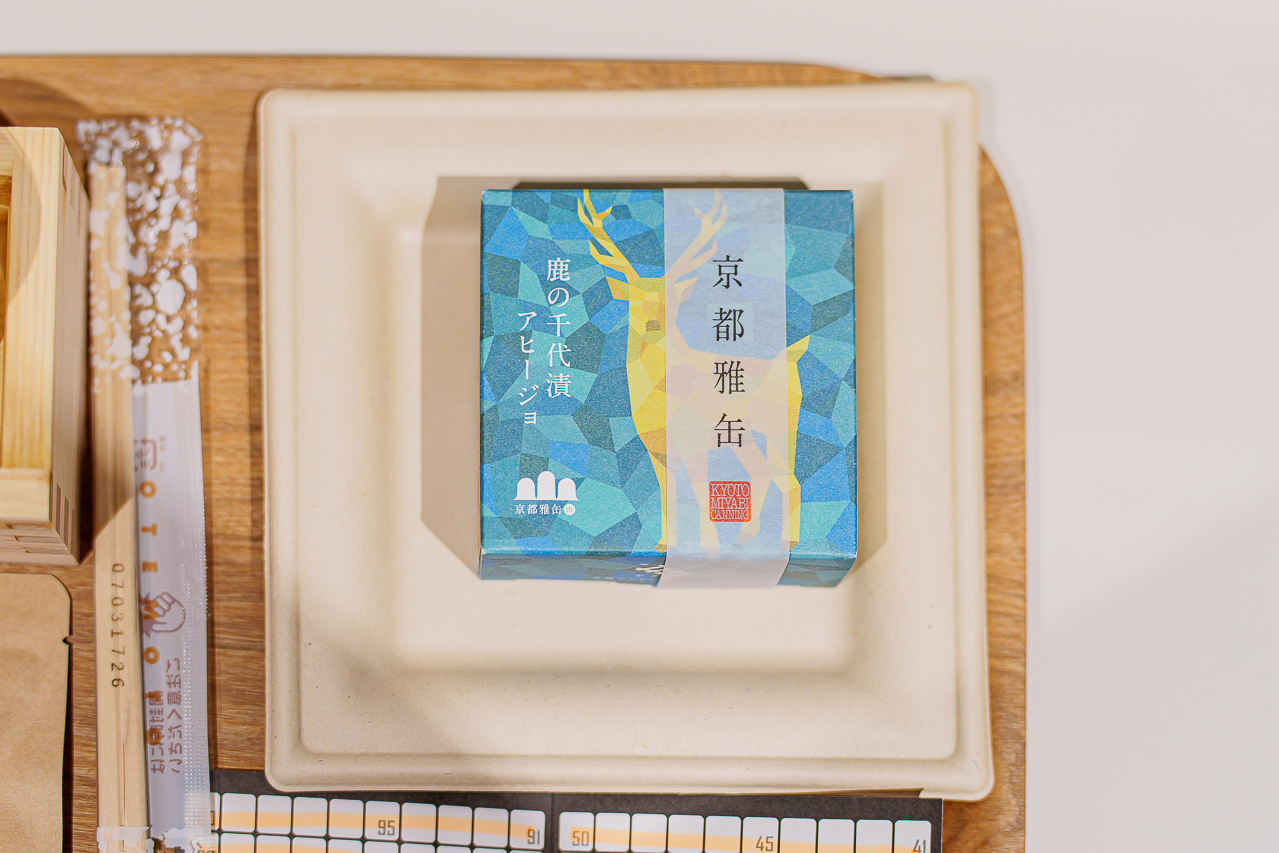
We settle for the venison ajillo
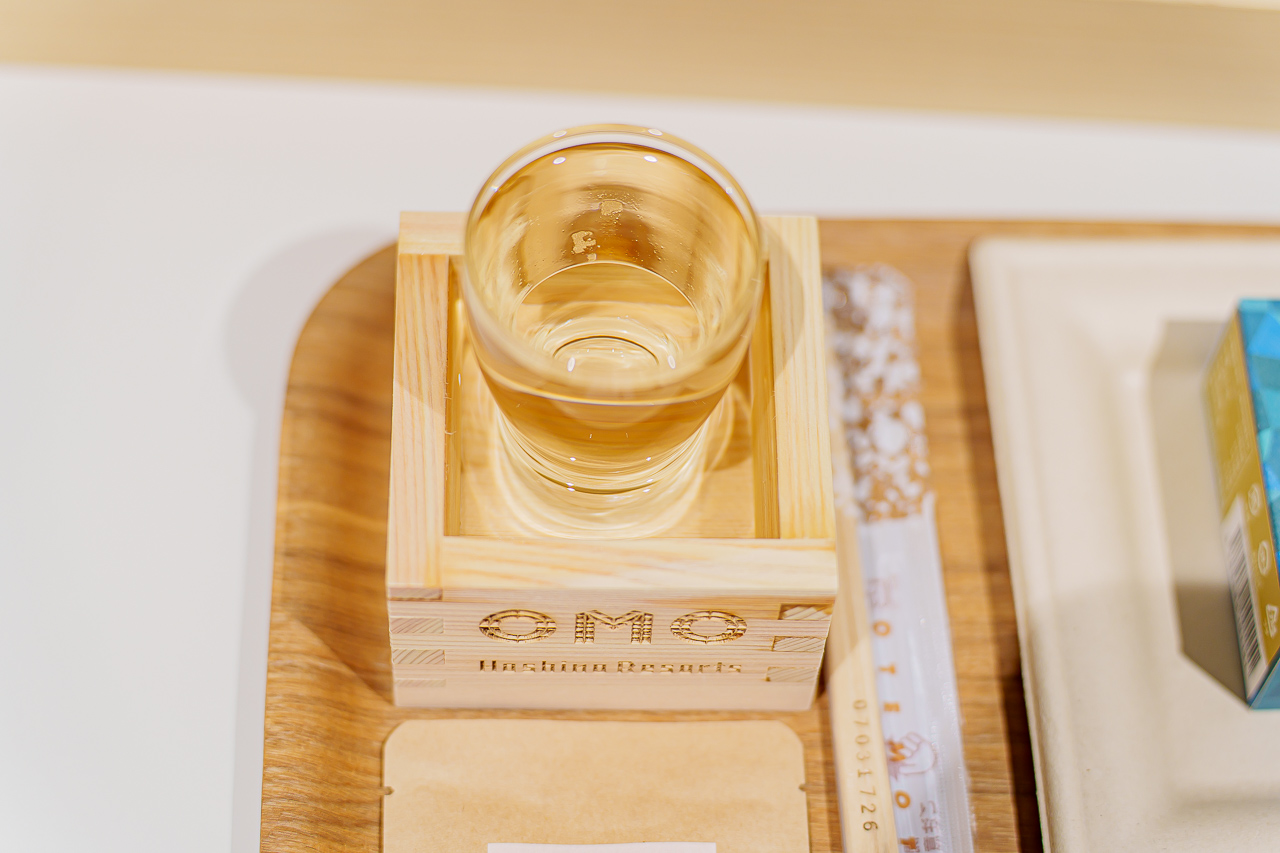
and two generous purchases of the sake labeled for beauty, without claiming that effect.
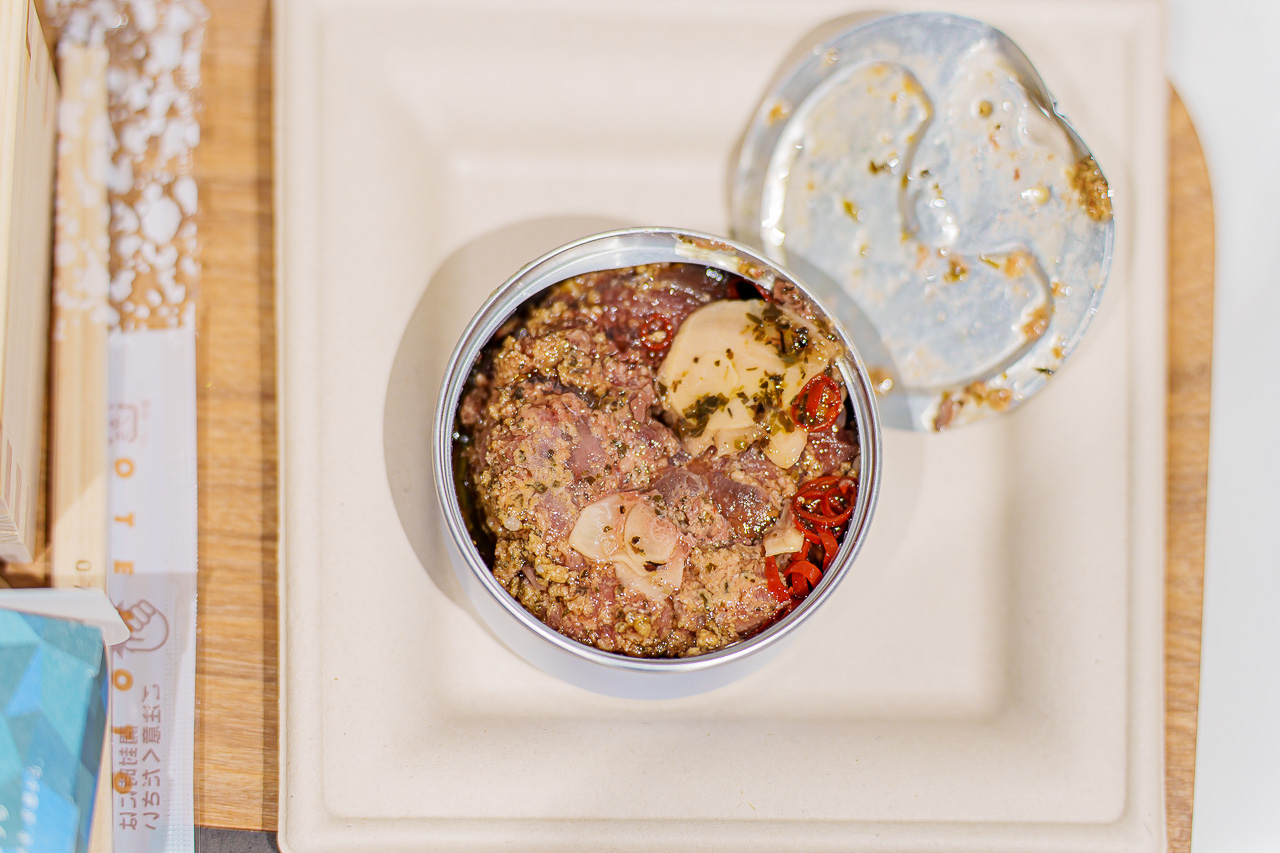
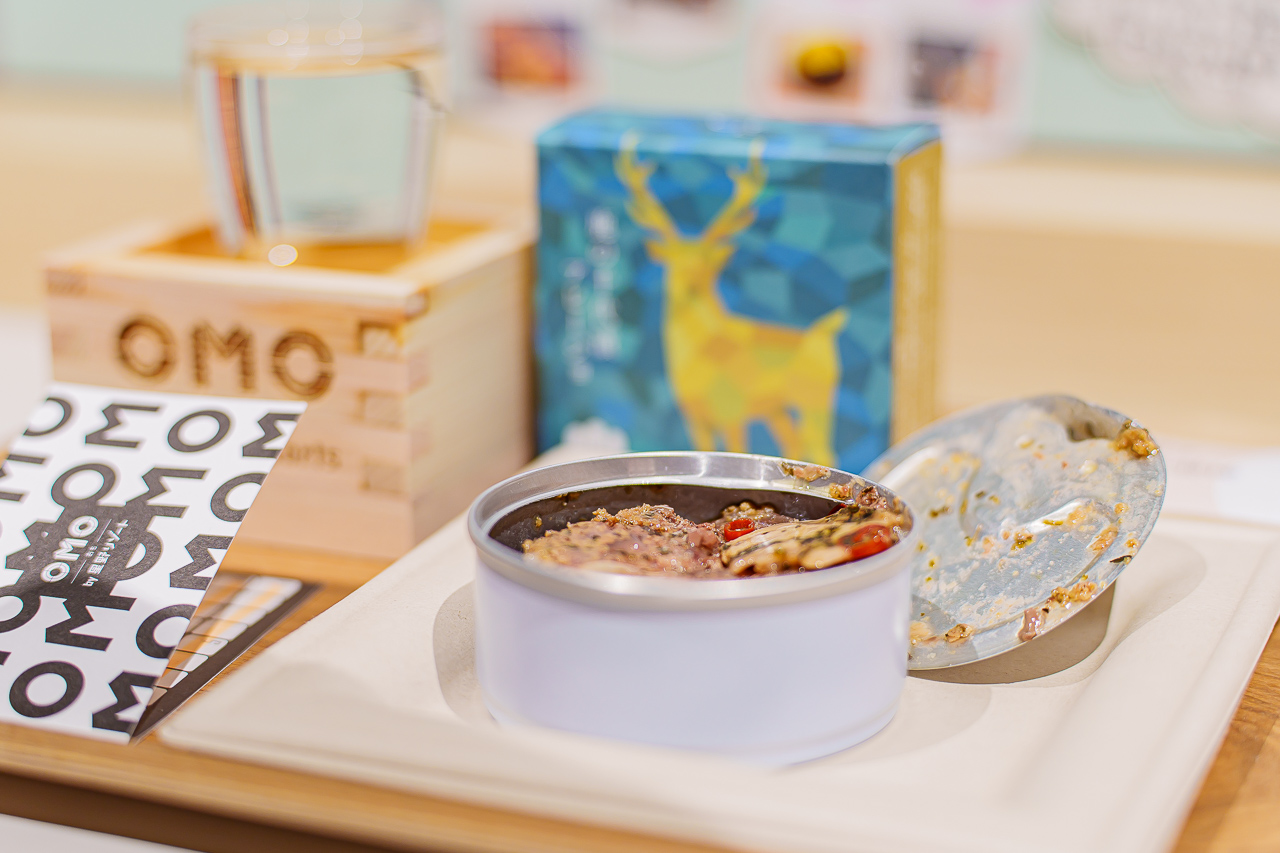
The Venison Ajillo
Herb-marinated venison is tender and delicious.
As expected of ajillo, there is plenty of oil.
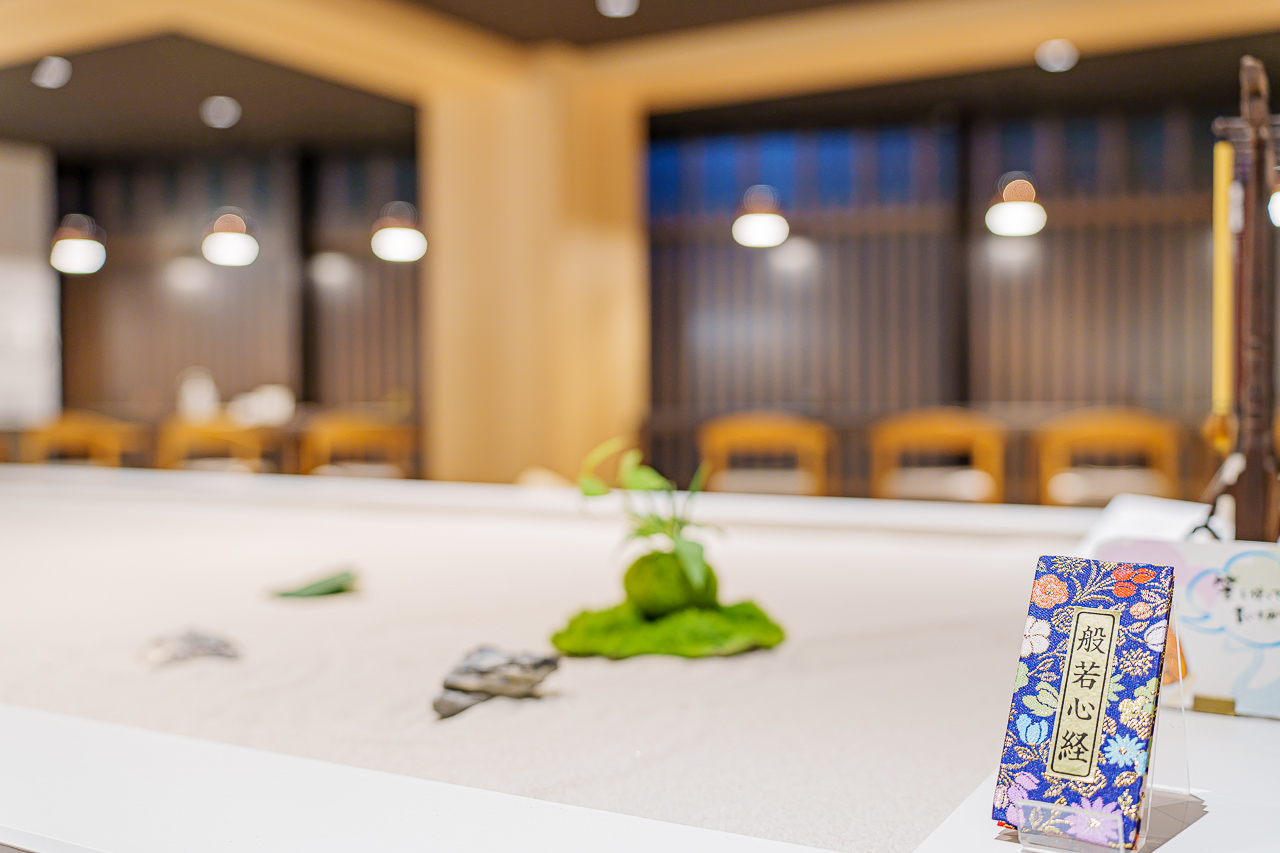
I make another small dry garden,
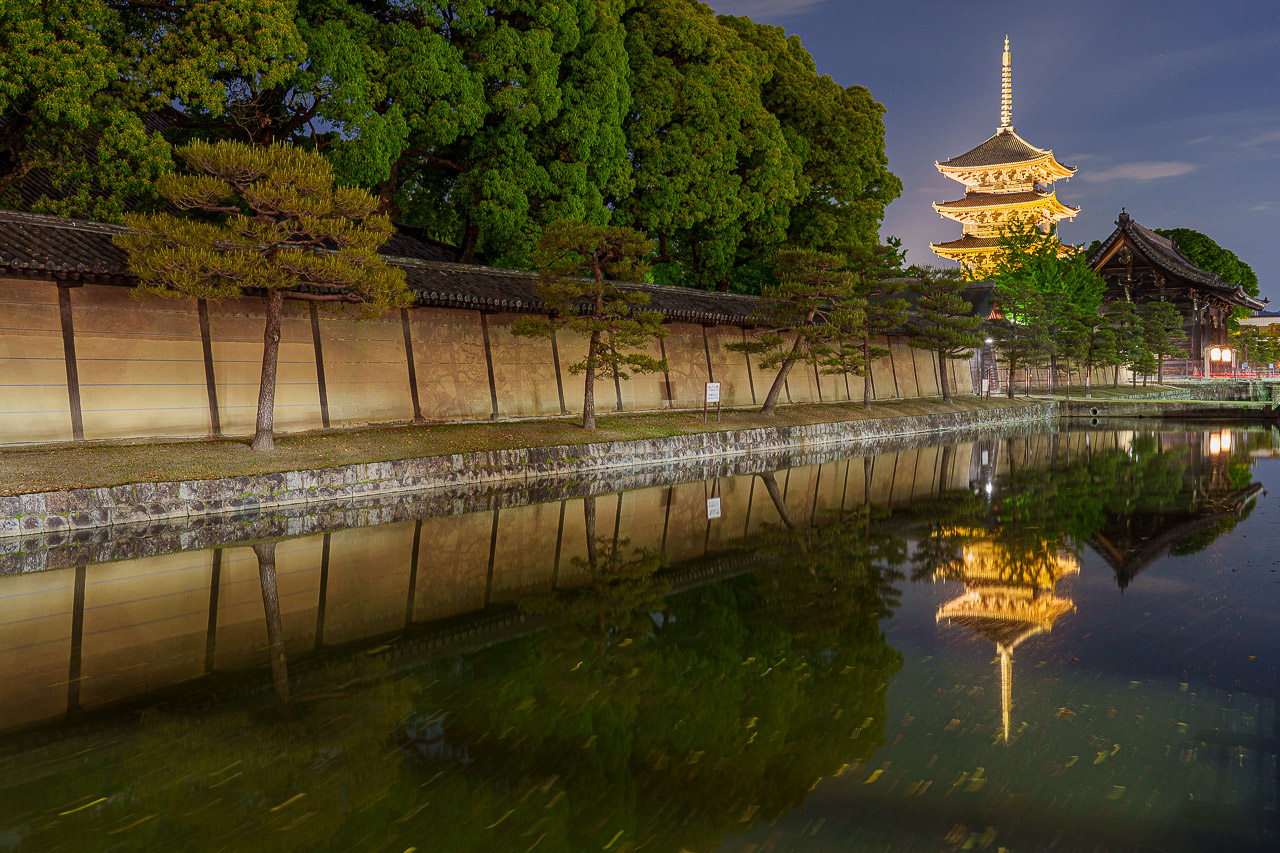
then walk toward Toji glowing gold at night before going to bed.

Whether the baku or the sake deserves credit, I sleep well. At 6 a.m., we begin the next day with an OMO Ranger.
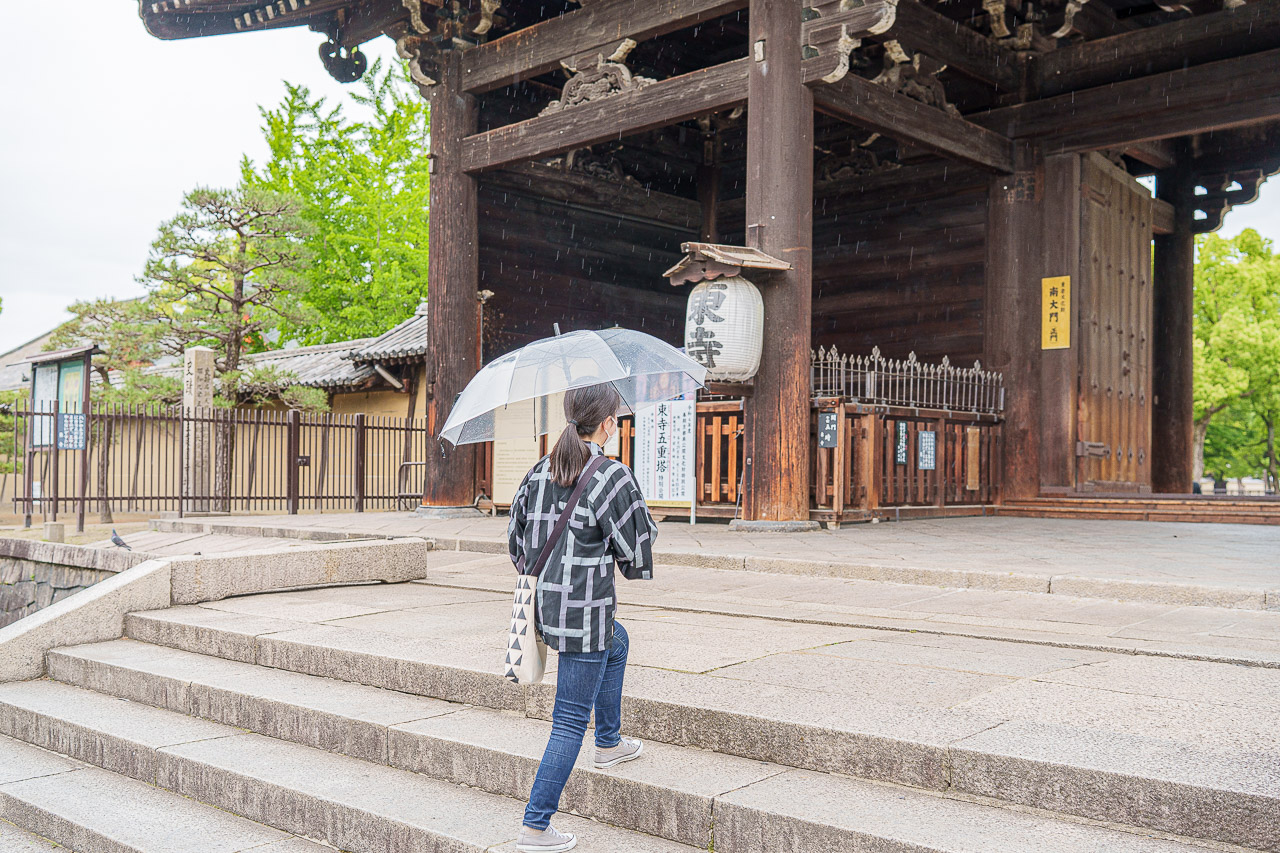
OMO Rangers are sightseeing guides associated with Hoshino Resorts’ city-focused OMO hotels.
Each property offers themes suited to its neighborhood.
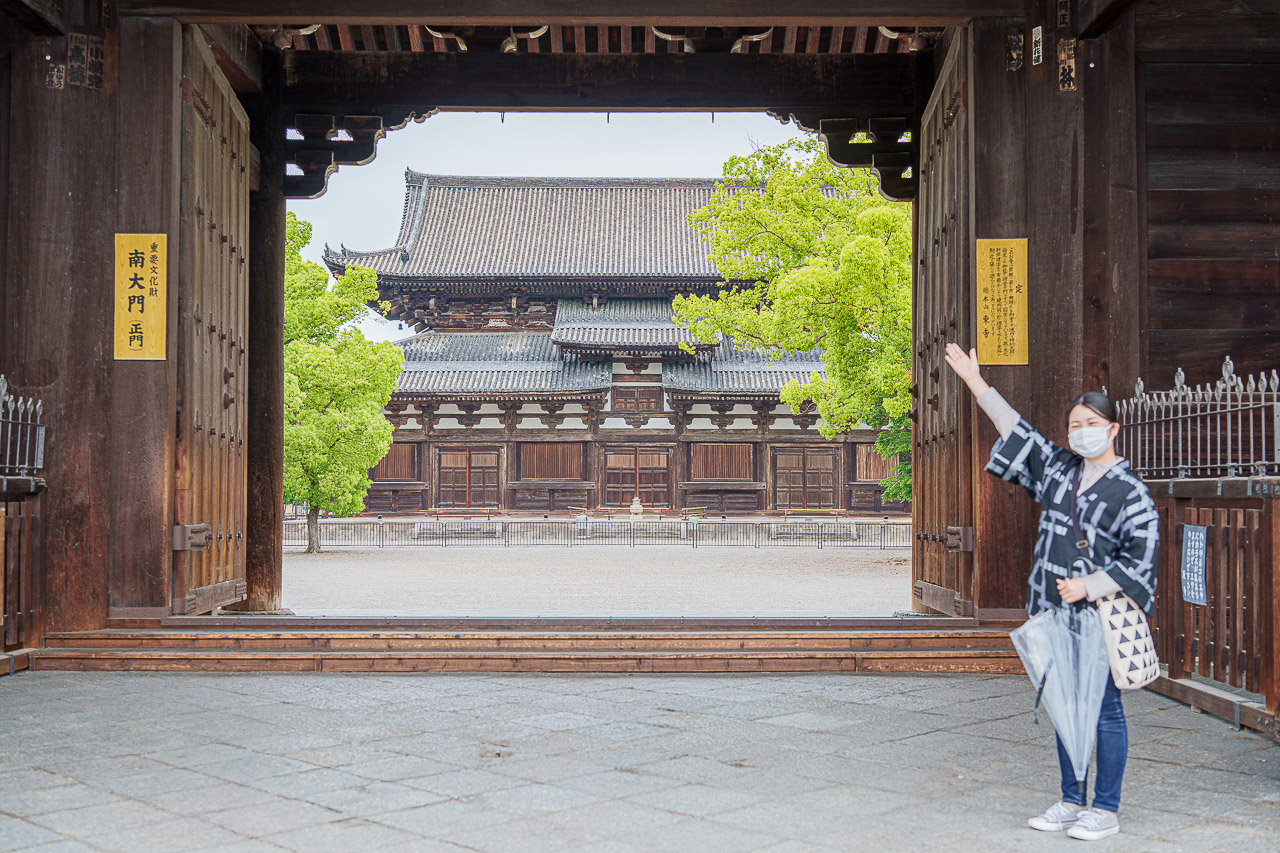
These tours make OMO stays enjoyable starting points for exploring, in the author’s experience.

We reach World Heritage-listed Toji before many people arrive and begin gentle exercises.
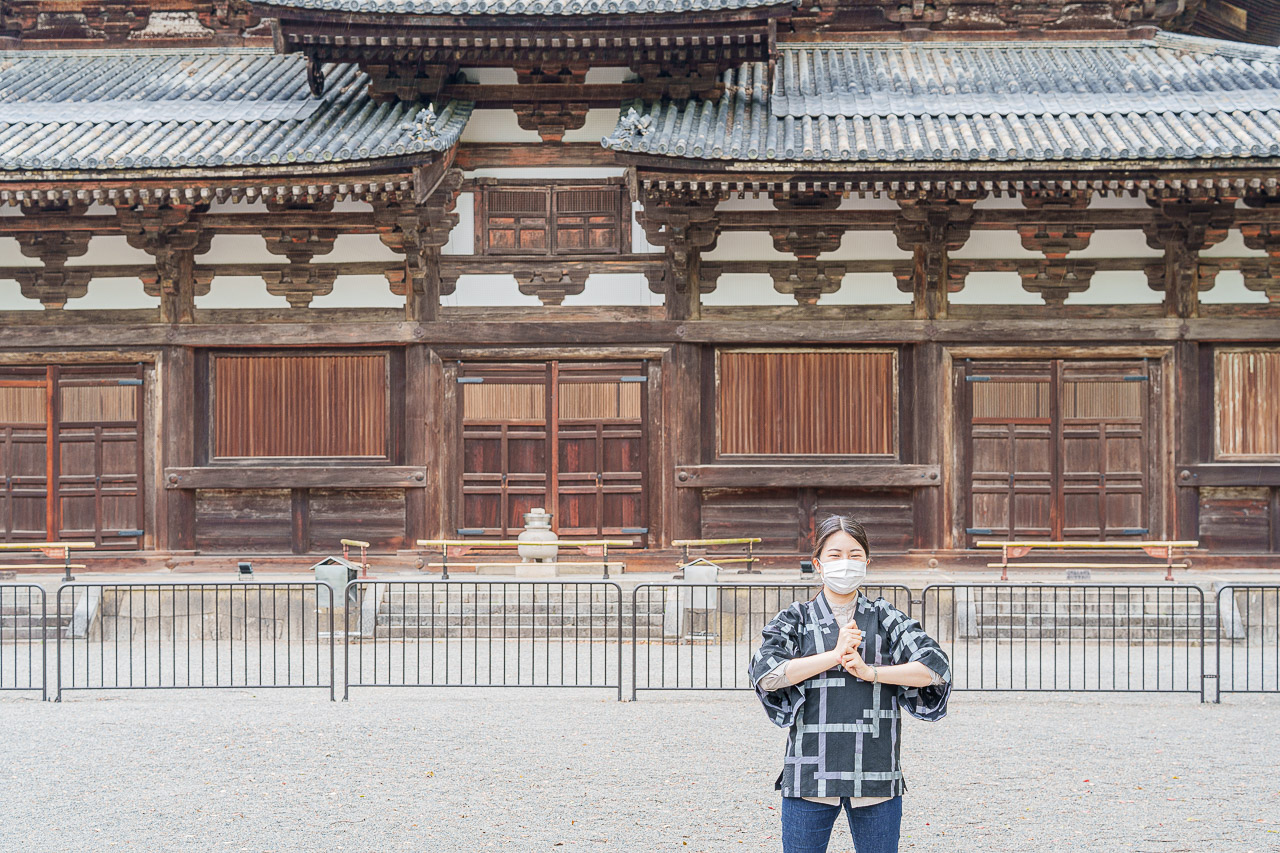
After about 15 minutes of movements said to connect with mandala teachings, we look around the temple
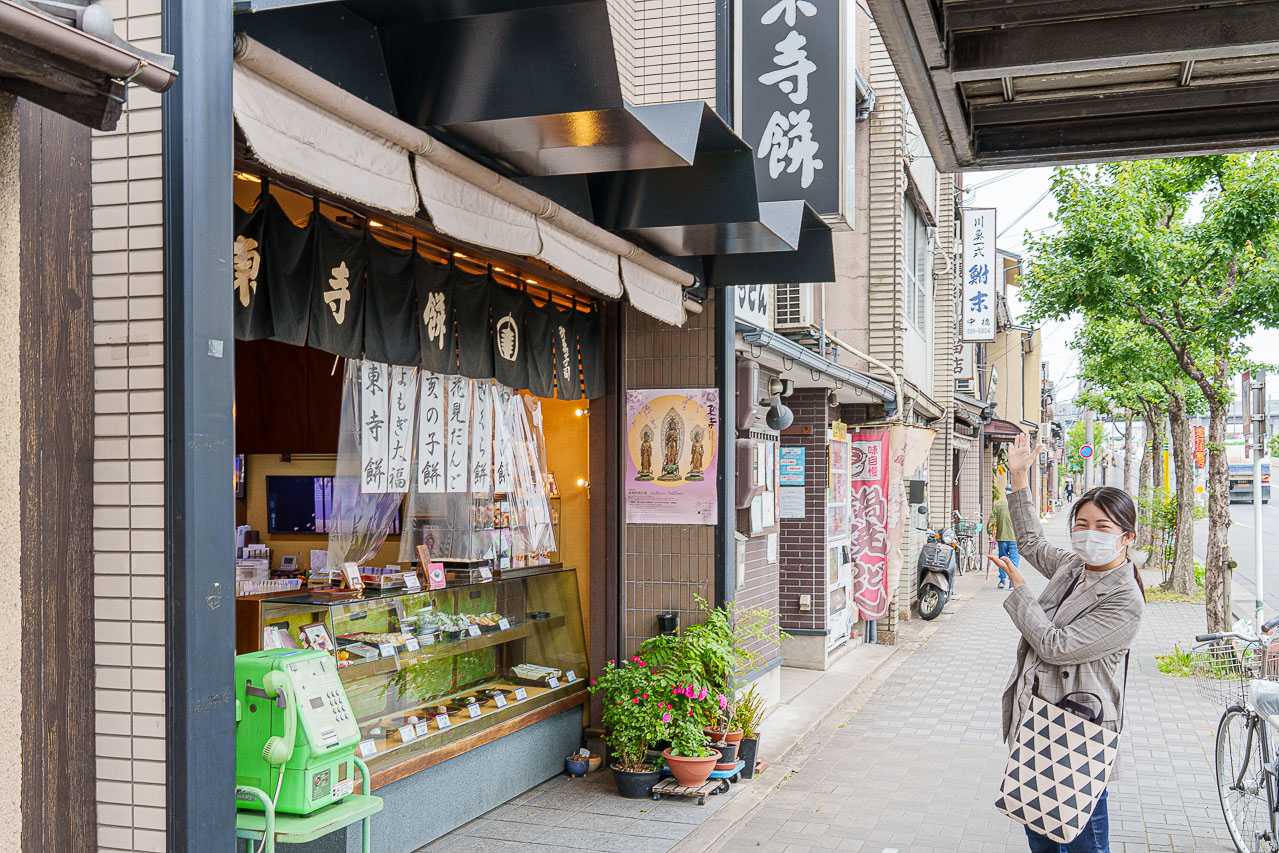
and visit nearby Toji Mochi.
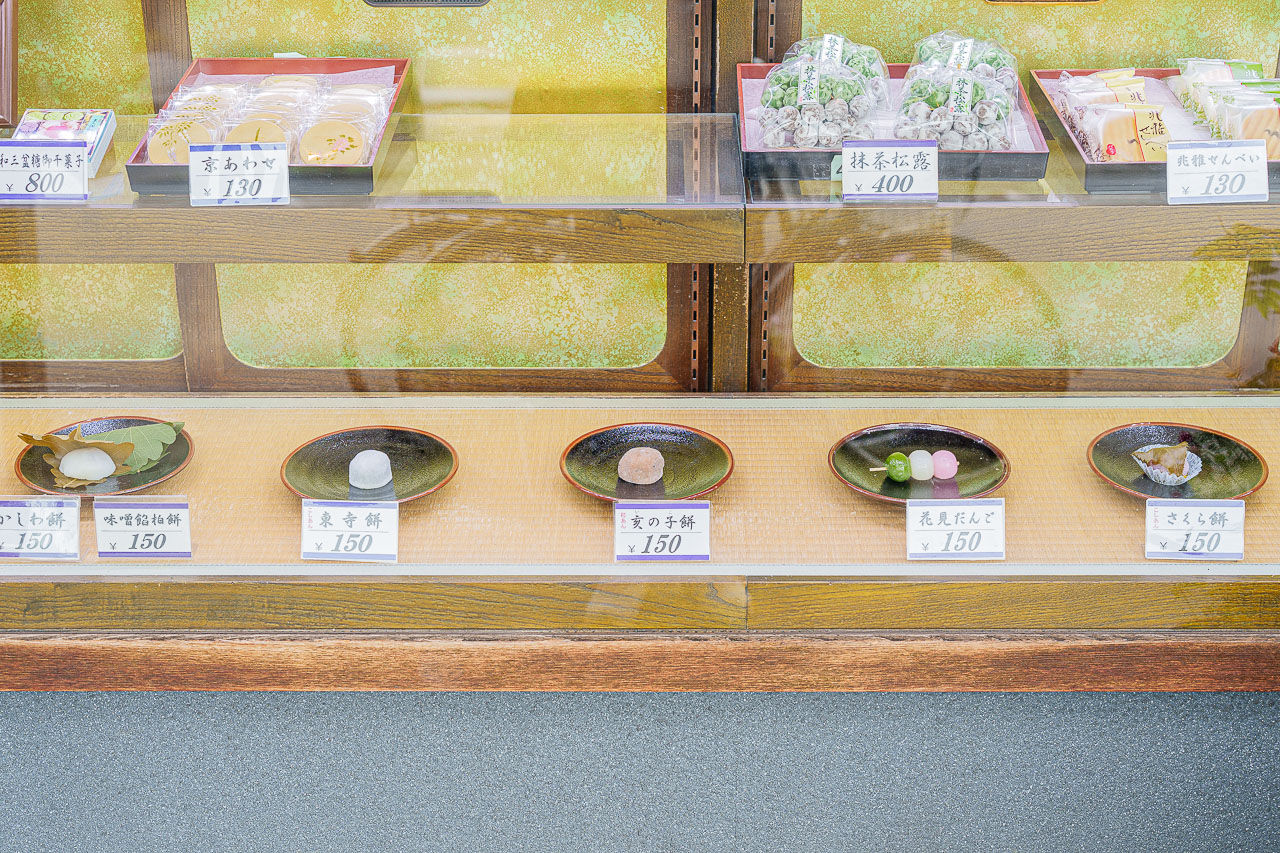
The popular sweets can sell out quickly, according to the guide.
We buy the signature Toji mochi.

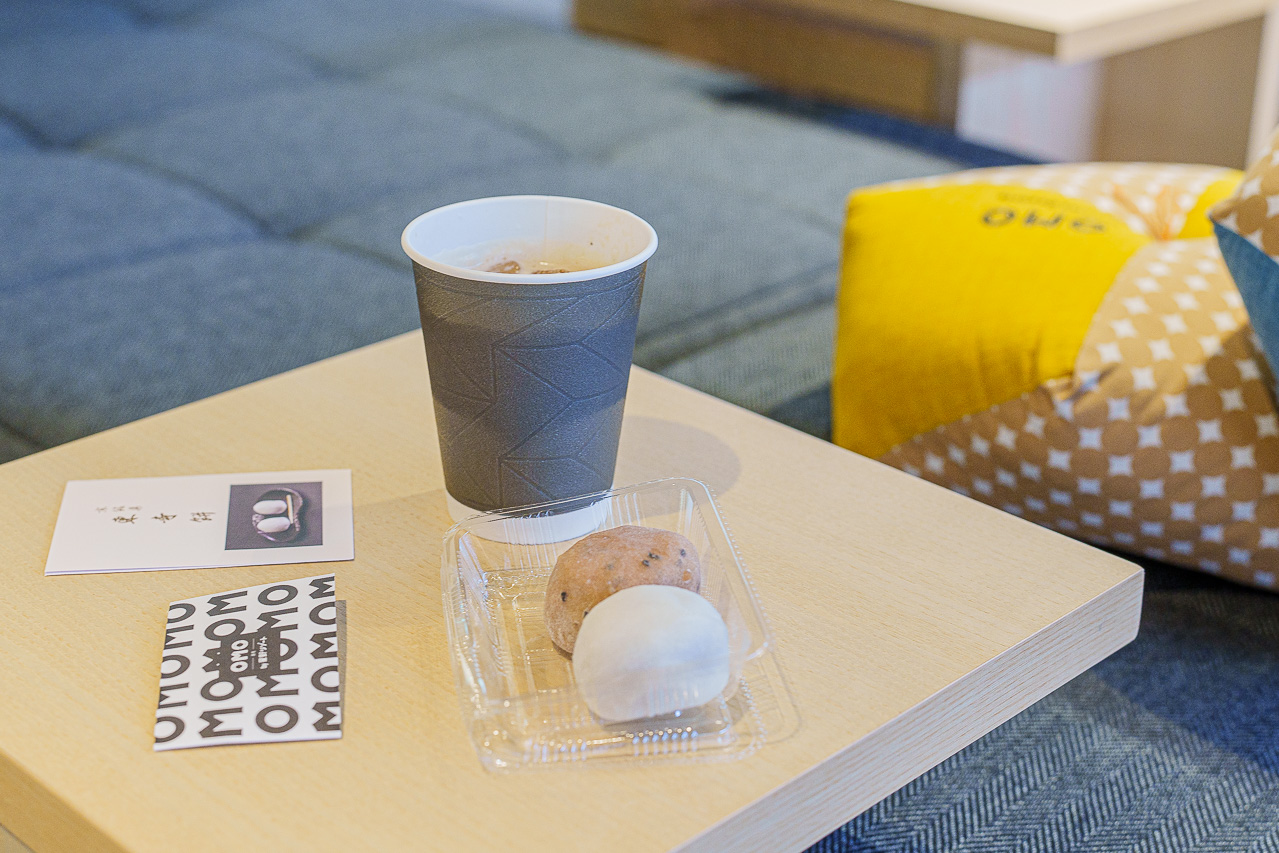
Back at the Food & Drink Station, we order coffee and try them together.
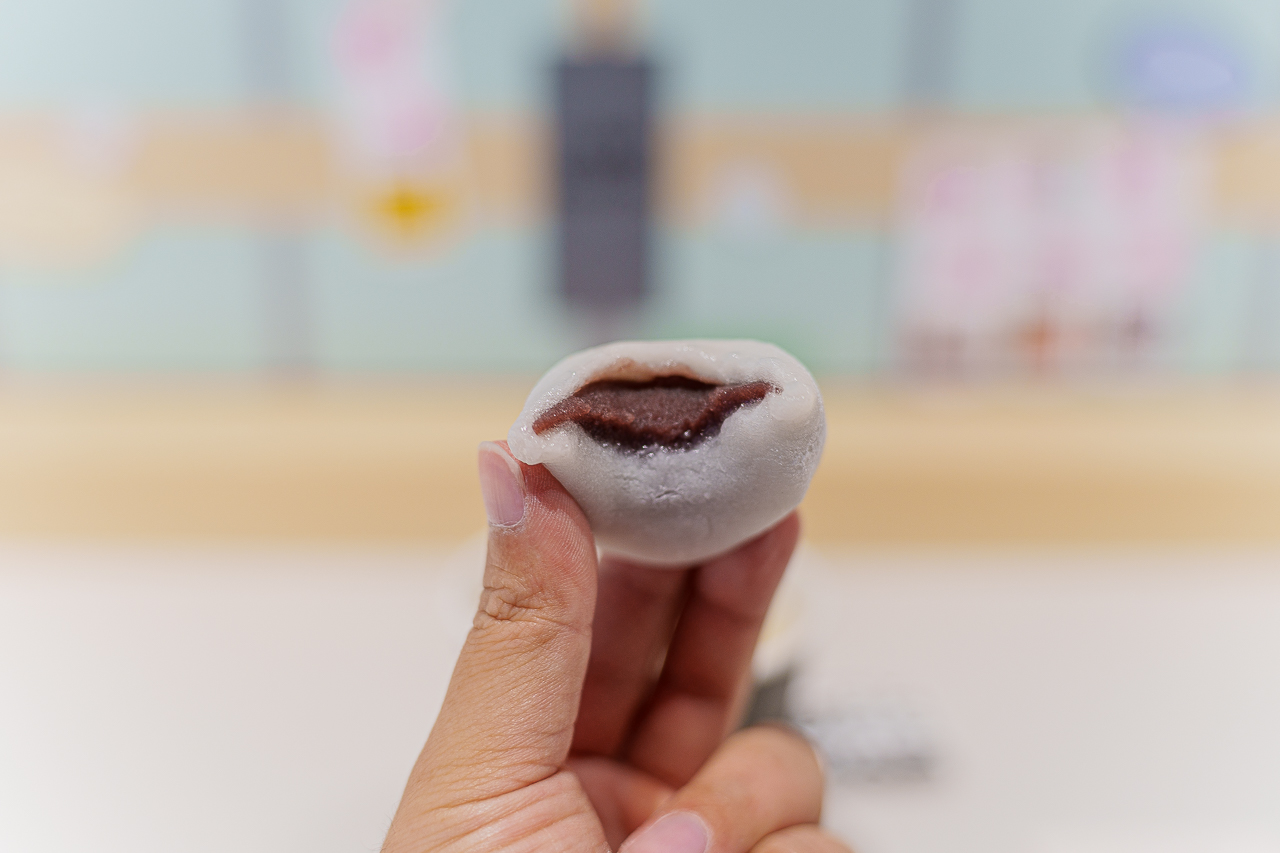
Coffee and mochi may not be an obvious pairing, but it is enjoyable.
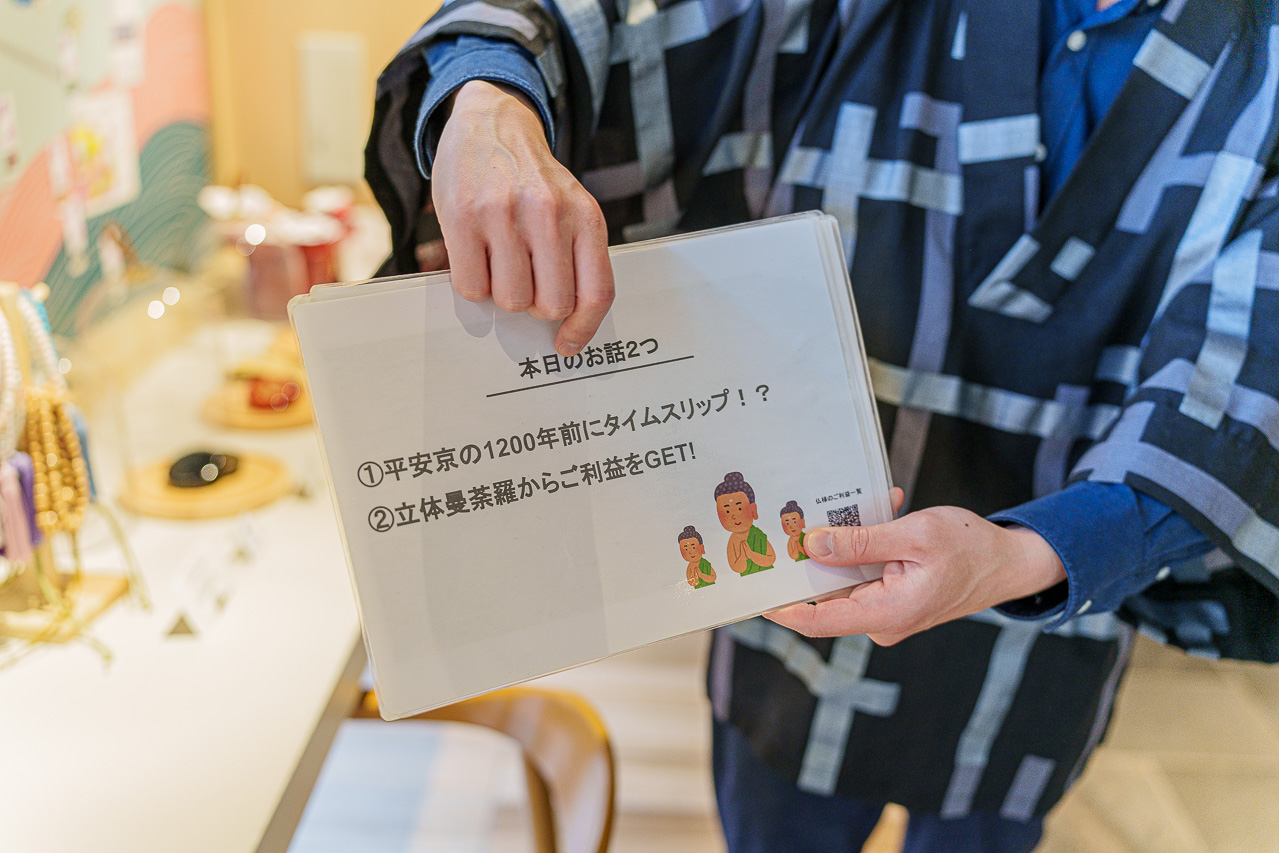
There is another OMO Ranger tour here.
‘A Time Slip 1,200 Years Back.’
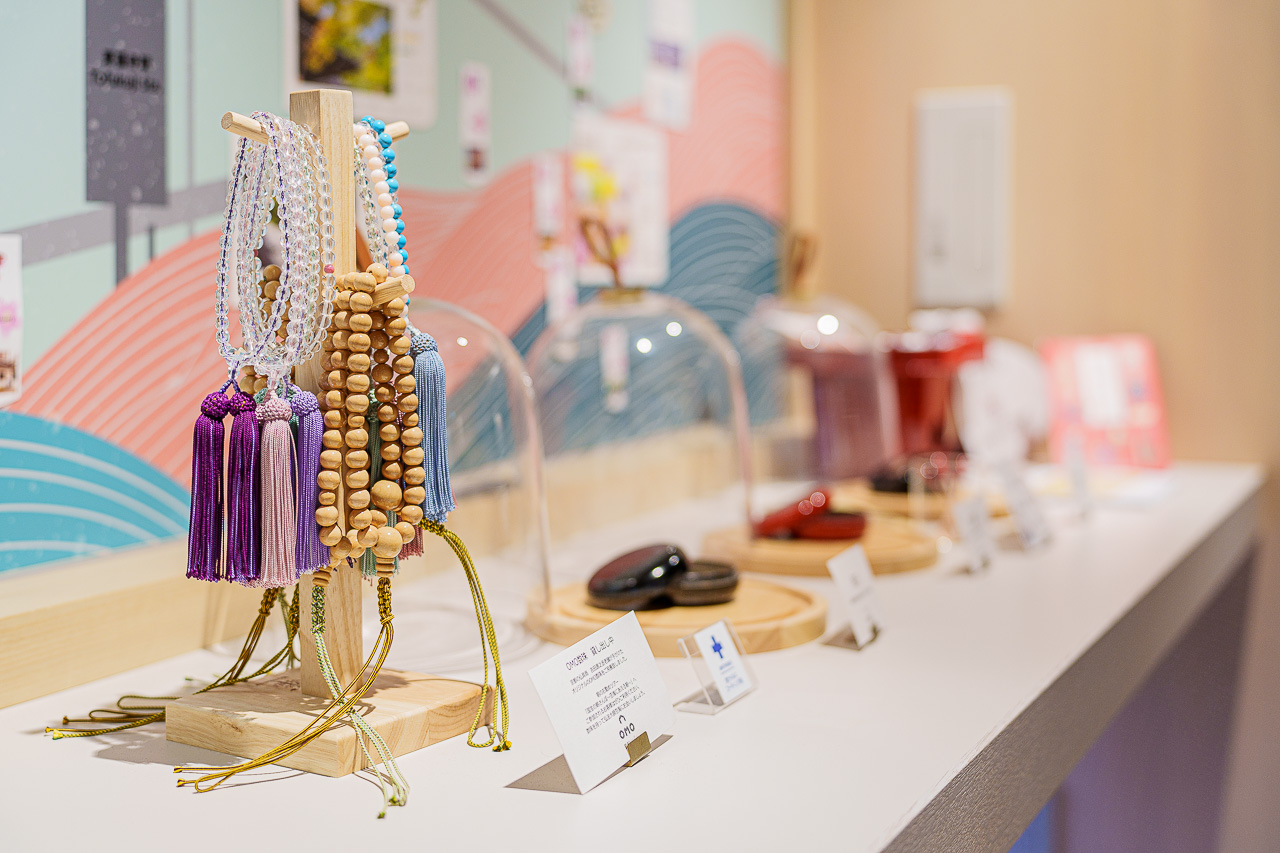
Prayer beads near the neighborhood map can be borrowed, so I take a set
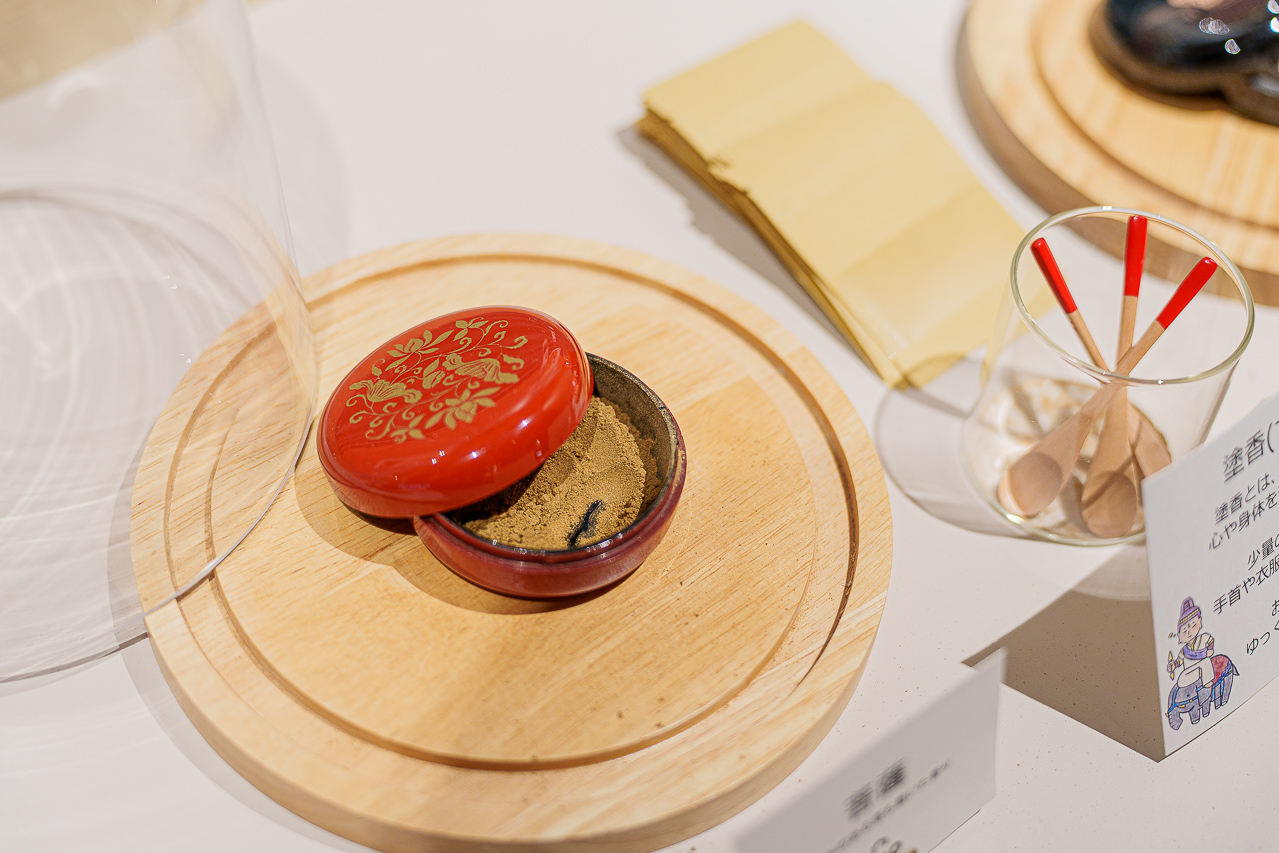
and apply fragrant powder called zuko to my hands before leaving for Toji.
The source explains this older purification practice by comparison with washing hands at a shrine.
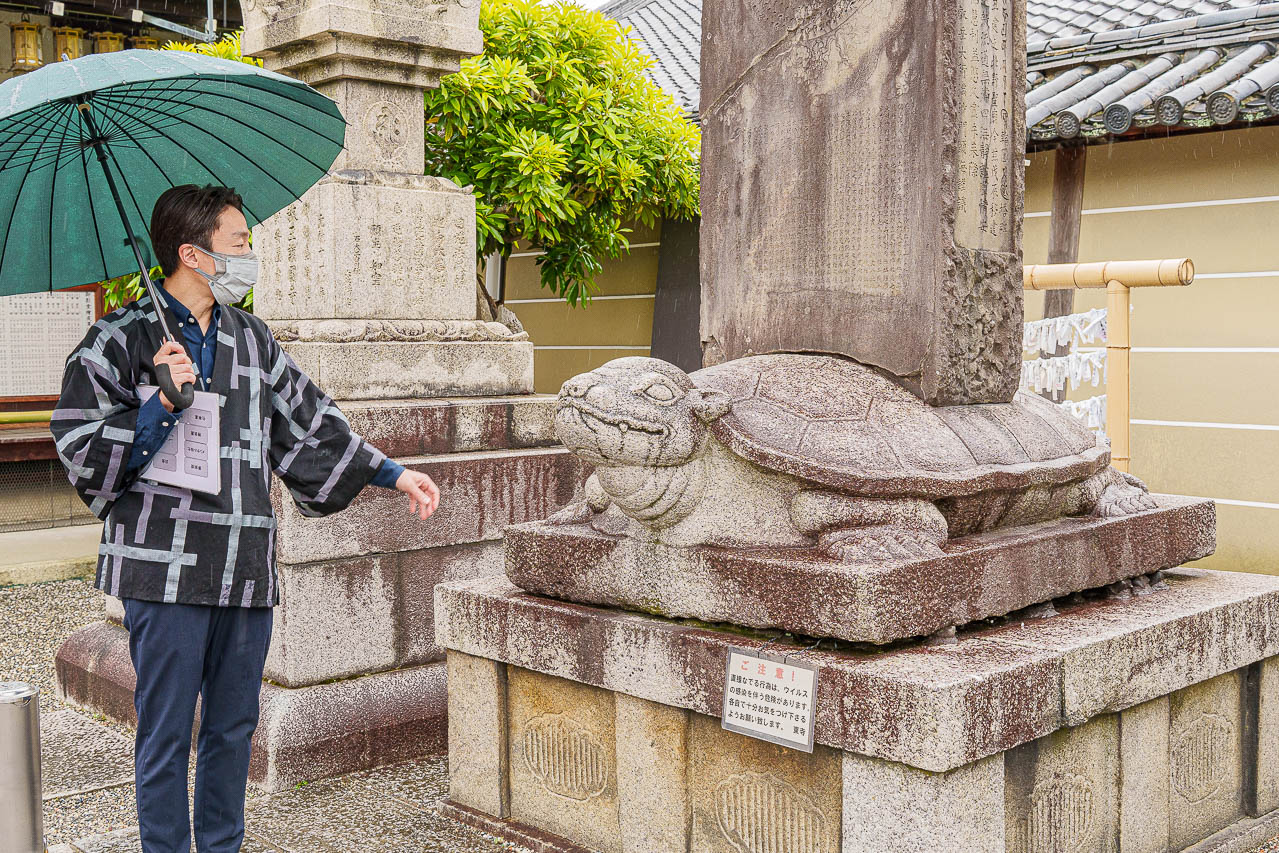
A sacred figure is said to receive wishes written down and offered while touching its head. This is a tradition described on the tour.
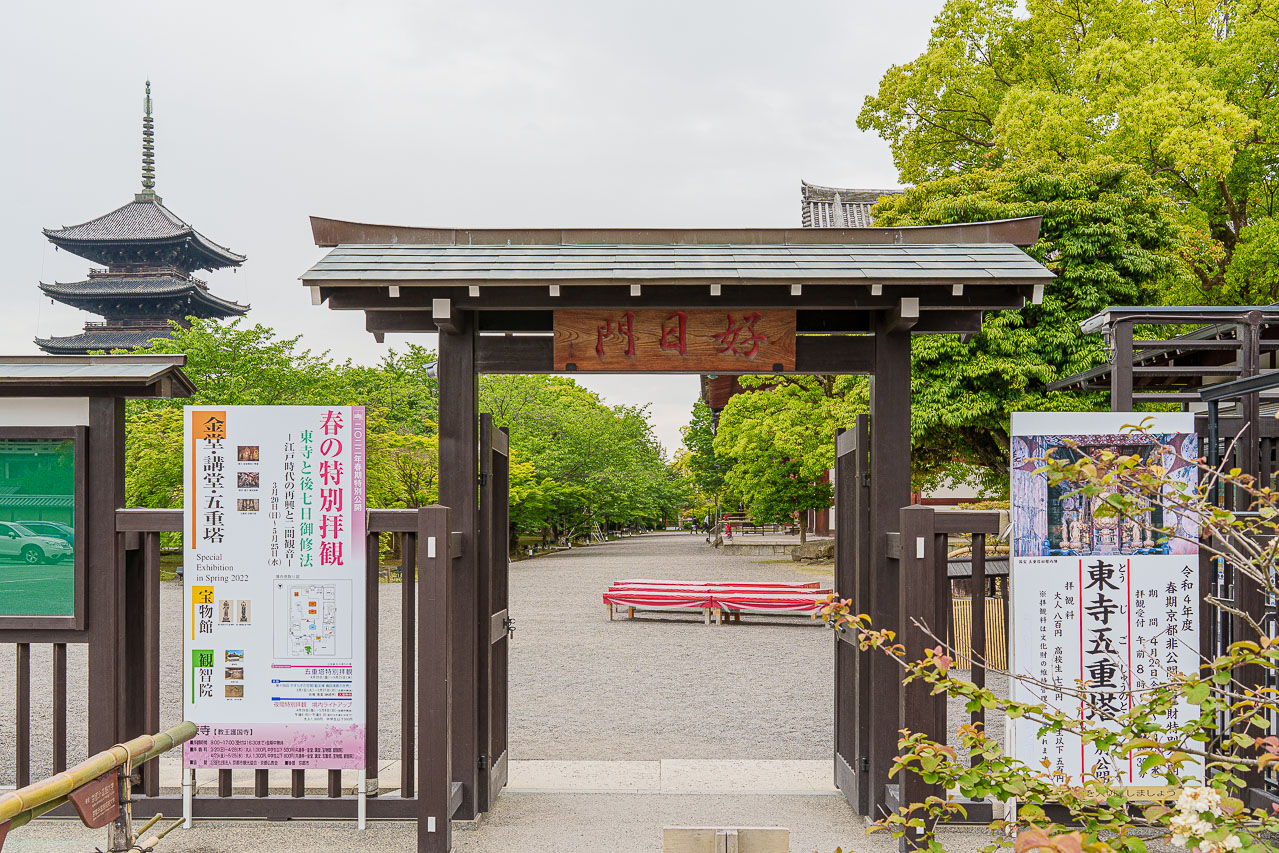
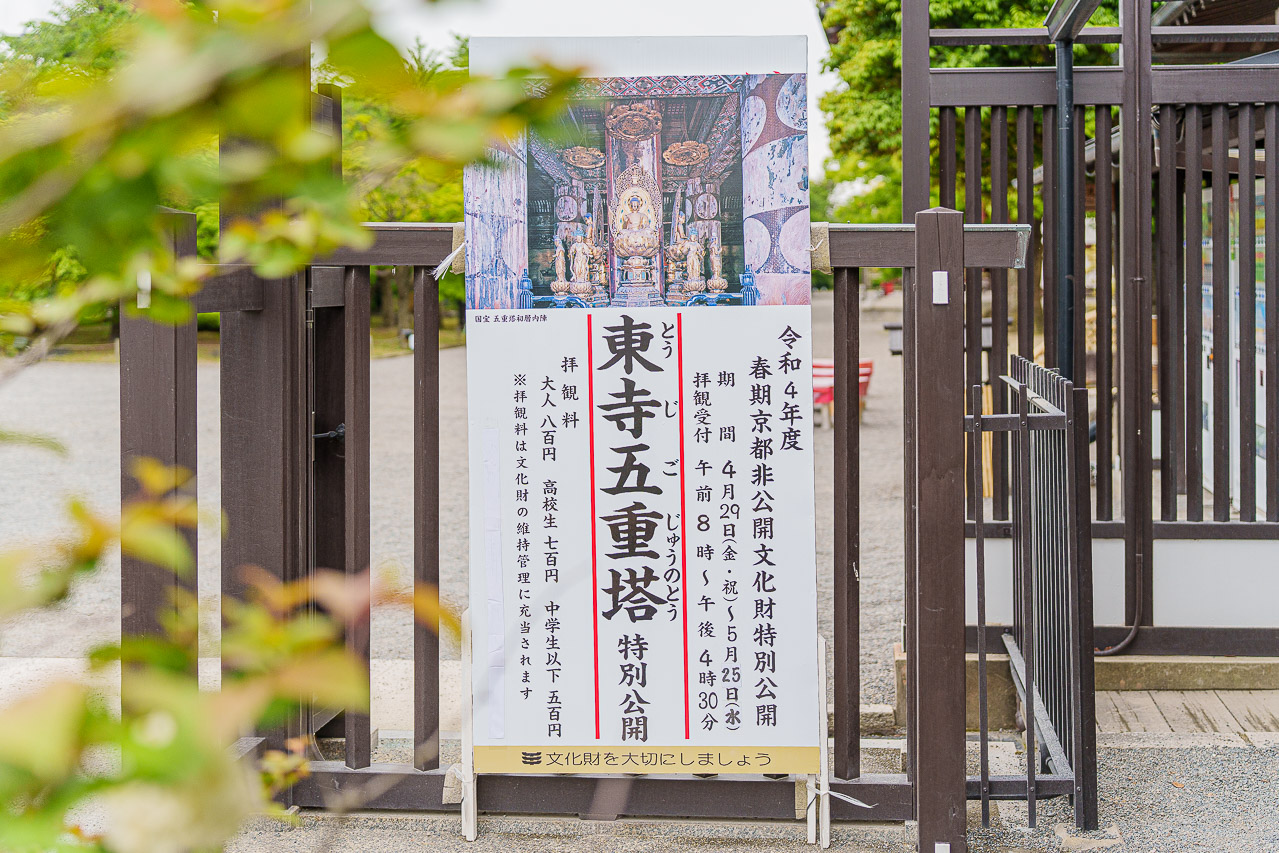
We are fortunate to visit during a special opening of Toji’s five-story pagoda.
Photography is prohibited, so we look carefully without taking pictures.
Many historic Buddhist figures are inside. The Ranger’s explanations reveal details I would have missed alone, making the visit informative.
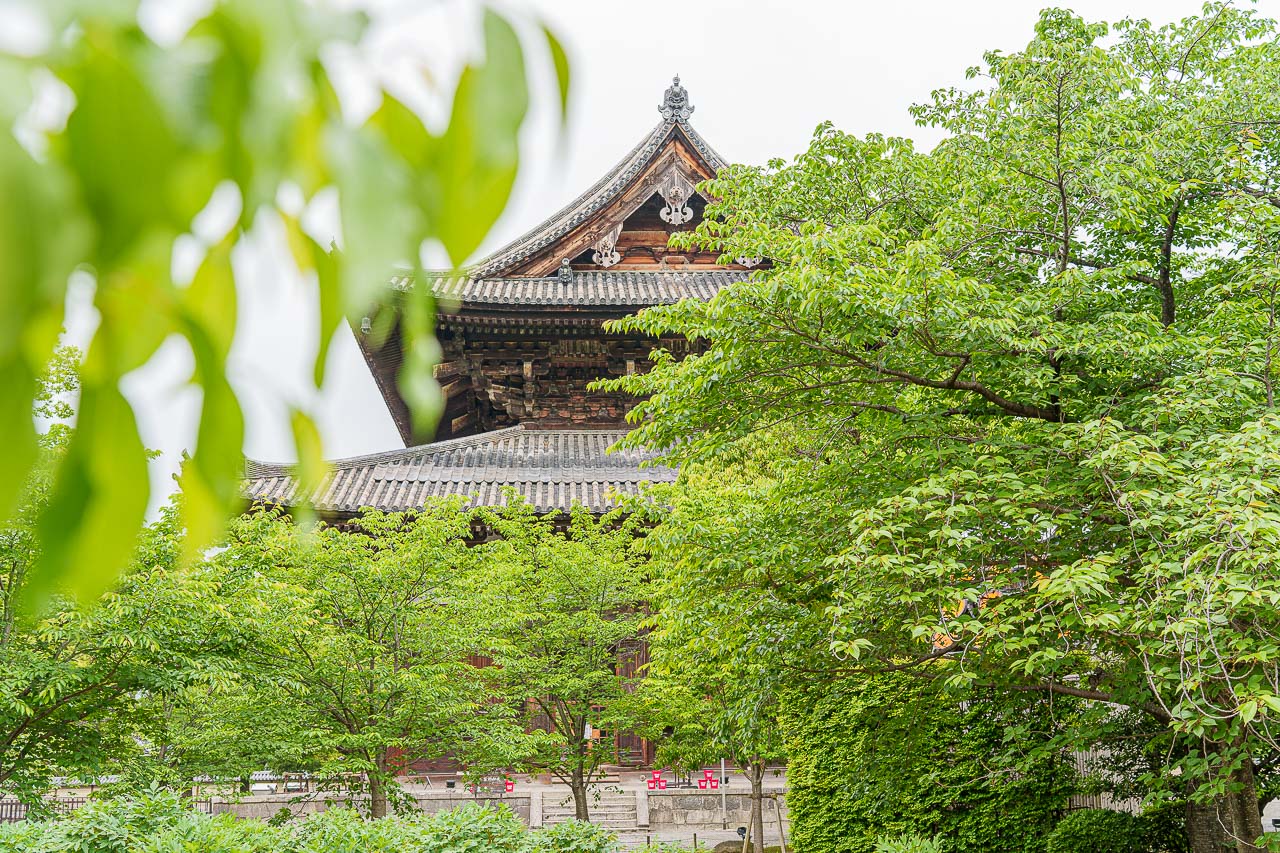
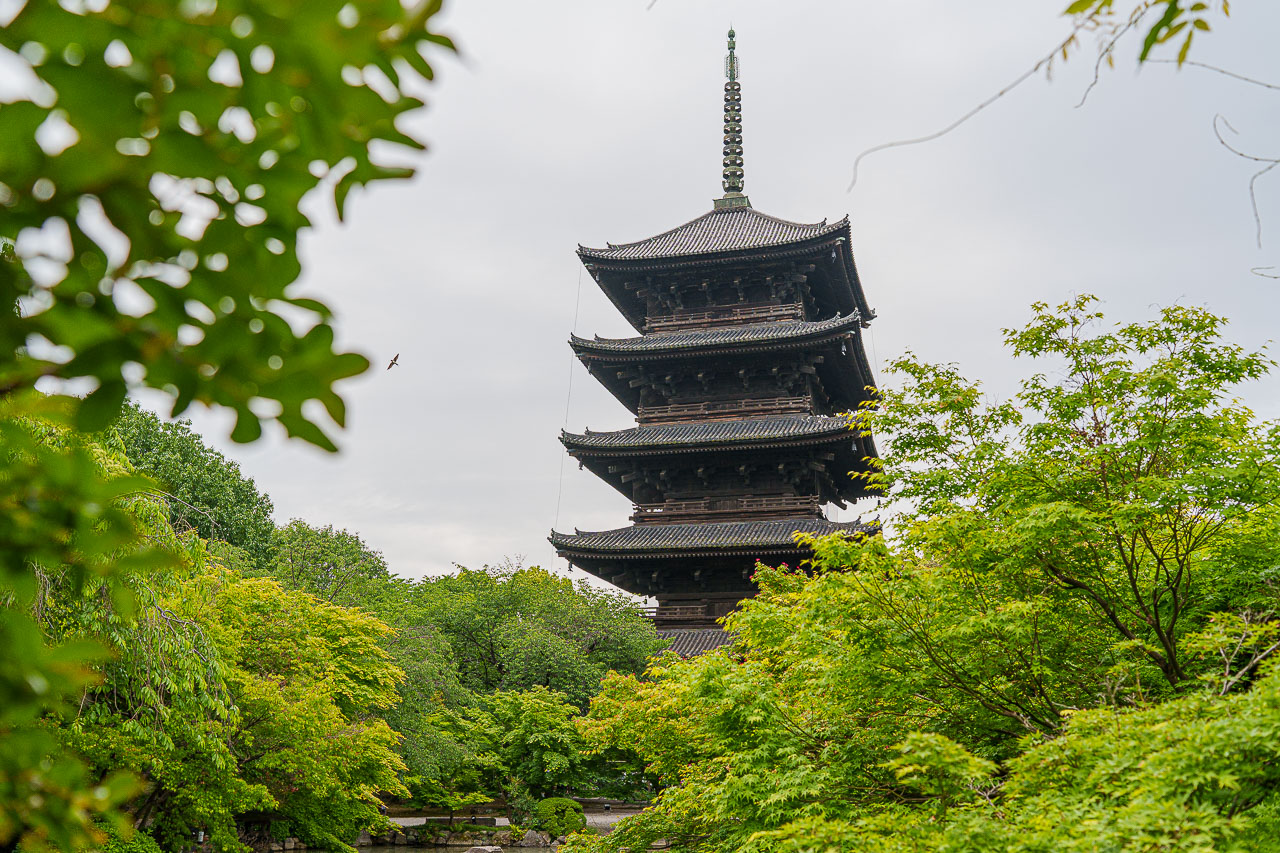
The source describes Toji as the temple remaining at its founding location from Heian-kyo around 1,200 years ago, now part of a World Heritage listing.
It recounts Emperor Saga entrusting the temple to Kobo Daishi after his return from studying esoteric Buddhism in Tang China.
The temple holds Buddhist statues, the pagoda and other buildings, paintings and texts designated National Treasures or Important Cultural Properties—a ‘treasure house of Buddhist images’ in the account.
Inside the pagoda are intricate images resembling the hotel’s mandala art.
The author marvels at the sophistication of the architectural tradition associated with its 1,200-year history; this does not date every part of the present structure to that period.
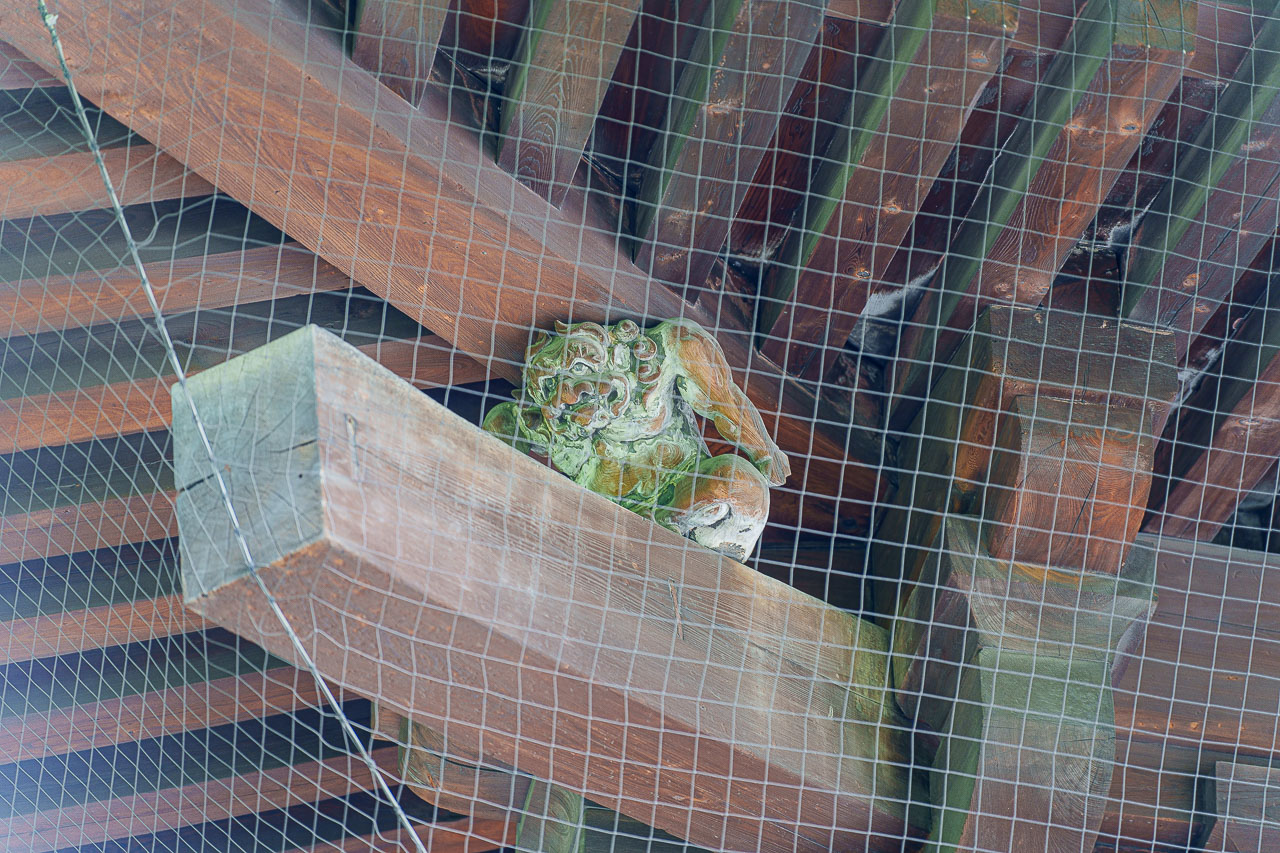
Oni-shaped supports appear where the pagoda carries substantial loads, an imaginative detail.

After around an hour at Toji, the tour ends.
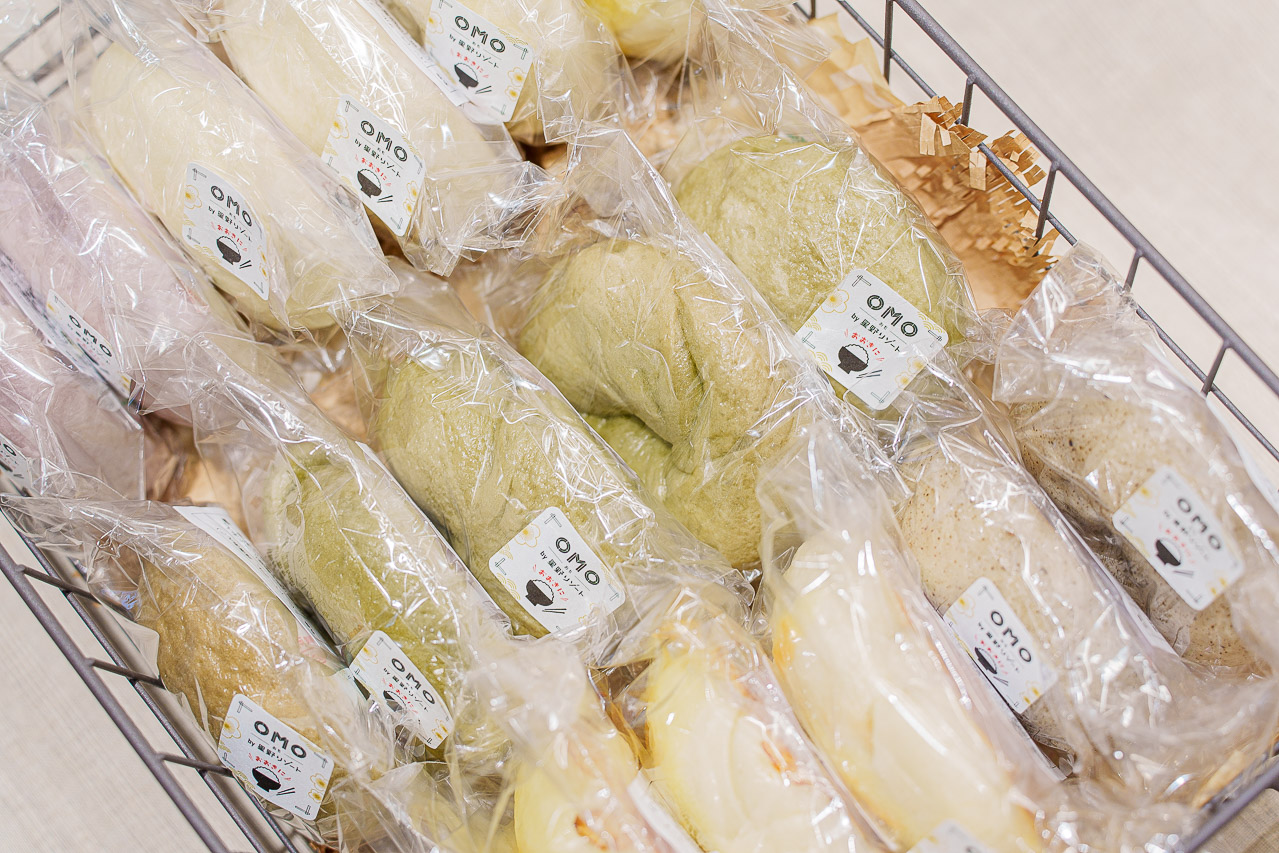
We return to the Food & Drink Station for breakfast.
An appealing bagel,
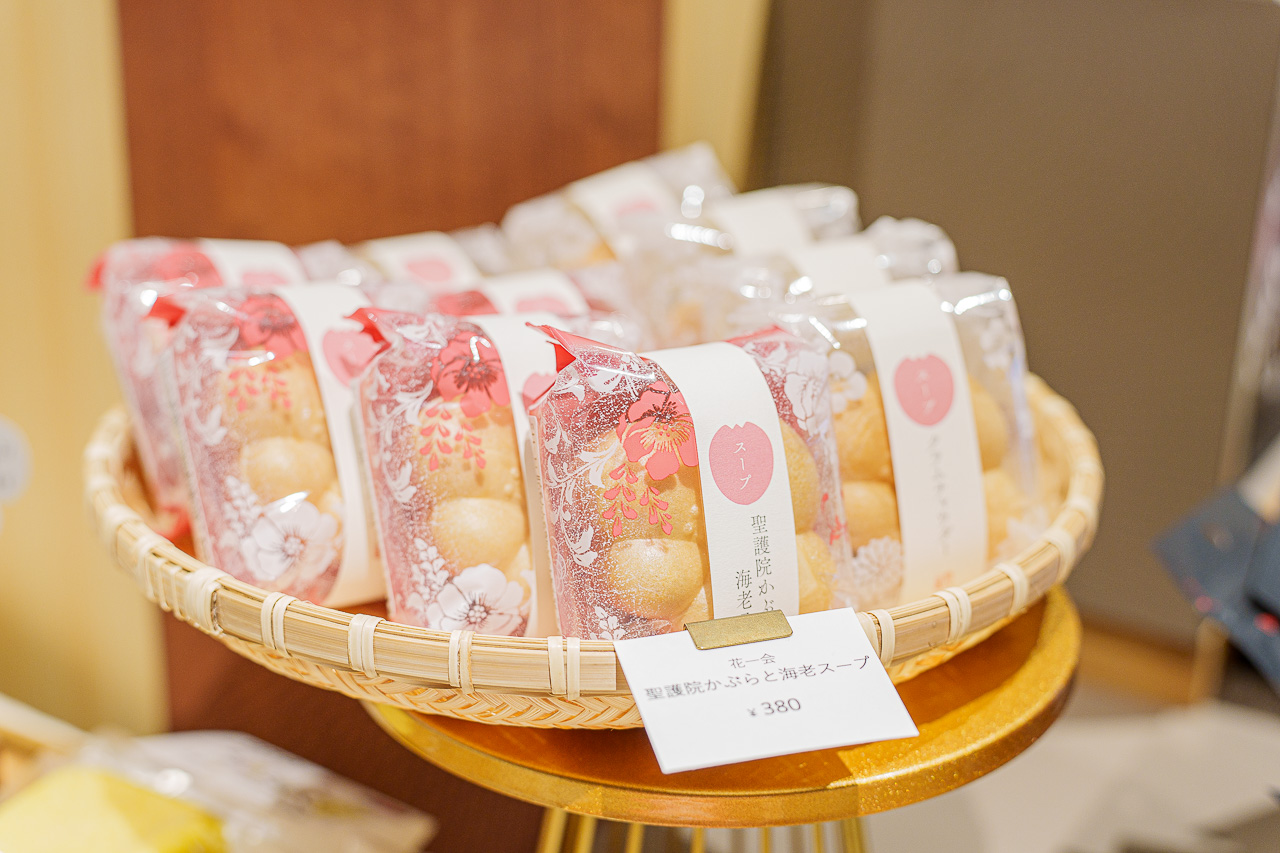
shrimp soup using vegetables associated in the source with Kyoto’s Shogoin Monzeki temple,
and something that looks like egg bread.
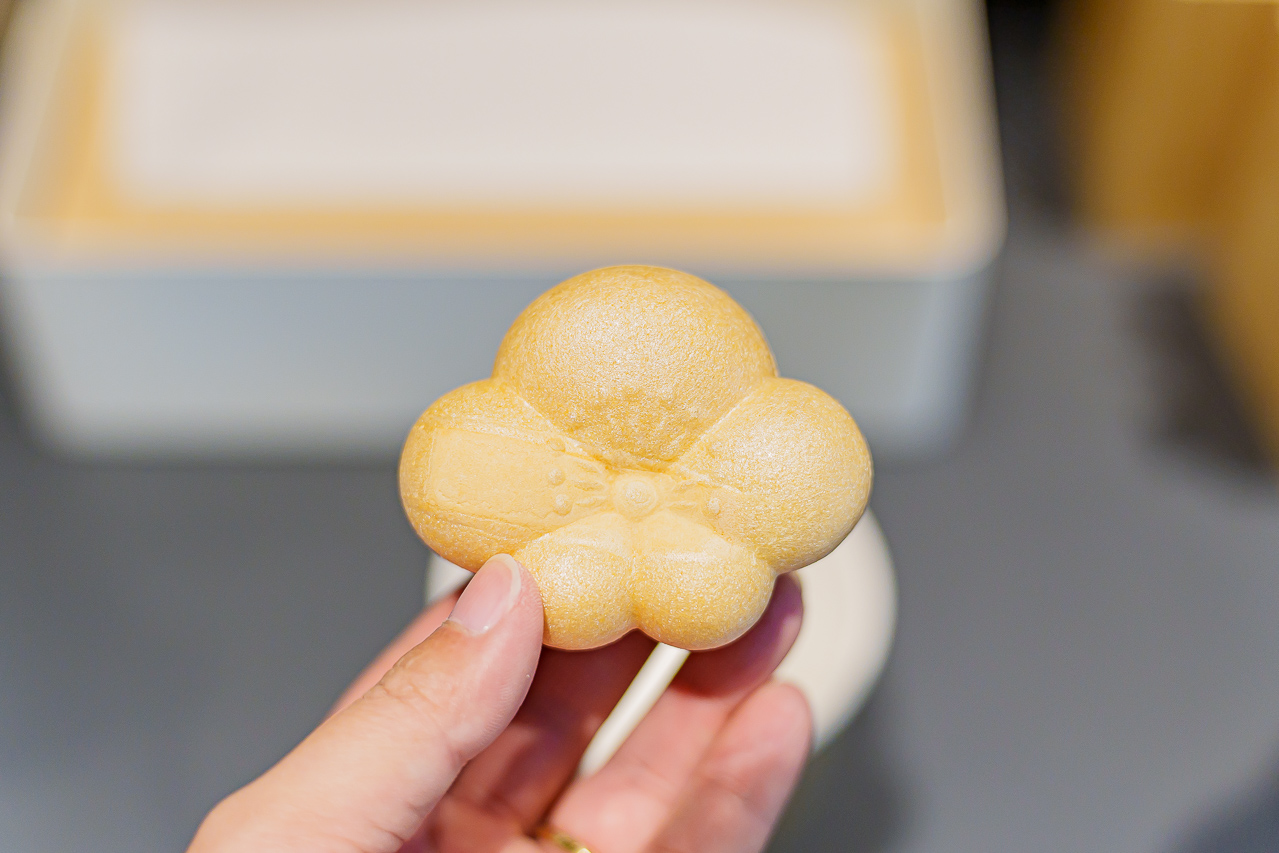
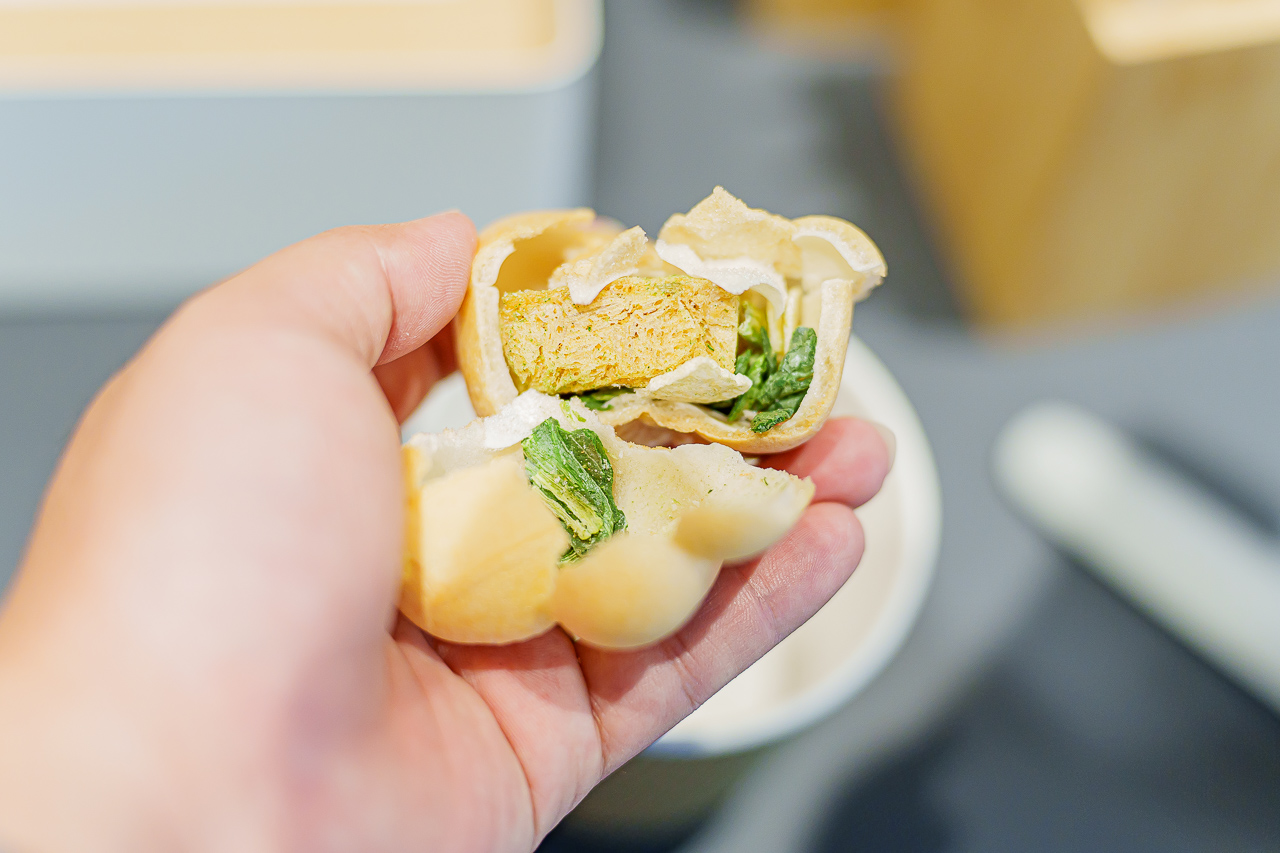
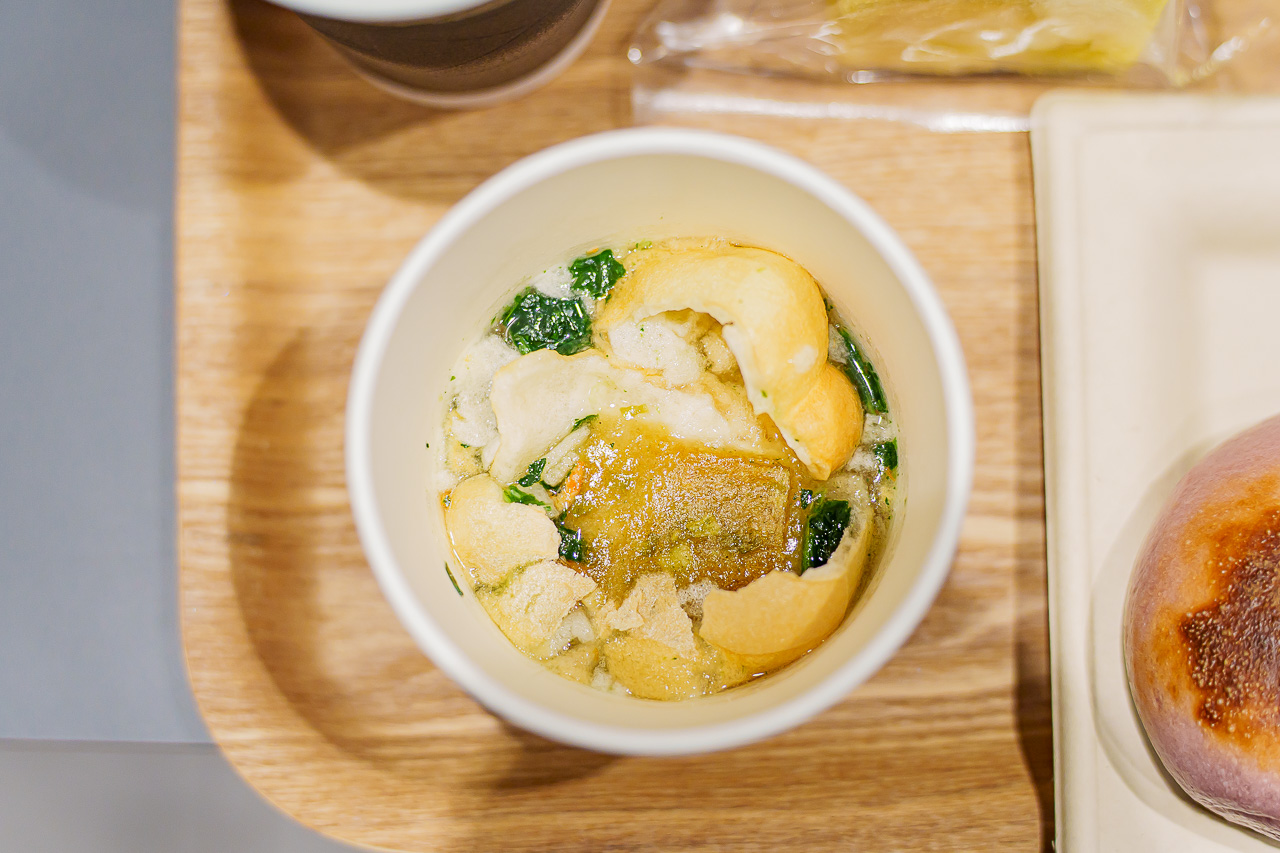
The soup is prepared by breaking up the contents and adding hot water.
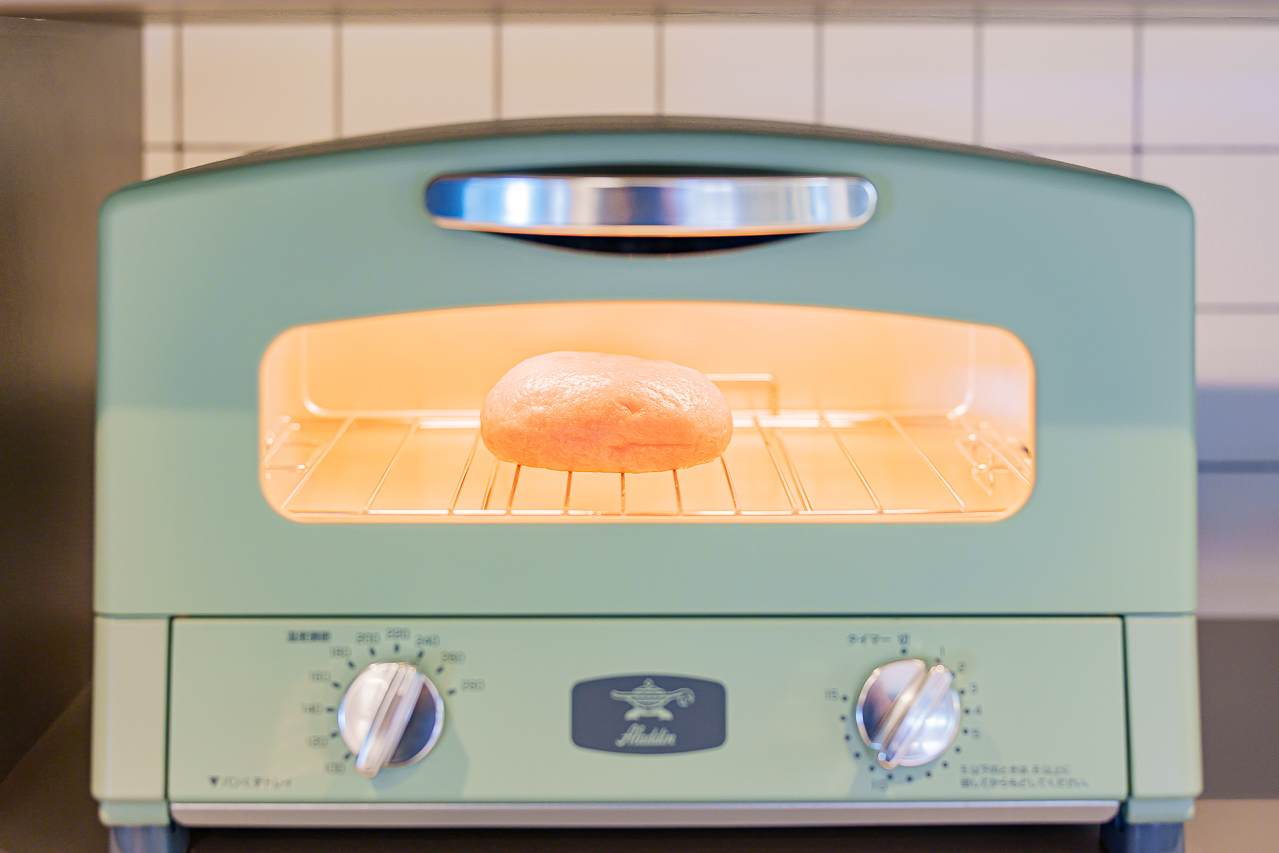
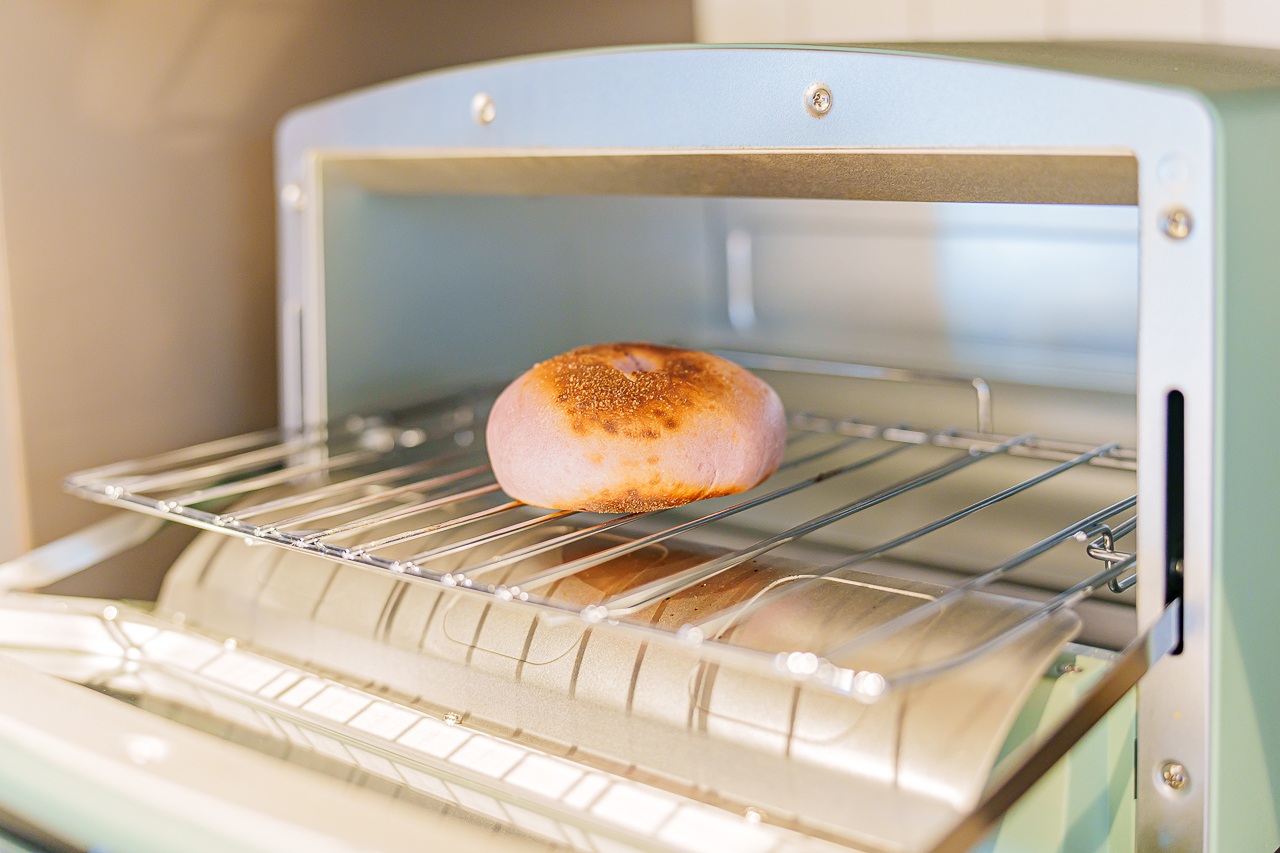
I am told the bagel is better warmed, but manage to overheat it.
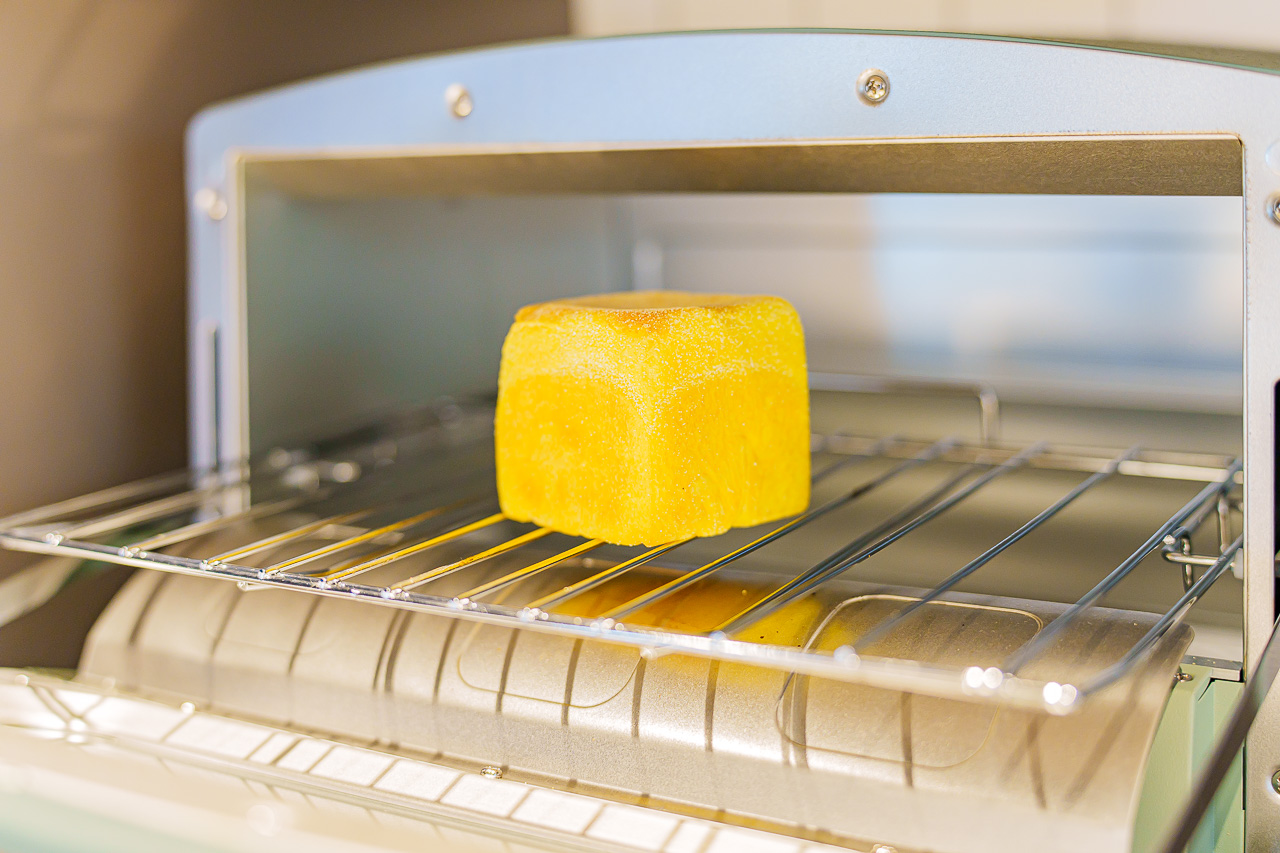
I gently warm the intriguing bread as well.
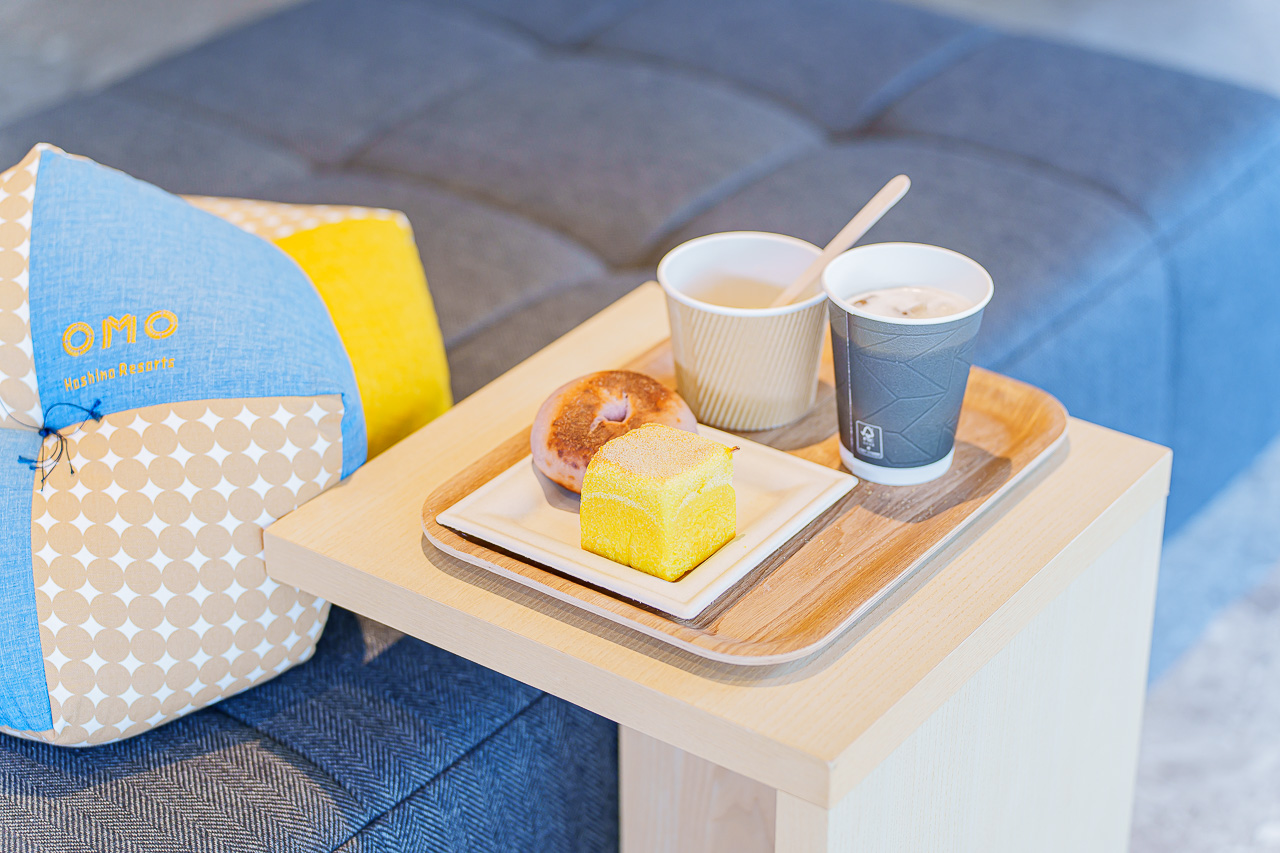
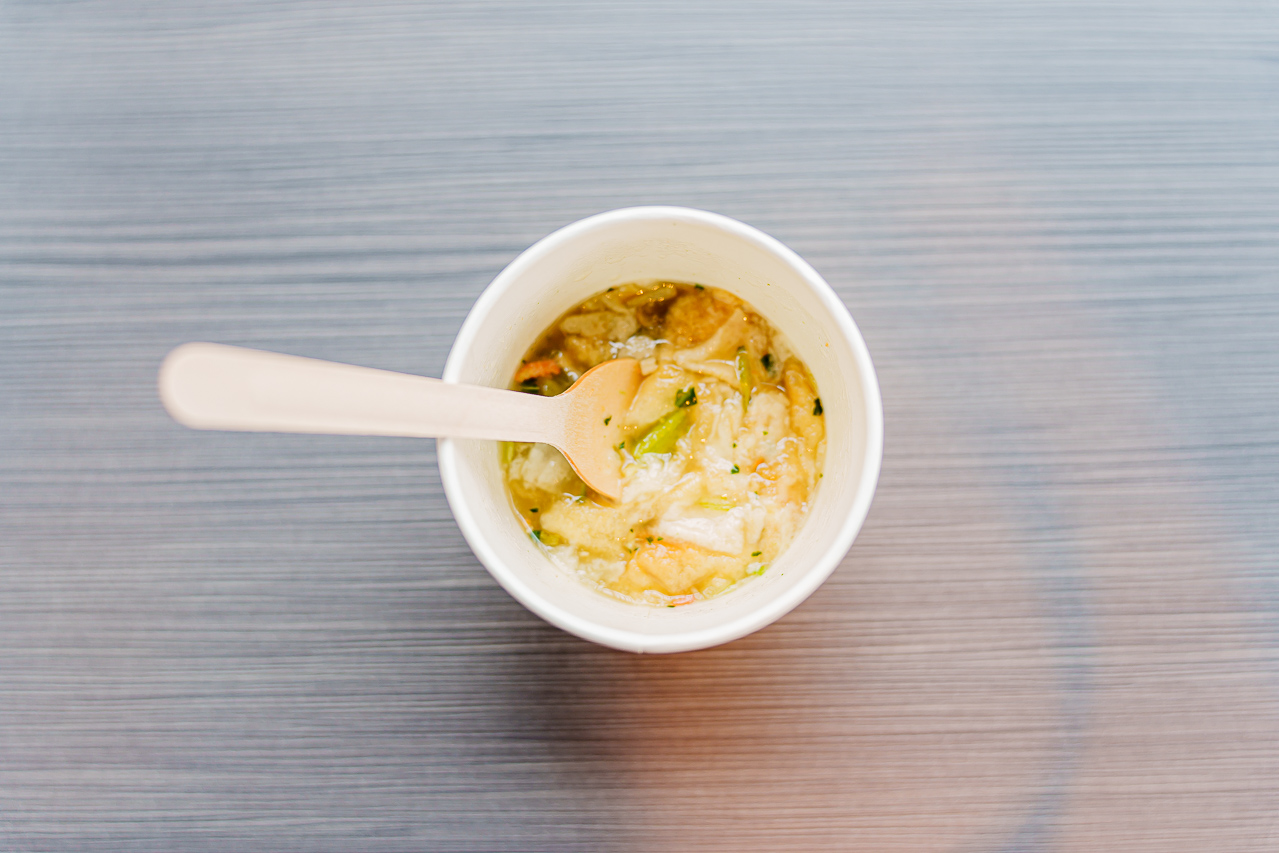
Here is the shrimp soup.
Delicious.
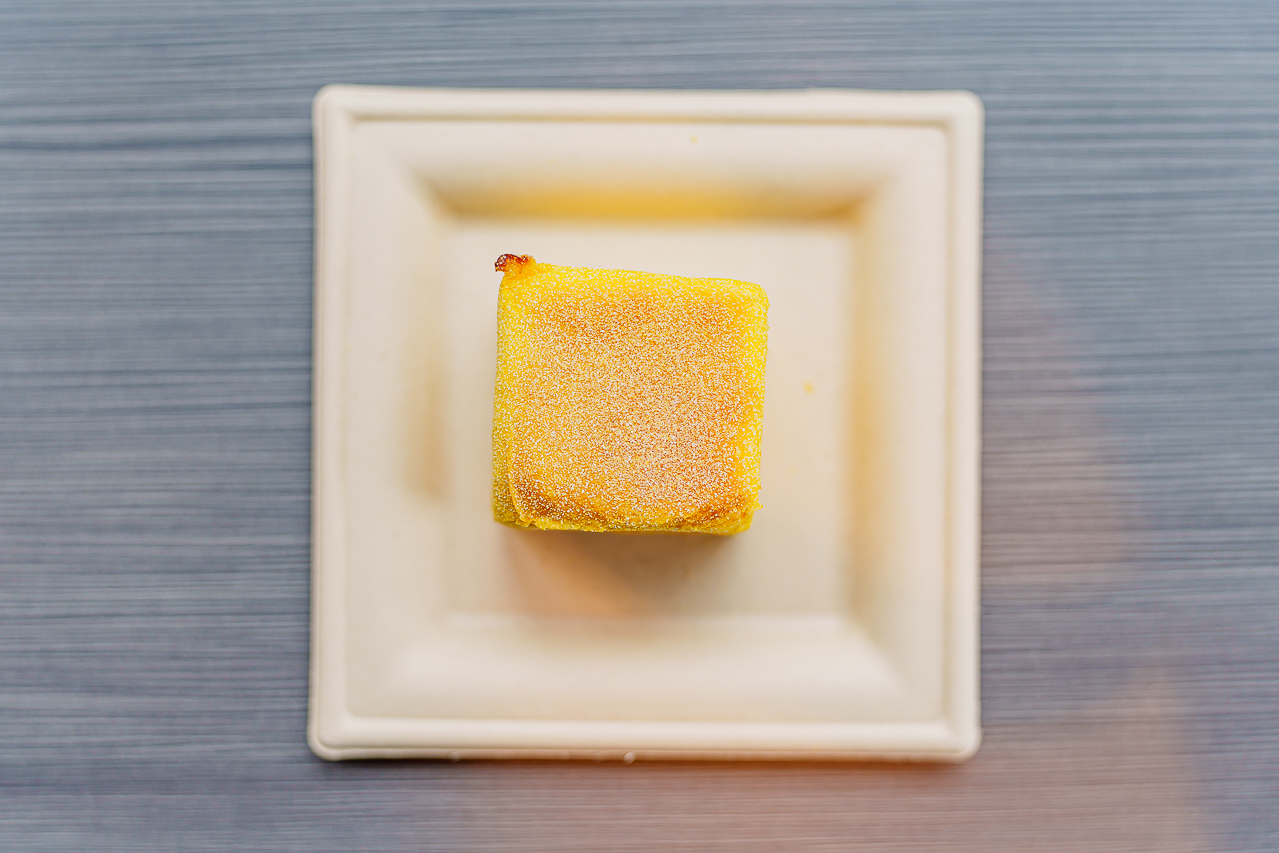
The ‘egg bread’ turns out
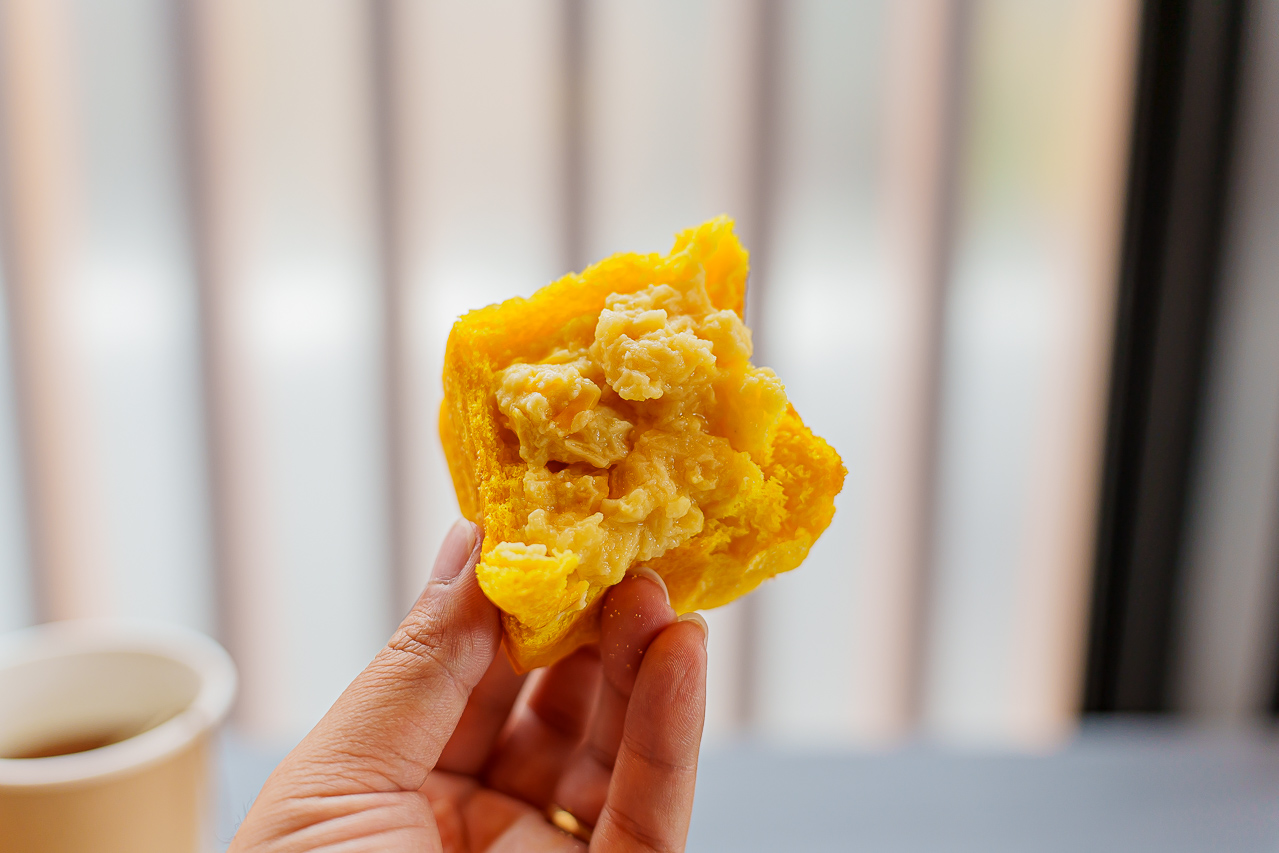
to be corn-potage bread.
It is quite good too.
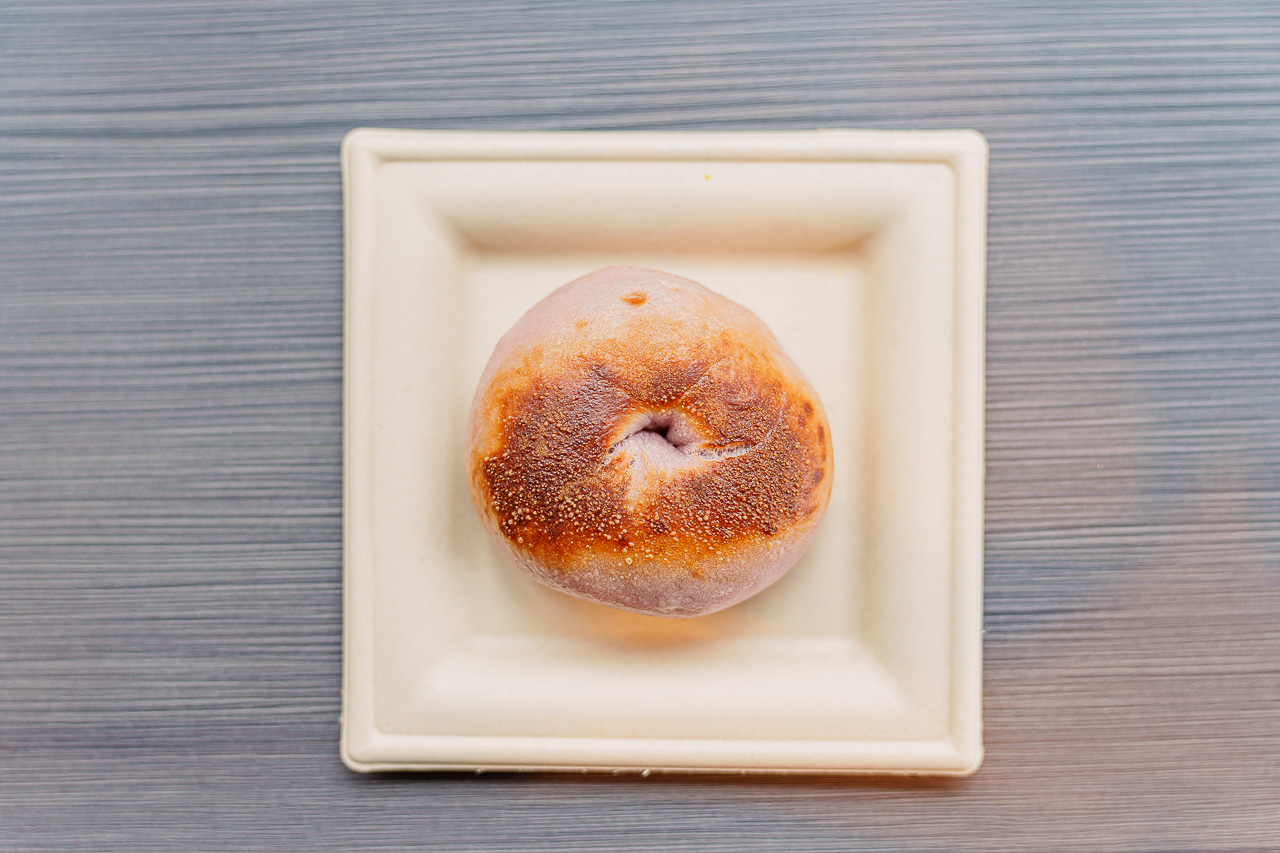
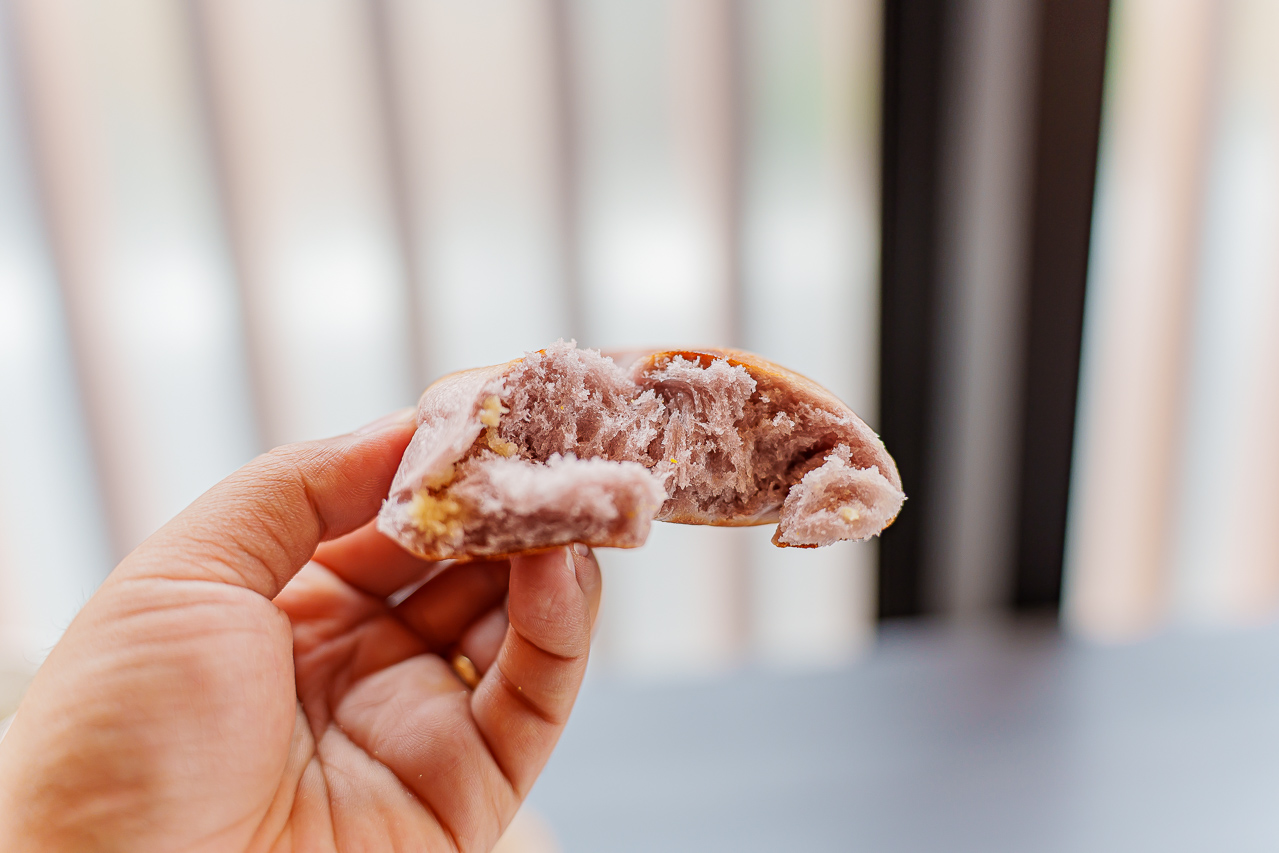
The sweet-potato bagel is browned.
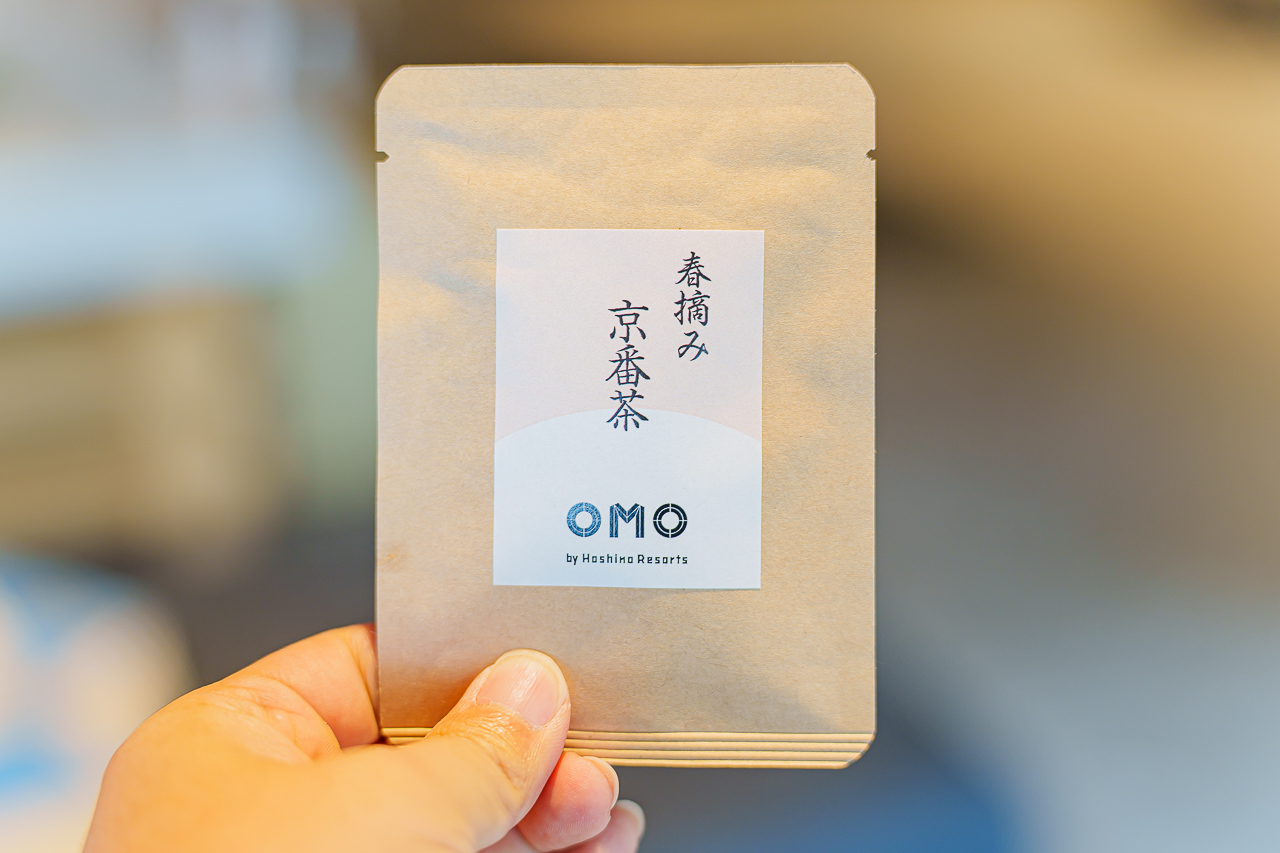
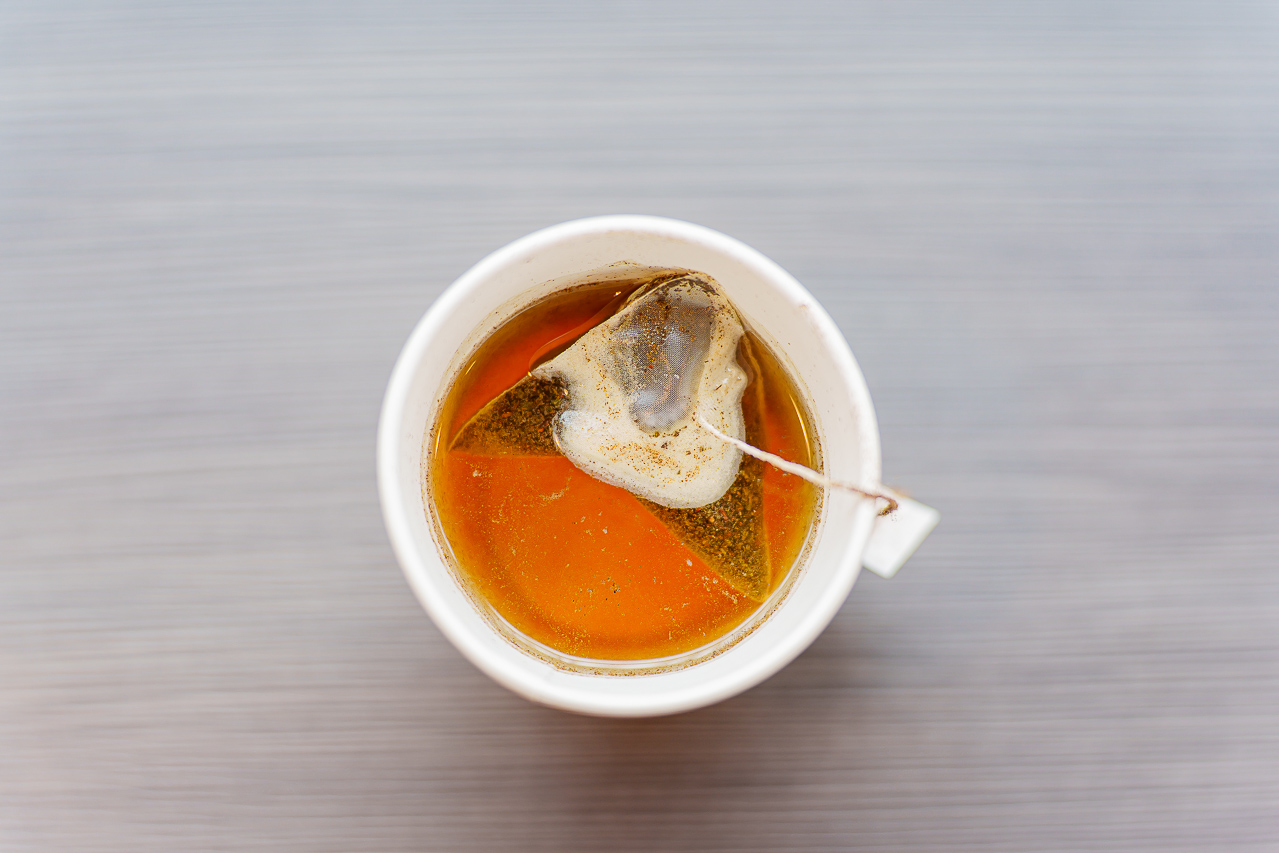
Finally, I try the hotel’s original tea, transcribed as ‘Kyoban-cha’ in the source, bought the previous day.
It is my first time trying this tea. The aroma is unusual, but I rather like it.
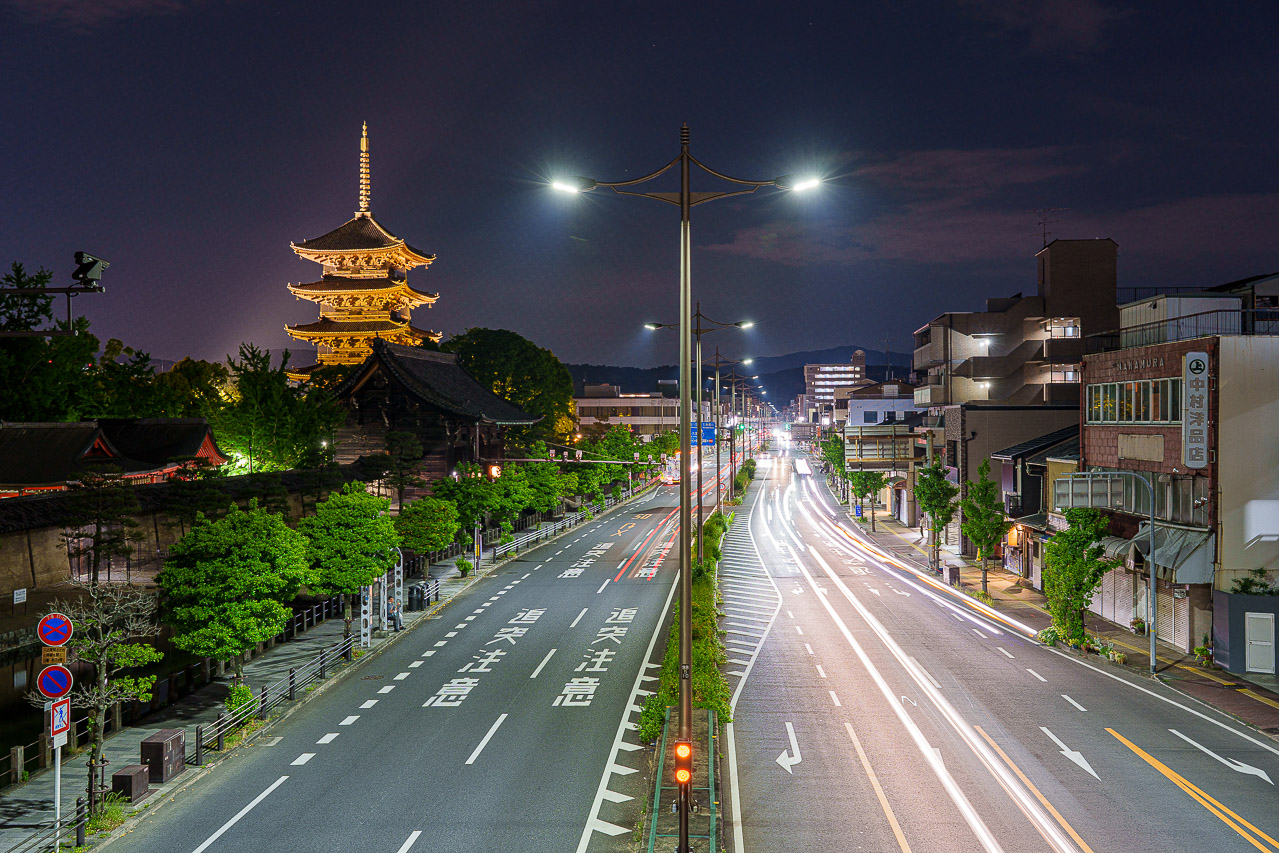
A place that can make temple sightseeing enjoyable even for someone without a particular prior interest.
If staying at OMO3 Kyoto Toji, I would recommend considering a temple walk with an OMO Ranger.
OMO3 Kyoto Toji by Hoshino Resorts
Address: 11-6 Nishikujo Zaocho, Minami Ward, Kyoto
Website: https://www.hoshinoresorts.com/kr/resortsandhotels/omobeb/omo/3kyototoji.html