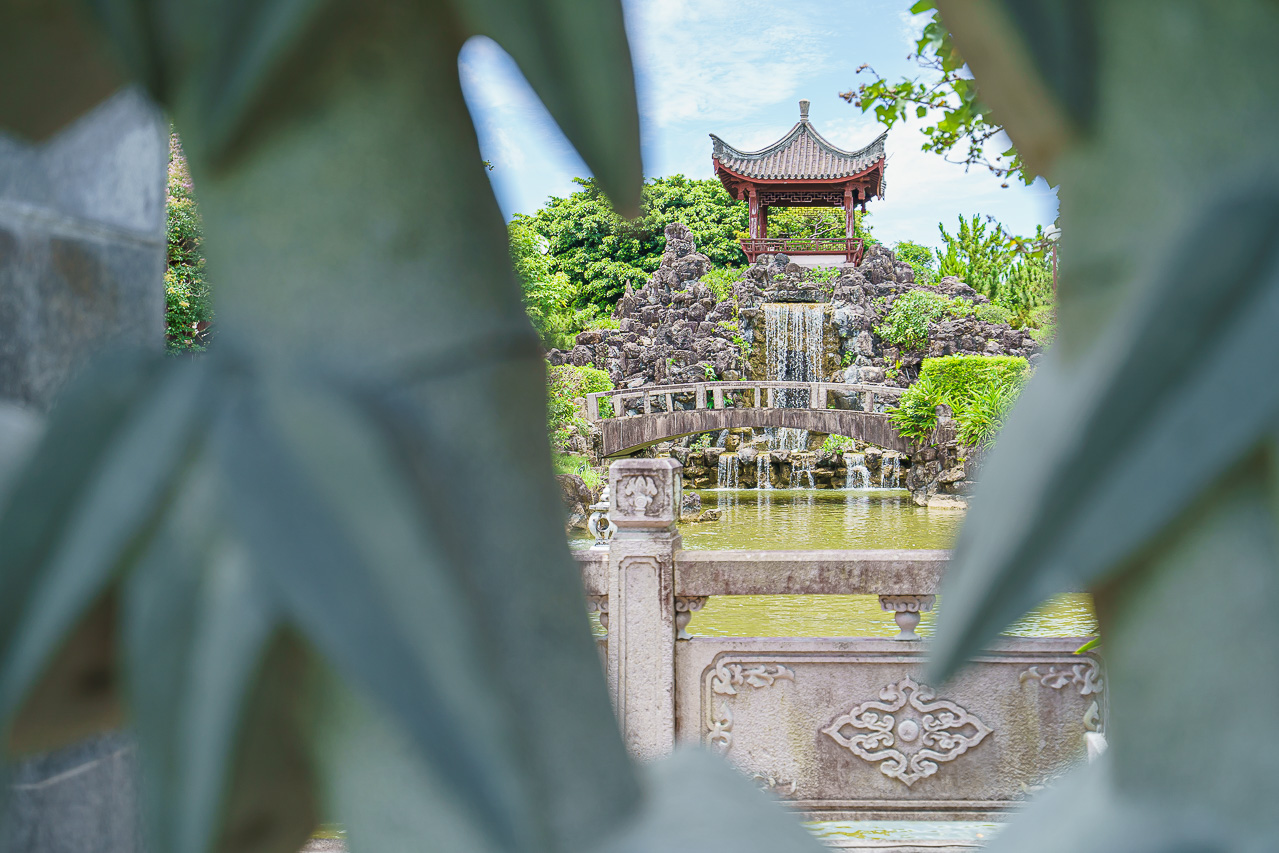
Fukushuen is a traditional Chinese-style garden in Naha’s Kume neighborhood, Okinawa.
It is on the way toward the airport, making it an option if you have a little time before your flight or want a short sightseeing stop in central Naha.
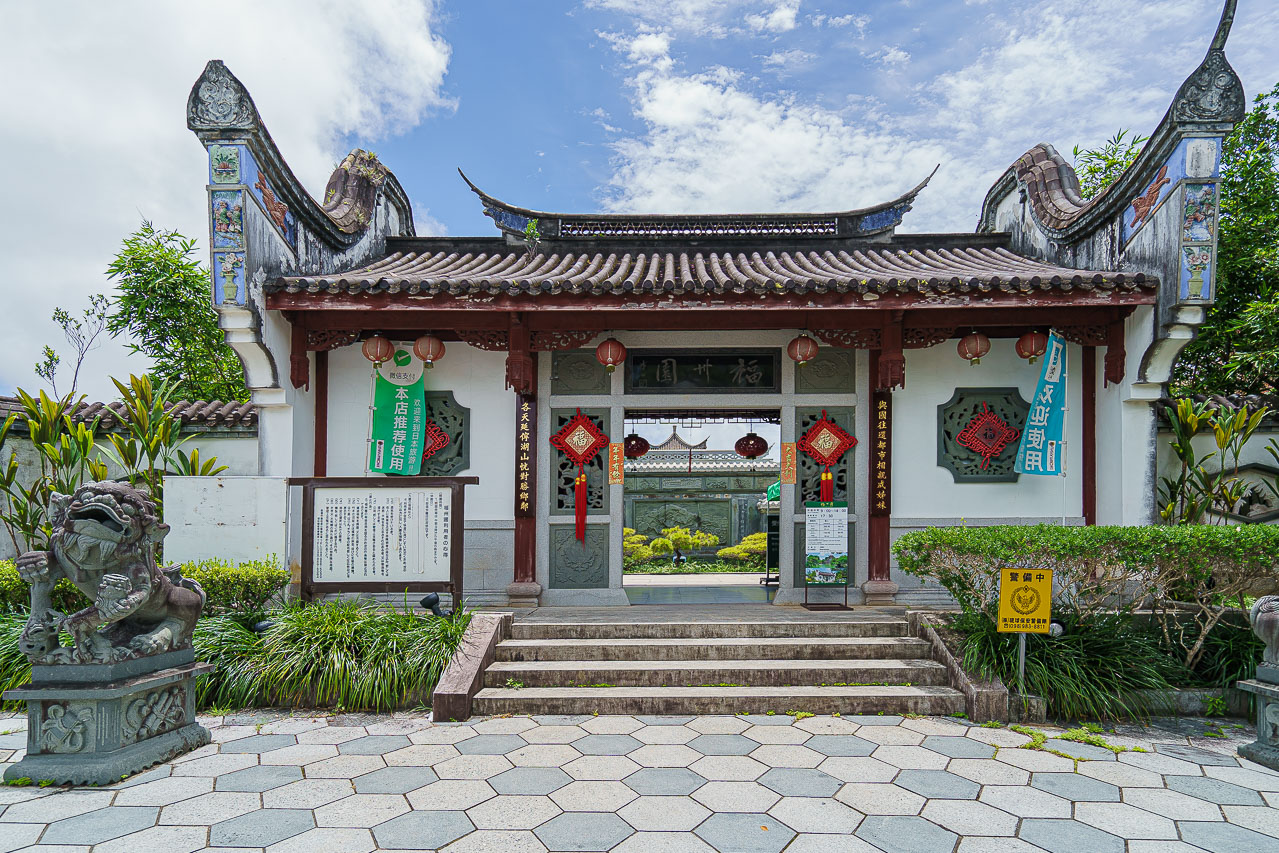
The garden was built in 1992 to mark the tenth anniversary of the sister-city relationship between Naha and Fuzhou, China.
Kume, formerly known as Kumemura, was a center of Chinese culture and learning in the Ryukyu Kingdom for centuries. The neighborhood symbolizes an important Chinese influence on Okinawa’s history and culture.
The source recounts that, centuries ago when Okinawa was the Ryukyu Kingdom, Ryukyu sent tribute to Ming China and received gifts worth many times the tribute in return.
It also describes the arrival of skilled people known as the ‘Thirty-Six Families.’ This is the historical explanation given in the original account.
They settled in the area around today’s Fukushuen. Over the following centuries, many of their descendants held senior positions in the Ryukyu court and left their mark on its history.
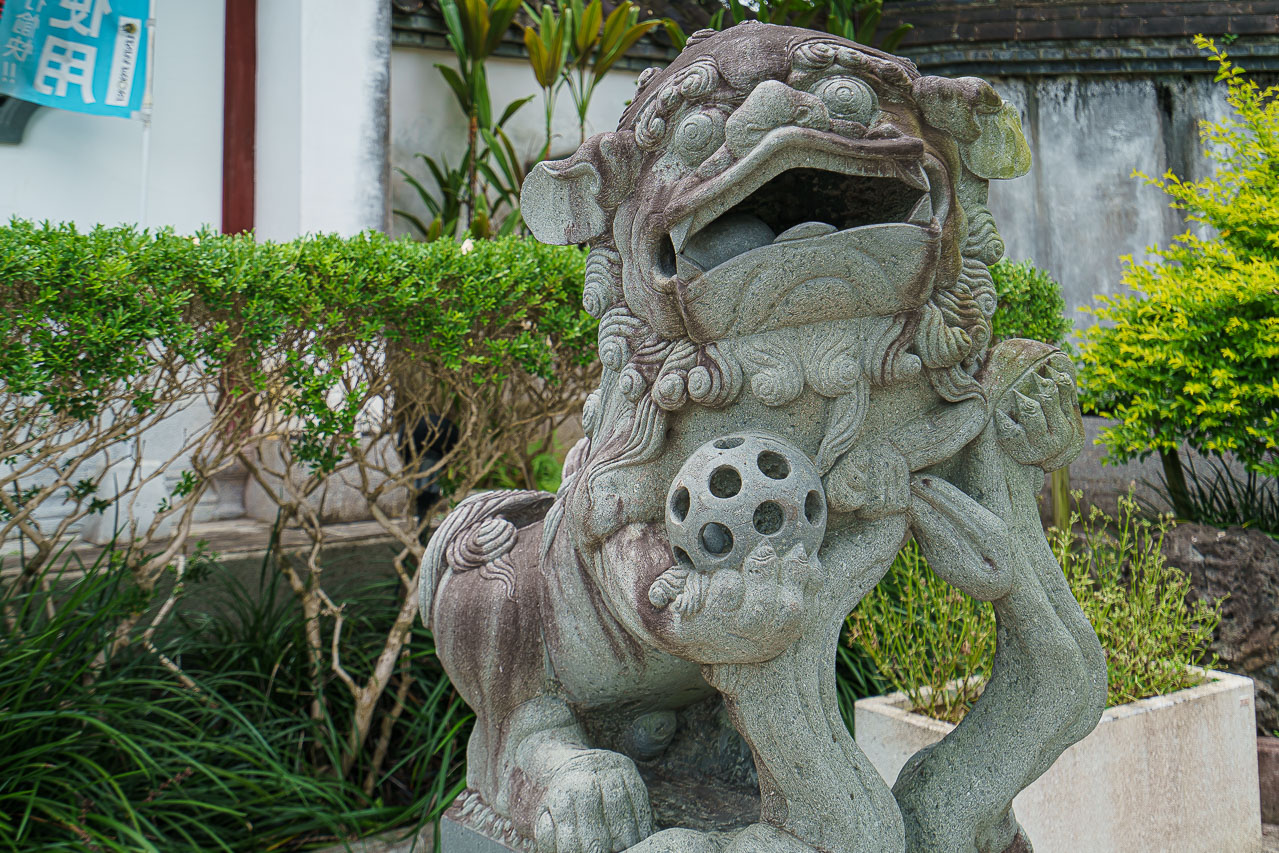
A shisa, Okinawa’s guardian lion-dog, welcomes visitors at the entrance with a ball.
Anyone for a game of soccer?

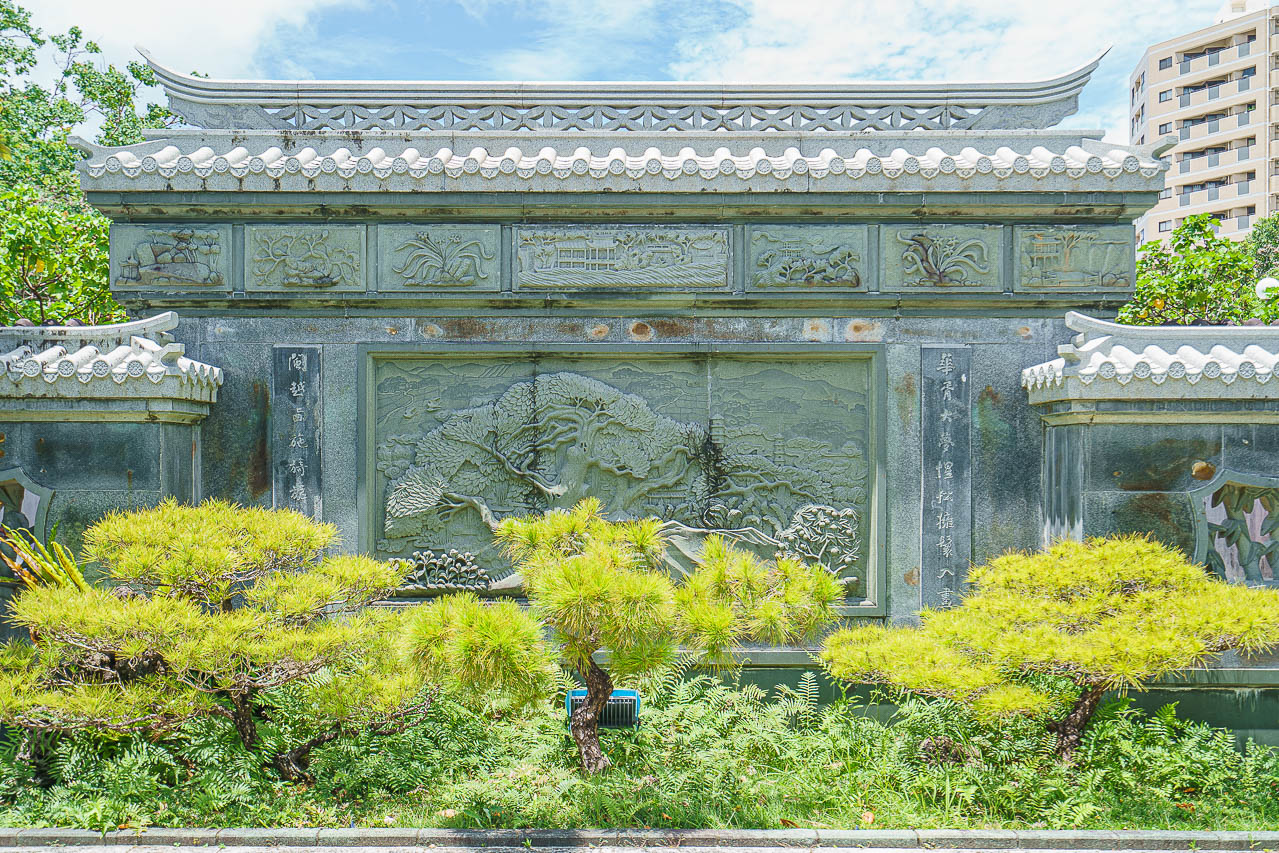
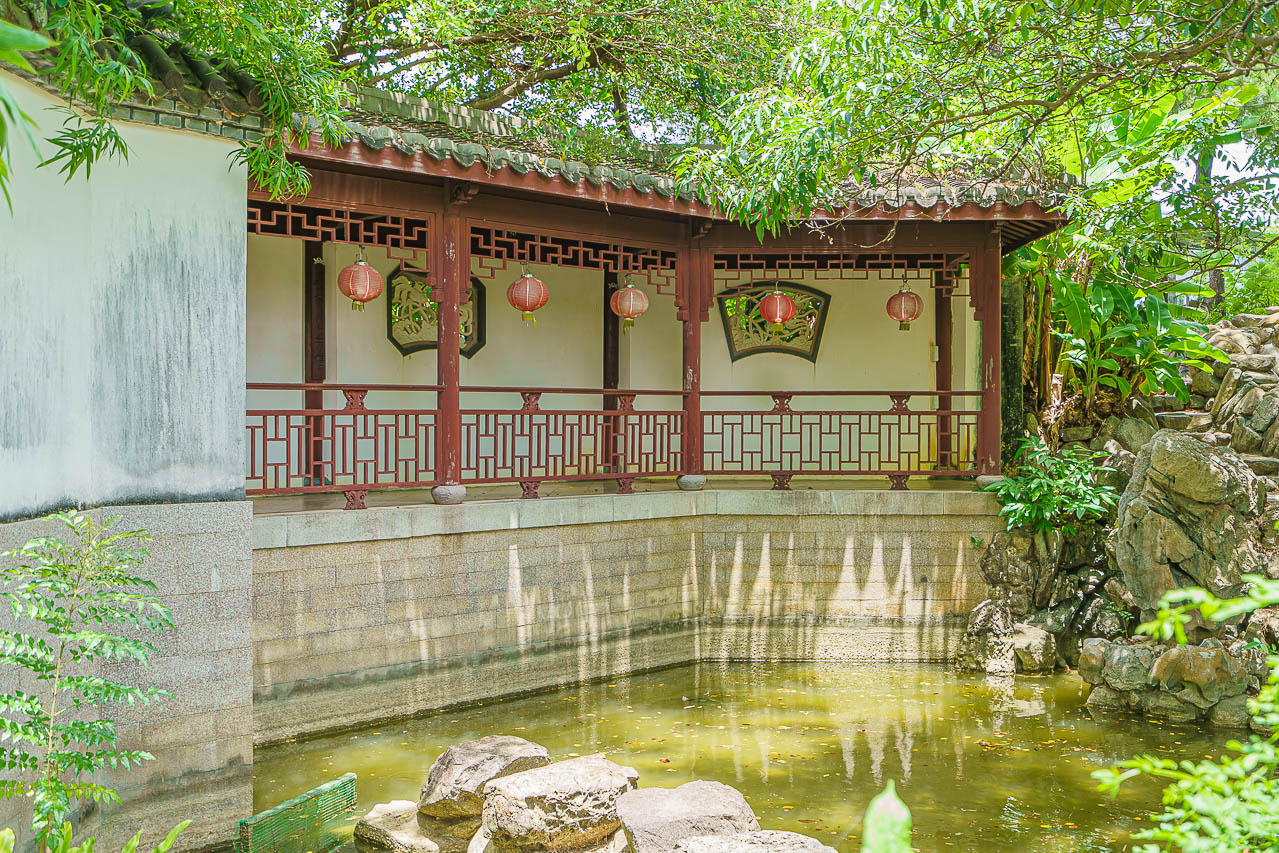
With help from Fuzhou artisans and timber and stone from Fuzhou, the garden was built largely in the traditional style of that city’s gardens.
Different areas are said to represent the four seasons. I could not quite feel the distinction—perhaps because Okinawa feels to me as though it has only summer and winter.
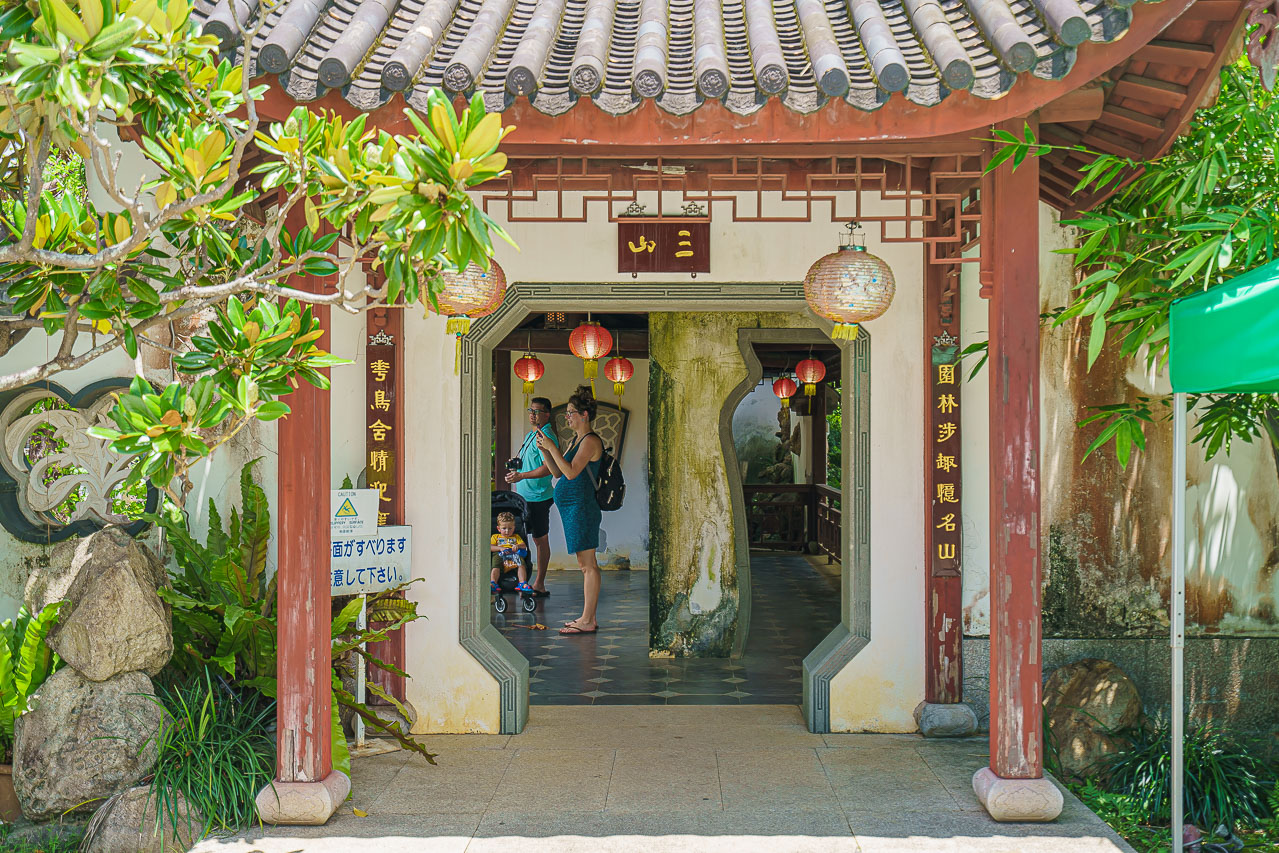
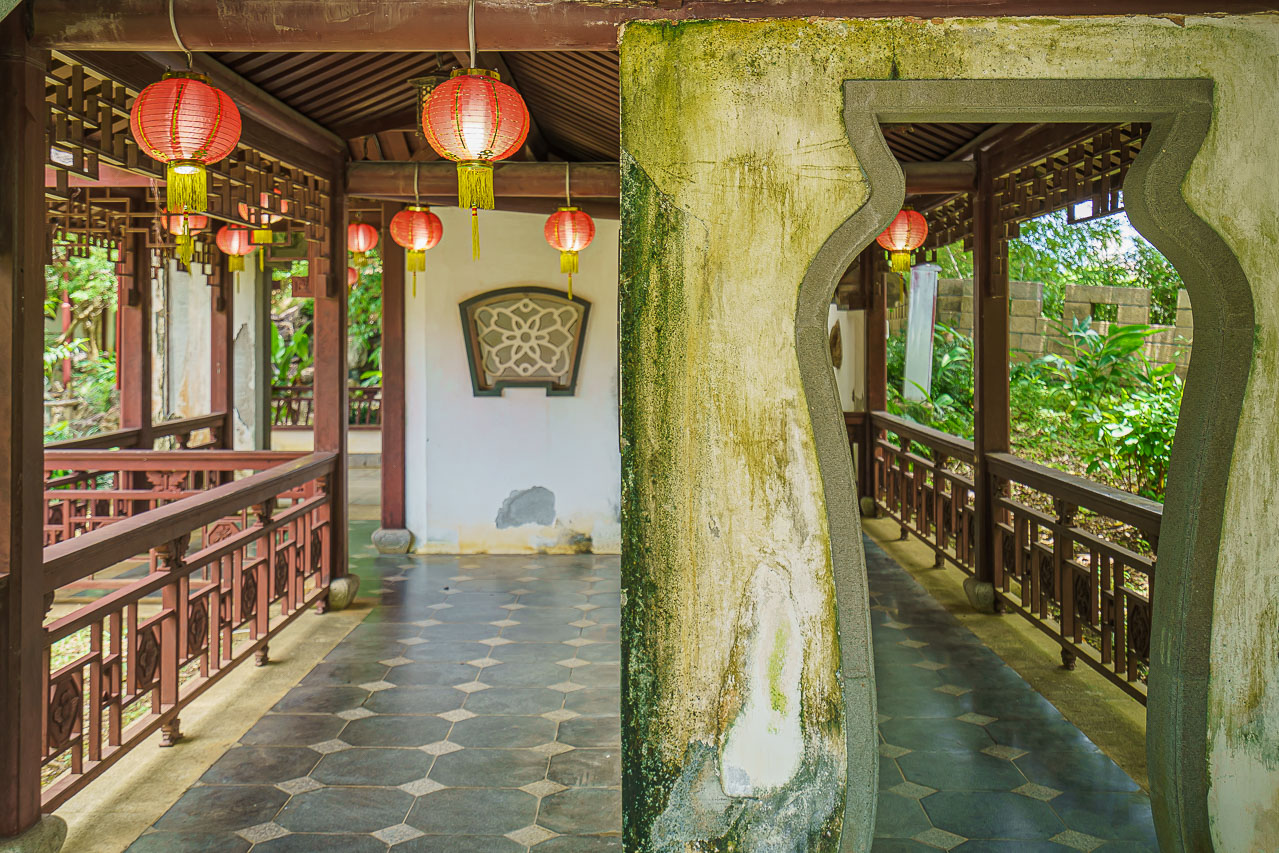
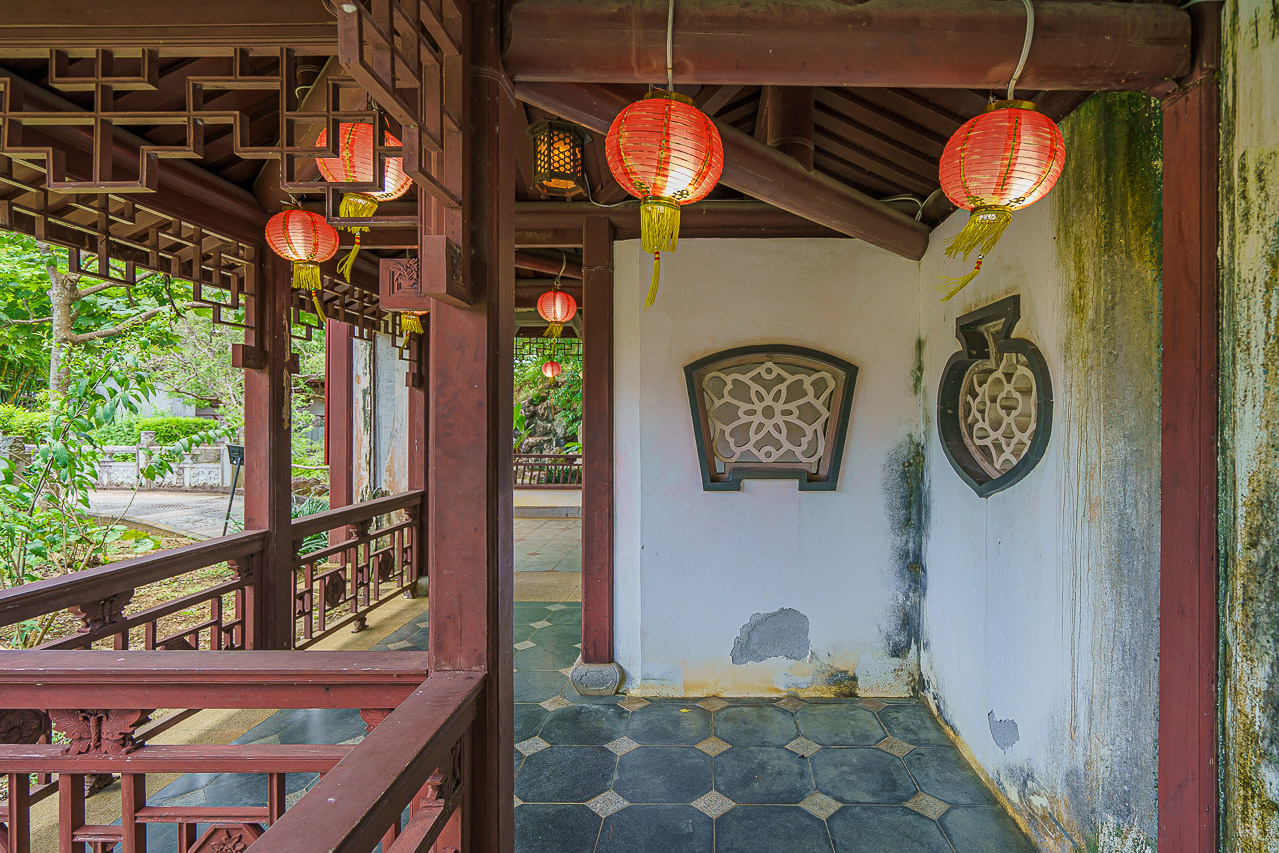
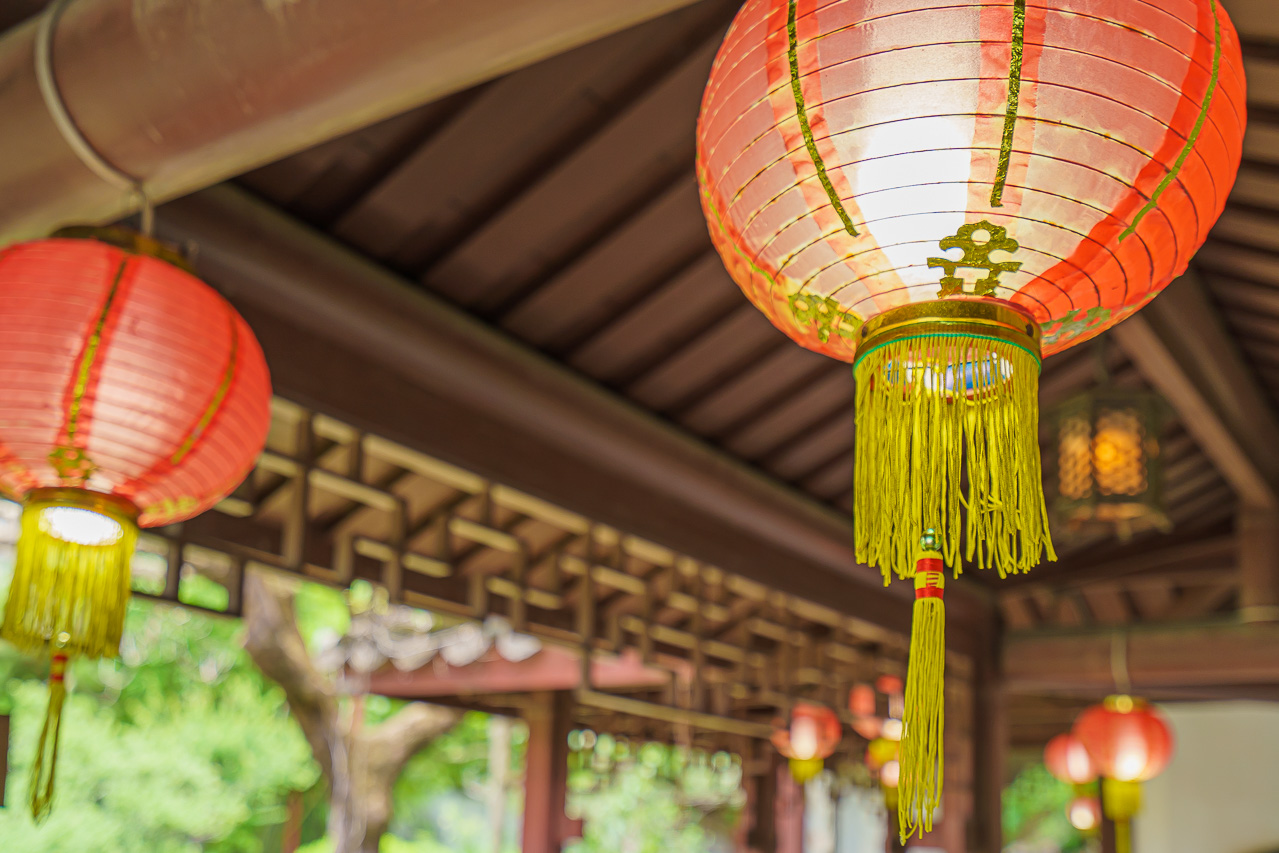
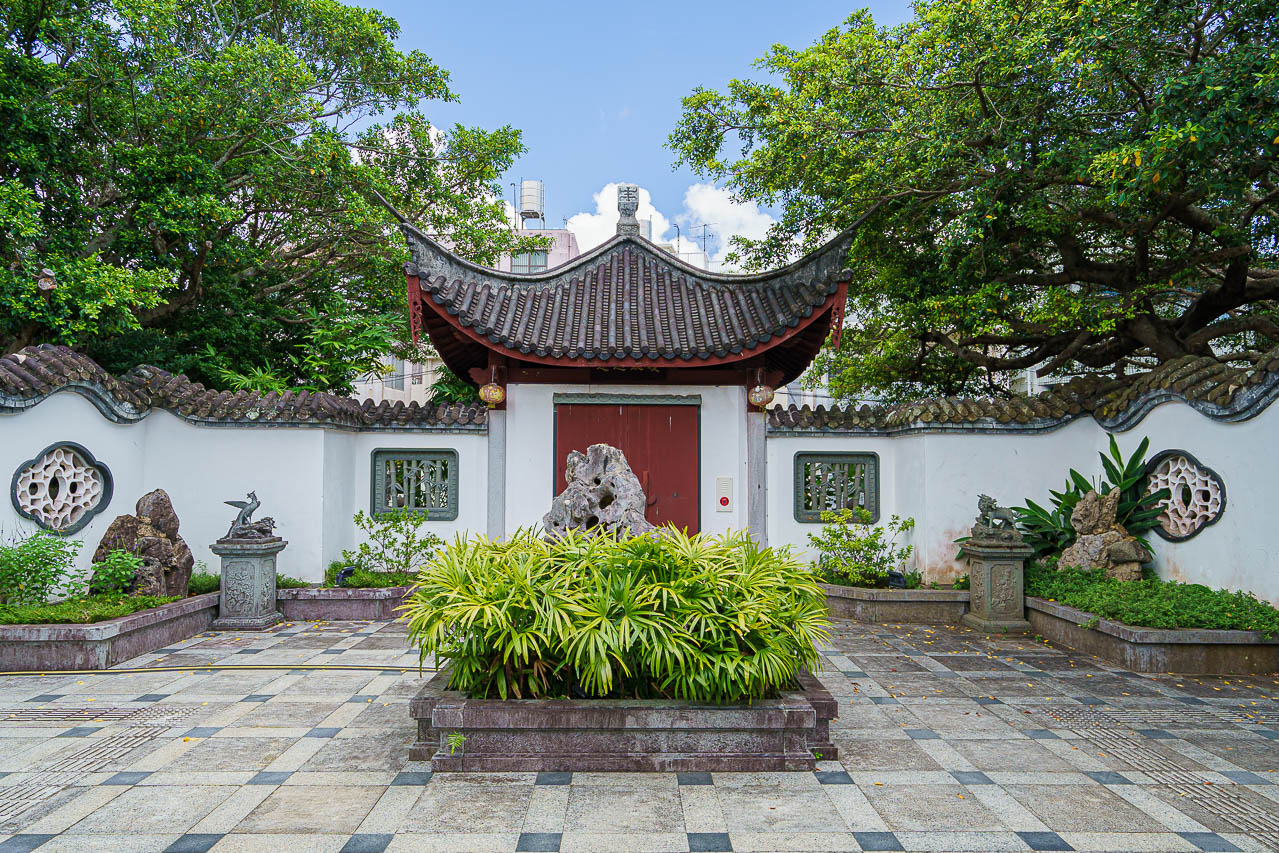
The garden has gates in all four compass directions and a hexagonal pavilion.
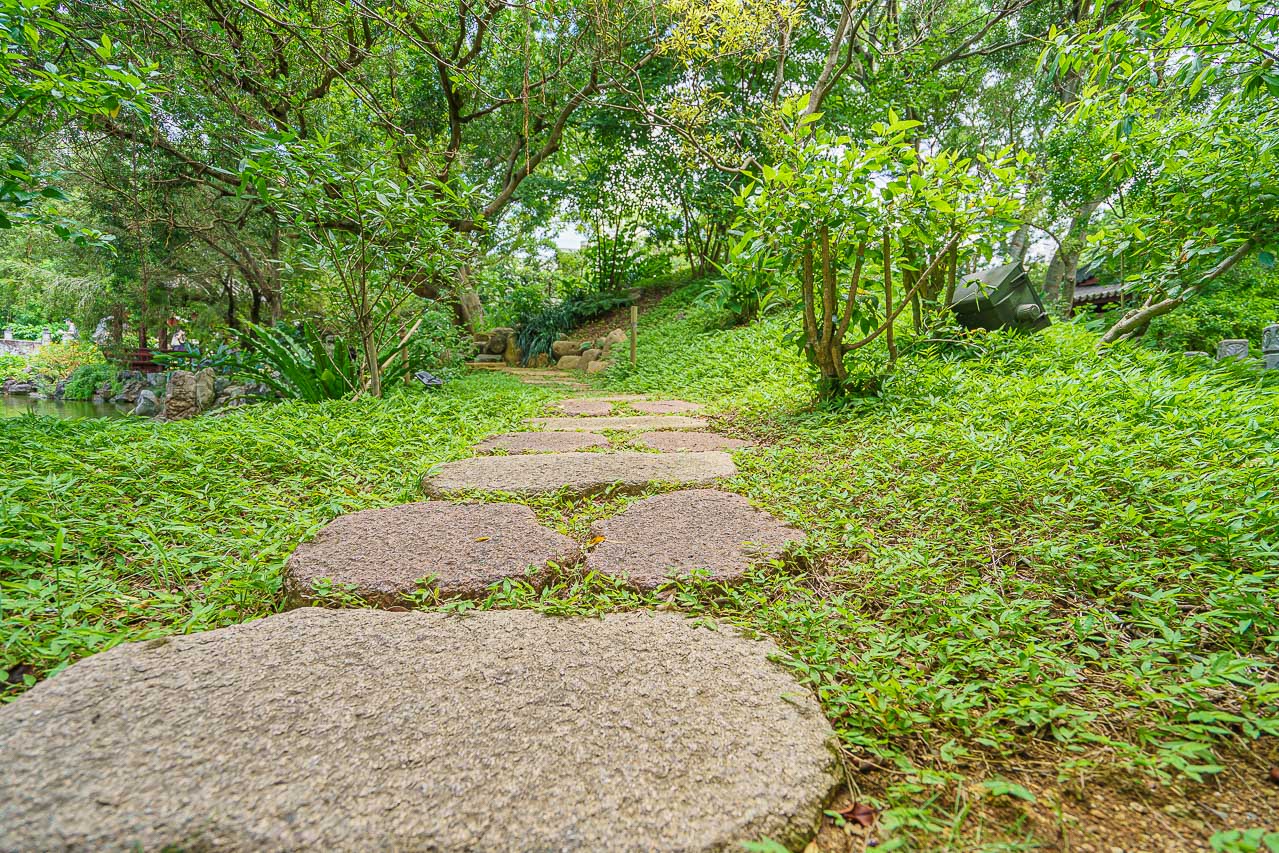
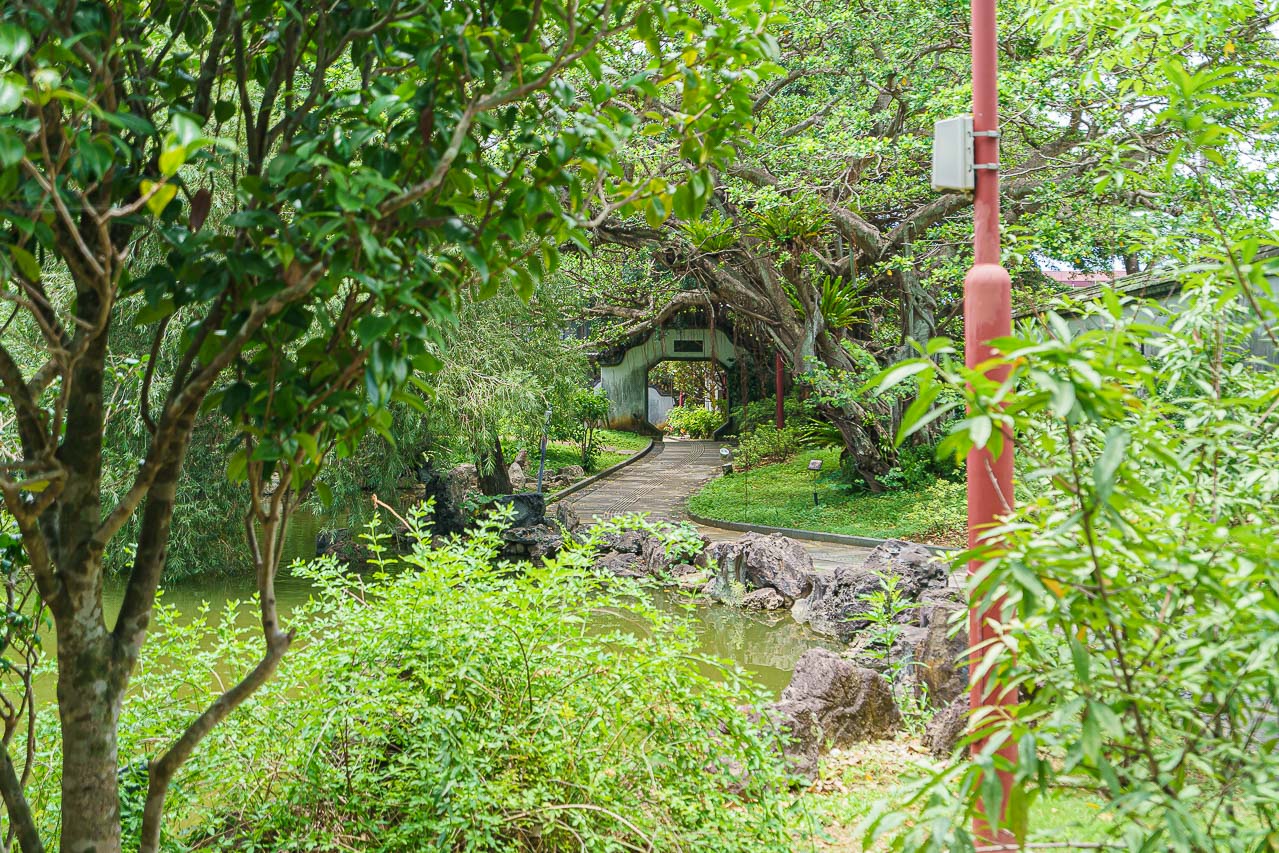
Feeling as though you have entered a Chinese garden right in the middle of an Okinawan city makes this a special stop.
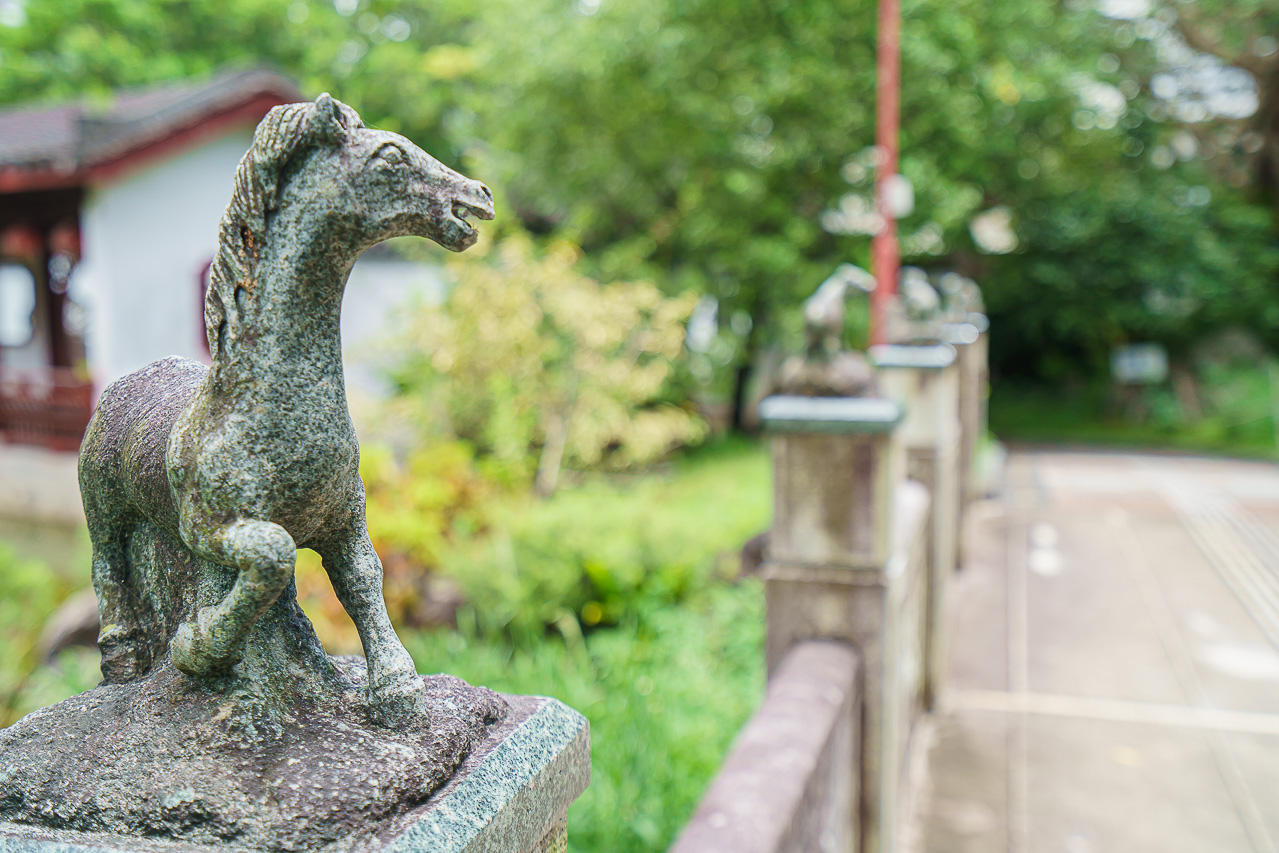
These carvings on the bridge appear to represent the twelve zodiac animals.
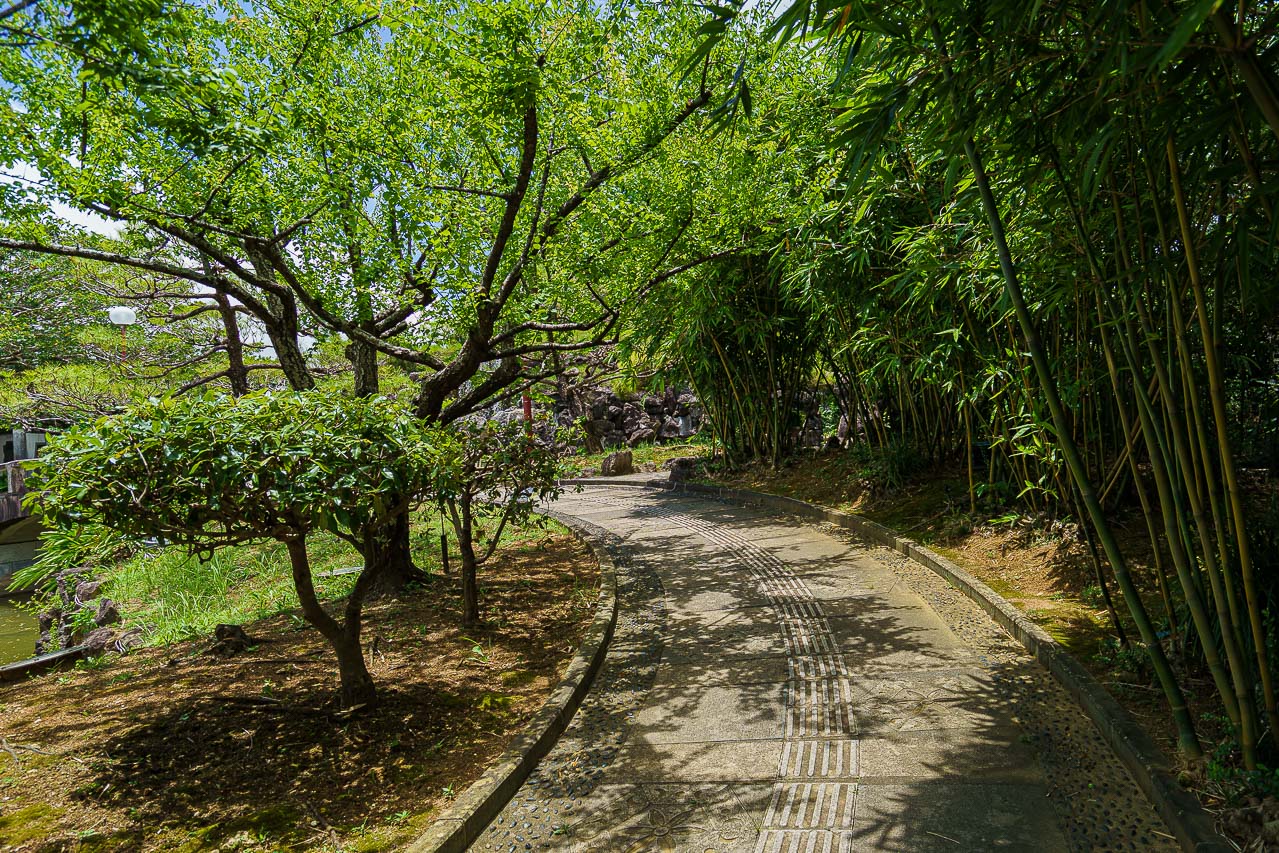
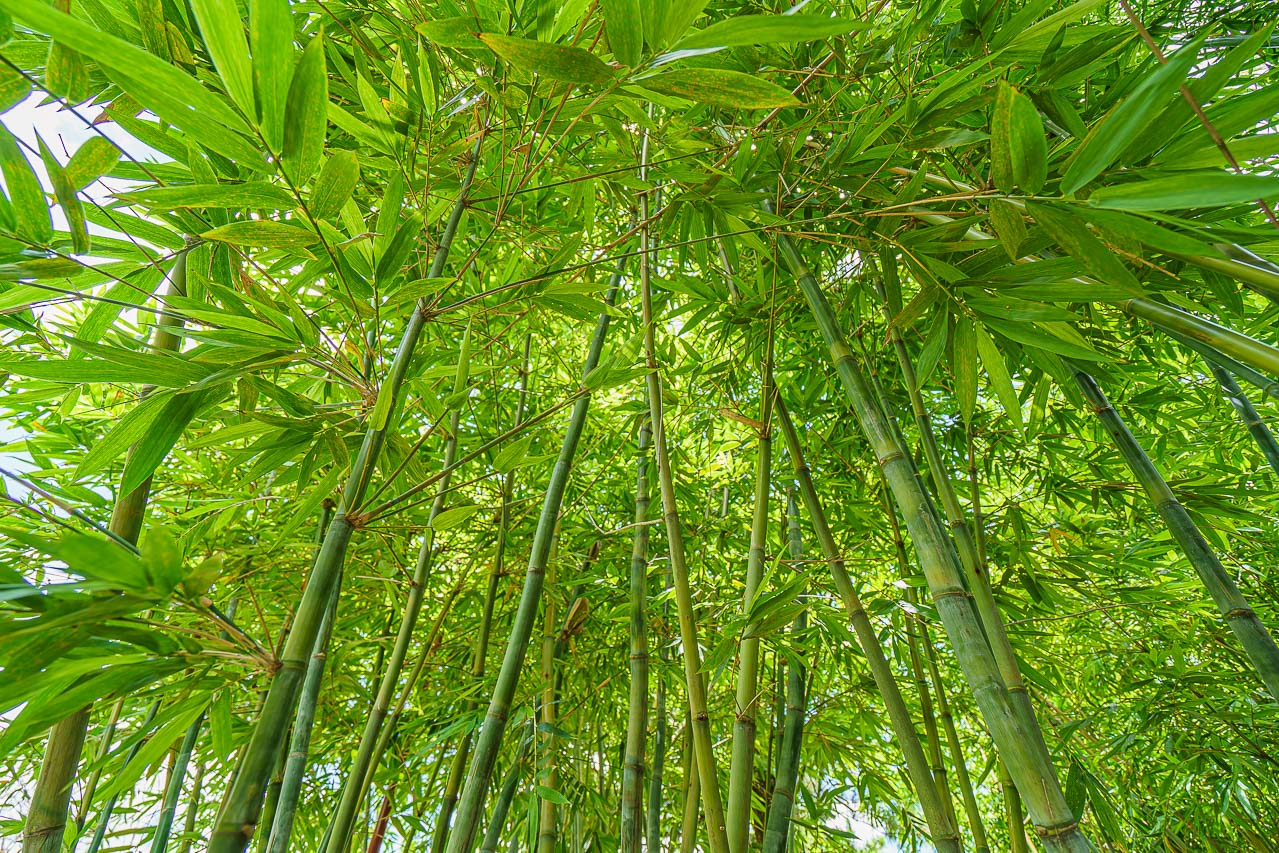
The straight stands of bamboo are striking, too, and not something I often encounter in hot Okinawa.
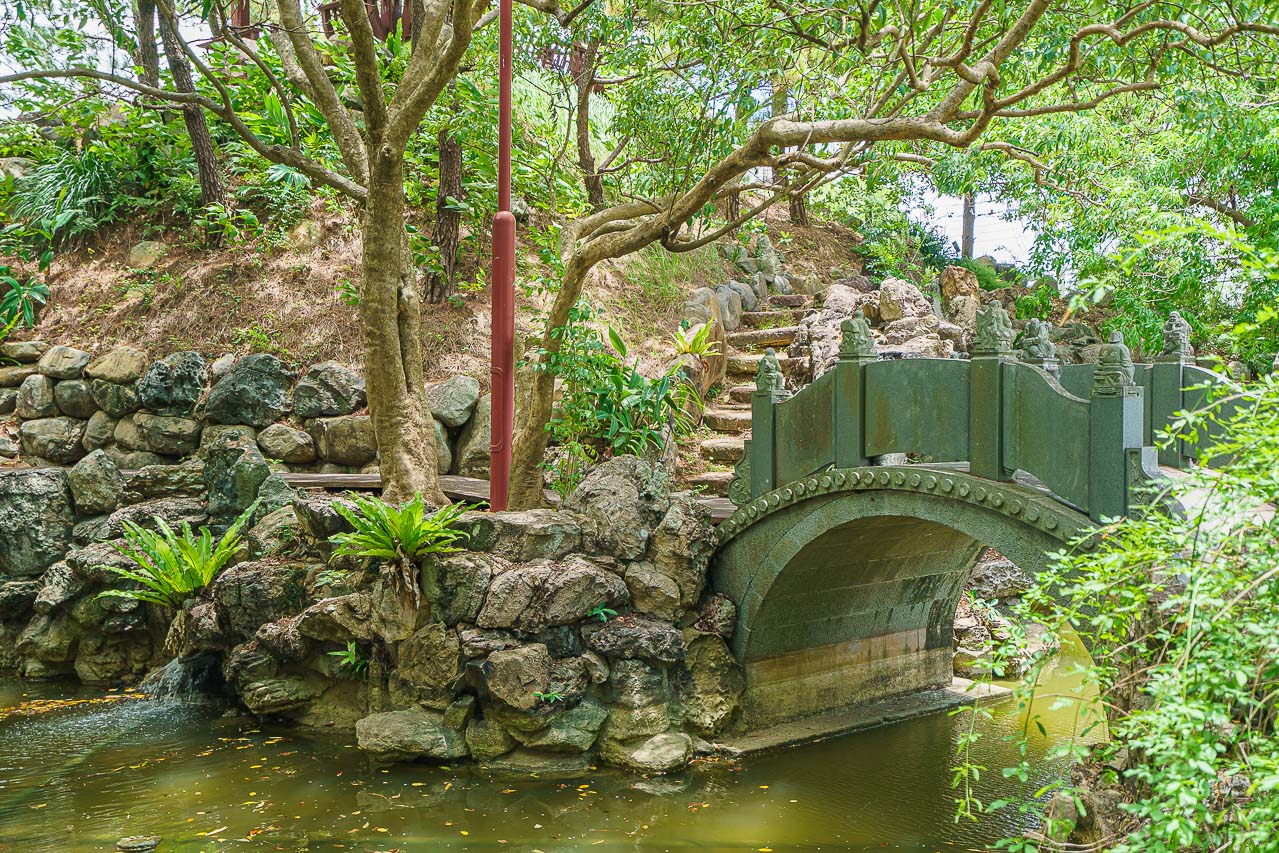
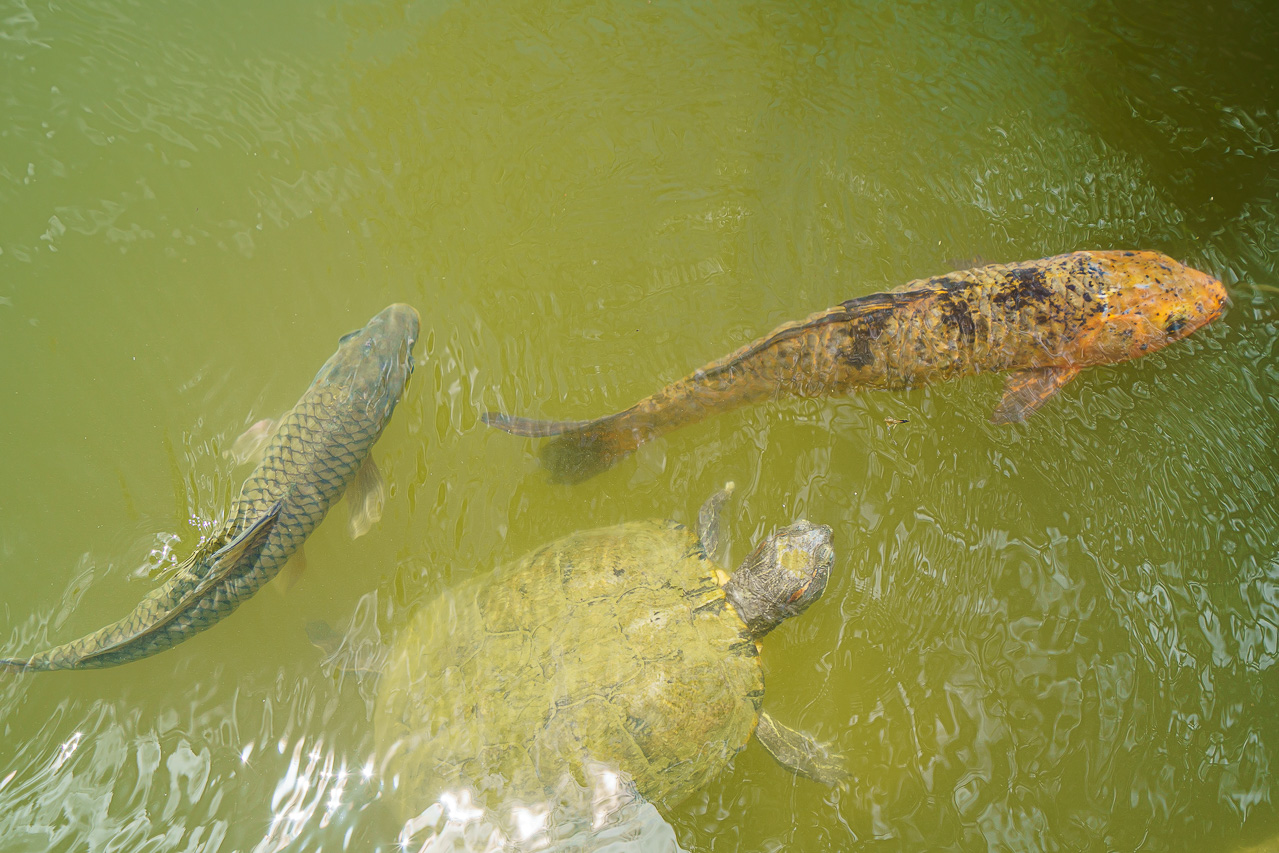
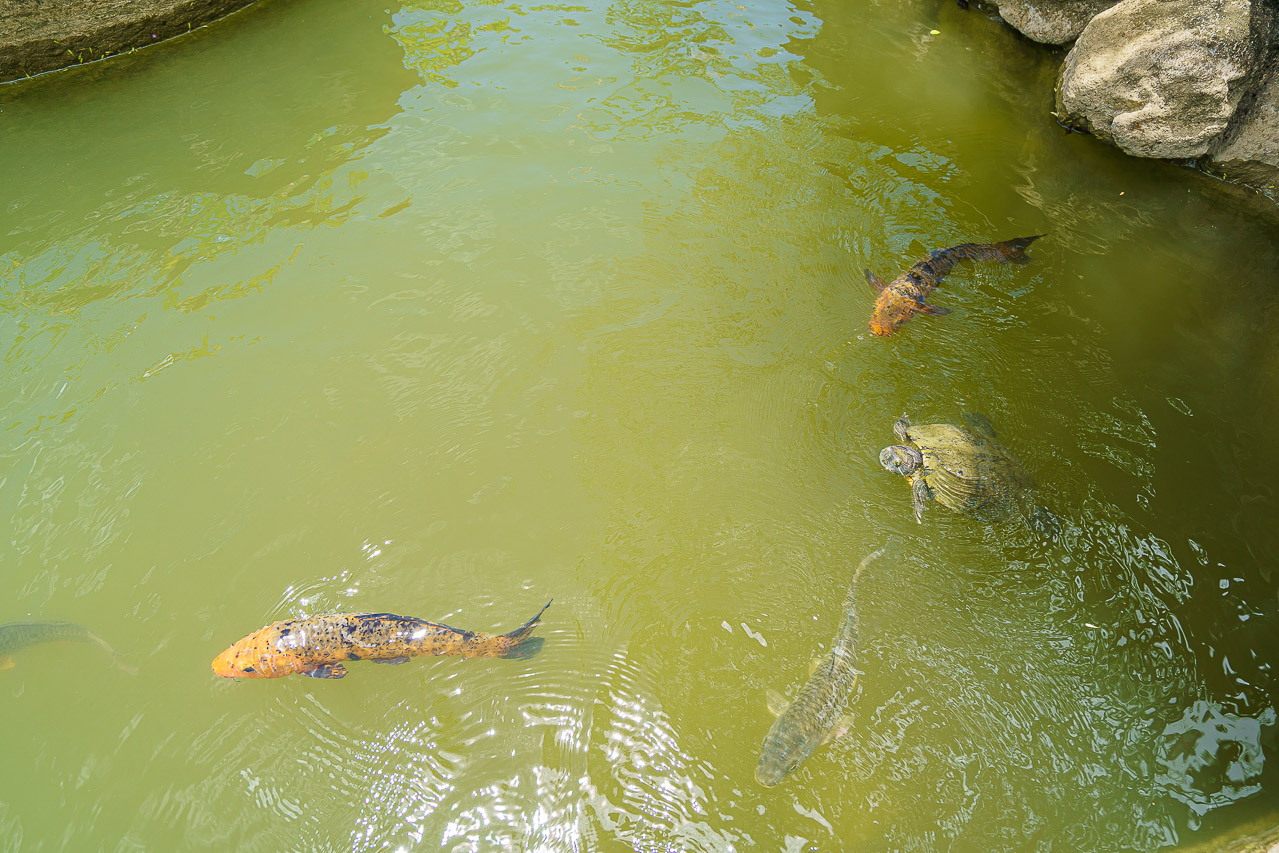
And, of course, there are turtles.
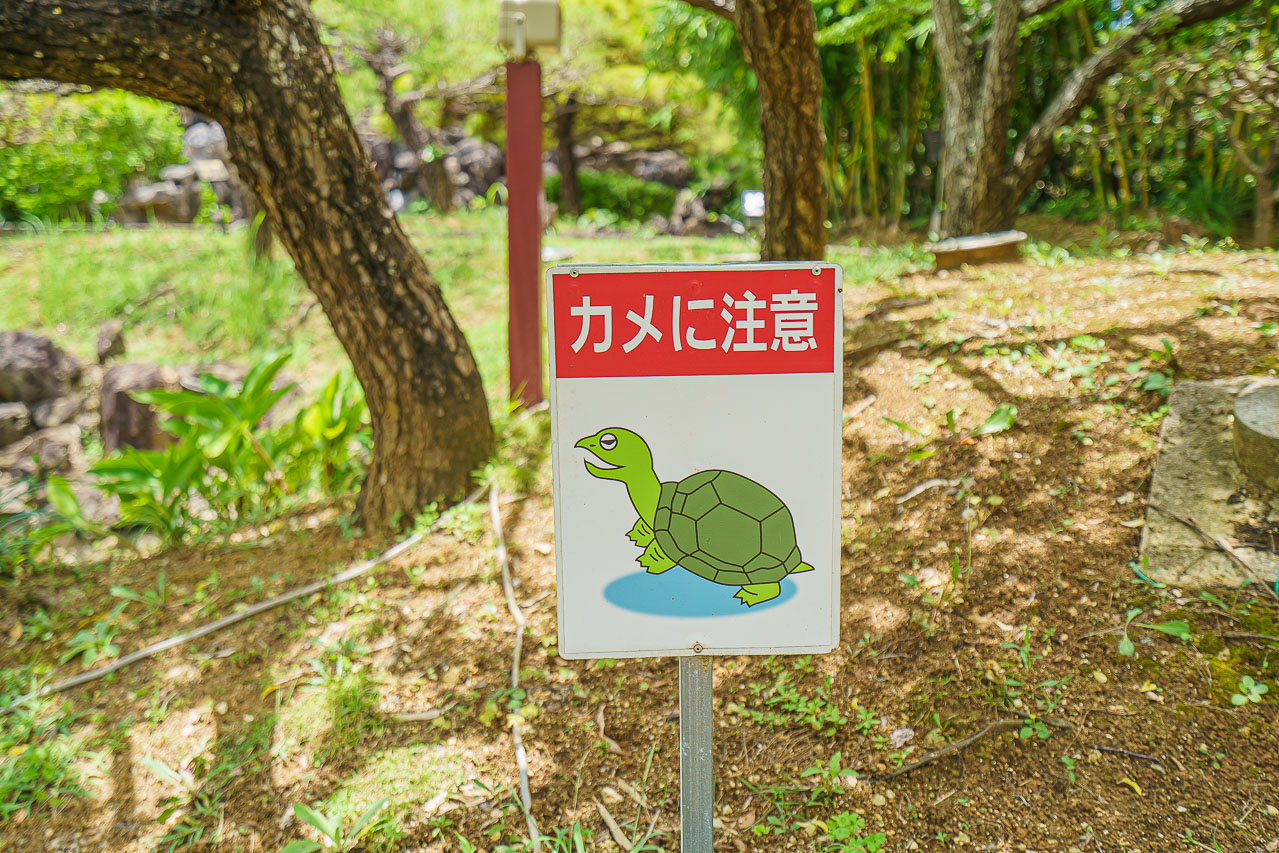
A sign warns about the turtles. What exactly are these little characters getting up to?
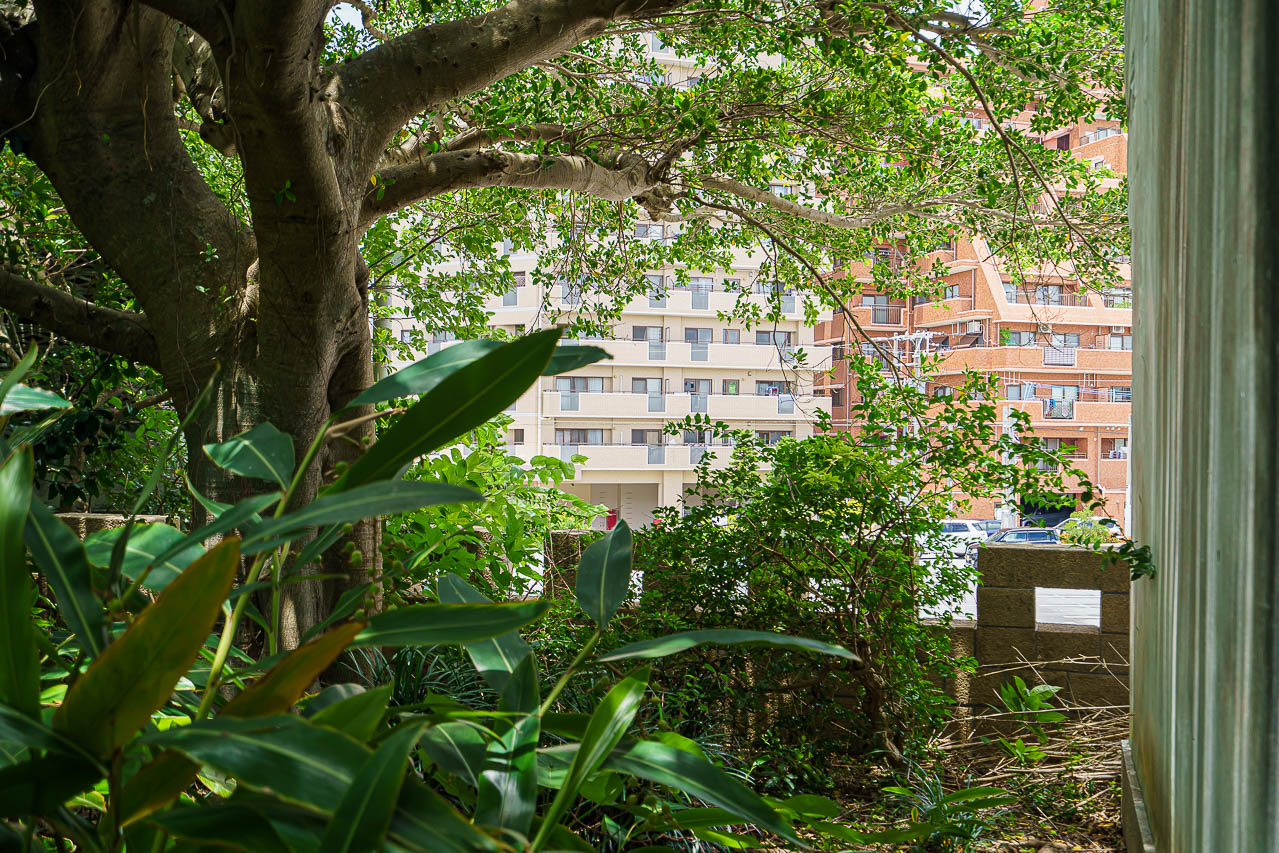
White Chinese-style walls enclose Fukushuen, yet ordinary houses are visible just beyond them. The juxtaposition feels unusual.
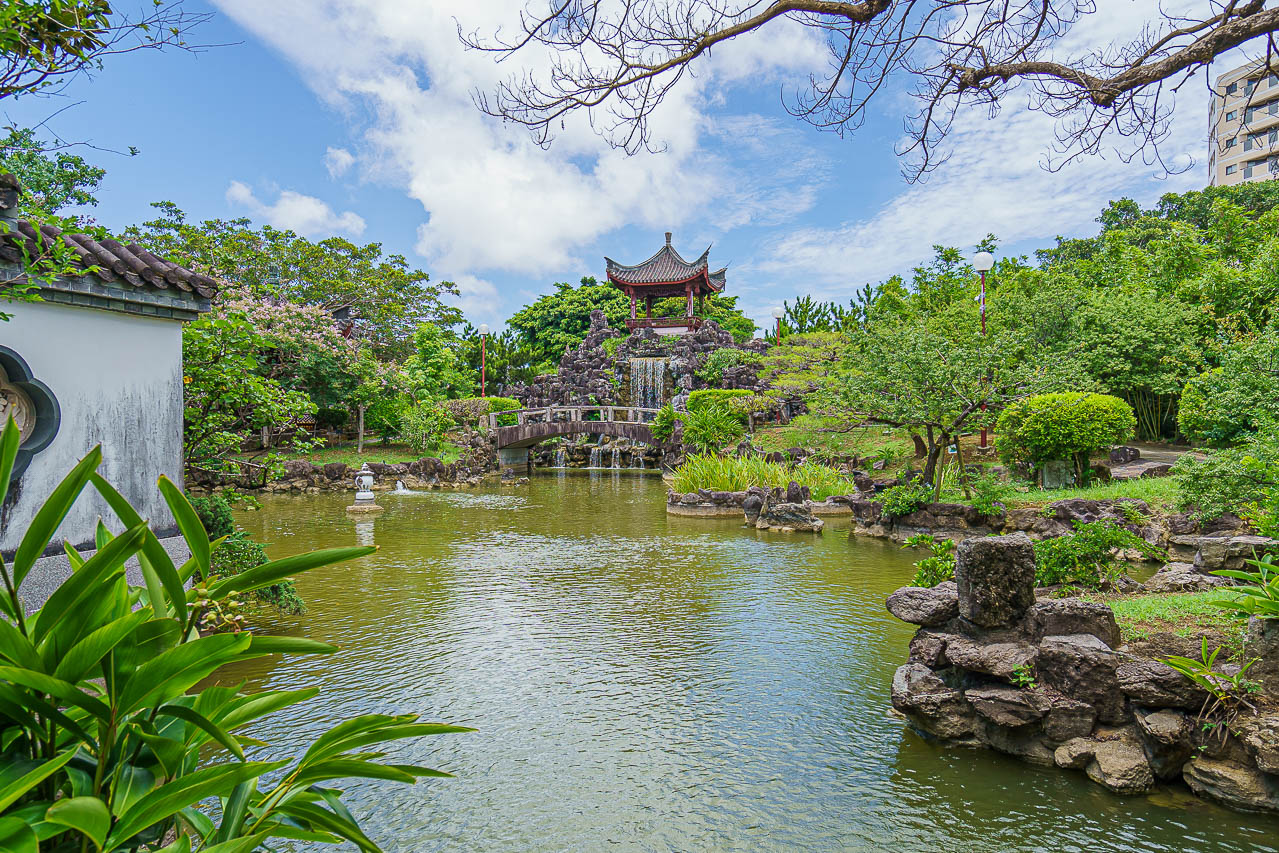
The tower with the artificial waterfall seems to be the garden’s focal point.
I am still looking for those four seasons.
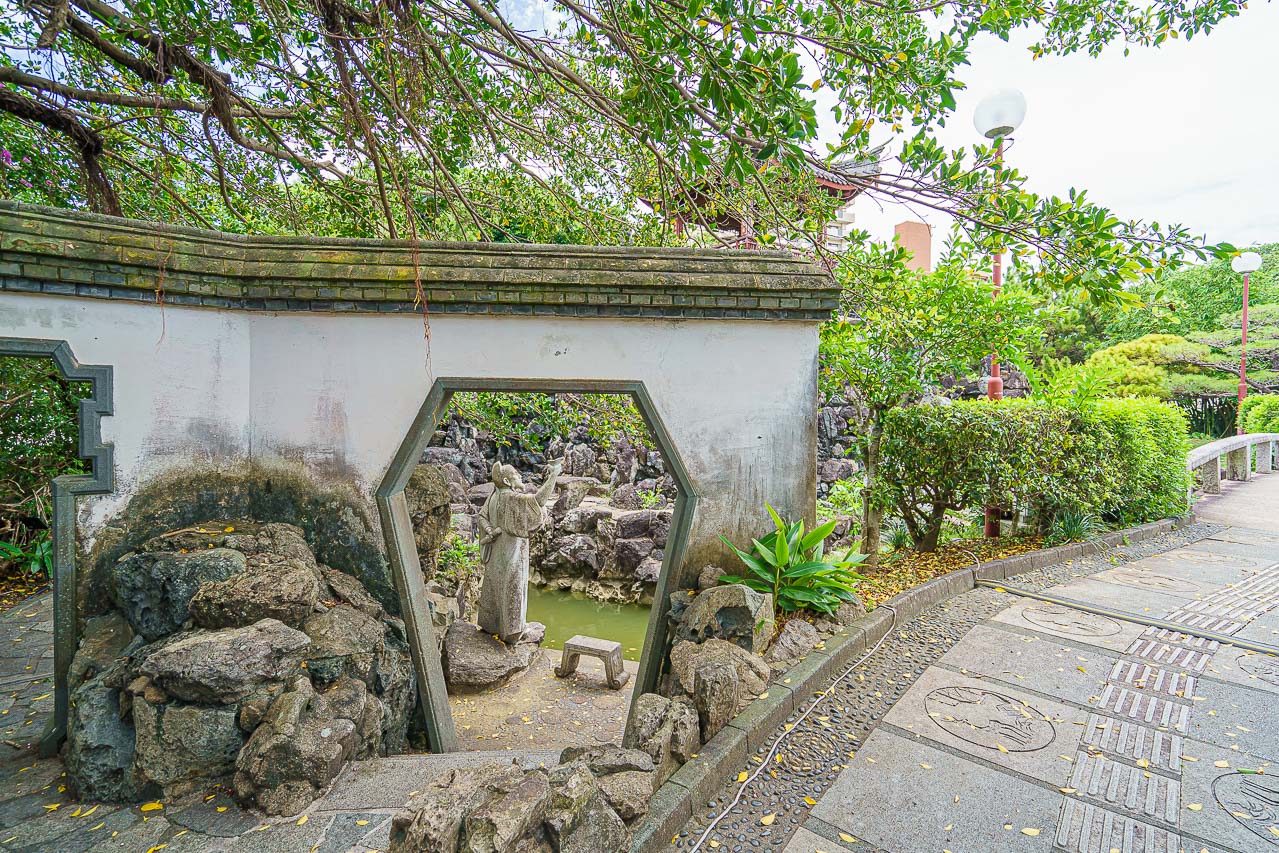
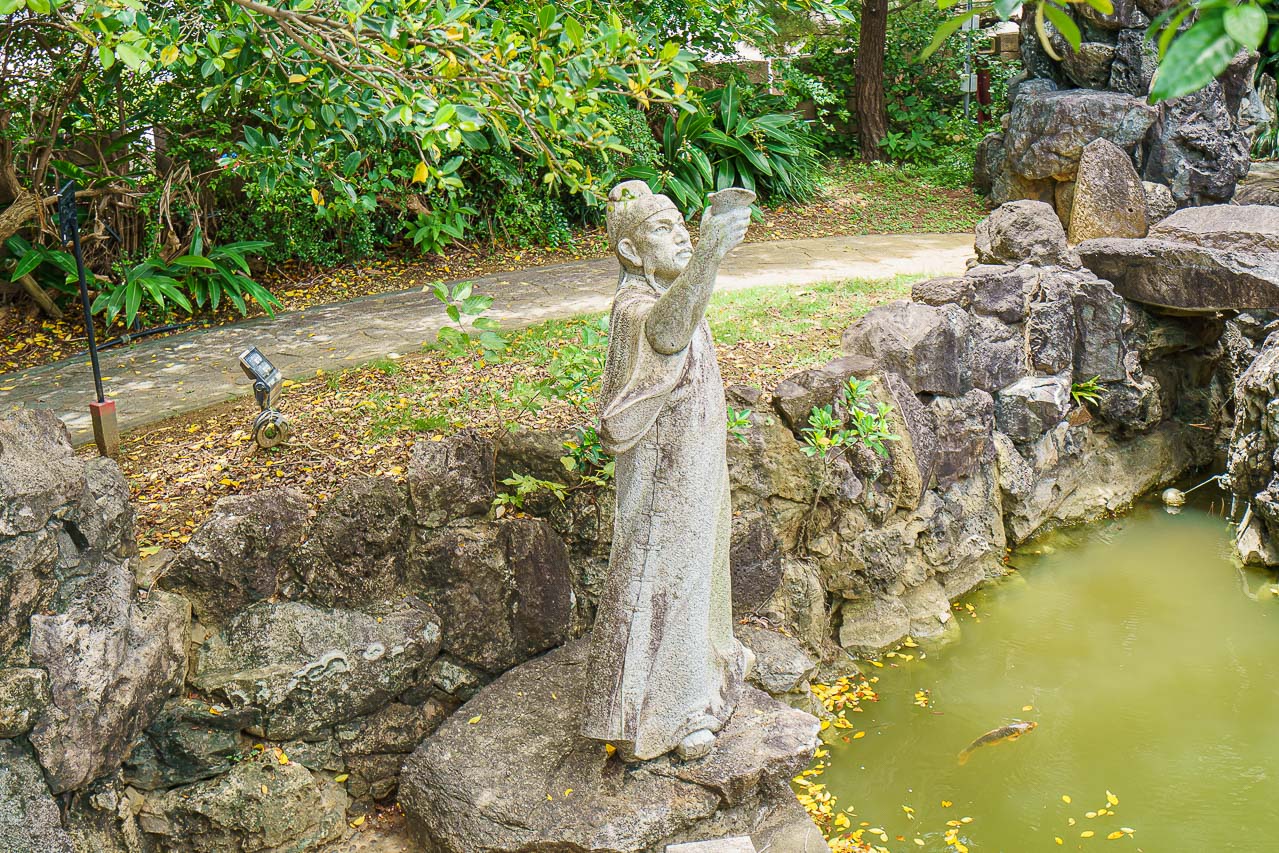
On the way to the tower, a figure seems to be offering a toast.
Here’s looking at you. A rather smooth character.
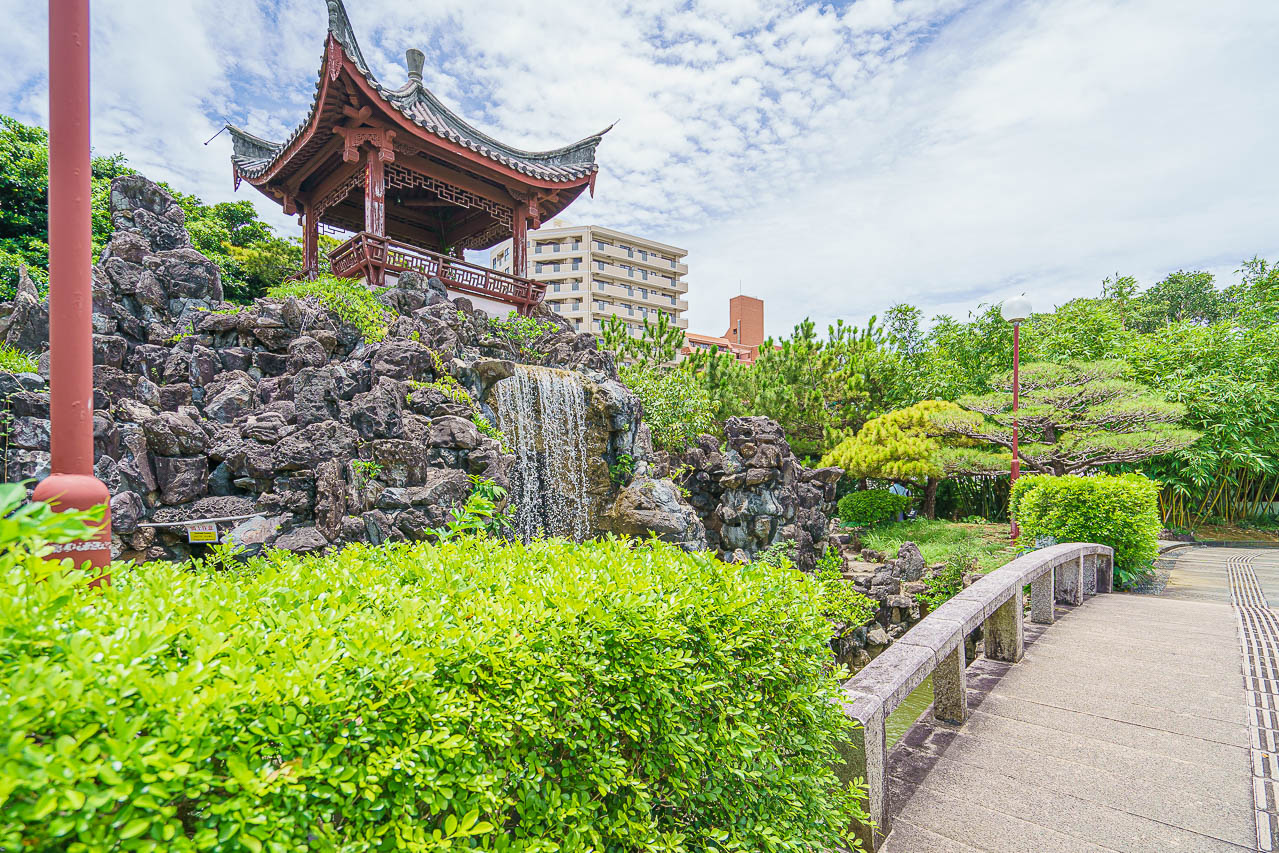
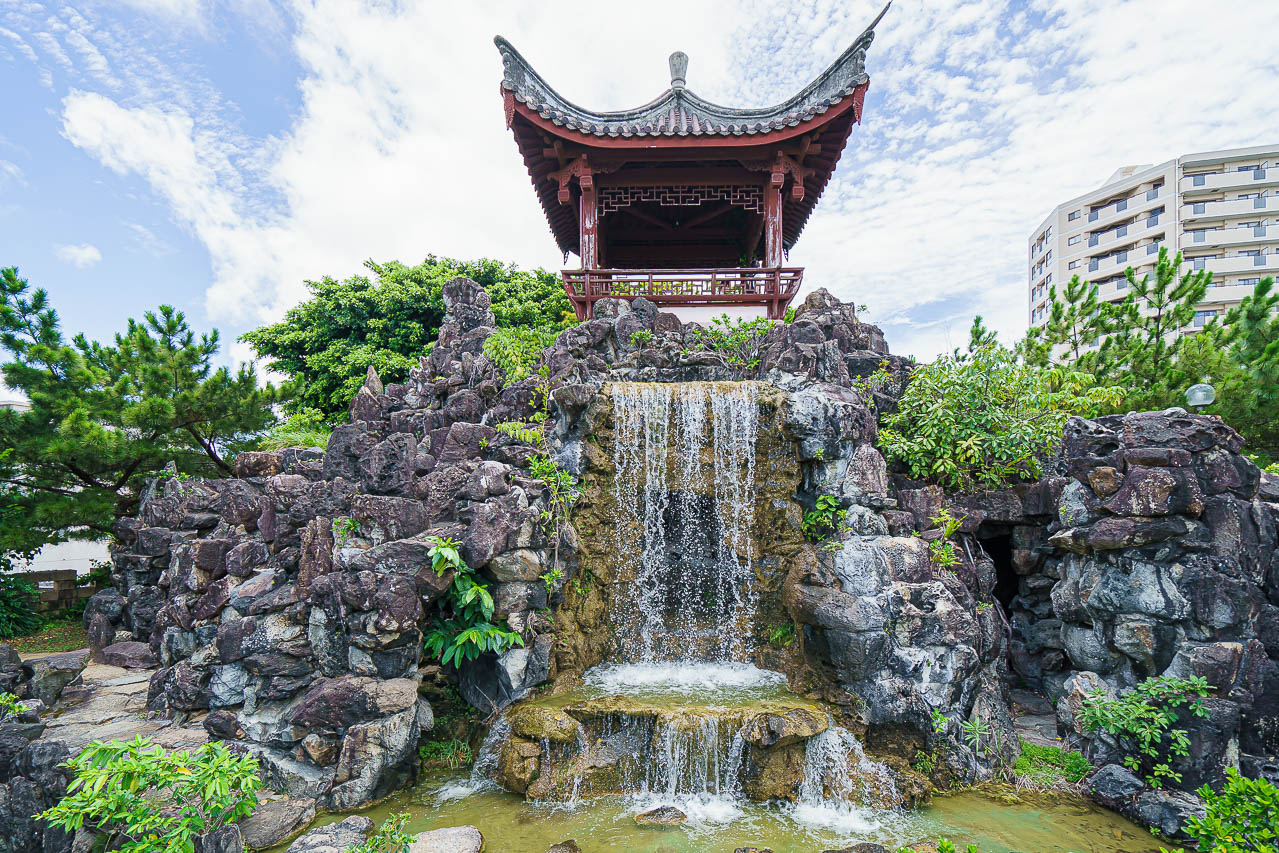
Between the seasonal sections is an artificial waterfall. Follow the passage underneath to see the view from behind the falling water. On a hot day, this felt like the coolest spot in the garden.
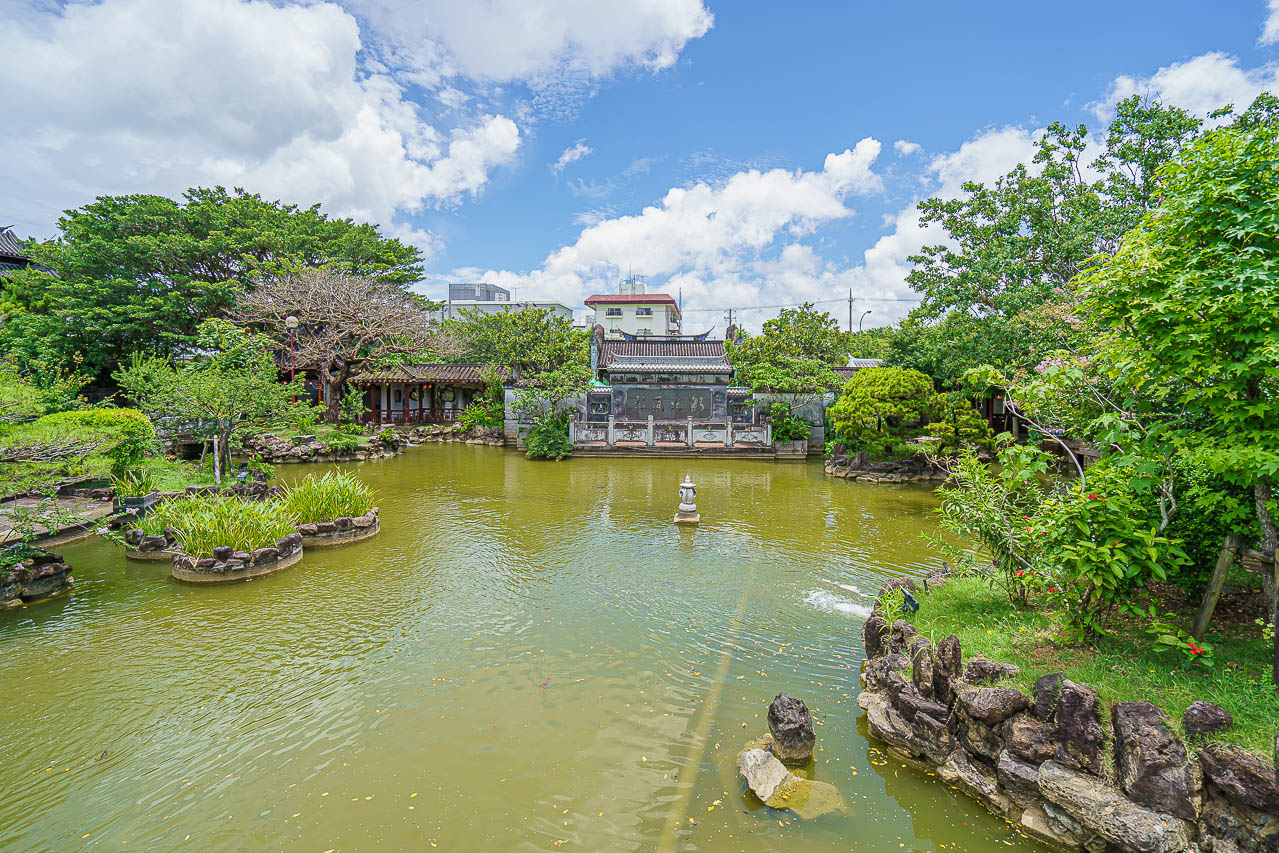
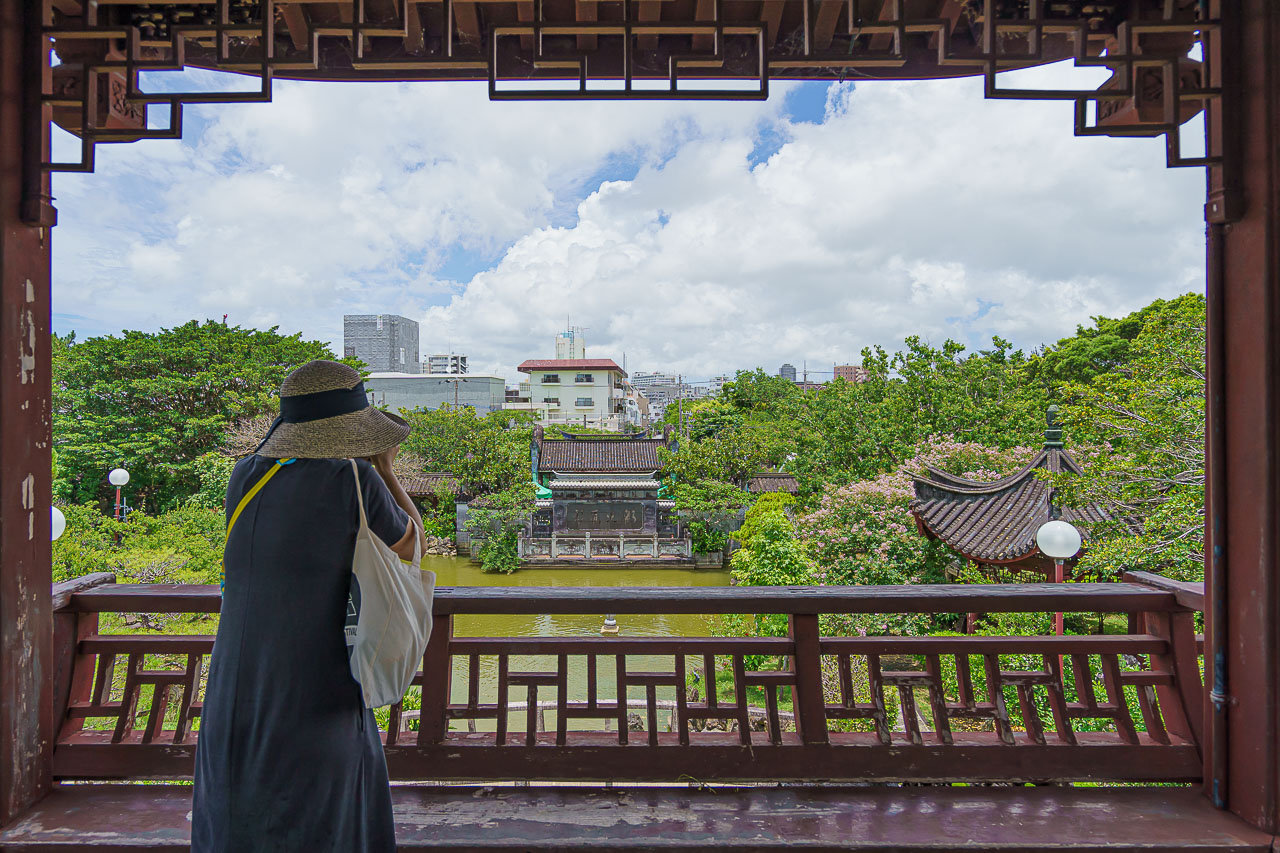
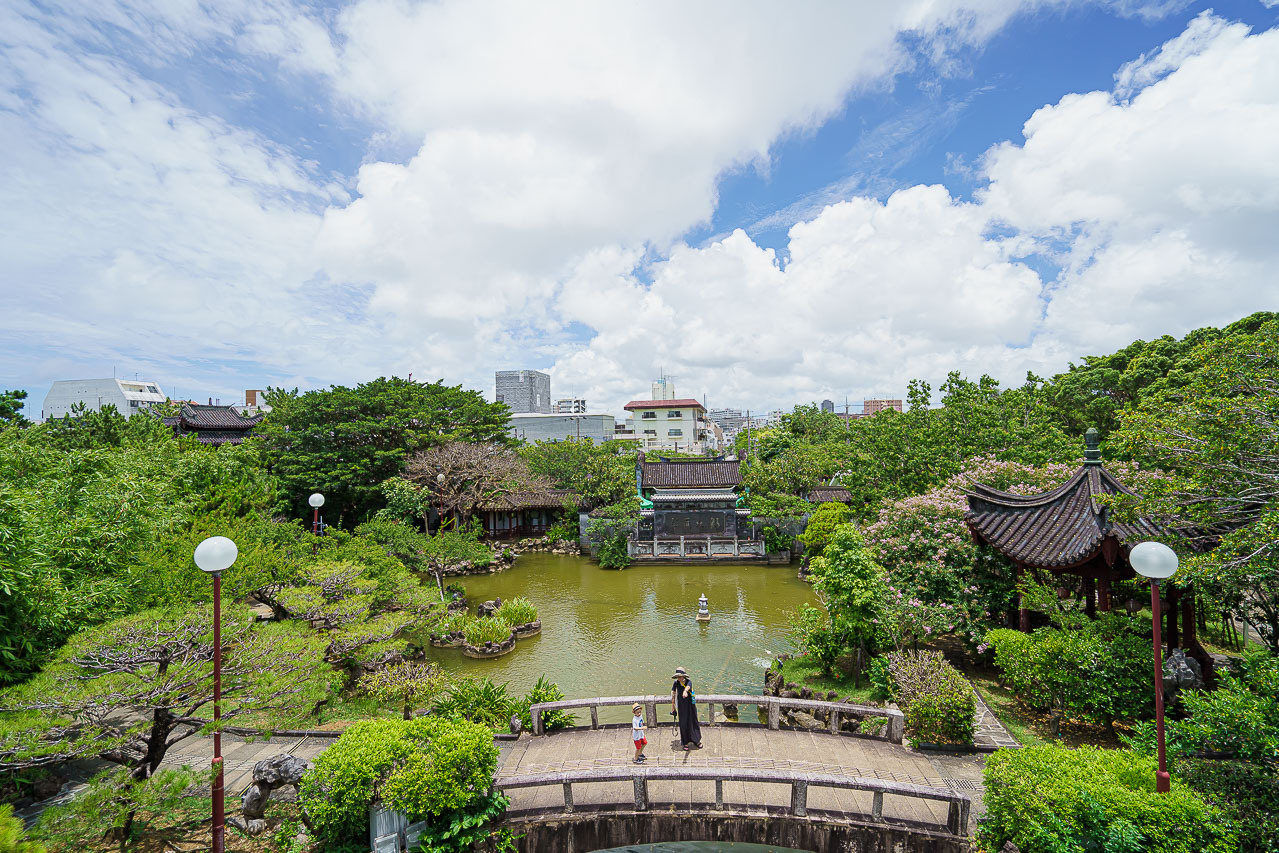
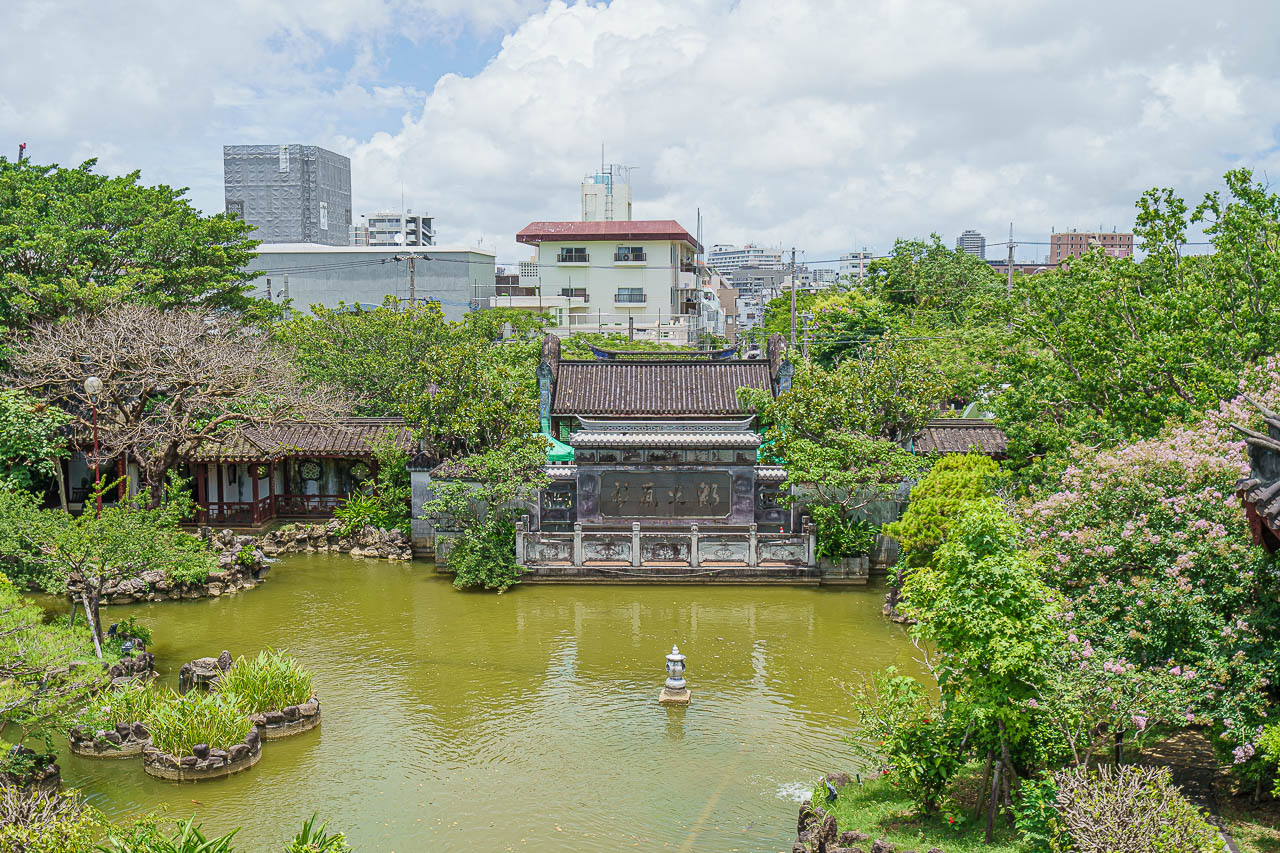
Climb the rocky rise above the waterfall for a lovely view over the whole garden.
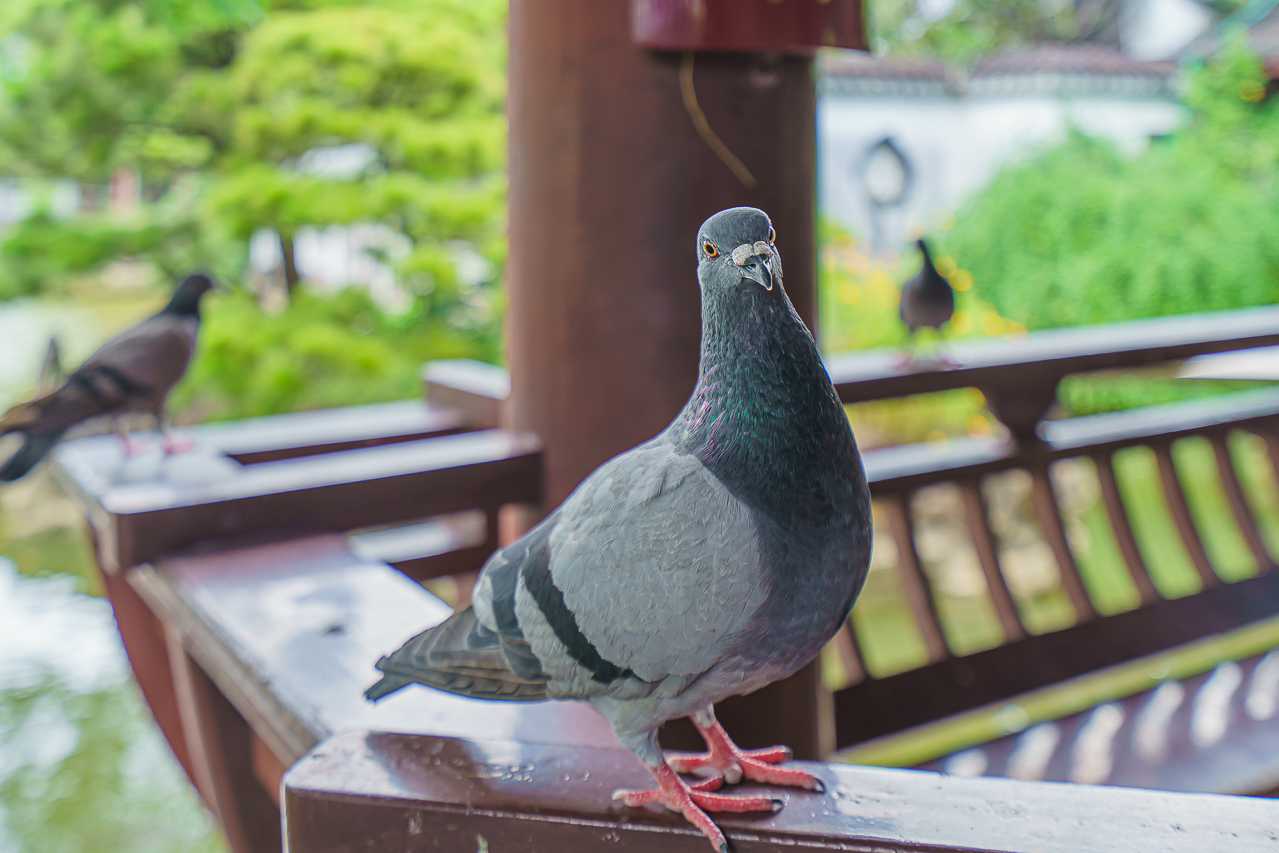
A sphere?
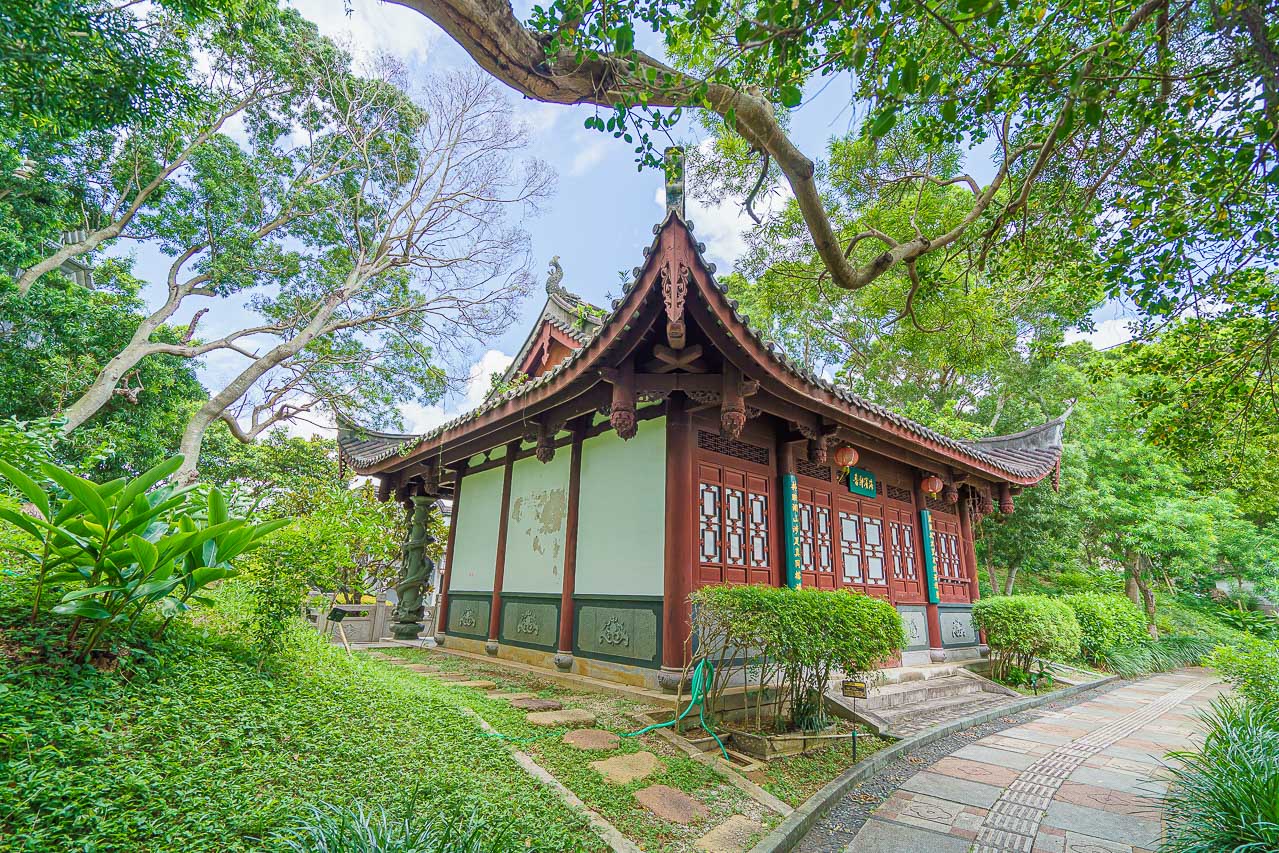
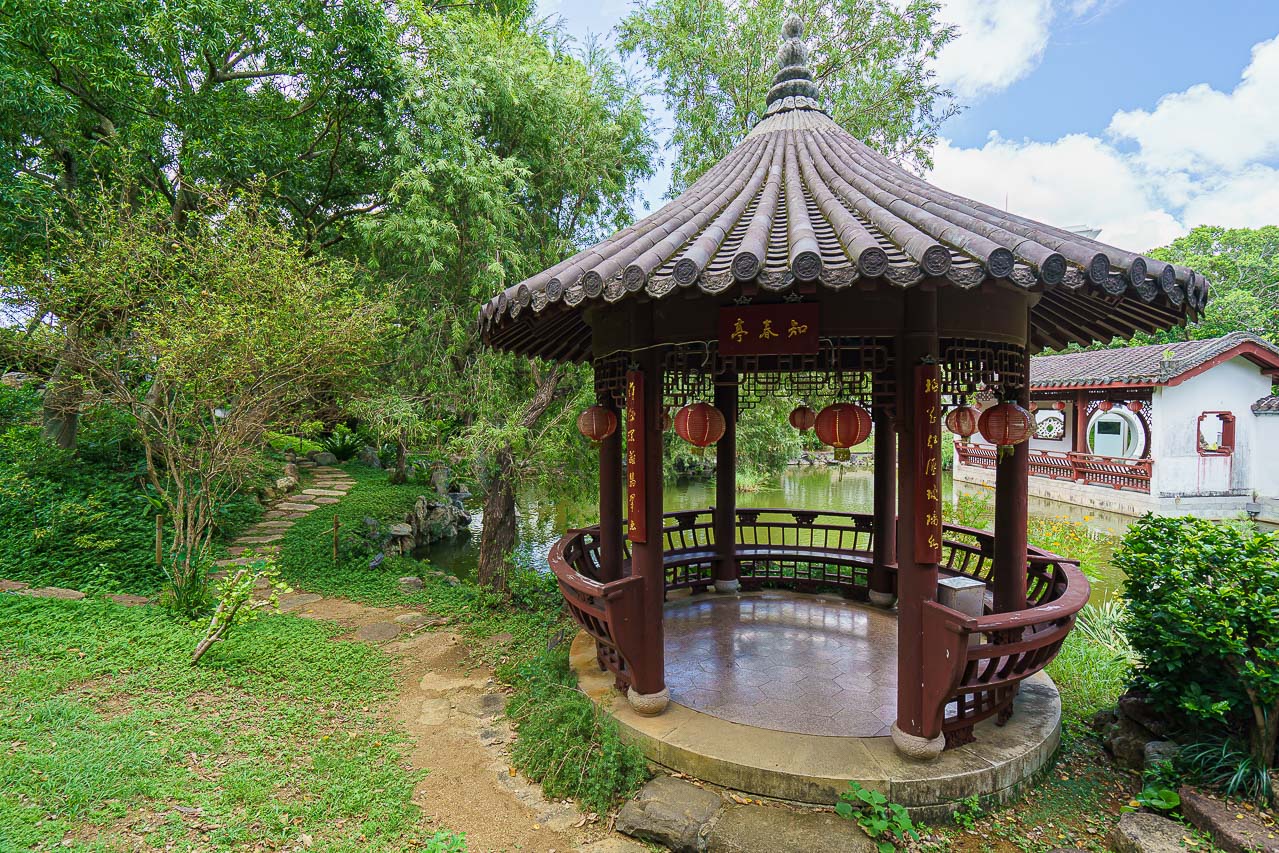
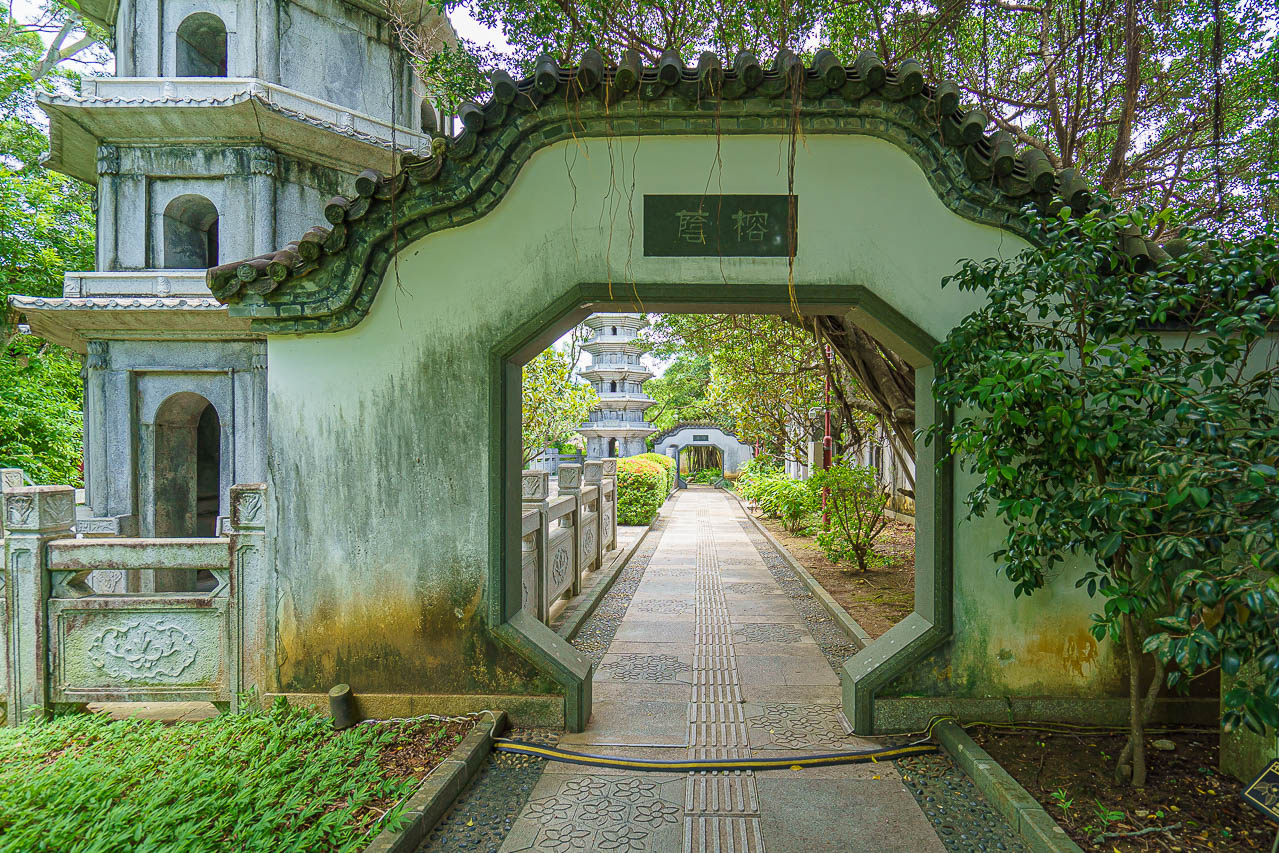
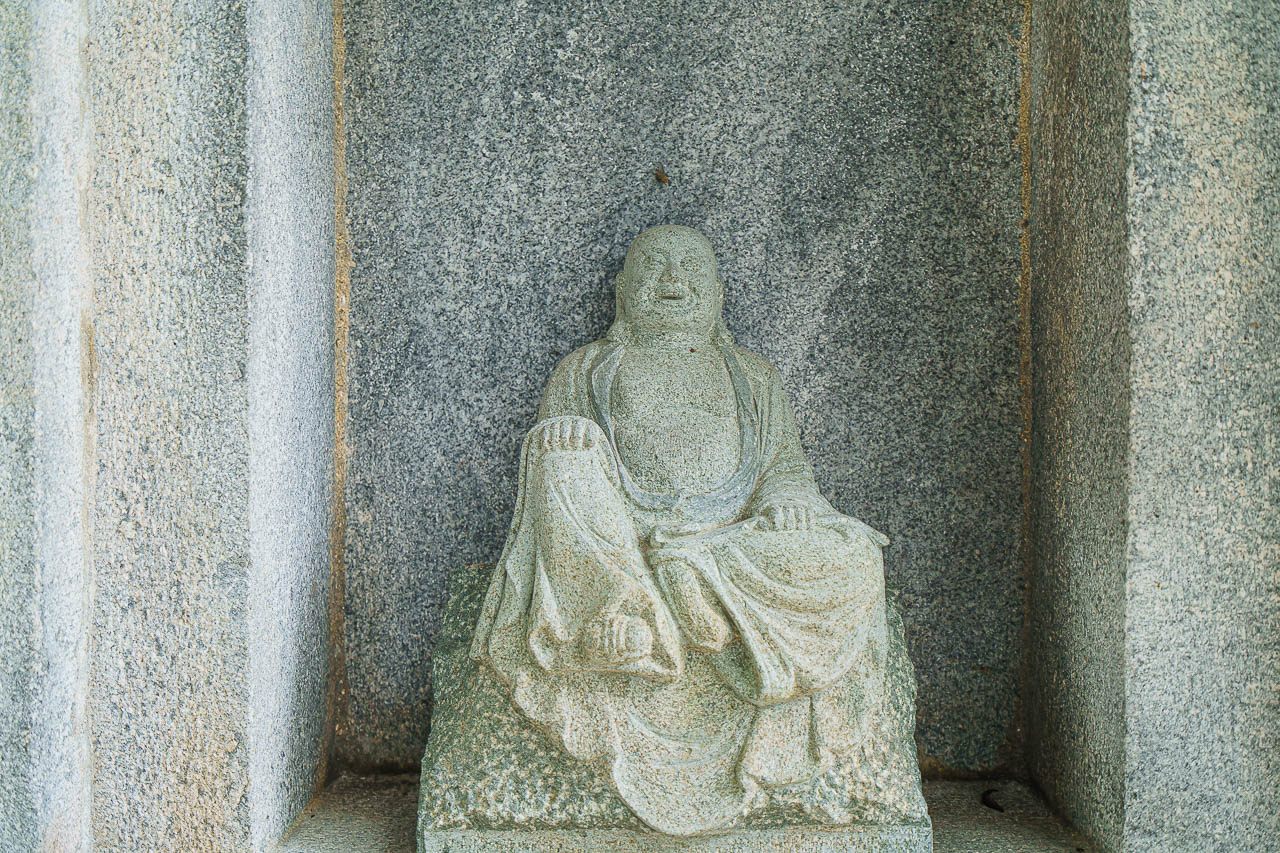
Everywhere are sculptures and paths that feel different from what I usually see elsewhere in Japan or Okinawa.
Our circuit took about 15–30 minutes.
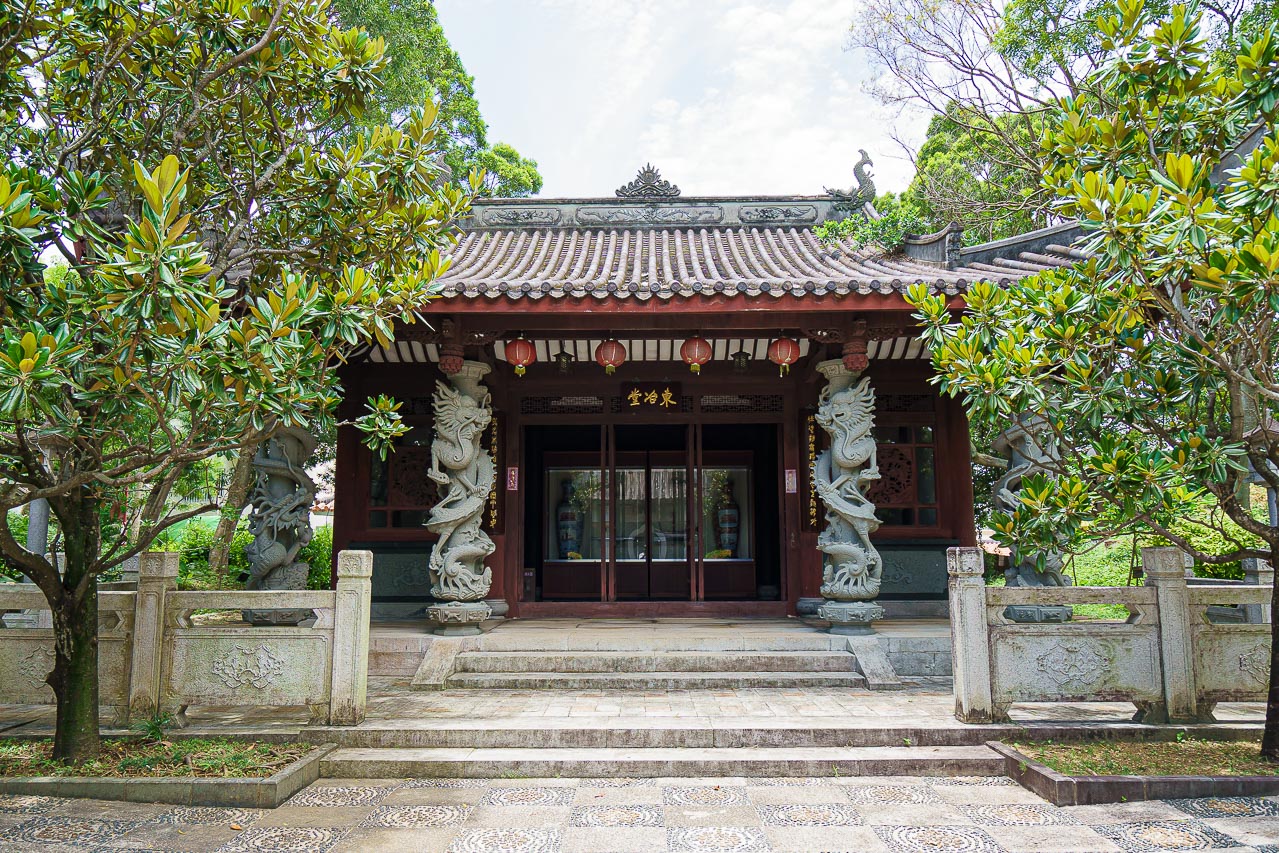
Fukushuen is a modest attraction, but it can transport you from central Naha into the atmosphere of a Chinese garden in moments.
Okinawa offers an unusually broad mix of cultures within Japan: Japanese city life and a Chinese garden here, distinctively Okinawan culture in the south, and American influences in the central part of the island.
Fukushuen
Address: 2-39 Kume, Naha, Okinawa
Phone: 098-869-5384