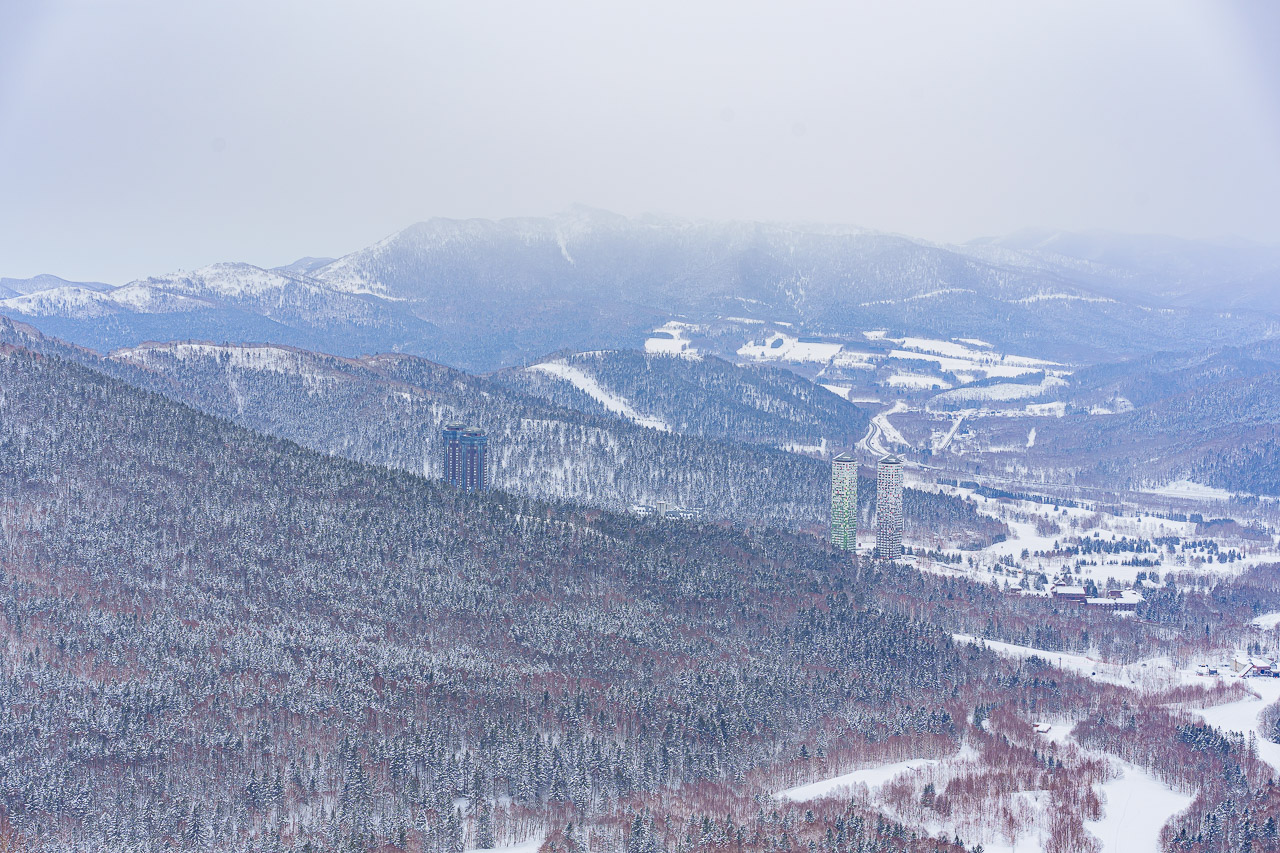
If winter activities interest you, you may have visited Hokkaido or considered a trip.
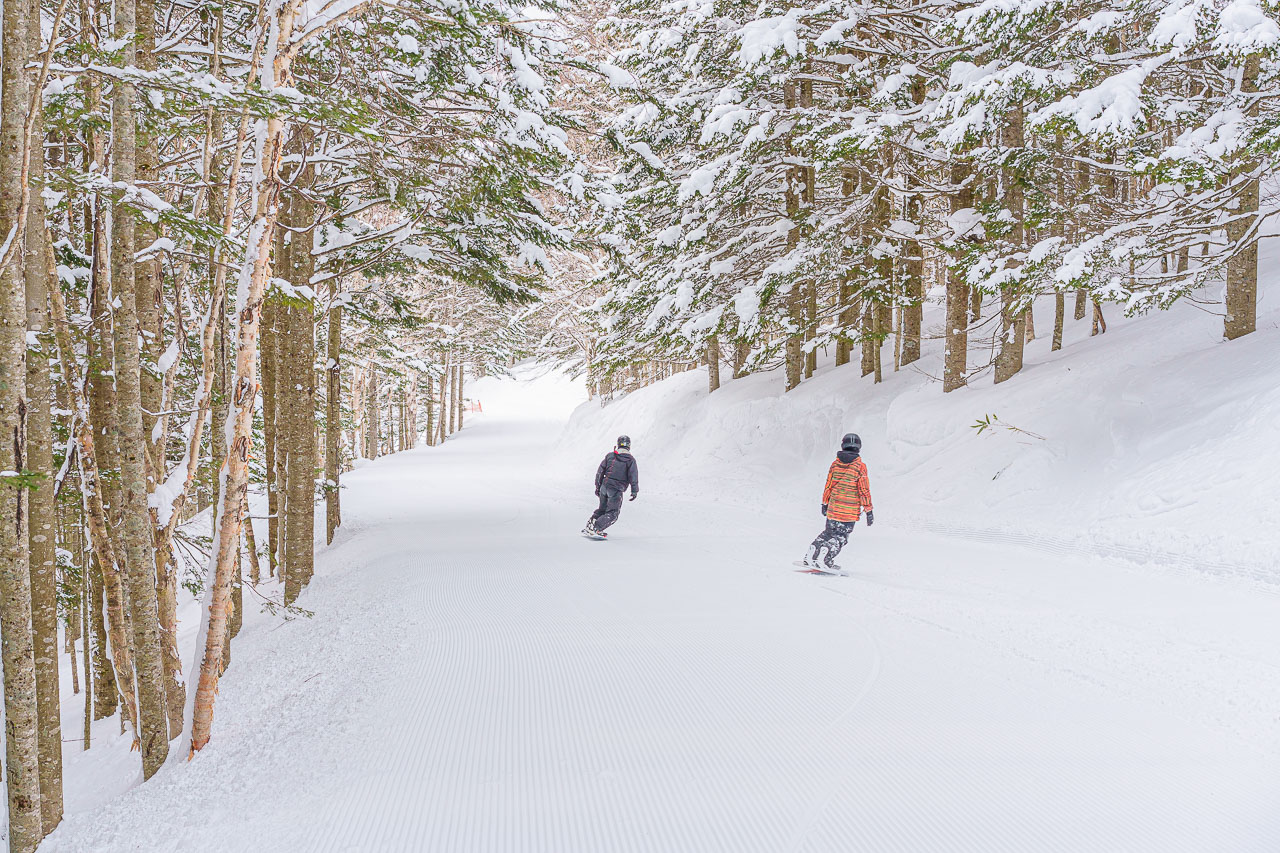
Hokkaido is known for soft powder snow. The source explains it through cold Siberian air crossing the Sea of Japan, northwesterly seasonal winds, heavy snowfall and falling temperatures in dry air. This is the account’s simplified weather explanation, not a forecast.
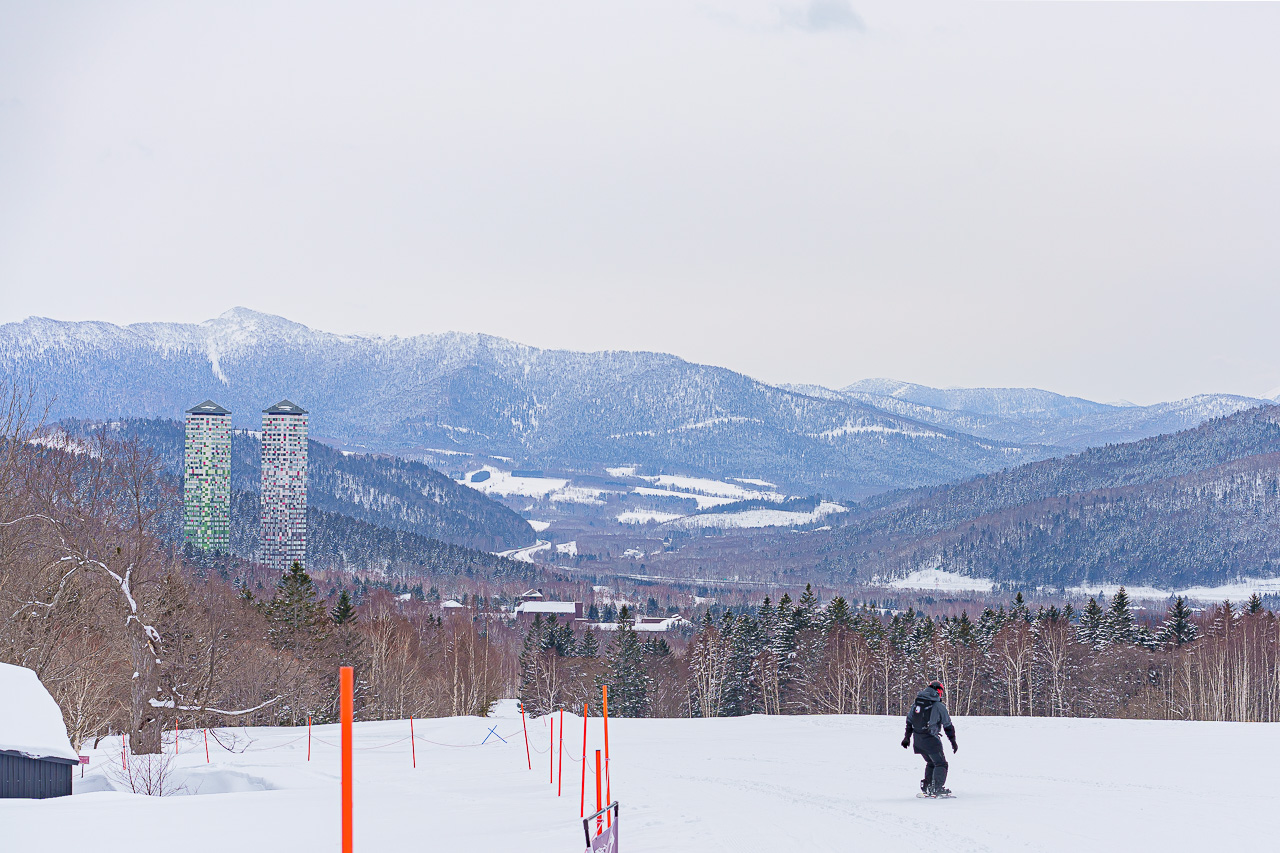
It names Niseko, Tomamu, Furano, Kiroro and Rusutsu as leading places for winter activities.
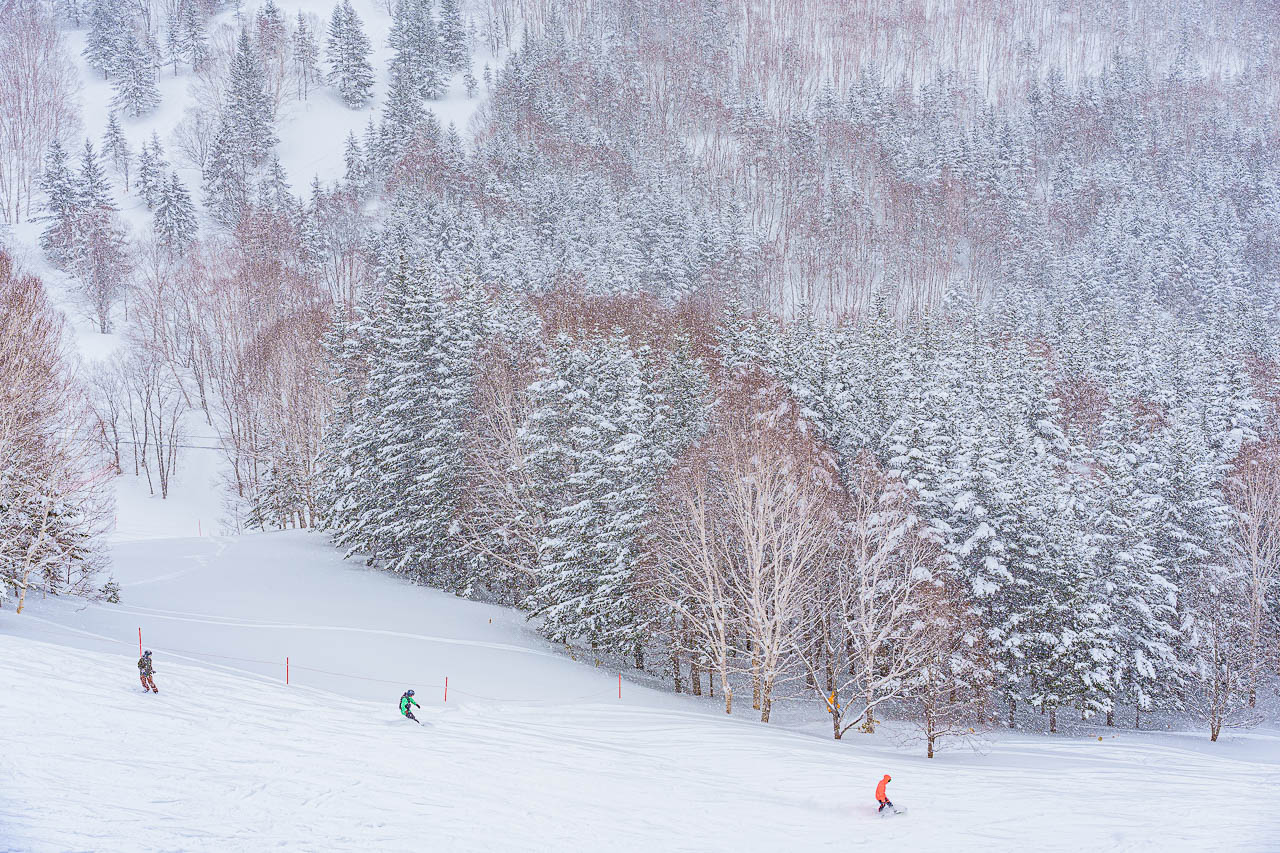
Today we spend a day at Hoshino Resorts Tomamu, praised here for snow quality and a family-friendly setting.
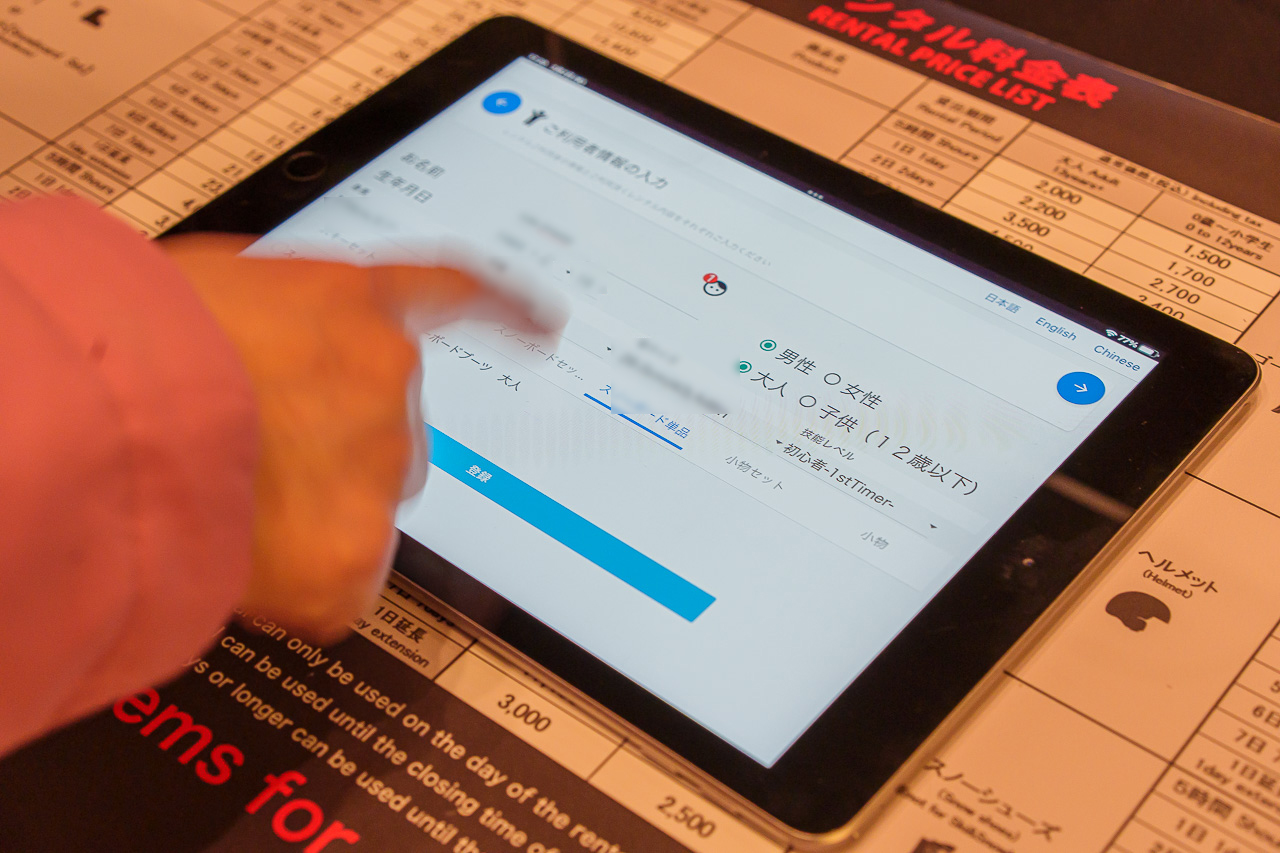
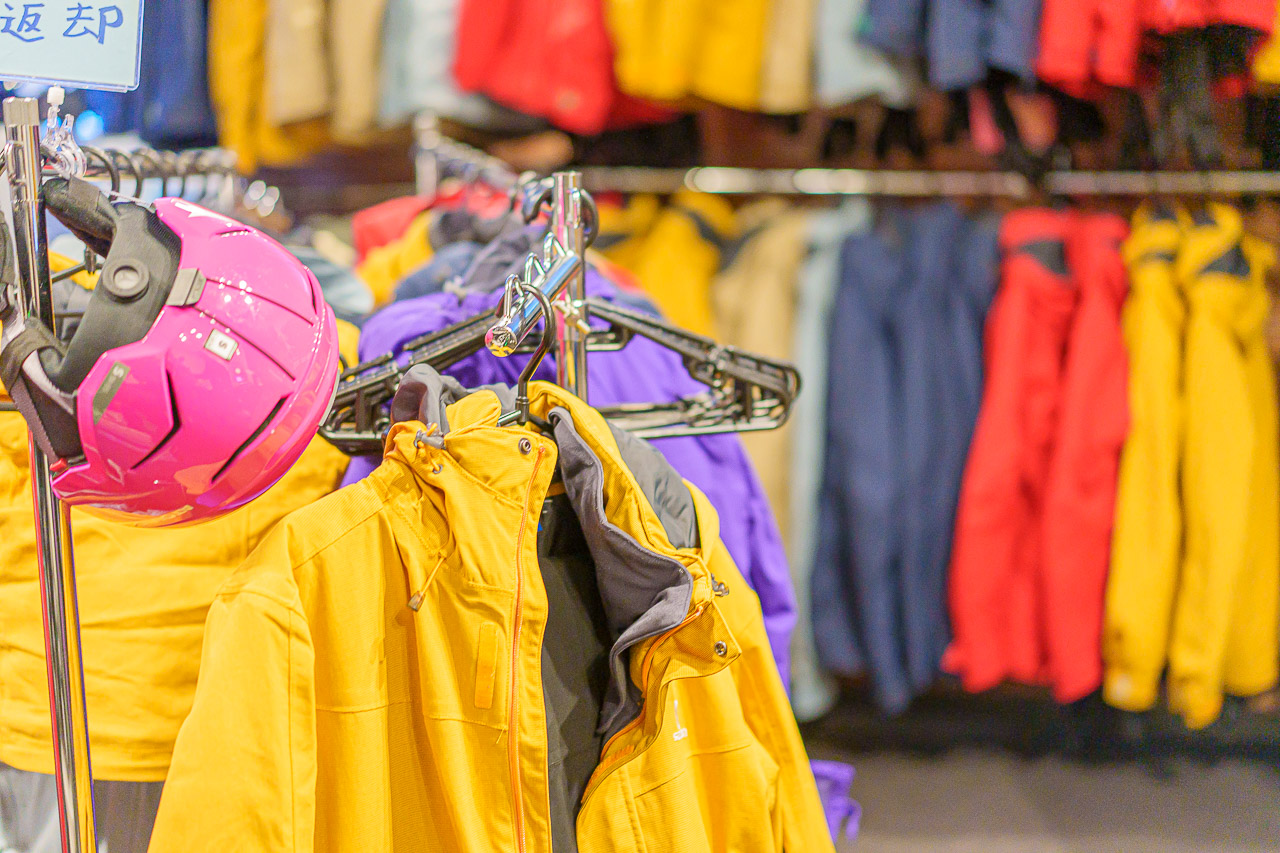
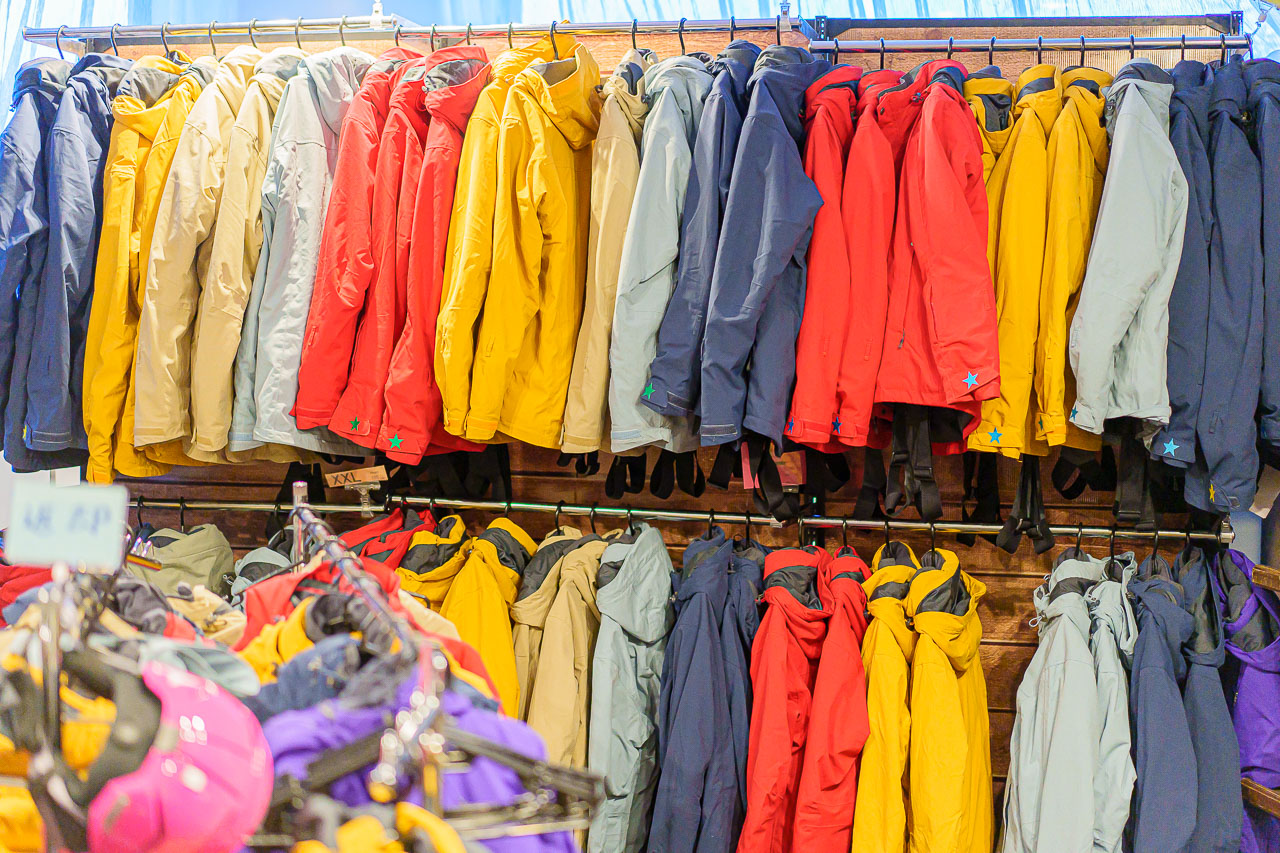
We begin at the rental shop to choose outerwear.
Different colors and styles make choosing fun.
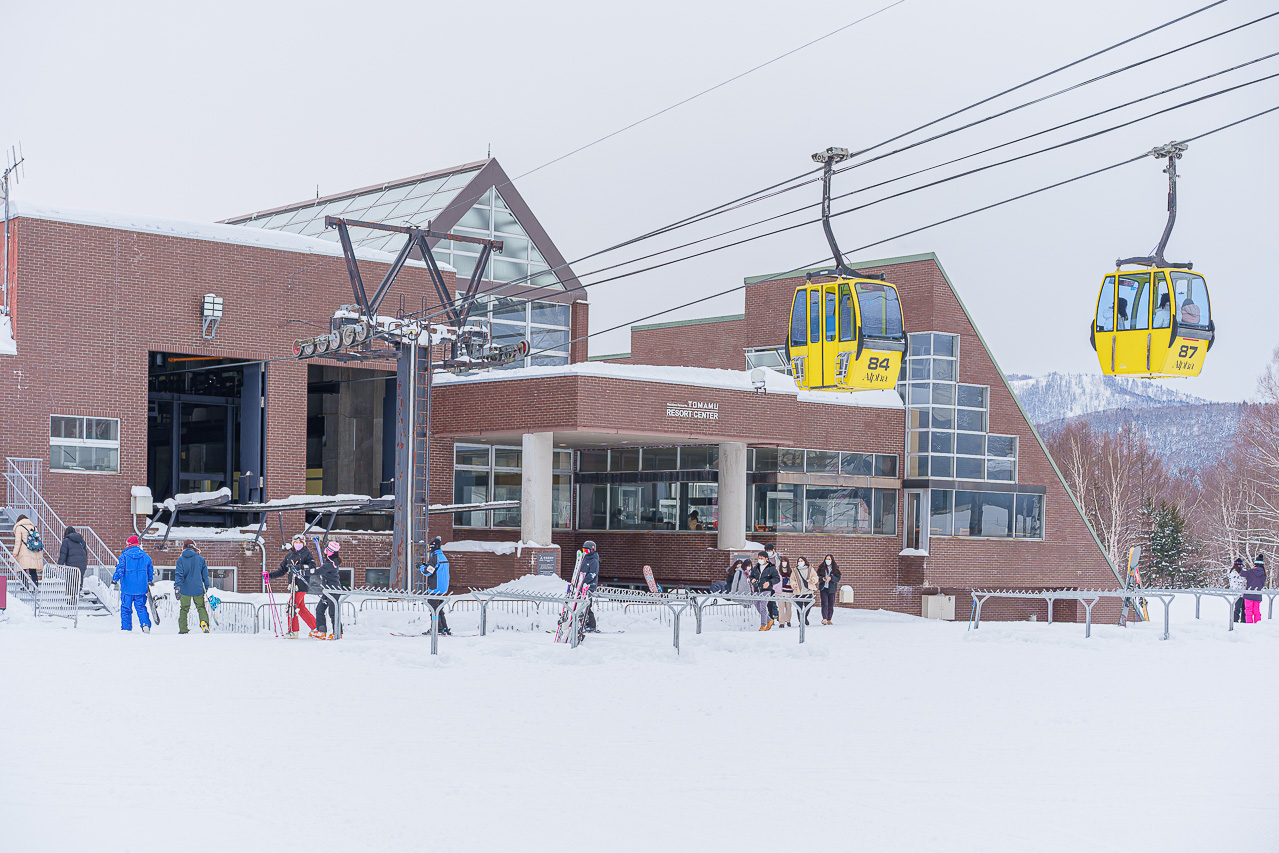
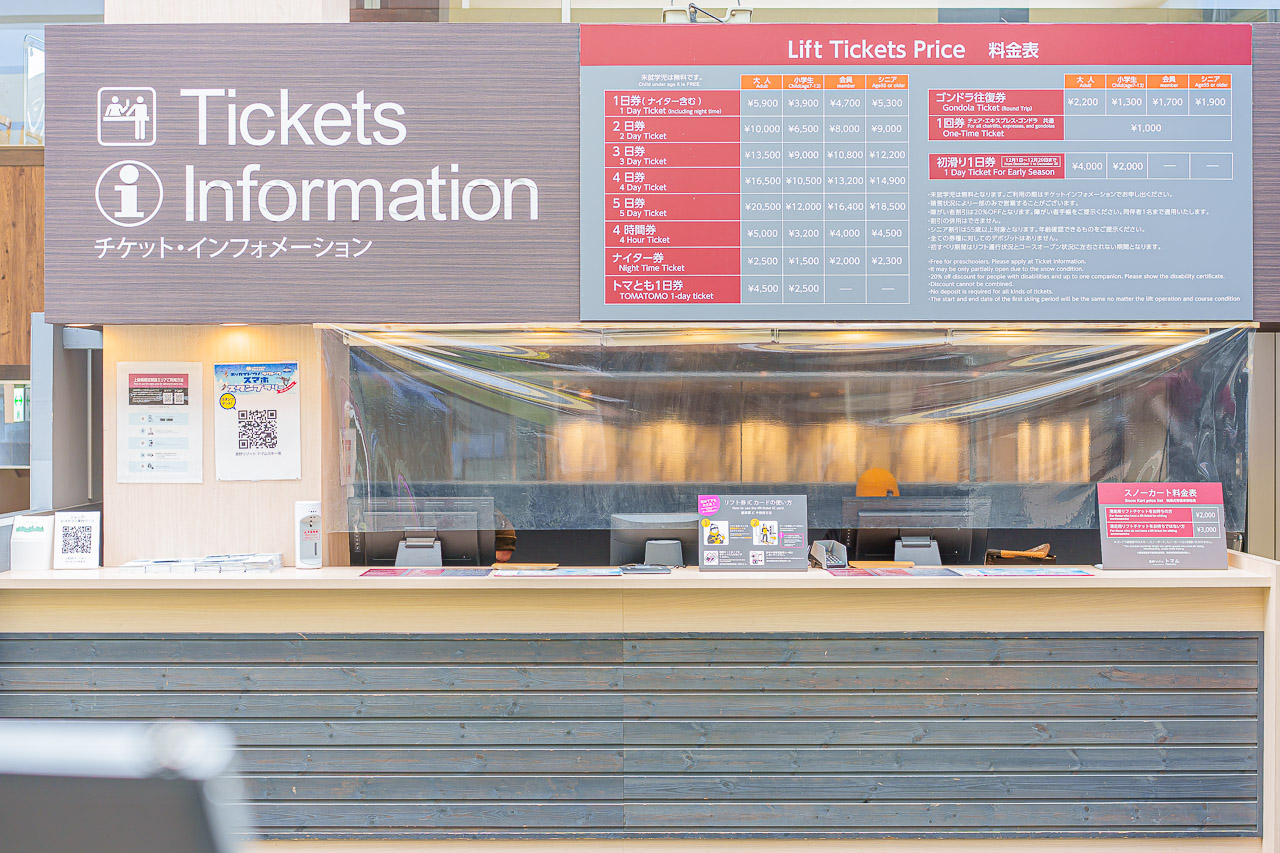
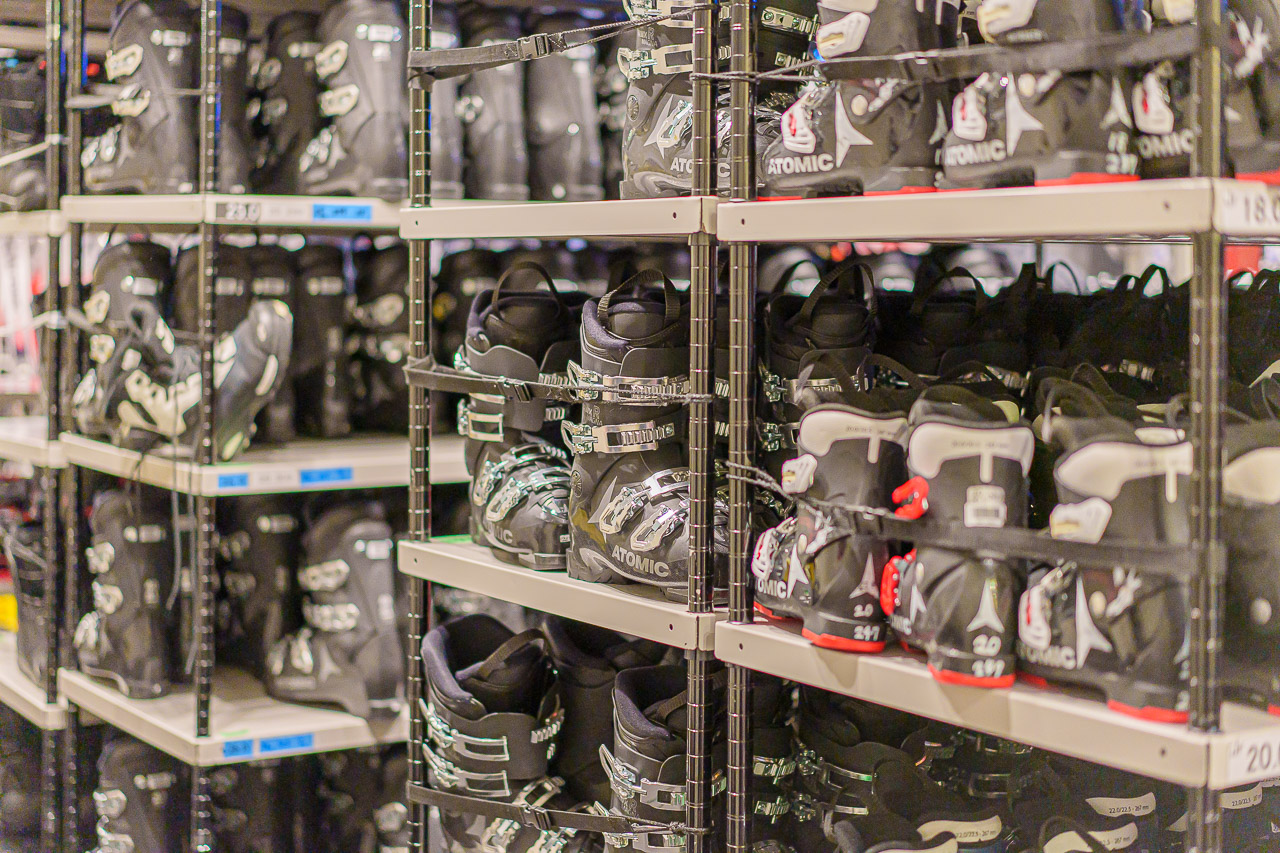
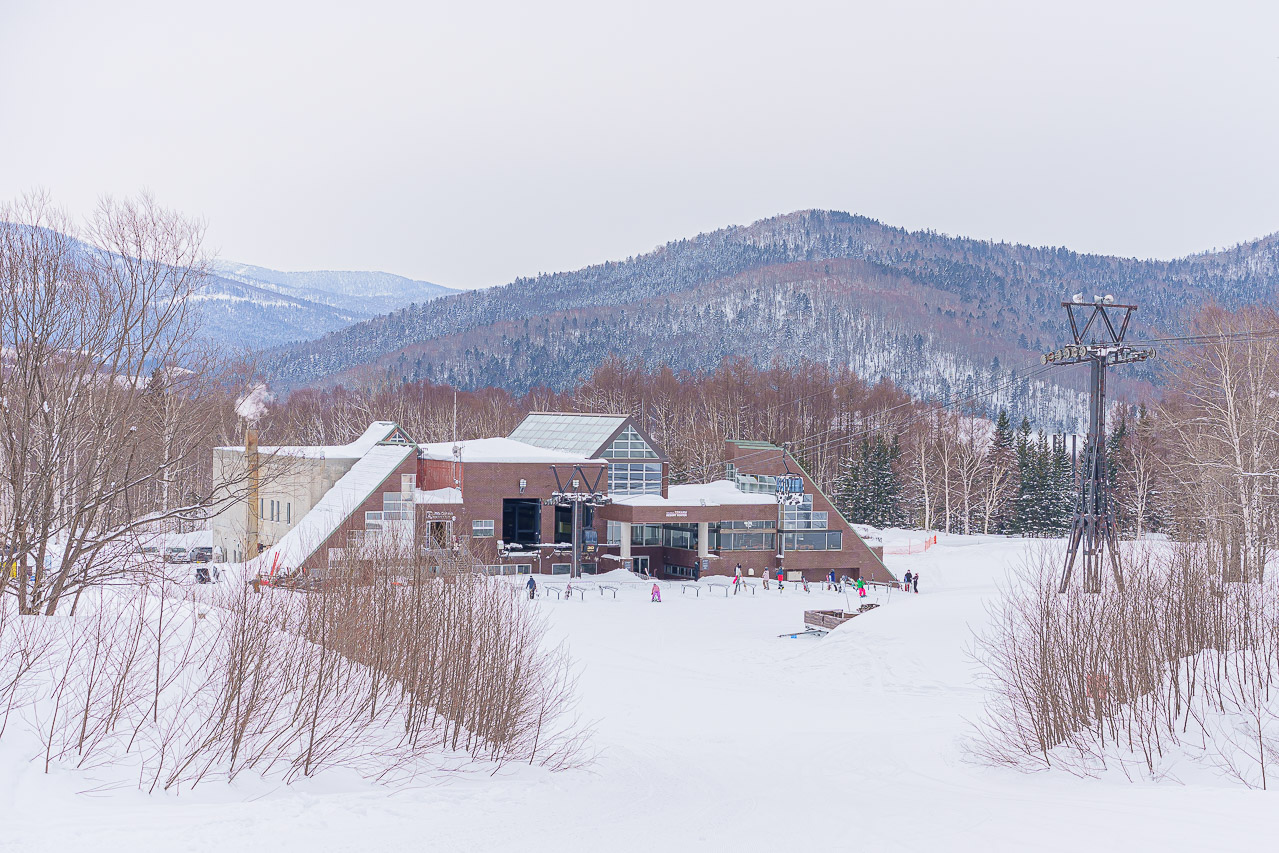
Then we go to Tomamu Resort Center, where gondola access and ski rentals are available.
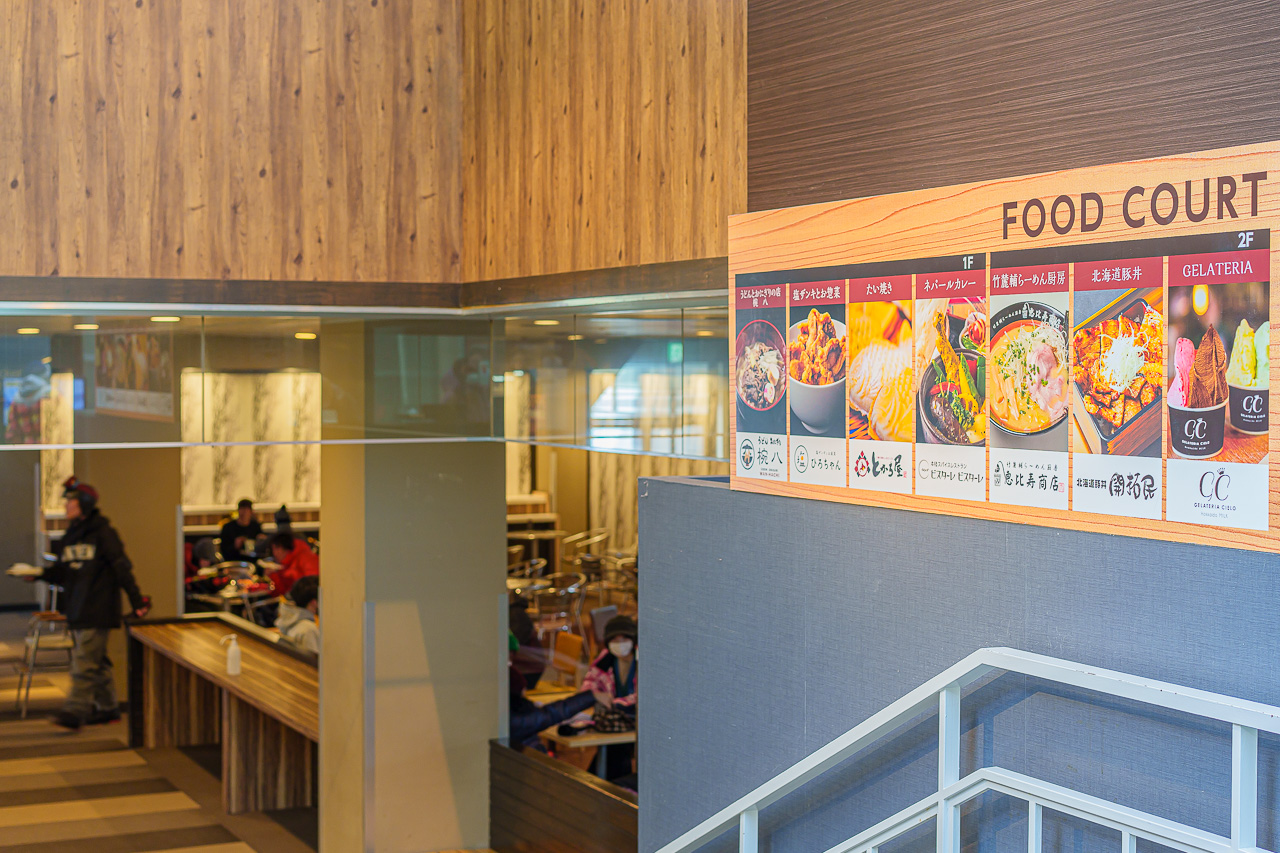
A food court inside lets skiers grab a meal.
Time for some carbohydrates before exercise, the author jokes.
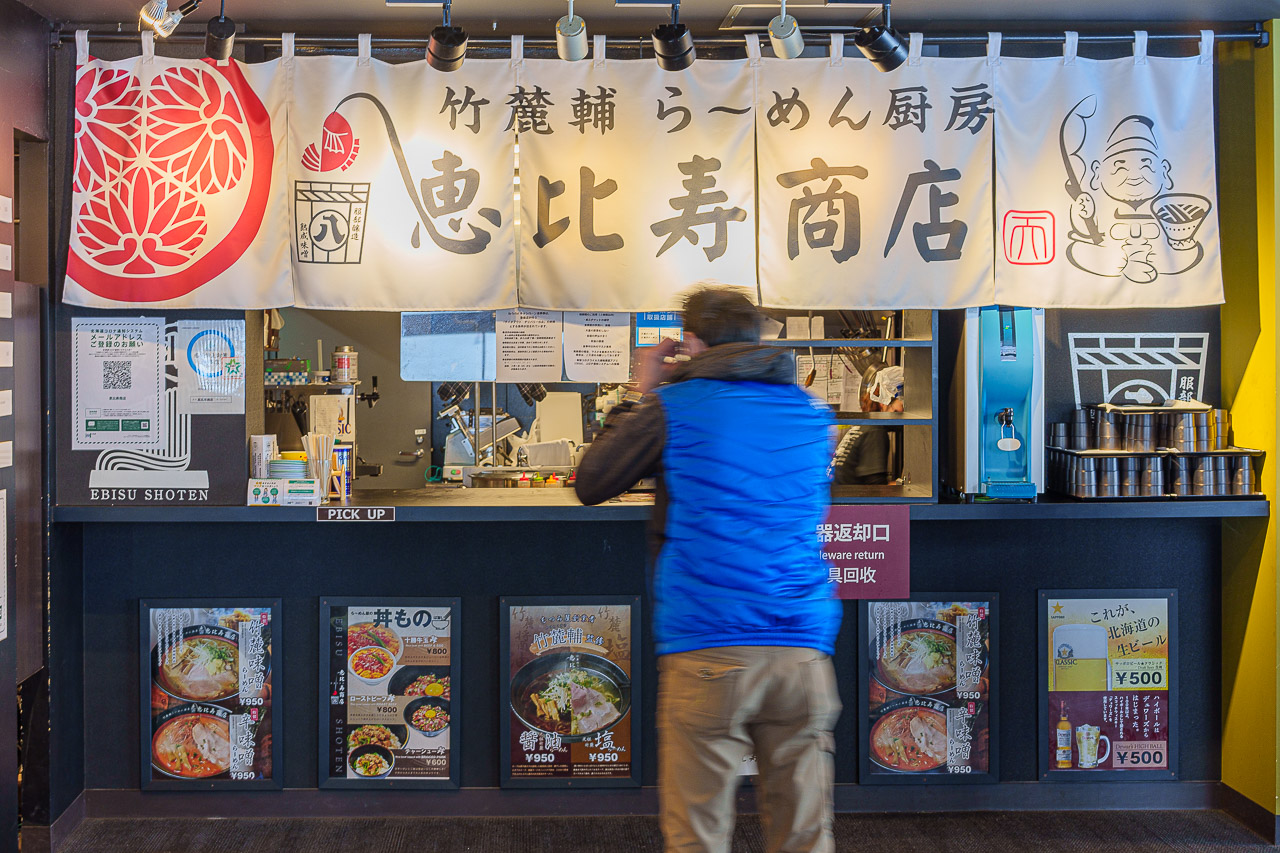
Ramen specialist Ebisu Shoten,

Hokkaido pork-bowl specialist Kaitakumin,
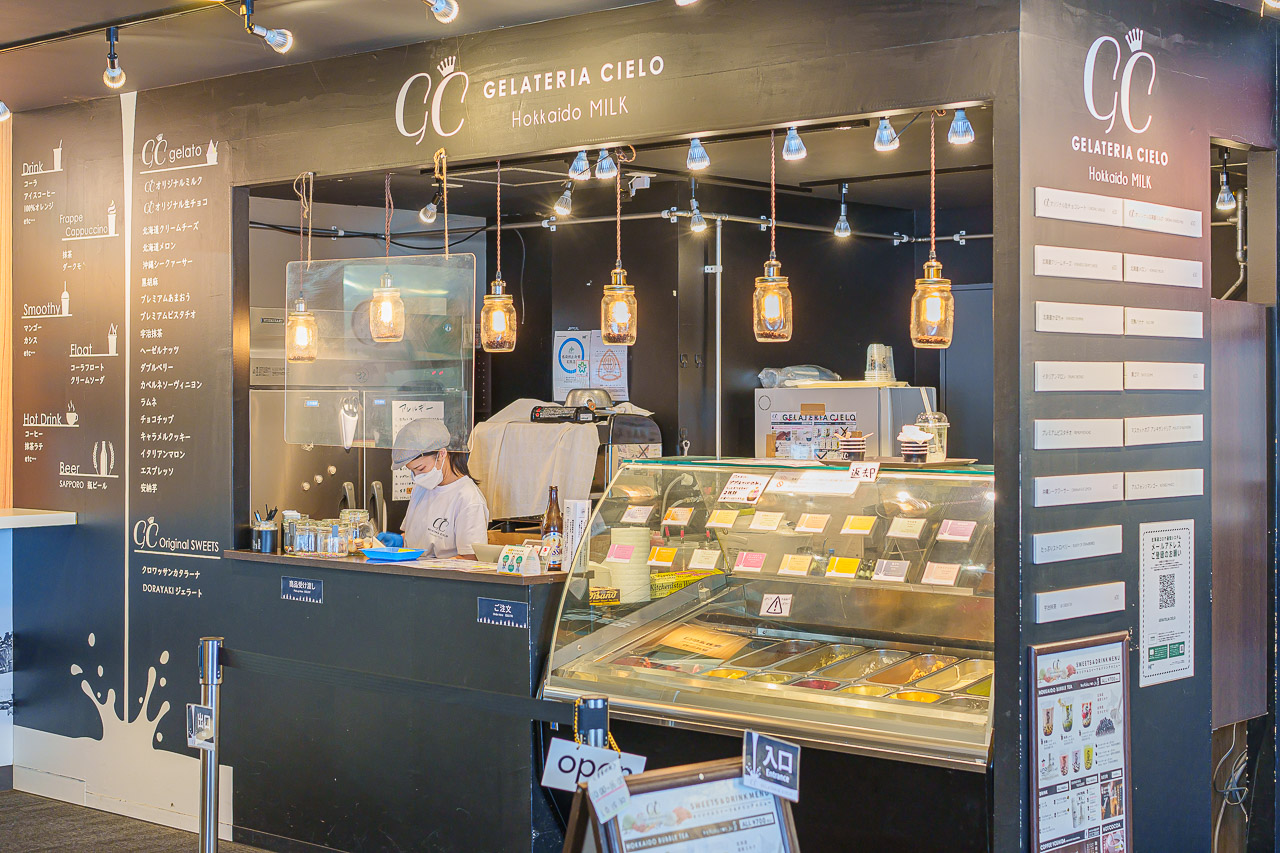
and Gelateria Cielo are among roughly seven shops described in the account.
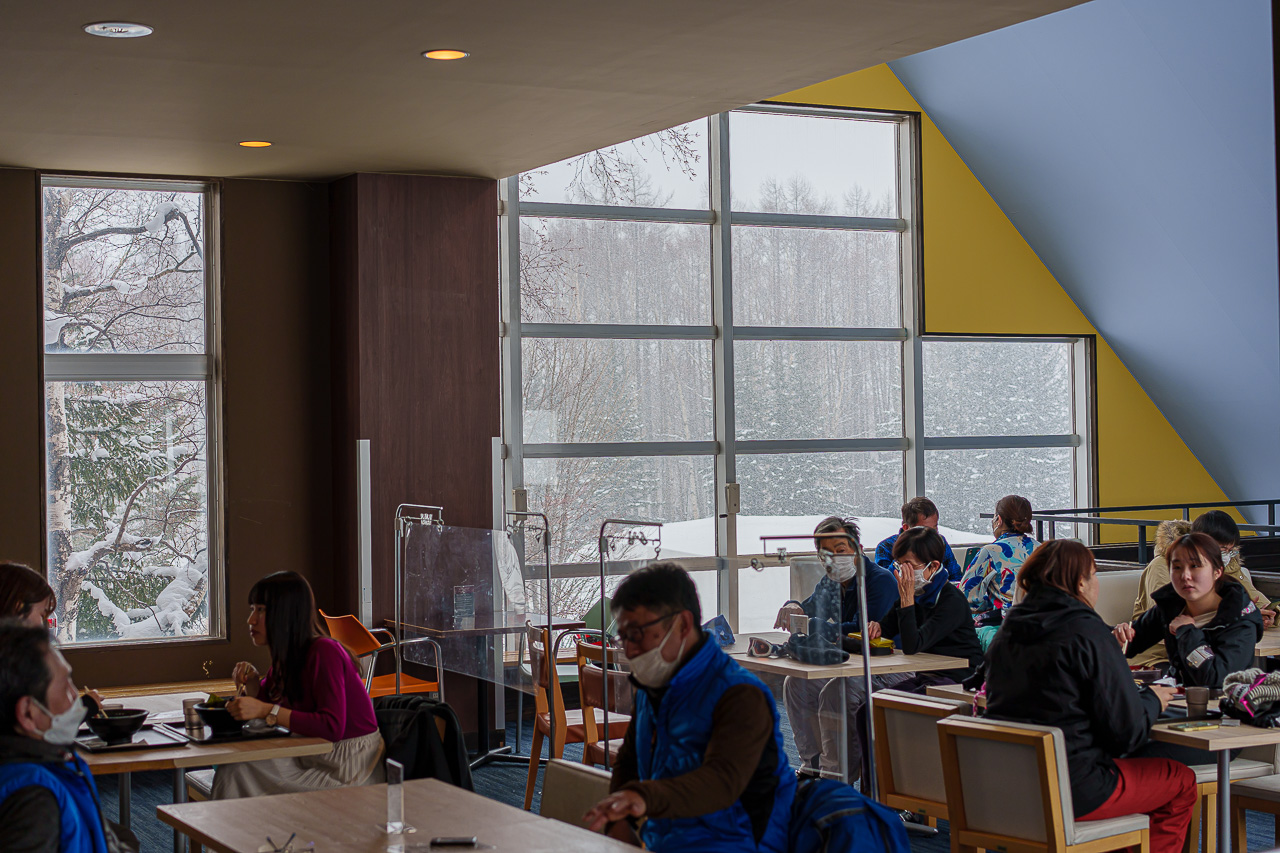
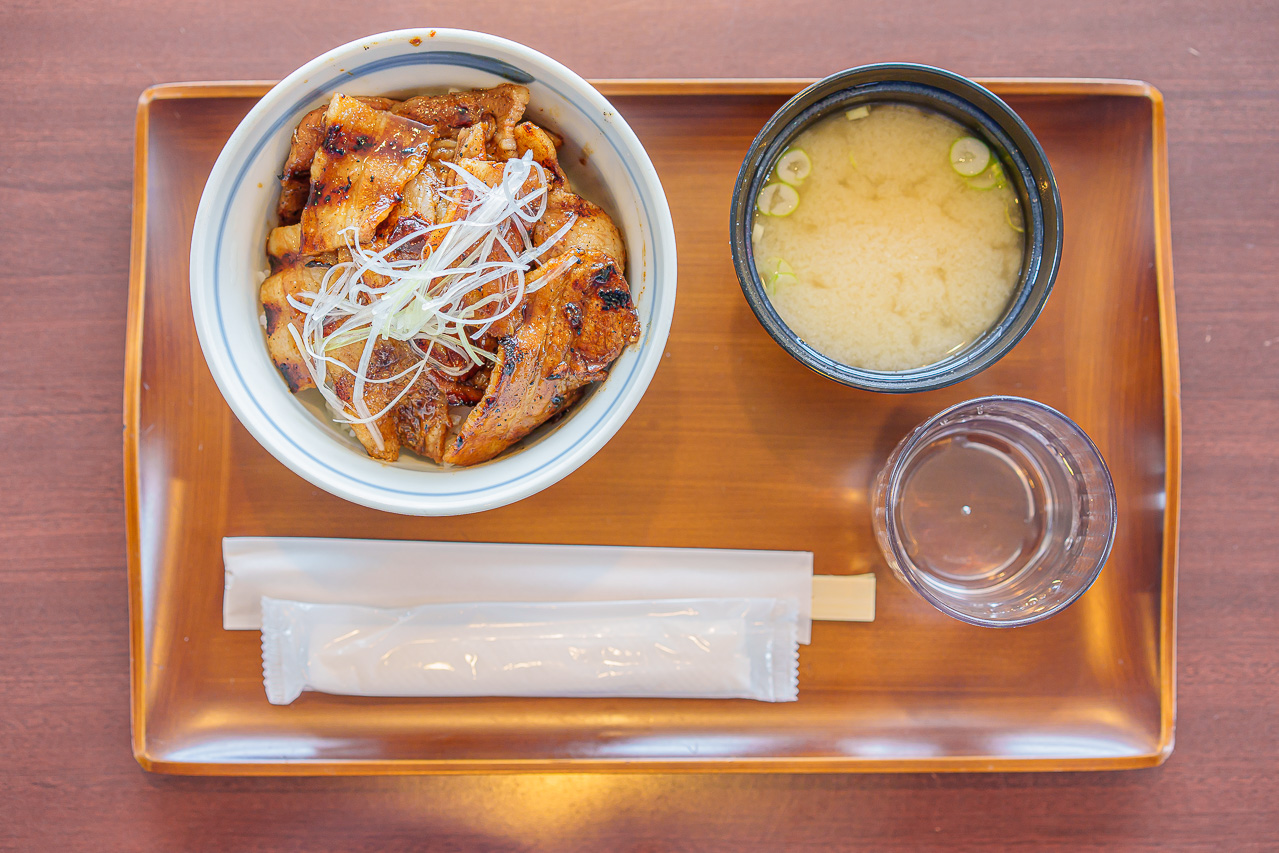
We choose Kaitakumin’s pork rice bowl for a substantial start.
The portion is manageable and easy to eat.
At JPY 1,100, it feels reasonably priced.
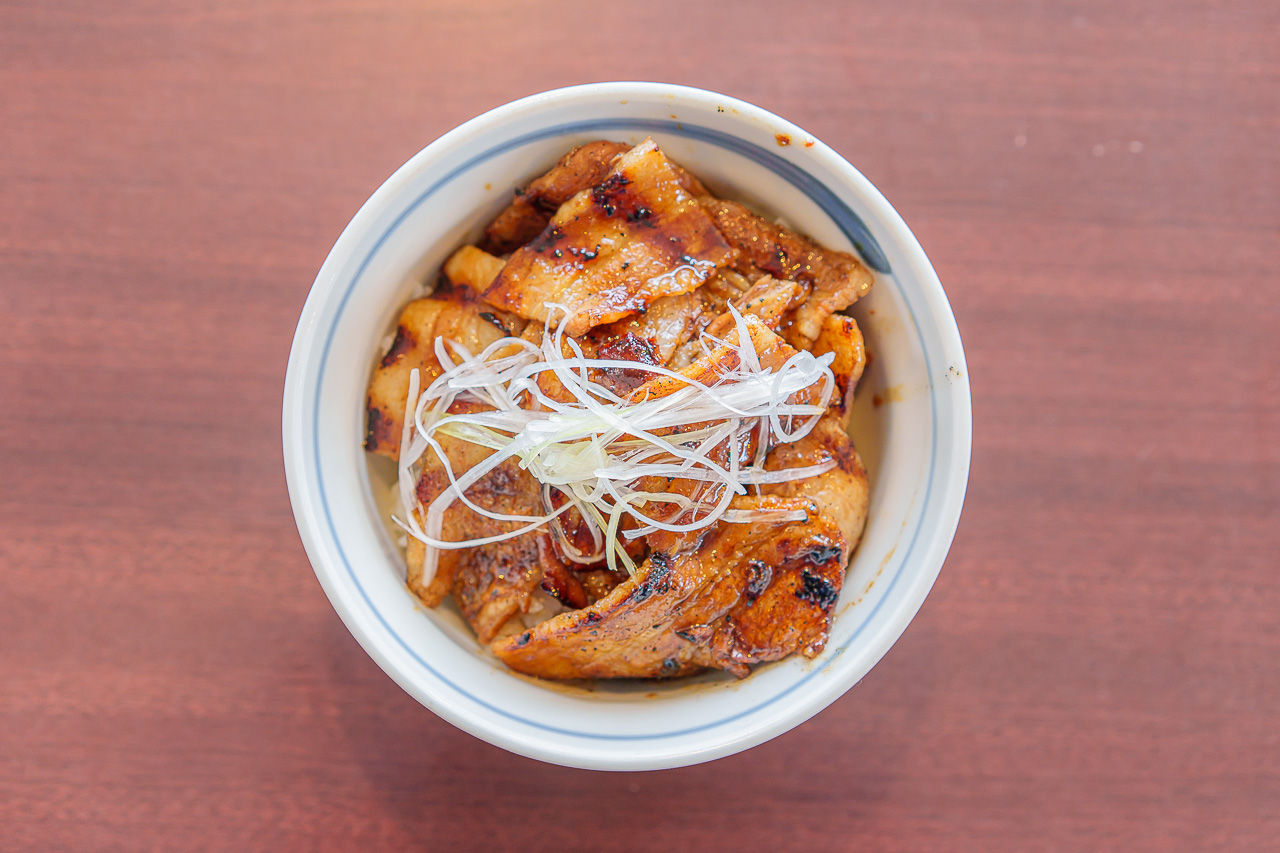
The source describes rare Hokkaido pork selected at a rate of three in a hundred, grilled at 850°C and finished with a special sauce without chemical seasonings. Those production and ingredient statements are reported claims, not measurements from our visit.
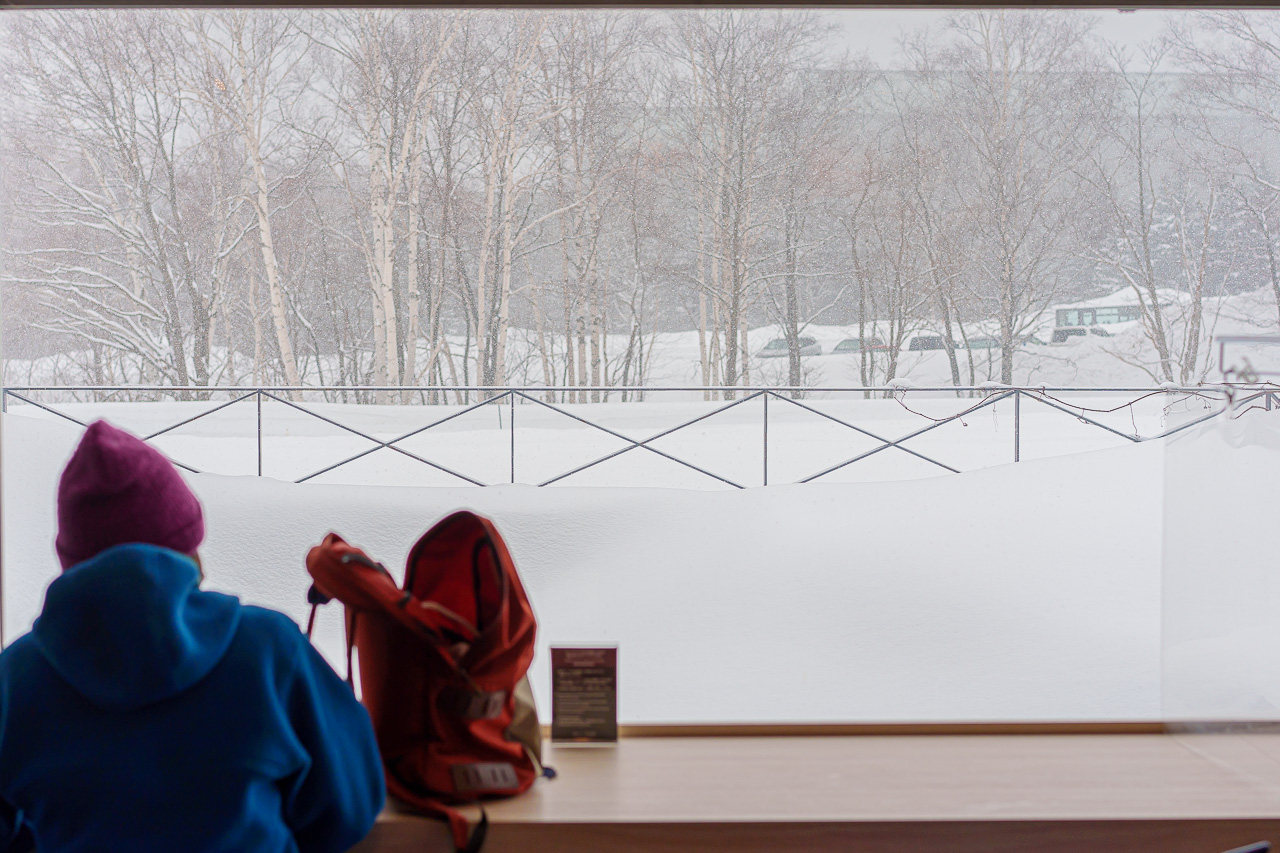
A snow view is another benefit of the food court.
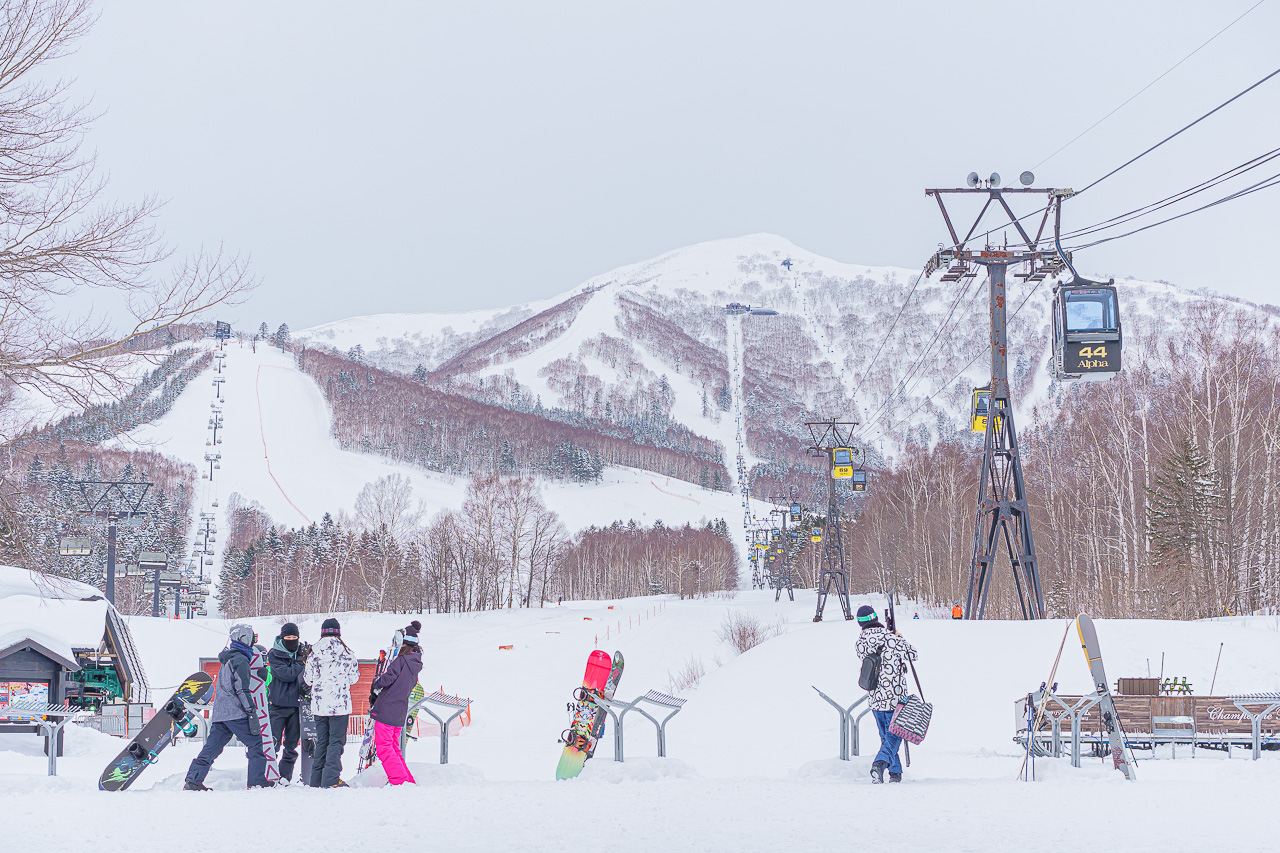
Outside, snowboarders and skiers are getting ready for the gondola.
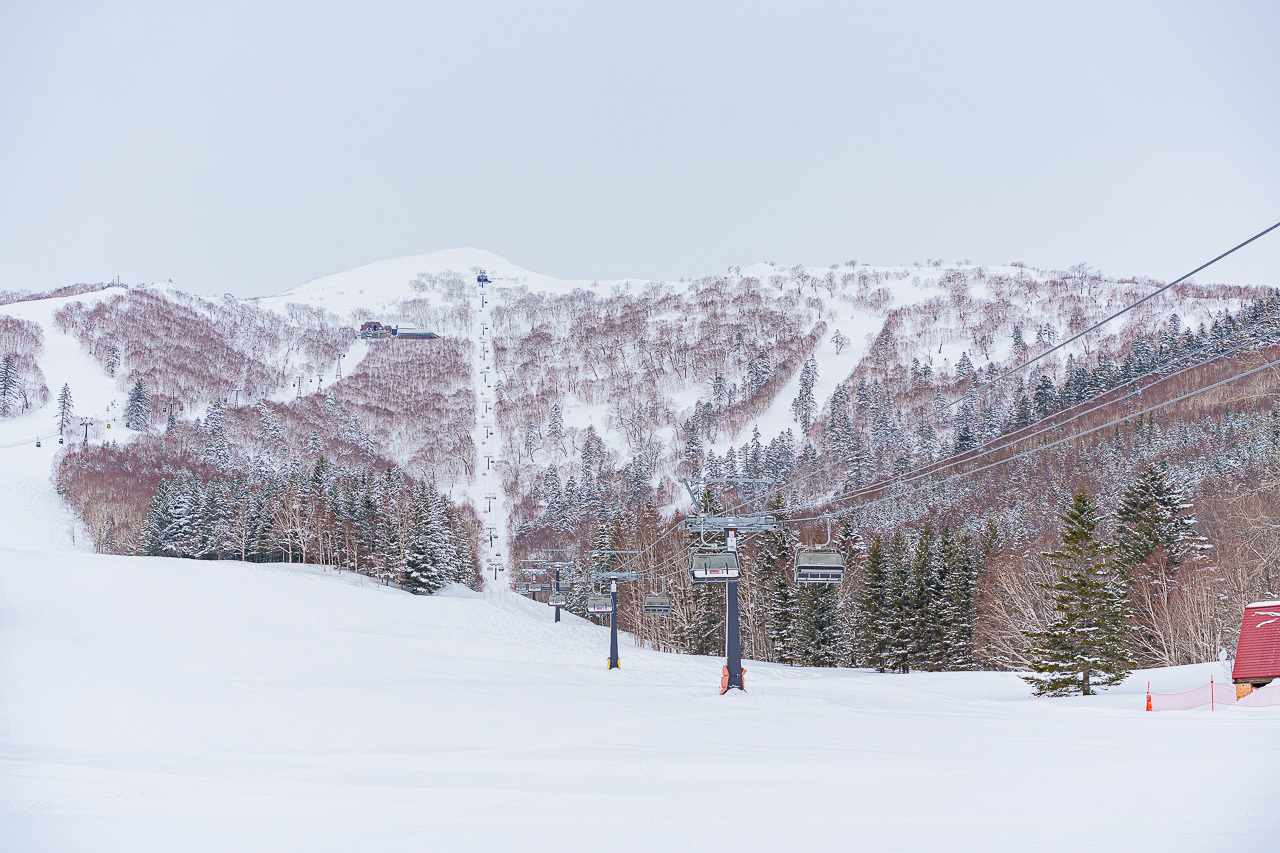
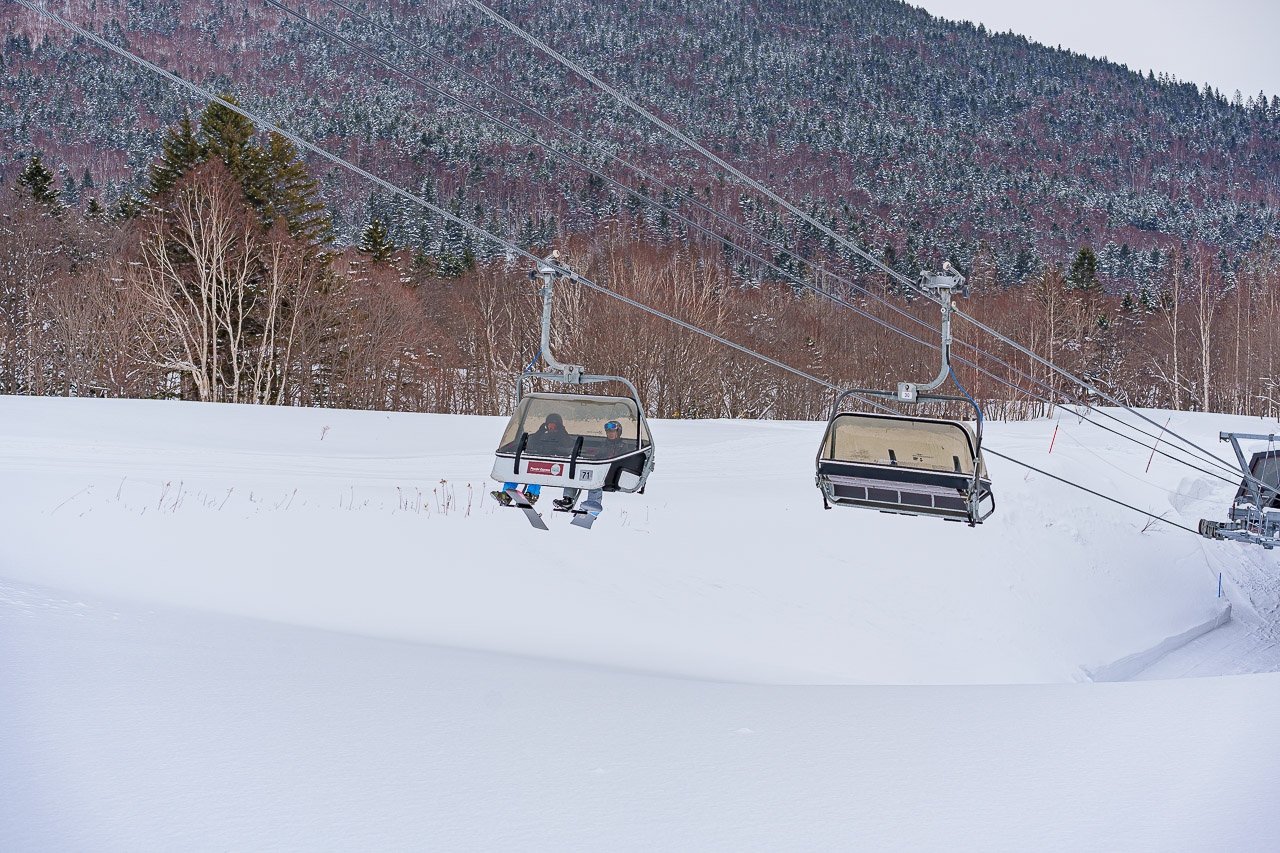
Some are already heading up on the lifts.
Impressively early starters.
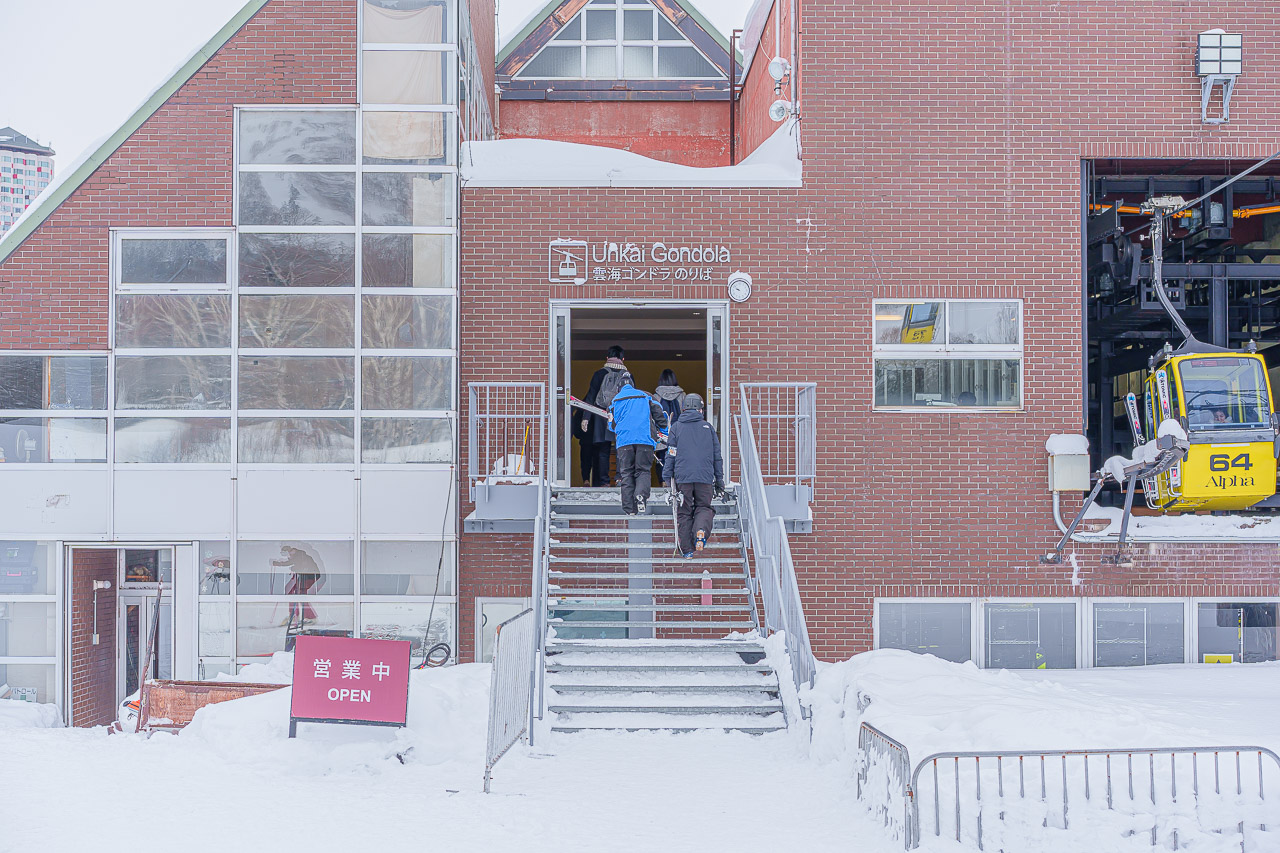
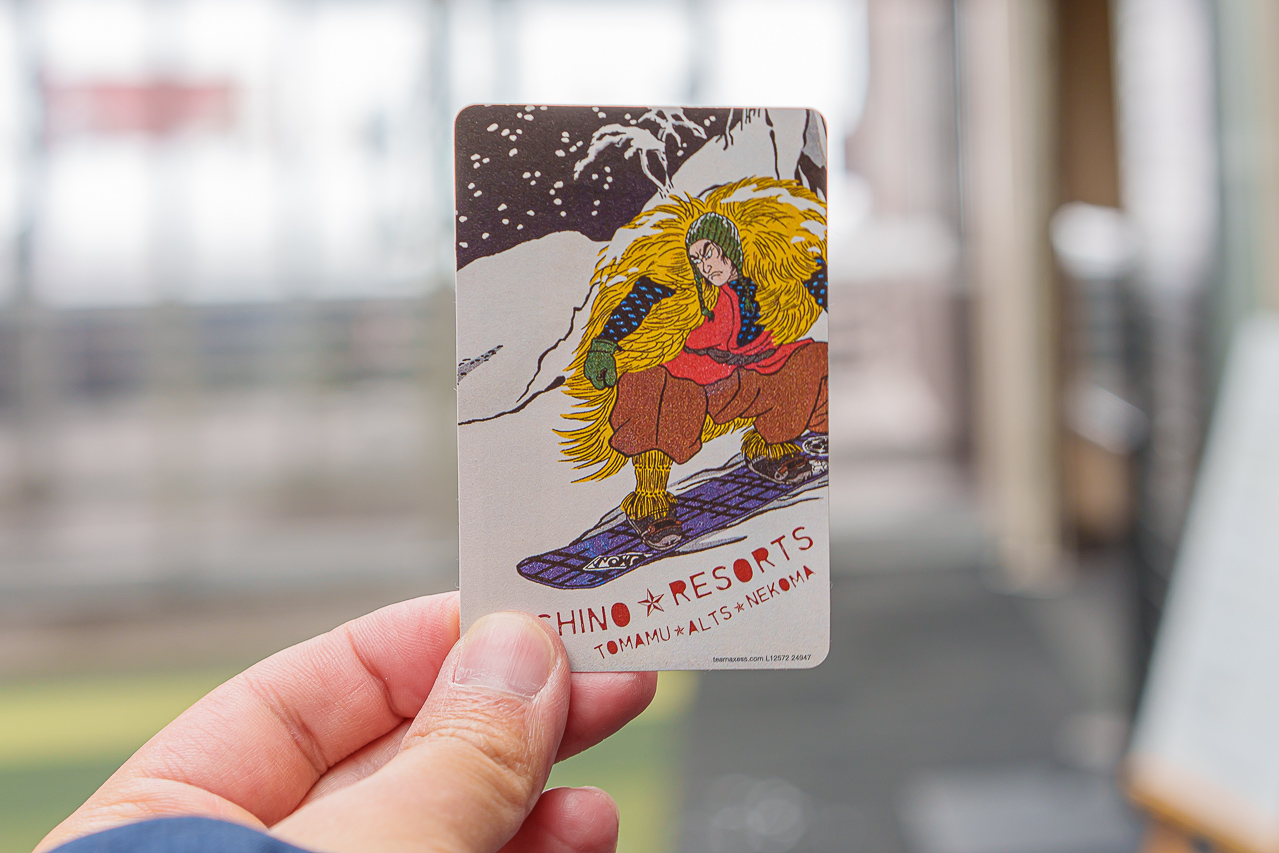
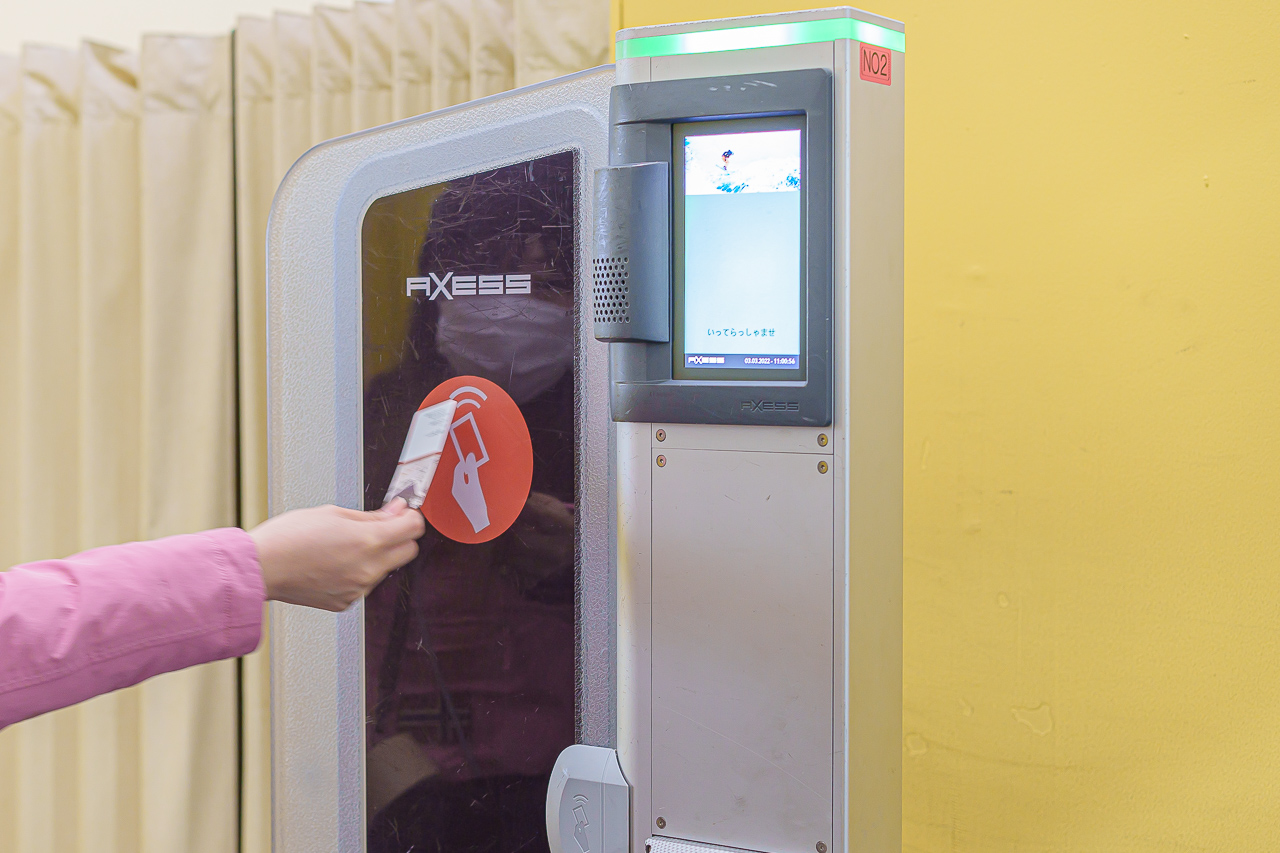
At the Unkai Gondola’s automatic gate, tapping the lift ticket received at check-in opens the barrier under our stay’s arrangements.
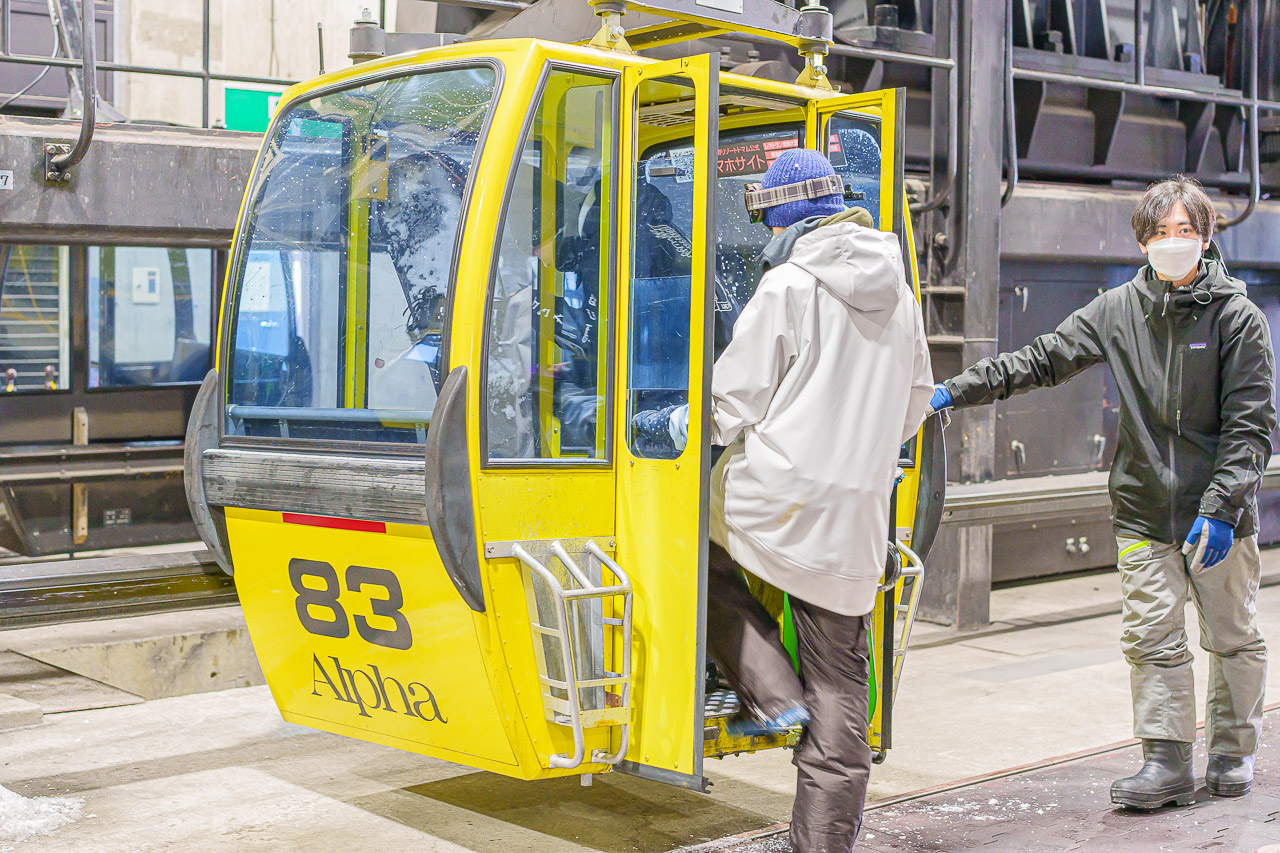
We gather our equipment and board.
Our destination is Muhyo Terrace at 1,088 meters above sea level.
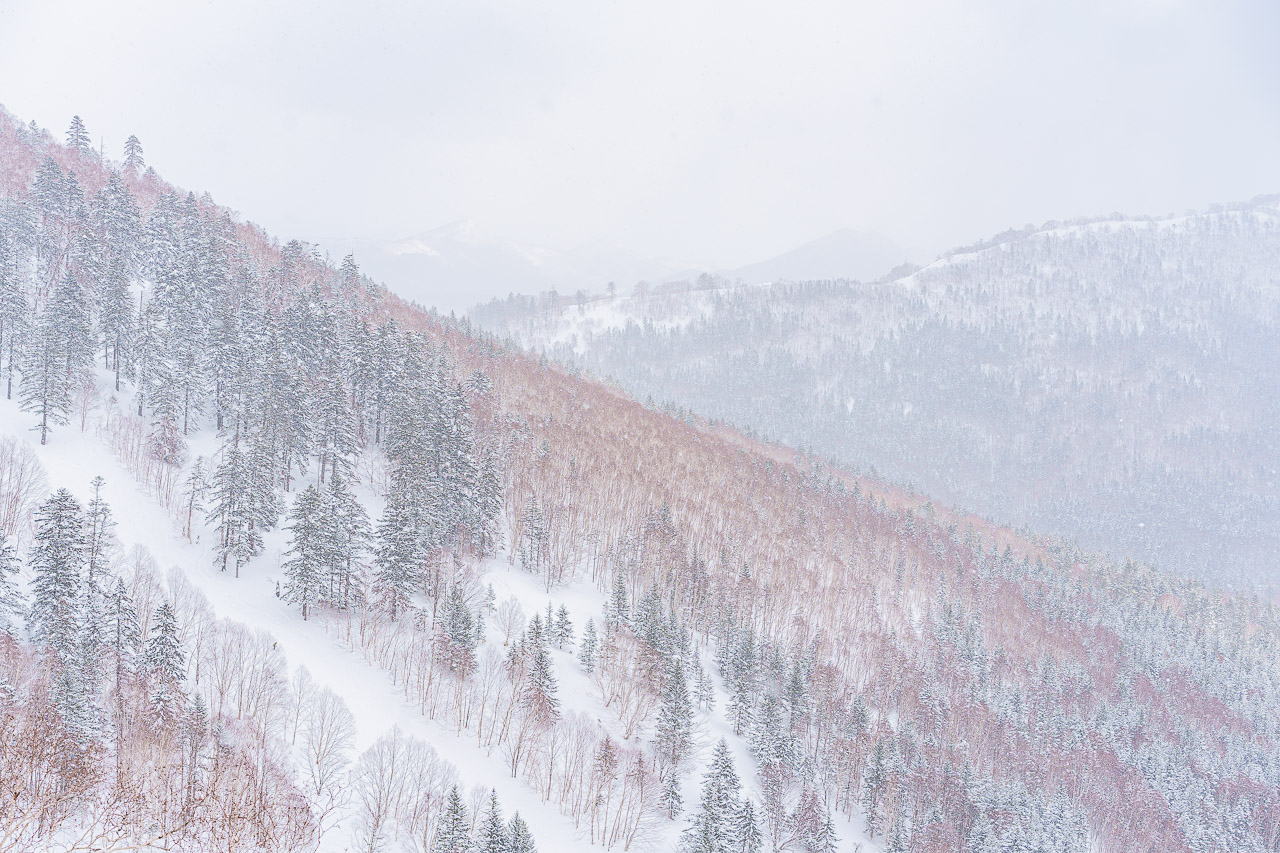
Muhyo (霧氷), or rime, forms as airborne moisture or fog freezes onto trees. The source gives temperatures around −2 to −10°C as part of its explanation.
Called sanggodae in Korean, it can sometimes be seen here, but unfortunately not on our visit.
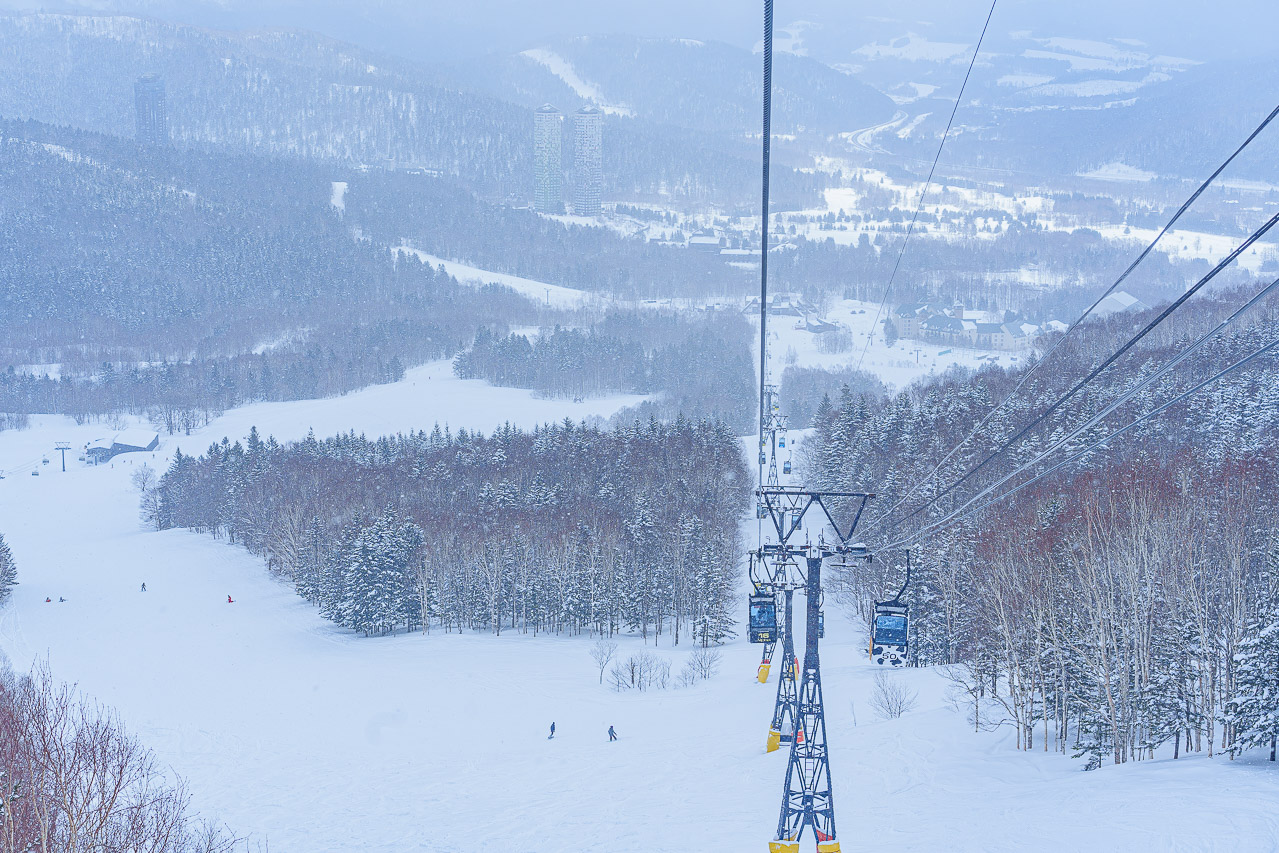
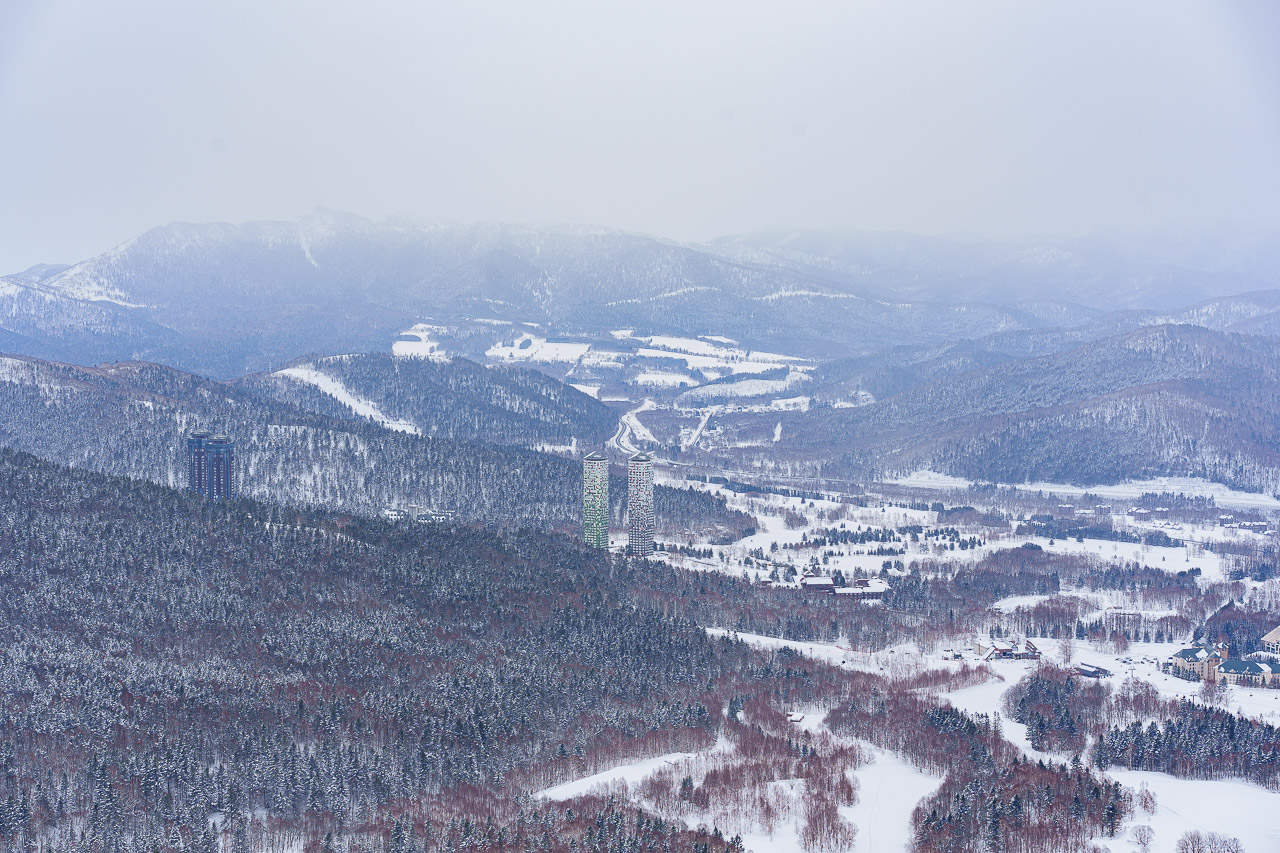
The ride to the top takes about 15 minutes.
Admiring the Hidaka Mountains makes the time pass quickly.
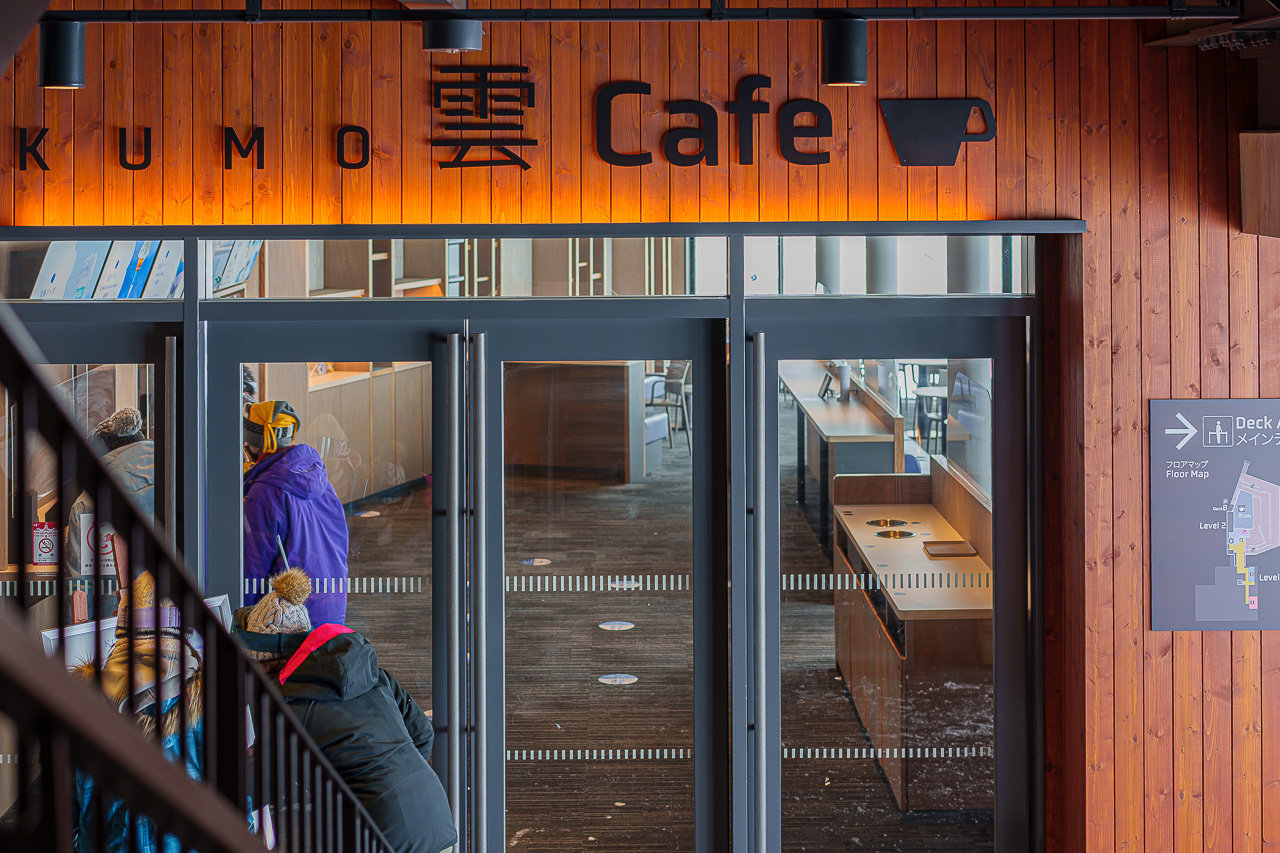
The first landmark is Unkai Terrace, popular for the sea of clouds seen between spring and autumn when conditions allow.
The main terrace had been renovated the previous summer in the account. Its elevation suggests floating above clouds, reflected in the ‘Cloud Café’ name.
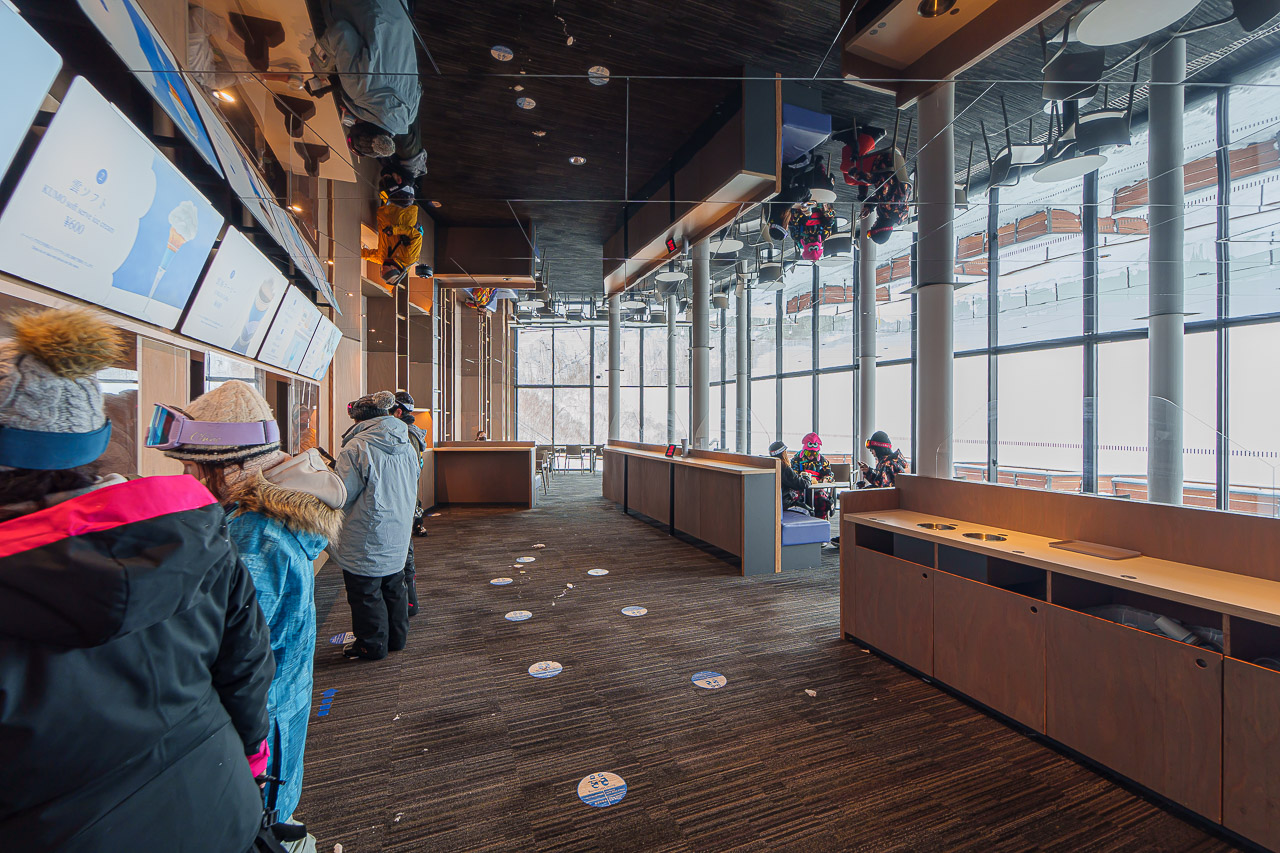
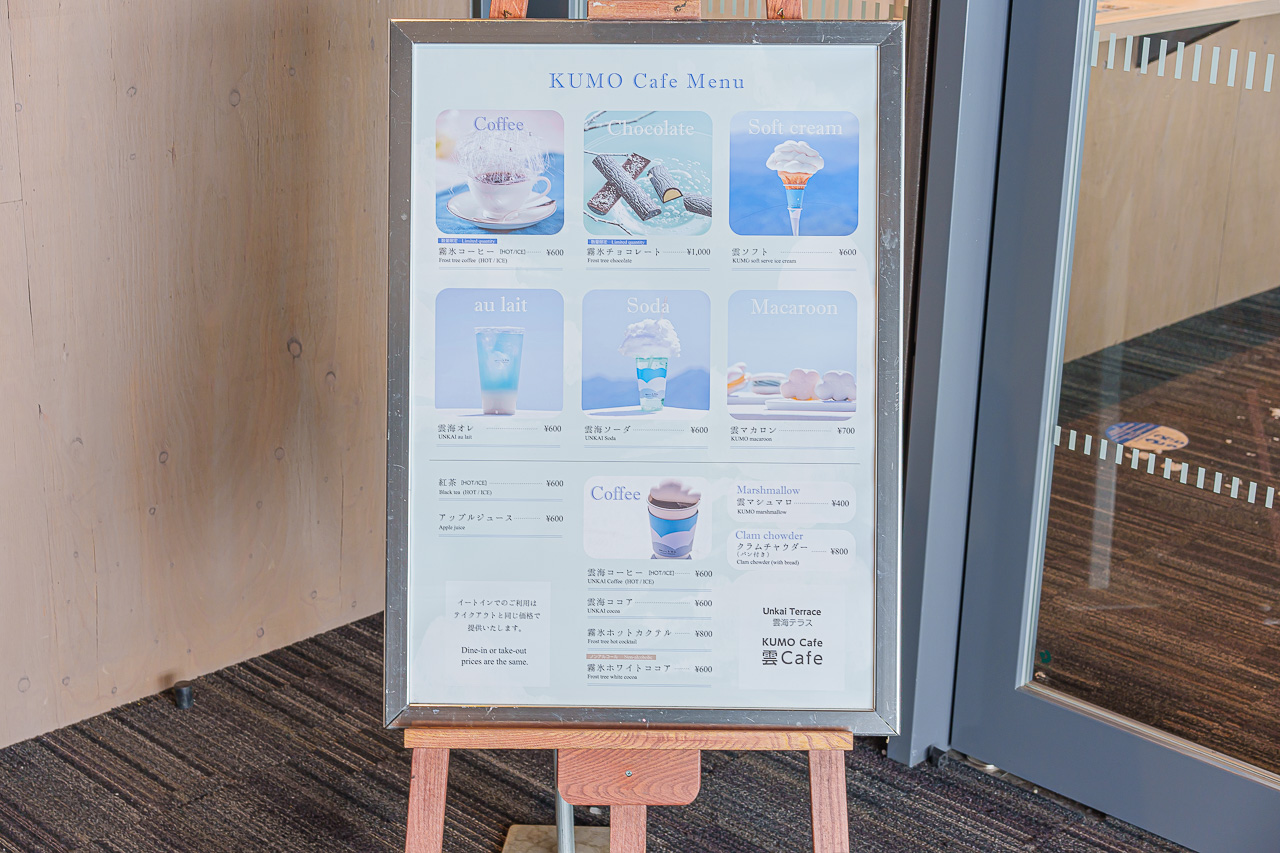
Desserts on sale evoke clouds and cloud seas.
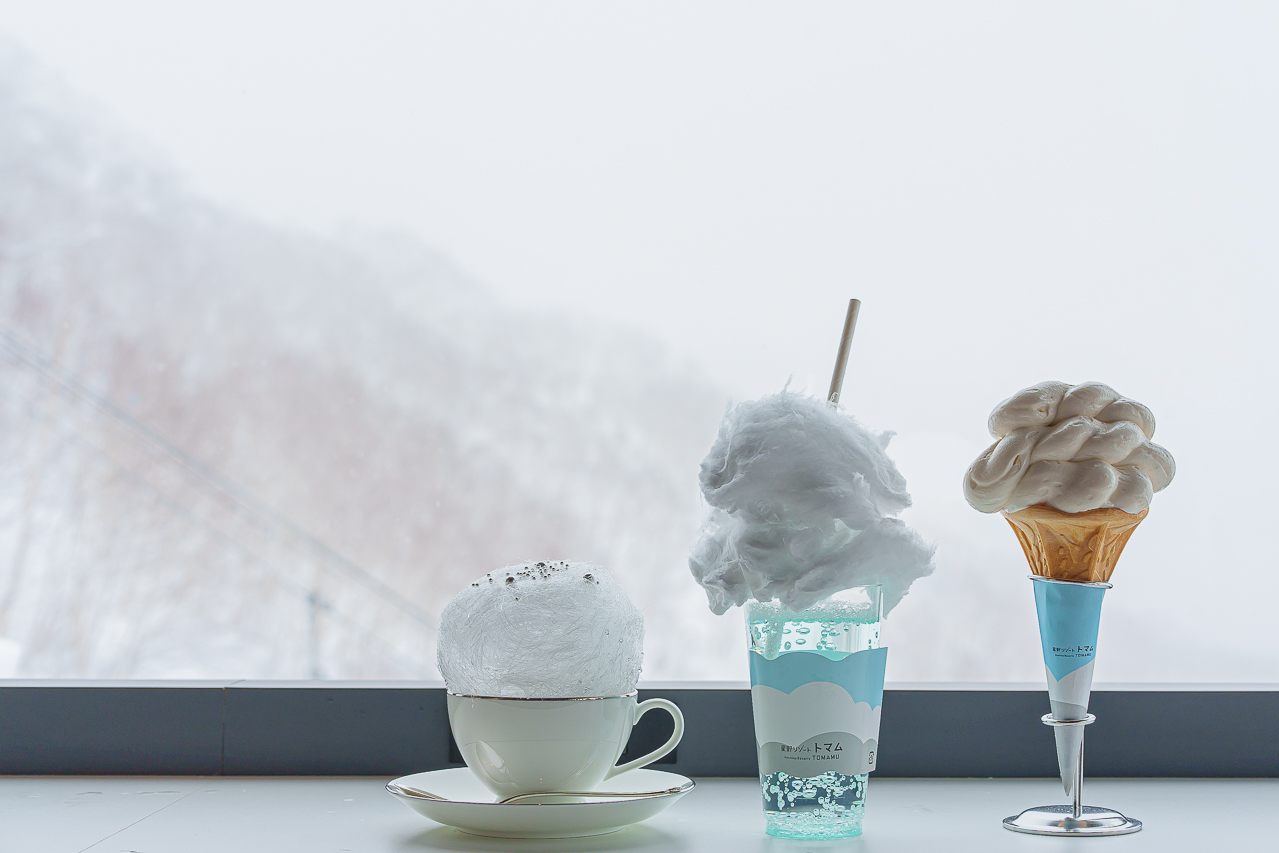
Rime coffee, sea-of-clouds soda and cloud ice cream have distinctive appearances.
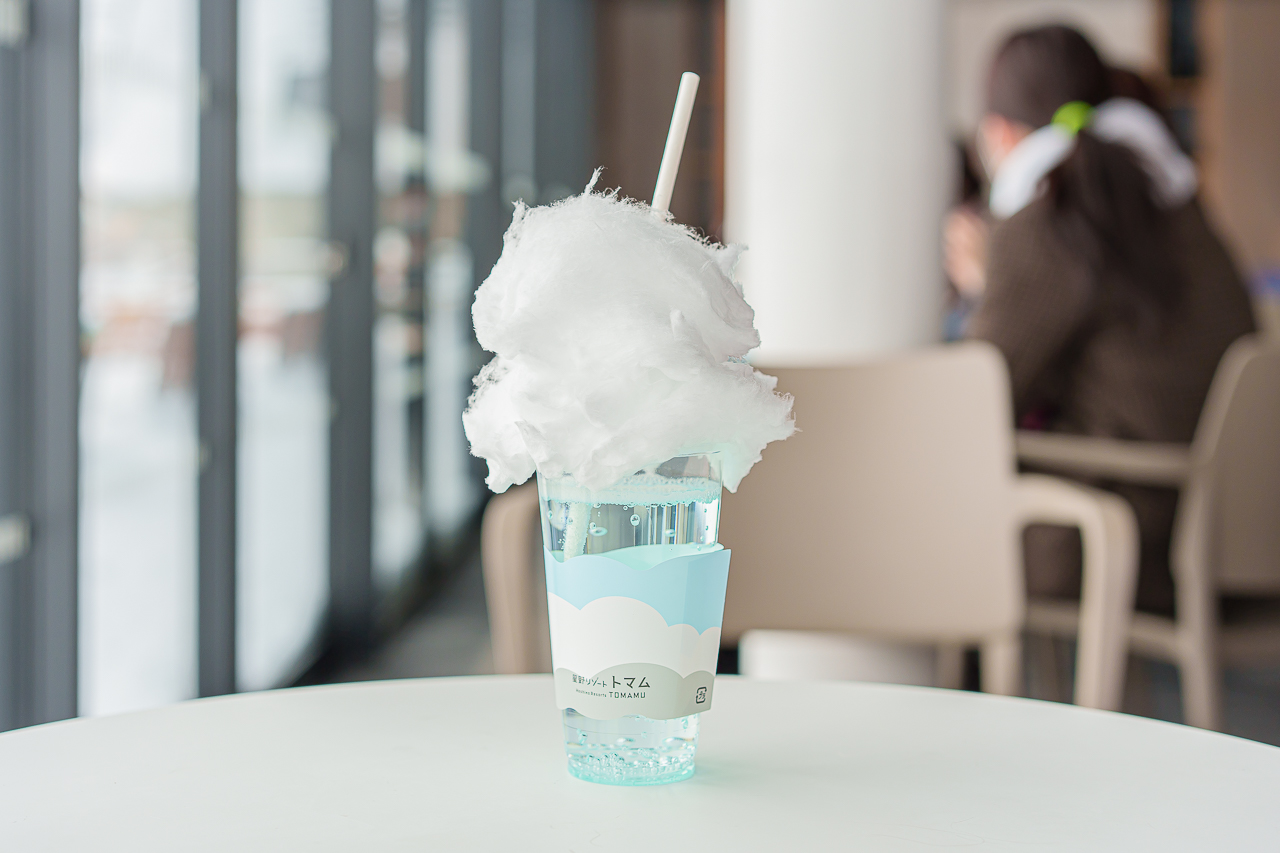
Eat the cotton candy above the soda as it is, or watch it melt into the drink.
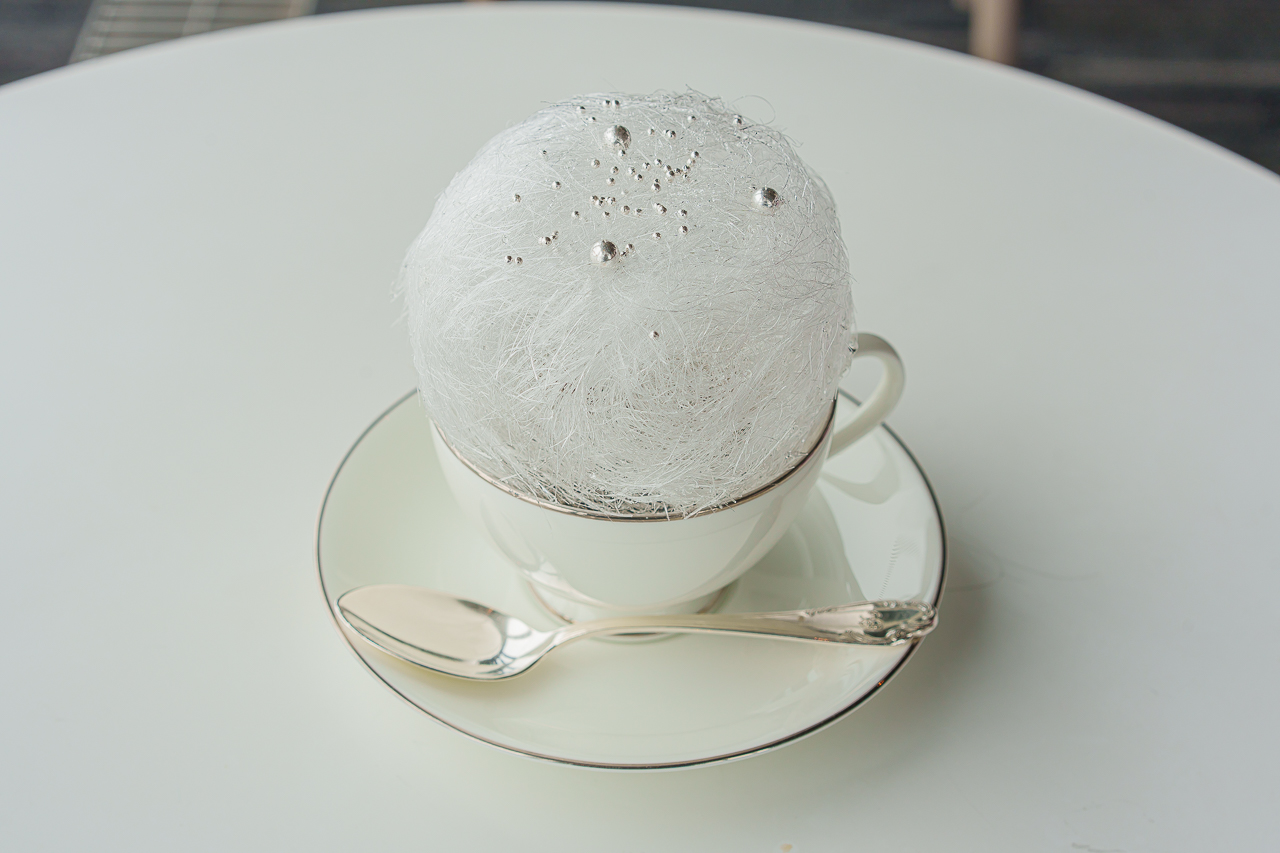
The rime coffee has threadlike and beadlike sugar above an americano. Pressing it down to dissolve changes black coffee into a sweeter drink.
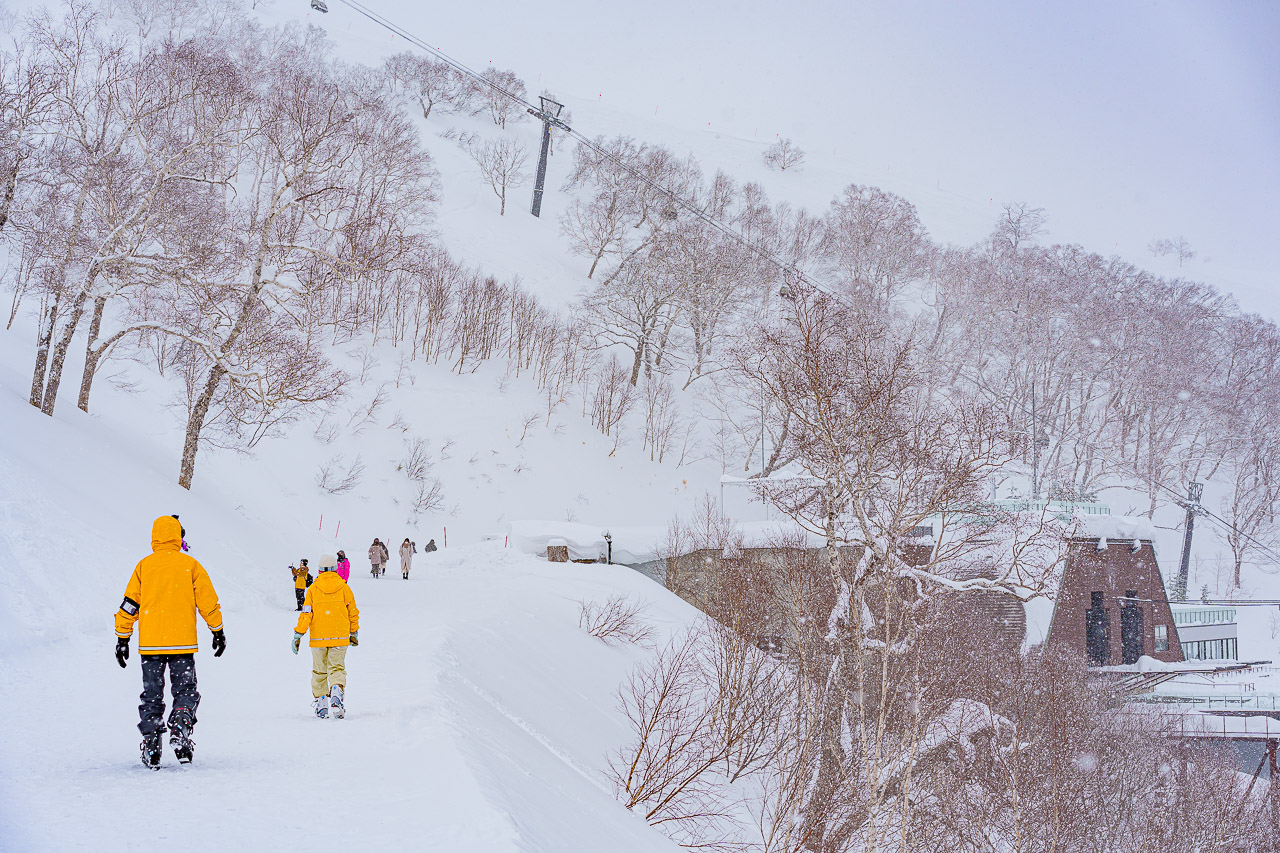
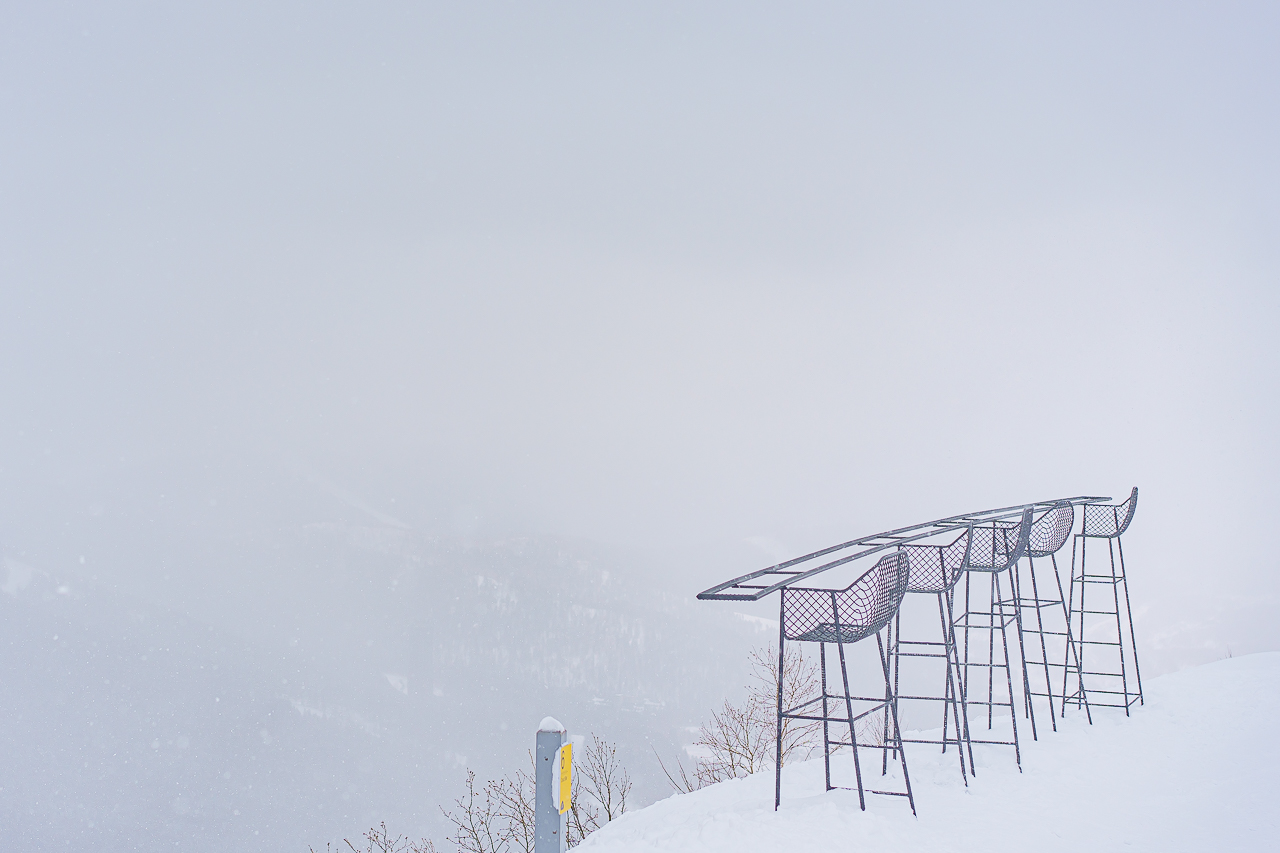
A short walk from the terrace brings us to Cloud Bar, opened in 2019.
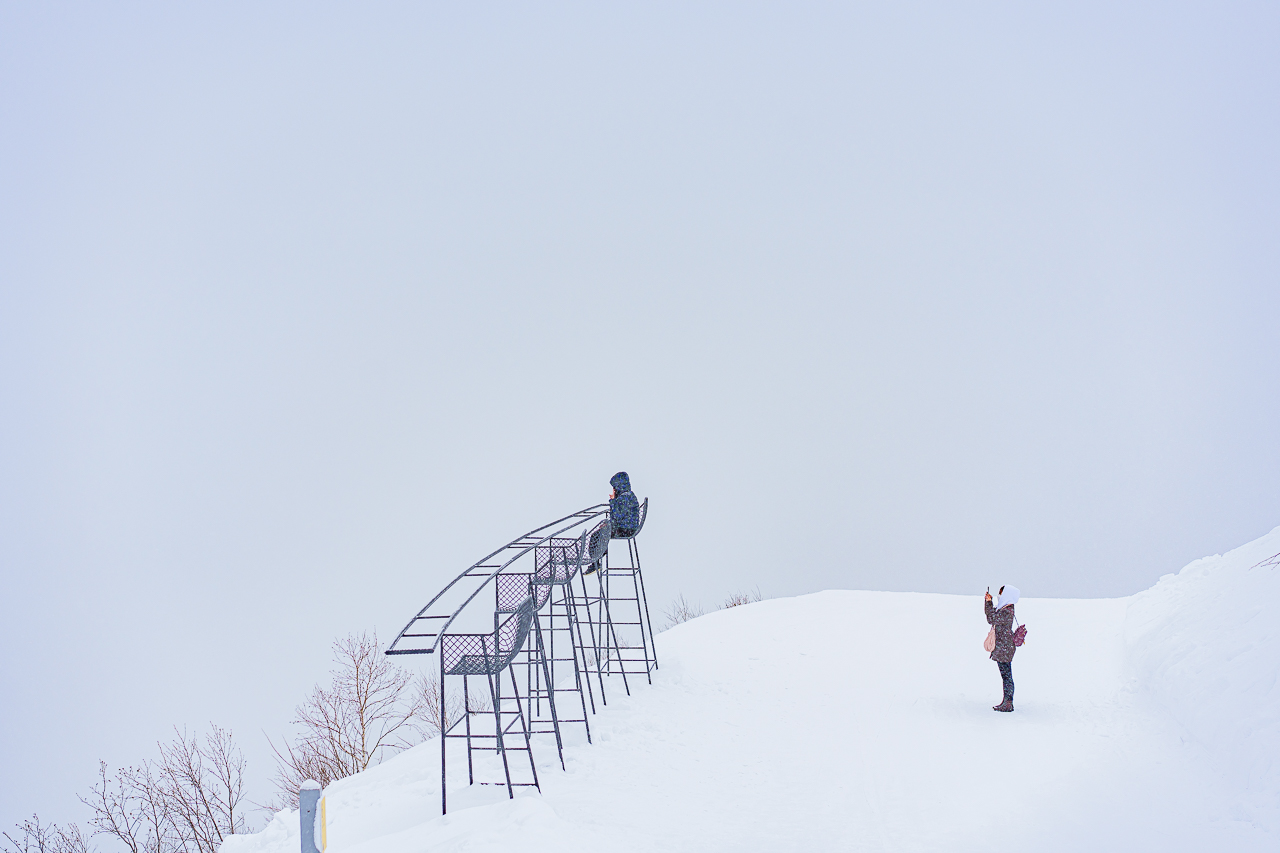
Its design takes a bar counter as its inspiration.
The source gives a 13-meter-long counter three meters above ground, with individual and couple seats for up to seven people.
With nothing blocking the view, these seats feel as though they float above the clouds.
Bring a drink from Cloud Café and it could rival any scenic café.
The seats are normally higher above the ground. I suspect the accumulated snow reduces the apparent height by around 50 cm, though I did not measure it.
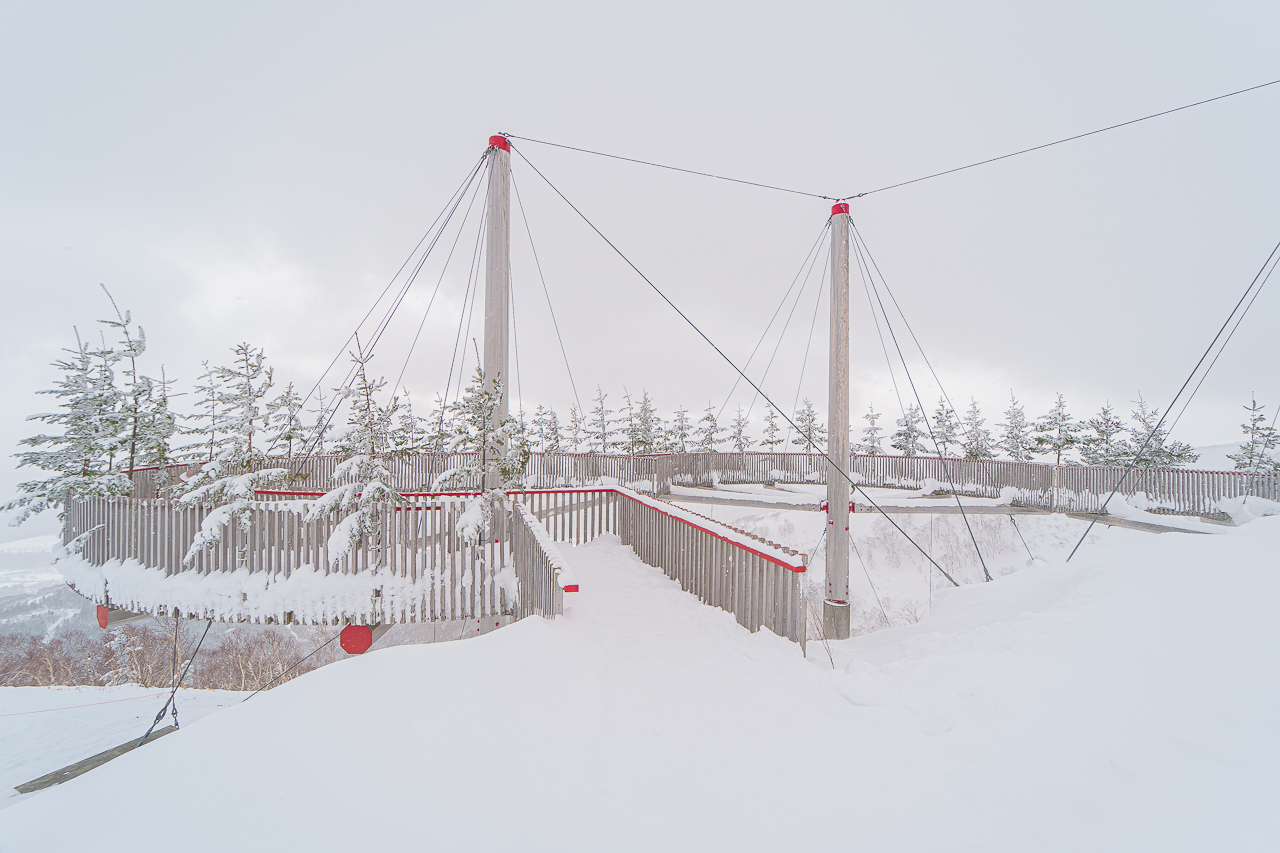
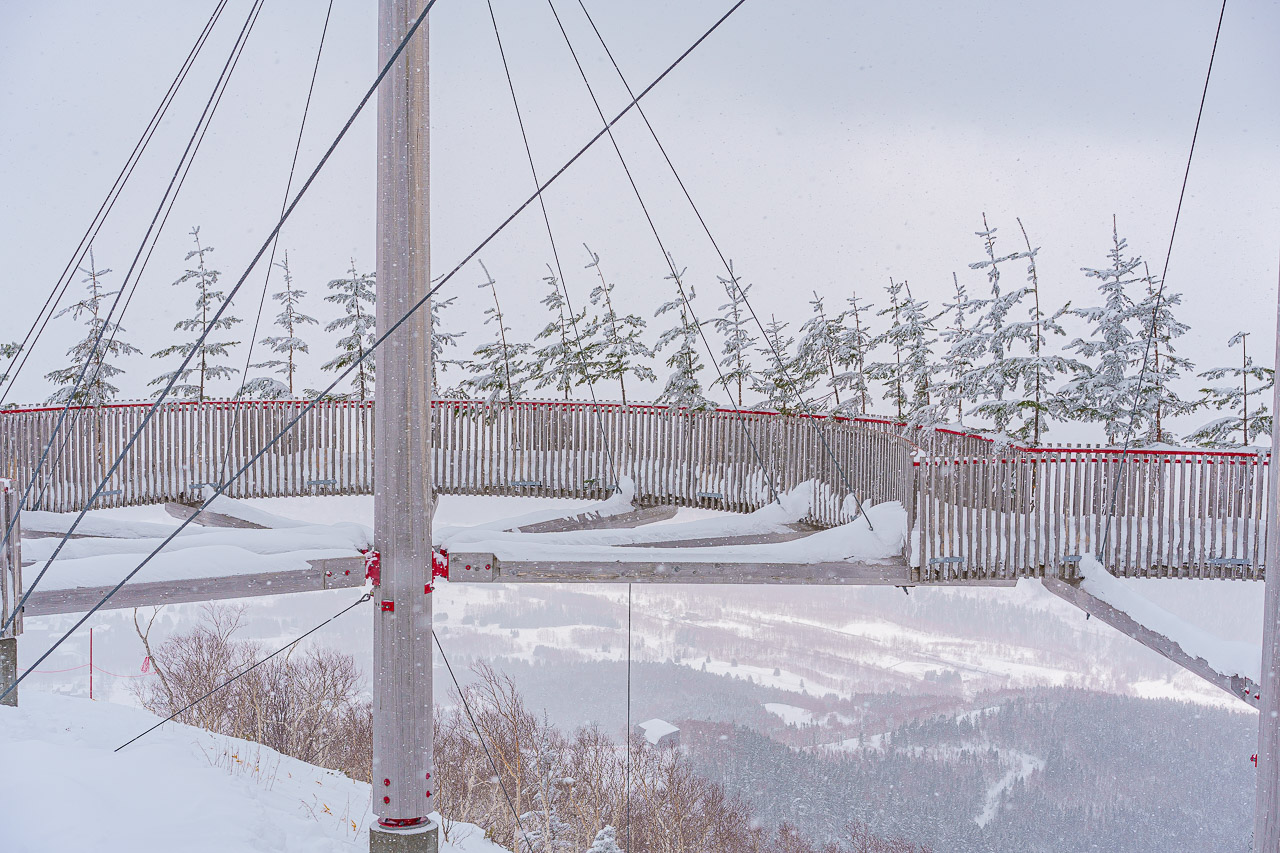
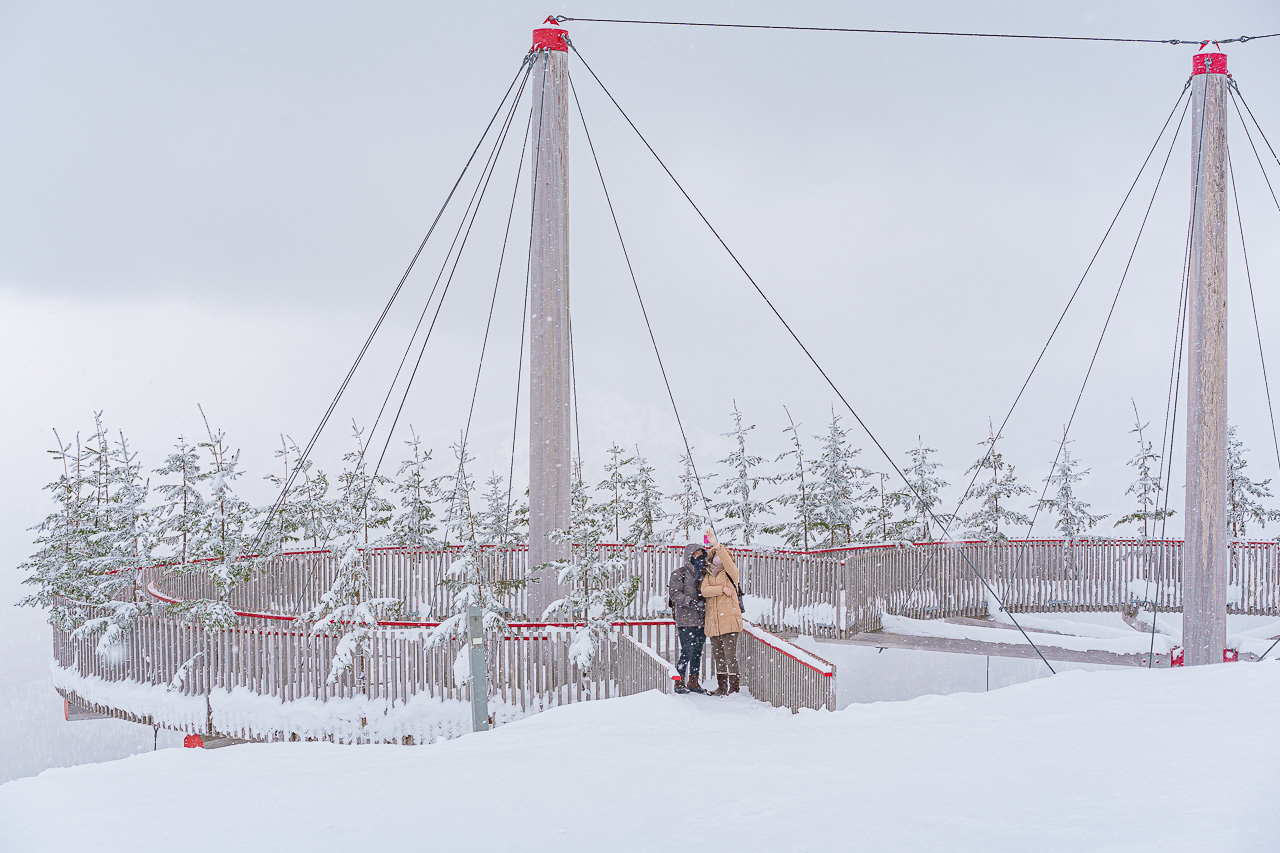
About 200 meters of snowy walking from Muhyo Terrace leads to Cloud Walk, suspended along the mountainside.
With a structure resembling a suspension bridge, it offers a dramatic view beneath you at 1,088 meters.
The author observes that snow raises the walking surface, making the rails appear 10–20 cm lower and the experience more exposed. This is an observation, not an invitation to ignore barriers or closure signs.
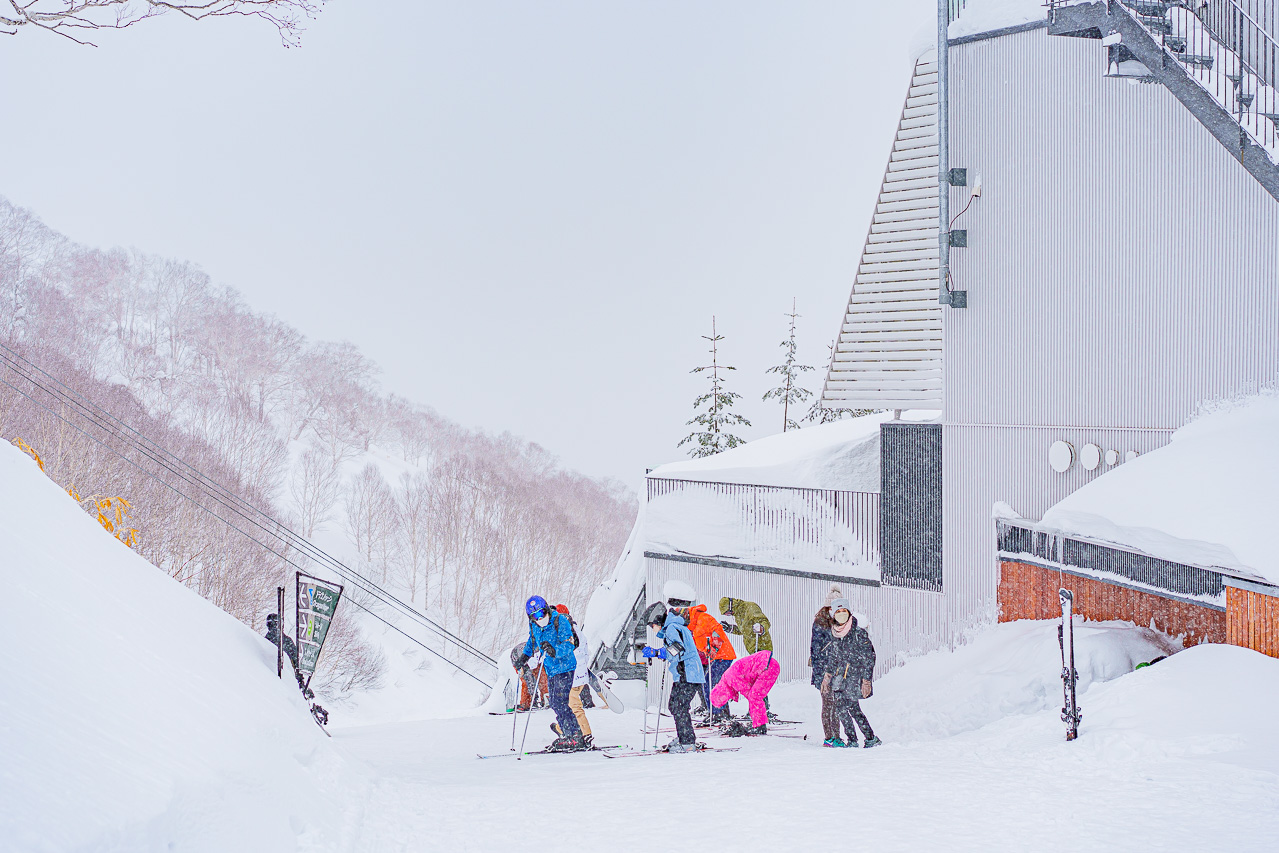
After the scenic walk, we prepare to descend.
Skiers are busy preparing as well.
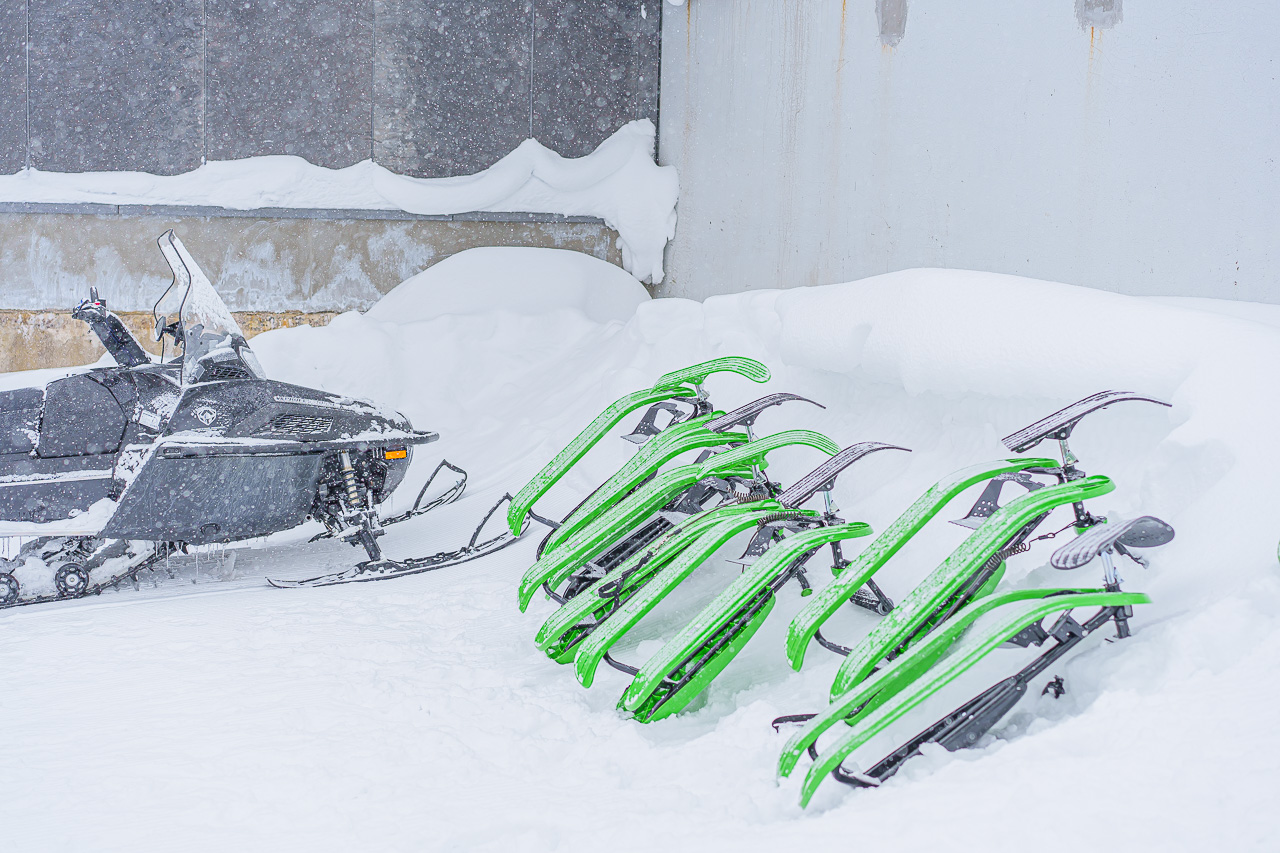
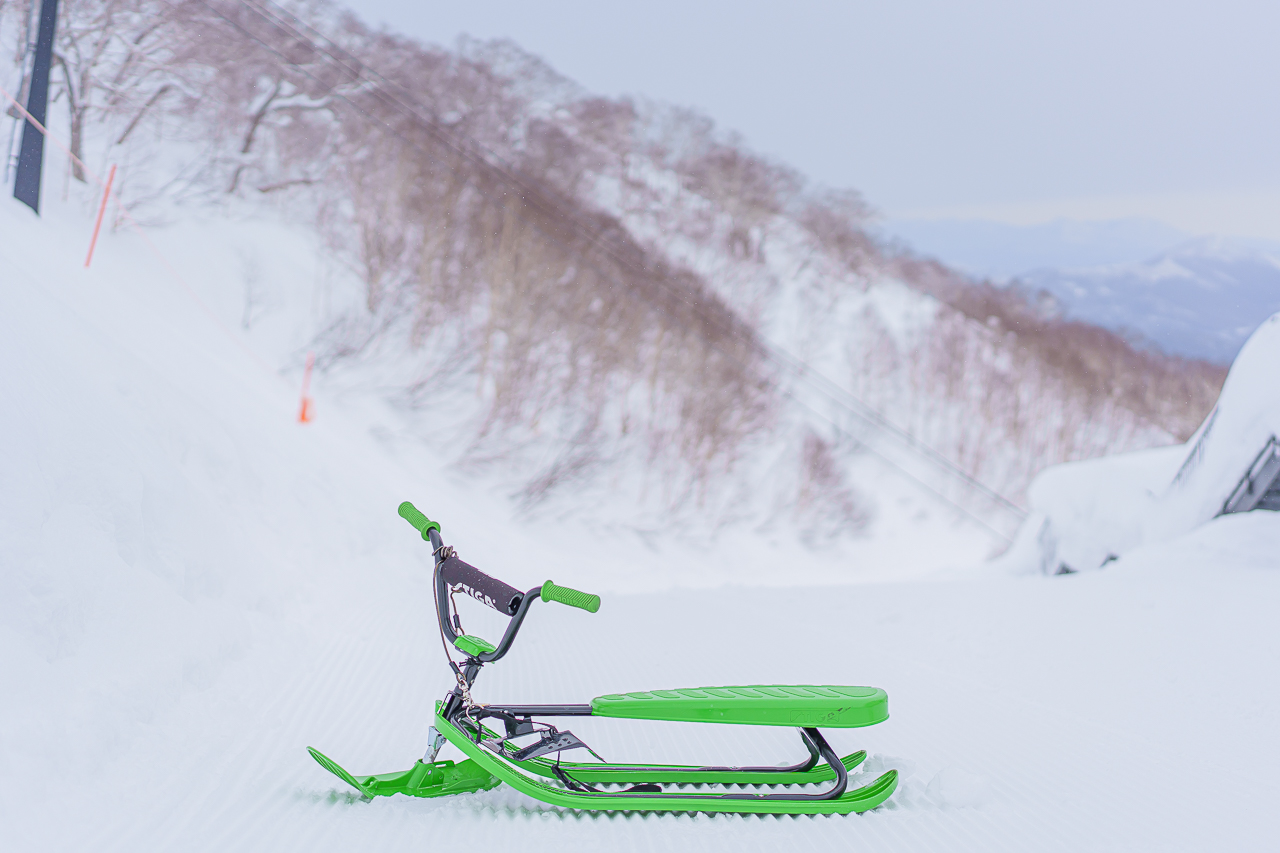
Our next winter activity is the snow cart.
It looks a little like Mario Kart and slides downhill in a ski-like way.
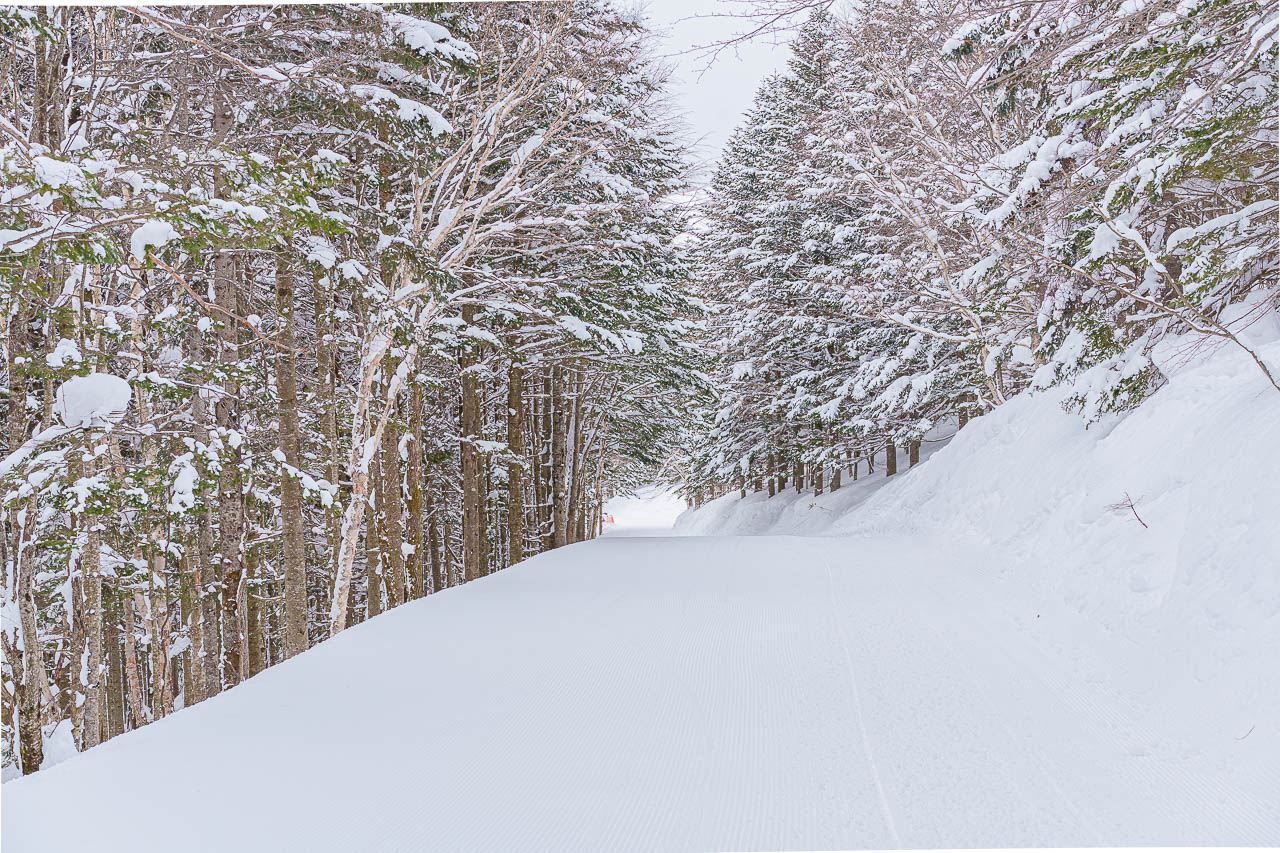
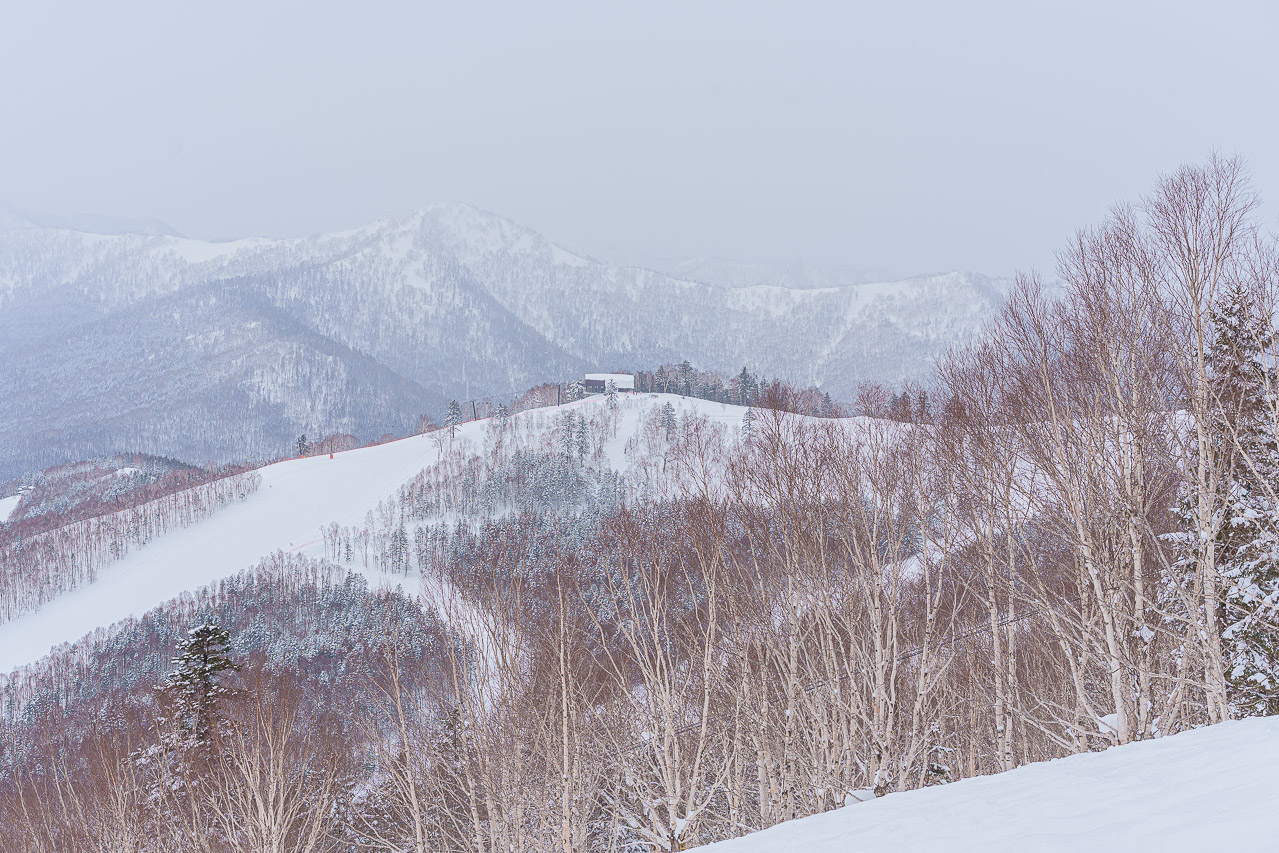
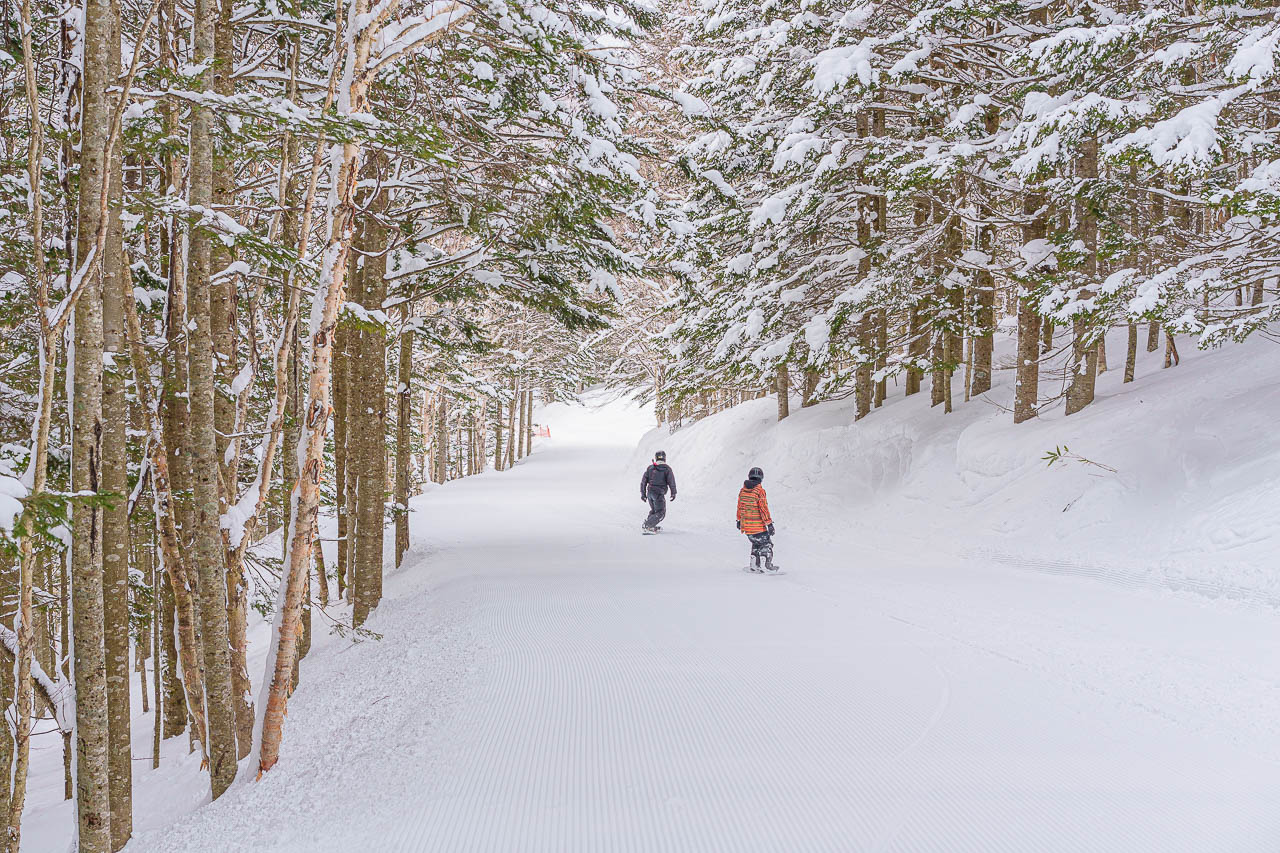
Brakes let us stop at suitable spots to look around and take photographs under the activity’s instructions.
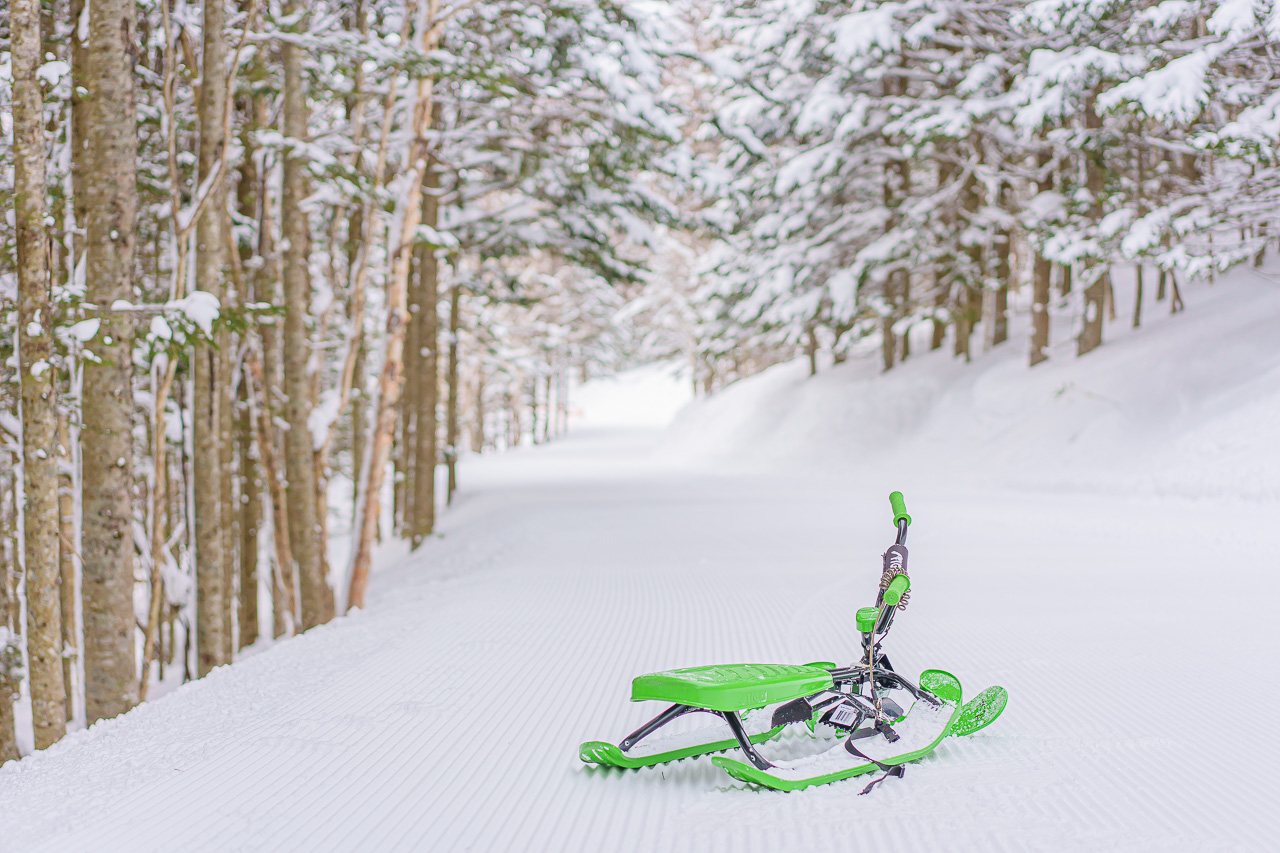
Braking throws up a lot of snow, though; prepare to look like a snowman.

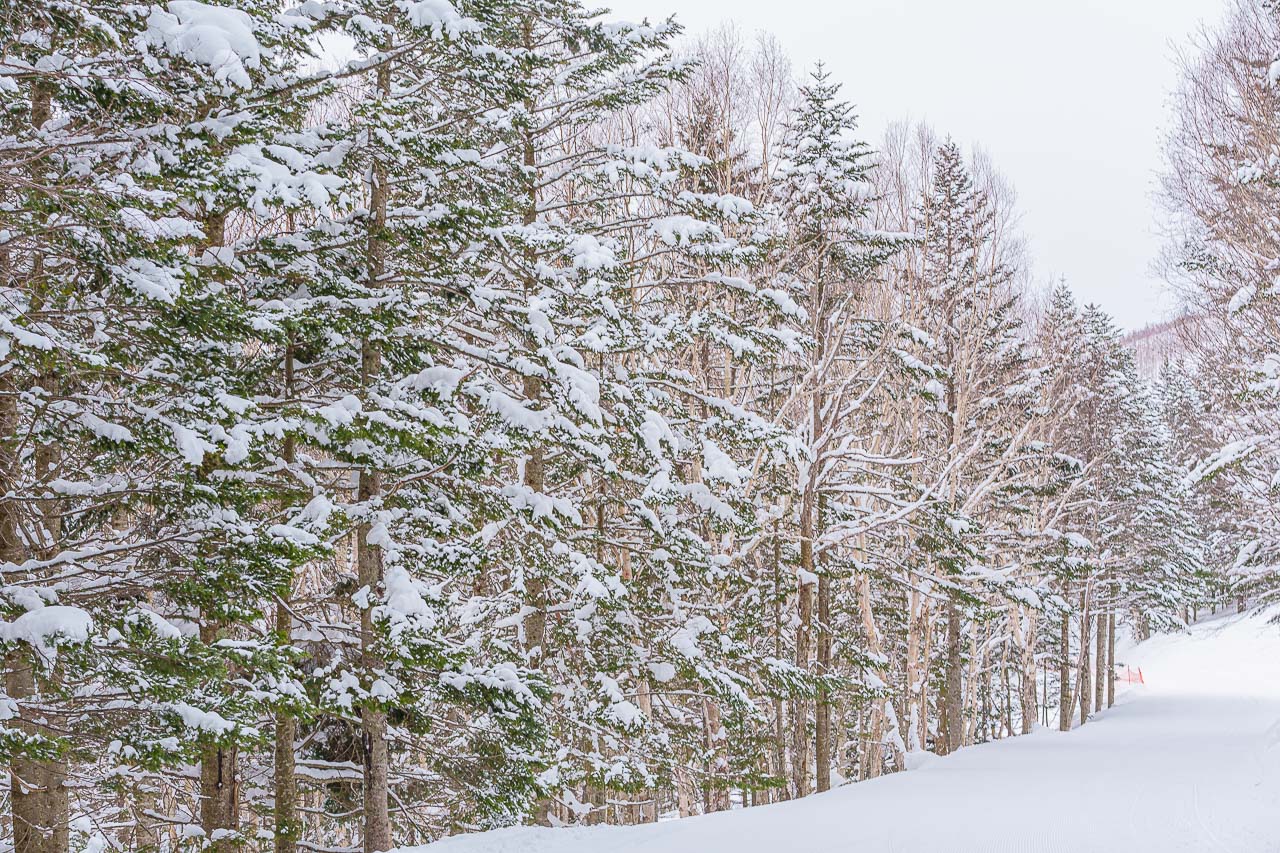
Steering is awkward at first, but I soon get used to it. The speed is exciting and the ride enormous fun.
Stopping to look around, take photos and watch other people makes the descent take more than an hour.
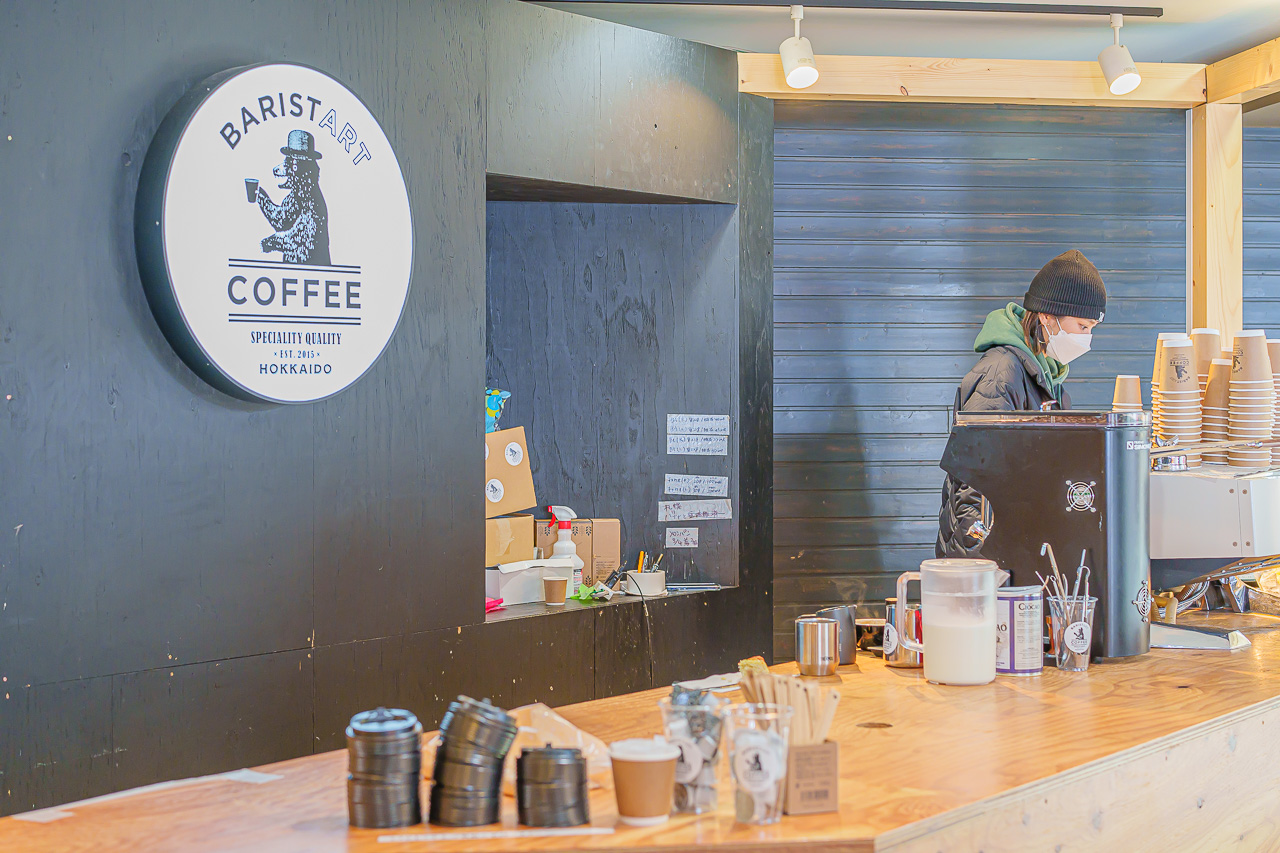
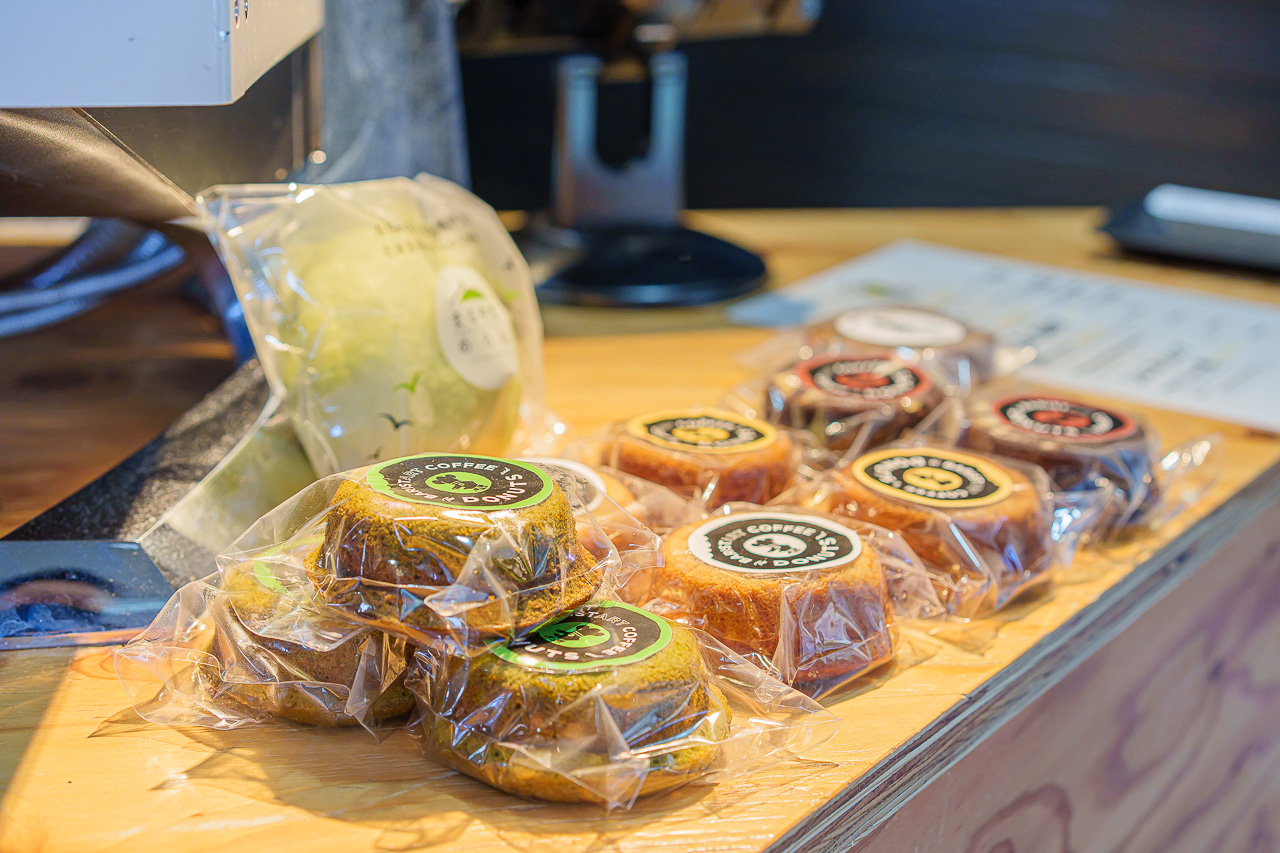
We warm up with coffee at the Resort Center.
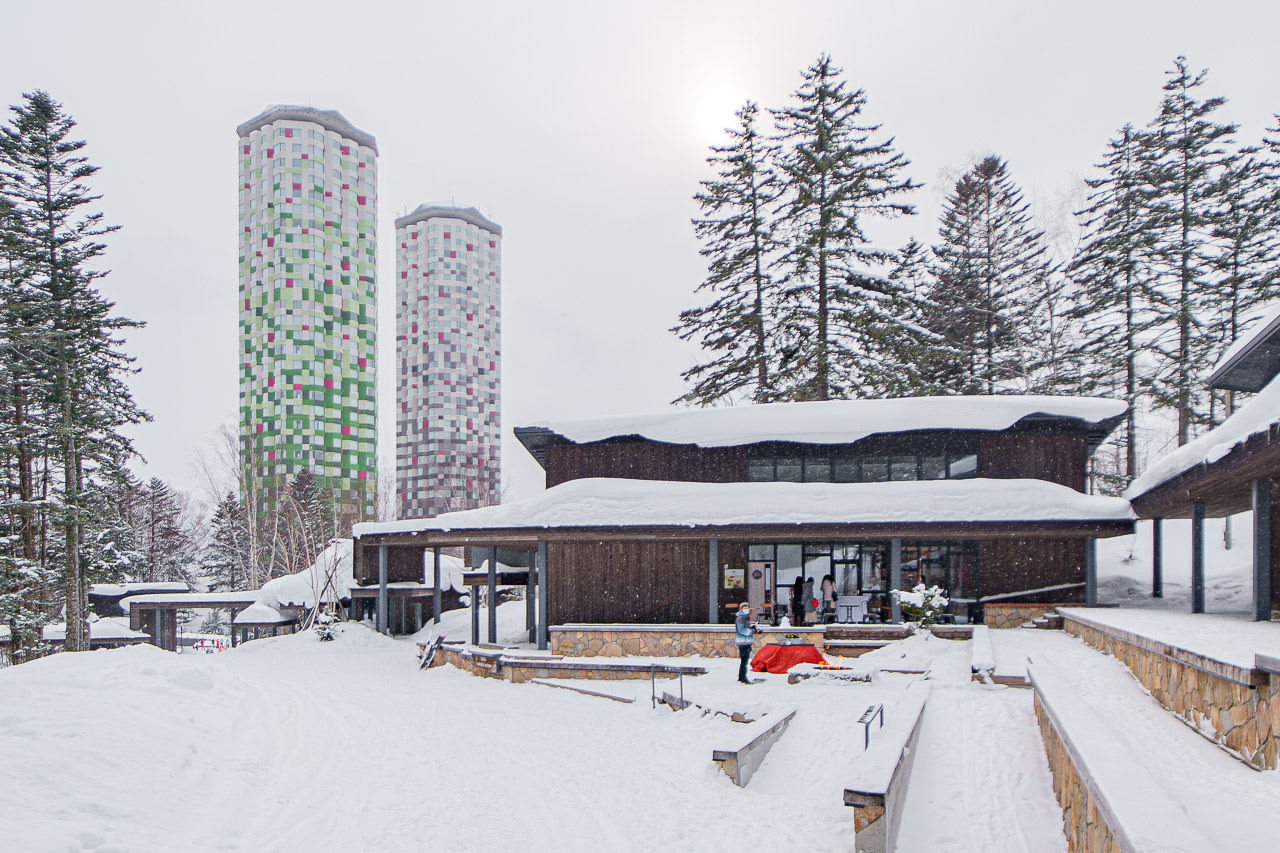
Then move to Hotalu Street for lunch.
Hotalu Street is a ski-in, ski-out village accessible on skis or a snowboard.
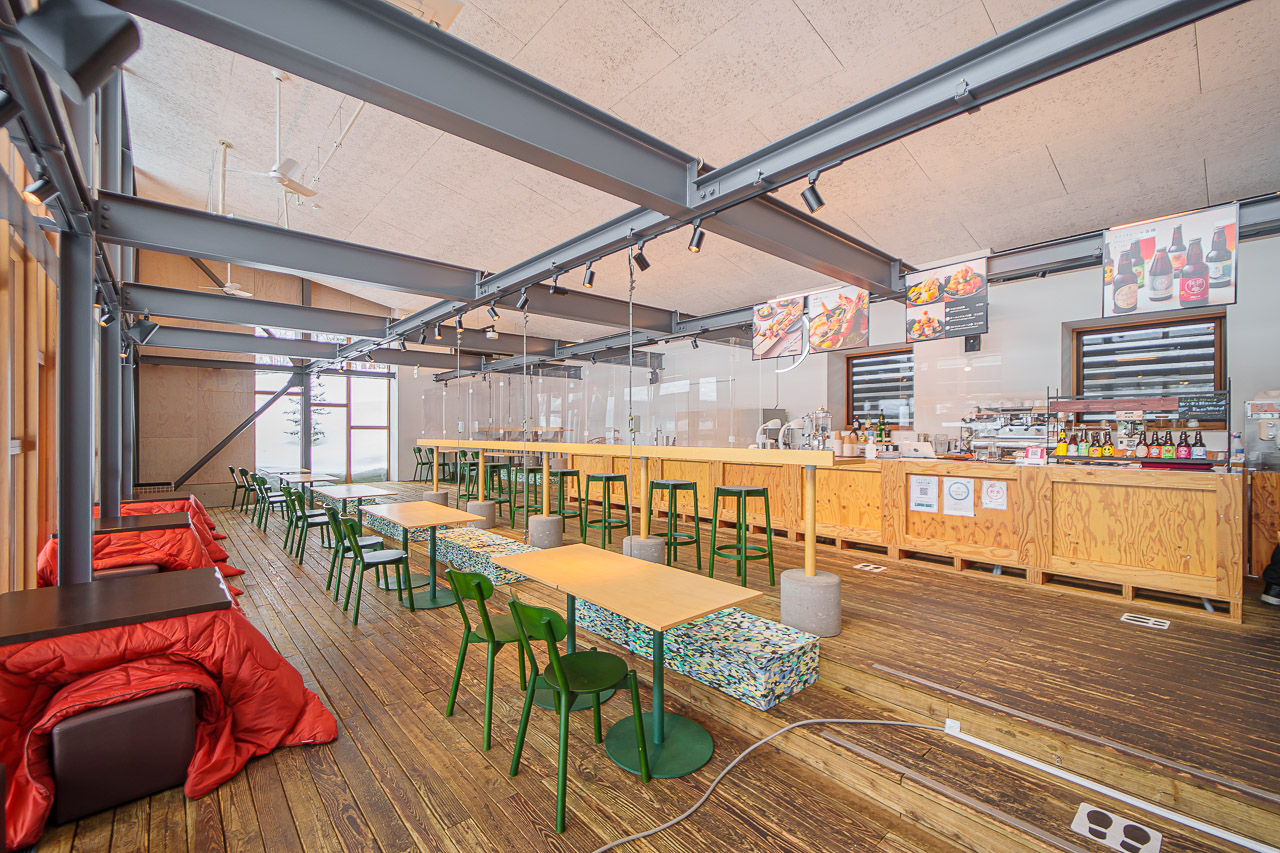
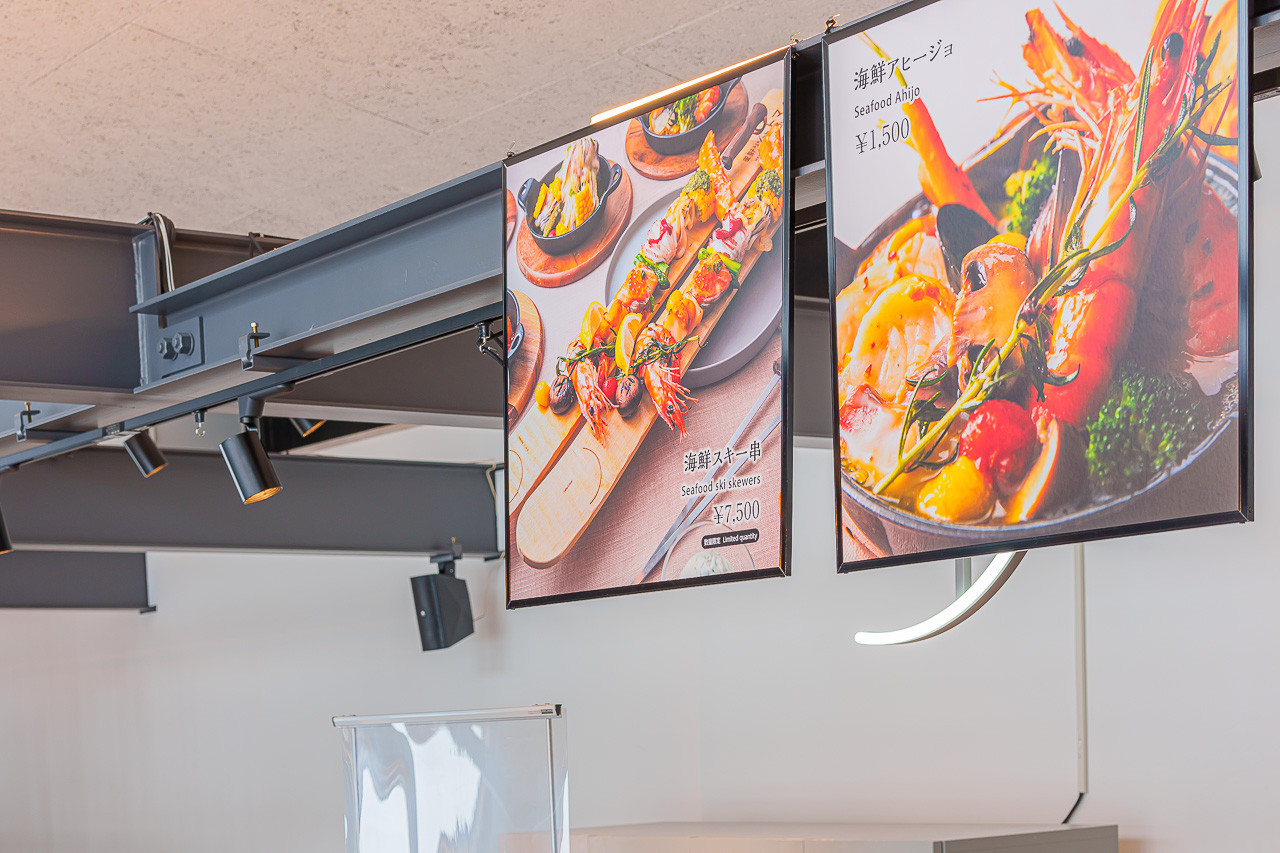
At café & bar Tsukino’s open terrace, a ski-in, ski-out kotatsu beer terrace lets guests warm themselves at heated tables while enjoying Hokkaido beers and seafood snacks.
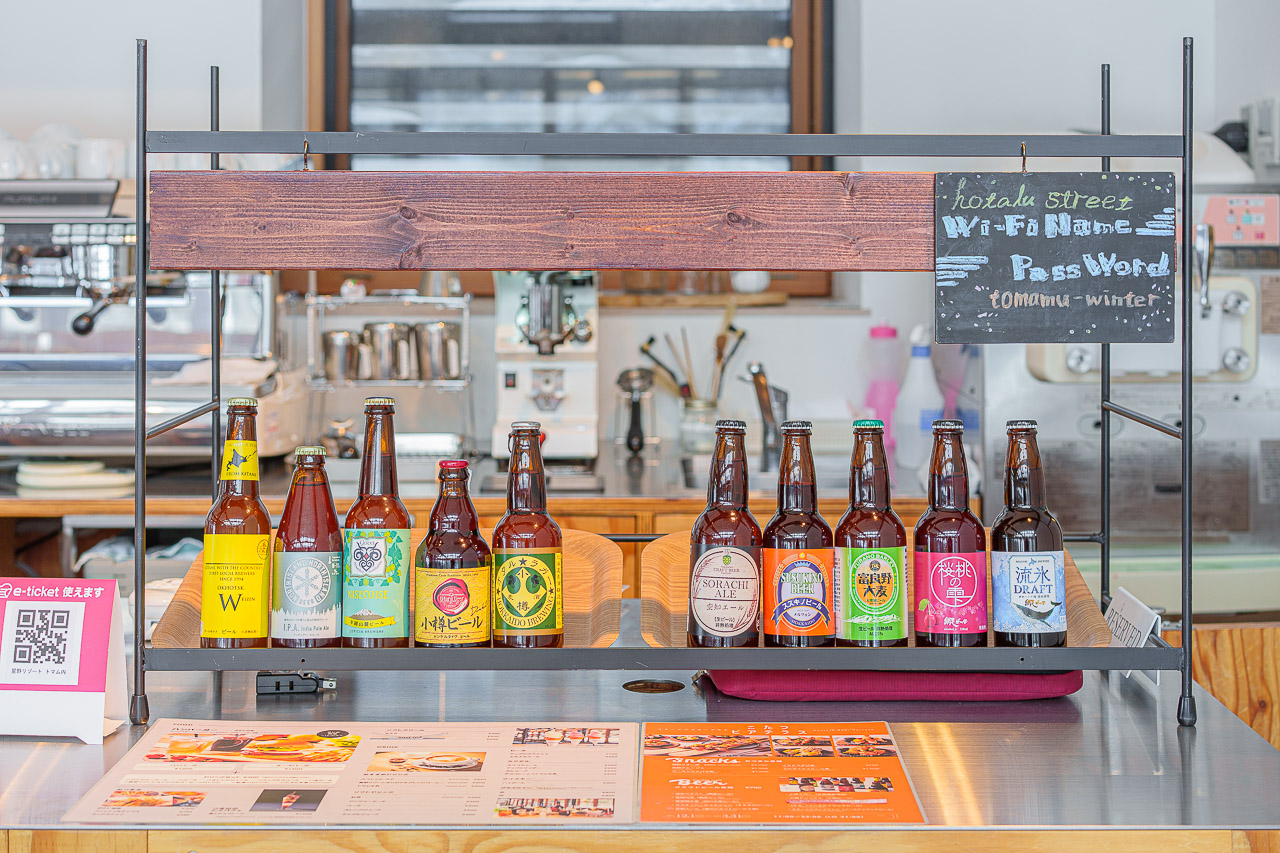
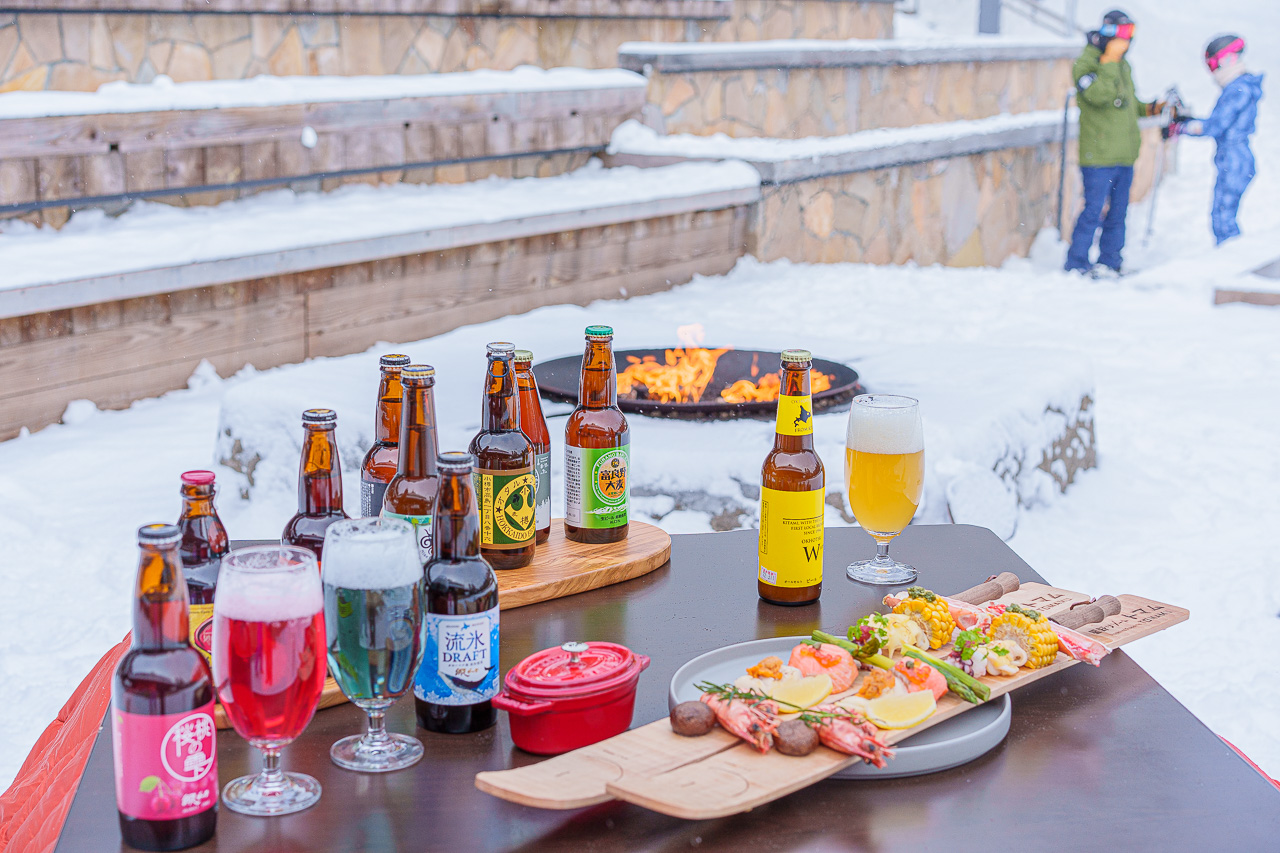
The source describes ten craft beers from around Hokkaido, enjoyed while still wearing equipment after activities in temperatures that can reach −20 to −30°C. Those are regional cold-weather descriptions, not conditions measured during every scene.
I wonder which Hokkaido beer will suit my taste.
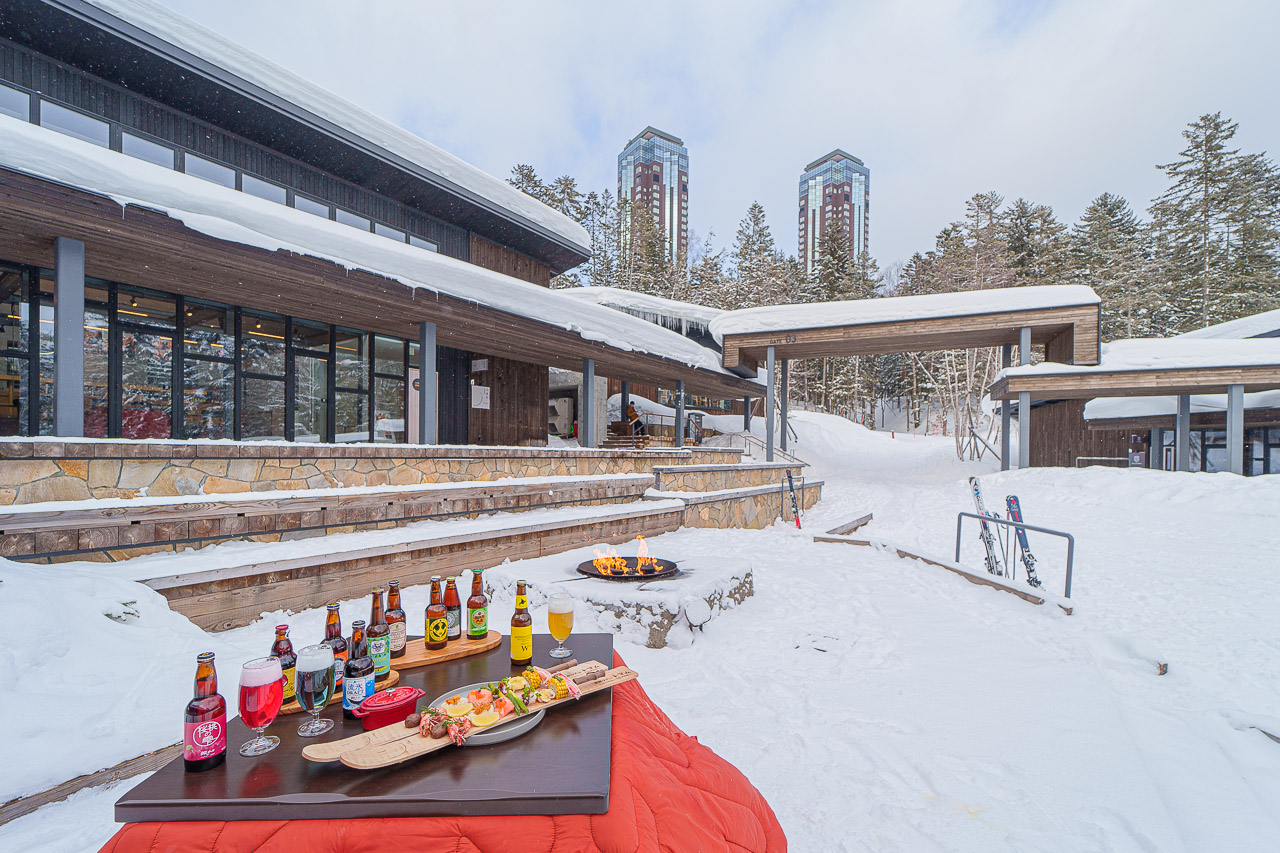
The kotatsu are taller than usual, allowing seating in ski boots.
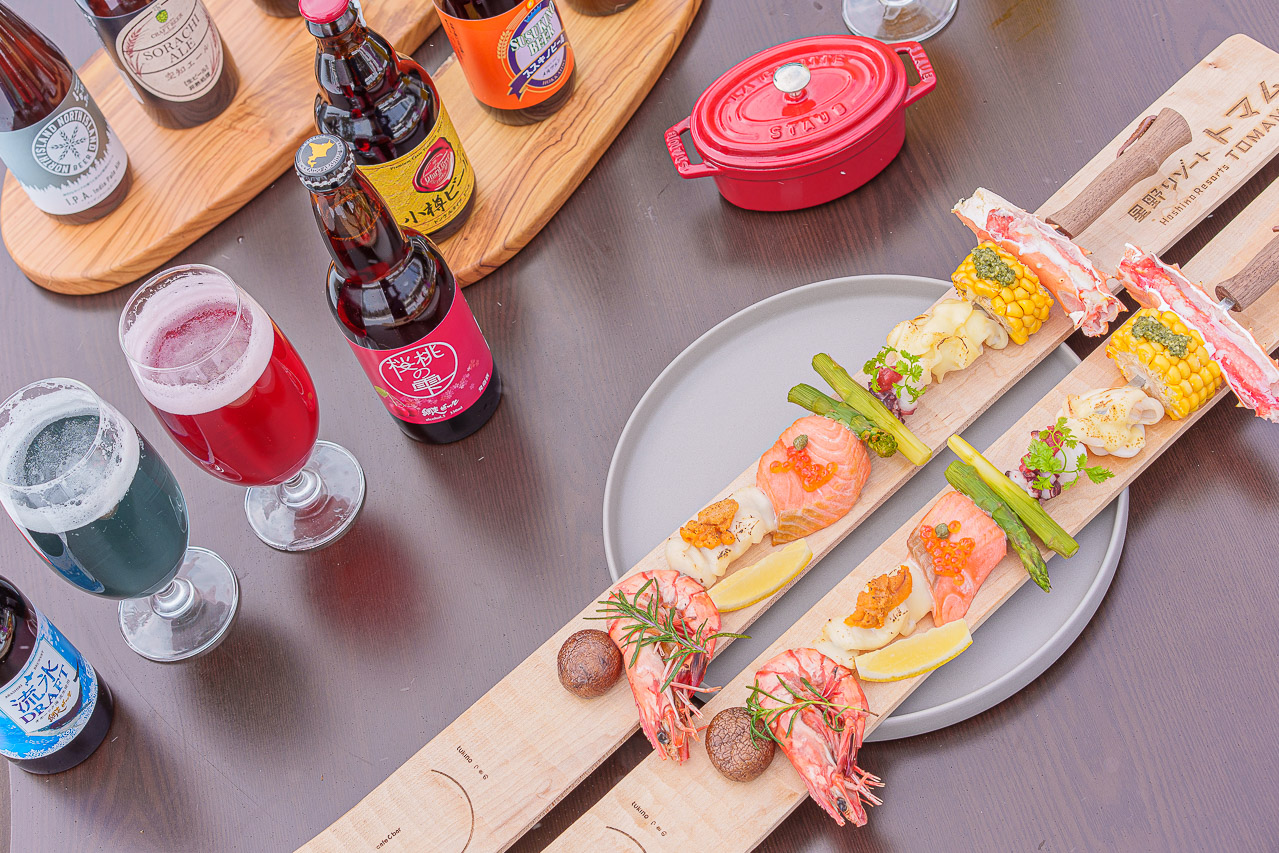
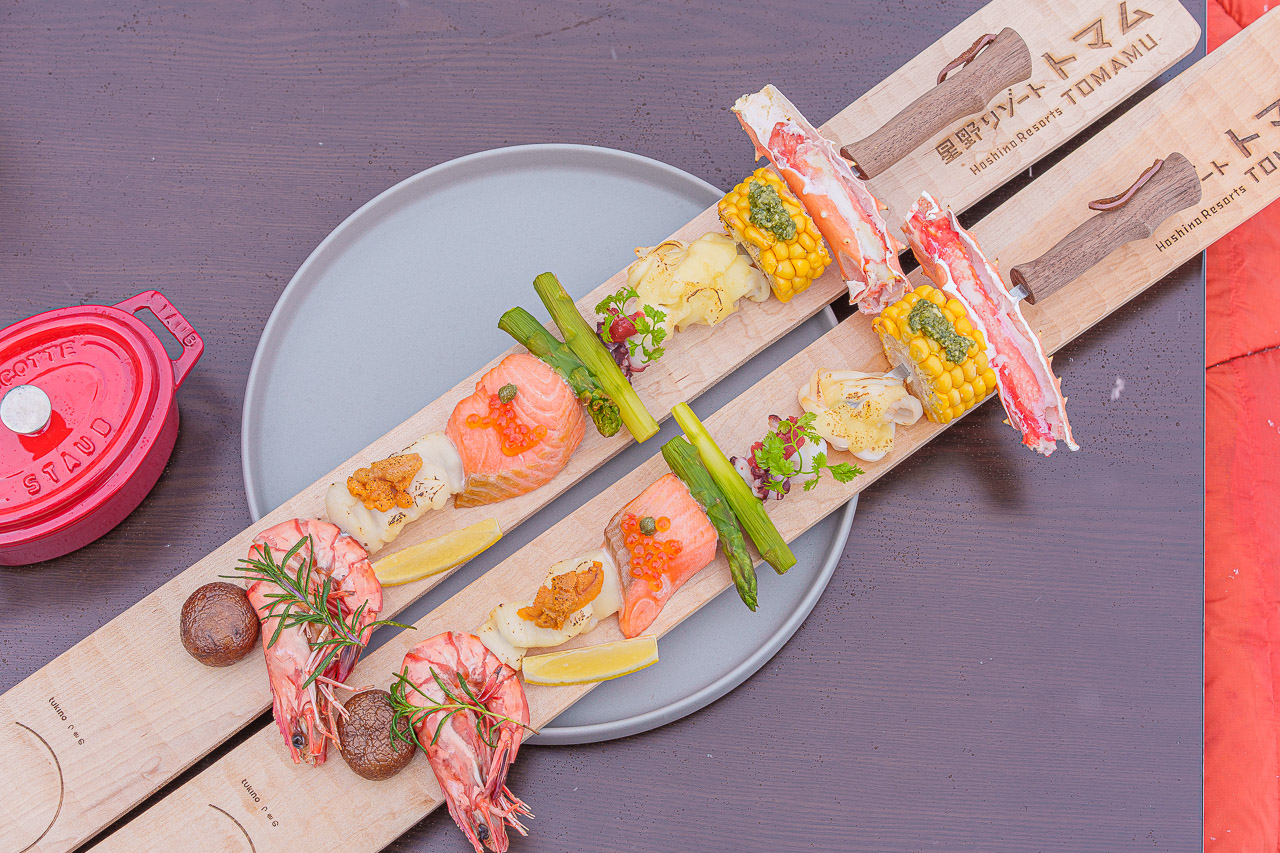
The first thing to catch my eye is the Seafood Ski Skewer, combining eleven ingredients such as crab, shrimp and sea urchin.
Seafood on a ski-pole-like skewer arrives on a wooden ski-shaped plate.
Lift it as a whole or use the plate below to remove pieces one by one.
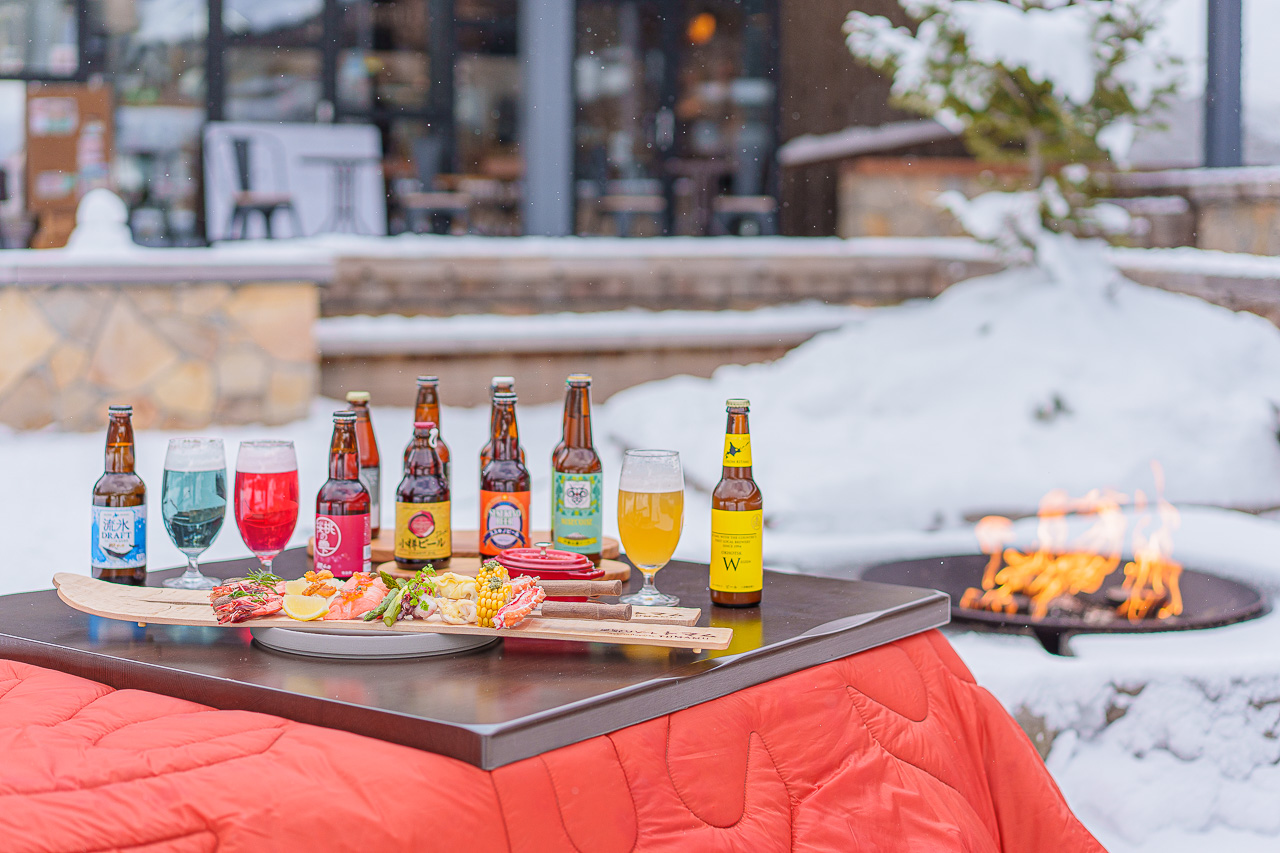
Outside, the seafood cools quickly. Indoor seating is another option if you want it warm.
There are kotatsu indoors too, and staff reheated cooled skewers during the source visit.
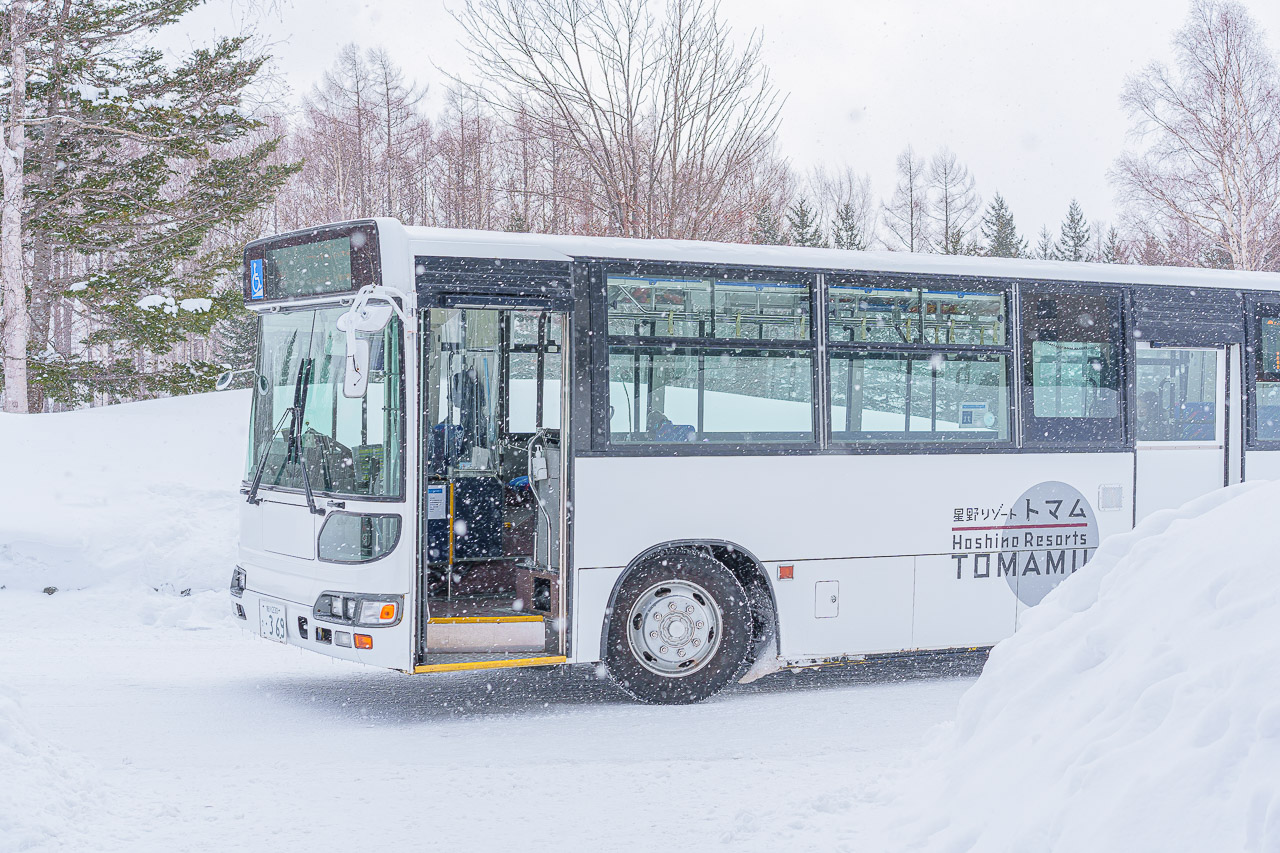
After lunch, we take a bus to the afternoon’s activities.
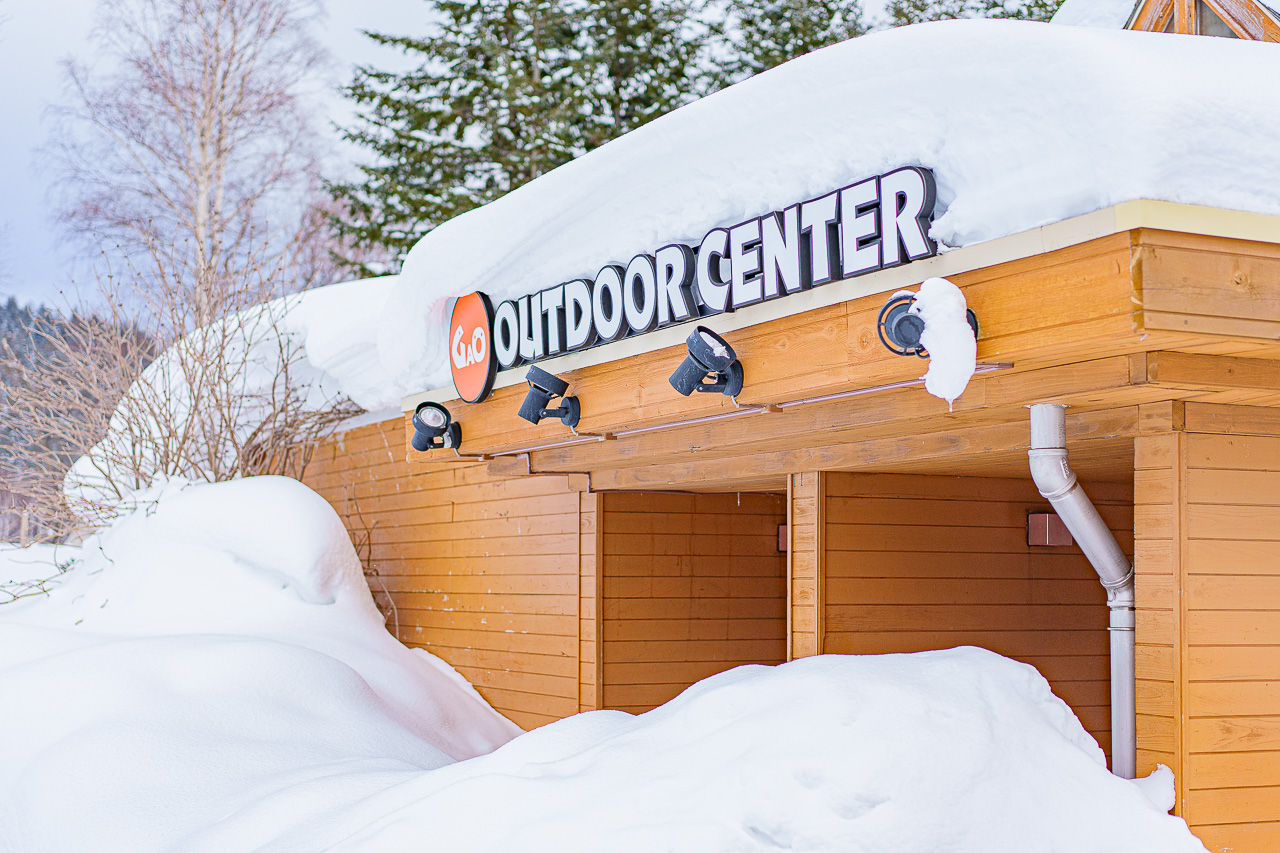
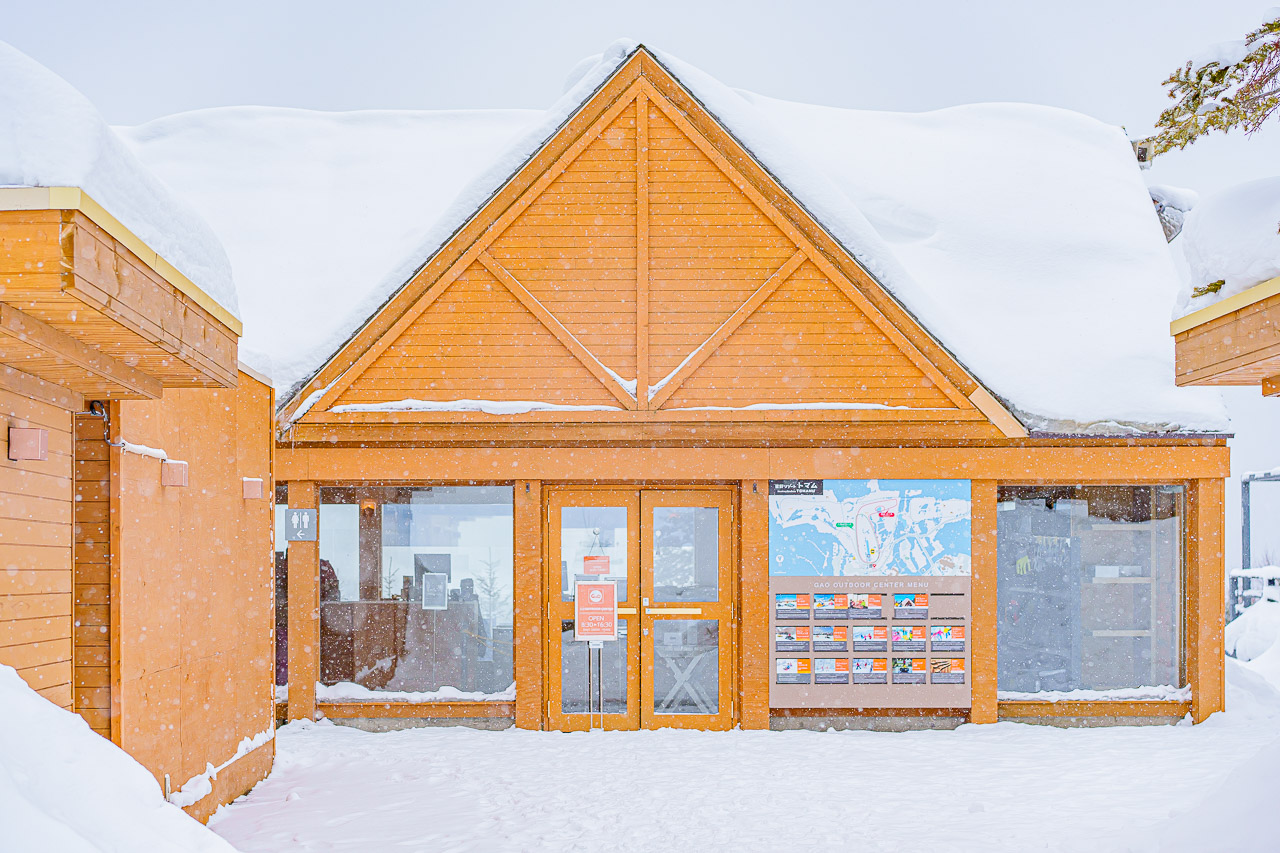
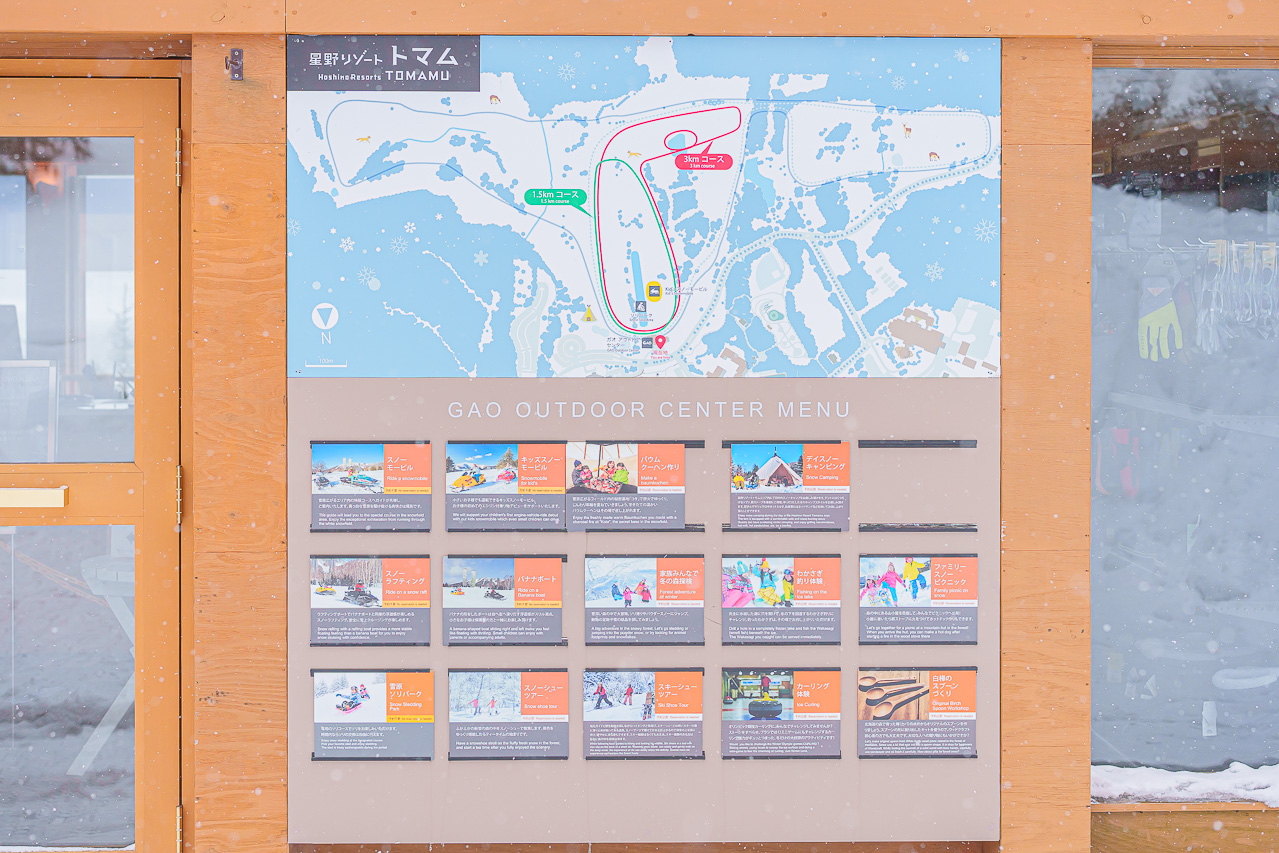
We arrive at Tomamu’s GAO Outdoor Center.
The account describes more than 15 hands-on activities here.
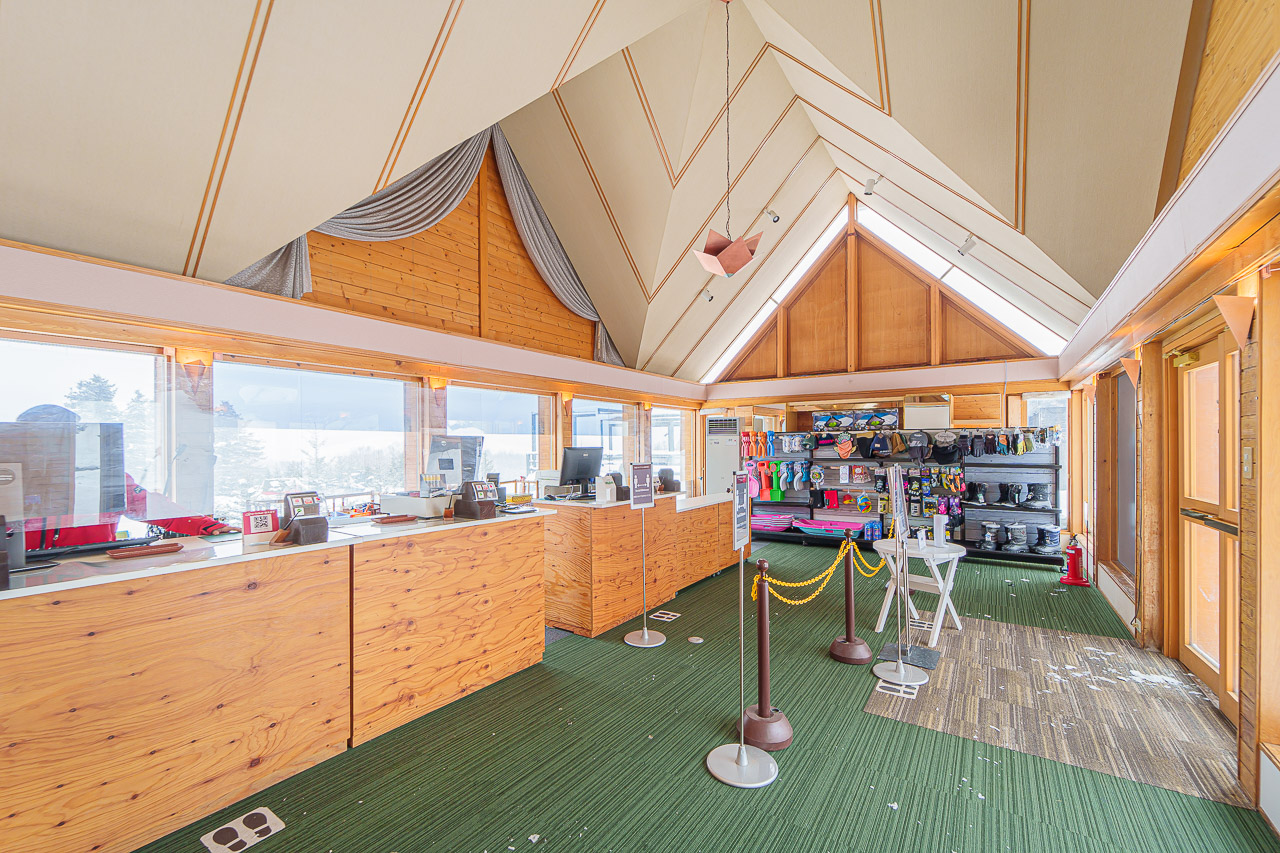
We check in inside and move to the activity area below.
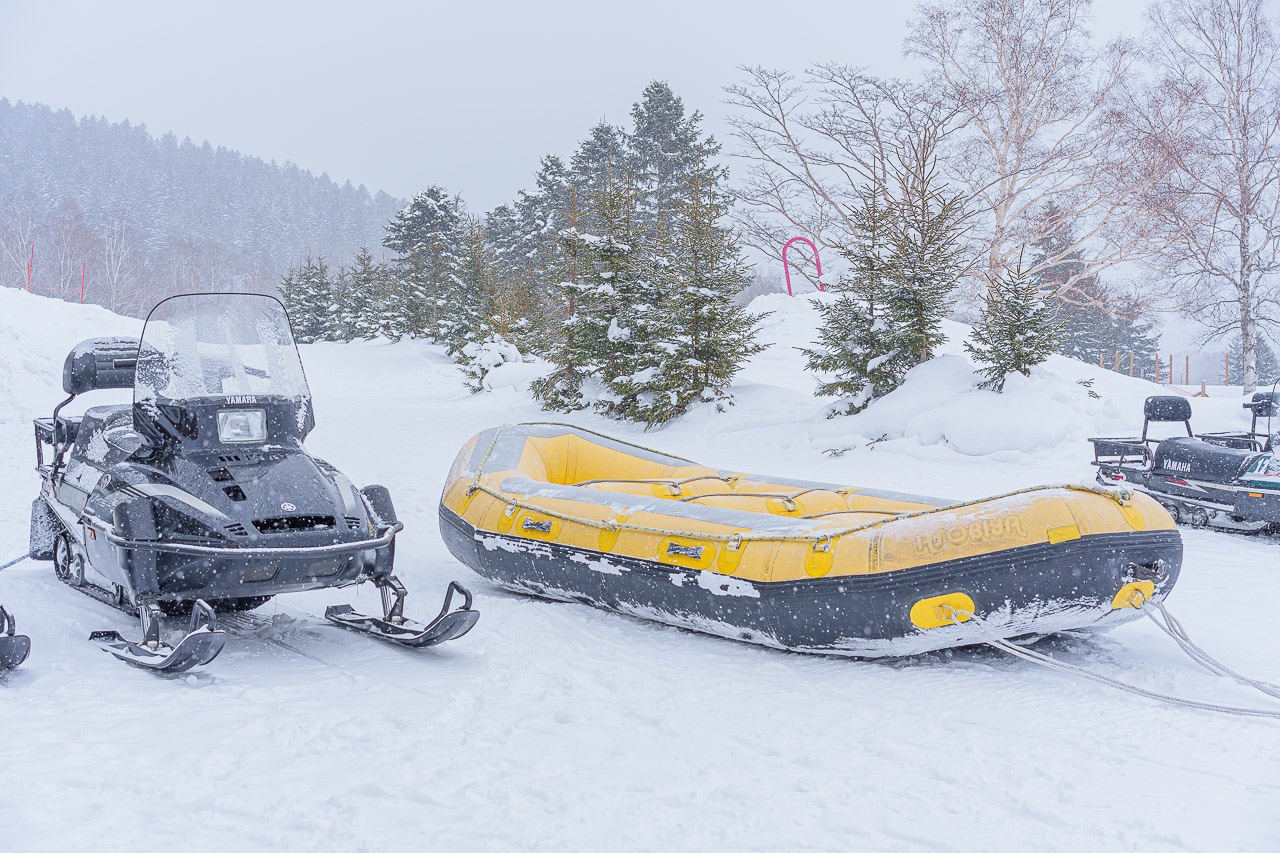
Our choices are snow rafting and snowshoeing.
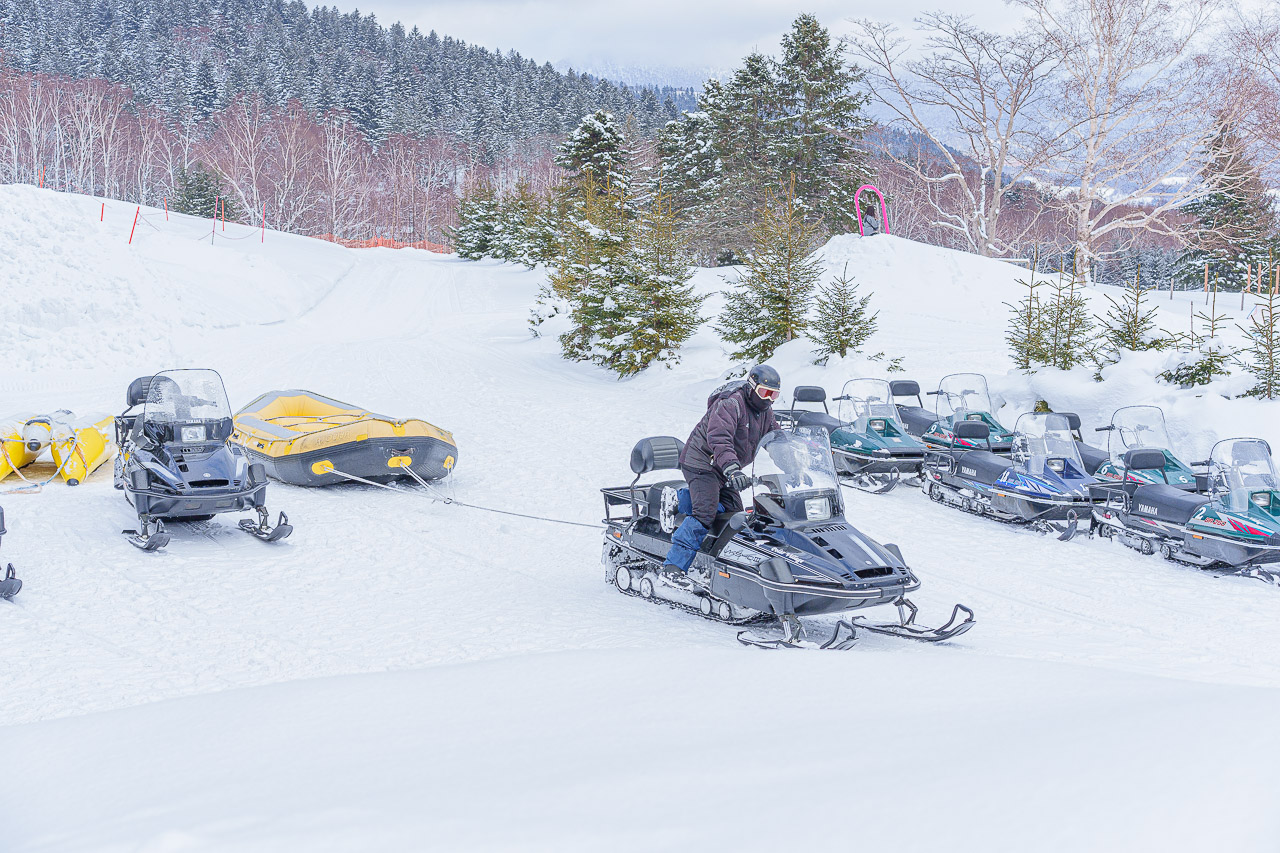
Snow rafting connects an inflatable raft to a snowmobile, resembling a banana-boat ride on snow.
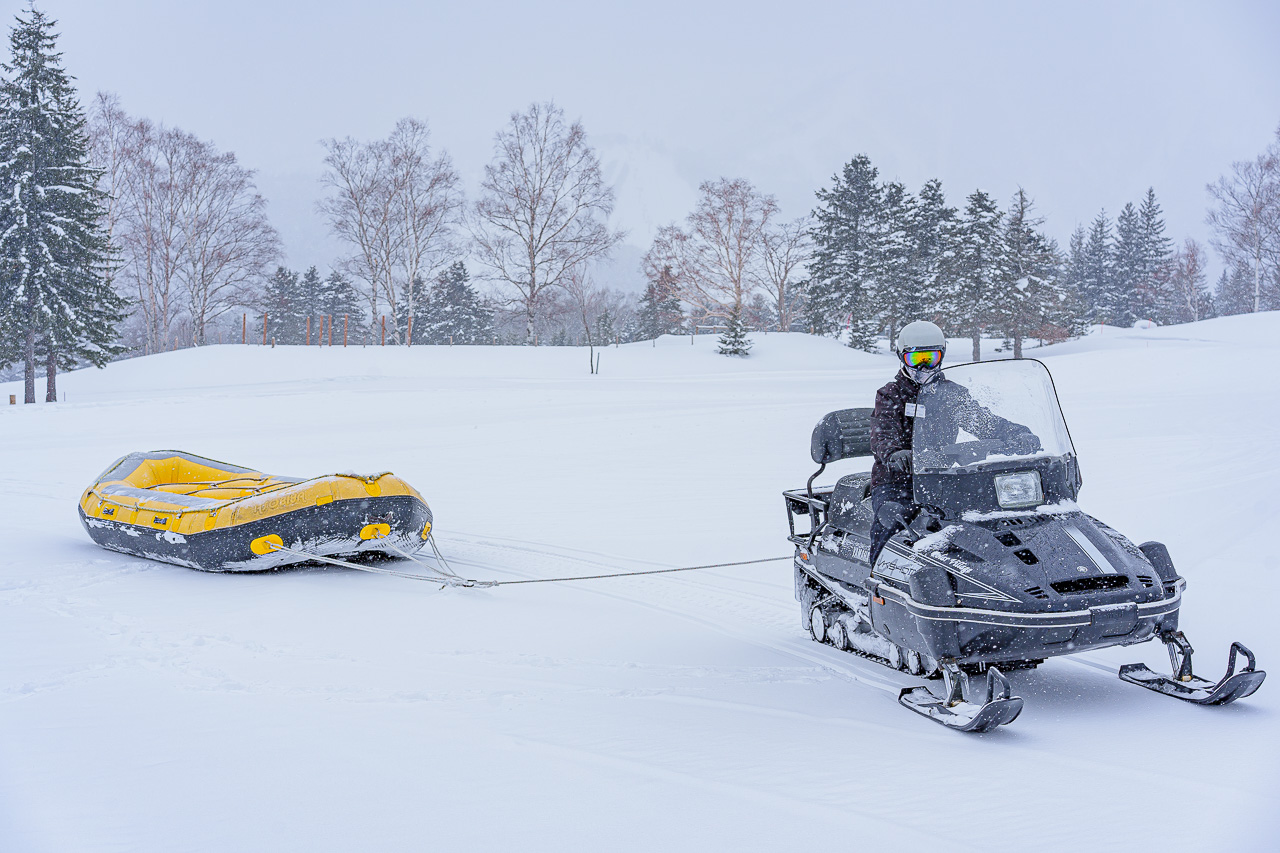
I enjoy the speed without the seawater splashing that can make a sea-based banana boat uncomfortable for my eyes and breathing. This is a comparison of my experience, not a guarantee for other participants.
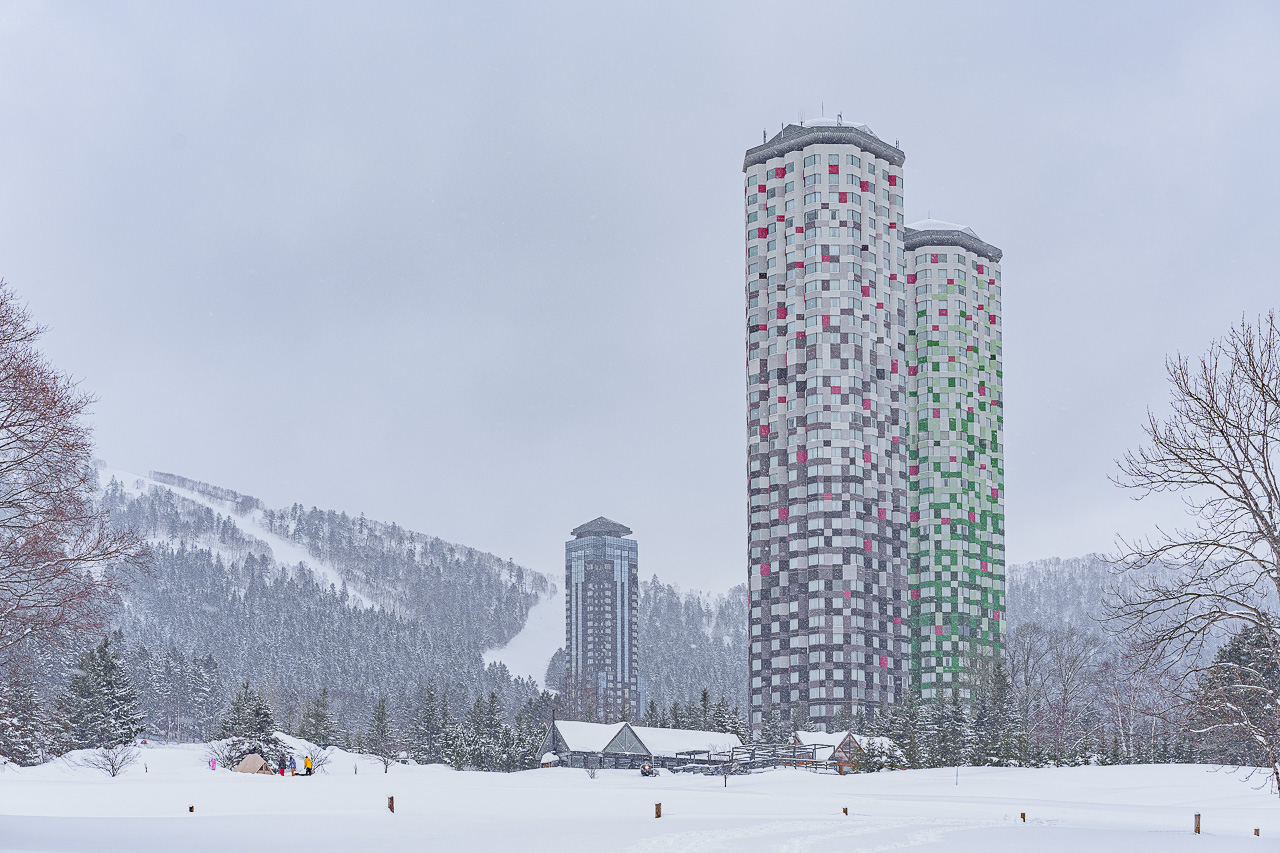
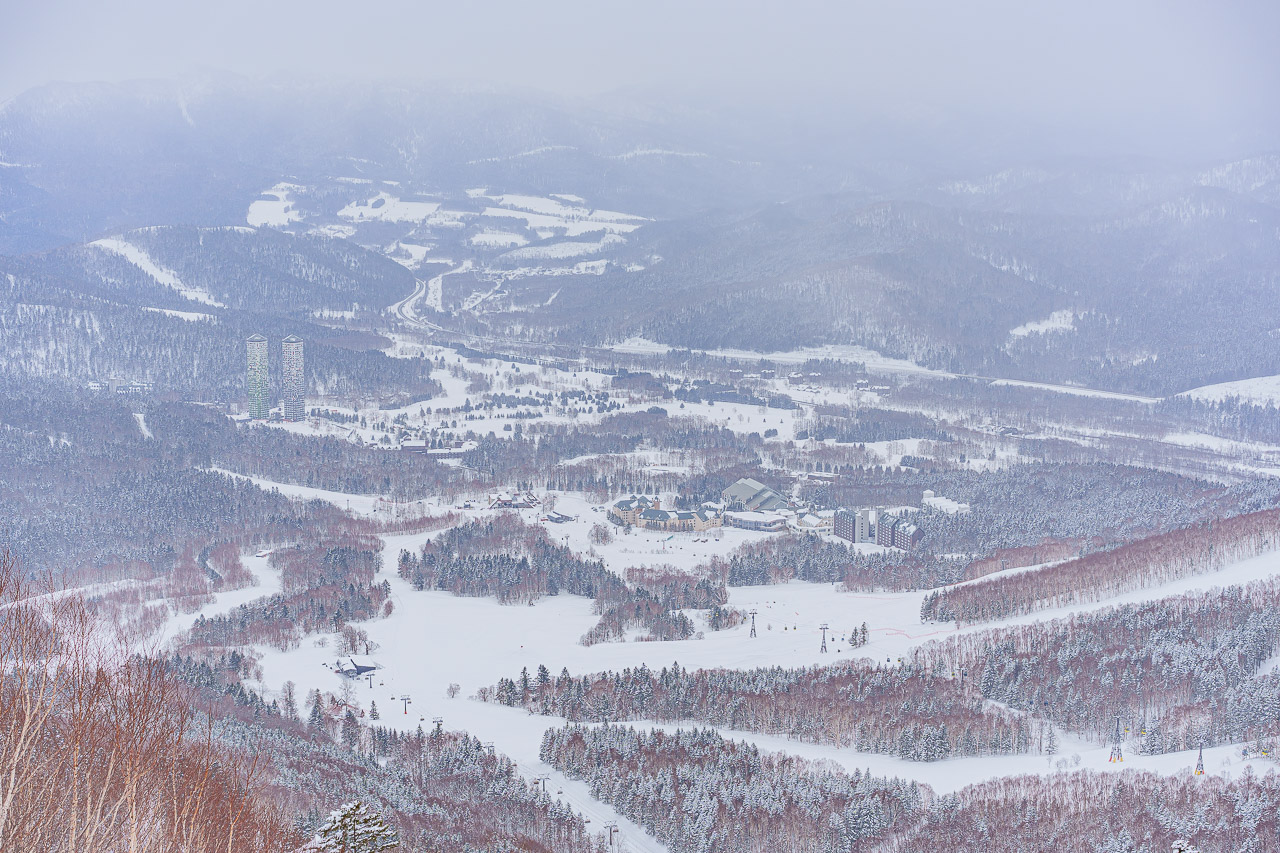
We stop at a photo point where RISONARE Tomamu and The Tower appear together.
After a photograph, we return to GAO.
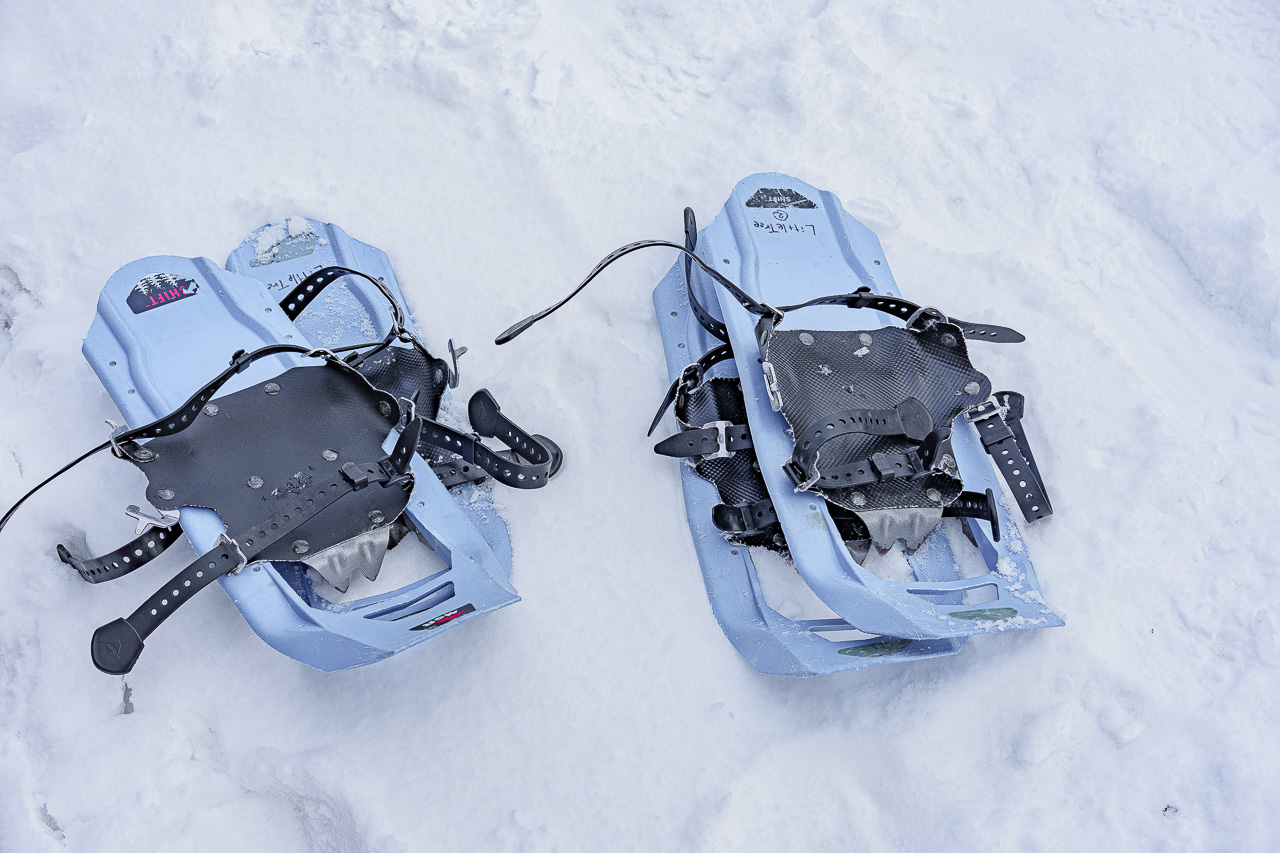
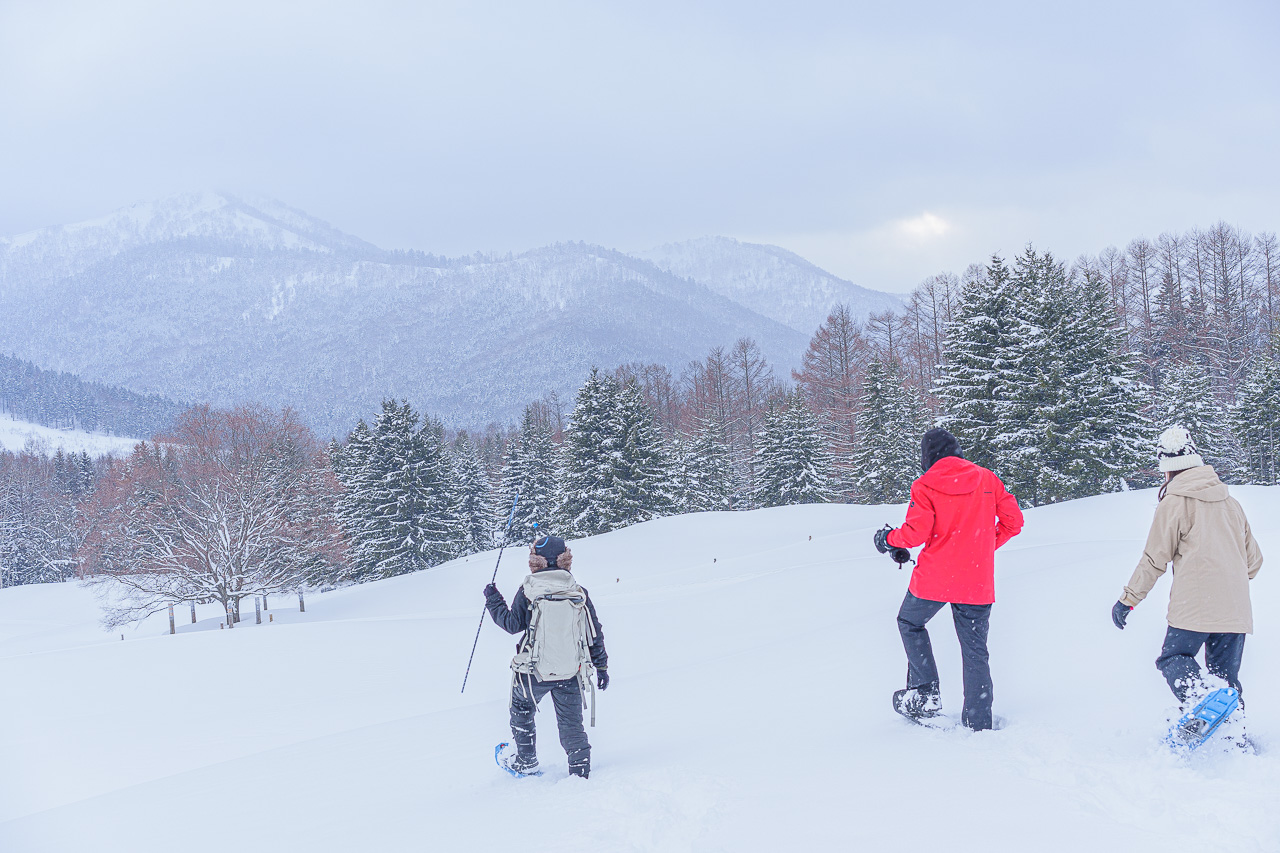
Next is a guided forest walk using snowshoes.
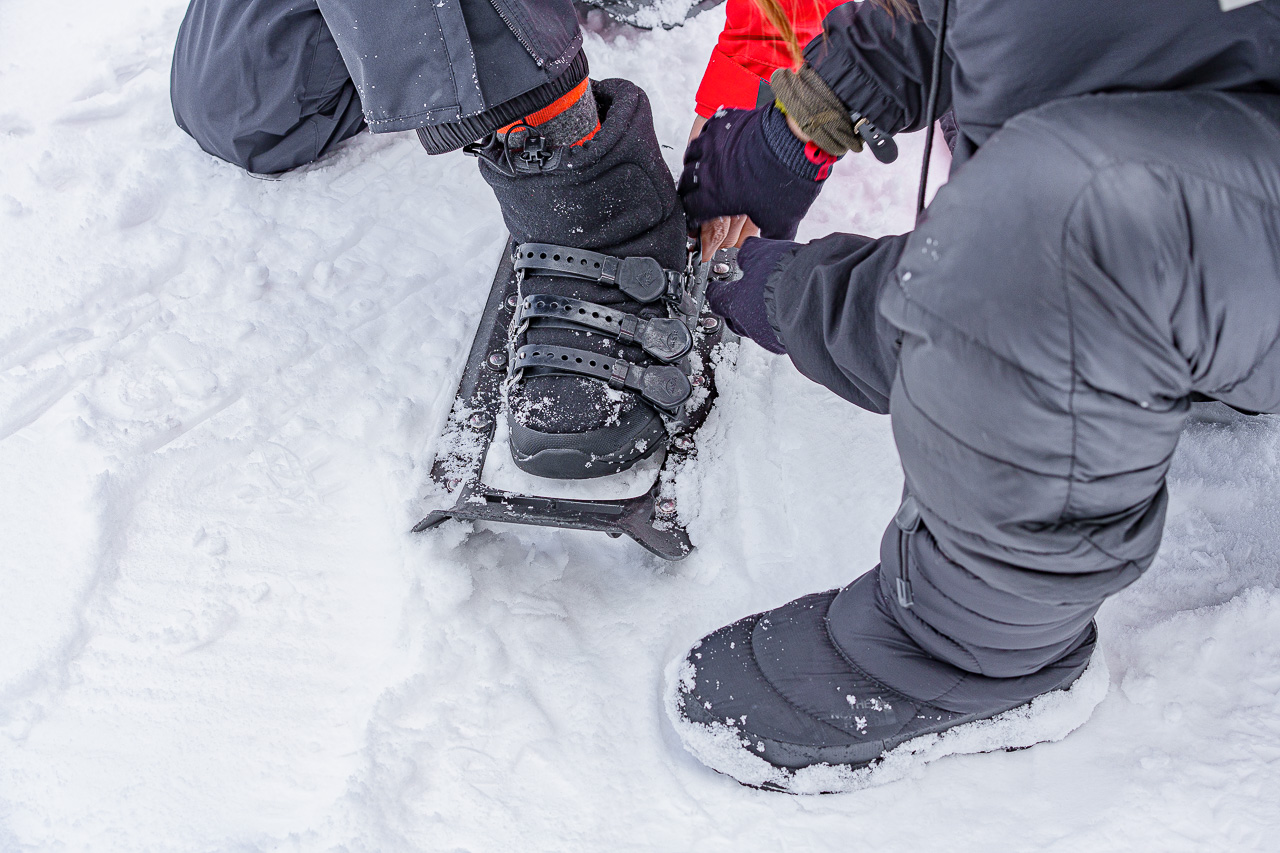
Putting them on is harder than expected. The guide carefully fastens them for us.
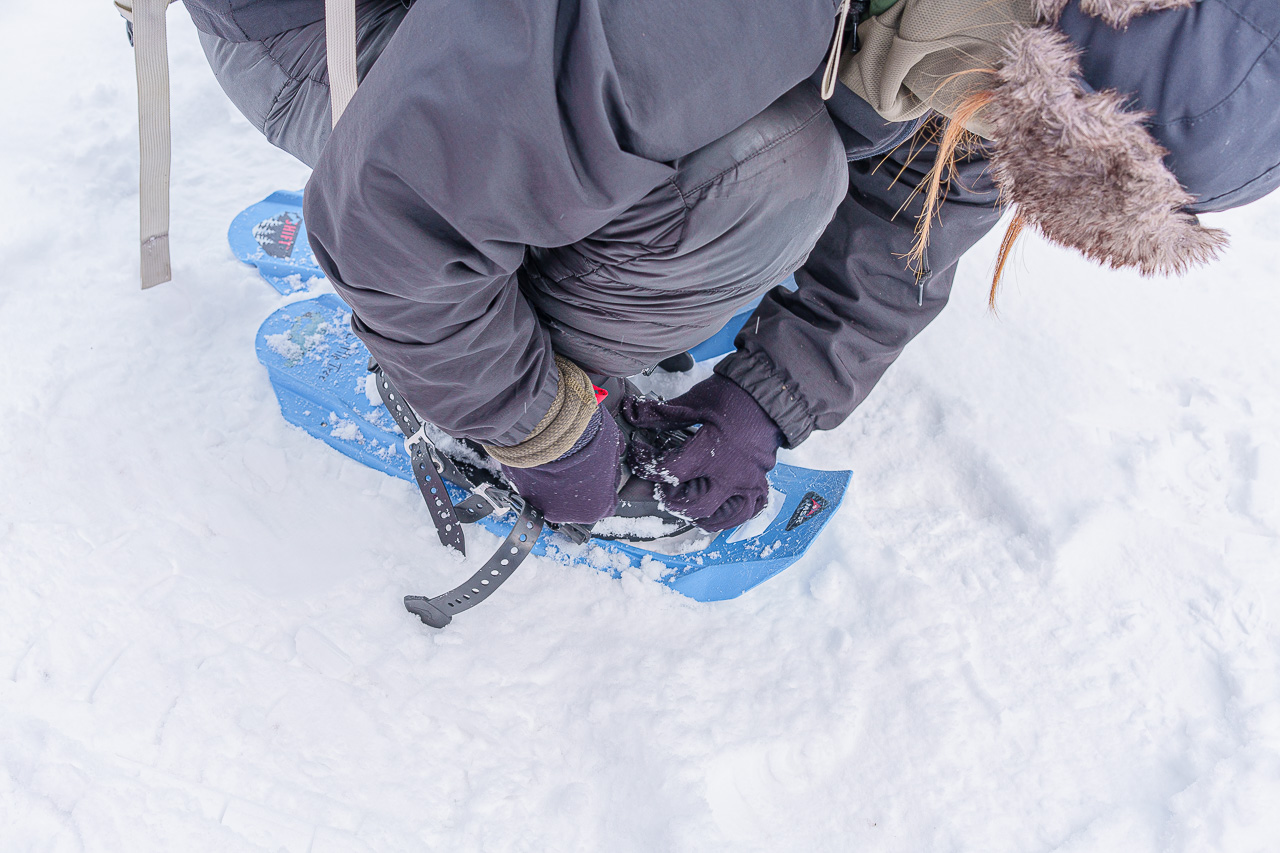
The guide handles their own with ease.
We learn basic walking and, especially, how to turn before setting off.
Deep snow is difficult to walk through normally, but snowshoes spread the load and make progress possible.
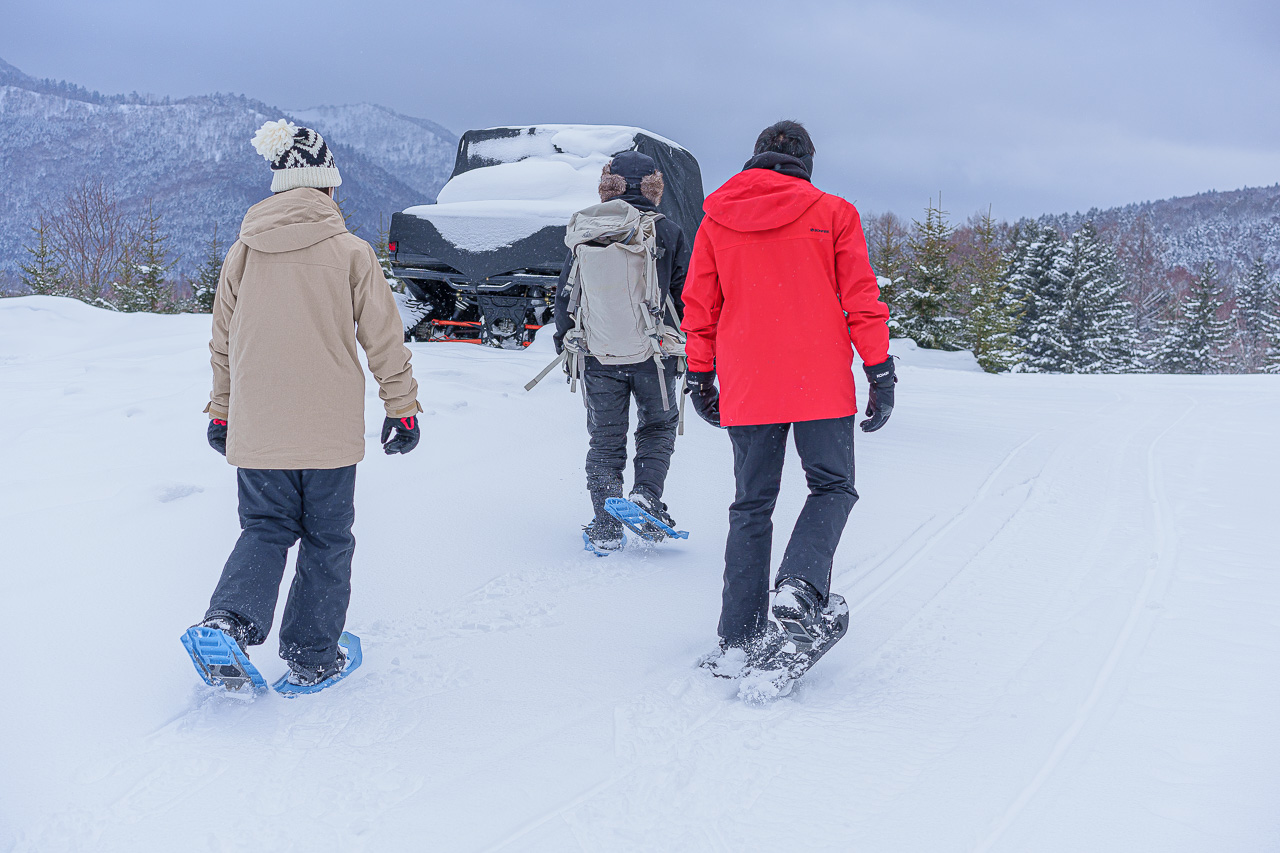
We begin with little steps, as though learning to walk again.
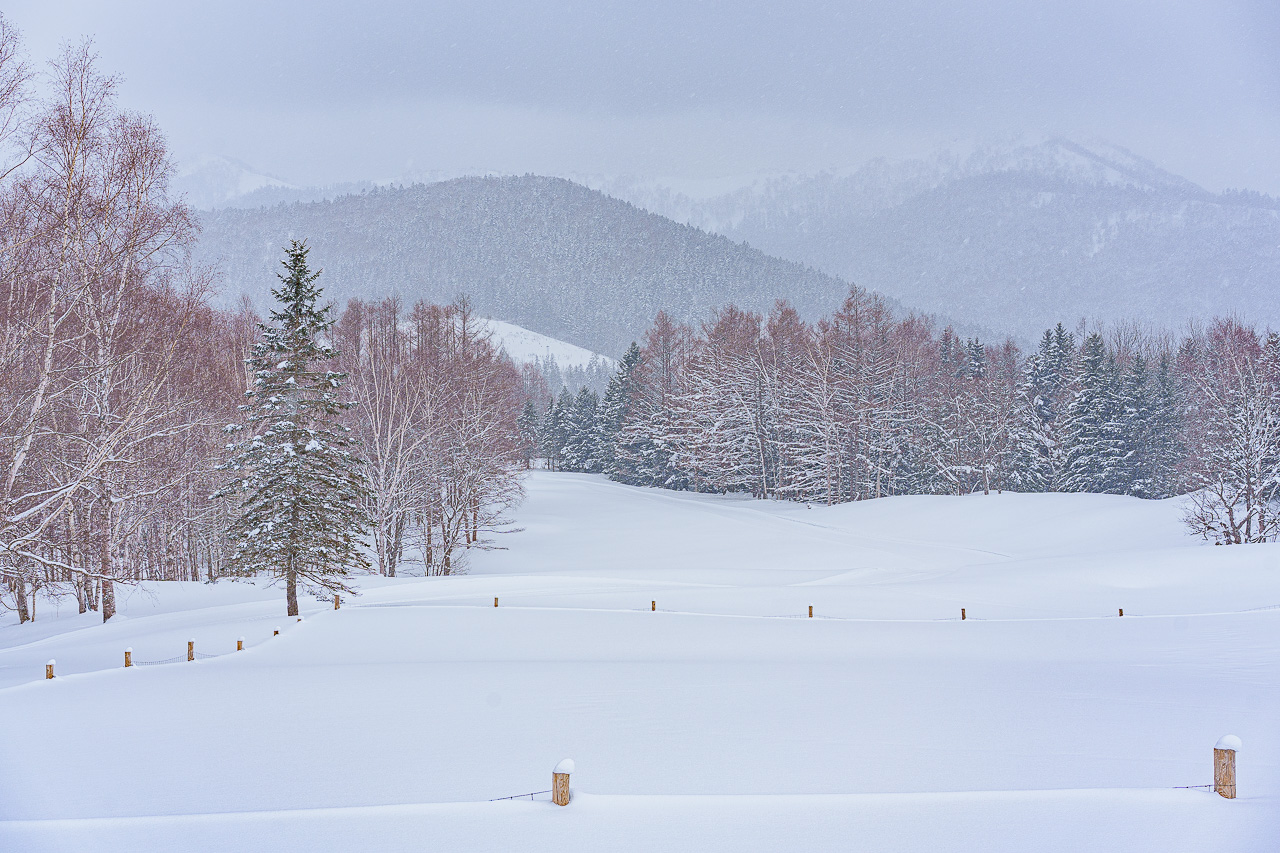
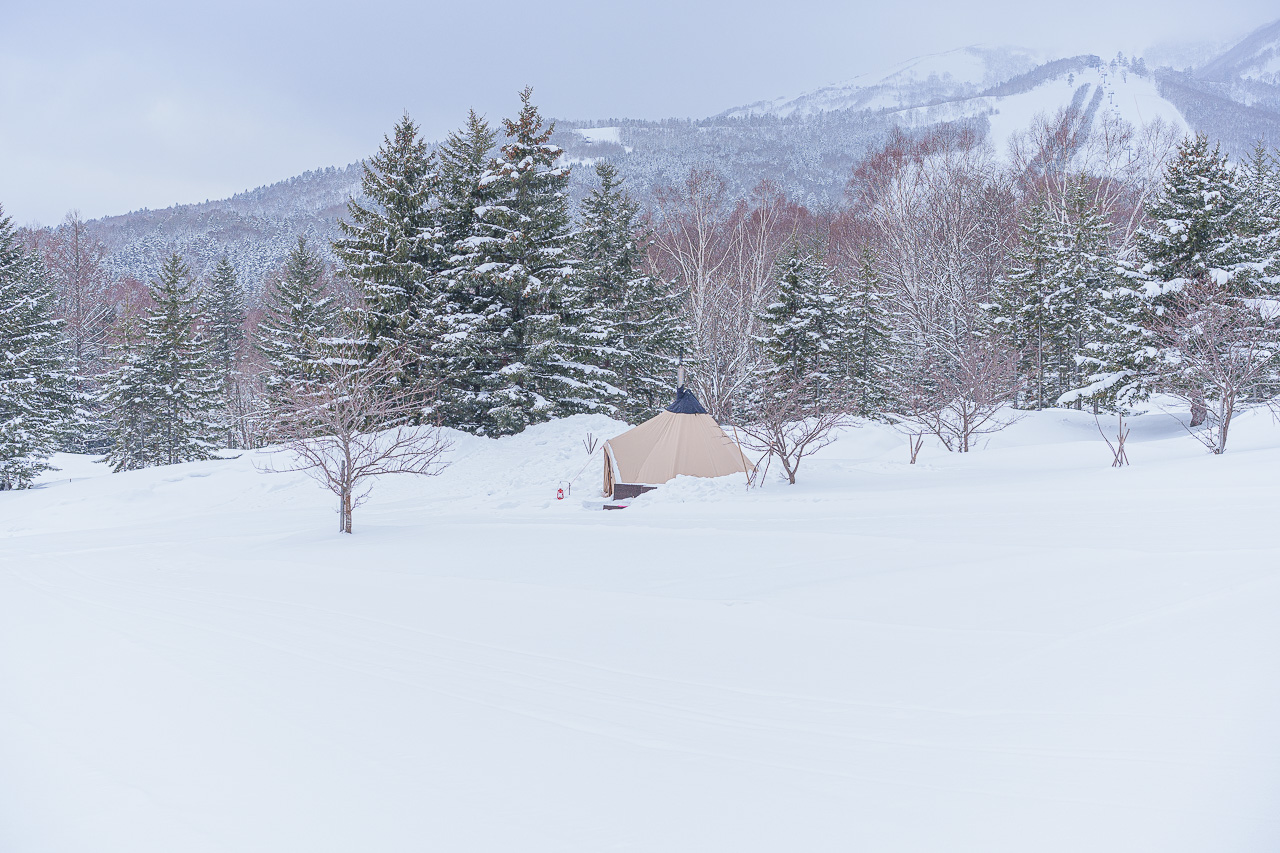
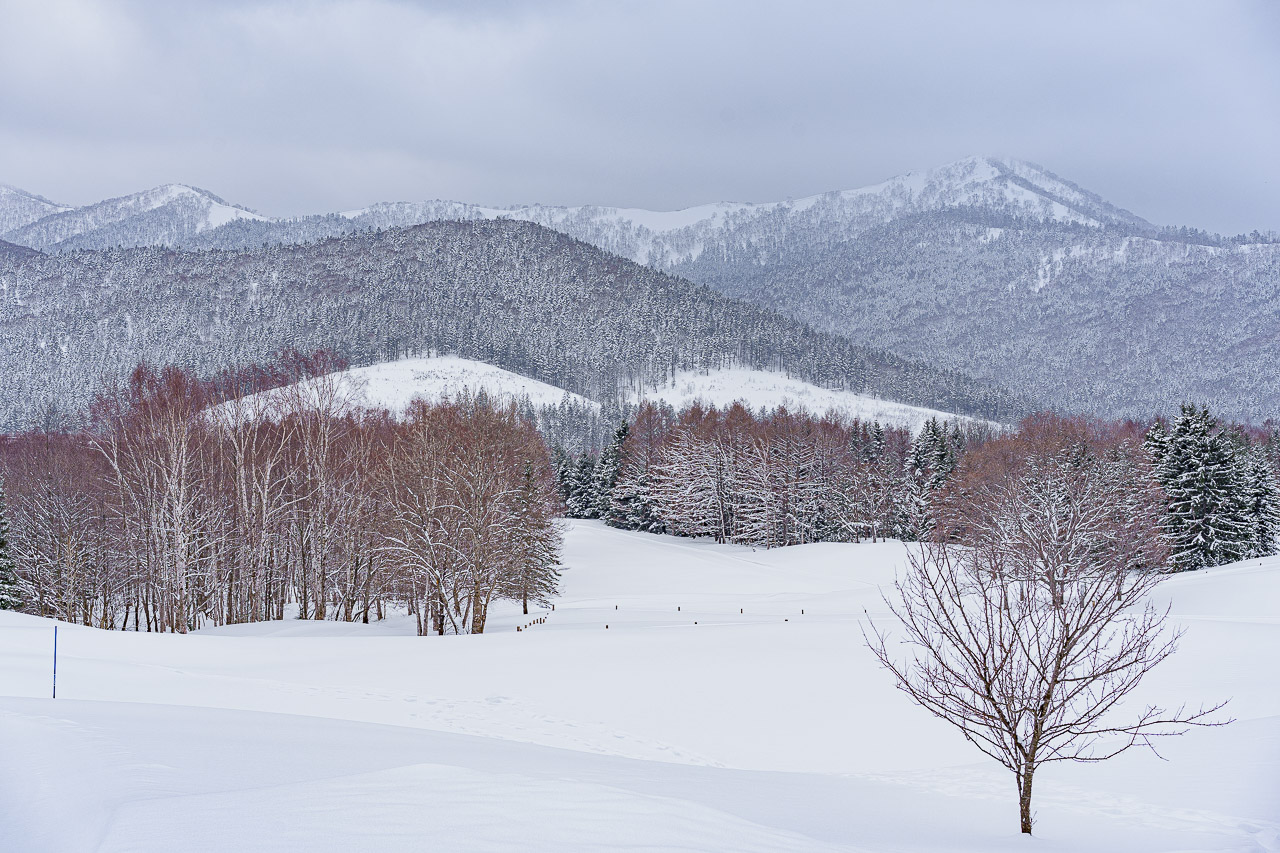
The guided forest walk explores little-traveled snowy woodland for around 45 minutes with a professional familiar with the environment.
Wildlife encounters, calls and tracks can be part of the interest, although none is guaranteed.
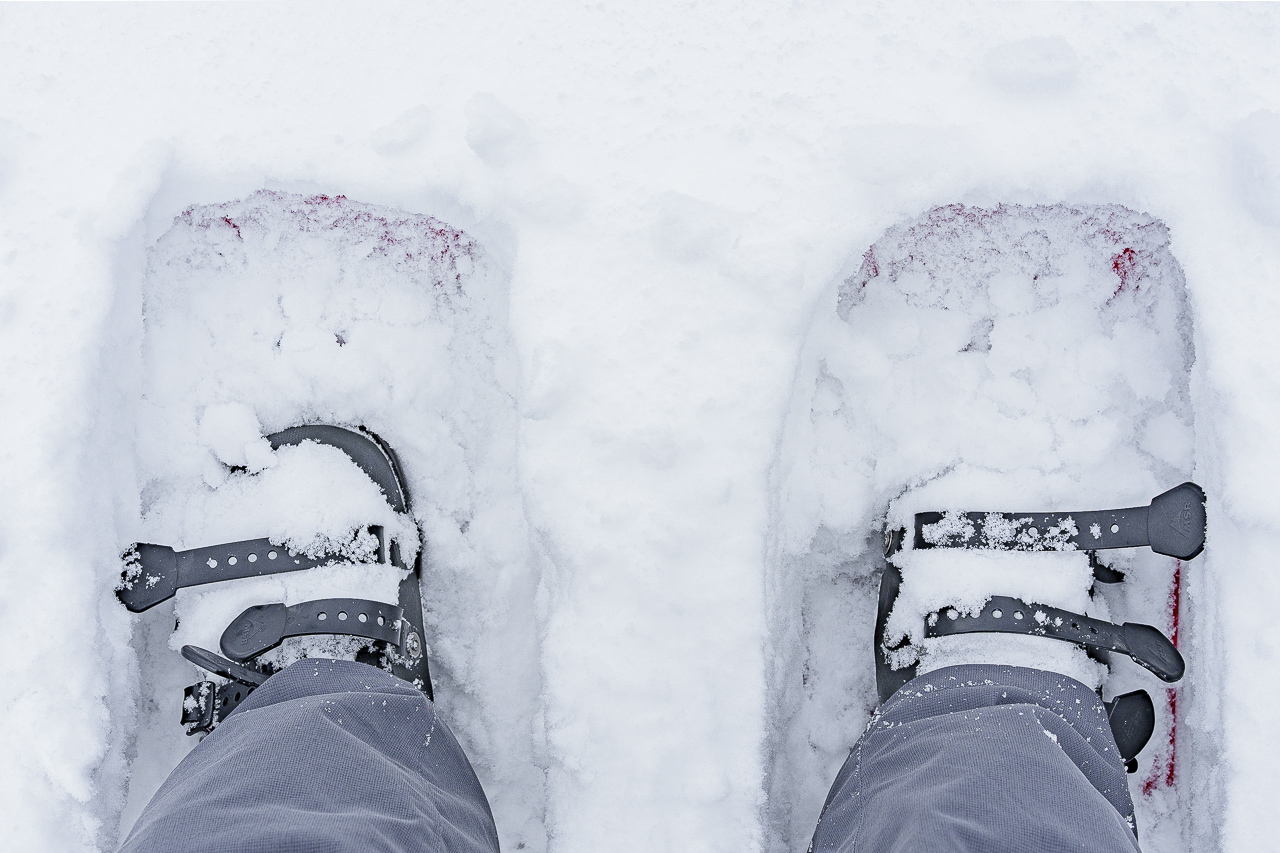
We go gradually deeper.
We need to lift our feet high.
I am already beginning to sweat.
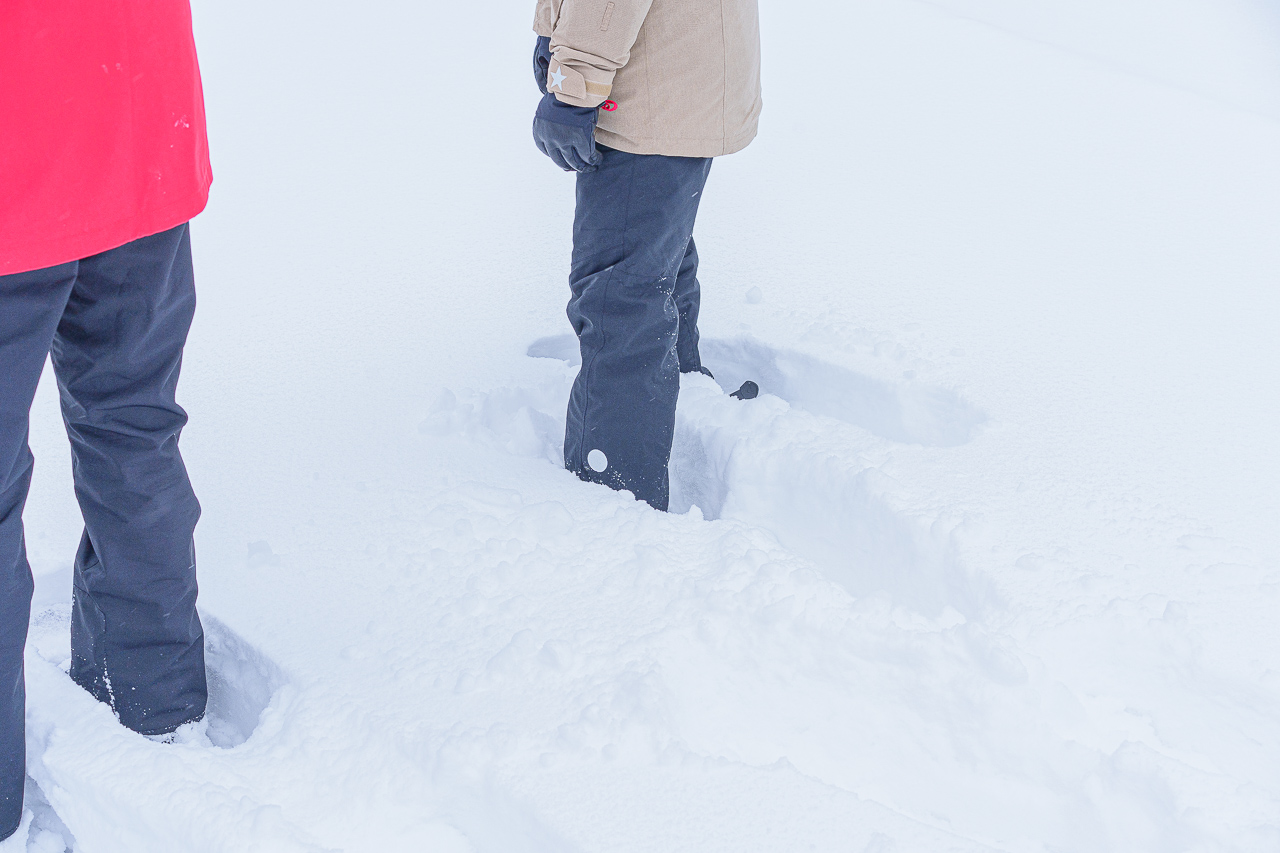
We reach snow that still gives way toward knee depth.
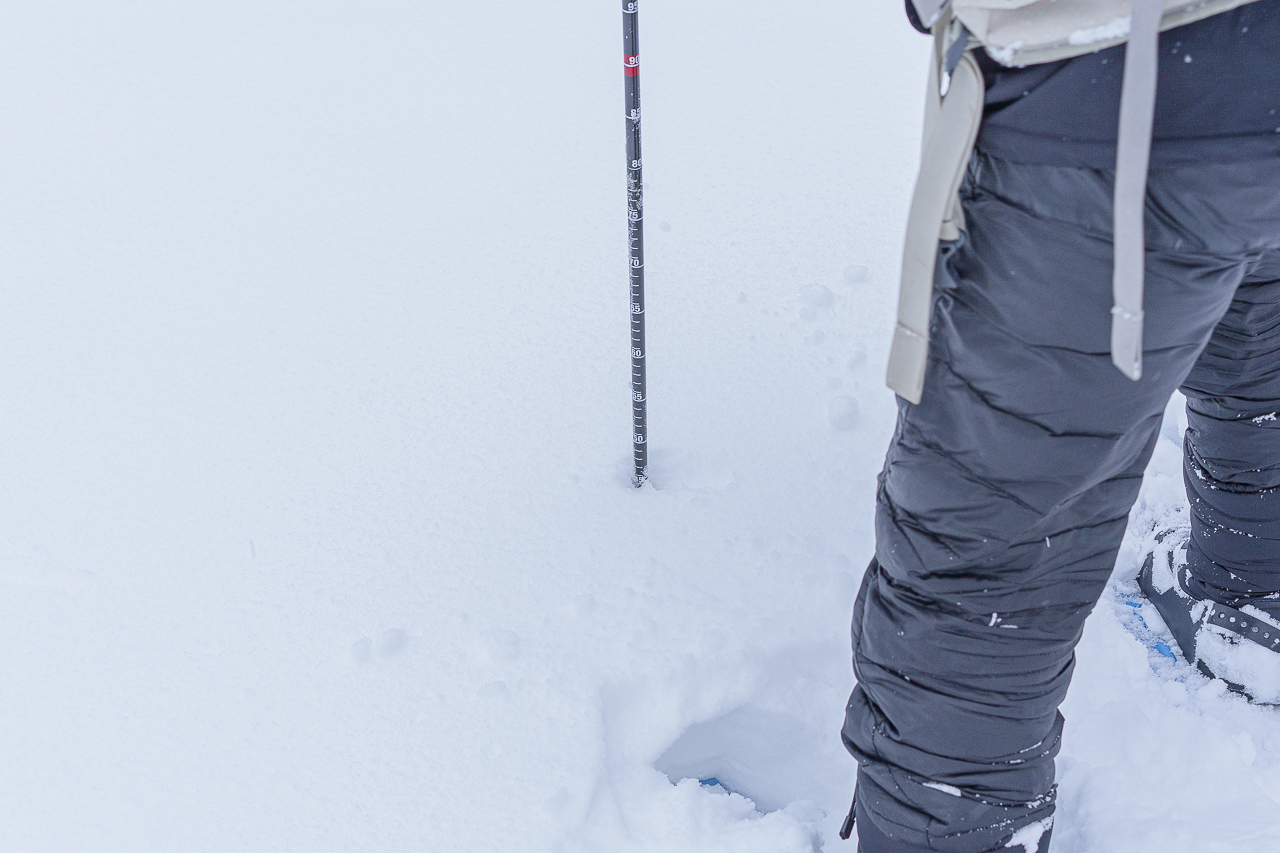
A probing pole comes into use.
The guide checks the depth ahead with it before we move.
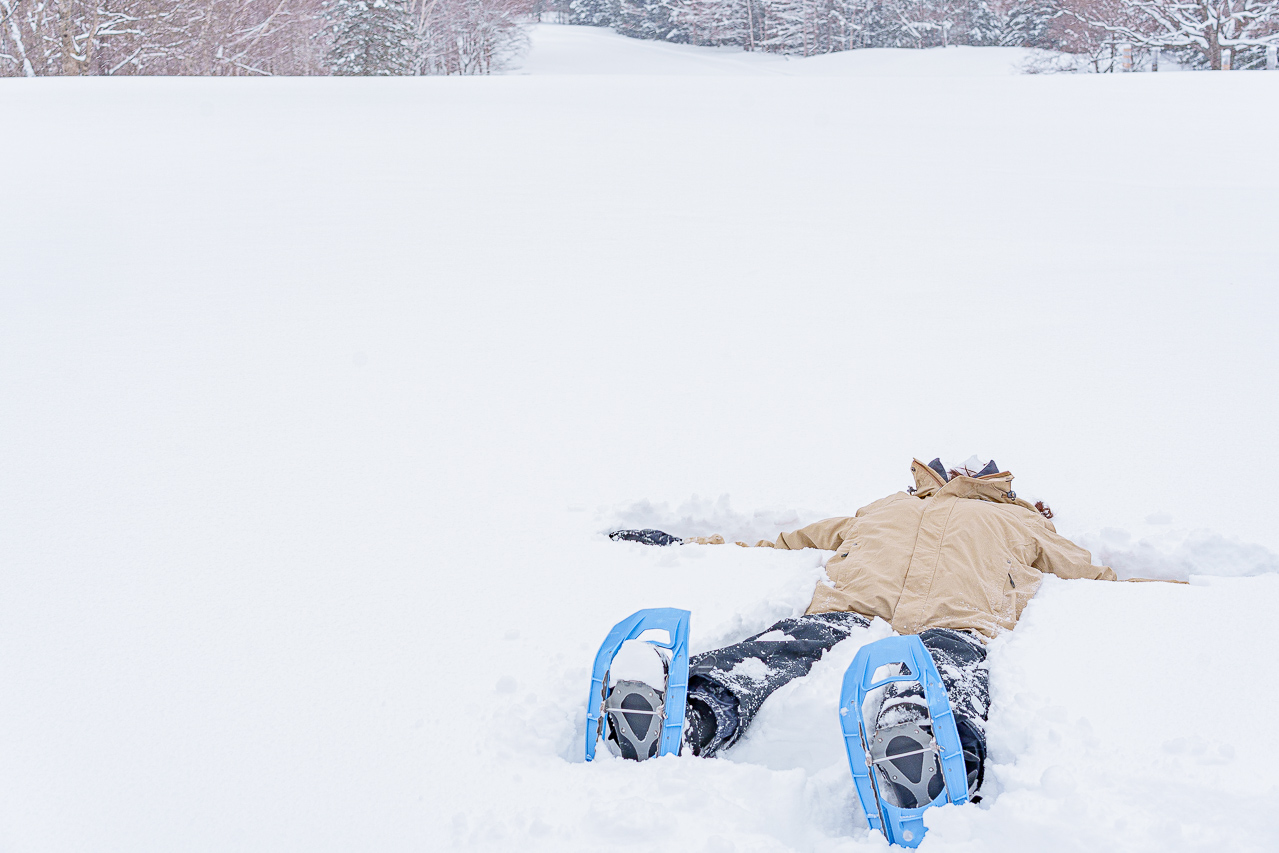
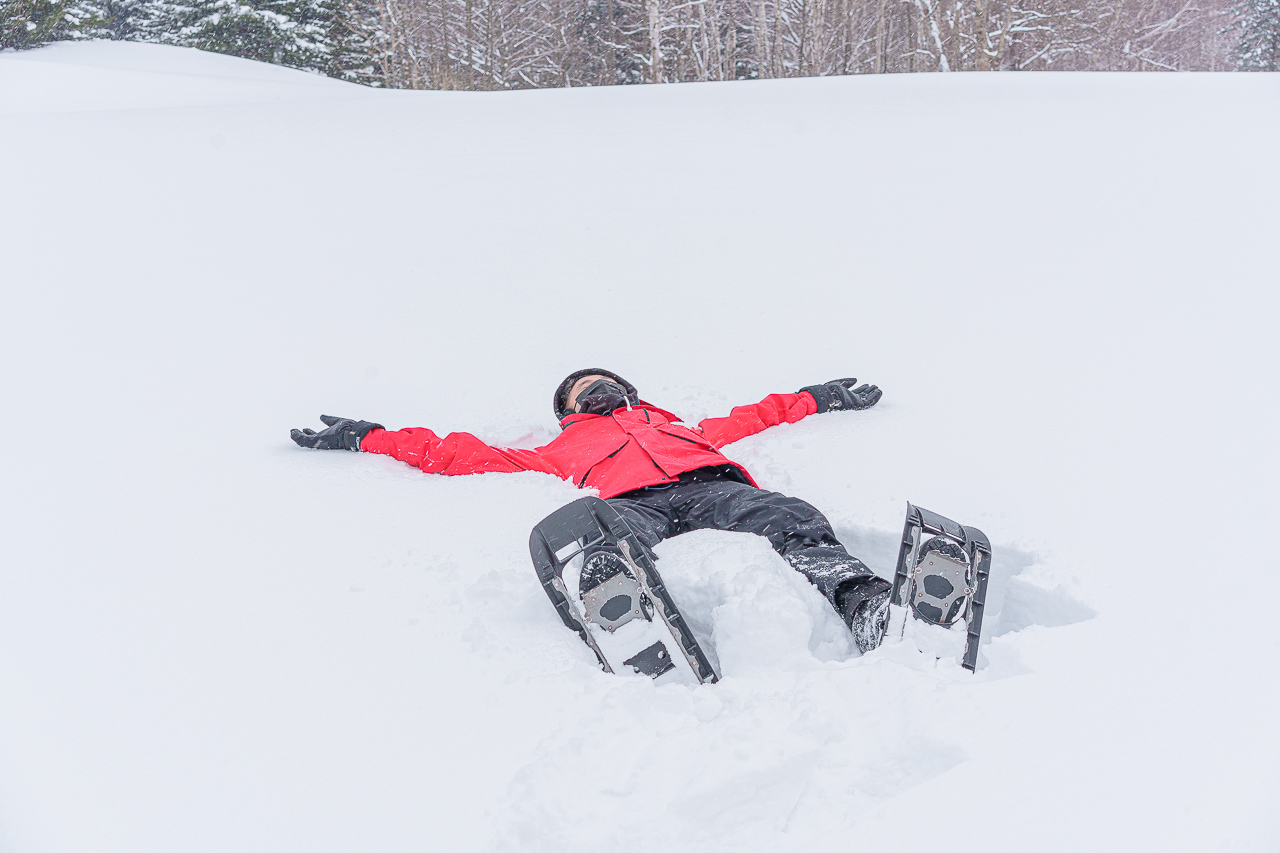
The pure white snow makes me want to lie down.
Other participants begin flopping into it, clearly enjoying themselves.
It is wonderfully soft and fluffy.
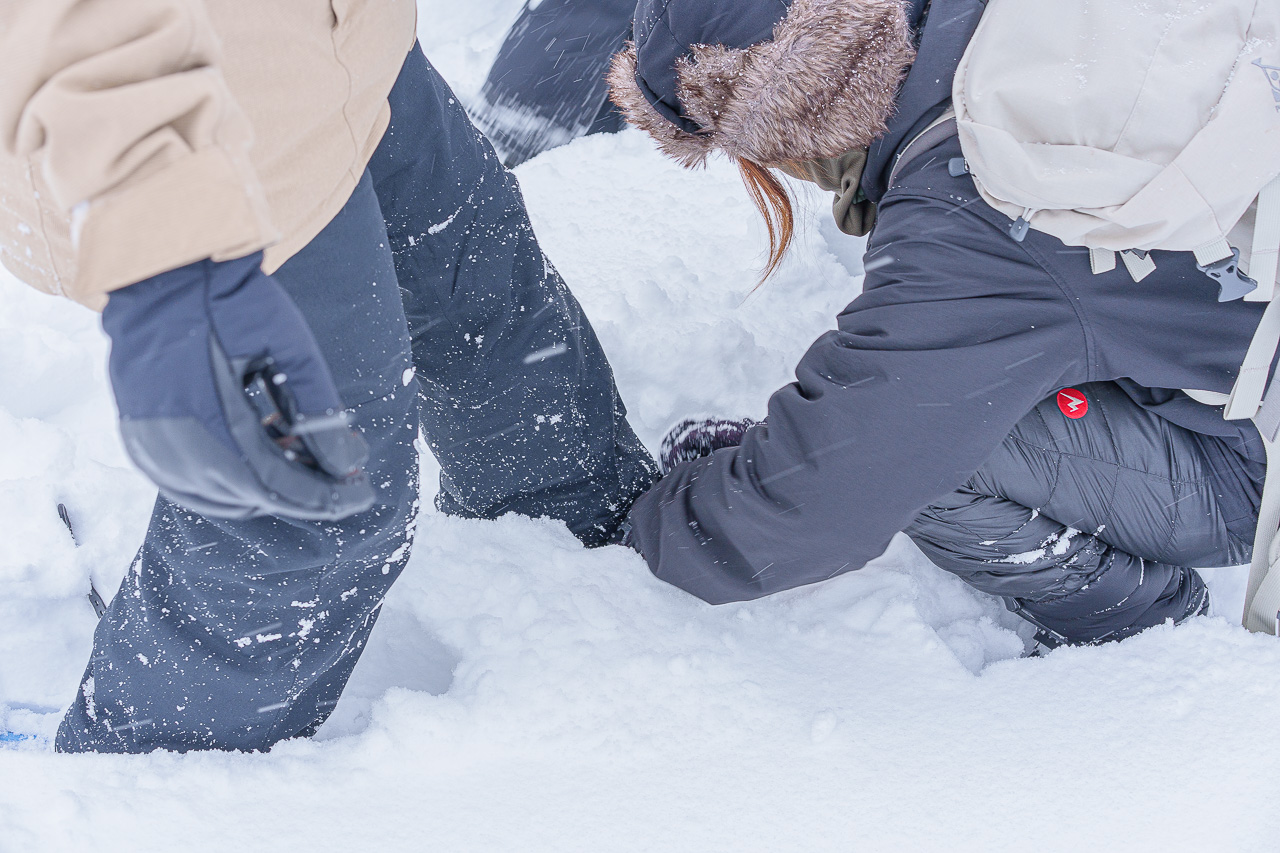
When a shoe comes loose, the guide helps put it right.
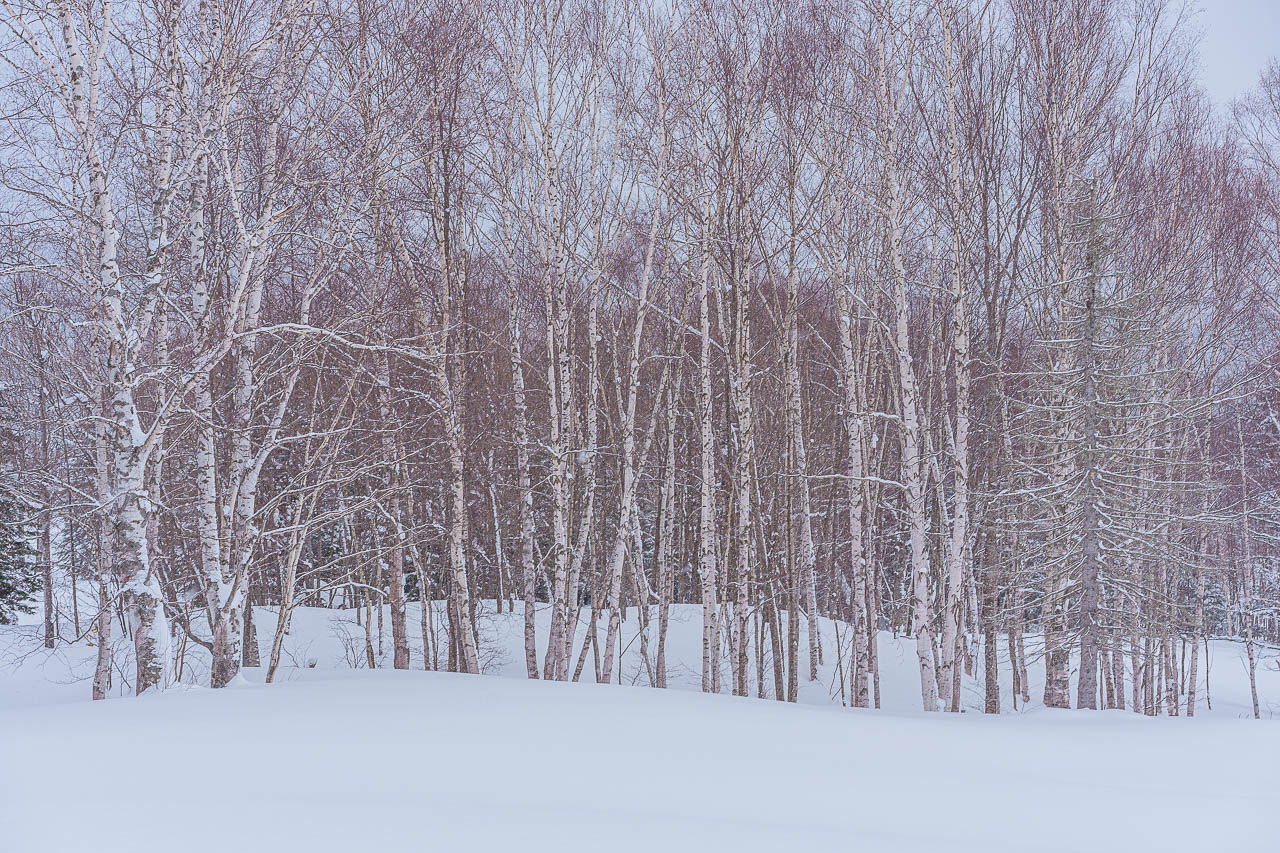
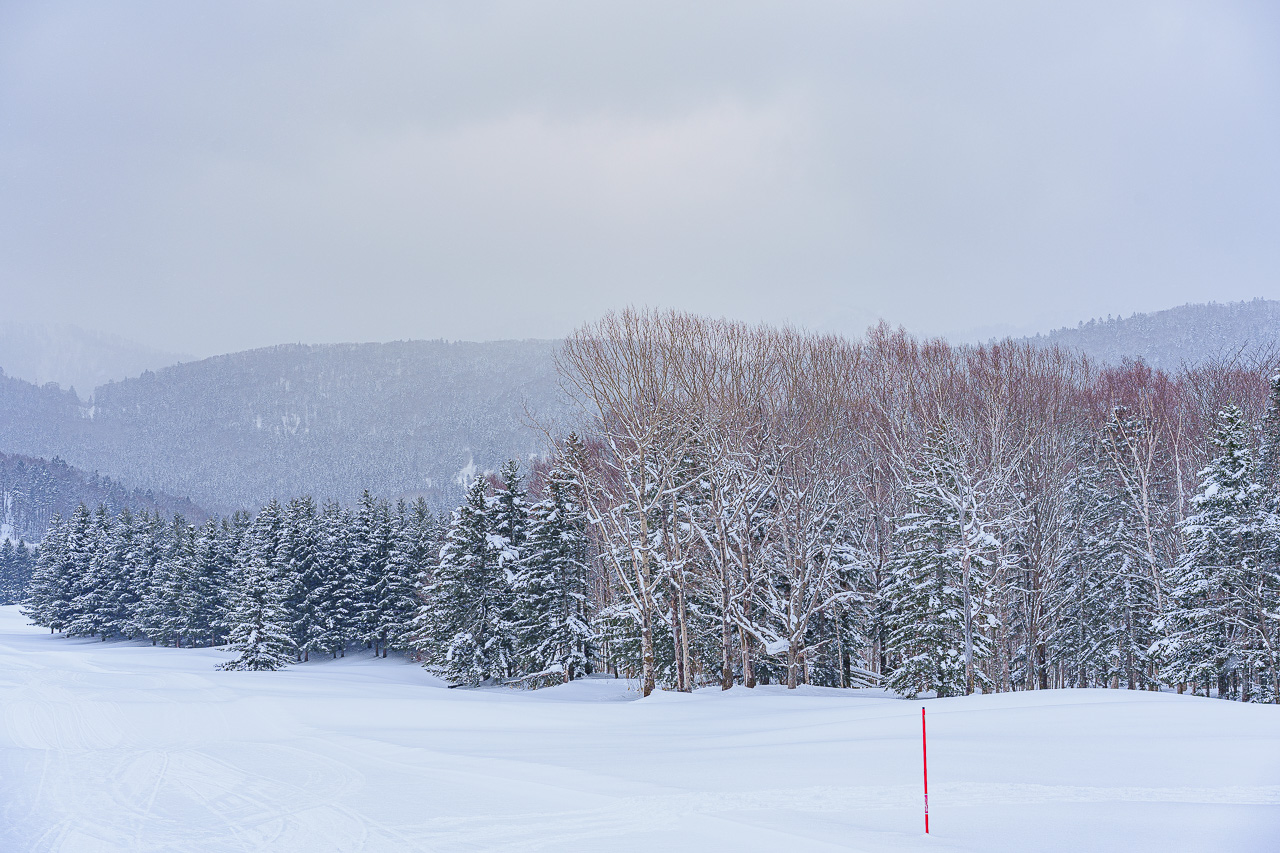
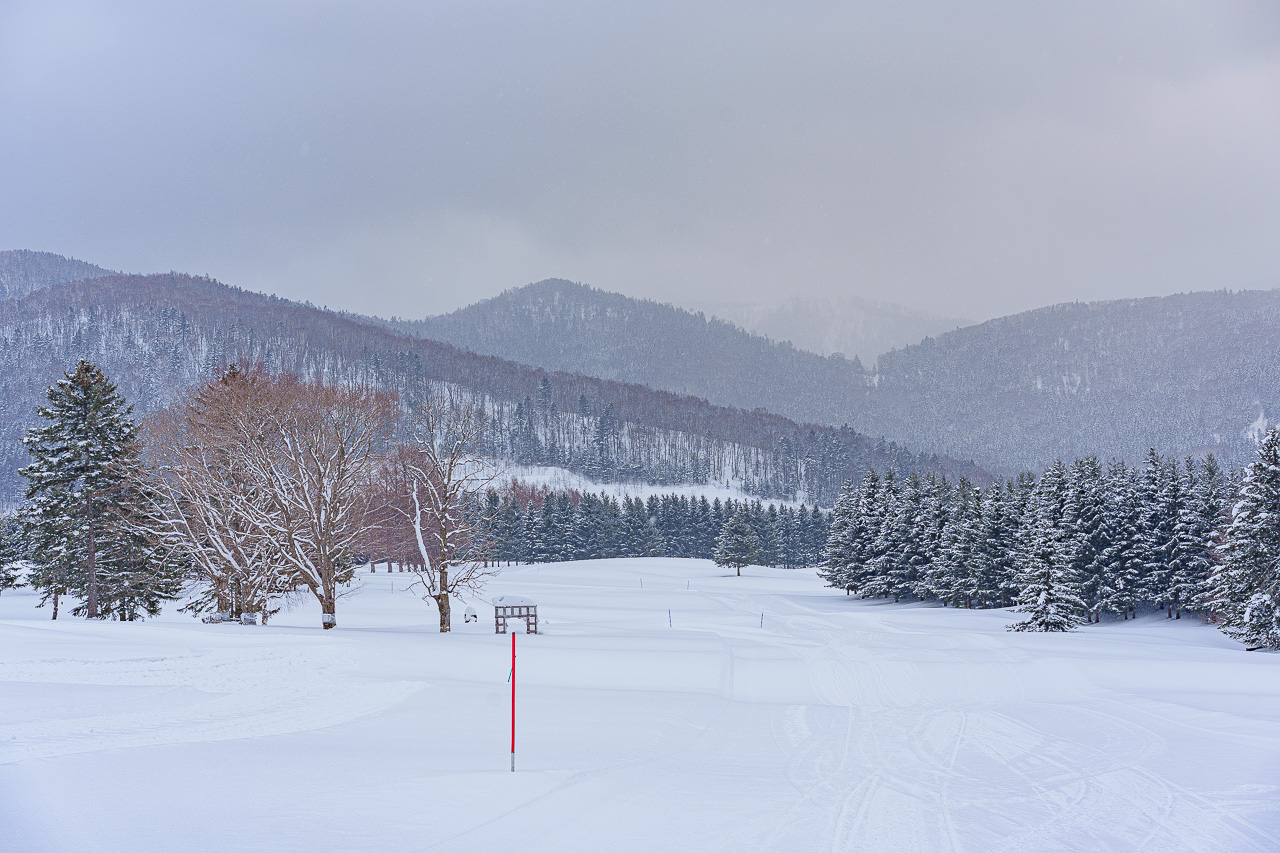
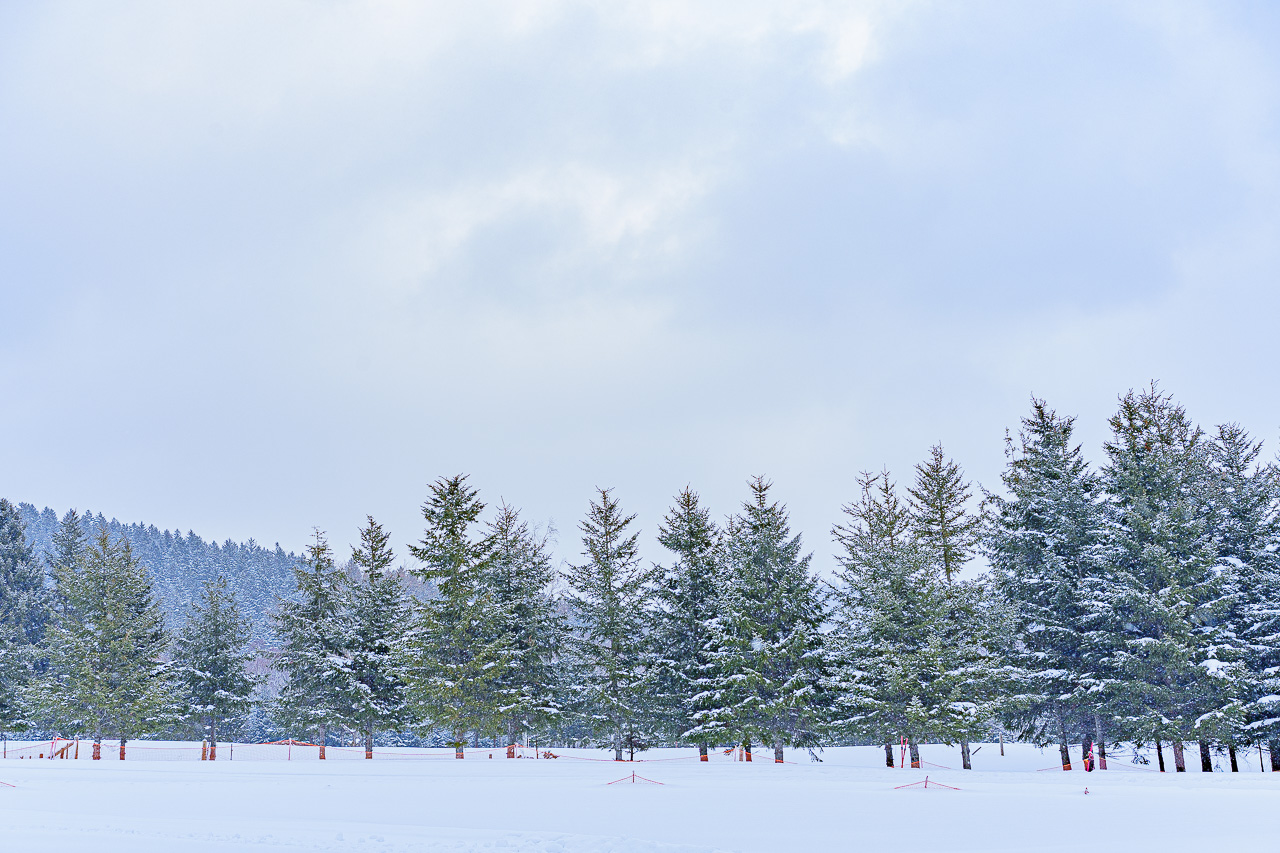
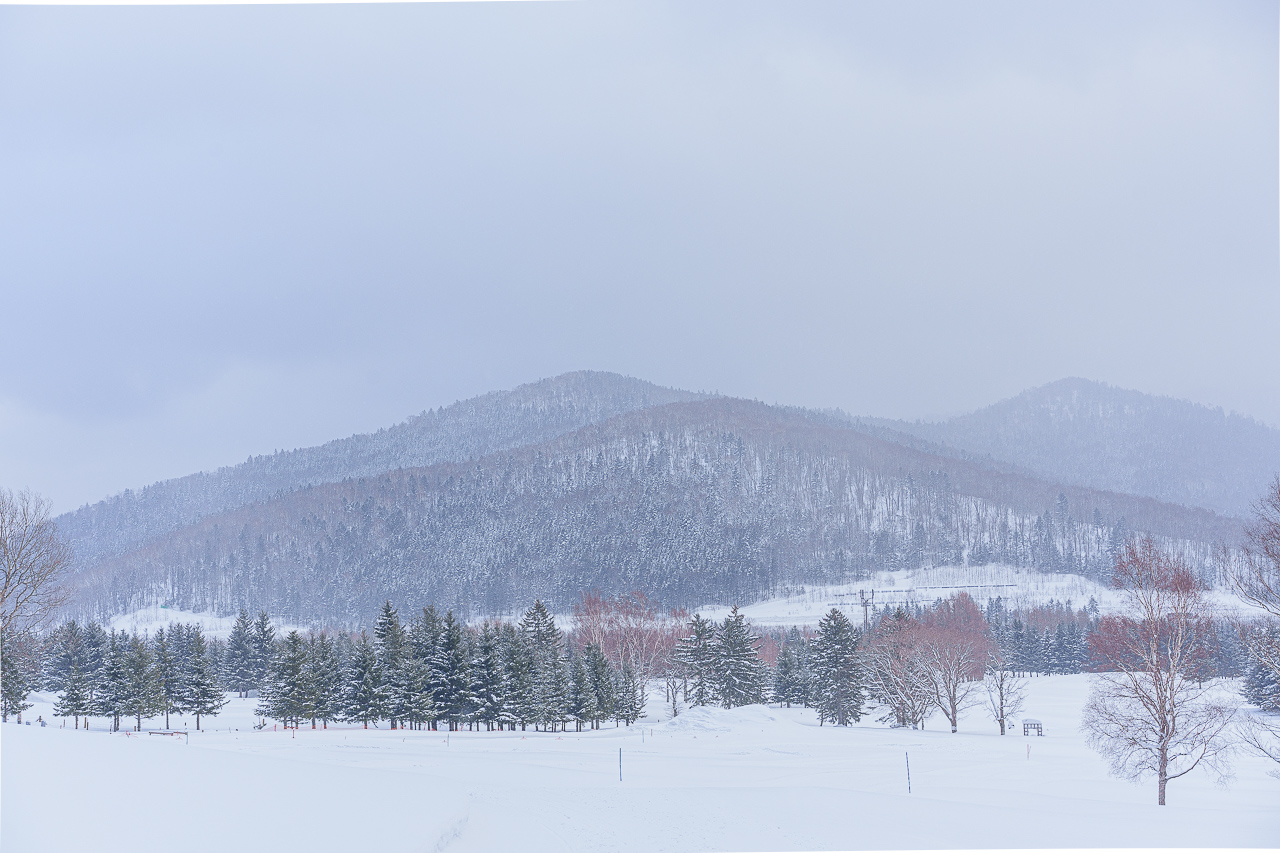
We follow a route without other footprints, half curious and half excited.

We find an unidentified animal’s tracks.
The guide explains them, but I no longer remember which animal it was.
Learning how fox and rabbit tracks differ is interesting too.
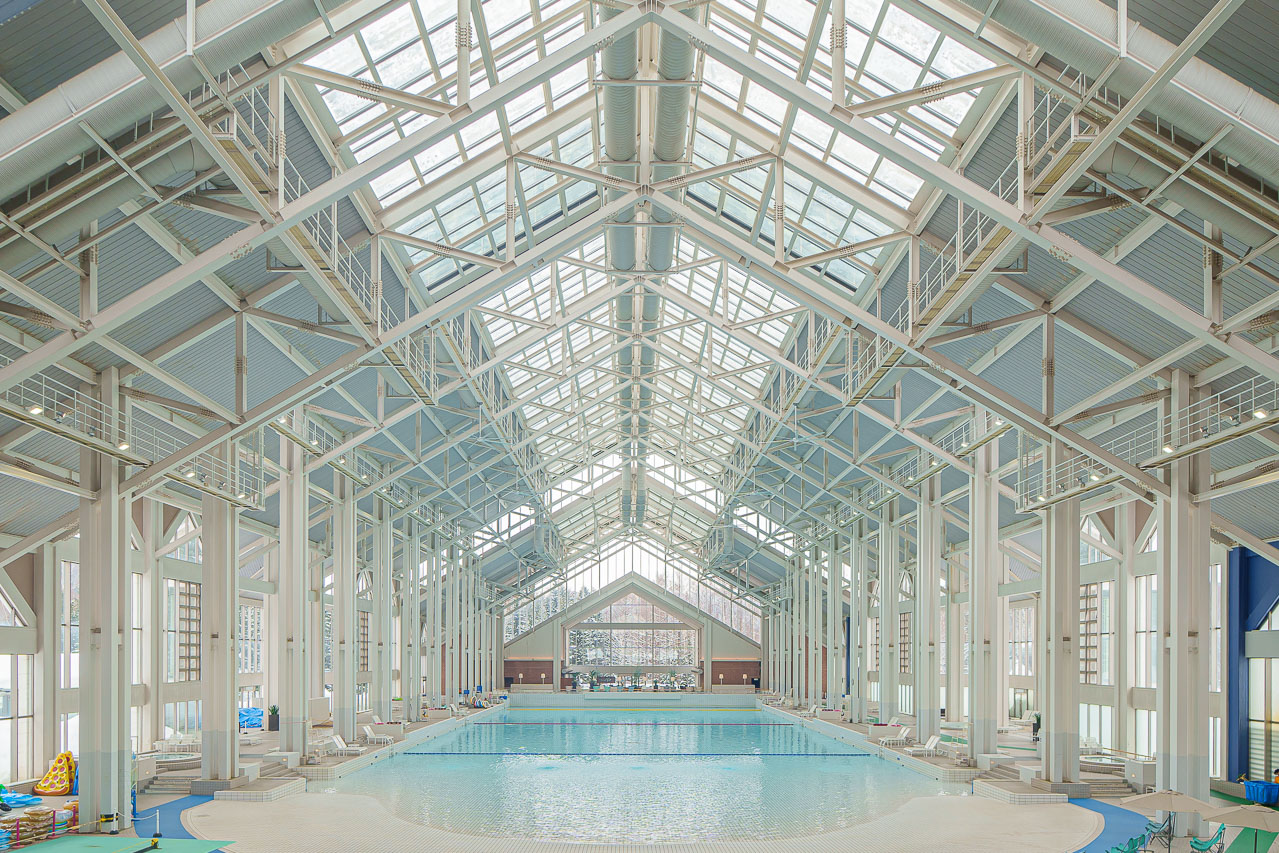
After the activities, we want a warm outdoor bath and head to Tomamu’s Mina-Mina Beach.
The source markets it as one of Japan’s largest indoor pools.
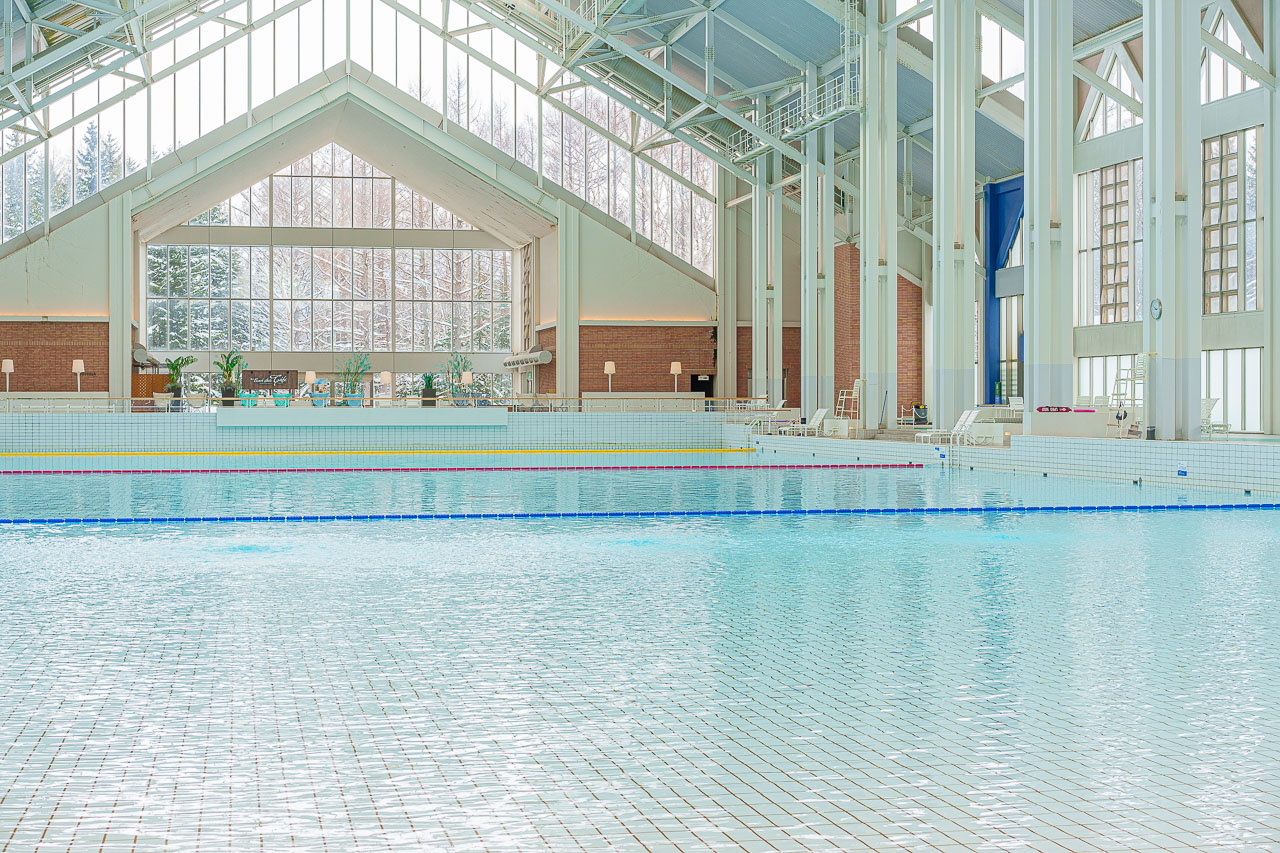
The main feature is a year-round indoor air temperature described as 30°C, warm in winter and relatively cool in summer.
The very high ceiling gives a great sense of openness.
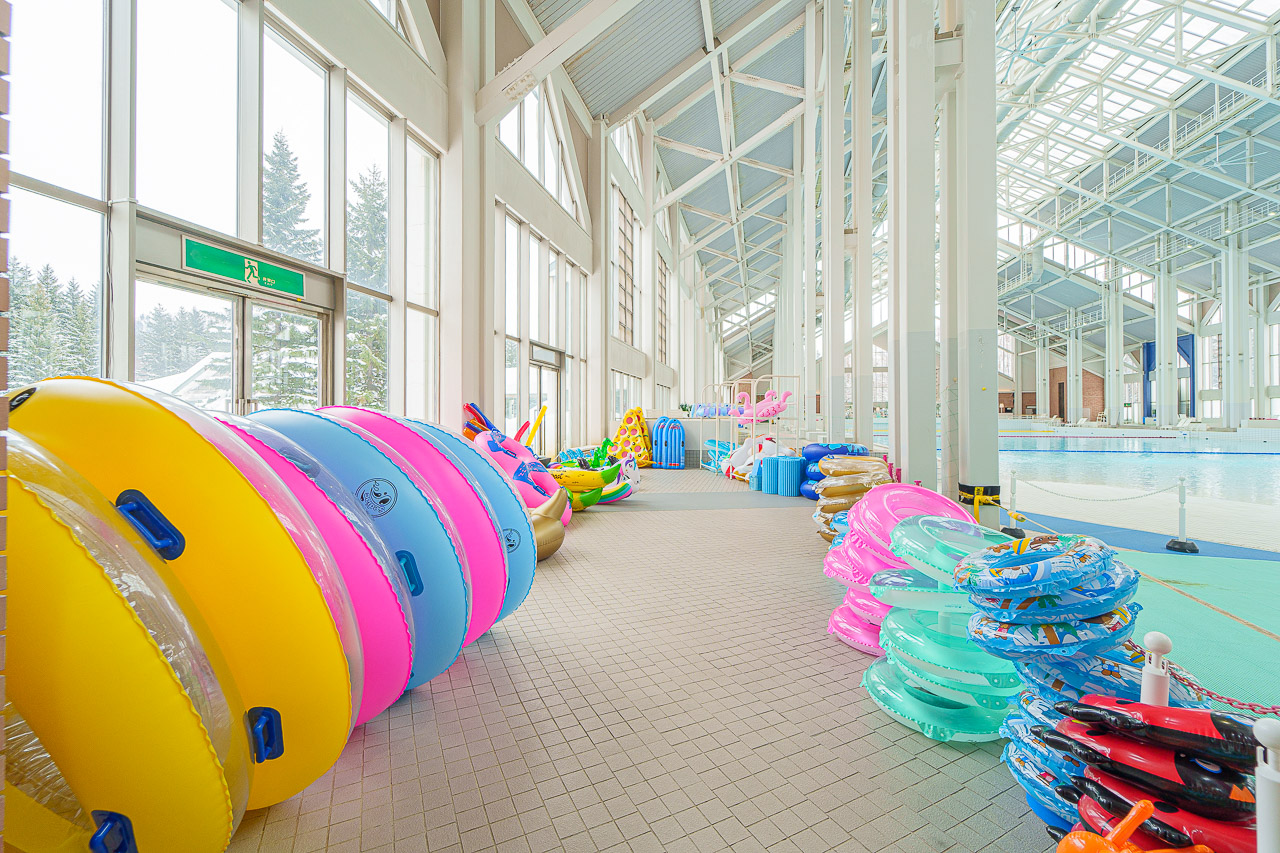
Children’s floats
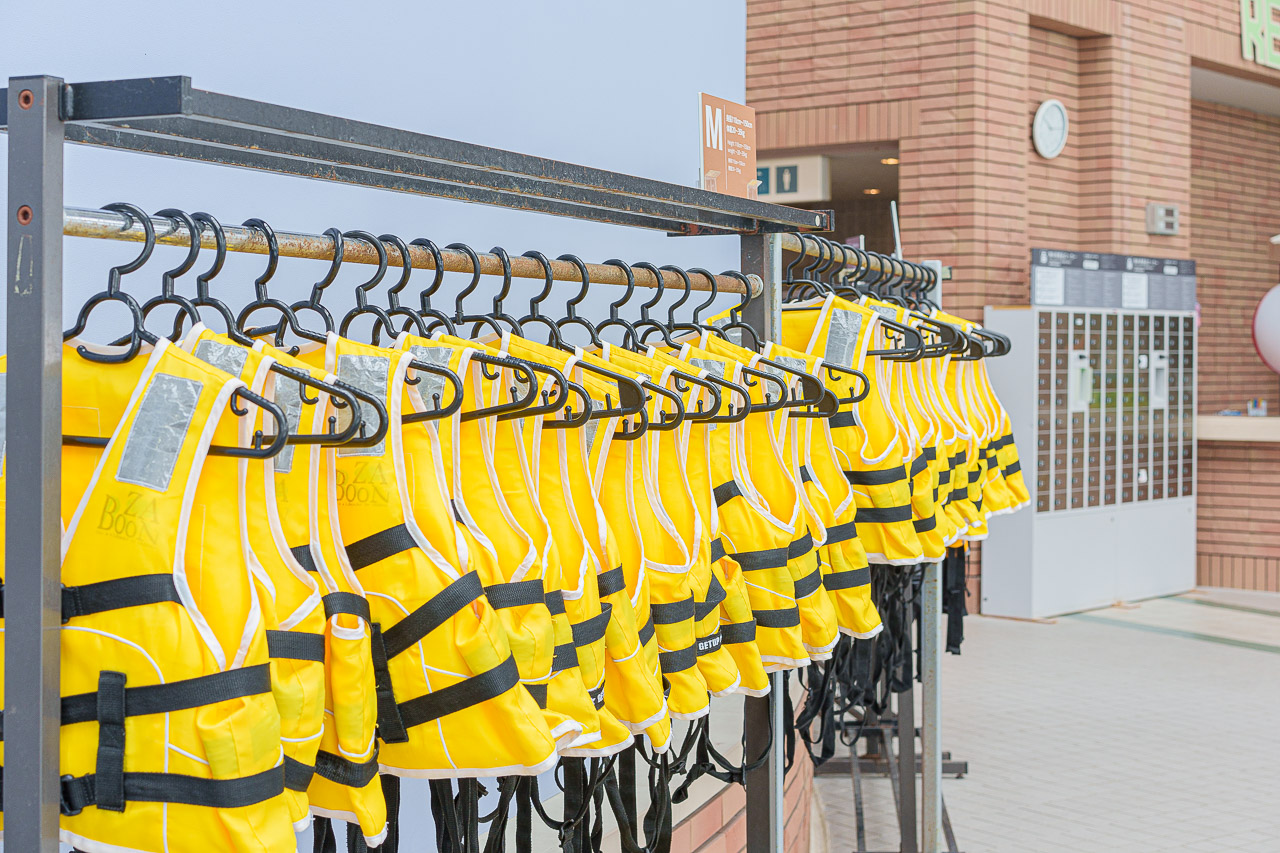
and life jackets were available to rent.
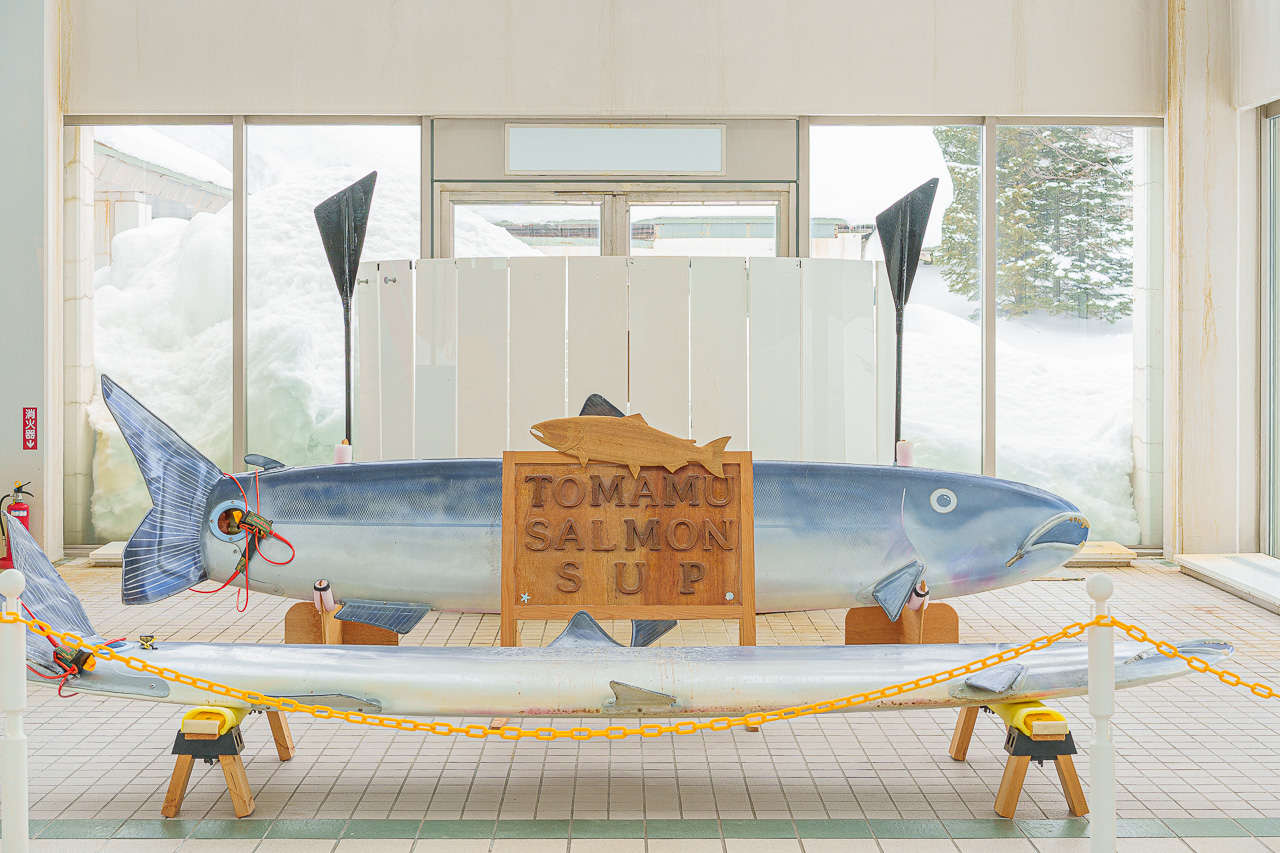
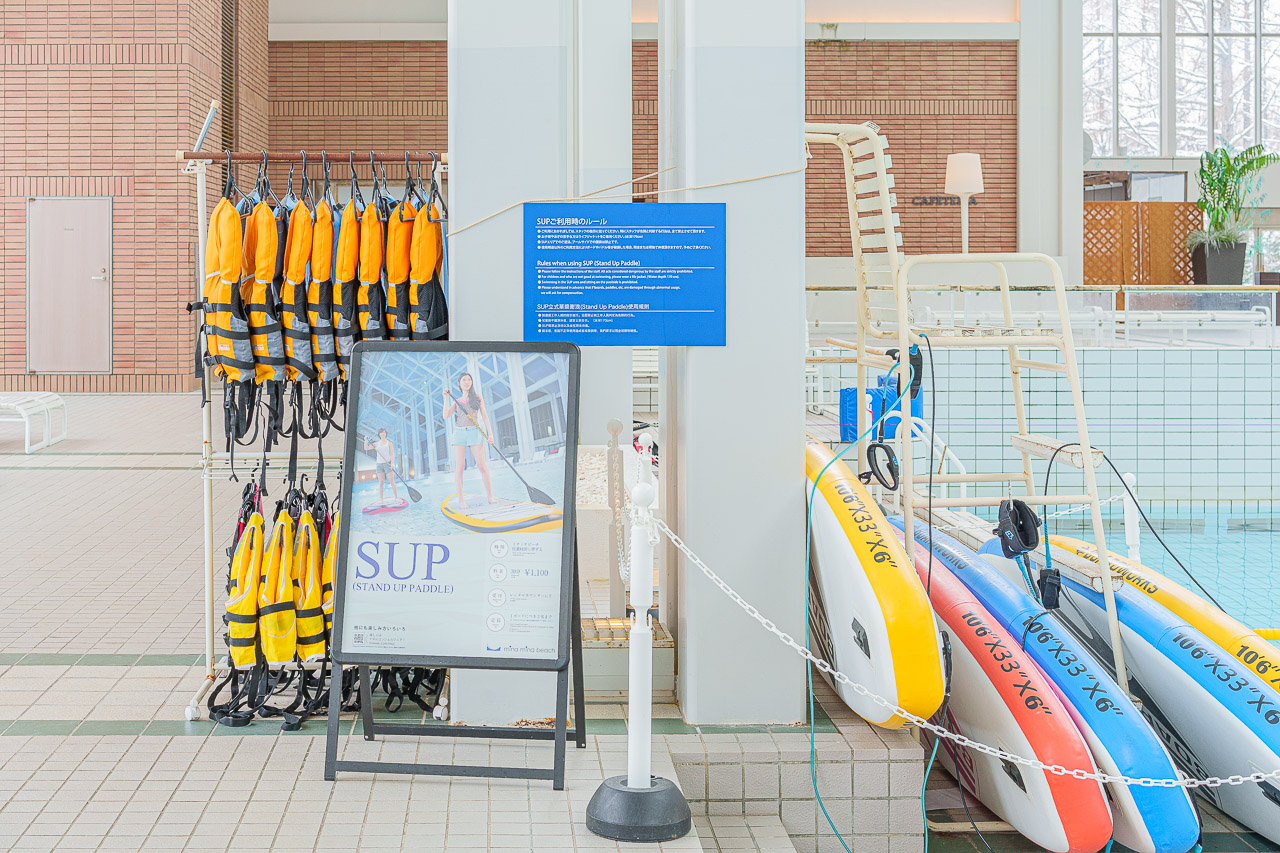
Stand-up paddleboarding was available for adults too.
SUP involves standing on a board and propelling it with a paddle, a sport associated here with Hawaii and growing popularity in Japan.
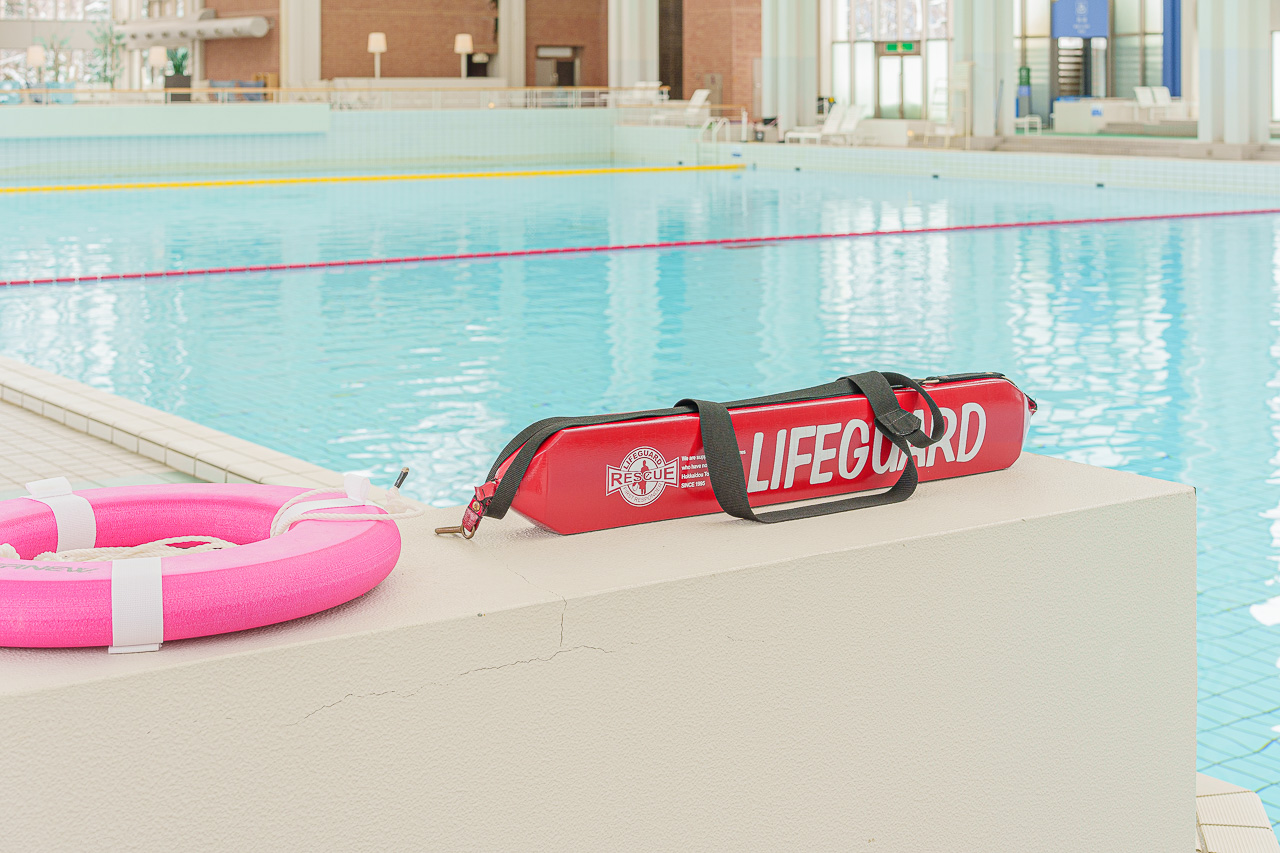
The source gives a maximum depth of 160 cm, with divided areas and the deepest section used for SUP and water activities.
Artificial waves ran every 30 minutes during the source period, adding the sensation of drifting with the swell.
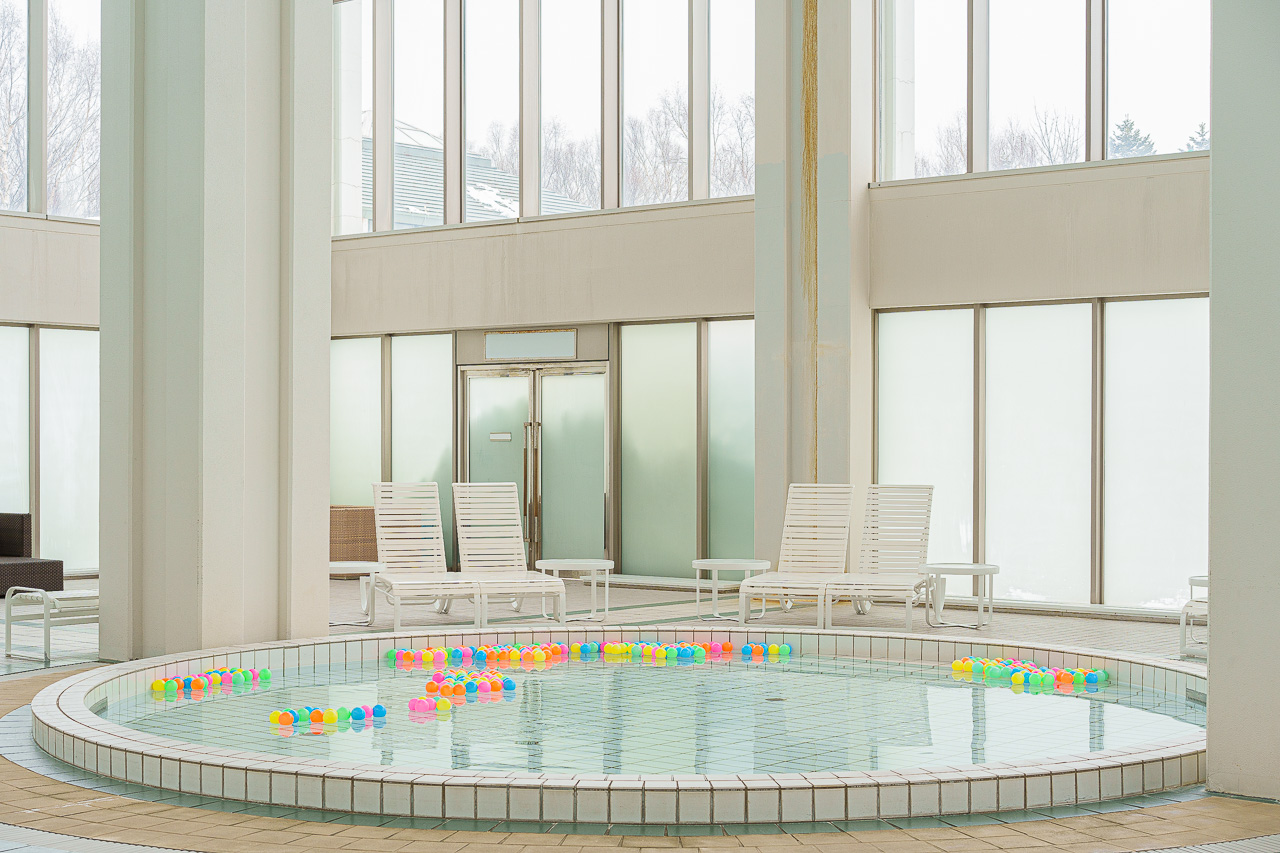
Shallow children’s pools at the sides were described as 30 cm deep. Adult supervision and facility rules still apply; shallow water does not guarantee safety.
Tomamu’s family services make it feel to me like a strong place for memories with children.
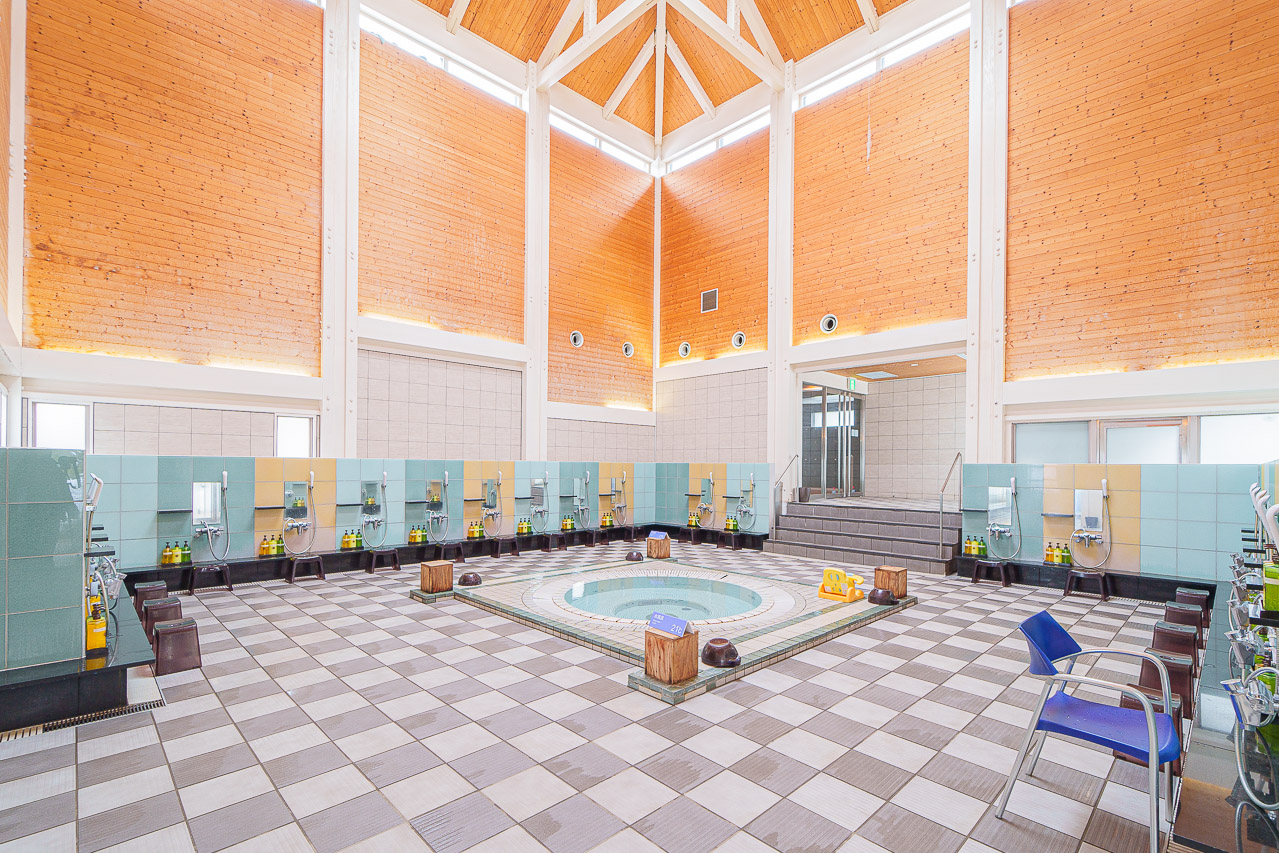
Kirin-no-Yu, the Bathing Facility at Mina-Mina Beach
Here are the warm baths. A high ceiling makes the shared bath feel unusually open.
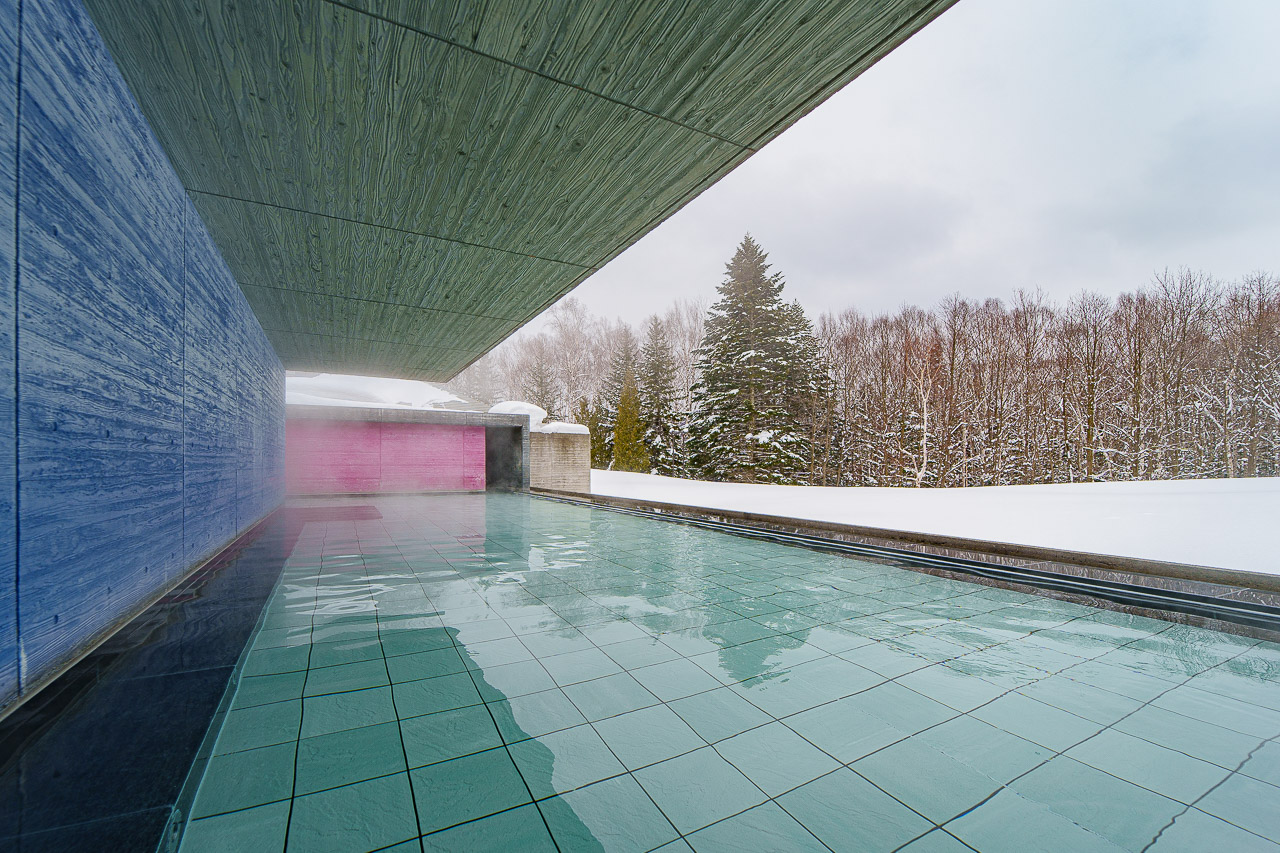
Through the door is an outdoor bath facing the snowy landscape.
By day, snow scenery; in the evening, illumination creates a different atmosphere.
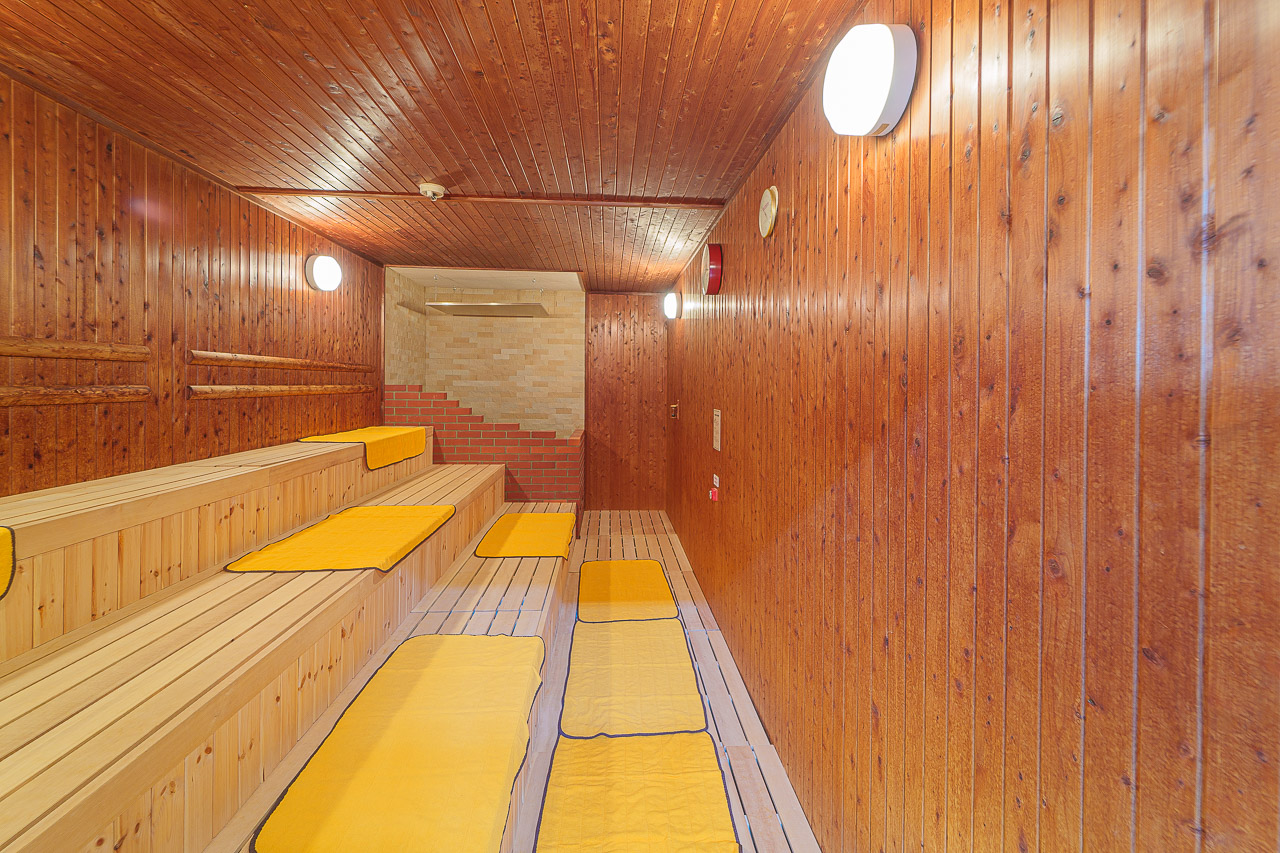
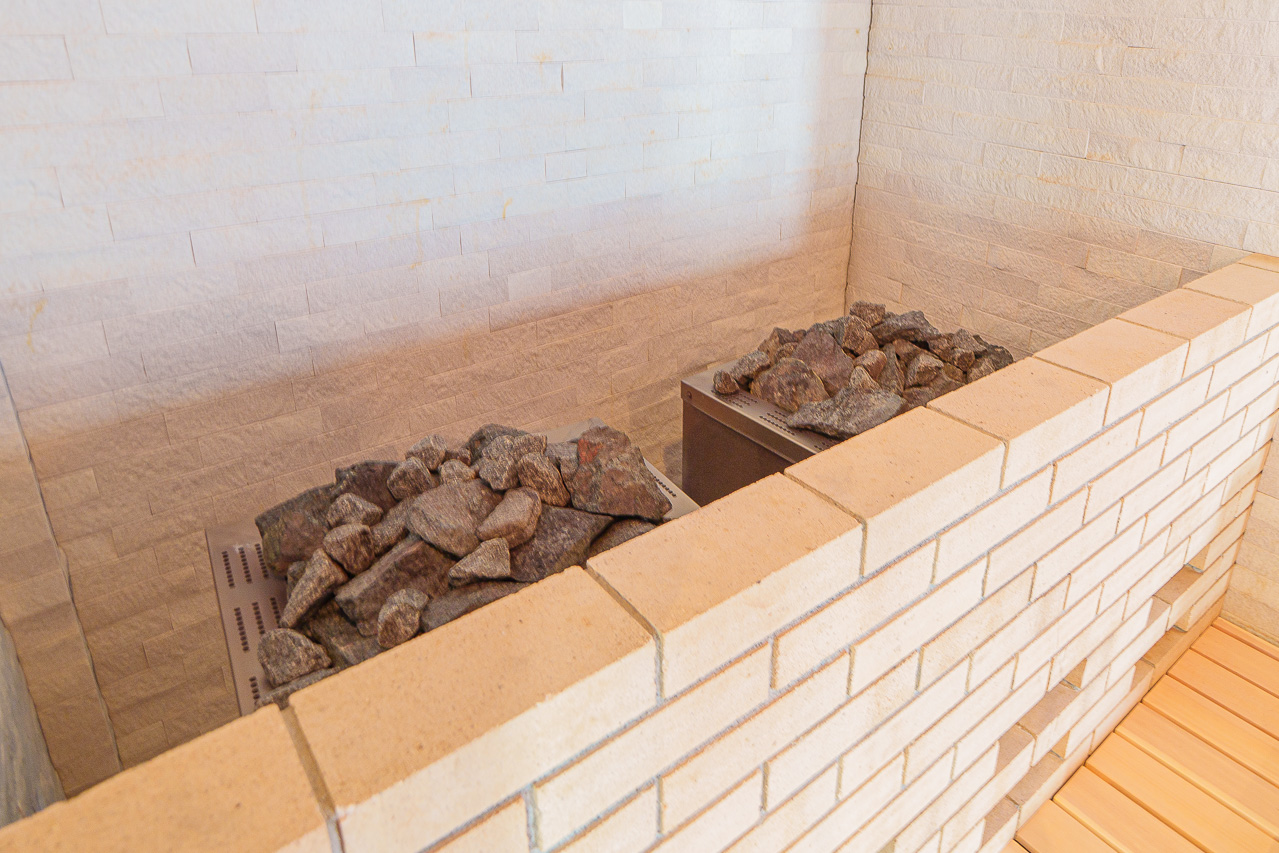
A Finnish-style sauna stands beside it,
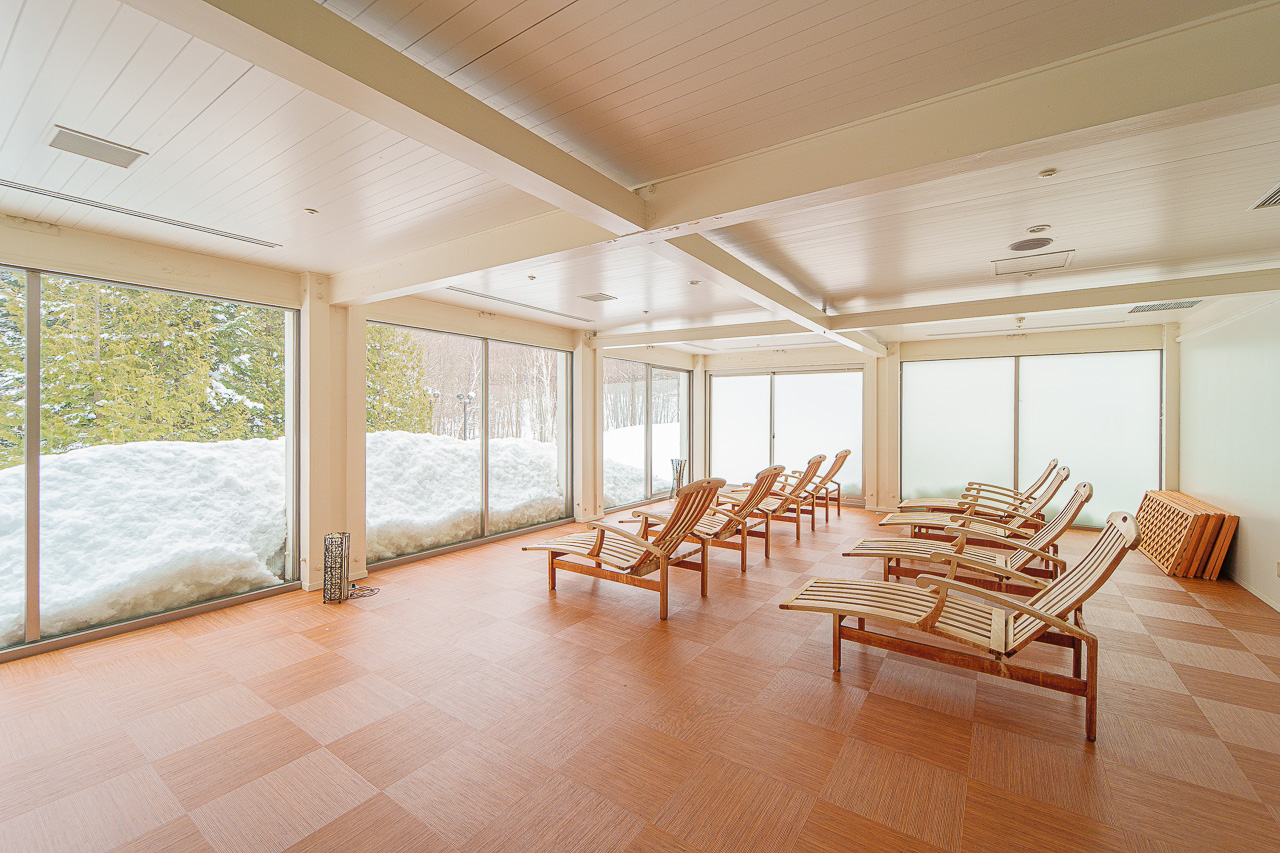
with space to rest while looking at the snow.
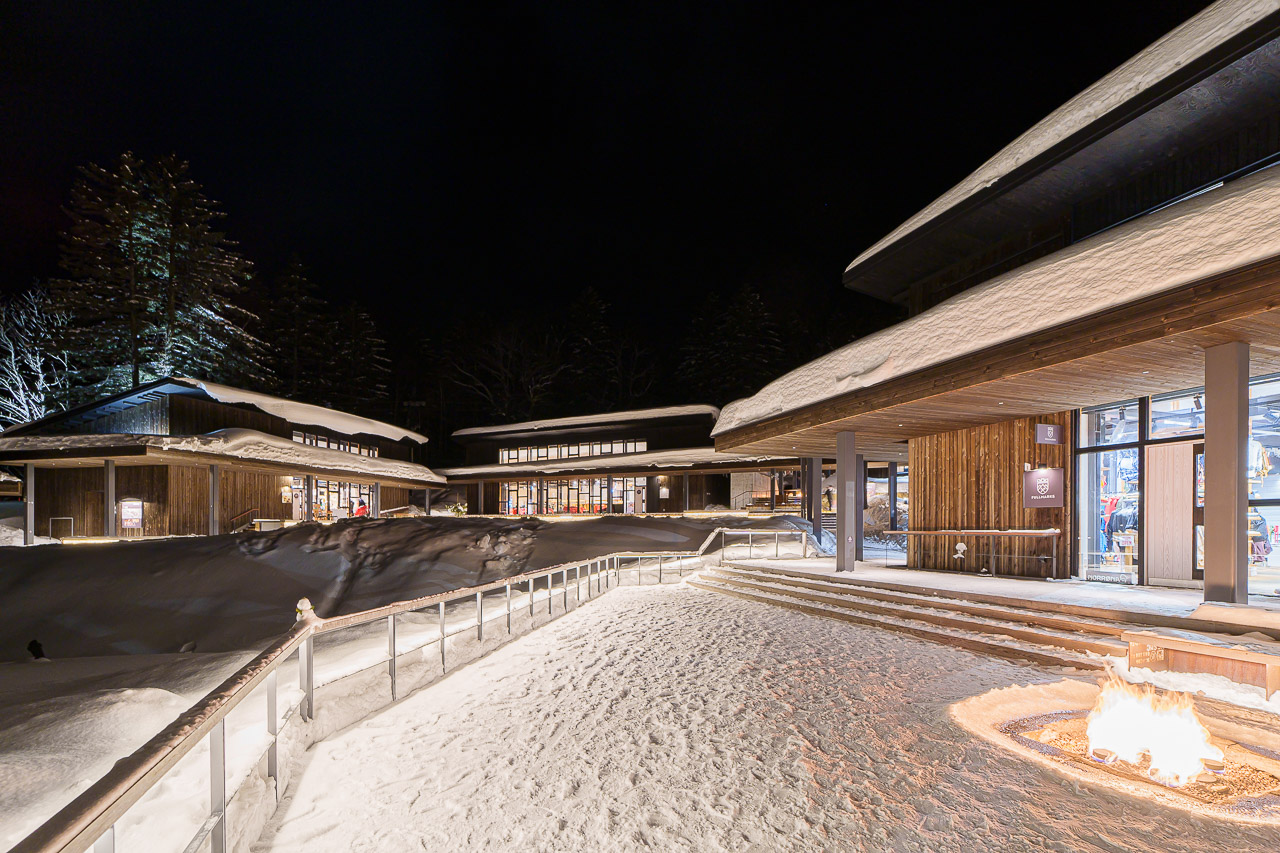
After warming up, we return to Hotalu Street for dinner.
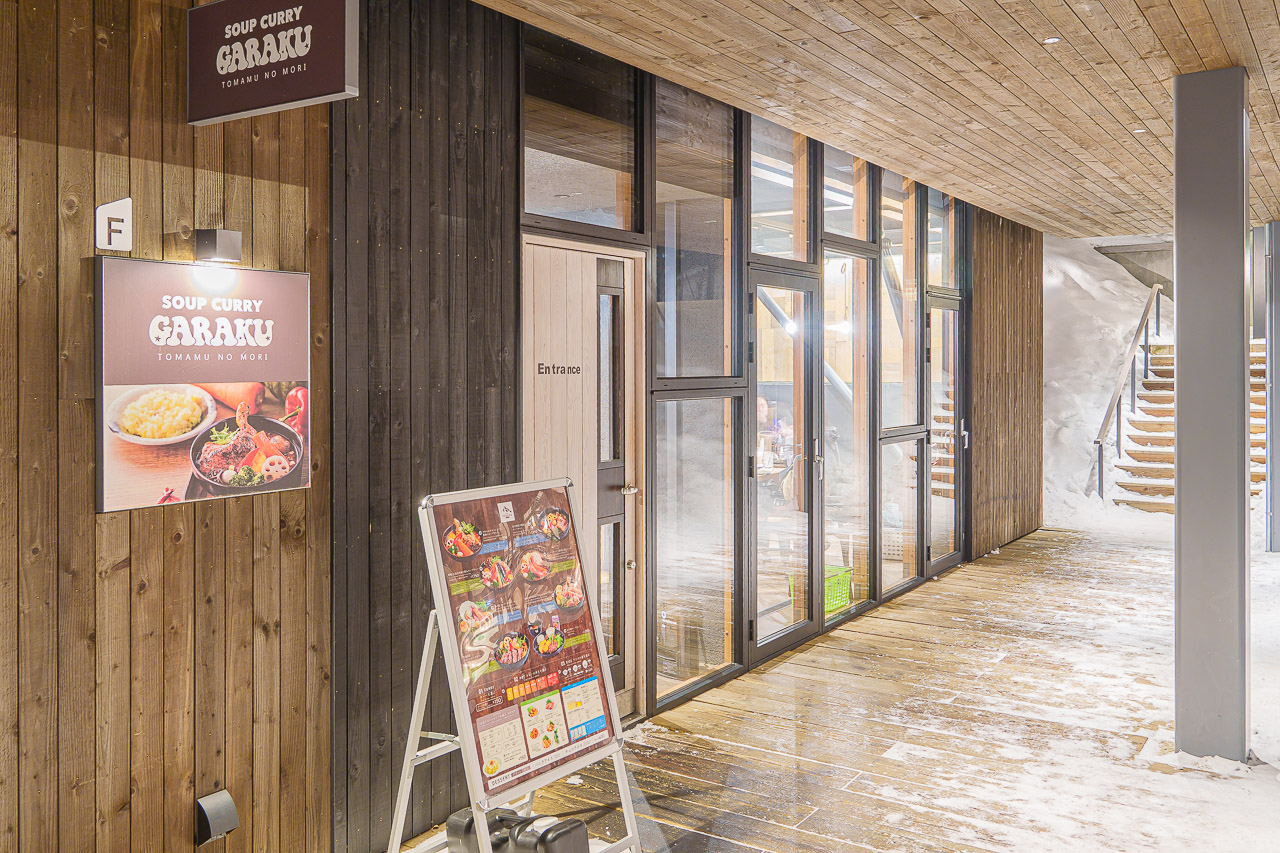
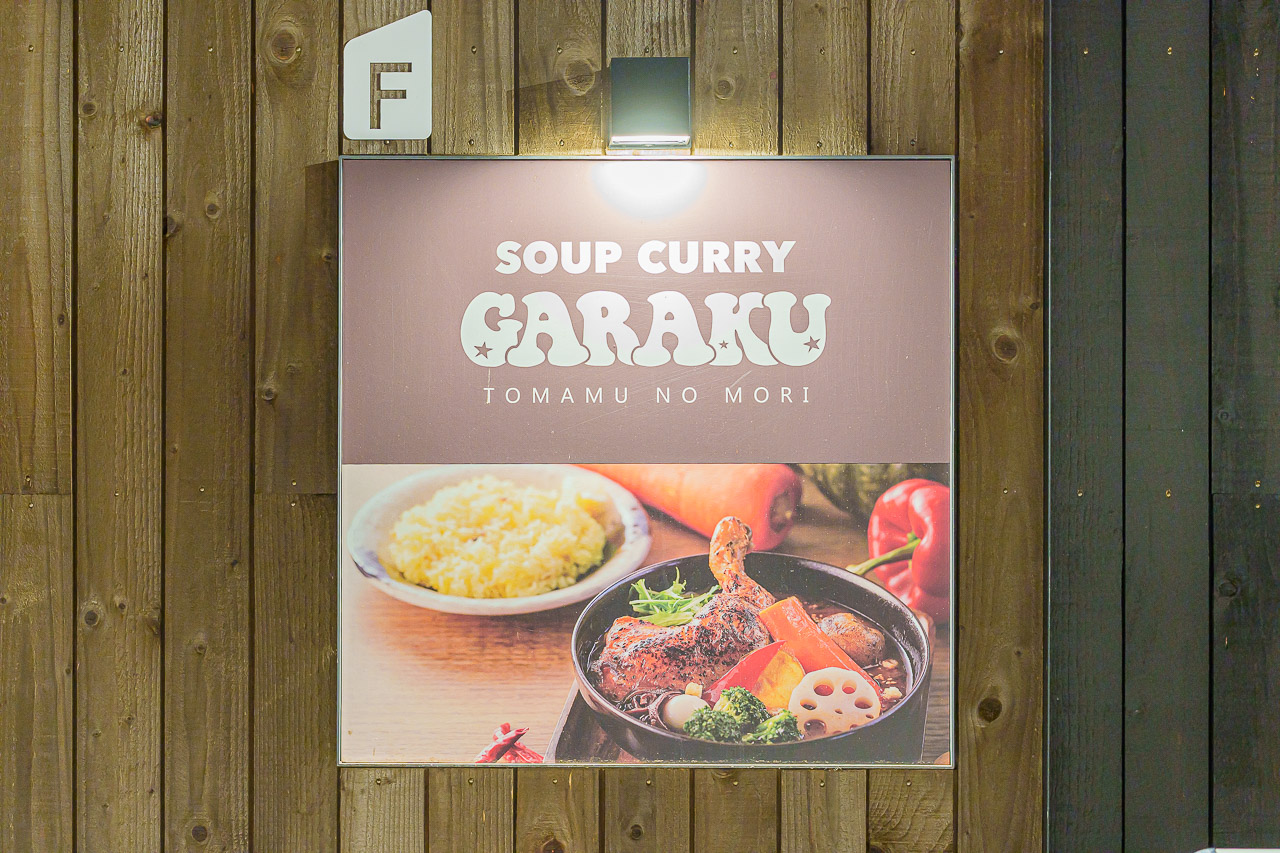
We choose a relatively straightforward Hokkaido specialty: soup curry.
GARAKU is a well-known name for curry in Hokkaido.
Trying a shop associated with Sapporo queues right here is part of the appeal.

We order seafood curry and Sapporo draft beer.
More soup, different heat and rice quantities were possible, with additional charges depending on the choice.
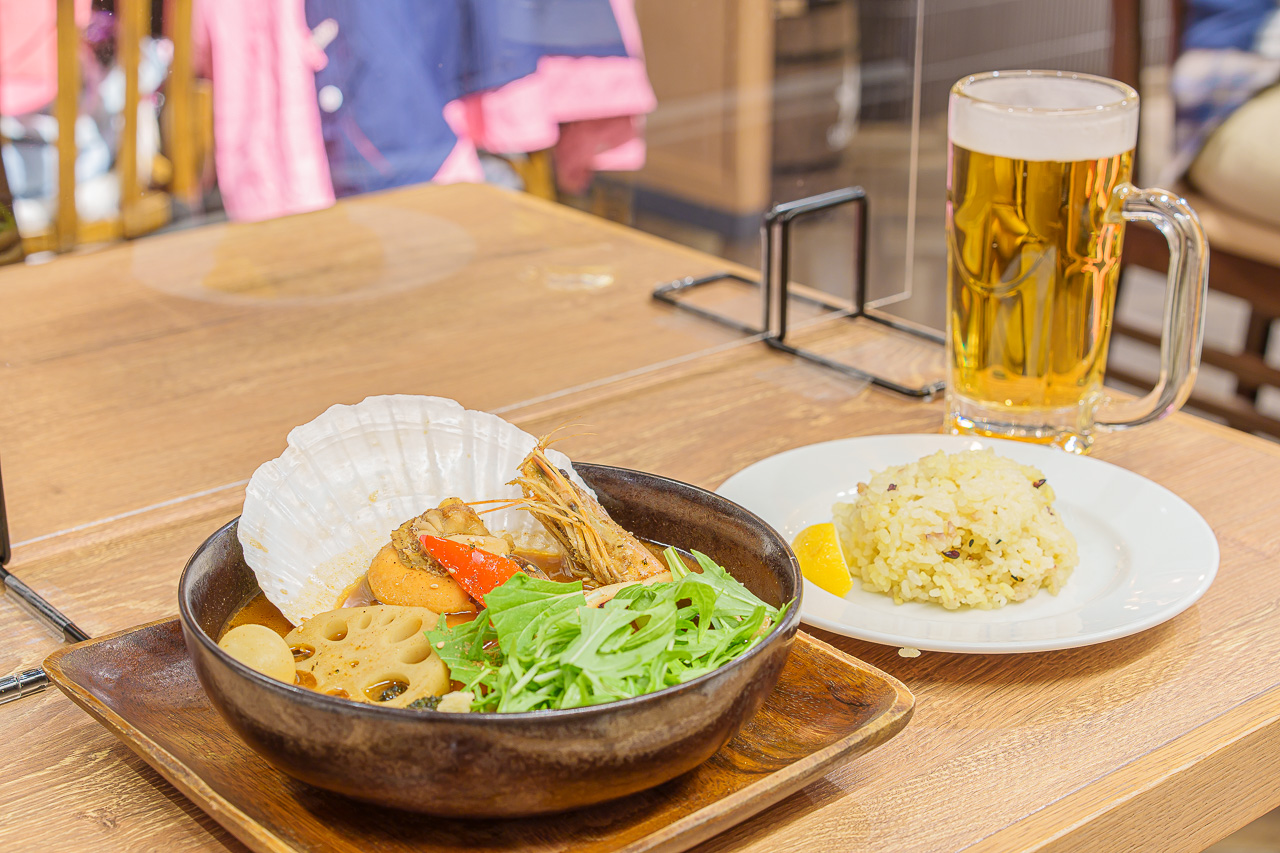
About ten minutes later, the seafood soup curry and beer arrive.
The rice is lightly yellow from turmeric.
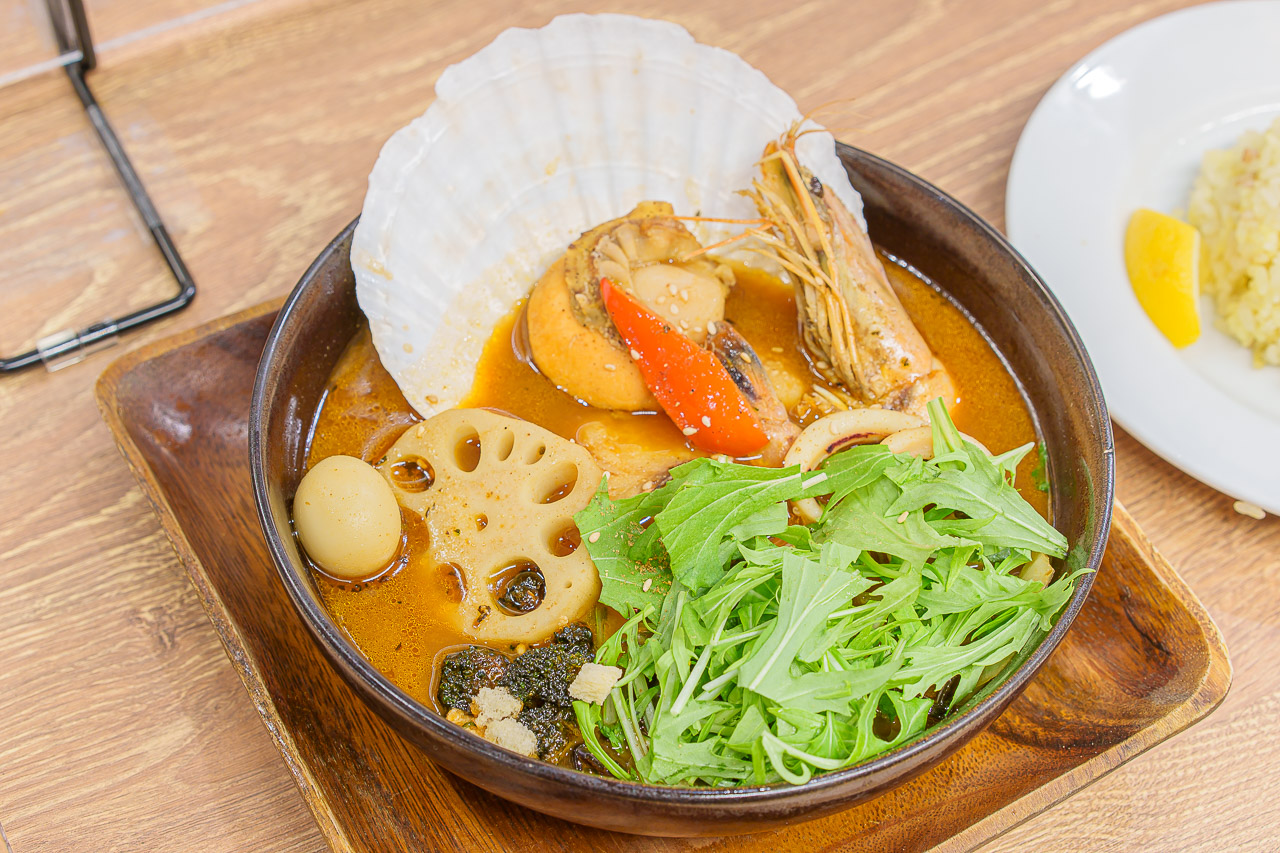
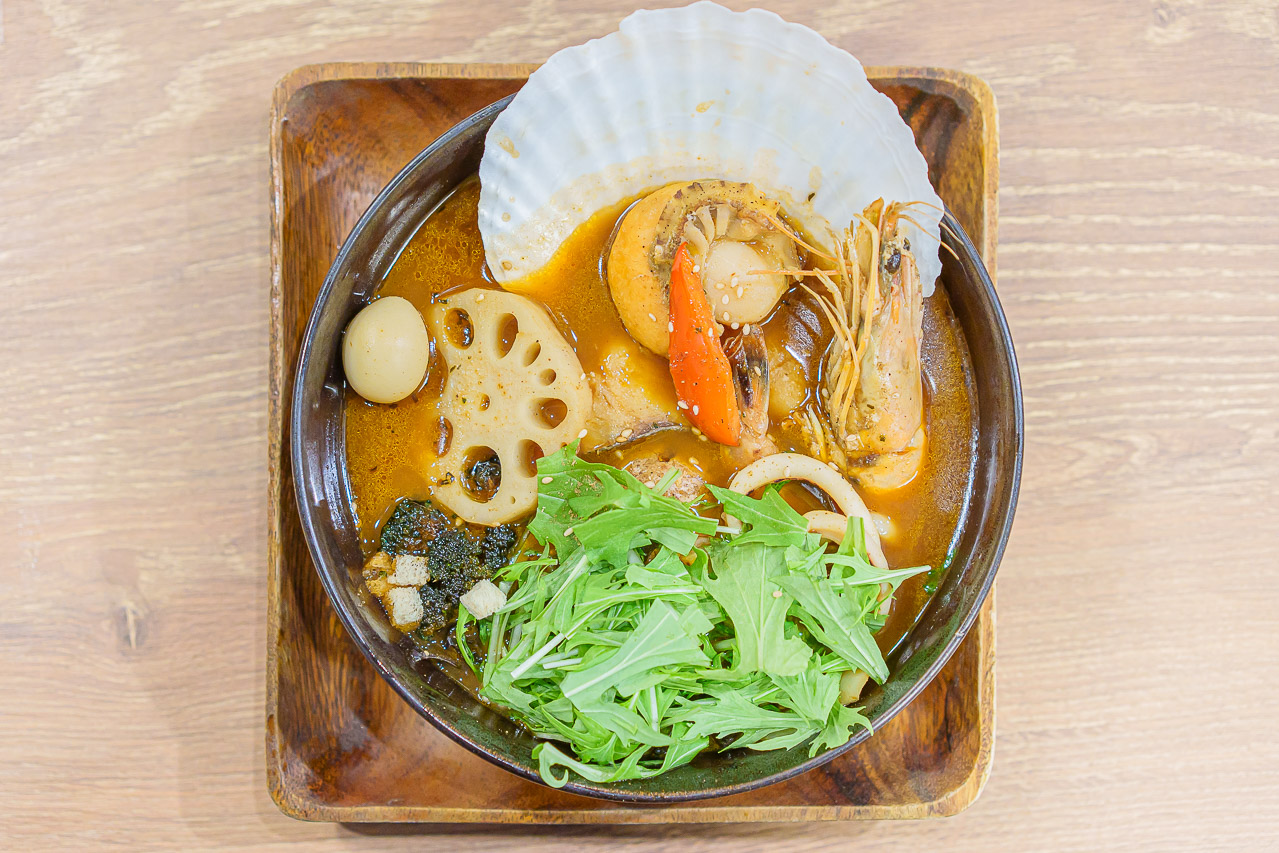
The large scallop already looks delicious.
Japan has plenty of curry shops, but I can understand why people queue for this one.
Seafood adds abundant umami to the soup, and the vegetables are cooked just right.
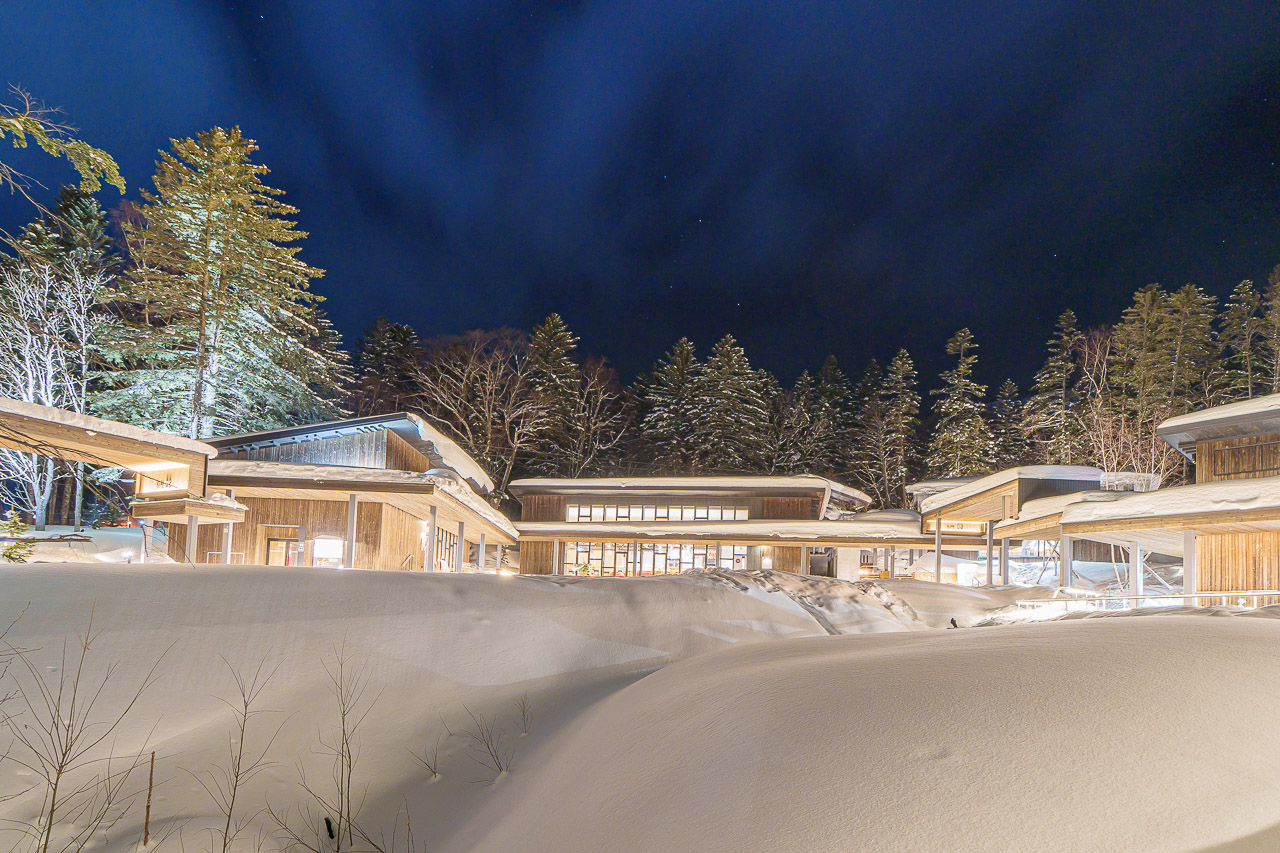
Walking back down after dinner, we find Hotalu Street glittering with light.
Tomamu is beautiful almost wherever we point the camera at night.
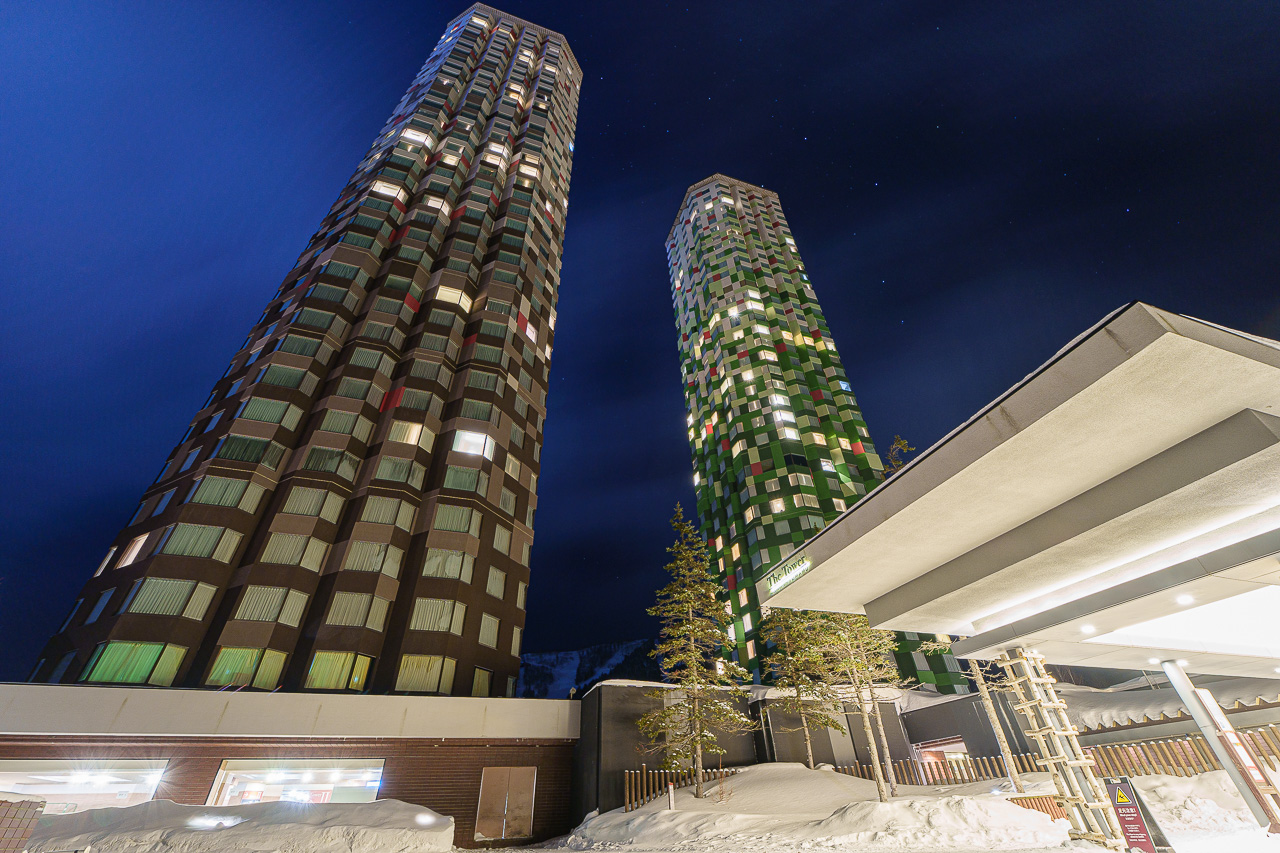
A day filled with winter activities from morning to evening.
Activities and good food have given us a thoroughly wintry Tomamu day.
For someone who loves skiing or snowboarding, this feels like paradise.
Hoshino Resorts Tomamu
Address: Nakatomamu, Shimukappu, Yufutsu District, Hokkaido
Phone: 0167-58-1111