Kyushu is the westernmost and southernmost of Japan’s four main islands. This account travels through its seven prefectures: Fukuoka (福岡), a nearby gateway from Korea; Saga (佐賀); Nagasaki (長崎); Oita (大分); Kumamoto (熊本); Miyazaki (宮崎); and Kagoshima (鹿児島).
Together, those seven prefectures cover a large area.
Alongside regular trains, Kyushu has a strong range of sightseeing trains, making it rewarding for rail travel.
The source highlights rail passes for overseas visitors, describing broad unlimited travel. Actual eligibility, geographic coverage and excluded trains depend on the pass; this sentence should not be read as universal coverage.
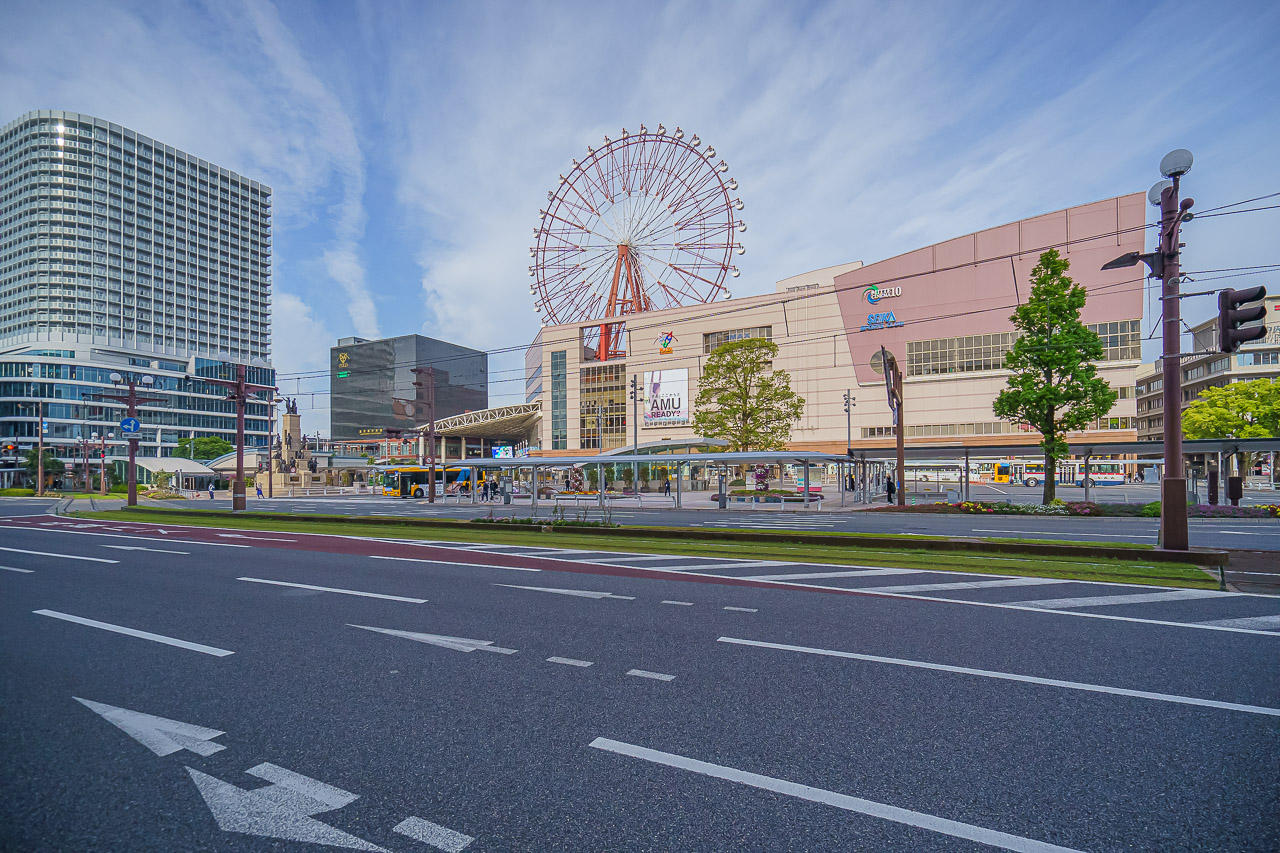
We leave Fukuoka for Kagoshima at Kyushu’s southern end, excluding the separate Okinawan islands from that description.
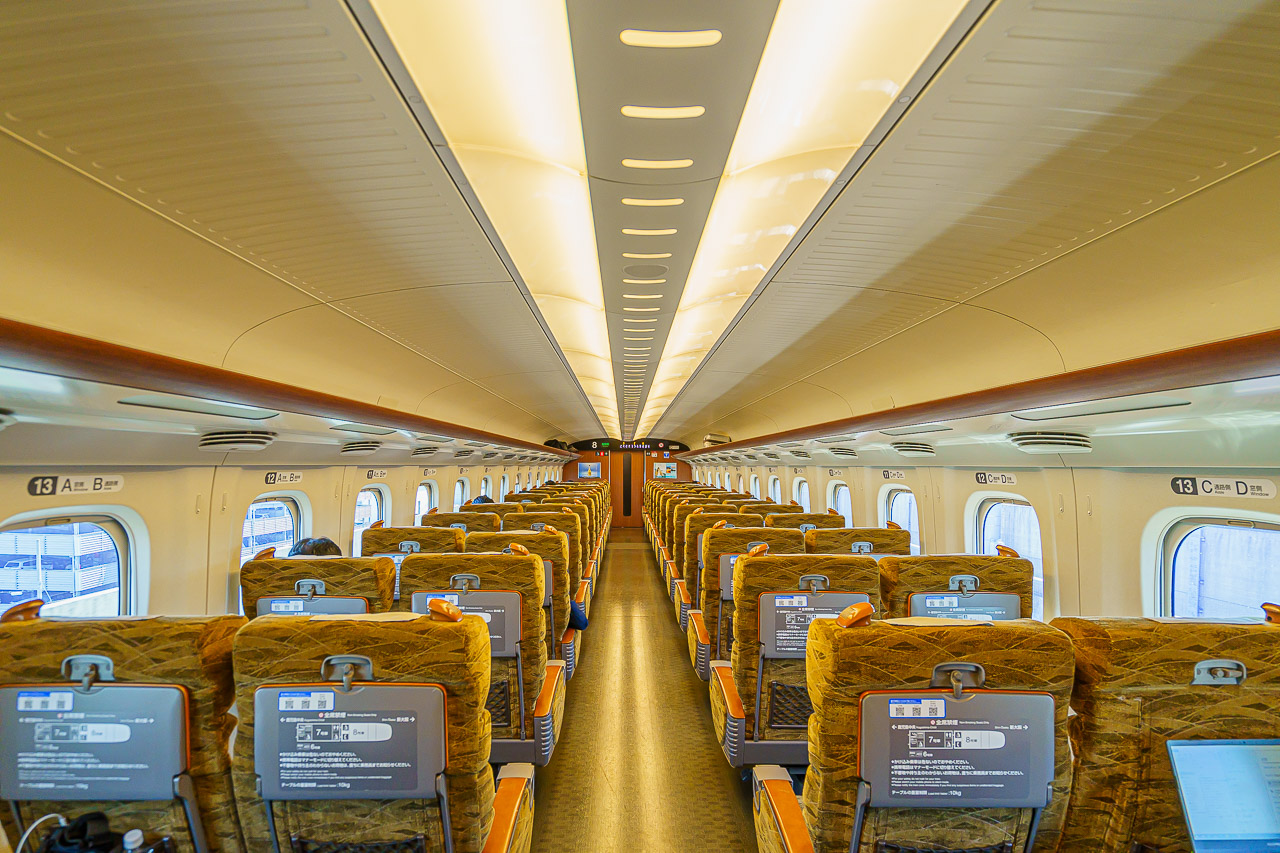
The journey is impressively quick: one hour and 40 minutes on this trip.
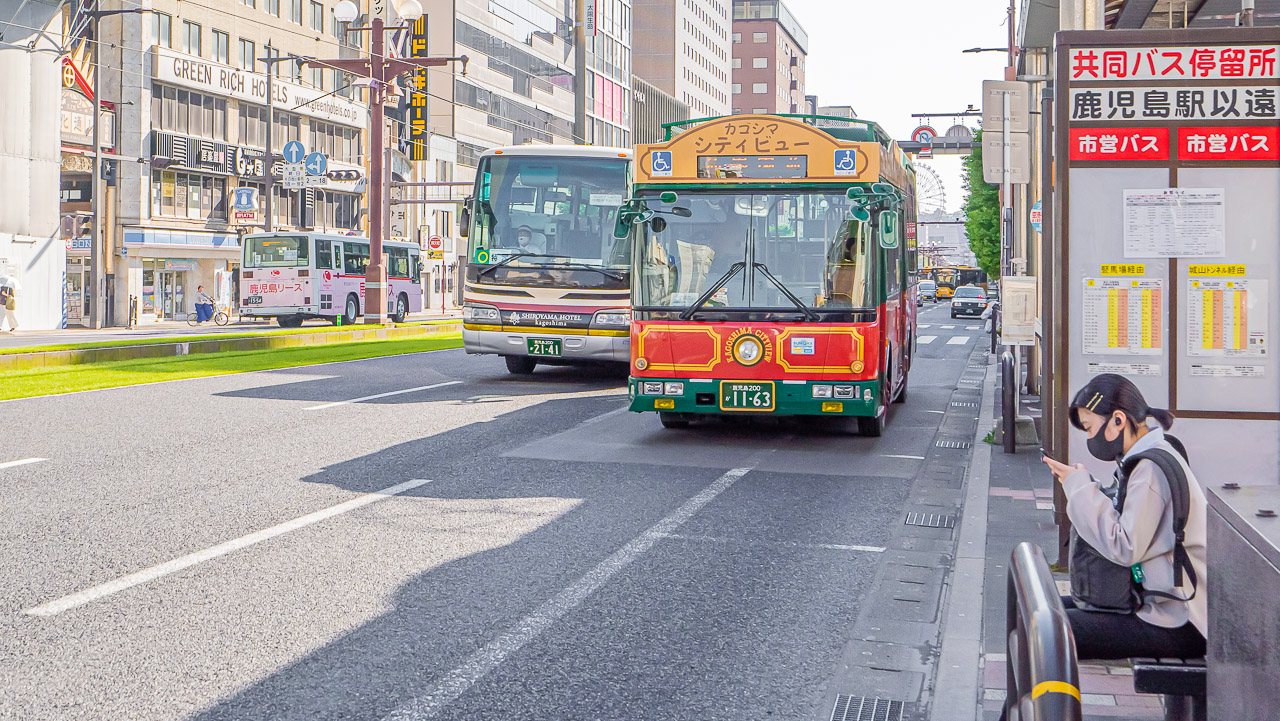
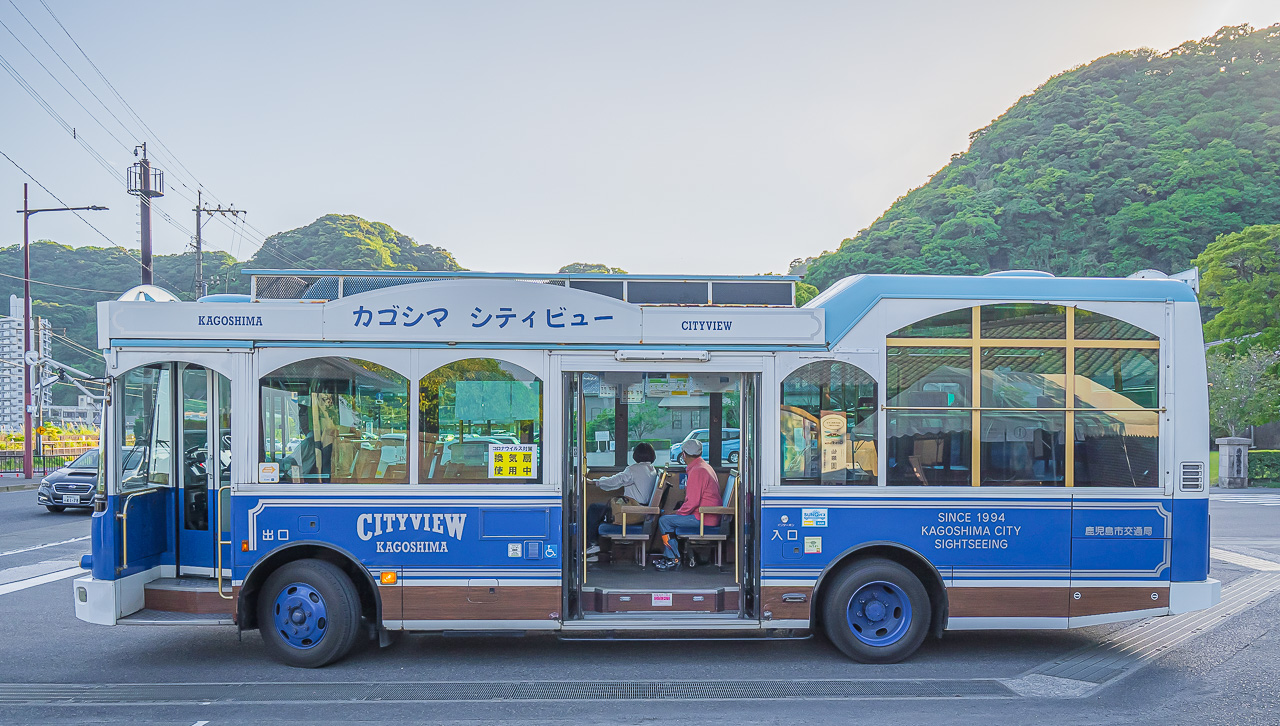
To explore, we use the Kagoshima City View sightseeing bus.
The historical JPY 600 day ticket offered unlimited rides, with 19 daily departures described in the source.
It is already well past lunchtime when we arrive.
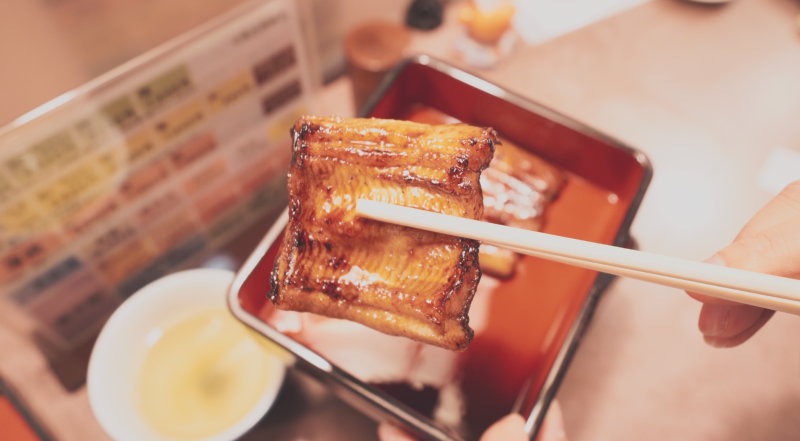
We go to Unagi no Sueyoshi, a well-known eel restaurant in the city.
Whether because I am hungry or because the cooking is simply excellent, it tastes wonderful.
Kagoshima is particularly well known in Japan for eel.
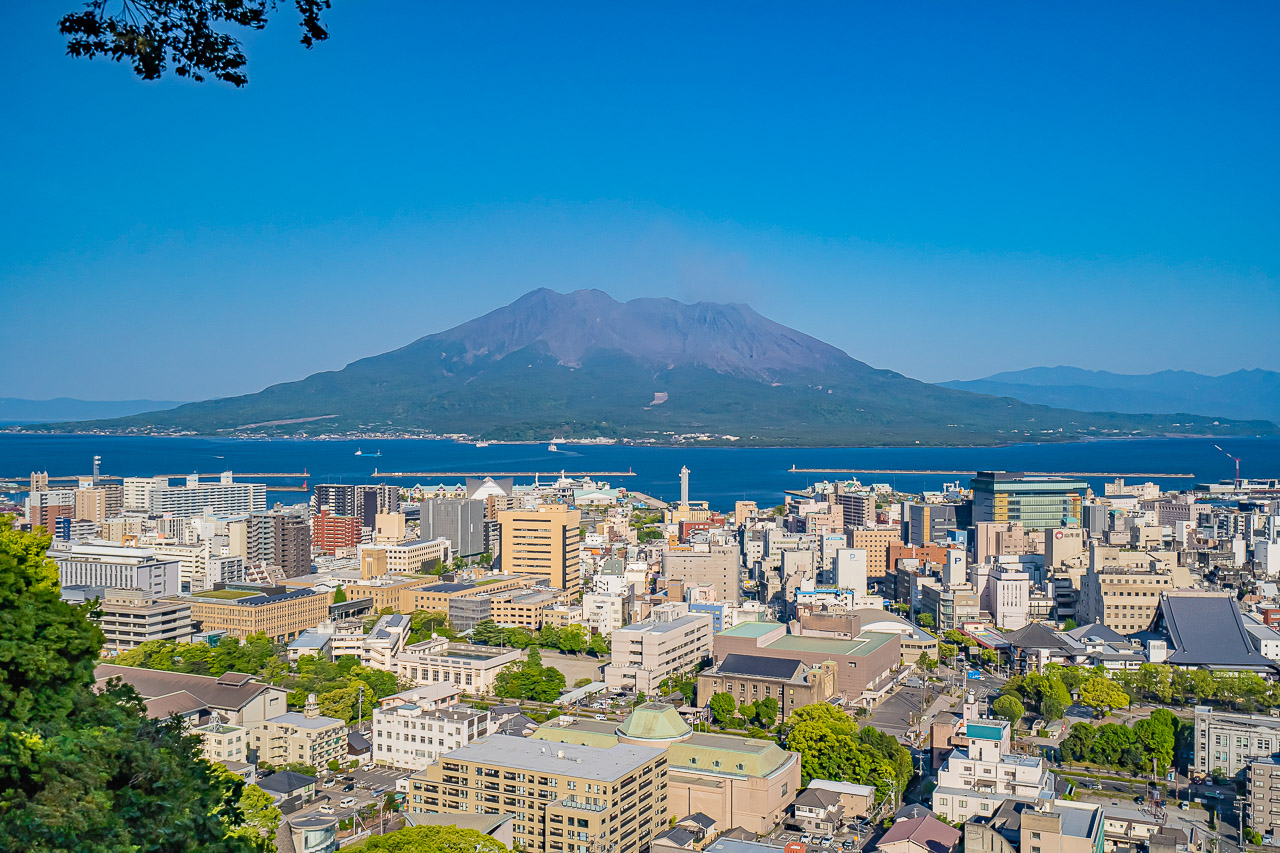
Shiroyama Observatory offers a clear view of the city’s symbol, Sakurajima.
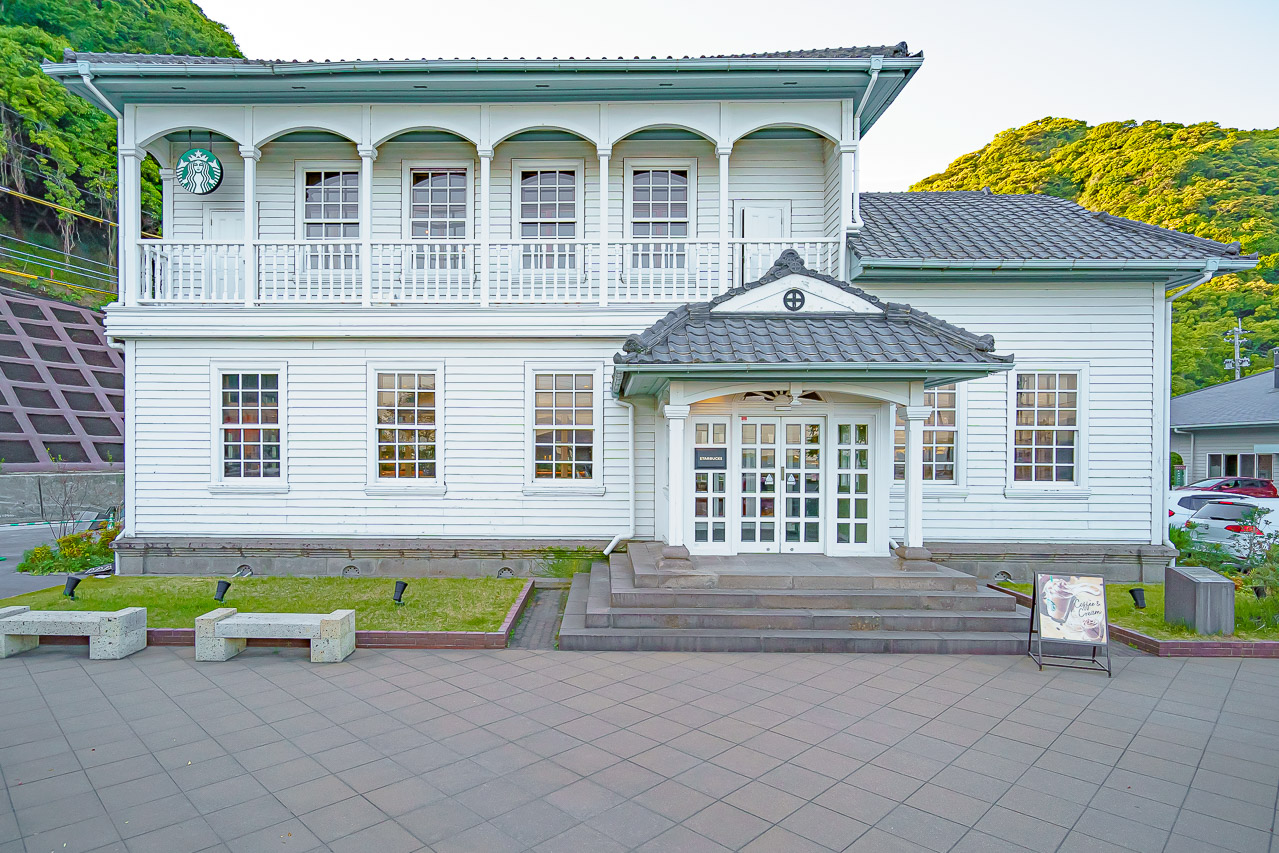
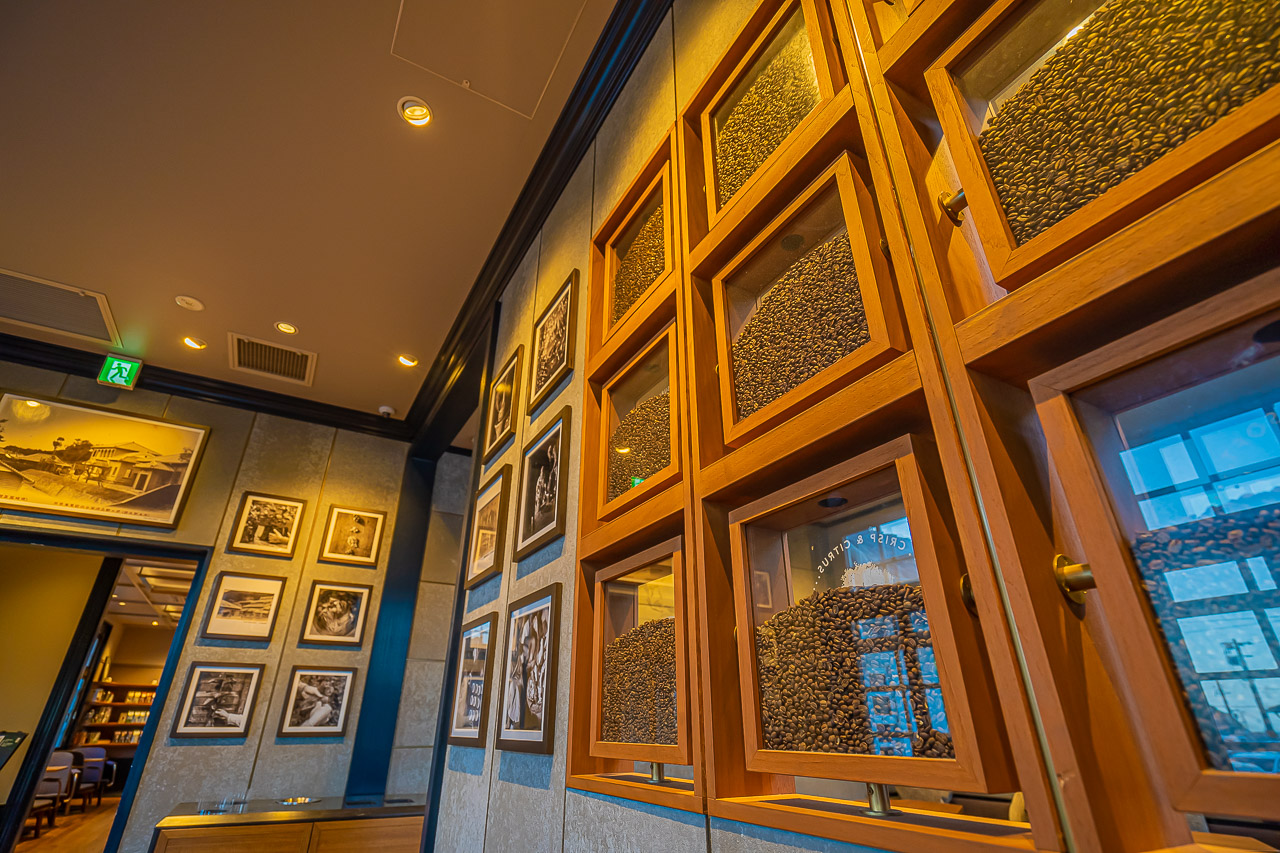
We also reach World Heritage-associated Sengan-en, but have missed final admission. Instead, we have coffee at the Starbucks next door.
Its unusual building reuses an office from the Meiji industrialization era, described in the source as a designated Tangible Cultural Property.
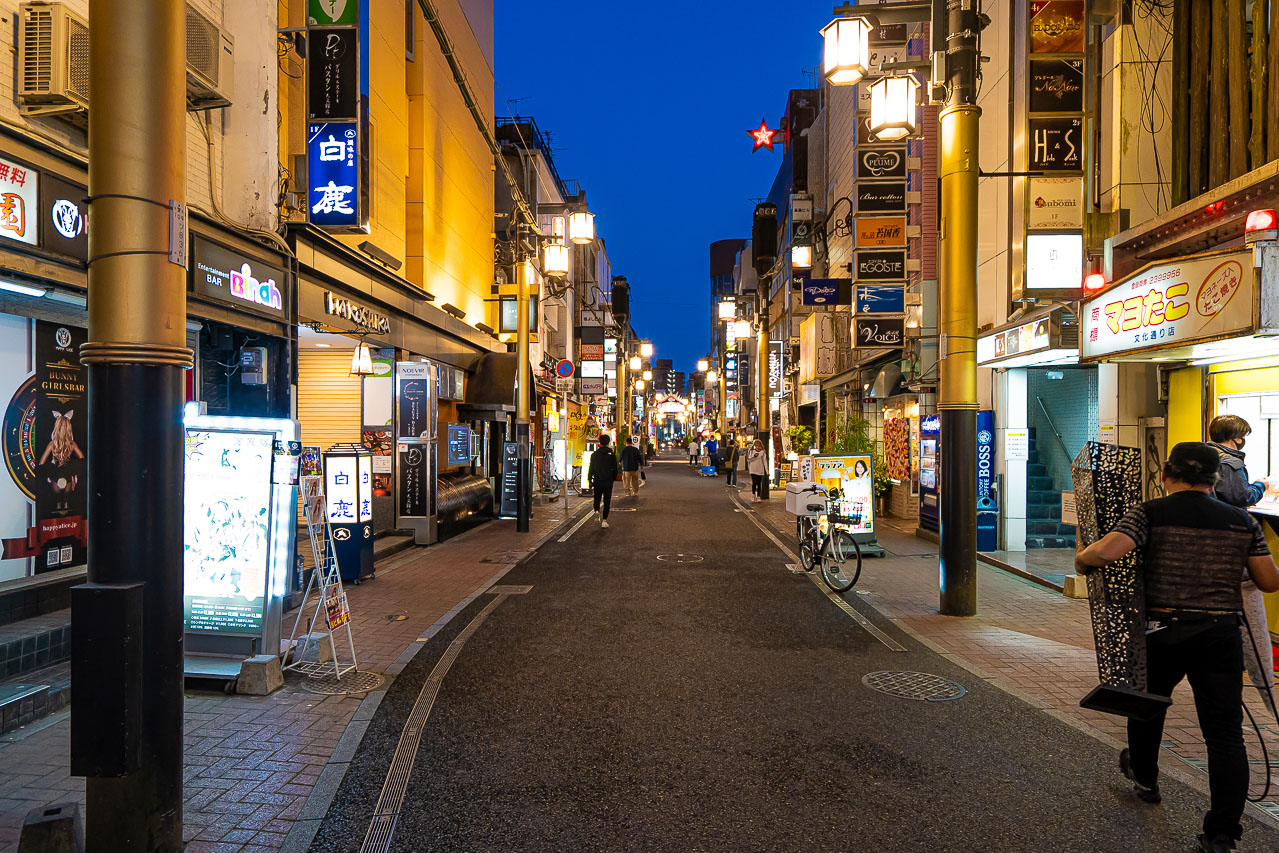
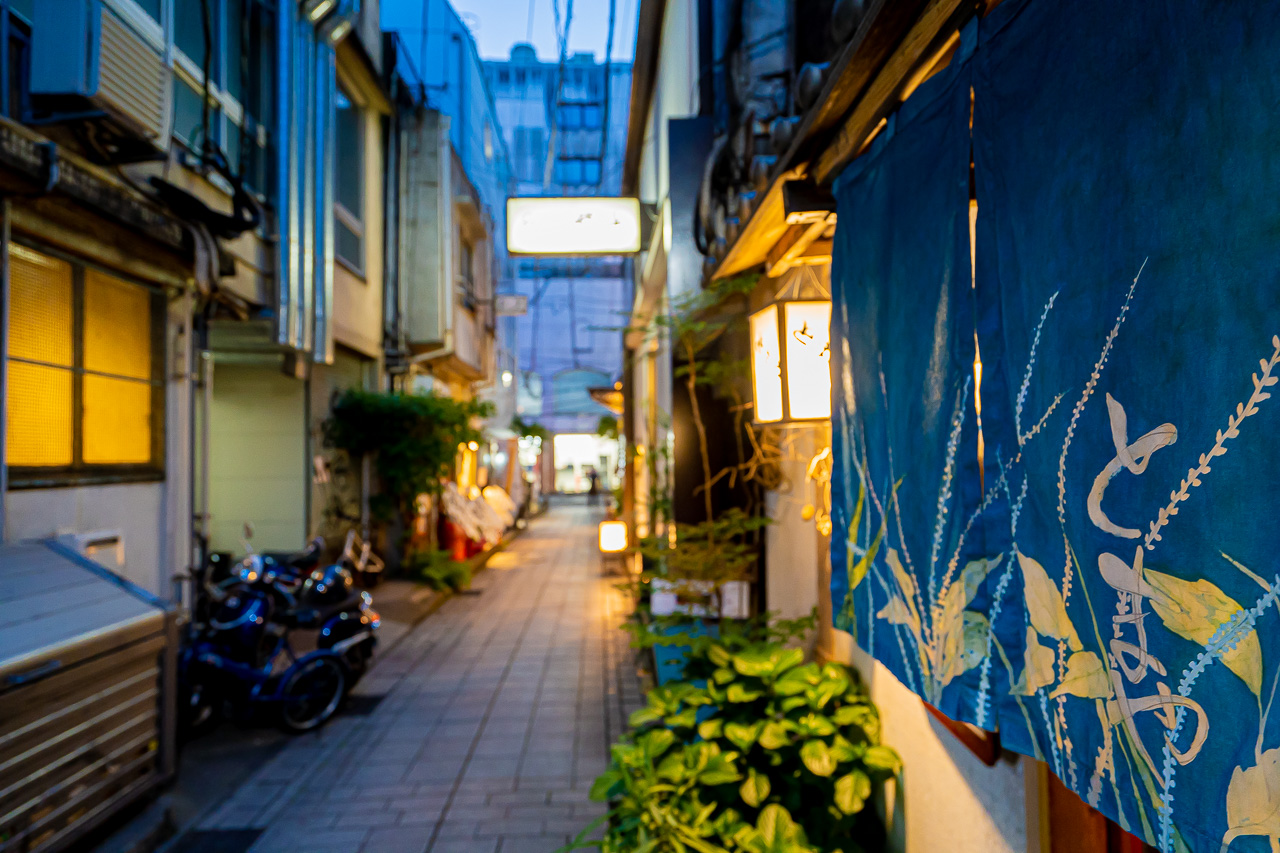
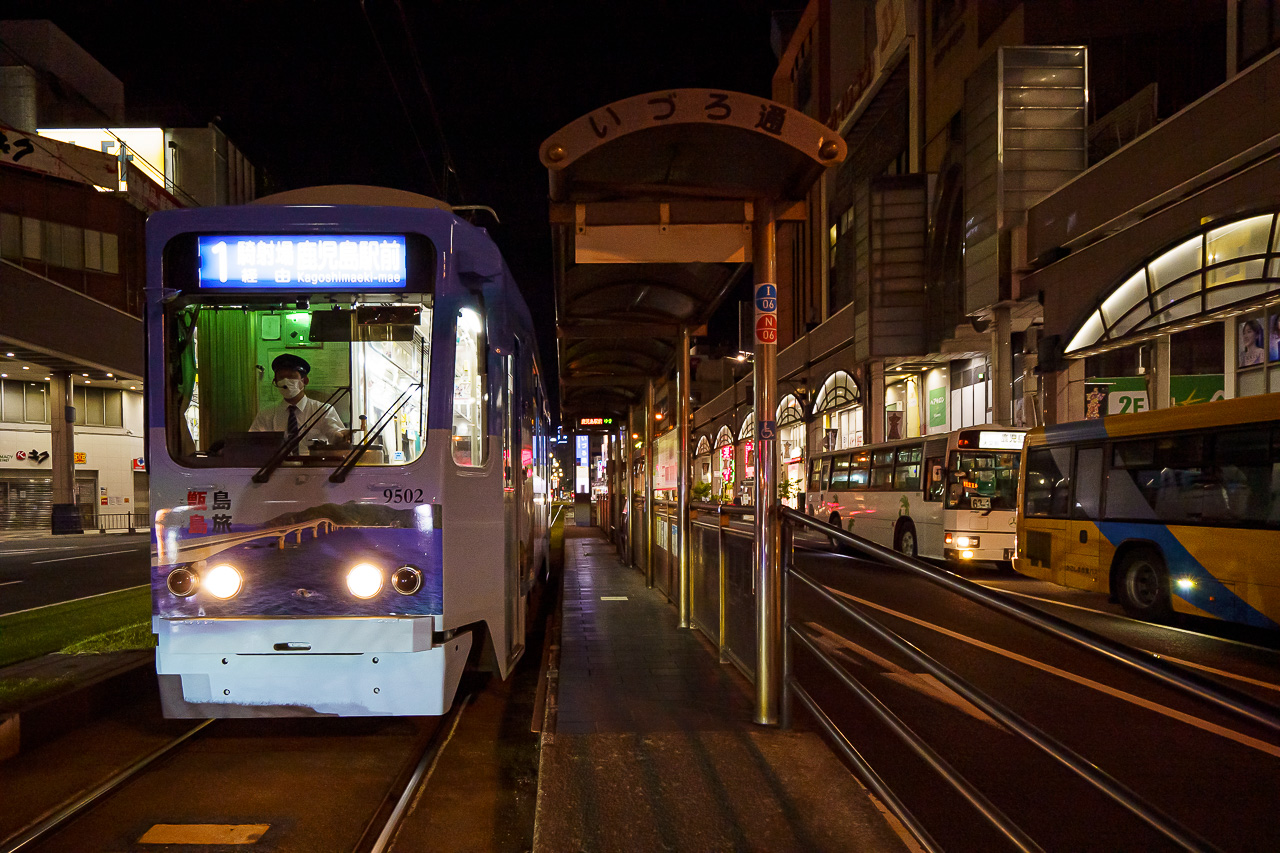
After walking through Kagoshima at night, we return to our accommodation.
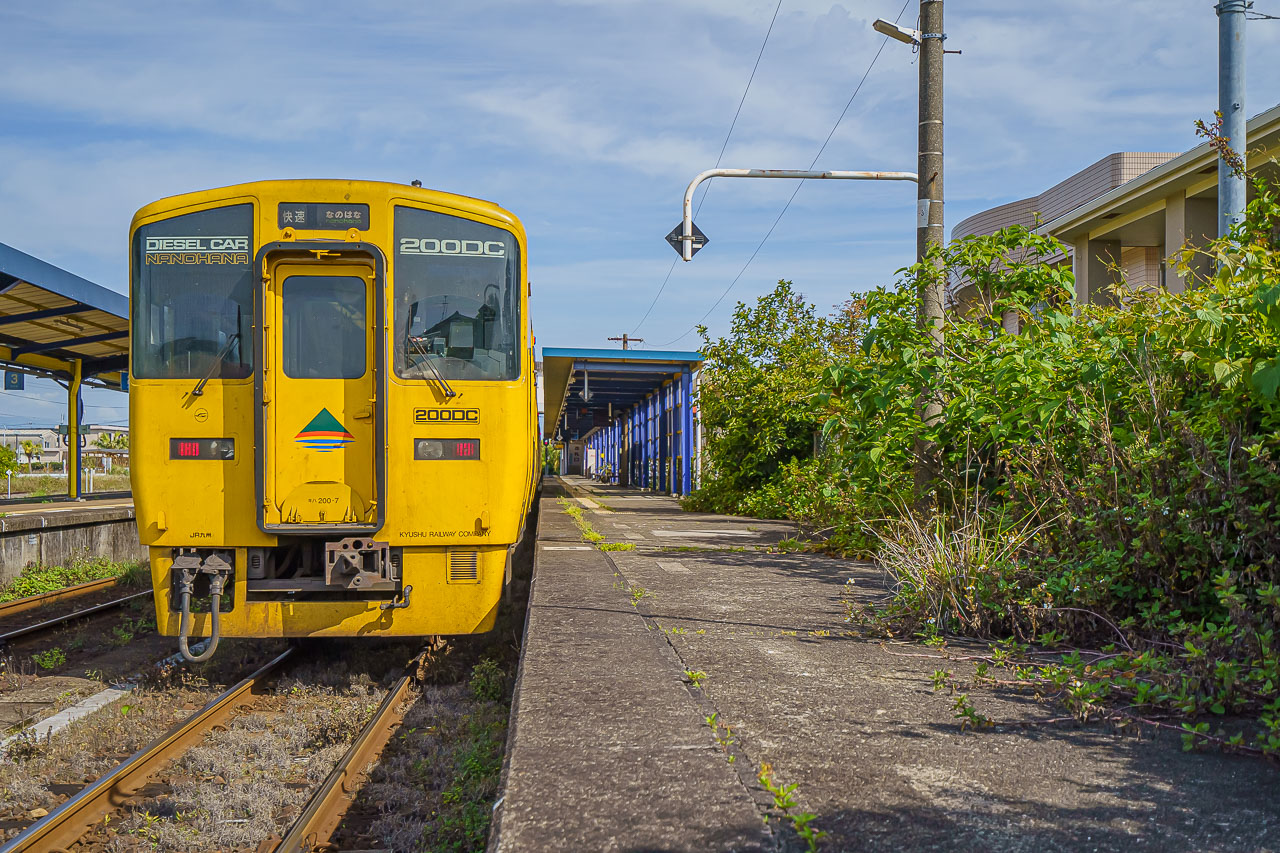
The next day, we take the train toward Ibusuki for Healthy Land’s Tamatebako Onsen.
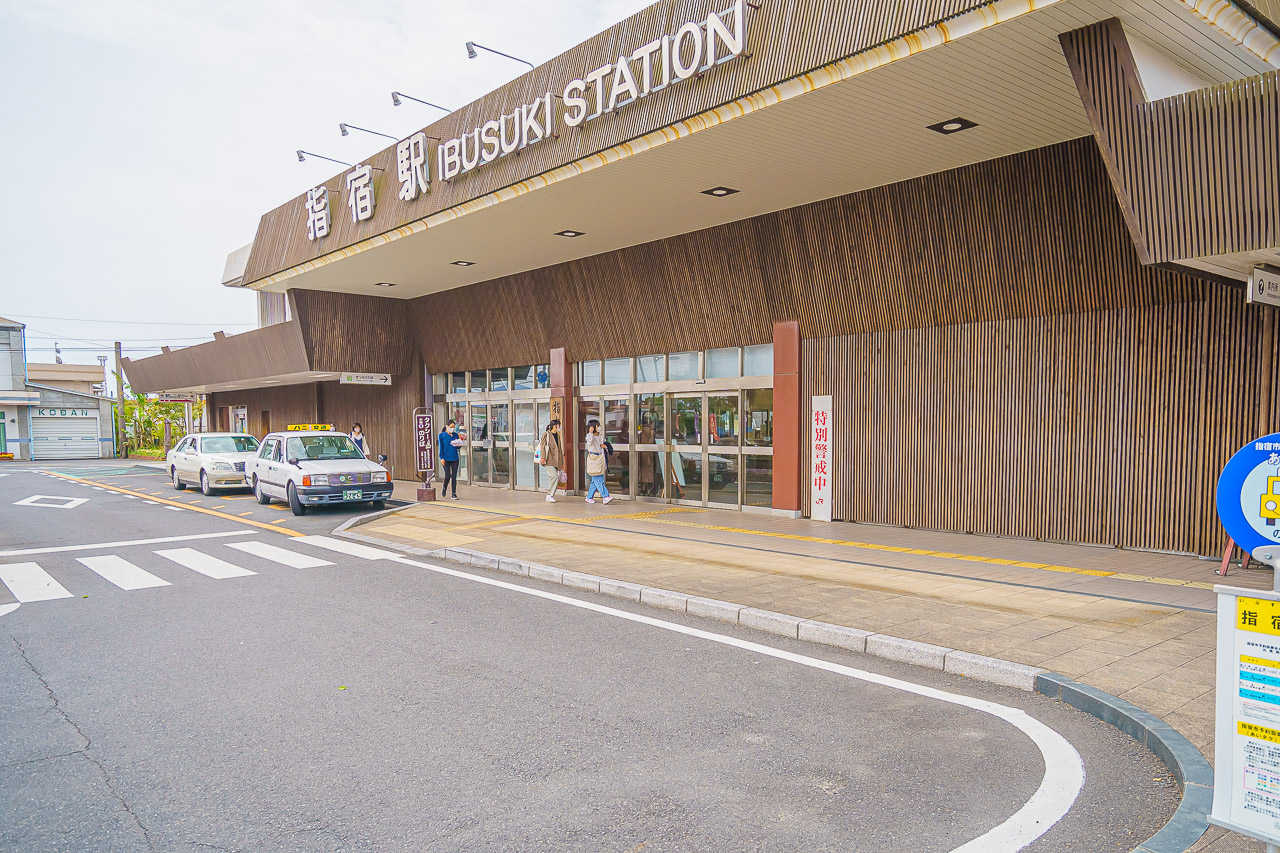

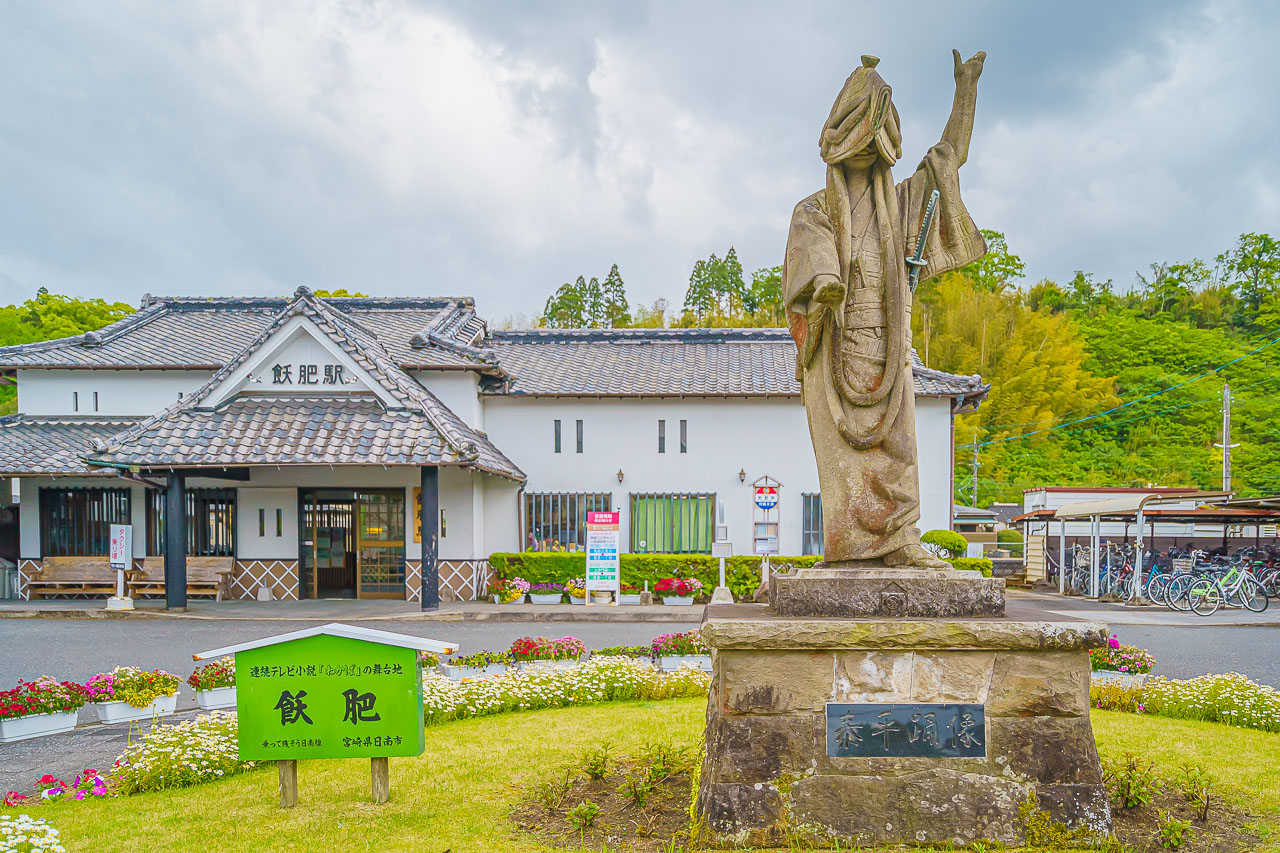
At Ibusuki Station is a Pokémon manhole featuring Eevee.
It plays on Eevee’s Japanese name and suki, meaning ‘like,’ producing a sound resembling Ibusuki.
Other Pokémon manholes are around the area too; fans may enjoy looking for them.
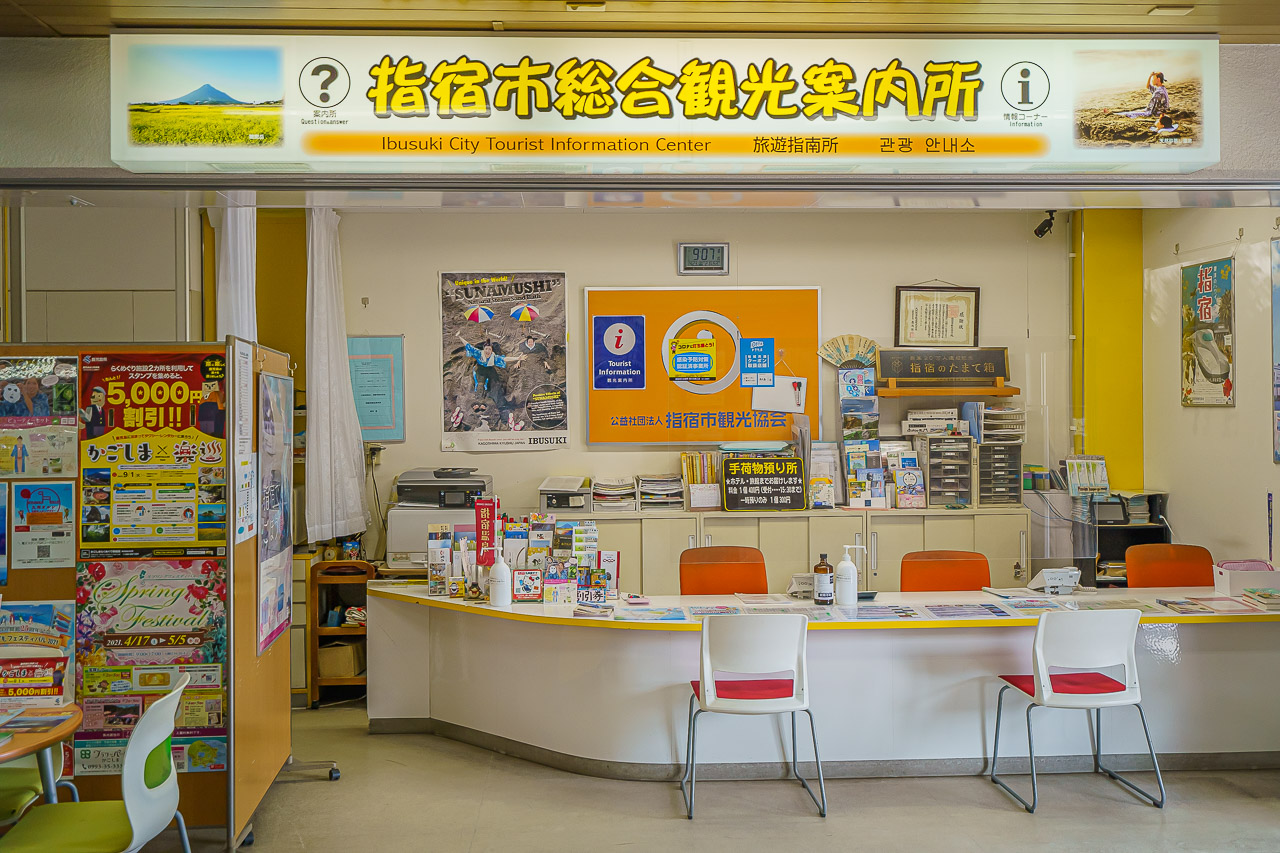
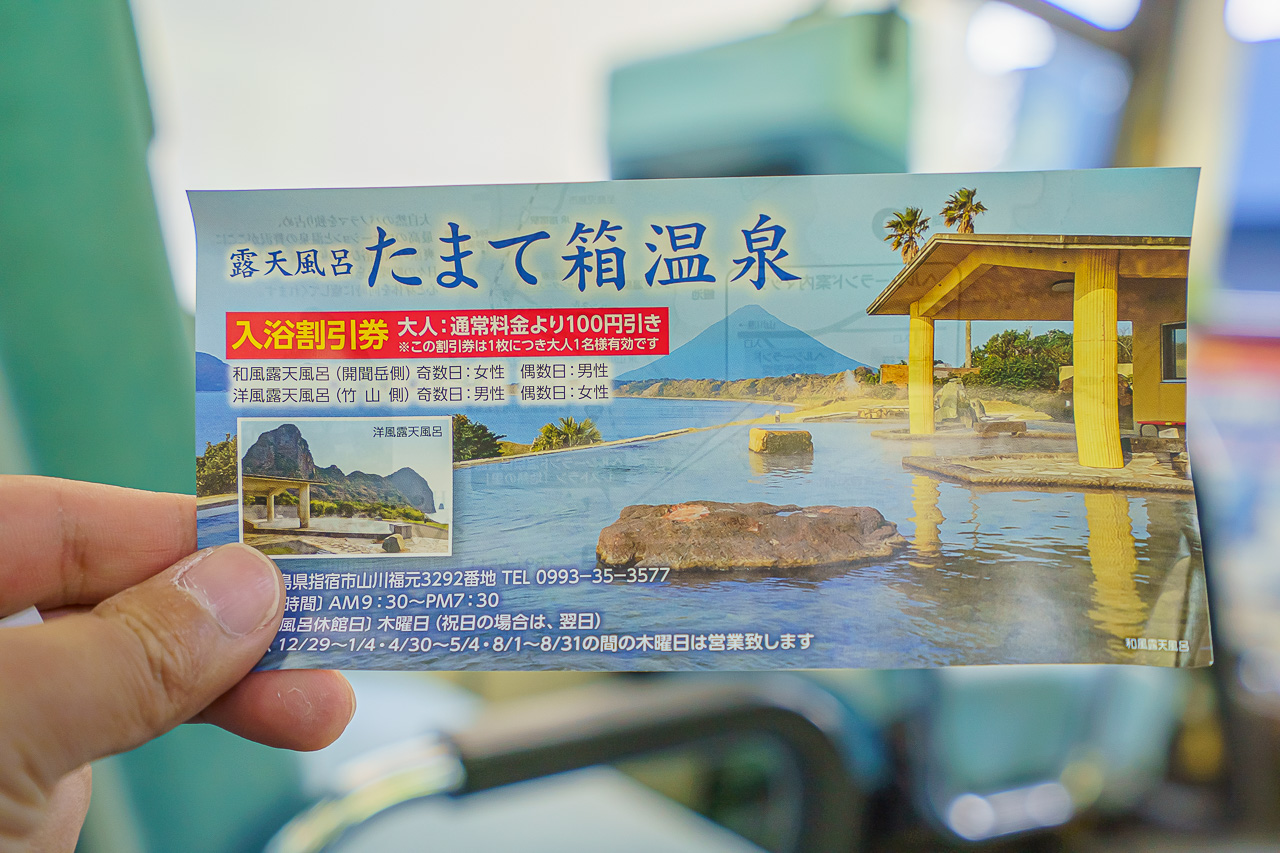
The station’s tourist information center offered discount tickets for Tamatebako Onsen during this visit.
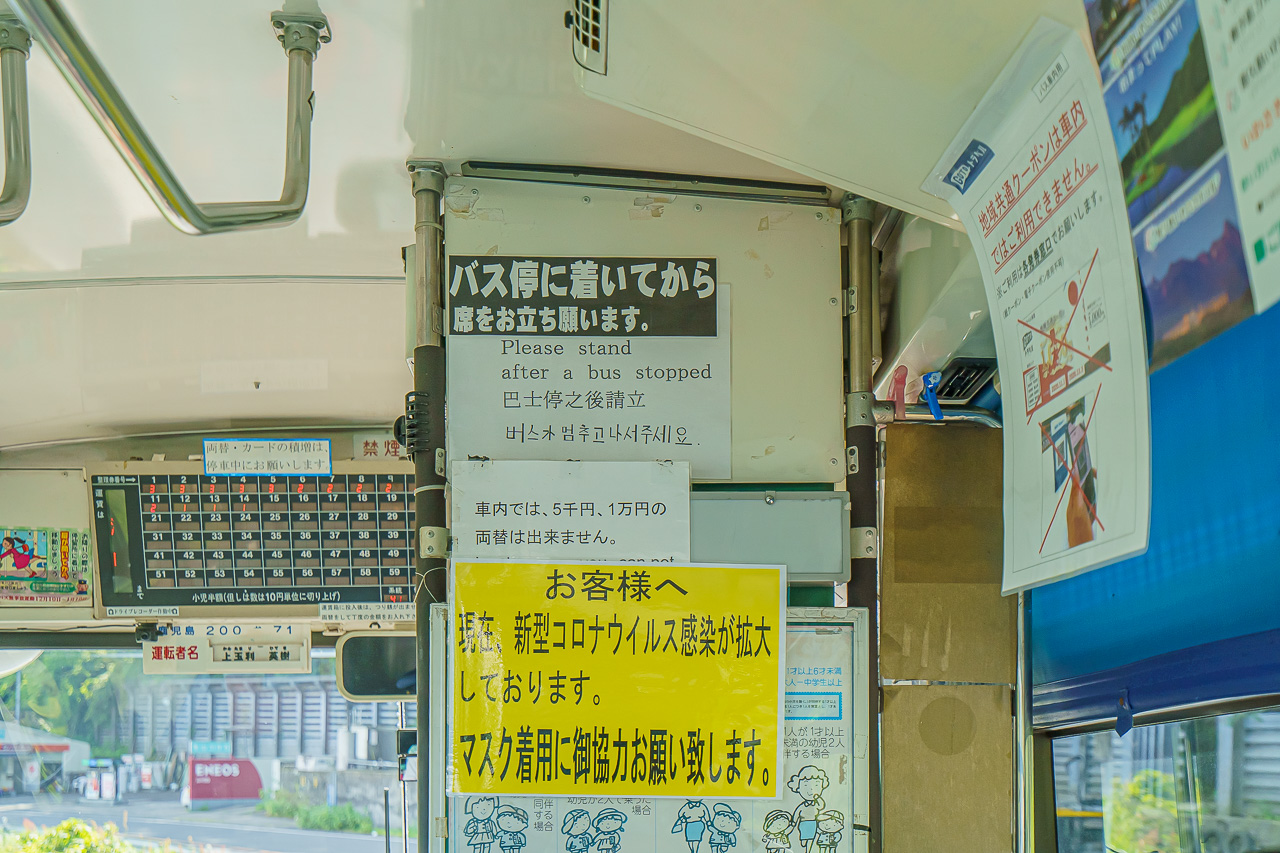
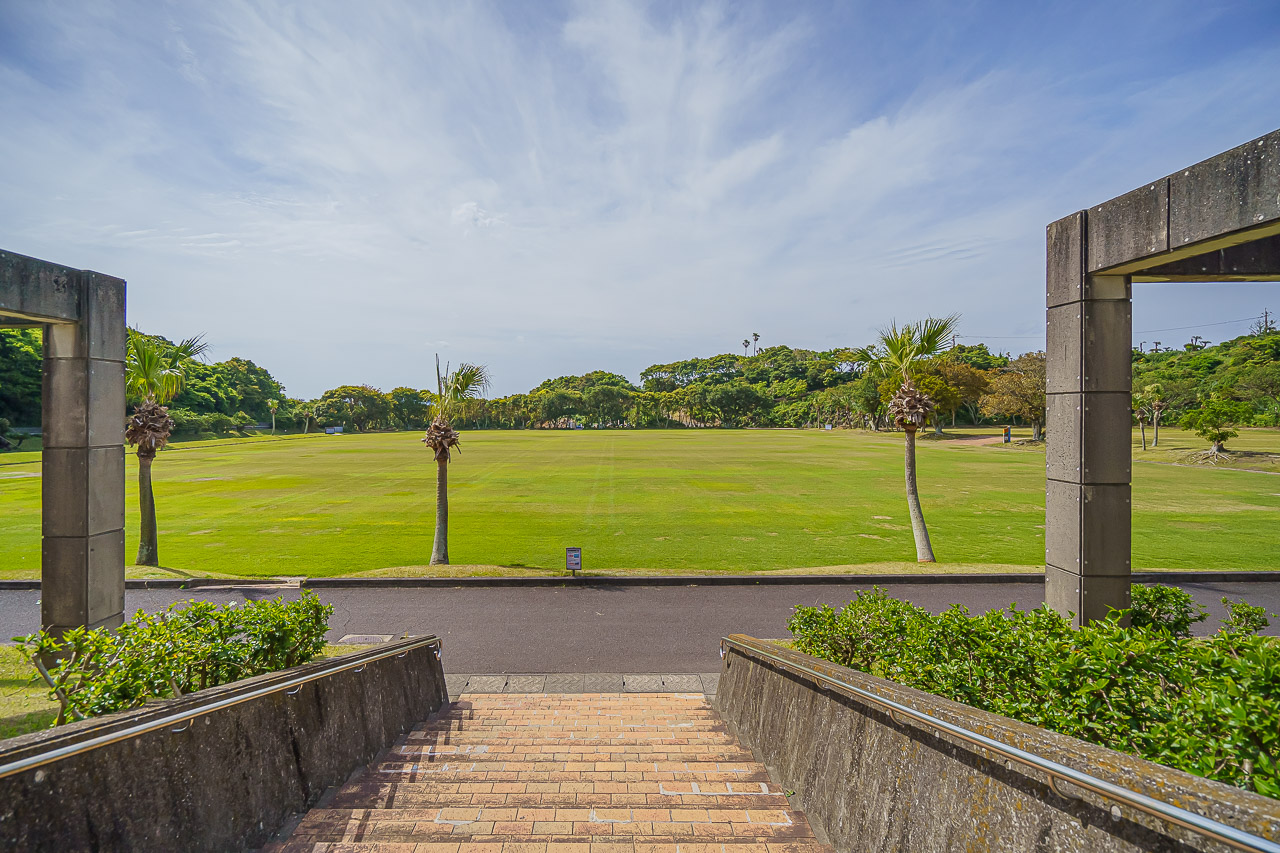
A further bus ride of around 30 minutes brings us to the onsen.
The source says the side with a Mount Kaimon view was assigned to men on even-numbered dates and women on odd-numbered dates. Check present bath rotation rather than relying on this archive.
Our assigned bath did not have the Mount Kaimon view, but the sea and rocky mountain scenery were still beautiful.
With such scenery, the author suspects some visitors are tempted to bring cameras into the bathing area.
A staff member reacted strongly when I had a camera with me. This recollection does not authorize photography in the baths; observe the facility’s privacy rules.
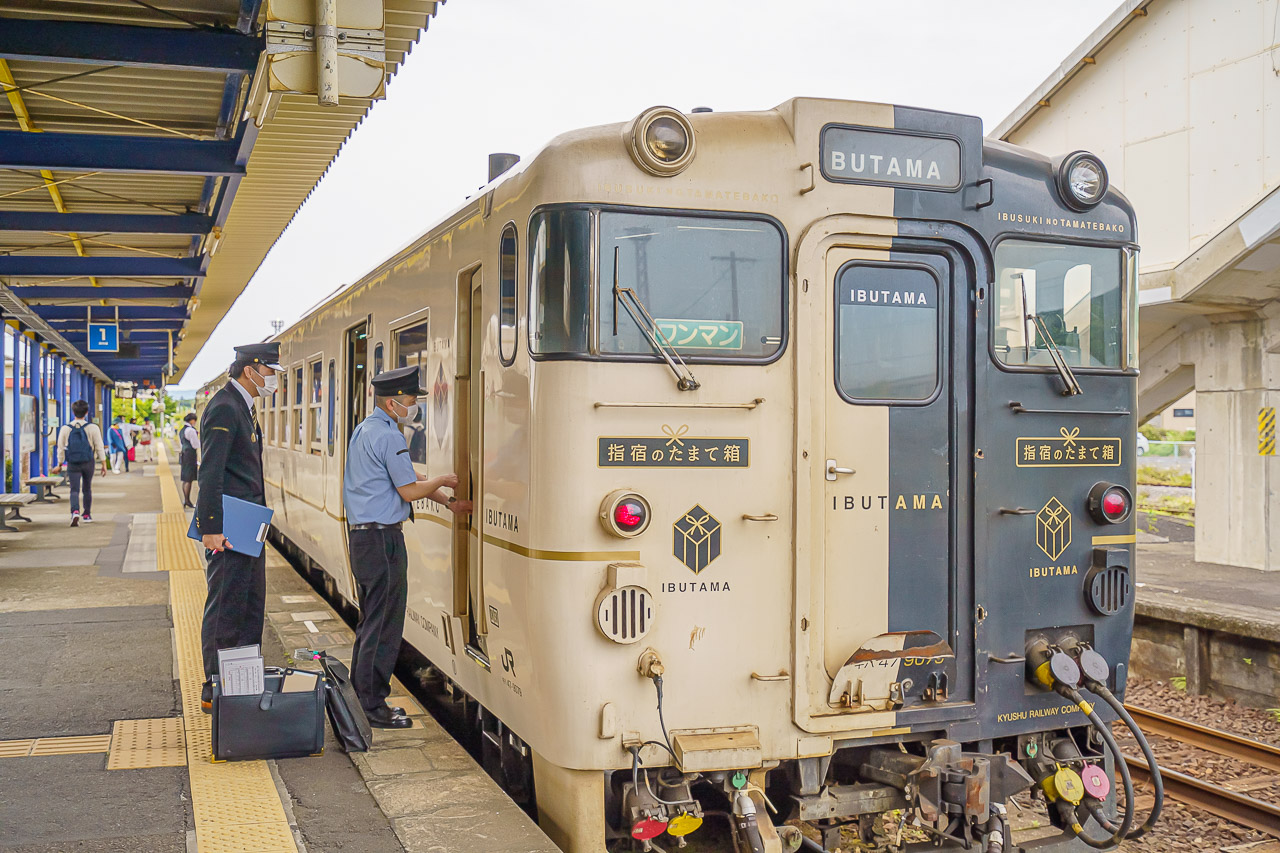
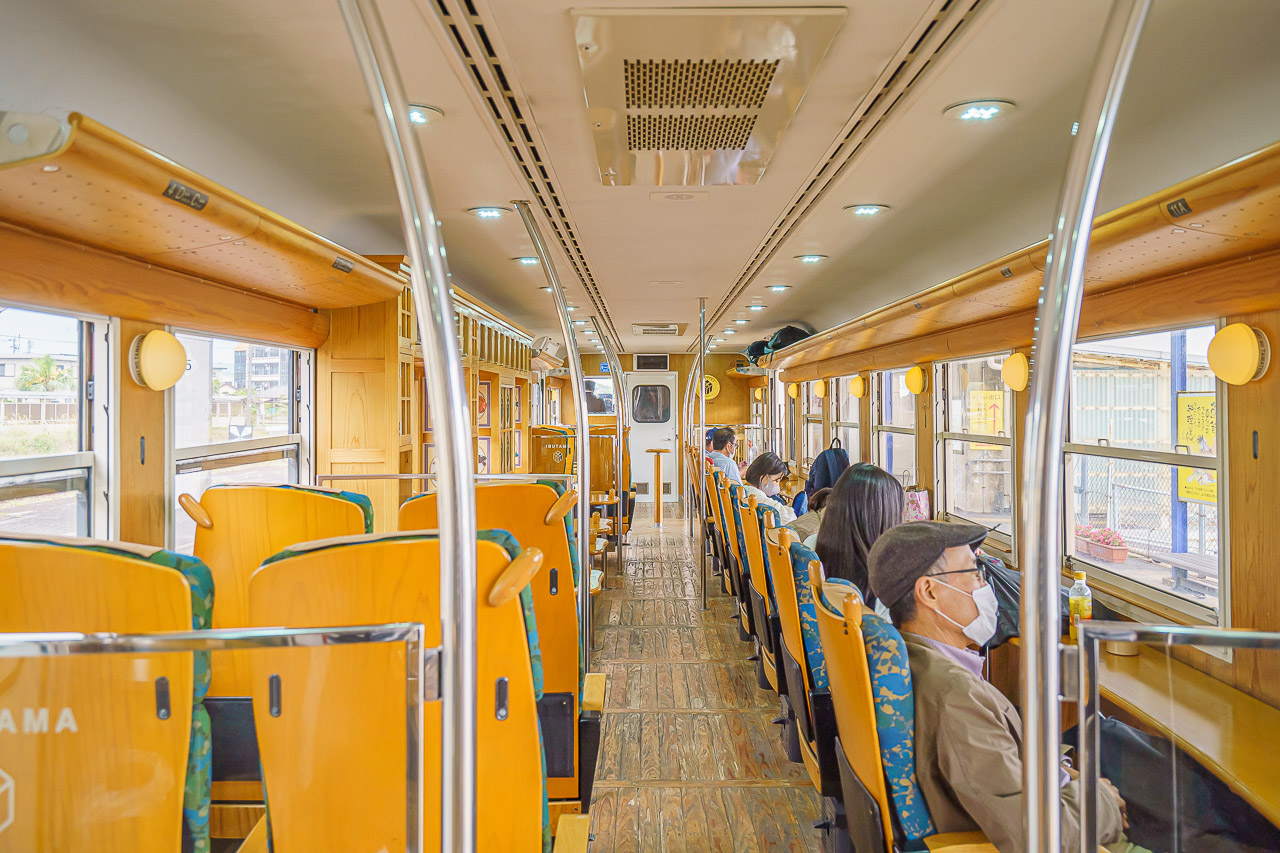
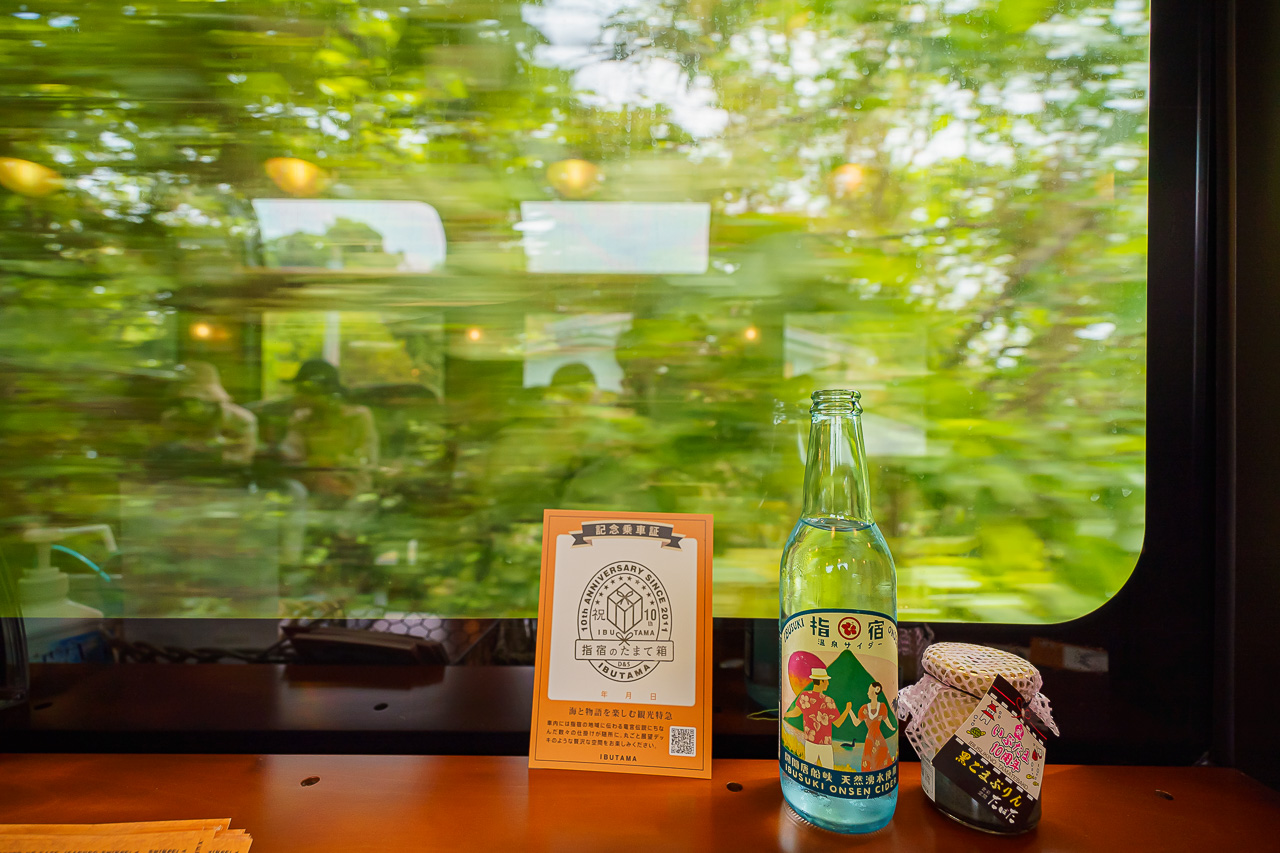
Ibusuki is also known for its sightseeing train.
The Ibusuki no Tamatebako’s sea-facing seats are popular. The source strongly recommends reserving one if available.
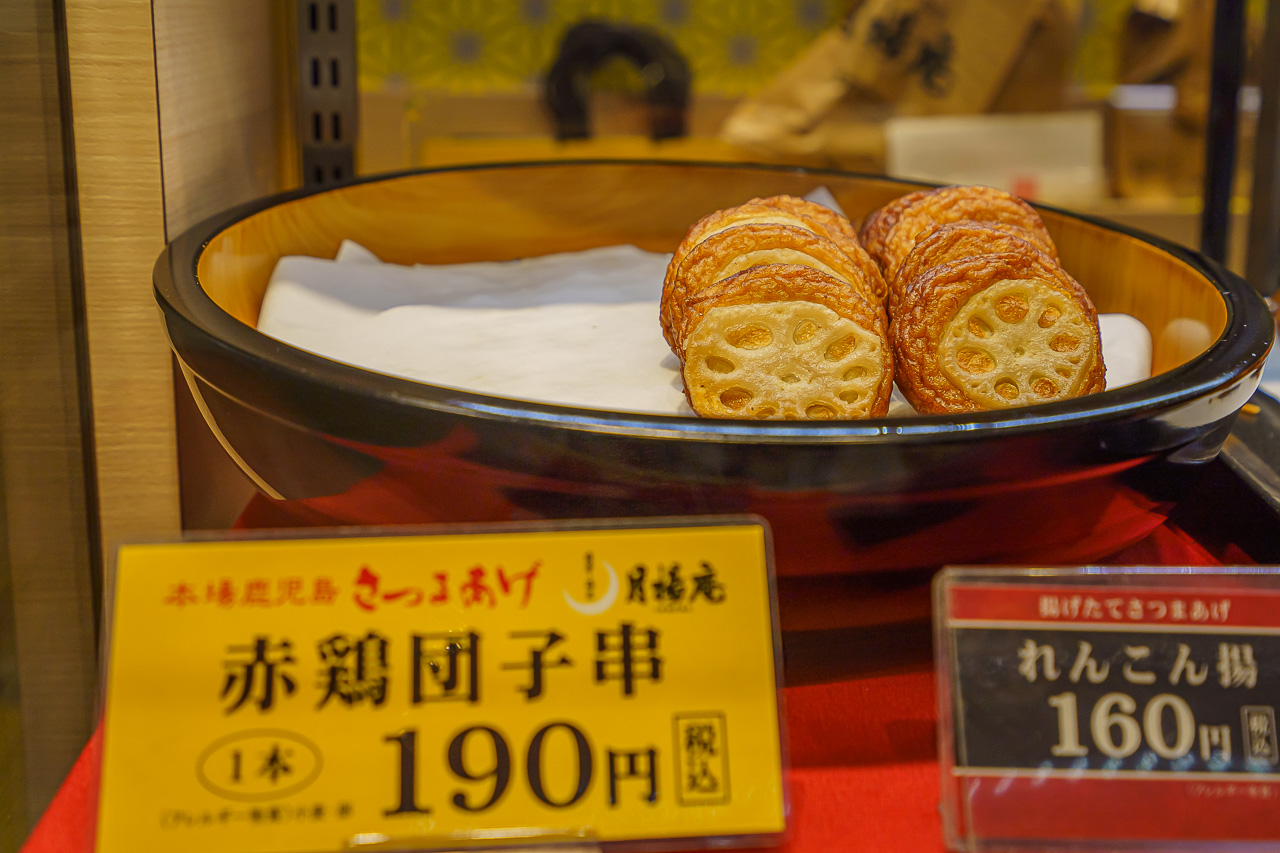
Back in Kagoshima, we try the local specialty satsuma-age, fried fish cakes.
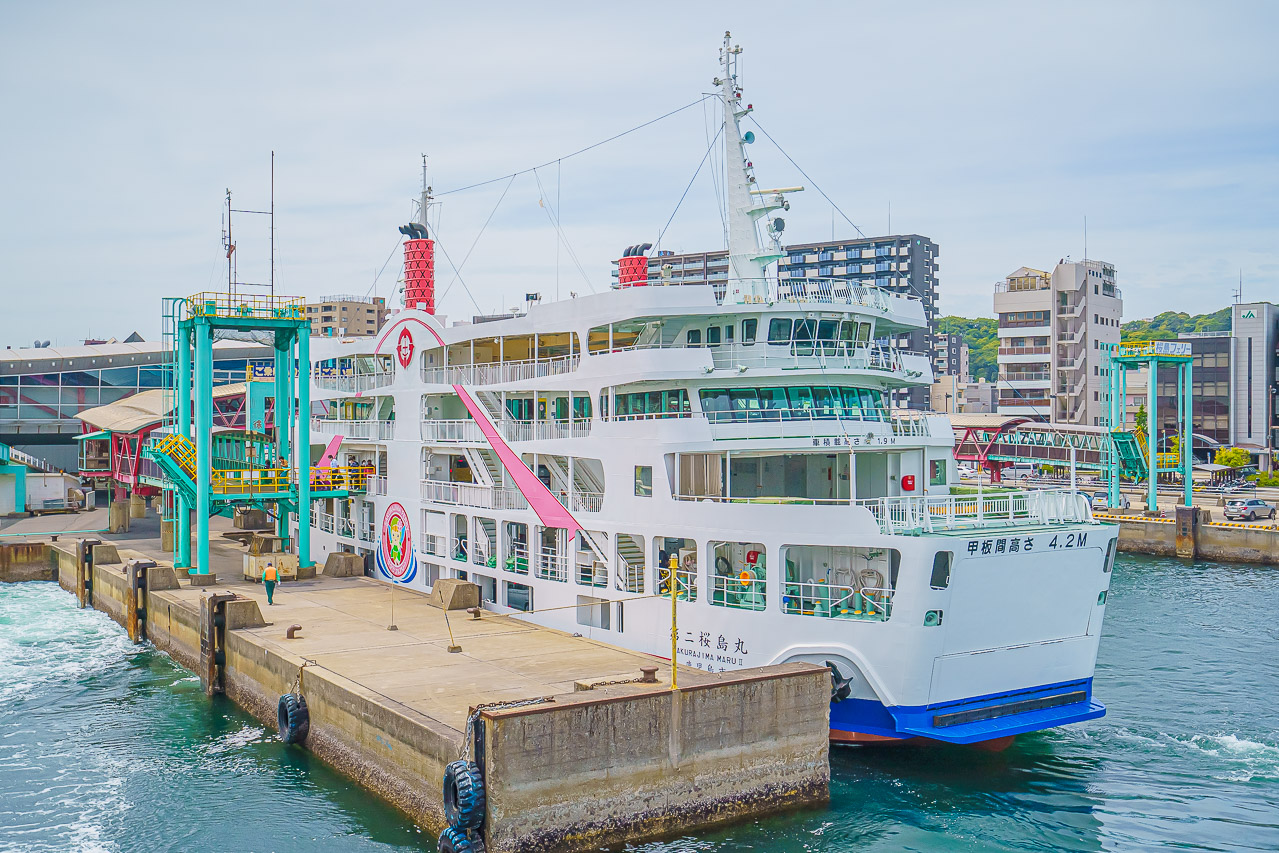
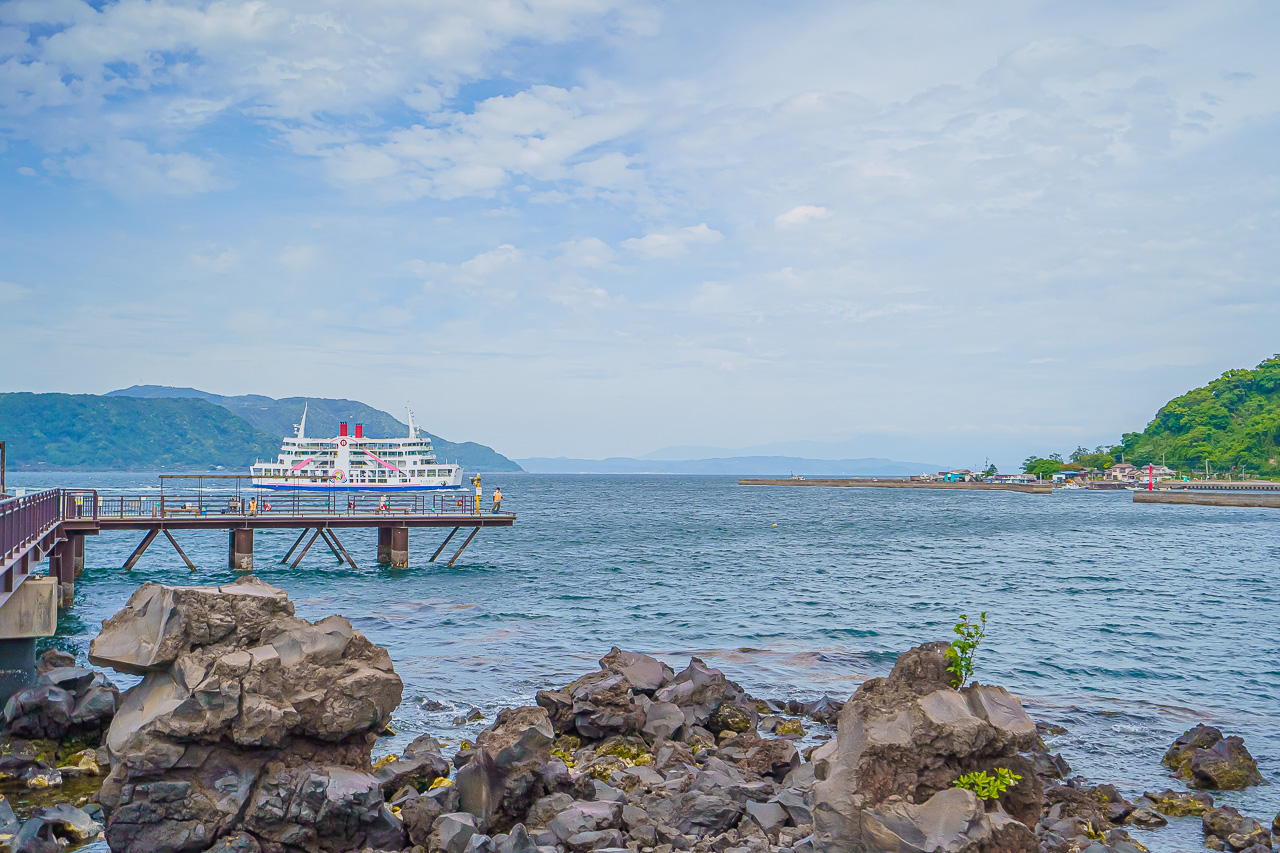
Then we take a ferry to Sakurajima, Kagoshima’s volcanic symbol.

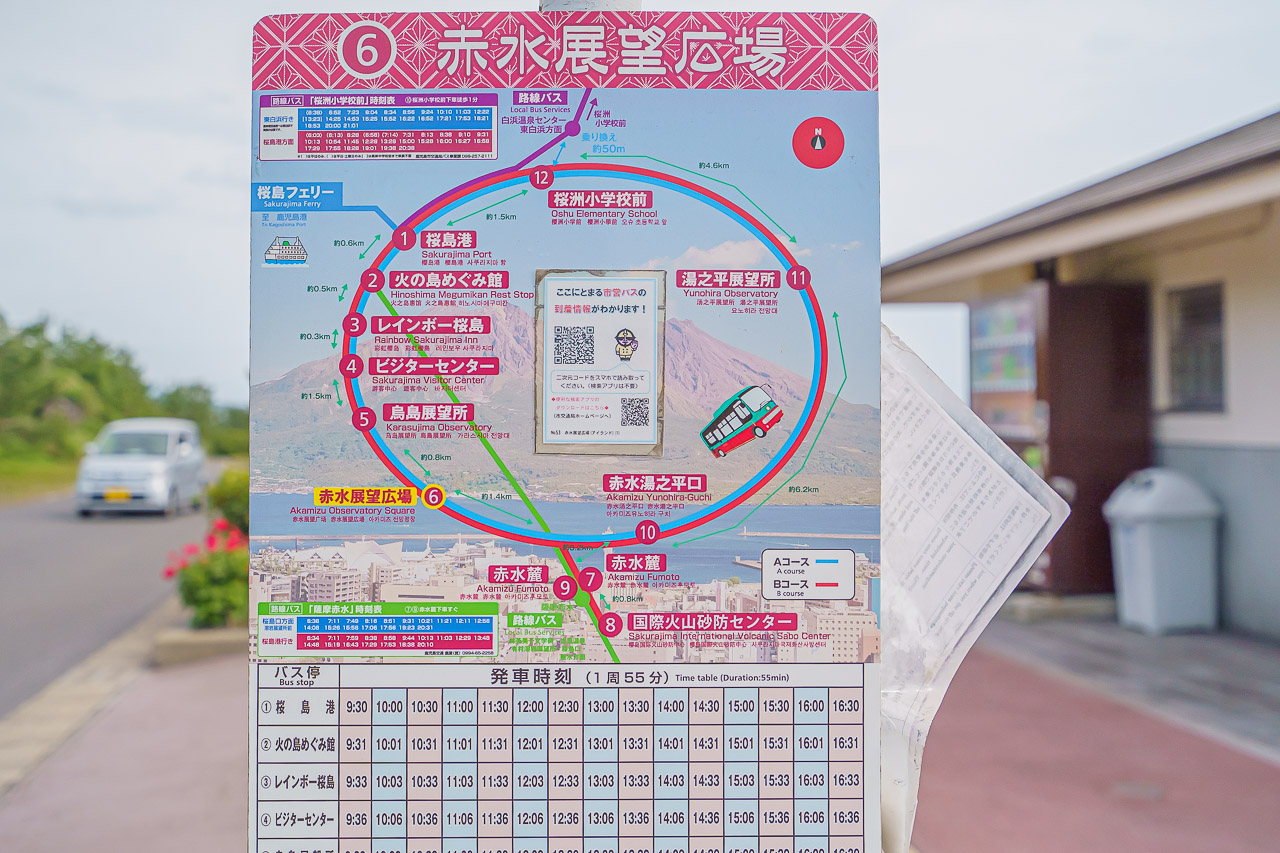
The Sakurajima Island View bus takes us around its sightseeing points.
The historical JPY 600 ticket lets us circulate among the principal stops.
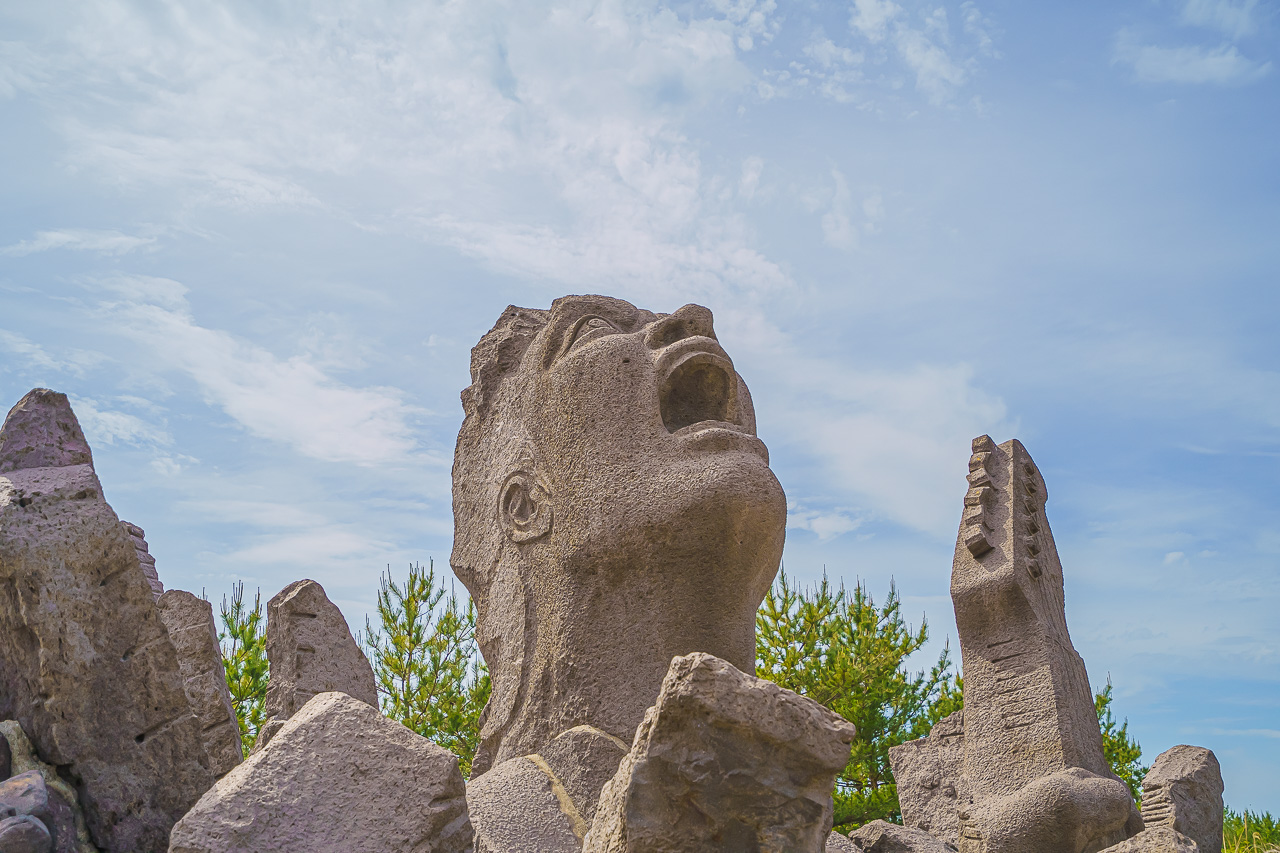
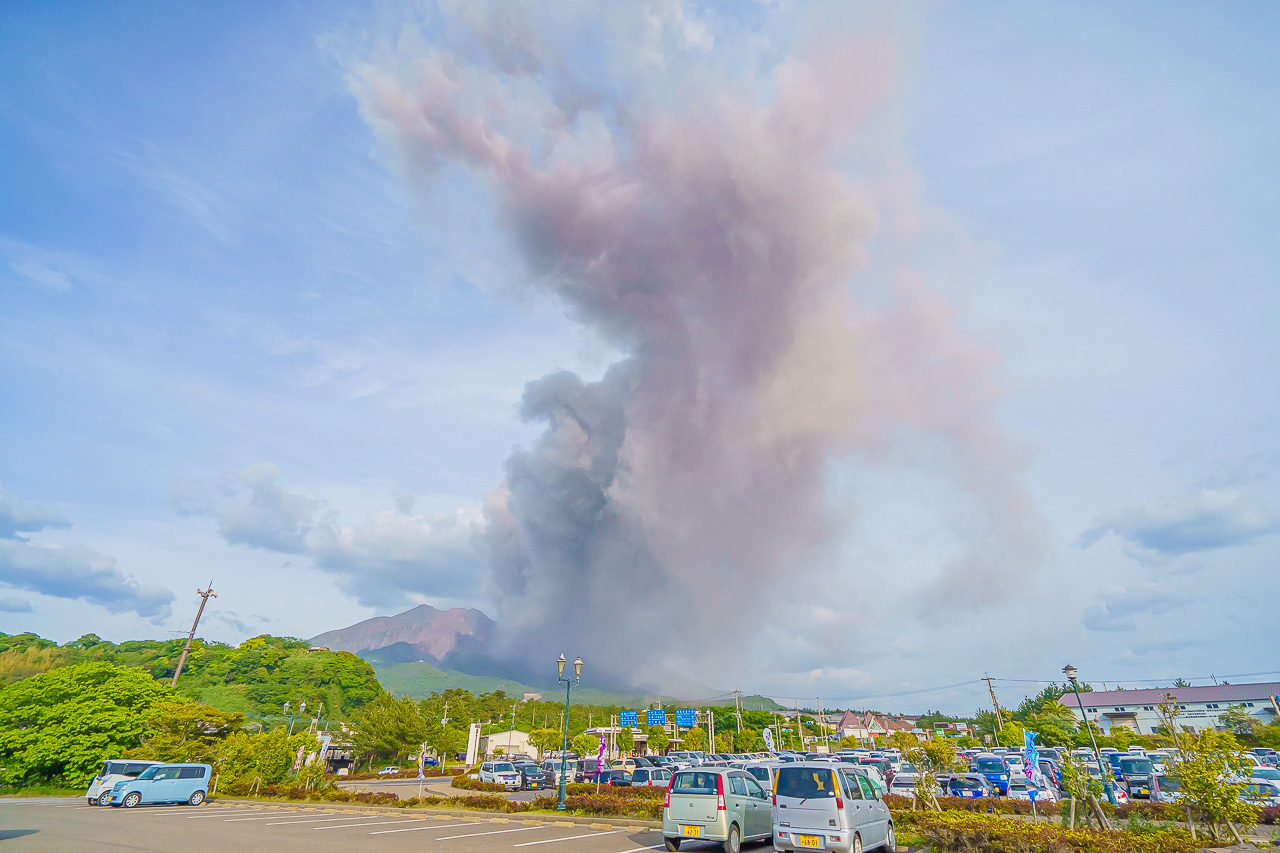
We visit Akamizu and Yunohira lookouts, see an expressive sculpture and finish with a bath at Magma Onsen. Then volcanic activity suddenly begins, and we hurry away.
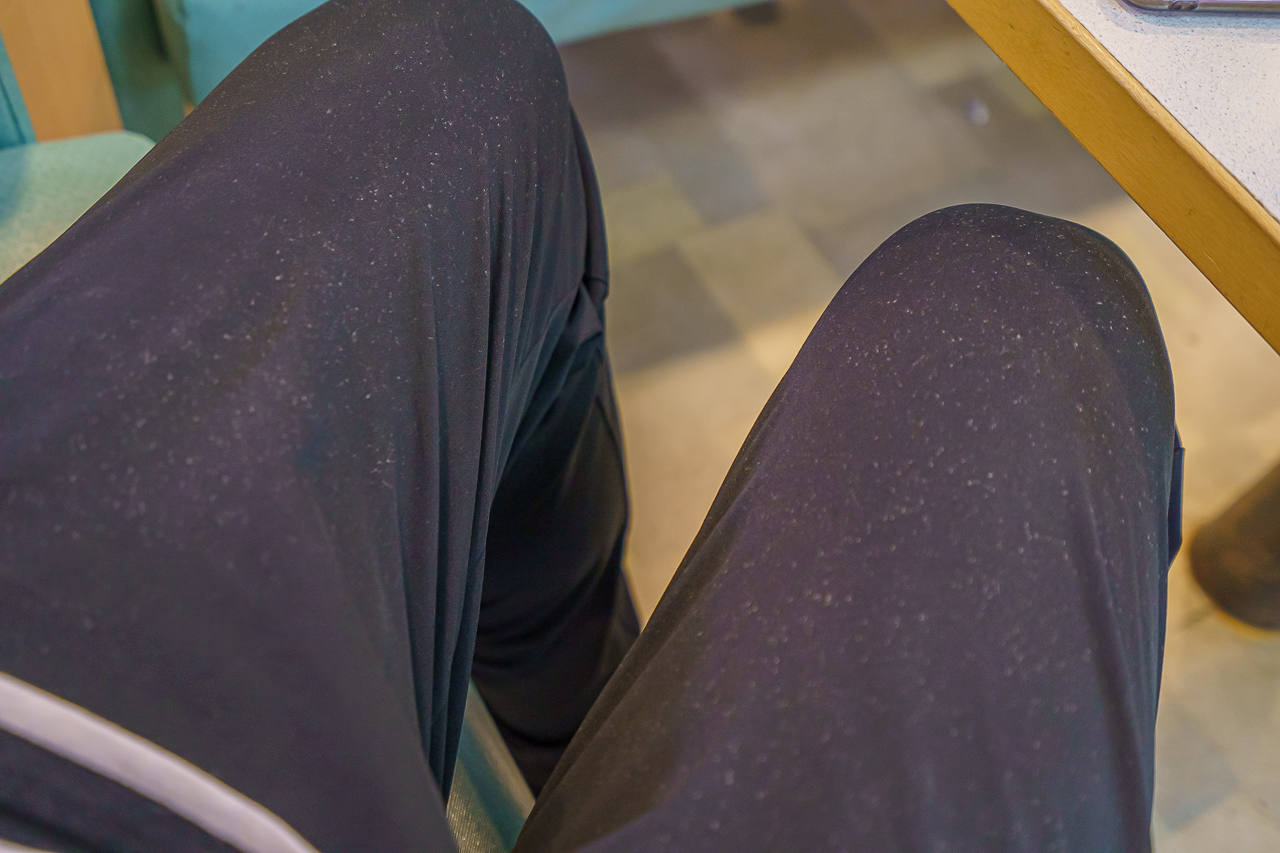
Ash soils our clothes, undoing some of the fresh feeling from the bath.
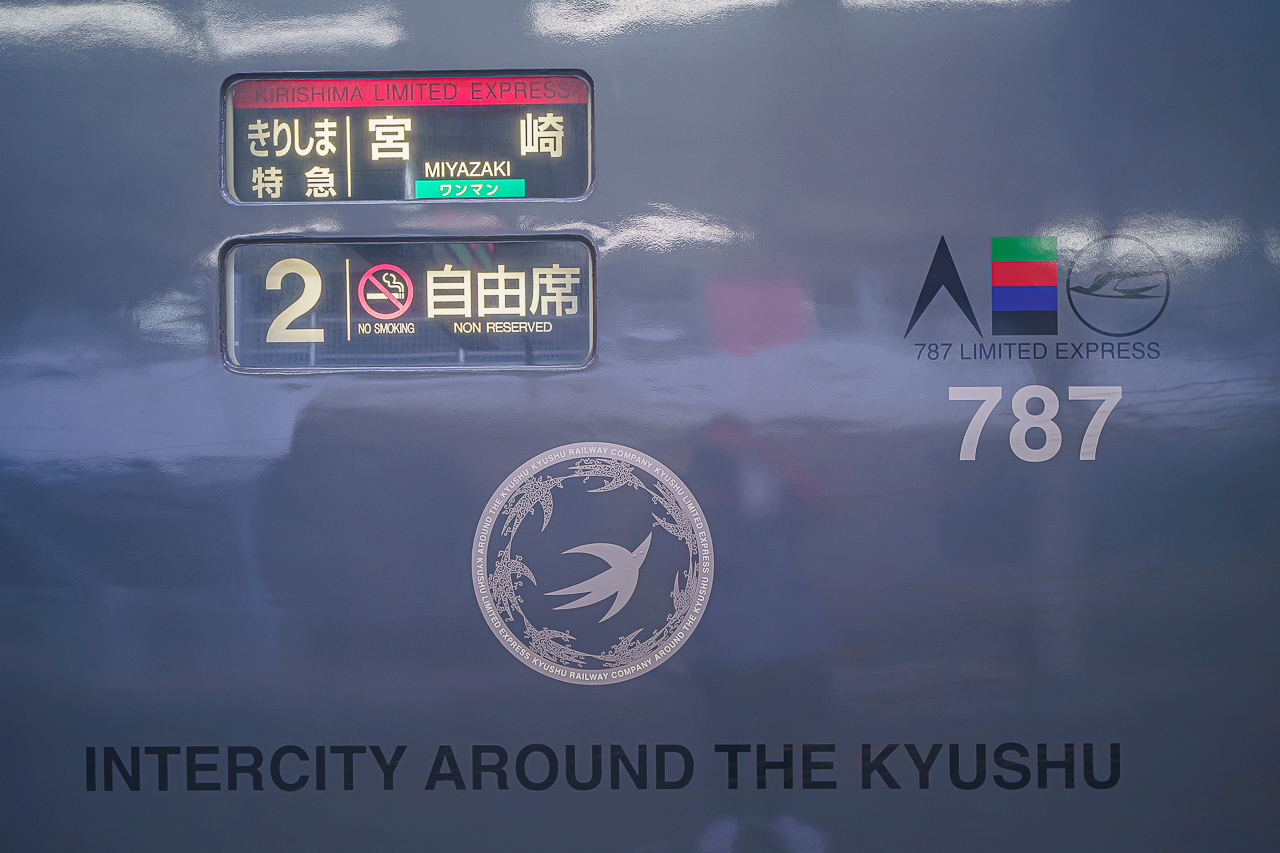
We take the Kirishima limited express onward to Miyazaki.
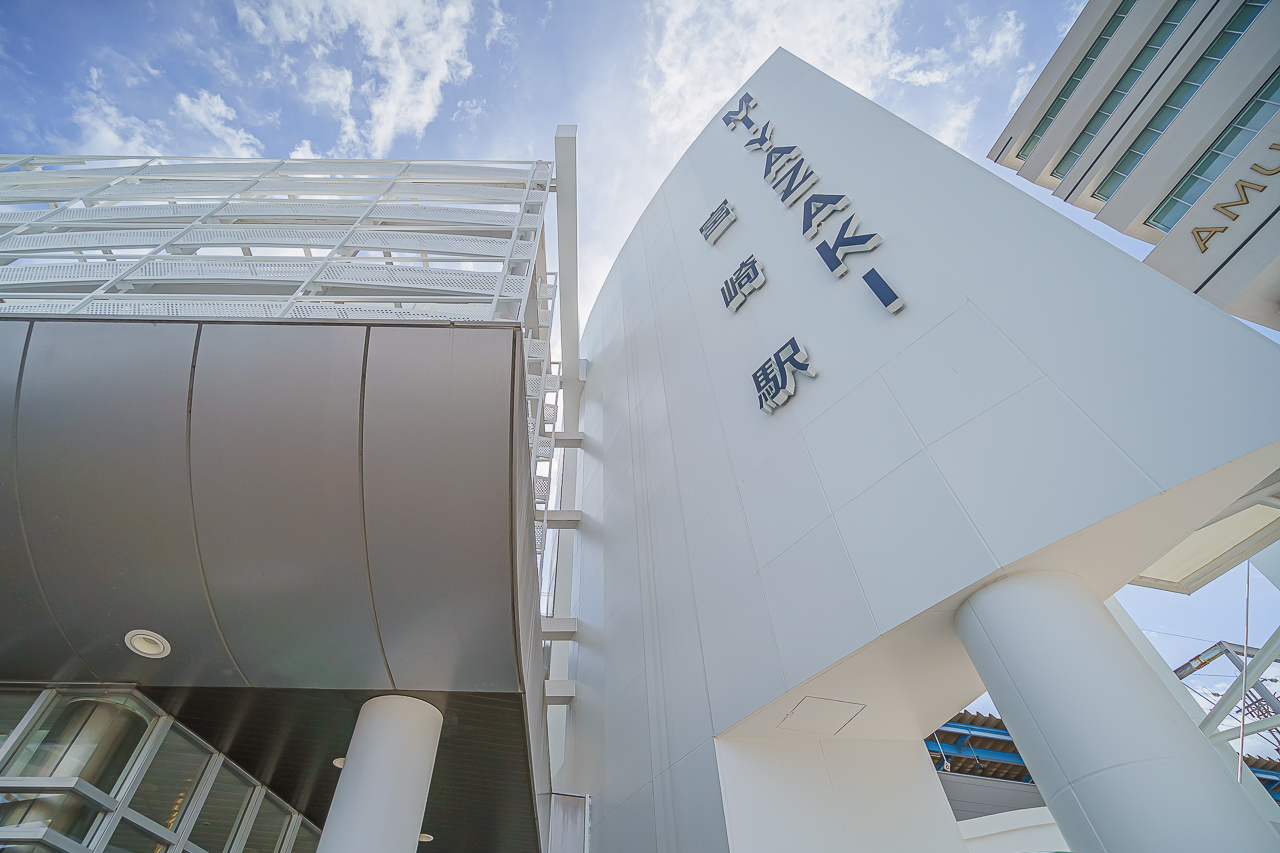
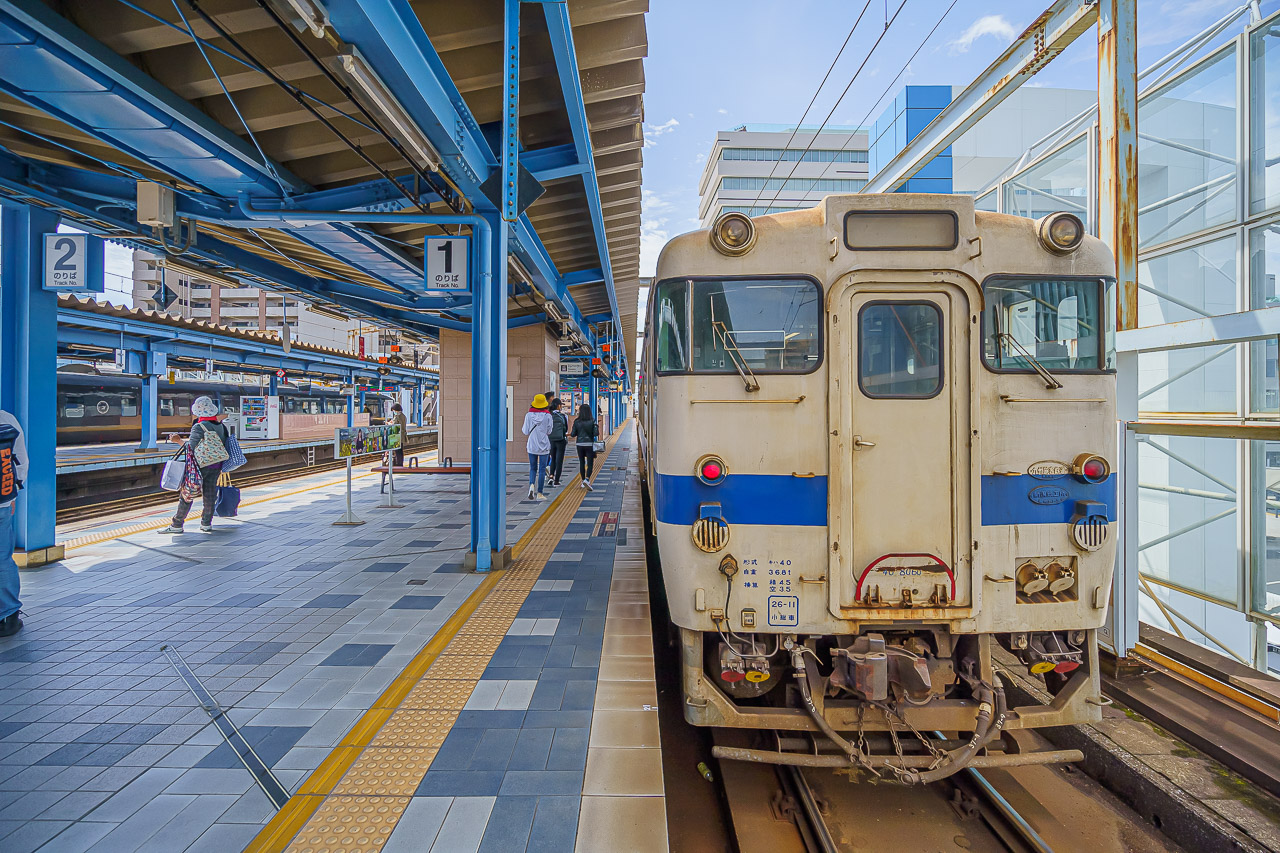
From Miyazaki, we head to Aoshima to see the famous ‘Devil’s Washboard.’
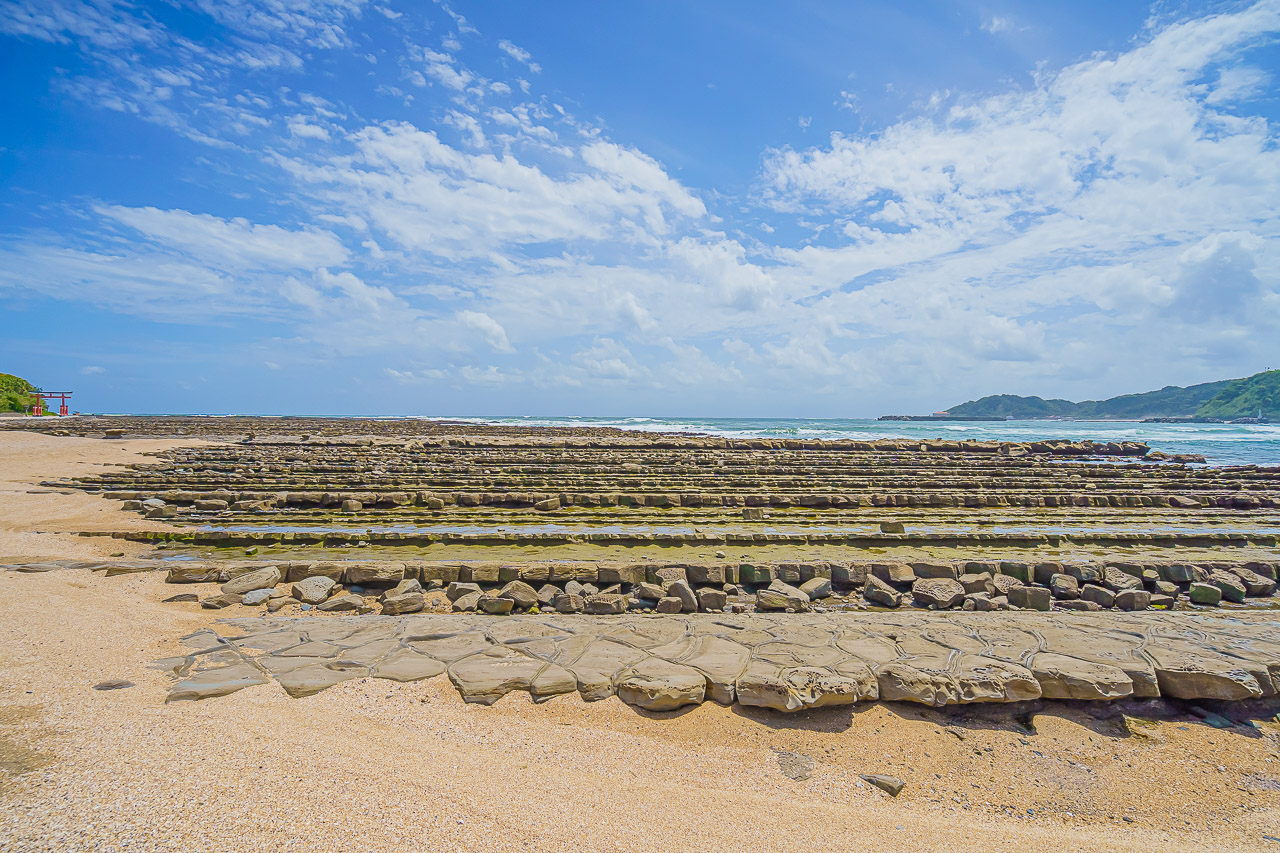
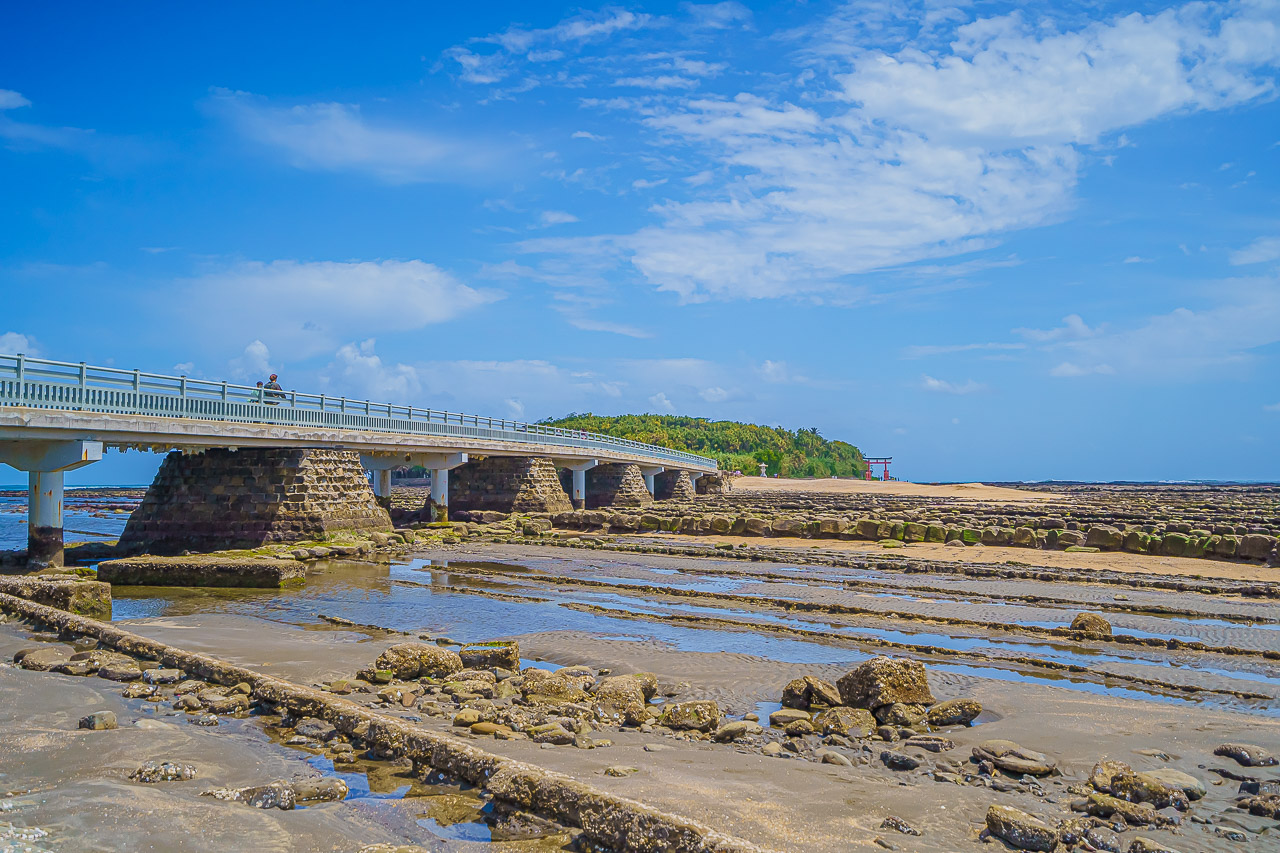
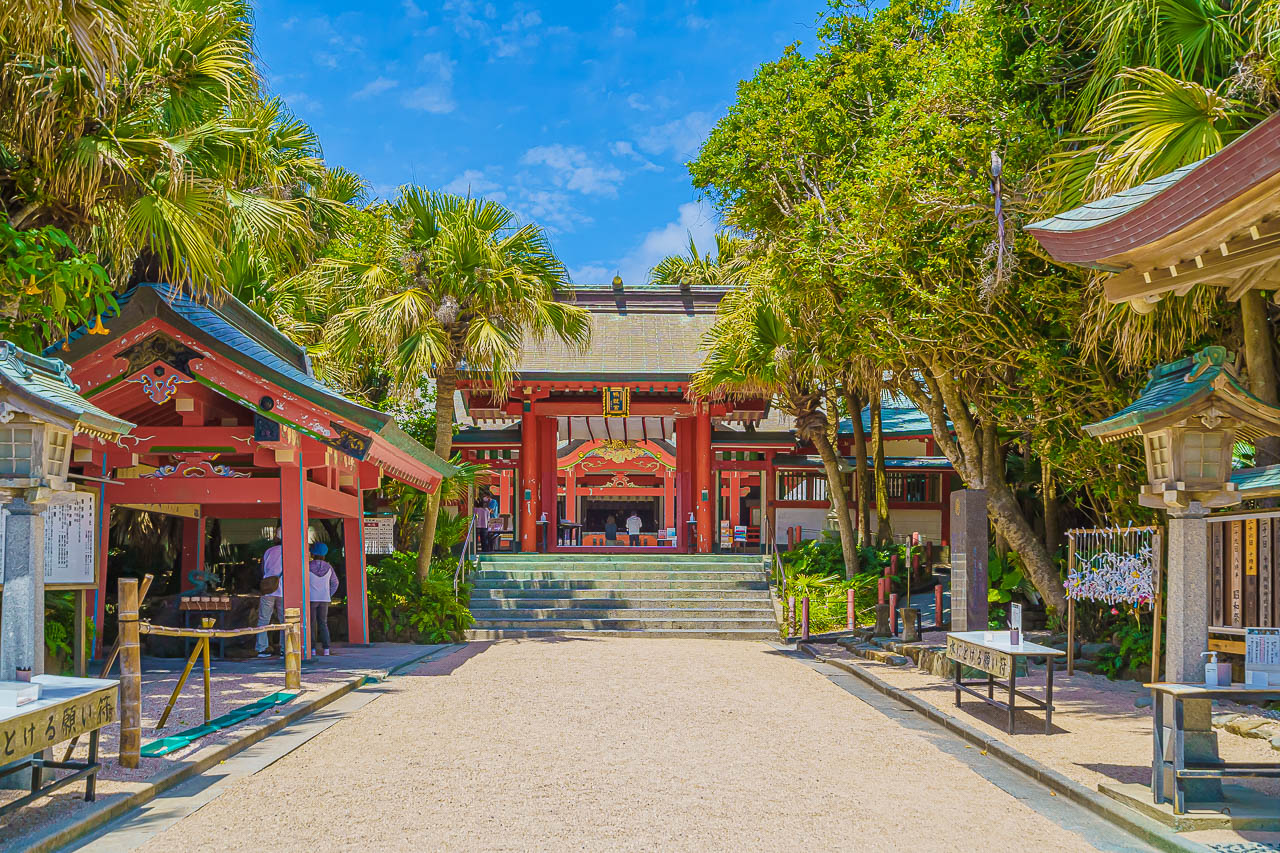
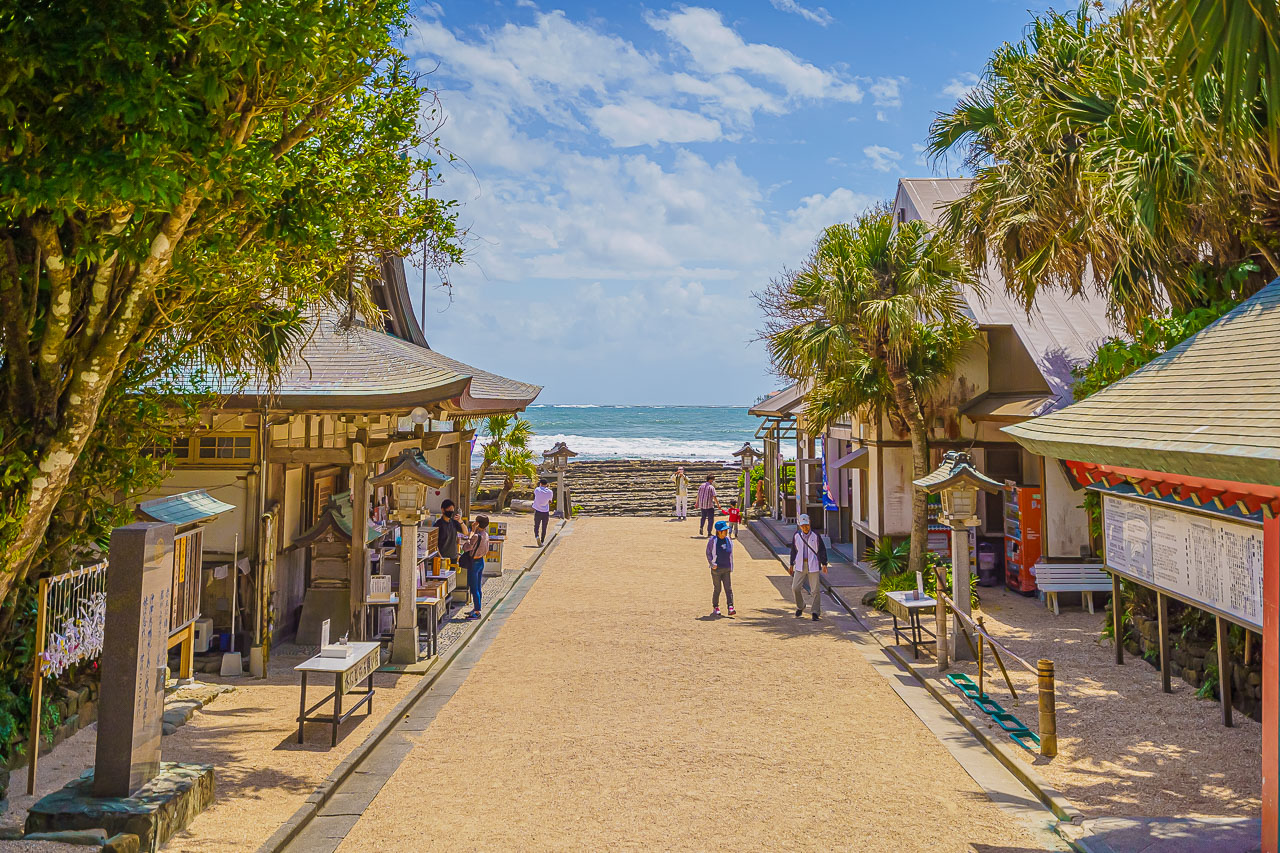
Unusual rock formations create the washboard pattern.
The scale of this naturally sculpted landscape is impressive.
Nearby Aoshima Shrine is also photogenic and attracts plenty of visitors.
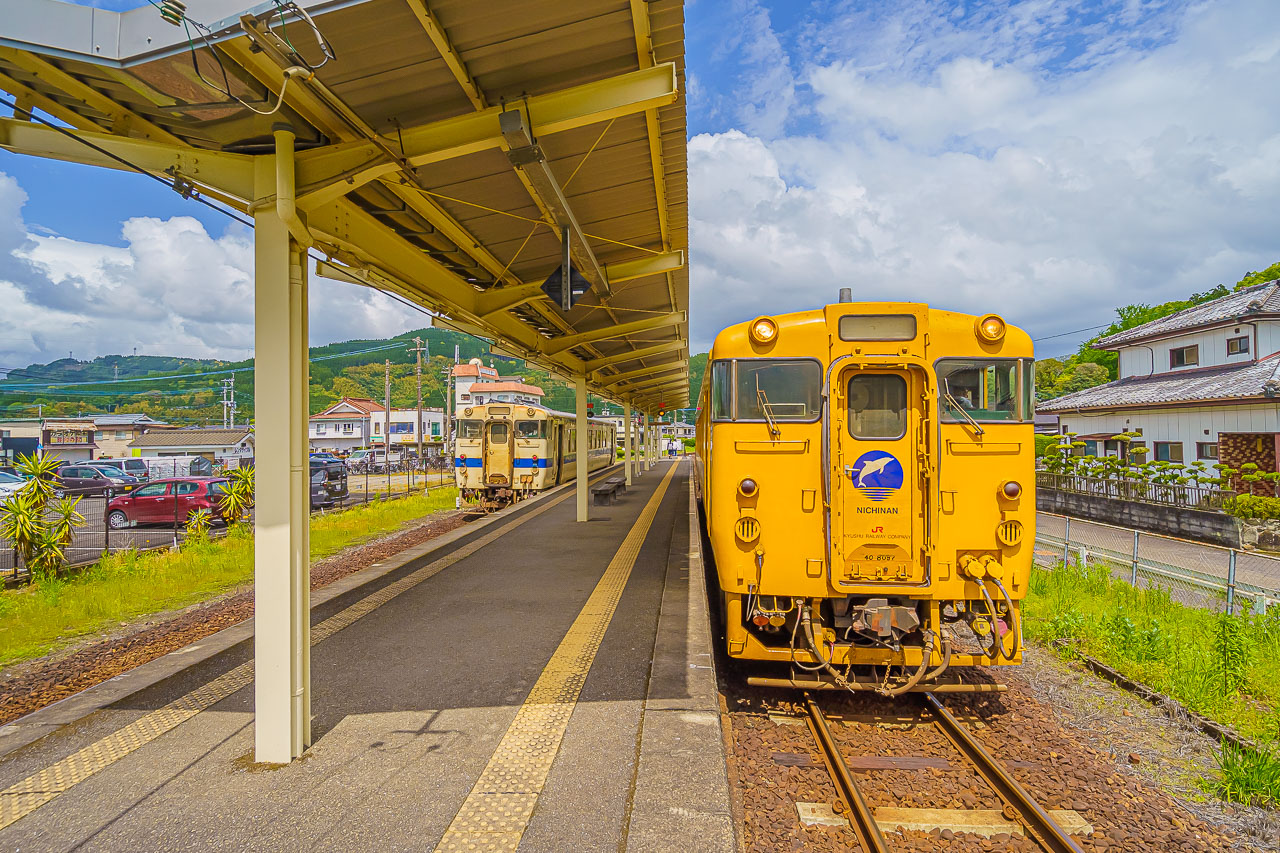
From Aoshima, we travel along the Nichinan railway toward Obi.
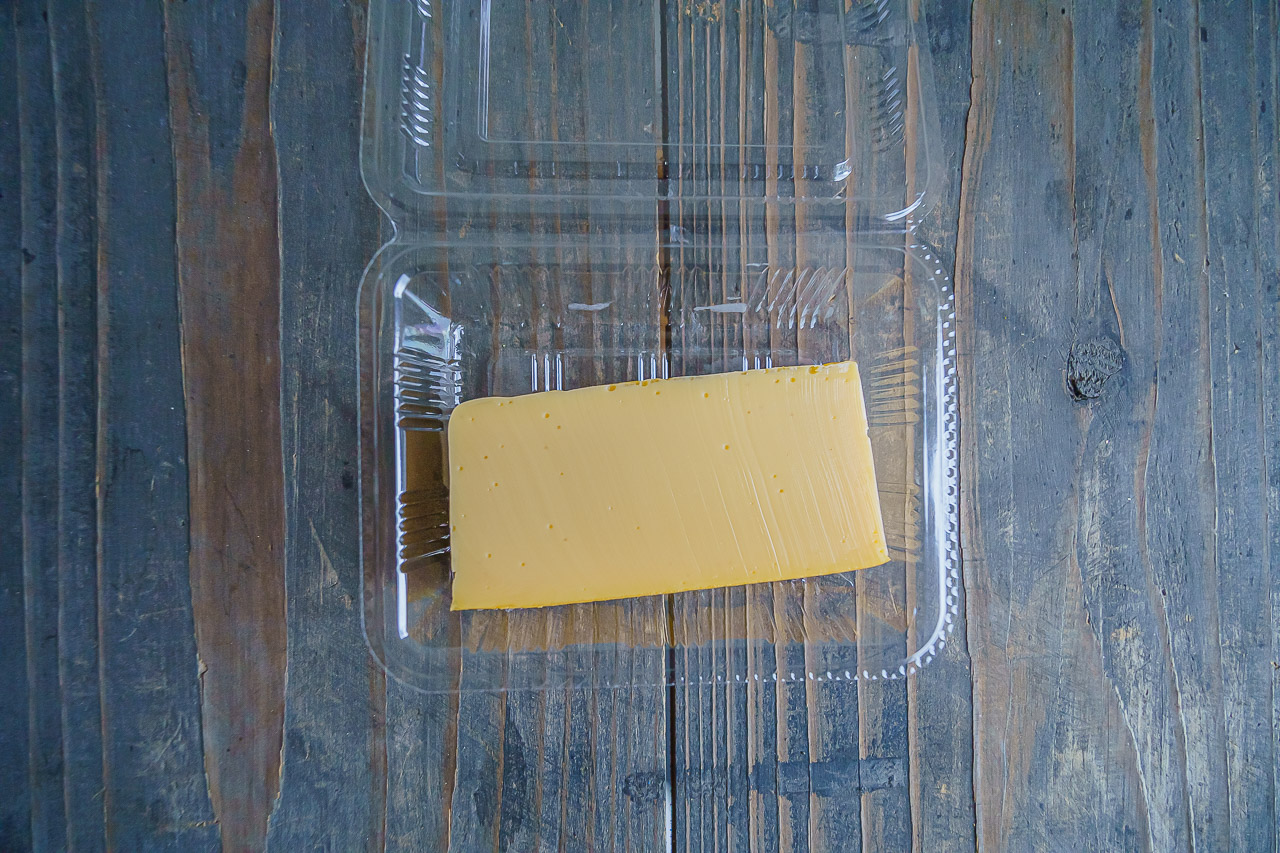
In Obi, we try the local omelet-like specialty with a pudding texture.
It is not quite to my personal taste.
Still, it is an interesting flavor to try once.
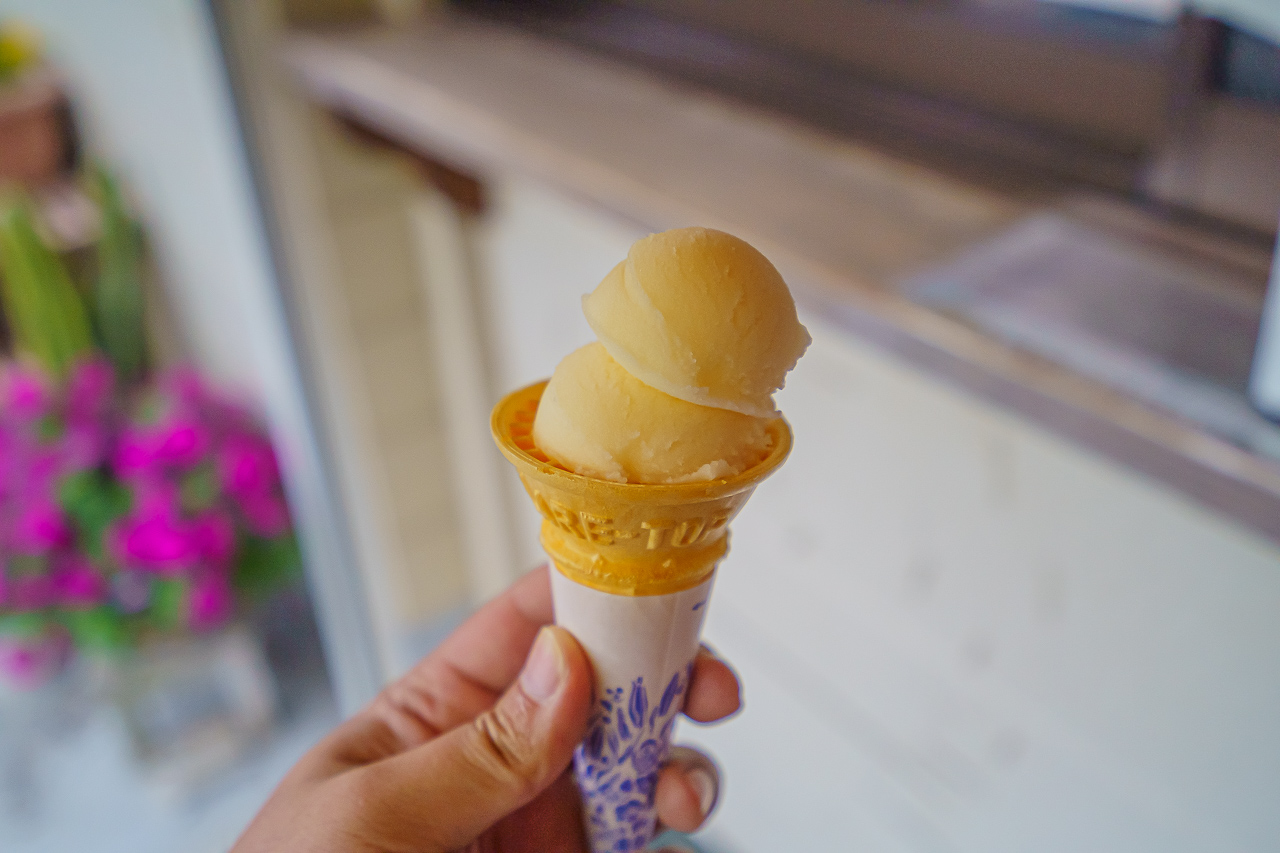
We also have ice cream near the station, where students are lining up, before setting off toward Nobeoka.
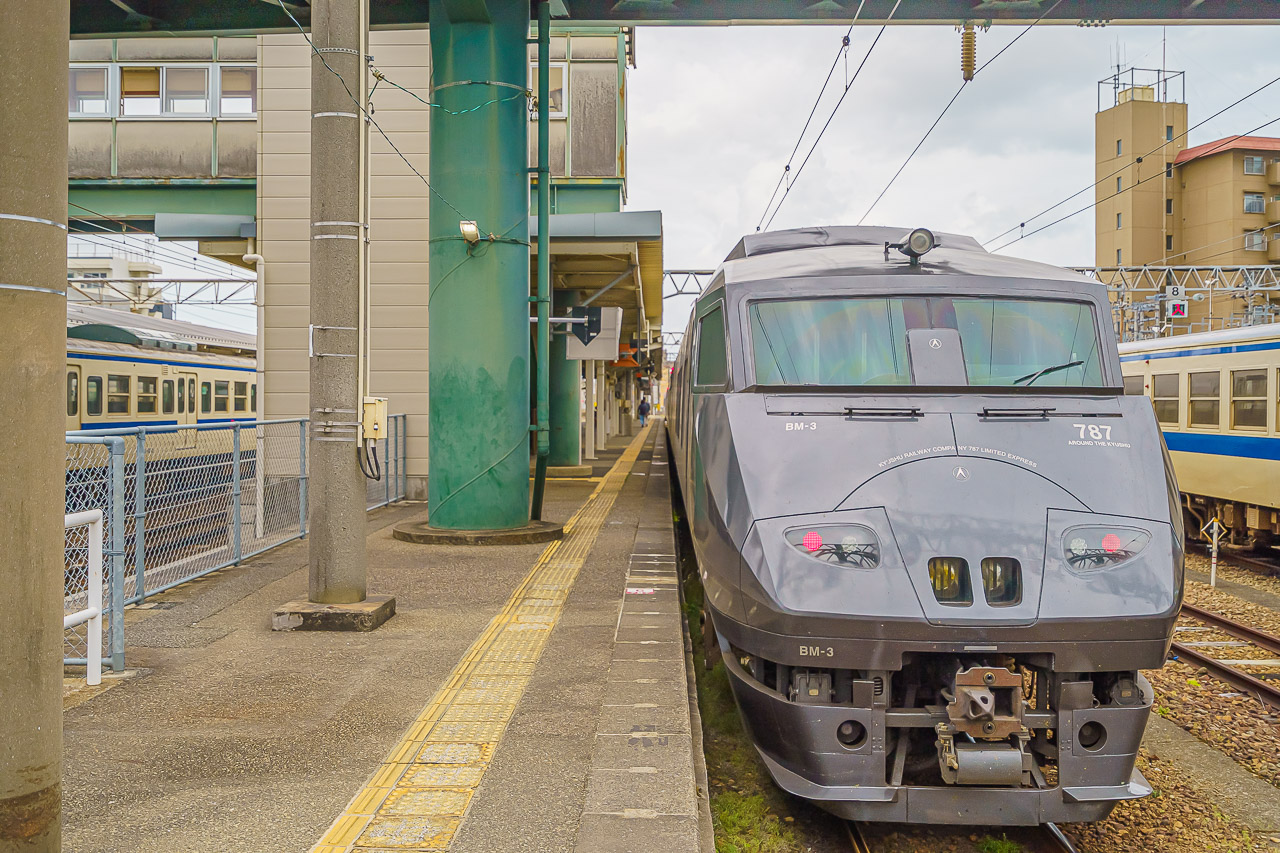
The source describes the next limited-express train as a 787-series Kyushu service.
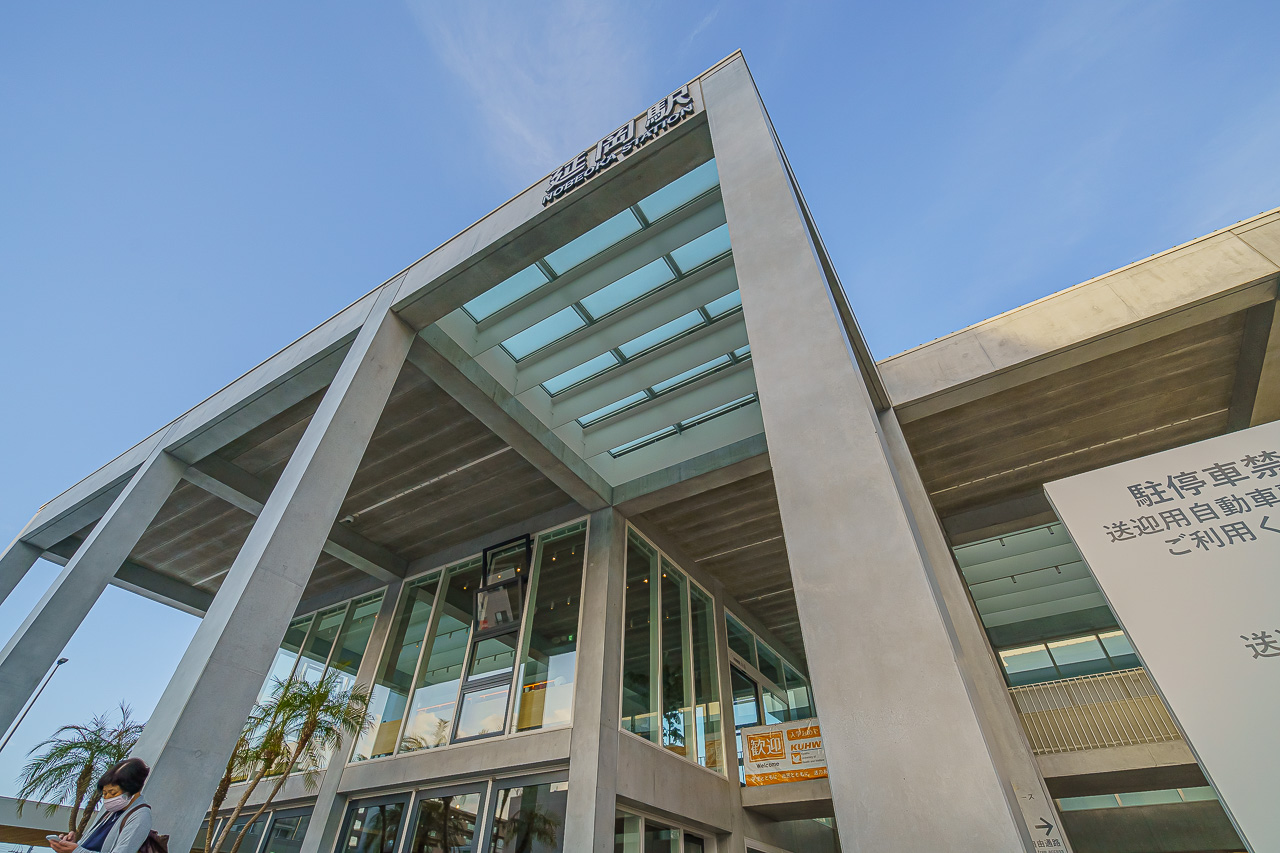
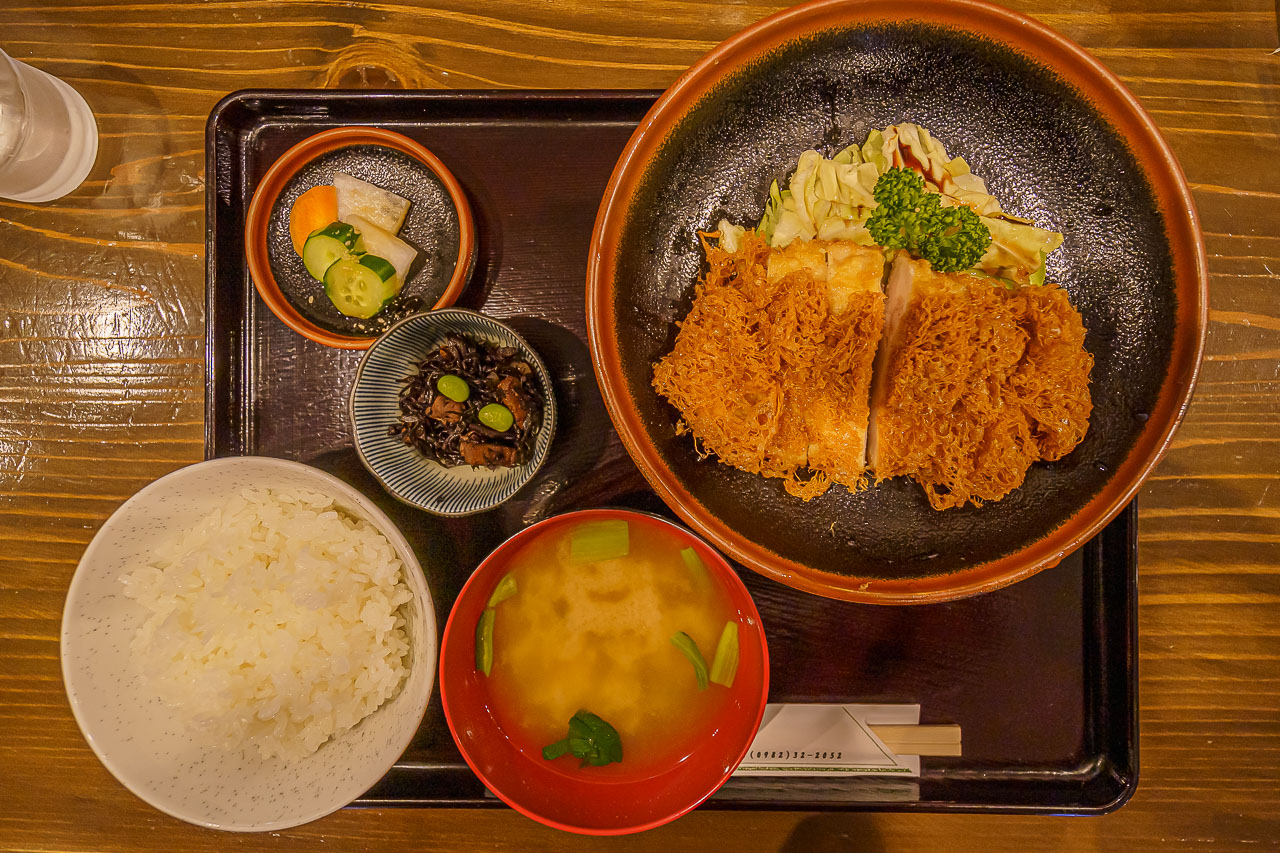
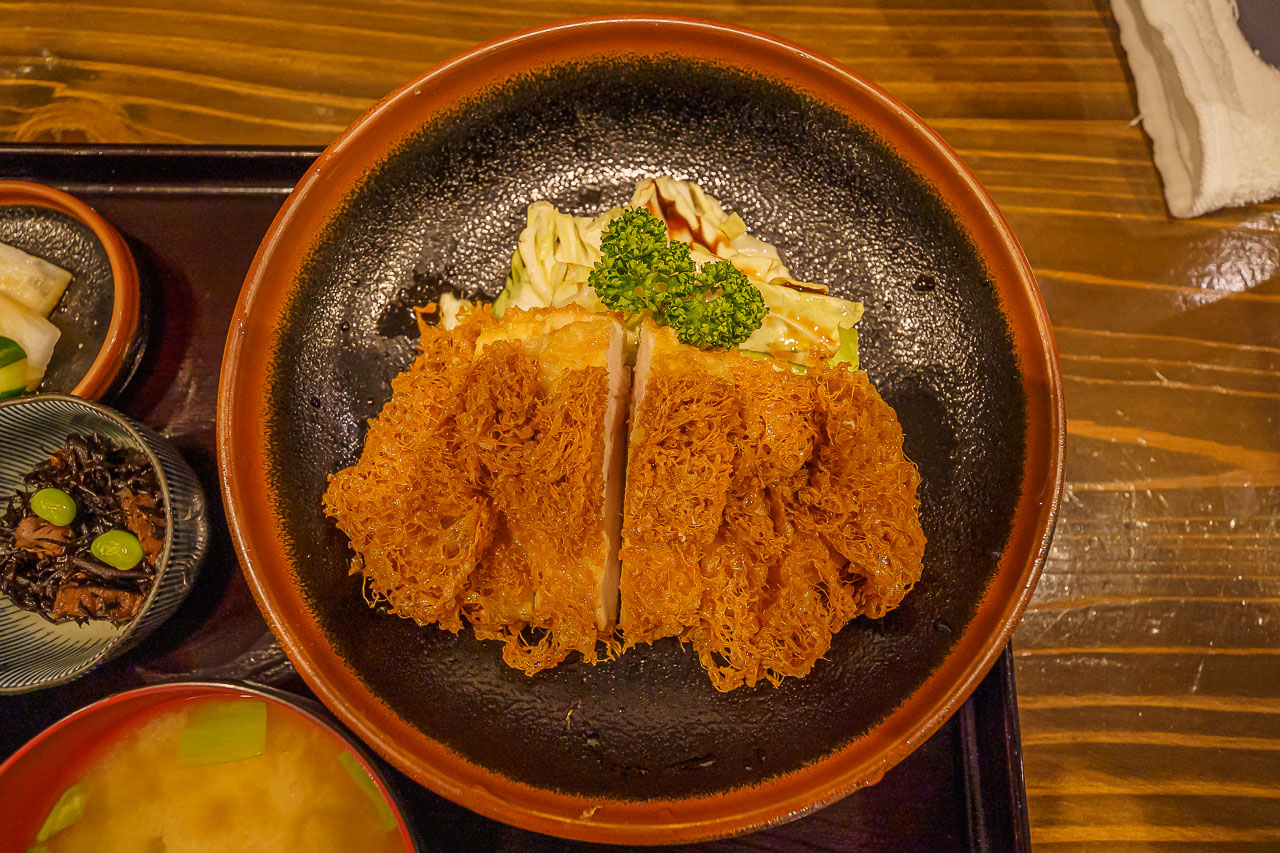
Our reason for visiting Nobeoka is Nao-chan’s chicken nanban. It is truly delicious.
One of the trip’s unforgettable restaurants.
The chicken is tender inside, while the coating forms a delicate net or cobweb-like pattern, with an excellent sweet-and-salty balance.
When I ask the woman running the restaurant about it, she explains that the coating is made with beaten egg.
In the kitchen, staff are carefully washing cabbage,
and both the vegetables and the overall meal feel very clean and fresh.
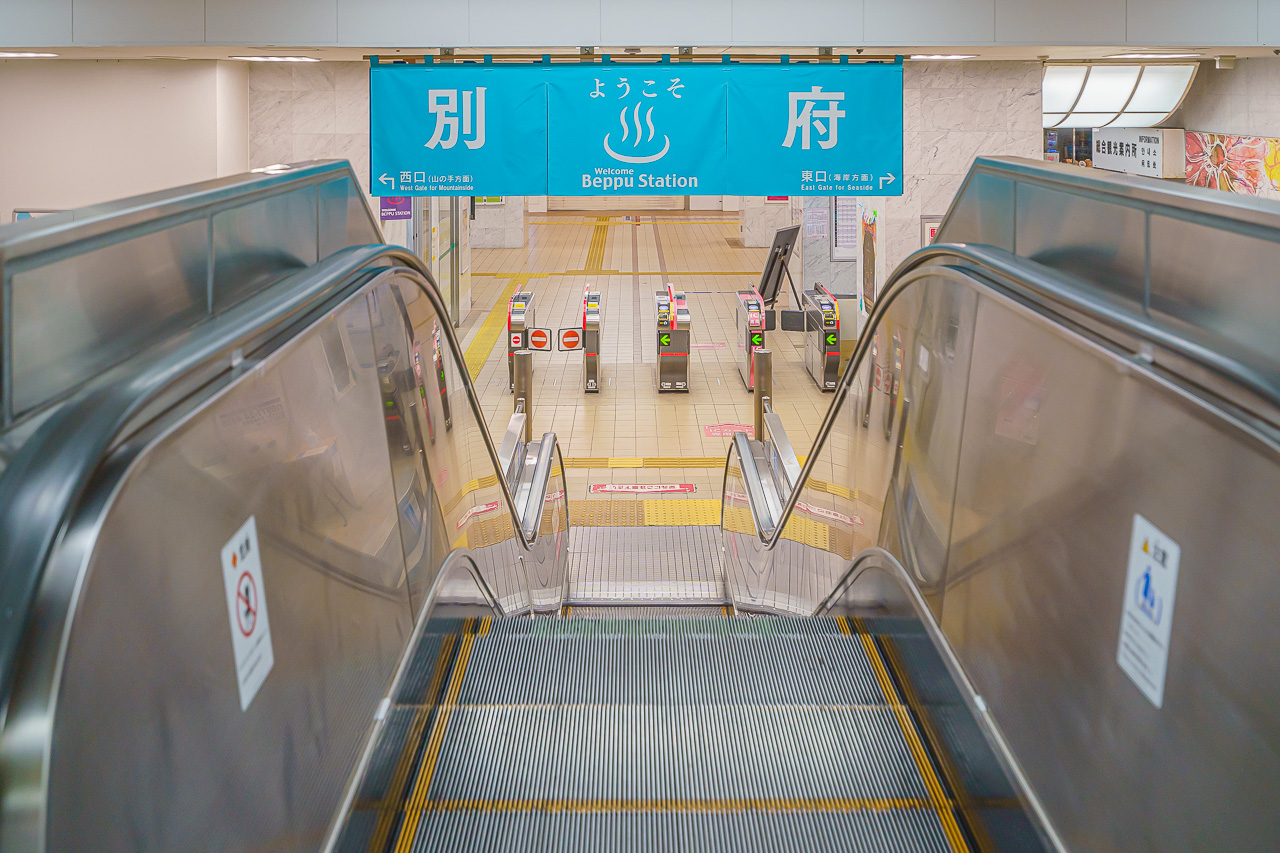
We continue to Beppu on another train described as a 787-series limited express.
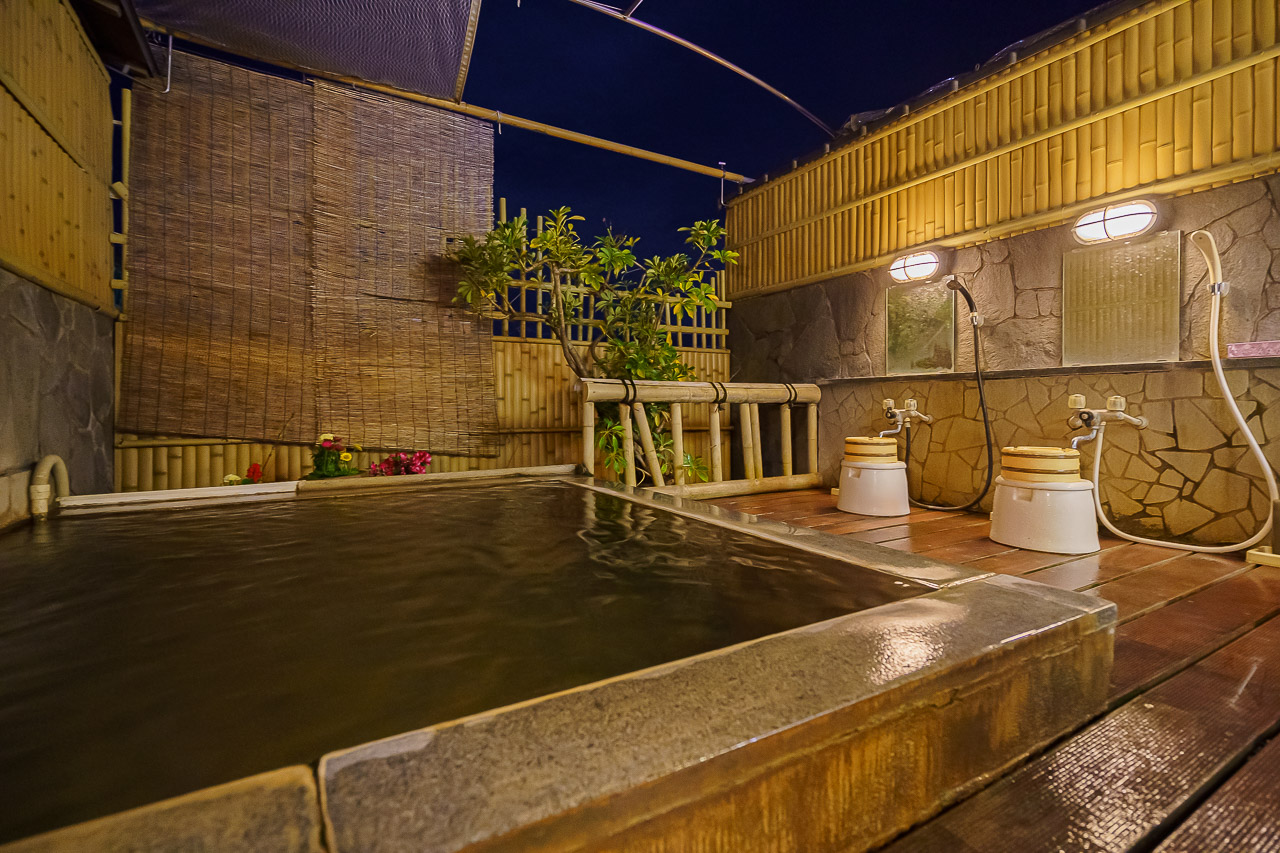
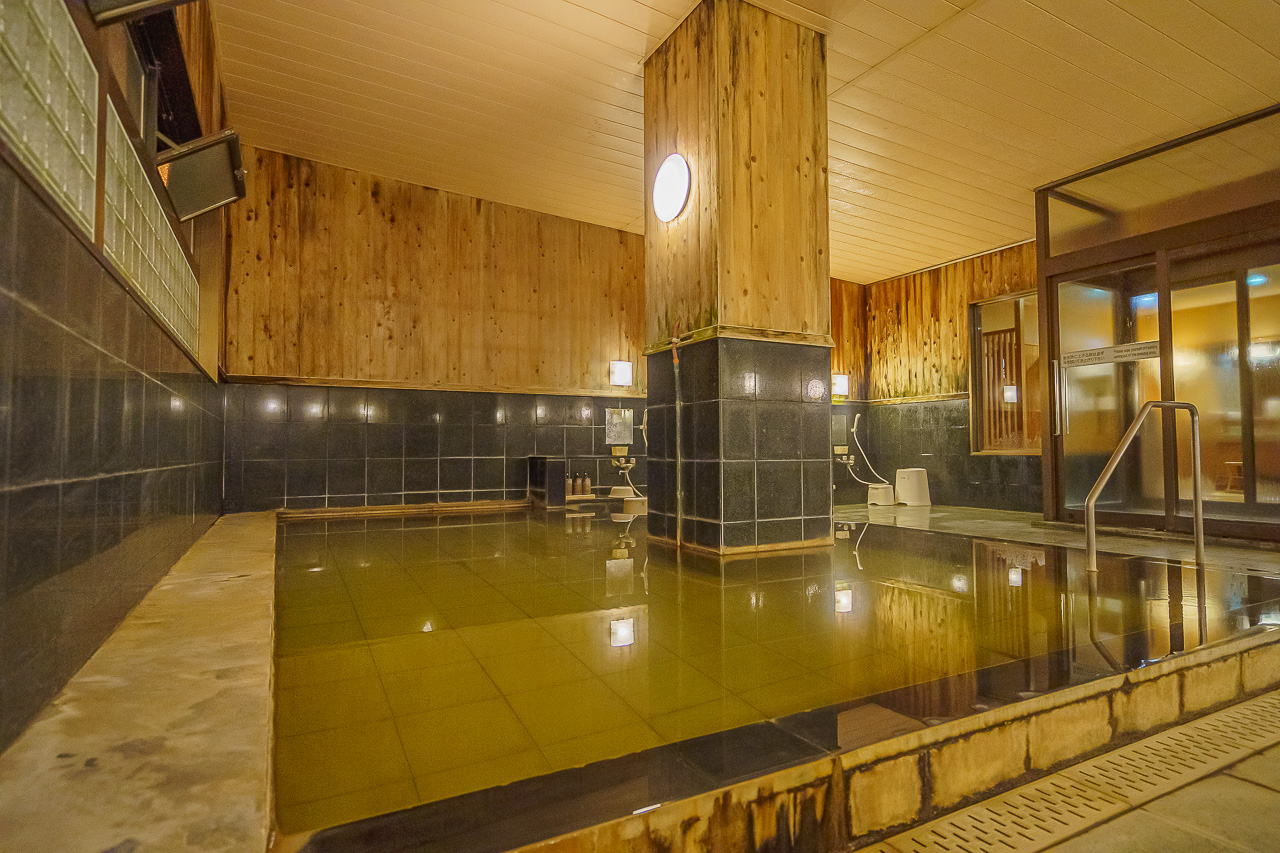
For me, a Beppu visit calls for an onsen stay at a ryokan.
There are many appealing baths with good facilities at prices the author found affordable.
After resting well, we set off again.

We travel from Beppu toward Shimonoseki, with the source again mentioning a 787-series train; the account does not establish a direct train throughout this transfer.
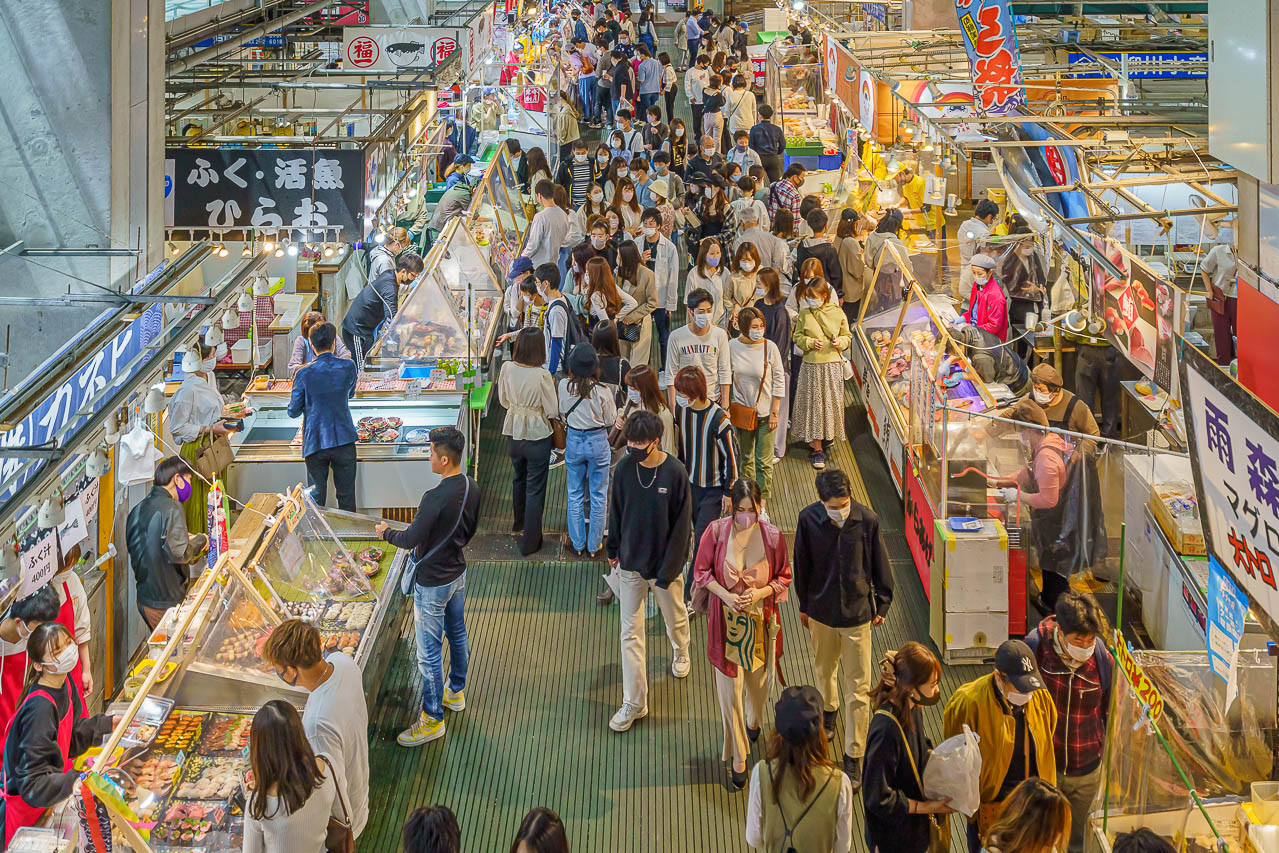
In Shimonoseki, we head to Karato Fish Market.
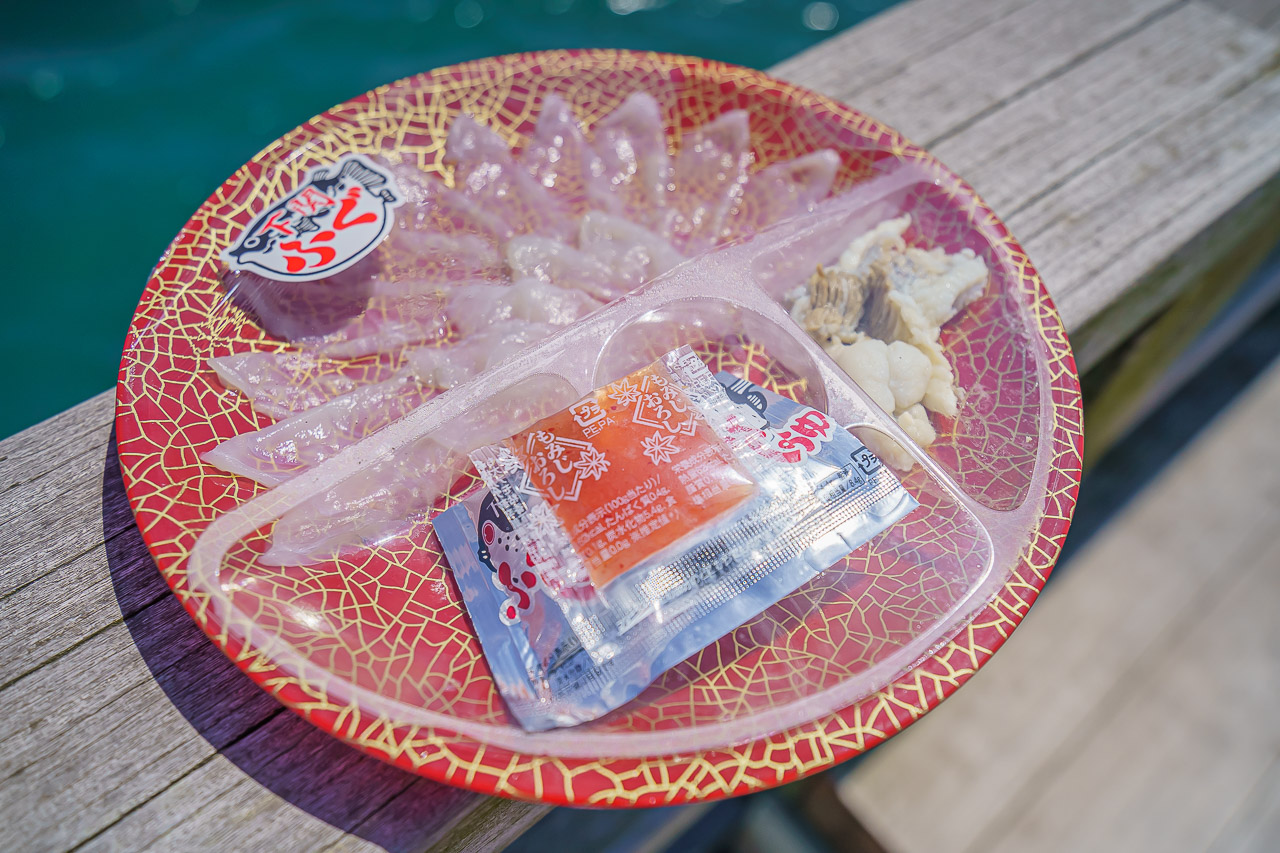
Since the city is famous for pufferfish, we order it along with a seafood rice bowl.
So delicious that we almost forget everything else.
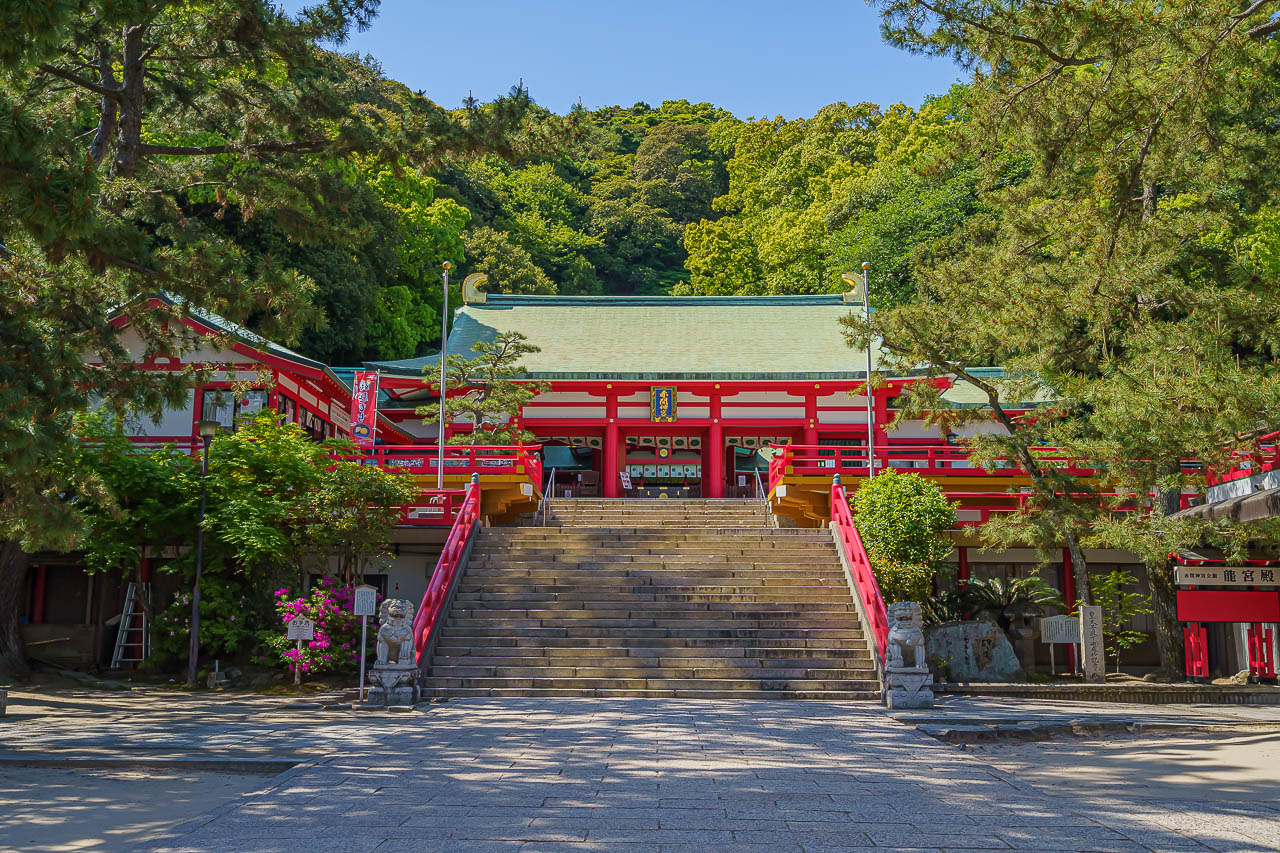
We visit nearby Akama Shrine
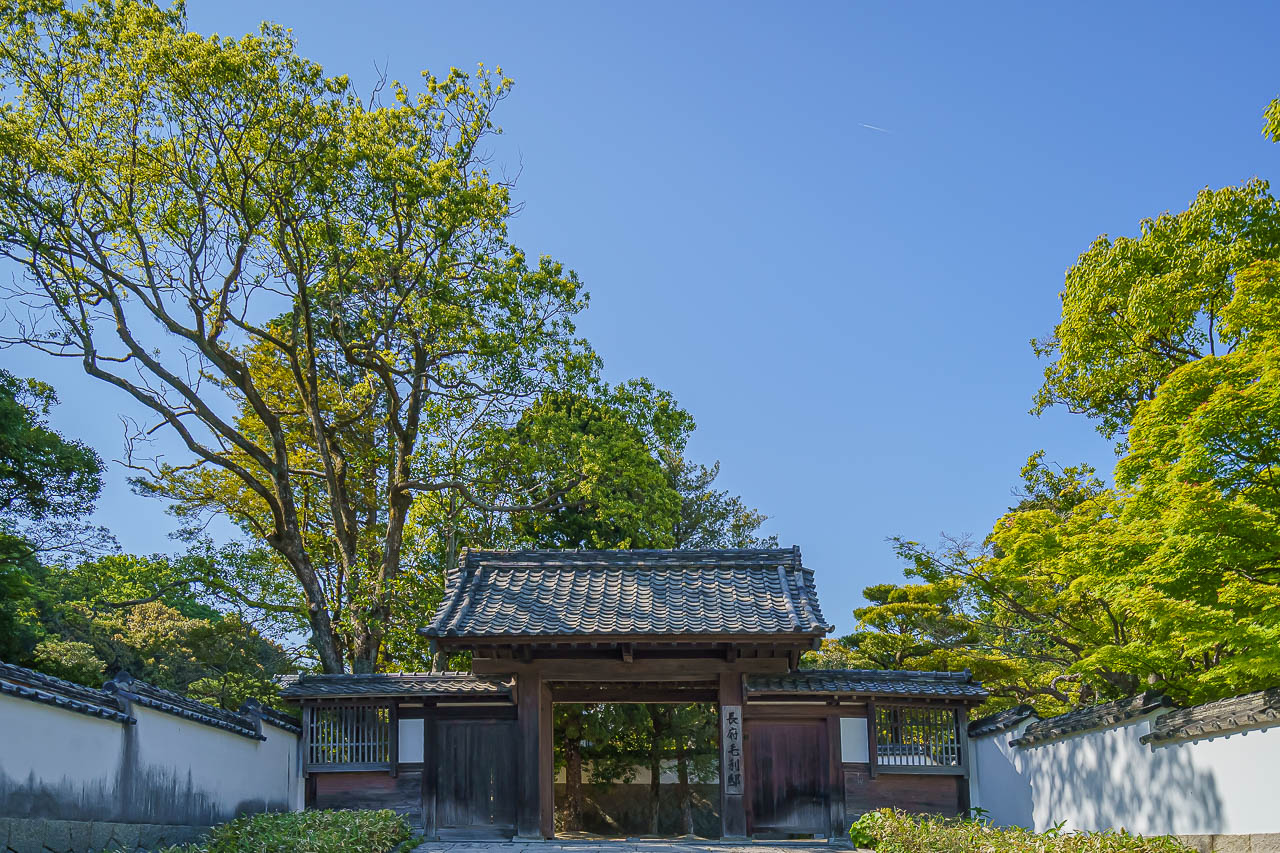
and a residence associated with the Mori family.
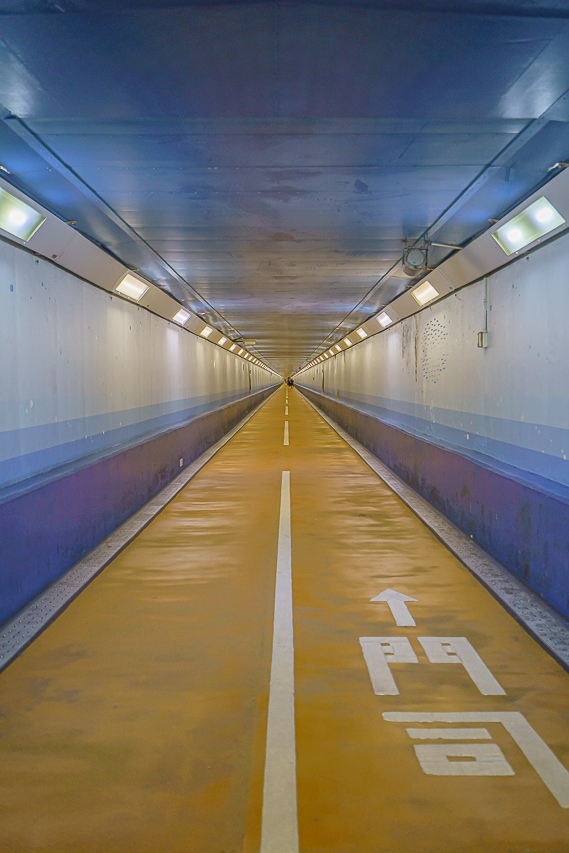
We walk through the Kanmon pedestrian tunnel, described as 58 meters below sea level,
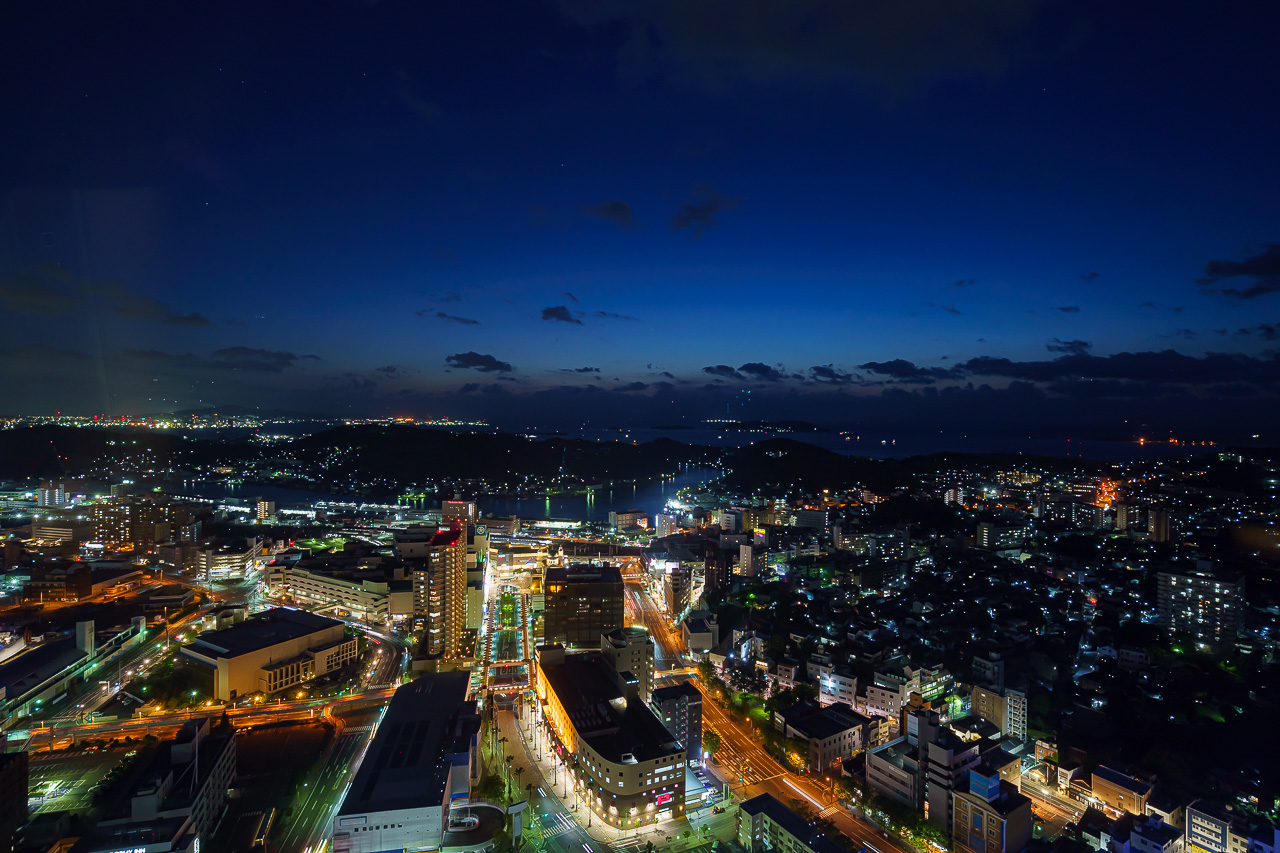
and go up Kaikyo Yume Tower for views around Shimonoseki.
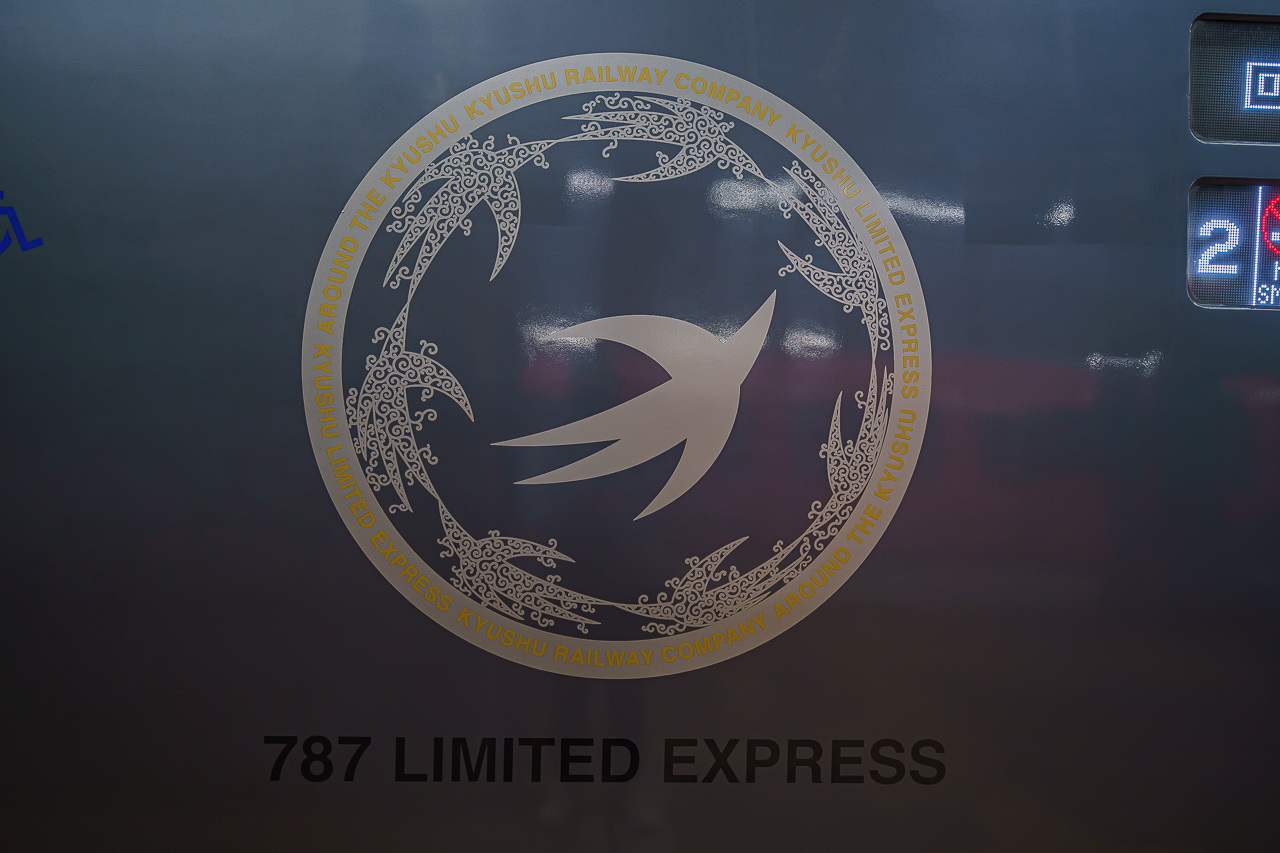
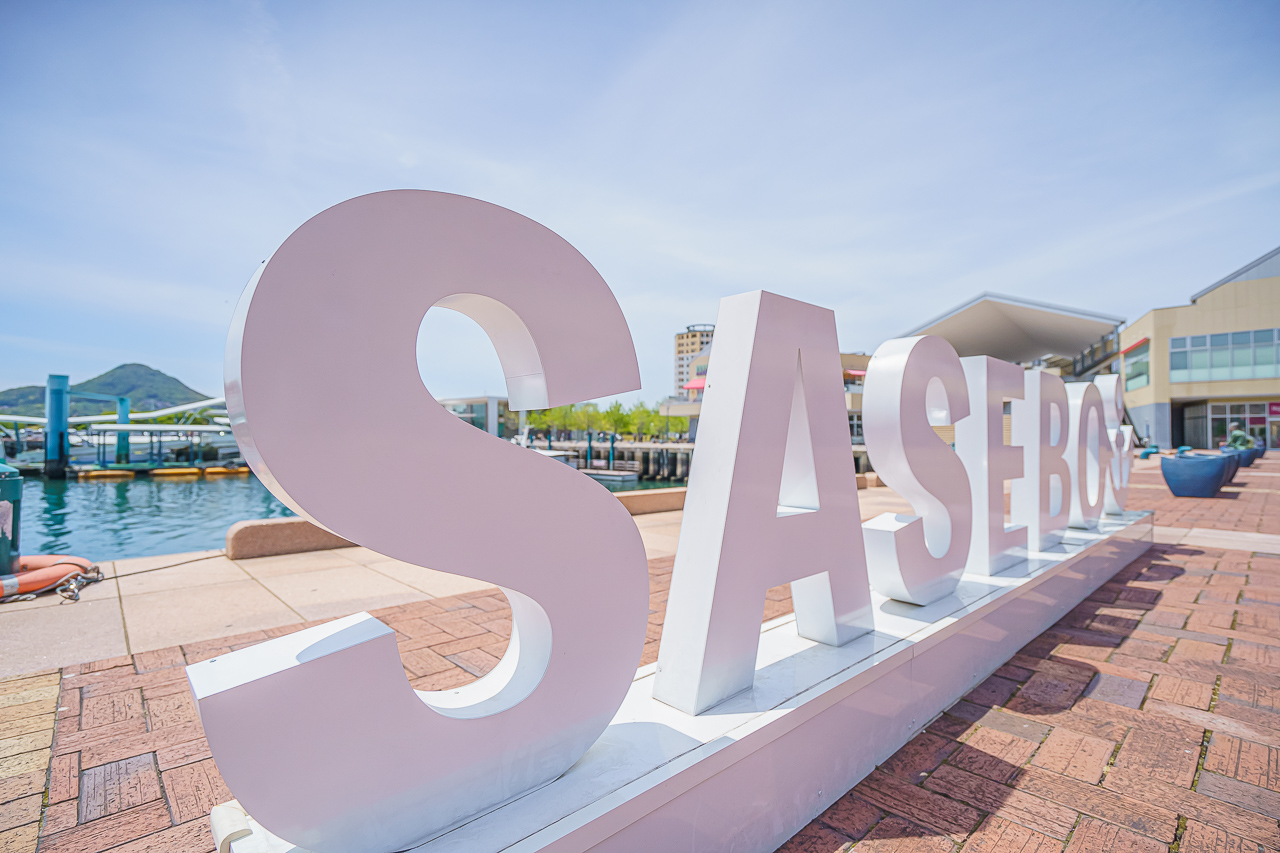
Next is Sasebo, with the source continuing to mention travel on 787-series trains rather than providing a full transfer itinerary.
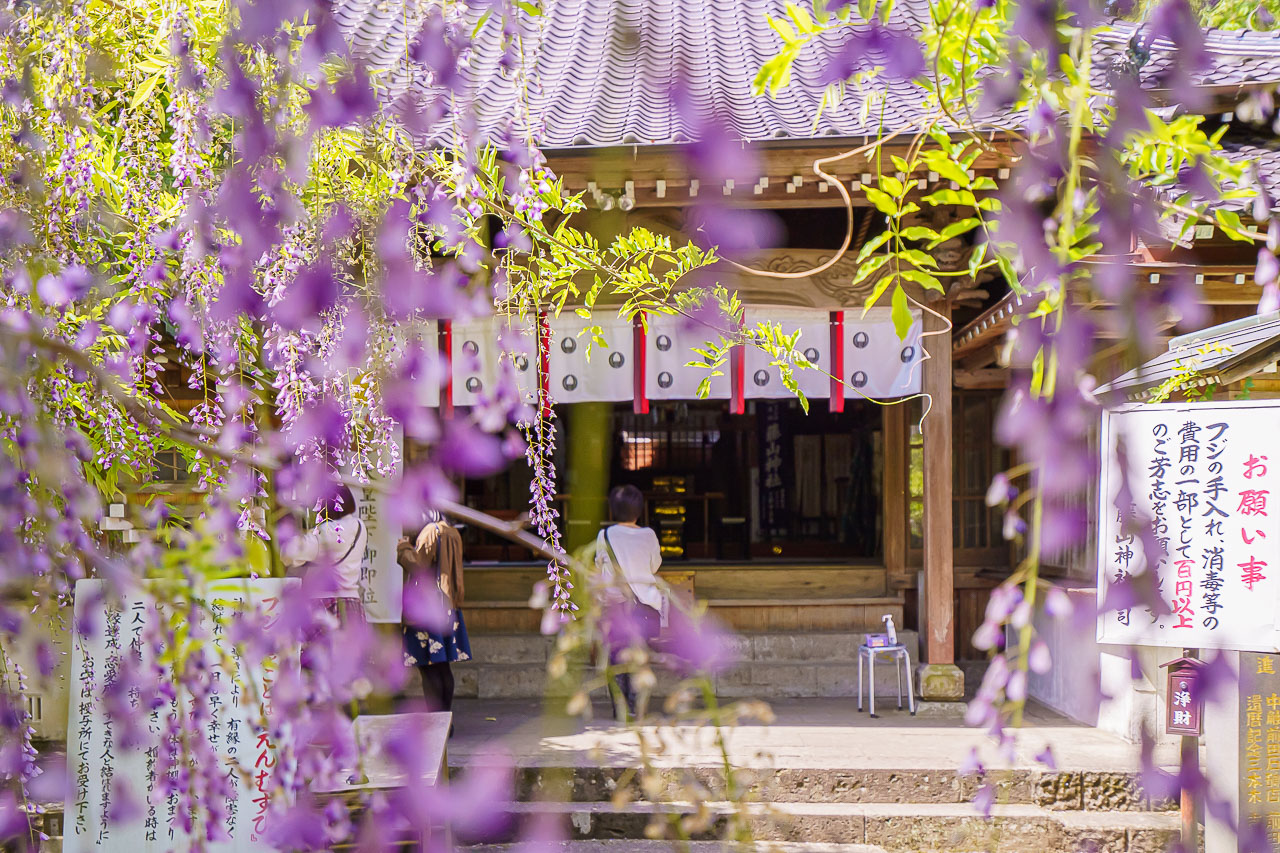
Fujiyama Shrine is described as around 20 minutes by bus from Sasebo Station.
Fuji (ふじ) means wisteria. The author explains the shrine’s name through the abundance of wisteria, as though it covered a mountain, yama.
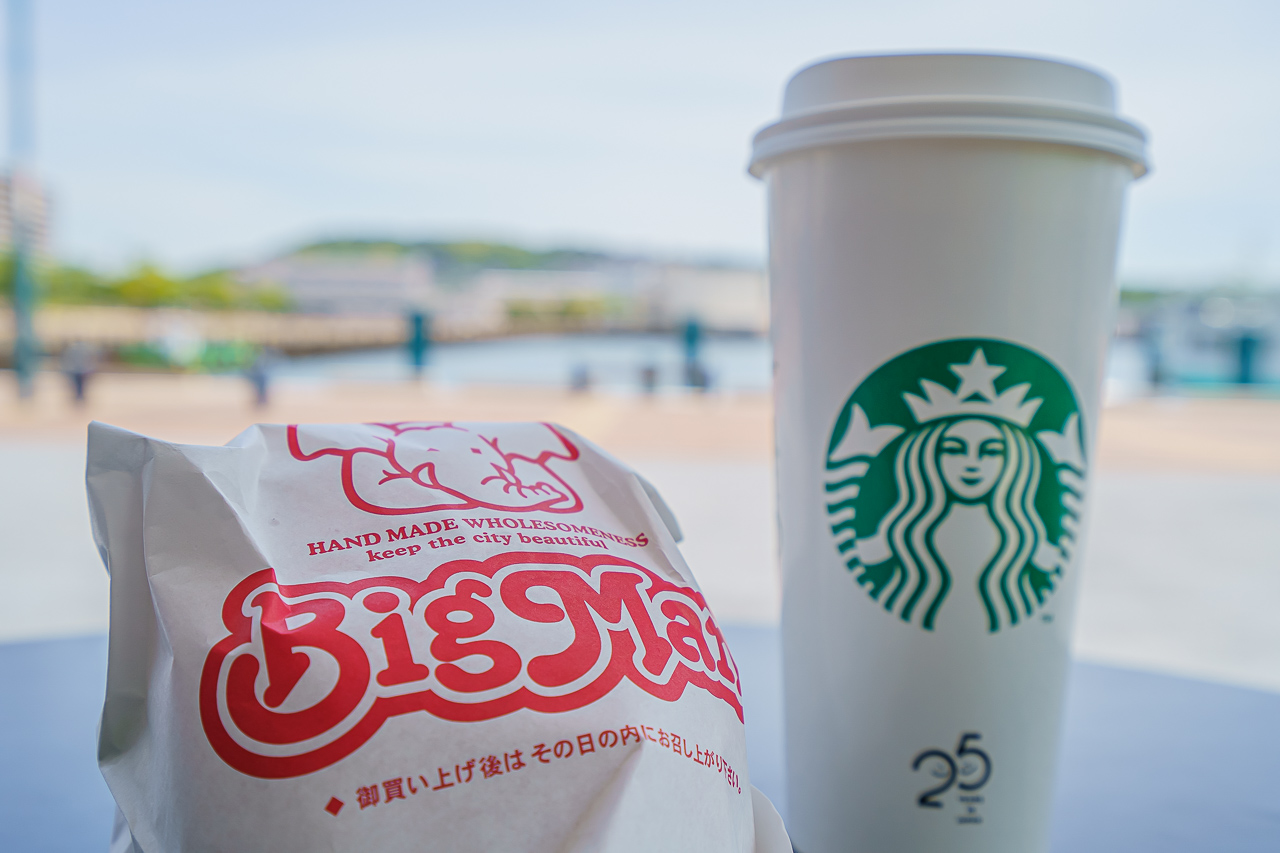
A Sasebo visit needs a burger. After debating Hikari and Big Man, we choose Big Man because it is close to Toride.
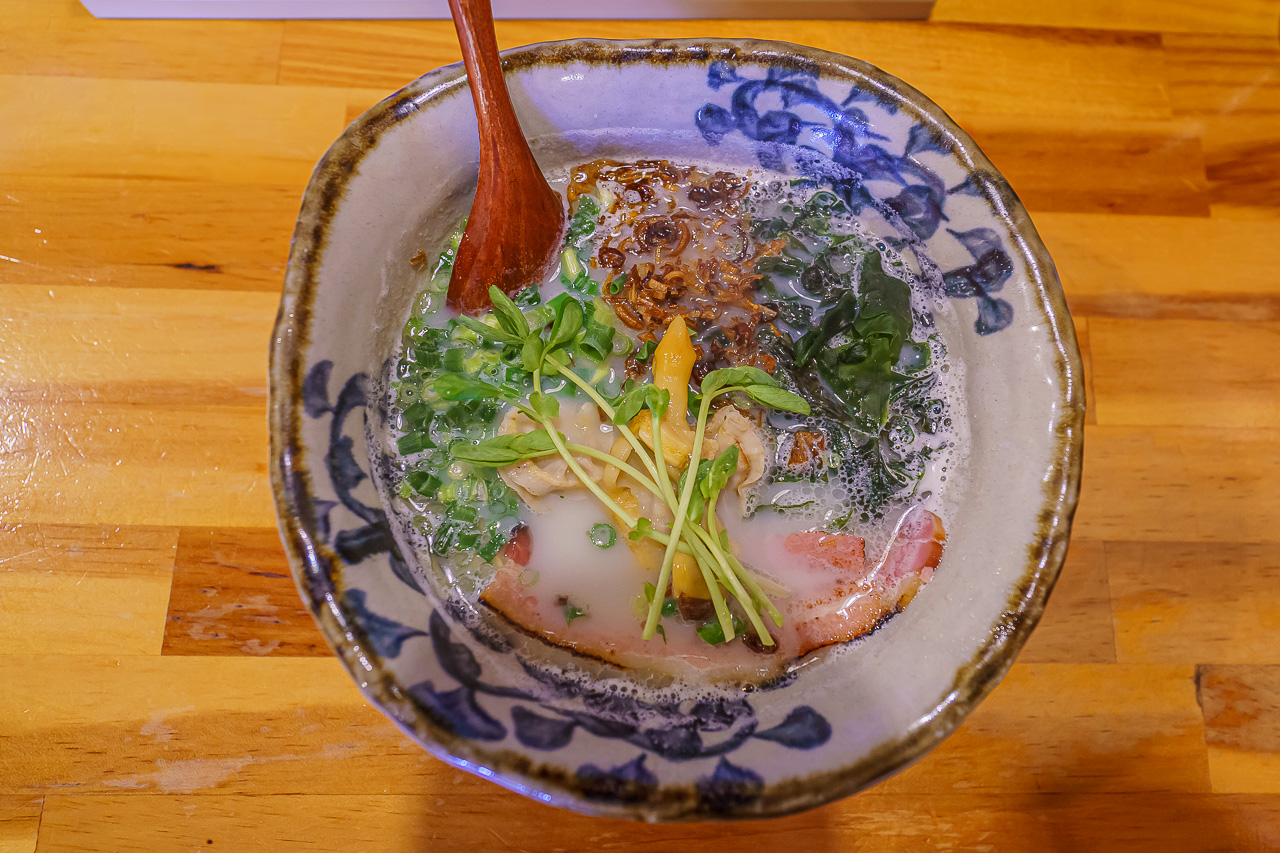
For lunch, we also try Toride, a well-known Sasebo ramen shop.
Its creative shellfish-based broth suits anyone who finds shoyu ramen a little light but tonkotsu too heavy.
I want to drink every drop. The flavor is remarkably clean.
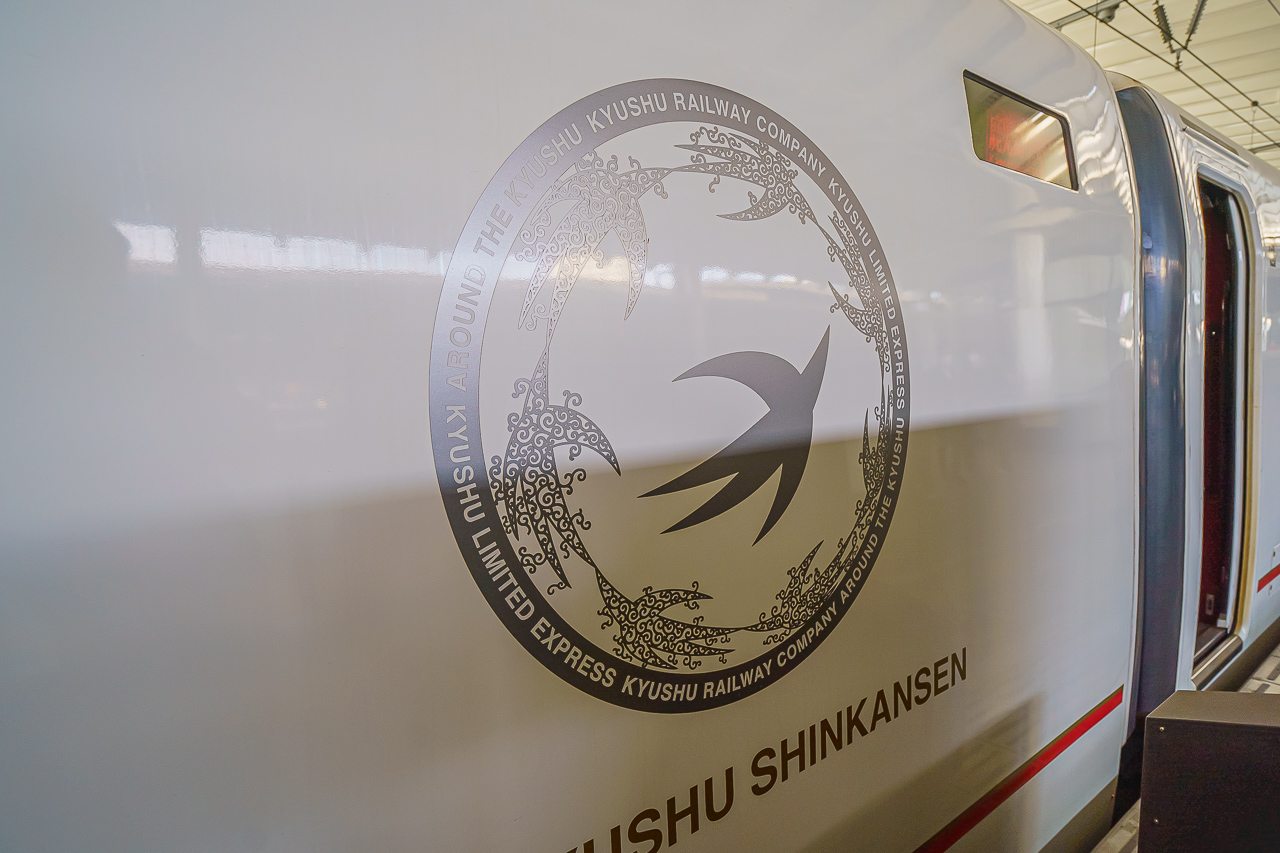
We return toward Fukuoka, then take the Shinkansen to Kumamoto, around 40 minutes from Fukuoka in the source’s estimate.

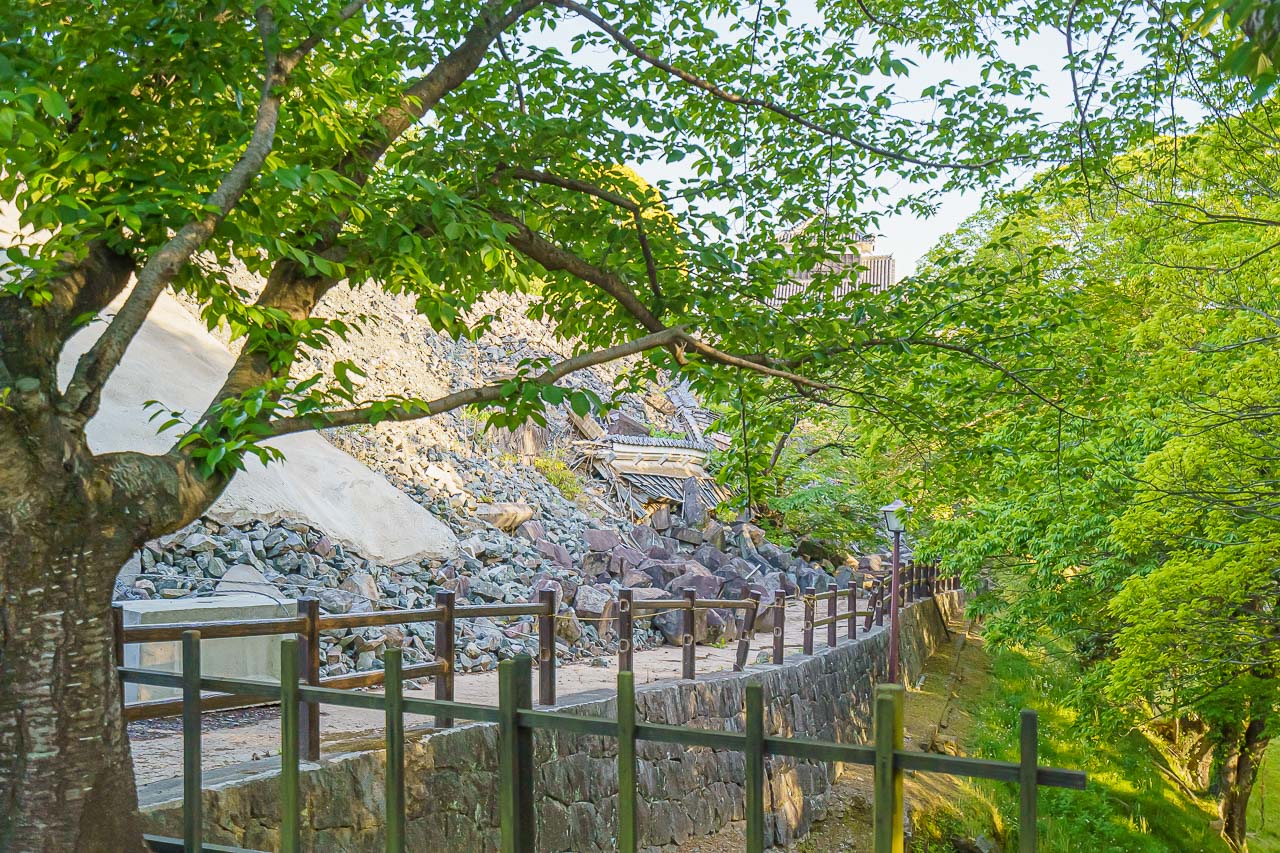
In Kumamoto, we head to the castle, badly affected by the earthquake.
Restoration is still underway during this visit.
It is a beautiful castle, and sad to see the damage.
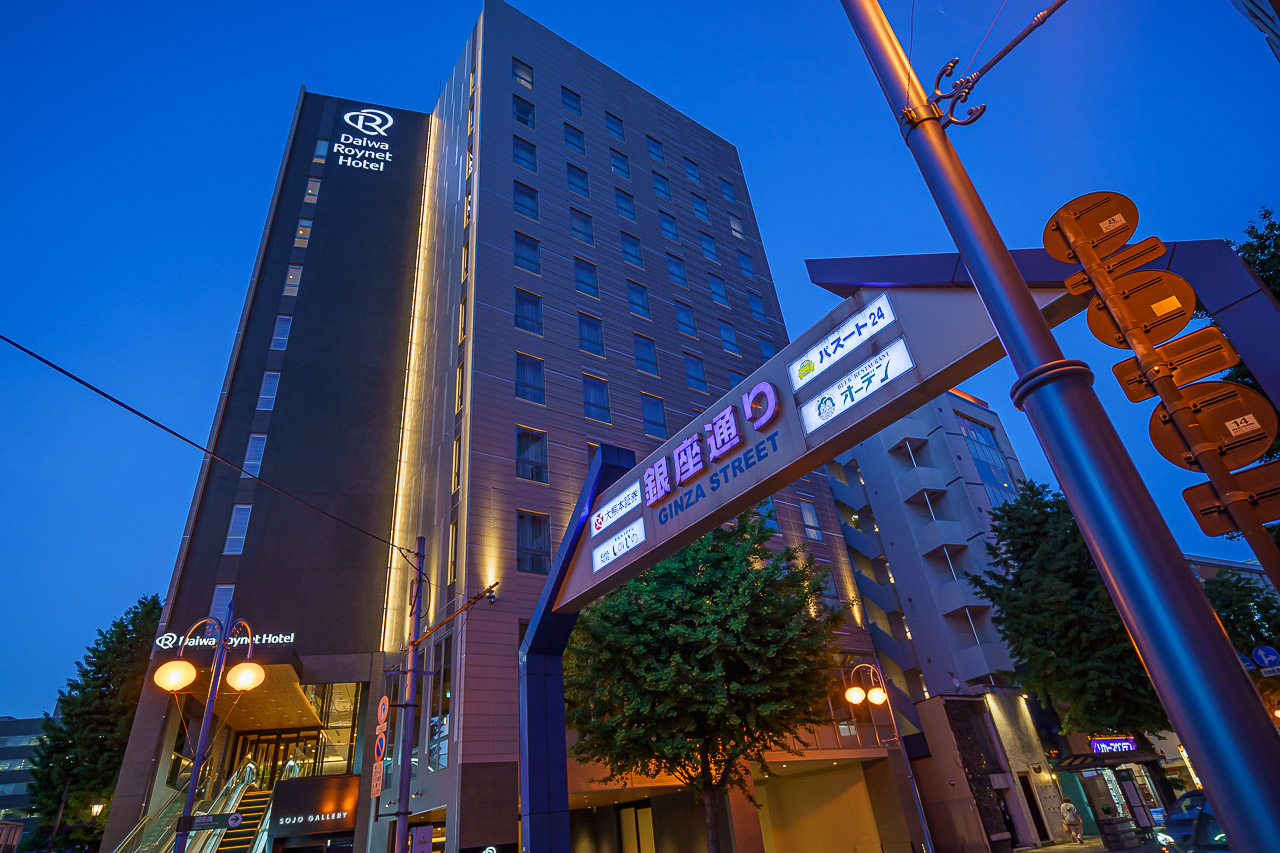
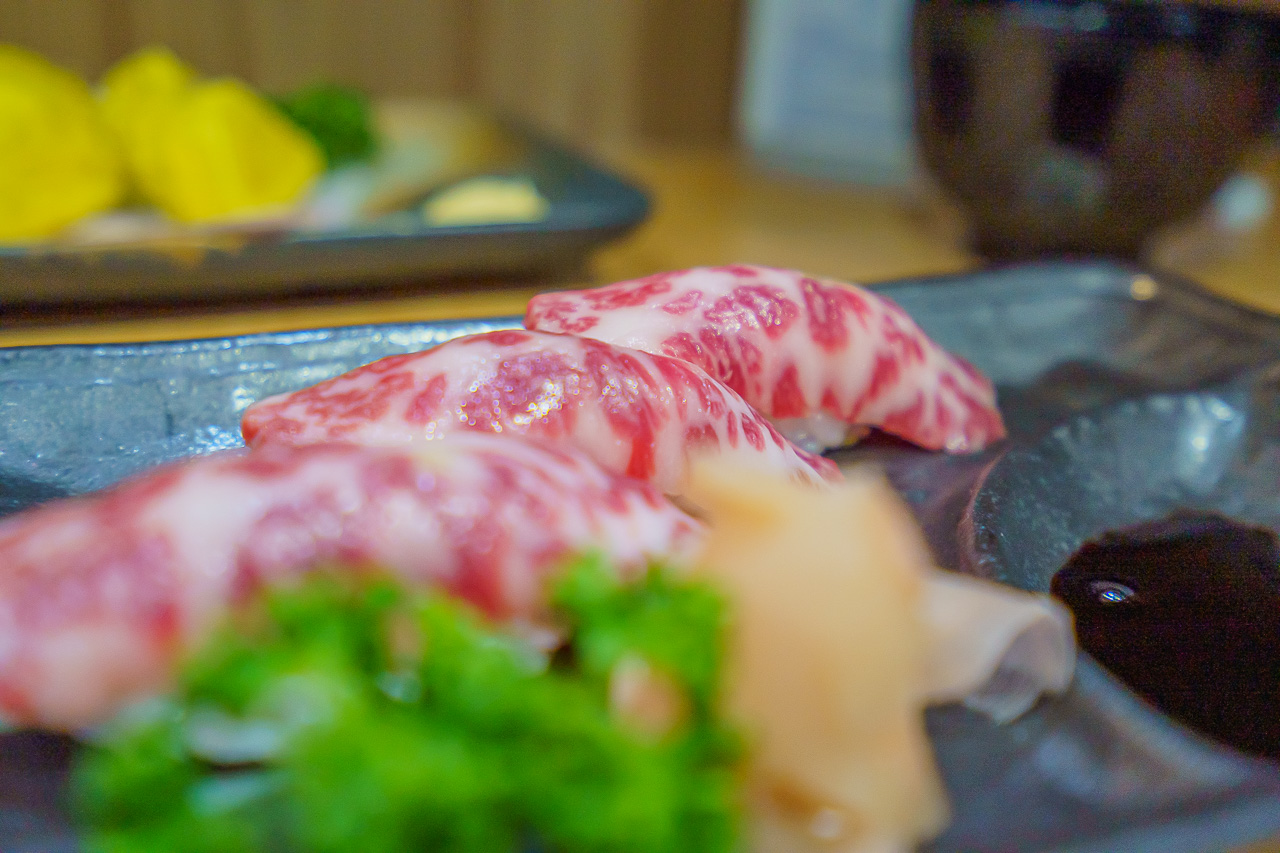
For dinner, we go to a horse-meat specialist in the city.
A full plate of raw horse meat feels a little daunting, so I choose horse-meat sushi. It has no unpleasant smell and melts in the mouth. Delicious.
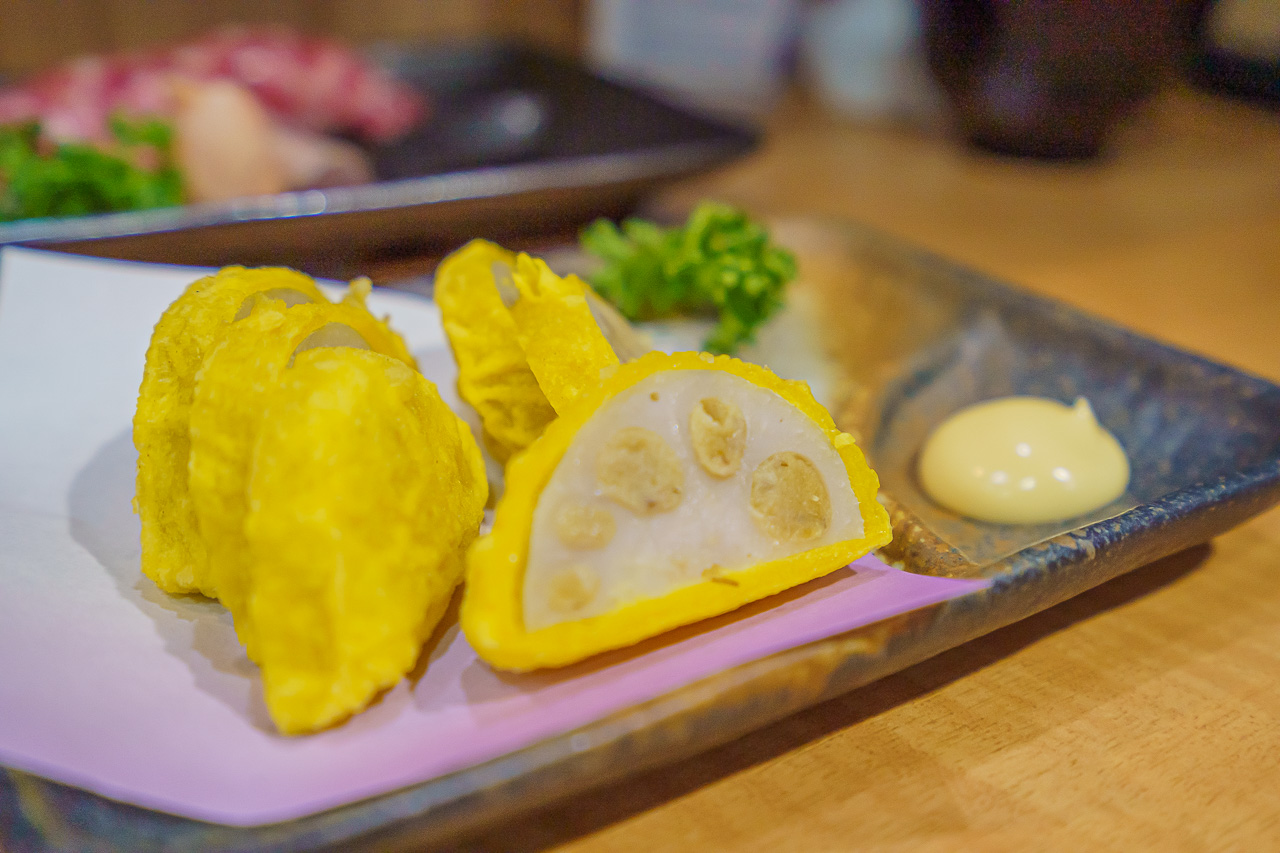
Karashi renkon has a crisp coating and lotus root’s distinctive crunch inside.
The mustard cuts through the richness. Without the next day’s plans, I could happily have kept eating and drinking.
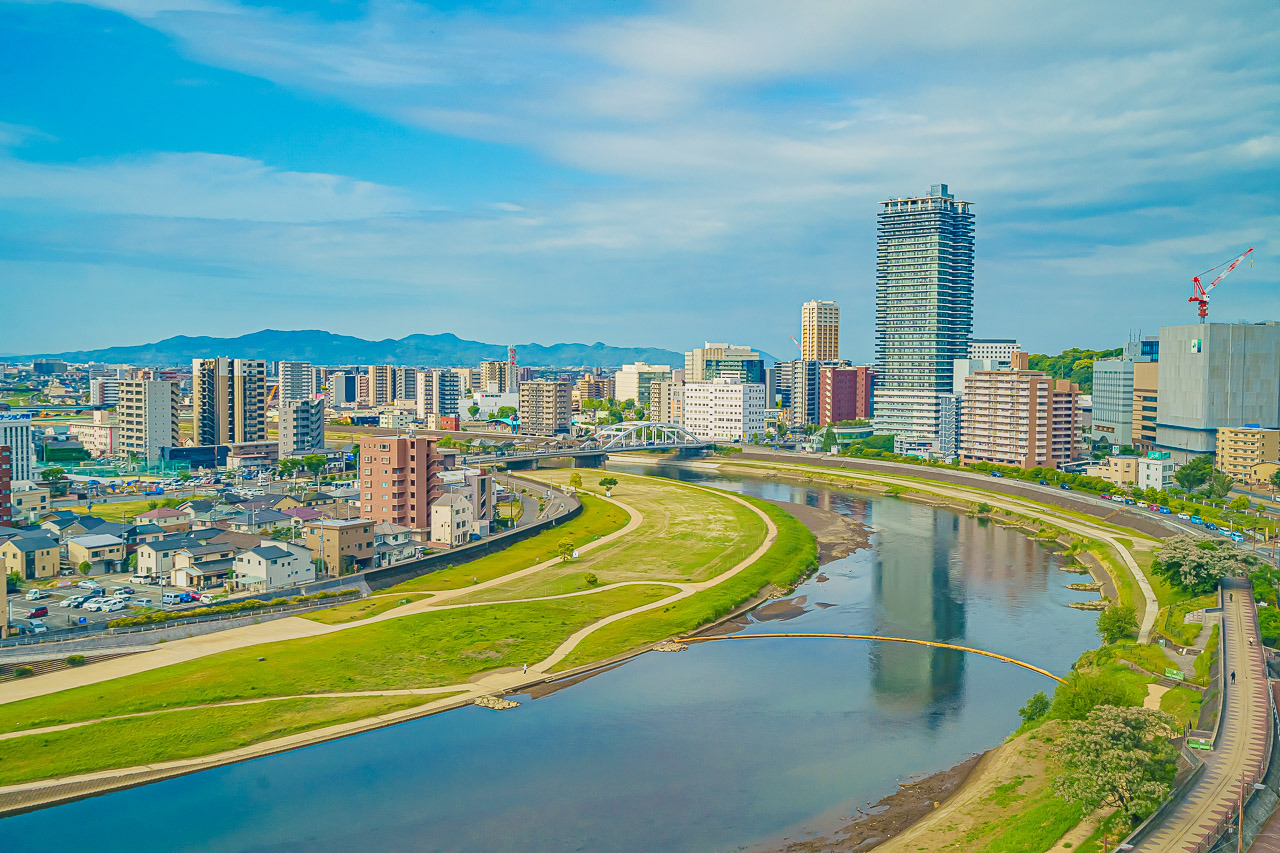
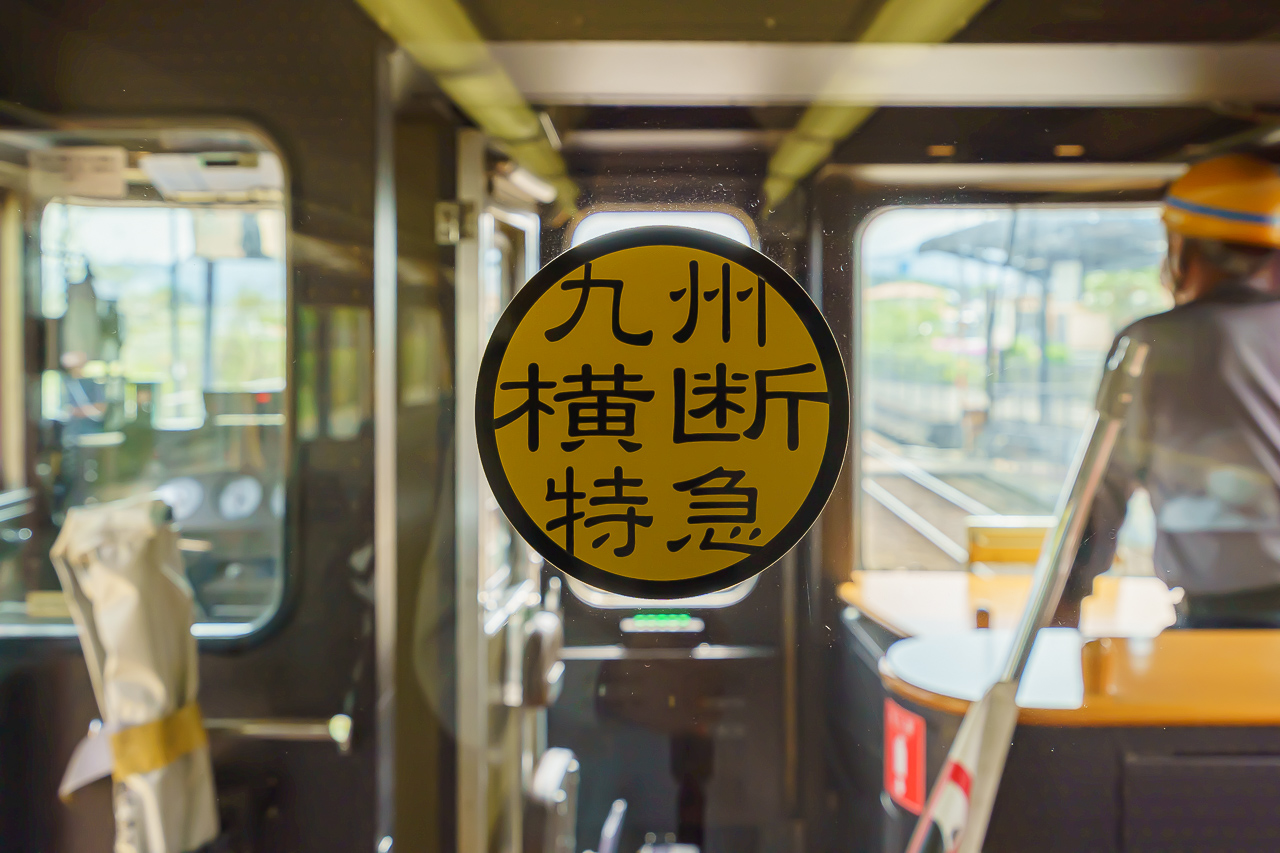
I hoped to ride Aso Boy!, but it was not operating that day, so we take the Kyushu Odan train toward Aso instead.
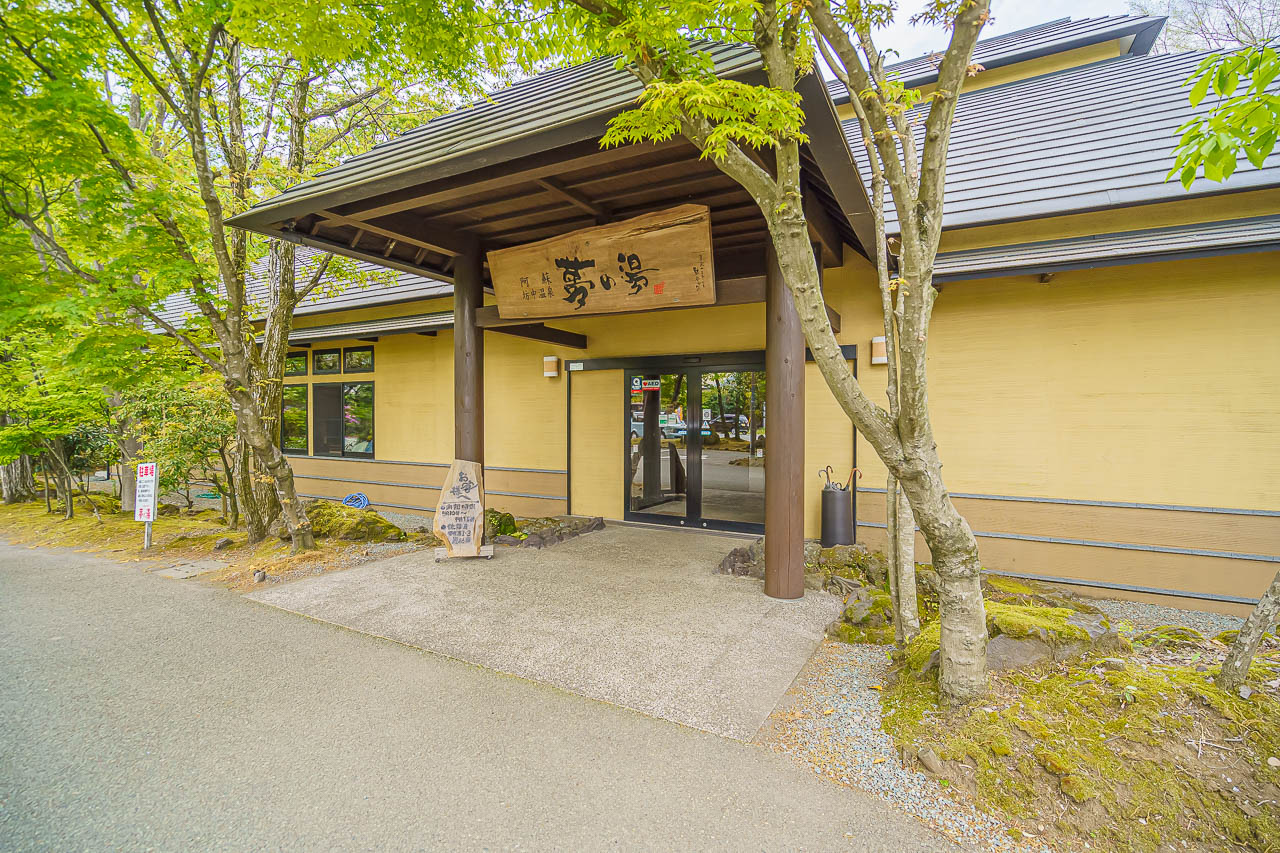
Near Aso Station, we visit the onsen Yume-no-Yu.
I enjoy its water more than that at some expensive ryokan baths, and would recommend considering it when you visit Aso Station. That is a personal comparison, not a measured water-quality ranking.
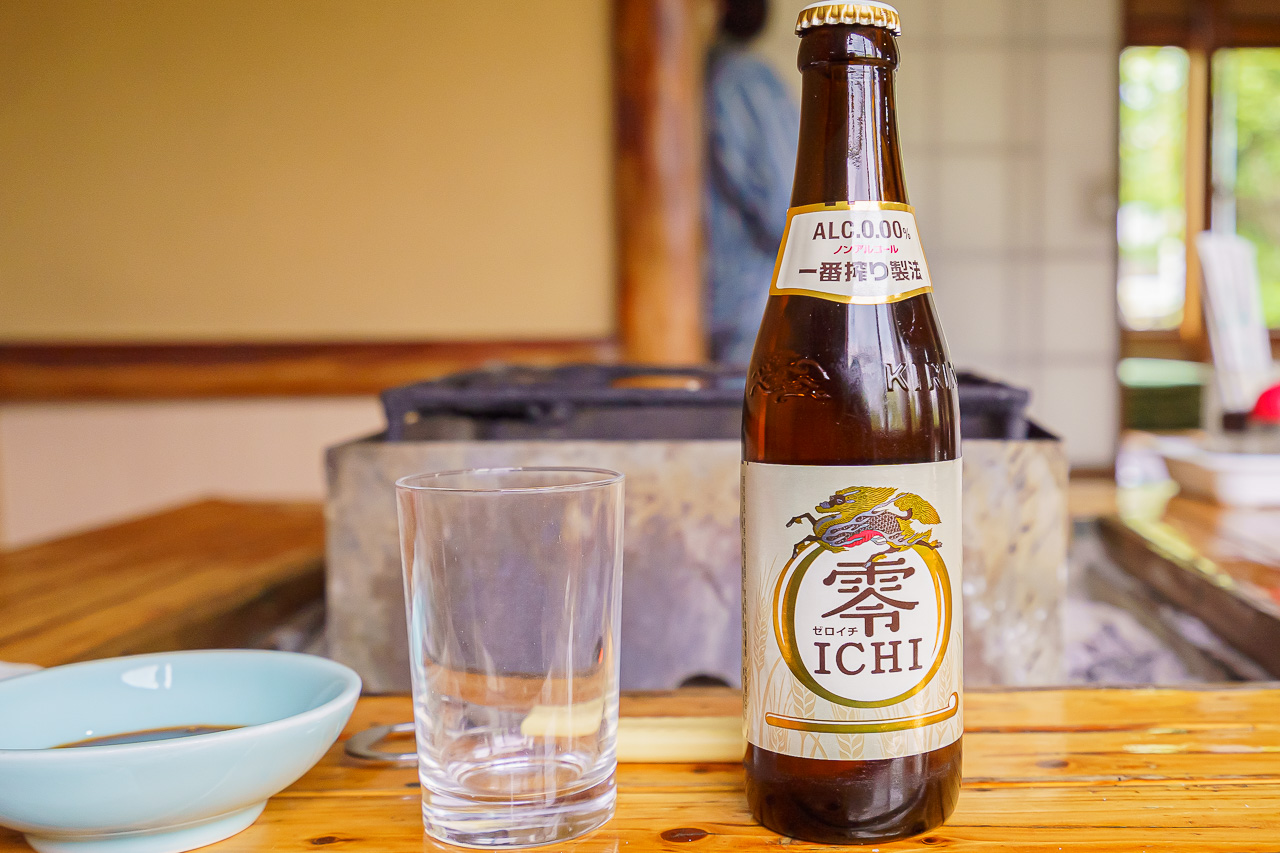
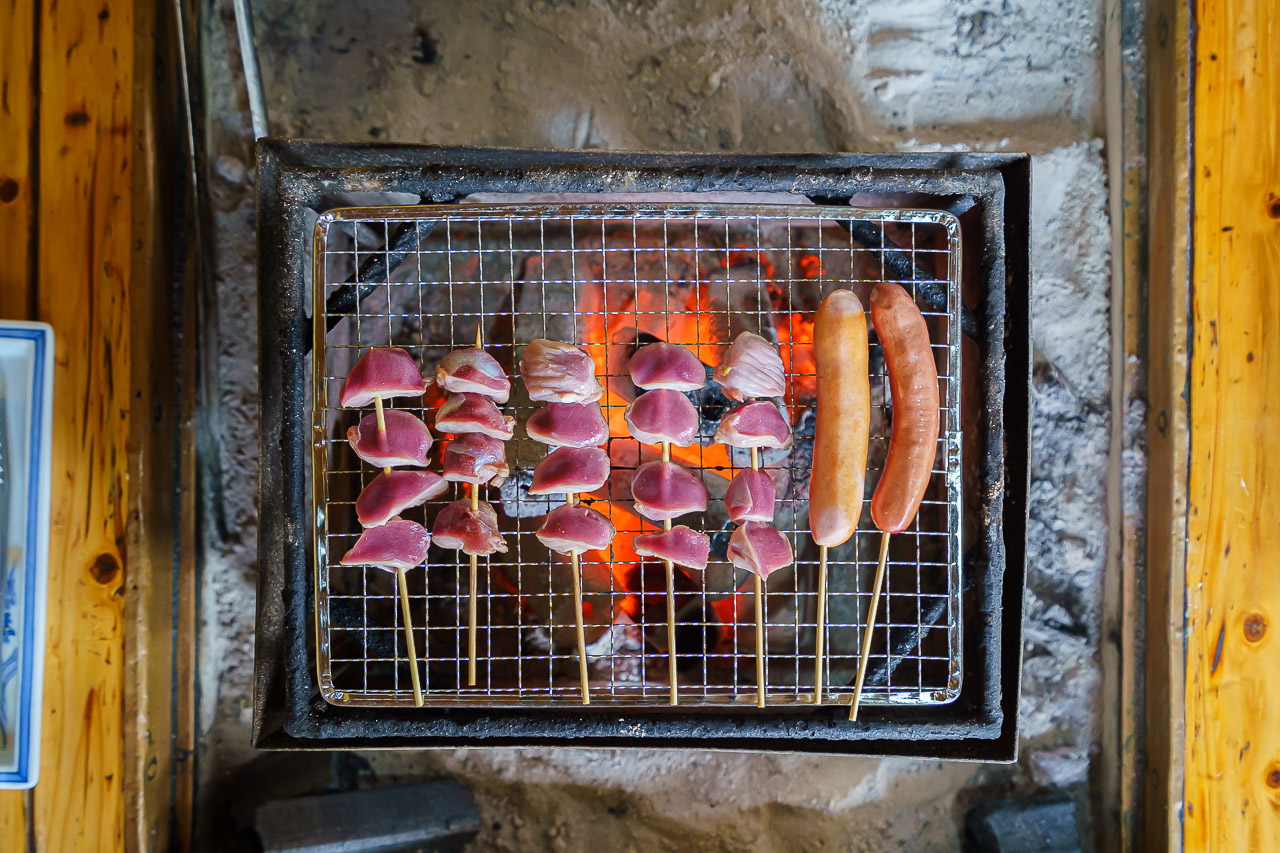
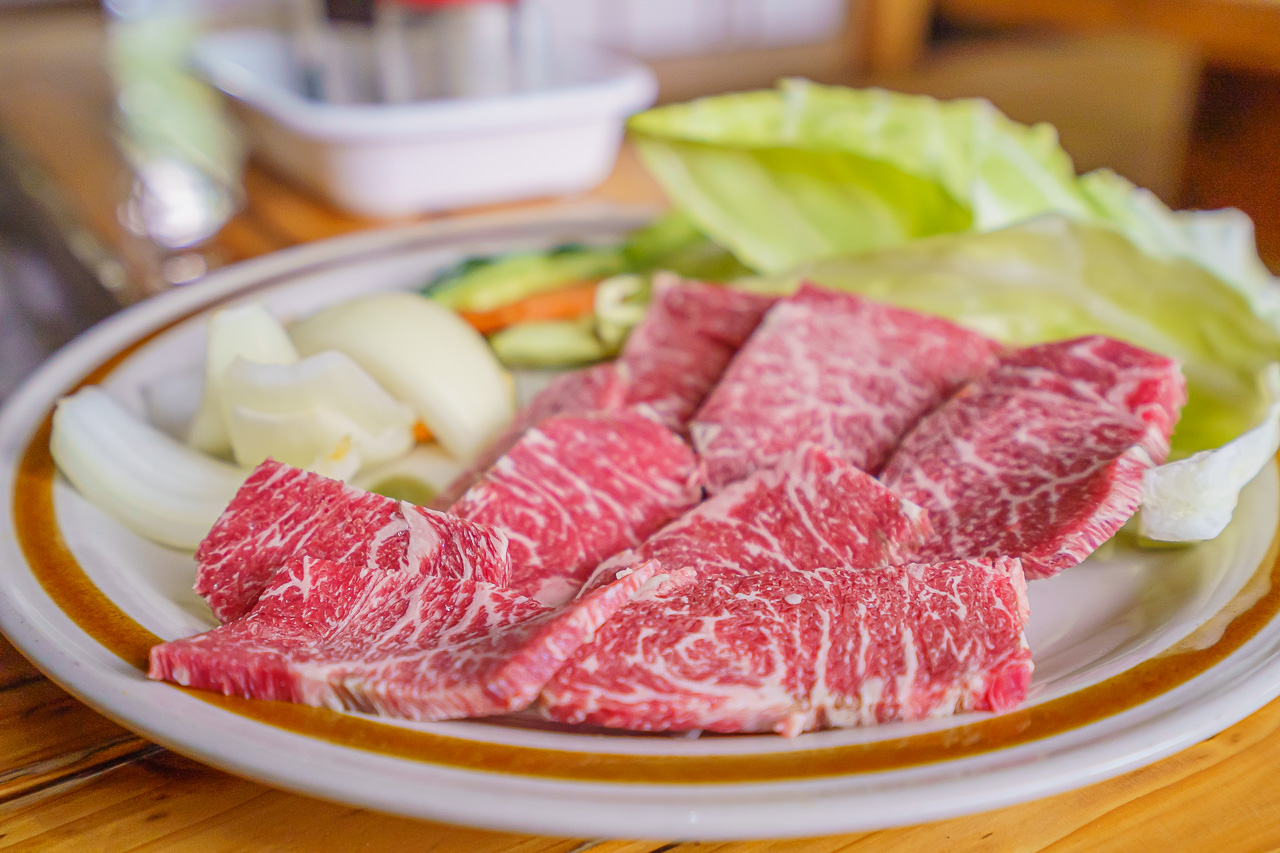
After bathing, we go to nearby Kojiro-buchi, described as using direct deliveries from a local farm, for a restorative meal.
It is a chance to try Aso wagyu at a price I find reasonable.
Meat and vegetables from nearby farms make for an appealing meal.
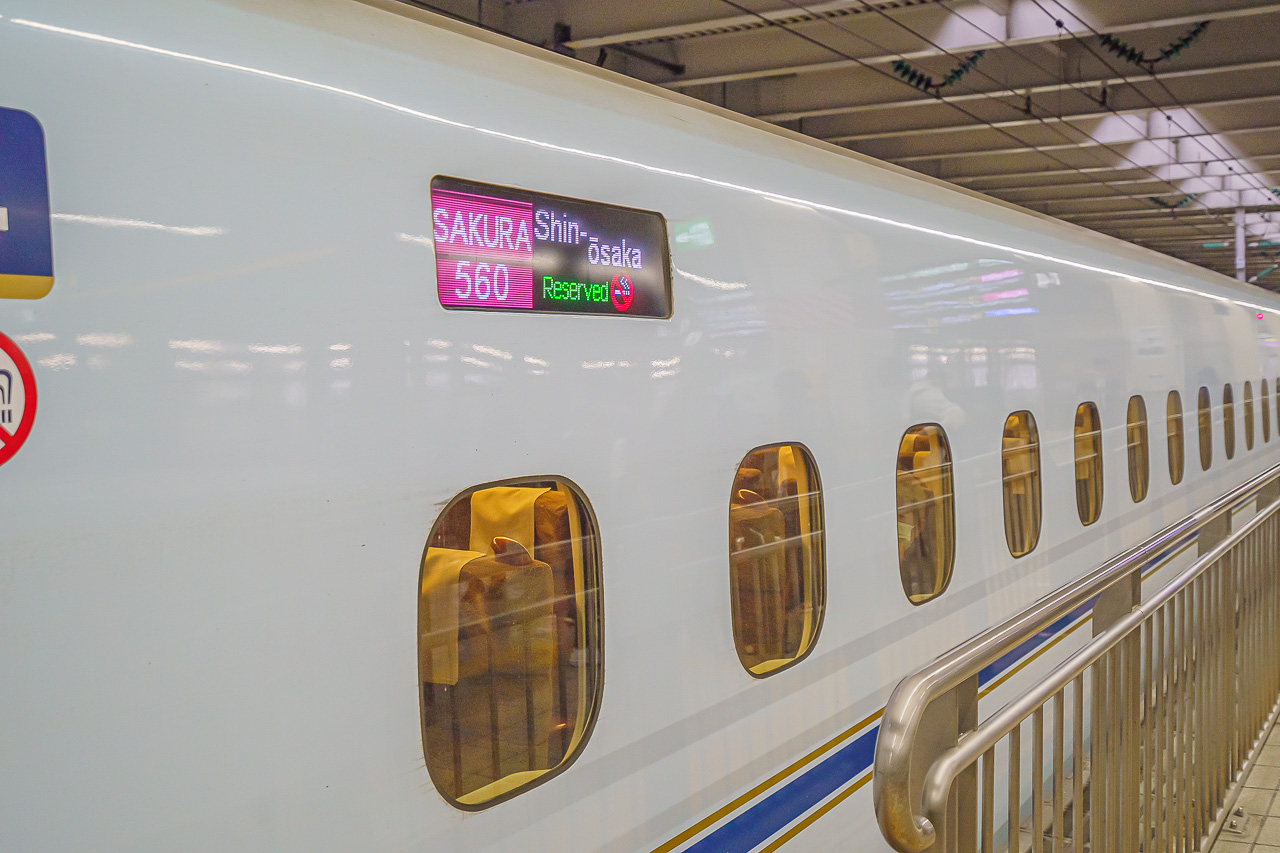
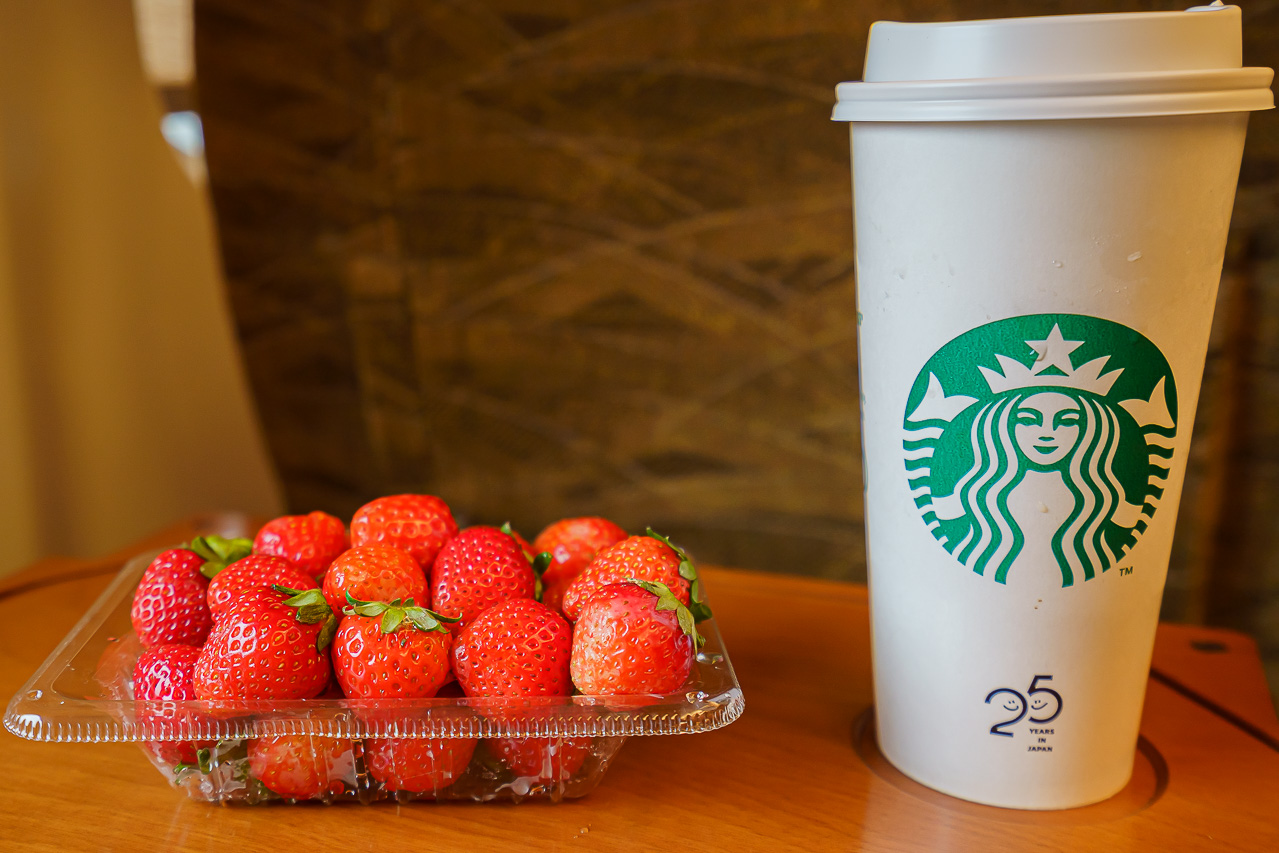
With strawberries from Michi-no-Eki Aso and a coffee, we head back toward Fukuoka using the Shinkansen for the relevant part of the journey; Aso itself is not a Shinkansen station.
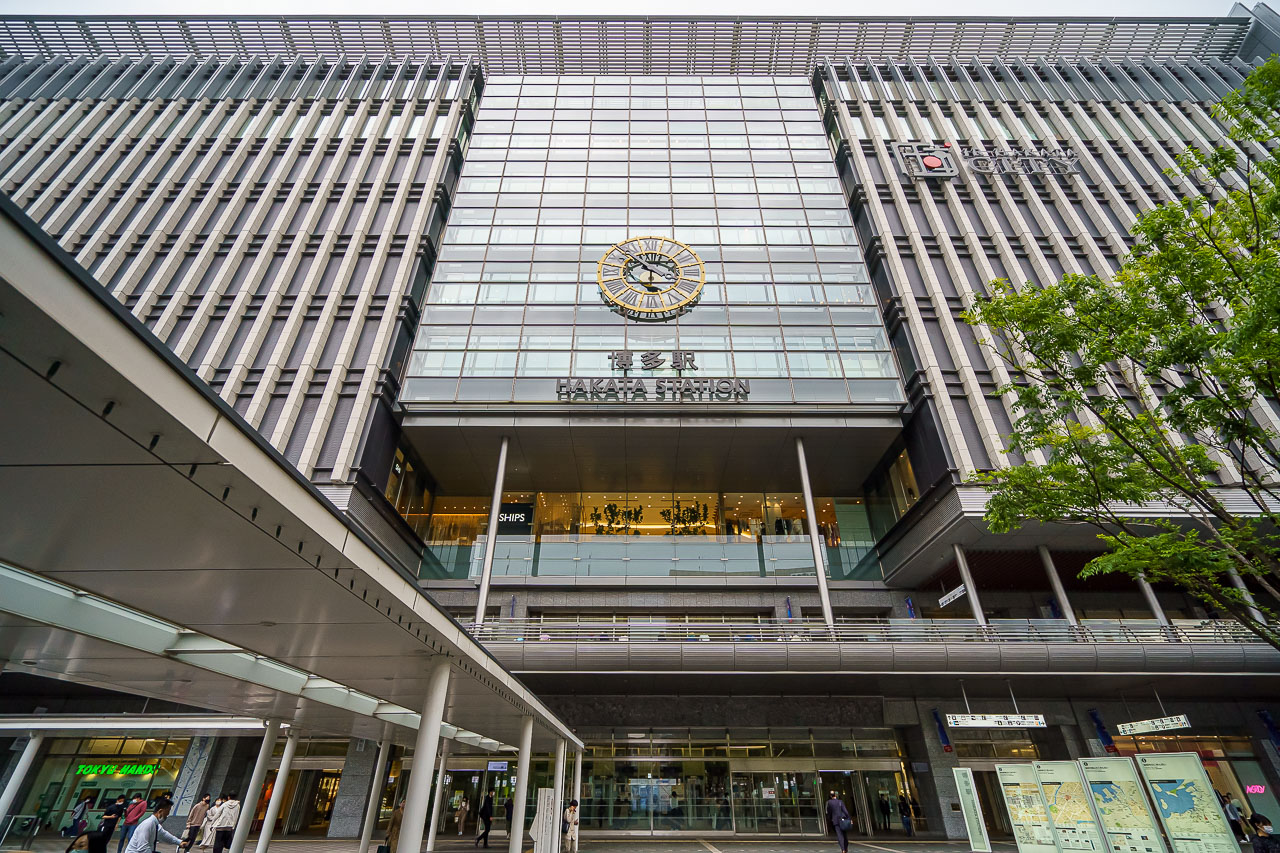
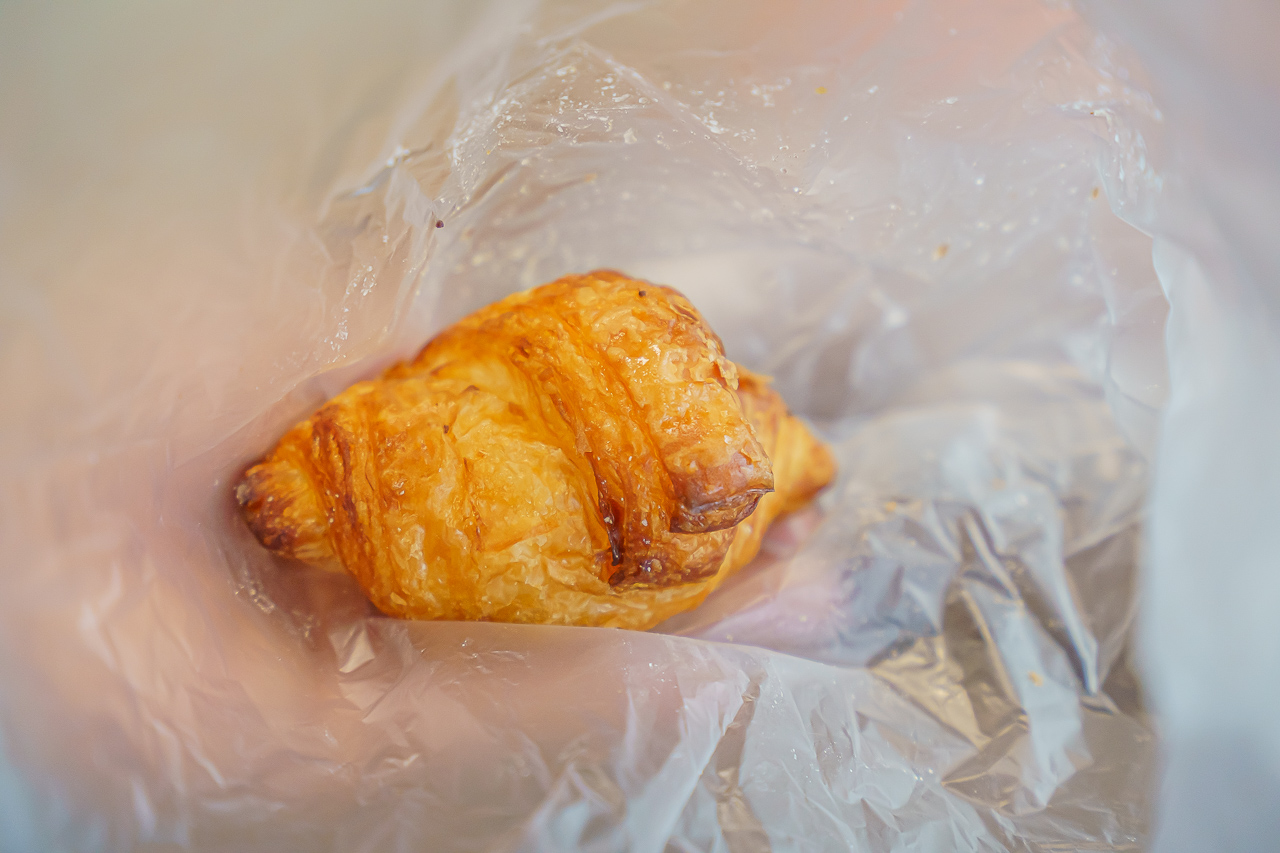

There is so much food to choose from at the Fukuoka station stop.
We buy something to eat on the flight.
Good food, comfortable rest and plenty of exploring: a wonderfully romantic rail journey.
It is a trip I would love to make again.
The individual accounts continue in separate articles.