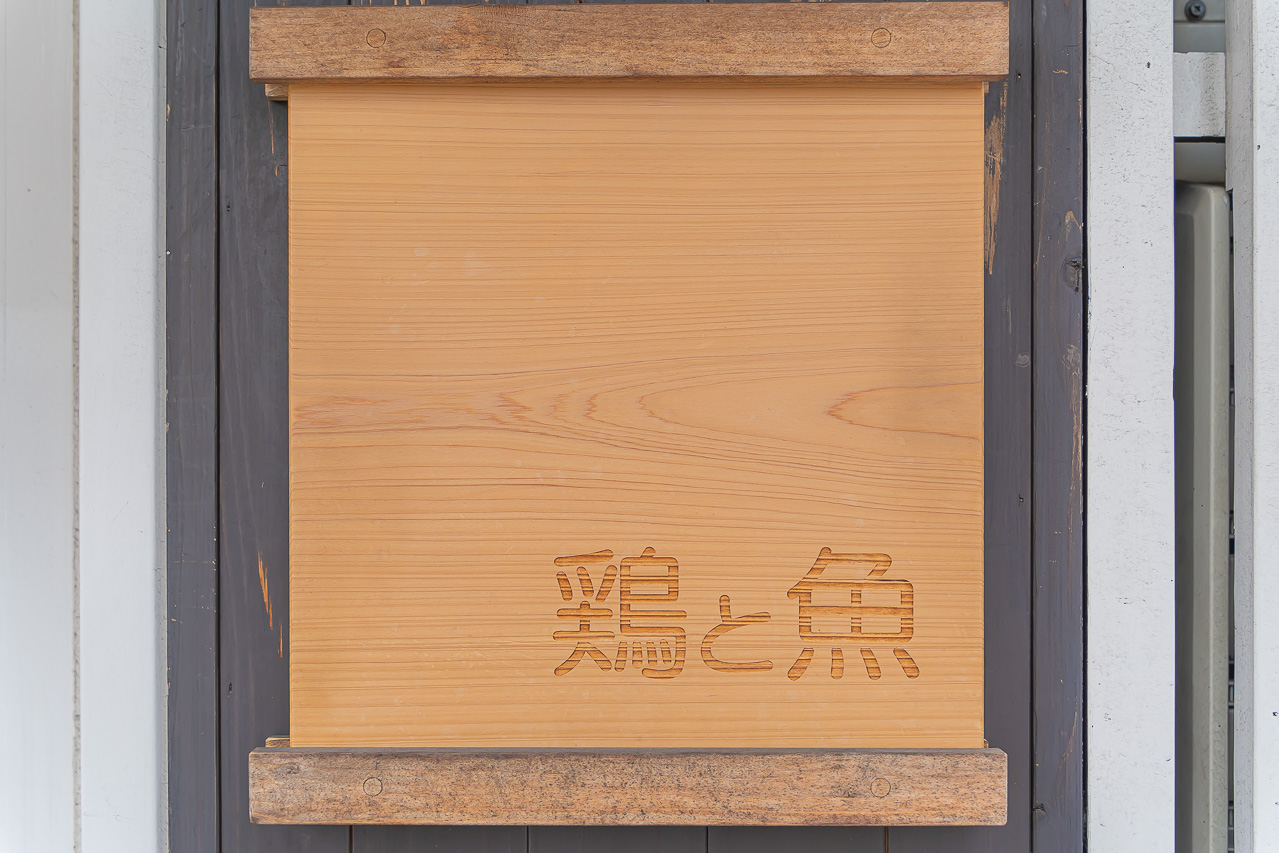
We visited Tori to Sakana—“chicken and fish”—said to be popular with Kochi locals.
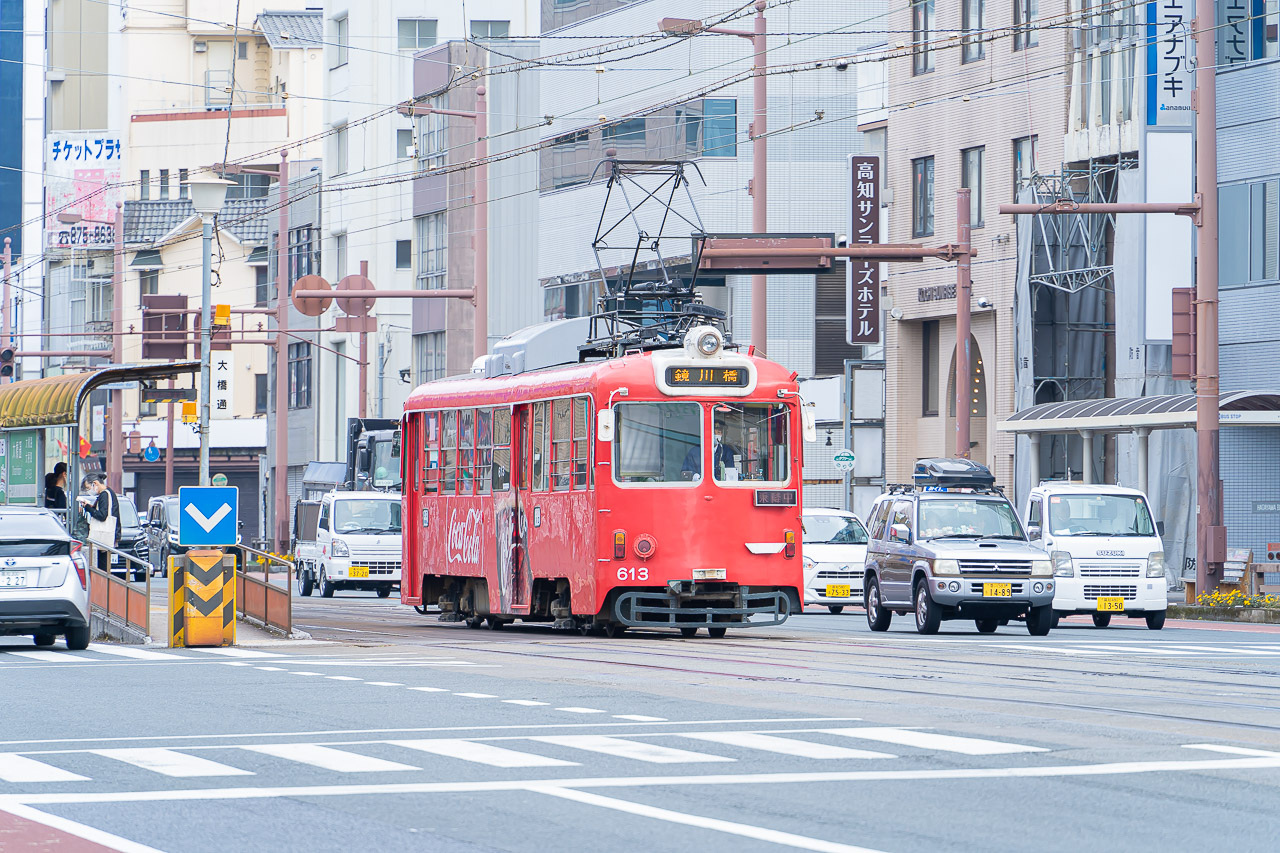
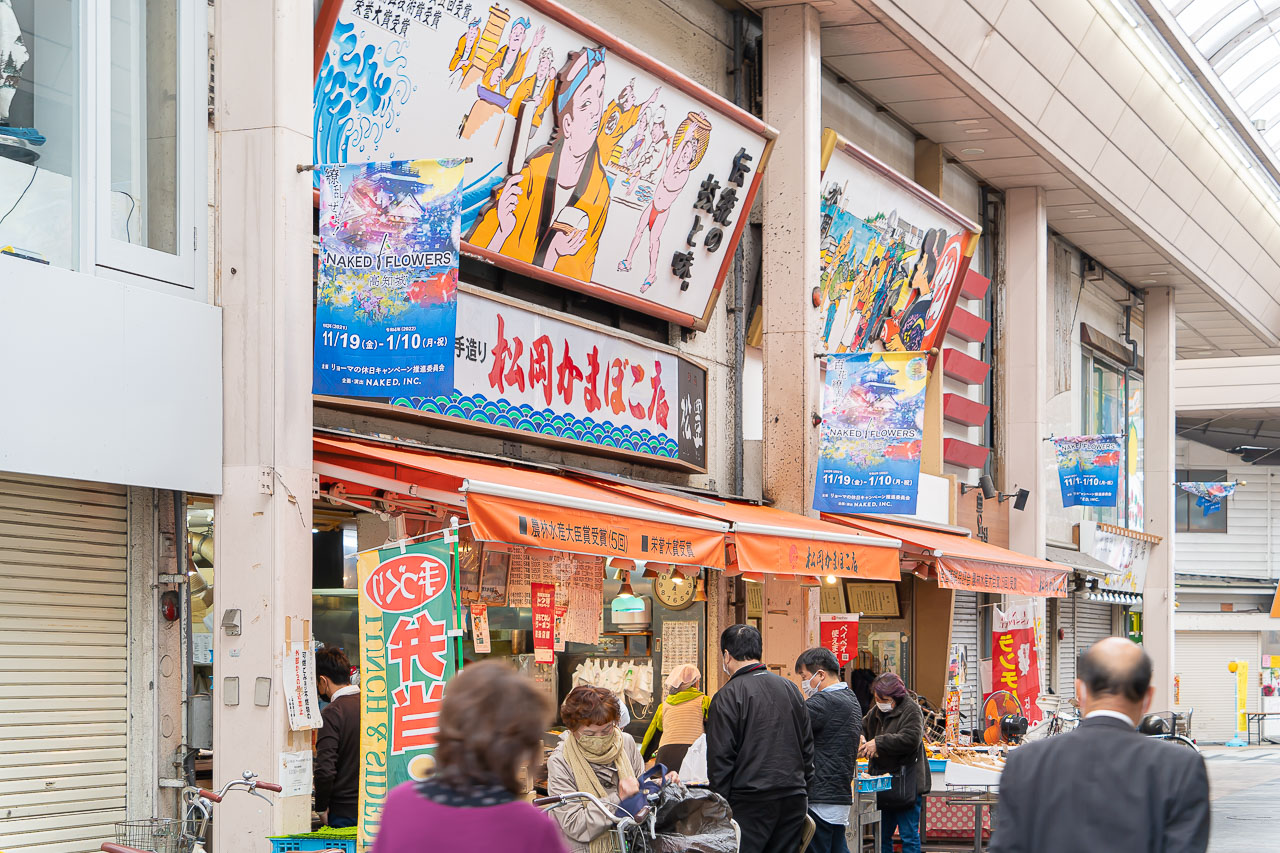
Its location in central Kochi’s Honmachi made it easy to reach.
Being about a 10-minute walk from Kochi Castle was another advantage.
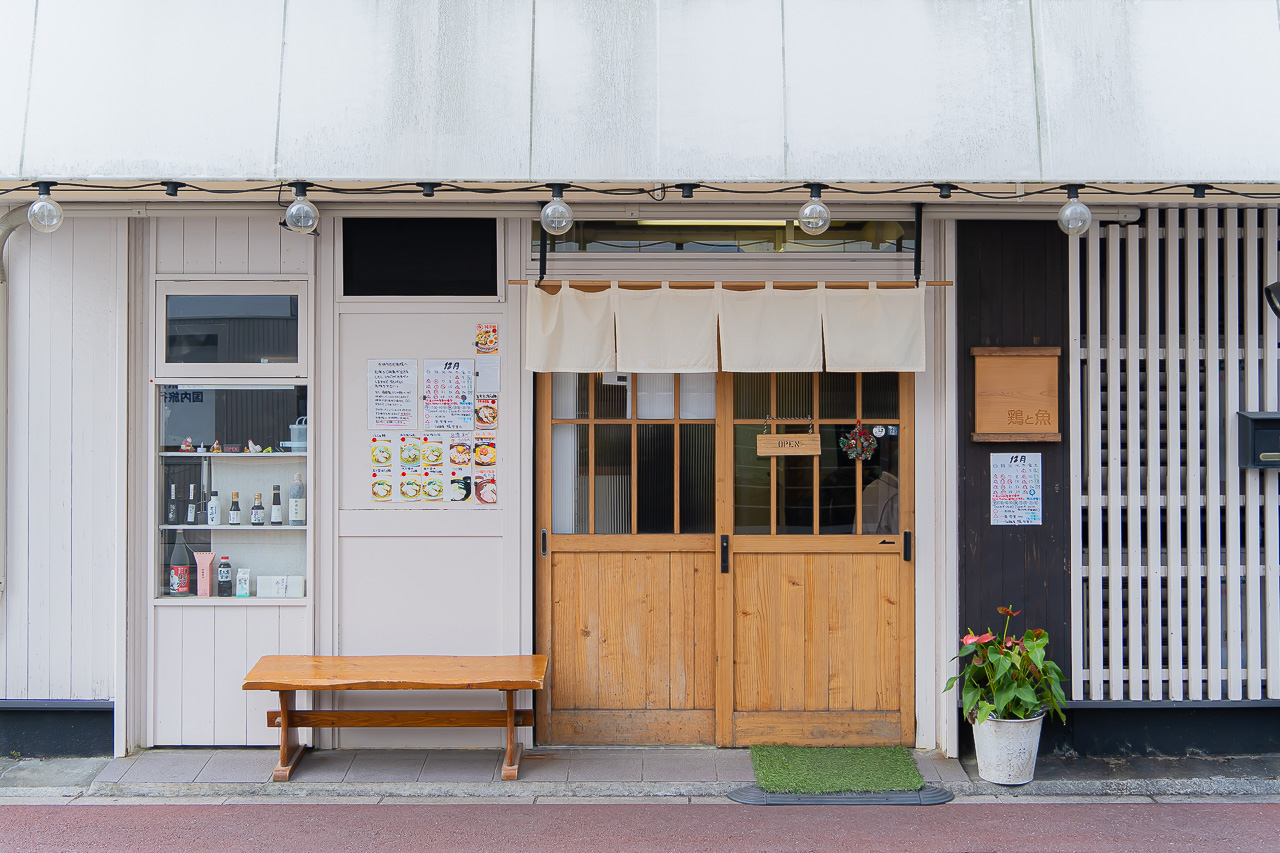
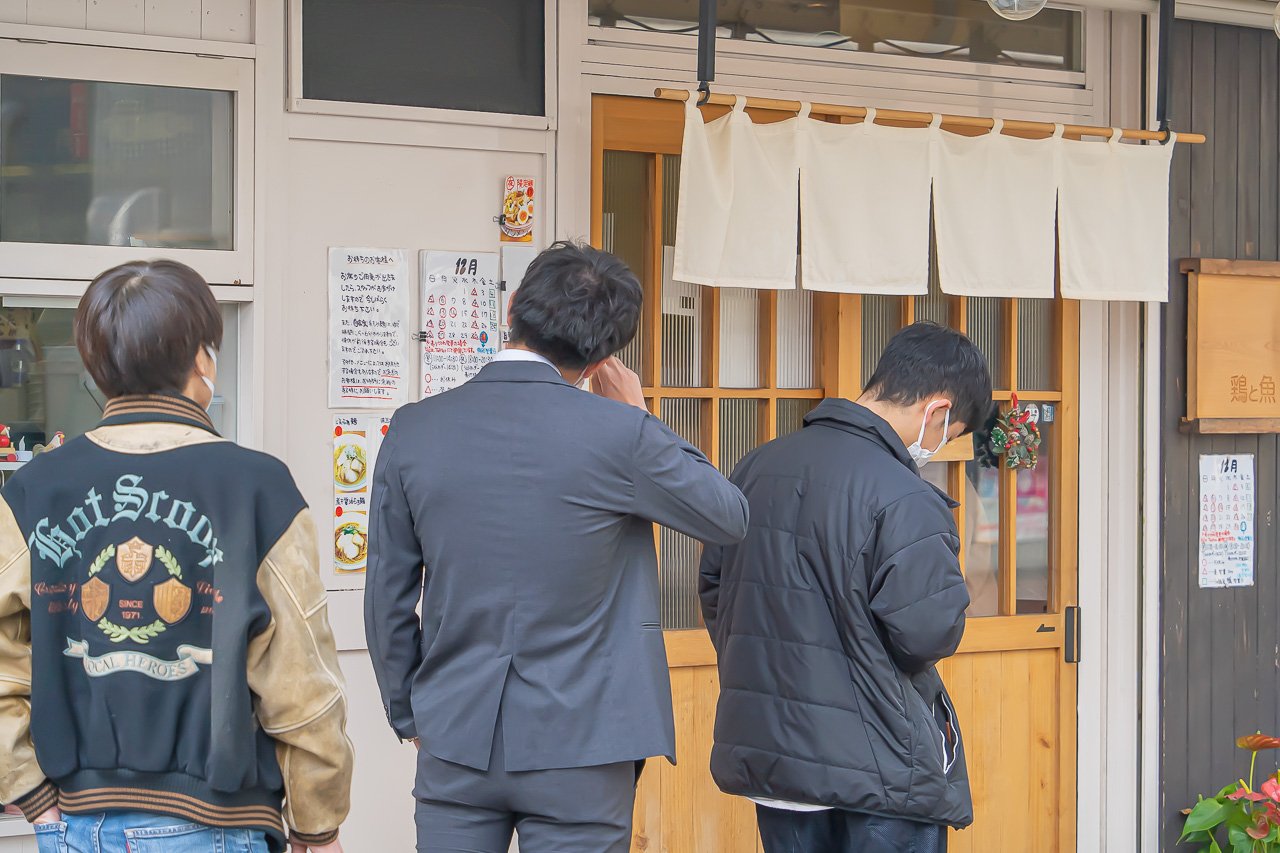
At lunchtime, office workers were already lining up outside.
White walls and natural wood gave it a clean appearance.
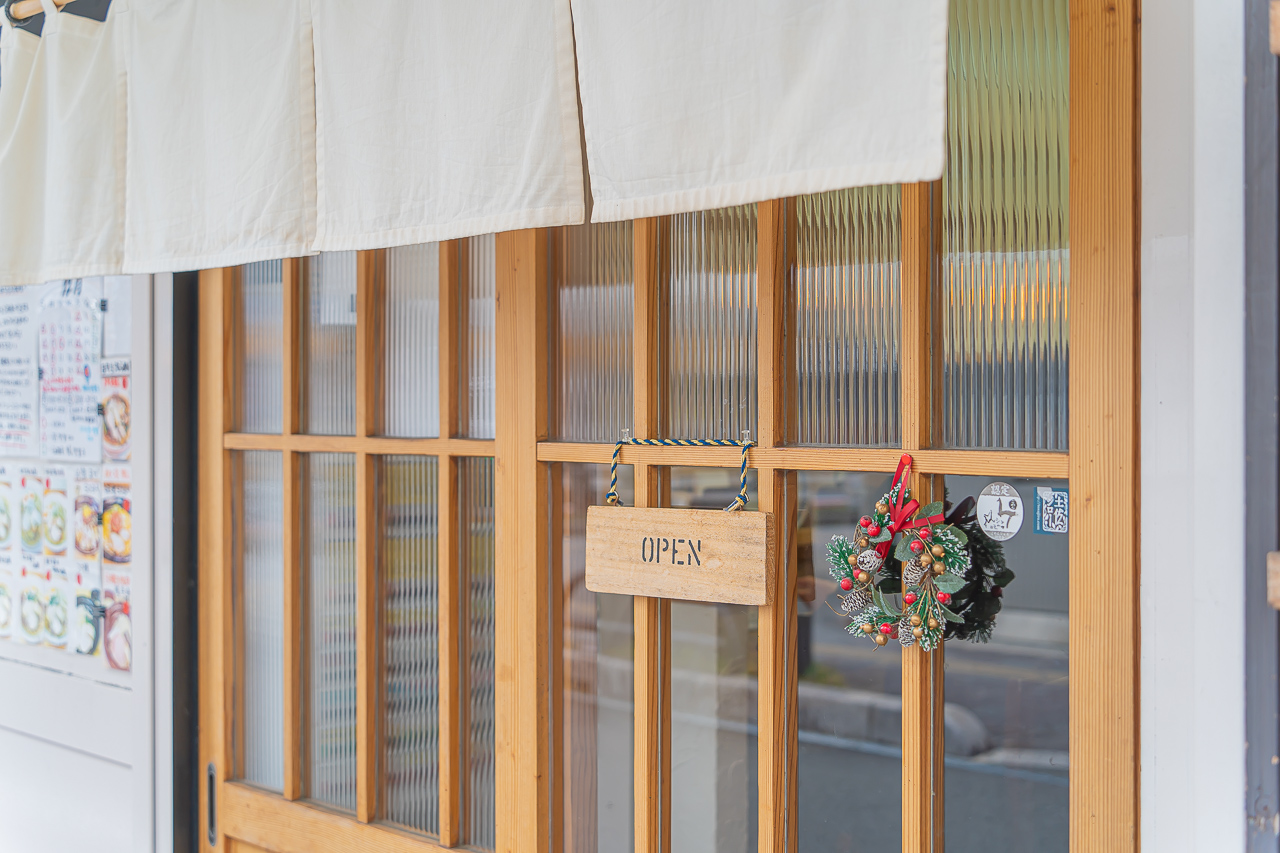
The people ahead of us finally went in, leaving us near the front.
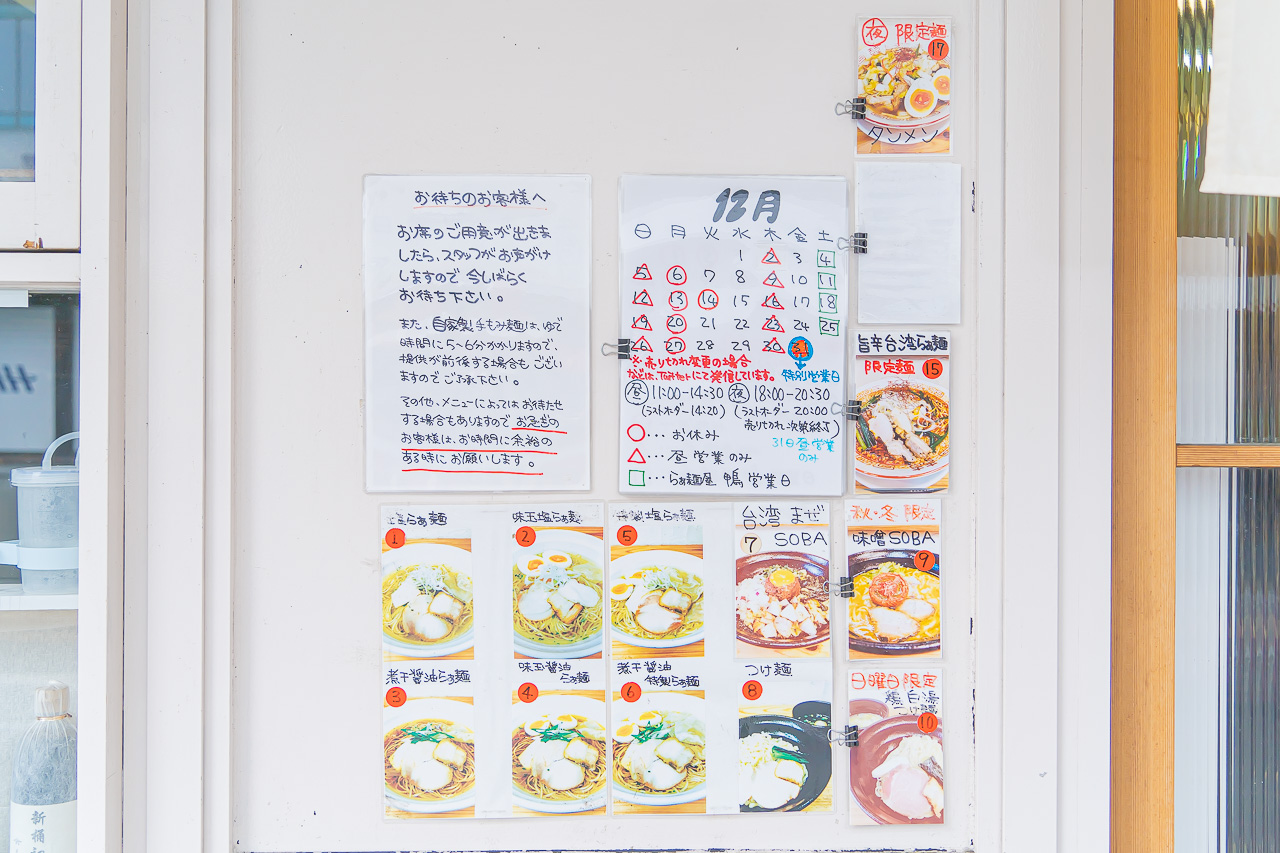
Photographs of the noodles beside the door helped us choose while waiting.
A calendar had a rather complicated set of markings.
On closer reading, circles meant closed days, triangles lunch service, and green squares duck-ramen days.
Duck days? I wondered whether there was a mascot duck.
I later learned that the weekday menu centered on chicken-and-fish-based miso and soy-sauce ramen, while weekends featured duck-based ramen. An unusual arrangement.
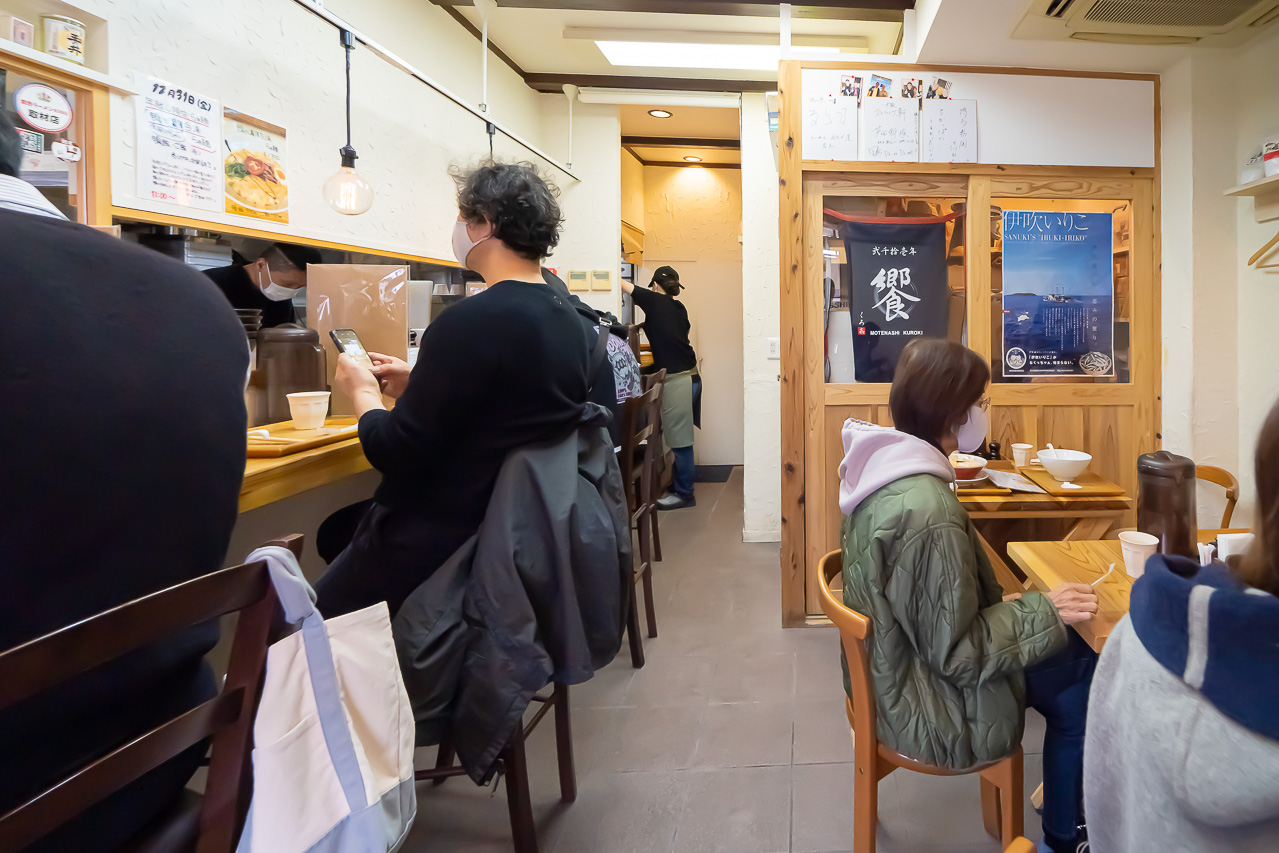
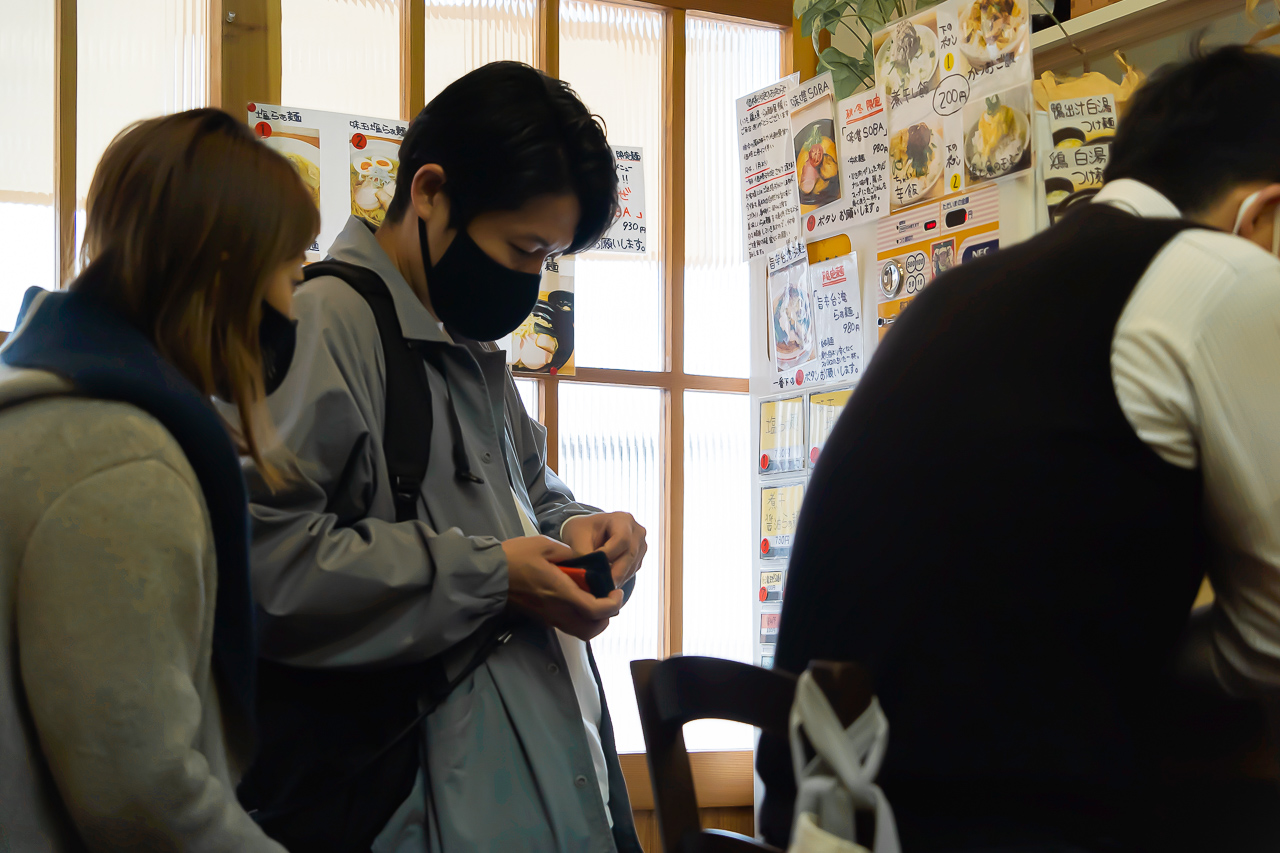
Inside, space was very limited, as in many Japanese ramen shops.
The full room certainly suggested a popular restaurant.
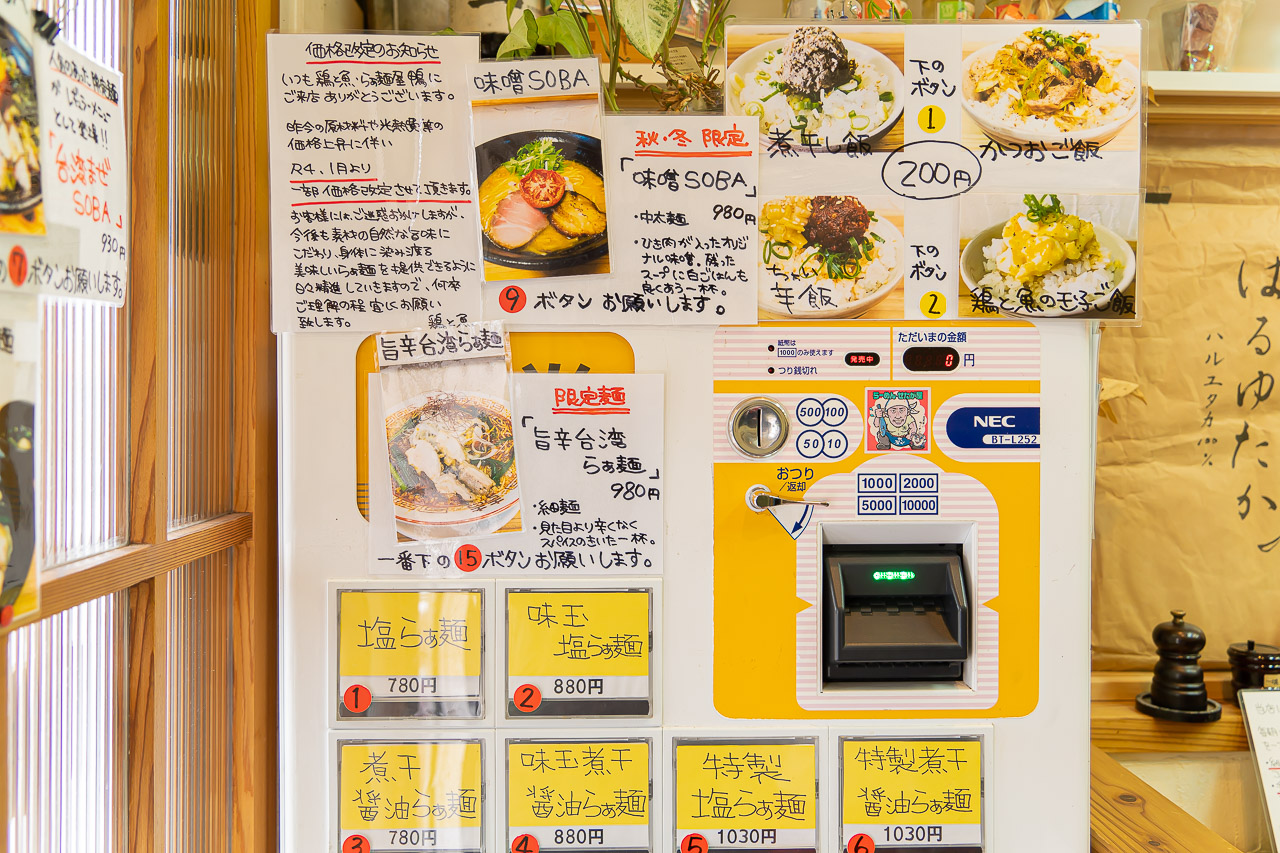
The limited daily Taiwanese-style spicy ramen caught my eye.
So did the autumn-and-winter-only miso soba.
After some deliberation, we ordered the spicy Taiwanese-style ramen and the signature shoyu ramen.
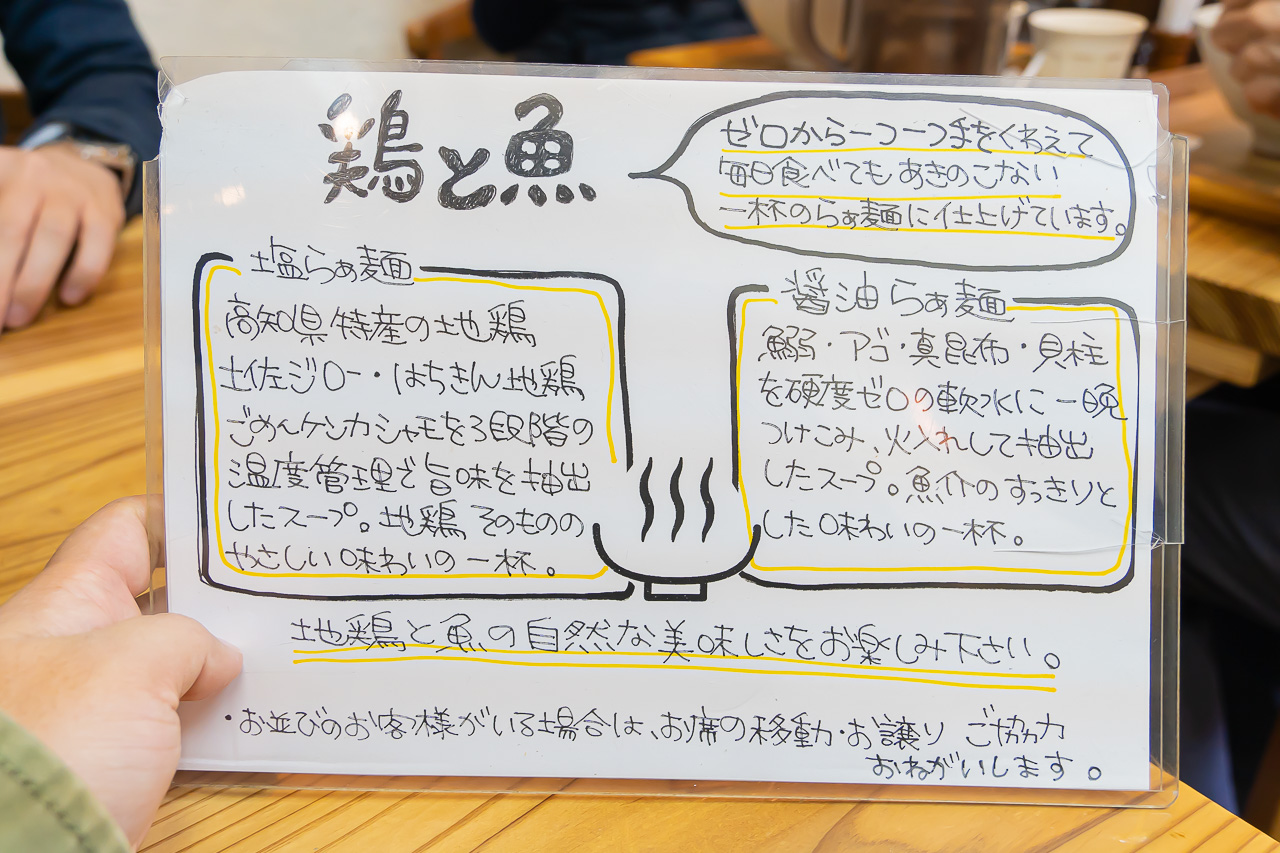
The table had a detailed explanation of the soups.
The shio broth was described as using three specialty Kochi chicken breeds—Tosa Jiro, Hachikin Jidori, and Gomen Kenka Shamo—with three stages of temperature control.
The shoyu broth was described as sardines, flying fish, kelp, and scallops soaked overnight in completely soft water before simmering.
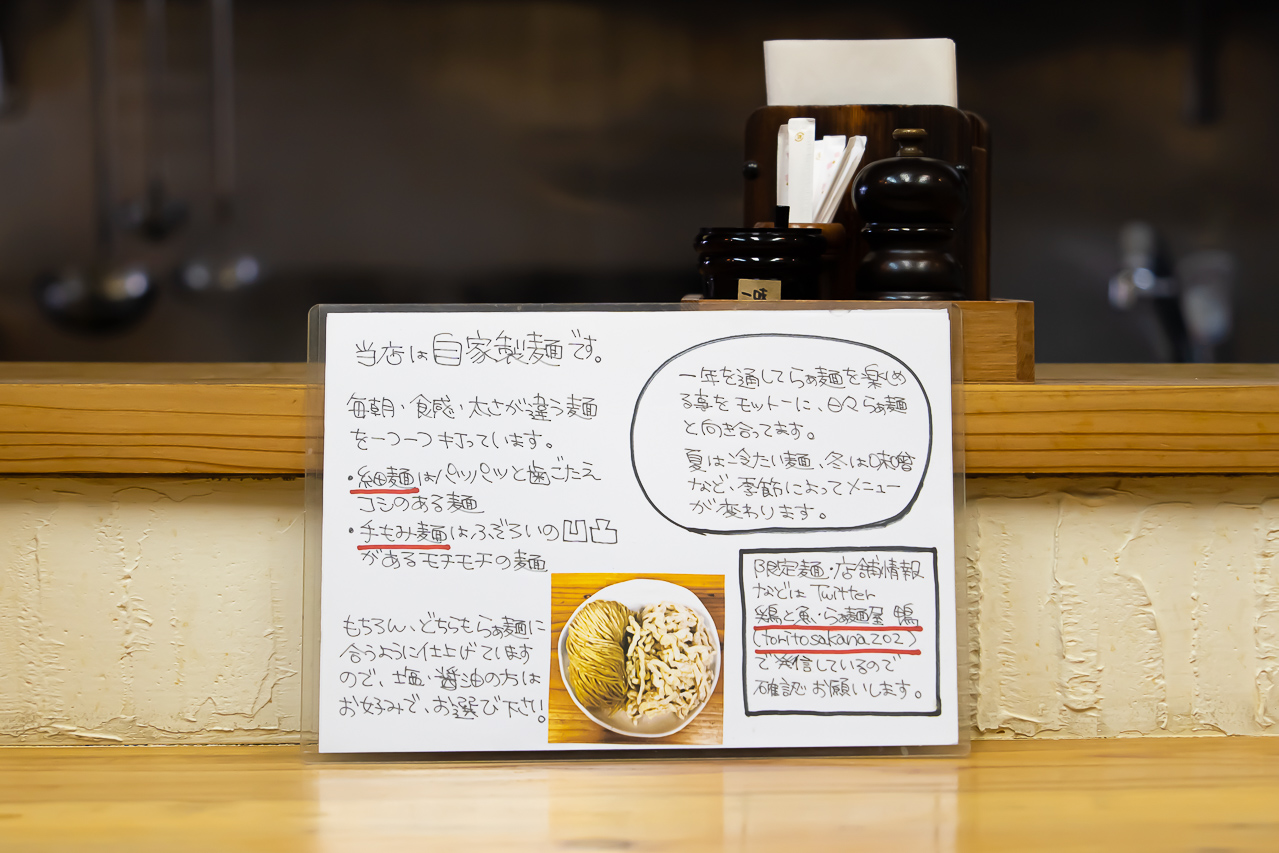
All the noodles were handmade, with a choice between irregular, hand-kneaded temomi noodles reminiscent of Korean knife-cut noodles and the thin hosomen commonly used for ramen.
The irregular hand-kneaded noodles were an original of this restaurant, the kind difficult to find elsewhere.
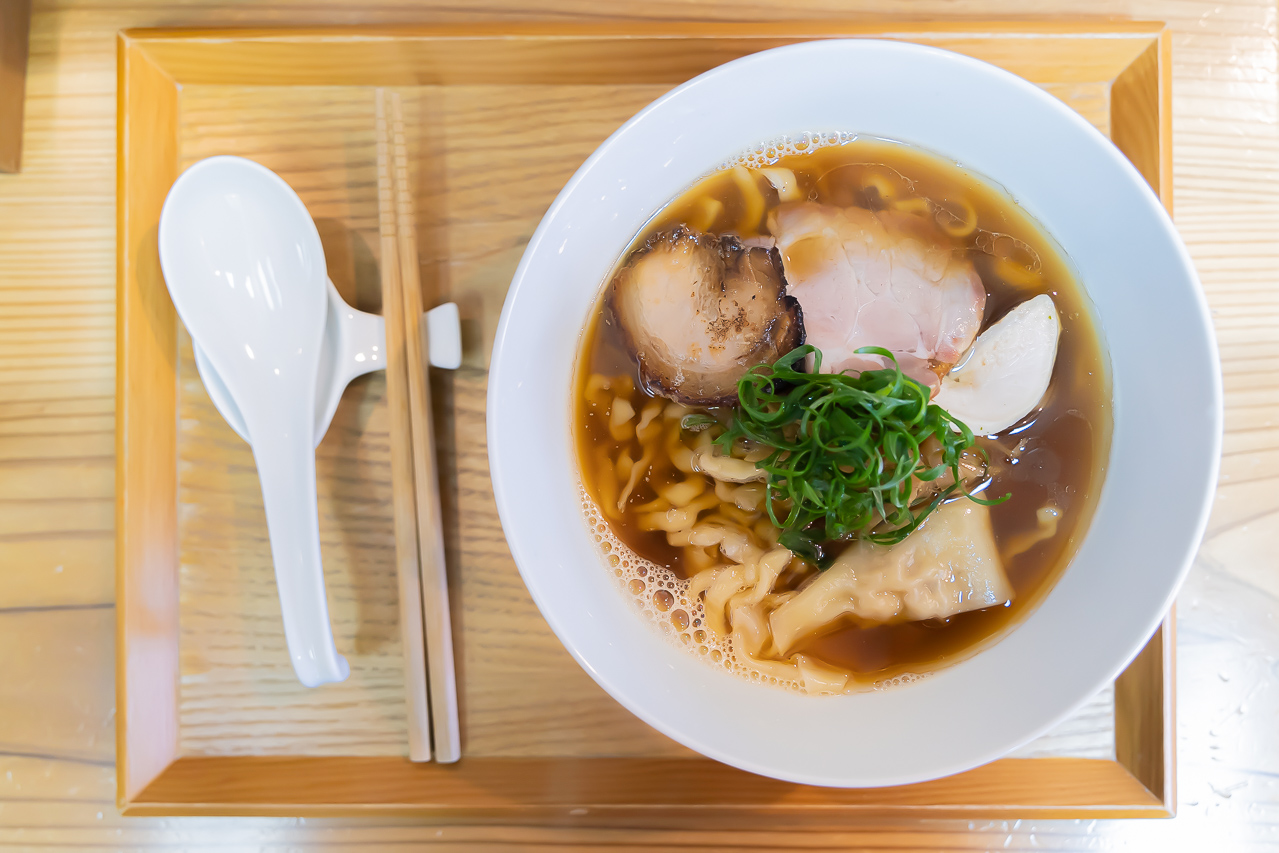
The shoyu ramen looked delicious as it arrived.

It contained irregular handmade noodles, tender pork chashu, duck chashu, and wontons.
The seafood-rich broth had a clean, refreshing flavor.
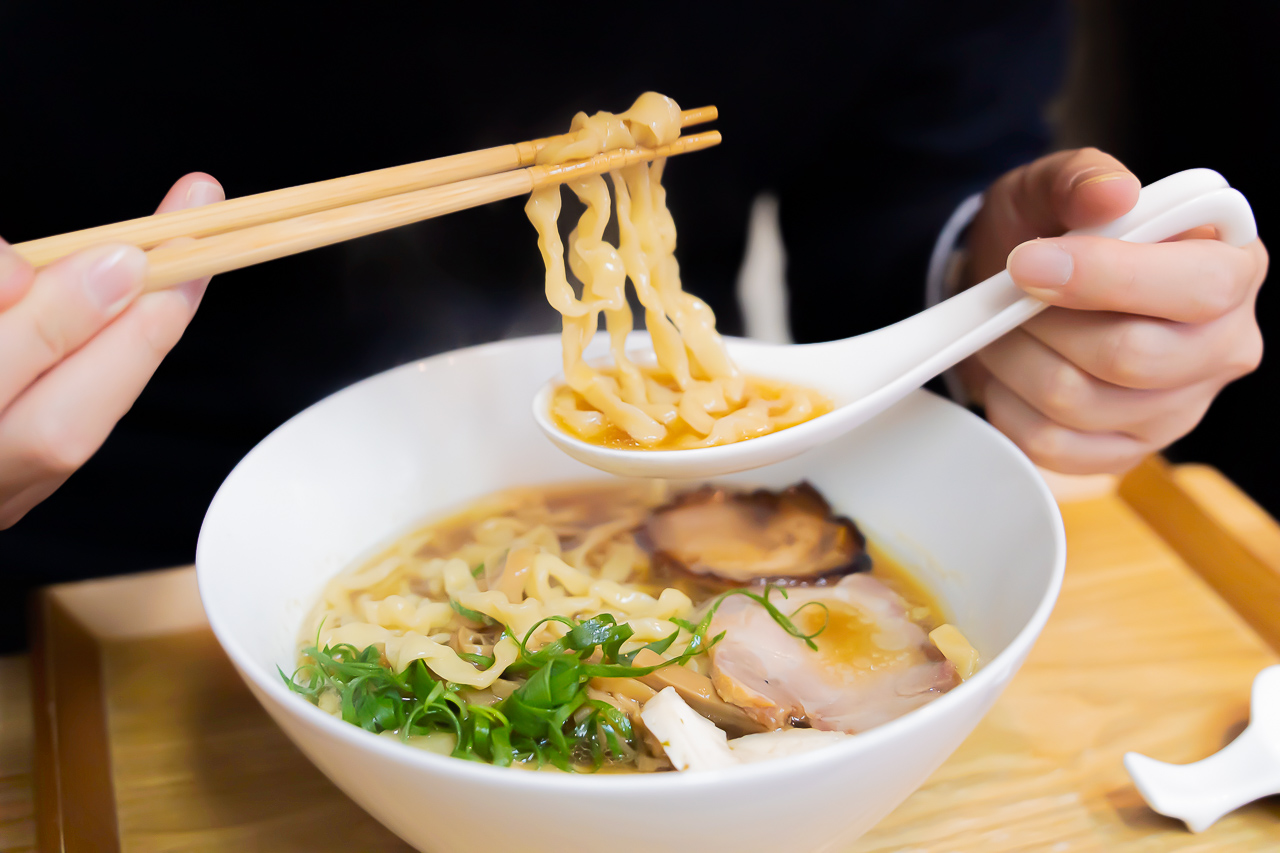

The noodles were chewier than I expected, in a good way.
That texture is unusual in Japanese ramen, and I enjoyed it.
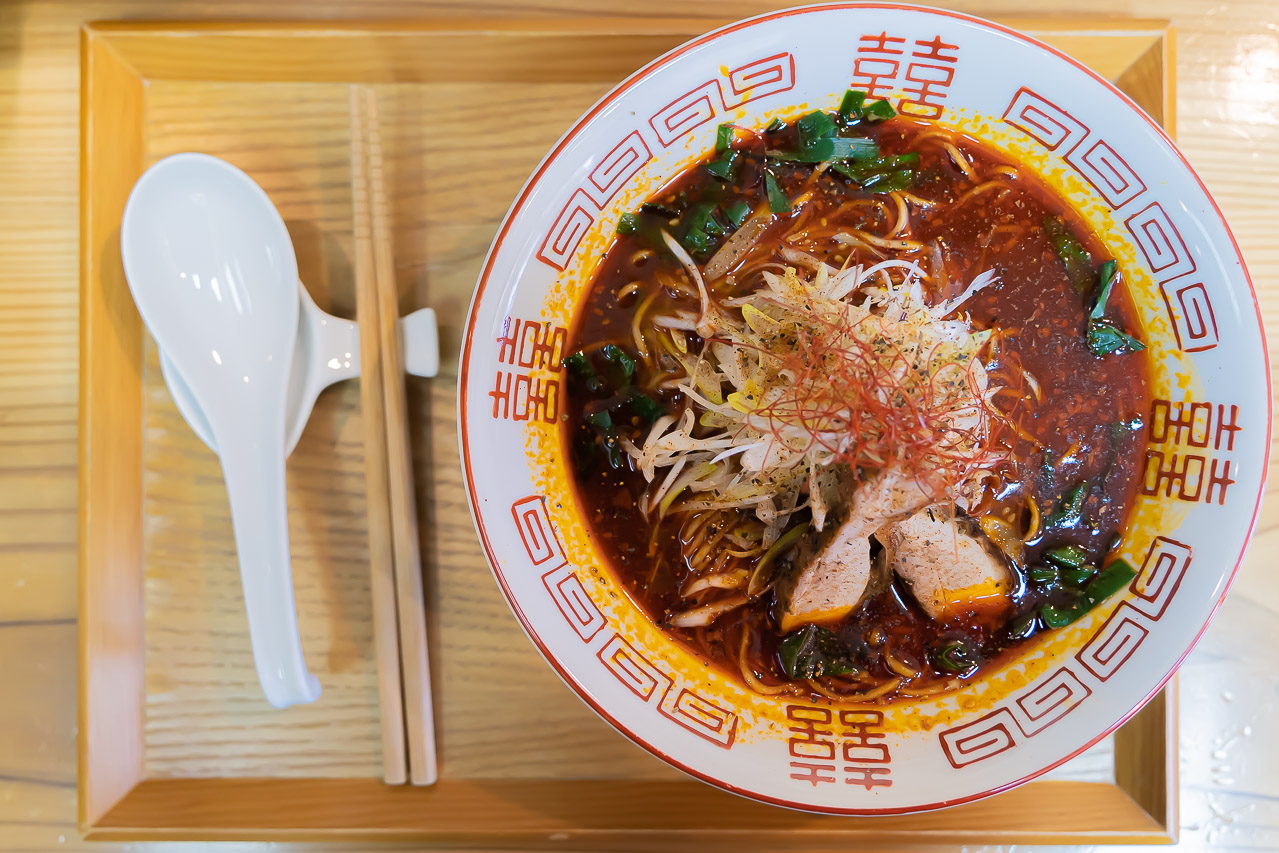
Next came the Taiwanese-style spicy ramen.
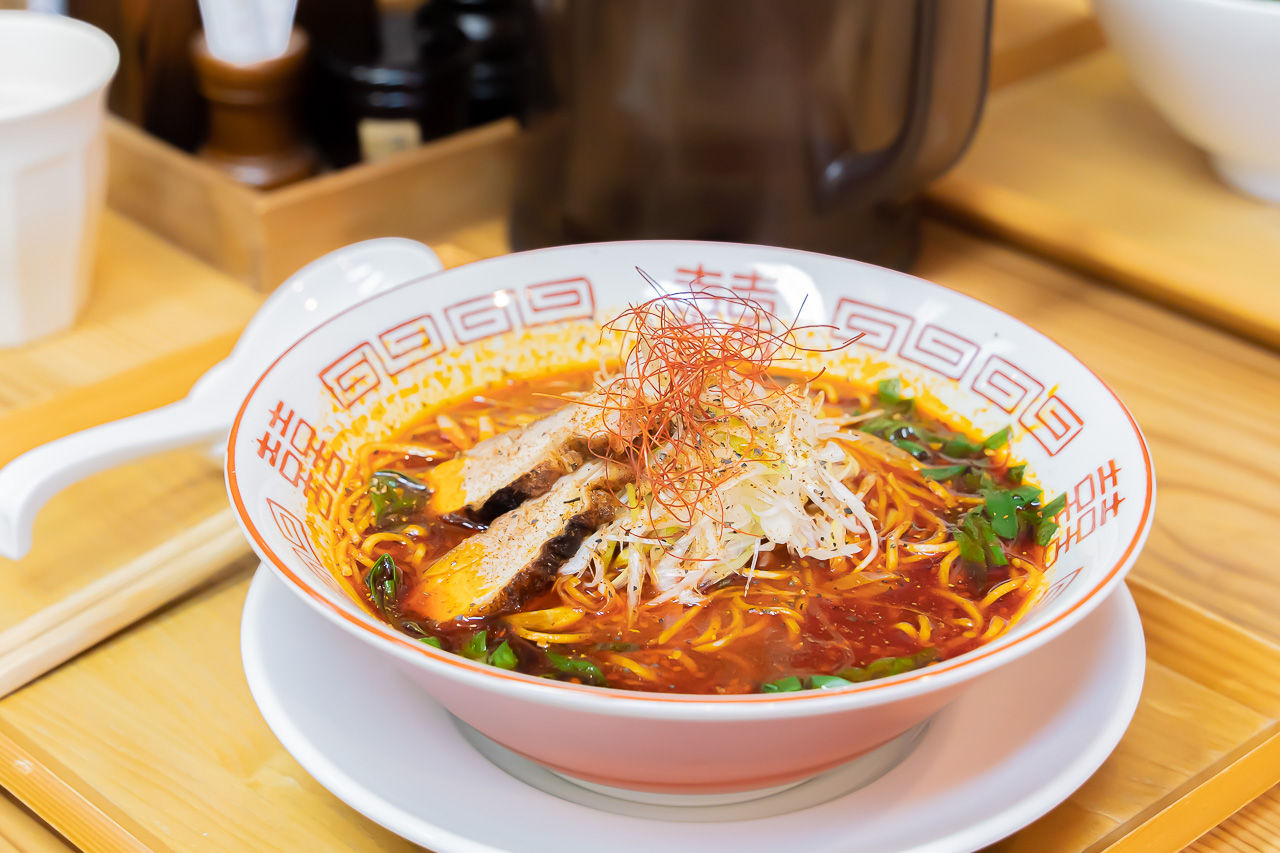
Two thick slices of pork chashu, finely sliced white scallion, and garlic chives made it look hearty.
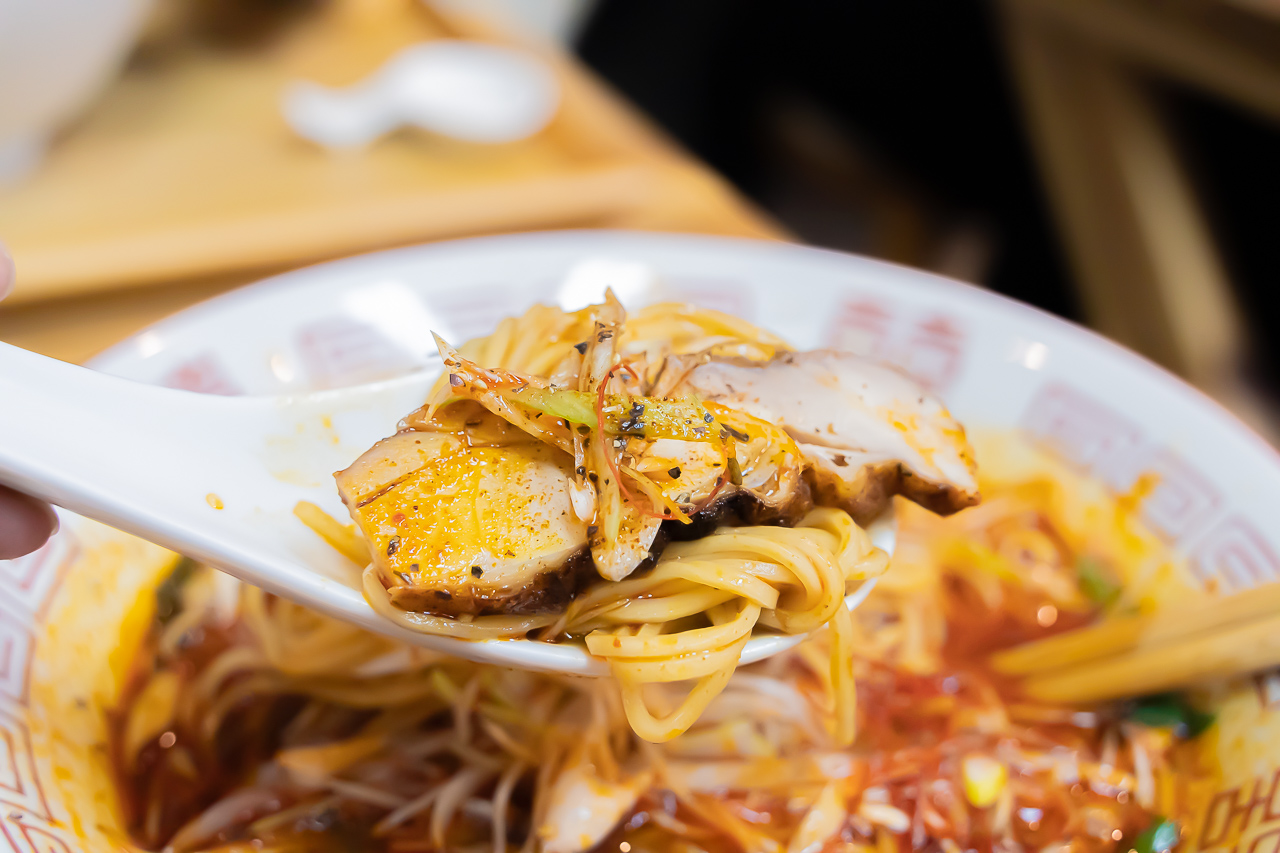
The thick chashu was so good I had to resist ordering more.
Its noodles were the usual thin Japanese ramen type; after the shoyu noodles, that felt slightly less exciting.
Still, this seemed a good option when craving something spicy during a Japan trip.
I found it only mildly spicy, though individual tolerance varies.
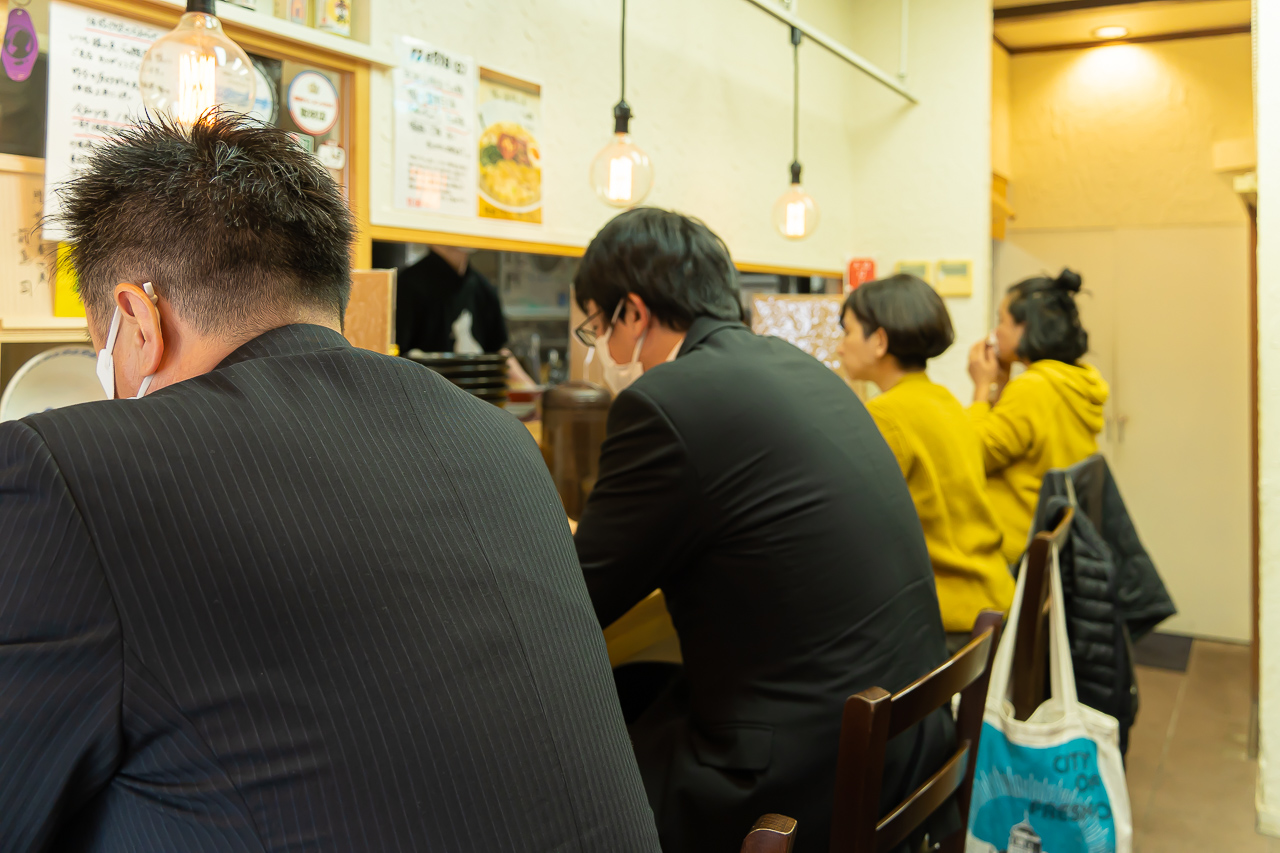
Tori to Sakana had the reassuring sight of office workers queuing on a weekday.
Close to Kochi Castle, it is a restaurant I would consider returning to in Kochi.
A weekend visit could also offer the chance to try the duck ramen. I would be curious to hear how it tastes.
Tori to Sakana (鳥と魚)
Address: 1F, Nabeshima Building, 3-2-48 Honmachi, Kochi (高知市本町3-2-48 鍋島ビル1F)
Phone: None listed in the source