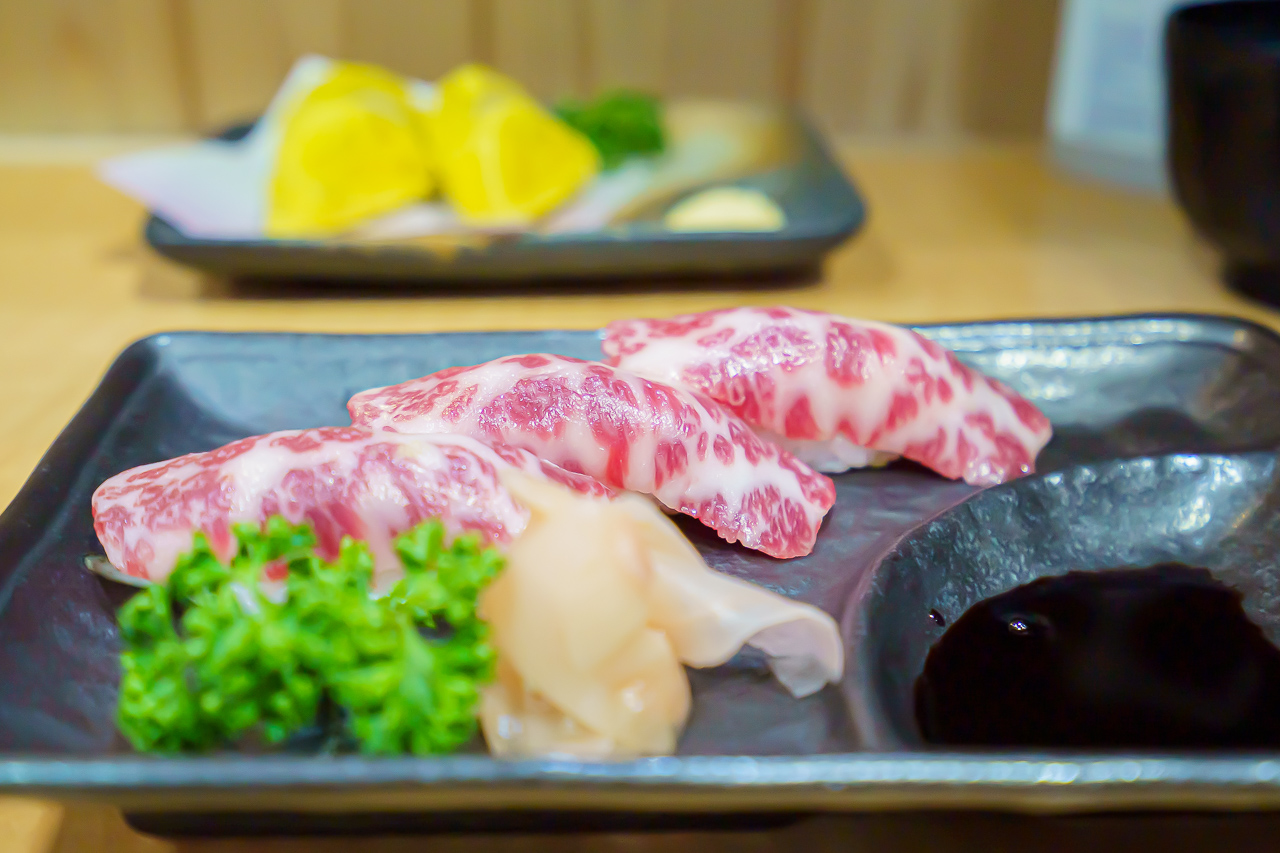
Kumamoto’s best-known local specialties include horse meat.
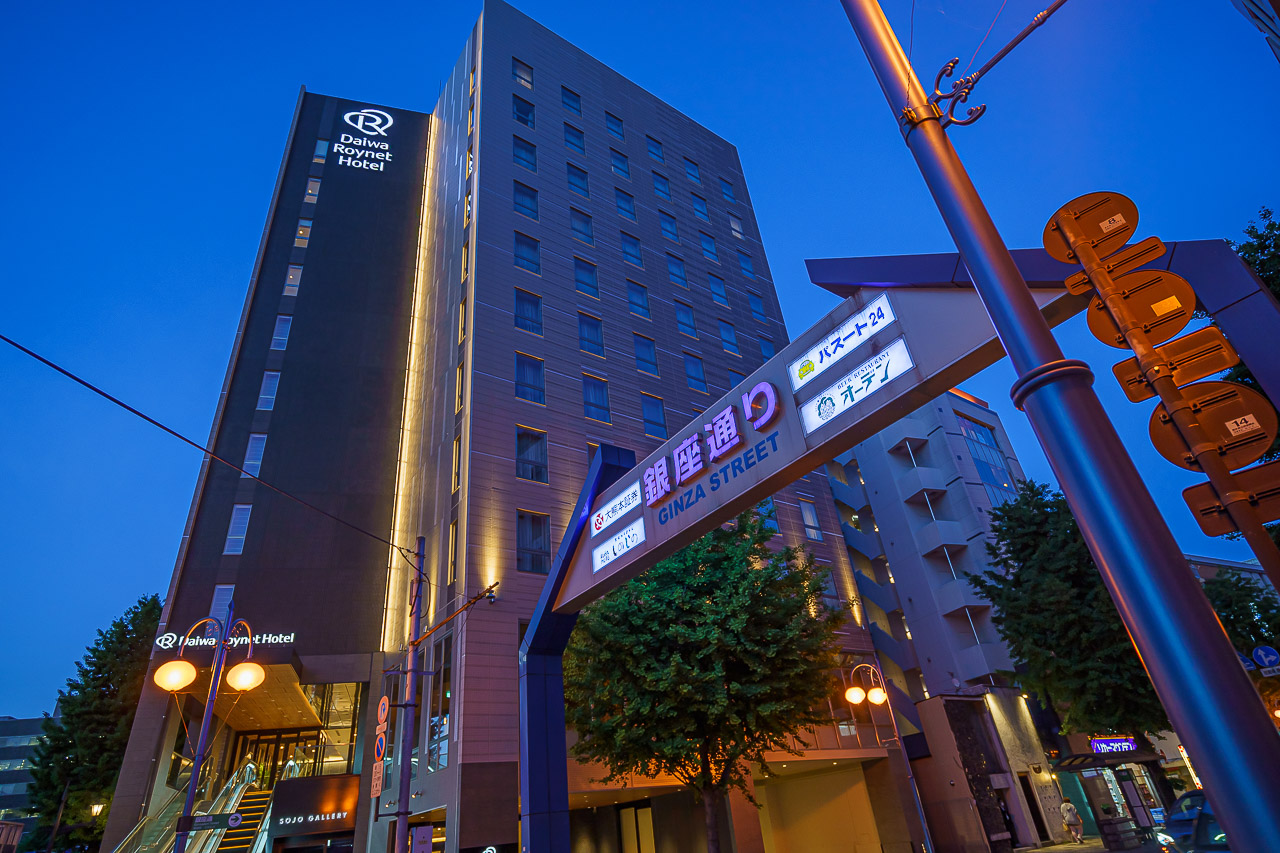
We headed to Kumamoto’s Ginza shopping area to try some.
Several horse-meat restaurants are popular with Korean visitors, but this time we chose a small place frequented by people working nearby.
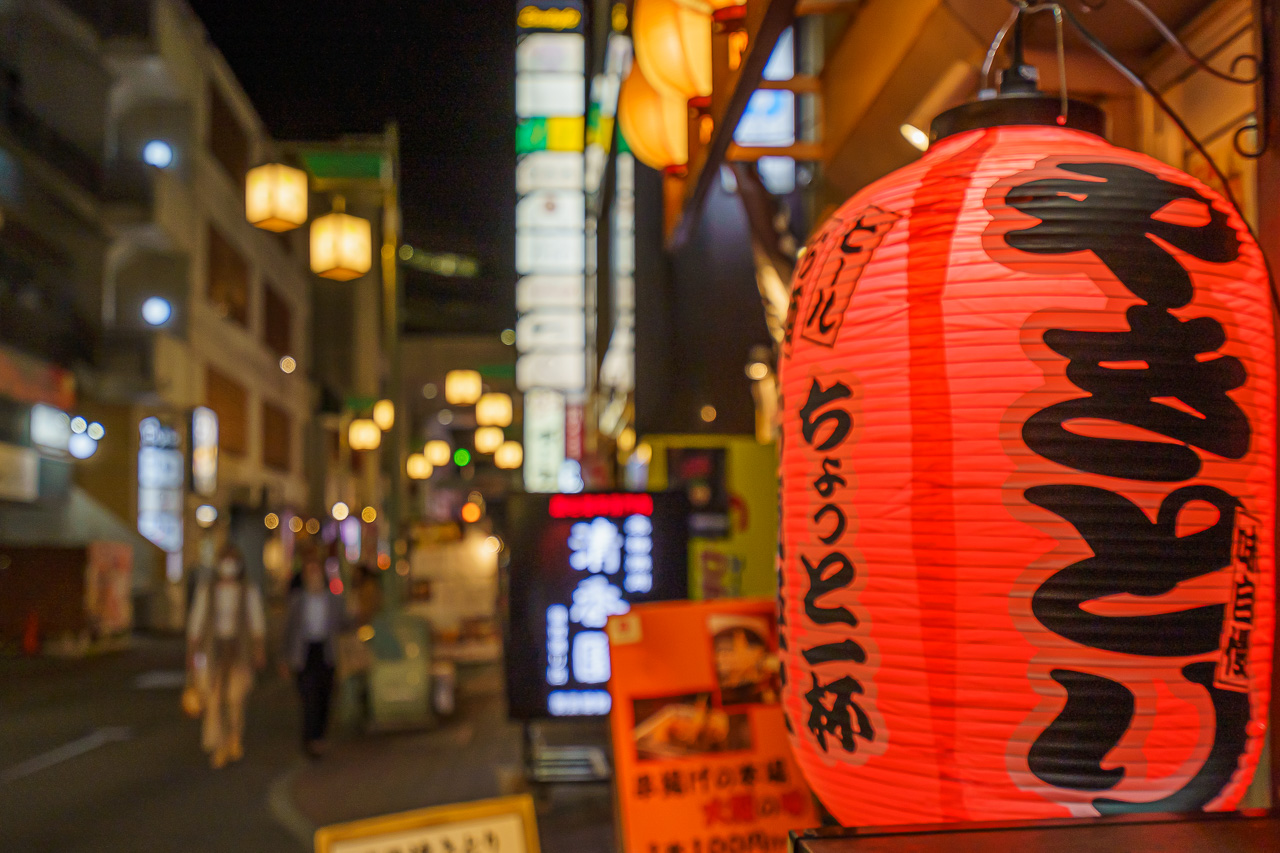
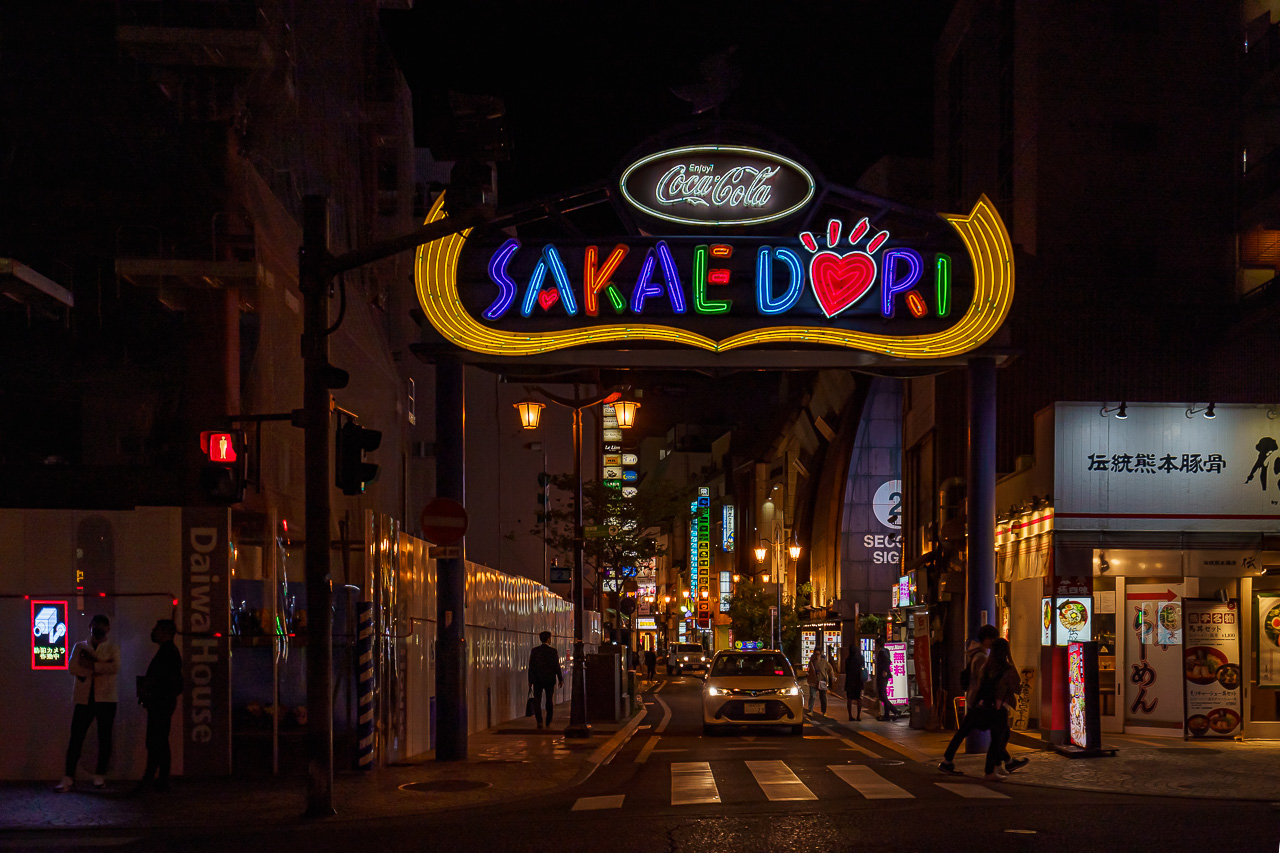
Neon signs lit up the nightlife district.
Sakae Street, an entertainment street.
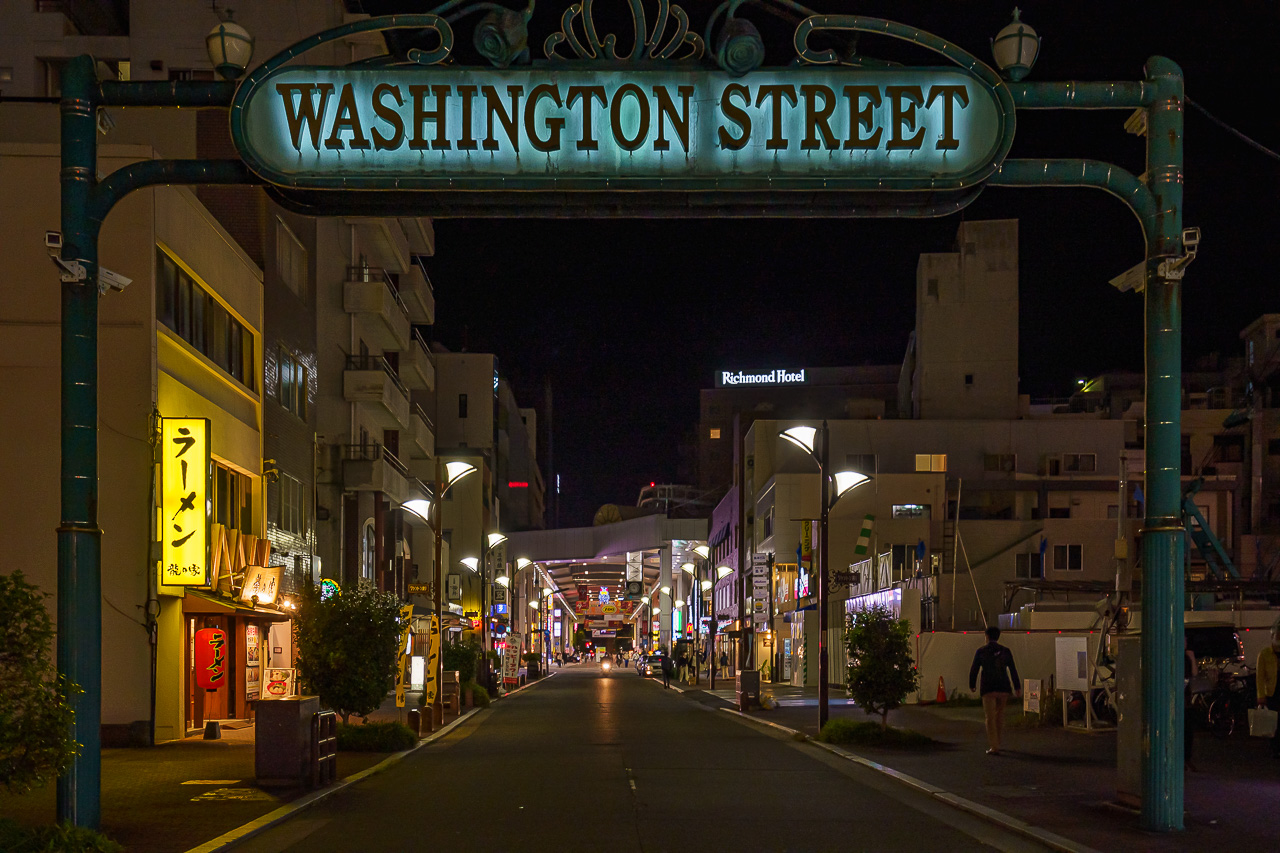
There was a Washington Street too.
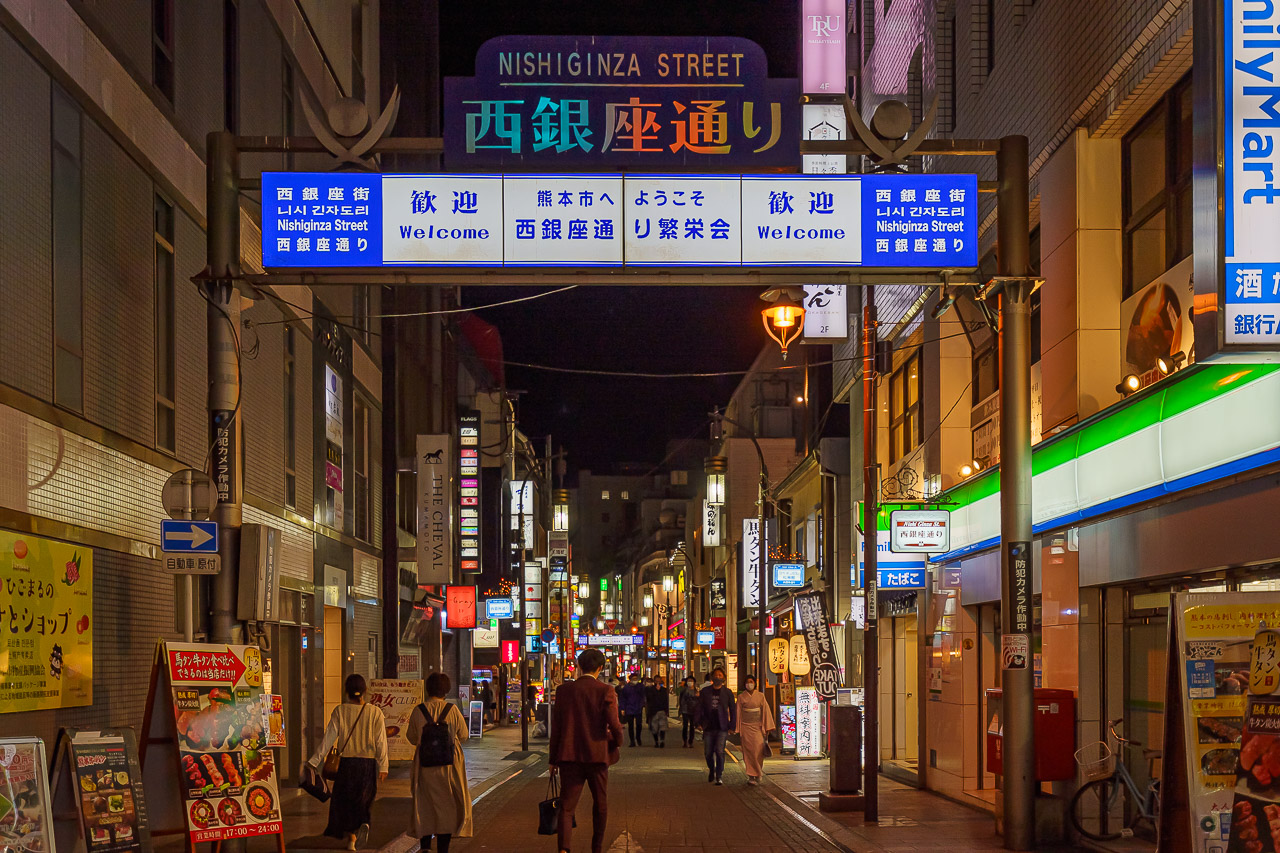
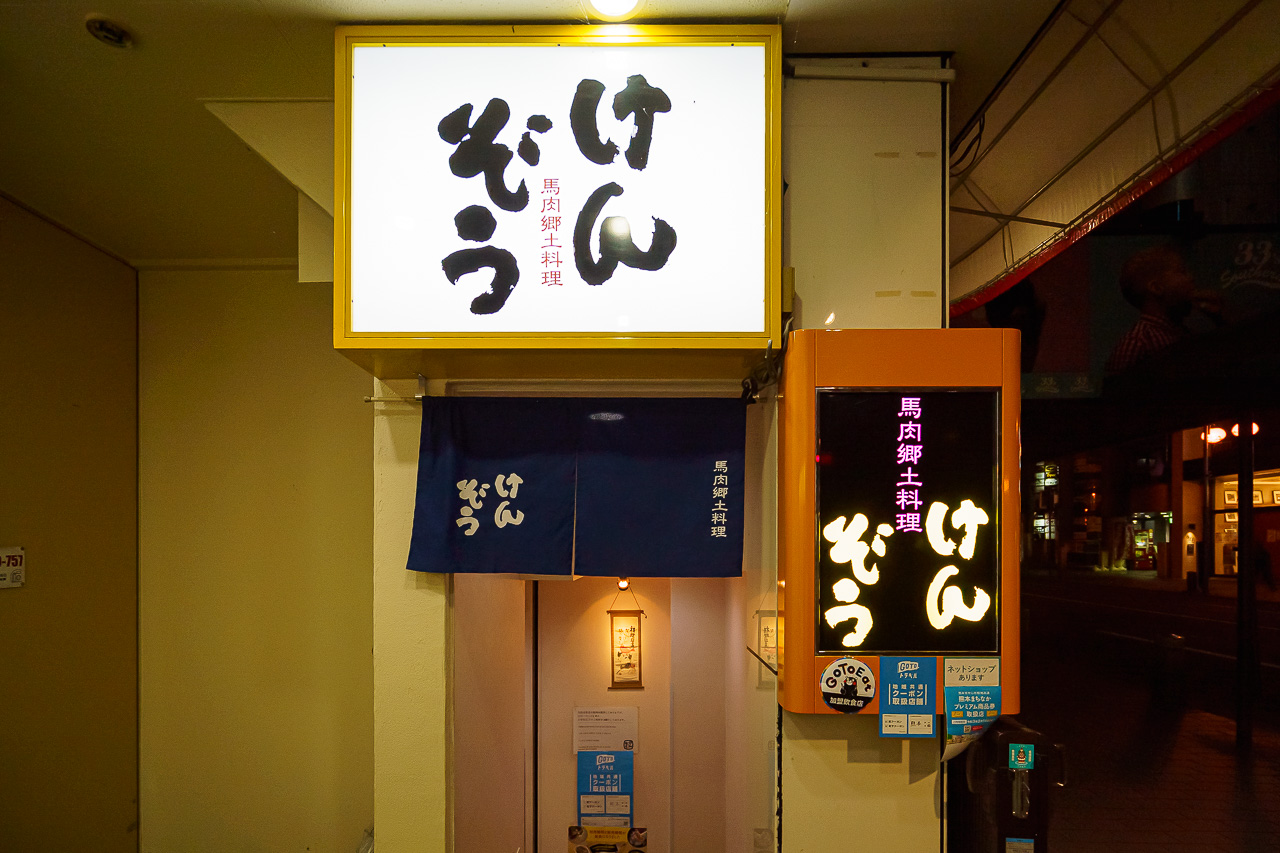
Horse-meat restaurant Kenzo was tucked away in a location I would have struggled to find without Google.
We went down one floor.
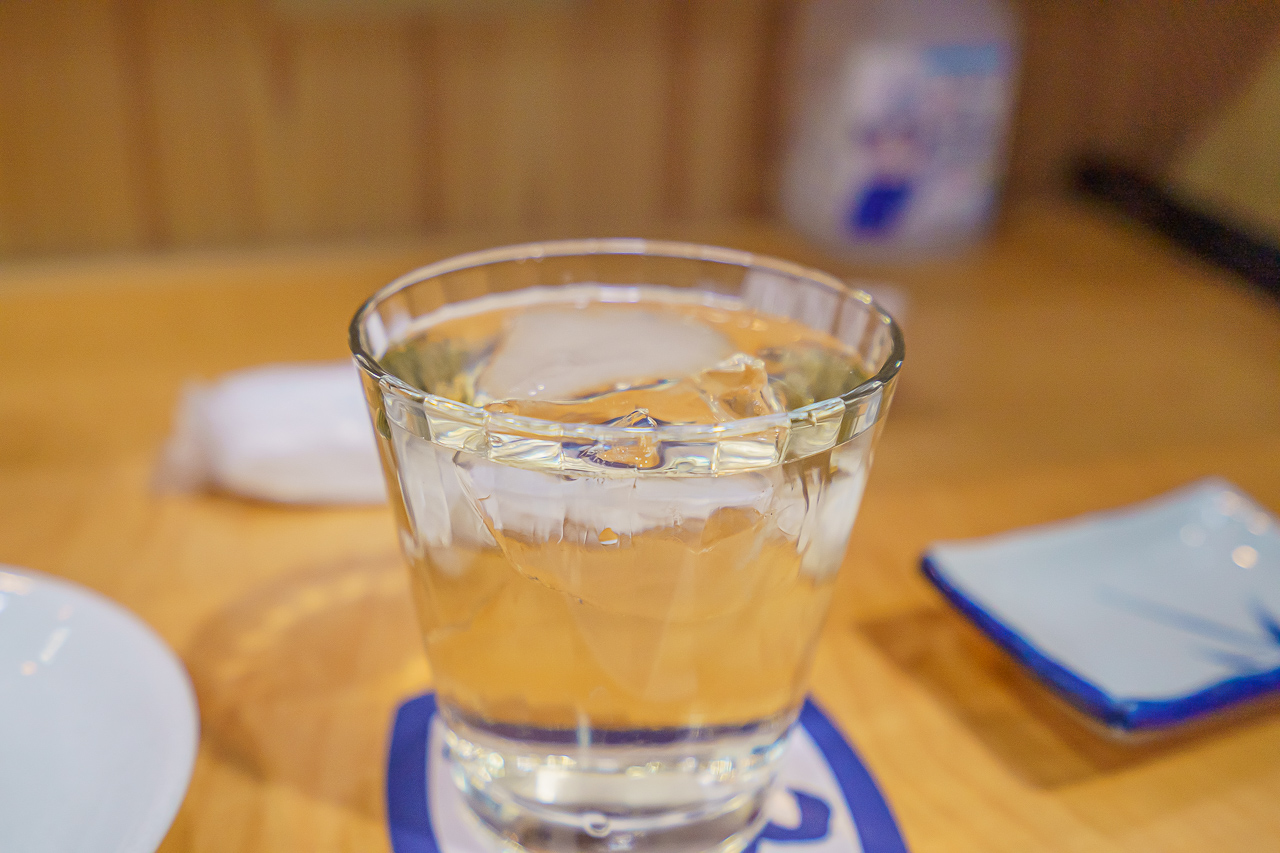
After taking a table, I ordered a drink.
The menu had a Kenzo Original shochu, so I tried it.
In shochu-loving Kyushu, this was a blend of sweet-potato and rice shochu.
The sweet-potato aroma was restrained and it went down cleanly. Being available only here added to its appeal.

The otoshi starter reminded me of the soup served at Korean ancestral rites.
I had not expected to find that familiar taste here.
Otoshi is a small starter associated with a table charge at an izakaya.
I do not know when the custom began, but the original account describes simple starters commonly charged at JPY 300–500.
Visitors sometimes mistake the charge for an overcharge; understanding the custom before visiting helps avoid that misunderstanding.
In my experience, an izakaya with good otoshi often has good food overall.
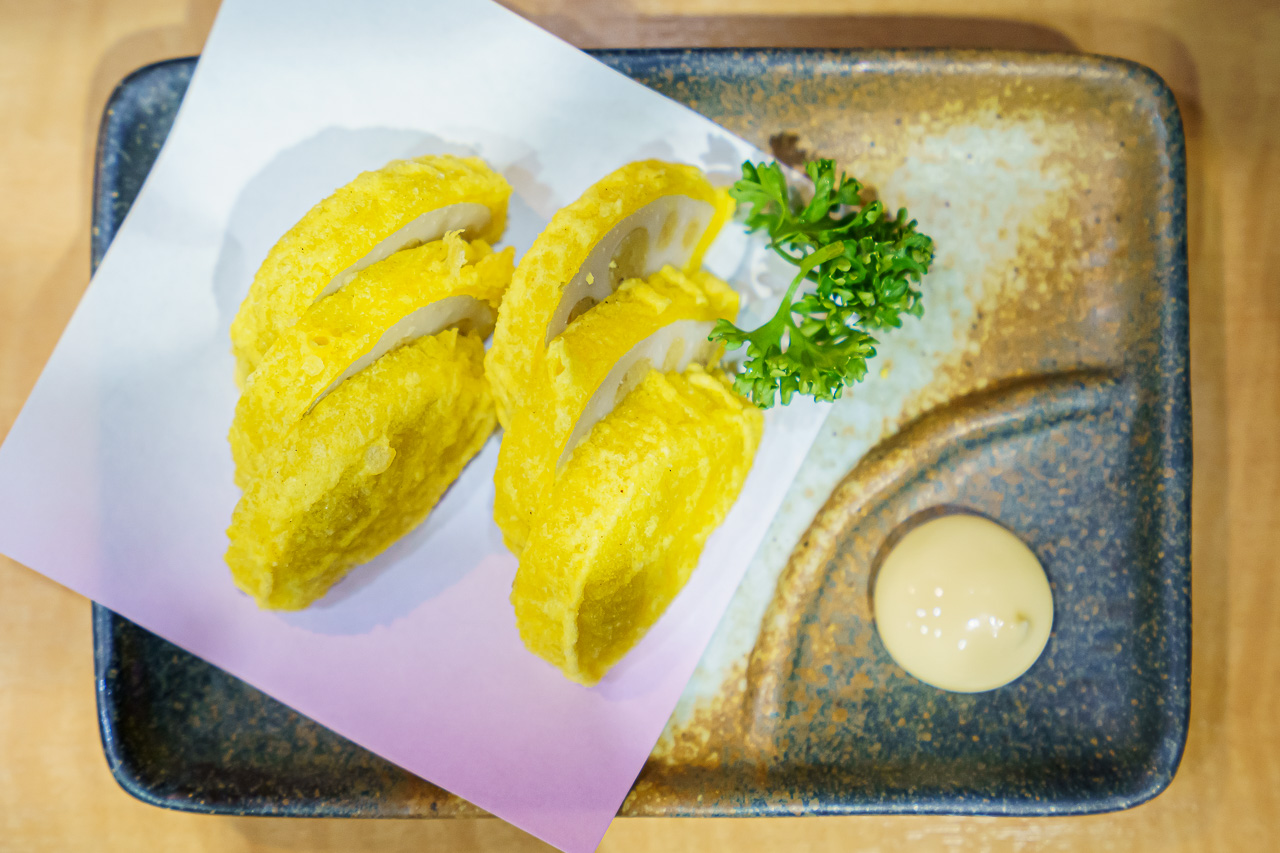
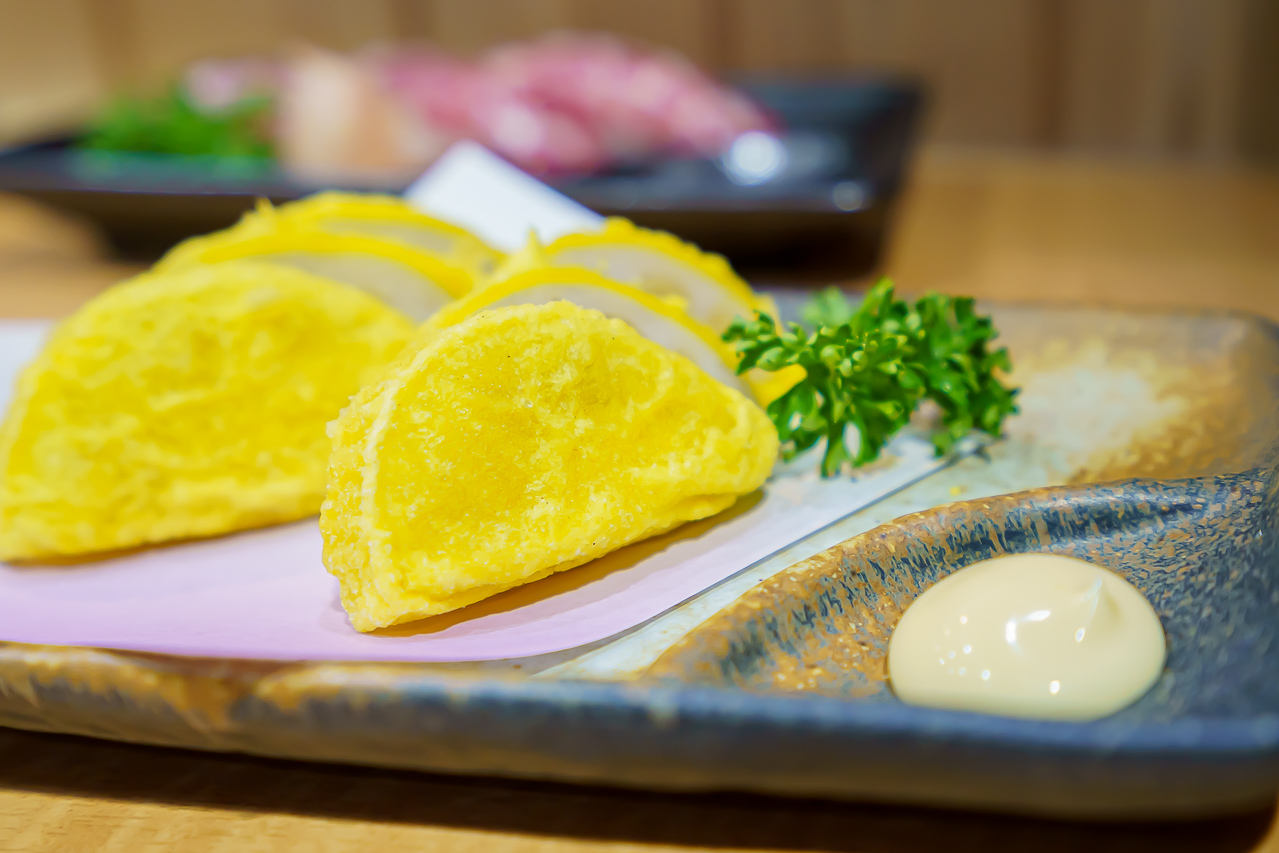
Our first dish was karashi renkon.
It was crisp outside, with mustard filling the lotus root inside. The crunchy texture and mustard flavor worked wonderfully together.
If you dislike the mustard flavor, mayonnaise can soften it; another option is mayonnaise sprinkled with shichimi chili seasoning.
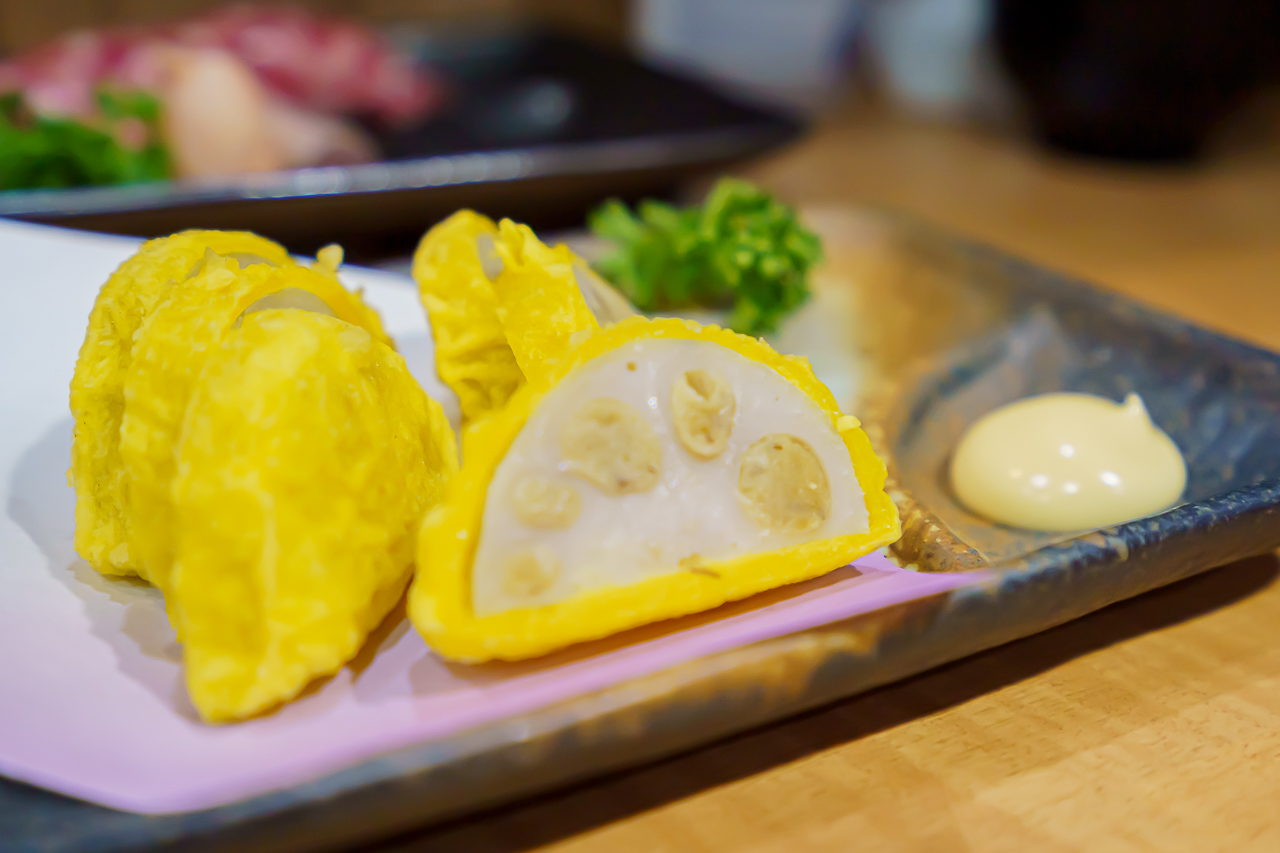
The holes in the lotus root were packed with mustard.
Although I usually find raw mustard too hot, this fried version did not taste hot to me.
Freshly fried karashi renkon was delicious.
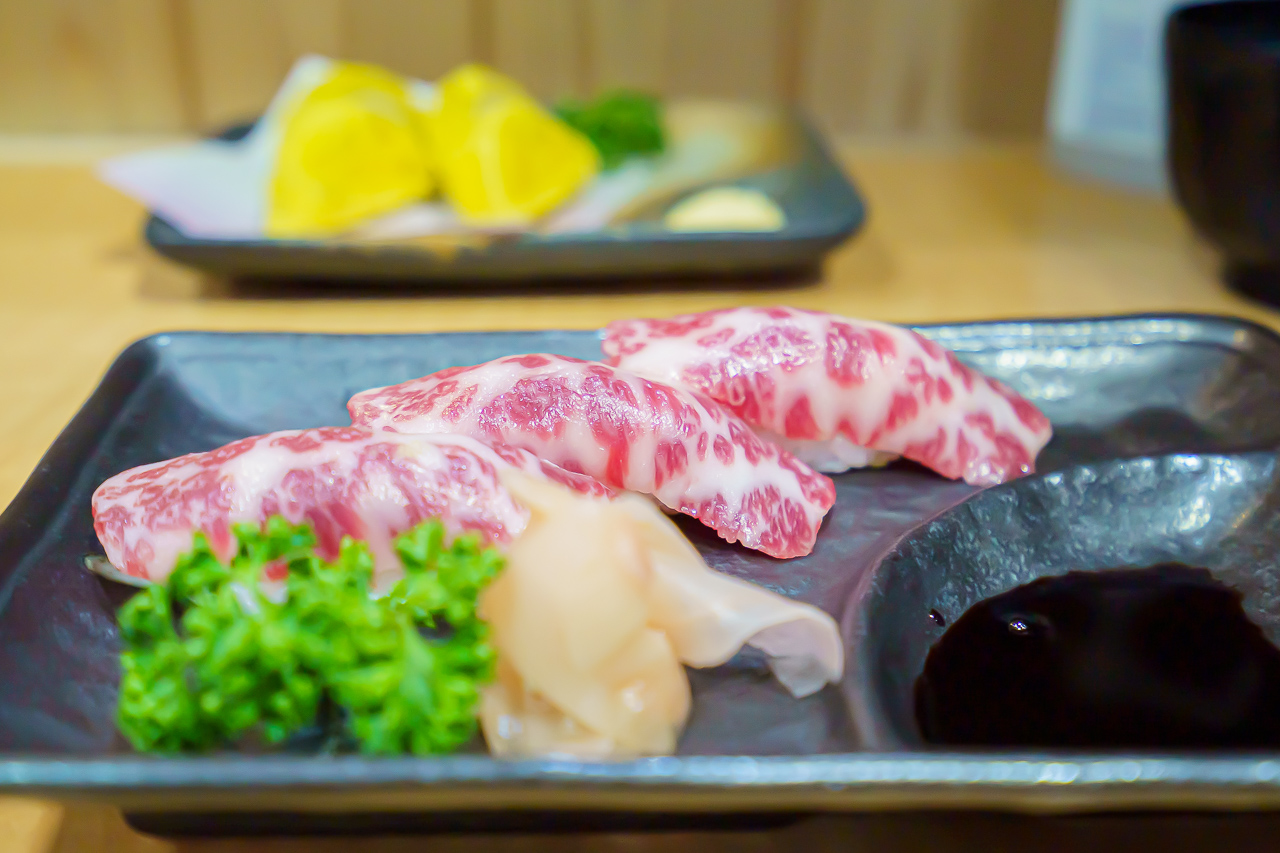
I debated between raw horse-meat tartare and horse-meat sushi. Since the tartare had a two-serving minimum, I ordered sushi.
The marbling was remarkable.
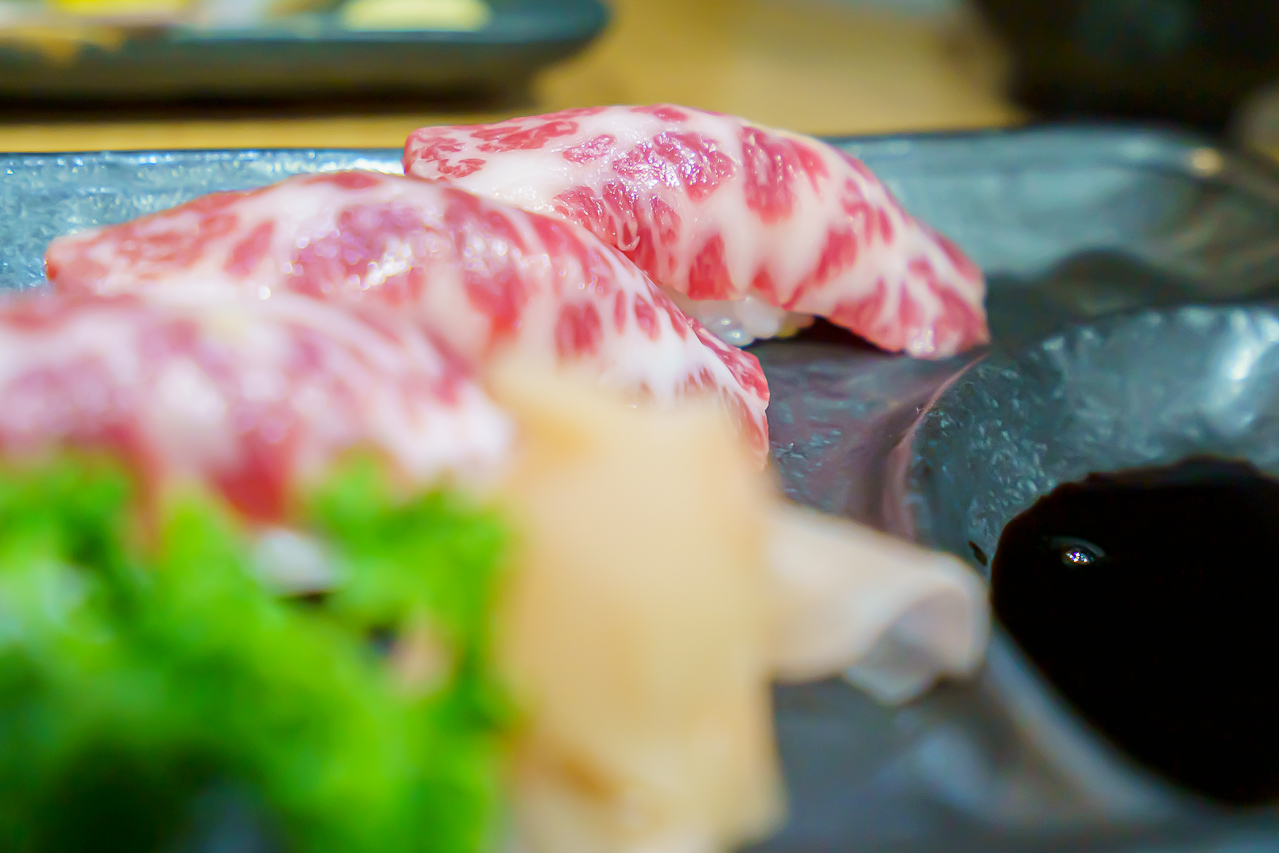
The original account makes a nutritional claim that horse meat has two to three times as much palmitoleic acid as other meats, along with substantial protein and iron; that claim has not been independently checked for this English archive.
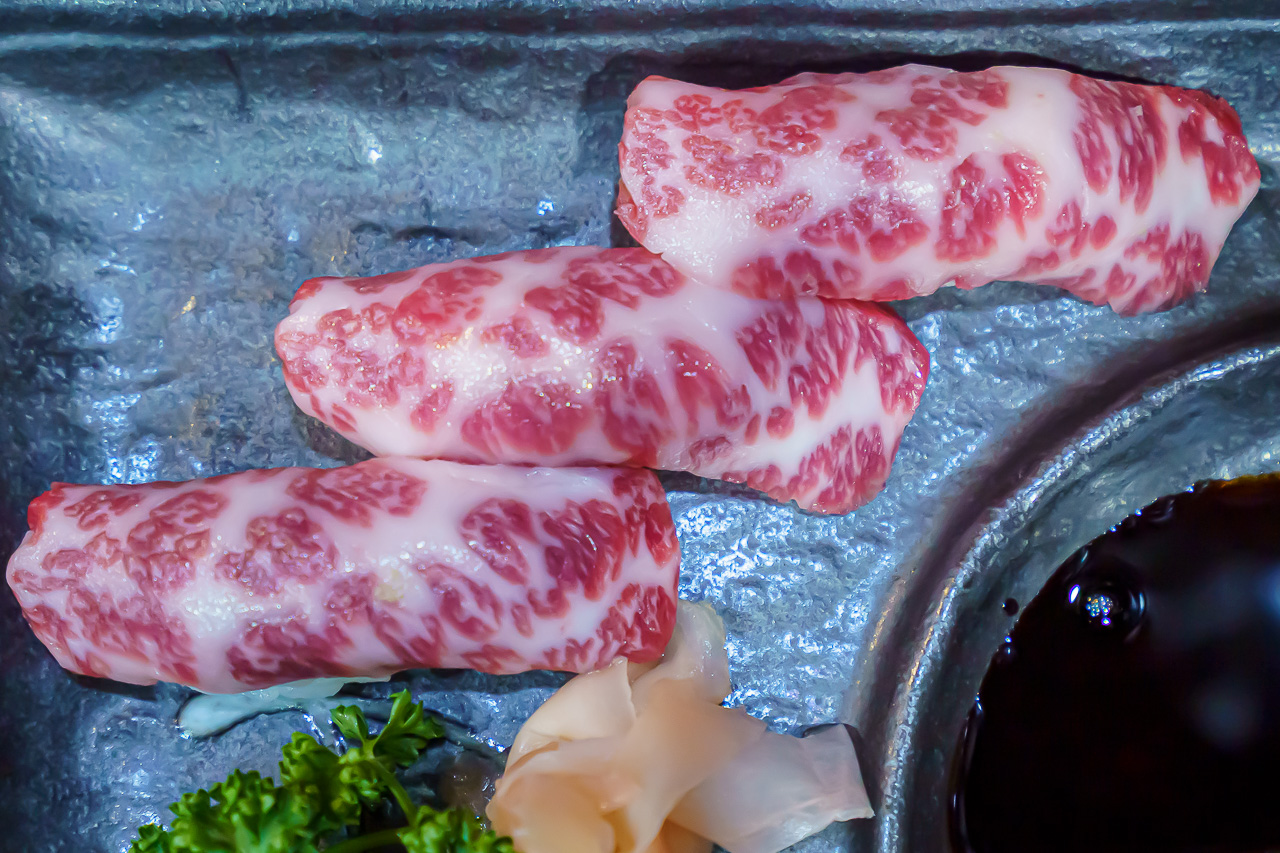
Judged by flavor alone, I found the horse meat delicious: tenderer than beef, relatively lean, and pleasantly rich.
Those impressions concerned thin slices served raw. The account contrasts them with meat that can become very tough if poorly handled or cooked well done.
The original writer’s strongest preference was for the raw preparation; this records that dining preference rather than offering food-safety advice.
Kumamoto has a strong horse-meat reputation even within Japan. I enjoyed this city-center meal and would recommend the experience. We were also told solo diners were welcome.
Kenzo, regional horse-meat restaurant (馬肉郷土料理 けんぞう)
Address: Basement, Shichiko Building, 1-8-24 Shimotori, Chuo-ku, Kumamoto (熊本市中央区下通1-8-24 七光ビル地下)
Phone: 096-356-8775