A particularly good occasion brings me back to the blog. I have visited Saga several times, but this trip is exceptional. I am won over: good food, quiet surroundings and quality that does not need to be flashy. After more than five Yufuin and Beppu trips the previous year, I feel drawn toward Saga for my next break. That is a personal preference, not a claim that the other destinations are inferior.
Several good hotels come to mind: rooms where the atmosphere felt settled as soon as I entered, soft-feeling bathwater that made me want to linger and meals that immediately showed a region had something worth eating. Those memories create a new wish: next time, somewhere quieter; next time, somewhere closer.
So we go to Saga, about an hour from Fukuoka Airport in the source’s estimate. Close by, yet the pace changes noticeably. That slower rhythm becomes the point of the trip.
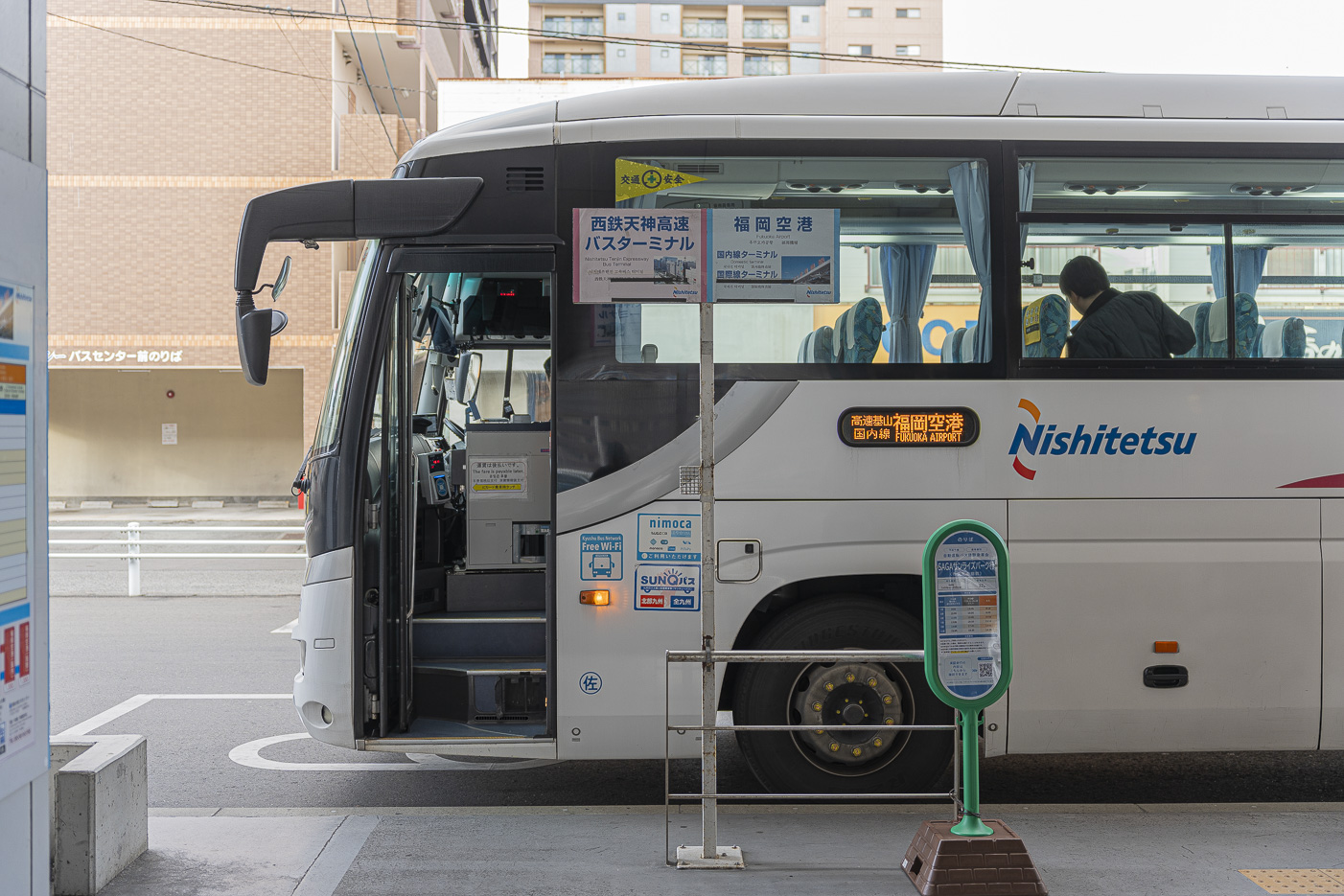
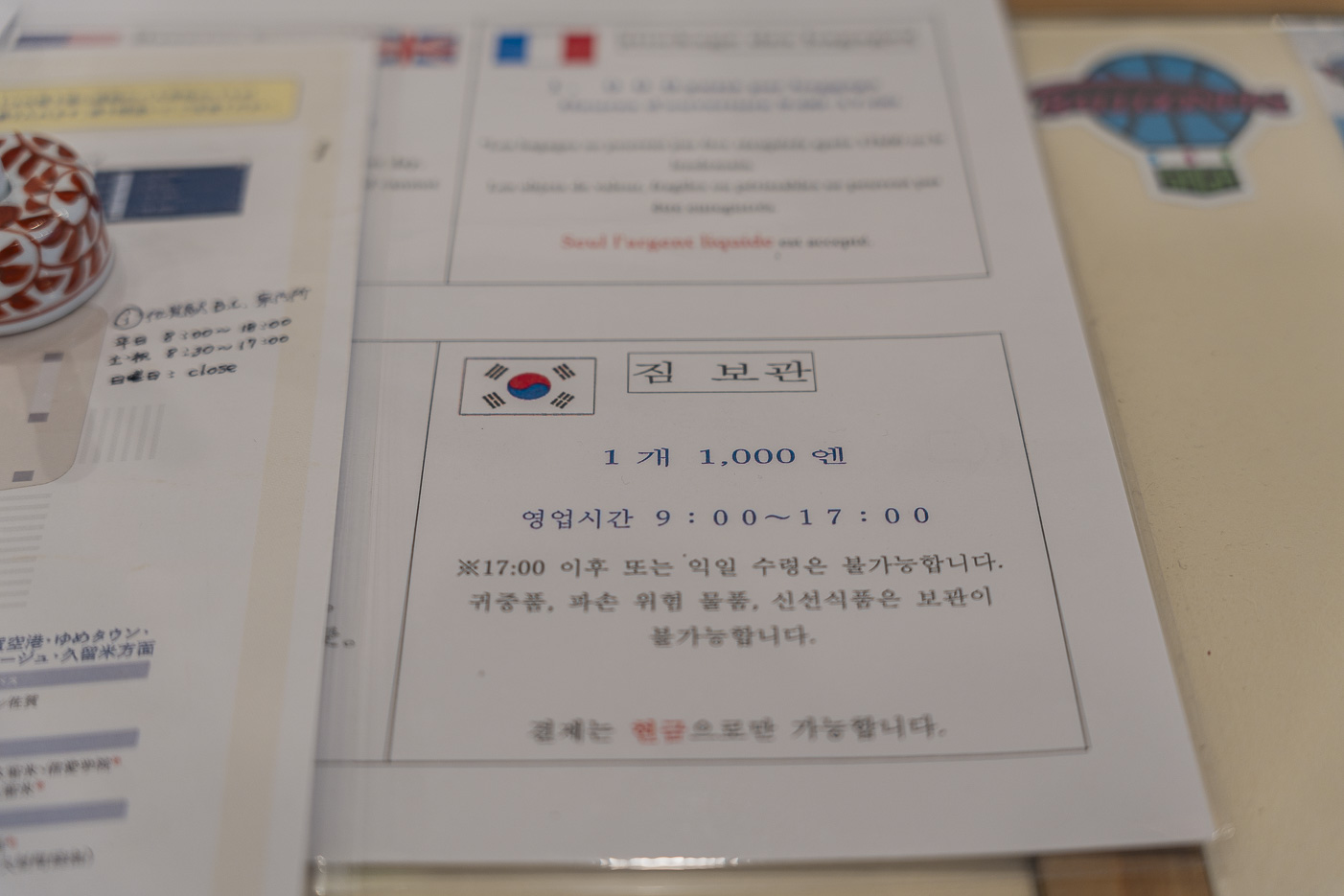
At Fukuoka Airport, we board a Nishitetsu bus and get off at Saga Bus Center. In an unfamiliar city, I look for people before maps, so we head to SAGA MADO, an information hub by Saga Station. Travel advice, Wi-Fi, charging and luggage storage are available. The source quotes storage from 9 a.m.–5 p.m., JPY 1,000 per item. Most memorable are the kind staff, recommending nearby food and helping organize a day when we want to do plenty in a short time.
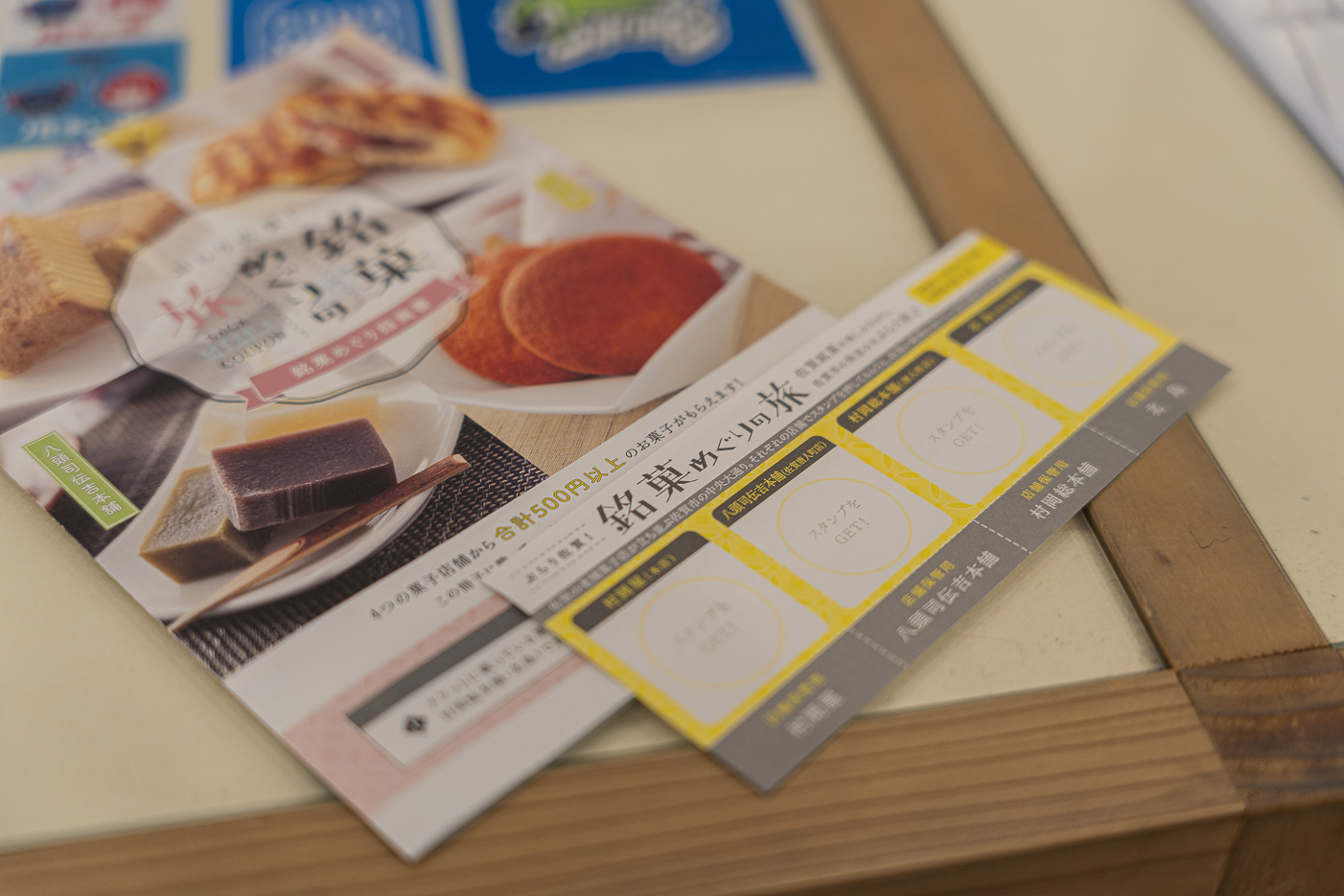
We buy the Burari Saga! Famous Sweets Tour ticket (ぶらり佐賀!銘菓めぐりの旅), JPY 500. In the source experience, it provides sweets from four established shops along Chuo-dori, or Symbol Road. An important condition: valid only on the purchase day. Today becomes a day to finish the route before evening.
Hungry, we begin with Saga food at Kira (季楽). If we are here, why not try Saga beef? The setting is more considered than that casual decision suggests, with space between tables and comfortable seats. Lunch prices feel more accessible than I expected.
I choose lean Saga-beef yaki-shabu (赤身焼しゃぶ). The thin slices have a lovely color. Cooking them on the iron plate myself lets me adjust the finish, a small detail that adds satisfaction. Their fat seasons the plate, and we use it for vegetables. Beef, vegetables and rice alternate, with ponzu and condiments keeping the finish light. This is clean-tasting rather than overwhelmingly rich Saga beef. Coffee and dessert make it feel like a complete little course.
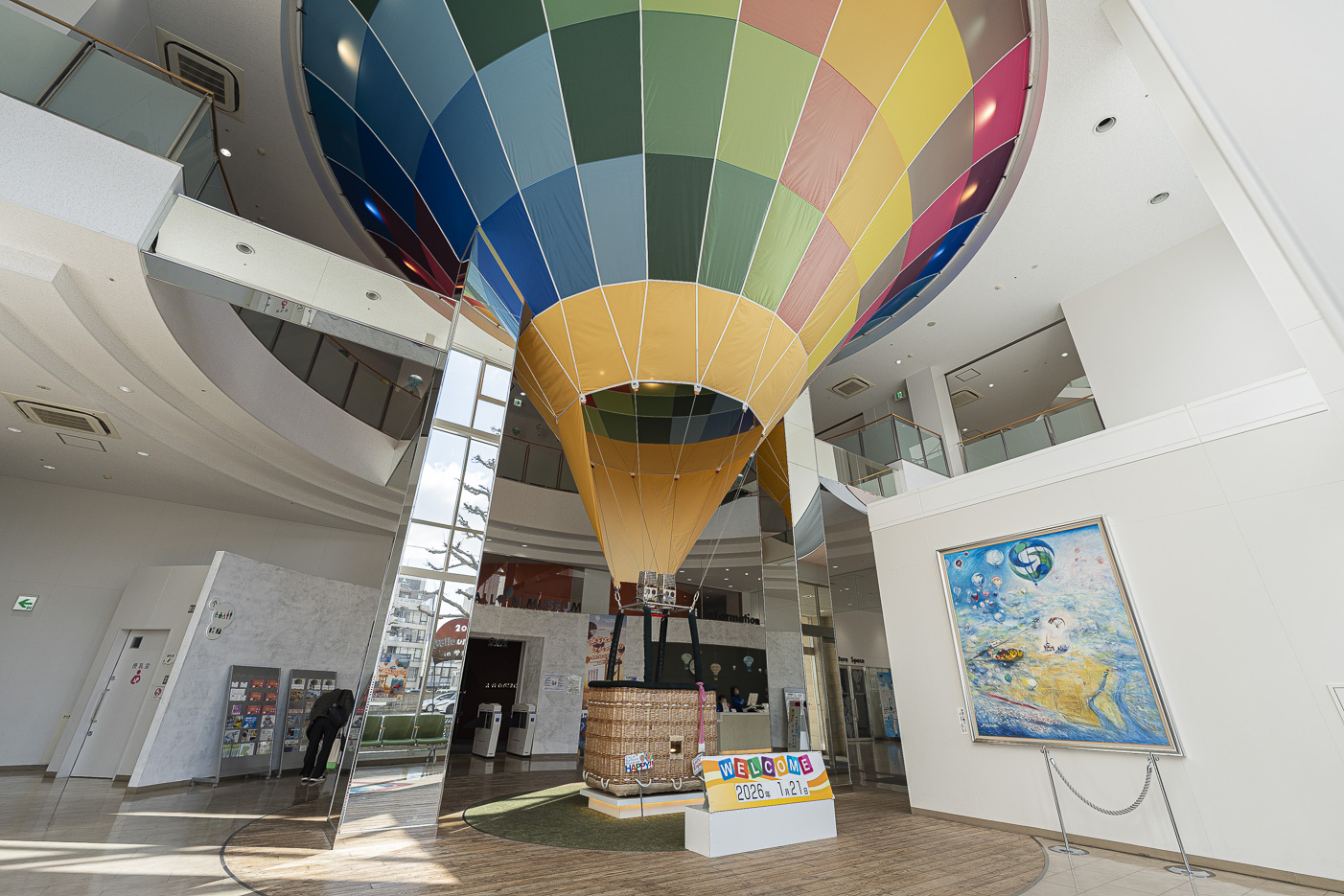
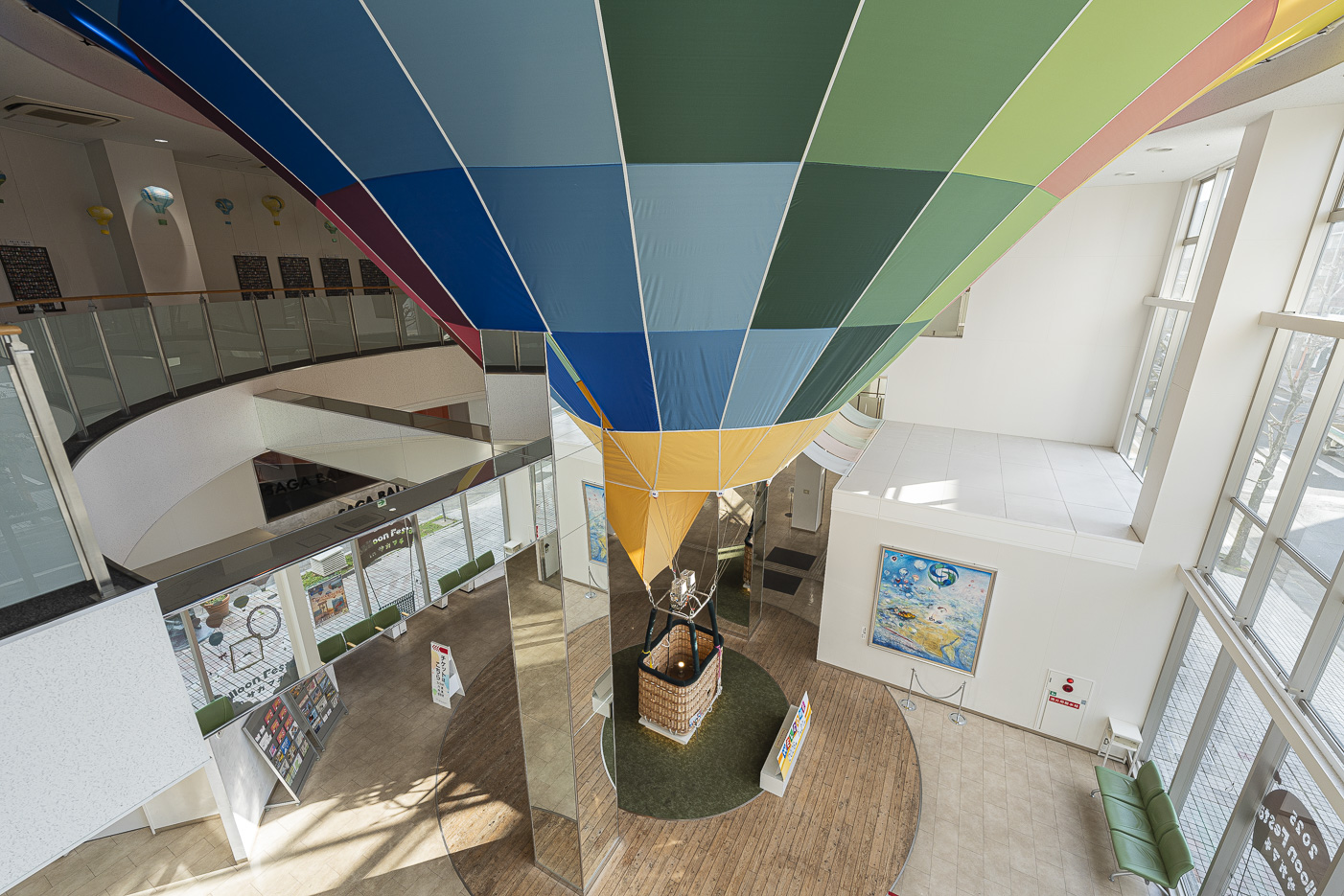
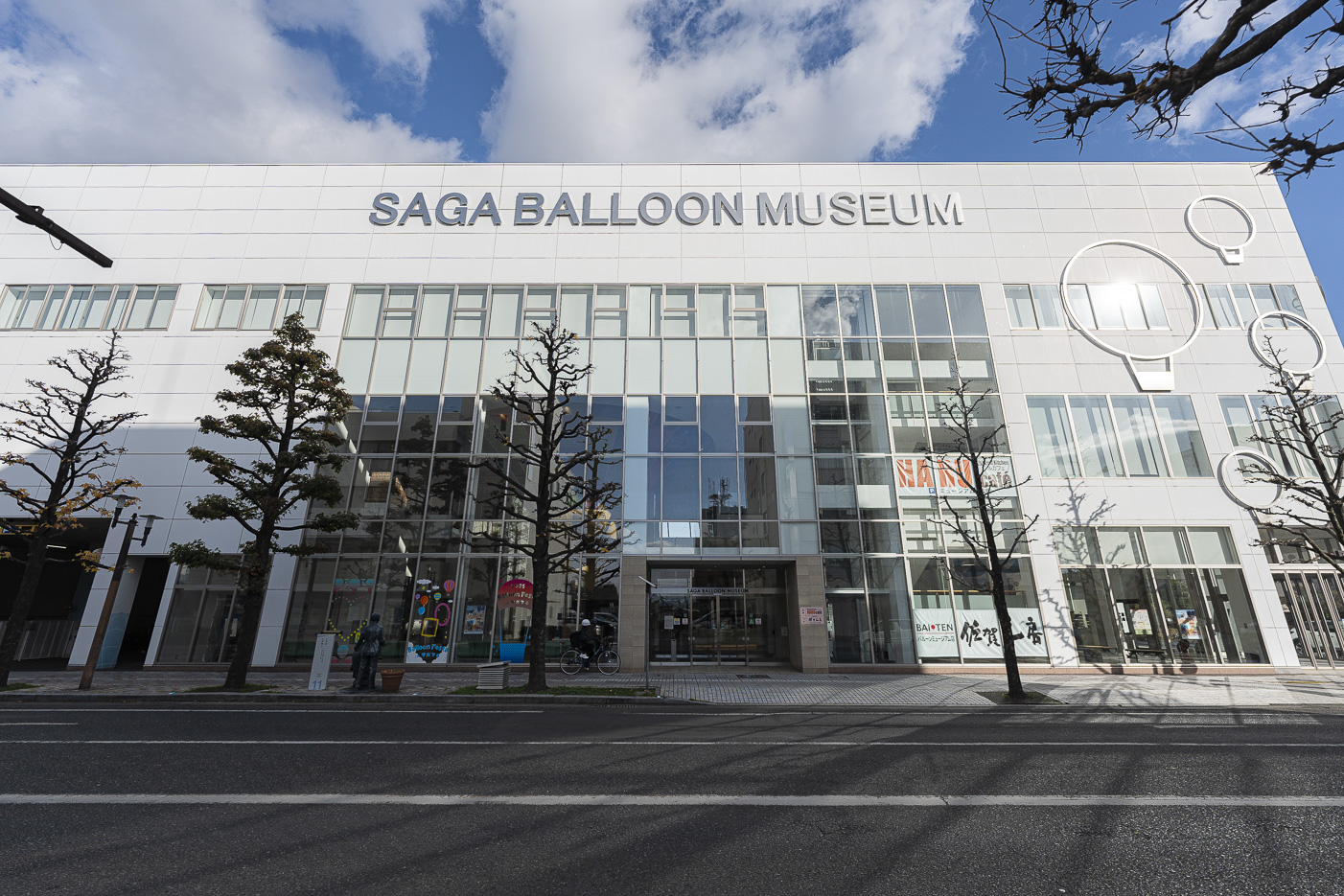
After lunch, we walk to the Balloon Museum. I knew Saga was famous for hot-air balloons, but seeing the displays changes how I look at the city. Travel sometimes finds its direction in moments like this: so this is that kind of place.
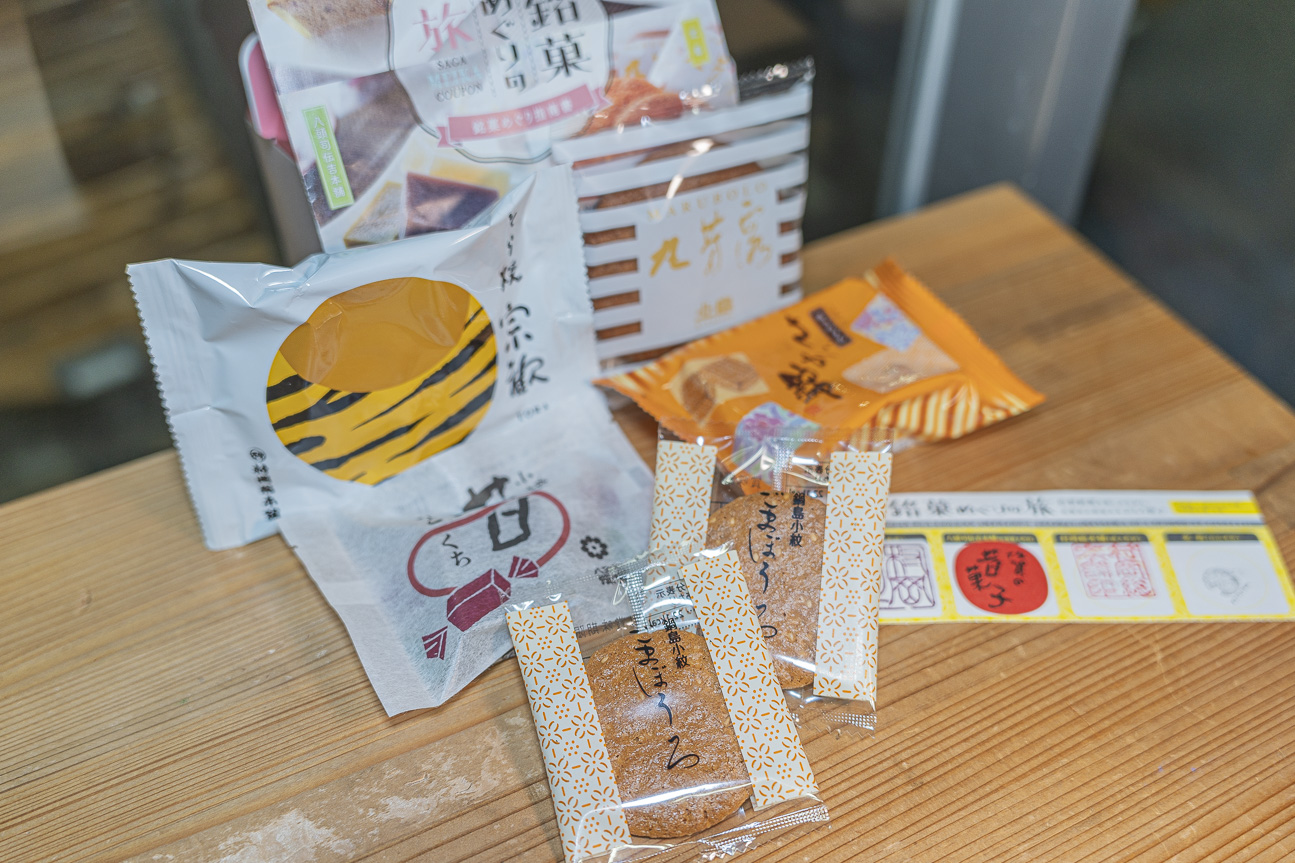
Then we follow the sweets route along Chuo-dori, ticket in hand. One treat, then another: it feels generous for JPY 500. We skip the yokan at Yatoji Denkichi Honpo (八頭司伝吉本舗), so I cannot review its taste. What I did not eat, I did not eat. The other sweets leave an impression.
Muraokaya’s Sagasen has a layered texture, moist at first before changing toward the finish.
Muraoka Sohonpo’s Tora-yaki Sokan (とら焼宗歓) pairs fluffy cake with white bean paste.
Kitajima’s cookies are crisp yet tender: old-fashioned, but oddly hard to stop eating.
A short walk becomes a route for understanding the city. Dessert is more than sweetness; it gives the day a path.
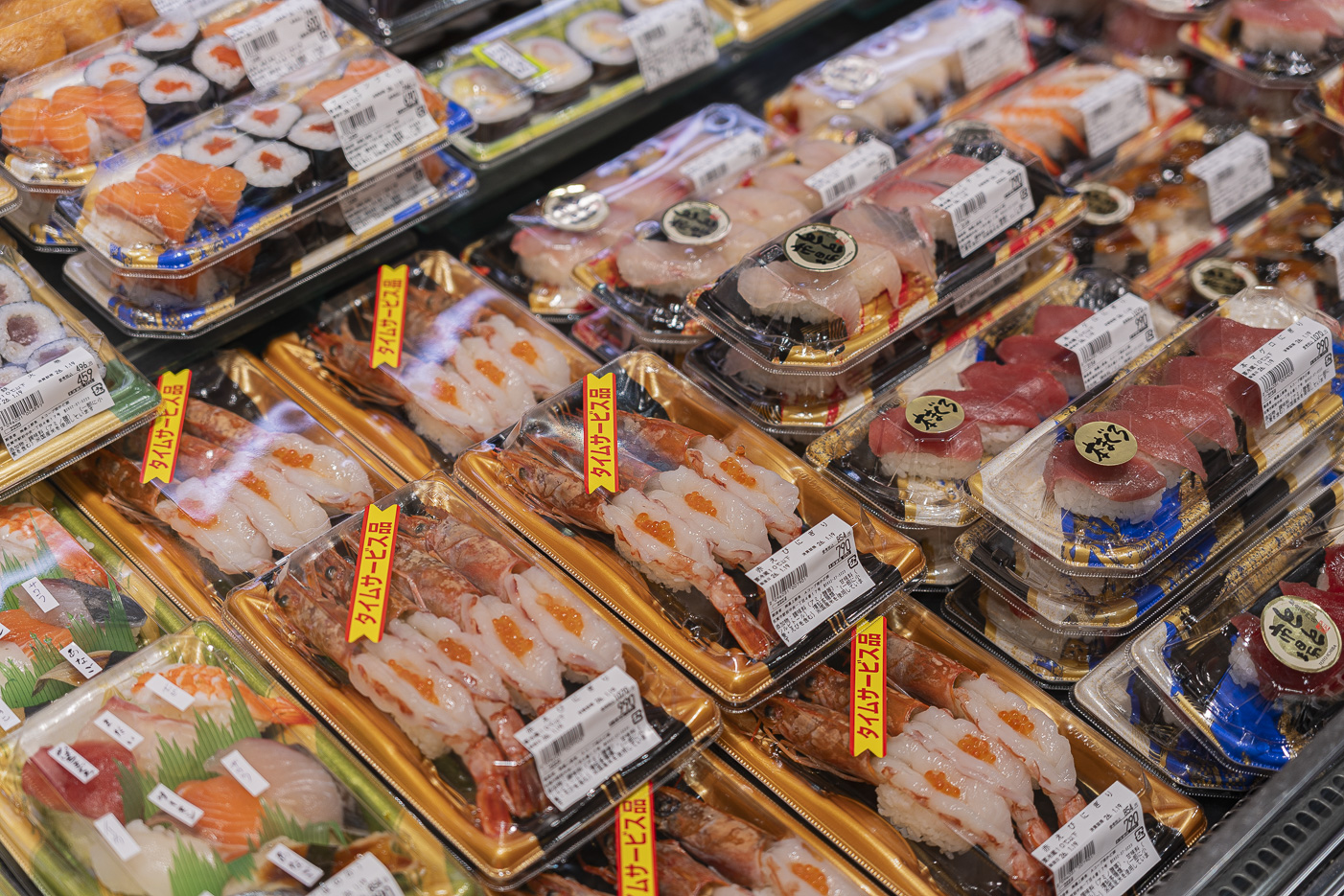
For dinner, we shop at A Coop Machikado Batake (Aコープ 街かど畑) near the station. Vegetables, fruit, meat, seafood and prepared dishes feel closer to a local household’s shopping than tourist souvenirs. The information-center staff recommended sushi, and I can see why. We buy sushi and mandarins. That is enough for tonight.
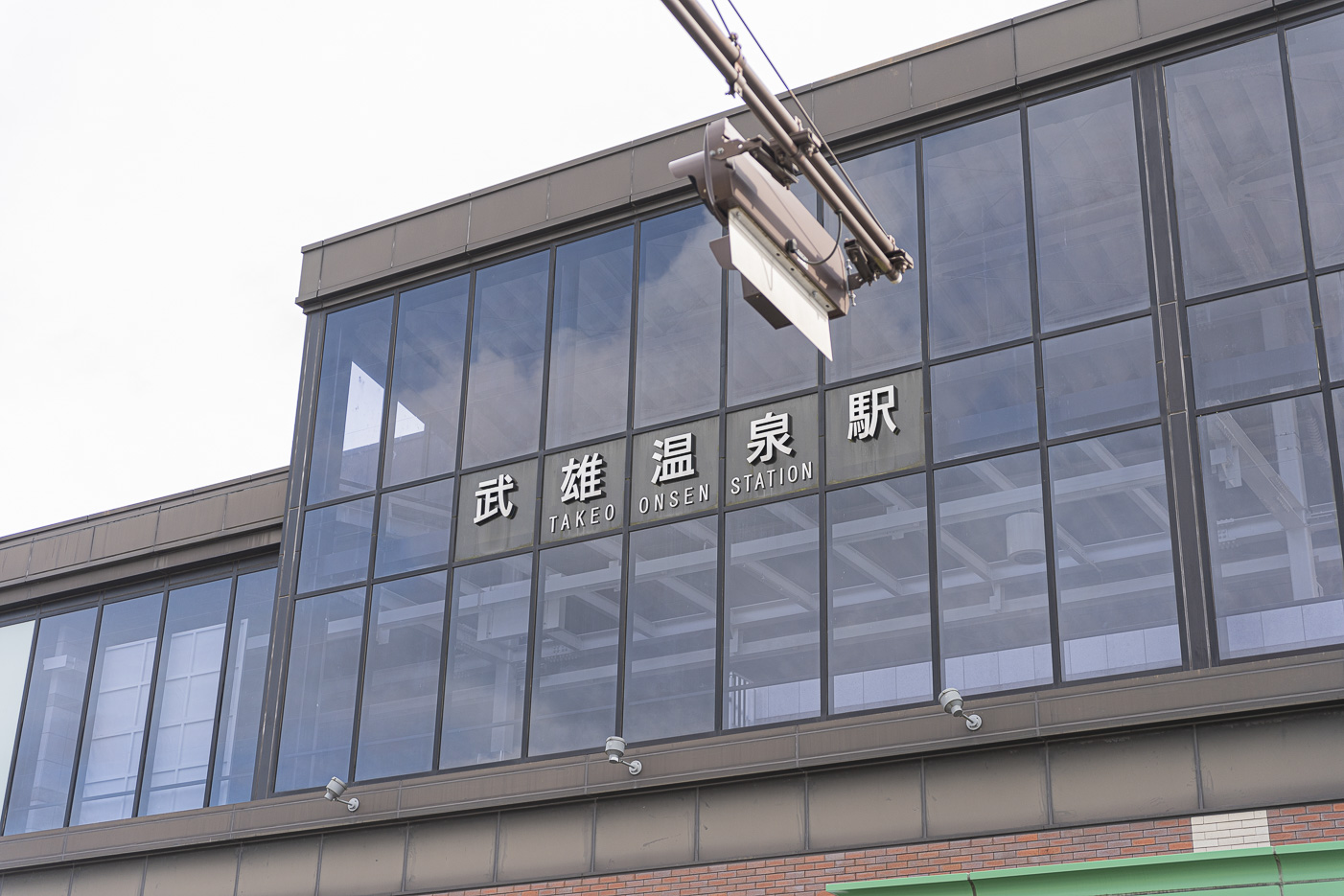
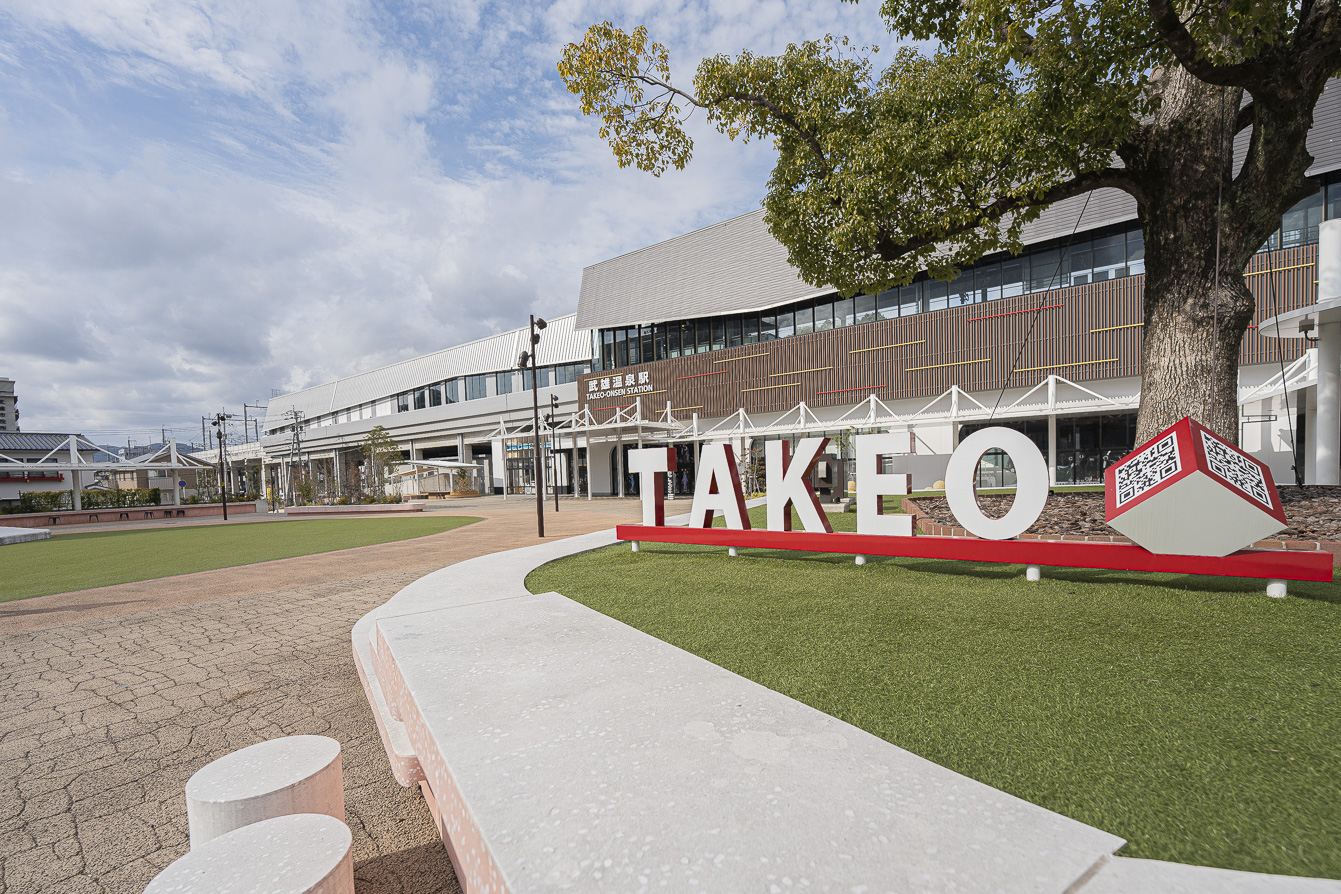
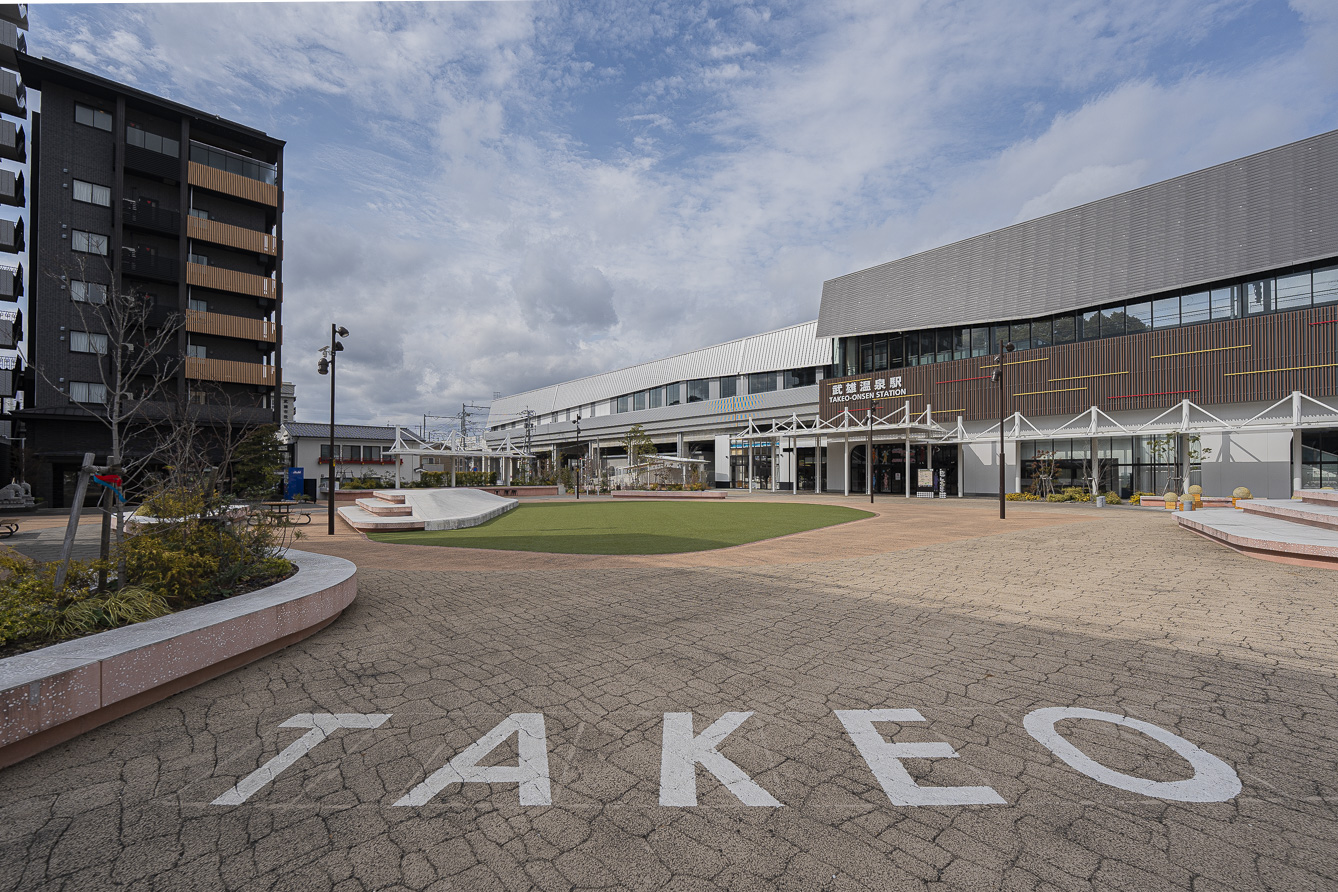
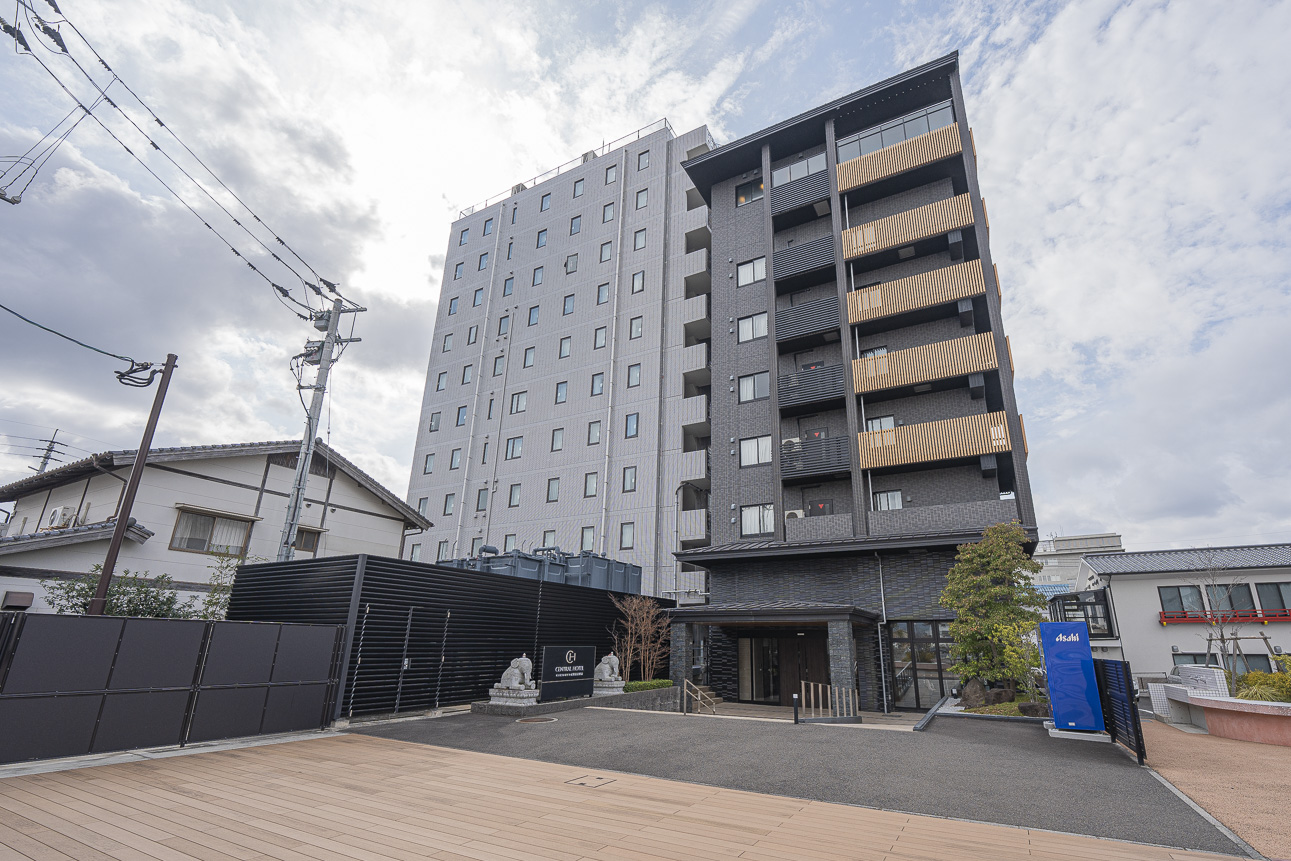
We take the train to Takeo Onsen and check into Takeo Onsen Central Hotel. Being close to the station is convenient; the hotel promoted a one-minute walk from JR Takeo-Onsen Station.
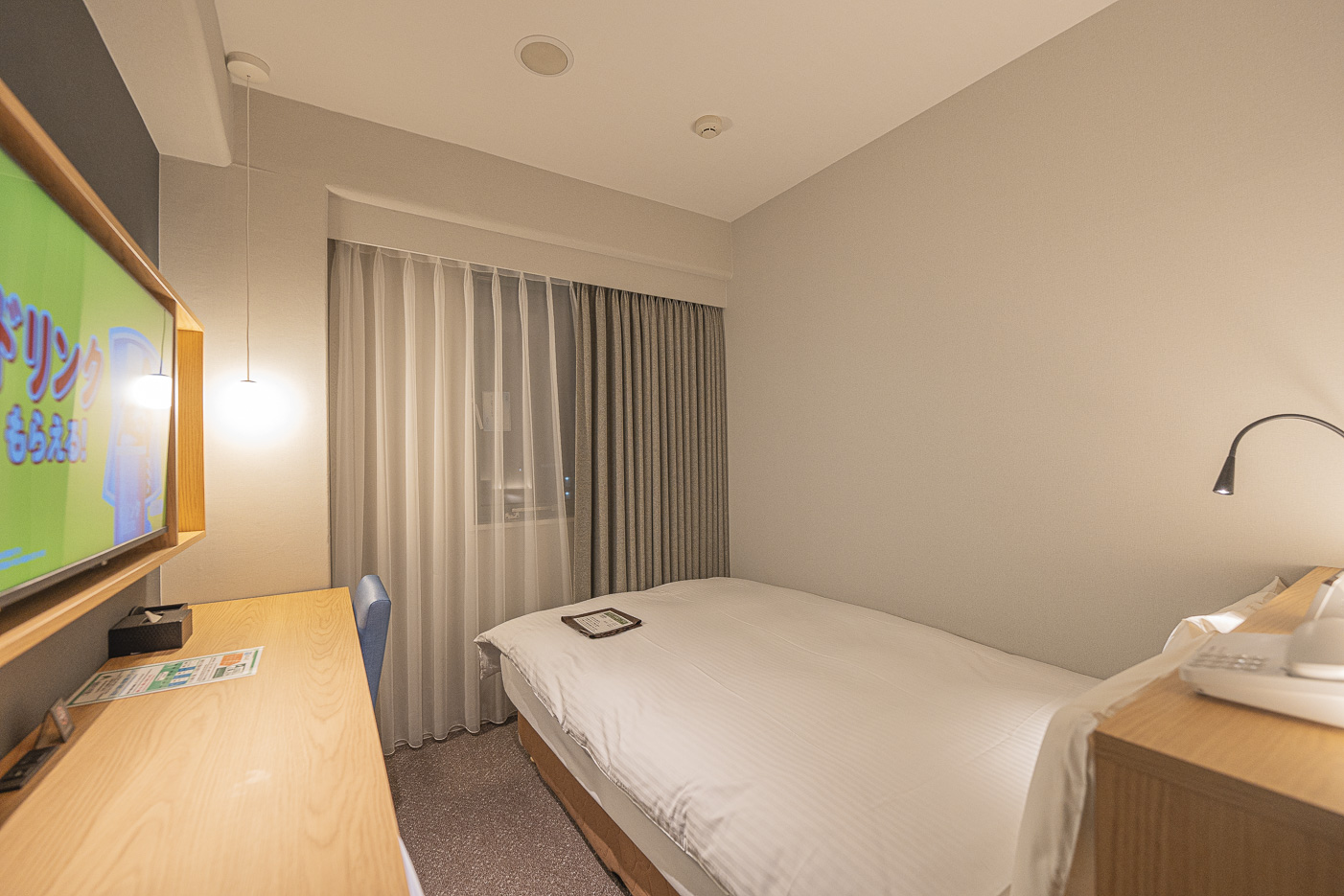
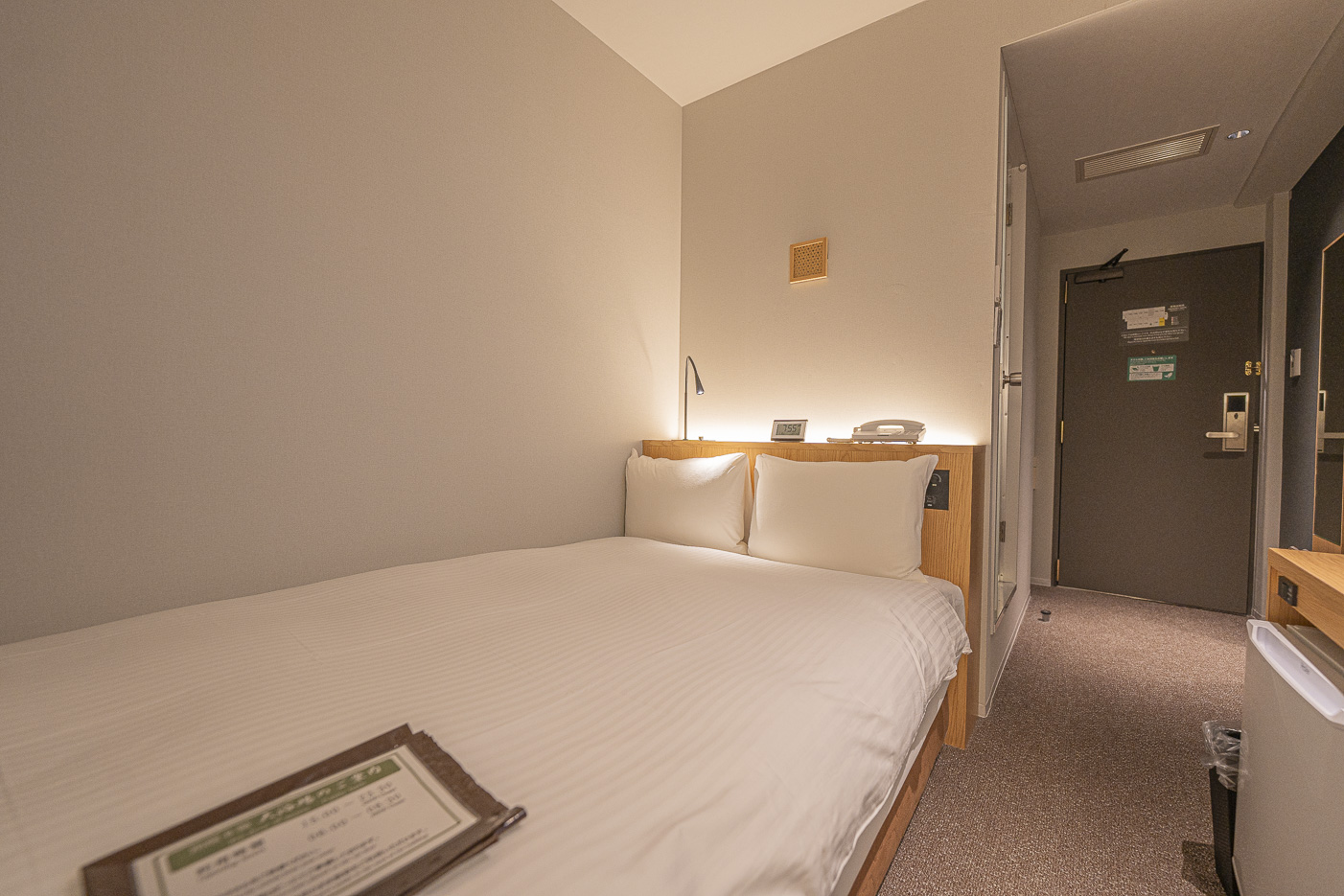
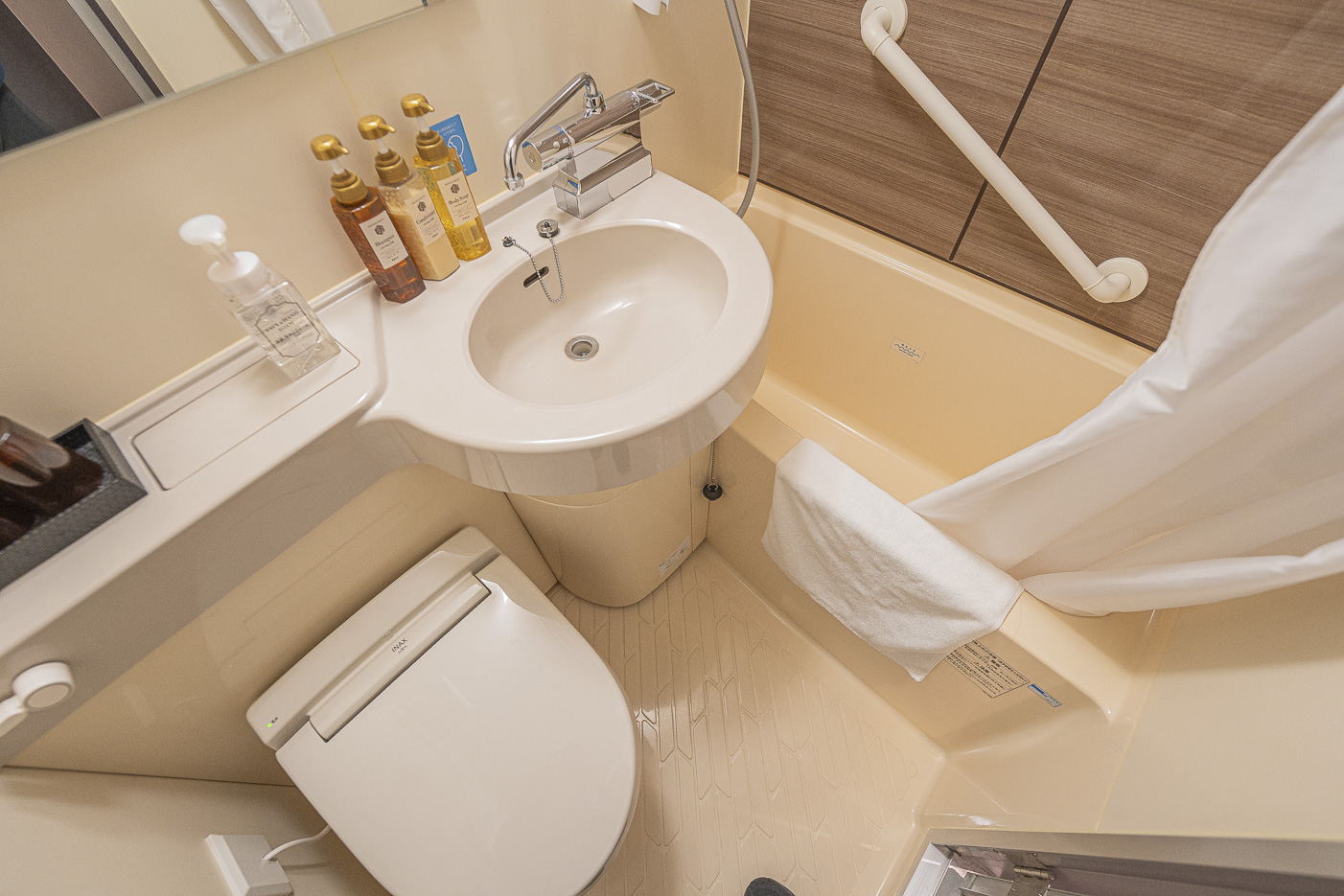
‘New’ suits the room’s condition. The layout is straightforward, without dust or odor causing stress. The bed supports me firmly rather than sagging. A practical desk and outlet arrangement makes unpacking, charging and washing easy. Those details become comfort.
We bathe. Having a shared bath in the hotel is welcome.
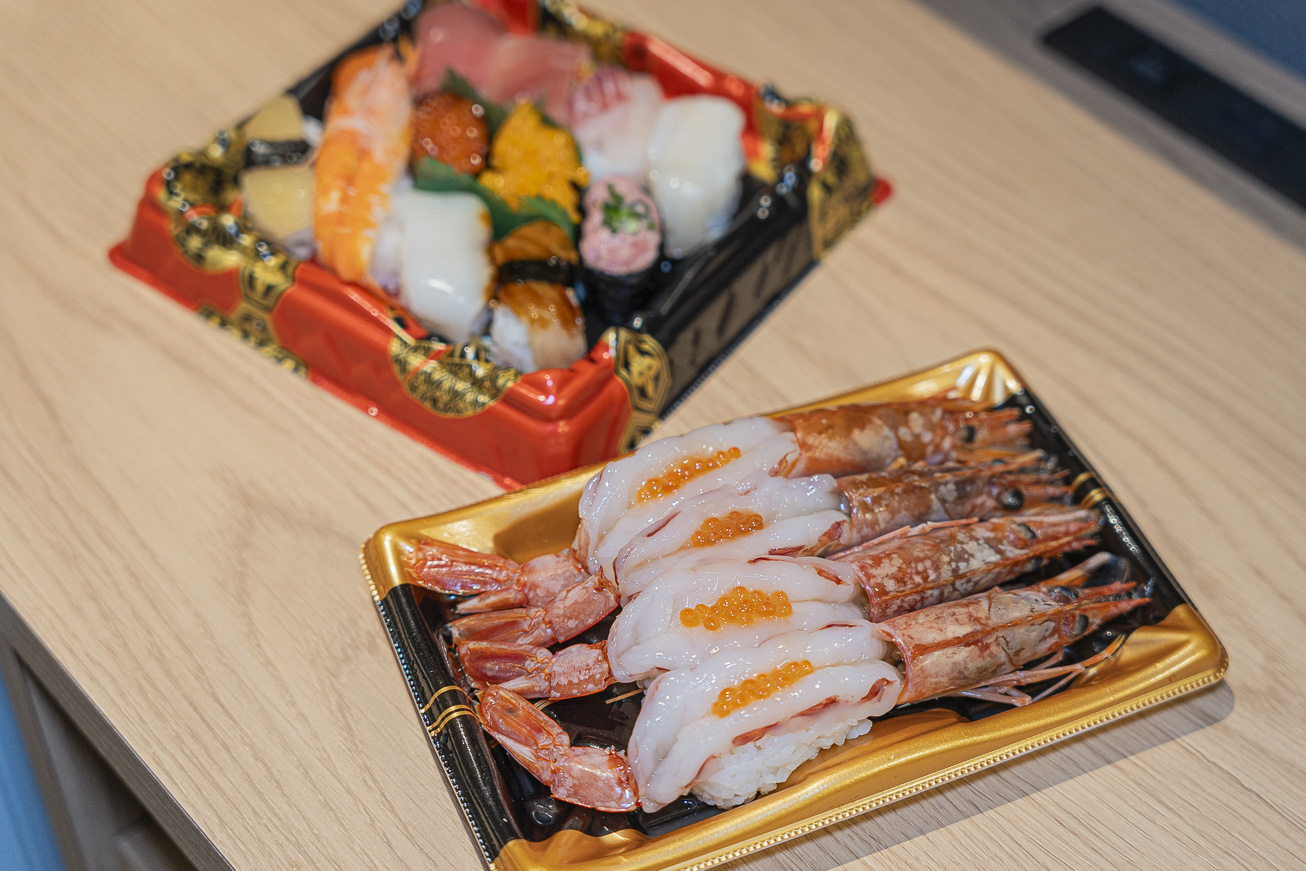
Back in the room, we eat the A Coop sushi. An onsen and a simple takeaway dinner are enough for a satisfying evening. Saga makes this sort of trip feel easy.
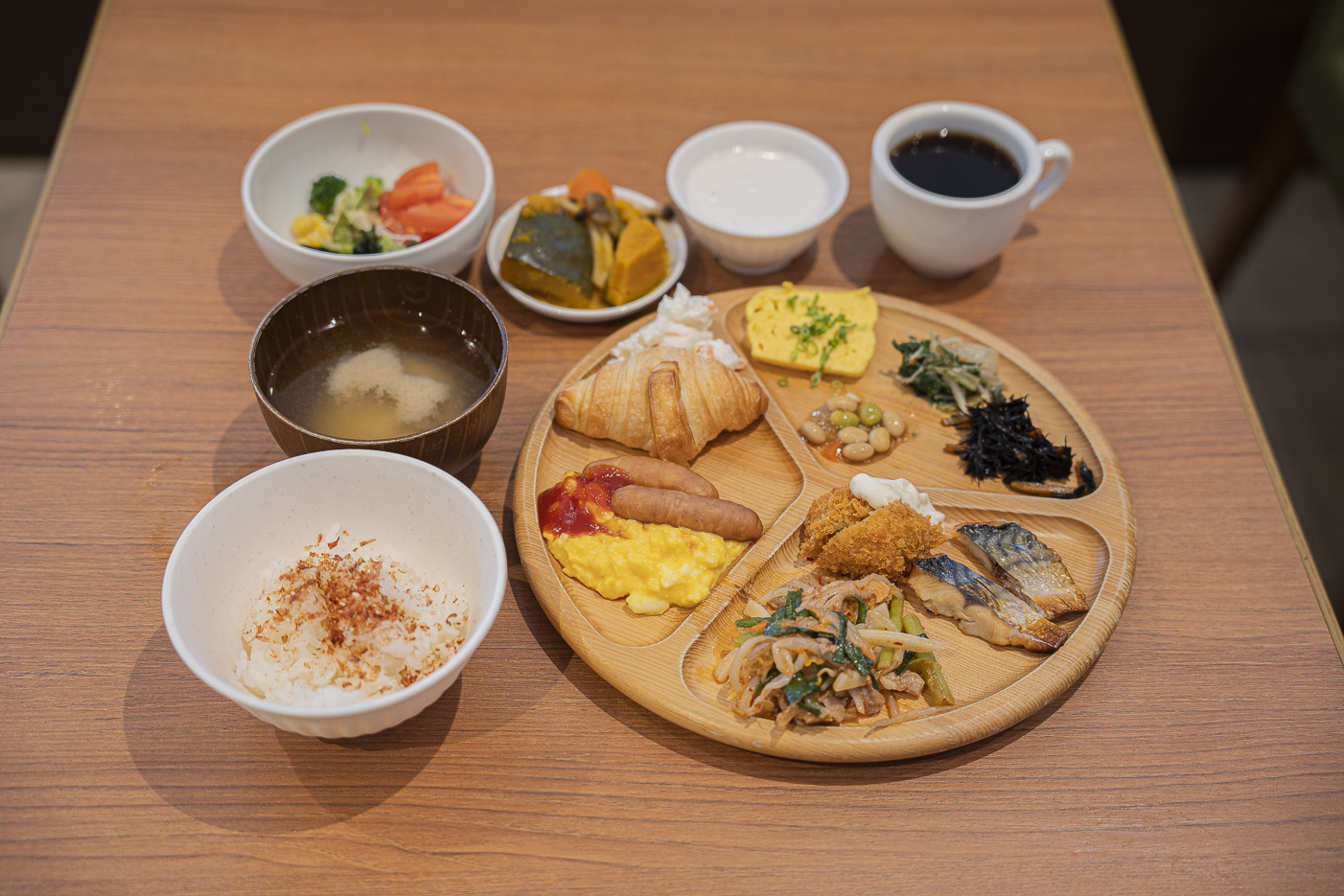
The next morning brings the hotel’s included breakfast service.
I do not expect a feast from this kind of breakfast, but it is enough for a relaxed start: warm dishes, coffee and no need to rush outside. Solid basics at an affordable stay help the whole trip feel settled.
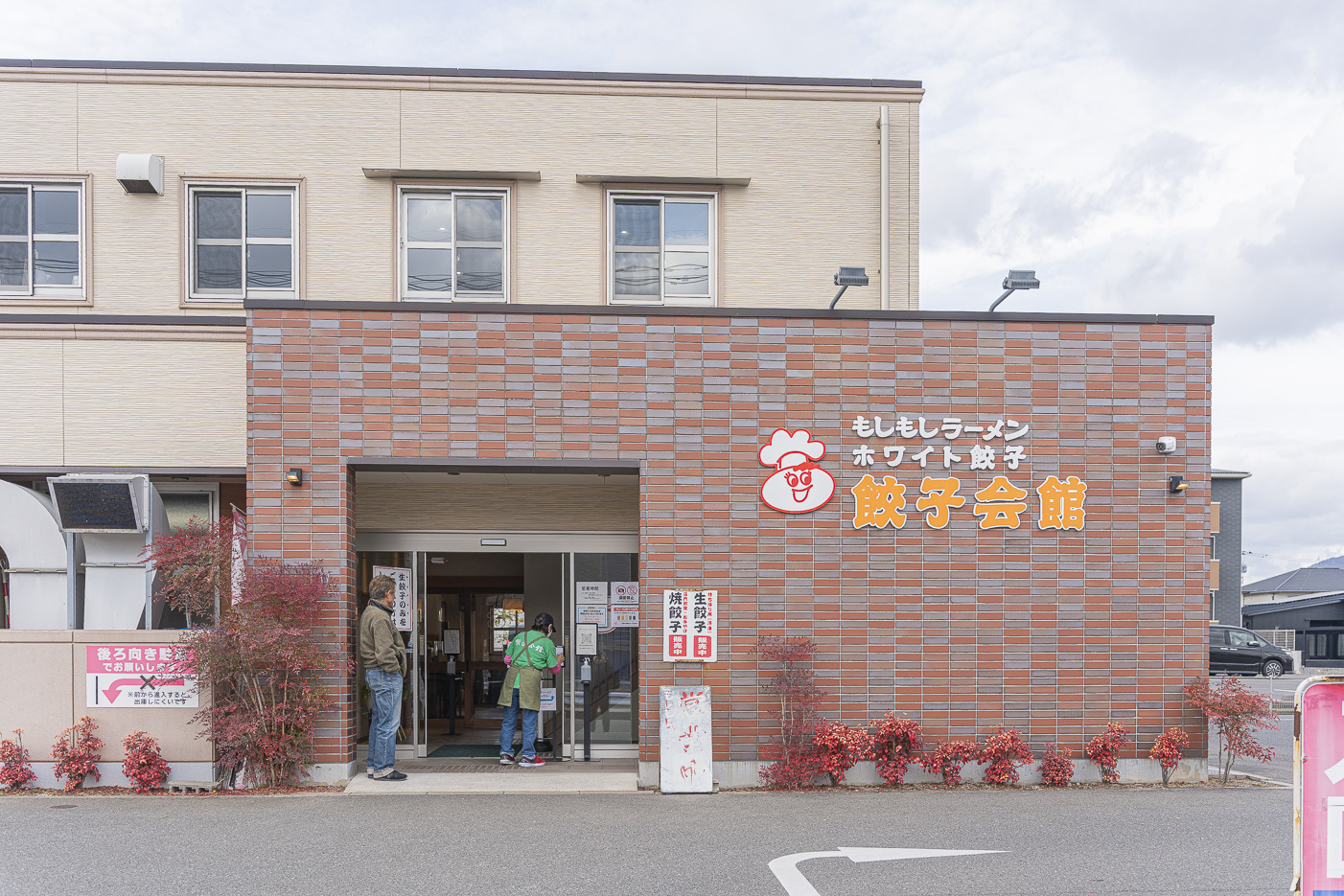
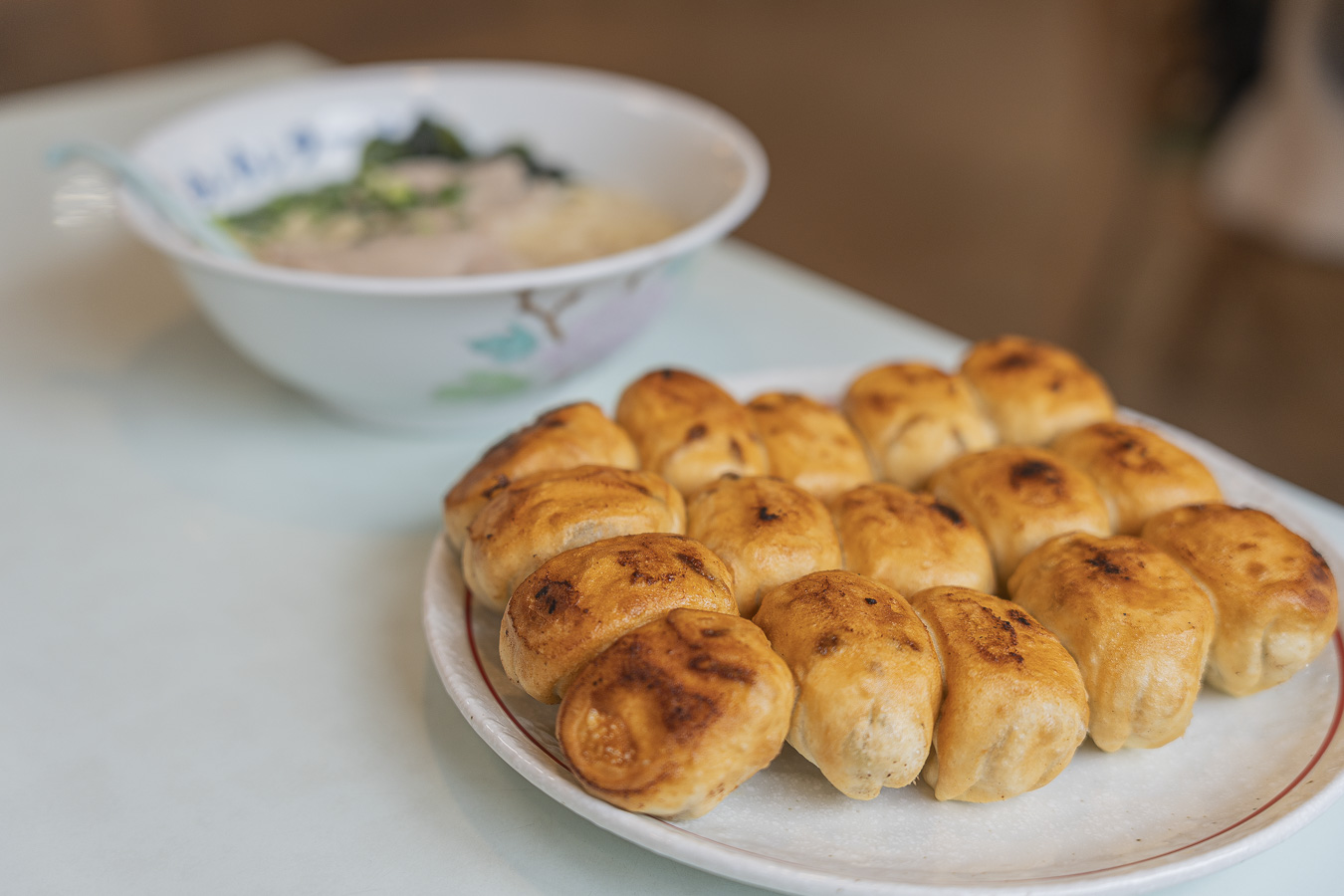
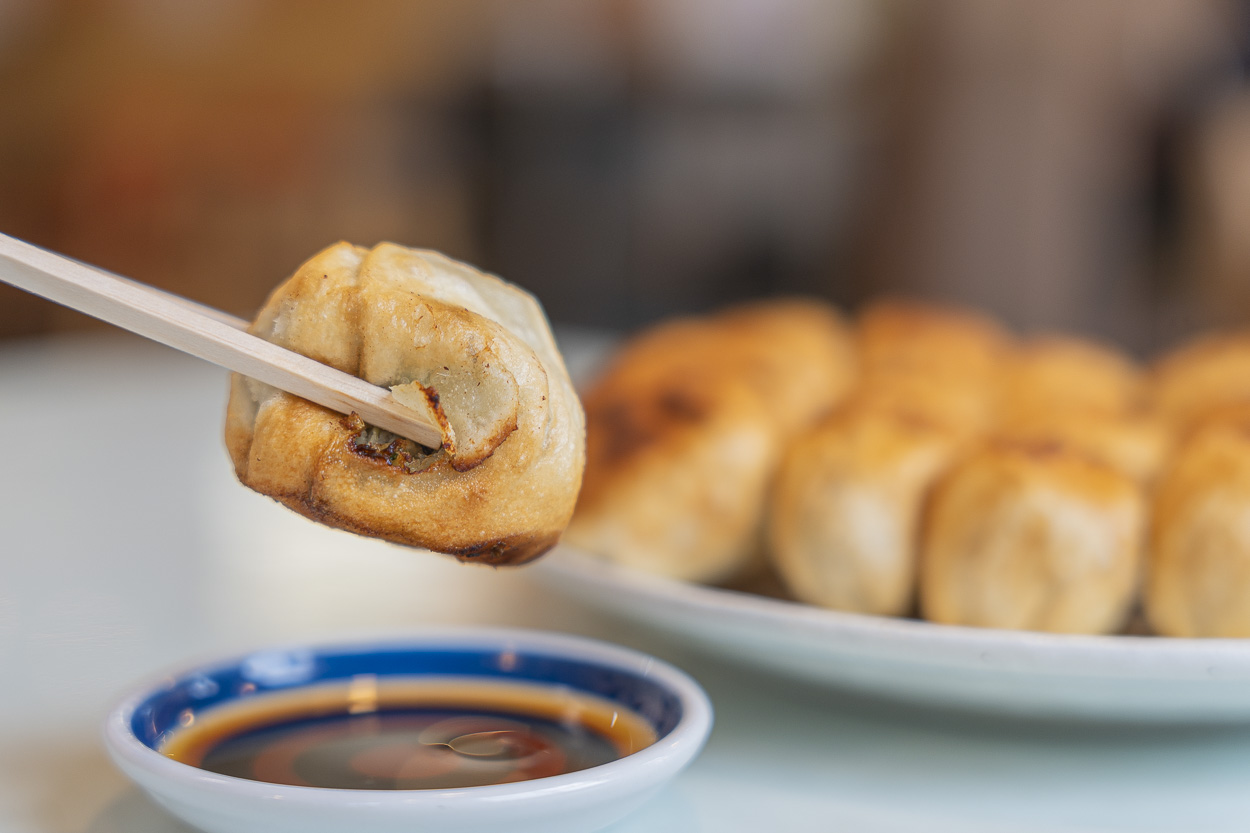
Lunch the next day is at Gyoza Kaikan (餃子会館). The dumplings are good, but the ramen surprises me more. Milky pork-bone broth has little of the strong smell I sometimes encounter: easy to drink, yet memorable. The gyoza have a savory exterior and a vegetable-rich, relatively light filling without overpowering garlic. Oolong tea being JPY 100 for one glass and JPY 100 for two, as the original puts it, somehow suits the place.
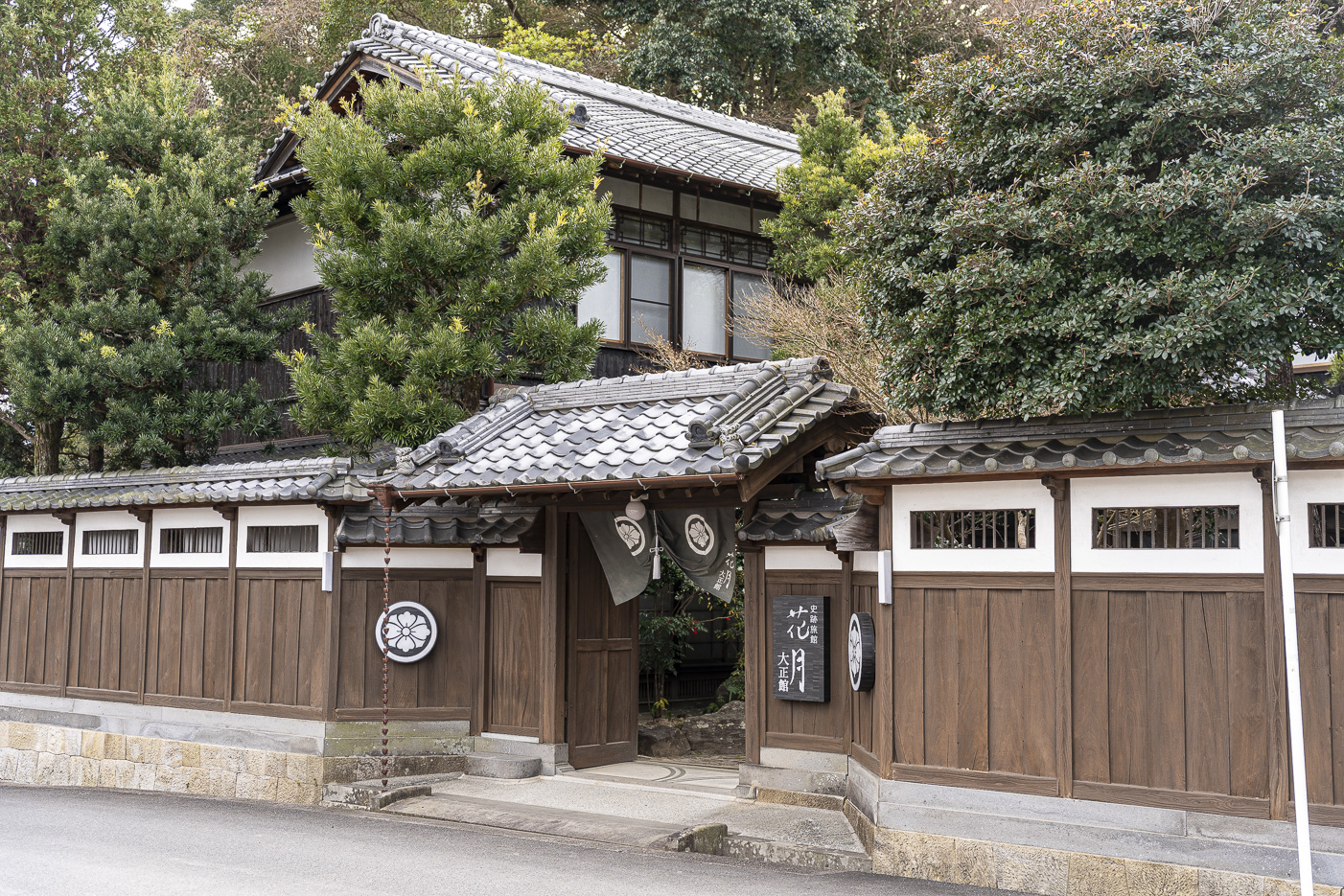
Next, the accommodation becomes the destination: the historic ryokan Kagetsu Taishokan (花月 大正館). It feels like moving a level up within Takeo Onsen. Our room is an experience in itself.
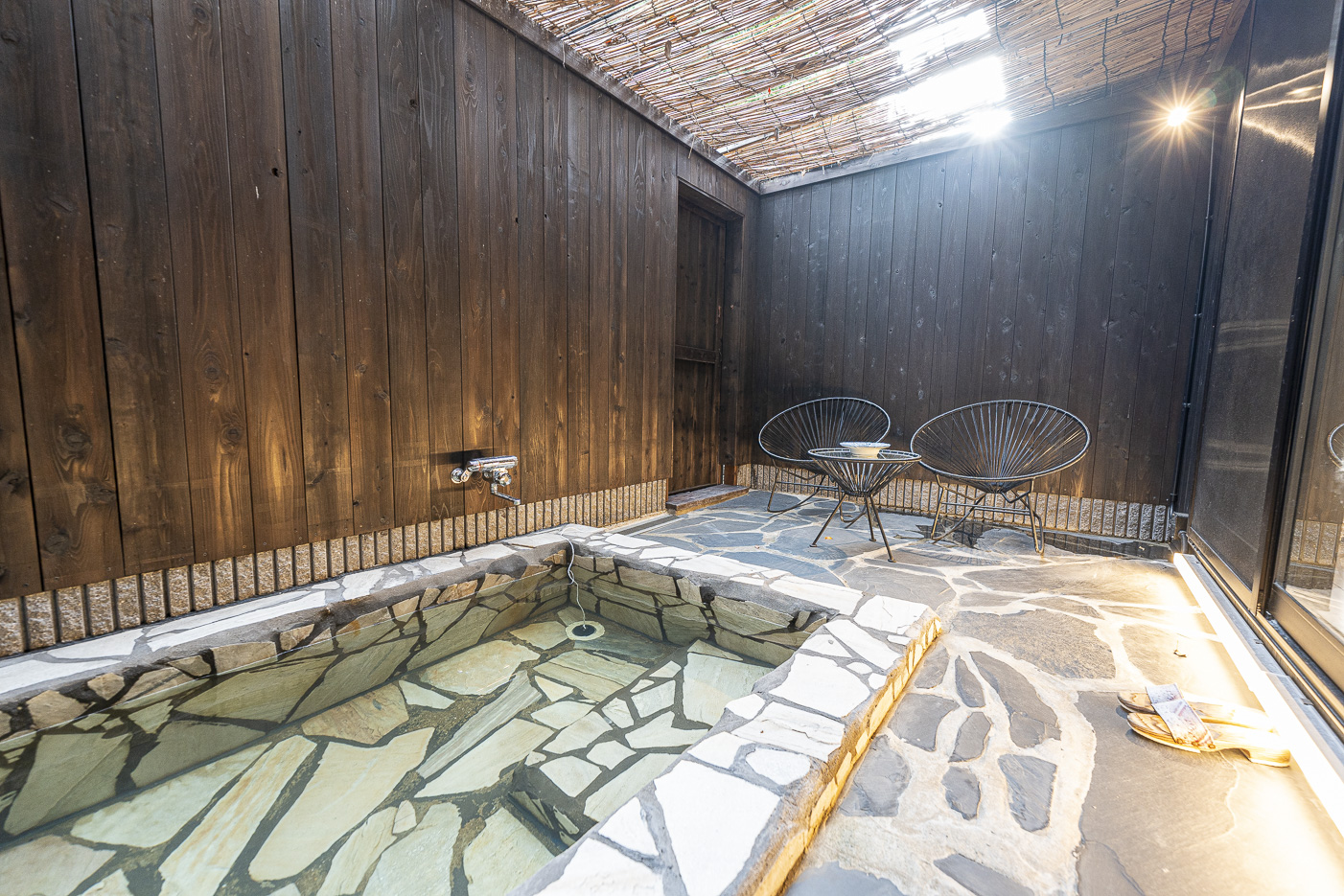
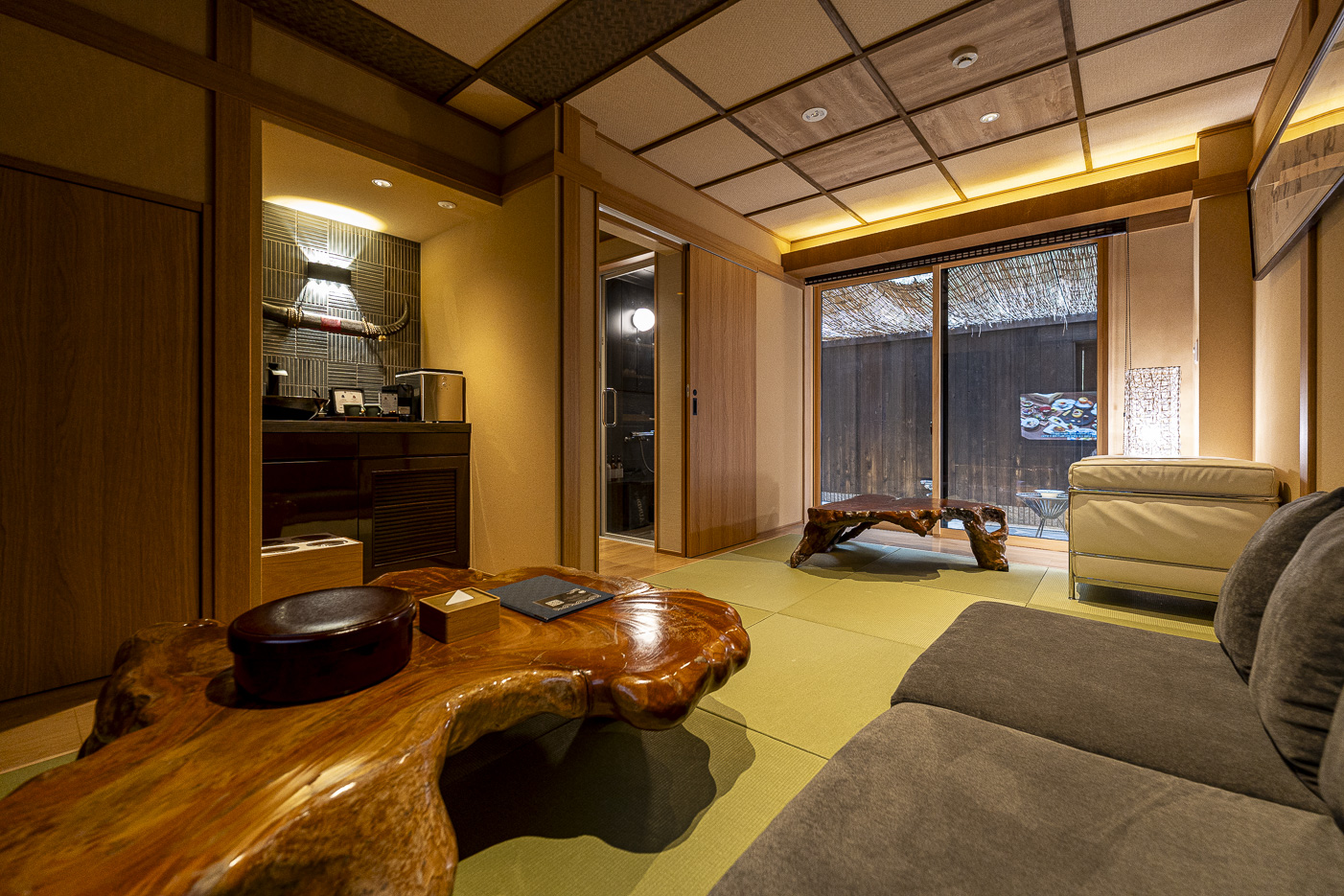
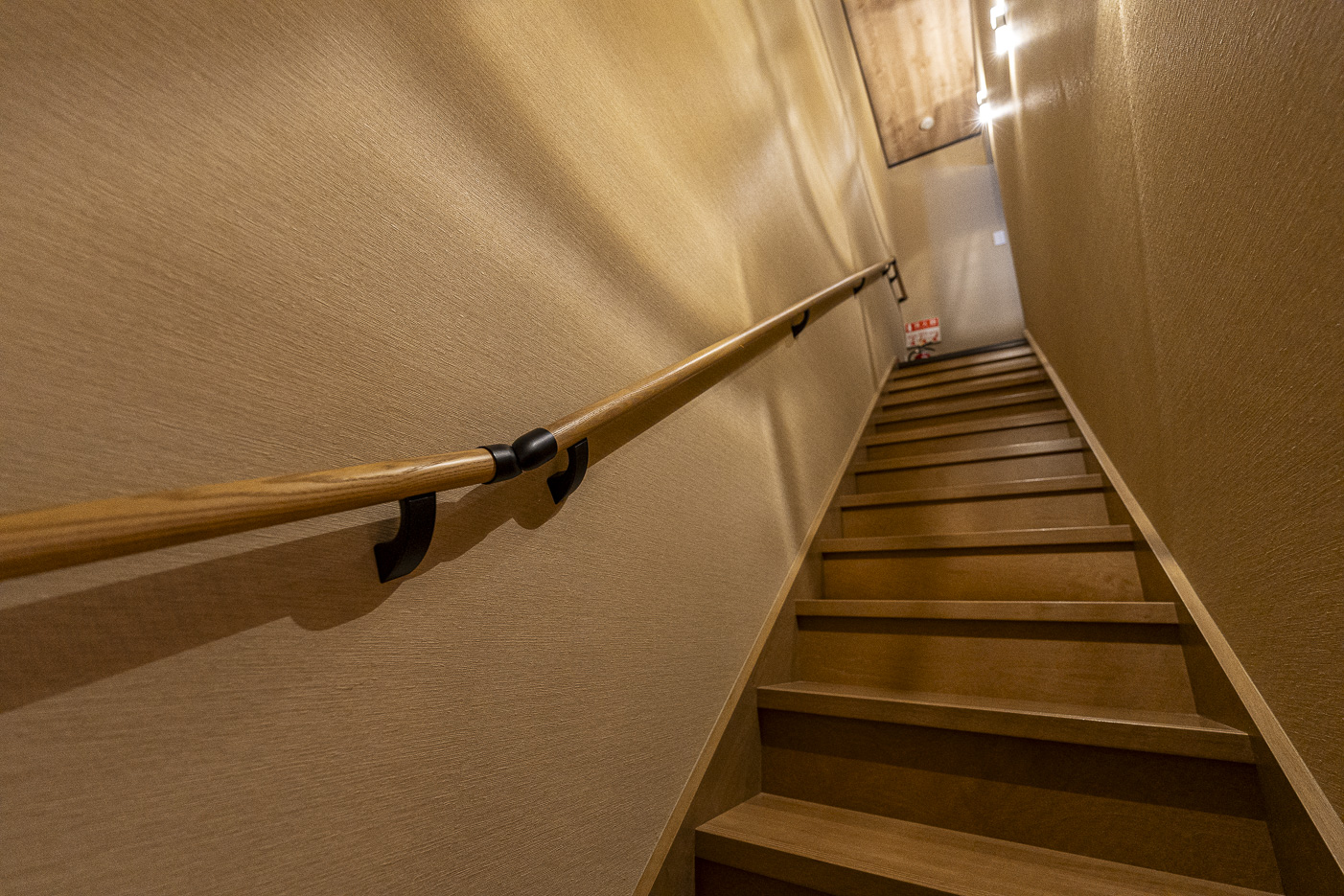
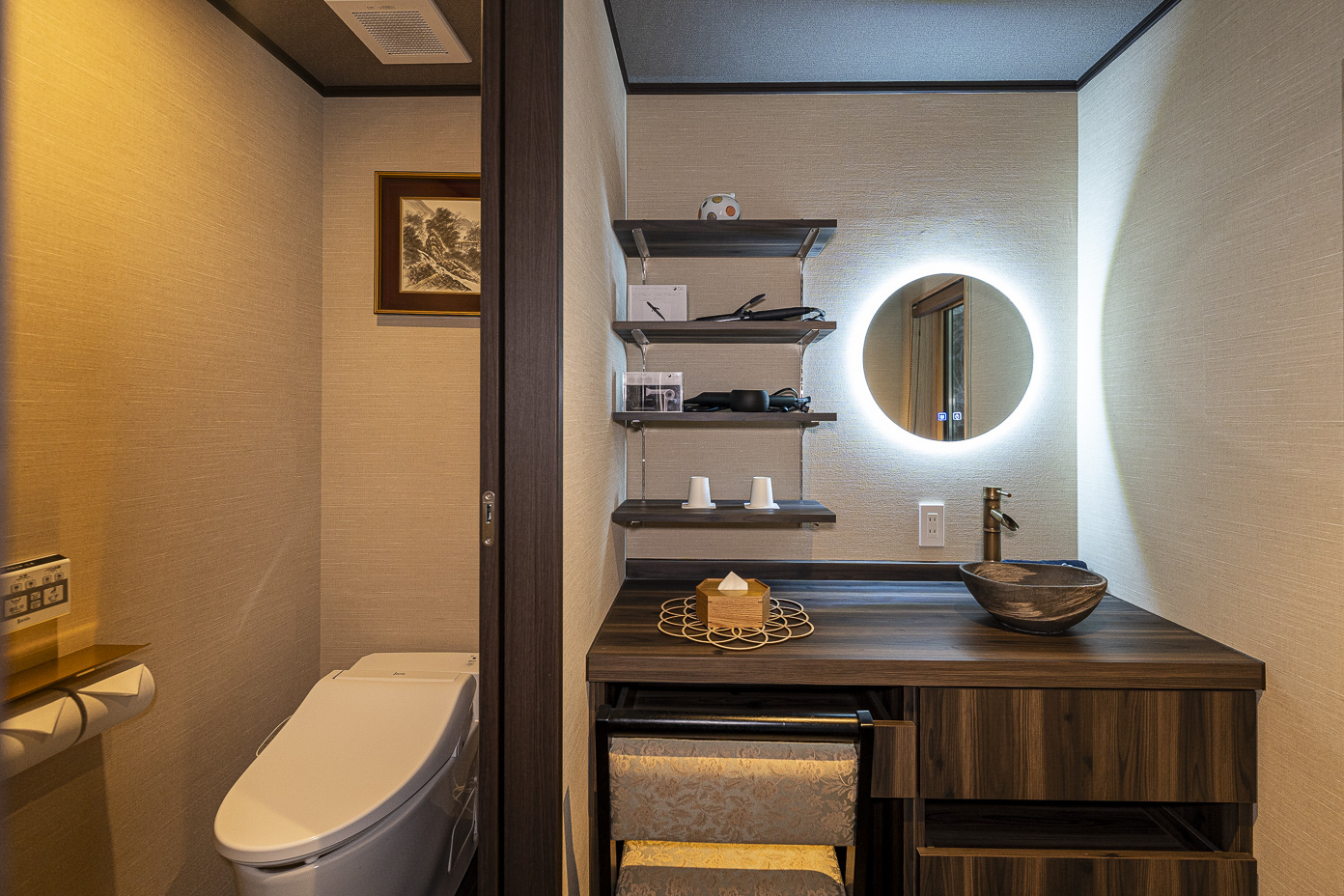
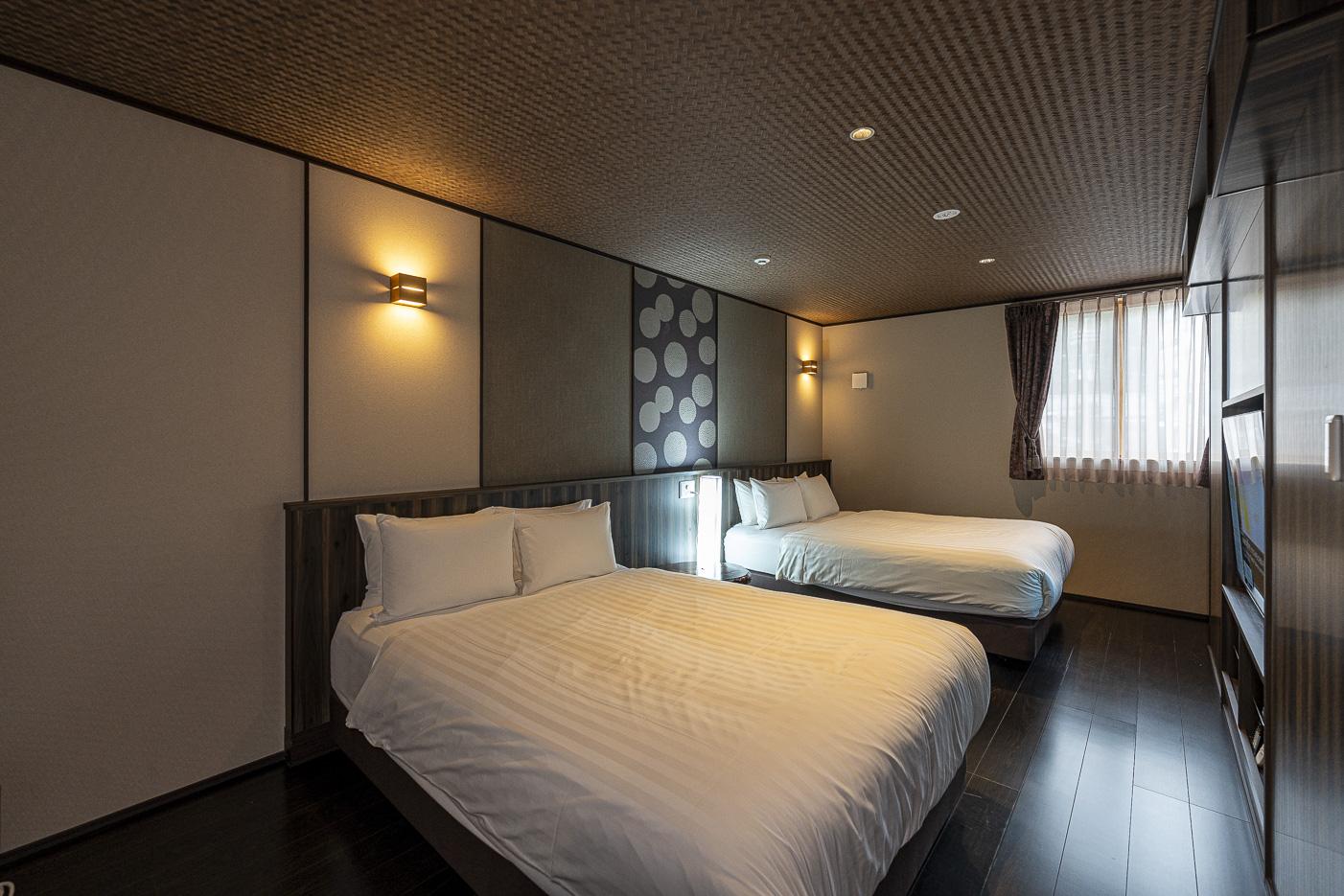
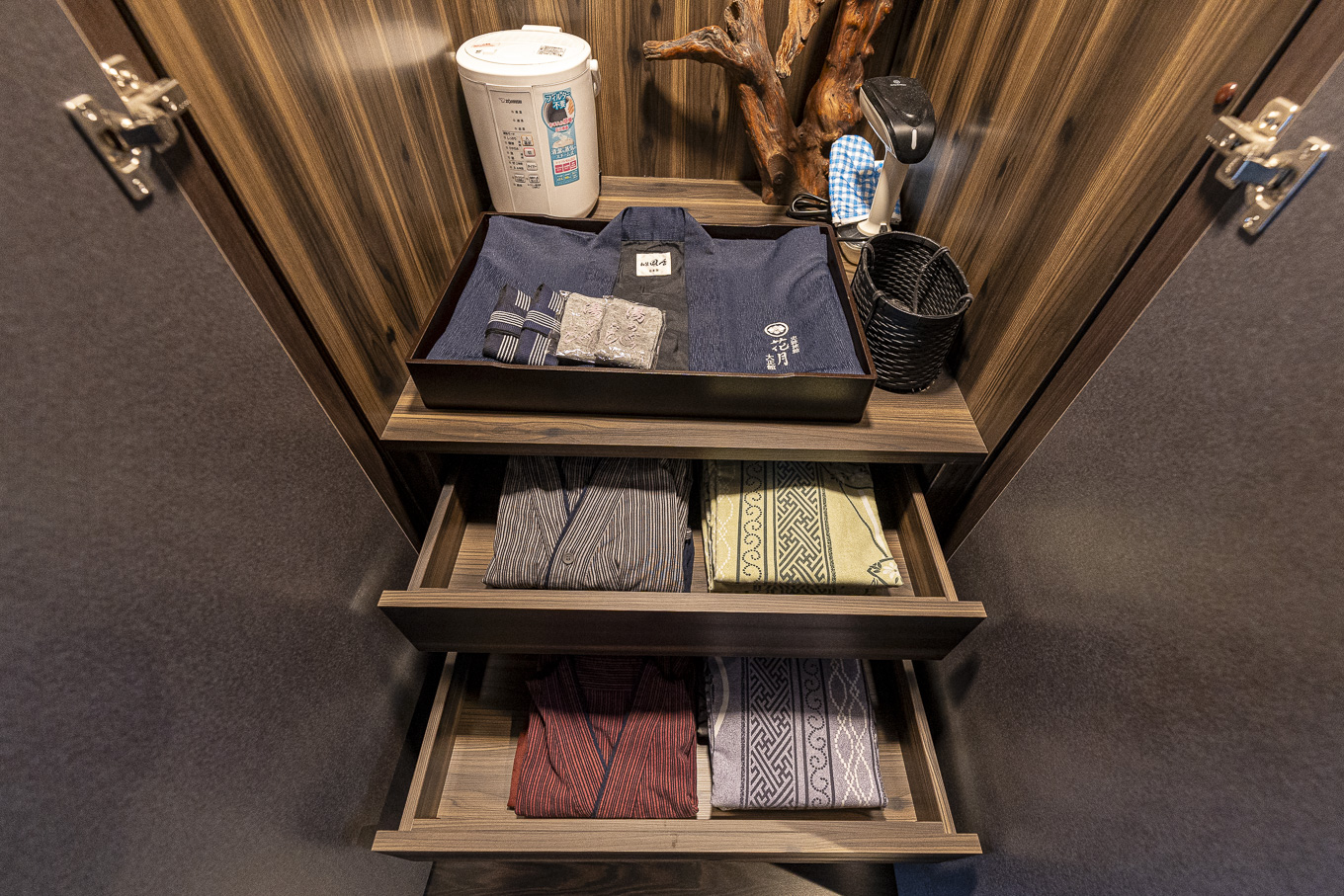
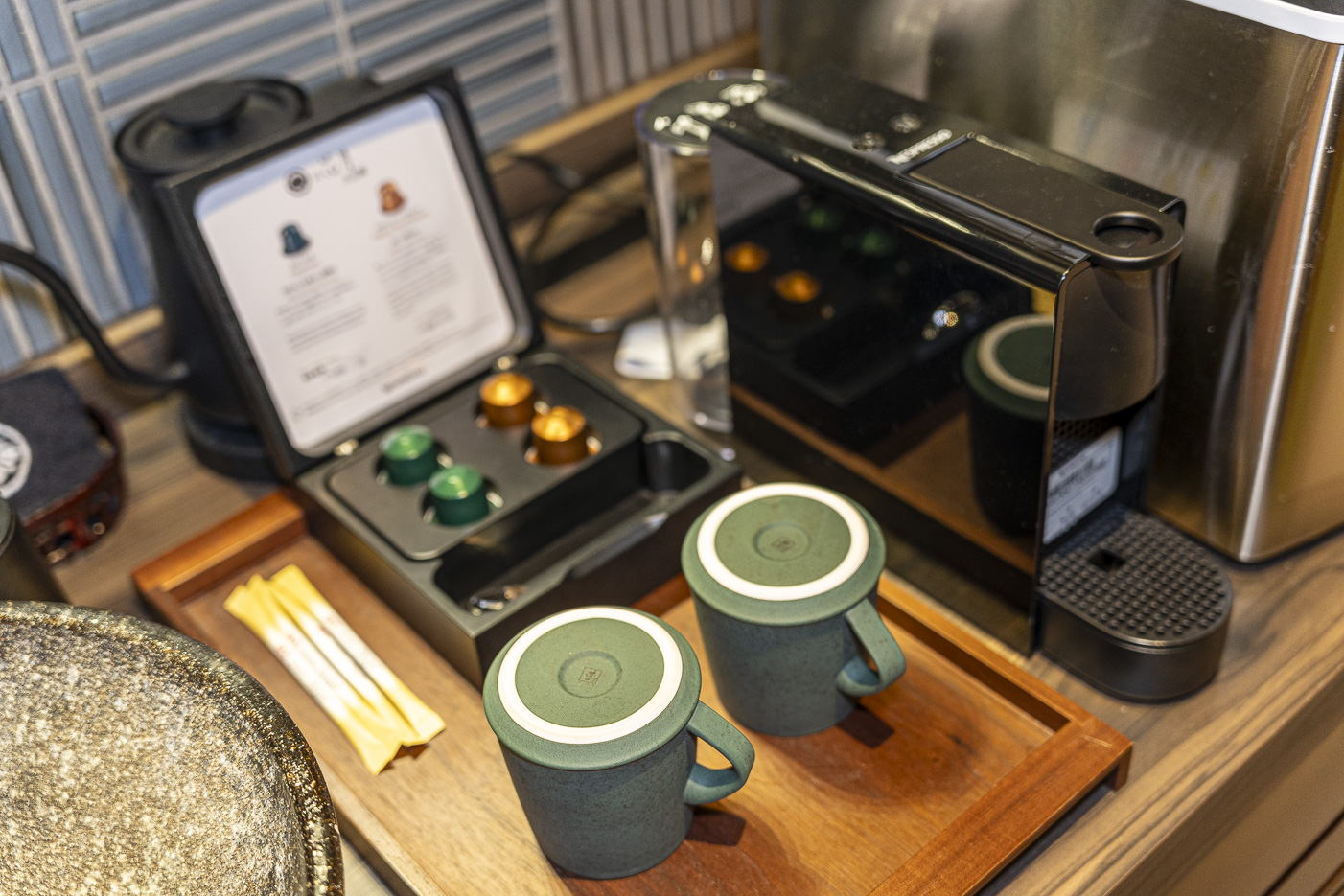

This particular room has two levels: living space and an outdoor or semi-outdoor bath downstairs, with the bedroom above. The stated bedding is two Simmons beds, each 140 × 200 cm.
Amenities need little explanation: pleasant materials, a hair dryer and basic skincare make it feel as though you can arrive with very little. A stay like this lightens the luggage.
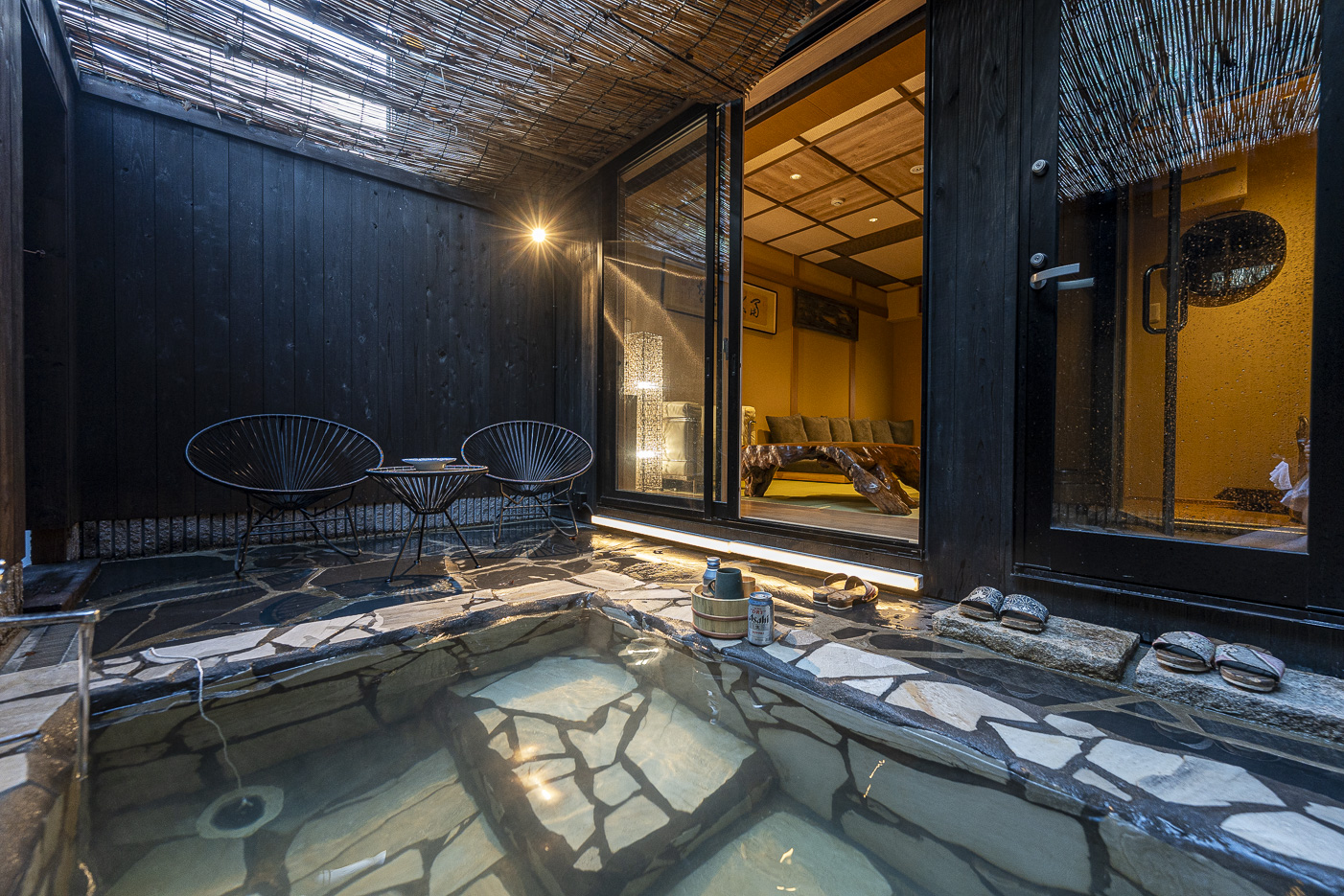
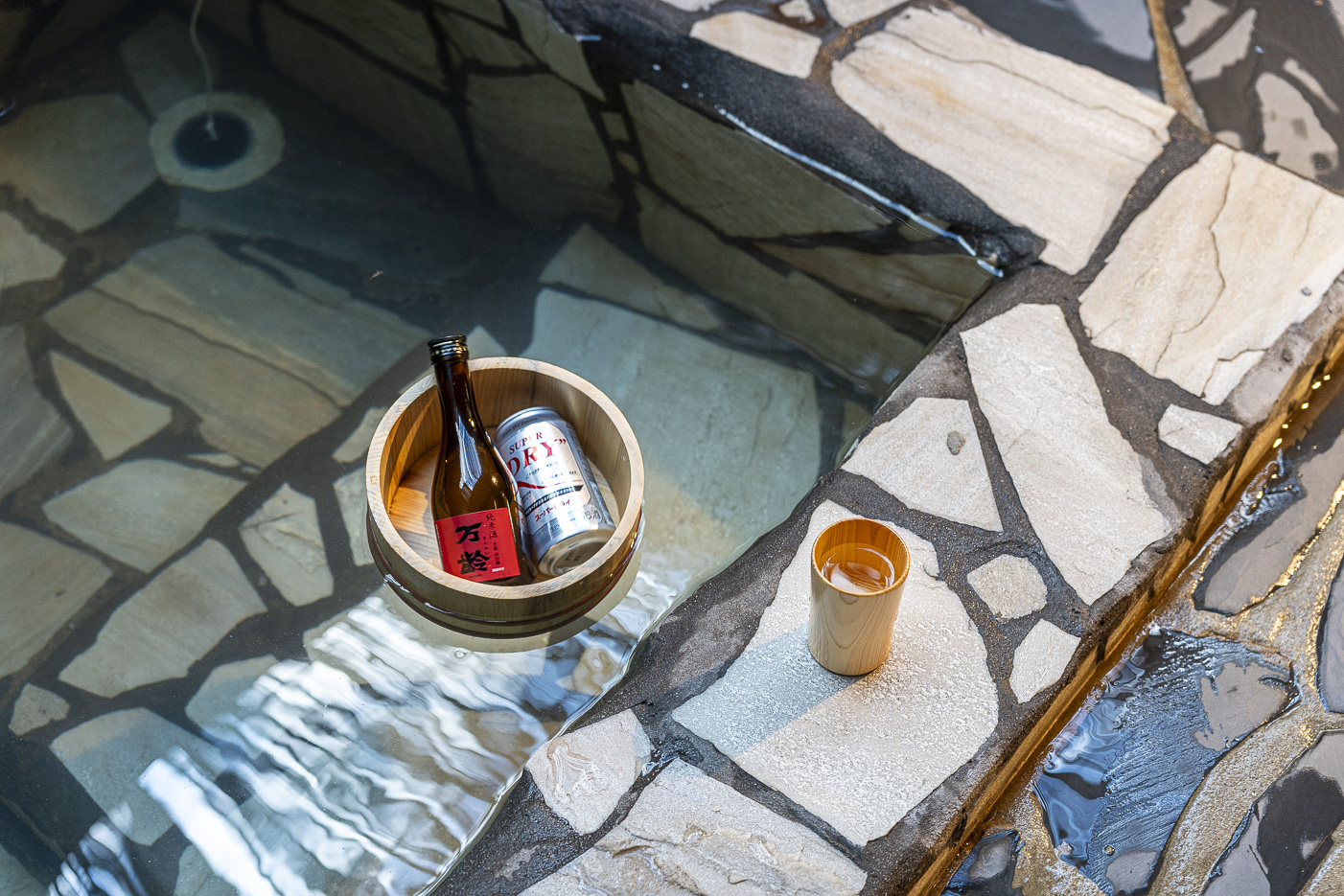
The weakly alkaline simple spring has a soft feel on my skin. In our private-room arrangement, I bathe at my own pace without a reservation time limit.
In the lounge, music plays and voices remain low. The footbath café is comfortably lukewarm. Once after check-in and once after dinner feels just right for me.
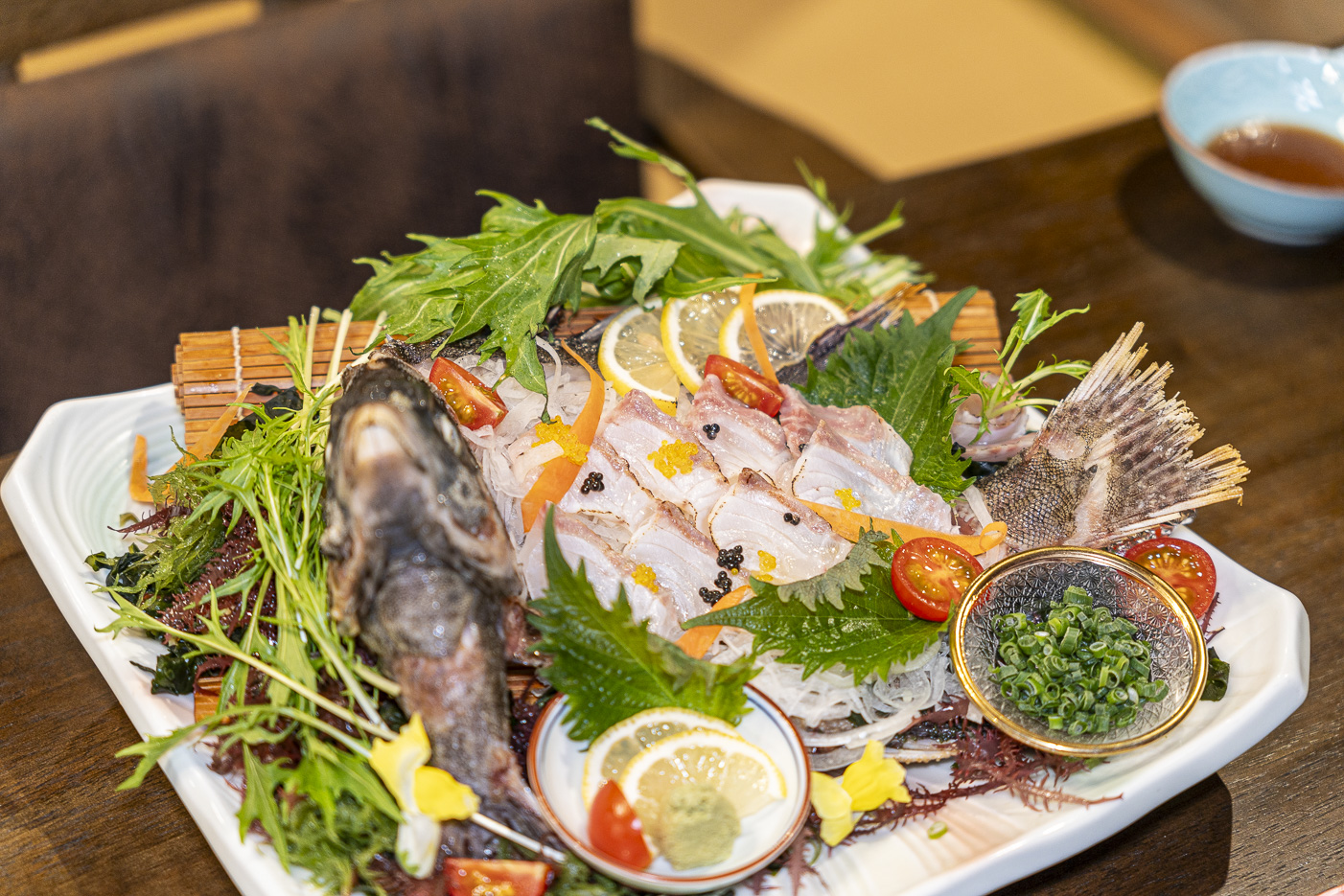
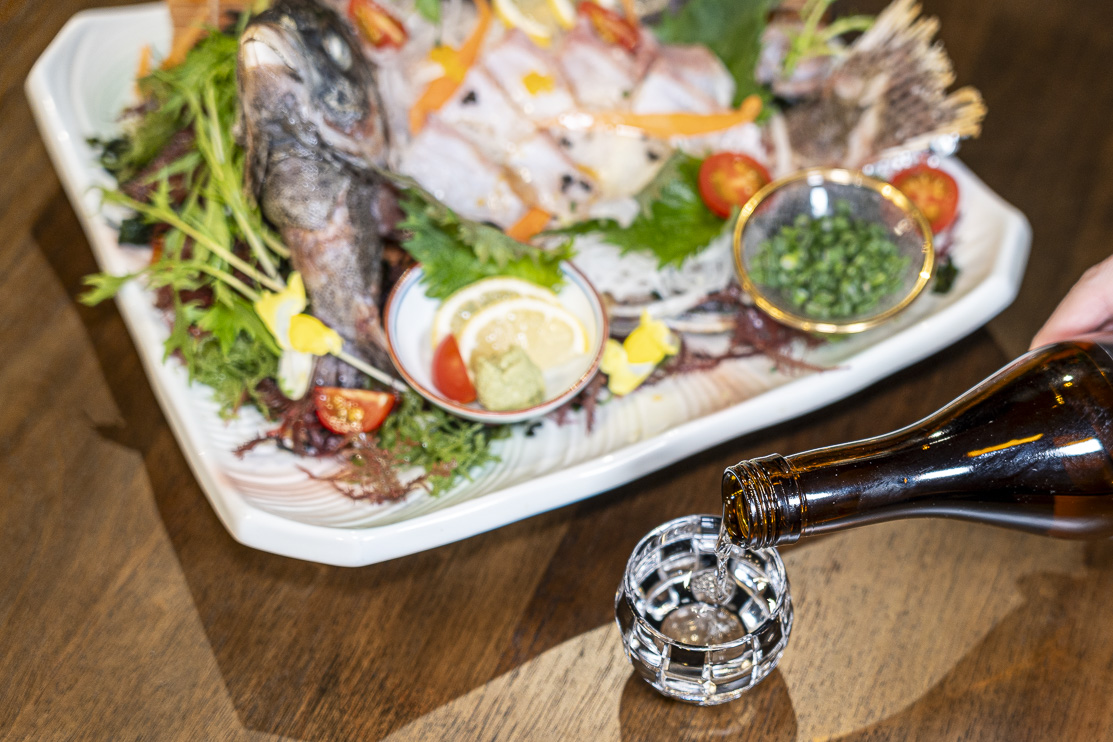

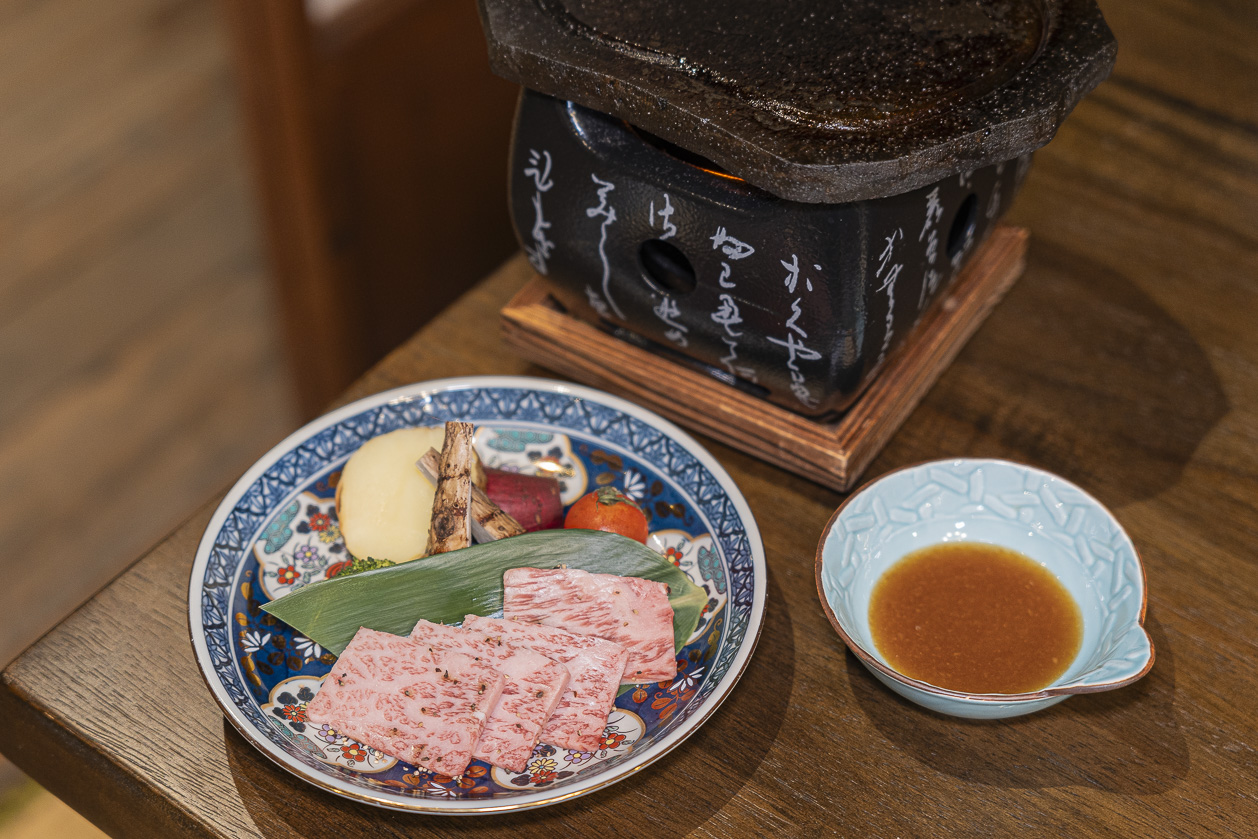
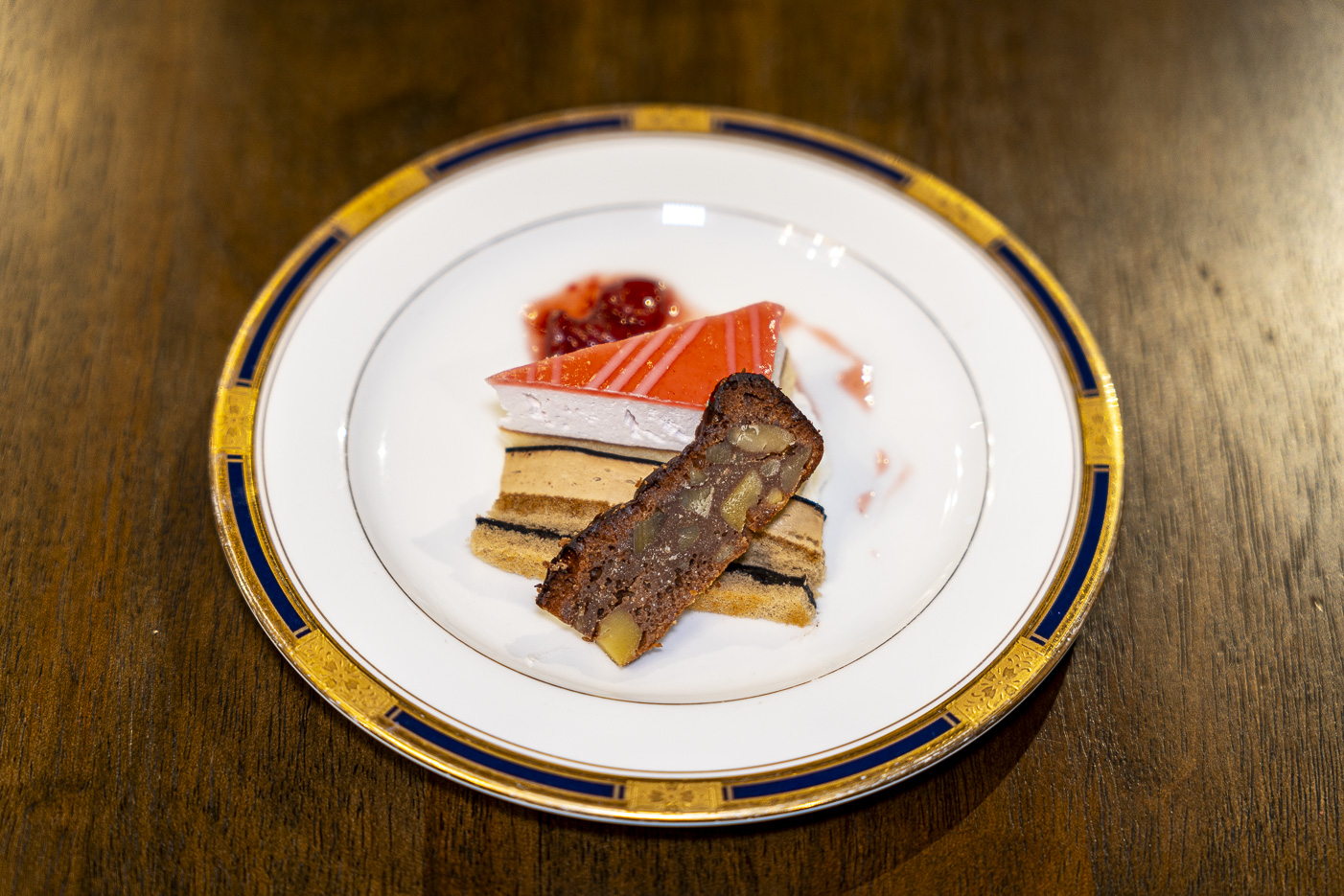
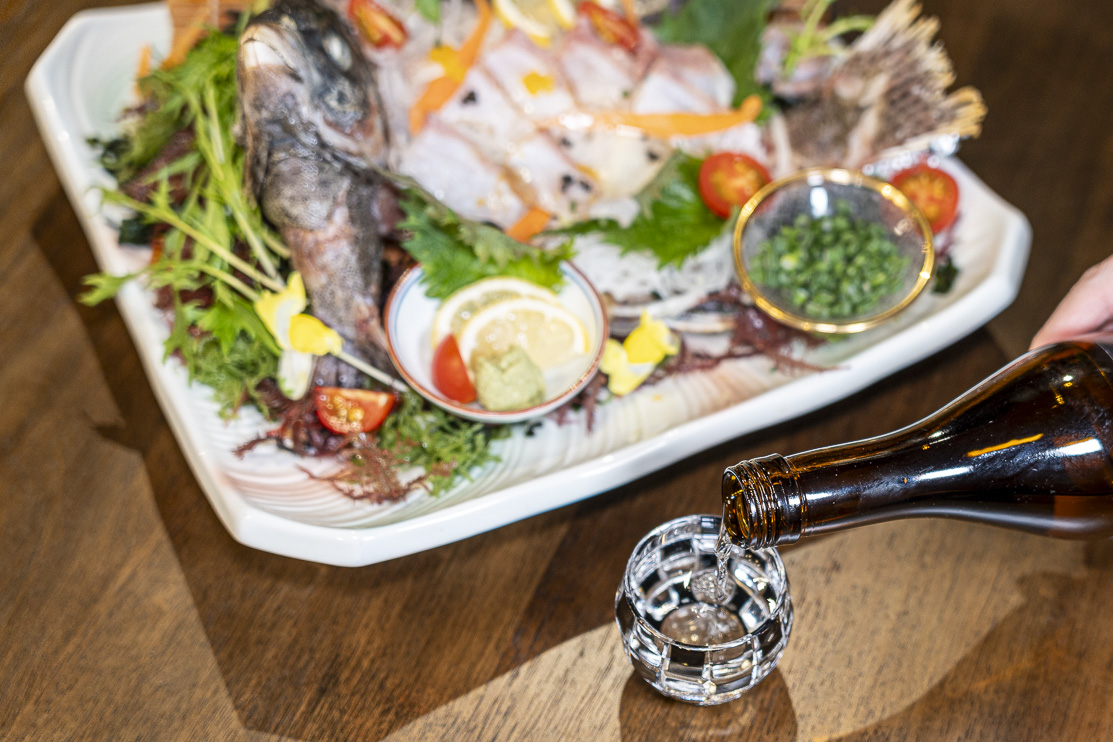
Dinner arrives one plate at a time, Japanese cooking with a French touch. Ishidai striped-beakfish sashimi has a lively texture, changed with ponzu, scallion and lemon wasabi. A simmered course has deep broth. Saga beef toward the end is sweet and tender, followed by a neatly composed dessert.
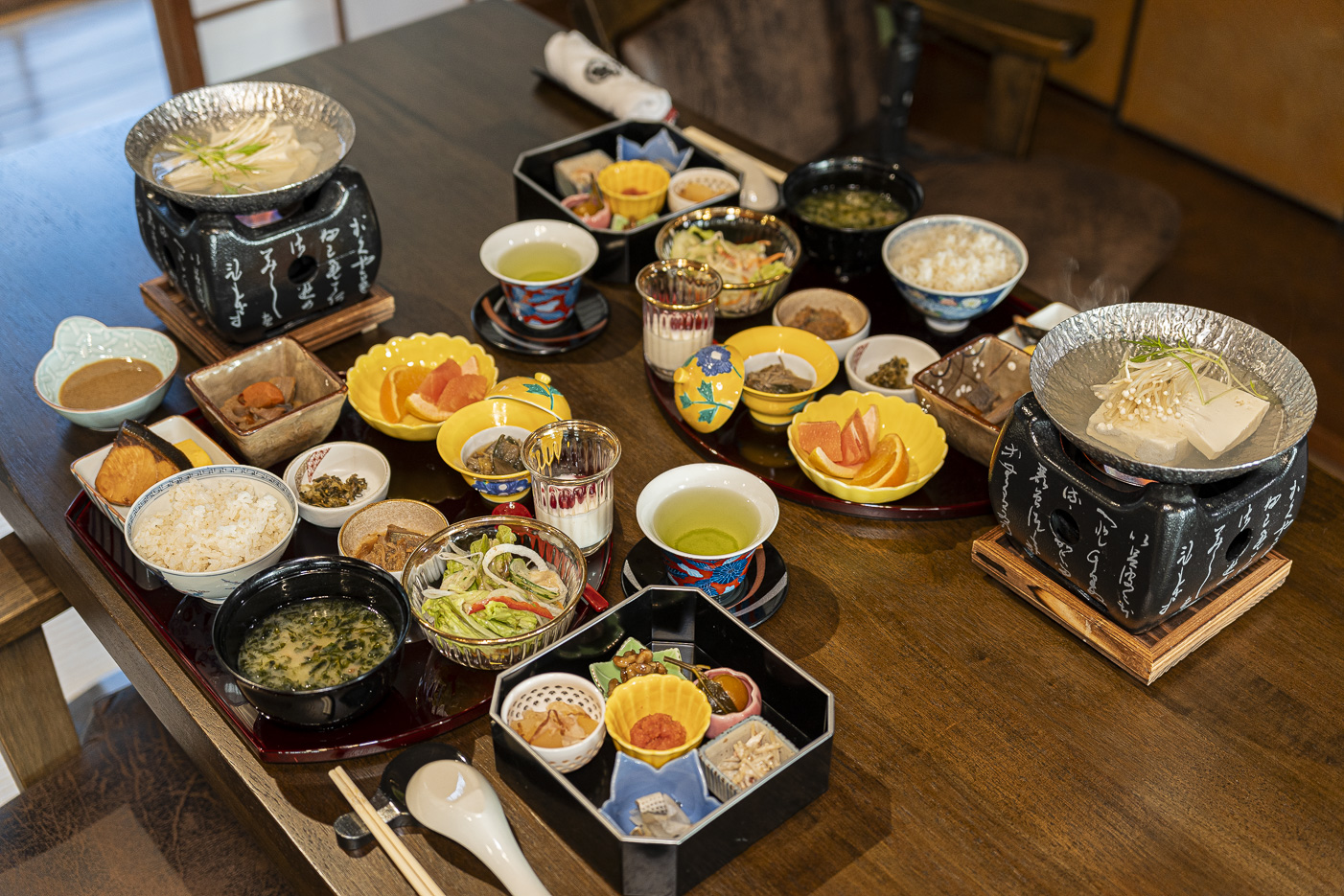
Breakfast brings tofu warmed in a pot, rice and soup. Good rice makes the morning simple.
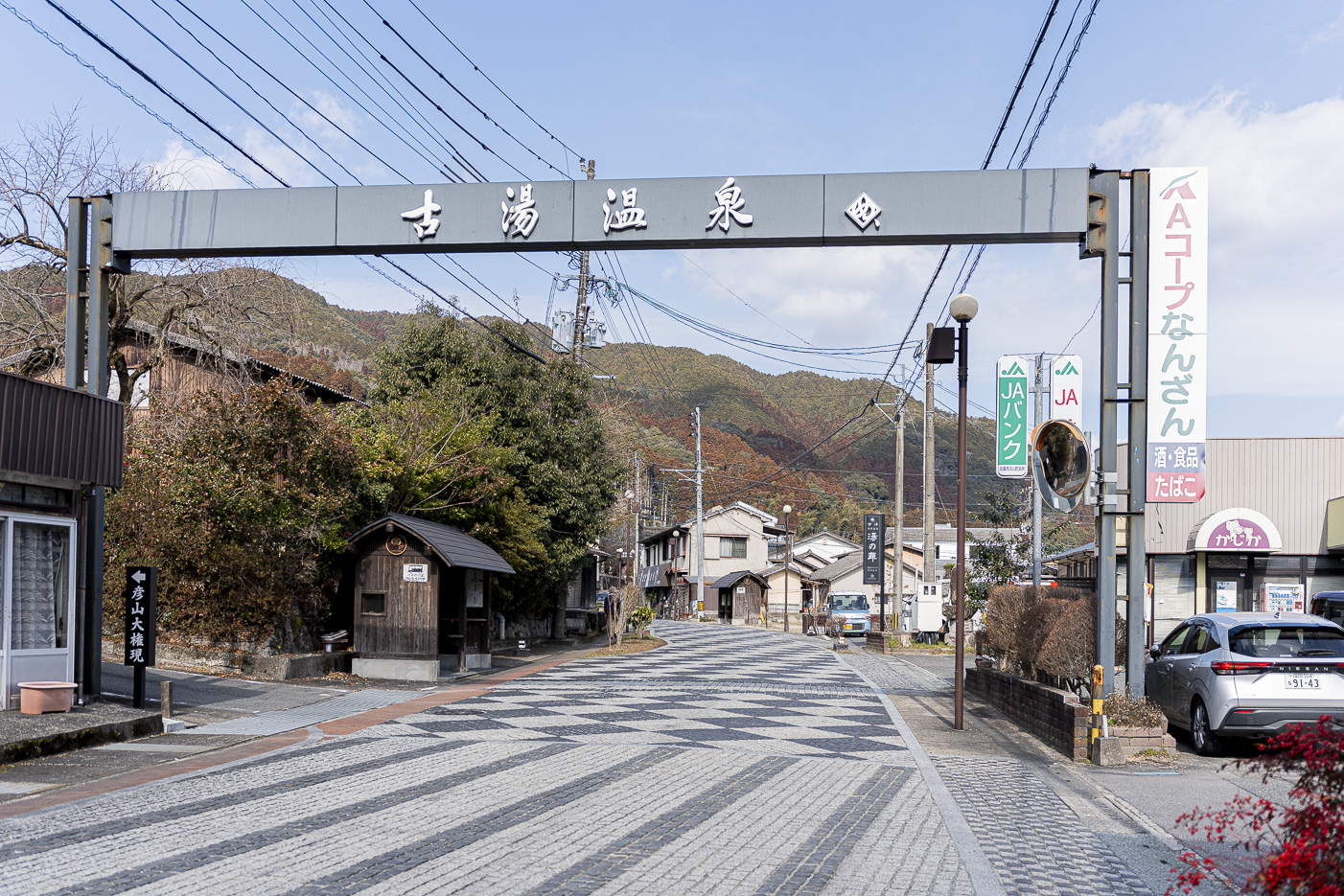
After checkout, we return toward Saga Station and move on to Furuyu Onsen. The air changes in the quiet valley. Its appeal is a gentler water temperature and an unhurried, old-fashioned atmosphere—a natural fit for a ryokan.
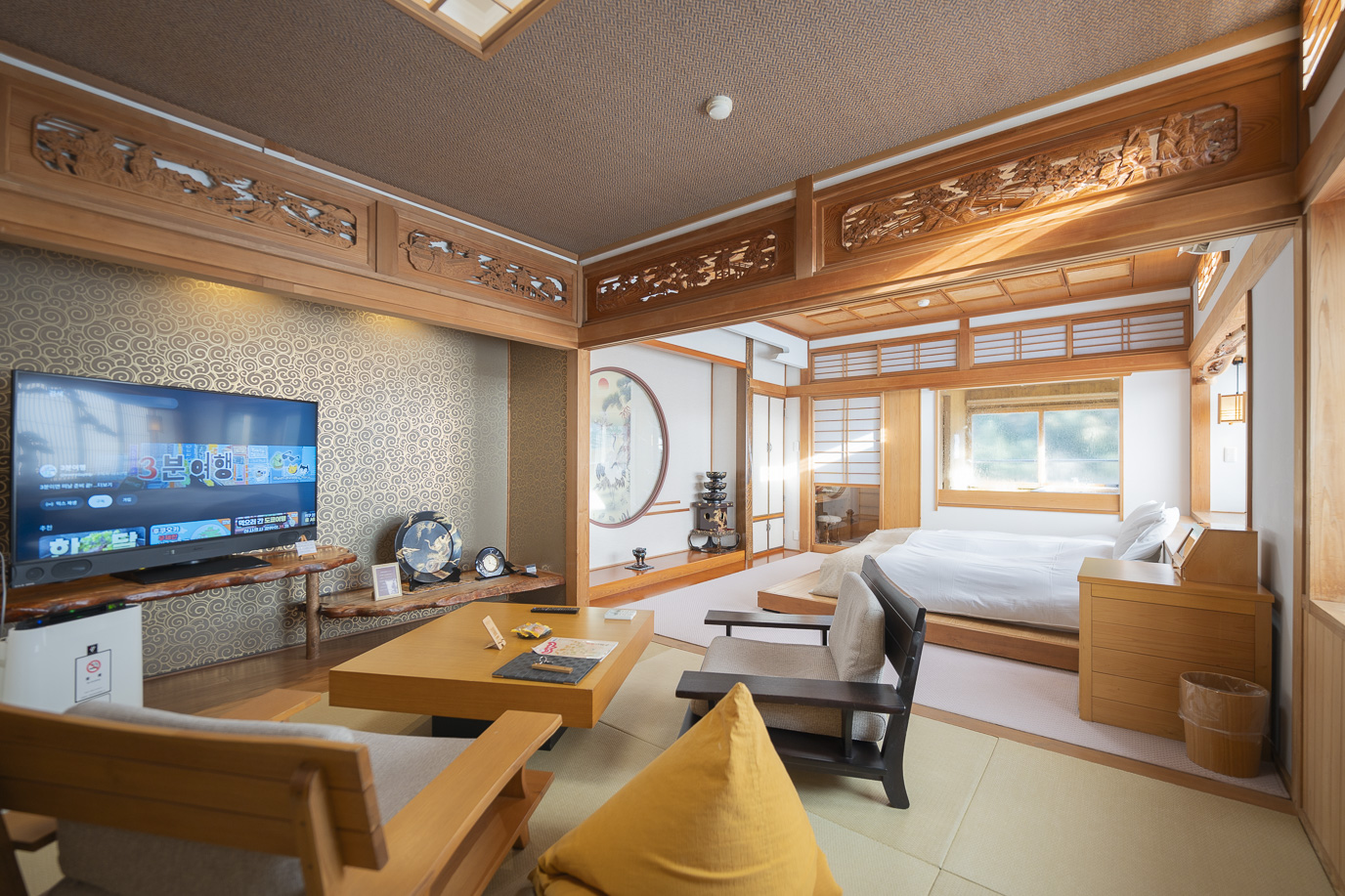
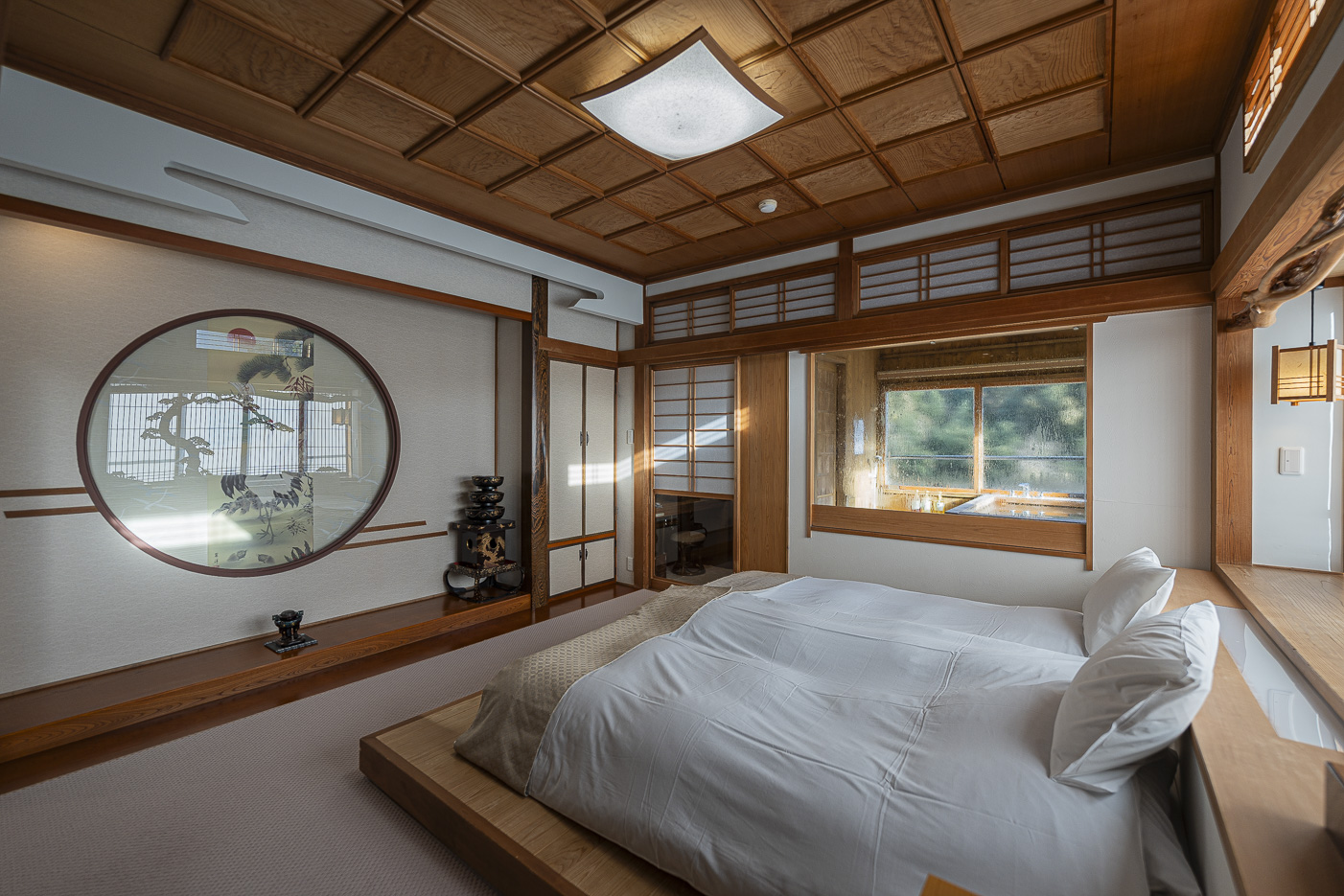
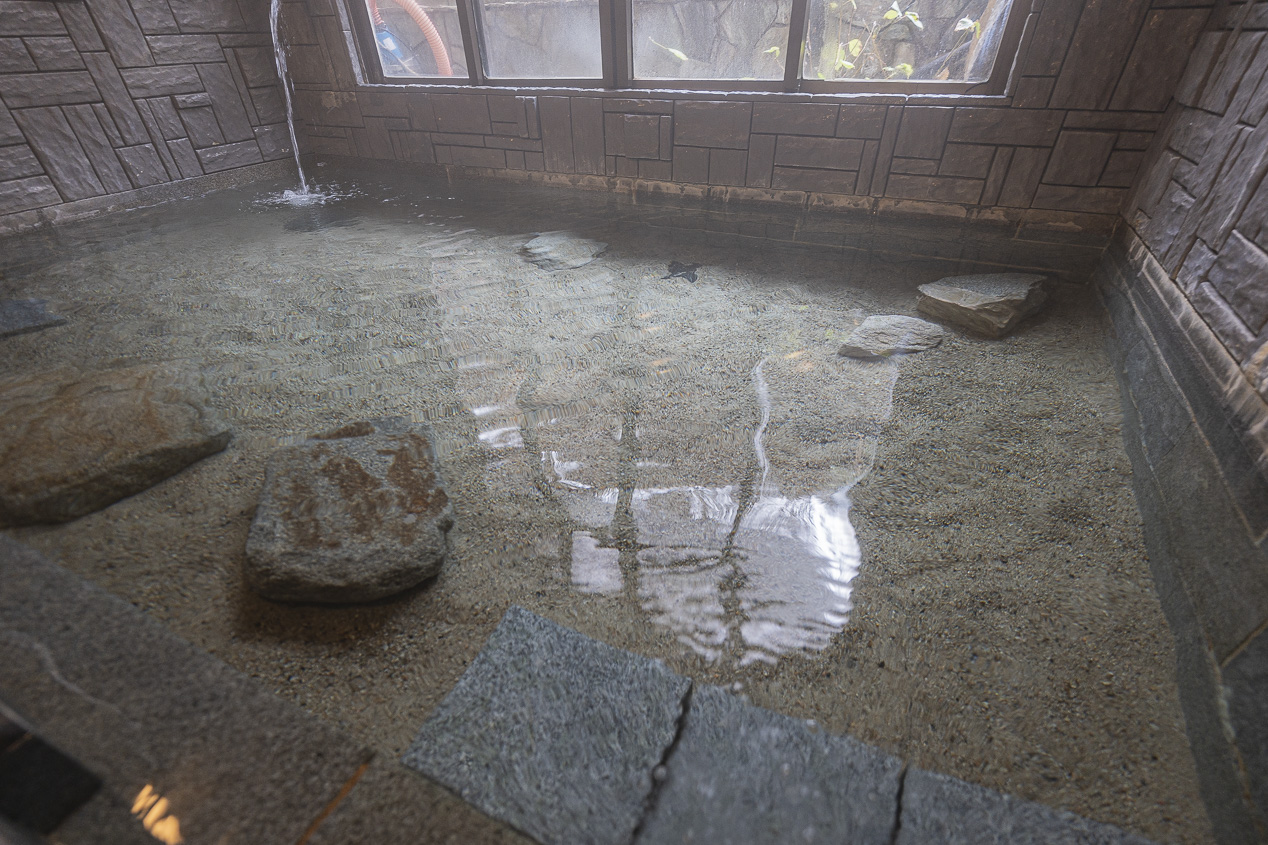

In Furuyu, we visit Kakureisen (鶴霊泉, かくれいせん).
The onsen has its own story, associated with a crane-repayment legend, and a distinctive natural sand-bottom bath called sunayu.
The water feels fairly lukewarm, particularly the sand bath, which might seem cool if you expect intense heat. I enjoy its smooth touch instead. In my memory, the room’s garden, river and mountain views and the hinoki tub are particular attractions. On-site information said the hot-spring supply could stop between midnight and 6 a.m., making an earlier bath more convenient. These are conditions from the visit, not a current operating promise.
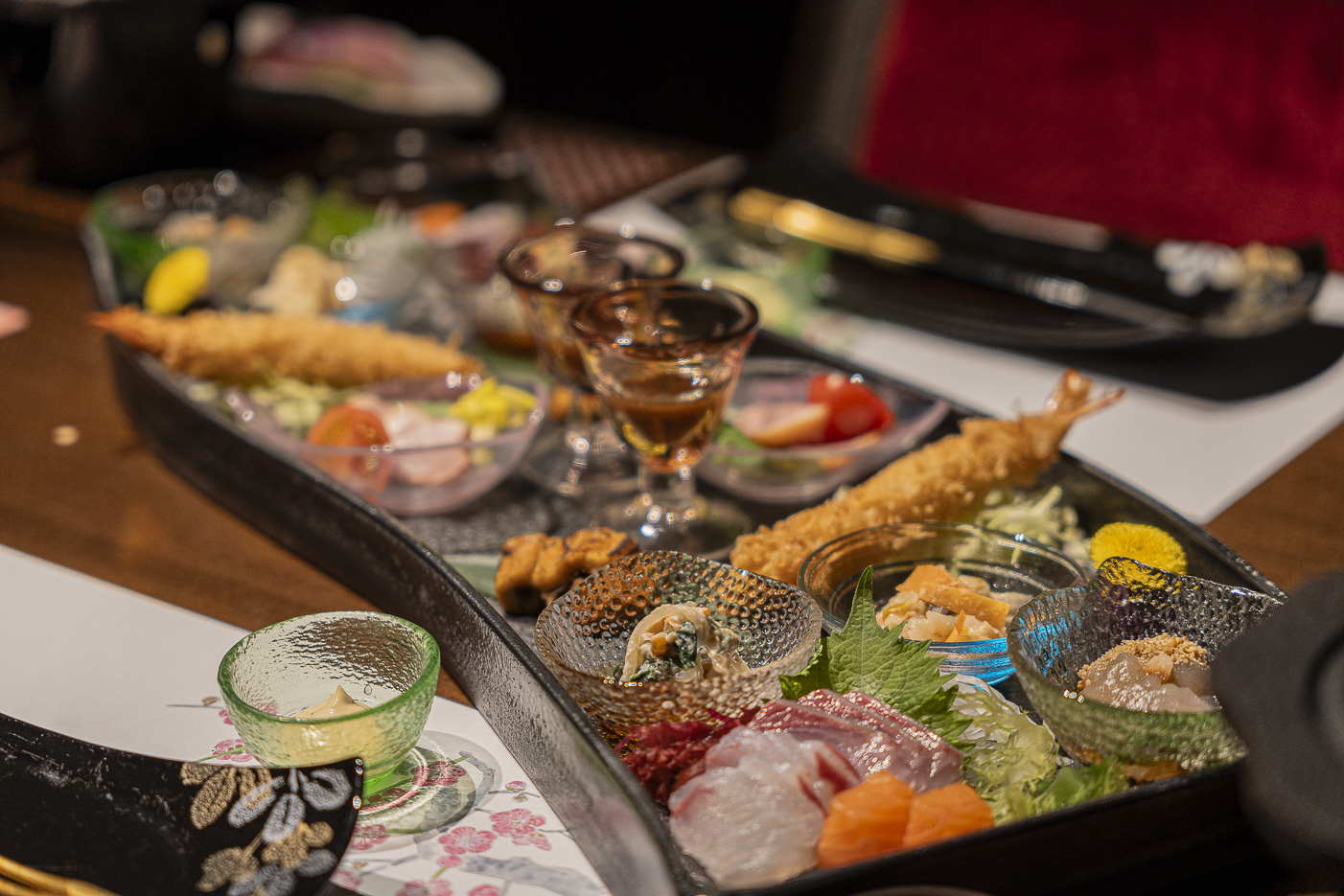
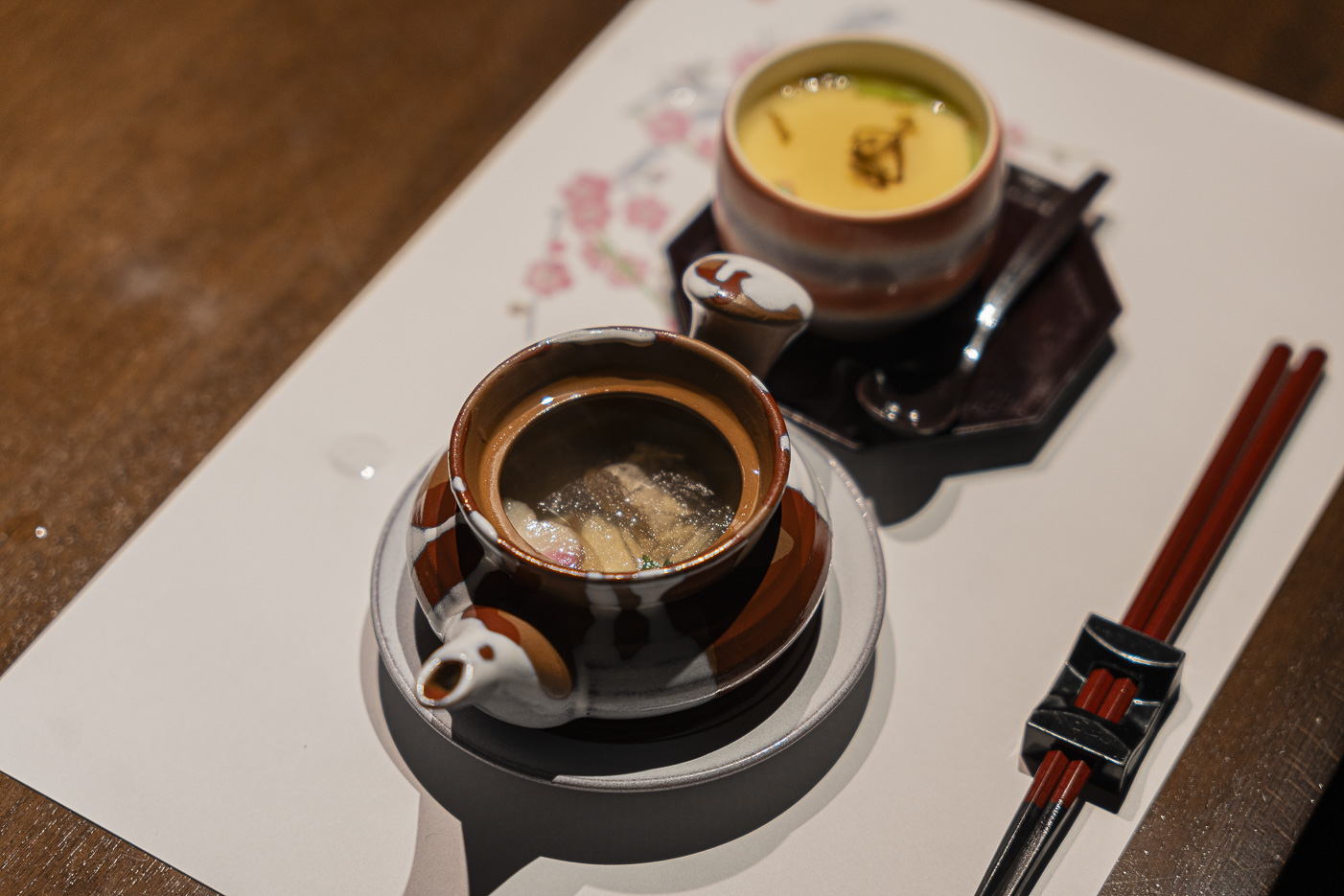
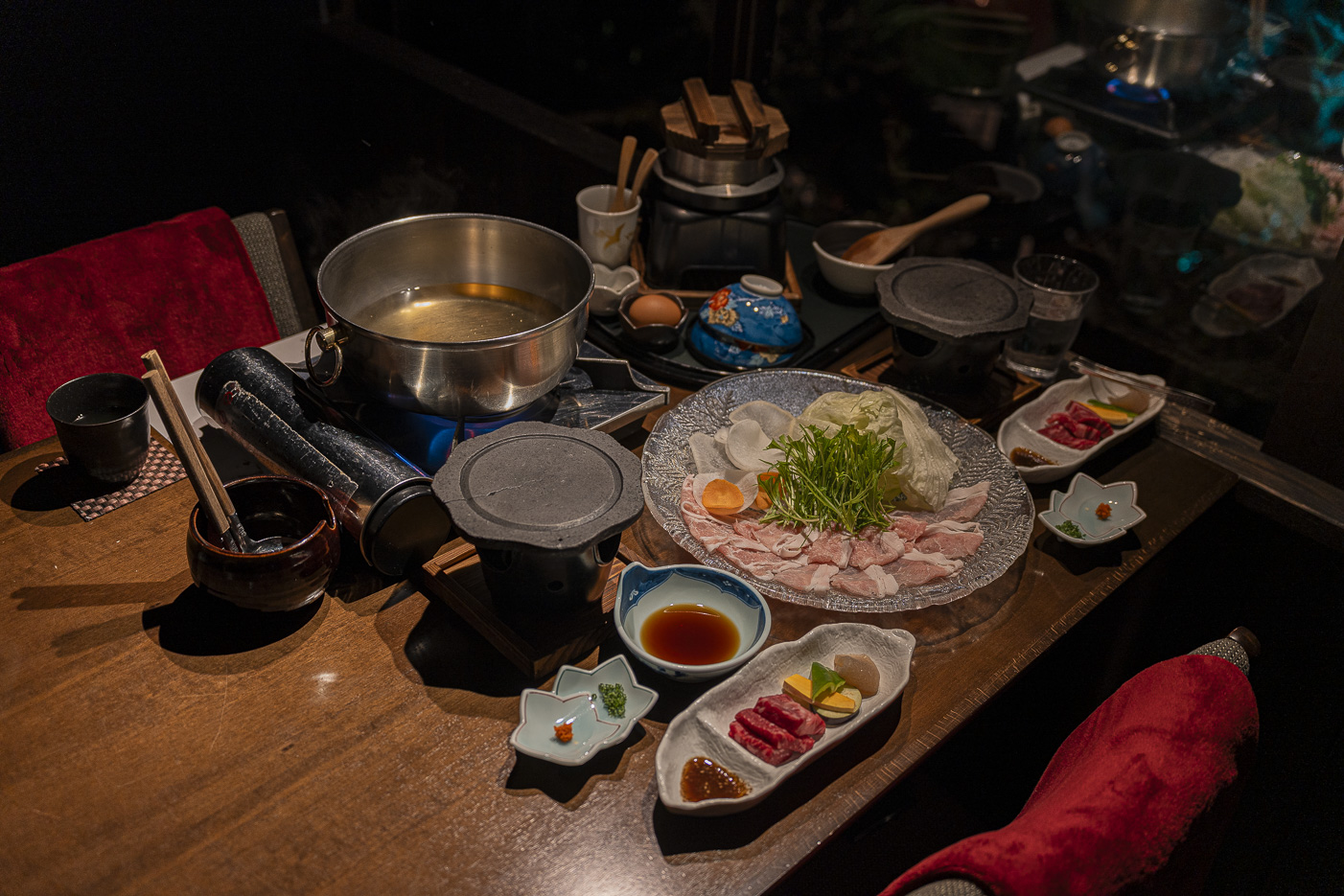
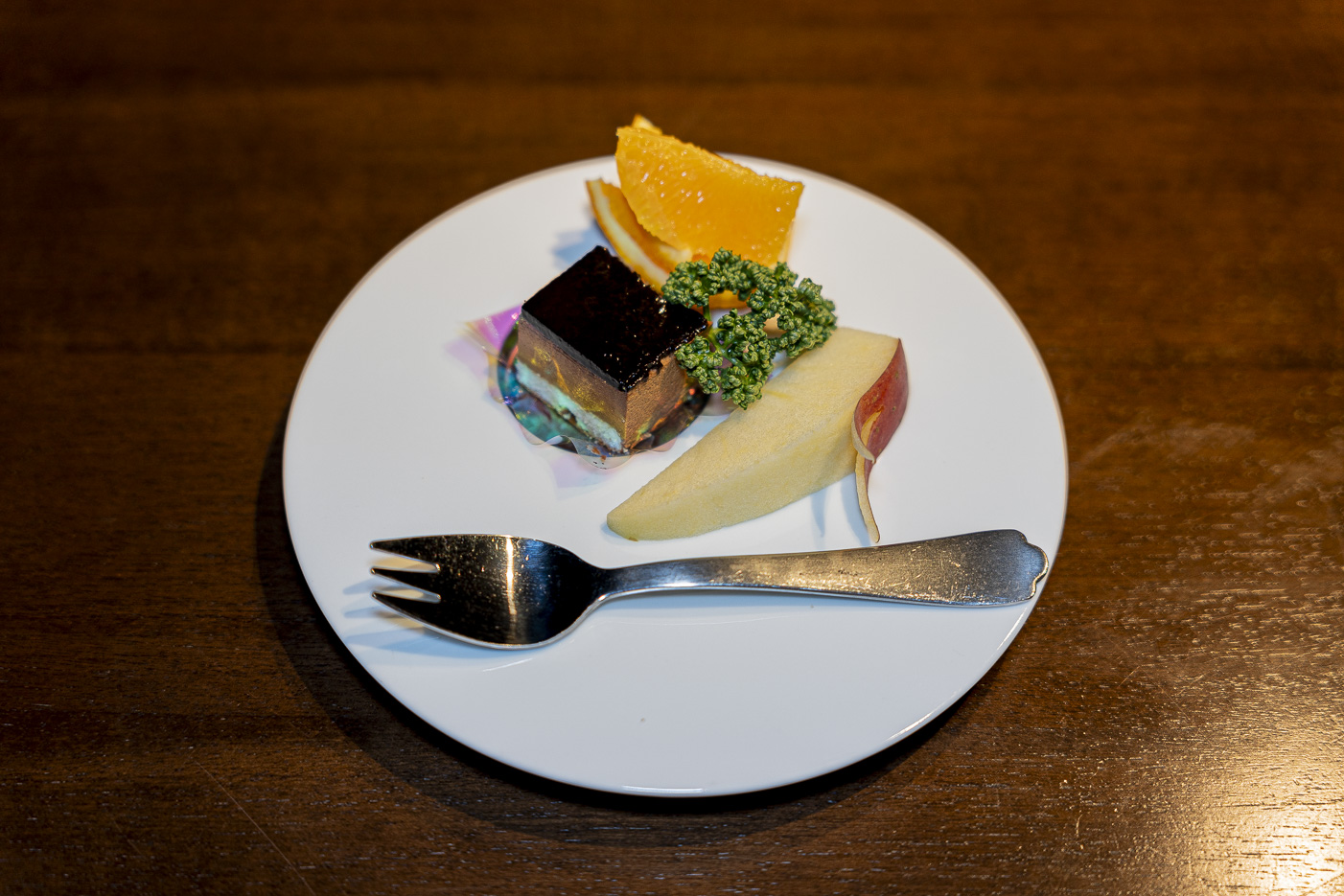
The food is neatly presented without excess. I especially like the Sakura Pork shabu-shabu course. Sweet pork flavor enters the broth, which becomes a rice-porridge finish. Quietly impressive.
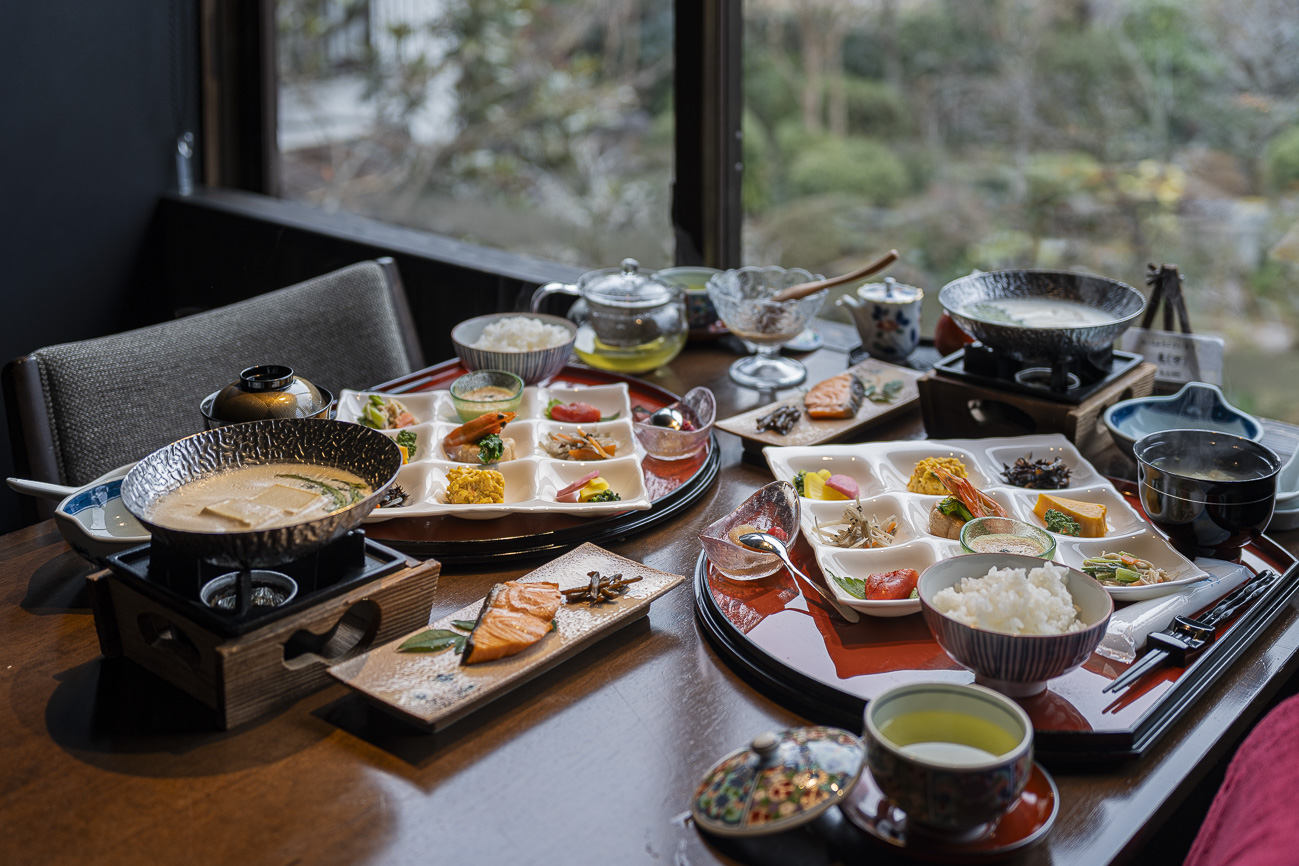
Glossy breakfast rice and many small dishes encourage another helping.
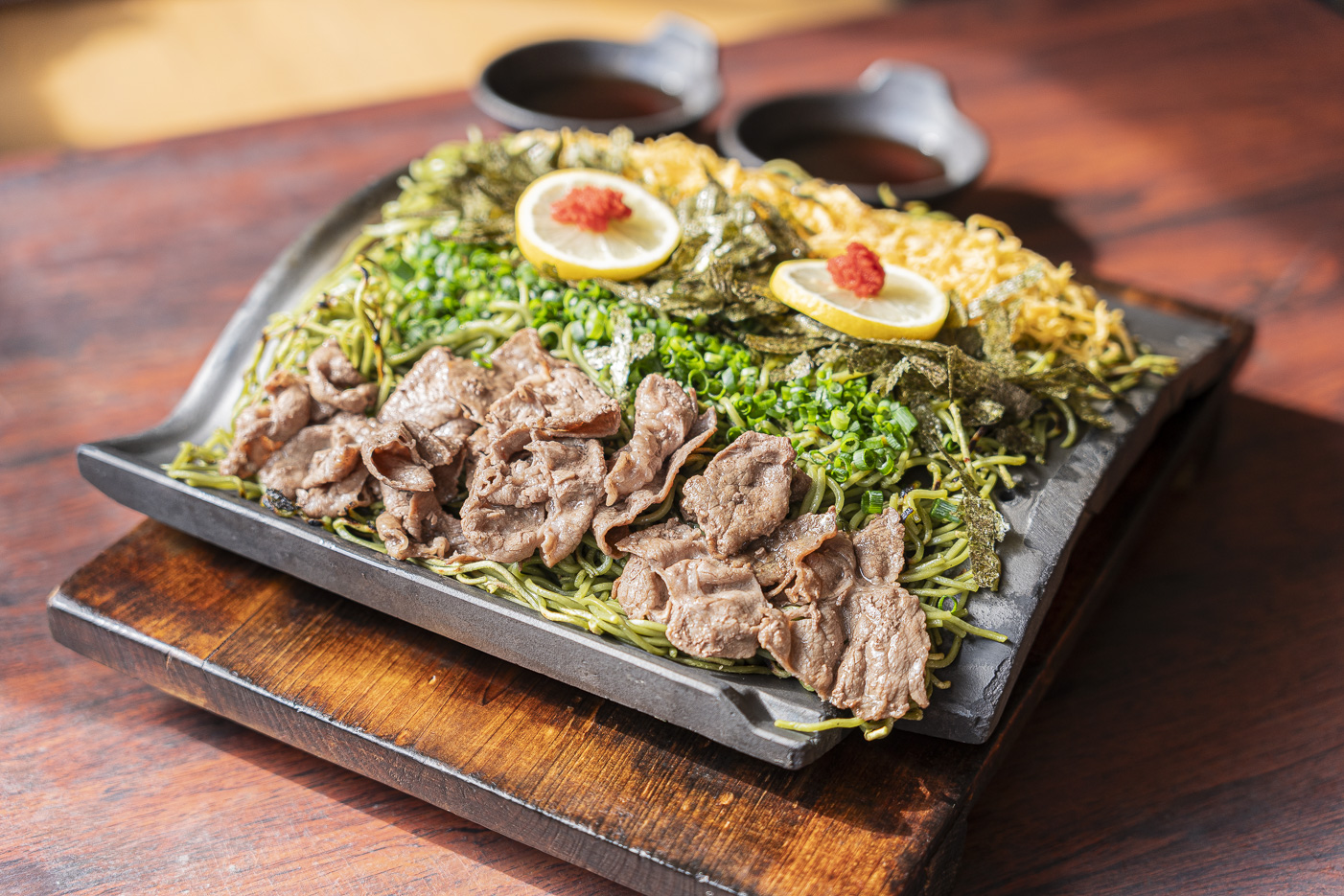
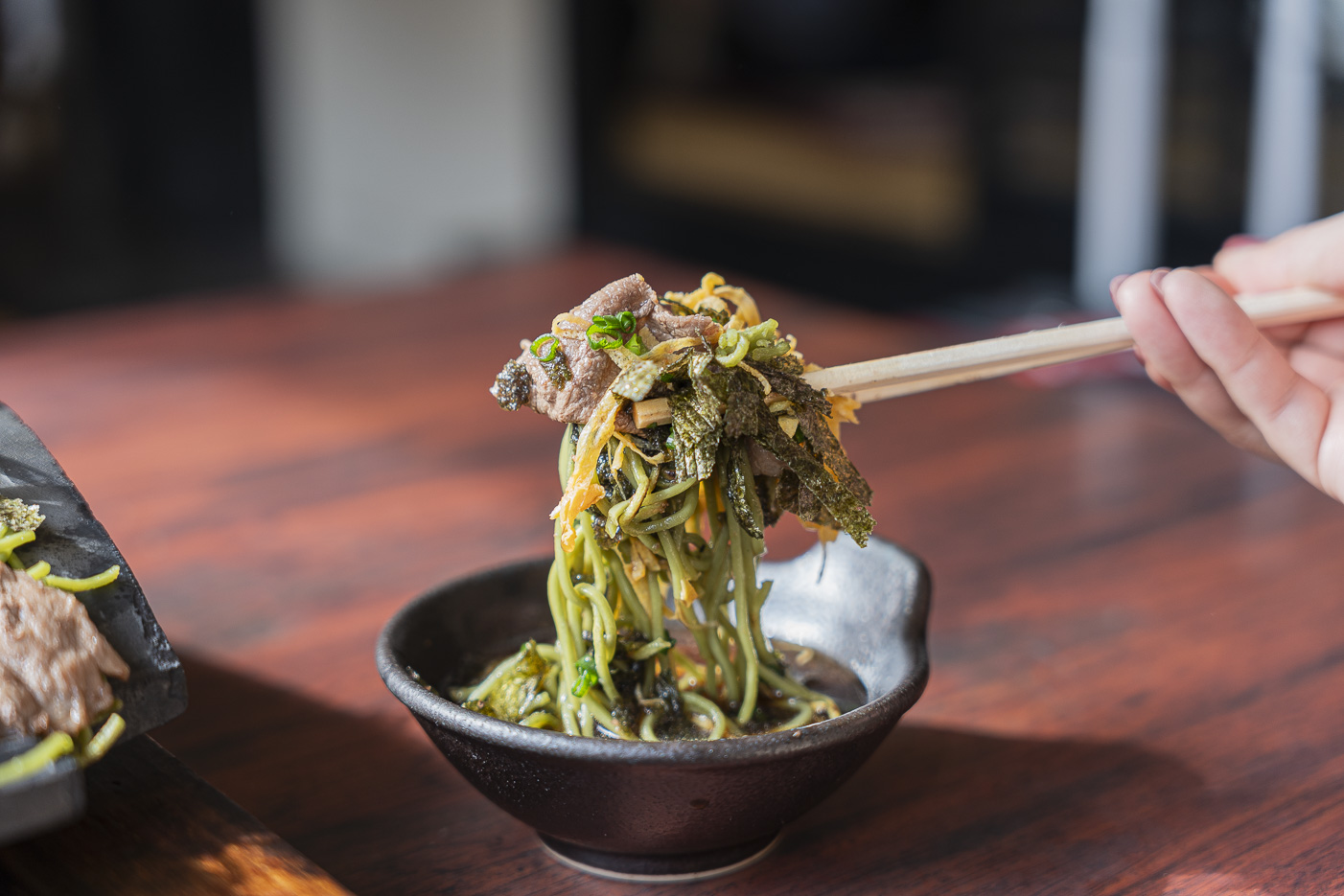
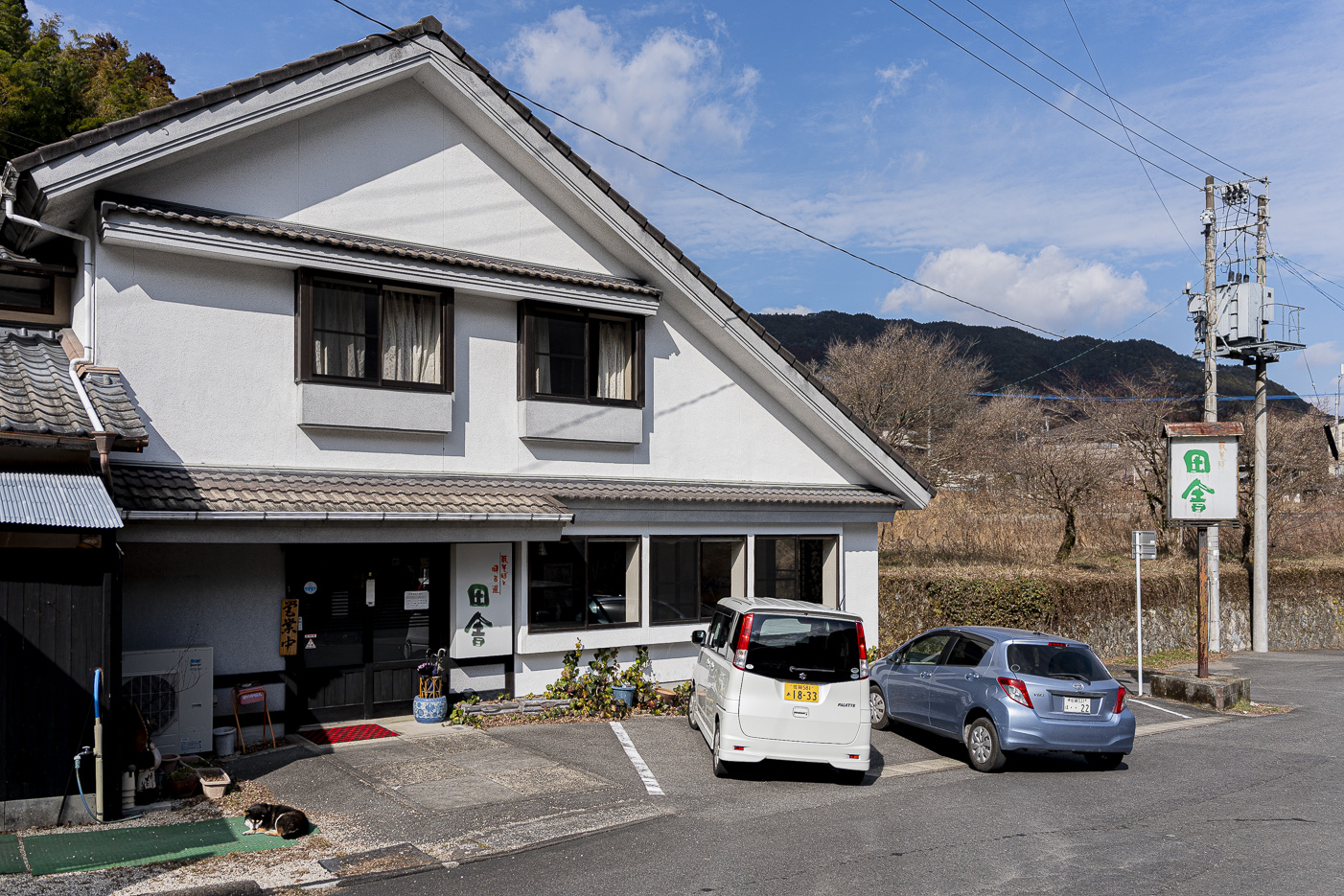
After checkout, lunch is kawara soba at Inakaya (田舎や). Green-tea noodles sit on a large roof tile, some crisp underneath, with lemon and momiji-oroshi adding brightness. Simple, but easy to keep eating. I understand the local following.
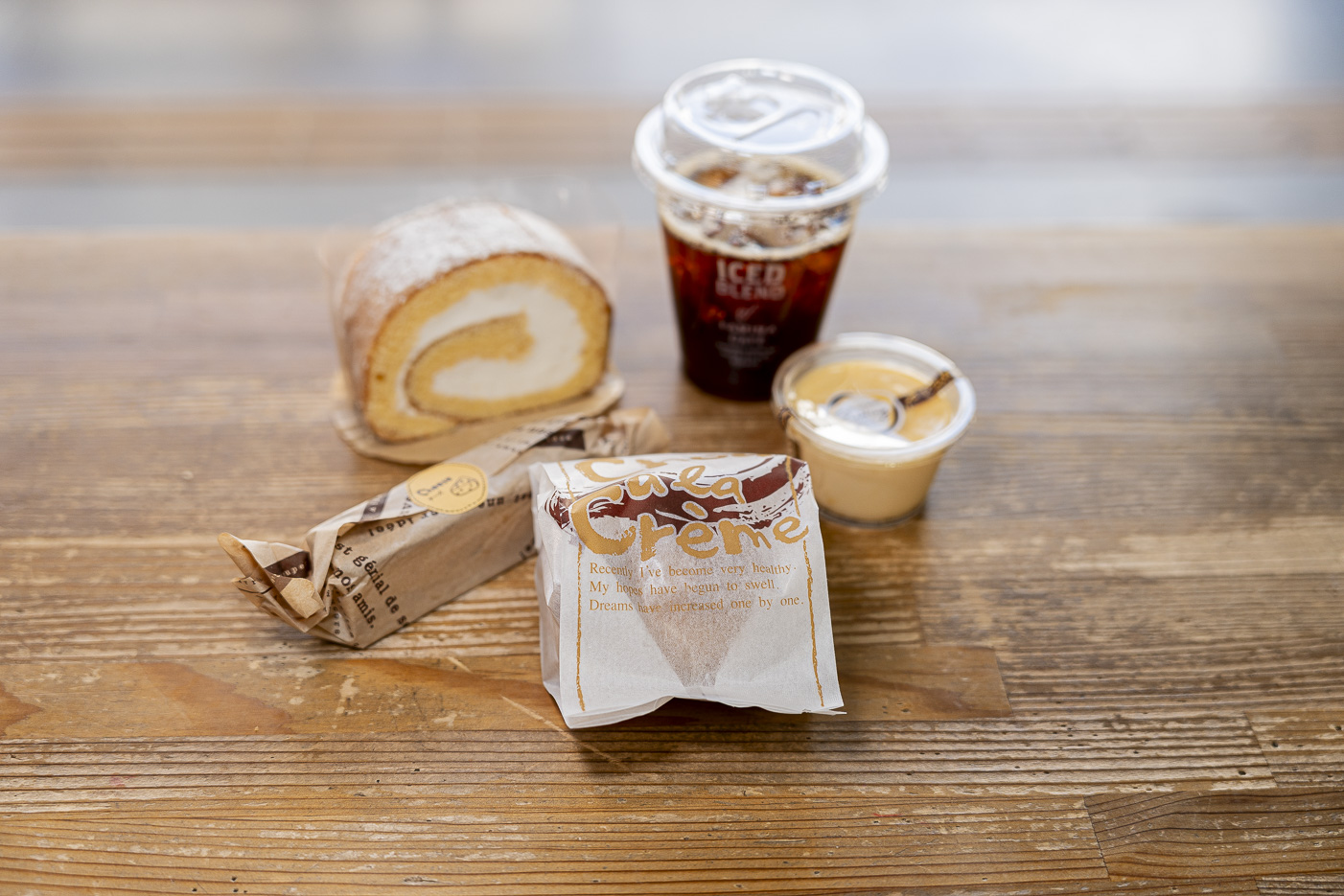
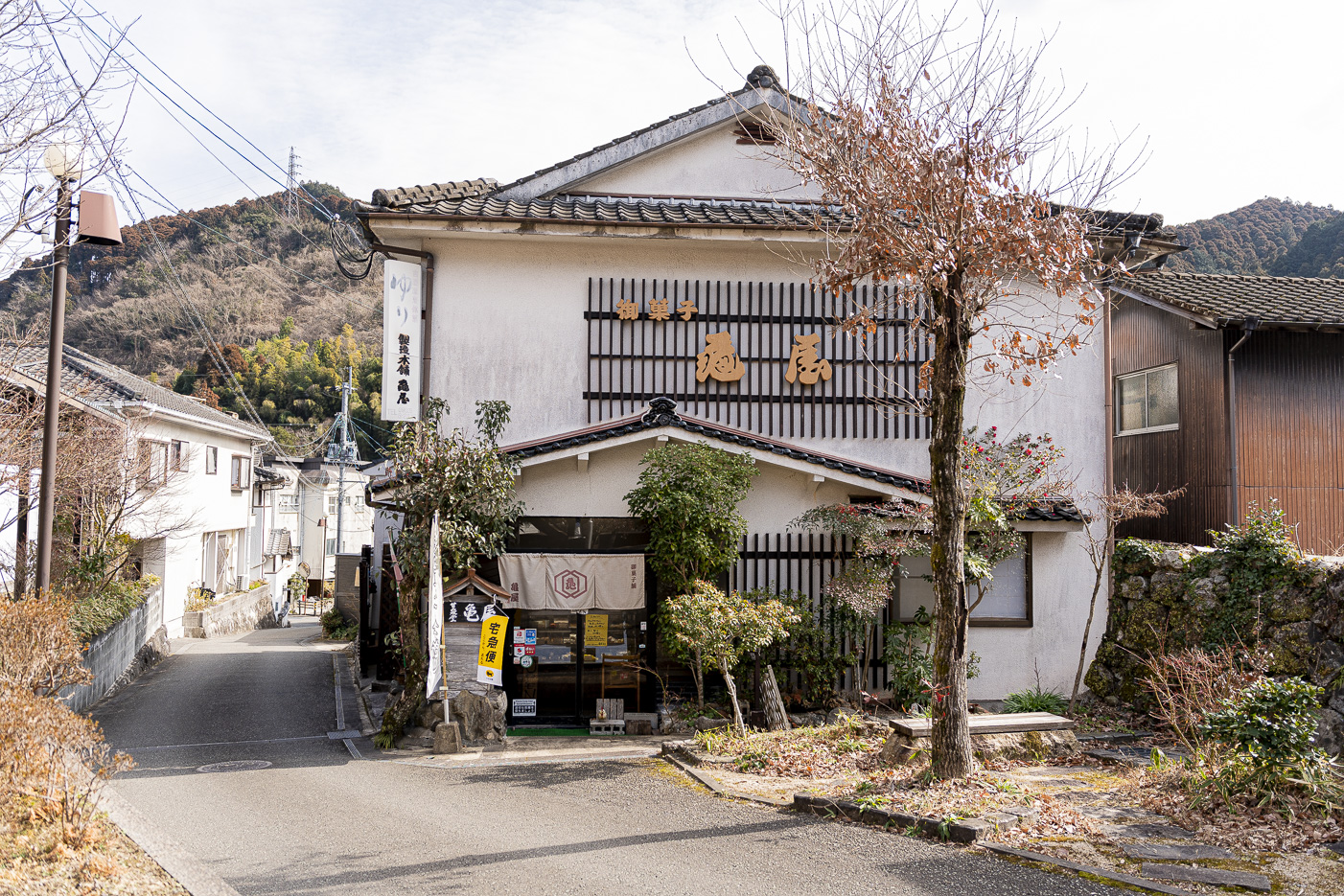
We add dessert in Furuyu at Kansendo Kameya (甘泉堂 亀屋), tucked into a narrow lane. The detailed explanations inspire confidence. The Furuyun Roll has light cream and more depth than expected. A classic cream puff is JPY 150, and the pudding is restrained in sweetness with clear egg flavor. Such good sweets in a mountain onsen town make it feel like a little secret discovery.
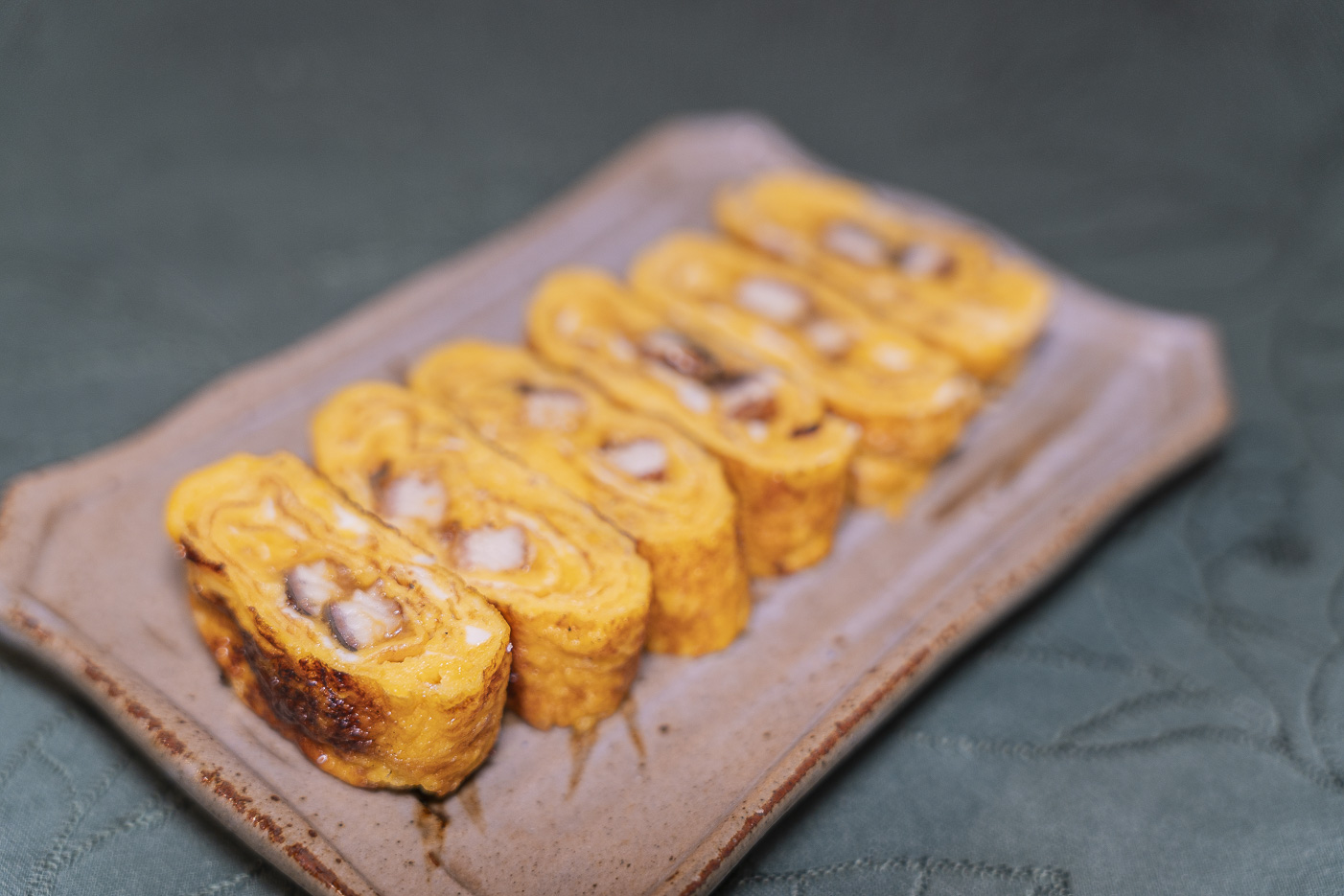
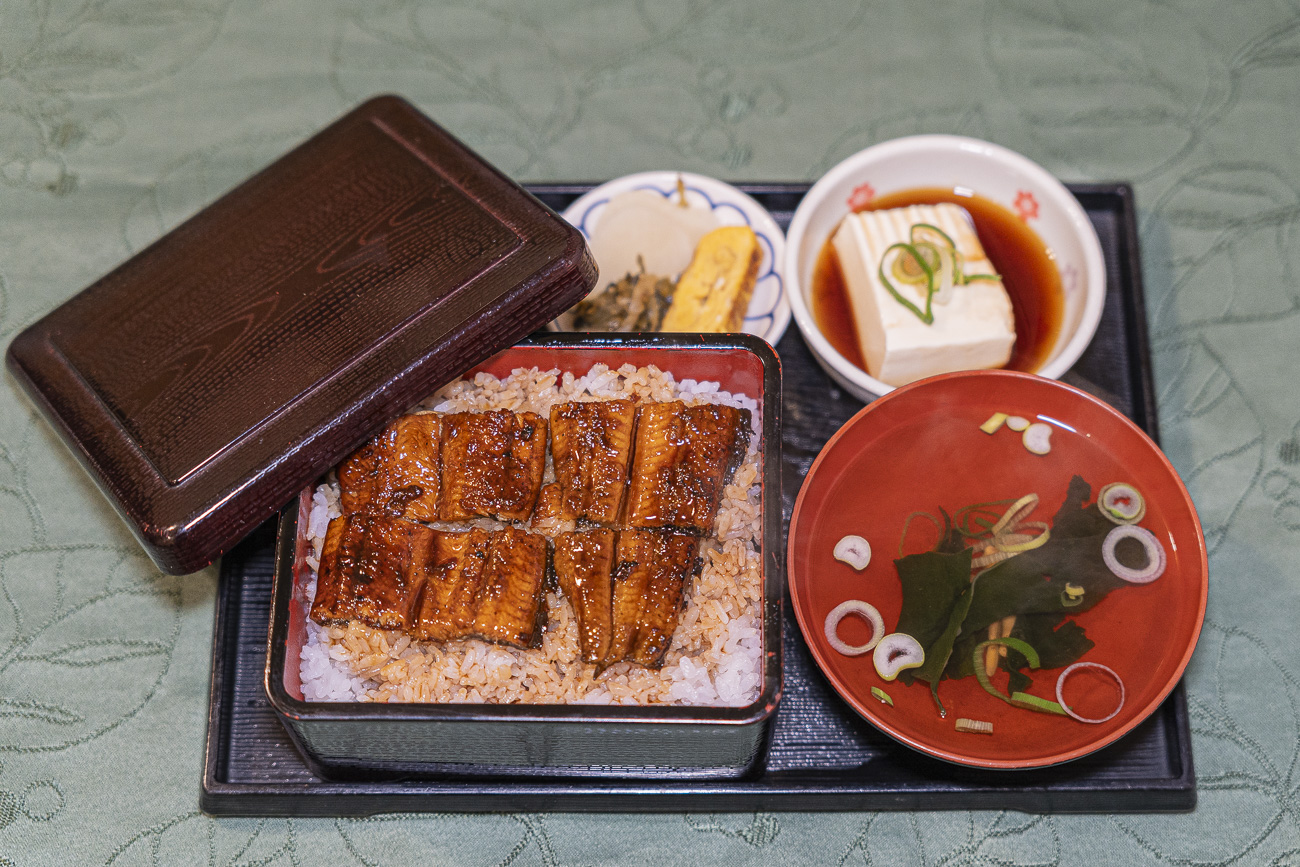

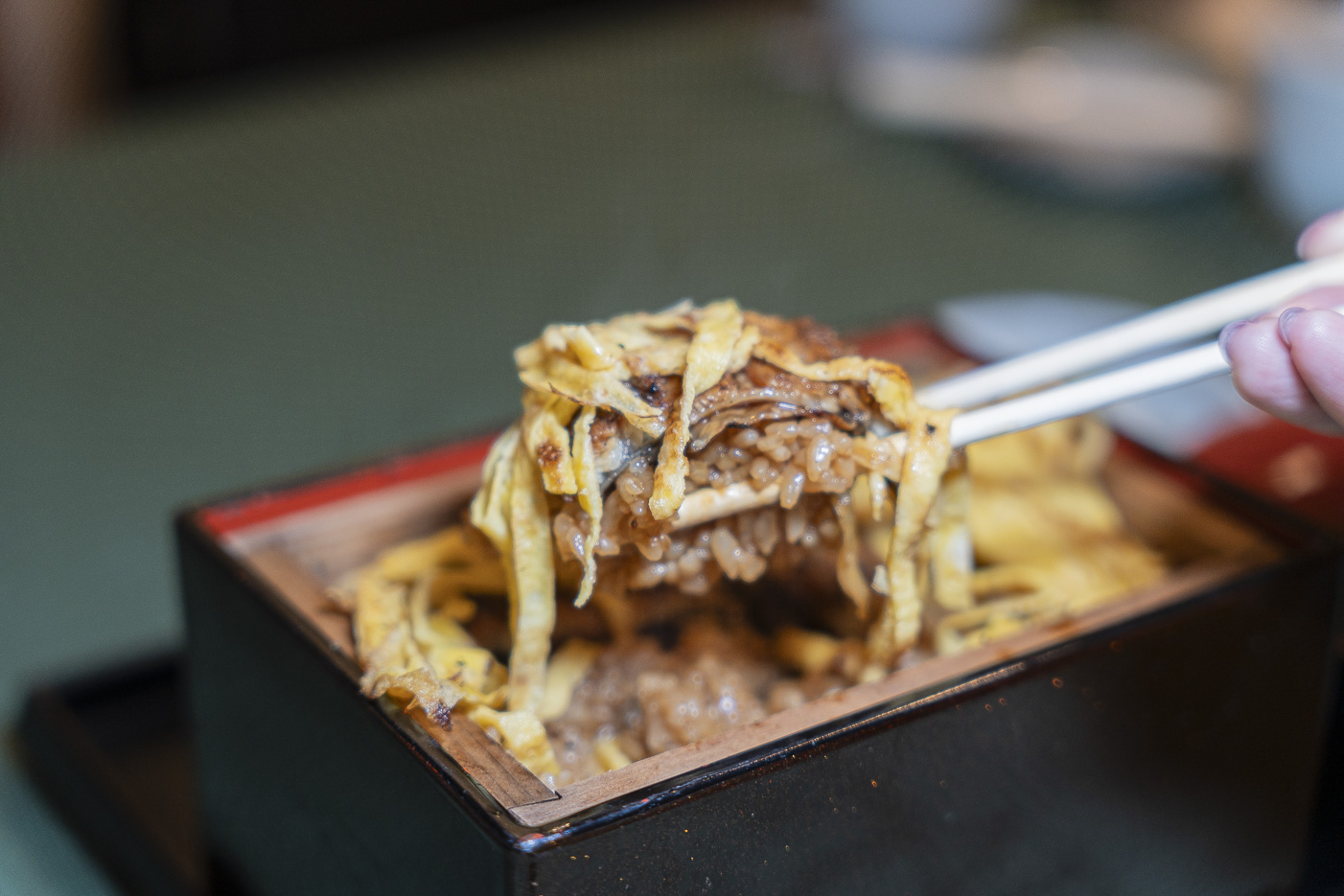
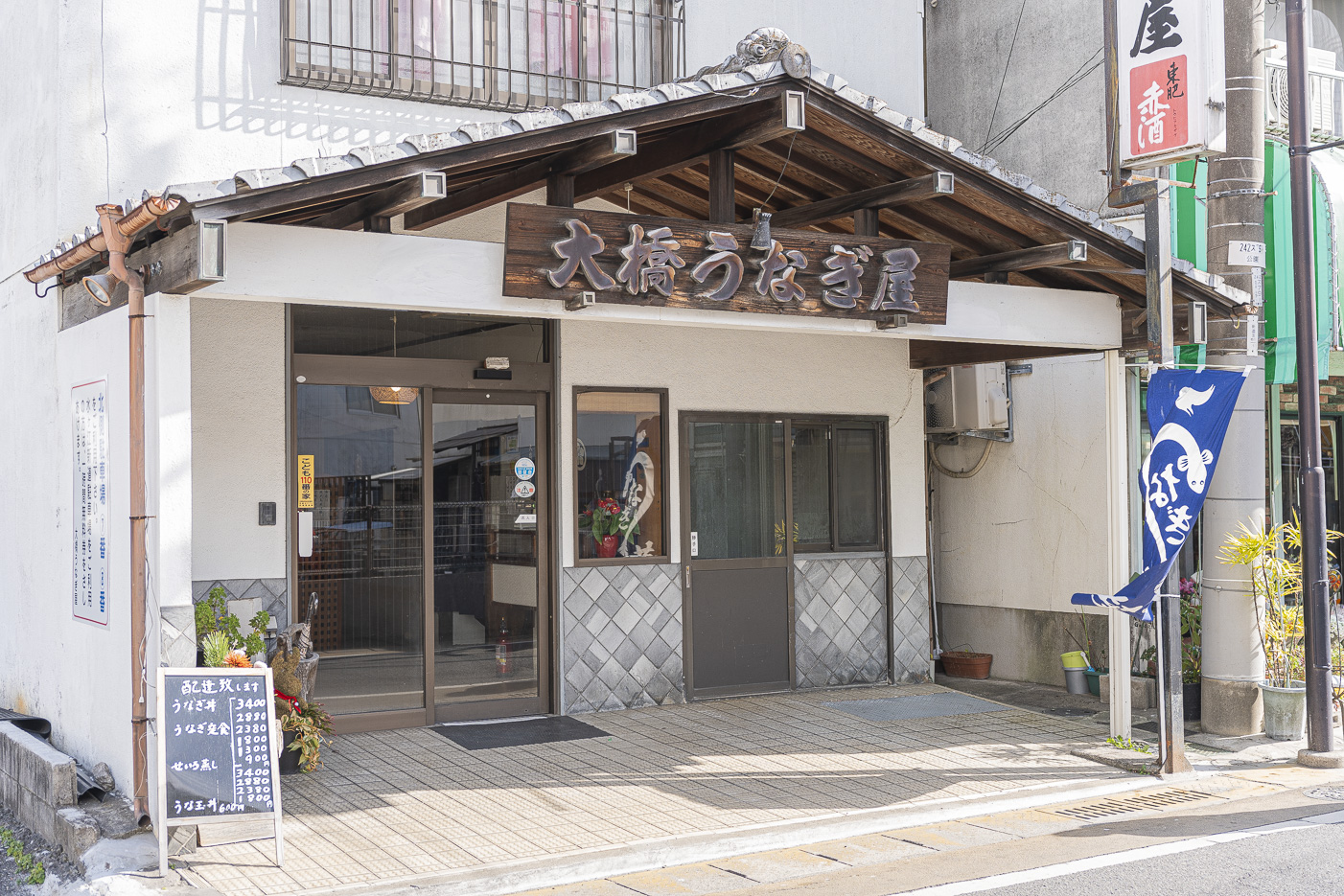
Back near Saga Station, we eat at Ohashi Unagi (大橋うなぎ屋), an established eel shop whose prices strike me as unexpectedly kind.
I try umaki and seiro-mushi and think about unadon as well. Sweet tare reaches into the rice, balanced by sansho. The eel emphasizes grilled aroma rather than extreme fluffiness: eel to enjoy through its fragrance.
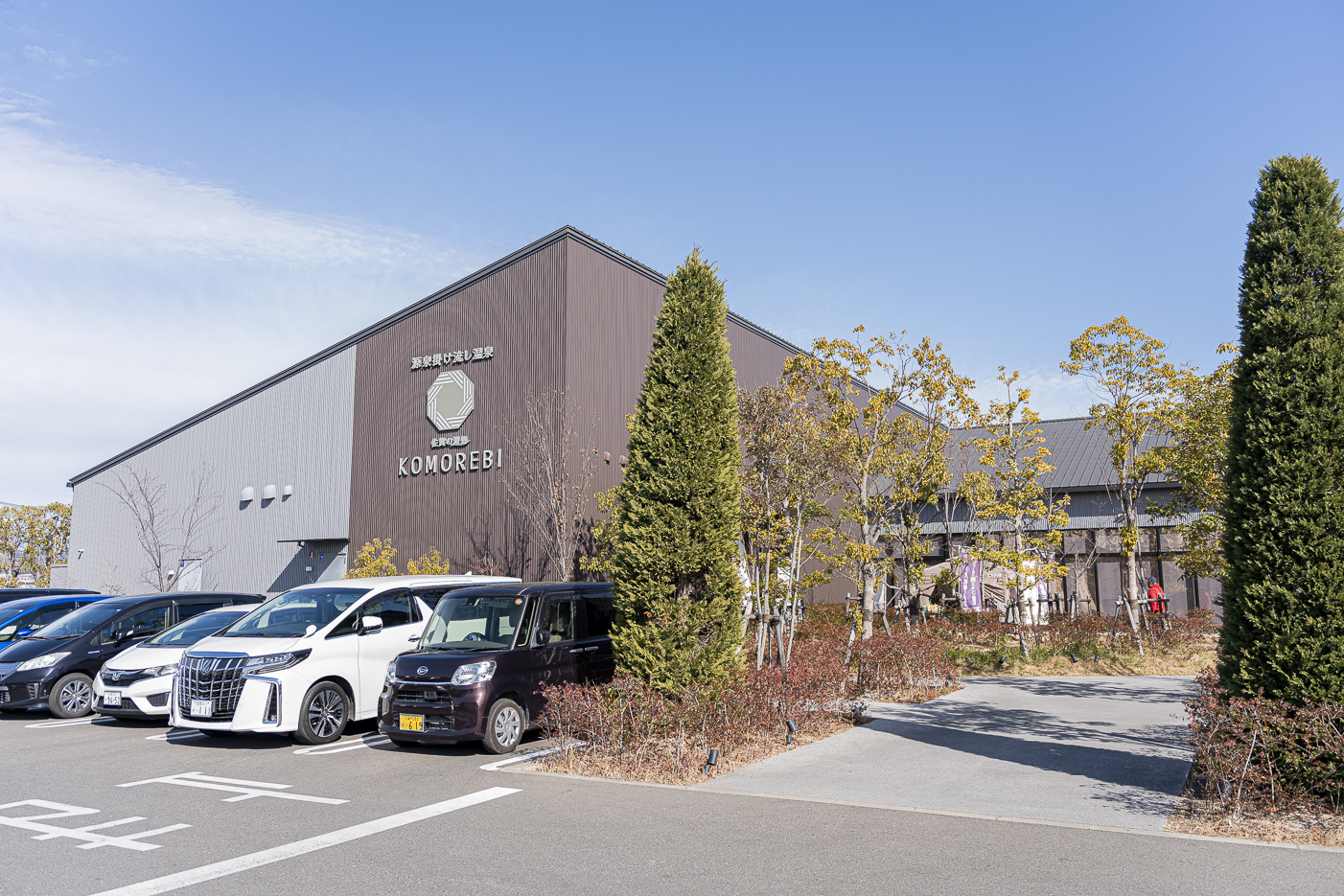
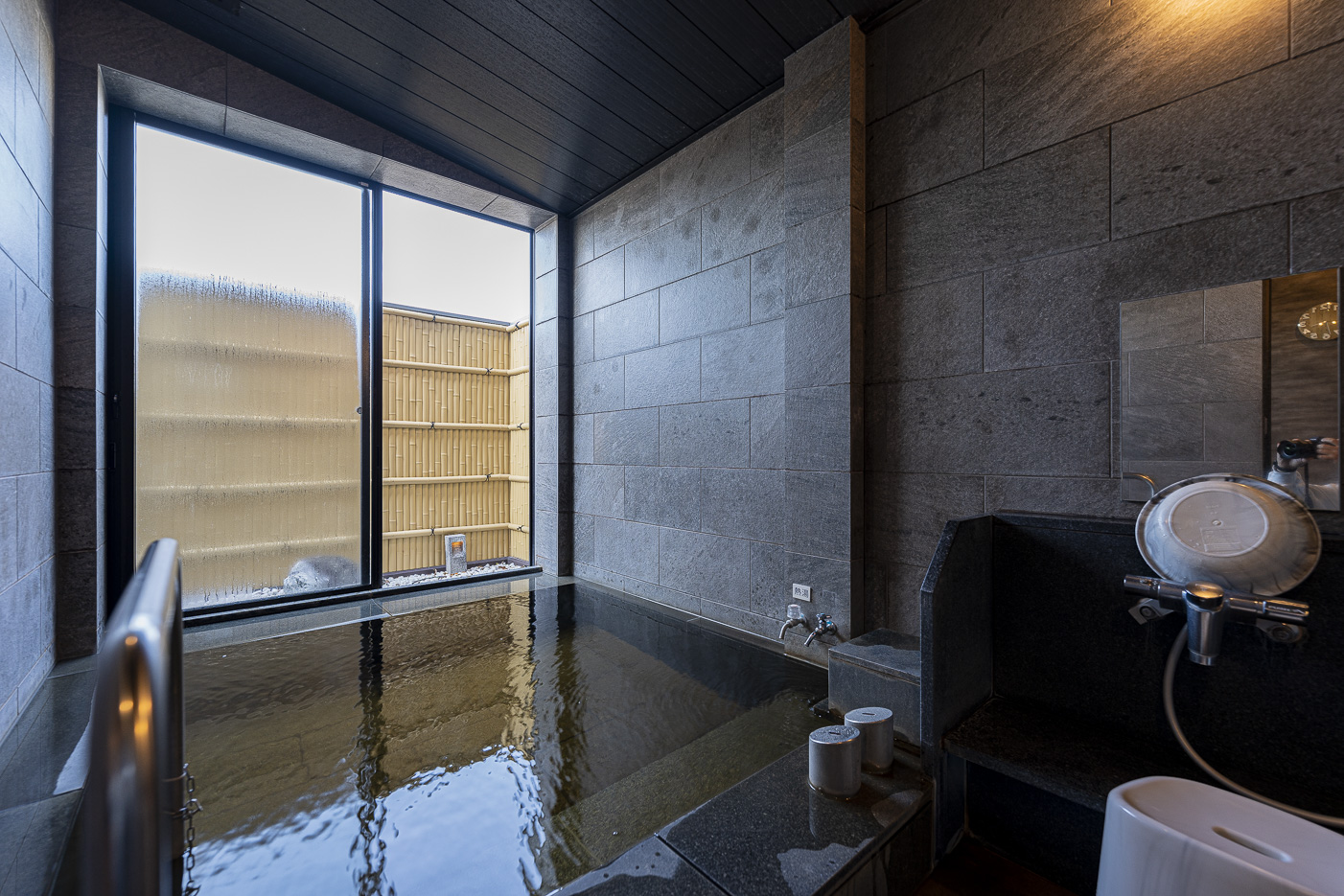

For a final indulgence, we go to Saga no Yudokoro Komorebi (佐賀の湯処 こもれび). Its day-use concept is clear: a slightly luxurious day with an organized system. The source quotes JPY 980 admission, JPY 1,300 on weekends, for the communal bathing facilities.
Private family baths started at JPY 2,000 for 60 minutes on weekdays and JPY 2,600 on weekends.
The water is what I enjoy most, with the slippery feel associated in the source with a bicarbonate spring. I understand the comparison with ‘soapy water’ as a texture description.
The family bath is well maintained, with a large rest area. Telephone reservations were practically useful under the source-period system.
We find one of my favorite meals of the trip in the onsen dining room: a combination of 170 g Saga-beef hamburger steak and 150 g Saga-beef loin steak, sizzling on an iron plate. The hamburger is soft and airy; the steak has satisfying chew. With rice, it is complete. The quality feels like a restaurant meal in its own right.
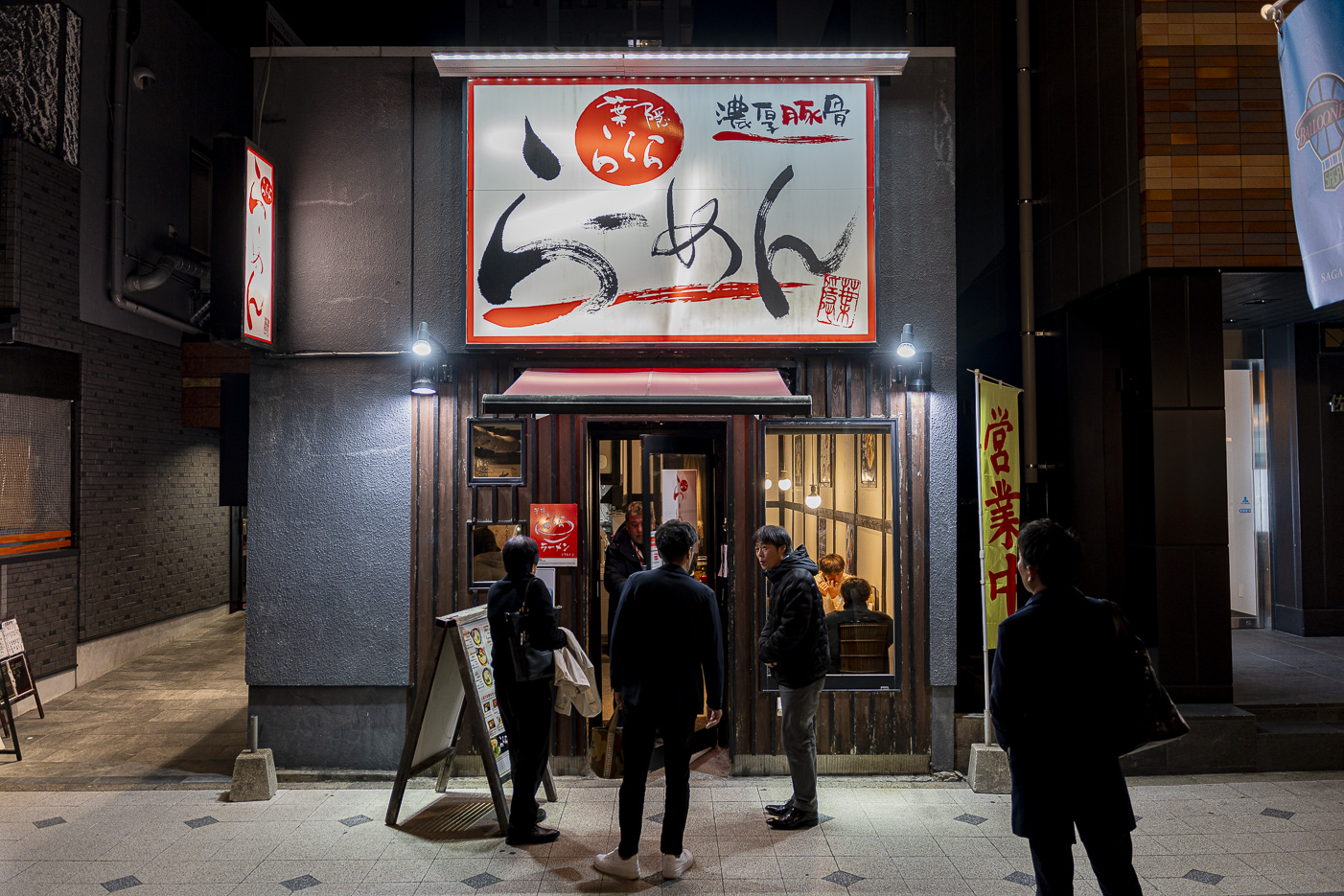
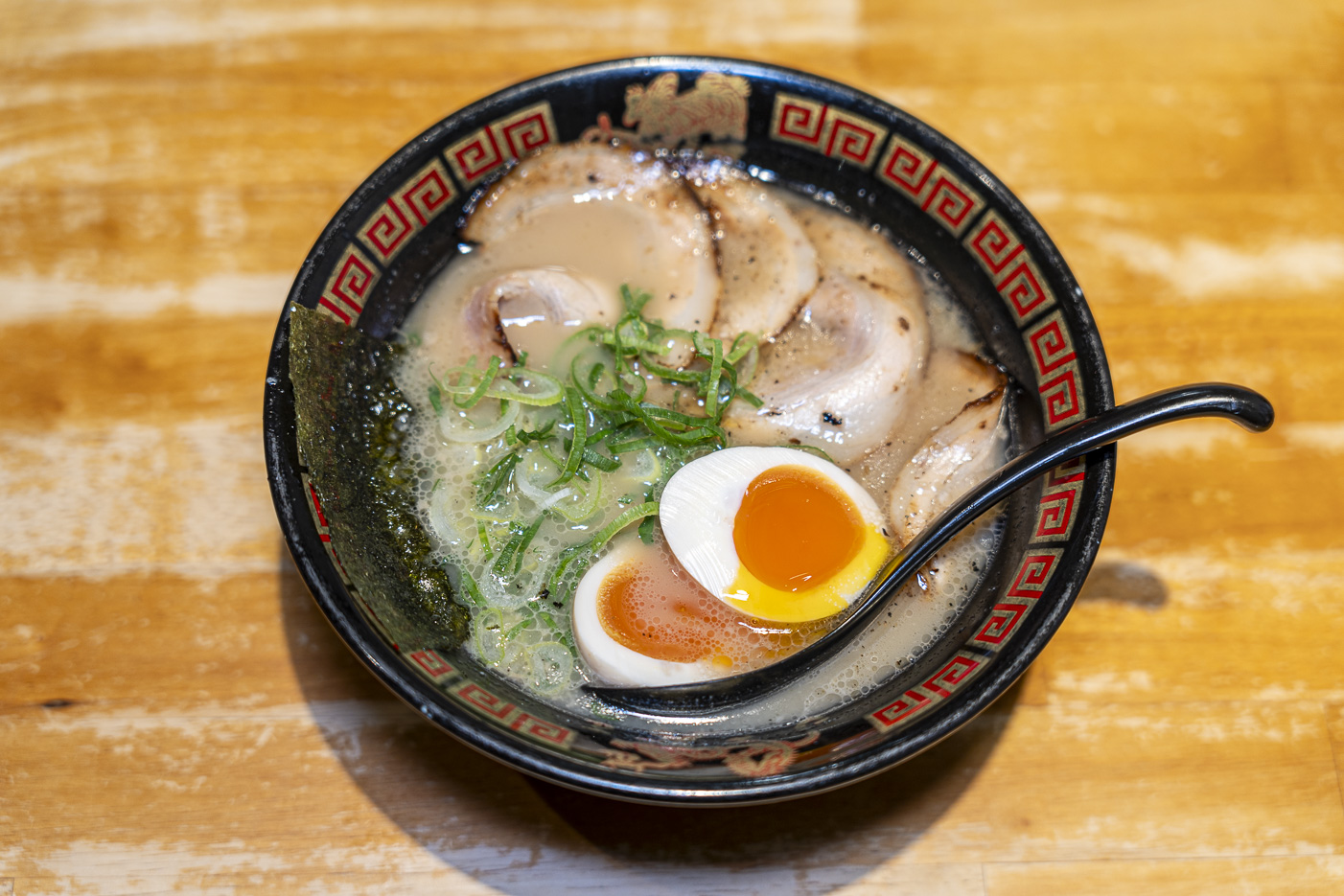
One last bowl at Rarara Ramen—today really is the finish. Then we go to Saga Station’s bus terminal and take Nishitetsu back to Fukuoka.
That is how this Saga journey unfolds.
Without pushing too hard, we do plenty.
Without extravagant spending, we encounter many good things.
Closeness makes this trip possible, and all the more enjoyable.
I already want to return.
A few ways this itinerary made Saga feel easier:
1. Start at SAGA MADO for route advice and luggage-storage arrangements.
2. The sweets ticket was valid only that day, so buying in the morning gave us time to use it.
3. A Coop was a useful dinner stop, especially for sushi.
4. Takeo provided an affordable stay and bathing to settle the pace before the next stage.
5. Komorebi combined a private bath and a meal; its stated prices and hours made planning easier for this visit.
About an hour from Fukuoka Airport,
yet that hour carries us farther from everyday life than expected.
Saga feels very good indeed.
Earlier Contributions
https://m.blog.naver.com/PostView.naver?blogId=jntopost&logNo=223720205117&navType=by
[2024 Saga] Ureshino, about 25 Minutes by Shinkansen from Nagasaki
Ureshino in Saga is described as around 25 minutes by Shinkansen from Nagasaki Station and among Japan’s three beauty-water onsen… [Original linked excerpt ends here; ‘beauty water’ is a traditional claim.]
blog.naver.com
https://m.blog.naver.com/PostView.naver?blogId=jntopost&logNo=223720199170&navType=by
[2024 Saga] Tasting and Feeling Saga
Saga, known here as a food-focused destination, includes places introduced in the Michelin Guide… [Original linked excerpt ends here.]
blog.naver.com
https://m.blog.naver.com/PostView.naver?blogId=jntopost&logNo=223720199389&navType=by
[2024 Saga] Traditional Flavor, Modern Feeling: Saga’s Ceramic Culture
Arita in western Saga is introduced as the birthplace of Japan’s early porcelain, influential beyond Japan… [Original linked excerpt ends here.]
blog.naver.com
https://m.blog.naver.com/PostView.naver?blogId=jntopost&logNo=223720199016&navType=by
[2024 Saga] Spring Scenery Colored by Cherry Blossoms
Spring in Japan brings cherry blossoms to mind, with families and friends gathering in parks and beside rivers… [Original linked excerpt ends here.]
blog.naver.com