About an hour by car from Fukuoka or Kitakyushu, Fukuchi (福智町) lies in central-to-northeastern Fukuoka Prefecture. Alongside rice and fruit grown in its rich natural setting, it is known for kilns making Agano ware (上野焼), a nationally designated traditional craft with over 400 years of history. The town once prospered through coal, but the shift toward oil reduced mining and brought closures. The source describes renewed development around tourism and education using local nature and culture.
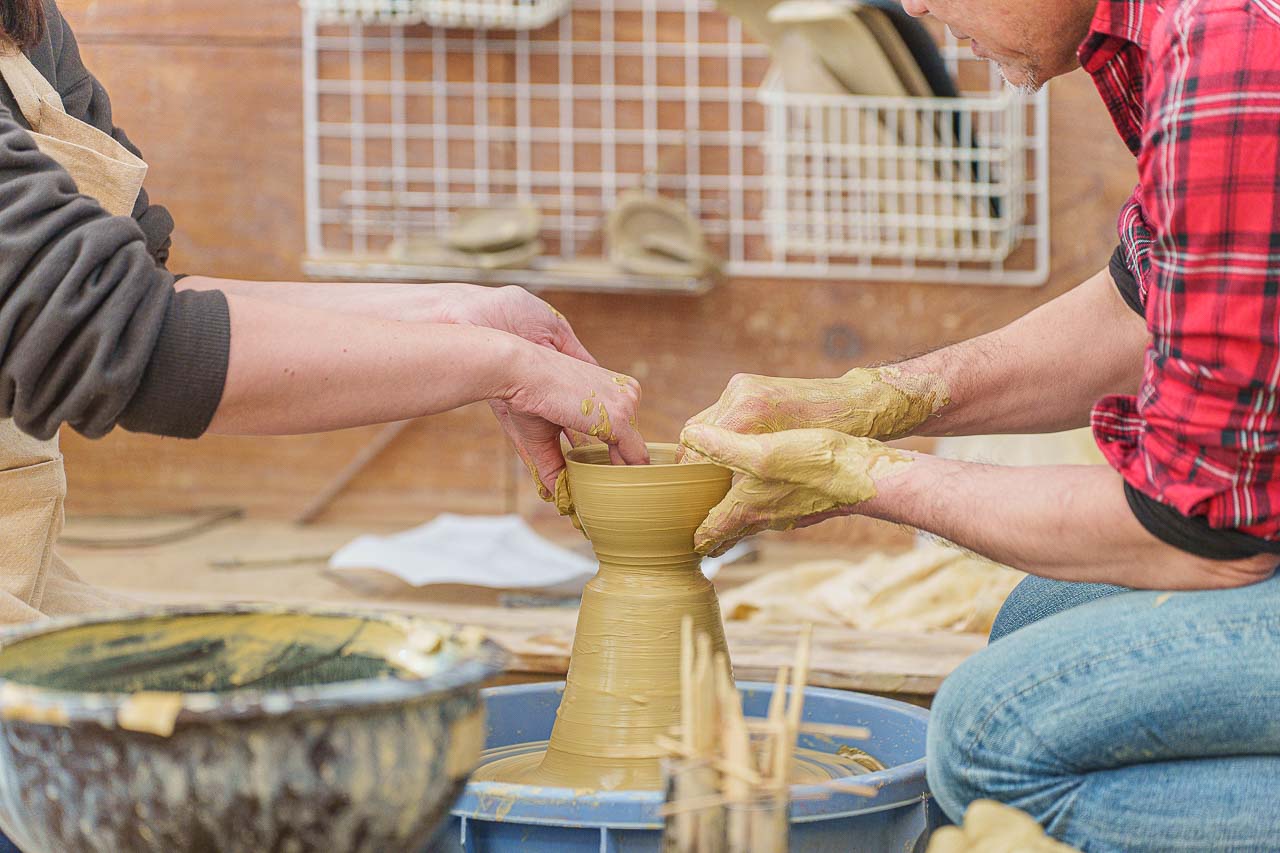
The Agano ware workshop (上野焼・作陶体験) introduced the craft’s history and works before hands-on making. Following pottery and tea, a premium lunch served in Agano ware offered another memorable Fukuchi experience.
Agano pottery and tea experience: original article link
Fukuoka travel: discovering the Agano pottery loved by a feudal lord
errdaytrip.com
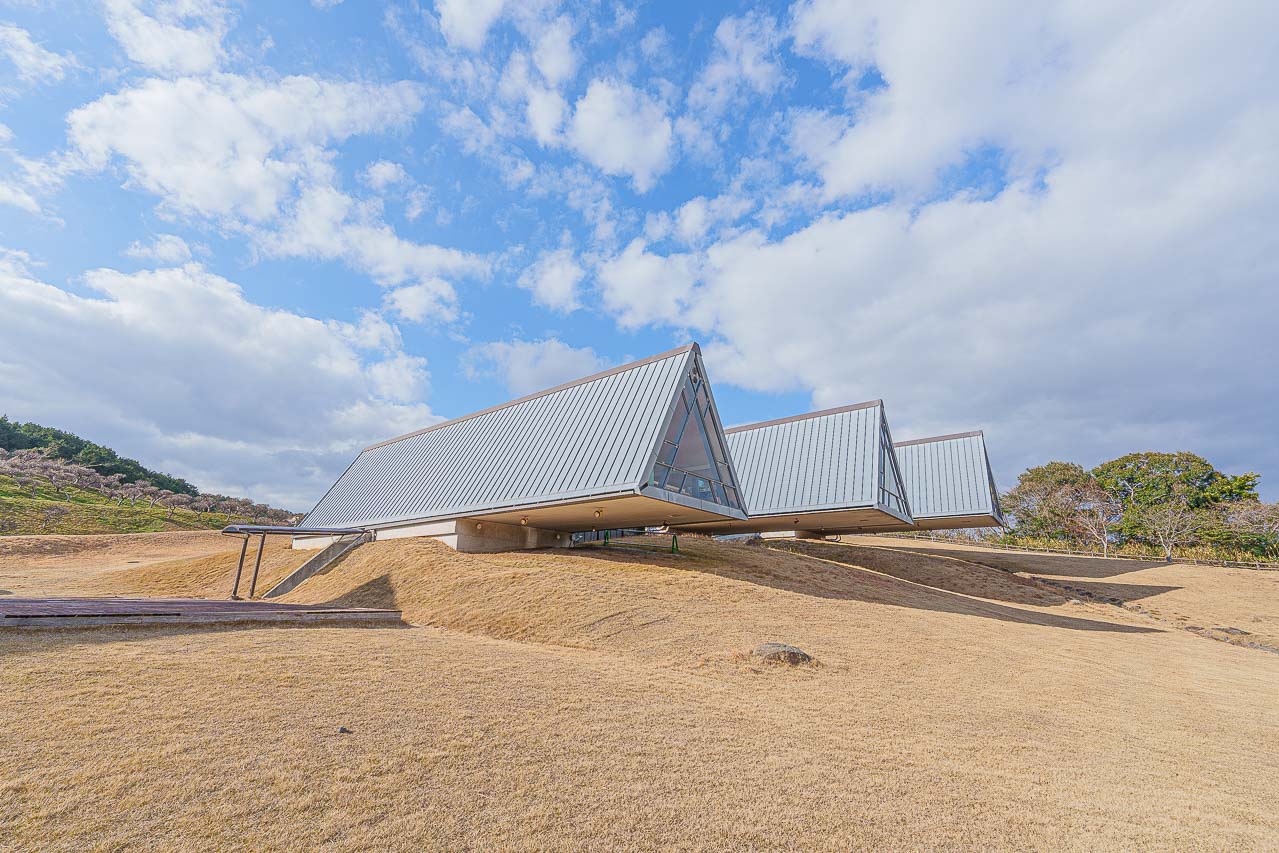
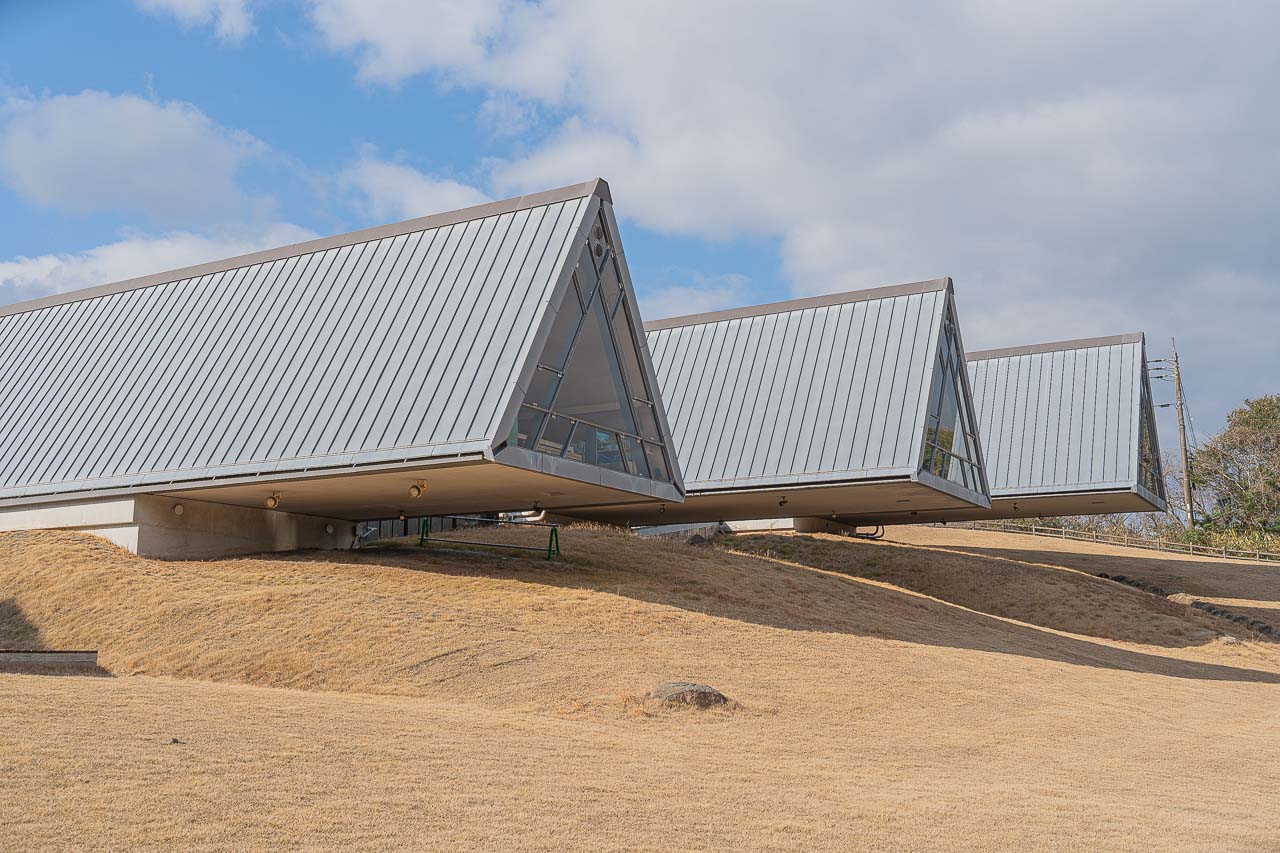
Lunch took us to Fureai Juku, chosen as a shooting location for Audi’s 2022 calendar. The source compares its extensive site to Fukuoka’s baseball dome. Green lawns in summer and yellow grass in winter surround striking triangular buildings. Four prisms themed on earth, mountain, sea, and sky function as a multipurpose building, training building, women’s accommodation, and men’s accommodation. A campsite and natural setting offered daytime nature observation and insect collecting, with stargazing at night for families in the source description.
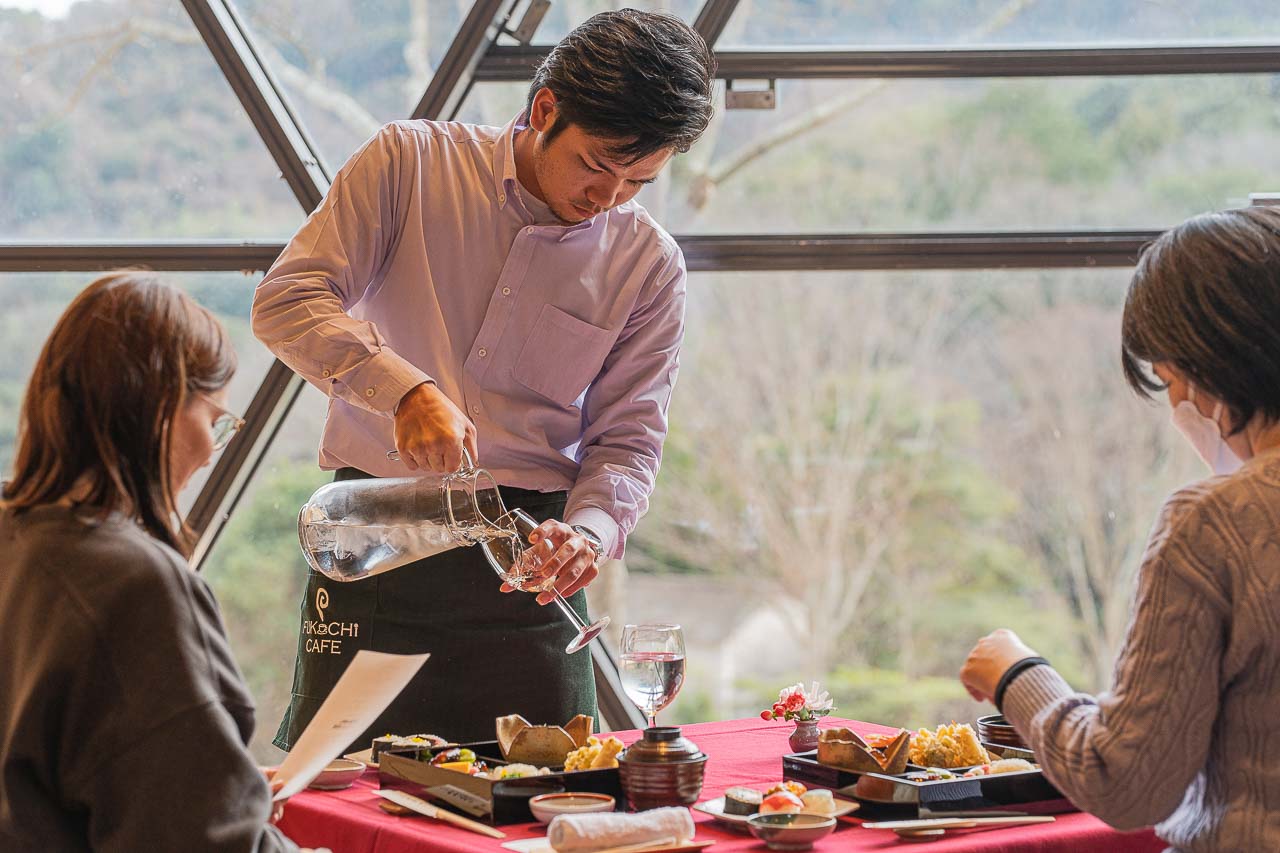
A special lunch amid nature’s sounds, scents, and energy was an unexpected prospect. A chef visiting from a fine restaurant served a course rich in Fukuchi ingredients directly before us. In pleasant weather, a specially set table could be placed on a grassy hill; in midsummer or winter, a special indoor setting was used, according to the source.
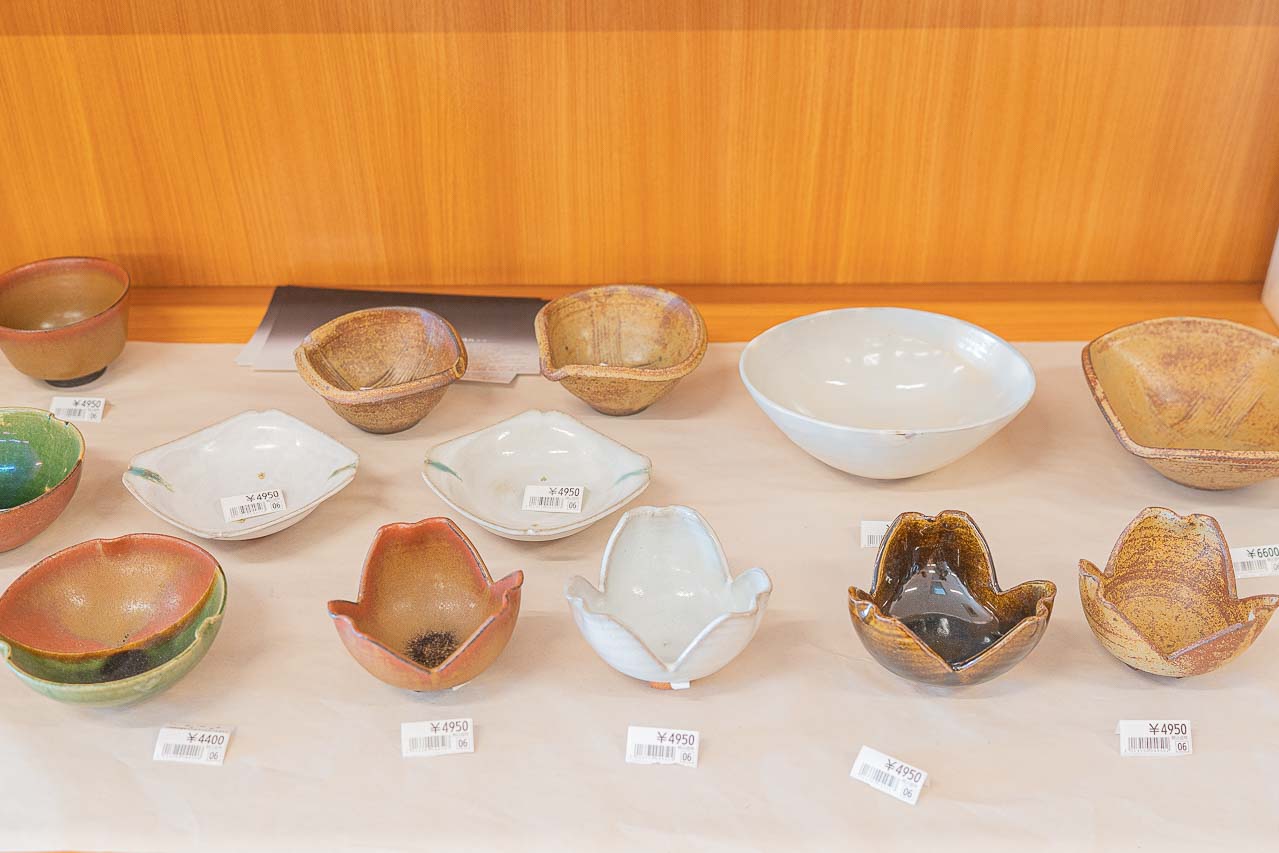
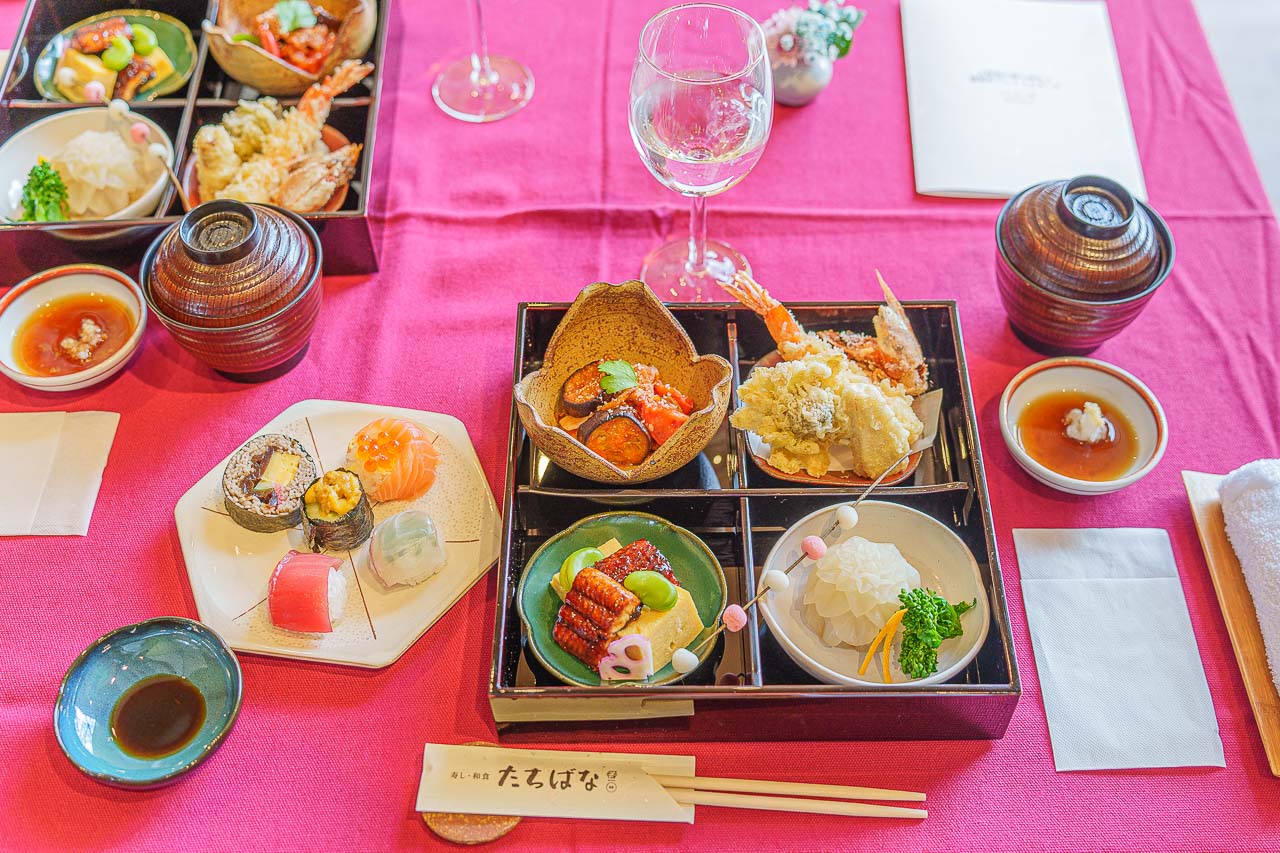
The meal used Agano ware, a celebrated local craft developed for vessels used by a feudal lord. Thin construction gives it a refined feel. Rich local clay and glazes produce varied colors, gloss, and patterns, while the makers’ techniques and individuality add interest. Many everyday pieces are now made too. The original reflects that the pottery can blend with a space while changing its atmosphere. Developed in the tea tradition, its lightness, thinness, carefully worked clay, and vivid glazes give both choosing and using the pieces a distinctive pleasure and enhance the food presentation.
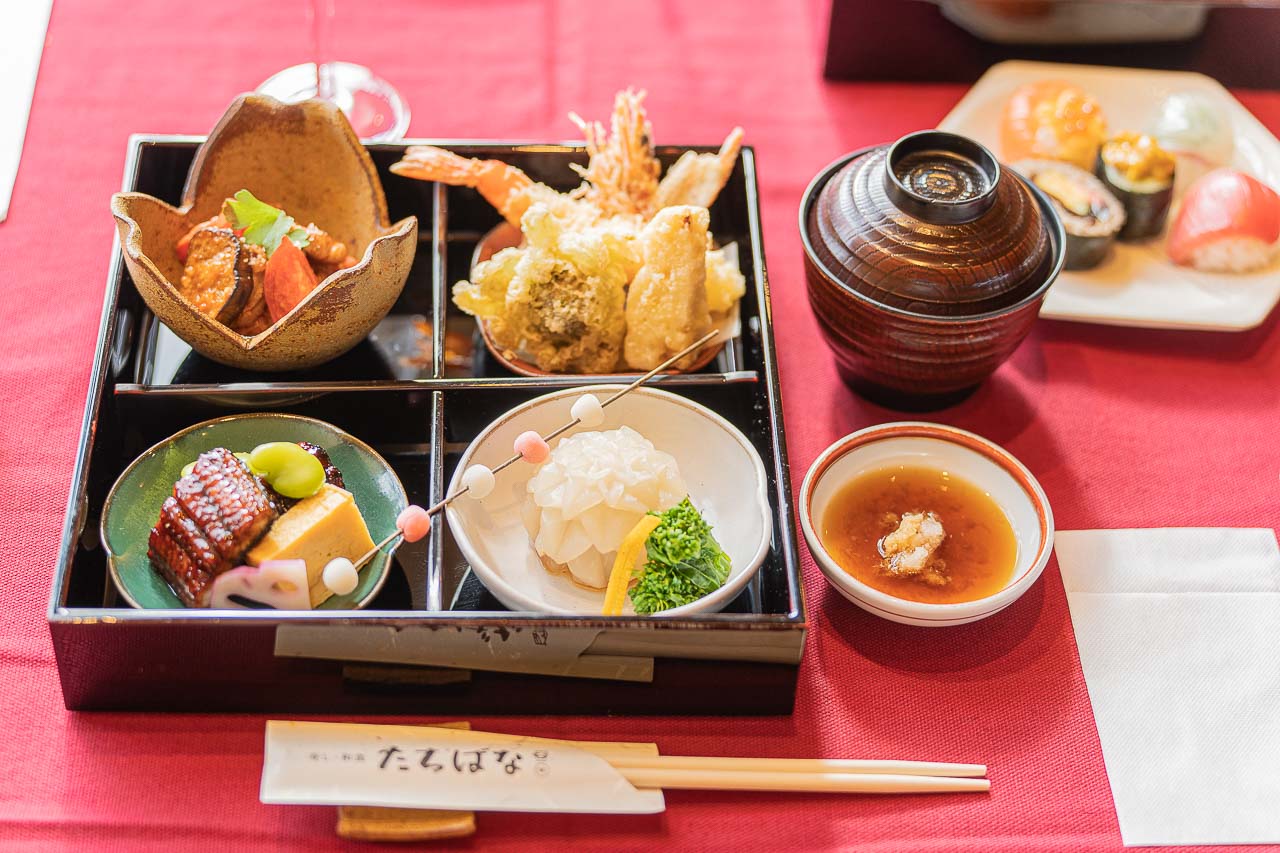
The chef was 久富進一 of Tachibana (たちばな), a Fukuchi sushi and Japanese restaurant. His full course brought together the town’s ingredients and qualities, using delicate Agano vessels as a canvas for the local culinary tradition. I would call it a gastronomic adventure, each dish shaped by expertise and care for regional ingredients.
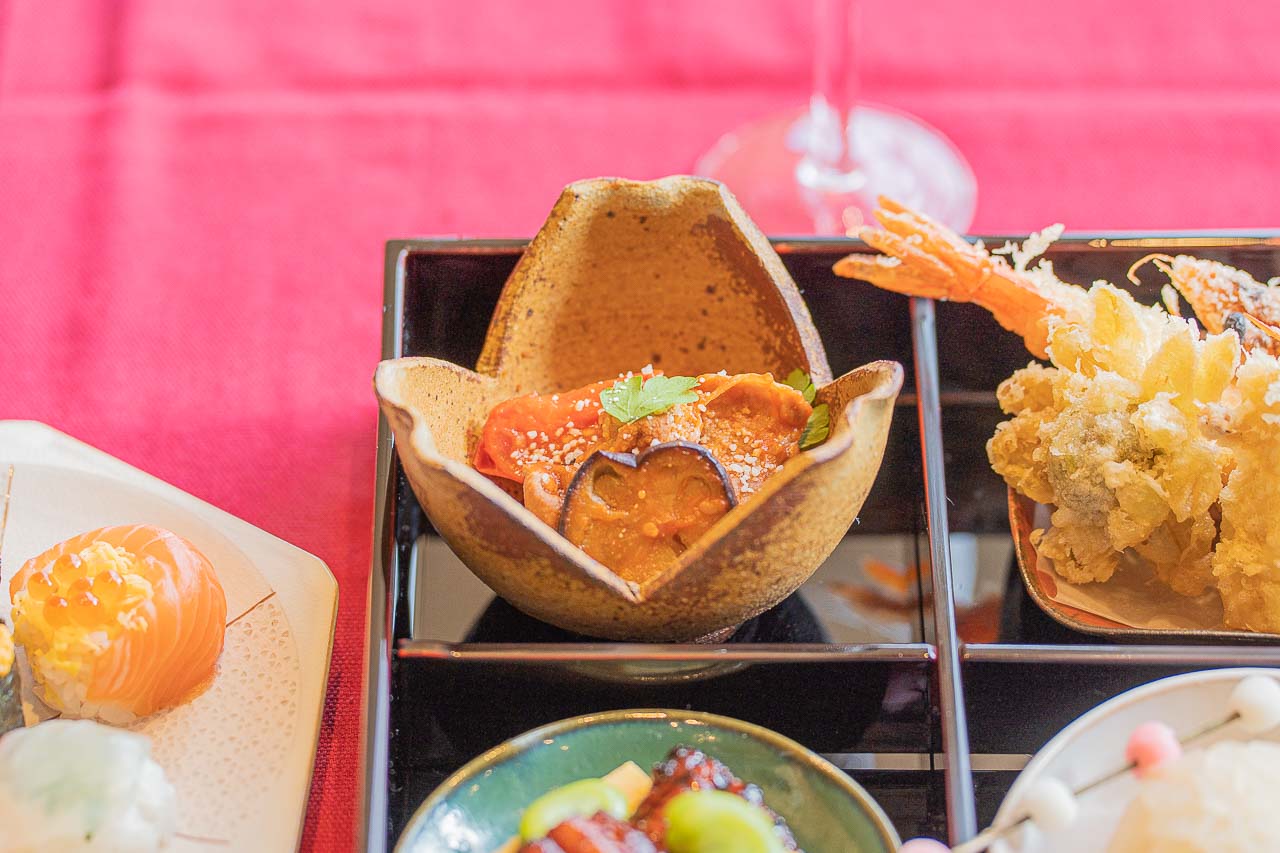
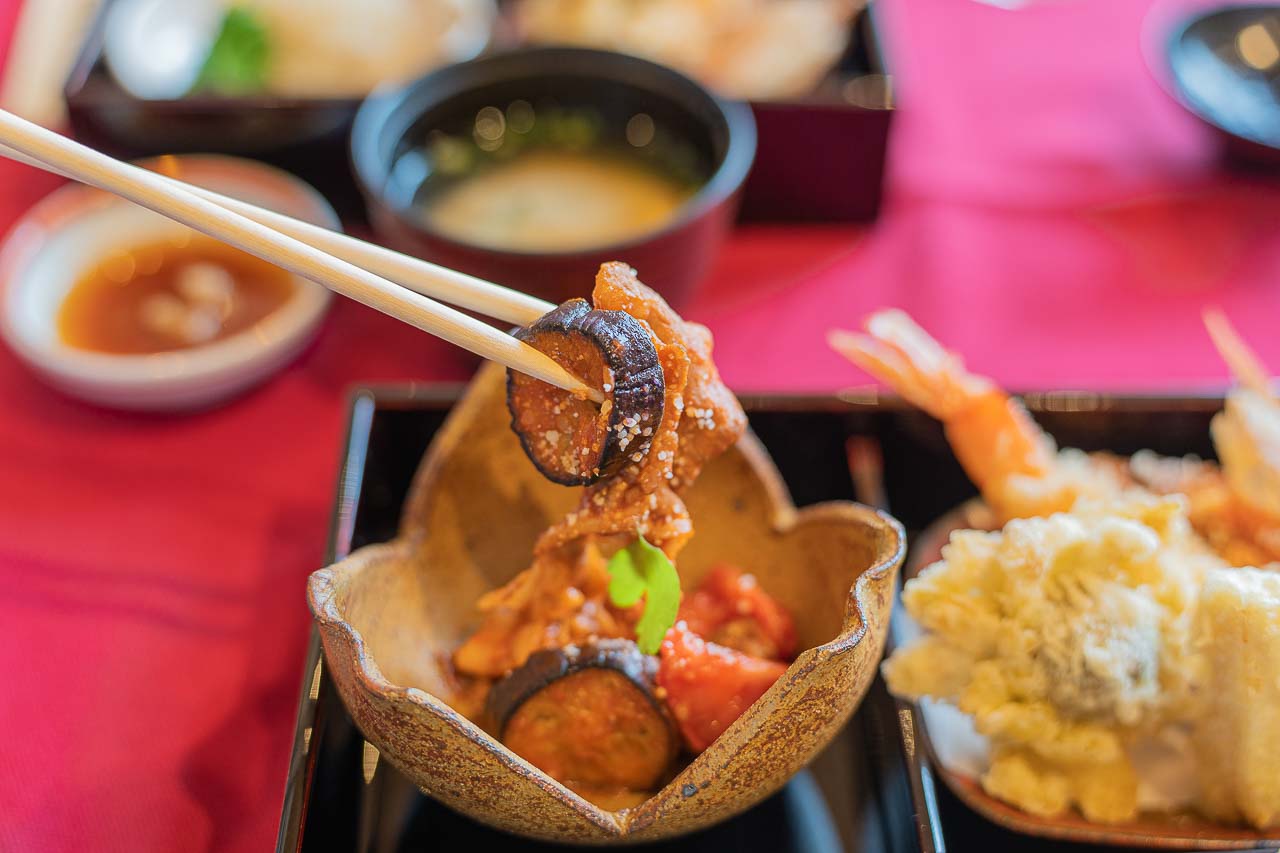
The opening dish used Fukuoka’s Yuton pork, described as raised in Iizuka with a house-mixed feed containing lactic-acid bacteria, mineral-rich Aso earth, and clean water. The source praises its sweet flavor and balance of lean meat and fat. The vessel was by the twelfth-generation pottery head Mr. Watari (渡仁). Pork, eggplant, and refreshing tomato combined with Fukuchi miso made without preservatives or additives, using local soybeans, rice, and barley for a deep traditional flavor. These production descriptions belong to the source account.
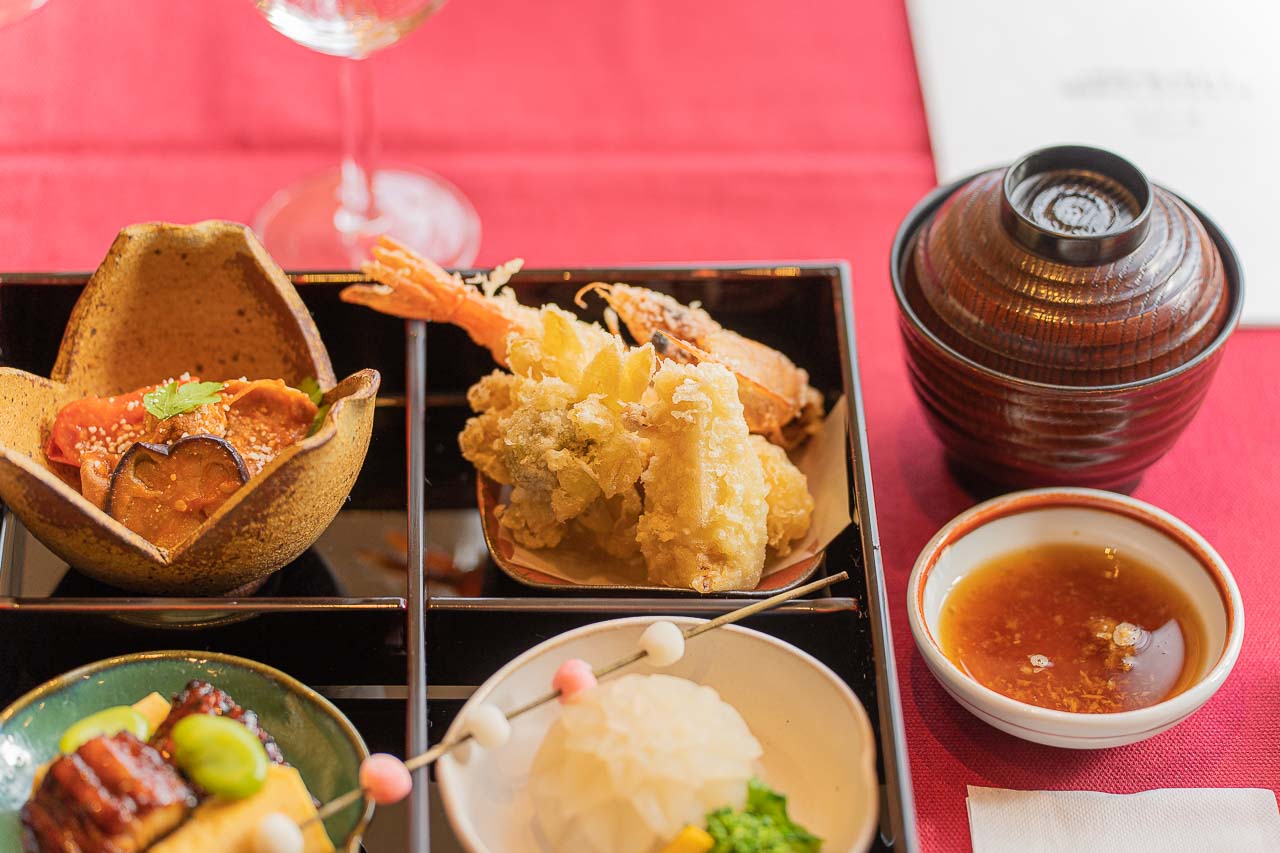
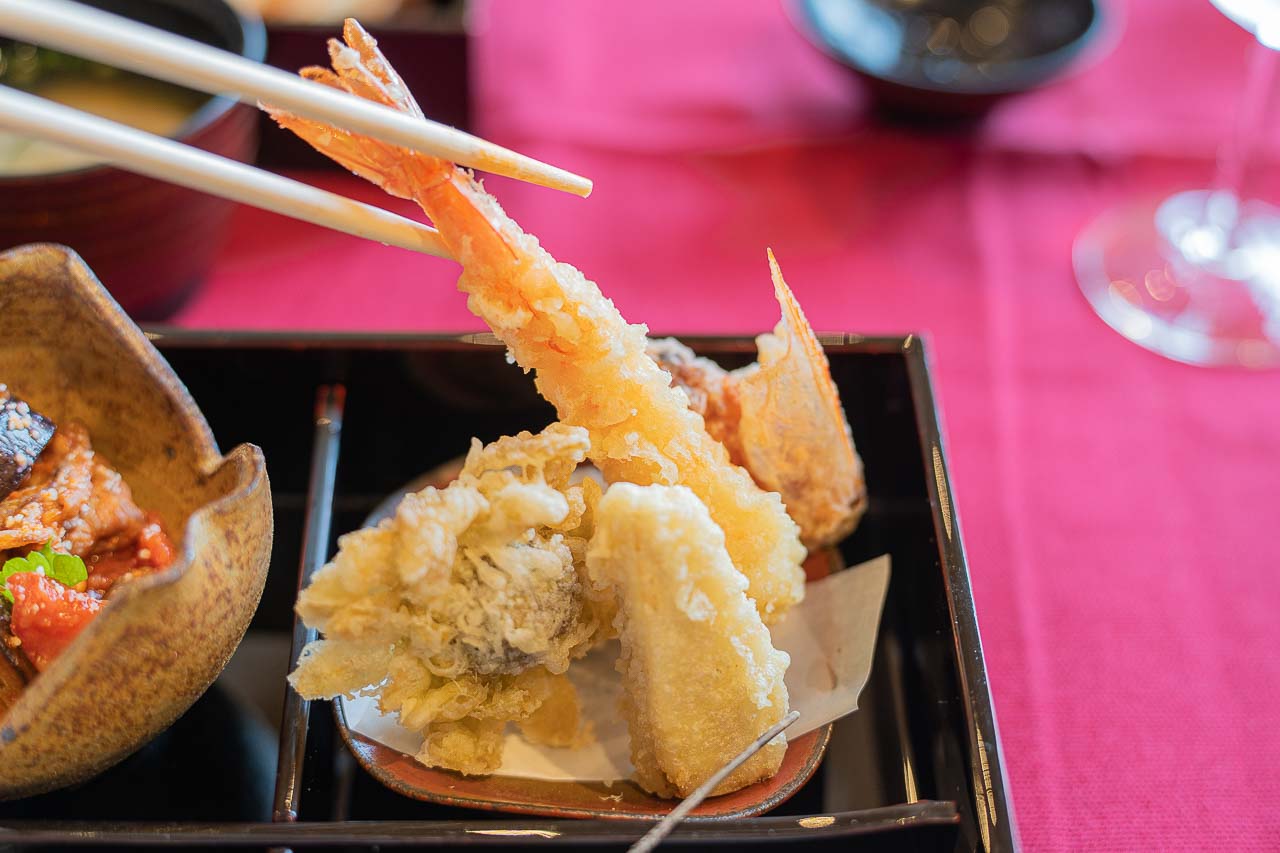
The springy fresh shrimp, lively seasonal vegetables, and crisp batter created a satisfying contrast of textures and savory flavors. An iron-glazed bowl from 光修窯 (光修窯 鉄釉) contrasted with the yellow tempura and added elegance.

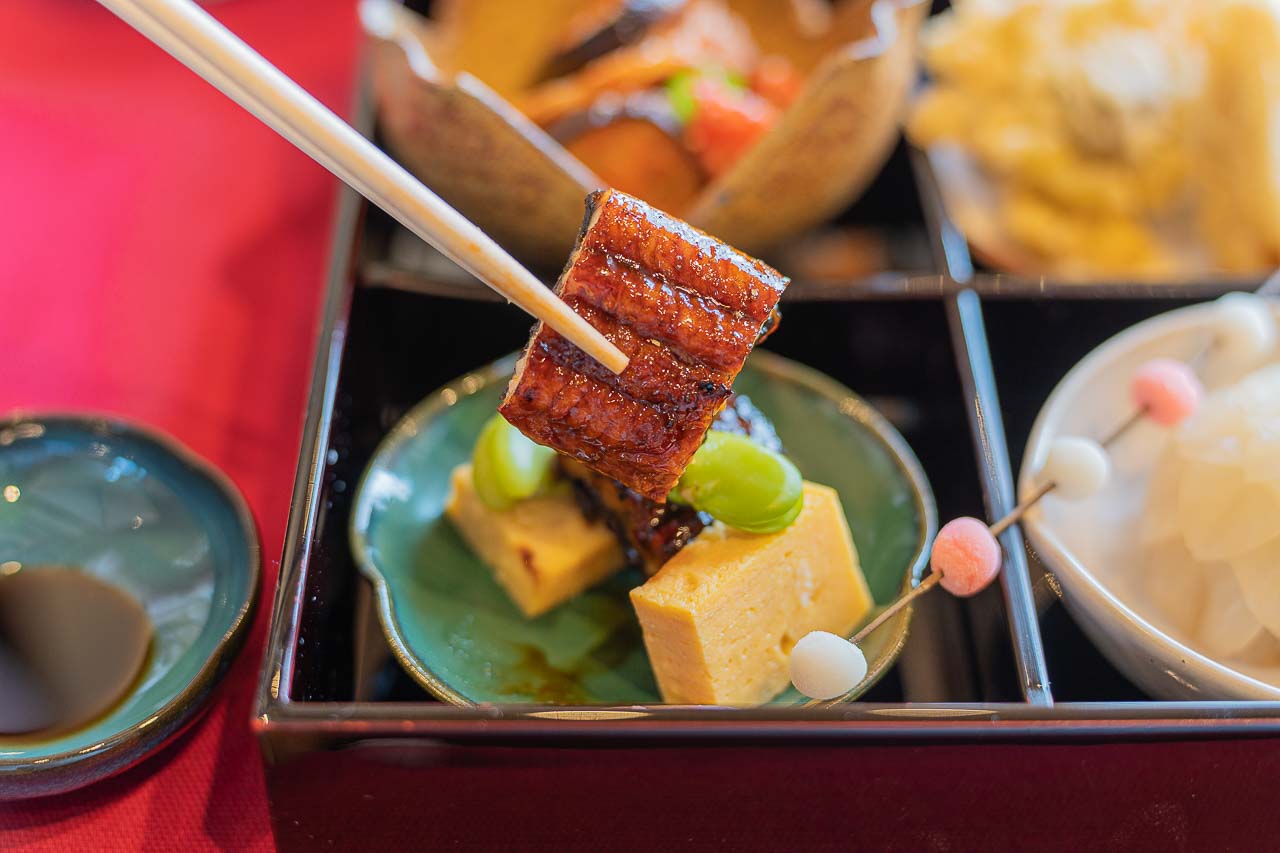
Eel kabayaki and rolled omelet (鰻の蒲焼と卵焼き) paired the sweet-savory glaze and tender, richly flavored eel with an egg dish of almost custard-like texture. Dashi, mirin, and soy sauce gave the omelet its distinctive flavor.
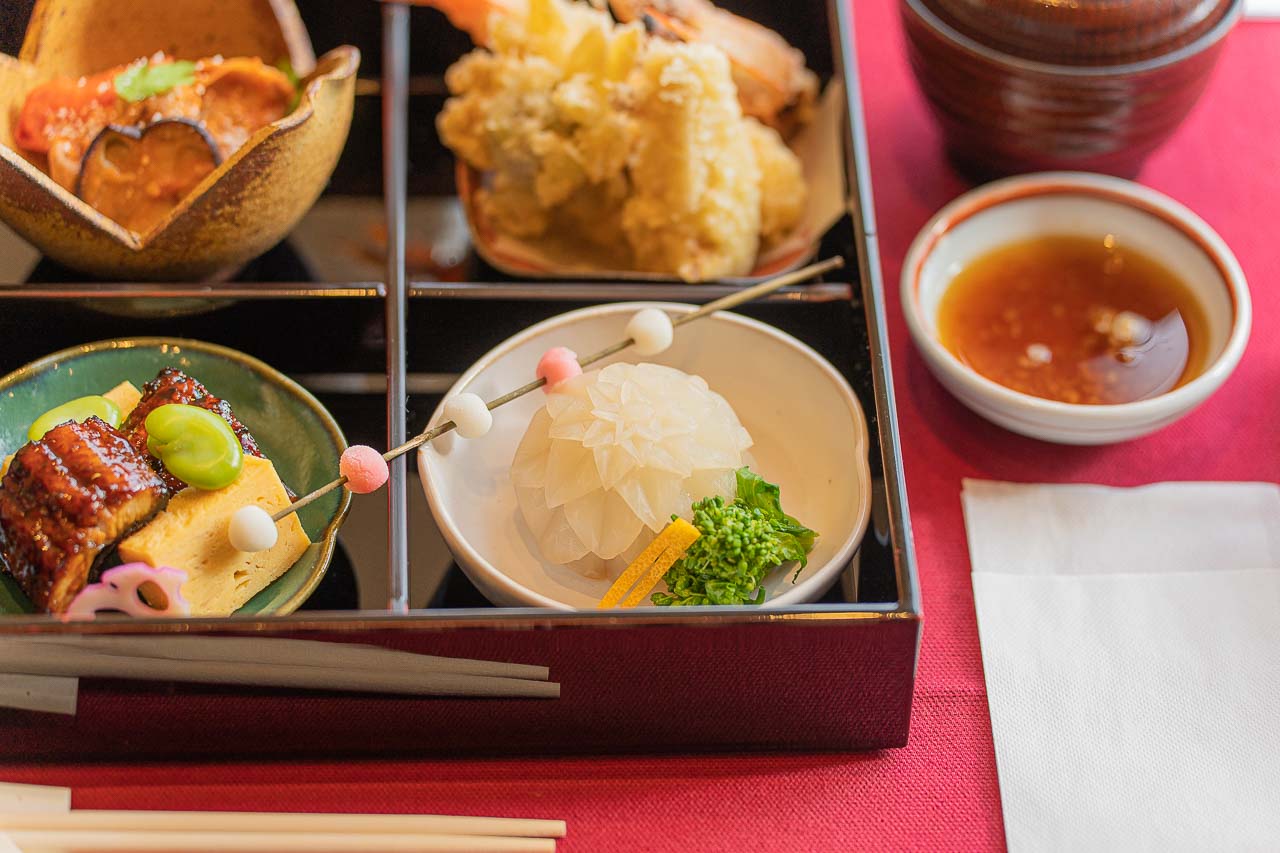

A turnip carved into a chrysanthemum contained niku miso (肉味噌). Moist turnip and pork simmered in miso worked beautifully together. The vessel from 十時窯, with a matte straw-ash glaze (藁灰艶消し釉), enhanced the seasonal vegetables and simmered fish, reflecting a meeting of nature and culinary craftsmanship.
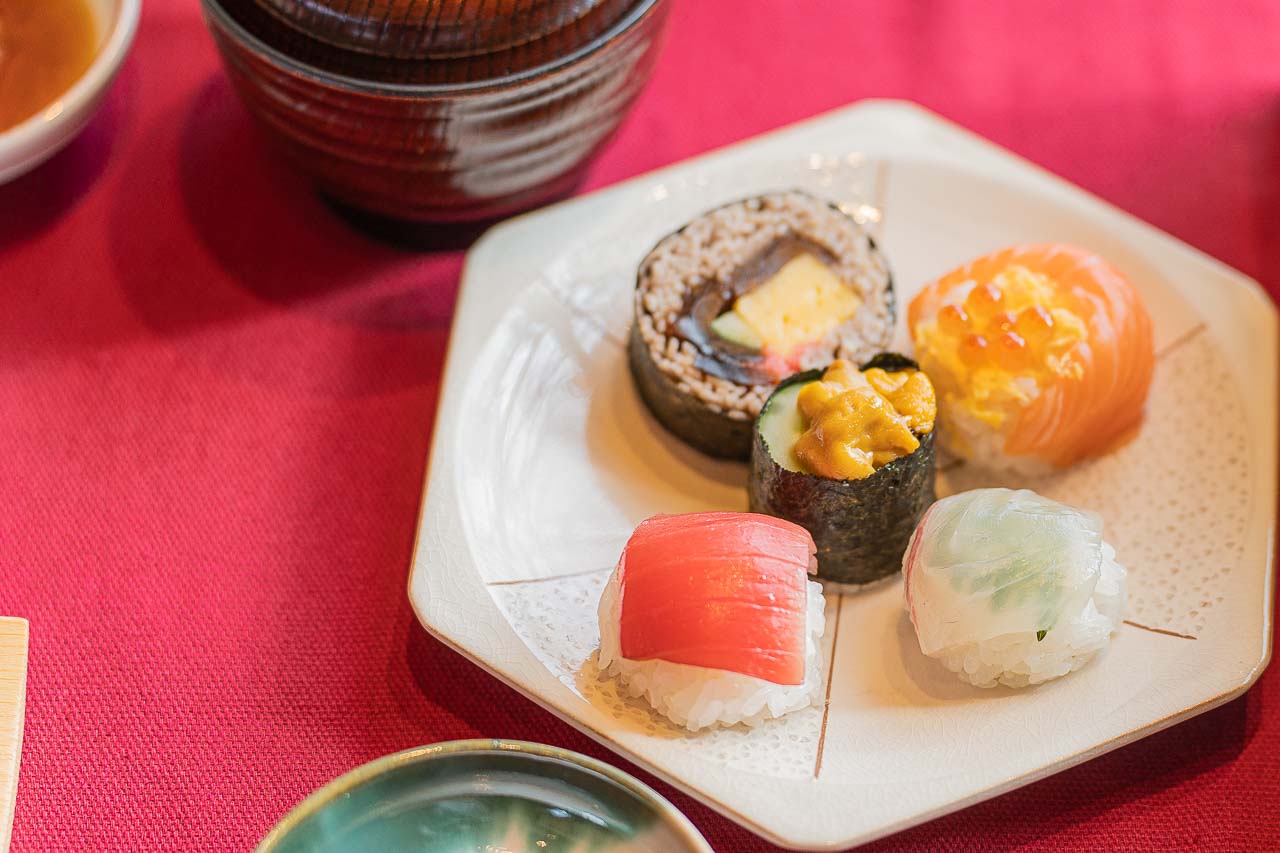
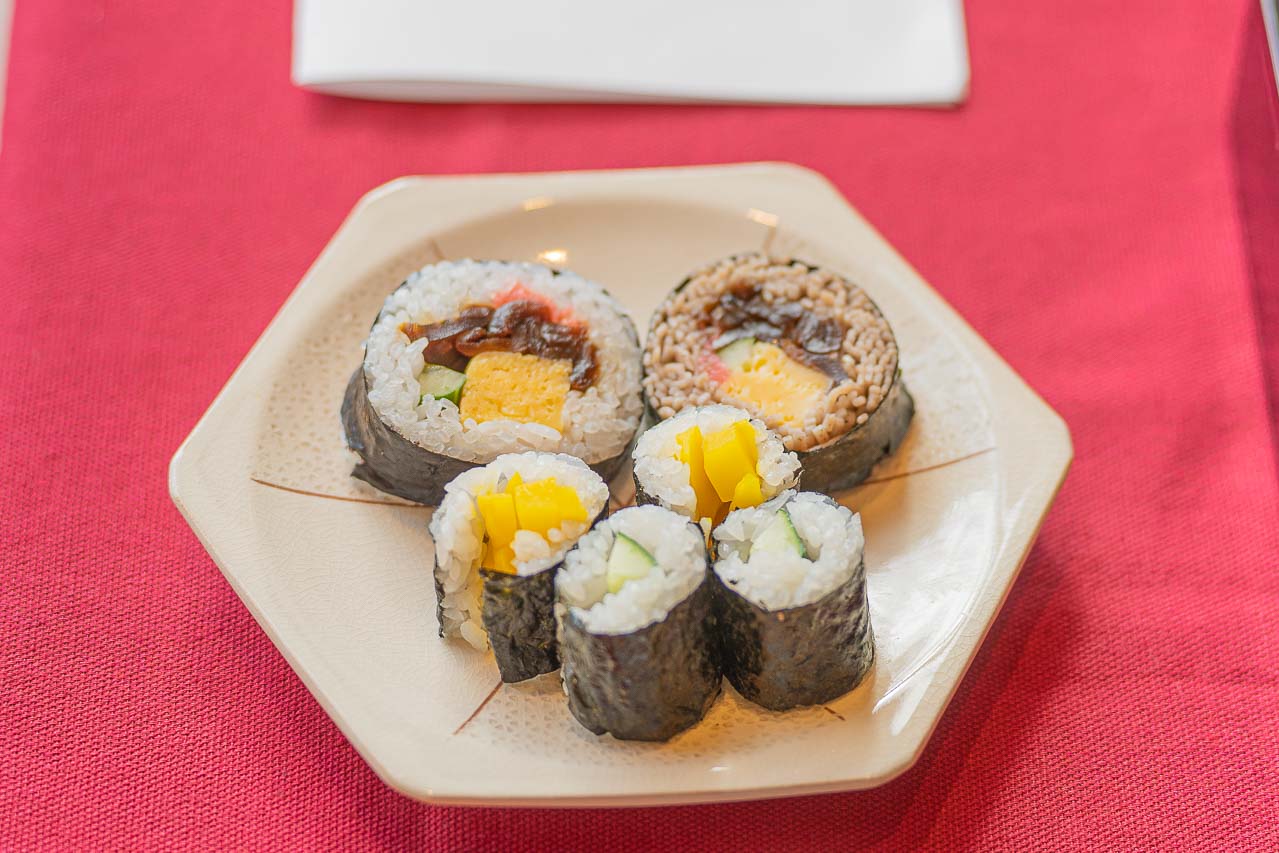
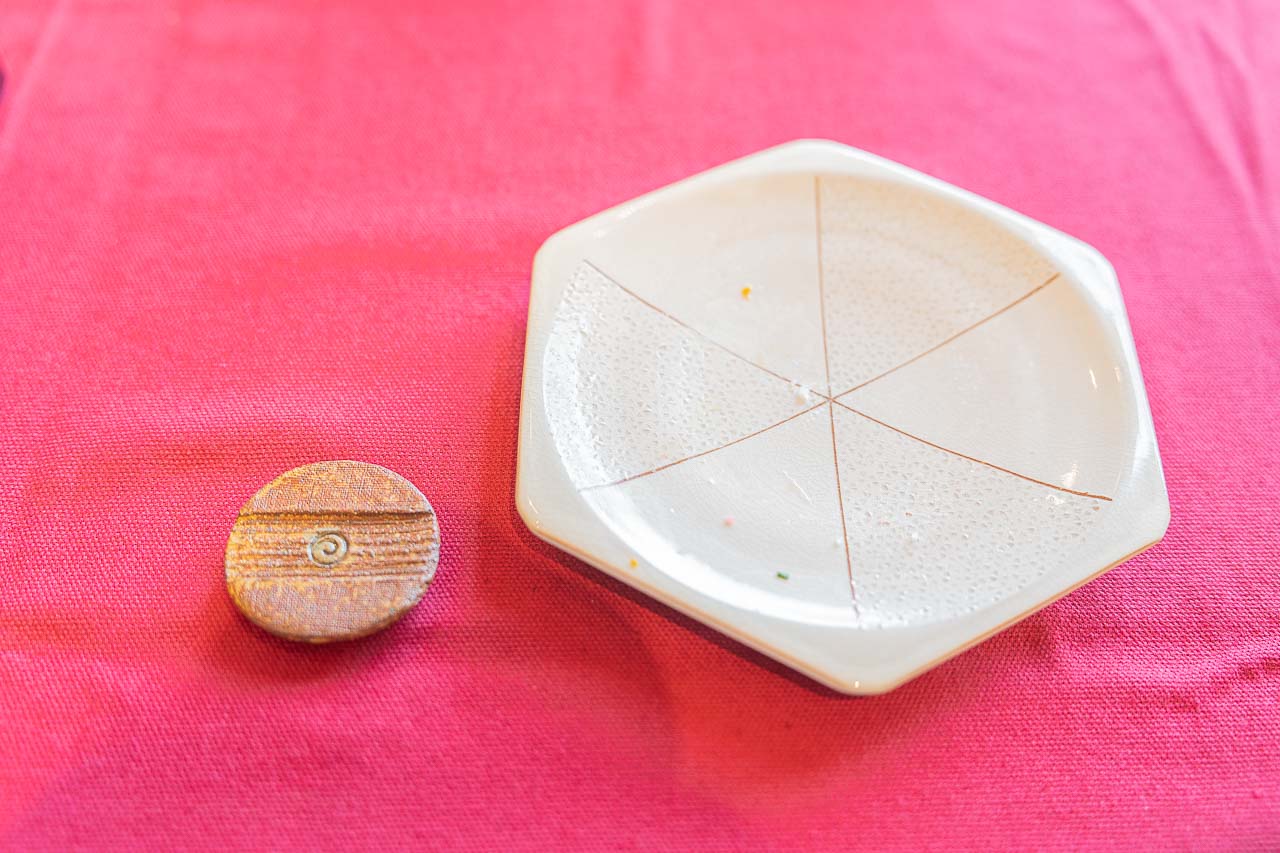
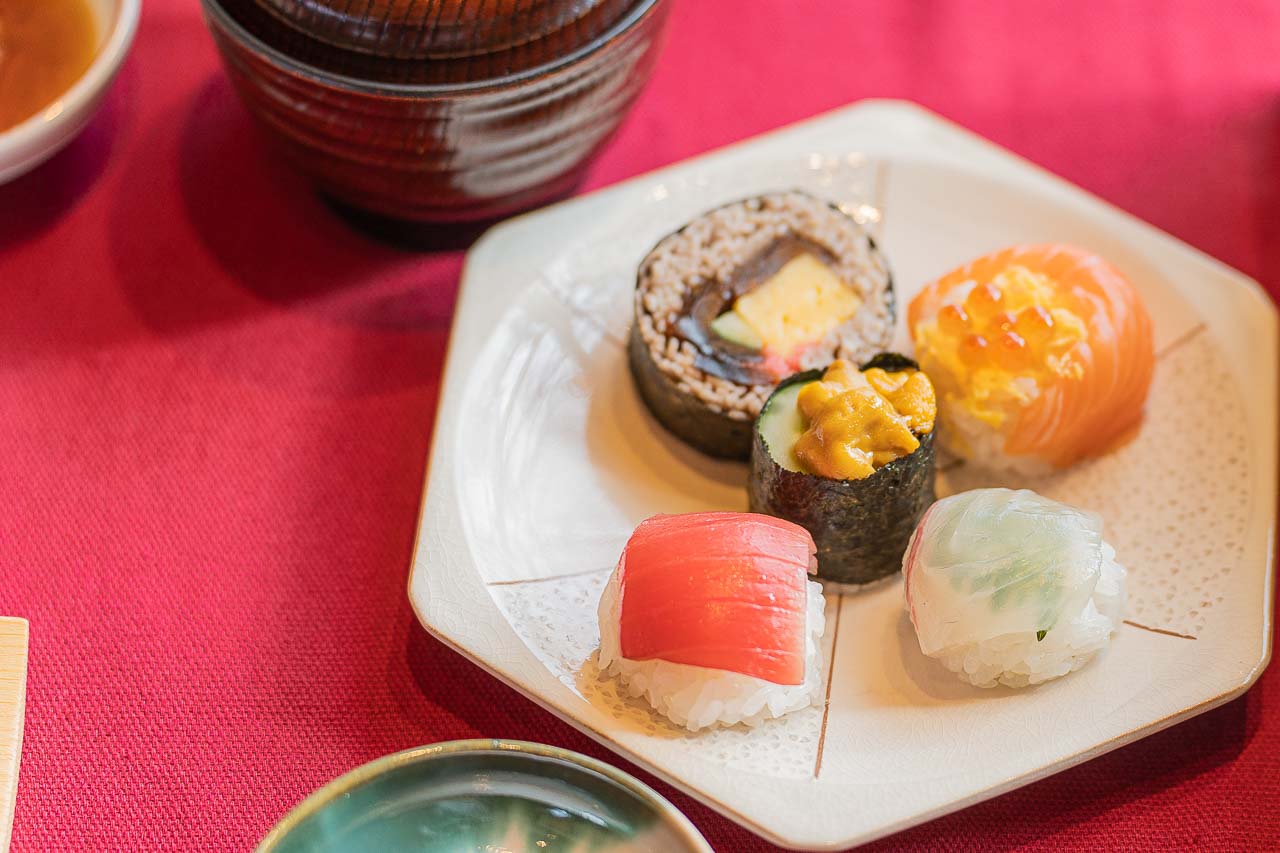
The rice course was temari sushi, served on a hexagonal impressed-pattern plate by 光修窯, (光修窯 印花紋 六角皿) with soft texture, gloss, stickiness, and a subtle sweetness attributed to local Fukuchi rice. Temari sushi forms sushi rice and colorful ingredients into small balls, unlike rolled maki, making an attractive bite-sized presentation. Toppings can include sashimi-grade fish, vegetables, and other ingredients. Our course had tuna, sea urchin, and a roll using soba noodles. The source says allergies and dislikes could be accommodated and records a suitable alternative for a companion who did not eat fish; this experience is not a guarantee of allergy-safe service.
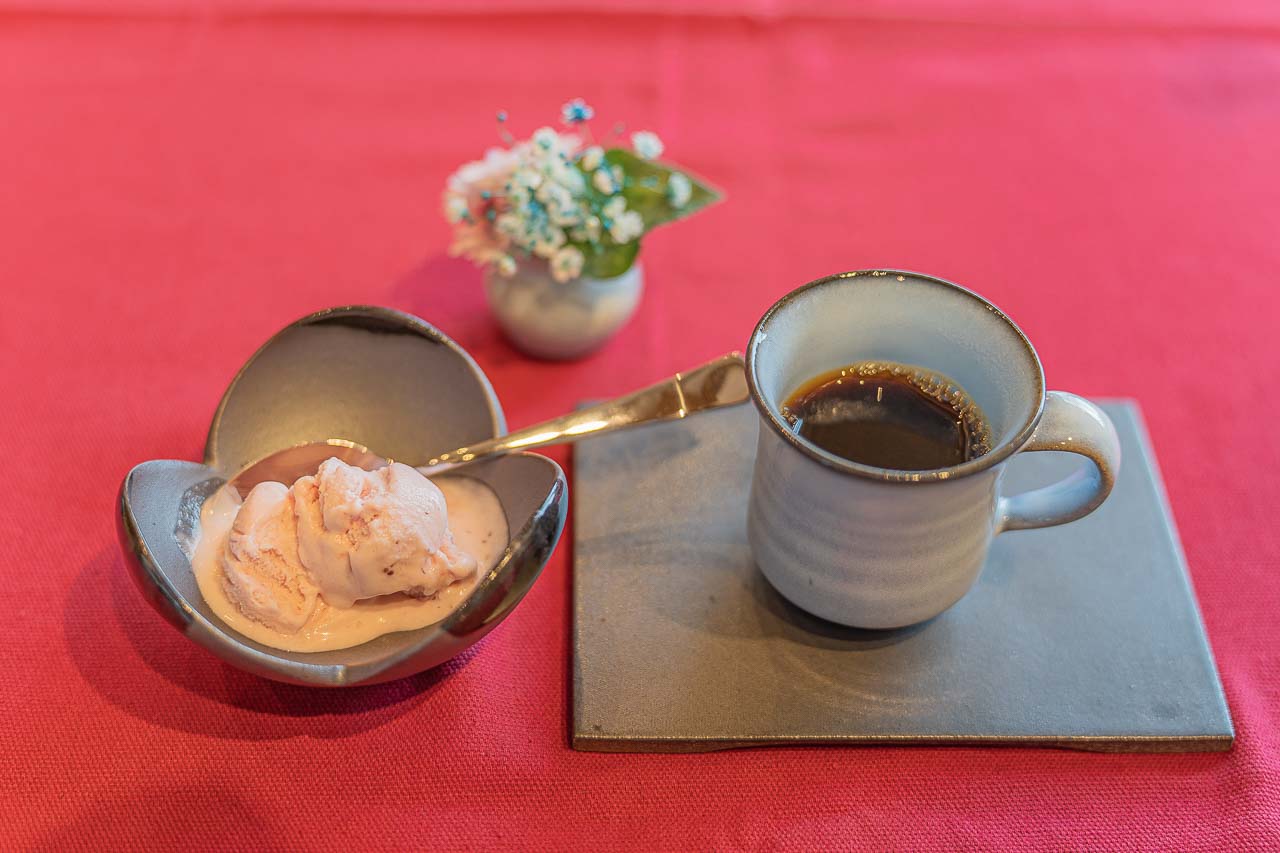
The meal ended with Fukuchi gelato, described as developed with local natural ingredients and contributions from town staff, a French chef from Fukuchi, pastry chefs, and cake shops. The source associates selected premium beans with roaster Naoki Goto and paired the dessert with the original Fukuchi Blend coffee, made with beans it praises as among the world’s best. This is the source’s product and quality description, not a new verification of bean origin.

Agano pottery and tea, followed by a visiting chef’s meal against scenery selected by Audi, made this more than an ordinary lunch. It combined local food traditions, artistry, and Agano craftsmanship into an experience for the senses. A special meal outside everyday life was the sort of travel experience I had hoped for around Fukuoka.
Fukuchi premium experience, for all five senses: https://aganoyaki-experience.mystrikingly.com/3