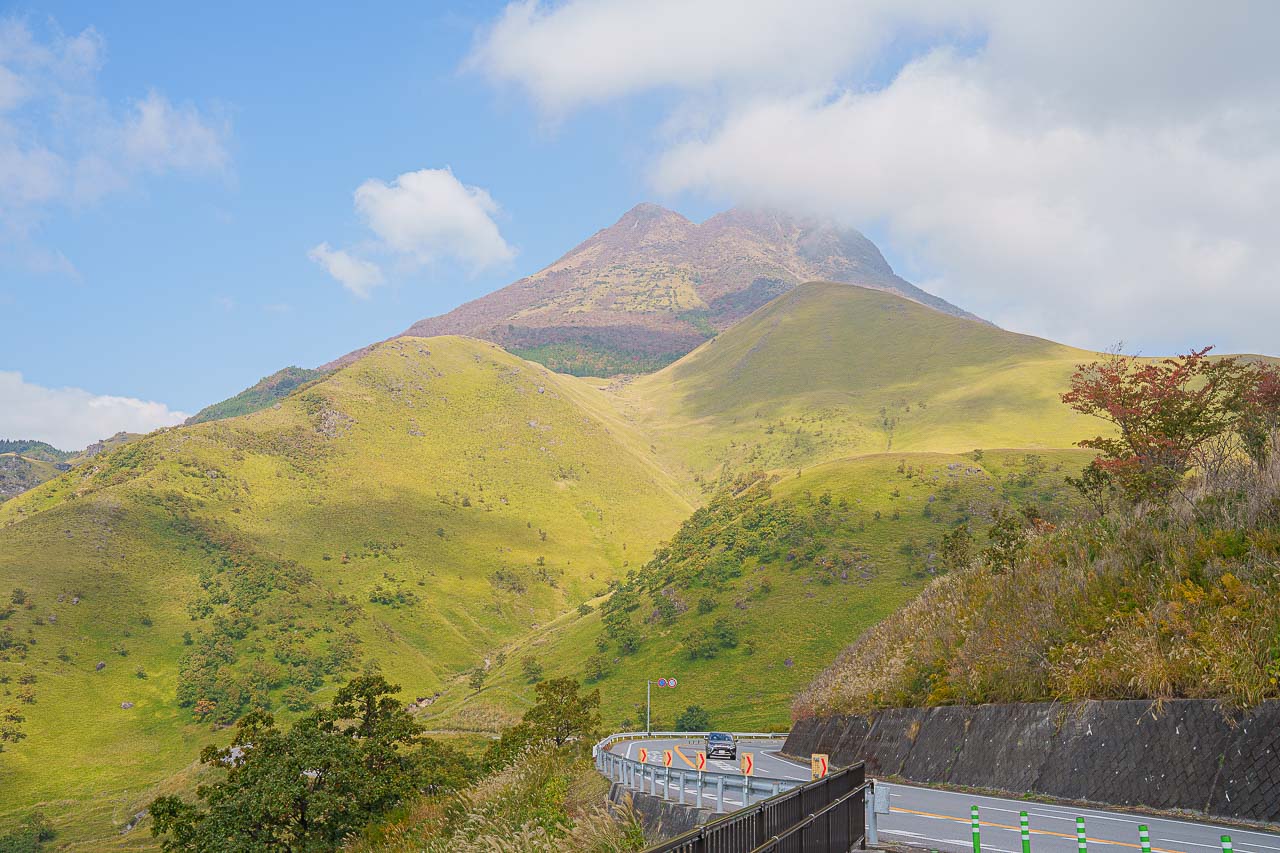
Oita is consistently among the author’s leading choices for a trip beyond Fukuoka. With Yufuin and Beppu, it appeals to Japanese visitors as well as travelers from Korea.On Kyushu, Oita Prefecture is described in the source as having around 1.1 million people and an area of about 6,340 square kilometers. Agriculture and manufacturing have been central industries, while visitors drawn by nature have brought more attention to landscape-focused travel.
Asaji, Bungo-Ono, Oita (大分県豊後大野市朝地町)
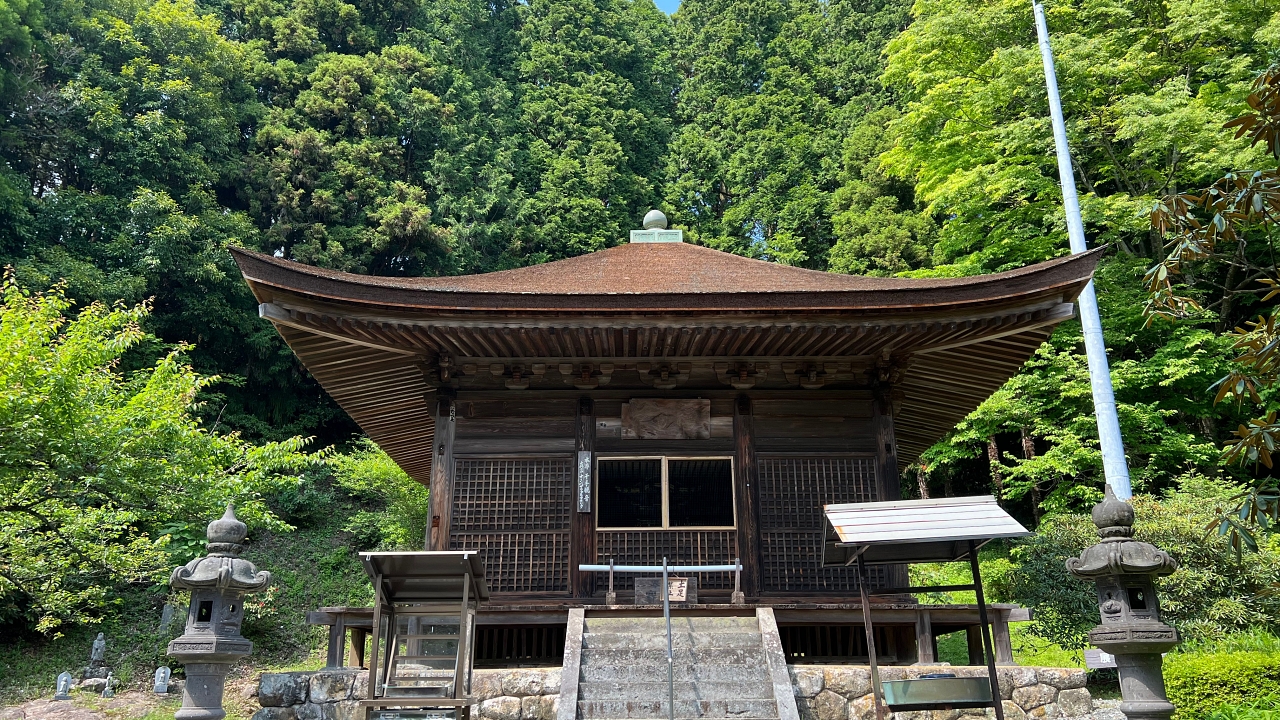
Oita has many nature-rich small towns. One is Asaji in Bungo-Ono, where landscape and culture coexist. Alongside bathing in the wider region, a more recent focus on sauna-related activities has drawn people looking for a quiet break in nature. Particularly distinctive is a Japanese-honeybee protection and beekeeping project intended to sustain local scenery and industry.
The source gives access to Asaji as around 90 minutes by car from Oita Airport using toll roads, or about an hour by car or JR from Beppu Station on the Nippo Main Line. It also describes about three hours driving from Fukuoka or around three hours and 15 minutes using JR limited-express services; the full transfers are not specified. The Ono River and surrounding greenery shape the setting.
Nature and Time to Unwind in Asaji
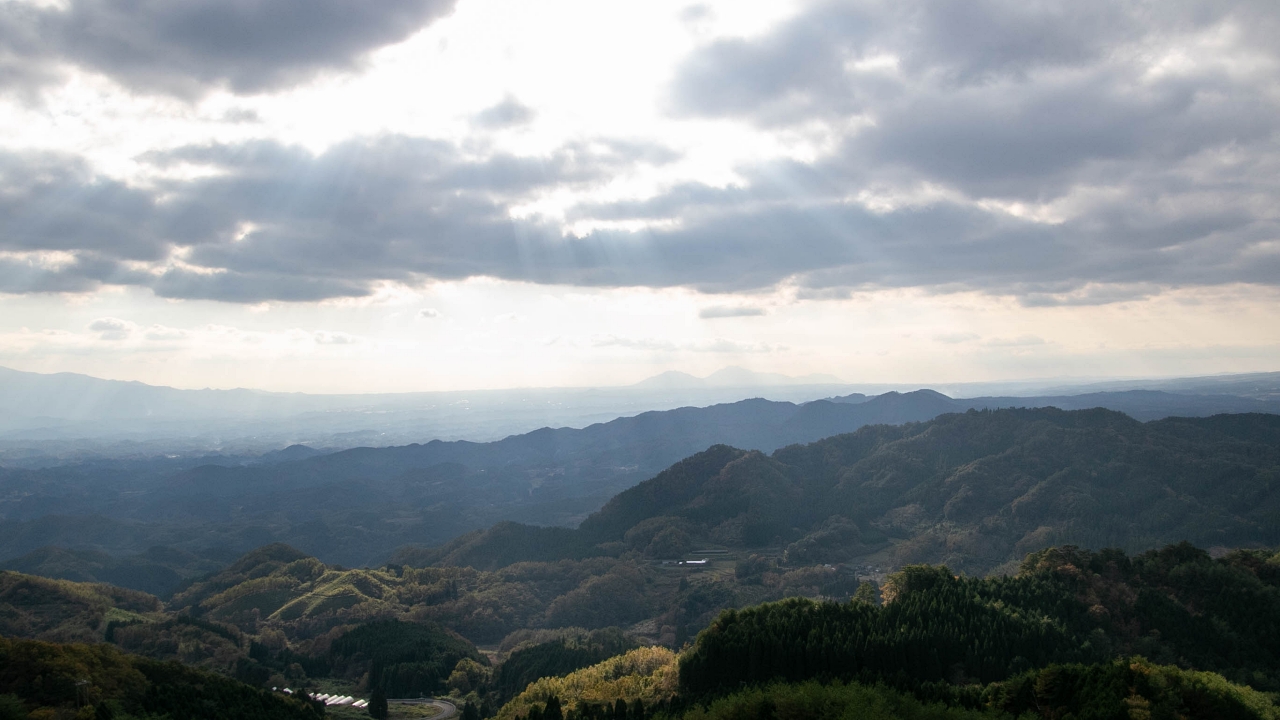
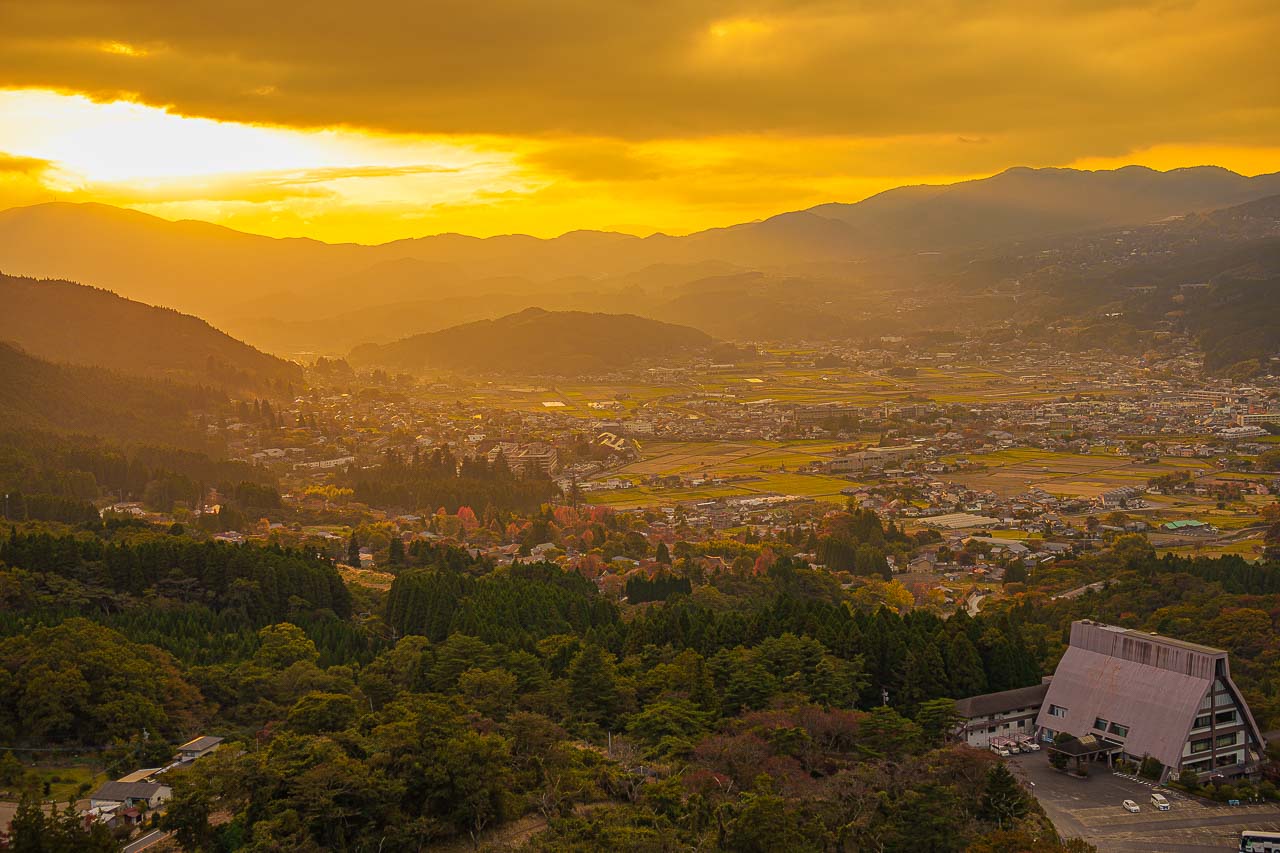
Asaji is presented as a place for mental and physical rest, with saunas, camping and tent-sauna experiences using the natural setting. It is in central Oita, the prefecture known for Yufuin and Beppu, amid green land shaped by the Ono River. Part of Oita Bungo-Ono Geopark, the area uses a theme of water, land and life around 90,000 years after a vast pyroclastic flow. The source explains that material from an Aso eruption covered the area, with later water and living processes shaping today’s landscape. That geology and water are central to the geopark’s natural heritage.
Exploring Asaji’s Attractions
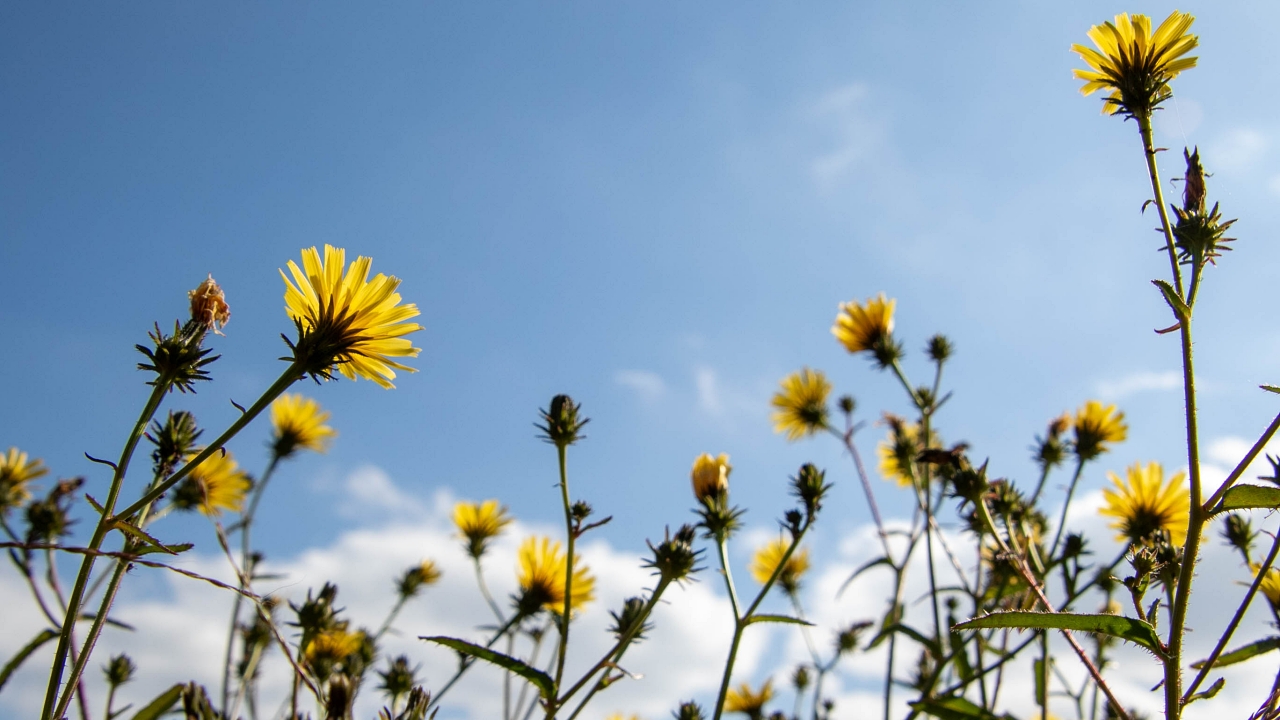
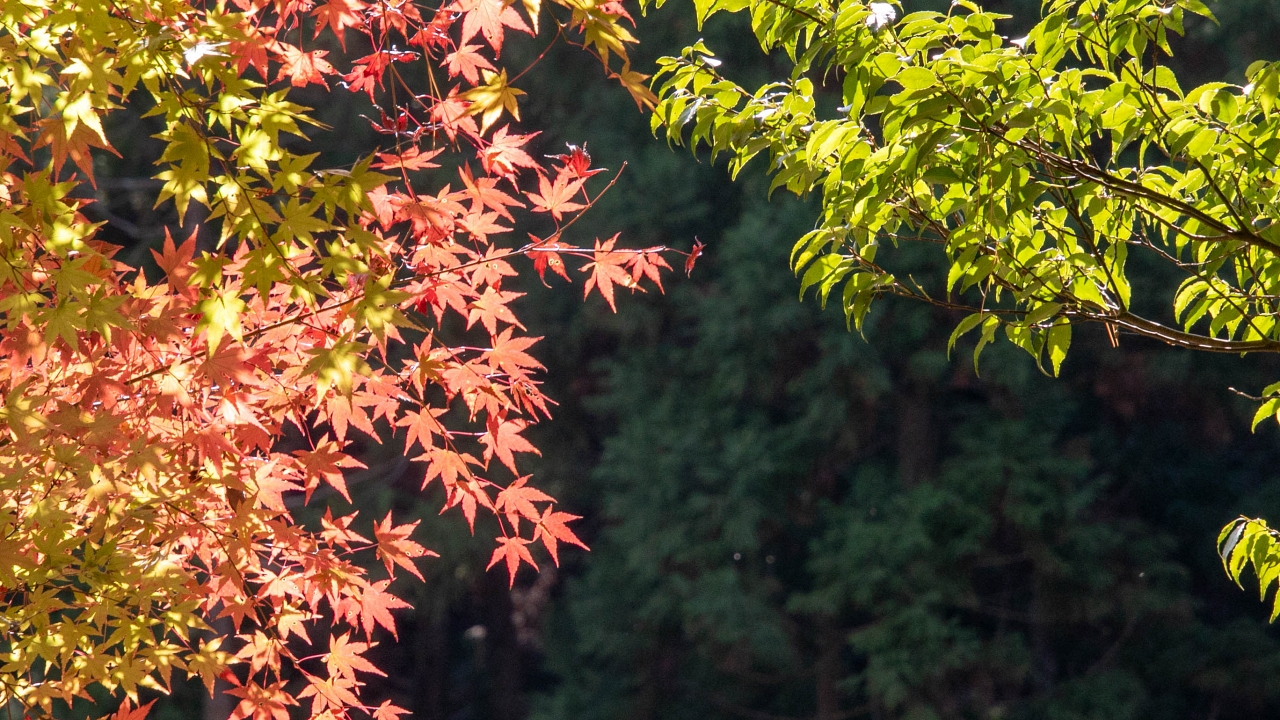
In northwestern Bungo-Ono, Asaji combines nature and culture. Called a place to walk among sculpture and autumn leaves, it includes the Fumio Asakura Memorial Museum and Yujaku Park. It is also a starting point for the Kyushu Olle Oku-Bungo Course, a Japan–Korea walking-route project modeled on Jeju’s Olle trails, making it a base for walkers.
Places for Art and History
Fumio Asakura Memorial Museum (朝倉文夫記念館): works by the sculptor sometimes called the Rodin of the East, with a beautiful surrounding park displaying contemporary sculpture.
Yujaku Park (用作公園): one of Oita’s noted autumn-foliage spots, also covered in beautiful green in early summer.
Jinkakuji (神角寺): an old temple with more than a thousand years of history, built on a ridge of columnar-jointed welded tuff. Azaleas draw visitors in season, according to the source.
Beekeeping with Japanese Honeybees
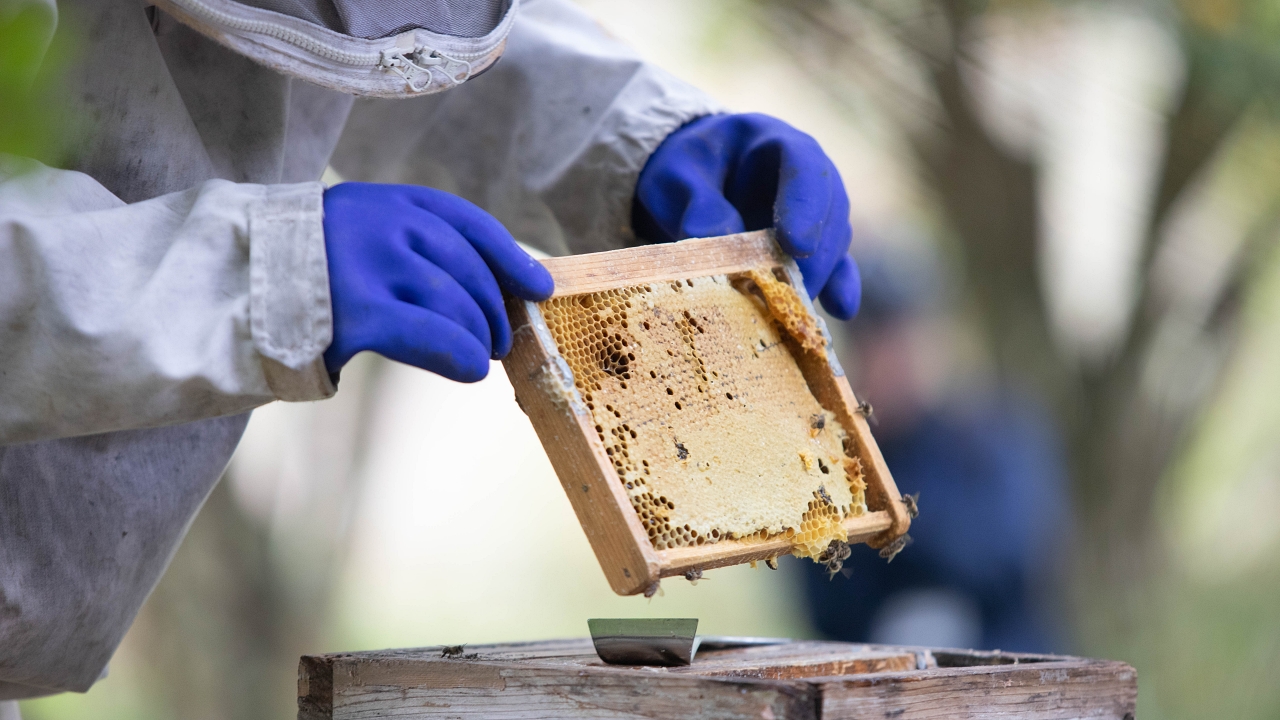
Japanese-honeybee beekeeping is active around Asaji. These native bees have long been connected with local plants and culture. The source contrasts them with Western honeybees, describing delicate colonies prone to moving and vulnerable to predators, making husbandry difficult. Their scarcity and local adaptation motivate efforts to protect and raise them.
Local Products Created with the Bees
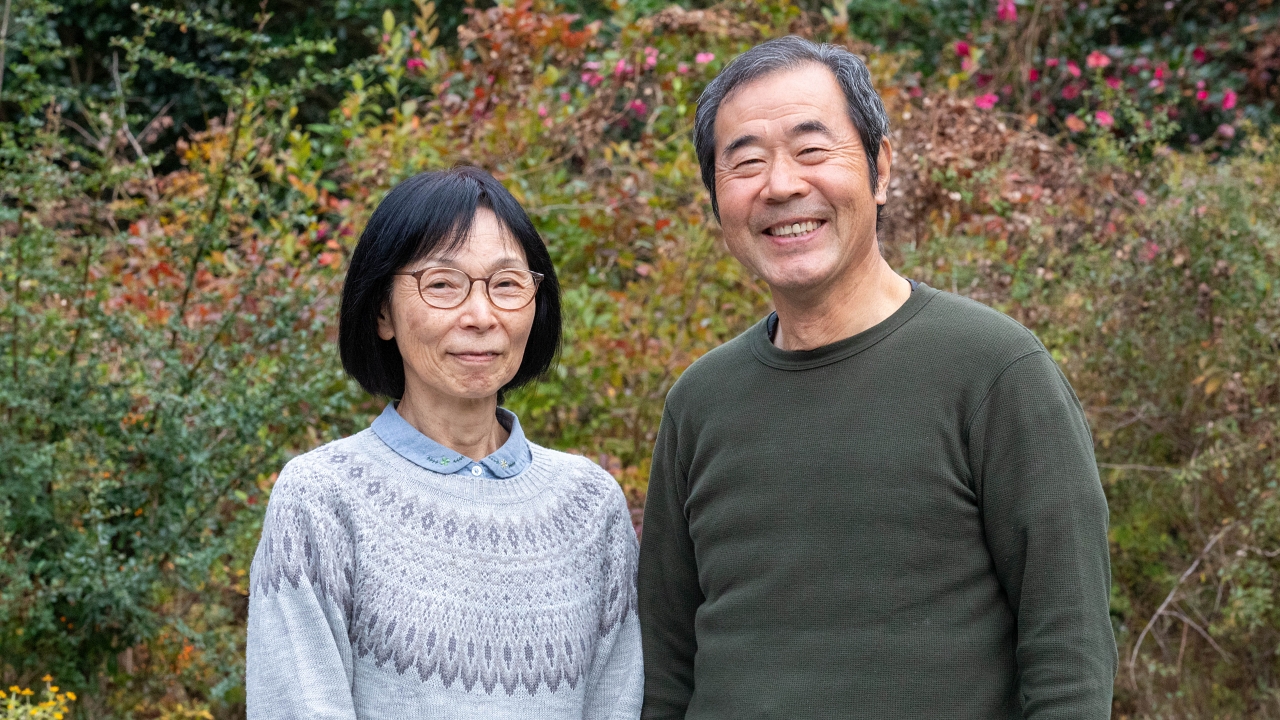

Traveling north by car from central Asaji, another 20–30 minutes brings us to Toya (鳥屋), the setting for the experiences introduced here: a quiet, remote area retaining an older rural landscape. Local beekeeper Hirofumi Hatano (羽田野 弘文) aims to enrich the area’s landscape and industry through Japanese honeybees. Explaining his choice over Western bees, he points to their pollination, their part in preserving Japan’s rural scenery and the value of multifloral honey (百花蜜) collected from many flowers, including plants traditionally associated with medicinal uses. Those comments do not establish medicinal effects in the honey. His work seeks regional renewal through specialty products while maintaining the surrounding mountains and scenery.
Experiences Introduced in Asaji
The source introduces several programs for travelers wanting to spend time close to nature.
1. Guided E-Bike Tour: Cycling through Nature and History
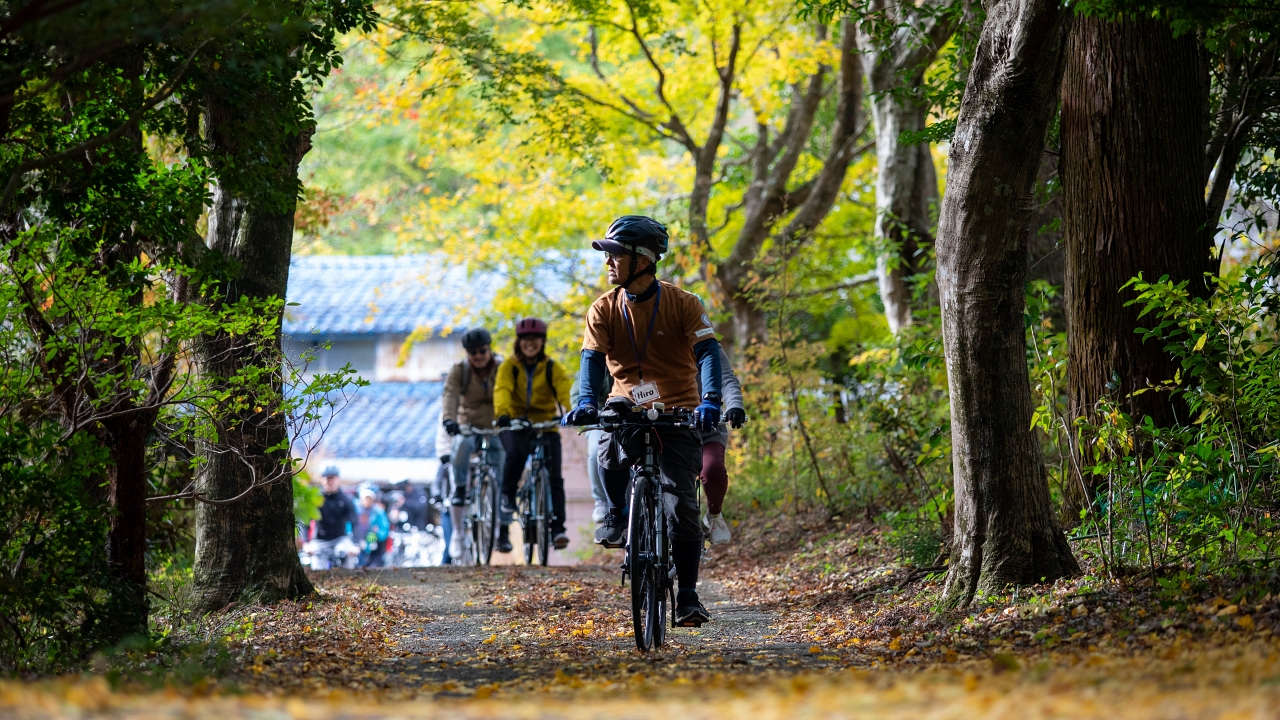
A local guide leads a ride through Asaji’s mountains and greenery on electric-assist bicycles. The assistance makes cycling more approachable, while the guide explains the geopark landscape, local history and culture.
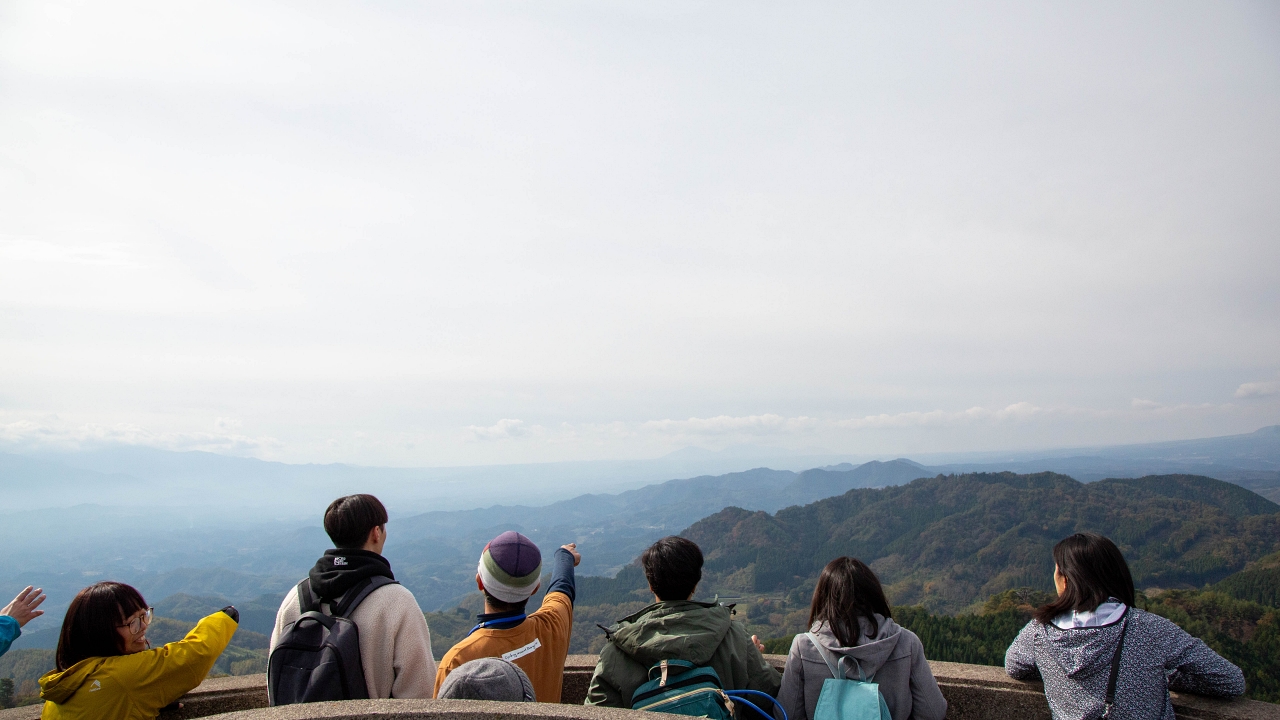
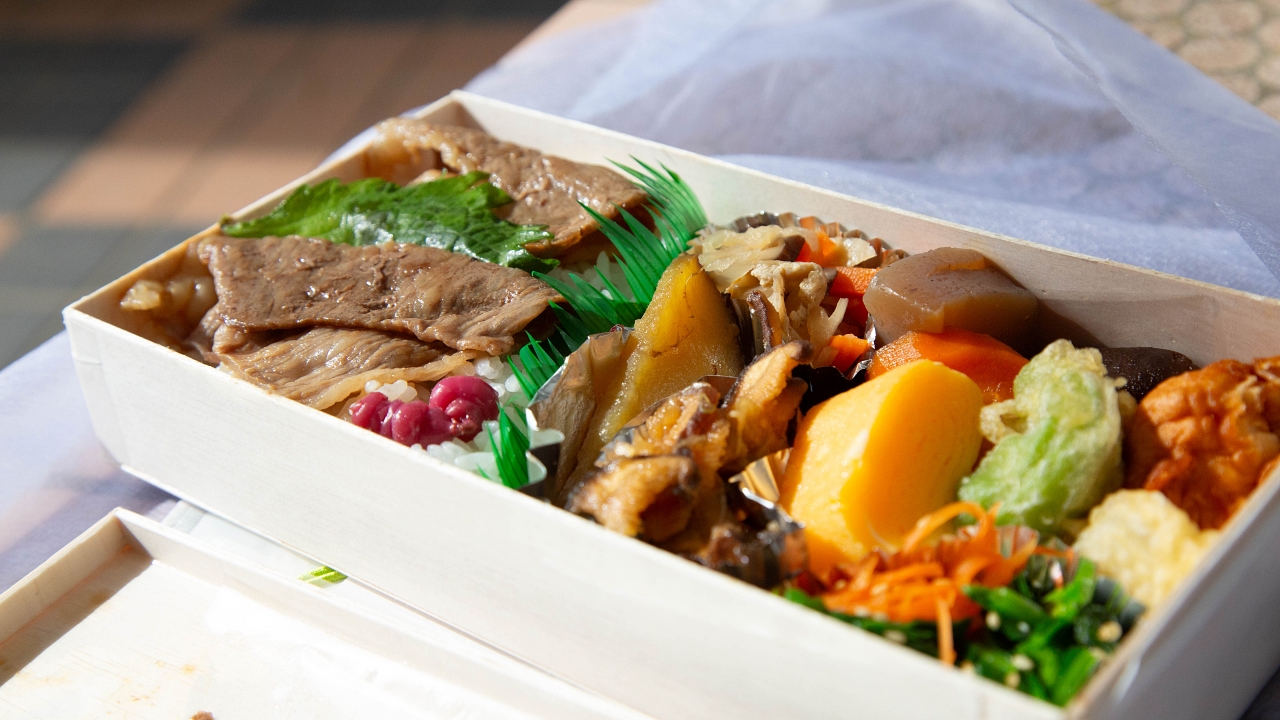
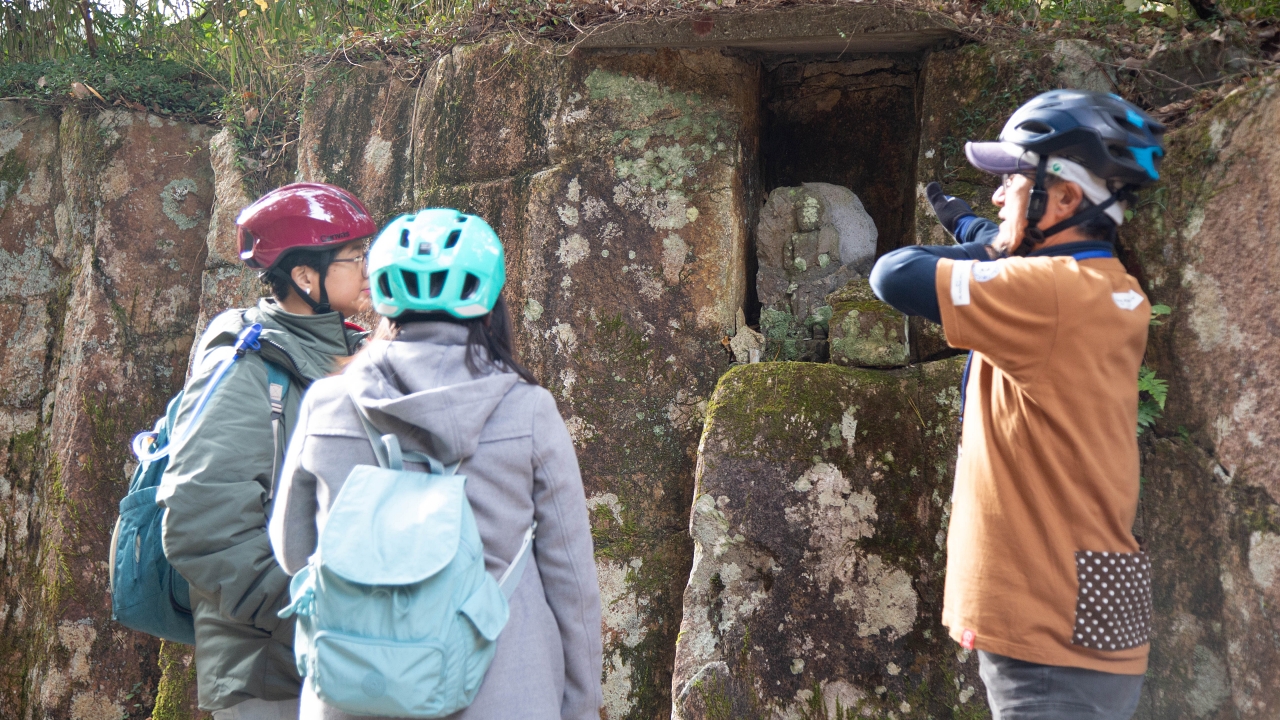
A high lookout offers a broad view of Oita’s natural scenery. A lunch box using local ingredients can be enjoyed amid mountains and rivers. A geoguide explains the geology, landforms produced by volcanic activity and their effects as part of Bungo-Ono Geopark. Visits to historic and cultural sites add stories that are easier to appreciate with a guide’s explanations.
2. Geoguide Walking Tour: An Adventure through Rural Landscapes
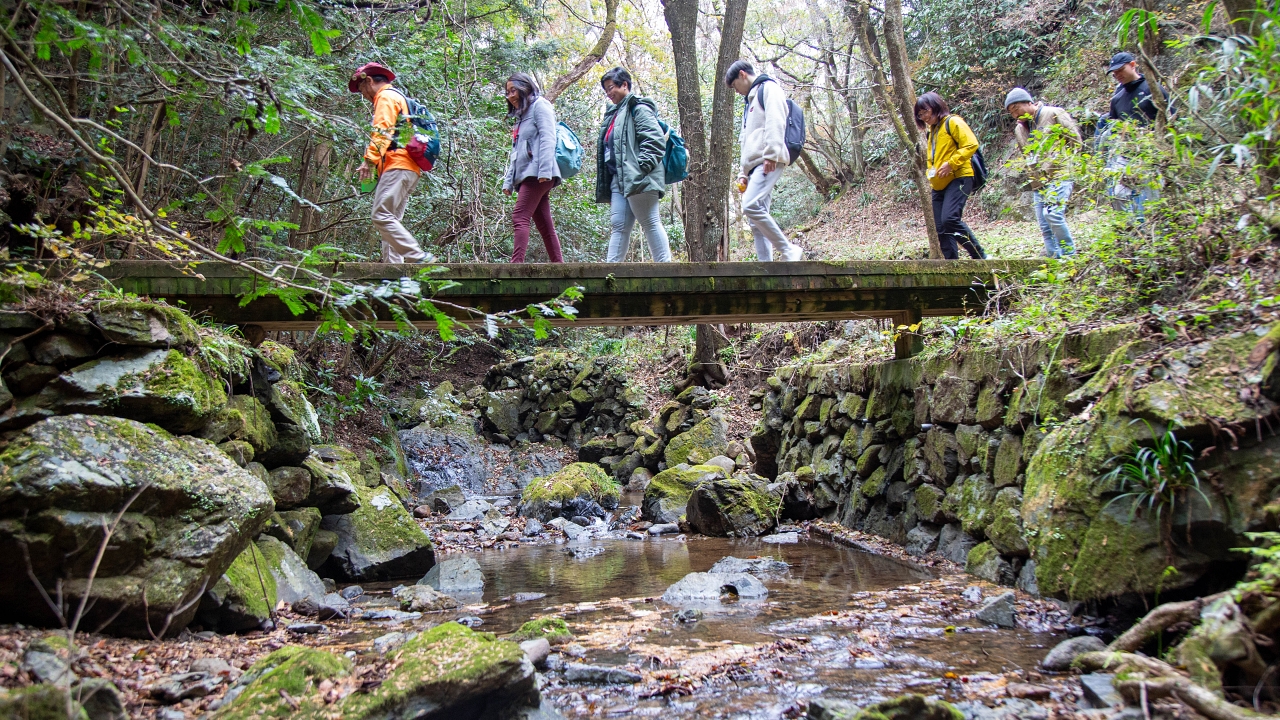
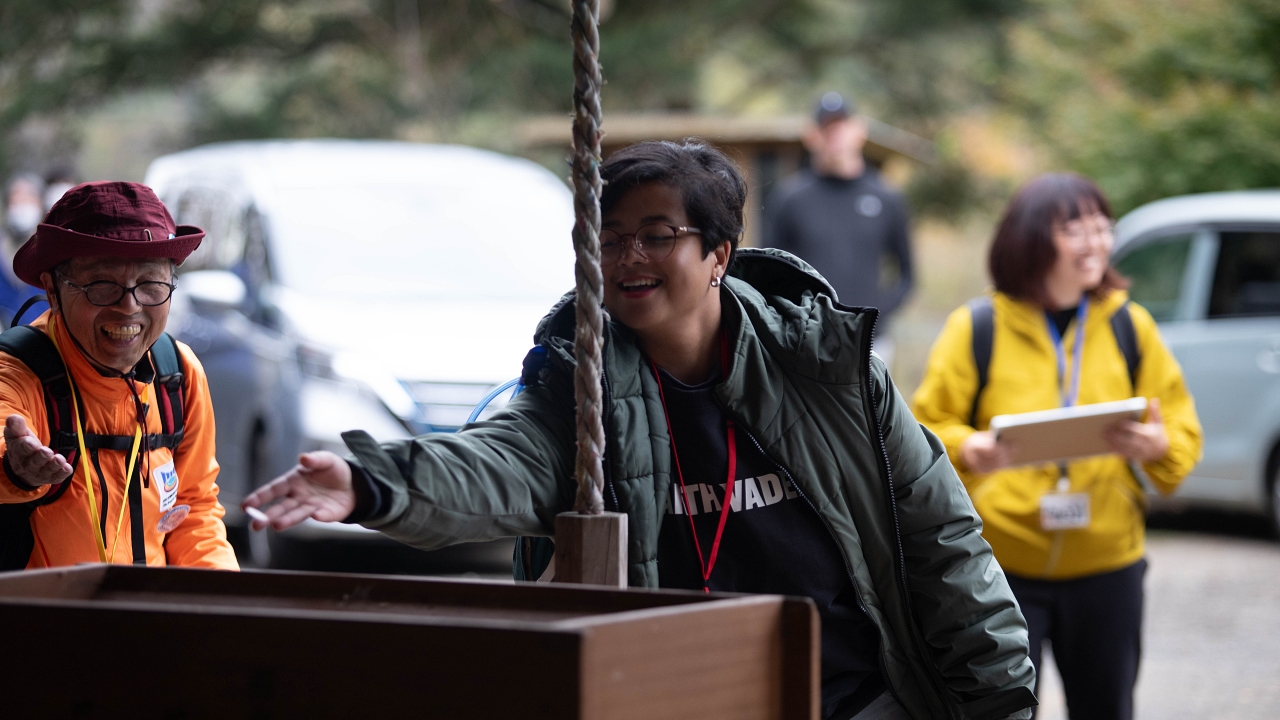
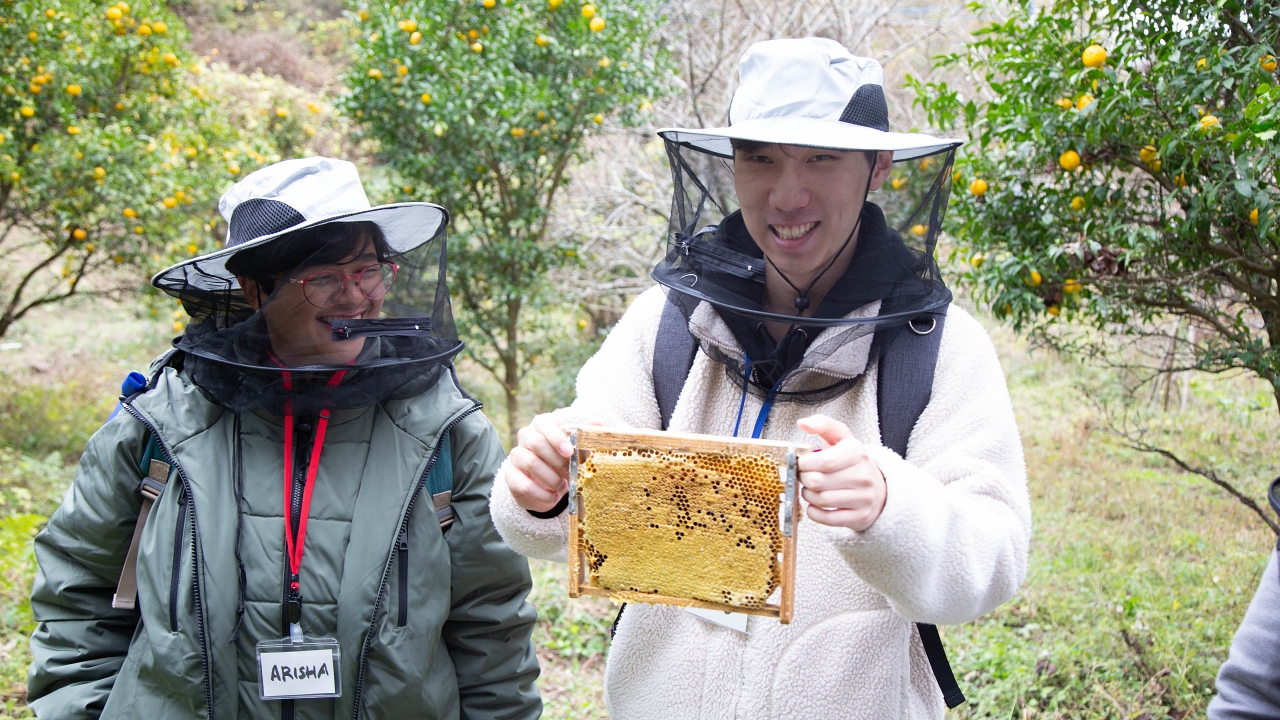
A specialist guide from Oita Bungo-Ono Geopark leads a walk through local nature, visiting the shrine written 神角神社 and transcribed ‘Kamitsuno’ in the source, a valley and a beekeeping site. The precise reading of the shrine name has not been verified here. The account describes a sacred setting with over a thousand years of history, with historical and religious stories from the guide. Clear water and birdsong accompany the valley walk, alongside explanations of the landforms. At the apiary, visitors learn about bee ecology and local beekeepers’ work.
3. Apiary Visit: Bee Ecology and Local Beekeeping
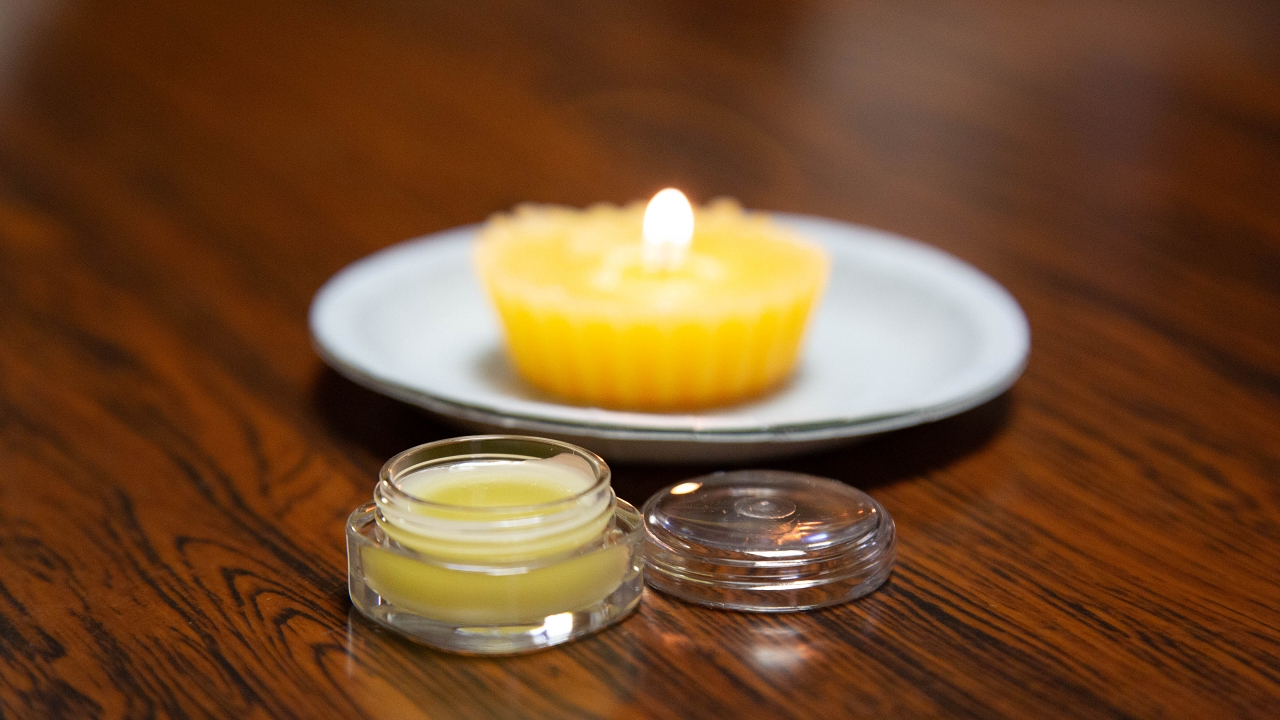
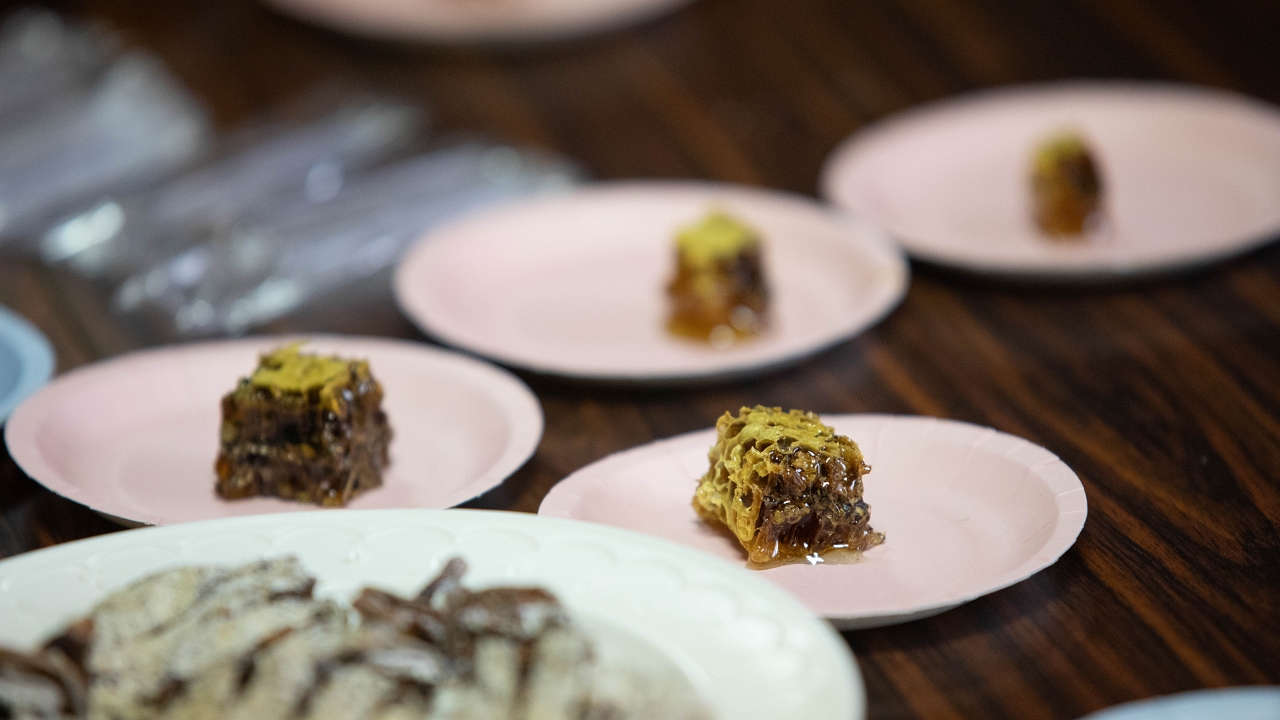
Bees and art come together in craft experiences led by the producers themselves. Using local beeswax, participants can choose among three activities: making a candle, hand cream or lip balm. The candle becomes a personal craft object with the wax’s aroma. The cream and balm introduce local materials and are described as moisturizing in the source; their suitability depends on ingredients and individual sensitivities, rather than a medical claim.
A Locally Shaped Future
Asaji’s bee project seeks to share and enrich the area’s landscape and industry. The author hopes that protecting honeybees will support the wider community and help visitors rediscover the appeal of living alongside nature. The combination of landscape, culture and bees makes this corner of Bungo-Ono distinctive. The introduced activities offer a way to encounter that local character.
Experience inquiries:
• Beekeeping and beeswax craft experience
https://www.viator.com/ja-JP/tours/Oita/Beekeeping-and-beewax-craft-making-experience-in-Bungoono-city/d28080-173026P50?localeSwitch=1
• Guided electric-assist bicycle experience
https://www.viator.com/ja-JP/tours/Oita/Guided-e-bike-tours-in-Bungoono-city/d28080-173026P49?localeSwitch=1
• Asaji honey-craft online shop: https://www.umai-mon.com/user/shop/5052
Some photographs provided by: photo by KsPowerPosition