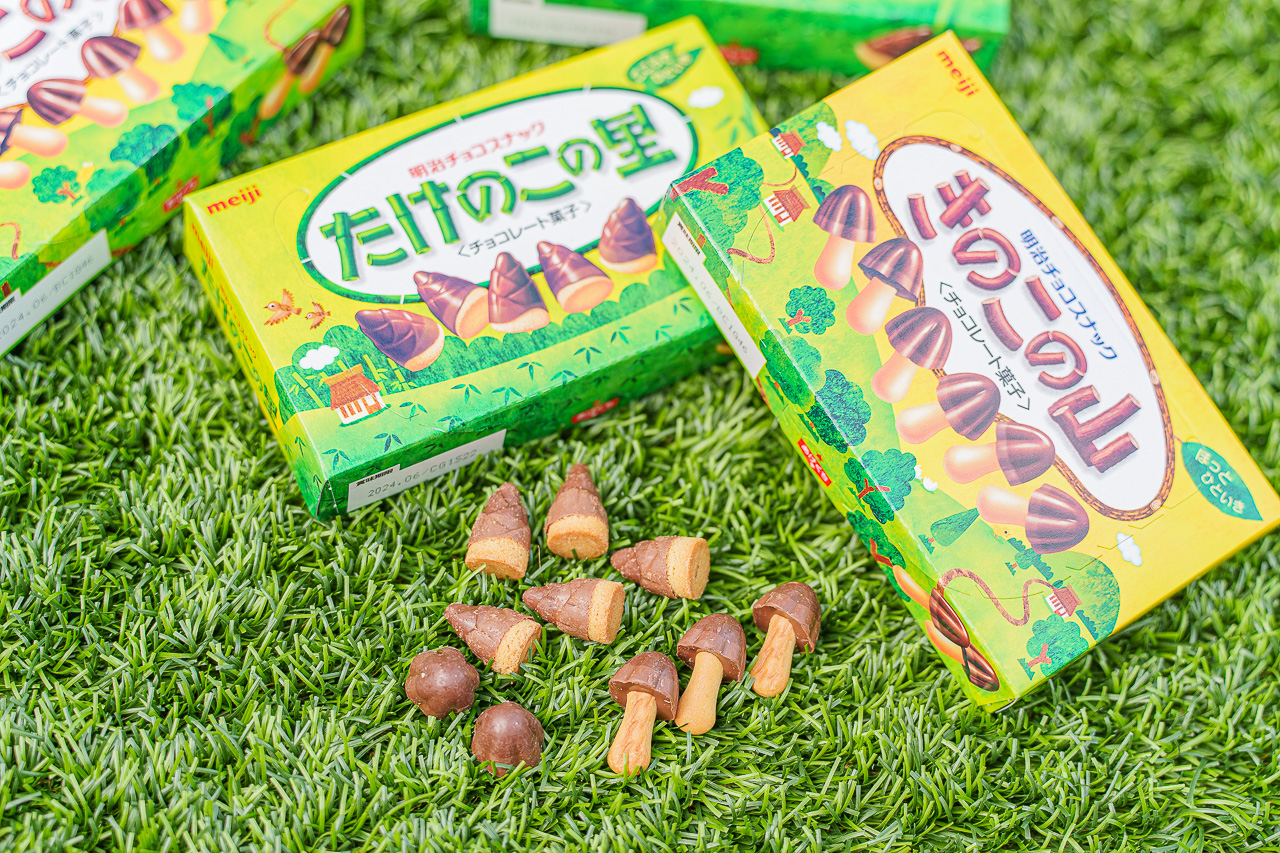
Meiji (明治) is a familiar name in Japan’s snack aisles. Two popular chocolate snacks are Kinoko no Yama and Takenoko no Sato, known for distinctive shapes and flavors inspired by natural forms. Kinoko no Yama debuted in 1975. Its name means ‘Mushroom Mountain’: a chocolate cap sits on a cracker stem, bringing chocolate and cracker flavors together. It quickly became a favorite with adults and children.
Takenoko no Sato (たけのこの里) is another popular Meiji chocolate snack. Takenoko means bamboo shoot, and the shape follows the name. Launched in 1979, it quickly found an audience among children. Its cookie base offers a different texture from the cracker stem of Kinoko no Yama.
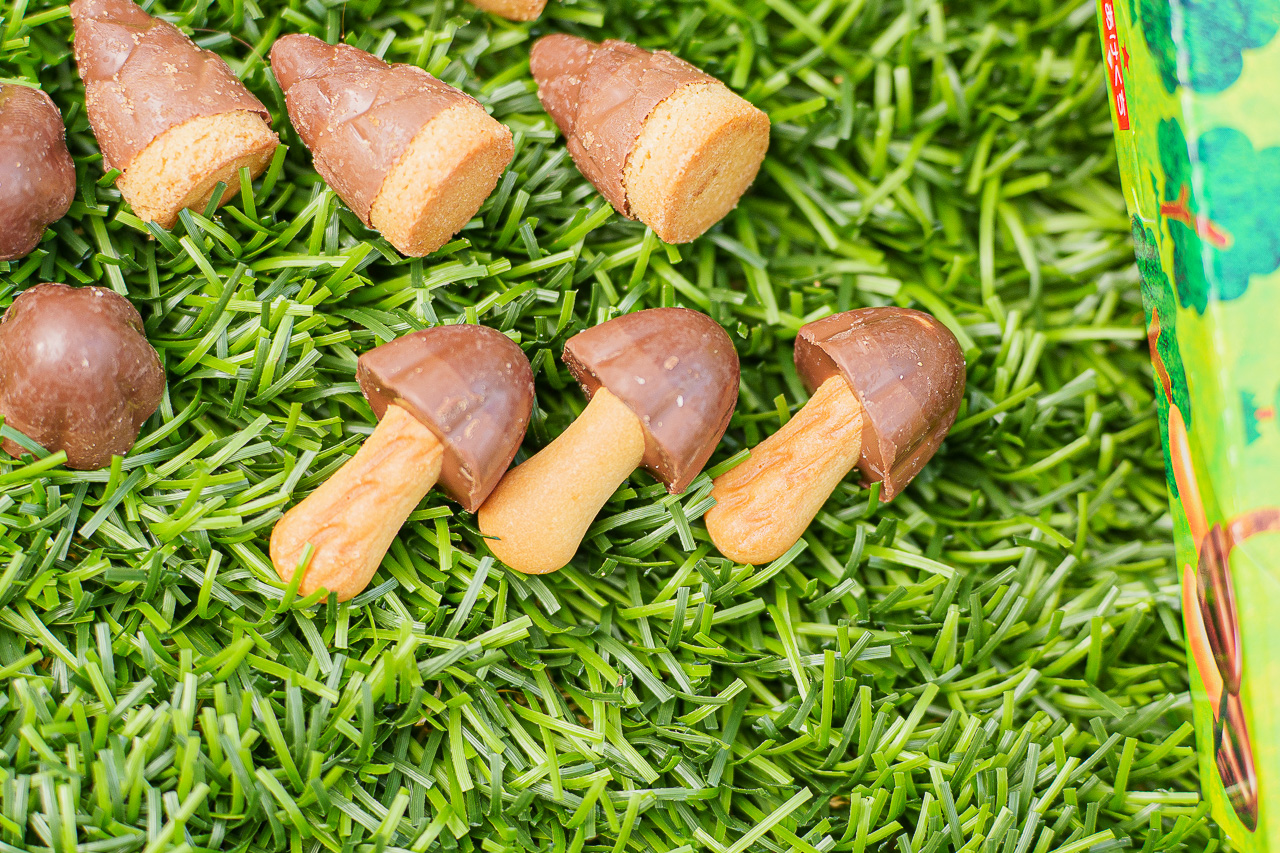
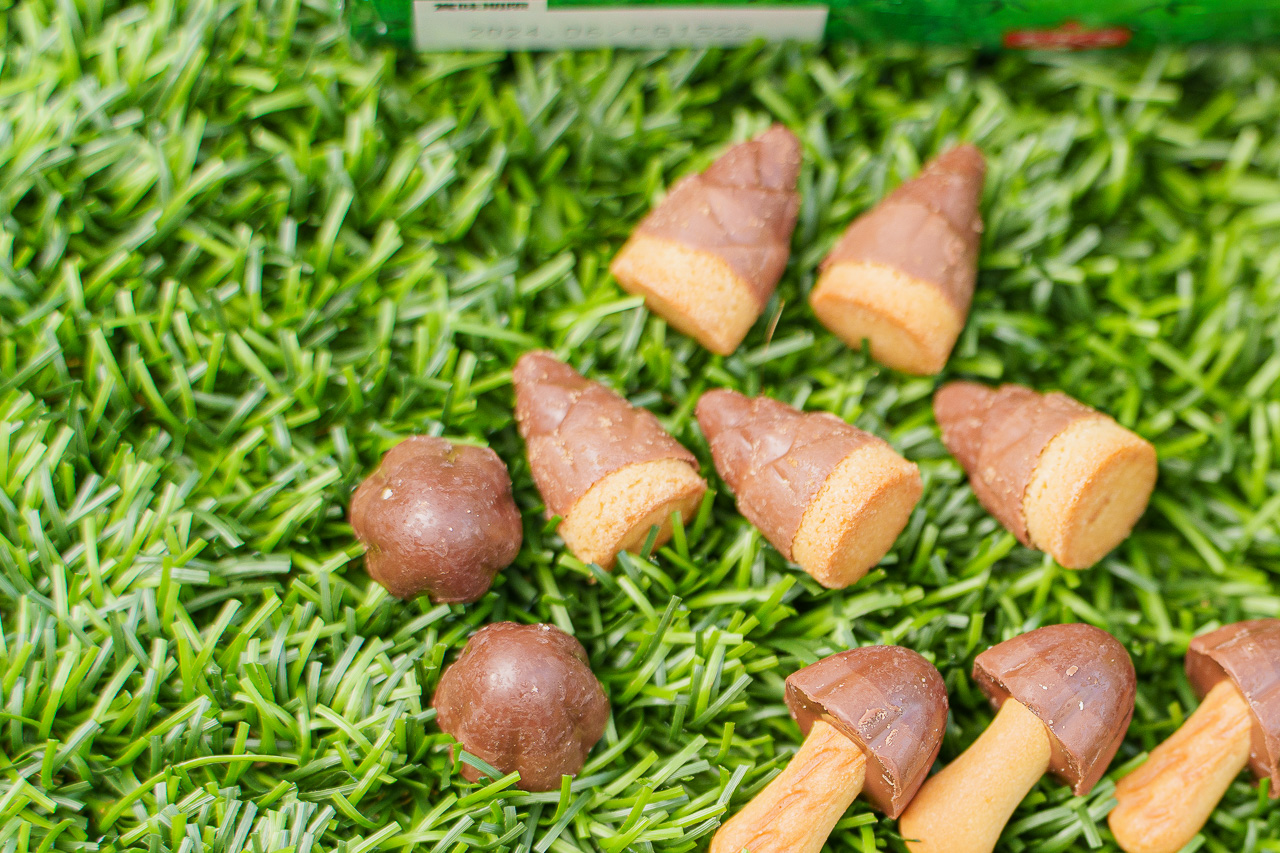
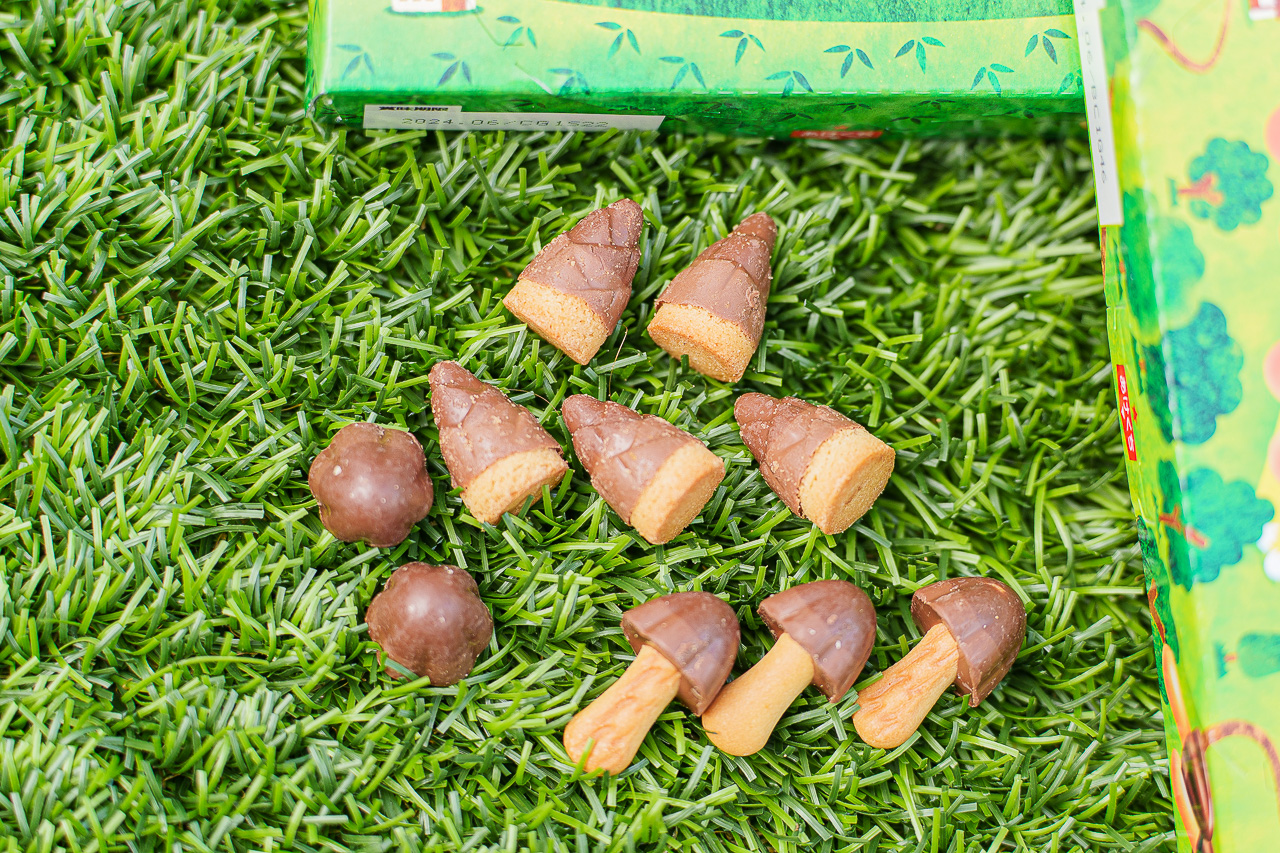
A not-so-secret detail is the use of two chocolate layers. Look closely and you can see them: the source describes regular chocolate above and a gentler milk chocolate below. The idea is a strong chocolate aroma at first, followed by softer milk chocolate as you chew. Considerable care goes into a small difference in flavor.
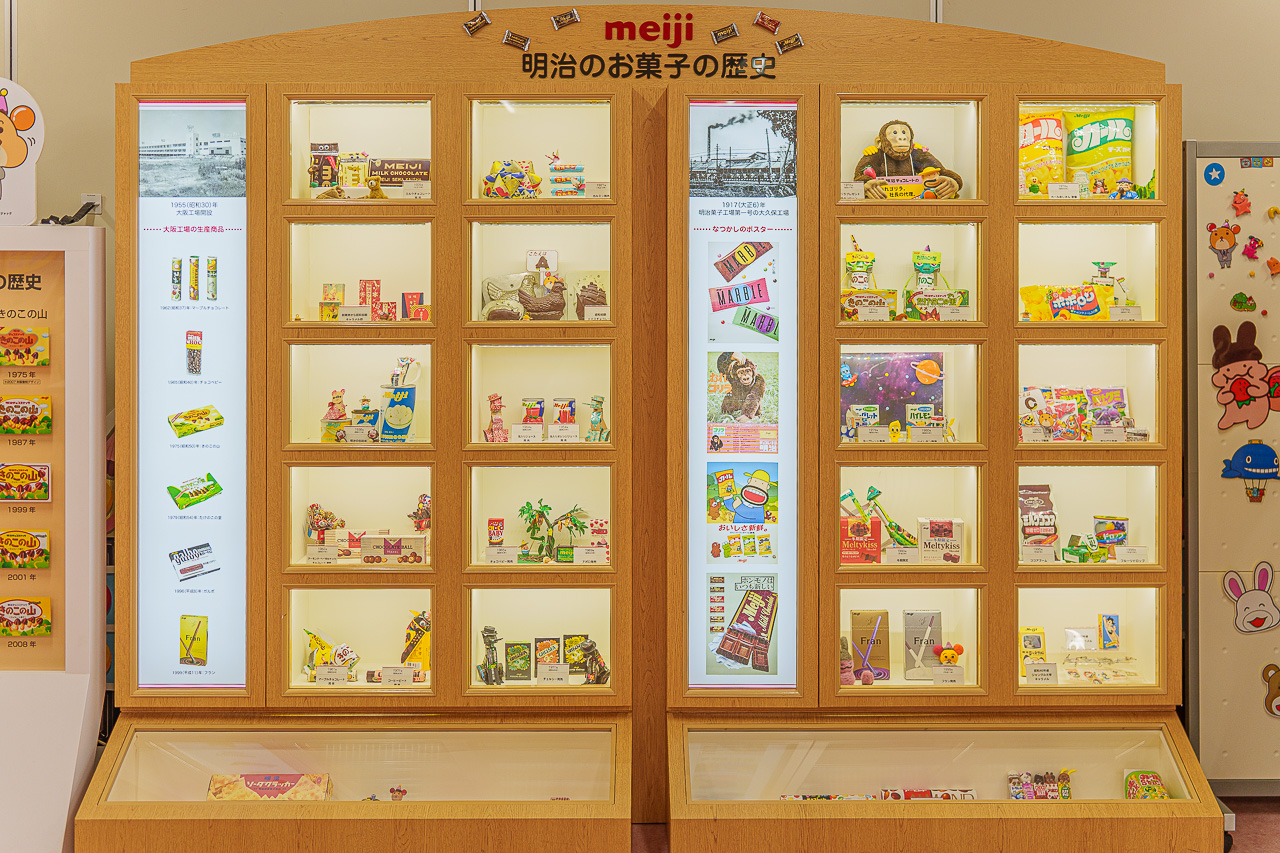
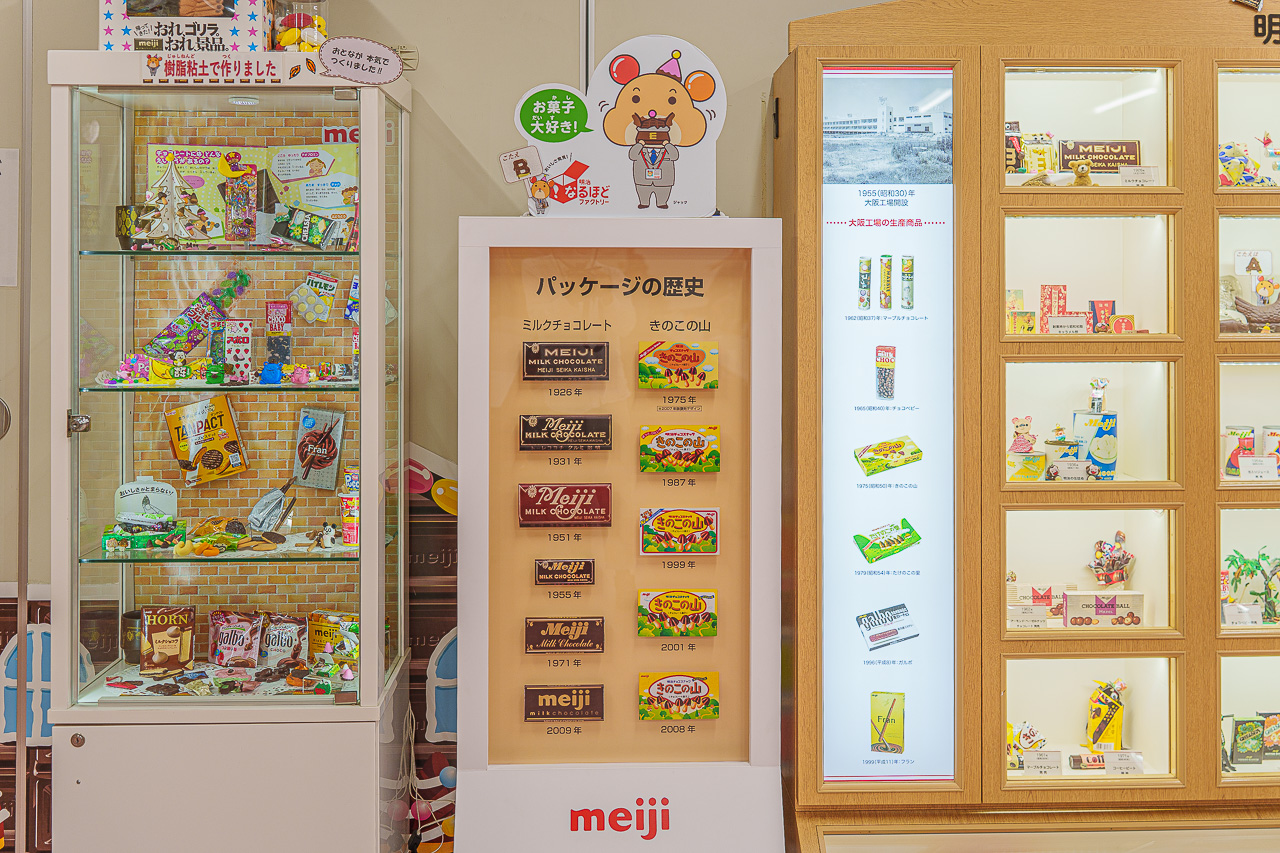
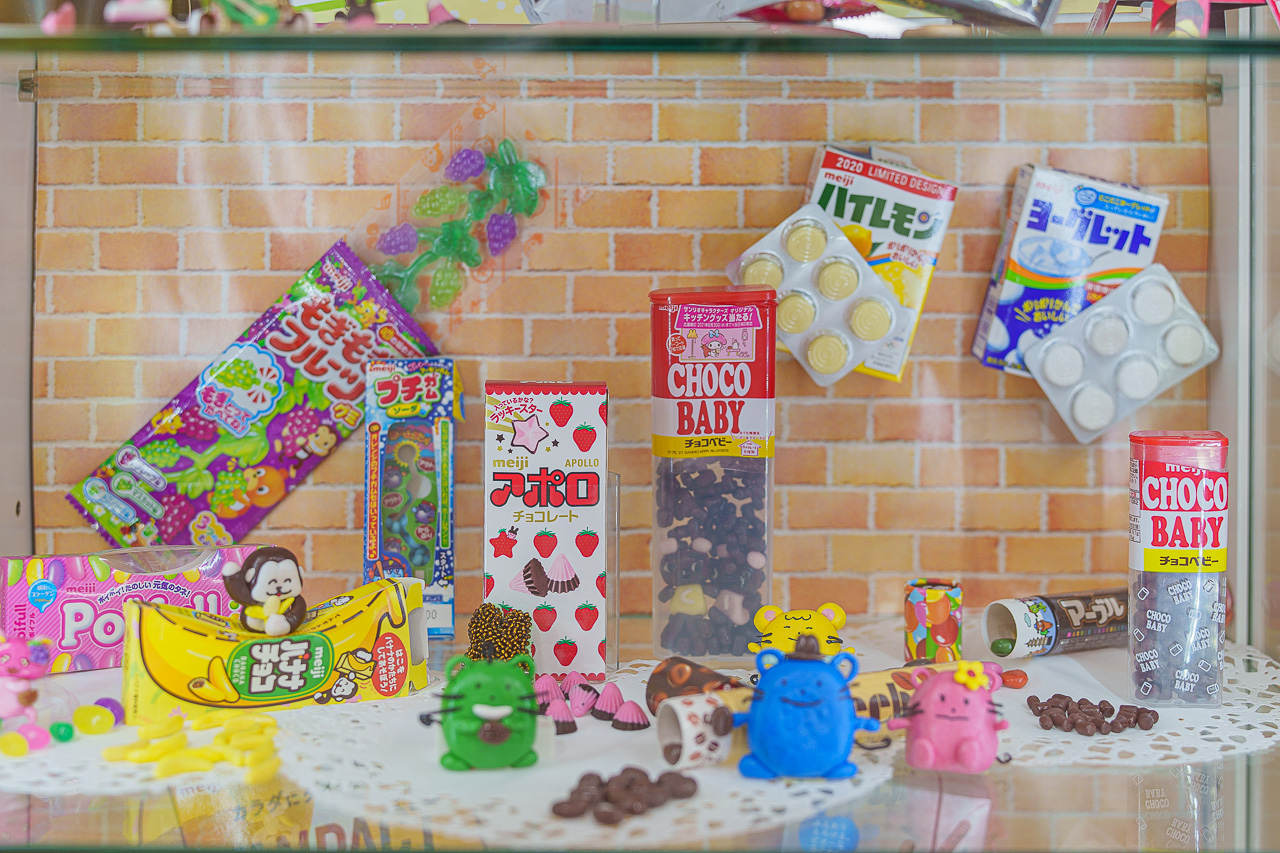
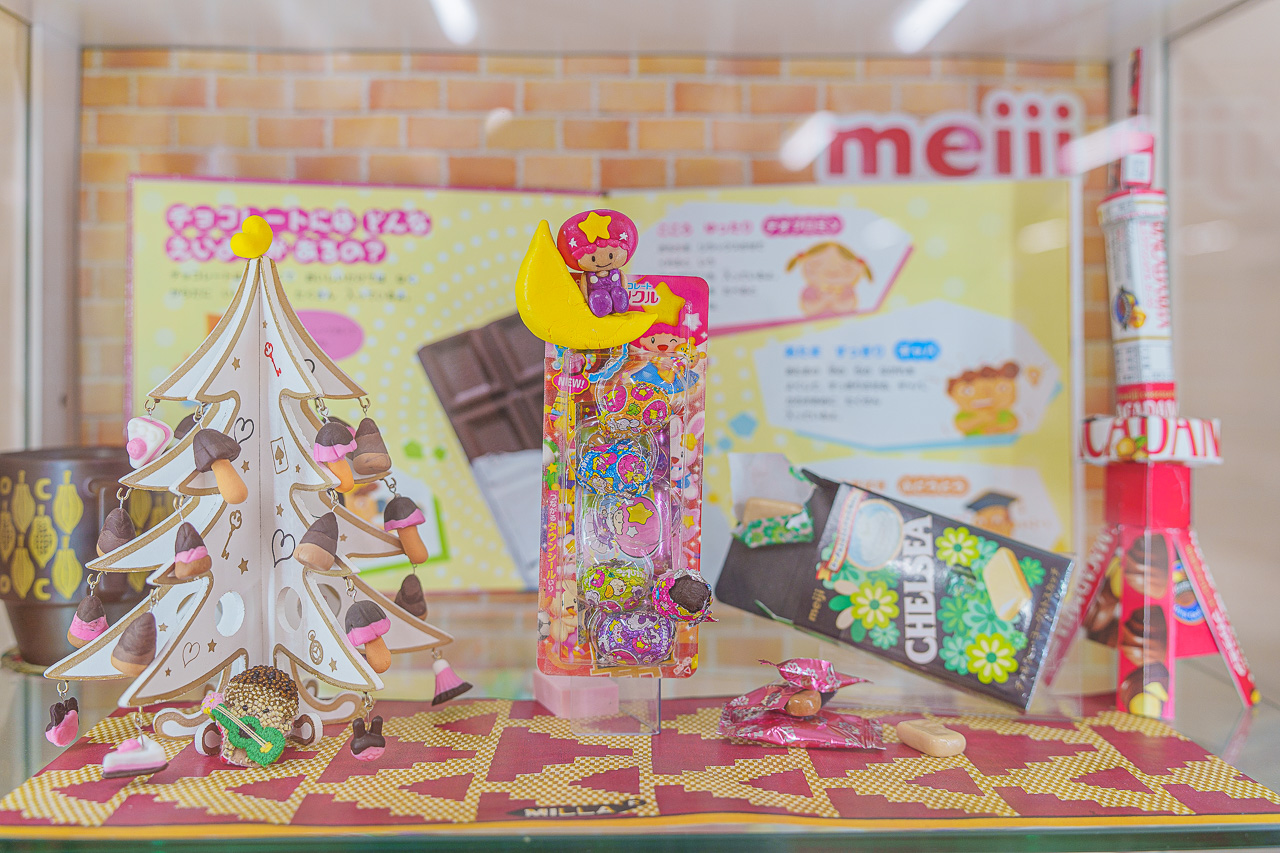
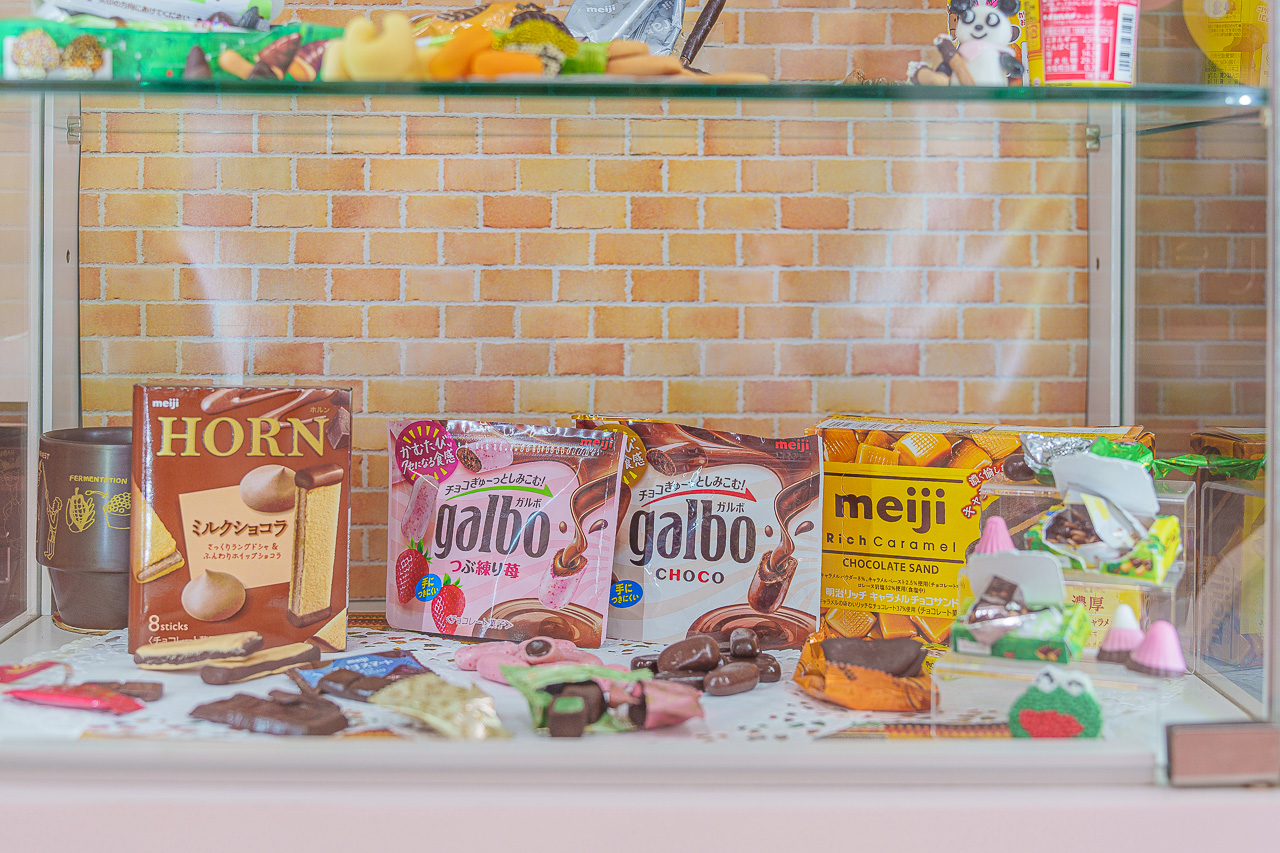
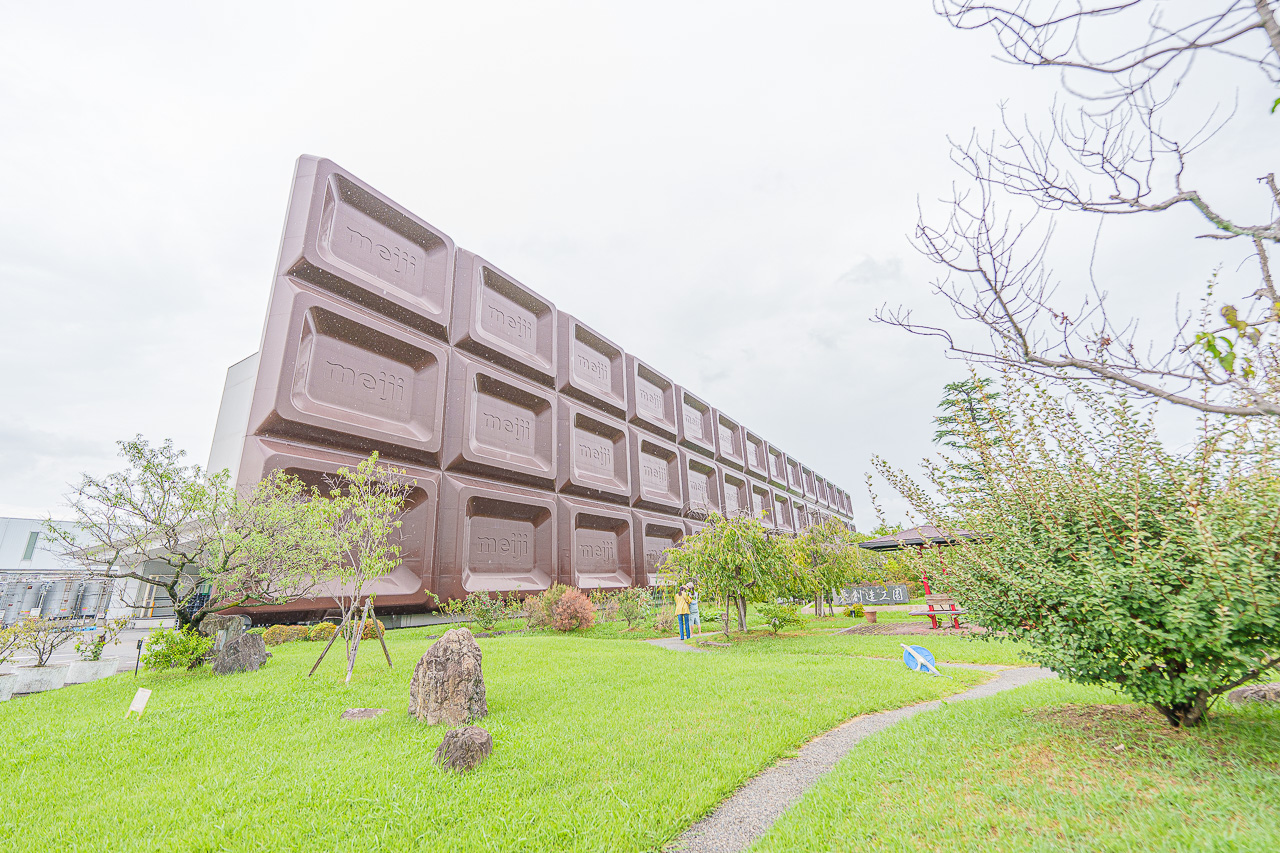
The account says these products are all manufactured at an Osaka factory. Displays show an enormous range of Meiji products—enough to make the author wonder whether most snacks bought on a Japan trip come from the company. That last impression is not a market-share statistic. The thought of supplying Japan from this plant gives a sense of its scale, though the manufacturing-location claim has not been updated.
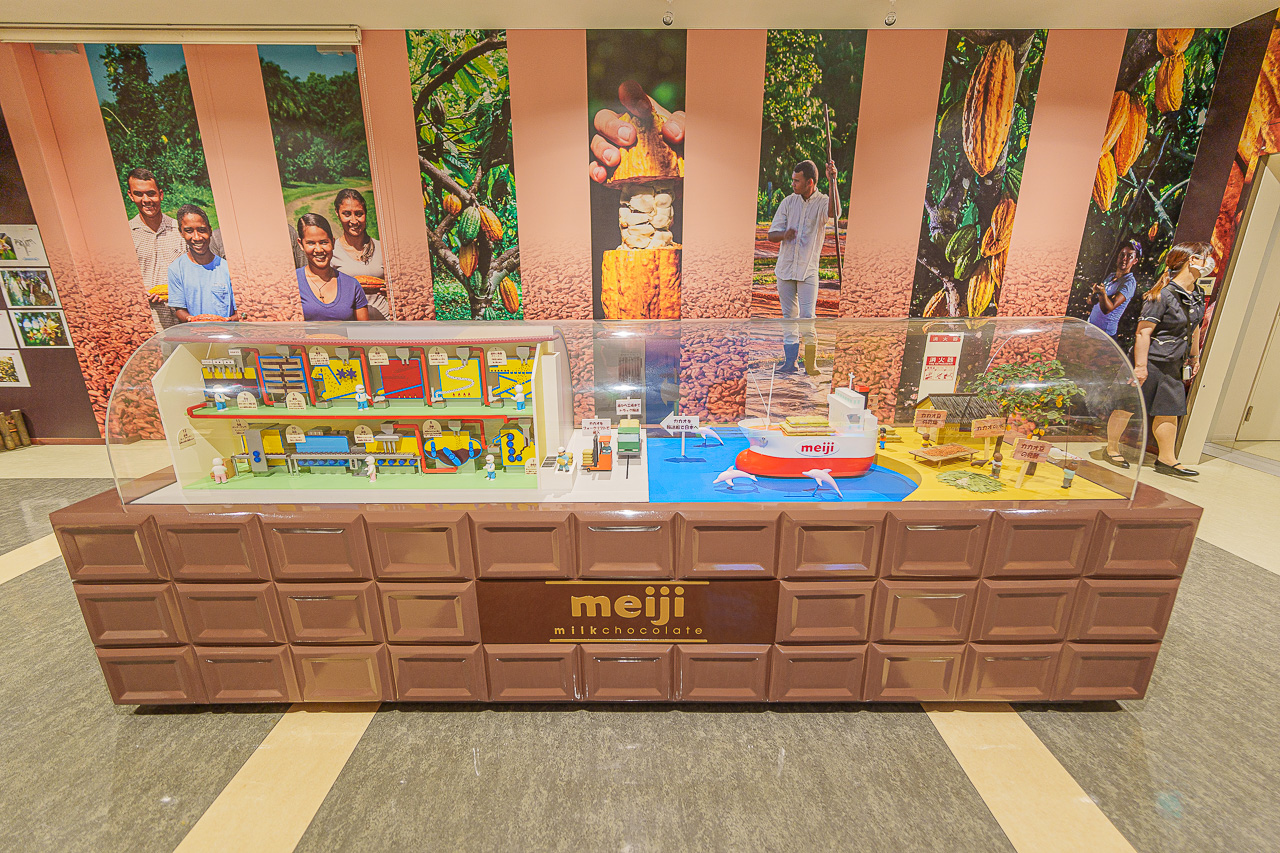
How are these chocolates made? This facility introduces the production process. There was a tour of the actual production line, but photography was prohibited there. Here is the source’s explanation in accessible terms.
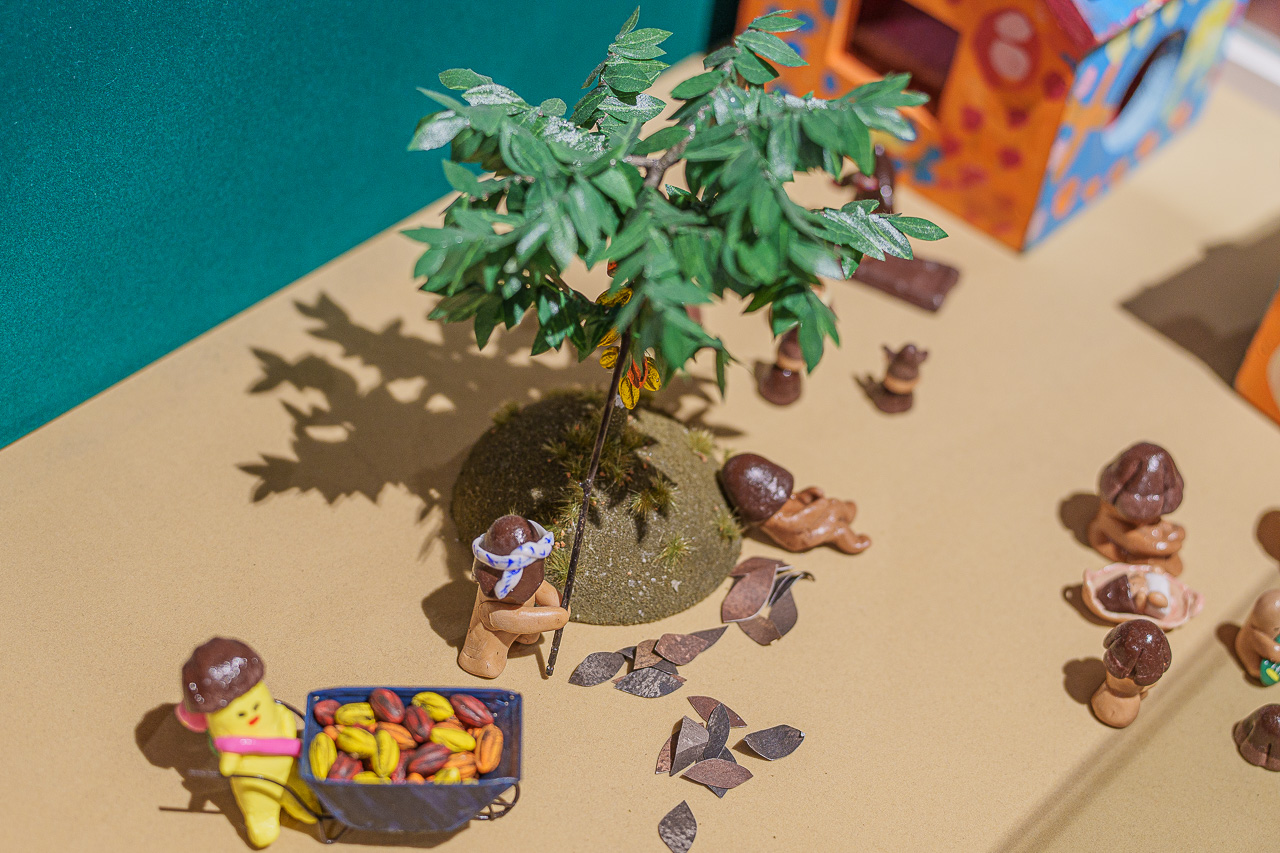


The cacao tree, Theobroma cacao, is generally cultivated in tropical regions near the equator. Growing begins with seeds or seedlings in fertile, well-drained soil. It needs warmth, high humidity and sufficient rainfall, making cultivation demanding. Pods change color as they ripen, with the color depending on the variety. Ripe pods are harvested by hand using a machete or special tool.

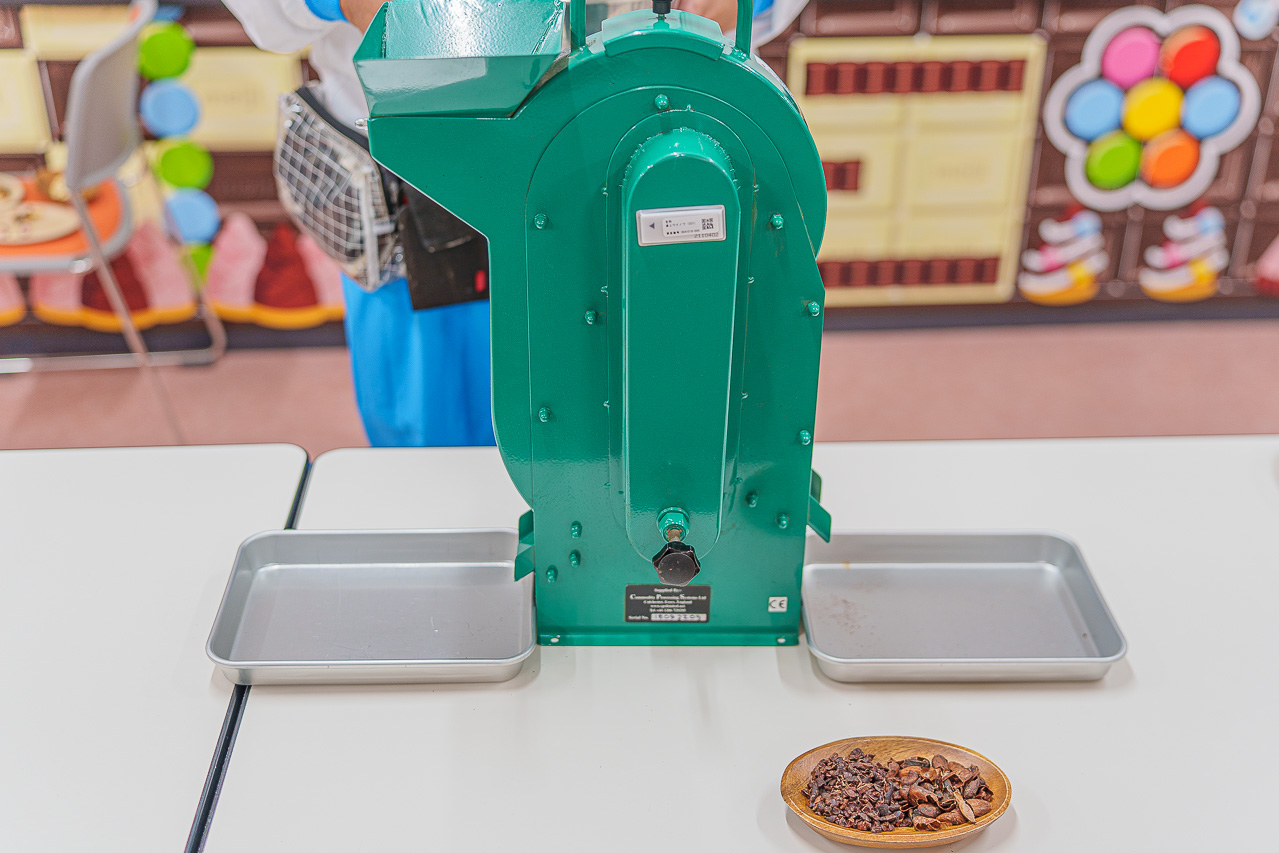
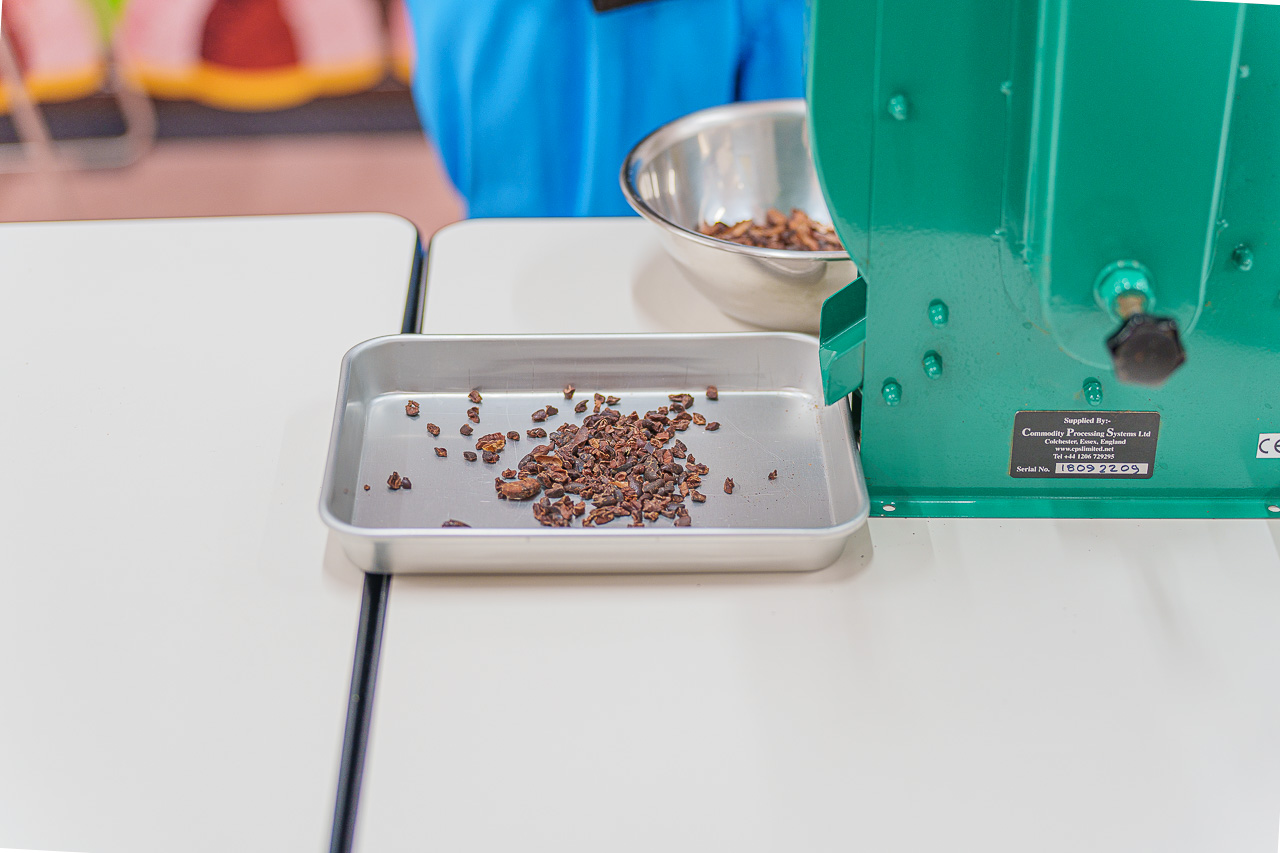
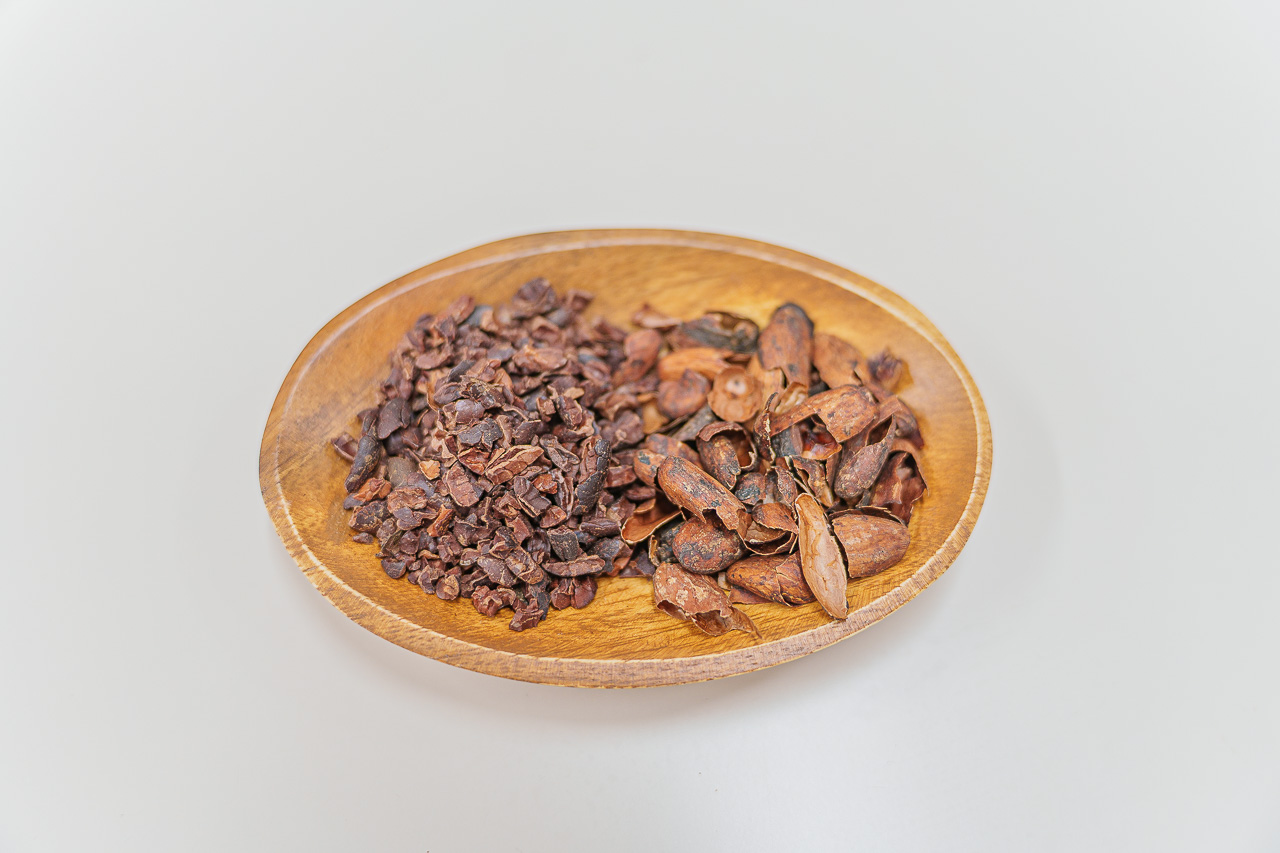
The beans are brought to Japan, cleaned, sorted and roasted in a process compared with roasting coffee. This develops chocolate’s taste and aroma. The precise time and temperature are described as company secrets. Roasting also makes the beans more brittle and their shells easier to remove. The beans are cracked and the shells separated from the edible nibs by winnowing.


The nibs are finely ground with other ingredients to make chocolate. Milk powder and other formulation steps can create milk chocolate. Freshly made chocolate has a particularly intense aroma and tastes wonderful.
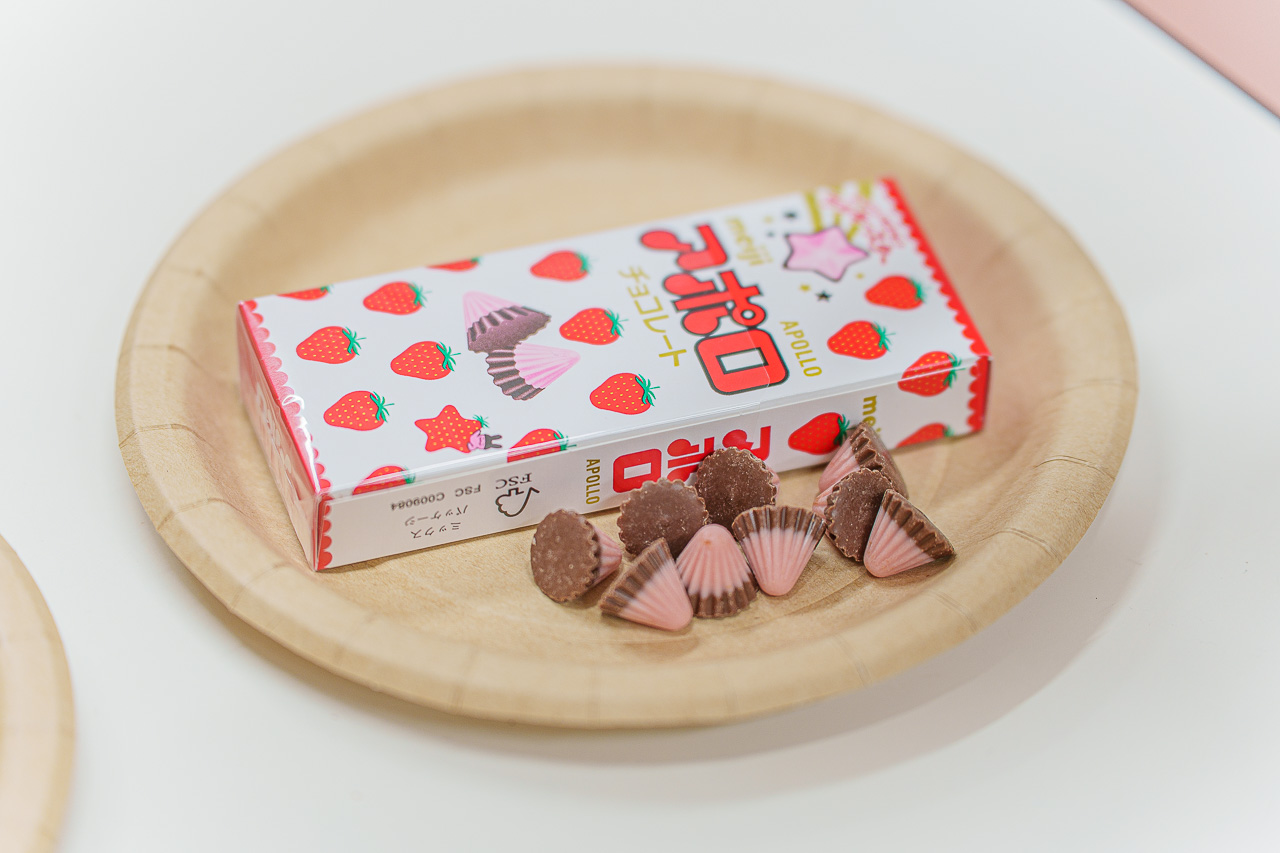
The predecessor to Kinoko no Yama was Apollo, a strawberry chocolate less familiar in Korea but a household name in Japan. Apollo’s shape came from the spacecraft associated with the first successful crewed Moon landing. Apollo 11 achieved the first crewed Moon landing on July 21, 1969 in Japan’s time zone—July 20 in the United States. Images attracted worldwide attention, and the source says Apollo chocolate’s little triangular shape was inspired by the spacecraft. Apollo’s shape proved popular. The developers wondered what other shapes they could produce using the same machinery, eventually creating Kinoko no Yama, described as a pioneer of chocolate snacks. It launched around five years after development began following Apollo’s release.
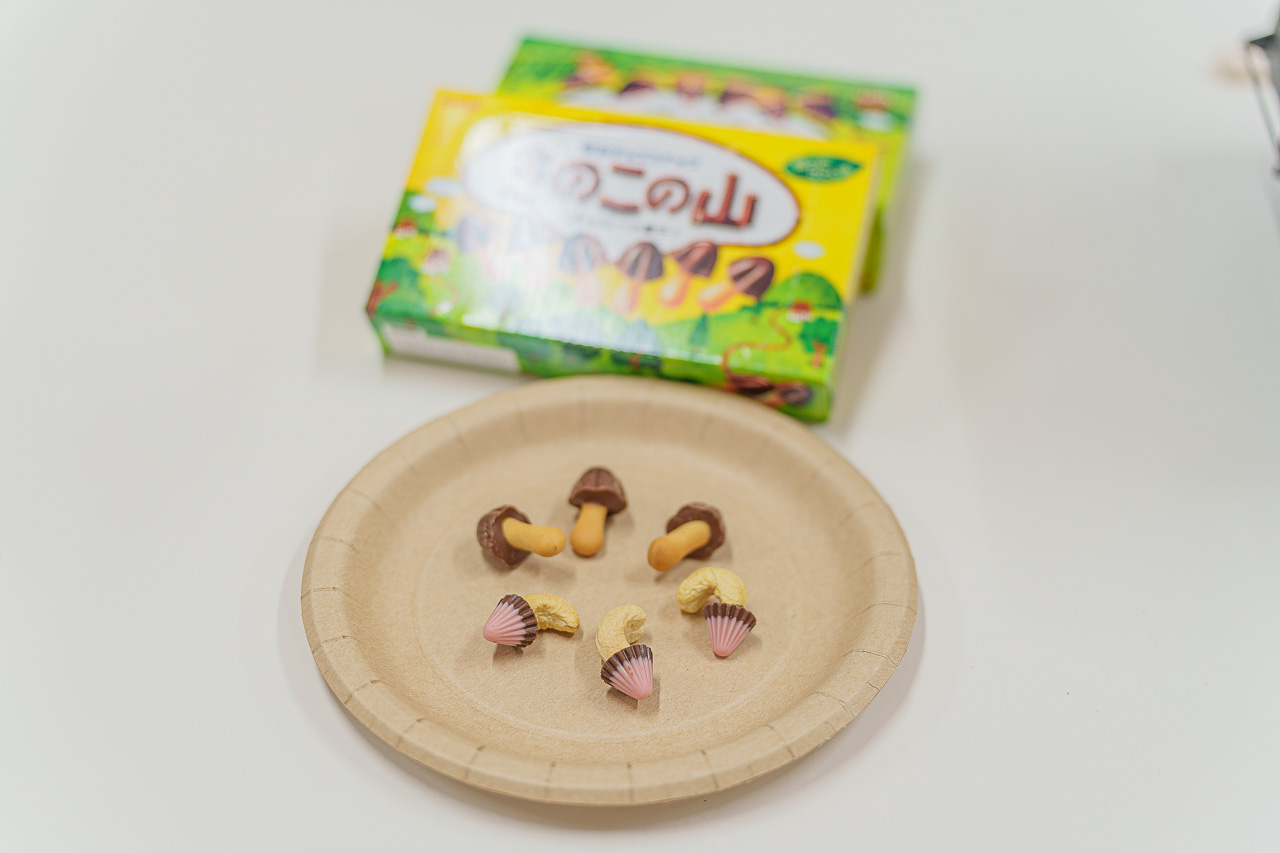
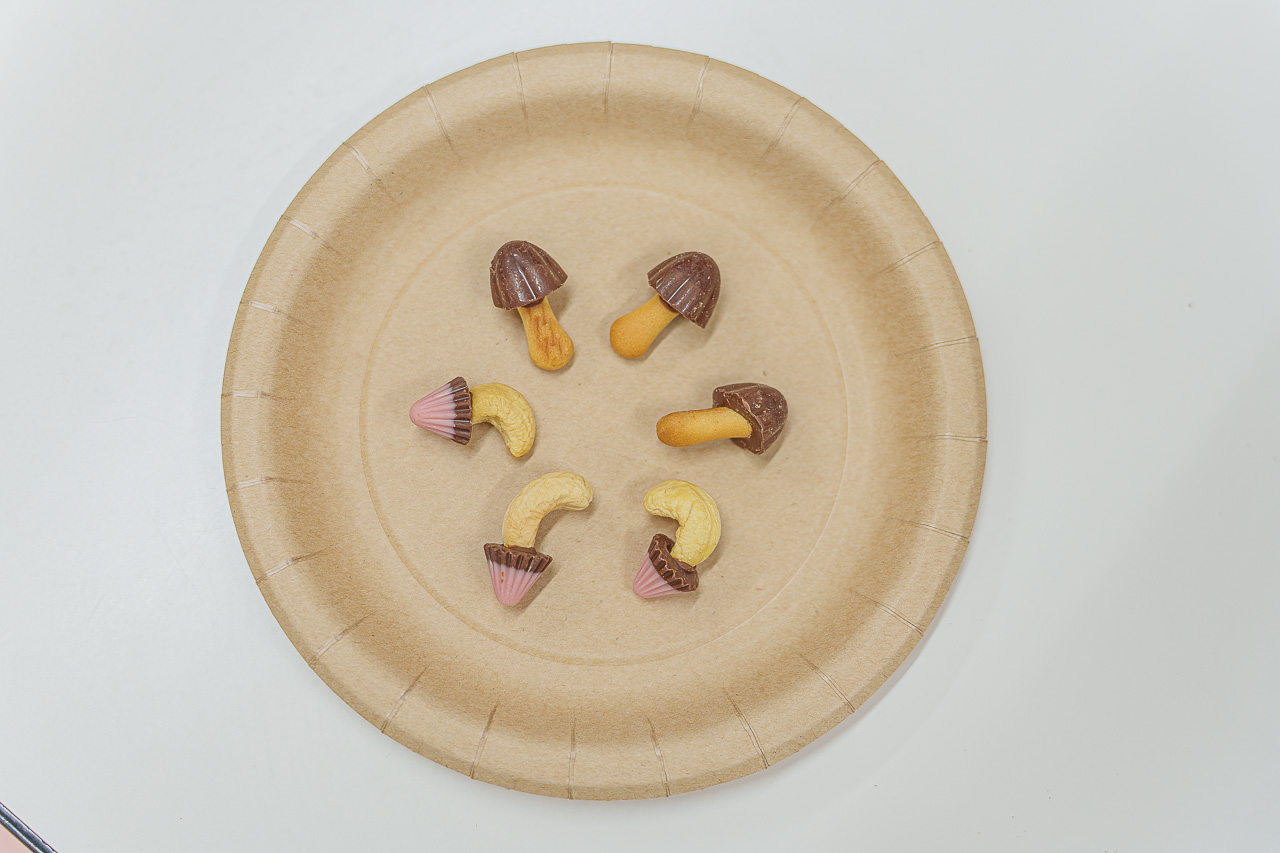
The source says cashews were tried as the base during development. I am grateful they eventually arrived at today’s form.
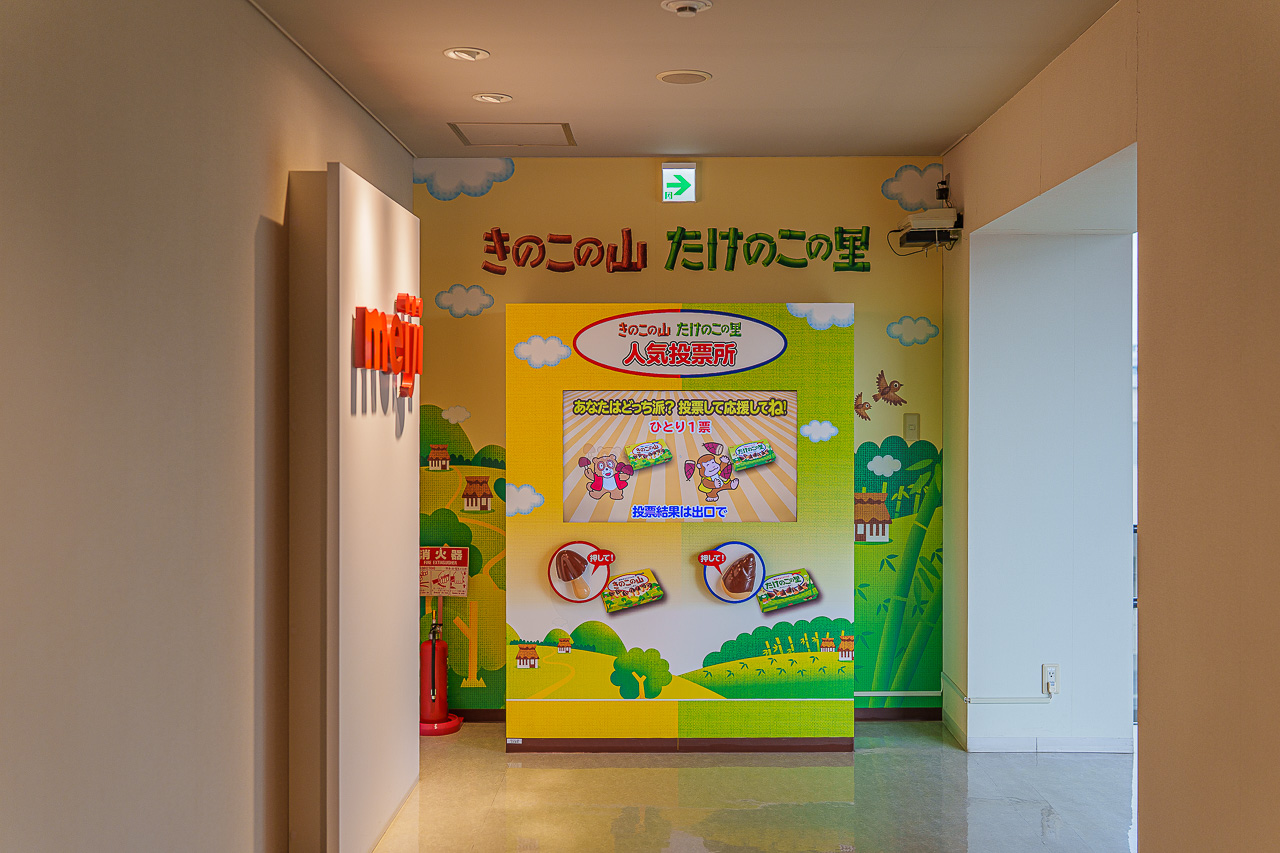

In Japan, children—and adults—can divide into Team Kinoko and Team Takenoko, a little like a friendly rivalry between two favorite foods. Kinoko fans argue that theirs has more chocolate; Takenoko fans prefer the cookie base’s taste and texture. The source gives a 6:4 sales advantage to Takenoko no Sato, a historical comparison that has not been rechecked.
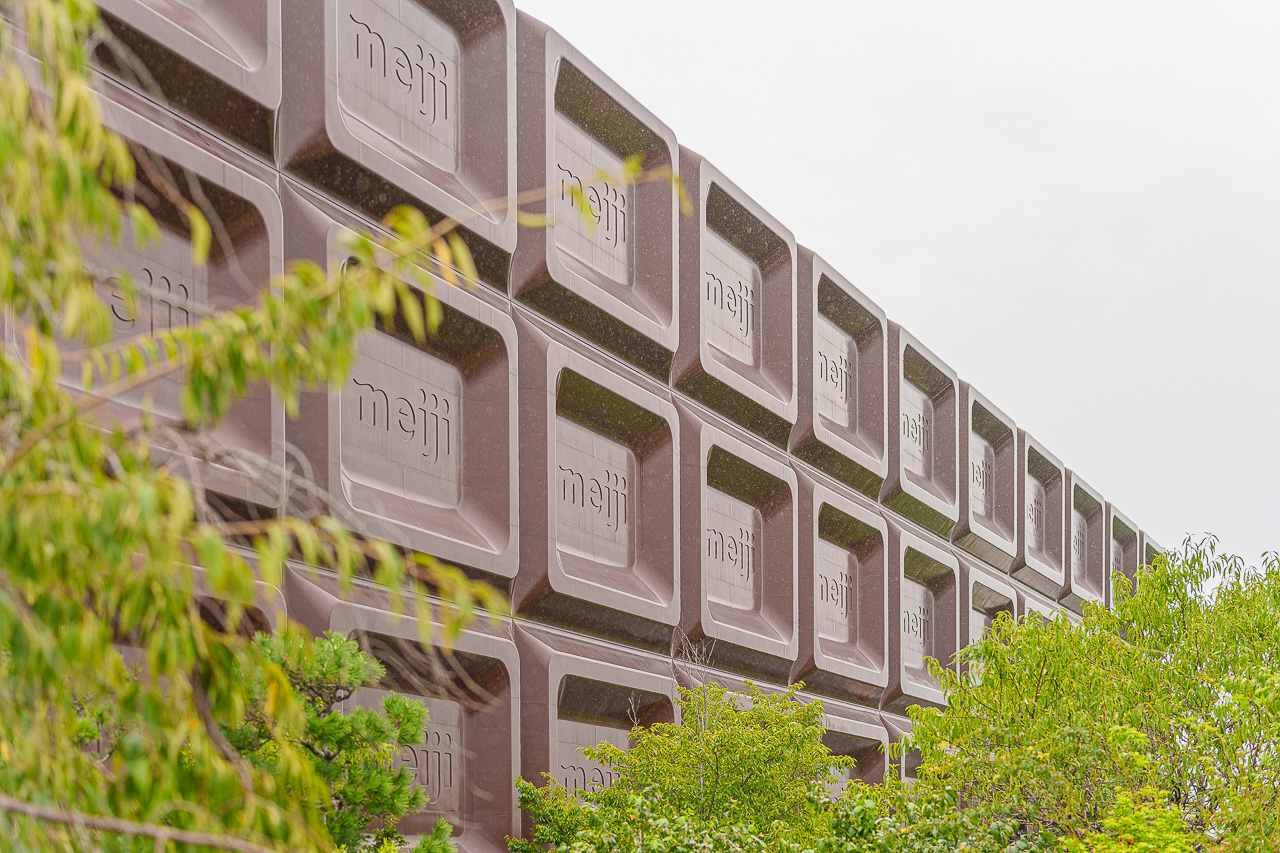
Meiji chocolates are easy to find while shopping in Japan. A company with more than a century of history has plenty of stories behind its inexpensive supermarket snacks. Knowing a little of their manufacture and history makes them more interesting, and perhaps even tastier. The detailed, distinctive mushroom and bamboo-shoot shapes appeal across generations and give people something to discuss. Their countryside imagery adds to the pleasure. I would recommend trying these familiar Japanese snacks at least once.
Meiji website:
https://www.meiji.co.jp/products/brand/global/choco/ko/kinotake/
Kinoko no Yama (‘Mushroom Mountain’) & Takenoko no Sato (‘Bamboo-Shoot Village’) | Meiji Co., Ltd.
{Official global website for Meiji chocolate snacks, “Kinoko no Yama” and “Takenoko no Sato”. Explore our product history and variety of other contents.}
www.meiji.co.jp