Japanese curry, also called kare or kare raisu, has roots in British-style cooking. The source dates its introduction to the late 1800s through the British navy, followed by adaptation into a distinctive Japanese dish. It describes a roux of flour, fat, and spices combined with stock or water, vegetables such as potatoes, carrots, and onions, and meat or seafood, then simmered until tender and richly flavored.
Japanese curry can be served over rice or with noodles as a curry soup, often garnished with pickles, sliced onion, or parsley.
One appeal is its adaptability: mild or hot, with different meats and vegetables to suit availability and preference. It is widely found in Japanese restaurants and cafés.

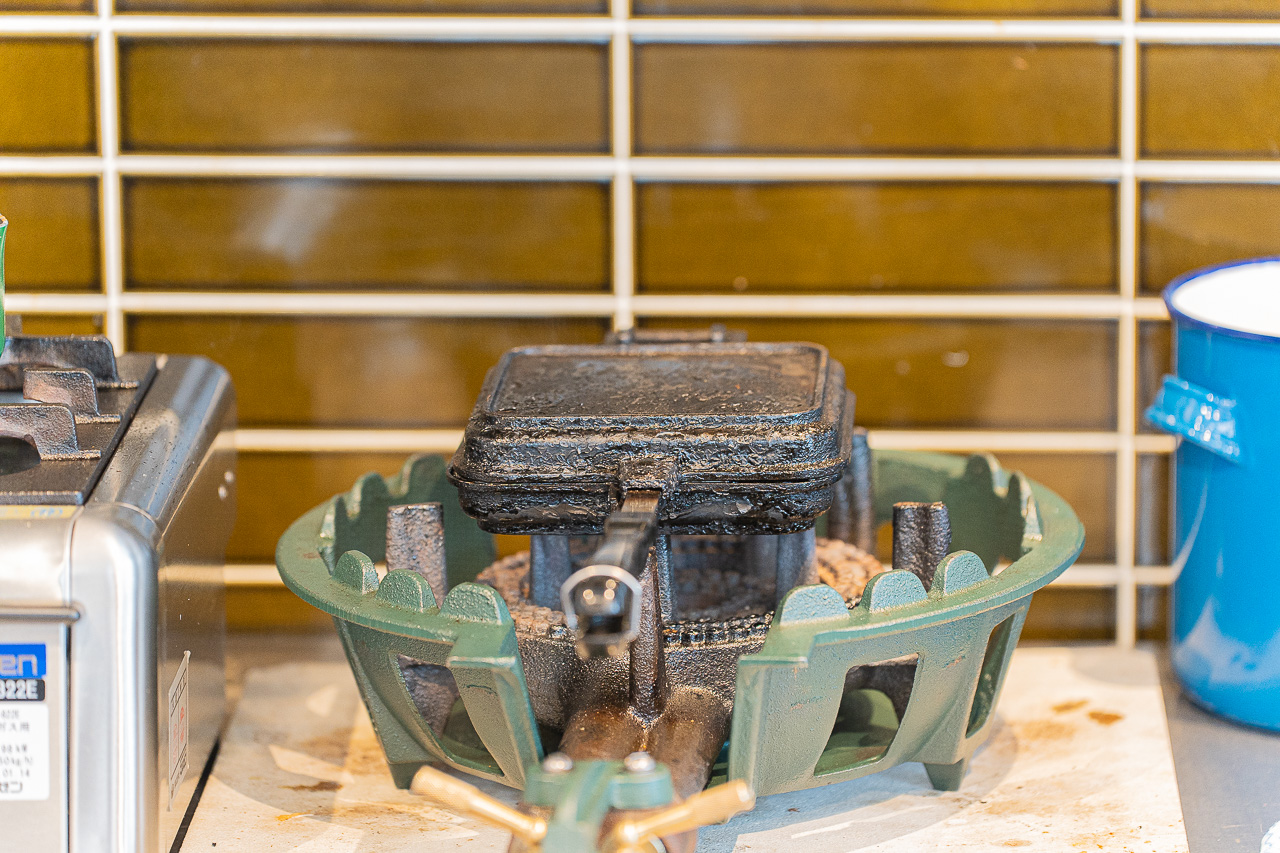
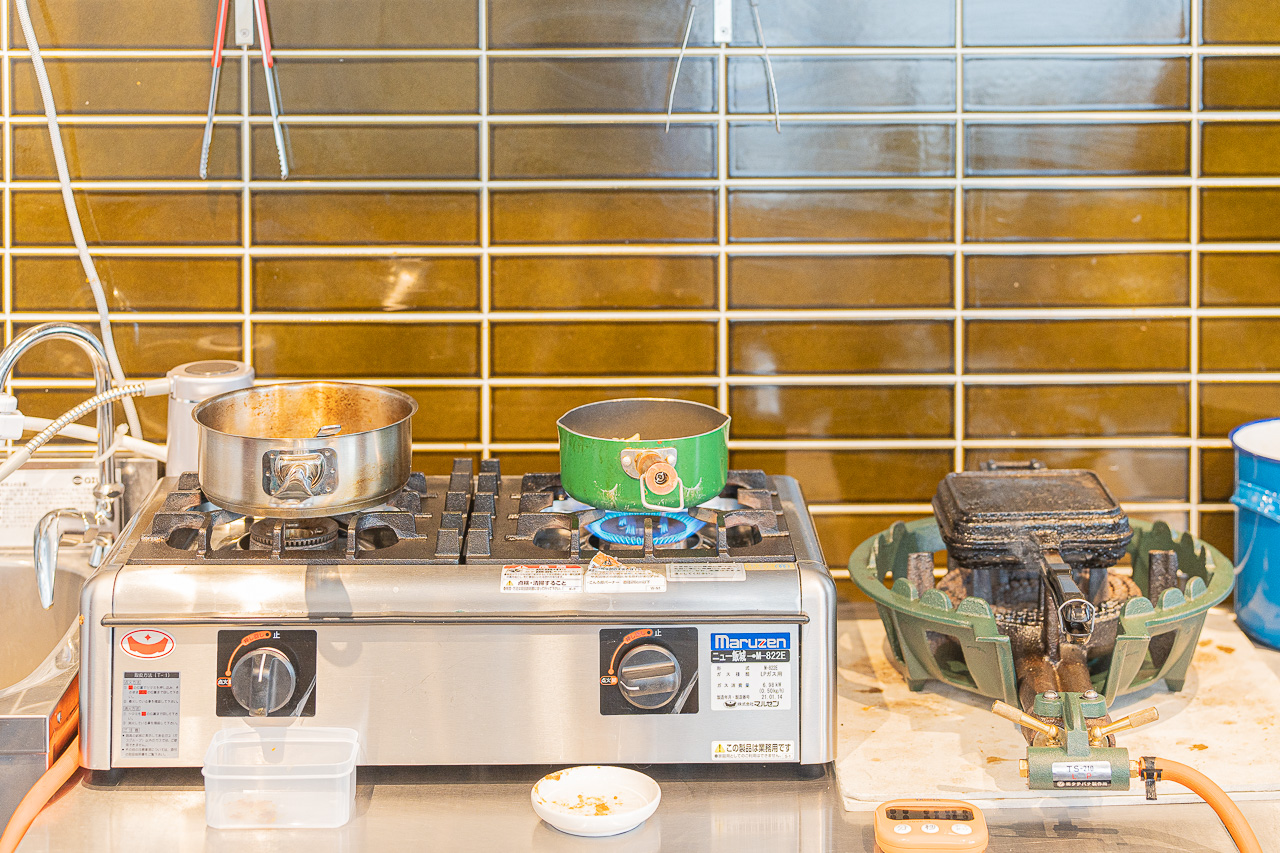
In the Sumiyoshi residential area, which I often visit because it is near Tenjin, was a specialist in musui curry (無水カレー), made without added water. Taiyo to Himawari to Leon—“the sun, sunflowers, and Leon”—used 16 spices. The source places its headquarters in Hokkaido, also known for soup curry. Waterless curry relies on moisture from vegetables and meat. This concentrates the vegetables’ savory flavor into a rich curry. The source describes using moisture-rich vegetables, a hotter roux than usual, and a heavy pot or pressure cooker for thorough simmering.
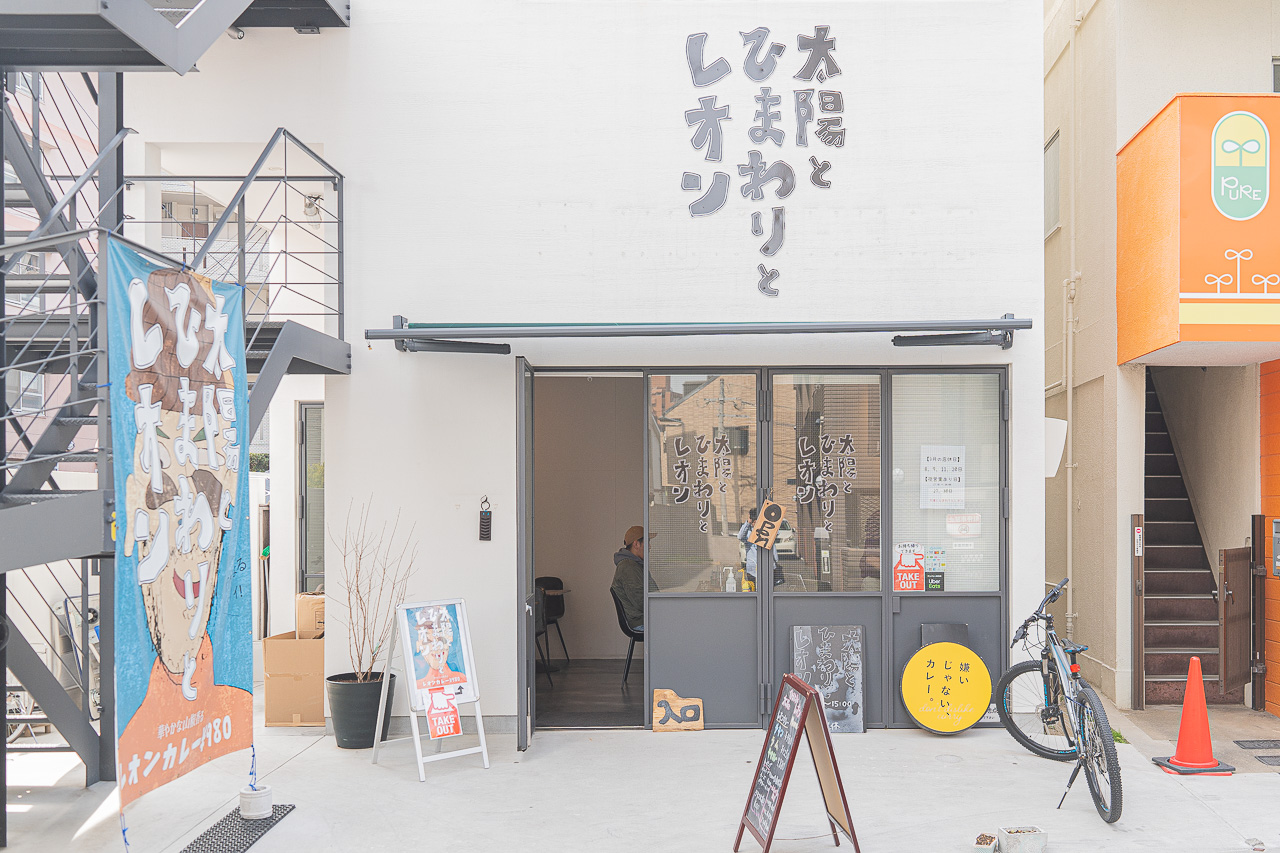
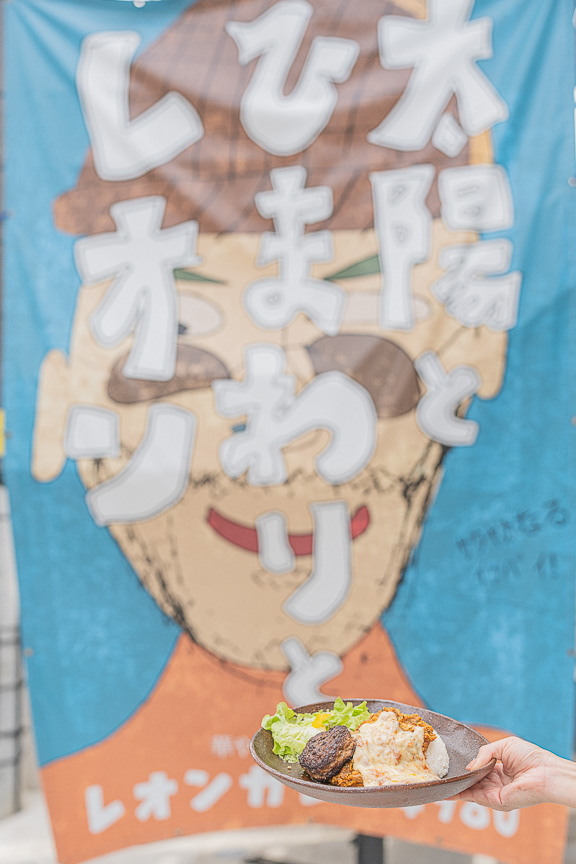
The unusual name was inspired by the film Léon and the wish to bring light to Fukuoka like the sun while moving together in the same direction like sunflowers. A playful Léon poster stood outside. We were told Korean visitors sometimes came specifically to photograph it.
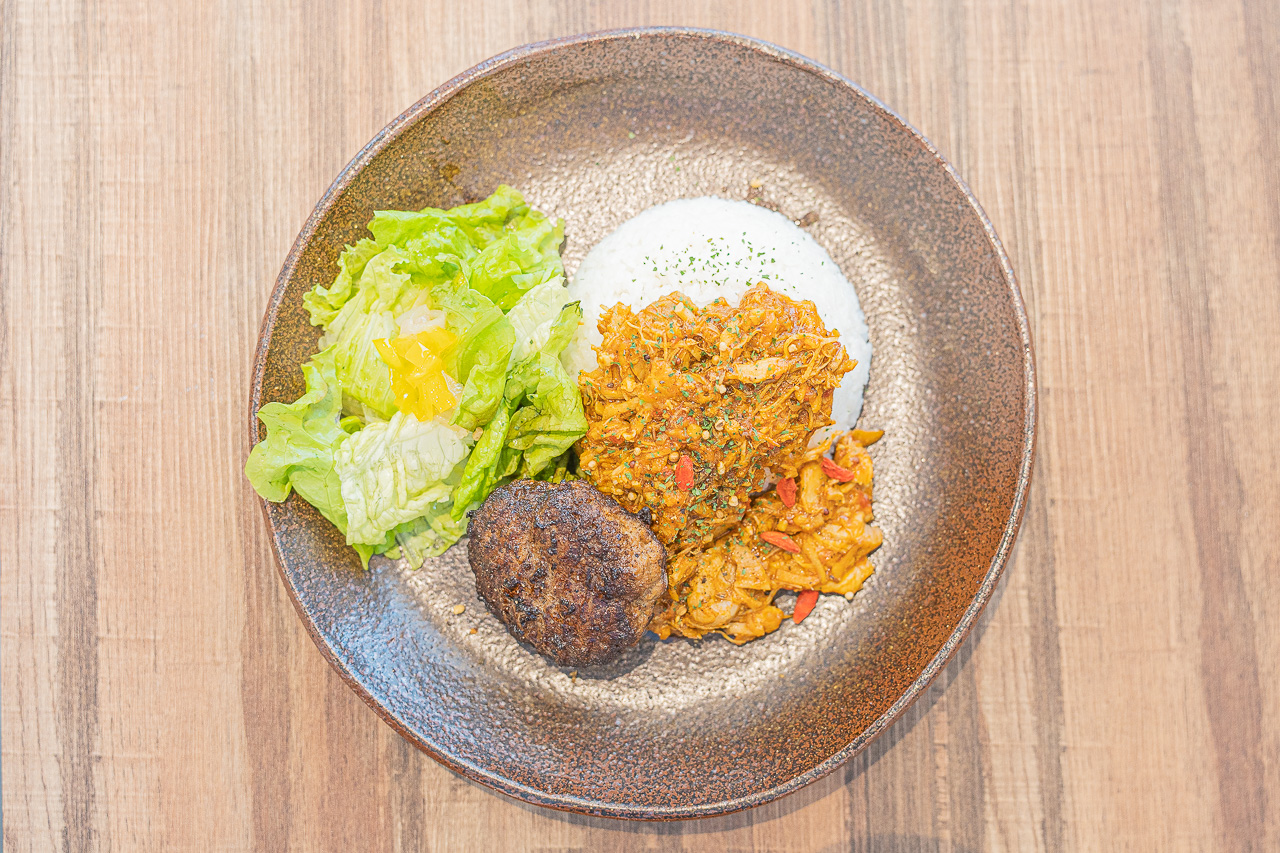
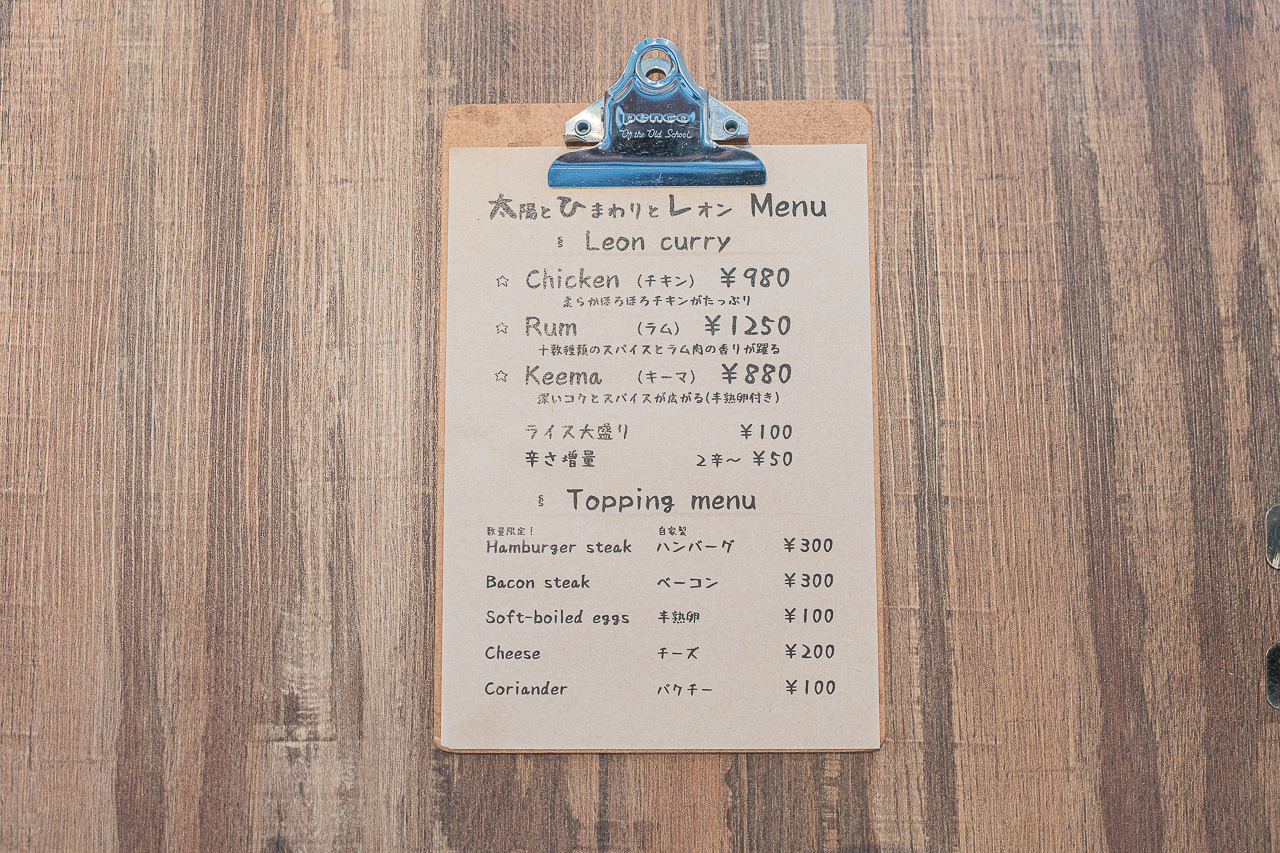
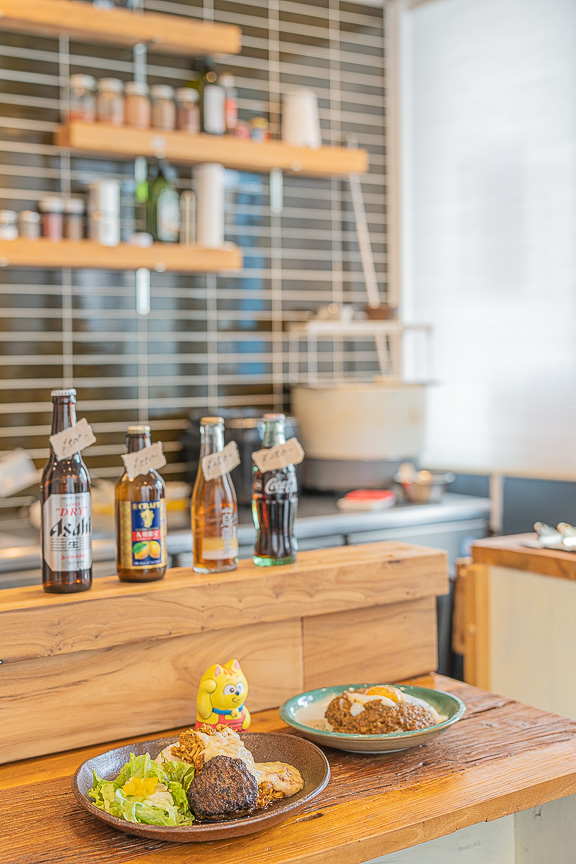
The curry was served in ceramics from around Fukuoka. Choices were chicken, spicy lamb, and sweet keema curry. Extra rice cost JPY 100; heat at double strength or above added JPY 50 in the source. Toppings included hamburger steak for JPY 300, cheese for JPY 200, and cilantro for JPY 100. The limited-quantity homemade hamburger steak was described as the most popular. The cheese topping came with a little performance: melted cheese was poured at the table. We ordered chicken and keema curries.
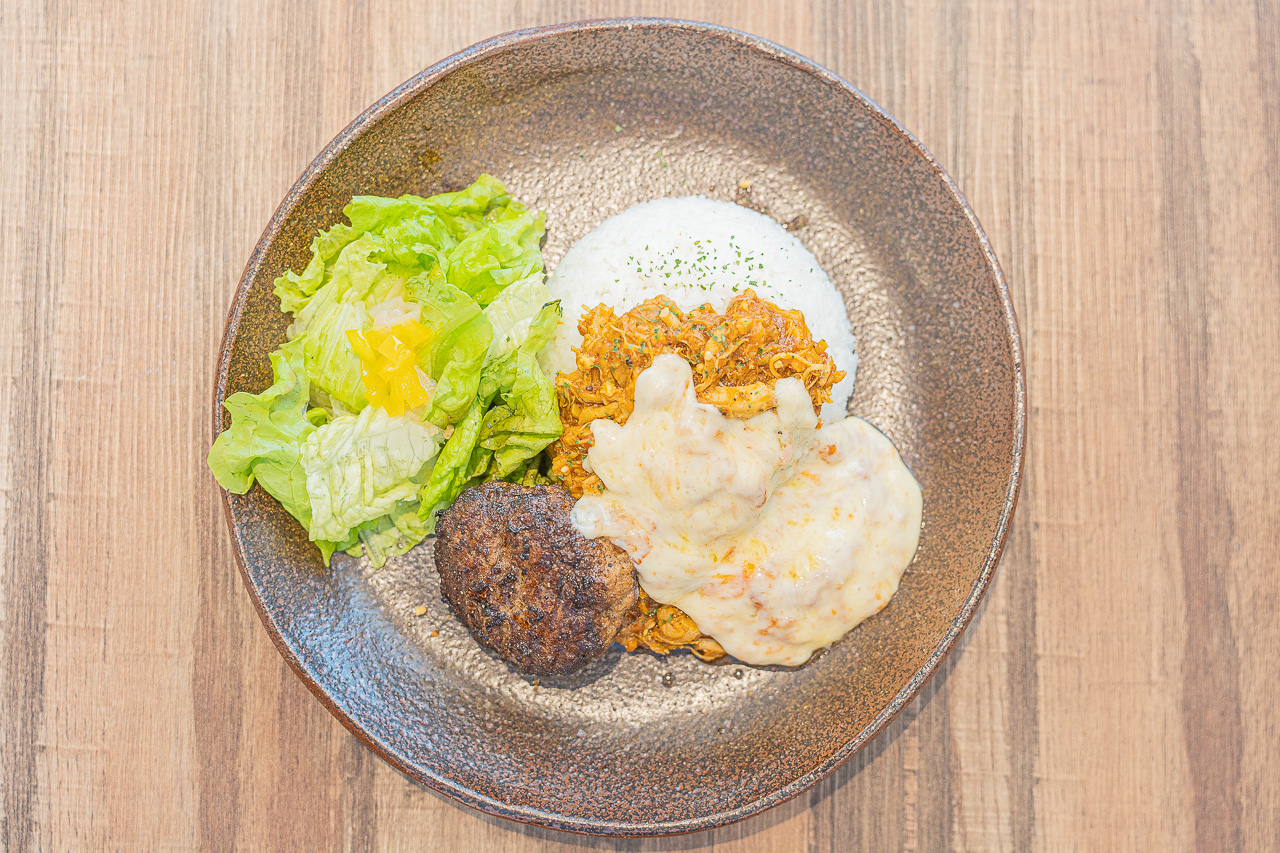
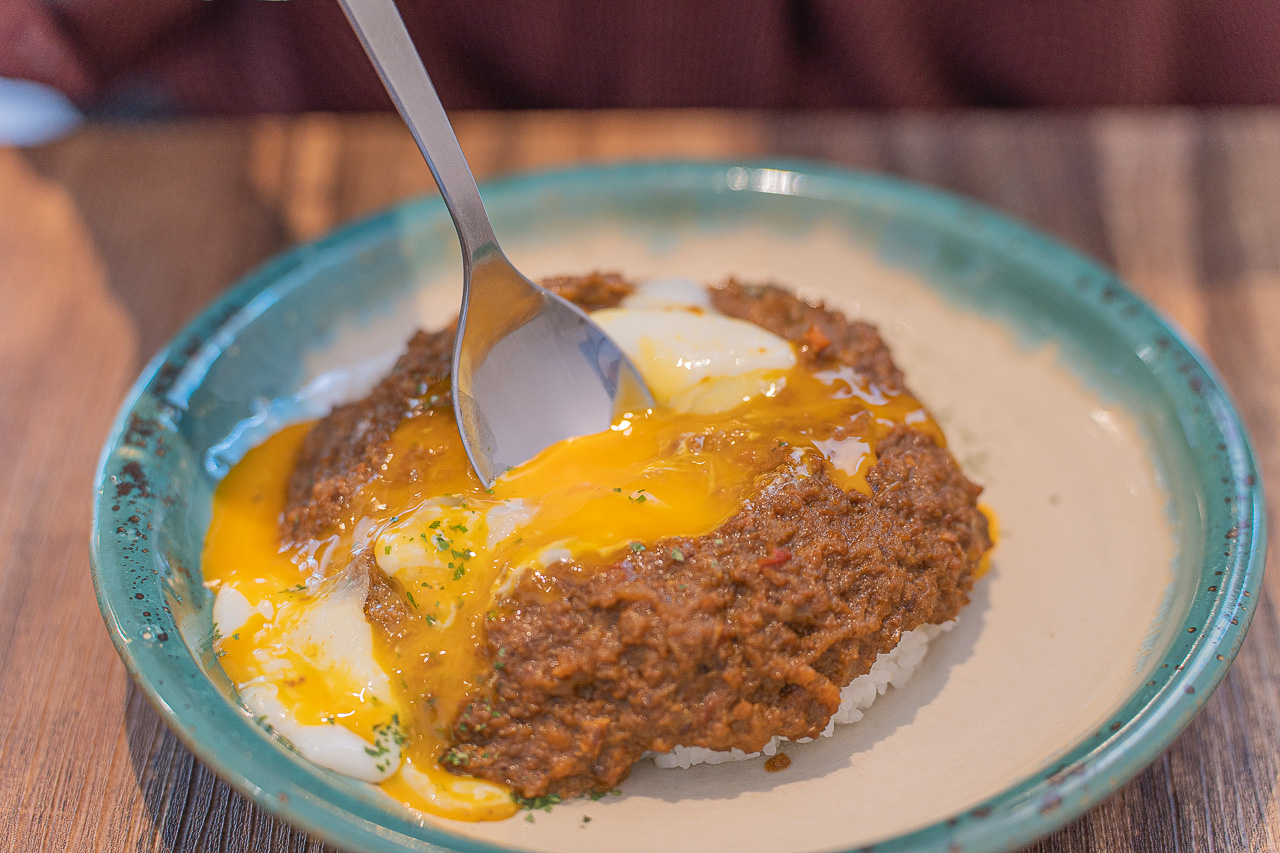
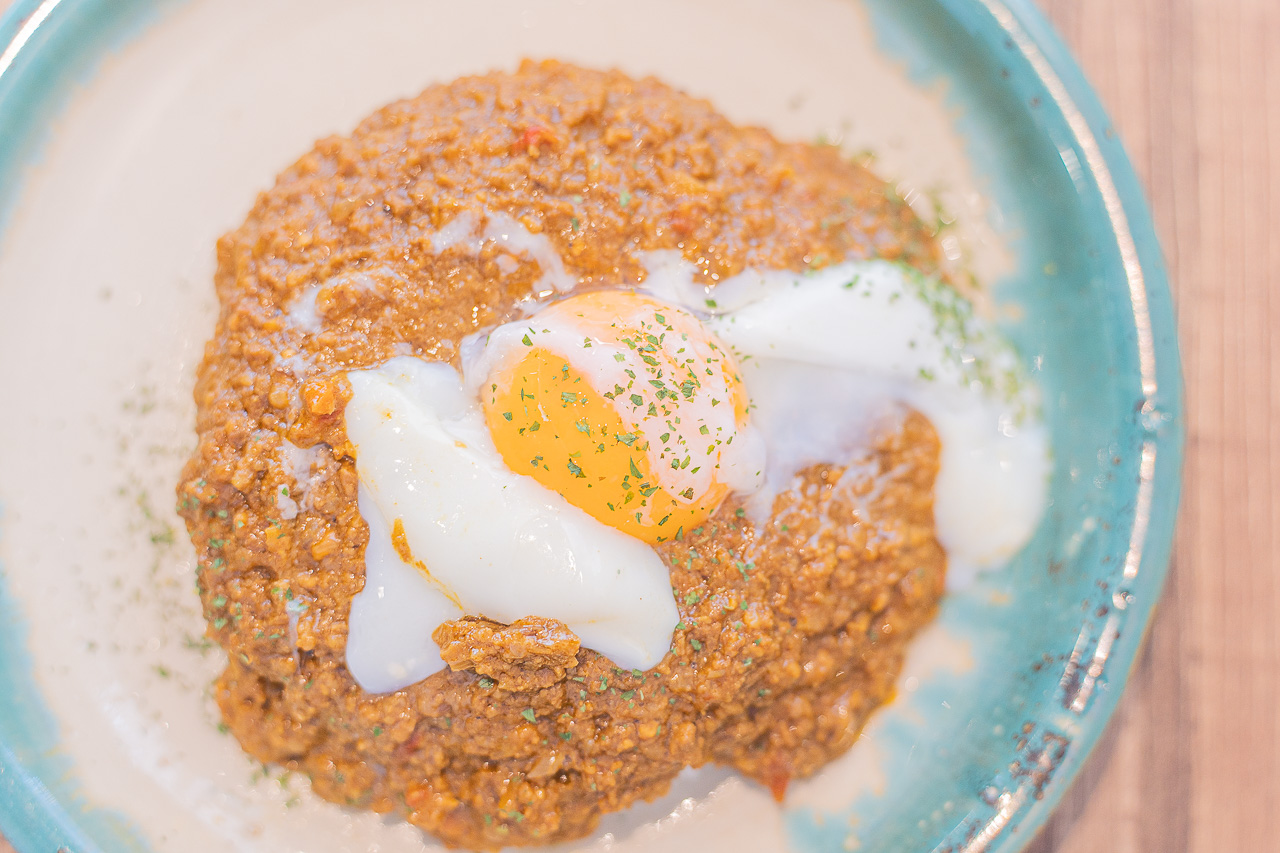
We added hamburger steak and cheese to the chicken curry, luckily while the hamburger steak was still available. The cheese was poured in front of us and looked impressive. The keema came with a soft-cooked egg; breaking it was another photogenic moment.
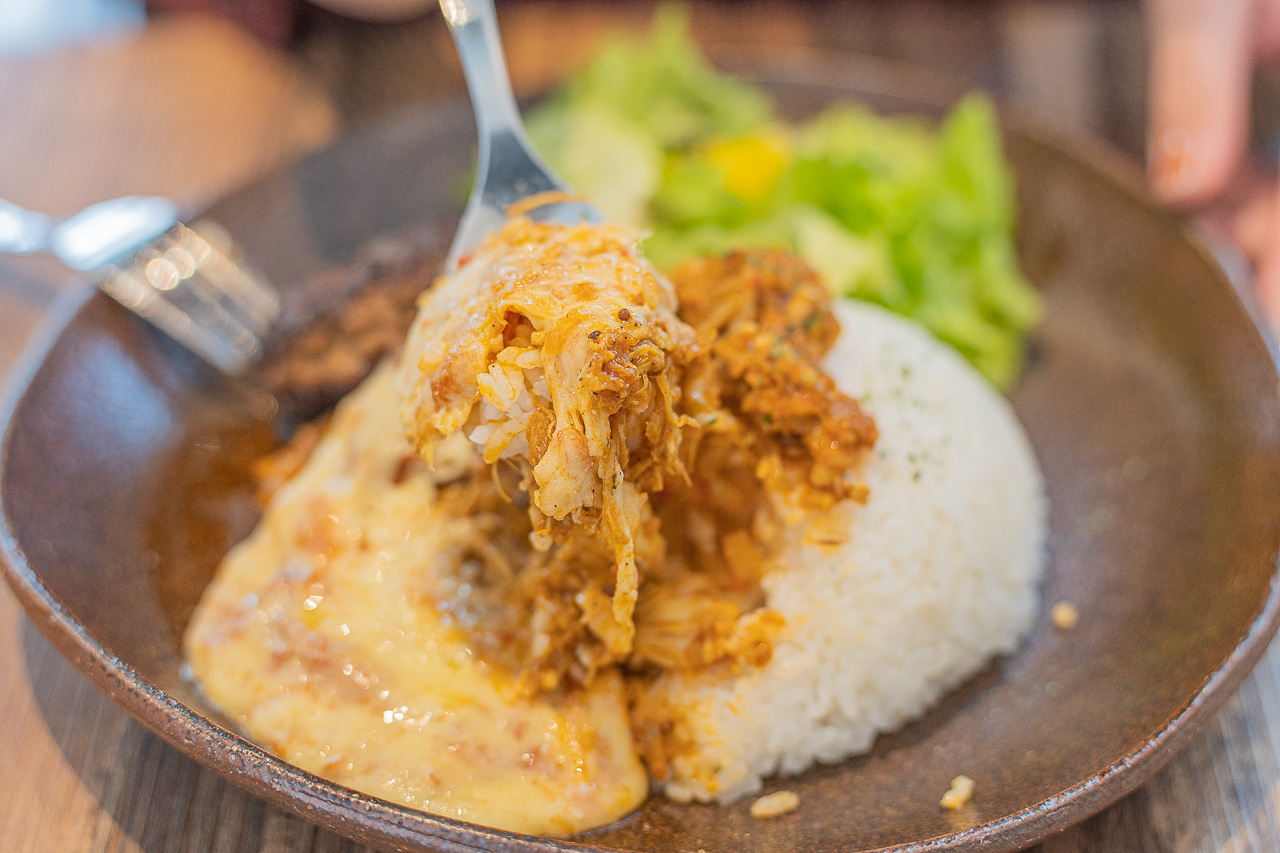
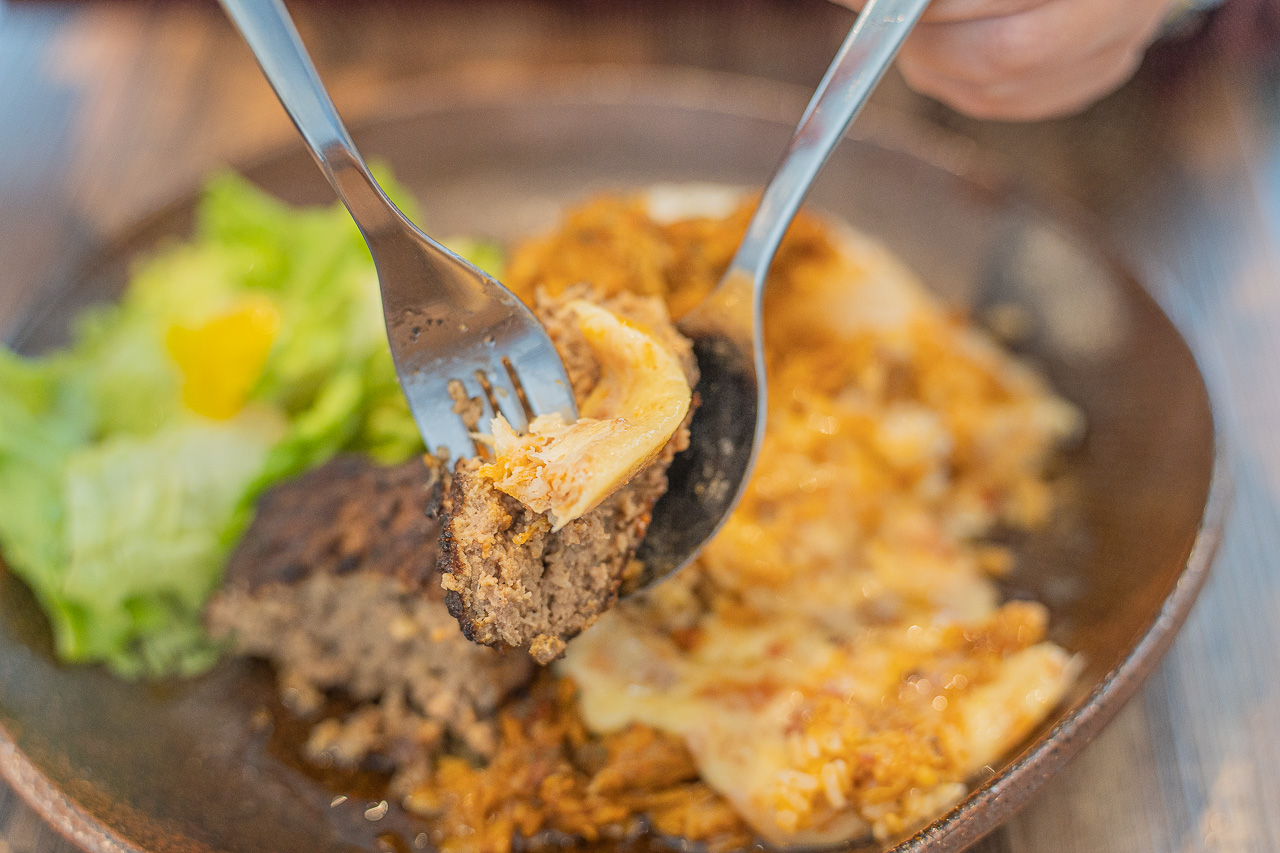
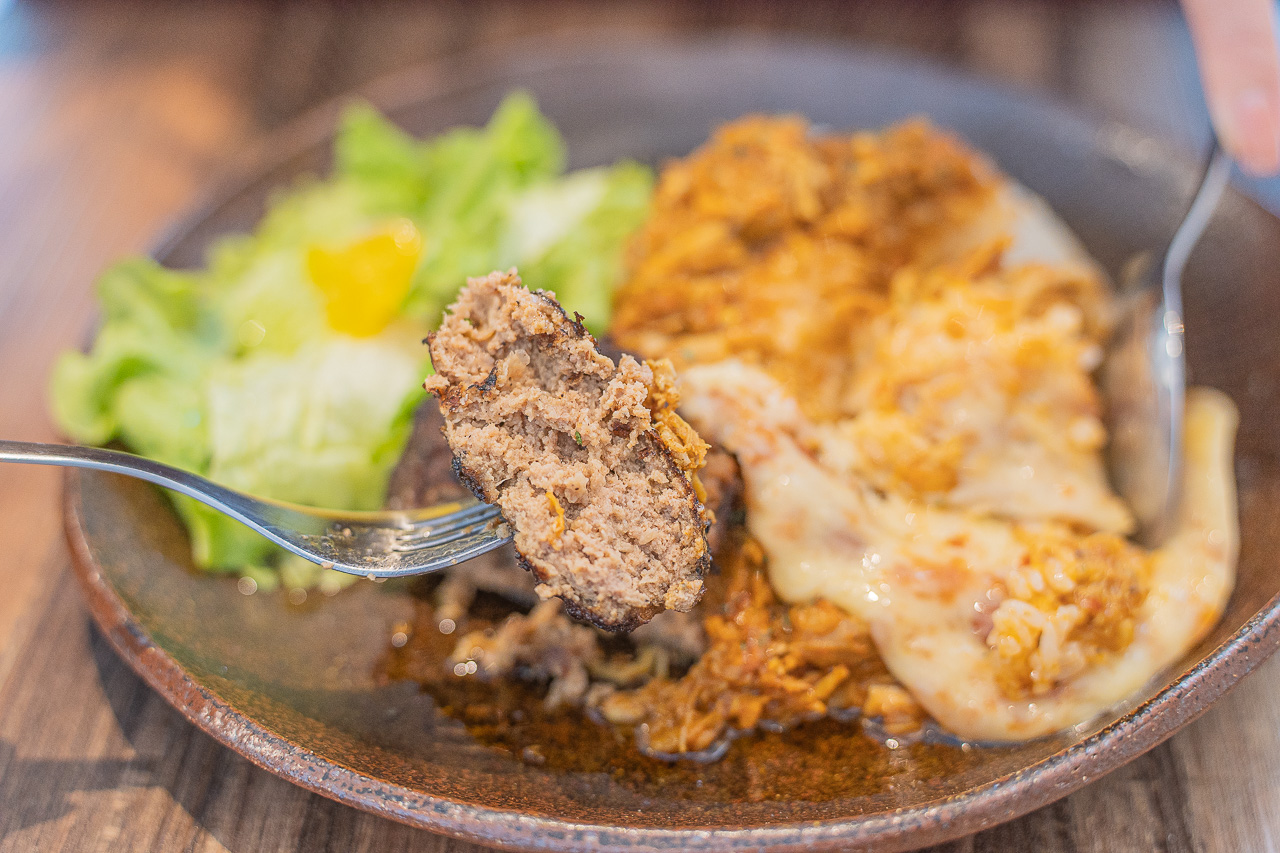
The weather was cold enough that the cheese hardened while I took photos. The chicken curry was mildly spicy and went well with cheese. I chose regular heat, but thought more would suit me; I guessed four times the heat might resemble Shin Ramyun. The hamburger steak was much better than expected—tender despite not being especially juicy. JPY 300 felt a little expensive, yet I wanted about three more. I preferred it to meat at many dedicated hamburger-steak restaurants.
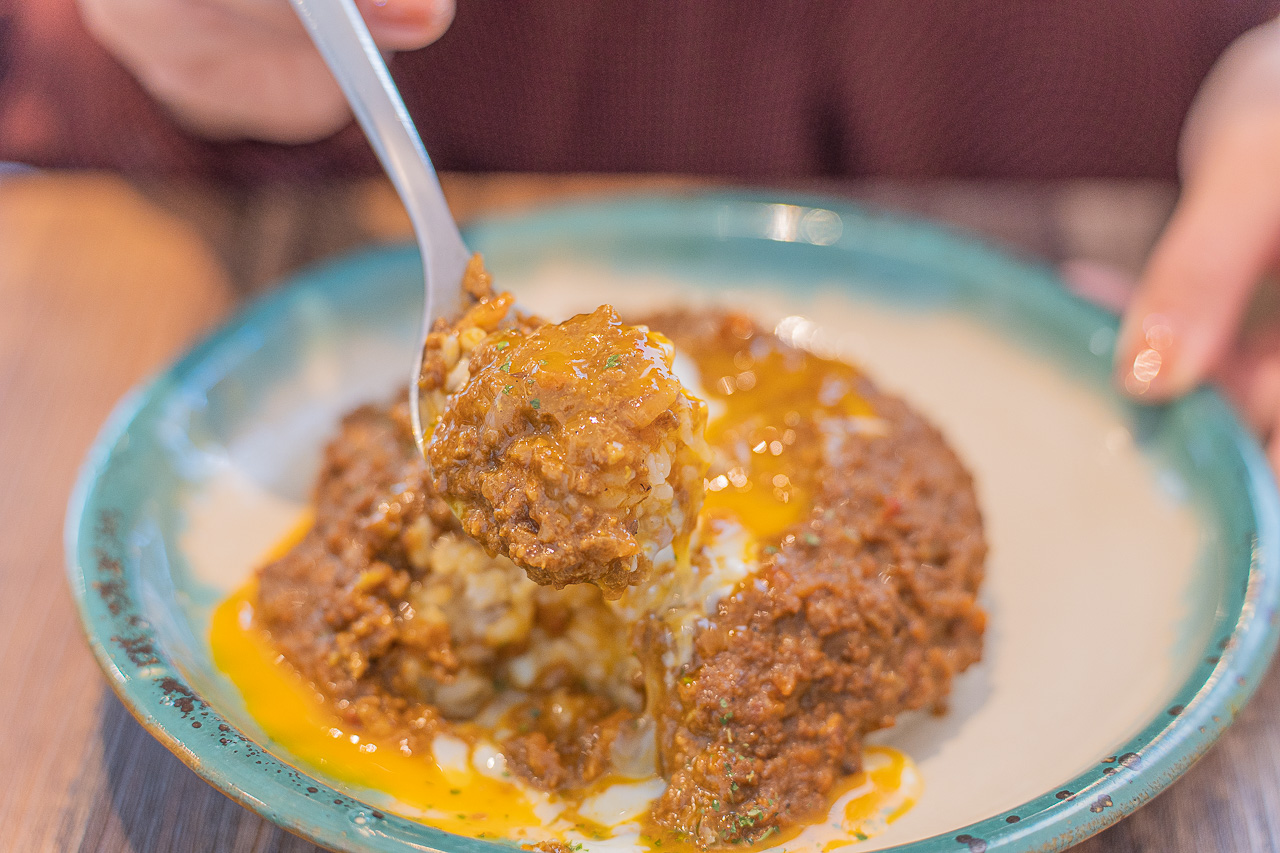
The keema was very sweet, perhaps from plenty of onion. That might be an advantage of waterless curry: the ingredients seemed more pronounced. I thought added heat would make it even better for my taste.
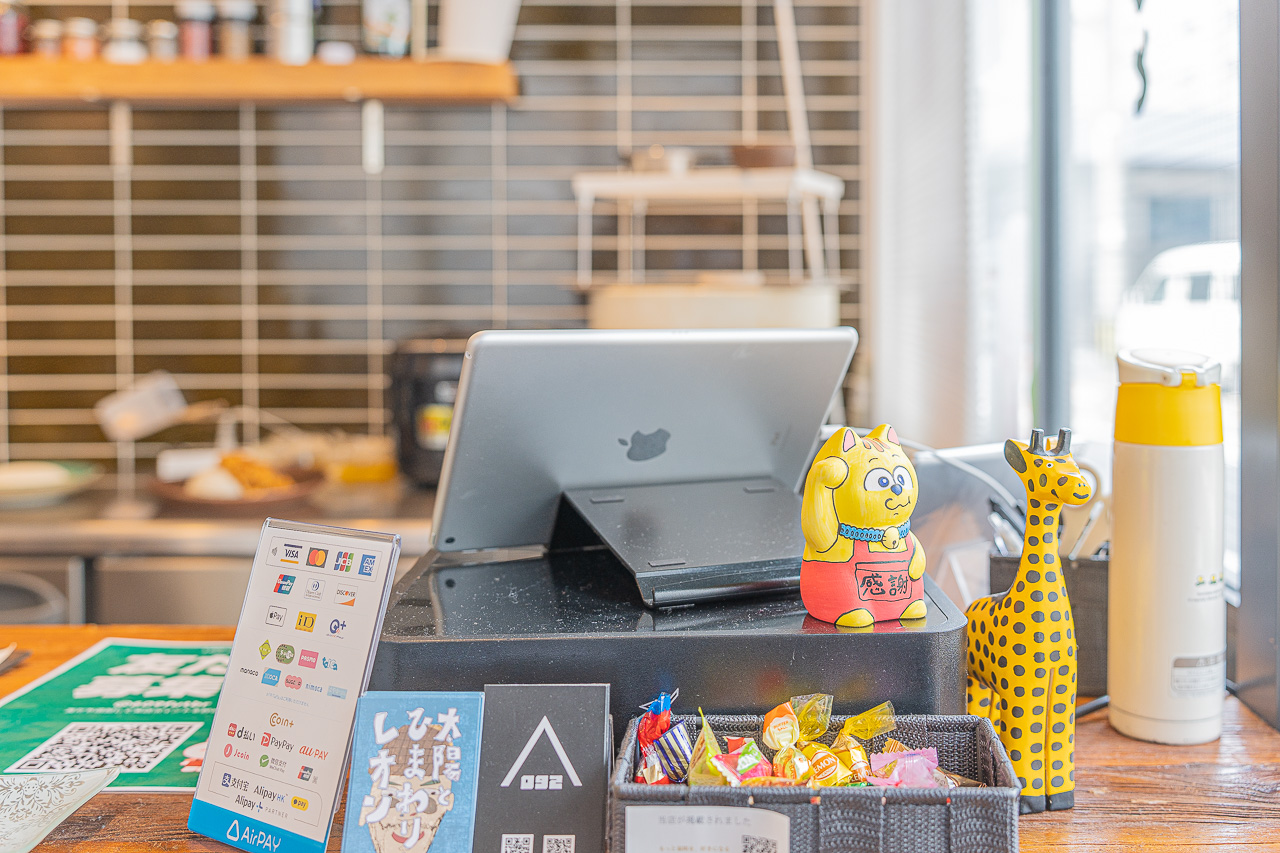
Cute characters greeted us at the counter when we paid. This was an unexpectedly good waterless-curry discovery in a quiet Fukuoka neighborhood. The price was not especially high, and I imagined returning often.
Taiyo to Himawari to Leon
太陽とひまわりとレオン · 4 Chome-30-5 Sumiyoshi, Hakata Ward, Fukuoka, 812-0018, Japan
★★★★☆ · Japanese curry restaurant
www.google.com