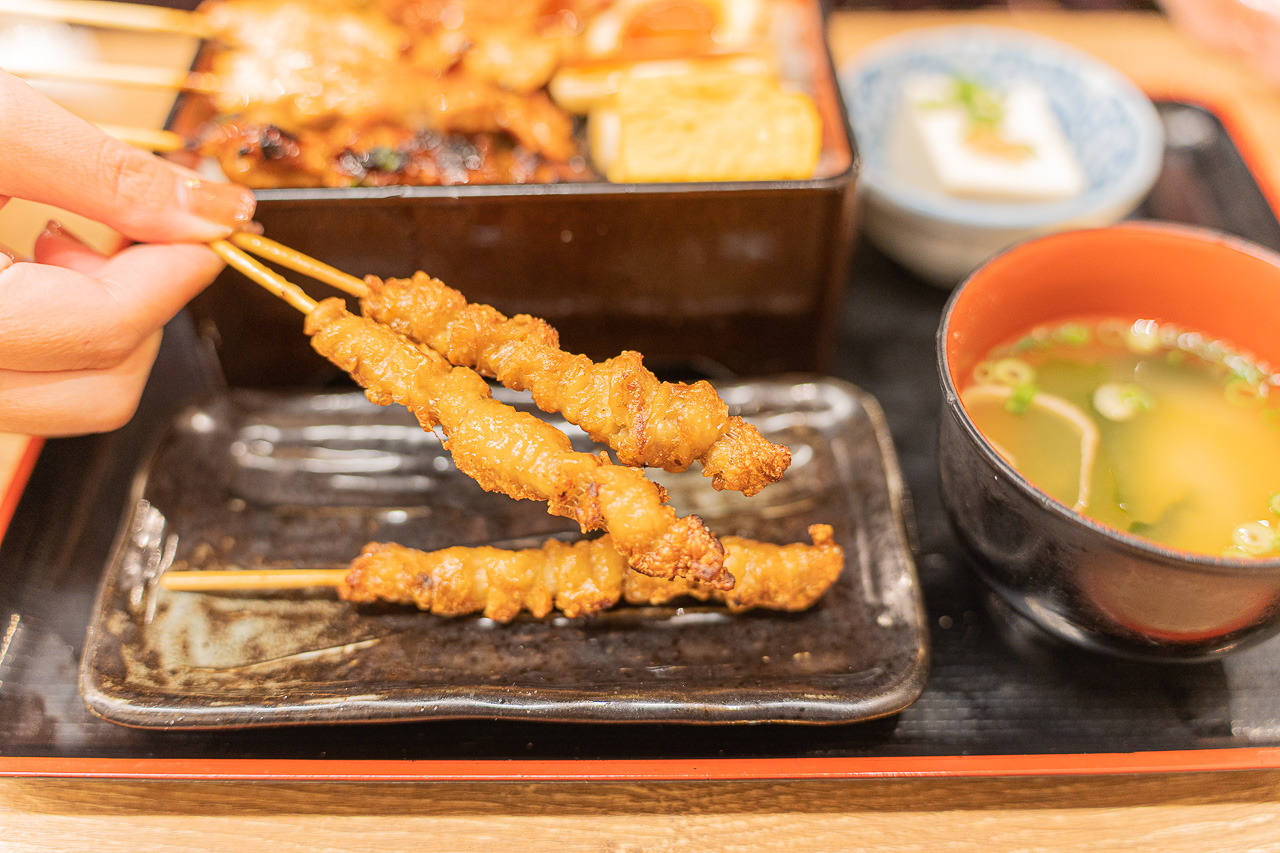
Torikawa (とりかわ), made from chicken skin, is a popular Hakata specialty in Fukuoka. The source describes boiling the skin and seasoning it with a sauce of ingredients such as soy sauce, mirin and sake, before the subsequent grilling process. Often served as a side or appetizer in izakaya and restaurants, Hakata torikawa combines a crisp exterior with a chewy center and plenty of umami. It is enjoyed by local diners and visitors alike, and is one dish I would recommend trying in Hakata.
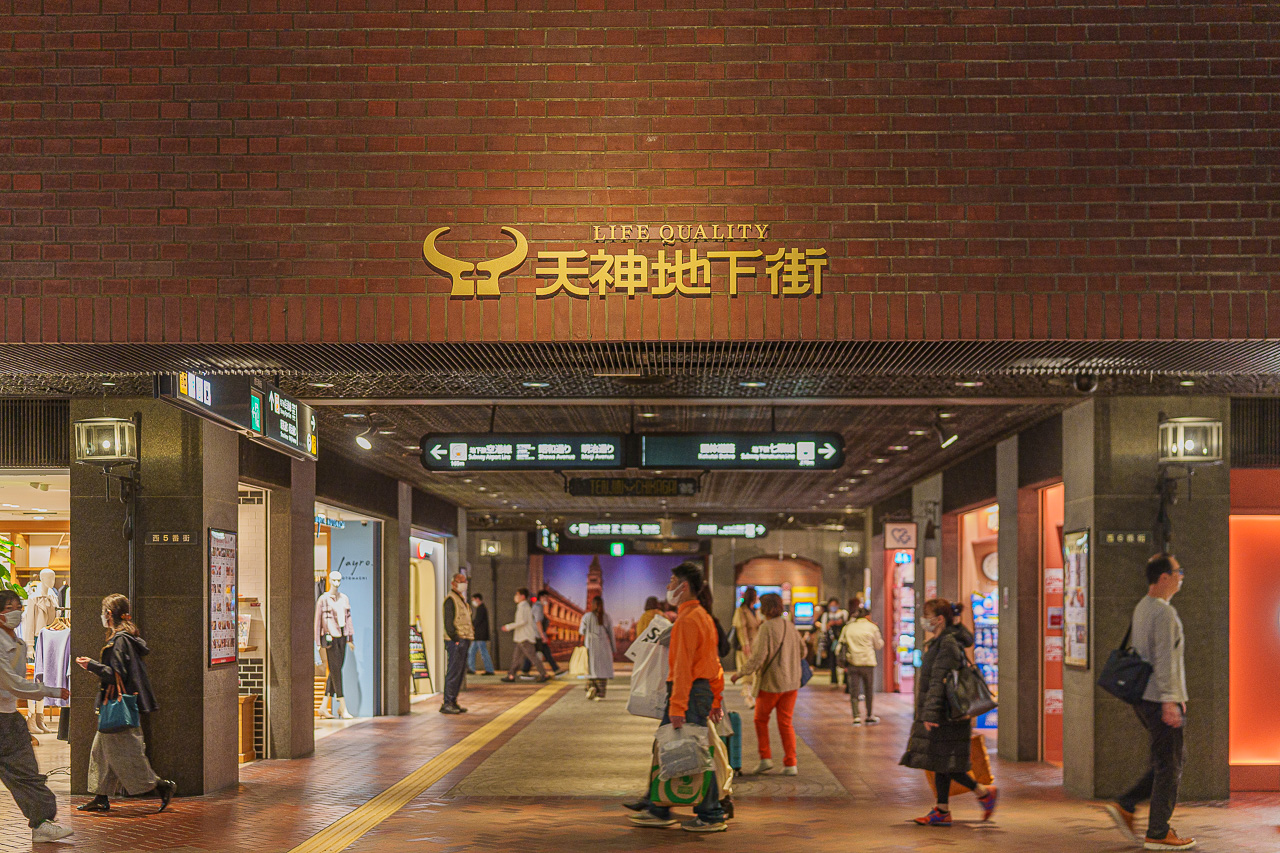
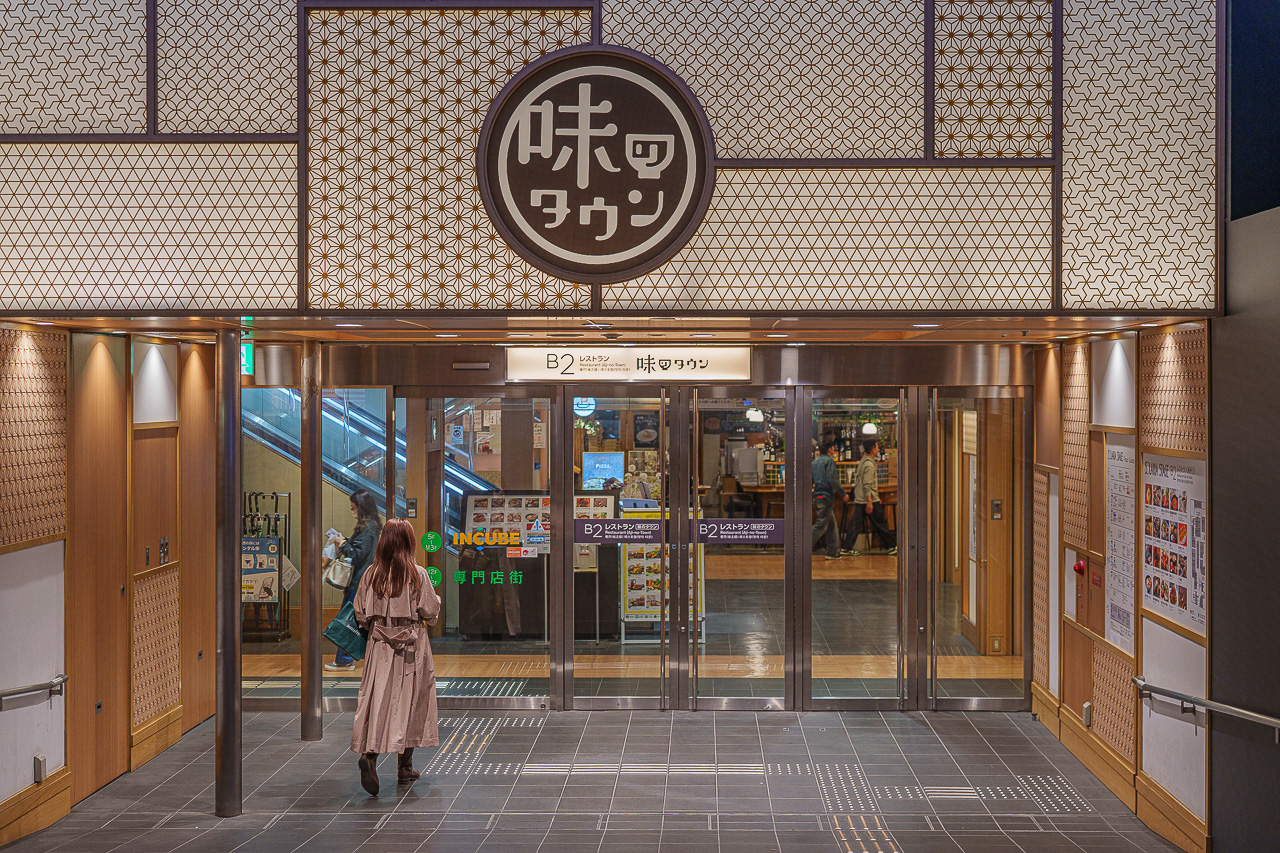
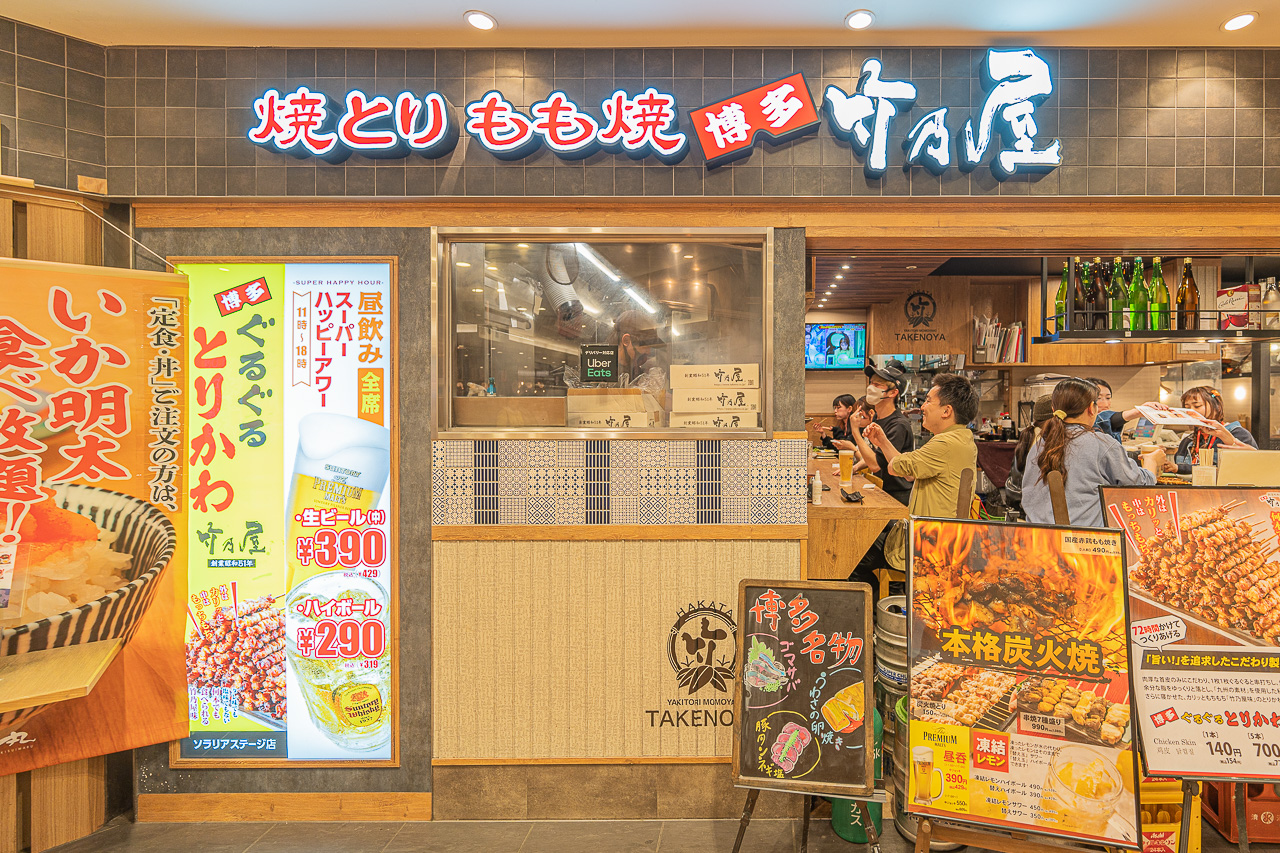
This visit is to Hakata Takenoya (博多 竹乃屋), a torikawa-specialist chain that began in Hakata. The source describes 25 shops nationwide and ten in the Hakata area, including the airport and Hakata Station. The Tenjin shop was in the B2 restaurant area of Solaria Stage, a commercial complex directly connected to Tenjin subway station with restaurants, cafés and shopping. Hotels ranging from three to five stars were nearby, making the district convenient for a stay as well. These branch counts and ratings describe the source period.
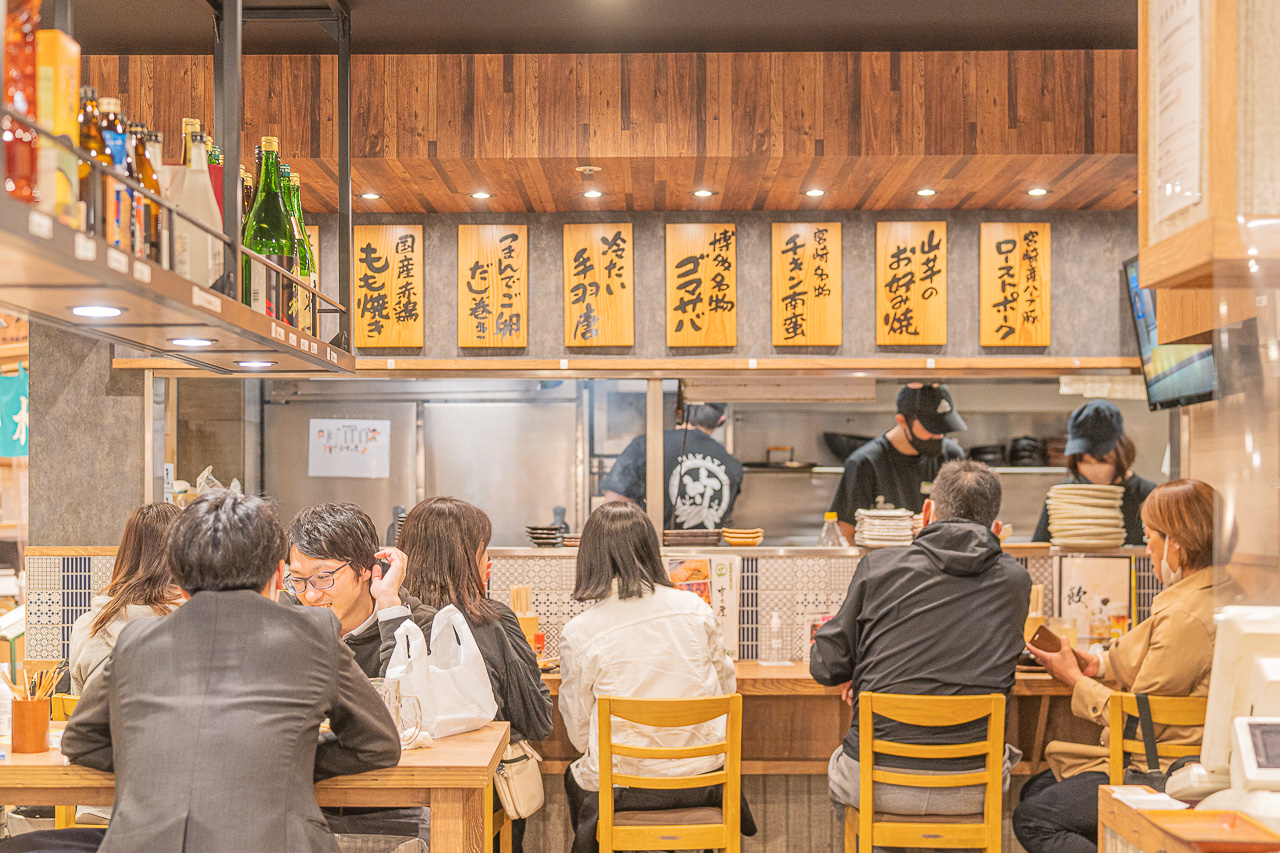
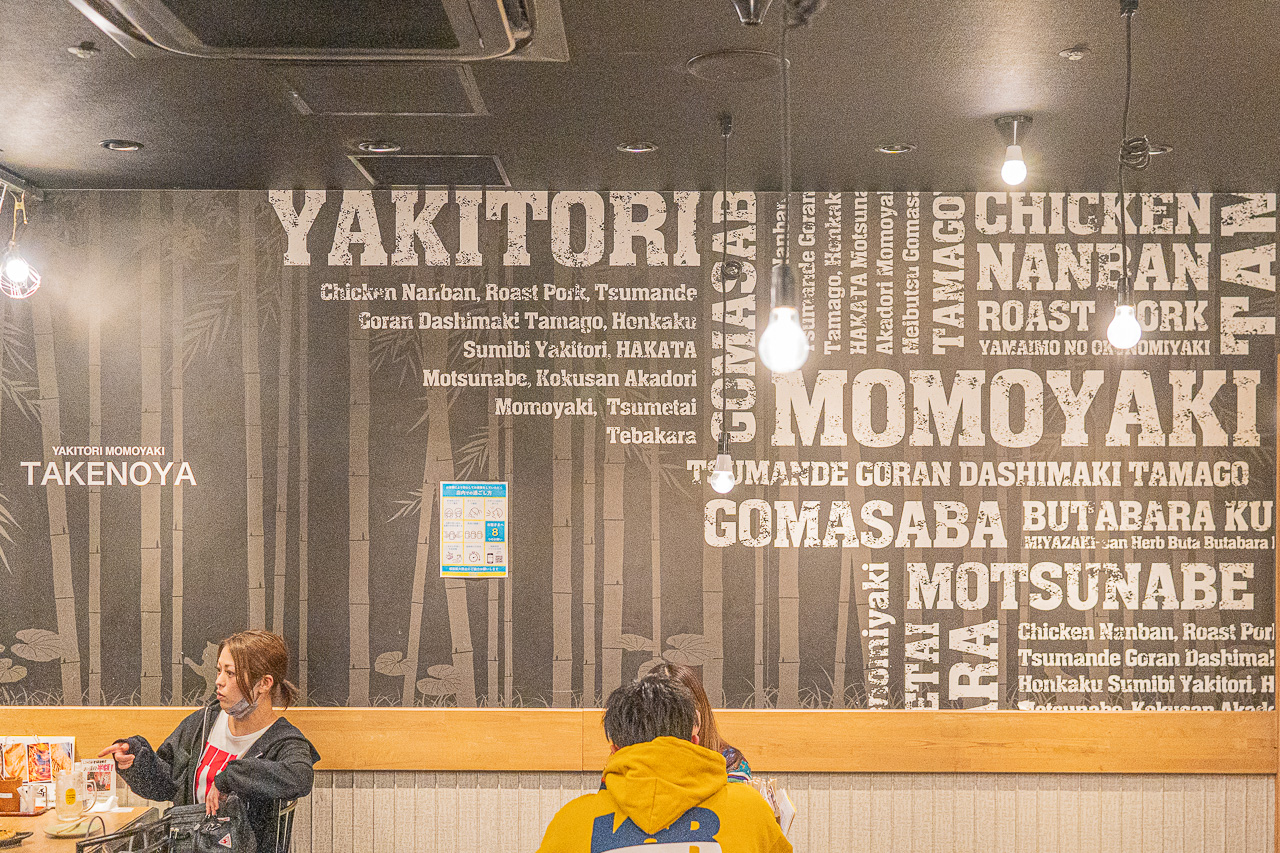
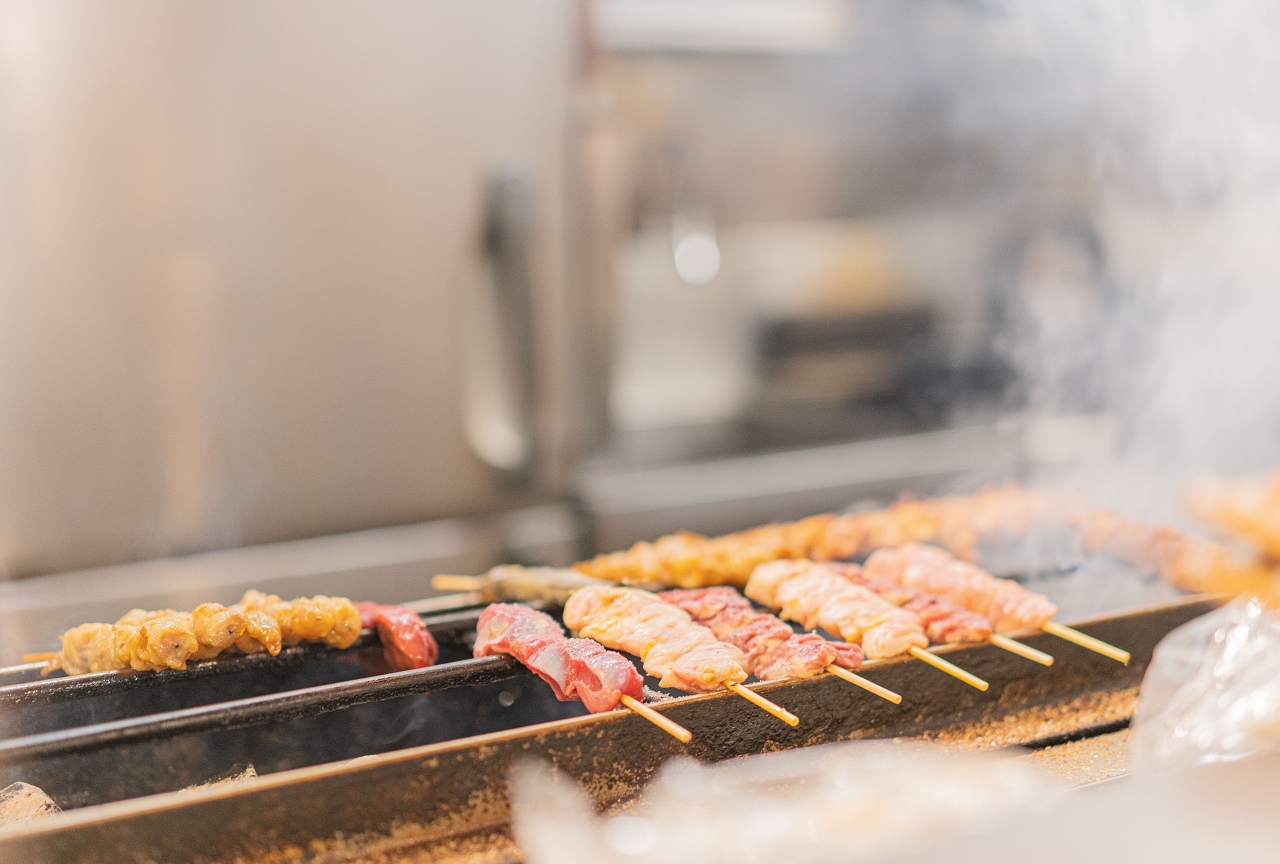
Inside the large shopping complex, the restaurant is clean and neatly designed. The smell of yakitori and torikawa grilling in the open kitchen is appetizing. Beer and various Japanese sakes are available, giving it an easy after-work dining-and-drinking feel. At busy times, the popular shop sometimes has a queue.
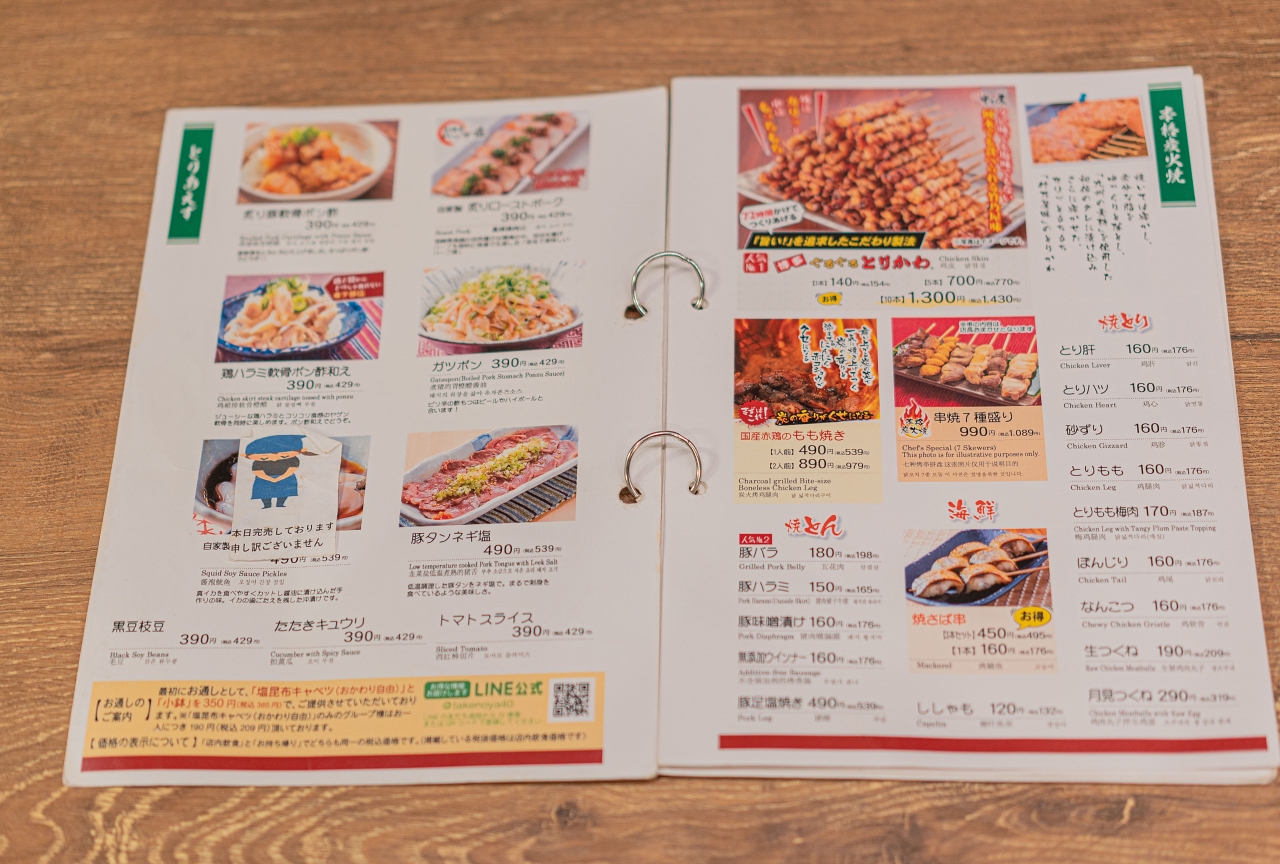
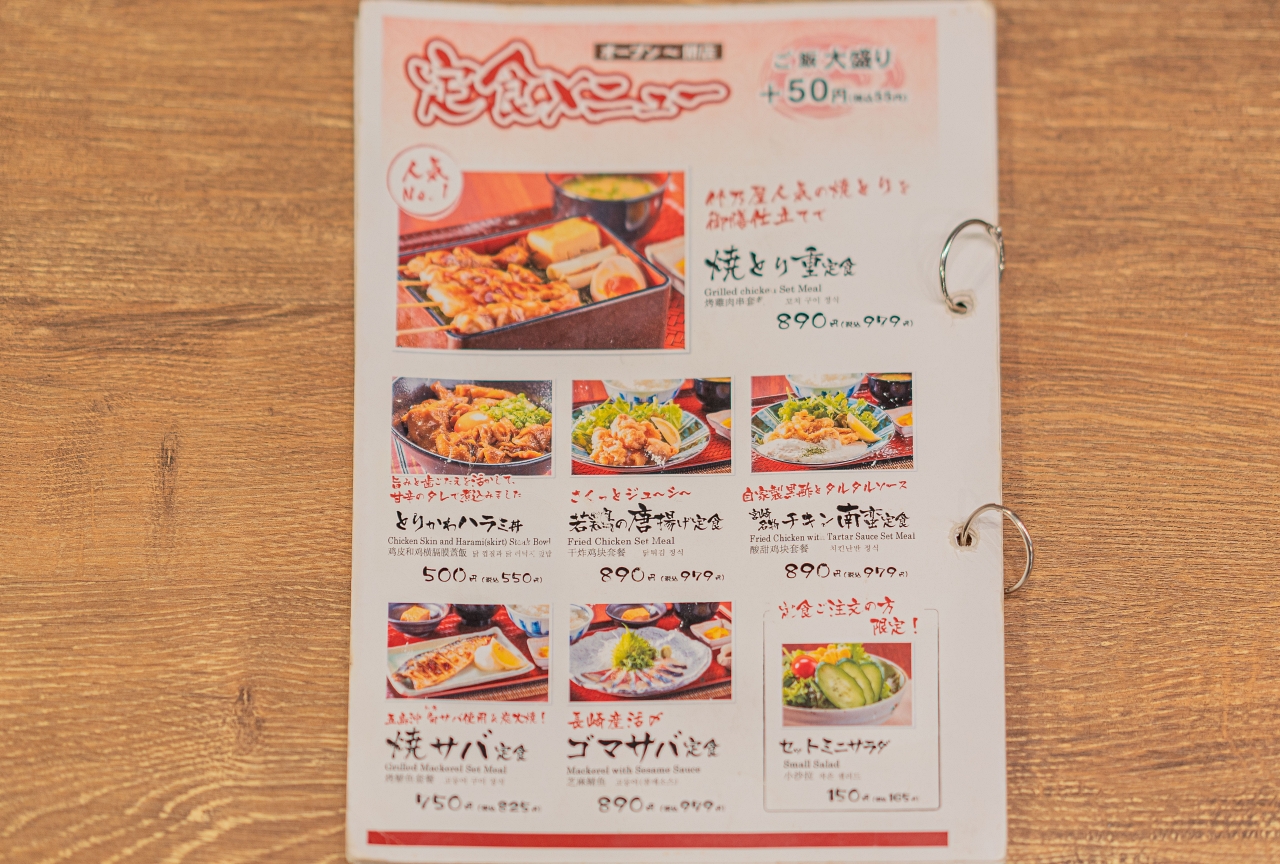
Torikawa and yakitori naturally lead the menu. A torikawa skewer was JPY 154. Other skewers varied in price; a popular choice was the recommended seven-skewer set. Skewers normally priced at JPY 176 or more each came to JPY 1,089 as the set. It also saves the trouble of choosing them one by one.
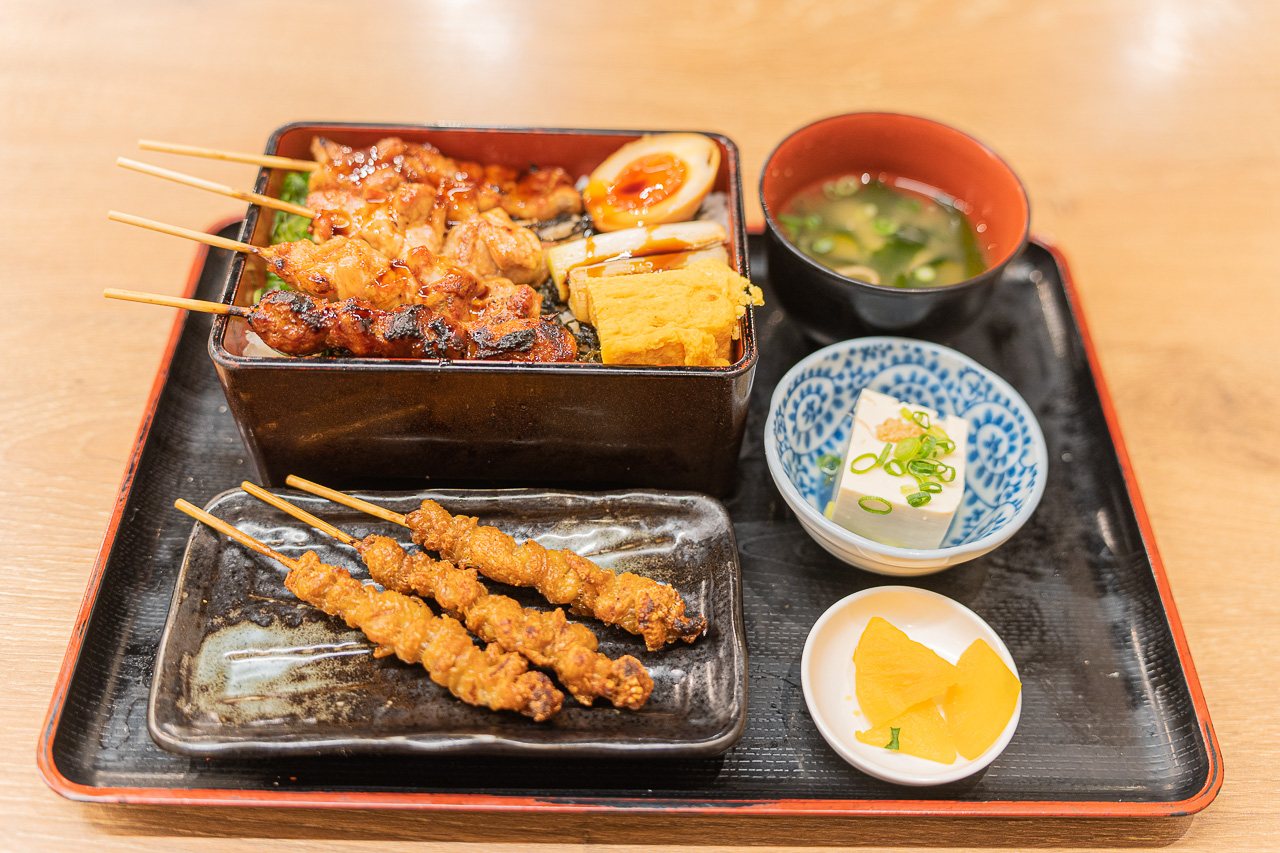

We ordered the yakitori-ju set meal (焼き鳥重定食), JPY 979, and three guruguru chicken-skin skewers (ぐるぐるとり皮串), JPY 154 each. It was a generous, photogenic selection for the price and exactly what I wanted to eat.
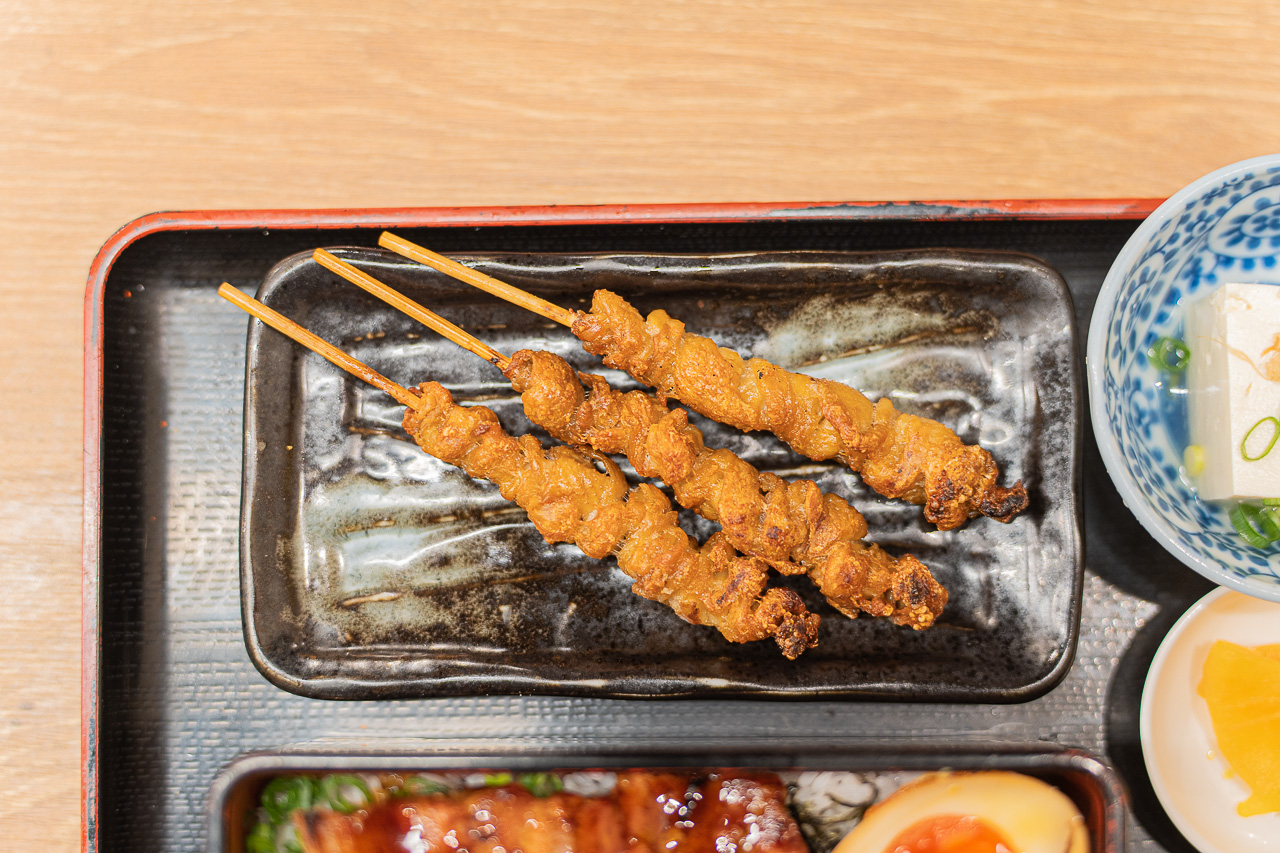
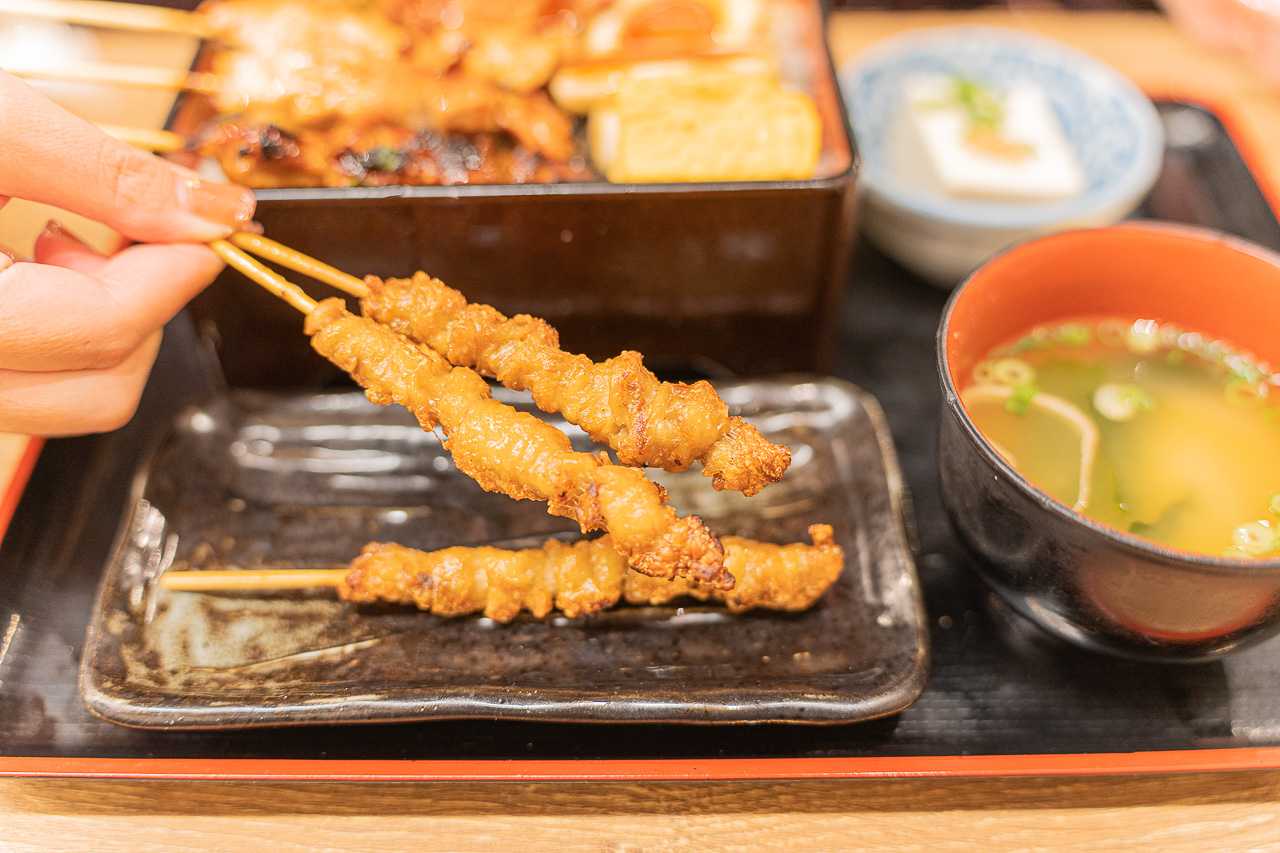
First, the torikawa. This Hakata specialty is repeatedly grilled, soaked in sauce and coated again so fat slowly renders and seasoning penetrates, leaving a crisp surface and chewy interior. The source gives the preparation time as 72 hours. After that 72-hour preparation, the chicken skin receives its final grilling. No additional sauce or salt is added at the finish. The time-intensive flavor is popular with both local diners and visitors. Takenoya’s Hakata Guruguru Torikawa (博多ぐるぐるとりかわ) was said to sell more than 800,000 skewers a month in the source period.
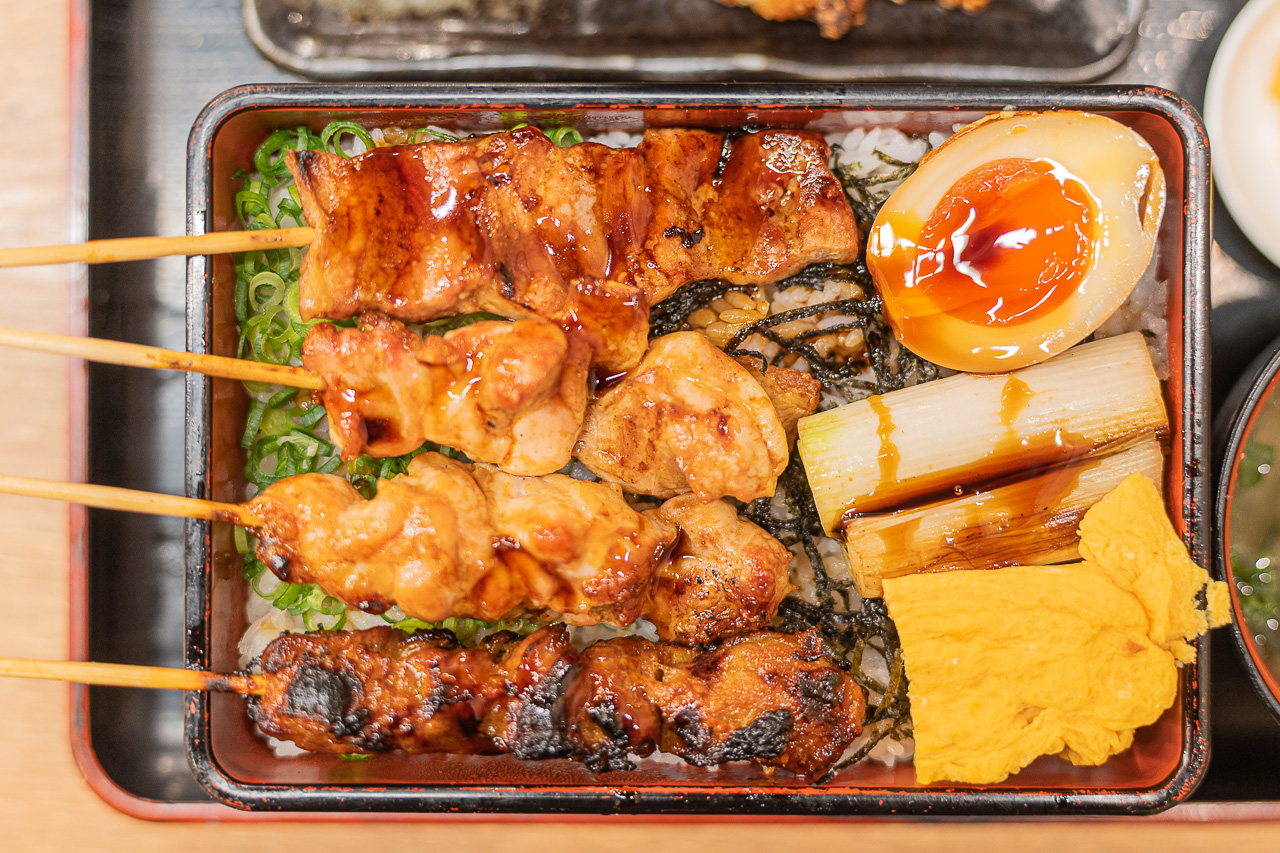
The yakitori-ju looks wonderfully appetizing. Yakitori-ju is a rice box topped with grilled chicken skewers. Found around Japan, it is especially associated here with chicken-loving Fukuoka. The cuts, seasonings and rice portions vary. Juicy, savory grilled chicken goes beautifully with rice, making it a popular, good-value meal.
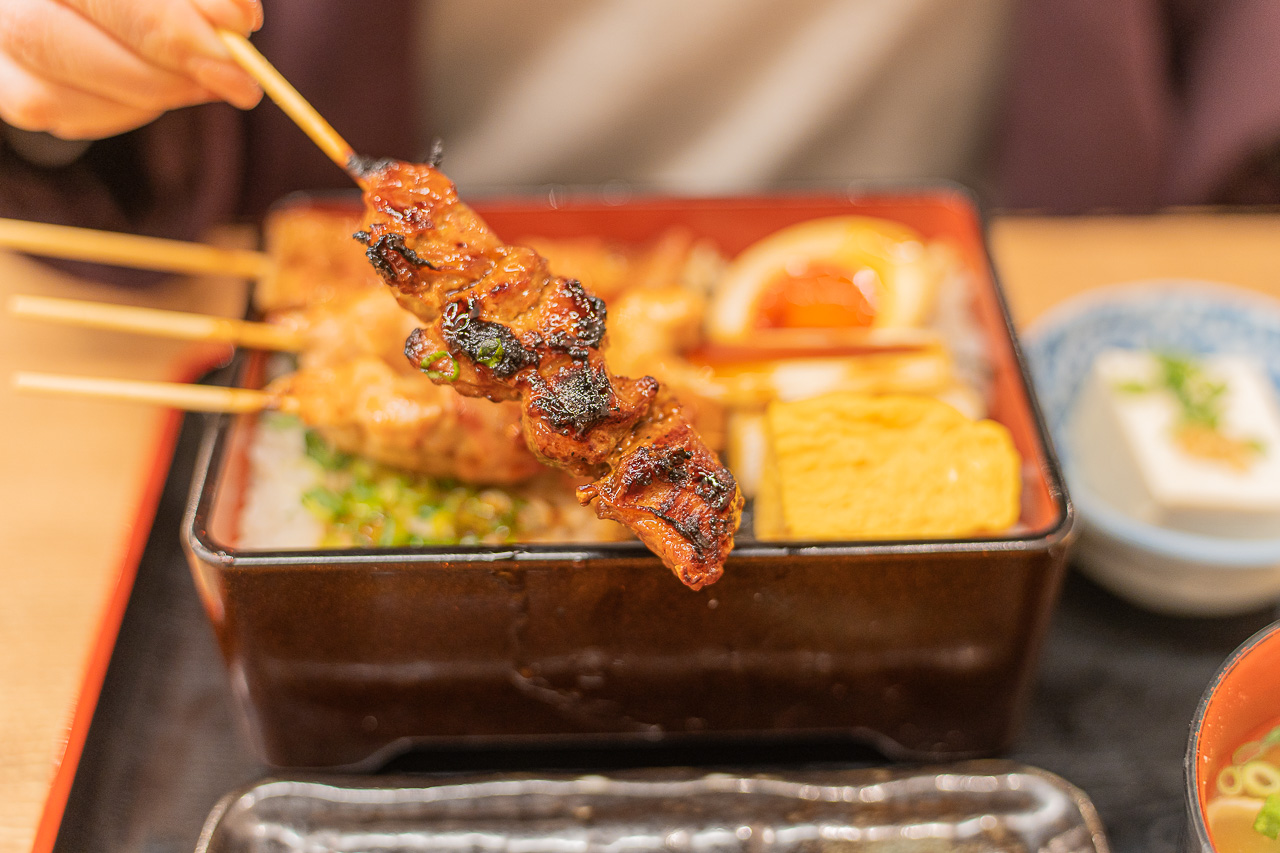
This unidentified cut felt a little like gizzard but softer. I am not sure what it was, though its chewy texture was excellent.
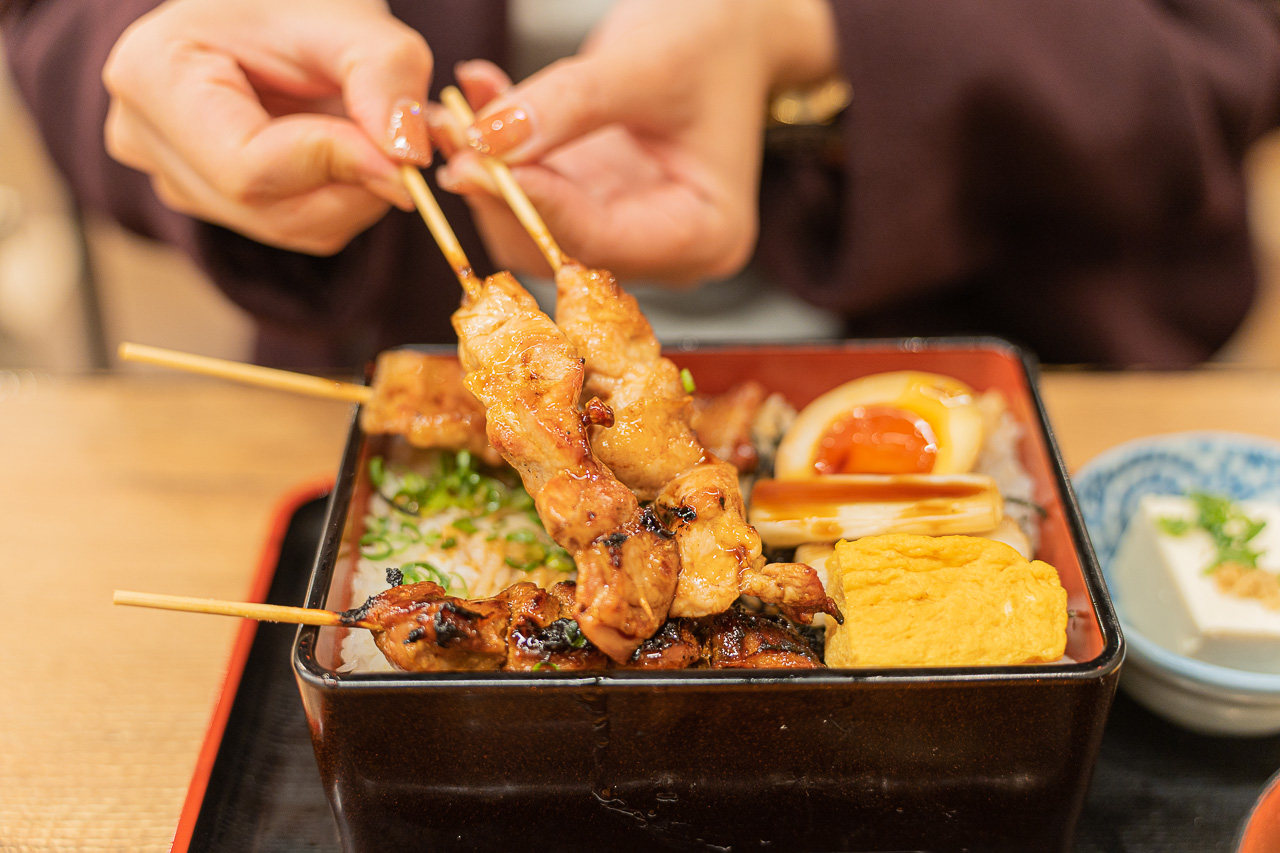
Chicken breast: surprisingly moist and delicious. Cooked like this, even someone who usually finds breast dry could enjoy it.

A pork skewer the source calls pork belly and then ‘tontoro.’ Those terms usually identify different cuts, so the precise cut is uncertain here. It was one of the popular additions alongside the chicken skewers.
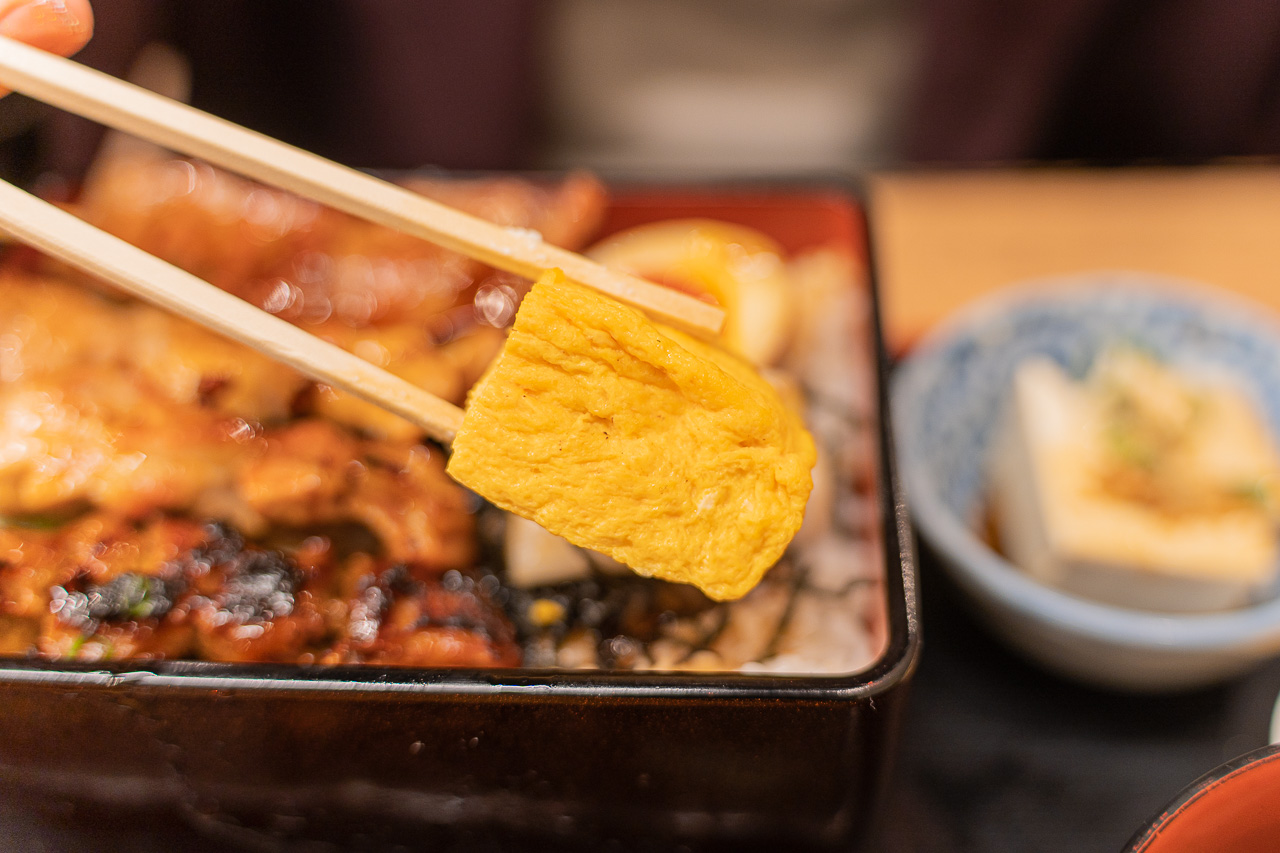
Japanese rolled omelet has a sweetness that differs from the Korean version and can divide opinion. Personally, I enjoy it.
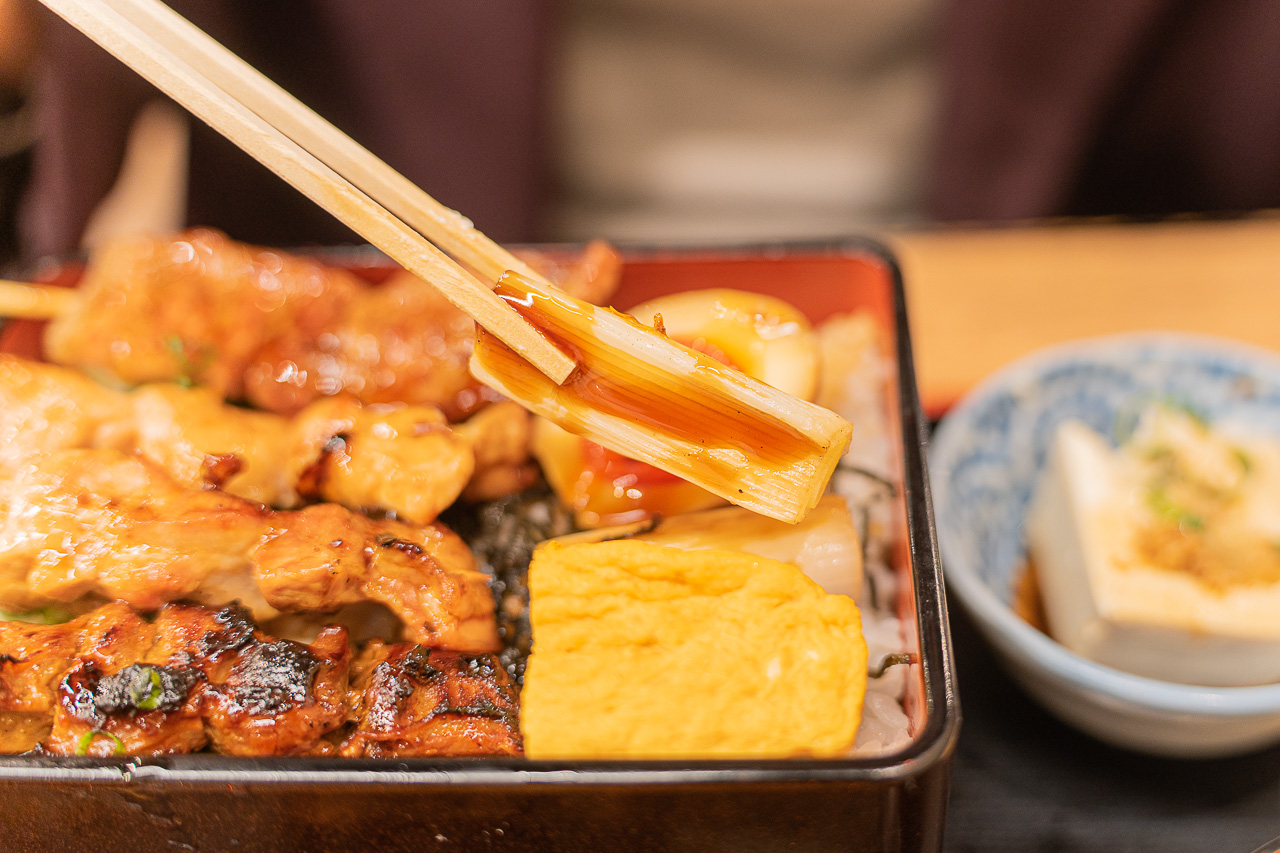
Grilled scallion. Negima (ねぎま) alternates chicken with scallion on the same skewer, sometimes reducing the amount of meat. Here the scallion comes separately, letting us enjoy that combination without giving up any chicken.
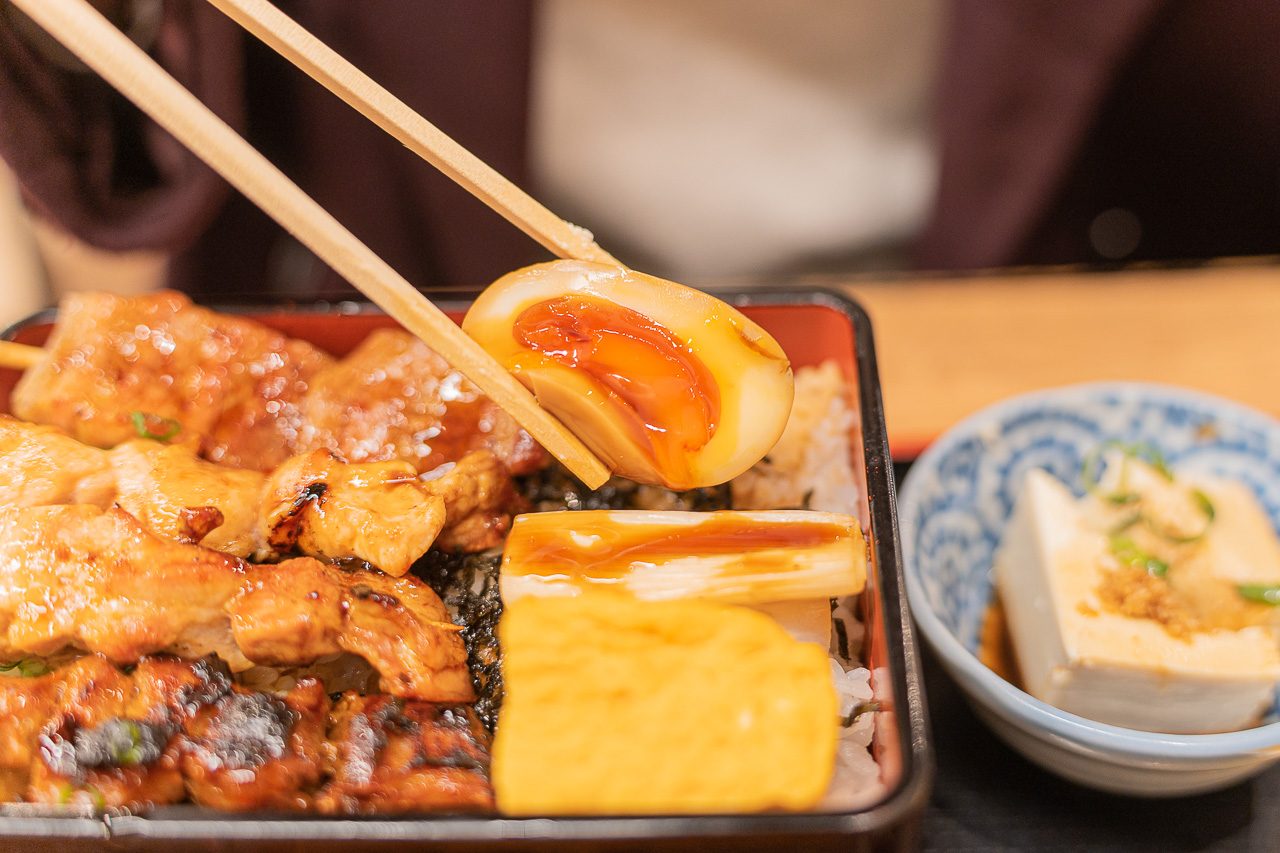
A soft-cooked egg with a flowing yolk, similar in spirit to a Korean seasoned egg.
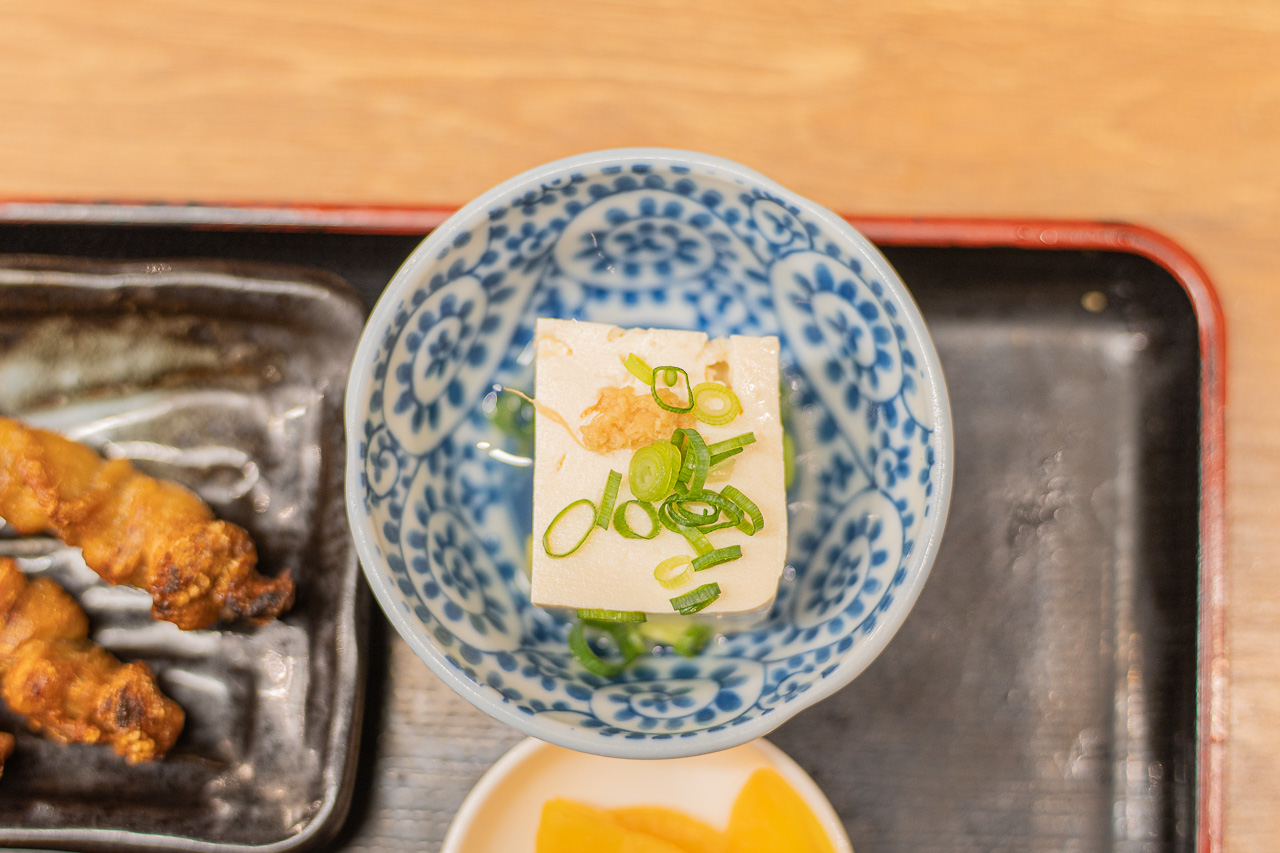
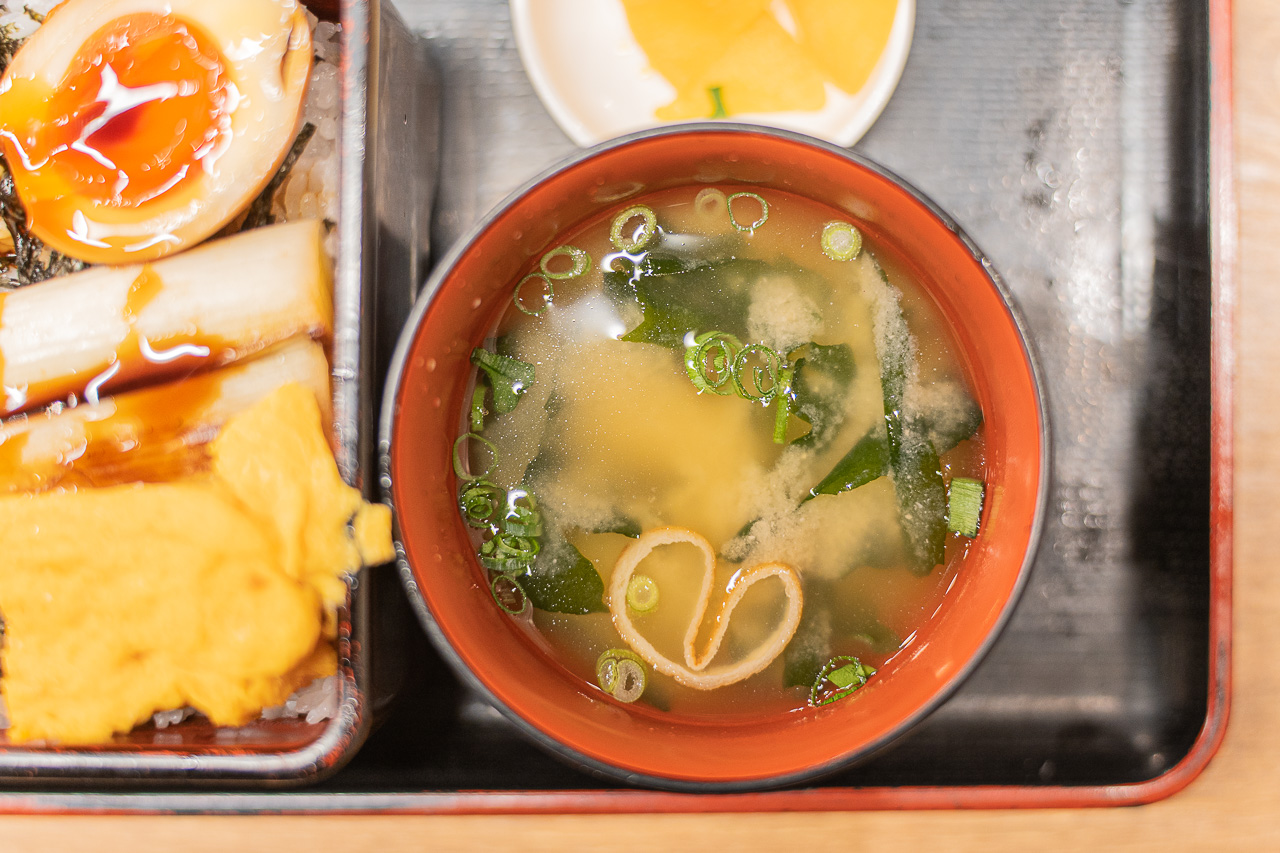
A small side dish and miso soup complete the set.
Takenoya offered tasty torikawa and yakitori at approachable prices: spiraled skin crisp outside and moist within, plus tender charcoal-grilled skewers. I would recommend considering it when visiting Tenjin or Hakata in Fukuoka.
Hakata Takenoya (博多 竹乃屋)
Takenoya, a Hakata izakaya founded in 1976: Hakata Guruguru Torikawa, charcoal-grilled chicken and Hakata gour… [Original linked title is truncated.]
November 29, 2022 — New menu: recommended winter dishes for 2022
www.umakamonya.com